
In today’s online landscape, content marketing and SEO are like the two sides of a coin—one can’t shine without the other. I remember trying to write a blog post without considering SEO. It was like baking a delicious cake but forgetting the sugar. Sure, it looked great, but who was coming back for more? SEO is the sugar that sweetens the content, making it visible and appealing to search engines and users alike. This article explores the intricacies of how SEO and content marketing work hand in hand. We’ll unpack on-page, off-page, and technical SEO, delve into the significance of backlinks, and share some personal stories along the way. So, grab a cup of coffee, sit back, and let’s unravel this captivating duo together. After all, who doesn’t want their content to get the attention it deserves?
Key Takeaways
- SEO and content marketing create a synergy essential for visibility.
- On-page, off-page, and technical SEO play vital roles in strategy.
- Backlinks are more than just links; they’re trust signals.
- User experience can make or break your SEO efforts.
- Always assess and adapt your strategies for effectiveness.
Next, we’re going to explore the beautiful dance between SEO and content marketing. You might think of them as a perfect couple at a wedding; one can’t shine without the other. Let’s unpack this fascinating relationship, shall we?
The Symbiotic Relationship of SEO and Content Marketing
SEO and content marketing are like peanut butter and jelly—highly enjoyable when combined! Think of it this way: SEO is the conveyor belt that brings your delicious content to the hungry public. But, just throwing it out there without care won’t do much.
Content marketing provides the flavor and substance, ensuring that the visitors keep coming back for more. It’s akin to throwing the best party without notifying anyone—it just won’t work out.
How SEO Boosts Content Visibility
Imagine spending hours crafting the most enlightening article only for it to gather dust on a forgotten shelf. SEO is here to change that. It acts like a megaphone, shouting from the rooftops, “Hey, look at this amazing content!”
Let’s look at a few ways this happens:
- Keyword research sharpens the focus of your content, determining what questions your audience actually has.
- Meta tags draw in curious clicks, like moths to a flame.
- Schema markup allows your work to shine in special spots on search results, almost like daylight savings for your rankings.
Ranking high isn’t just a nice bonus; it’s crucial. As recent data from a Backlinko study shows, nearly 54.4% of all clicks land on the top three results. Without SEO, your stellar content might as well be in a remote corner of the internet!
How Do SEO and Content Marketing Harmonize?
Think of SEO as a welcoming mat while content marketing keeps guests mingling. One invites folks in, and the other ensures they’re having such a good time they forget to leave. They’re both equally essential; without content, SEO’s just an empty room; without SEO, good content might as well be a treasure buried in the backyard.
How Content Drives SEO Success
Quality content is more than just filler; it’s the engine that powers your SEO. High-quality materials keep visitors glued to their screens, like binge-watching a fantastic show online. This interaction, in turn, sends a message to search engines saying, “Hey, our users love this; let’s boost it up!”
Consider content creation a continuous loop: SEO channels traffic your way, and superb content makes sure they stick around.
The SEO and Content Marketing Success Story
In our little corner of the digital universe, we witnessed firsthand how SEO and content marketing can team up like a dynamic duo! We revamped some older blog entries to ensure they better aligned with user interests.
Guess what? Within weeks, our stats skyrocketed—like watching a rocket launch! It was a vivid reminder that aligning SEO with focused content can transform performance dramatically!
Next, we are going to explore how to craft an effective SEO content marketing strategy that doesn’t require a crystal ball. Instead, we can use some practical steps that we can follow like baking a cake—without burning it, of course!
Building a Solid SEO Content Marketing Plan
Think of merging SEO and content marketing as cooking a delightful dish—it takes a bit of patience and a sprinkle of love. It’s not just about throwing random ingredients into a pot; it’s a well-thought-out recipe from start to finish.
Here’s how we can whip up that perfect strategy step by step:
1. Identifying Your Target Audience
First things first: who exactly are we trying to feed? Understanding our audience is like knowing how spicy to make your chili—it’s crucial!
Before we get lost in our keyword garden or content kitchen, it’s essential to pinpoint who is lurking at our virtual dinner table. We can ask ourselves:
- What industry are they in, and what roles do they play?
- What are their age ranges and interests?
- What challenges keep them up at night?
- Do they prefer searching through social media or diving into forums for answers?
The more clear our vision is of our ideal reader, the better we can cater to their appetites, aligning our content with what they’re desperately searching for. Tools like Google Analytics and Semrush can be our culinary companions here.
👉 Why this matters: If we know our audience, we can make sure every dish we serve meets their cravings and needs.
2. Uncovering Their Challenges
Now that we know who we’re talking to, let’s roll up our sleeves and uncover the problems our audience faces. This is akin to sifting through flour to find those pesky lumps!
With tools like Google Keyword Planner and Ahrefs, we can identify the keywords that resonate with our target group, highlight the demand, and figure out the topics they’re searching for the most.
👉 Why this matters: Knowing what troubles our audience allows us to address their needs directly, making our content that much more appealing.
3. Organizing Topics and Keywords
Next, we need to cluster our related keywords like a well-organized spice rack. Think of building a pillar page as creating a hearty base dish, while subpages might be like side dishes that complement it.
For instance, a pillar on Content Strategies could branch into related topics like Keyword Research or Content Calendar Planning.
This organization can also help us build confidence in our subject, leading to increased search visibility.
👉 Why this matters: It positions us as experts across the full spectrum, allowing us to tackle entire subjects rather than just focusing on single keywords.
4. Crafting Content for Intent
Let’s not forget about the intent behind those searches. We need to ensure our content aligns perfectly with what folks are hoping to find.
Consider these formats:
- If they want information → create guides and blogs.
- If they’re comparing options → develop comparison charts or case studies.
- If they’re ready to buy → put out product pages or demos.
👉 Why this matters: Tailoring content to specific intents boosts not just user engagement but also our chances of ranking well!
5. Amplifying Your Reach
Now that we have our content, it’s time to let it shine! We’ve got to push our creations out to the public. It’s like setting a lovely dinner table; we want to attract the guests!
Make sure to use channels where our audience hangs out. And remember, no piece of content is going to promote itself—so we need to sweat a little to get it noticed!
👉 Why this matters: Sharing high-quality content expands our reach and builds a potential path for backlinks, which is always a bonus.
6. Analyzing and Iterating
Finally, let’s take a good hard look at our previous efforts. Using tools like Google Analytics 4 and Search Console, we can evaluate our content’s performance and figure out what’s working and what might need a sprinkle of salt—or maybe a complete overhaul.
Keeping an eye on metrics lets us know when to refresh outdated posts or double down on our winners.
👉 Why this matters: This isn’t a one-and-done scenario; it’s a constant improvement endeavor to keep us at the top of the game!
Next, we’re going to explore the trio of SEO magic: on-page, off-page, and technical SEO. Just like a well-balanced meal, each part plays a crucial role in keeping your online presence wholesome and appealing.
Unpacking On-page, Off-page, and Technical SEO
SEO is like a three-part buddy system for websites. If one friend bails, the whole group suffers.
Let’s break it down:
On-page SEO is your content’s best friend, off-page SEO brings street cred, and technical SEO makes sure everything’s working like a well-oiled machine.
If your content is already climbing the ranks, kudos! But tweaking each part of this trio can take you even higher.
Key On-page SEO Focus Areas
On-page SEO involves everything that happens on your site. To optimize it like a pro, we need to pay attention to:
- Content quality and keywords: Your text should resonate with what people are looking for. Use the right terms naturally; tools like Semrush can help us find those hidden gems.
- HTML elements: Think of title tags and meta descriptions as your content’s first impression. Make them enticing!
- Internal linking: Connect the dots for visitors and search engines, guiding them through your content roadmap.
- Readability & UX: Shorter paragraphs and clear headings make for happier readers. It’s like upgrading from a Ford Pinto to a Tesla.
📌 Pro Tip: Conduct a content audit! It’s like spring cleaning, but for your website. You might discover some forgotten treasures or gaps to fill.
Off-page SEO Efforts that Really Matter
Off-page SEO is all about building credibility outside your site’s walls. Here’s what to focus on:
- Backlinks: Quality back links can make or break your ranking. Use tools like Moz to keep an eye on the good, the bad, and the spammy.
- Brand mentions: You don’t even need a link! The more people talk about you, the more authority you build.
- Social signals: Shares and likes might not directly boost rankings, but they broaden your audience, like opening up an all-you-can-eat buffet for new friends.
- Local SEO: Keep your business listing updated on Google Business Profile and other sites. Don’t let it collect dust!
💡 Pro Tip: Instead of link-hunting, create shareable content. Think guides or tools that naturally attract backlinks.
Technical SEO — Fine-tuning Your Site’s Inner Workings
Content won’t stand a chance if the technical side isn’t top-notch. We need to ensure:
- Crawlability: An XML sitemap is like a treasure map for search engines. Update it regularly so they don’t get lost.
- Site speed: Fast sites rank better. Use tools like PageSpeed Insights to ensure you’re not crawling like a tortoise!
- Core Web Vitals: Focus on optimizing LCP, FID, and CLS for a better user experience.
- Mobile-first indexing: Google’s got its magnifying glass focused on mobile versions first. Keep yours polished!
- HTTPS security: SSL certificates are the badges of honor for trust online.
- Structured data: Adding schema helps search engines get to know your content better, like being introduced to friends.
- Canonicalization: Use canonical tags to prevent duplicate content chaos.
💡 Pro Tip: Follow content guidelines and use tools like Slickplan’s Sitemap Builder to keep things neat. A well-structured sitemap is your website’s best friend.
| SEO Type | Description | Key Tools |
|---|---|---|
| On-page | Focuses on content quality, keywords, and structure | Semrush, Ahrefs |
| Off-page | Builds authority with backlinks and brand mentions | Moz, social media |
| Technical | Ensures efficient site performance and security | PageSpeed Insights, GTmetrix |
Now we are going to talk about the importance of backlinks and how they can help bolster your SEO strategy. It’s a bit like having a friendly nod from someone reputable at a party—you know, the one everyone listens to? Well, backlinks work just like that in the digital landscape.
The Importance of Backlinks
Imagine you’ve spent hours crafting the perfect piece of content. You’ve got bright ideas, clever anecdotes, and all the SEO bells and whistles in place.
Yet, without backlinks, it might just linger in the shadows like a wallflower at a dance party.
When sites with good reputations link back to you, it’s like they’re saying, “Hey, check this out!”
It’s all about gaining respect and trust in the wild world of searches. Here’s how high-quality backlinks can be beneficial:
- Boost domain authority and improve those pesky keyword rankings.
- Bring in traffic from sources that are already trusted.
- Enhance your brand’s visibility while establishing credibility.
But remember, friends, not all backlinks are created equal. Quality trumps quantity every time, kind of like how homemade cookies beat out store-bought every day of the week.
Creative Backlinking Techniques
Now, how do we rack up these glorious backlinks? It’s not always a walk in the park, but it can be done. Here are some tricks that might just come in handy:
- Craft exceptional content
It’s a tall order, but think along the lines of detailed guides or snazzy tools. These nuggets of wisdom don’t just attract attention—they naturally entice others to reference them. Just take a look at platforms like Backlinko for inspiration. - Write guest posts
When you pen an article for a reputable blog, you not only flaunt your expertise but also snag a contextual backlink. - Try your hand at Digital PR
Pitch content to journalists or websites that focus on resource curation. If you’ve got a killer template, reach out to sites that highlight tools in your niche. - Engage in broken link building
Tools like Ahrefs can help you identify dead links on relevant sites. Reach out and suggest your content as an alternative—a win-win!
Backlinking Bloopers to Avoid
- Stay away from shady domains: Associating with spammy sites can hurt more than help—like a bad haircut.
- Natural anchor text is key: Don’t overdo the optimization; keep your anchor text a pleasant mix.
- Forget about link schemes: Buying or excessively trading links can earn you penalties, and it’s just not worth the risk.
💡 Insider Tip: Forge genuine relationships rather than just seeking links. Connecting with industry peers often leads to authentic opportunities for linking down the line.
Now we are going to talk about the link between user experience and SEO in content marketing. It’s almost like peanut butter and jelly; one just isn’t as tasty without the other.
Boosting user experience for better SEO results
The straight-up truth is that search engines favor websites that visitors enjoy. If we’re not making it easy for our users, we might as well be tossing breadcrumbs into a black hole.
When folks land on a site and can’t figure out where to go next, it’s time for a panic button, and we don’t need that kind of stress. A solid user experience cranks up engagement, keeps those pesky bounce rates in check, and gives search engines a thumbs-up to boost visibility. Think of it like giving your favorite jeans a good wash; they just fit better.
Essential factors for user experience and SEO
- Site speed and performance: Nobody wants to watch paint dry. A slow-loading page is like a bad first date; you just want to leave. Even a 1-second delay can lead to a noticeable spike in bounce rates.
- Mobile optimization: With most people glued to their phones, a site that doesn’t play nicely on mobile is like bringing a horse to a car race. It’s just not going to work out.
- Navigation and structure: Clear menus and organized layouts help users (and search engines) find what they need. Tools like Sitemap Builders can be lifesavers, turning confusion into clarity.
- Accessibility: Think of alt text and ARIA labels as the nice folks who hold the door open. They let everyone in, which means more eyes on your content!
- Content readability: Short paragraphs and simple language keep readers engaged, letting them digest important info without feeling like they’re reading a tax document.
Creating content for users
At the end of the day, it all circles back to our audience. UX- and SEO-friendly content not only addresses questions but speaks the language of our readers, ditching the fluff like an awkward party guest.
To be truly effective, our content has to feel personal. So, what does this look like in action?
- A video that guides someone through a task, like needing help cooking a soufflé without setting off the smoke alarm.
- A step-by-step guide that breaks down complicated concepts—hey, we’re not at an amateur magic show here.
- A case study detailing real-world experiences, complete with lessons learned (and hopefully, some laughs).
- An interactive template or checklist that zips through tasks, making life smoother for our readers.
So, make sure your content answers real questions and becomes the handy toolbox your audience never knew they needed.
💡 Tip: Try experiencing your content as a user. Does it load in a flash? Can readers find what they’re looking for without a treasure map? If not, time to spruce it up!
Now we are going to talk about how to evaluate the effectiveness of our SEO and content marketing strategies. This topic is crucial, yet many businesses seem to treat it like a forgotten sock in the laundry—left behind and out of sight!
Assessing Effectiveness of SEO and Content Marketing
Feedback is like a GPS. Without it, we might just end up driving in circles, which is not the most efficient use of our time, right?
To really get a grasp on whether our strategies are hitting the mark, we should keep an eye on those all-important performance indicators (KPIs).
After all, making informed decisions can really boost our content quality and help us rise in search rankings.
Essential SEO and Content Metrics
How do we know if our efforts are actually paying off? When we measure our SEO and content marketing results, we can easily spot our strengths, identify our weaknesses, and determine where to invest more energy.
Let’s be honest, without data, we’re like chefs trying to cook without a recipe—just sprinkling ingredients and hoping for the best!
- Organic traffic: This tells us how many visitors are flowing to our website from search engines. Tools like Google Analytics have our back here.
- Click-through rate (CTR): Are our titles and meta descriptions grabbing attention? CTR tells us exactly that, thanks to tools like Google Search Console.
- Dwell time and bounce rate: These metrics tell us how engaged visitors are with our content. Platforms like GA4 and Hotjar help clarify these patterns.
- Keyword rankings: This tracks where our important terms stand on search engine results pages. With tools like Semrush and Ahrefs, we can keep an eye on our progress.
- Conversions: Are people taking action like signing up or downloading content? Conversion tools such as HubSpot and Salesforce measure this essential metric.
- Cost per acquisition (CPA): This shows how much cash we’re shelling out to acquire a single lead through our organic efforts.
- Lifetime value (LTV): This reveals the yay or nay on how much revenue we can expect from our organic leads over time.
Snapshot of Analysis Tools
| What to Measure | Tools to Use |
|---|---|
| Organic traffic | Google Analytics 4, Search Console |
| Keyword rankings | Semrush, Ahrefs |
| Technical health | Screaming Frog, Sitebulb |
| Engagement signals | GA4, Hotjar |
| Conversions | GA4, HubSpot, Salesforce |
Regular Content Revisions
Keeping track of our website’s content is like maintaining a car—ignore it long enough, and we’ll be stuck on the side of the road! Regular reviews ensure our content is fresh, valuable, and keeps us visible online.
You’ve probably heard of “Always Be Closing” in sales; for content, we should focus on “Always Be Optimizing.” It’s a never-ending circle of improving our offerings.
As we look through our content, here are a few key areas to focus on:
- Outdated content: Revamp old statistics, switch out screenshots, and spice things up with current insights.
- Thin or duplicate pages: Combine these into more substantial resources. No one likes redundancy—unless it’s a good sitcom, right?
- Top performers: Enhance successful content into wider topic clusters. More pages mean more chances to attract traffic.
- Content gaps: Take a peek at what competitors are doing and identify topics we might be missing or unique angles to explore.
Calculating ROI on Content Strategies
Calculating the costs related to our marketing strategy can feel like trying to decipher a toddler’s crayon drawing.
Everyone’s budgets are different, based on needs and audience, but we can’t skip measuring our return on investment (ROI).
Here’s the simple formula we can use:
ROI = ((Value of conversions from organic traffic – Cost of content and SEO) ÷ Cost of content and SEO)) x 100
For instance, if we throw $5,000 into crafting some blog posts, and those posts pull in 20 leads worth $500 each—totaling $10,000—our ROI jumps to 100%! Not too shabby, right?
Don’t forget—organic ROI often grows over time as our quality content continues to work its magic.
💡 Pro Tip: Instead of fixating on raw traffic numbers that may feel impressive, let’s concentrate on metrics that showcase conversions—like sign-ups, purchases, and all those other actions that really add up!
Now we are going to chat about the hurdles we face in SEO and content marketing. Spoiler alert: it’s a bit like a rollercoaster, but without the snack bar. Trust us, navigating this landscape can be trickier than assembling IKEA furniture without the manual.
Facing the Realities of SEO and Content Marketing
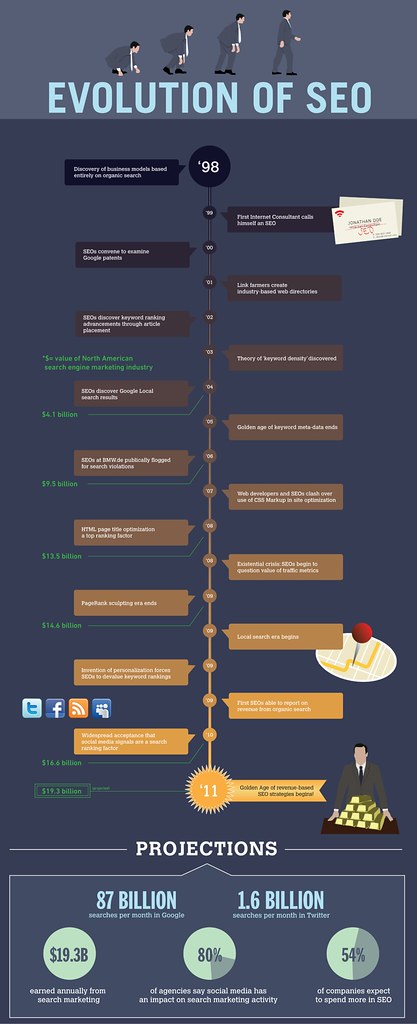
A solid strategy? It’s a game of chess against an ever-wily opponent filled with surprises.
We’ve all seen it: competitors jockeying for position, algorithms pulling their best Houdini acts, and user expectations changing like the weather in April. Getting a grip on these challenges is essential; otherwise, you’ll find your strategy stuck in the mud.
Rolling with Algorithm Punches
Did you know Google cranks out thousands of algorithm changes each year? That’s a lot of changes. Some patches are like a gentle breeze, while others hit like a freight train. Just last year, they threw us all a curveball with the introduction of E-E-A-T—adding “experience” to the existing expertise, authoritativeness, and trustworthiness.
It’s enough to make anyone wonder if they signed up for a marketing class or a game of whack-a-mole!
Finding the Sweet Spot Between Optimization and Authenticity
Optimizing is essential, but if you’re all about numbers and neglect the heart of your content, ranking high might feel like chasing your own tail.
We’ve all stumbled across articles that are as dry as toast—technically perfect yet devoid of genuine voice. To really shine, mix that solid SEO with the kind of content that’s not just informative but resonates with real folks. Think of it as a good recipe: you need both the spice and the main dish.
Keeping Up with the Joneses
If you’ve spotted a juicy content gap, guess what? So have others. That’s why we can’t slack off on those regular content audits. Update old posts, dabble in new media like videos, and experiment with interactive formats. Think of it as giving your website a fresh coat of paint every once in a while—it’s vital for staying appealing.
Staying in Tune with User Behavior
User behavior shifts faster than our favorite sitcoms get canceled. From voice searches that sound like mini-rants to mobile browsing that invites instant gratification, we must adapt.
Making your content accessible and user-friendly is no longer optional; it’s the new norm. Everyone deserves to engage with your content, don’t you think?
| Challenge | Action Required |
|---|---|
| Algorithm Updates | Stay informed and adapt quickly |
| Optimization vs. Authenticity | Create engaging, original content |
| Competitor Strategies | Regular audits and content updates |
| Changing User Behaviors | Ensure accessibility and responsive design |
Now we are going to talk about the latest forces reshaping SEO and content marketing strategies. Buckle up, because the landscape is shifting like a jigsaw puzzle with a couple of important pieces missing!
Forces Shaping SEO and Content Marketing
SEO and content marketing? Oh, they’re like two friends who are always changing the game for each other. Just when you think you’ve got it all figured out, boom—new trends pop up and change the rules! Keeping up with these shifts is crucial for staying effective.
Experience and Credibility
Google recently decided to spice things up with a little tweak from E-A-T (Expertise, Authoritativeness, Trustworthiness) to E-E-A-T (yep, they added Experience). This means we need to flex our content muscles a bit more.
It’s not merely about writing that captivating blog post anymore. We need to show that we’ve been there, done that. Here’s how:
- Feature bylines that highlight real credentials.
- Share personal case studies or experiences. We all love a good story, right? 😉
- Link to credible sources—think of it as giving high fives to other trustworthy voices.
Answer-First Search
Remember when search results used to just be ten blue links? How quaint! Now, with voice assistants and AI summarizing information faster than you can say “Google it,” we have to opt for an answer-first approach.
To make our content soar in this brave new world, let’s:
- Organize with clear headings and FAQ sections—nobody likes digging for information!
- Add schema markup because, let’s face it, the more info we provide, the better.
- Craft concise answers to popular questions—short and snappy is the name of the game.
Inclusive Design and Accessibility
Accessibility isn’t just a trend; it’s practically a necessity. Everyone deserves to access information, and guess what? Search engines are starting to reward it!
By including practices like alt text for images and ARIA labels, not only do we improve usability, but we also cast a wider net for our content marketing efforts.
AI and Changing User Habits
AI tools are shaking things up in how we create and consume content. Users are asking lengthy, chatty questions and anticipating swift, relevant answers. Those of us who can mix a dash of human insight with AI wizardry are riding the wave of success!
Video and Search Results
Let’s not forget the video revolution—YouTube is the second largest search engine! Google is increasingly prioritizing video content in search results.
That means if we aren’t thinking video, we might as well be wearing our socks with sandals—totally behind the times! Make sure to optimize titles, descriptions, and even provide transcripts to ensure our video content ranks well.
Now we’re going to chat about how content marketing and SEO are like the peanut butter and jelly of the online world. They just belong together, right? Who doesn’t love a good sandwich? Let’s dig into the juicy details.
Content Marketing and SEO: The Dynamic Duo Boosting Your Online Presence
Think of content marketing and SEO working together like a well-rehearsed comedy duo. One brings the punchlines, while the other sets the stage for laughs.
When SEO works its magic, it makes your content more discoverable.
And trust us, we all want those clicks!
On the flip side, when you crank out high-quality content, you’re not just showcasing your wit; you’re also boosting SEO. Engaging your audience leads to longer time spent on-page, more backlinks, and let’s be honest, a lot more love from search engines.
This mutual cheerleading makes both strategies stronger.
You know how caffeine makes your morning better?
That’s how these two work together to boost performance, visibility, and attract those oh-so-important customers!
Let’s break it down, shall we? Here are a few ways they support each other:
- SEO Optimizes Content Discovery: By incorporating the right keywords, your content shines brighter in search results.
- Engaging Content Invites Interaction: The more your visitors enjoy your content, the better they engage and share.
- Quality Content Generates Backlinks: Other sites will link to your fabulous material, giving you a gold star from search engines.
- Improved User Experience: Good content keeps readers on your page longer, which search engines love!
- Drives Targeted Traffic: Those who click through are genuinely interested in what you offer.
When we’re weaving these two strategies together, it’s like crafting a plush, cozy blanket that keeps your online presence warm in the chilly world of the internet.
We all know it’s a wild ride out there with trends shifting faster than a squirrel on espresso!
So, if you’re feeling a bit overwhelmed by the thought of aligning these strategies, don’t fret.
Instead of facing down the idea of yet another strategy session (we’ve all been there!), consider tools that simplify the process.
After all, standing out in the digital landscape doesn’t have to be rocket science.
Just like choosing between cats and dogs, your audience will resonate more with content that speaks directly to them.
Remember, collaboration is key, turning your website into a beacon for those looking for what you offer.
So grab your metaphorical toolbox and let’s get to work!
Now we are going to talk about some common inquiries folks often have.
Common Questions We All Wonder About
| Question | Answer |
|---|---|
| What is the best way to stay informed? | Follow reliable news sources and podcasts that resonate with your interests. |
| How often should we check for updates? | Daily, but set limits to avoid information overload. |
| Are there any tools that help with organization? | Absolutely! Consider using apps like Trello or Notion to keep track. |
- Stay curious! Keep asking questions.
- Look out for diverse sources to broaden perspectives.
- Don’t forget the value of discussions with friends; they can unveil fresh insights.
It’s fascinating how the questions we ask mirror our lives.
For instance, remember that time someone asked a seemingly simple question at a dinner party? Suddenly, the table erupted into a lively debate about the best pizza toppings. It was humorous yet enlightening.
Being “informed” seems simple but can feel more like negotiating a crowded subway sometimes. So, learning and sharing, just like pizza toppings, can lead to unexpected joy.
Curiosity fuels conversations! Wouldn’t it be nice if we could transfer that energy into every interaction?
Maybe we could even crack the code on how to actually fold fitted sheets without losing all our sanity.
Just like discussions can set the tone of a gathering, knowing where to get your news can shape your outlook on life.
If we can stay engaged and share our experiences, then we’re halfway to being the insightful friends everyone turns to for advice.
So let’s keep those questions rolling and embrace the art of learning together. Who knew curiosity could be such a connector?
So, let’s continue to ask, share, and grow. After all, the best conversations often begin with a simple question!
Conclusion
By blending SEO with content marketing, you’ll not only boost your online presence but also forge lasting connections with your audience. The insights shared here serve as essential tools in creating an effective strategy. As we’ve seen, learning to balance these components can feel like walking a tightrope, but with practice, it’s a rewarding feat. So, whether you’re strategizing your next piece of content or assessing your current performance, embrace this symbiosis. Make sure to keep those backlinks strong and your user experience delightful. Everyone deserves a slice of the online pie, so let your content shine!
FAQ
- What is the relationship between SEO and content marketing?
SEO and content marketing work together like a perfect couple, with SEO enhancing content visibility and content providing value that keeps visitors engaged. - Why is keyword research important for SEO?
Keyword research helps sharpen the focus of your content by determining what questions your audience is actively asking. - What role do backlinks play in SEO?
Backlinks boost your domain authority and improve keyword rankings by signaling trust and credibility from other reputable sites. - How can user experience impact SEO?
A solid user experience increases engagement and decreases bounce rates, which search engines favor when ranking your site. - What tools can help analyze SEO and content performance?
Tools like Google Analytics, Semrush, Ahrefs, and Google Search Console are effective for tracking key performance metrics. - What are some essential factors for enhancing user experience?
Key factors include site speed, mobile optimization, clear navigation, accessibility, and content readability. - What should you do with outdated or low-performing content?
You should regularly revise these posts by updating information, combining them into more substantial resources, or enhancing successful content. - What type of content aligns with user intent?
You should tailor content formats to the searcher’s intent, such as creating guides for informational queries and product pages for buying intents. - How can you amplify content reach?
Promote content through social media and other channels where your audience engages to expand visibility and potential backlinks. - What are common pitfalls to avoid in backlinking?
Avoid shady domains, over-optimizing anchor text, and participating in link schemes, which can result in penalties.