
Website Privacy and Cookie Checklist for Malta Businesses
A practical Malta-focused checklist covering personal data, forms, cookies, consent, suppliers, retention, security and ongoing website review.

Domain Name Checklist for Malta Businesses
A practical guide to choosing, registering and controlling a business domain in Malta, including ownership, renewals, DNS, email and migration planning.

Google Search Console Setup Checklist for Malta Businesses
A practical setup and ownership checklist for Malta businesses covering properties, verification, permissions, sitemaps, indexing checks and ongoing monitoring.

SEO Keyword Research for Malta Businesses: A Practical Guide
A practical process for turning services, customer language, search data and local intent into a prioritised keyword-to-page map without creating duplicate content.

How to Choose an Ecommerce Platform in Malta: A Buyer’s Checklist
A practical requirements checklist for Malta businesses comparing ecommerce platforms, payments, tax, delivery, integrations, ownership, security and growth.

Google Ads Agency Onboarding Checklist for Malta Businesses
A practical onboarding checklist covering account access, business goals, conversion measurement, budgets, approvals, billing, compliance and reporting.

What Should a Social Media Report Include? A Malta Business Checklist
A practical checklist for Malta businesses to assess social media delivery, audience quality, website activity, leads, paid results and next actions.

SEO Content Brief Checklist for Malta Businesses
A practical SEO content brief checklist covering audience, intent, evidence, expertise, structure, links, approvals, publication and maintenance.

Website Testing Checklist for Malta Businesses Before Launch
A practical pre-launch testing checklist for Malta businesses covering customer journeys, forms, mobile devices, accessibility, SEO, analytics and sign-off.

Website Development Contract Checklist for Malta Businesses
A practical checklist for Malta businesses reviewing website-development scope, ownership, milestones, privacy, support and exit terms before signing.

Multilingual Website Checklist for Malta Businesses
A practical checklist for Malta businesses planning multilingual website content, translation, URL structure, hreflang, accessibility and maintenance.

How to Choose an AI Automation Provider in Malta: Due-Diligence Checklist
A practical due-diligence checklist for Malta businesses reviewing AI automation providers, data handling, oversight, testing, monitoring and ownership.

LinkedIn Lead Generation for B2B: The 2026 Playbook
Build A Measurable Lead Engine
LinkedIn lead generation works best as a coordinated process, not a stream of connection requests. Start by identifying business buyers who fit your offer, then earn their attention with relevant content, capture signs of interest, qualify prospects and give sales a clear path to follow up. Each step should support the next, so marketing activity can be judged by the opportunities it helps create.
The platform can help B2B firms research professional audiences, build credibility and begin relationships, but it cannot guarantee leads or replace evidence about where buyers actually spend time. Before committing budget or staff hours, check whether your target decision-makers use LinkedIn for work and whether relationship-based outreach makes sense for your sales process. Digital Consulting Pros applies a buyer-persona approach across its B2B marketing and lead-generation services, connecting audience selection with practical campaign execution.
For SMEs and startups, the practical aim is to connect audience fit, useful content, targeted advertising and timely follow-up, then measure whether those activities produce qualified conversations and pipeline. A campaign that attracts attention but does not lead to relevant enquiries needs a different audience, offer or next step. Digital Consulting Pros also provides AI-driven prospecting and nurturing through its proprietary DCP Lead Generator™, alongside broader digital marketing services, to help address fragmented lead-generation work.
Start With Buyer And Market Fit

Build your ideal customer profile from patterns in current customers and leads that became real opportunities. Look for shared traits such as industry, company size, location, business needs, and the roles involved in choosing a provider. Turn those patterns into buyer personas that capture each person’s priorities and influence, from a hands-on evaluator to a budget owner.
Digital Consulting Pros uses a buyer-persona approach across its B2B lead generation work, helping campaigns focus on prospects whose needs align with the service offered. Treat these profiles as working hypotheses, not permanent labels. Compare them with sales conversations and closed-won customers, then revise them when the evidence changes.
Before making LinkedIn a primary channel, check whether your intended buyers use it professionally and engage often enough to be reachable. Activity can vary by sector. Some construction, manufacturing, field-services, and traditional small-business audiences may be less active, so LinkedIn may work better as a supporting channel alongside email, search, or other outreach.
Set qualification rules with sales before launch. A content interaction shows interest, but it does not necessarily signal buying intent. Distinguish people who engage with a post, submit their details, meet your fit criteria, or show readiness for a sales conversation. Also agree on what evidence makes a lead ready for handoff, so marketing and sales apply the same standard.
Judge performance by fit and opportunity potential, not by lead count alone. A smaller group of relevant prospects can be more valuable than a large list of contacts with no matching need, authority, or realistic path to purchase. Track which audience traits lead to productive conversations, and use those findings to refine your profile and targeting.
Map Accounts And Buying Committees

Once you know which buyers fit, shift from building a broad contact list to choosing named companies worth pursuing. Map the people who shape or approve a purchase at each account, so your campaign does not depend on one executive contact. Digital Consulting Pros uses a buyer-persona approach to focus B2B lead generation on relevant prospects rather than raw contact volume.
In LinkedIn Sales Navigator, Personas and saved account lists help organize the search around your intended buyers and target companies. Advanced Lead Search can narrow results by function, seniority, title, company, headcount, and region. Boolean operators such as AND, OR, and NOT, along with quotation marks for exact phrases, can refine searches when job titles vary.
Build the map across functions and levels, not just the most senior titles. Depending on the purchase, IT may assess technical fit, Finance may review budget, and Operations or Business Development may evaluate day-to-day value. Accounting can also influence approval. Researchers and potential internal champions may shape the shortlist before a formal decision-maker gets involved.
Save several relevant leads at each company, then monitor role changes and account activity. Sales Navigator can surface job changes, shared connections, and other research context, but it does not provide work email addresses or direct-dial phone numbers. Digital Consulting Pros pairs targeted prospecting with AI-driven lead-generation tools and B2B appointment setting, helping businesses connect identification work to follow-up.
Mutual connections, TeamLink, or shared experiences may reveal a path to a warm introduction. Treat that path as an opening for a specific, relevant introduction, not as a promise of a reply. A useful account map gives marketing and sales a shared view of who matters, what each person may need, and where a genuine conversation can begin.
For practical guidance on coordinating outreach and follow-up, see DCP’s approach to nurturing B2B leads.
Make Profiles Earn Buyer Confidence
Before replying to a message or submitting a form, a prospect may check who is contacting them. Treat personal and company profiles as part of the conversion journey: they should confirm relevance and make the next step easy, not read like static biographies.
Lead a personal headline with the business problem you solve and the buyers you help. Use the About section to explain your approach in plain language, then support it with relevant experience, recommendations, and Featured links to practical resources or a booking option. Digital Consulting Pros pairs its personalised buyer-persona approach with services such as B2B appointment setting and AI-driven lead generation, giving its team specific expertise to describe rather than relying on broad claims.
Keep the company page complete and consistent with the promise in your ads, posts, and outreach. If a campaign offers a guide, link to that resource; if it invites prospects to discuss a business challenge, provide a clear booking route. Digital Consulting Pros also offers website design and content creation, services that can help align the destination page with the message a prospect sees on LinkedIn.
Use concrete examples and customer-relevant outcomes where you can substantiate them. A polished profile can build confidence, but it does not guarantee leads on its own; targeting, offer quality, and follow-up still determine whether interest becomes a qualified opportunity.
Publish Useful Content Before The Pitch
Useful LinkedIn content gives a prospect a reason to pay attention before you ask for a meeting. Share practical perspectives, frameworks, lessons from client work, and data-backed resources that help buyers understand a problem. Product announcements can have a place, but a feed dominated by them offers little help to someone still researching.
Match each resource to what the buyer needs at that point in the journey. An article can explain a challenge, while a checklist, calculator, report, or webinar can help someone assess options or plan next steps. LinkedIn’s marketing guide cites research that buyers consume 7 to 10 pieces of content before choosing a provider, so treat publishing as support for an ongoing decision, not a shortcut to an immediate sale. Read the LinkedIn lead-generation guide for its discussion of content and buyer journeys.
Consistency matters more than bursts of activity. Set a realistic publishing and engagement routine, and invite executives, subject specialists, and employees to share useful perspectives in their own voices. Employee advocacy can introduce content to professional networks beyond the company page, but participation should feel genuine rather than scripted. Digital Consulting Pros pairs content creation with social media management, helping businesses keep useful material in circulation.
When you follow up, refer to something specific and true, such as a prospect’s recent post, role, company development, or stated challenge. That context makes a message relevant; a name inserted into a generic pitch does not. Digital Consulting Pros’ persona-led approach can help connect content and outreach to the buyer’s actual needs, rather than relying on obvious automated personalisation.
Time Outreach Around Real Buying Signals
A relevant trigger gives outreach a clear reason to happen now. Watch for funding announcements, leadership changes, expansion, sustained hiring in a relevant team, or an executive discussing a challenge your service addresses. Digital Consulting Pros uses buyer-persona research to keep prospecting focused on business needs, rather than sending the same message to a broad list.
A newly appointed senior leader can be a useful timing signal. The first 90 days may bring reviews of vendors, systems, or team priorities, but a job change does not mean a purchase is planned. Treat it as a reason to learn about the leader’s remit and priorities, not as proof of intent.
Make the first message specific and low-pressure
Keep a LinkedIn connection request within the platform’s 300-character limit. Refer to a genuine detail, such as a recent post or company announcement, and briefly explain why connecting makes sense. Do not turn the request into a pitch. A short, relevant note gives the recipient context without asking them to make a buying decision immediately.
After the person accepts, continue with a concise question or observation tied to their role and the signal that prompted your outreach. Listen for whether the issue is active before suggesting a next step. LinkedIn can start the relationship; when a prospect is qualified and it suits their preferences, continue the discussion through verified work email or phone.
If there is no reply after three or four LinkedIn touches, change channels instead of sending more messages. Avoid excessive automation and repeated follow-ups that add no new value. Digital Consulting Pros combines prospecting with email marketing and B2B appointment setting, giving businesses options for continuing a relevant conversation beyond a LinkedIn inbox.
Use Paid Ads To Reach Defined Audiences
Paid campaigns can extend useful organic content beyond the people who already follow your company. LinkedIn Ads can target professional attributes such as job function, seniority, industry, skills, company, and job title, helping you focus spend on buyers who fit your audience rather than a broad, untargeted group.
Start with buyer personas based on the customers and leads most likely to become qualified opportunities. Test combinations of role, industry, and company criteria, but keep the audience large enough for a campaign to deliver. Matched Audiences can also reach selected companies from account lists, people on existing contact lists, or previous website visitors.
Choose the ad format and offer to match the campaign’s purpose. Sponsored Content can put a practical resource in the feed; Sponsored Messaging can invite a selected audience to an event or share a useful asset; Text Ads provide a simpler self-service option; and Carousel Ads can explain a solution across several panels.
The offer should fit the prospect’s readiness. Someone early in research may respond more readily to a webinar, case study, report, or practical framework than to a request for a sales meeting. Digital Consulting Pros combines LinkedIn advertising with content creation and lead-generation services, allowing campaign offers to connect with follow-up rather than operate as isolated ads.
Assess results against qualified leads and sales opportunities, not just clicks or form submissions. Platform-reported performance comparisons and individual campaign case studies are examples, not forecasts. Actual outcomes depend on the audience, offer, creative, budget, and measurement approach.
For a more coordinated plan, Digital Consulting Pros can pair paid activity with its buyer-persona approach and AI-driven lead generation tools, including the DCP Lead Generator™. That makes it easier to connect audience selection and campaign response with the wider process of qualifying and nurturing prospects.
Reduce Friction At The Conversion Point
When an ad earns a prospect’s attention, the next step should be simple. LinkedIn Lead Gen Forms appear within paid campaigns and can prefill fields with information from a member’s profile, reducing the work needed to respond. The form feature does not carry a separate fee; advertisers pay for the campaign.
Ask only for details that help qualify the lead and support follow-up. Guidance from LinkedIn recommends keeping forms to roughly three or four fields. For B2B offers, company information may be worth requesting if it helps your team assess whether the organisation fits your target market. Avoid adding fields simply because the platform makes them available.
Make the exchange clear: explain what the prospect will receive, and ensure the form description matches the ad’s promise. After submission, confirm what happens next, such as when to expect the resource or how to book a conversation. A useful confirmation keeps the experience coherent rather than leaving the prospect unsure.
Send submissions into a CRM or marketing automation workflow so they reach the right owner for timely follow-up. Where appropriate, enrich records with verified contact details and firmographic information, and record the source and offer that generated the lead. Digital Consulting Pros’ lead-generation work combines campaign activity with qualification and nurturing, helping businesses connect form responses to sales follow-up.
LinkedIn reports that Lead Gen Forms can outperform external landing-page forms and standard Sponsored Content in its comparisons, but those results are not a forecast for every campaign. Test form length, offer, audience and follow-up process, then judge performance by qualified opportunities rather than submissions alone. Digital Consulting Pros can also support this process through its AI-driven lead-generation tools and ROI-focused campaign approach.
Nurture Prospects Across The Journey
A form submission signals interest, not necessarily readiness to buy. Follow up with what you promised, then choose the next step based on the prospect’s behavior: share a useful resource, offer a relevant conversation, or give them time to continue researching. Digital Consulting Pros builds lead generation and nurturing around buyer personas, so follow-up can address a prospect’s needs rather than defaulting to the same sales pitch.
Retargeting can keep your offer visible as prospects research. The LinkedIn Insight Tag can track website visits for audience building, while Matched Audiences can reach people who visited your site or engaged with campaigns. Use shorter audience windows for visitors to high-intent pages and longer windows for people whose activity shows lighter interest. For example, show product information to product-page visitors and educational content to people who read broader resources.
Set exclusions to avoid spending on people who no longer need the campaign, such as current customers or active opportunities. Coordinate LinkedIn ads with email, phone and useful website content so a prospect can continue the conversation through an appropriate channel. Digital Consulting Pros also offers email marketing and B2B appointment setting, which can support follow-up beyond a LinkedIn campaign.
Agree on the marketing-to-sales handoff before launching. Define what qualifies a lead for direct outreach, who owns follow-up, what information must be recorded in the CRM, and how less-ready prospects remain in nurture. This prevents interested contacts from being treated as sales-ready simply because they completed a form, while giving sales a clearer reason and context for reaching out.
Measure Pipeline And Improve Campaigns

A high connection acceptance rate can look encouraging, but it does not show whether LinkedIn is creating sales opportunities. Track replies, conversations that turn into meetings, qualified leads and opportunities added to the CRM. Digital Consulting Pros’ ROI-focused approach connects marketing activity to qualified sales opportunities, rather than treating attention as the end result.
For paid campaigns, review conversion rate, cost per lead and lead quality alongside clicks and engagement. Where available, conversion tracking can include both post-click and post-view activity, giving a broader picture of how ads contribute to actions. Compare these results with other channels, while accounting for differences in audience, offer and campaign setup.
Agree on what counts as progress
Work with sales to define a qualified lead and agree how pipeline will be attributed. Then check whether submitted leads progress to conversations, opportunities and revenue. A CRM helps reveal where prospects drop out, which audiences produce better-fit opportunities and whether follow-up needs attention. DCP’s lead generation services combine campaign activity with prospect qualification and nurturing, supporting a clearer view of the path from inquiry to sales conversation.
Improve campaigns through controlled tests of audience criteria, creative, offers and forms. Change one element at a time where practical, review results regularly and use conversion and lead-quality evidence to guide budget decisions. Platform benchmarks can provide context, but they are not universal targets. The useful comparison is whether a campaign is producing stronger opportunities for your business over time.
Keep The Playbook Practical And Compliant
A practical LinkedIn programme connects several steps: define the audience and target accounts, prepare credible profiles and useful content, coordinate organic posts with paid campaigns, capture and qualify interest, then follow up through suitable channels. Treat each handoff as part of one process, rather than as a separate marketing task.
For Malta-based businesses and other European teams, check how prospect data is sourced, stored and used for outreach against applicable GDPR requirements. A prospecting tool may help identify people or companies, but using it does not establish that the data or outreach practices comply with the rules. Document the basis for processing and review consent, access, retention and deletion practices with appropriate guidance.
Start with a manageable test and record a baseline for audience response, qualified leads and sales opportunities. Expand only when results show that the audience, offer and follow-up are producing opportunities worth pursuing. Digital Consulting Pros brings prospecting and nurturing together through its AI-driven lead generation tools and wider digital marketing services, giving teams a way to connect LinkedIn activity with other parts of their acquisition process.
LinkedIn may be most useful as one part of a measurable B2B growth system: a place to build visibility and relationships that can later convert through coordinated marketing and sales activity. Review pipeline quality, not just platform engagement, when deciding what to continue.
Turn Consistent Activity Into Opportunity
LinkedIn activity earns further investment when you can trace it from a well-matched audience to useful engagement, qualified conversations and pipeline. Connections and clicks can show that people noticed you, but your CRM should reveal whether the right prospects moved closer to a sales discussion.
Test the approach against your own buyers and sales process. Digital Consulting Pros builds campaigns around buyer personas and combines lead generation with appointment setting and follow-up, giving businesses a practical way to connect marketing activity with sales opportunities.
Review campaign and CRM evidence together, then adjust the audience, message or next step. Put more budget and effort behind the activity that brings qualified conversations, and revise or pause tactics that produce attention without opportunity. The measure of progress is not how busy your LinkedIn account looks, but whether the work helps create a pipeline your team can act on.


How to Choose WordPress Hosting in Malta: A Buyer’s Checklist
A practical checklist for Malta businesses comparing WordPress hosting performance, backups, security, support, staging, ownership and migration terms.

Lead Generation Funnel Metrics: What Really Drives Revenue
Measure What Moves Revenue
More leads can look like progress, yet a growing contact list does not guarantee more customers or revenue. If new prospects are a poor fit, stall before speaking with sales, or cost too much to acquire, higher volume can hide a weak return.
A useful lead-generation funnel follows prospects from their first interaction through qualification, sales opportunity, and purchase. At each handoff, track how many move forward, how long progression takes, and what marketing and sales investment it requires. This gives you a clearer view of both conversion problems and the full cost of winning customers.
The practical standard is simple: assess marketing by lead quality, stage progression, and customer economics, not clicks or contact volume alone. For small businesses and B2B teams, that means connecting website, search, advertising, and follow-up activity to qualified opportunities and eventual sales. This revenue-focused approach applies across services such as SEO, advertising, and AI-driven lead generation, helping teams examine whether activity is producing useful prospects rather than just more names.
Treat the Funnel as a Connected System

A lead-generation funnel is marketing’s process for attracting potential customers, capturing their contact details, building interest and assessing early fit. The sales funnel picks up with qualified prospects and moves them through conversations, proposals, negotiation and a decision. Treating these as separate but connected responsibilities helps show whether marketing activity is creating opportunities sales can advance.
The journey usually moves from awareness and discovery to consideration and evaluation, then to decision and conversion. Someone researching a problem may need a useful article or guide, while a prospect comparing providers may be ready for a case study, pricing information or a sales conversation. Match each message and call to action to the buyer’s readiness instead of asking every visitor to make an immediate purchase.
This connection makes early activity meaningful. A search visit or ad response is not a business result on its own; it matters when it attracts a suitable lead who progresses toward a sales conversation and, ultimately, a customer. This buyer-focused approach applies across services such as SEO, paid advertising, content and lead nurturing. The lead funnel guidance also emphasizes tying funnel measures to revenue.
Marketing and sales should agree on what counts as a qualified lead and when a prospect is ready to move between stages. If marketing treats every webinar attendee as qualified but sales expects a senior decision-maker with clear buying intent, handoffs stall and reports give a misleading picture of performance. Write down stage definitions and qualification criteria, then use them consistently across campaigns and sales reviews.
For smaller teams, a shared spreadsheet or CRM record can make the handoff visible: capture the lead source, current stage, qualification rationale and next action. Connecting campaign activity with lead qualification and follow-up helps SMEs and B2B firms assess progress beyond the initial response.
Track Conversion at Every Handoff

A funnel-wide conversion rate can show whether you are winning customers, but it rarely explains where prospects stop moving. Measure each handoff separately: divide the number who reach the next stage by the number who entered the previous stage, then multiply by 100. Apply the calculation to visitor-to-lead, lead-to-MQL, MQL-to-SQL, SQL-to-opportunity and opportunity-to-closed-won transitions.
Define each stage before comparing results. What counts as a marketing-qualified lead or an opportunity can differ by sales model, offer and buying process. Agree on the criteria with sales, then keep them consistent over time. A high-performance lead funnel depends on connecting marketing activity to what happens after a lead is captured.
Find the handoff that needs attention
Low lead-to-MQL progression may point to broad targeting, unclear messaging or too little follow-up to educate prospects. If MQLs rarely become SQLs, review qualification rules and check whether marketing and sales share the same definition of readiness. A drop between opportunity and closed-won may call for clearer proposals, relevant case studies or more dependable follow-up. A buyer-persona-led approach can help SMEs and B2B firms align campaign messages with the prospects they want to attract.
Read conversion alongside time in stage and overall sales-cycle length. A large pipeline can look healthy while opportunities sit without a next step. Faster movement may reflect timely responses, clear ownership and useful information at each decision point. Check whether changes to follow-up or sales materials improve both progression and time to conversion, rather than judging success by pipeline size alone.
Published B2B benchmarks sometimes give ranges for individual handoffs, but these figures vary with stage definitions, industry, offer and sales motion. Treat them as directional context, not targets or proof that your funnel is underperforming. Compare each stage with your own historical results, using consistent definitions and time periods. Assess SEO, paid campaigns and lead nurturing against qualified opportunities and customer outcomes, rather than raw lead counts.
Put Lead Volume in Context
Lead count shows how many people entered your funnel, so it can help assess reach and initial interest. It does not show whether those contacts can become customers. Duplicates, invalid details, poor-fit accounts, or people who are still researching can inflate volume while consuming budget and sales time.
Cost per lead (CPL) is marketing spend divided by the number of leads generated. It offers a simple way to compare campaign efficiency, but a low CPL is not proof of quality or profit. Connecting SEO, advertising, email marketing, and lead generation with buyer-persona targeting gives businesses a basis for assessing which activity attracts relevant prospects.
Compare CPL by channel and campaign, then follow each source beyond the initial contact. Check how many leads meet qualification criteria, become opportunities, and ultimately become customers. A channel with a higher CPL may be the better investment if it consistently produces more qualified opportunities or sales.
Cost per qualified opportunity and cost per sale provide a more downstream view of performance. To calculate cost per sale, include campaign expenses and relevant follow-up costs, then divide by the number of sales generated. This captures work such as sales outreach and nurturing that a media-spend-only comparison misses.
There is no universal CPL target. The acceptable cost depends on customer value, sales-cycle length, market, and business model. Judge a lead’s cost against the likelihood and value of the customer it may produce, rather than assuming the cheapest lead is the best one.
For practical reporting, pair lead volume and CPL with qualification, opportunity, and sales outcomes. A revenue-focused approach supports that comparison: campaign performance is assessed in the context of qualified sales opportunities, not contact counts alone.
Calculate the Full Cost to Win Customers
A lead may be inexpensive to generate and still costly to turn into a customer. Customer acquisition cost (CAC) shows the full investment required to win new business: add the relevant sales and marketing costs over a defined period, then divide by the number of new customers acquired during that same period.
An advertising-only calculation can miss a large part of that investment. Include staff time and commissions, campaign and content production, software, CRM and automation tools, events, lead follow-up, promotions and onboarding when they contribute to acquiring customers. Use consistent periods and cost definitions so comparisons reflect real changes rather than accounting differences.
CAC is not the same as the cost of a specific action. A cost-per-acquisition figure might measure what a download or sign-up costs; CAC includes the broader work required to move prospects through the funnel and close a sale. Connecting services such as advertising, SEO, email marketing and appointment setting to qualified opportunities makes it possible to assess acquisition beyond the initial response.
Calculate CAC by channel, campaign, customer type or market where the data allows. Comparing these segments can reveal whether a source attracts customers efficiently or loses prospects at qualification, follow-up or closing. A connected lead funnel makes those transitions easier to assess alongside the costs behind them.
Interpret CAC with customer lifetime value (CLV or LTV), gross margin and payback time. A value-to-CAC ratio of 3:1 is often used as a guideline, but it is not a universal target; margins, retention, sales cycles and business models all affect what is sustainable. Use these measures to guide decisions, rather than treating lower CAC as success by itself.
If CAC rises, first look for ways to improve conversion before cutting budgets across the board. Tighter qualification, clearer next steps, faster follow-up and stronger marketing-to-sales handoffs can help more suitable prospects progress, improving acquisition economics without sacrificing useful demand.
Connect Campaign Spend to Revenue
Lead-generation ROI shows whether an activity produces enough revenue to justify its cost. As a multiplier, divide revenue attributed to leads by lead-generation cost: $50,000 in revenue on $10,000 in cost equals 5× ROI. As a percentage, use (revenue minus cost) divided by cost, then multiply by 100. On $50,000 in revenue and $10,000 in cost, that calculation gives 400% ROI.
These formulas are only as useful as the records behind them. Cost per lead (CPL) is an input measure of how efficiently a campaign generates contacts; ROI is an outcome measure of the financial return. A low CPL does not establish that a campaign is profitable if its leads do not progress. An ROI-focused approach connects activity across services such as SEO, paid advertising and email marketing to qualified opportunities and customer outcomes, rather than treating contact volume as the final result.
Keep source, campaign, cost, lead status and conversion data consistent, so that revenue can be traced back to the activity that generated it. Agree on what success means before launching: an early-stage program may be judged by accepted leads or qualified opportunities, while a later-stage campaign may be expected to create pipeline or closed-won revenue. Different programs can need different evaluation periods, so a webinar and a sales-acceleration campaign should not automatically be assessed on the same timetable.
A staged review can show progress before final sales results arrive. Check acceptance, rejection reasons and response speed after roughly 7–14 days, MQL and SQL progression after 30–60 days, and opportunity or pipeline creation after 90–180 days. Closed revenue and payback may take longer. These are practical measurement windows, not universal deadlines. A short assessment can understate returns when a business has a long buying cycle.
For businesses with multi-year customer relationships, compare acquisition costs with customer lifetime value as well as first-sale revenue. This wider view can show whether a campaign brings in customers whose value develops over time. Pipeline stage probabilities can help with planning, but any illustrative stage weights should not be treated as validated conversion rates. Use observed outcomes and consistent attribution records to refine the estimate.
Account for Source and Data Quality
A campaign’s reported results are only as useful as the records connecting its first interaction to a later sales outcome. B2B buyers often encounter several messages, channels, and offers before making a decision, so crediting only the first or final touch can leave key touchpoints out.
First-touch attribution helps assess what introduced a prospect to your business. Last-touch highlights the interaction closest to conversion. Multi-touch approaches distribute credit across recorded interactions, but depend on reliable, linked data. Choose a method that fits the decision you need to make and the information you can maintain; no single model captures the whole journey.
At intake, retain the channel, campaign, offer, capture date, lead status, and a stable identifier for each record. This makes it possible to connect later outcomes to the activity that generated the lead.
Lead quality and data quality are different. Lead quality describes whether a person or account fits your target market and shows relevant intent. Data quality describes whether the record is accurate, complete, consistently formatted, and usable. A well-matched prospect with an invalid email address still cannot be routed or followed up effectively.
Duplicates can inflate lead counts, while invalid contact details, missing consent, or absent campaign information can undermine routing, conversion calculations, and ROI. A dashboard may display precise figures, but unreliable inputs can make its conclusions misleading.
Close the loop by returning accepted and rejected lead outcomes, rejection reasons, opportunity creation, and customer wins to the original source record. Compare sources by cost per qualified opportunity and downstream progression, not just lead volume or cost per lead. Use the findings to decide whether a program should be scaled, repaired, renegotiated, or stopped.
Improve Follow-Up and Funnel Progression
A lead can lose momentum when the next step is unclear or the follow-up does not match what they need. Long forms can discourage completion, while no nurture leaves interested prospects waiting. Generic messages may feel irrelevant, and a slow response can miss the moment when a high-intent enquiry is ready to talk.
Match each follow-up to the buyer’s stage. Offer useful educational content to people researching a problem, then use webinars, case studies, and email to help interested prospects assess their options. For people closer to a decision, provide a demo, clear pricing information, or a proposal that answers their questions. A buyer-persona-led approach also informs how campaigns, content, and follow-up connect through a lead funnel strategy.
Reduce friction and route leads with care
Keep initial forms short, asking only for details needed to respond. Progressive profiling lets you gather more information in later interactions. One carefully chosen question, such as company size, can help assess fit and route a prospect appropriately without making the first step burdensome.
Agree on shared marketing-qualified lead (MQL) and sales-qualified lead (SQL) criteria before routing begins. Lead scoring can help send stronger-fit, higher-intent prospects to sales, while others receive segmented nurture based on their role, industry, or interests. Buyer-persona-led marketing and AI-supported lead generation, including the DCP Lead Generator™, can support prospecting and nurturing.
Make ownership and the next action visible. A pricing-consultation request should trigger an immediate internal alert, with a named person responsible for follow-up. Track speed-to-lead and time in each funnel stage to spot delays. Email, SMS, targeted social ads, and dynamic website content can support timely, relevant contact. Behavior-based AI personalization is a developing approach, not a guaranteed result; review whether it improves progression before expanding its use.
Build a Useful Review Rhythm
A useful dashboard separates decisions about growth from decisions about daily campaign work. Business owners can review customer acquisition cost (CAC), pipeline and revenue outcomes, while marketing and sales teams inspect cost per lead (CPL) and conversion by channel, campaign and funnel stage. This keeps each view focused on the choices its users can make.
Start with a spreadsheet if your reporting is still basic. Record monthly leads, new customers and marketing spend, then calculate CPL and CAC from those figures. As campaigns and services expand, connecting SEO, advertising, email and lead-generation activity to qualified opportunities and sales outcomes helps teams assess more than lead volume.
Set the review cadence to match how quickly a measure can change. Check lead volume and CPL weekly to catch campaign shifts; review CAC and the MQL-to-SQL conversion trend monthly or quarterly, when there is more context for interpreting movement. These intervals are starting points, not fixed rules for every sales cycle.
Comparisons only work when marketing and sales use the same stage definitions, reporting periods and identifiers. If one team counts an enquiry as qualified while another does not, or campaign data and customer records update on different schedules, the dashboard may compare unlike information. Agree on definitions and check that records connect from first source through sales outcome.
Use historical conversion rates and time in stage to estimate the leads, qualified prospects and opportunities needed to support a revenue goal. Treat the result as a planning estimate, not a promise: conversion and sales timing can change with audience fit, campaign performance and sales capacity. A buyer-persona approach can make those estimates more useful by grounding targeting in the audiences a business wants to reach.
Give every metric a decision attached to it. A shift in channel conversion might prompt a targeting change; a landing-page decline could call for a page test; stalled qualified leads may point to nurture or follow-up; and rising acquisition costs may justify moving budget. If a metric cannot change a decision, reconsider whether it belongs on the dashboard.
For a practical starting framework, align the KPIs you track with the choices your team reviews each week and month.
Make Every Metric Actionable
A useful measurement plan connects stage conversion with lead quality, the full cost of acquiring customers, time to progress, and the value customers bring over time. Viewed together, these measures help explain not only where prospects stall, but whether the customers a channel attracts support sustainable growth.
Start by agreeing on funnel-stage definitions across marketing and sales. Record each lead’s source, status, and eventual outcome consistently, then review early indicators and longer-term results at intervals suited to your sales cycle. A simple, reliable tracking process is more useful than a detailed dashboard built on inconsistent data.
Use those findings to decide what to scale, fix, or stop. Connect services such as SEO, paid advertising, email marketing, and appointment setting to qualified opportunities and customer acquisition, rather than treating raw lead volume as the goal. Invest in the channels and follow-up that produce suitable customers, and reassess when the evidence changes.

Digital Marketing Measurement Plan for Malta Businesses: A Practical Guide
A practical framework for Malta businesses to connect marketing goals, customer actions, tracking, lead quality, ownership and reporting decisions.

Google Ads Quality Score Tips for Lowering Your Malta Costs
Why Quality Matters For Malta Advertisers
Google Ads spend can climb without producing more qualified leads or sales. For Malta business owners and marketing managers, the first step is to find where the gap occurs: the search that triggers an ad, the message in the ad, or the page a visitor reaches.
Quality Score can help diagnose that experience. Google reports it at the keyword level and uses it to flag potential issues with expected clickthrough rate, ad relevance, and landing page experience. It is a diagnostic, not a guaranteed cost-cutting switch or a measure of business success. Google also says the score itself is not an input in the ad auction, so raising the number alone is not a sound campaign goal. Google’s Quality Score guidance explains how to use it to identify areas for review.
The practical response is to check whether keywords reflect buyer intent, whether ad copy answers that intent, and whether the landing page delivers what the ad promises. Digital Consulting Pros’ work spans Google Ads, landing-page development, and conversion-focused marketing, so these parts of the customer journey can be assessed together rather than in isolation.
Google says better ad quality is generally associated with stronger performance, including potentially better ad positions and lower costs, but the effect depends on the search context and is not guaranteed. Google’s explanation of ad quality makes clear why businesses should treat Quality Score as a signal, then judge changes by qualified leads, sales, and acquisition costs. The sections that follow focus on practical checks, not chasing a score for its own sake.
Use Quality Score As A Diagnostic

The visible Google Ads Quality Score is a keyword-level rating from 1 to 10. It indicates how an ad and its landing page compare with other advertisers when people search for that keyword. Treat it as a clue about the experience you provide, not a grade for the whole account.
Google says Quality Score is neither a campaign KPI nor an input in the ad auction. Raising the number by itself is not a bidding tactic or a reliable route to more sales. Its purpose is to help identify where an ad experience may need attention, such as relevance or the landing page. See Google’s guidance on Quality Score.
A high score does not show whether your campaign is profitable. Check conversions, cost per acquisition, lead quality and revenue against your business targets. A low score alone does not mean a keyword should be paused either. If it brings in qualified leads at an acceptable cost, investigate the underlying experience before removing it.
Results can vary by search context, and a particular Quality Score does not promise a particular CPC or cost reduction; bids alone also do not improve Google’s assessment of ad quality. Google’s explanation of ad quality makes the distinction clear.
For Malta advertisers, use the score to decide what to inspect, then judge changes by their effect on qualified enquiries and revenue. Digital Consulting Pros’ ROI-focused approach pairs campaign diagnostics with business measures, so a stronger score is useful only when it supports better commercial results.
Find The Weakest Of Three Components

A component rating helps show where a search ad experience may be falling short. In Google Ads, the three reported components are expected clickthrough rate (CTR), ad relevance and landing-page experience. Google defines them as estimates of click likelihood, the fit between an ad and a search, and the usefulness of the page a visitor reaches.
Expected CTR estimates how likely an ad is to be clicked when it appears for a search. Ad relevance reflects how closely the ad message matches its keywords and the searcher’s intent. Landing-page experience considers whether the destination is relevant and useful after the click. Google assigns each component an Above average, Average or Below average status by comparing it with advertisers whose ads appeared for the exact same search during the previous 90 days. Google’s component guidance explains these ratings.
Treat an Average or Below average label as a reason to investigate that part of the journey, not as a promise that changing it will reduce cost per click by a set amount. A Below average CTR rating may call for reviewing the search terms and ad message. A weak relevance rating may point to a mismatch between keywords and copy. A weaker landing-page rating is a prompt to check whether the page answers the searcher’s need and makes the next step clear.
Digital Consulting Pros brings a decade of hands-on digital marketing experience to this review, including paid search and website design and development. Its Google Ads account structure guidance covers organizing campaigns and addressing landing-page issues, so teams can connect a component warning to a practical area of work rather than chase the number alone.
The ratings do not capture every condition that can shape ad quality. Google notes that device, user location, time of day and ad assets may not be reflected in Quality Score. Consider these factors when a rating seems inconsistent with campaign results, and compare the diagnostic with qualified leads, sales and acquisition costs before deciding what to change. Google’s overview of ad quality explains these factors.
Match Keywords To Ads And Intent
A focused ad group gives each ad a clearer job: answer the need behind a closely related set of searches. For a Malta business, choose keywords that reflect the products or services it actually sells and the intent of likely customers, rather than selecting terms for search volume alone. Google recommends grouping similar keywords and tailoring ads to each theme to improve the match between search, keyword and message (Google’s guidance on improving Quality Score).
For example, a company offering business website design should keep those searches distinct from terms about social media management if the services and customer needs differ. An ad for each group can then name the relevant service, explain a specific benefit and make a clear offer. Generic copy that could apply to any search gives people less reason to see the ad as relevant.
Test variations in headlines and descriptions, including distinctive benefits and calls to action such as “get a quote” or “sign up.” Keep the promise consistent: someone invited to request a quote should land on a page that explains the service and makes it easy to enquire. Digital Consulting Pros applies this same practical alignment across its advertising and landing-page work, rather than treating the ad as separate from the page that follows.
Google notes that changing an ad group’s location within a campaign or account, while keeping the same ads and keywords, does not itself change ad quality. Moving a keyword into an ad group with different ad text can change the experience because the message shown to the searcher may be different. That makes ad-group decisions worth checking against the intent each ad is meant to serve (Google Ads’ explanation of ad quality).
Make The Landing Page Keep Its Promise
The landing page is the next part of the conversation that began with a search and an ad. If someone clicks an ad for a specific service or offer, the page should make that information easy to find rather than sending them to a general page that leaves them searching. Google describes landing-page experience in terms of how relevant and useful the page is to people who click an ad, so a close match helps the visitor continue with confidence (see Google’s guidance on ad quality).
Review the page as a first-time visitor. Is the information organised, easy to navigate, and clear about what to do next? Make the main action visible, whether it is requesting a quote, calling the business, or making a purchase. Include suitable contact details and explain the service or offer plainly. Digital Consulting Pros’ work spans website development and lead generation, so these checks can connect an advertising visit to a clear route toward a qualified enquiry.
Check the page on mobile as well as desktop. Slow loading, intrusive pop-ups, cramped text, or hard-to-use buttons can frustrate visitors and prompt them to leave. For a lead-generation campaign, make the service details and enquiry step easy to understand. For an online shop, keep the advertised product information and shopping basket easy to find. These are practical usability checks, not a claim that any single page feature determines Quality Score.
Review the destination before launch and after substantial changes to the offer, page, or campaign. A useful starting point is this guide to Google Ads account structure, which discusses landing pages when diagnosing low scores. Match each important search theme to a suitable destination instead of relying on the homepage by default.
Review Scores In Google Ads
Once you have a specific issue to investigate, use the keyword table to check the current component ratings. In Google Ads, open Campaigns, then Keywords. Select the table’s columns icon and add Quality Score, Landing Page Exp., Exp. CTR, and Ad Relevance from the Quality score section. Google’s instructions for viewing Quality Score give the same route.
For context over time, add the historical columns: Quality Score (hist.), Landing Page Exper. (hist.), Ad Relevance (hist.), and Exp. CTR (hist.). Segmenting the table by day can help pinpoint when a rating changed and whether it coincided with an ad or landing-page update. Digital Consulting Pros’ ROI-focused approach also considers whether changes bring in qualified leads, rather than treating the score as a result in itself.
A dash in the Quality Score column does not mean a keyword is poor. It means Google has insufficient search activity that exactly matches the keyword to calculate a score. Google bases the score on historical impressions for exact searches, so changing a keyword’s match type does not directly change its calculation.
A broad-match keyword may still show a score if a corresponding exact-match keyword in the same ad group had impressions during the previous 90 days. In that case, the broad-match term may display the exact-match keyword’s score, so check the underlying data before drawing conclusions.
If a keyword has no score, Keyword Planner can help identify relevant terms, and broader matching can increase participation in auctions and the chance of gathering enough exact-search data. Neither action directly improves Quality Score; use them to collect information, then assess the keyword’s relevance and business results.
Control Waste Beyond The Score
A stronger Quality Score cannot prevent every wasted click. Review search-term reports regularly and add negative keywords when queries are unrelated to your offer. This keeps budget focused on searches that fit your products or services, rather than paying for traffic that is unlikely to become a customer.
Track meaningful actions such as purchases, lead-form submissions and phone calls. Digital Consulting Pros supports businesses with Google Ads and lead-generation services, so campaign decisions can be tied to the actions that matter commercially, not click volume alone. Reported conversions do not affect Google’s assessment of ad quality, but accurate conversion tracking helps you judge campaign results and acquisition costs. Google explains that ad quality and reported conversions are separate considerations in its ad quality guidance.
Do not raise bids in an attempt to improve Quality Score. Bids can affect Ad Rank, but they do not change Google’s assessment of ad quality. Google also notes that, for a low-quality ad, actual cost per click can approach the maximum CPC even when competition is low. With manual bidding, a click will not cost more than the maximum CPC; automated bidding is an exception to that limit. These distinctions are useful when setting expectations and reviewing bid changes.
Judge performance against your business economics. A cheaper click is not necessarily a better click if it brings few qualified enquiries or sales. Consider margins, revenue and customer acquisition cost alongside conversion volume before shifting budget. Digital Consulting Pros also provides account-structure guidance to help SMEs organise campaigns around spend efficiency; its Google Ads account structure guide offers a related starting point.
Turn Findings Into A Measured Test
Treat an account change as a test, not a promise of savings. Choose a keyword or ad group with a weak component and meaningful spend or business value, then make one focused adjustment: refine the keyword, revise the ad copy, or improve the destination page. Changing one main factor at a time makes it easier to see what may have affected performance.
Before the change, record the component status and Quality Score alongside impressions, click-through rate (CTR), conversions, conversion rate, and cost per acquisition (CPA). Add revenue or return on ad spend (ROAS) where tracking supports it. Compare the same measures over a consistent reporting period, and account for other changes that could affect results, such as budgets or seasonal demand. Google’s Quality Score guidance describes the score as a diagnostic, not a standalone measure of campaign success.
CTR alone can give a misleading result. A revised ad might attract more clicks but fewer qualified enquiries, so judge the test by whether visitors complete commercially useful actions and what those actions cost. Digital Consulting Pros’ ROI-focused approach considers leads and sales, rather than treating click volume as the outcome.
Quality varies with search context, and neither outcome is guaranteed; see Google’s ad quality guidance. Do not set a fixed savings target based on a score change. Keep a low-scoring term if it still brings satisfactory conversions or revenue, and prioritise the work most likely to matter to the business.
Improve The Experience, Measure The Return
Use Quality Score to spot possible relevance or landing-page problems, then improve the experience behind the rating. A higher score or single change does not guarantee savings. Google’s guidance on ad quality treats the visible score as a diagnostic, not a measure of campaign success.
For your next review, inspect keyword-level component statuses in Google Ads, address the weakest meaningful issue, and track what happens to qualified leads, sales and acquisition costs. Digital Consulting Pros brings this assessment back to campaign goals and revenue, rather than treating a score increase as the result.

Website Content Checklist for Malta Businesses: What to Prepare Before Design Starts
A practical checklist for Malta businesses preparing website copy, images, proof, SEO inputs, approvals and content handoff before design begins.

Transactional Emails: Revenue Opportunities You’re Overlooking
Your Most Overlooked Revenue Channel
Transactional emails — order confirmations, shipping updates, password resets — routinely achieve open rates above 80%. Promotional campaigns, by comparison, struggle to hit 25%. Yet most businesses treat these messages as purely functional, a cost of doing business rather than an opportunity to generate revenue.
The gap is significant. A customer who just completed a purchase, reset a password, or received a shipment notification is in a high-engagement moment. They are actively checking their inbox for information they need. At that instant, a well-placed product recommendation, a referral offer, or a loyalty program invitation can feel helpful rather than intrusive.
The core thesis is straightforward: with strategic optimization, routine transactional messages can become meaningful revenue-generating touchpoints. The key is adding value without obstructing the primary purpose of the email. For example, Digital Consulting Pros helps clients structure these emails so that transactional content remains front and center, while secondary blocks — below the fold — house relevant cross-sells, social proof, or educational links. This approach maintains compliance, respects the recipient’s intent, and transforms a one-way notification into a two-way growth opportunity.
Why Transactional Emails Outperform Promo Campaigns

Transactional emails routinely achieve open rates between 60% and 90%, while standard promotional campaigns struggle at 18% to 25%. This 3-4x gap isn’t a fluke — it reflects a fundamental difference in how recipients approach each type of message.
When a customer places an order, resets a password, or signs up for a service, they are actively waiting for that confirmation email. The message arrives because they just took an action, so they open it with a focused, trusting mindset. A promotional email, by contrast, lands uninvited among dozens of competitors, fighting for a fraction of a second of attention.
Structural advantages multiply this effect. Because the recipient has just acted, the message is individually relevant — there is no segmentation problem. The send is free and immediate, triggered automatically without media cost. Transactional emails are also generally exempt from unsubscribe requirements under CAN-SPAM and GDPR, which means near-complete delivery to the inbox, not the promotions tab. Digital Consulting Pros applies these principles for clients by structuring triggered flows that preserve the transactional purpose while layering in relevant revenue drivers like product recommendations or loyalty invitations, ensuring the core message stays compliant and above the fold.
The Compliance Framework That Protects Your Revenue

Every revenue-boosting tactic in a transactional email sits on a legal foundation that varies by region. Ignoring these rules risks fines, deliverability blacklisting, and lost customer trust.
CAN-SPAM: The 80/20 Rule
Under the US CAN-SPAM Act, a transactional email’s primary purpose must be non-commercial — confirming an order, resetting a password, or providing a receipt. If that condition is met, up to roughly 20% of the email can contain promotional content, such as a product recommendation or a discount offer. The subject line must clearly reflect the transactional purpose (e.g., “Your Order Confirmation”) rather than disguising promotional intent.
GDPR, CCPA, and CASL: Stricter Boundaries
GDPR (Europe), CCPA (California), and CASL (Canada) enforce a stricter standard. Because recipients cannot unsubscribe from genuinely transactional messages, these regulations require the email to remain purely non-promotional. Marketing content is not permitted; cross-sells and upsells must be handled in a separate, opt-in campaign email sent after the transactional message. In all jurisdictions, best practice dictates that marketing content appear below the transactional information and that a preference management link be included.
Protecting Deliverability with Separate IP Pools
Engagement metrics from promotional sends can drag down the deliverability of critical transactional messages like password resets or order confirmations. Gmail and other major providers recommend sending transactional and marketing emails from separate IP pools to keep the transactional pipeline clean and reliable.
Order Confirmations: Your Biggest Revenue Opportunity
Order confirmation emails land in the inbox at a moment of peak customer satisfaction and engagement. Because the recipient has just completed a purchase, they are already in a buying mindset, making this the highest-revenue transactional email type.
The key is structure: place the transactional content (order summary, shipping info) above the fold, then add marketing elements below. This keeps the message compliant and clear while opening the door for further revenue.
Upsells and Cross-Sells. After confirming the order, add a section titled “You might also like” with two or three curated recommendations based on the customer’s purchase. Use soft language (“Other customers in similar situations often choose…”) and reference their specific buy. This feels helpful, not pushy.Referral Programs. Invite customers to share their purchase with friends. Thrive Causemetics earned an 18.4X return on investment from its referral program in the first month alone. Social sharing buttons further amplify reach without extra cost.Loyalty Enrollment. A brief invitation to join a loyalty program turns a routine confirmation into a retention driver. This approach fits naturally below the fold and gives customers an immediate reason to return.
Shipping and Delivery Updates That Drive Repeat Sales
Shipping notification emails boast open rates between 60% and 90% because customers are actively tracking their packages. This high engagement window makes them a key opportunity for driving repeat sales. You can capitalise on this attention by structuring shipping updates to place the tracking number prominently above the fold, ensuring the customer’s primary need is met instantly.
Below the fold, there is room for subtle content that adds value without being overtly promotional. Product care tips, community invitations, or a suggestion for a complementary product that pairs well with the incoming order can all be included here. Proactive shipping updates also deflect customer support contacts by answering common questions like “Where is my order?” before they are asked, saving an estimated £3.50 per deflected query.
Delivery confirmation emails should celebrate the arrival and share product usage tips to reduce return rates. These emails are also the right moment to recommend related products or offer an exclusive promo for the next purchase. By treating shipping updates as a way to build trust and generate revenue instead of a logistical formality, brands transform a routine operational message into a method for driving repeat revenue.
Recovering Revenue from Abandoned Carts and Browse Abandonment
Abandoned cart flows produce the highest revenue per recipient of any automated email, with an average RPR of $3.65. They can recover up to 73% of lost sales. Timing matters: send the first reminder within one hour of abandonment, with a follow-up if needed within the first 24 hours.
To maximize results, include customer reviews of the abandoned items to overcome hesitation, pair strong brand copy and design with a single click-to-checkout call to action, and offer an exclusive incentive. However, discounts are not always needed. Sportswear brand Montirex only offers a discount on high-value carts and still generates 30% of its email-attributed revenue from this flow.
Browse abandonment emails target visitors who leave without adding anything to their cart, nudging them back to the site. These flows achieve average click rates of 5.48%. Trigger the email shortly after the visitor exits the site, using the products they viewed as the hook. The same personalization and timing principles apply: reference the specific items shown, keep the call to action simple, and consider a limited-time incentive for first-time browsers.
Cart Abandonment. Triggered within 1 hour of leaving items in the cart. Include reviews, strong branding, and incentives only on high-value carts. Average RPR $3.65.Browse Abandonment. Triggered shortly after exit without cart items. Reference viewed products, offer a simple CTA. Average click rate 5.48%.
Password Resets and Account Alerts: Trust Builders with Revenue Potential
Password reset and account alert emails belong to Tier 3 of transactional messages: they rarely carry direct commercial intent, but they are critical for account security and user confidence. Recipients open these emails immediately because they need the information, so the message must be clear and trustworthy.
Effective password reset emails include clear branding, a bold call-to-action button, and a note about when the link expires. Proactively communicating expiration times can help reduce unnecessary support contacts. Security check emails, sent after login changes or unusual account activity, show customers that you actively protect their data, reinforcing their trust without any promotional content.
These emails can include a link to your latest blog post or a brief mention of a recent product launch below the fold. As long as the primary purpose remains transactional and non-commercial, the message complies with regulations while keeping your brand in consideration for future purchases. Integrating these trust signals into your email marketing strategy is a straightforward way to keep subscribers engaged and ensure your emails reach their inboxes.
Subscription, Renewal, and Refund Emails That Retain
While order confirmations and shipping alerts generate new revenue, subscription, renewal, and refund emails protect the revenue you already have. A strong retention flow can increase customer lifetime value without a single new acquisition.
Activation and Renewal Emails
Subscription activation emails do more than confirm a sign-up. Invite new members to take a product quiz for tailored recommendations, highlight VIP benefits, and provide access to an exclusive community. These tactics deepen engagement from day one, reducing early churn.
Renewal reminders should arrive before the subscription ends, with a clear call to action and a brief recap of value received. A well-timed reminder retains subscribers who would otherwise lapse.
Refund and Cancellation Emails
A refund email is the last touchpoint before a customer leaves. Acknowledge the imperfect experience, then offer free shipping or store credit on the next purchase. Include sizing advice or product alternatives, and ask for feedback to improve future orders.
Cancellation emails offer a final retention opportunity. Offer VIP support, remind the customer why they originally subscribed, and reference any loyalty points or referral bonuses they will lose. This keeps the door open and often saves the account.
Together, these retention-focused emails protect existing revenue by turning post-purchase disappointments into continued loyalty.
Timing and Behavioral Triggers That Boost Conversions
Cross-sell and upsell offers live or die by their timing. Cross-sell emails perform best within 24-48 hours after a purchase, when the customer’s excitement is still high and they are in a planning mindset. Upsell emails, in contrast, work better after the customer has used the product for 2-4 weeks and can appreciate the value of an upgrade.
Behavioral triggers allow you to time offers with surgical precision. When a software customer nears feature limits or a shopper repeatedly views a category you can send a relevant offer at the exact moment intent peaks. Delivery speed matters too: transactional emails must send within 10-30 seconds of the trigger to avoid customer anxiety and support contacts. Digital Consulting Pros configures automation so that every triggered message lands fast, keeping the experience seamless.
Extend your transactional sends with separate, timed follow-ups for high-value actions: a cart recovery offer within an hour, a replenishment reminder calculated against the customer’s typical usage cycle, or a back-in-stock alert the moment inventory returns. These follow-ups, untethered from the transactional message itself, can carry rich promotional content without compliance risk, turning a single purchase into a relationship of repeat orders.
Personalization and Segmentation: The Revenue Multiplier
Blanket transactional emails are a missed opportunity. According to Segment’s State of Personalization report, 80% of consumers are more likely to make a purchase after a personalized experience, and 44% are likely to become repeat buyers after one. On the other hand, 71% of consumers feel frustrated when the experience is impersonal, which means generic transactional content can actively damage customer relationships.
The most effective personalization goes past inserting a first name. Use purchase history, browsing patterns, and past engagement data to tailor every product recommendation and offer. Segment your audience by customer value, lifecycle stage, and price sensitivity, then use dynamic content blocks so one email template can display the right products for each segment without manual effort.
Digital Consulting Pros uses this same approach in its email marketing services, building audience segments from real purchase and behavior data so each transactional message feels individually curated rather than broadcast. When a repeat shopper receives a delivery confirmation, the suggested products are based on their actual buying history. A first-time buyer sees a different set of recommendations, including an onboarding offer. This level of relevance drives higher click-through rates and repeat purchases without adding creative workload.
Segmentation also lets you control offer aggressiveness by customer value. High-LTV customers can receive premium upsell suggestions without a discount, while newer or lower-value segments get a gentle cross-sell with a small incentive. The result is a higher average order value from every transactional touchpoint, with no risk of overwhelming or annoying the customer with irrelevant noise.
Measuring ROI and A/B Testing Your Transactional Emails

Without dedicated measurement, the revenue inside transactional emails stays invisible. Track these messages as their own line in your reporting — monitor delivery rate, support contacts per order, triggered sequence revenue (from cart recovery, reorder reminders), and cost per send. Blending transactional metrics into promotional reports inflates benchmarks and hides true performance.
Use the standard ROI formula: ((Total Revenue — Total Costs) / Total Costs) x 100. A retailer with 4,000 monthly orders, for example, can generate a net contribution of roughly £12,000 by adding cart recovery, reorder reminders, and proactive shipping updates. This separates the high-impact messaging from operational overhead.
A/B Testing Tactics That Move the Needle
Test subject lines (keep them under 50 characters and include an order number for trust), CTA placement, and which product recommendations drive clicks. Monitor the percentage of promotional content — keeping it under 20-25% avoids triggering commercial email opt-in rules. Digital Consulting Pros can help set up these tests and build dedicated reporting dashboards so you see exactly where each pound of revenue comes from.
How Digital Consulting Pros Can Help You Capture This Revenue
The tactics covered so far represent a significant opportunity, but executing them effectively requires a strategic approach. Many businesses lack the time or expertise to audit every transactional sequence, integrate AI-driven personalization, and ensure compliance across multiple regulations. That is where a specialized partner like Digital Consulting Pros adds value.
Digital Consulting Pros offers a full audit of your current transactional email sequences to identify specific, missed revenue opportunities. They then implement AI-driven product suggestion systems, including their proprietary DCP Lead Generator™, which personalizes recommendations in real time based on individual purchase history and browsing behavior. This technology allows you to turn a standard shipping notification into a tailored cross-sell opportunity without feeling intrusive.
Beyond revenue generation, the agency ensures your expanded transactional programs remain compliant with CAN-SPAM, GDPR, and CCPA regulations. This allows you to monetize these high-performing emails without legal risk. With a decade of hands-on experience and a results-driven methodology, Digital Consulting Pros delivers proven, data-backed strategies that directly boost average order value and customer lifetime value.
Transform Operations into Assets
Transactional emails are the highest-engagement, lowest-friction channel for generating additional revenue—an opportunity 80% of businesses currently waste. By treating order receipts, shipping updates, and password resets as empty administrative tasks, most organizations leave a growth engine sitting idle.
With strategic personalization, proper compliance, and the right segmentation, routine communications become powerful revenue drivers. A 5% increase in customer retention can boost company revenue by 25-95%, and every personalized interaction moves the needle. The key is to start small: audit your most-sent transactional email, add one revenue element (a product recommendation or referral link), measure the impact, and iterate.
By partnering with Digital Consulting Pros, you can turn every customer touchpoint into a revenue-generating asset. Their proprietary tools and decade of experience help you add compliance-safe cross-sells, build targeted segments, and automate triggered follow-ups that build trust, reduce support costs, and increase lifetime value. The result is a systematic growth channel that requires no new ad spend.

SEO Agency Onboarding Checklist for Malta Businesses
A practical SEO agency onboarding checklist for Malta businesses covering goals, Search Console, analytics, conversions, content approvals, technical change control and reporting.

How to Retarget Facebook Leads That Don’t Buy Immediately
Why Most Facebook Leads Disappear Without a Trace
Only 2% of web traffic converts on the first visit, which means 98% of visitors leave without taking the action you want. These visitors are not lost — they are delayed leads that need a follow-up to complete the journey.
The scale of lost opportunity is massive. The average abandoned cart rate stands at 76.2%, meaning over three-quarters of shoppers who add items to their cart never finish checkout. Across all industries, this represents a huge pool of revenue left on the table.
Retargeting is the most effective way to recover these leads. Retargeting ads are 76% more likely to be clicked than standard display ads and have a 10x higher click probability than classic display ads. Retargeted visitors are 70% more likely to convert compared to visitors who are not retargeted. A SharpSpring report found that 94% of B2B and B2C marketers consider retargeting somewhat or very successful
The thesis is straightforward: delayed leads are not lost leads. A structured retargeting funnel recaptures that 98% of non-converting visitors and turns them into revenue. Without a retargeting strategy, those prospects simply disappear.
The Meta Pixel: Your Retargeting Foundation

Every retargeting campaign starts with the Meta pixel. This small snippet of JavaScript code is placed on every page of your website and tracks visitor actions such as page views, items added to a cart, and form submissions. When a logged-in Facebook user visits your site, the pixel identifies them through their Facebook user ID, creating the data stream needed to build custom audiences inside Ads Manager.
Installation can be done manually by inserting the code into your site’s header, or more easily through partner integrations like Google Tag Manager, Shopify, WordPress, and HubSpot. Once the pixel is live, set up standard events in Events Manager to capture actions like ViewContent, AddToCart, and Purchase. Verify the pixel fires correctly using the Test Events tool in Events Manager.
Relying on the pixel alone has a downside. Privacy prompts and ad blockers often block client-side tracking on iOS and other browsers. The Conversions API solves this by sending the same events from your server directly to Meta, recovering data that would otherwise be lost. Digital Consulting Pros implements both the pixel and the Conversions API as a standard practice during campaign setup, ensuring your retargeting audiences remain reliable and complete.
Segment Your Leads Before You Retarget
Blanket retargeting wastes budget. The same ad that works for a pricing-page visitor will fall flat for someone who only skimmed a blog post. The fix is audience segmentation — dividing your traffic into behaviour-defined groups so each gets a message matched to their intent.
Segment by Temperature (Recency)
Start with recency windows. Visitors from the last 0–14 days are your hot leads — allocate the highest budget here. Those from 15–90 days are warm, needing a nudge but not a hard sell. Anyone 91–180 days out is cool; send them a brand-reintroduction offer or an incentive to re-engage. Exclude converters at each tier so you don’t pay to re-advertise to buyers.
Segment by Behaviour and Intent
Cart abandoners. Highest-intent segment. Target users who added to cart but didn’t complete checkout. Pair with a discount or free-shipping offer to overcome last-step hesitation.
Product viewers. Users who browsed specific items. Use dynamic ads to show the exact products they viewed, driving a conversion rate up to 5x higher than standard formats according to a Google report.
Pricing-page visitors. These leads are comparison-shopping. Hit them with a limited-time offer or a value-stack comparison that removes price objections.
Blog readers. They’re at the top of the funnel. Retarget with content that moves them toward a lead magnet (eBook, checklist, free consultation) rather than a direct sales pitch.
Past purchasers. Exclude from first-purchase offers but include in upsell/cross-sell campaigns. Rotate offers based on purchase recency — exclude anyone who bought in the last 60–90 days unless you’re promoting a complementary product.
Segment by Funnel Stage
Leads whose action signals drop off at predictable points. Separate high-intent visitors (checkout-drop users), mid-intent users (deep product-page views), trust-seeking visitors (FAQ or review-page browsers), and category skimmers (browsed multiple pages without specificity). Each group needs different creative — social proof for trust-seekers, urgency for high-intent, micro-proof assets (short testimonials or case numbers) for mid-intent.
Segment by Buying Personality
Not every visitor buys the same way. An impulsive browser may respond to a 24-hour flash-sale banner, whereas an extensive decision-maker needs influencer reviews, comparison charts, or a free trial before committing. Build ad variants that mirror these purchase categories and assign each to its matching segment.
Engagement-Based Segments
Prospects who liked, commented, or shared your Facebook or Instagram content have already raised their hand. Create a custom audience from these interactions and serve them an expander ad — a deeper-dive video, a lead-form offer, or an invitation to join your email list. This group typically converts at a multiple of cold-traffic baselines because the trust barrier is already lowered.
At Digital Consulting Pros, we build these segments inside Ads Manager using the Meta pixel data, then layer on recency windows and exclusion rules so each lead sees the right message at the right time. The result is lower frequency, higher click-through rates, and ad spend that works harder instead of louder.
The Three-Tier Retargeting Campaign Structure

A one-size-fits-all retargeting campaign ignores the simple fact that a visitor who left 2 hours ago has different intent from one who left 2 weeks ago. A tiered campaign structure addresses this by matching ad objective, creative, and budget to the lead’s recency and level of interest.
Tier 1 (0-7 Days): High-Intent Retargeting
This first tier targets the hottest leads with a sales or leads objective. These are visitors who viewed product pages, added items to a cart, or started a checkout process. The most effective tactic here is dynamic catalog ads, which show each user the exact products they viewed on your site.
Tier 2 (4-14 Days): Consideration and Trust-Building
Leads who didn’t convert in Tier 1 may need more information or social proof before making a decision. This tier shifts to an engagement or traffic objective. Use educational content (how-to guides, comparison charts), customer testimonials, and case studies to address common hesitations and build trust.
Tier 3 (15-30 Days): Re-engagement with a Fresh Angle
By day 15, the initial spark has faded. This long-tail tier requires a new message or a compelling offer to re-capture attention. Introduce a time-limited discount, a free shipping deal, or even a brand introduction video for visitors who may have forgotten who you are. The goal is to create a reason to return.
Exclusions, Budget, and Delivery
To prevent overlap and wasted spend, exclude recent converters (typically those who made a purchase in the last 60-90 days) from all tiers. Also, exclude hotter tiers from cooler ones — for example, exclude Tier 1 audiences from the Tier 3 campaign. For delivery, turn on campaign budget optimization and use automatic placements across Facebook, Instagram, and Audience Network. Retargeting budget should make up 10-20% of your total Meta advertising spend, as the audience pools are smaller and saturate quickly.
Dynamic Product Ads: Personalise at Scale
Dynamic product ads (also called Advantage+ remarketing ads) solve a common retargeting problem: showing a generic “come back” message to someone who browsed a specific item. Instead, these ads automatically pull the exact products a visitor viewed from your catalogue and serve them in a single ad unit.
To set them up, first create a product catalogue in Meta Commerce Manager and install the Meta pixel with the ViewContent event passing the relevant product ID. Once the catalogue and pixel are connected, Meta’s machine learning personalises each impression, matching the displayed product to the user’s browsing history. The result is a tailored ad experience that feels relevant rather than repetitive.
The performance difference is significant. A Google report found that dynamic remarketing ads can drive conversion rates up to 5x higher than standard ad formats. Real-world results back this up: Shutterfly saw a 20%+ increase in click-through rate, and Target reported a 20% lift in conversions after switching to dynamic product ads.
To maximize impact, layer urgency signals and discount offers into the creative. Overlaying text like “20% off — today only” on a dynamic image of the exact product left behind can recover sales that static ads would miss. This approach fits naturally into a tiered campaign structure that Digital Consulting Pros builds for clients, ensuring high-intent shoppers see the right offer at the right moment without manual creative swaps.
Target Cart Abandoners with Urgency and Incentives
Cart abandoners represent a pool of high-intent leads. With the global cart abandonment rate sitting above 76.2% as of May 2025, less than a quarter of shoppers who add items to their cart actually complete the purchase. These are not cold prospects; they have already signaled a clear desire to buy.
To recapture this value, create a custom audience of users who visited the cart or checkout page but never reached the order confirmation page. Exclude recent purchasers from the last 60-90 days to avoid wasted spend. This dedicated campaign should use a sales objective and, ideally, a dynamic catalog to show the exact items the shopper left behind.
The offer itself is what closes the gap. Incentives such as a discount code or free shipping are effective at encouraging customers to complete their purchase; 90% of customers say free shipping encourages them to buy more. Pair the incentive with urgency in the ad copy. Phrases like “limited time offer” or “we’re holding your items for now” create urgency and encourage customers to act quickly.
Timing matters. Send the reminder within one to two days of abandonment, while the intent is still fresh. Build this as a separate campaign, apply strict converter exclusions, and set a frequency cap below three impressions per user per week to prevent ad fatigue.
Re-engage Lapsed Customers with Tailored Offers
Lapsed customers are previous buyers or leads who have not engaged with your brand in a defined period, often 6 months or longer. These users already know your value, making them a high-potential audience for win-back campaigns.
Build a Win-Back Segment
Create a custom audience in Ads Manager that excludes recent converters (e.g., anyone who purchased in the last 90 days) and applies a recency window of 90 to 180 days. This isolates users who have drifted away and are ready for re-engagement.
Use catchy headlines paired with a concrete offer — a limited-time discount, free shipping, or exclusive access — to prompt a return visit. Re-introduce your brand’s value with ads that highlight product benefits, recent updates, or case studies showing how other customers succeeded.
Subscription and Upsell Tactics
For subscription or service-based businesses, a limited-time discount on the next billing cycle or a free trial of a premium tier can re-activate dormant users. Beyond win-back, design retargeting campaigns for existing customers that promote upsells or cross-sells to increase customer lifetime value.
Include subtle feedback requests in ad copy (e.g., “Tell us what we can improve”) to reopen the conversation and gather insights that inform future campaigns. Combining all these approaches creates a structured path to convert lapsed customers into repeat buyers.
Match Creative to Intent and Funnel Stage
Reusing prospecting creative for retargeting is a missed opportunity. Retargeting ads must resolve hesitation — social proof, pricing clarity, or risk reversal — not reintroduce the brand. The ad format and message should match the user’s intent.
Creative by Intent Level
High-intent. Users who viewed pricing or cart pages need a direct offer with urgency — a limited-time discount, free shipping, or a bonus. Do not serve them a brand-awareness ad; they are ready to decide and need a final push.Mid-intent. Visitors still evaluating need educational content, comparison ads, or testimonials that address objections. Social proof — customer reviews, case numbers, or ratings — builds trust and moves them toward purchase.Low-intent. For users further from conversion (15-30+ days), lead with a fresh brand angle combined with an incentive. A new-angle creative that repositions the problem can rekindle interest.
Carousel ads deliver a 72% higher click-through rate than single-image ads, making them effective for showcasing multiple products or proof points. Video ads generate a 6.13% average engagement rate, which works well for mid-funnel trust-building.
Continuous A/B testing — on headlines, images, calls to action, and audience segments — is the only way to identify what resonates. A simple creative test (discount vs. testimonial) can reveal a 2x or 3x difference in conversion rate within a few days.
Exclude Converters and Control Frequency
The fastest way to waste ad spend in retargeting is showing ads to people who already converted. Create a Custom Audience of purchasers from the last 60-90 days and include it as an exclusion in every retargeting campaign. For offers aimed at first-time buyers, also exclude anyone who bought in the last 7 days.
Manual exclusion lists go stale within hours of a conversion. Using a real-time audience platform such as WasteNot automatically removes converters from campaigns within minutes of purchase, keeping your retargeting pool clean and your budget efficient.
Even the best exclusions fail if ad frequency goes unchecked. Databox benchmarks show median frequency at 2.48 for B2B and 2.42 for B2C. Once frequency passes 4-6 impressions per person per week, rotate ad creative or shift budget to cooler segments to prevent fatigue and rising costs.
Finally, set a ROAS goal in Ads Manager. This tells Facebook what revenue you expect per dollar spent, guiding the algorithm to bid more intelligently and preventing runaway costs on small, saturated audiences.
Harness First-Party Data for Granular Retargeting
First-party data is the information you collect directly from your own channels — your website, mobile app, point-of-sale system, and CRM — with the user’s explicit consent. When you upload this data to Meta as Custom Audiences, you gain precision that the pixel alone cannot offer.
Build Richer Audience Profiles
Upload email lists, phone numbers, or customer IDs to Meta, which matches them to user profiles. This enables list-based retargeting that goes beyond web browsing behavior. By combining first-party data with pixel behavior data, you create audiences that reflect both who someone is and what they have done.
For example, a SaaS business can run separate retargeting campaigns for freemium users versus paid subscribers. An e-commerce brand can exclude recent purchasers from a first-time-purchase offer. This level of segmentation matters because 71% of customers expect personalization, and 76% get frustrated when their experiences are not personalized.
Agencies like Digital Consulting Pros help businesses build this first-party data strategy from scratch, storing and segmenting data so that retargeting campaigns always speak to the right persona at the right stage.
Automate Audience Syncing with Third-Party Tools
Managing Custom Audiences manually becomes impractical as your data grows. Third-party integration tools can sync audiences in real time, exclude existing customers automatically, and update lists as new data flows into your CRM. This automation ensures retargeting remains accurate and efficient, reducing wasted spend on people who should not see your ads.
Measurement, Attribution, and Continuous Optimisation
A retargeting campaign that is not measured is a campaign that is running blind. The first decision is attribution: set your ad sets to 7-day click, 1-day view. This captures conversions that happen within a week of clicking your ad and within 24 hours of merely viewing it, giving you a realistic picture of retargeting’s influence without over-attributing.
UTM-tag every single ad — campaign, source, medium, creative variant — so your Google Analytics 4 and CRM can report the same data as Facebook Ads Manager. Without UTM parameters, you cannot reconcile which ad drove the click that turned into a phone call or a signed contract. Focus on incremental conversions (deals that would not have happened without the retargeting touch) rather than total conversions, which include buyers who would have returned on their own.
The metrics that matter: ROAS, click-through rate, ad frequency (keep it below 4–6 impressions per person per week to avoid fatigue), cost per purchase, the Click-to-ViewContent ratio, and the AddToCart-to-Purchase ratio. Pull these into a single dashboard — a tool like Databox can consolidate Facebook Ads Manager data alongside your own benchmarks so you stop toggling between tabs.
Run weekly A/B tests on at least one variable: creative, audience segment, or ad copy. If your retargeting pool is under 1,000 people, widen the retention window or layer in engagement audiences (Facebook engagers, video viewers) to give the algorithm enough data to deliver stable results. Adjust your retargeting window to match your sales cycle — short-cycle e-commerce can stop at 30 days; considered purchases and B2B deals may need a 180-day lookback. The goal is continuous optimisation: shift budget toward whatever combination of audience, creative, and window drives the best ROAS, and cut what does not.
Automate and Scale with Advanced Tools
Managing retargeting across multiple segments, tiers, and audiences quickly becomes a manual burden. Automation tools such as LeadsBridge and WasteNot let you sync your CRM with Meta in real time, refresh ad creative on a schedule, and shift budget between campaigns based on performance — no spreadsheet required.
Integrating the Facebook Leads Center with your CRM is a critical step. When a lead fills out a Lead Form, that data pushes directly into your sales workflow, triggering an instant follow-up sequence. This eliminates the latency between lead capture and outreach, which is especially important for time-sensitive offers.
Automated exclusion lists are just as important as inclusion rules. By connecting your CRM with a real-time audience platform, you can remove converters from retargeting campaigns the moment they purchase. This prevents wasted spend and avoids annoying customers with ads for a product they already own.
When your core retargeting audiences start to fatigue, use lookalike audiences to scale. Build a 1% lookalike from your highest-converting segment — such as purchasers or high-value leads — and run a separate campaign targeting these new prospects. For low-traffic periods, layer in engagement-based audiences from your Facebook and Instagram pages and combine them with lookalikes to keep retargeting pools above Meta’s recommended minimum of 1,000 people.
Rules-based budget allocation can further automate scaling. For example, you can set up a rule that increases the daily budget of a retargeting tier when its ROAS exceeds a threshold, and decreases it when frequency rises above a set limit. This keeps your ad spend flowing to the highest-performing pockets of your audience without requiring hourly manual checks.
From Delayed Lead to Closed Deal
Retargeting is not an afterthought or a small line in the ad budget. It is a core revenue engine. The simple fact that 98% of first-time visitors do not convert immediately means the majority of your traffic is walking out the door — and retargeting is the system that brings them back.
The most successful retargeting programs share a common DNA: a solid pixel foundation, granular audience segmentation, a tiered campaign structure, dynamic product personalisation, creative that matches intent, strict exclusions and frequency controls, first-party data enrichment, disciplined measurement, and automation that scales without burning out the team. None of these pillars works in isolation — the magic is in the integrated funnel.
A set-and-forget campaign will not deliver the same returns as one that is continuously optimised. Regular A/B testing, audience refreshes, frequency monitoring, and attribution checks separate a program that merely spends budget from one that lifts ROAS, lowers cost per acquisition, and builds stronger customer lifetime value.
Implementing a structured retargeting funnel is a proven path to turning delayed leads into closed deals. With a decade of hands-on experience and a results-driven methodology, Digital Consulting Pros helps business owners build these funnels from the ground up — starting with the right tracking, ending with more revenue from the traffic you already own.

Website Handover Checklist for Malta Businesses
A practical website handover checklist for Malta businesses covering domain ownership, hosting, WordPress access, licences, backups, analytics, forms and technical documentation.
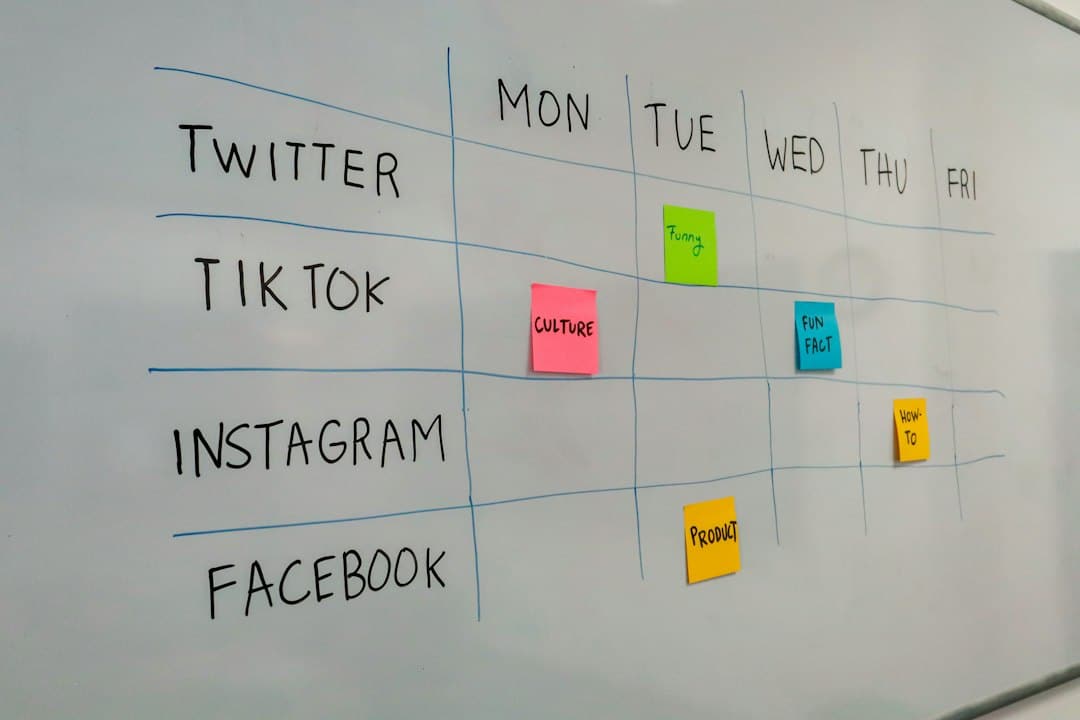
How to Brief a Social Media Agency in Malta
A practical social media agency brief for Malta businesses covering objectives, channel roles, approvals, access, community management, privacy and reporting.

Google Ads Account Structure for Maximum SME Spend Efficiency
Why AI Now Steers Your Google Ads Budget
Google has shifted its default campaign type toward Performance Max and Smart Bidding, which means a growing share of ad spend now runs through AI-driven systems. For many small and mid-size businesses in Malta, this feels like handing the steering wheel to an algorithm that optimizes for conversions but can also burn through budgets if not properly guided. The real question isn’t whether to use AI, but how to structure your account so the AI actually works for you rather than against you.
The core principle is simple: AI in Google Ads works best when it has clean data, clear conversion signals, and a logical account structure. Google’s own guide to account structure emphasizes that a well-organized account helps the system learn faster and allocate budget more effectively. This means grouping tightly themed ad groups, using relevant keywords, and ensuring your conversion tracking is accurate. Without this foundation, even the most advanced AI will struggle to deliver meaningful ROI.
Why AI Decisions Need Human Guardrails
AI excels at processing vast amounts of data and making real-time bid adjustments, but it lacks the strategic context that a human marketer brings. For instance, AI might increase bids on a keyword that historically converts, but it won’t know that your business has a limited inventory or that a particular landing page is about to change. This is where human oversight becomes critical. Digital Consulting Pros integrates AI-driven tools like the DCP Lead Generator™ with a hands-on approach, ensuring that machine learning decisions align with your business goals, not just short-term conversion metrics.
Consider the difference between letting AI run your campaigns with zero supervision versus providing it with clear guardrails. The former often leads to wasted spend on irrelevant queries or unprofitable placements. The latter, as practiced by Digital Consulting Pros, involves regular audits, negative keyword management, and strategic bid adjustments. This isn’t about overruling the AI but rather steering it toward opportunities that generate qualified leads rather than mere clicks.
Scaling With AI: When to Push, When to Pause
Knowing when to scale your Google Ads budget is just as important as knowing how. AI can help identify scaling opportunities by analyzing historical performance and market trends, but the final call should be based on business reality. For example, if your conversion rate is stable and your cost per acquisition is within target, it’s a good signal to increase spend. Conversely, if you’re seeing diminishing returns, it’s wise to pause underperforming campaigns rather than let the AI continue to ramp up.
Digital Consulting Pros helps businesses navigate this decision-making process by providing data-driven recommendations and regular performance reviews. Our approach, detailed in our guide to scaling Google Ads budgets, focuses on incremental testing and predictive analysis. We don’t just tell you to increase your budget; we show you where the additional spend will have the most impact. This ensures that scaling isn’t a gamble but a calculated move toward sustainable growth.
| Aspect | AI Alone | With Digital Consulting Pros |
|---|---|---|
| Bid Management | Automated, reactive | Strategic oversight, proactive adjustments |
| Conversion Tracking | Assumes accuracy | Audited and refined for precision |
| Scaling Decisions | Data-driven but blind to context | Informed by business goals and market shifts |
| Budget Allocation | Optimizes for conversions | Balances conversions with profitability |
AI Max: The New Default for Search

Google’s campaign management tools have moved through several generations, from manual keyword bidding to automated Smart Bidding and now to AI-first campaign structures. The newest piece of this evolution is a capability that, for many advertisers, still feels like a black box: AI Max. In plain terms, AI Max is Google’s latest intelligent bidding and budget-optimisation layer. It goes beyond simply setting a bid for a single keyword. Instead, it decides in real time where your spend delivers the strongest return across the many ad placements, audiences and search queries that make up the modern auction.
Where older systems waited for a human to set a maximum cost-per-click, AI Max is designed to operate autonomously. It analyses historical conversion data, searches for patterns in user behaviour, and shifts budget between campaigns, ad groups and even individual keywords based on what is most likely to drive a conversion. This matters because the average advertiser juggles dozens of moving parts: search terms, devices, time of day, audience segments. AI Max is built to handle that complexity without you refreshing a spreadsheet every hour.
For a Maltese SME running Google Ads, this shift is significant. A typical small-business account has a limited budget, often €500 to €1,500 per month, and every wasted euro counts. AI Max helps by prioritising the placements and queries that generate qualified leads, not just clicks. It is an evolution of the account-structure best practices that Google and its partners have long documented, and it rewards advertisers who have clean, well-organised campaigns in the first place. If your account structure is messy, no amount of bidding smarts can fix the underlying problem. As Google’s own guidance on account structure explains, a logical hierarchy of campaigns and ad groups is the foundation that makes any automated bidding strategy work.
The practical result is that AI Max turns budget management into a continuous, data-driven decision rather than a weekly ritual. But it only delivers on that promise when the rest of your account is ready. Advertisers who feed it clean conversion data, solid ad copy and a tight structure see the biggest gains. Those who expect the AI to work magic on a disorganised account are usually disappointed. This is where a partner like Digital Consulting Pros adds real value: we combine a decade of hands-on experience in Google Ads with the discipline of proper account hygiene, so the AI has the right signals to act on. A Google Ads specialist who has run hundreds of accounts knows that AI Max is a tool, not a silver bullet, and our results-driven methodology ensures every euro of spend is tied to a revenue-focused outcome.
Performance Lift: 7% More Conversions

Google’s AI Max aims to automate the heavy lifting of campaign management, but the real payoff shows up in conversion performance. Google reports that advertisers using the AI Max bid strategy see an average 7% lift in conversions for the same ad spend, a figure that comes from letting machine learning adjust bids in real time rather than relying on static, manual rules. For a small or medium business watching every euro of a tight budget, that 7% can be the difference between a campaign that merely spends and one that actually pays for itself.
The mechanism behind that lift is straightforward: AI Max processes thousands of signals, such as device, time of day, and user intent, to place each bid at the moment it’s most likely to convert. Manual bidding simply cannot match that speed or granularity, especially across multiple ad groups and keywords. That’s where a structured account setup becomes critical. A clean, logically grouped account gives the algorithm the clean data it needs to optimise properly. Google’s own account structure guidance stresses that well-organised campaigns and ad groups help the system learn faster and perform better. Without that structure, even the smartest bidding strategy is working with noisy, poorly sorted data.
Here’s the catch: AI Max is a tool, not a magic wand. Its performance depends entirely on the foundation you build around it. If your account is a mess of overlapping keywords and underperforming ad groups, the 7% lift will be hard to see. On the other hand, pairing AI Max with a disciplined account structure, where each ad group targets tightly themed keywords and each campaign has a clear budget, compounds the gains. This is where many in-house teams get stuck. They adopt the automation but skip the strategic groundwork, then wonder why results plateau. A partner like Digital Consulting Pros brings that groundwork, ensuring your account structure and bidding strategy work in tandem rather than against each other.
Why Account Structure Determines Your ROI
Think of account structure as the soil for your Google Ads campaigns. AI Max, or any bidding strategy, is the seed. Poor soil means the seed struggles; rich, well-prepared soil lets it thrive. In practice, this means organising your campaigns around your business goals, your ad groups around tightly themed keyword clusters, and your keywords around clear buyer intent. Google’s guide to account structure lays out exactly this logic: match your account to how your customers search, and the system rewards you with better quality scores and lower costs per click.
For many SMEs, the temptation is to throw every keyword into a single campaign and let AI Max sort it out. That approach undercuts the very automation you’re paying for. When an ad group contains loosely related keywords, the algorithm struggles to determine which search terms are truly valuable, leading to wasted spend and diluted relevance. The 7% conversion lift that Google reports assumes a baseline of proper structure. Get the structure right and you’re not just matching that baseline, you’re exceeding it. This is where Digital Consulting Pros differentiates itself. While other agencies might set up your account and walk away, the team at DCP builds a structure tailored to your specific market, budget, and growth stage, so the automation has the cleanest possible signal to work with.
Budget Rules: What Your Clicks Really Cost
You can’t talk about ROI without talking about what you’re spending. The cost per click in competitive niches can vary wildly, but Google’s advertising cost tool gives a rough sense of what to expect. For most SMEs, the real question isn’t just “how much do I spend?” but “how much do I need to spend to see meaningful data and results?” A tiny budget spread across dozens of campaigns will leave AI Max with too little data to learn from, while an oversized budget on unproven keywords burns cash fast.
The sweet spot for many small businesses sits between €500 and €1,500 per month, though larger companies with aggressive growth targets often invest €3,000 or more. The key isn’t the absolute number but the consistency and the structure behind it. AI Max needs enough conversion data over time to make smart bid adjustments, so budgeting for at least a few months of consistent spend is more important than chasing a low daily cap. Digital Consulting Pros guides clients through this exact decision, helping them find the budget level that supports learning without overextending their cash flow.
When to Scale Your Winning Campaigns
Once a campaign starts delivering consistent conversions at your target cost per acquisition, it’s tempting to sit back and let it run. But the whole point of a data-driven approach is knowing when to push. Scaling isn’t about doubling the budget overnight, which often doubles the waste. It’s about incremental increases, say 10–20% per week, while monitoring how AI Max reacts to the new spend level. If you see conversion volume hold steady or grow without your cost per acquisition spiking, you’ve found a scalable winner.
This is where many business owners hesitate, unsure whether to trust the automation or their gut. The data should win. If your account structure is solid and your conversion tracking is accurate, scaling a well-performing campaign is one of the highest-leverage moves you can make. Digital Consulting Pros breaks down the exact signals to watch and the steps to take, so you’re not guessing when to push the accelerator.
| Account Element | What It Does | Impact on ROI |
|---|---|---|
| Campaign Structure | Groups campaigns by goal (e.g., brand, non-brand) | Cleaner data for bidding, better Quality Score |
| Ad Group Themeing | Clusters closely related keywords | Higher relevance, lower cost per click |
| Keyword Match Types | Controls which searches trigger your ads | Reduces wasted spend on irrelevant queries |
| AI Max Bidding | Automates bid adjustments in real time | Averages 7% more conversions at same spend |
| Budget Consistency | Provides steady data flow for learning | Faster algorithm optimisation, stable results |
Quality Score: Not a KPI, But Still Counts

Google Ads has moved from a manual bidding platform to an automated system where machine learning decides which auctions to enter, what to bid, and which ads to show. The shift is significant: instead of setting keyword-level bids and tweaking budgets by hand, advertisers now hand over control to algorithms that analyse search intent, device, time of day, location and hundreds of other signals in real time. Google’s own guidance on account structure now reflects this shift, encouraging advertisers to organise campaigns around business objectives rather than granular keyword match types.
The clearest expression of this change is the growing reliance on automated bidding strategies such as Maximize Conversions and Target ROAS, alongside AI-driven campaign types like Performance Max. These tools constantly reallocate spend towards the best-performing placements and searches, which means the advertiser’s job is no longer to pick the perfect bid but to set the right business guardrails: a target cost per acquisition, a target return on ad spend, or a budget cap. The result is that budget decisions have become less about granular keyword management and more about overall strategy, measurement and trust in the platform’s learning phase.
For small and medium businesses, this automation is a double-edged sword. On one hand, it removes tedious manual optimisation and can uncover demand that a human might miss. On the other, it demands a clean account structure and clear conversion signals, otherwise the algorithm wastes spend on irrelevant clicks. Getting the fundamentals right, such as a logical campaign hierarchy and well-defined conversion tracking, is what separates accounts that scale profitably from those that burn through budget.
Use Core Web Vitals to Fix Low Scores
When a campaign’s Quality Score stays stuck below 5, the root cause is often the landing page, not the keywords or ad copy. Google’s definition of Quality Score includes three components: expected clickthrough rate, ad relevance, and landing page experience. If you have ruled out the first two, the page itself is the problem.
The fastest diagnostic tool is already in your Google account. Navigate to Google Search Console, open the Experience section, and select Page Experience (Core Web Vitals, mobile usability, and HTTPS status). Pull that report for the ad groups with the lowest Quality Scores. The data will show whether slow load times, poor mobile responsiveness, or intrusive interstitials are dragging the score down.
A practical rule: if Quality Scores do not improve after 30 days of ad copy and keyword refinement, stop chasing CTR improvements. At that point the issue is landing page experience or ad relevance. Run the Search Console report, fix the technical issues on the page, and align the landing page content with what the ad promises. Digital Consulting Pros uses this same diagnostic sequence when auditing client accounts, and it often resolves score plateaus without increasing bid amounts.
PMax Channel Reporting Is Here
One of the most common frustrations with Performance Max has finally been addressed. Since April 2025, Google has rolled out channel reporting for Performance Max, letting advertisers see exactly where their budget is spent and what each channel returns.
You can now view spend and conversion data broken down by Search, YouTube, Discover, Gmail, and Maps. Full search term reports are also available, giving you the visibility needed to refine keywords and exclusions. Digital Consulting Pros recommends reviewing these reports monthly alongside your core conversion metrics.
Theme Your Asset Groups for 25-40% More
Performance Max asset groups perform best when they are tightly themed. Rather than bundling all your products or services into one large group, organise them by product category, customer segment, or campaign objective. This structure helps Google’s AI match your ads to the most relevant queries and audiences across Search, YouTube, Discover, Gmail, and Maps.
Video assets give Performance Max a substantial performance boost. Asset groups that include comprehensive video assets show 25-40% better performance than image-only campaigns. The difference is large enough that allocating time to create even short, focused video creative for each themed asset group is one of the highest-leverage optimisation moves available.
If you are running a multi-category business, theming also allows you to steer budget toward high-margin lines within a single Performance Max campaign. Each theme receives its own creative and messaging, while the AI can still optimise across channels for the conversion goal you set.
Account Structure That Scales
For most small and medium businesses, a simple account structure outperforms a complex one. Start with separate campaigns for your core service lines—this lets you see at a glance which offering drives the best cost per lead and where budget leaks to low-intent traffic.
Divide by geography only when you have enough conversion data per region to justify a separate budget and bidding strategy. Splitting too early fragments the data that Smart Bidding needs to learn, forcing the algorithm to optimize on thin signal instead of solid conversion patterns.
Keep branded traffic in its own campaign from day one. Branded searches carry low cost per click and high conversion rates; mixing them with non-branded terms obscures performance and can inflate your reported return on investment. A dedicated branded campaign also protects visibility when competitors bid on your business name.
Digital Consulting Pros builds account structures around this same principle for its clients: tight thematic campaigns that pool conversion data for AI learning, yet remain readable enough that a business owner can see which service line deserves more budget.
Budget Math: From LTV to CPA
Before setting a Google Ads budget, start with the customer’s lifetime value. A common rule of thumb is to set your target cost per acquisition at 10-25% of the first year value a new customer brings. This anchors your ad spend in real business economics rather than vanity metrics.
From there, check the typical cost per click for your industry. For a UK tradesperson paying £4 CPC with a 5% conversion rate, the math works out to roughly £80 per lead. If the average job pays £400 with a £200 profit margin, that £80 CPA leaves £120 to cover overhead and generate profit, assuming repeat business or referrals fill the gap. Tight budgets require this kind of line-by-line check before a single campaign runs.
Digital Consulting Pros applies this same discipline for its clients, pairing industry benchmarks with each business’s actual margins rather than generic averages. For example, a Malta-based SME with a €2,000 client LTV might target a €200 CPA, then work backward to see if the expected CPC and conversion rate support that target. When the numbers don’t line up, the agency adjusts the offer, the landing page, or the targeting before scaling spend.
Smart Bidding: Target CPA and ROAS
Smart Bidding shifts bid adjustments from manual control to machine learning, but it still needs a clear target. The two primary strategies are Target CPA and Target ROAS, each suited to different business models.
Target CPA. Set the average cost you are willing to pay for each conversion. This strategy works best for lead generation campaigns where each lead has roughly the same value. Google’s algorithm uses historical data to bid aggressively for searches it predicts will convert at or below your target.Target ROAS. Set the return you want for every pound or euro spent. A target ROAS of 500% means you aim for £5 in revenue for every £1 in ad spend. This strategy is ideal for e-commerce or revenue-driven campaigns with reliable conversion value tracking.
Both strategies require clean conversion tracking and sufficient data. The algorithm needs around 30 conversions in the past 30 days per campaign to exit the learning phase. Start from your actual average CPA or ROAS and move targets in small steps to avoid shocking the system.
Align your chosen strategy with your business goals. If you sell products with different margins, measure on profit (POAS) rather than pure ROAS. A high ROAS can still be loss-making if it ignores product costs. For accounts with limited data, Maximize Conversions (without a target CPA) can be a safe starting point until the campaign builds enough conversion history.
Digital Consulting Pros advises clients to match the bidding strategy to the conversion type: Target CPA for form submissions and phone calls, Target ROAS for online sales. The agency’s team audits conversion tracking first, ensuring the AI optimises toward the actions that actually drive revenue, not vanity metrics.
Quality Score and Landing Page Relevance
Quality Score is calculated at the keyword level from three components: expected click-through rate, ad relevance, and landing page experience. According to Google, the visible score from 1 to 10 is not an input in the ad auction and not a KPI, but it remains a useful diagnostic that signals how well your account is organized. A tight structure where each keyword belongs to a themed ad group with relevant ad copy and a matching landing page directly improves this score, lowering your cost per click.
For AI Max campaigns, landing page content carries more weight than before. Google’s system pulls text from your landing pages to dynamically customize ad copy. A page with thin or off-topic content will trigger low-relevance ads, dragging down your Quality Score and wasting spend. Clean conversion tracking and high-quality landing pages with complete, relevant content are essential for AI Max to perform effectively.
Digital Consulting Pros helps clients audit their landing pages and ad group themes to ensure every keyword maps to a page that delivers on the ad’s promise. By consolidating loosely related keywords into tightly themed ad groups and aligning each with a dedicated landing page, they improve relevance, lift Quality Scores, and reduce wasted spend.
Optimisation Score: 100% Isn’t Perfect
Your Google Ads account displays an optimisation score ranging from 0 to 100%, but reaching 100% is not the goal. According to Google, the optimisation score is an estimate of how well your account can perform, calculated partly on open recommendations. A perfect score means you have addressed every recommendation Google has surfaced, not that your campaigns are running flawlessly.
Focusing on chasing a 100% score can lead you to apply recommendations that may not align with your business goals. Google’s auto-apply recommendations can be helpful, but as the advertiser, you know what is best for your account. A more productive approach is to treat the optimisation score as a diagnostic tool. When it dips, review which recommendations are dragging it down and decide whether they apply to your specific strategy. The score is a guide to potential improvements, not a measure of account health.
Digital Consulting Pros treats the optimisation score as one signal among many. Our emphasis is on conversion volume, cost per acquisition, and overall return on ad spend rather than hitting an arbitrary score. We help clients separate valuable recommendations from noise so that optimisation efforts drive real-world business results, not just a higher number in the dashboard.
Tools and Governance for ROI
Beyond the campaign settings and account structure, actual return on investment depends on the tools and governance frameworks you put in place. For accounts spending under $2,000 a month, Google’s native interface may be sufficient. But for growing budgets, third-party platforms add capabilities that the standard dashboard lacks.
One example is Optmyzr, a management platform costing $208 per month for accounts up to $25,000 in monthly spend. It offers automated bidding that claims to reduce CPA by 15-30%, along with Quality Score diagnostics, RSA optimization, and a landing page analyzer. For agencies managing multiple clients, tools like this consolidate reporting and free up time for strategic work.
Tools alone are not enough. Reliable Google Ads management in 2026 rests on three foundations: high-quality data infrastructure (clean conversion tracking, accurate attribution), systematic governance of AI-driven automation (regular search term audits, negative keyword maintenance, rule-based budget alerts), and structural alignment between your account setup and your actual business objectives. Digital Consulting Pros builds each campaign from the client’s conversion data up, ensuring the AI steers toward real revenue rather than vanity metrics.
Action Plan for SME Growth
When you hand over budget management to AI, the architecture underneath your Google Ads account becomes more important than ever. Algorithms like Performance Max and Smart Bidding need clean, consolidated data to make smart decisions. Fragmented accounts with a few dozen campaigns and overlapping ad groups scatter your conversion data, which is exactly what those algorithms use to learn. This is why the starting point for any AI-driven growth strategy is getting your account structure right. The team at Digital Consulting Pros helps SMEs align that structure with their revenue goals, so the AI has a solid foundation to work with.
Why a Consolidated Account Beats a Fragmented One
The ABCs of Account Structure framework from Google Ads Help highlights how a logical hierarchy from campaign down to ad group keeps your account transparent and easy to manage. When you consolidate similar products or services, you give the AI a larger dataset of conversions to learn from. That helps it optimize toward qualified leads instead of guessing across thinly spread campaigns.
A common mistake we see is creating a separate campaign for every minor variation in product or audience. That fragmentation makes it harder for the algorithm to identify patterns. A more effective approach is grouping by theme, such as service type or product category, and then using ad groups to target distinct search intents. This gives you the control and insight you need without drowning the algorithm in noise.
From Structure to Bidding Strategy
With a clean structure in place, you can hand over more control to Smart Bidding and Performance Max. But consolidation alone isn’t enough; you also need to feed the AI the right conversion signals. That means setting up offline conversion tracking and importing sales data, so the algorithm learns what a qualified lead actually looks like. Many businesses capture a basic form submission but never track the subsequent phone call or booked appointment. Without that data, the AI is optimizing toward the wrong outcome.
Bidding. For most SMEs, starting with a Max Conversions strategy and a target CPA gives the AI clear guardrails. As the account matures, you can layer in value-based bidding to prioritize higher-margin customers.Budget. AI needs a sufficient daily budget to gather the data it needs. When you scale, follow the guidance on when to scale your Google Ads budget and avoid drastic cuts that reset the learning phase.Testing. A well-structured account lets you run structured experiments with campaigns, ad copy, and landing pages. The insights you gather feed directly back into the algorithm, improving performance over time.
Ultimately, the goal is to build a structure that feels effortless for the AI to read. At Digital Consulting Pros, we’ve seen that when digital marketing budgets are aligned with a solid account architecture, the results speak for themselves: higher conversion rates, lower cost per acquisition, and a clearer path to revenue growth.

Google Ads Conversion Tracking Checklist for Malta Businesses
A practical Google Ads conversion tracking checklist for Malta businesses covering forms, calls, duplicate prevention, consent, qualified leads and offline outcomes.

When to Scale Your Google Ads Budget: Malta SME Guide
Why Scaling Google Ads is Different for Maltese SMEs
This article is a practical guide for Maltese SMEs that need to know when and how to scale their Google Ads budgets without sacrificing return on investment. The challenge is real: Malta’s seasonal economy, where summer tourism and Festa events create short windows of demand, combined with lean budgets that cannot absorb waste, makes scaling risky without a proven system.
Scaling is not simply turning up the budget dial. It means increasing investment while maintaining or improving ROI. Without the right foundation, a budget increase turns into a faster way to burn cash, not a path to growth.
The core readiness signals from industry sources are clear: you need a validated CPA within your unit economics, accurate conversion tracking, a bidding strategy that is stable and out of the learning phase, and campaigns showing a “Limited by budget” status. These are the green lights that indicate your account can handle more spend efficiently.
Digital Consulting Pros helps Maltese SMEs navigate this process by starting every engagement with a full account audit, establishing real CPA targets based on the business’s margins, and then guiding the account through methodical, data-backed budget increases. The goal is growth that sticks, not a temporary spike that erodes margins.
Two Paths to Growth: Vertical vs. Horizontal Scaling

When it’s time to grow, you face a choice between two fundamentally different approaches. Vertical scaling means increasing the budget, bids, or match types on campaigns and keyword themes that are already performing. It’s a lower-risk move because every euro goes into proven inventory where the conversion data is already validated.
Horizontal scaling, by contrast, pushes into new territory: fresh keyword clusters, audience segments, campaign types like Performance Max, or even new geographic markets. The trap is to do both at once. Sources consistently advise increasing budget first, then expanding keywords in separate, budget-capped campaigns — otherwise it’s impossible to tell what drove the change in performance. Digital Consulting Pros takes this same methodical approach, using conversion data from existing campaigns to identify winning strategies before investing in expansion.
Vertical scaling. Increase daily budget by 20-30%, raise bids on converting keywords, or expand match types on proven themes. Lowest risk because the CPA is already within acceptable unit economics.Horizontal scaling. Launch separate campaigns targeting new keyword clusters, audience segments, or locations. Higher risk; requires controlled experiments with capped budgets to validate the hypothesis before significant investment.
For Maltese SMEs running lean budgets, the order matters. Scaling horizontally before your core campaigns hit their ceiling burns budget on untested variables. The safer sequence is to exhaust the vertical path first, then expand into adjacent search territory with a fresh campaign and a strict CPA threshold.
Readiness Check: Three Signals Before You Increase Spend
Scaling a Google Ads budget before confirming readiness is the most common reason Maltese SMEs see cost per acquisition climb and returns shrink. The impulse is to spend more to get more, but without the right conditions, a larger budget simply accelerates losses. Three concrete signals indicate the account is ready for a budget increase.
The first signal is a validated CPA that sits comfortably within your unit economics. If your maximum acceptable customer acquisition cost is €300 and your current CPA is €180, you have a €120 margin to work with — that is room to scale. If CPA is already at or above the ceiling, more budget will only deepen the loss. The second signal is campaign status showing ‘Limited by budget‘ in the Google Ads interface. That flag means Google has identified more profitable auction opportunities it cannot serve because the daily cap is too low. The third and most overlooked signal is accurate conversion tracking. Before increasing spend, confirm that Google Ads-reported conversions match what your CRM or Google Analytics 4 records. Scaling on unreliable data is spending more money to learn the wrong lesson.
For many Maltese businesses, these signals are masked by account structure issues, unchecked broad match keywords, or missing conversion tracking — all common problems in the local market. Digital Consulting Pros offers a full account audit that checks CPA against real margins, identifies campaign-level budget constraints, and cross-references conversion data against your CRM or GA4. Only when those three signals are confirmed do we recommend moving to the next step. Without them, a budget increase is a gamble, not a strategy.
The 20-30% Rule and the Two-Week Wait

Google’s own guidance for Smart Bidding campaigns is clear: increase budgets by no more than 20-30% at a time. Larger jumps can destabilize the algorithm’s bid targets, temporarily spike cost per click, and reset the learning phase — forcing the system to re-calibrate from scratch.
After each budget increase, plan for a two-week patience period. It is common for cost per acquisition to spike briefly before stabilizing as the algorithm recalibrates. Panicking and reverting the budget during this normal phase is the most frequent mistake Maltese SMEs make.
Digital Consulting Pros follows this incremental approach to protect client ROAS while capturing new volume. By confining budget changes to the 20-30% band and allowing a full two-week window for performance to settle, the agency prevents the CPA spikes that come from rushed scaling.
For advertisers who need to double spend quickly, do it in two to three steps spaced two to three weeks apart rather than a single jump. This gives the algorithm time to adapt without a full reset, avoiding the 25-50% CPA increases that doubling overnight can produce.
Watch Your Ceiling: Impression Share as a Stop Signal
Impression share is the percentage of eligible ad auctions where your ad actually appeared. It is a direct measure of untapped reach. Google Ads reports this figure at the campaign level, and it should be one of the first metrics you check before deciding whether a budget increase makes sense.
When impression share is below 70–80% and your conversion metrics are healthy, it signals that profitable search volume is going uncaptured. In this situation, increasing the budget can open up new auctions your ads were previously missing, often without a drastic spike in cost per acquisition. Google’s own guidance recommends monitoring this metric as a readiness signal for scaling.
When impression share approaches 100%, the situation flips. Adding more budget at this point will not generate more conversions at the same efficiency. Instead, it forces your ads into more expensive auctions where the cost per click rises and conversion rates do not follow. The vertical scaling ceiling has been reached.
At that ceiling, the right move is horizontal expansion: new keyword clusters, new audience segments, or new campaign types. Digital Consulting Pros audits impression share data as a core part of its budget reallocation framework, ensuring that clients invest in new reach rather than chasing overpriced clicks into a saturated auction pool.
Scale Budget First, Then Expand Keywords
A common mistake when scaling Google Ads is changing the daily budget and adding new keyword themes at the same time. This introduces two variables into the account, making it impossible to tell which change caused a performance shift. If CPA rises after a combined increase and expansion, you won’t know whether the budget jump destabilized the algorithm or the new keywords attracted low-intent traffic.
The correct sequence is to increase the budget on proven, profitable campaigns first. After the increase, allow at least two weeks for the Smart Bidding algorithm to recalibrate and for performance to stabilize. Only then should you expand into new keyword clusters. Vertical scaling (more budget on what already works) carries less risk than horizontal scaling (new keywords), and the two should never be mixed in the same step.
When you do expand into new keyword themes, run them in separate campaigns or ad groups with their own controlled budgets. This keeps the data clean for analysis — the performance of the proven campaigns remains undisturbed, and you can evaluate the new keywords on their own merits before committing significant spend.
Digital Consulting Pros uses exactly this structured scaling process. Each variable — budget, keyword cluster, audience, or bid strategy — is tested in isolation. This discipline prevents wasted spend on untested hypotheses and ensures every euro added to the account has a measurable impact on the bottom line.
Mistakes That Kill ROI When Scaling Too Fast
Scaling a Google Ads budget is not a simple volume lever. When done too quickly or without the right signals, it can destroy the return you worked to build. The most common mistake is scaling before your cost per acquisition (CPA) is validated against your unit economics. If your sustainable CPA target is €50 but your current CPA is €70, increasing the budget only spends more money to learn that same lesson.
Doubling the daily budget in a single jump is equally dangerous. It resets the algorithm’s learning phase, forcing Smart Bidding to rebuild its understanding of your conversion patterns from scratch. This can spike CPA by 25-50% for one to two weeks. If you panic and revert the budget during that normal recalibration period, the system never gets the consistent data it needs to stabilise and may stay stuck in ‘Learning’ indefinitely.
A concrete sign that you have pushed too far is when conversion volume does not grow in proportion to spend. If your budget is up 40% but conversions grew only 10%, efficiency is degrading. Another warning is a CPA climb that does not recover after two to three weeks. Google recommends waiting at least two weeks before evaluating performance after any budget increase, but a sustained CPA rise beyond that window is a stop signal, not a patience test.
Digital Consulting Pros helps clients sidestep these pitfalls with a systematic, data-backed scaling plan. Their approach validates CPA first, increases budgets in controlled 20-30% increments, and monitors conversion volume and impression share between each step rather than reacting to daily fluctuations. The result is sustainable growth without the waste that comes from treating a budget increase as a solve-all tactic.
Promotion Mode: A Seasonal Accelerator for Maltese Businesses
For Maltese SMEs whose revenue is tied to tourism peaks, festa dates, or product launches, the temporary, self-closing boost of Promotion Mode is a particularly useful tool. Announced in June 2026, this feature allows you to schedule a temporary increase to your ROAS tolerance and daily budget for a specific 3-14 day window. When the window closes, everything reverts to normal settings automatically.
This automation is a strong fit for lean budgets that cannot afford waste. Unlike a typical manual scale-up that must be reversed by hand, Promotion Mode takes your foot off the accelerator after the event. This prevents accidental overspend once the peak period ends.
Promotion Mode works alongside seasonality adjustments but solves a different problem. Seasonality adjustments tell Smart Bidding to expect a conversion rate change. Promotion Mode temporarily changes the ROAS tolerance and budget ceiling itself. Used together, they let you both signal the environment change and give the system more room to bid.
Practical Checklist for Setup
The setup process is straightforward but requires discipline. Confirm your conversion tracking is clean first, as a temporary scale-up amplifies any existing tracking errors. Pick a genuine, dated event such as a summer tourism window or a specific festa period. Set your ROAS tolerance and extra budget deliberately, then let the window run without tinkering. After it reverts, review performance against the same period last year or the weeks immediately before the window.
Digital Consulting Pros helps clients identify the right seasonal opportunities and configure Promotion Mode so the temporary boost supports the business’s actual peak demand without overshooting the annual budget.
Why Maltese SMEs Need a Full-Funnel Approach

Google Ads and Meta Ads serve distinct roles in the buyer journey, and Maltese SMEs that run both see better returns than those relying on a single channel. Google Ads captures existing demand — people actively searching for “commercial electrician Malta” or “buy running shoes online.” Meta Ads creates demand by reaching users who are not yet searching. A combined strategy ensures your business is present at every stage of the funnel.
For peak seasons, a coordinated Google and Meta plan becomes even more important. TikTok Ads’ self-serve ad manager has not yet launched locally in Malta, with a rollout expected during 2026, so a dual-platform search-and-social approach is the most practical option for seasonal campaigns.
Many Malta businesses also pair Google Ads with SEO. Google Ads delivers immediate lead generation, while SEO builds long-term organic traffic that reduces paid dependency over time. This hybrid model supports steady growth without requiring the budget to double every quarter.
Beyond Two Channels: Digital Consulting Pros’ Multimodal Approach
Digital Consulting Pros does not prescribe a one-size-fits-all channel mix. Instead, the agency evaluates each client’s buyer personas and growth stage, then selects the right combination of Google, social, email, and AI tools. For a local restaurateur, the mix might emphasise Google Search and Facebook. For a B2B firm, the agency layers in LinkedIn advertising and its proprietary DCP Lead Generator™ to automate prospecting and appointment setting, delivering qualified sales meetings without burning through the ad budget.
Scale Smart, Not Hard: Your Budget Growth Strategy
Growing your Google Ads budget sustainably comes down to a handful of proven principles that apply whether you run a restaurant in Valletta or a B2B service firm in Birkirkara. Validate your CPA against your unit economics before increasing spend. Apply the 20-30% increment rule and wait two weeks between increases. Watch impression share as your ceiling signal — above 70-80%, more budget buys expensive impressions, not more conversions.
Scaling is not turning up the budget dial. It is spending smarter with data-driven systems in place. A landing page conversion rate improvement from 1% to 2% doubles your results without costing an extra euro in ad spend. For Maltese SMEs, the full picture includes Google Ads for demand capture, Meta Ads for demand creation, and Promotion Mode for seasonal peaks. Digital Consulting Pros builds this combined approach around each client’s actual unit economics, not a one-size-fits-all template.
If your account is burdened by unchecked broad match keywords, missing conversion tracking, or campaigns that are not limited by budget, a full audit is the right starting point. Digital Consulting Pros offers a free discovery call and account audit to identify your next scaling opportunity. Treat scaling as a long-term investment, not a quick lever, and work with experts who understand the Maltese market, its seasonality, and the real cost of efficiency.

Mobile-First Website Design: Capturing More Conversions
The Mobile Imperative for Modern Business Growth
Mobile devices now account for over 60% of global web traffic, and for industries like e-commerce, local services, and media, that figure regularly exceeds 70%. By 2025, mobile commerce is projected to reach $4.01 trillion, representing 59% of all online retail sales. If your business is not optimized for mobile, you are already losing ground to competitors who are.
The stakes are even higher when you consider user patience. Research shows that 53% of mobile users will abandon a site if it takes longer than three seconds to load. A one-second delay in mobile page load can significantly reduce conversions, and desktop conversion rates average 4.3%, while mobile conversion rates often sit at just 2.2%. That gap represents a substantial lost revenue opportunity for businesses that fail to prioritize the mobile experience.
Google’s mobile-first indexing adds further urgency. Since July 2024, Google uses the mobile version of your site as the primary source for indexing and ranking across all websites. If your mobile site is slow, cluttered, or missing content that exists on the desktop version, your search rankings will suffer, reducing organic visibility and traffic.
This article lays out actionable tactics to close the mobile conversion gap and turn your mobile traffic into qualified leads. From design principles that prioritize speed and usability to technical optimizations that align with Google’s standards, the strategies ahead are built for business owners and marketing managers who need measurable ROI, not vague advice. Digital Consulting Pros has helped clients apply these exact methods through a decade of hands-on experience, delivering conversion-focused websites that perform on the devices your customers actually use.
What Mobile-First Design Really Means

Mobile-first design is a development approach that starts with the smallest smartphone screen and scales upward to tablets and desktops. Instead of building a desktop layout and “shrinking it down,” the team makes deliberate choices about what content and functionality matter most for on-the-go users. The process is called progressive advancement: you design the lean, fast mobile version first, then add features for larger screens.
This differs from responsive web design. A responsive site uses CSS media queries to react to screen size, often beginning with a desktop layout. The outcome works on multiple devices, but the mobile experience can feel like a squeezed-down afterthought. Mobile-first is proactive; responsive is reactive. Mobile-first sites are always responsive (they adapt to larger screens), but not all responsive sites are mobile-first.
Core Principles of Mobile-First Design
Content prioritization. Limited screen estate forces you to identify what users actually need. The hierarchy changes: product images, search bars, and CTAs take precedence over decorative flourishes.Simplified navigation. Hamburger menus or bottom navigation bars preserve screen space. Adobe Express advises avoiding intrusive pop-ups on mobile, as they damage the user experience.Touch-friendly targets. Buttons and links should be at least 44×44 pixels, with adequate spacing to prevent mistaps. 75% of mobile interactions are made with the thumb, so primary actions belong in the bottom-center of the screen.Single-column layouts. Multi-column designs that work on a 27″ monitor collapse poorly on a 5″ phone. A single, scrollable column keeps reading flow natural.Speed optimization. 53% of mobile users abandon a site that takes longer than three seconds to load. Mobile-first teams compress images, minify CSS and JavaScript, and use browser caching from the start.
Google Search Central recommends responsive configuration as the easiest to implement and maintain. Responsive sites serve the same HTML on the same URL, displaying content differently based on screen size. Google also uses the mobile version of a site’s content, crawled with the smartphone agent, for indexing and ranking — a policy called mobile-first indexing. If your mobile site lacks the same primary content as the desktop version, Google indexes a thinner page, hurting organic visibility.
For business owners in Malta and beyond, the choice is practical. Mobile-first design yields 15-30% higher conversion rates than desktop-first approaches, according to industry benchmarks. At the agency, the mobile-first process includes a content audit that strips away non-essential elements, ensuring the site loads fast and guides users toward a purchase or inquiry within three taps. This clarity on mobile naturally improves desktop performance, because the foundation is already clean.
Why Google’s Mobile-First Indexing Demands Your Attention

Since 2018, Google has used the mobile version of your website as the primary source for indexing and ranking. The rollout reached every site by July 2024, meaning there are no more desktop-only exceptions. If your mobile experience is slow, cluttered, or missing content, your rankings will suffer — and potential customers may never find you in search results.
This isn’t a prediction. It is the operating system of search today.
Content Parity Is Not Optional
A common but damaging mistake is serving less text, fewer images, or different structured data on mobile than on desktop. Google’s crawler sees the mobile page first. If your mobile page has thin product descriptions or is missing headings, Google indexes a thinner page and ranks it lower. Your mobile and desktop versions must contain the same primary content, headings, structured data (such as Breadcrumb and Product schemas), and meta tags. If you hide content behind a tap or an accordion, ensure it is present in the initial HTML — Google will not load content that requires swiping or clicking.
For separate mobile URLs (m-dot sites), additional rules apply. Never use URL fragments (the ‘#’ character) on mobile URLs — they are not indexable. The desktop URL is the canonical version, and the mobile URL is the alternate. Both must return matching HTTP status codes. A common error occurs when different desktop pages redirect to a single mobile home page; those pages will vanish from the index.
Core Web Vitals Set the Speed Standard
Google’s Core Web Vitals measure how real users perceive page load speed and stability. For mobile, the targets are clear: Largest Contentful Paint (LCP) under 2.5 seconds, Interaction to Next Paint (INP) under 200 milliseconds, and Cumulative Layout Shift (CLS) under 0.1. A 100-millisecond improvement in load time can lift conversion rates by 1%. Sites that consistently miss these benchmarks see measurable ranking drops and reduced visibility in mobile search results.
For a results-driven agency like Digital Consulting Pros, these metrics are not abstract goals — they are the starting point of every mobile optimisation engagement. By auditing a client’s mobile performance against Core Web Vitals and fixing the technical blockers (compressed images, minified code, server response times), the agency turns speed into a competitive advantage that delivers organic traffic and higher conversion rates.
Avoid These Common Mobile-First SEO Mistakes
- Blocking CSS, JavaScript, or images in robots.txt — Google needs these to render the page as a user sees it.
- Using intrusive pop-ups or interstitials that cover primary content, which violates the Better Ads Standard and harms usability.
- Inconsistent structured data: if your desktop page has VideoObject or Product schema, your mobile page must have identical markup with mobile URLs.
- Lazy-loading essential text or image content. Google’s crawler will not trigger lazy loading that depends on user interaction.
- For m-dot sites: duplicate mobile landing pages or missing canonical and hreflang tags.
Google recommends responsive web design as the easiest configuration to maintain and optimize for mobile-first indexing. A responsive site serves the same HTML and URL to all devices, avoiding the content mismatch and canonical pitfalls of separate URLs. For businesses targeting mobile-heavy audiences — e-commerce stores, local service providers, restaurants, and real estate agencies — responsive design is the most reliable path to high rankings and sustained organic traffic.
Closing the Mobile Conversion Gap

Desktop websites convert at an average rate of 4.3%, while mobile sites lag behind at just 2.2%. For a business generating 1,000 monthly leads from each device, that gap represents over 20 lost conversions per month — a substantial revenue leak for any SME struggling to get a positive return on ad spend.
Speed is the biggest driver of this disparity. A one-second delay in mobile page load can cut conversions by 7%, and 53% of users will abandon a site that takes longer than three seconds to load. Mobile users also spend 70% less time on a page than desktop visitors, so every moment of friction compounds the loss.
A documented mobile-first design strategy directly addresses this gap. Sites built with mobile-first principles see 15-30% higher conversion rates compared to desktop-first approaches. Every 100-millisecond improvement in load time adds roughly 1% to conversion rates. For a local service business running €5,000 in monthly ads, that compound improvement can turn a break-even campaign into a profitable one inside a quarter.
Digital Consulting Pros builds mobile-first landing pages and conversion-focused website designs that target the 2.2% baseline and push it higher. Their approach pairs thumb-friendly navigation with lean content structures that respect the 70% shorter attention span mobile users bring. By reducing load times and simplifying checkout flows, they help clients close the gap between what ads spend and what those clicks actually return.
Designing for Thumbs and Speed
Three in four mobile interactions happen with just the thumb. If your primary call to action sits in the top-right corner — where a desktop user’s mouse would naturally hover — mobile visitors are already reaching across the screen to tap it. That friction costs conversions.
The fix is known as “Thumb Zone” design: place your most important buttons in the bottom-center of the screen, where thumbs rest naturally. Google recommends touch targets of at least 48×48 pixels to prevent mistaps, and studies confirm that 44×44 pixels is the bare minimum for comfortable interaction.
Apply the Three-Tap Rule: a user should reach any core goal — add to cart, book a consultation, or find contact details — within three taps. If it takes more, the navigation is too deep for a handheld device.
Simplify Forms and Keep CTAs Visible
Long forms are the fastest way to kill a mobile conversion. Reducing form fields from eleven to four can increase conversion rates by 120%. Every extra field is a reason to abandon the page. Your lead generation and checkout flows should ask for only the data you absolutely need at that moment.
Sticky CTAs and bottom navigation bars stay visible as the user scrolls, keeping the next action always one tap away. Pop-ups that block the screen, however, drive users away — trigger them only on intent signals like scroll depth or exit behavior, not on first arrival.
Digital Consulting Pros applies these principles in every mobile site it builds, starting layouts from the Thumb Zone and trimming forms to the essentials, then scaling upward for tablet and desktop. An email campaign that drives traffic to a mobile page with thumb-friendly buttons and a three-tap path closes more leads than one that lands on a desktop-first design.
The same thinking should extend to every marketing channel. If your social media ads send users to a page with a tiny, hard-to-tap button or a multi-step form, you lose the momentum the ad created. A mobile-first design ensures the conversion path stays smooth from click to completion.
Content That Converts on Small Screens
On a mobile screen, every element competes for attention. A successful B2B digital marketing strategy starts with lean, high-quality content that survives the smallest viewport. Limit each page to its essential purpose and remove any text, image, or button that does not directly serve the user’s goal. This content-first approach mirrors the methodology used by agencies like Digital Consulting Pros, which builds mobile-first designs that turn traffic into qualified opportunities.
Structure mobile copy for quick scanning: use short paragraphs, clear headings, and bullet points where appropriate. Per Google’s guidelines, headings and key content must be identical on mobile and desktop versions to maintain ranking signals. Accordions and tabs can hide secondary content, but the primary text and links must be present in the initial HTML — Google will not execute content that is lazy-loaded behind a swipe or tap.
Images must be high-quality yet compressed. Using the WebP format and srcset attributes for responsive images can reduce page weight by up to 70% while retaining visual clarity. Avoid heavy animations and intrusive pop-ups: they slow load times and degrade the mobile user experience, which directly impacts both conversions and search rankings. The same structured data types — Breadcrumb, Product, VideoObject — must appear on both mobile and desktop versions to ensure consistent indexing.
Technology Stack for Lightning-Fast Mobile Pages
Google’s Core Web Vitals set the performance benchmarks for mobile pages. Aim for a Largest Contentful Paint (LCP) under 2.5 seconds, an Interaction to Next Paint (INP) of 200 milliseconds or less, and a Cumulative Layout Shift (CLS) below 0.1. Every 100ms improvement in load time can increase conversion rates by 1%, so small gains compound into real revenue.
A lean technology stack starts image optimization. Compress images and use next-generation formats like WebP, which reduce file sizes by up to 30% without sacrificing visual quality. Responsive images with “srcset” and “sizes” attributes can cut page weight by as much as 70%.
Minify CSS, JavaScript, and HTML to remove unused characters, reducing code size and loading time. Implement browser caching for static resources so returning visitors load pages faster. Use lazy-loading for images responsibly: ensure primary content (text, main images) is present in the initial HTML, because Google’s mobile crawler won’t trigger content that loads only after a user interaction.
Keep the page lean by avoiding excessive third-party scripts and heavy frameworks. Each extra script adds a network request and processing overhead. Tools like Google PageSpeed Insights and Lighthouse make it easy to audit mobile speed, identify bottlenecks, and track improvements over time.
For further acceleration, explore Accelerated Mobile Pages (AMP) or Progressive Web Apps (PWA). A PWA can deliver app-like performance within the browser, reducing load times significantly. Digital Consulting Pros builds mobile-first websites that meet these speed and usability benchmarks, pairing a fast technical foundation with conversion-focused design. The result is a site that loads quickly on any device and turns visitor attention into measurable business outcomes.
Mobile-First Design by Industry
Different industries have different mobile needs, and a one-size-fits-all approach often leaves money on the table. The core principles of mobile-first design apply universally, but the specific features, content, and user flows that drive conversions vary significantly by sector.
E-Commerce: Optimizing for M-Commerce Sales
Mobile commerce is projected to account for 59% of all online retail sales by 2025, making a mobile-first approach non-negotiable for e-commerce brands. Retailers need to prioritize one-click checkout options, mobile-friendly payment methods like digital wallets, and simplified navigation that follows the three-tap rule. A study found that reducing form fields from 11 to 4 can increase conversion rates by 120%, highlighting how critical streamlined mobile forms are for sales. Digital Consulting Pros designs e-commerce sites that place purchase buttons in the thumb zone and keep the checkout flow frictionless, directly targeting the m-commerce growth opportunity.
Local Services, Healthcare, and Restaurants
Mobile users visiting local service providers, healthcare clinics, or restaurants are almost always looking for three things: contact information, location, and the ability to book or order. A mobile-first design for these businesses must put the phone number, address with a clickable map link, and a prominent call-to-action (like “Book Now” or “Order Online”) at the top of the page. Over 53% of mobile users will abandon a site that takes longer than three seconds to load, so heavyweight images or complex menus can directly cost a business an appointment or a reservation.
Real Estate: Image-Heavy Galleries on Small Screens
Real estate agencies face a unique challenge: they need to display high-quality, image-heavy property galleries on mobile screens without killing page speed. A mobile-first approach for this sector requires lazy-loading images to keep initial load times fast, using next-gen formats like WebP to reduce file sizes, and ensuring that property search filters are easy to tap and use with one hand. The goal is to allow a potential buyer to browse listings, view photos, and submit an inquiry within seconds, all from their smartphone.
Educational Institutions and Tourism
Educational institutions need mobile-optimized paths for course discovery and application forms, while tourism and hospitality businesses (especially relevant for a Malta-based audience) require mobile-first booking engines, itinerary builders, and local information hubs. For both sectors, reducing friction in the application or booking funnel is essential. A clunky mobile form can cause a prospective student or a traveler to abandon the process entirely. A well-executed mobile-first design ensures that every step of the user journey feels natural on a small screen.
Startups and D2C Brands: Speed to Conversion
Startups and direct-to-consumer (D2C) brands typically see a very high share of mobile traffic, often exceeding 70%. For these businesses, the entire website must be a lean, fast conversion machine. This means prioritizing a single-column layout, a clear value proposition visible without scrolling, and a sticky call-to-action button. By building with a mobile-first mindset from the start, startups avoid the costly mistake of retrofitting a desktop site for mobile later, and they align perfectly with Google’s mobile-first indexing requirements.
| Industry | Mobile Priority | Key Optimization |
|---|---|---|
| E-Commerce | One-click checkout, digital wallets | Reduce form fields to 4-5 |
| Local Services | Contact info, maps, booking | Load under 3 seconds |
| Real Estate | Image galleries, property search | Use WebP and lazy-loading |
| Education / Tourism | Discovery forms, booking funnels | Minimize form friction |
| Startups / D2C | Fast conversion, sticky CTAs | Priority on single-column layouts |
Common Mobile Mistakes That Kill Conversions
Even a well-intentioned redesign can undercut performance if it falls into common mobile pitfalls. Hiding important content is a frequent error. While Google’s guidelines state that content placed in accordions or tabs on mobile is treated as visible for ranking purposes as long as it matches the desktop version, completely removing text or product details creates a ‘thinner’ mobile page. That thinner page gets indexed, and your search visibility drops.
Heavy animations and intrusive pop-ups are another conversion killer. Google recommends following the Better Ads Standard, which penalizes ads that take up too much room on a mobile screen. Full-screen interstitials that appear immediately feel aggressive and drive quick exits instead of engagement.
Ignoring page speed is perhaps the most expensive mistake. Research shows that 53% of mobile visitors will leave a site if it takes longer than three seconds to load. A one-second delay can reduce conversions by up to 7%. The responsive-only trap is equally dangerous: shrinking desktop elements creates clutter, poor readability, and missed actions. A true mobile-first approach ensures buttons, forms, and images are built for small screens from the ground up.
Poor image scaling adds unnecessary weight. Using srcset attributes and modern formats like WebP can reduce page weight by up to 70% while maintaining visual quality. Not testing across real devices compounds these issues. Emulators miss real-world problems like touch target sizes below the recommended 44×44 pixels or navigation that works on a simulator but fails on an actual phone.
Implementing a Mobile-First Redesign: Step by Step
A mobile-first redesign follows a sequence of steps that starts with diagnostics and ends with continuous optimization. This process applies whether you run an e-commerce store, a local service business, or a B2B lead-generation site.
Start by auditing your current mobile performance. Use Google’s PageSpeed Insights to measure Core Web Vitals and check the Mobile Usability report in Google Search Console for issues like text being too small to read or links being too close together. This baseline tells you where the biggest problems are.
Next, analyze user behavior in Google Analytics. Look at mobile bounce rate and the mobile conversion funnel. If visitors browse on mobile but finish on desktop, you have a friction point to address.
Redesign the layout starting from a single-column mobile wireframe. Prioritize the content that drives conversions — product details, contact forms, or booking buttons — and push secondary elements below the fold or into expandable menus. Digital Consulting Pros follows this approach for every client site, ensuring thumb-friendly navigation and clear calls-to-action before anything is added for larger screens.
Optimize images by compressing them and switching to modern formats like WebP. Minify CSS, JavaScript, and HTML files. Implement browser caching to speed up repeat visits.
Ensure content parity between mobile and desktop. The mobile version must have the same headings, body text, and structured data. If a Google Search Central bot sees a thinner page on mobile, it will rank the thin page — not the desktop version. Structured data for products, breadcrumbs, and videos must match exactly.
Test on multiple real devices and browsers. Device emulators catch some issues, but real-user testing on physical phones reveals navigation problems and load-time surprises that simulators miss.
After launch, schedule weekly crawls and automate alerts for issues using tools like Google Search Console and a site audit tool. Monitor changes in Core Web Vitals and mobile rankings. Run A/B tests on CTA placement, button colors, and form field count. Reducing form fields from 11 to 4 can increase conversion rates by 120%, per available conversion data.
Measuring Mobile Success: KPIs That Matter
Data beats opinion when optimizing a mobile-first website. Tracking the right mobile-specific KPIs tells you what is working and what is costing you revenue. Without separate mobile metrics, you will miss where and why mobile visitors drop off.
Core Web Vitals and Speed Metrics
Google’s Core Web Vitals set the speed benchmark for mobile. Track Largest Contentful Paint (LCP) under 2.5 seconds, Interaction to Next Paint (INP) under 200 ms, and Cumulative Layout Shift (CLS) under 0.1. Tools like Google PageSpeed Insights and Lighthouse give you these scores directly, while Semrush Site Audit can run a dedicated mobile crawl to surface performance issues across your entire site.
Every 100 ms improvement in load time can increase conversion rates by 1%. A site that loads three seconds or slower risks losing 53% of mobile visitors.
Conversion and Engagement Rates
Pull mobile session data separately from desktop. Monitor mobile conversion rate, form completion rate, and checkout abandonment rate — these reveal friction points in your mobile user journey. Compare bounce rate and average session duration across device segments in Google Analytics to see if mobile visitors engage less or leave faster. A/B test mobile-specific layouts and CTAs against your current design, and track which version shifts the mobile conversion rate upward.
Organic Traffic Sources
Use Google Analytics segments to measure organic traffic from mobile search. If mobile organic traffic drops or mobile pages show lower dwell time than desktop pages, thin content or slow load speeds may be the cause. Digital Consulting Pros can audit these metrics and build a targeted mobile optimization plan using the proprietary DCP Lead Generator™ to capture the traffic you are already earning.
| Metric | Target | Tool |
|---|---|---|
| LCP | < 2.5 seconds | PageSpeed Insights |
| INP | < 200 ms | PageSpeed Insights |
| CLS | < 0.1 | PageSpeed Insights |
| Mobile bounce rate | Benchmark vs desktop | Google Analytics |
| Mobile conversion rate | Track separately from desktop | Google Analytics |
| Organic mobile traffic | Segment by device | Google Analytics |
Future-Proof Your Business with Mobile-First
Mobile devices will represent over 70% of all online traffic by 2025, making mobile-first design a fundamental requirement for SEO and revenue growth. Google’s mobile-first indexing now evaluates your site based on its mobile version, and the conversion gap between desktop (4.3%) and mobile (2.2%) represents a significant revenue opportunity. Investing in a fast, user-friendly mobile site multiplies ROI across all digital channels.
Emerging trends like voice search optimization, AI-driven personalization, and Progressive Web Apps (PWAs) all build on a mobile-first foundation. Digital Consulting Pros helps businesses in Malta understand that these advances require the baseline of a lean, touch-friendly, and speed-optimized mobile experience to deliver real impact.
The single most effective step you can take today is to audit your current mobile performance. Analyze your Core Web Vitals through Google PageSpeed Insights, review mobile usability in Google Search Console, and compare your mobile content parity. From there, invest in a mobile-first redesign with a partner who understands both the global standards and the local Maltese market — because every euro spent on a fast, user-friendly mobile site compounds returns across search, social, and paid channels.

Improving Lead Quality: Refining Your Lead Scoring System
Why Lead Quality Defines Your Bottom Line
Low-quality leads are a silent drain on your budget. Every euro spent on ads that attract the wrong audience, every hour your sales team spends chasing prospects who will never buy, directly chips away at your revenue targets. The cost is real: poor lead quality inflates customer acquisition costs, slows down your sales queue, and makes it nearly impossible to forecast growth with any confidence.
Lead scoring offers a structured way to fix this. It is a methodology that ranks every prospect based on two signals: how well they fit your ideal customer profile (fit) and how actively they are showing buying intent (behavior). By assigning a numerical score, you instantly know which leads deserve immediate attention and which need more nurturing. This removes guesswork and aligns your sales and marketing teams around a shared definition of a “qualified” lead.
The results speak for themselves. Companies that implement lead scoring effectively see a 77% increase in lead generation ROI and a 79% rise in marketing-driven revenue. These aren’t isolated wins — they come from focusing effort on the prospects most likely to convert, rather than spreading resources thin across a high volume of unqualified contacts.
This article is a practical, step-by-step guide to refining your own scoring system. Whether you are starting from scratch or looking to improve an existing model, you will find concrete tactics for setting up your data, defining your ideal customer profile, choosing the right hybrid scoring model, and automating the entire process inside your CRM. The goal is simple: turn your lead generation efforts into a predictable, data-backed growth engine.
Aligning Sales and Marketing on a Shared Definition

A lead scoring model is only as effective as the agreement behind it. When sales and marketing teams operate with different definitions of a ‘qualified lead’, handoffs break down. Marketing passes leads that sales ignores, and sales chases prospects that were never a good fit. The result is wasted ad spend, frustrated teams, and a pipeline full of noise.
The solution is a shared language. Marketing and sales must jointly define what makes a lead a Marketing Qualified Lead (MQL) and a Sales Qualified Lead (SQL). This means agreeing on the specific fit signals (industry, job title, company size) and engagement signals (pricing page visits, demo requests) that indicate a lead is ready for a conversation. When both teams align on these criteria, the handoff becomes a smooth transition rather than a point of conflict.
Creating this alignment requires concrete steps. Document a formal Service Level Agreement (SLA) that specifies how and when leads are passed, including response time targets. Establish regular feedback loops — weekly or bi-weekly meetings where sales shares which leads converted, which didn’t, and why. Use that feedback to adjust scoring criteria jointly. A DemandGen Report survey found that 53% of companies reported improved sales and marketing alignment after implementing lead scoring.
Digital Consulting Pros applies this collaborative approach directly with clients. Their team works with both marketing and sales stakeholders to build a shared definition of ‘qualified’, ensuring that the scoring model reflects real-world conversion data rather than internal assumptions. This prevents the common scenario where high-scoring leads fail to close because the criteria never matched what sales actually needed.
When sales and marketing agree on the scoring rules, every part of the funnel works better. Reps stop wasting time on unqualified prospects, marketing can measure which campaigns drive real pipeline, and revenue grows with less friction. The shared definition is the foundation that the rest of the scoring system rests on.
Unifying Your Data Foundation

A lead scoring model is only as reliable as the data feeding it. Fragmented information living across your CRM, marketing automation platform, and website creates blind spots, leading to mis-prioritized leads and wasted sales effort. Before assigning a single point, you need a single, trustworthy view of every prospect.
Start by unifying and cleaning data from all sources into one central system. This means pulling together contact records from your CRM, engagement history from your email platform, and behavior tracking from your website analytics. Without this step, even the most thoughtfully built scoring rules will produce unreliable results.
Standardization is equally important. Field names, accepted values, naming conventions, and required formats must be consistent across forms, event files, uploads, and syndication partners. A lead whose job title reads “VP Sales” in one system and “sales-vice-president” in another will score inconsistently. Consistent data ensures routing, scoring, and deduplication work as intended.
Accurate firmographic data is critical for scoring models that evaluate fit. If a model relies on stale form data, teams will prioritize the wrong accounts. Linking your scoring logic to a continuously refreshed B2B data layer pulls verified signals directly into the model, avoiding the pitfalls of outdated information.
Use data enrichment only to fill specific gaps that matter for qualification decisions. Focus on company name, industry, employee range, territory, and job role. These are the attributes used to decide fit, ownership, and next steps. Enriching every possible field wastes resources and can introduce noise. Digital Consulting Pros applies this targeted enrichment approach, ensuring the DCP Lead Generator™ delivers clean, actionable lead profiles rather than bloated records.
Building Your Ideal Customer Profile

Before you assign a single point, you need a clear picture of who your best customer is. That picture is your Ideal Customer Profile (ICP), and it is the foundation of every effective lead scoring model.
Collaborate on the ICP with Sales and Marketing
An ICP that lives only in marketing’s head is useless to sales, and vice versa. The most effective profiles are built jointly. Both teams bring different perspectives: marketing sees which campaigns attract which audiences, while sales knows which prospects actually sign and which don’t. When they agree on the ICP, the scoring criteria that follow are more accurate and the handoff between teams is smoother. Digital Consulting Pros builds this alignment early in the process, using a decade of hands-on experience with B2B clients to ensure both sides work from the same blueprint.
Analyse Your Best Existing Customers
Your existing customer base holds the answers. Look at your highest-value, longest-tenured clients and identify what they have in common. Which industries do they operate in? What job roles made the purchasing decision? What specific pain points did your product or service solve for them? Documenting these patterns gives you the raw material to define your ICP. Include not just what they bought, but why they bought and how they behaved before the purchase.
Use the BANT Framework to Identify High-Value Prospects
The BANT framework helps you assess whether a prospect is worth pursuing. It stands for Budget, Authority, Need, and Timeline. A lead that has the budget, talks to a decision-maker, has a genuine need, and plans to buy soon is far more valuable than one who checks only a few boxes. You can build BANT directly into your scoring model by awarding points for each confirmed element. For example, a prospect who states they have a budget allocated and a timeline of under three months earns a higher score than one who is just researching.
How a Clear ICP Guides Your Scoring Criteria
Once your ICP is documented, it becomes the reference point for every scoring decision. Firmographic attributes like company size, industry, and geographic location get point values based on how strongly they match your ICP. The same applies to demographic attributes like job title and seniority. When your ICP changes (markets shift, new products launch), you update the profile and the scoring model adjusts accordingly. This keeps your lead prioritisation grounded in real-world performance, not guesswork. A clear ICP also helps you apply negative scoring more confidently, deducting points for leads that fall outside your target criteria.
Developing a Hybrid Scoring Model
The most effective lead scoring models combine two types of data: explicit data that tells you who a lead is, and implicit data that shows you what they do. This dual approach gives you a complete picture of both fit and readiness.
Explicit Scoring: Who the Lead Is
Explicit scoring assigns points based on demographic and firmographic attributes that align with your Ideal Customer Profile (ICP). Key attributes include job title, company size, industry, annual revenue, and geographic location. A lead that perfectly matches your ICP earns a high explicit score, while a clear mismatch receives few or no points.
Implicit Scoring: What the Lead Does
Implicit scoring measures a prospect’s digital body language. Behavioral signals are ranked by intent level.
- Low intent: Blog visits, social media follows, general content page views.
- Medium intent: Email opens and clicks, content downloads (e-books, whitepapers), webinar attendance.
- High intent: Multiple visits to the pricing page, product page views, direct demo requests, or contact form submissions.
High-intent actions should carry significantly more weight in your scoring model, as they signal immediate purchase readiness.
The Prioritisation Matrix
Once you have both scores, use a simple 2×2 prioritisation matrix to guide action: high fit with high engagement means the lead is sales-ready and should be contacted immediately. High fit but low engagement means you should nurture them with relevant content until they show stronger intent. Low fit but high engagement indicates a mismatch — either disqualify the lead or route them to a different product or team. Low fit with low engagement should be ignored. This framework prevents your team from chasing the wrong prospects.
Data-Driven Point Assignments
Assigning arbitrary point values undermines the model’s effectiveness. Instead, base your weights on historical conversion rates. For each attribute, calculate how often it appears in won deals versus lost deals, then scale points proportionally. A job title that appears in 80% of closed-won opportunities, for example, should earn far more points than one found in only 20% of wins. This data-driven approach ensures your scoring model reflects what genuinely predicts a sale, not what a team member guesses.
Digital Consulting Pros uses this hybrid method with its AI-enhanced tools to build scoring models for clients, combining firmographic fit with real-time engagement data from the proprietary DCP Lead Generator to prioritize the most promising prospects.
Setting Clear Thresholds for Lead Handoff
A scoring model without clear thresholds is like a thermostat with no target temperature. You need defined score bands that tell your system exactly when a lead moves from nurture to marketing qualification to sales readiness.
A common framework uses a 0-100 scale with three zones: Nurture (1-49 points), Marketing Qualified Lead or MQL (50-74 points), and Sales Qualified Lead or SQL (75+ points). When a lead crosses the MQL threshold, the system updates their status and routes them to the appropriate queue. When they hit the SQL threshold, a task or alert is created for a sales rep, often coupled with a defined Service Level Agreement (SLA) for response time.
These thresholds are hypotheses, not gospel. The only way to validate them is to test against your actual conversion data. If leads in the 75+ band close at the same rate as those in the 50-74 band, the SQL threshold is likely too low. Conversely, if leads scoring 80+ rarely convert, the criteria feeding the top band may need adjustment.
Speed at the point of handoff matters enormously. Research shows that contacting a lead within five minutes of an MQL trigger is 100 times more effective than waiting 30 minutes. With the right automated workflows integrated into your CRM, a lead crossing the threshold can trigger an immediate email, SMS, or task assignment, shaving critical time off your response window.
At Digital Consulting Pros, we build and tune automated handoff sequences that respect these thresholds and SLAs, ensuring no high-scoring lead sits untouched while the clock ticks.
Incorporating Negative Scoring and Score Decay
A scoring model that only adds points is a half-built model. You also need a system for deducting points when a lead signals they are not a good fit or have lost interest. This is where negative scoring and score decay come in, acting as the quality filters that keep your pipeline clean and your team focused on active, qualified prospects.
Deducting Points for Disqualifying Signals
Negative scoring rules automatically subtract points for actions or attributes that indicate poor fit or waning interest. Common signals include unsubscribing from emails, visiting the careers page, having a student or intern job title, or using a personal email domain like Gmail instead of a work address. These rules prevent what some call “treacherously high lead scores,” where a lead appears engaged on paper but their actions reveal a lack of real buying intent.
The value of negative scoring is that it keeps your sales pipeline focused on leads who are both a good fit and actively interested. Without it, your team could waste time on leads who have accumulated points through early-stage engagement but have since disengaged or are clearly not the right match.
Score Decay: Keeping Relevance Front and Centre
Even a lead that once showed strong interest can go cold. Score decay automatically reduces a lead’s point total when they have no interactions with your brand for a set period. A common practice is a 25% reduction every 30 days of inactivity. This prevents your sales team from chasing stale leads who are no longer in-market, ensuring the scores they see reflect current buying intent, not past interest.
To make this more precise, apply time limits to your behavioral data. For example, only count email clicks or website visits from the last 90 days. Actions older than that fall out of the scoring calculation. This keeps scores anchored in recent behavior and prevents a brief flurry of engagement from inflating a lead’s score months later.
Negative Scoring. Deducts points for disqualifying signals like unsubscribes, student titles, or competitor emails. Keeps the pipeline focused on high-fit, high-intent leads.Score Decay. Automatically reduces points after a period of inactivity (e.g., 25% drop every 30 days). Ensures scores reflect current, not historical, interest.Time Limits. Only consider behavioral data from a recent window (e.g., last 90 days). Prevents old actions from keeping scores artificially high.
Leveraging Intent and Third-Party Signals
A lead that visits your pricing page three times in a week is clearly interested. But what about the prospect who has been researching your product category across the wider web, reading reviews, comparing vendors, and never once filled out your form? That is where third-party intent data fills a blind spot.
Intent data providers like Bombora track research activity on relevant topics across thousands of publisher sites and co-op databases. When someone at a target company begins consuming content about, say, “lead scoring software” or “CRM automation,” the provider flags that company as showing surging interest. Feeding this signal into your scoring model lets you identify accounts that are actively evaluating solutions before they ever raise their hand.
Trigger Events as Scoring Catalysts
Certain business events reliably signal a buying window. A funding round brings new budget. A VP of Sales hire often sparks a technology review. Office expansions or technology purchases indicate a company is scaling. These are trigger events, and they should carry meaningful scoring weight.
When a trigger event crosses with intent data, you have a strong buying signal. For B2B teams with longer sales cycles, tracking events like leadership changes or new regulatory pressures can identify accounts that are 6–12 months out but already showing the structural readiness to buy.
Account-Level Scoring for Multi-Stakeholder Deals
B2B purchases almost never involve a single person. Multiple stakeholders research independently, compare notes internally, and reach consensus before committing. Account-level scoring aggregates the activity of every contact at the same company into one composite score. If three people from one company each visited a product page during the same week, the account score jumps, revealing internal alignment that an individual score might miss.
Companies like Snowflake achieved 90% higher opportunity open rates by scoring accounts using verified data rather than relying on individual contact scores alone. The same principle applies here: understanding how many people are engaged, at what seniority, and across which functions helps sales teams walk into a conversation already knowing how much consensus exists.
Building Intent and Triggers into Your CRM
None of this works if the data sits in a separate tool. The most effective setups pipe intent scores and trigger event flags directly into the CRM as custom fields or scoring rules. When a funding round is detected at an account that has shown moderate engagement, a lead can be automatically promoted from “nurture” to “high priority” without a human needing to spot the news.
Digital Consulting Pros helps clients configure these data flows, integrating third-party sources like Bombora or Lead Forensics into their existing CRM and scoring logic. This bridges the gap between what you can see on your own website and what your prospects are actually doing across the open web.
Automating and Integrating Scoring into CRM
A scoring model only delivers results when it is wired directly into the tools your team uses every day. Tight integration between your marketing automation platform and CRM lets both systems share information in real-time, so a lead that visits your pricing page at 10:02 AM has an updated score visible to sales by 10:03 AM. Without this connection, scores become stale data points rather than actionable signals.
Most major platforms offer built-in scoring features that make operationalization straightforward. HubSpot lets you build separate engagement and fit scores and combine them into a single value, while Salesforce offers both a manual scoring option and its AI-driven Einstein Lead Scoring, which uses machine learning to predict conversion likelihood from your data along with anonymized data from other Salesforce customers. For teams looking for a simpler starting point, a manual rules-based model in these same platforms is often sufficient at lower lead volumes.
Features to Look for in a Scoring Platform
When evaluating tools, prioritize AI-powered lead management that can surface priority leads without manual sorting, native CRM integration that keeps scores synced automatically, and dashboards that show conversion probability and pipeline health at a glance. Many platforms also support predictive scoring, where the system learns from historical won-and-lost deals to adjust point weights in real-time, reducing the need for manual rule tweaking.
Automating Actions Based on Score
Once a lead crosses your MQL or SQL threshold, the system should trigger the next step without human delay. Common automation rules include flagging the lead for a sales rep with a priority alert, routing the contact into a specific nurture sequence for leads that are warming but not yet ready, or sending a low-fit lead to a suppression list. For teams battling bot submissions, SMS verification at the point of capture can be gated behind a minimum score to reduce spam without slowing genuine high-intent prospects. Digital Consulting Pros builds these automated handoffs into its client workflows, ensuring every triggered action maps to a documented SLA between marketing and sales.
Speed matters here: reaching out within five minutes of a score trigger can be 100 times more effective than waiting 30 minutes. Integrating your scoring logic directly into your CRM removes the lag of manual exports and keeps your pipeline moving at the pace your best leads expect.
Measuring ROI and Reporting the Right Metrics
A lead scoring model is only valuable if you can measure its impact on revenue. Without the right metrics, it is impossible to know which campaigns generate qualified leads and which are burning budget.
Tracking Lead Quality with the Right KPIs
To prove ROI, start by tracking metrics that reveal true lead quality rather than just volume. Key indicators include the sales acceptance rate (the percentage of leads sales teams accept as qualified), the lead-to-opportunity conversion rate, and the invalid or duplicate rate. These metrics, tracked source by source through the funnel, show precisely which channels deliver real pipeline.
Tying Ad Spend Directly to Revenue
Closed-loop reporting connects every ad dollar back to a closed deal. By implementing multi-touch attribution with tools like Google Analytics 4 and syncing CRM data with your ad platforms, you can see which touchpoints actually drive conversions rather than relying on last-click models that overvalue the final interaction. This approach eliminates guesswork and lets you scale only the campaigns that produce measurable revenue.
Digital Consulting Pros uses this kind of data-backed methodology in its own AI-driven lead generation work, helping clients track how each channel contributes to pipeline and closed revenue. Instead of guessing, you get a clear view of which channels influence conversions and can reallocate budget accordingly.
Metrics That Prove ROI
Cost per lead (CPL). Measures the efficiency of each campaign in generating new leads.Cost per acquisition (CPA). The true cost of converting a lead into a customer, factoring in all marketing spend.Return on ad spend (ROAS). Revenue generated per dollar spent on ads; always benchmark against your break-even ROAS based on gross margins.Lead-to-customer conversion rate. The percentage of leads that become paying customers, reflecting scoring accuracy.Customer lifetime value (LTV). The total revenue a customer generates over their relationship with your business.
Avoid vanity metrics like impressions or social media likes unless they correlate directly to pipeline. The real proof of ROI comes from connecting these numbers to your business model and revenue goals, turning fragmented spending into a predictable growth engine.
Refining Your Model Through Continuous Review
A lead scoring model is not a set-and-forget project. Buyer behavior shifts, market conditions change, and your ideal customer profile evolves. Without regular maintenance, even a well-built scoring system will drift, sending the wrong leads to sales or missing high-potential prospects altogether.
Quarterly reviews should be standard practice. During each review, compare your lead-to-customer conversion rate by score band. If high-scoring leads are not closing, the scoring criteria may overvalue certain actions or attributes. Conversely, if leads with low scores are converting regularly, the model is likely missing signals that indicate buying intent. Adjust point values accordingly.
A/B Testing Score Thresholds
Testing different score thresholds helps identify the optimal handoff point between marketing and sales. For example, you can compare the conversion rate of leads scoring 50+ points with those scoring 70+. If the 50+ group has a high MQL-to-SQL conversion rate, you may be disqualifying leads too early. If the 70+ group converts at a much higher rate, raising the threshold can save sales time. Run these tests for at least a month to gather reliable data.
Monitoring MQL-to-SQL Conversion Rate
One of the most telling health indicators is the percentage of marketing qualified leads that become sales qualified leads. If this rate drops significantly, it suggests the scoring criteria are out of sync with what actually drives a purchase. Adjust the model by reweighting behavioral signals or re-evaluating fit attributes. Even small adjustments can recover alignment and boost pipeline performance.
Sales Team Feedback Loops
The sales team has direct insight into what makes a lead ready to buy. Build a consistent feedback loop where they report which scoring signals correlated with a closed deal and which did not. This qualitative data is invaluable for refining point weights and identifying new intent signals. When sales and marketing share this information regularly, the scoring model stays grounded in real outcomes rather than assumptions.
For businesses that prefer a structured yet accessible approach, the team at Digital Consulting Pros recommends starting with quarterly reviews and a simple A/B test framework before moving to advanced automation. Their experience with B2B lead scoring across multiple industries has shown that consistent refinement—even without a large data science budget—can improve MQL-to-SQL conversion rates markedly over time.
Leveraging Predictive Scoring and Advanced Techniques
Rules-based lead scoring works well at the start, but it has limits. You decide the point values for job titles, page visits, and email clicks, then your model runs on those static rules. As buyer behavior shifts, the rules grow stale without manual updates.
Predictive lead scoring solves this by using machine learning to analyze historical data from your closed-won and closed-lost deals. The AI studies which combinations of attributes and behaviors actually correlate with conversions, then automatically assigns scores and adjusts them in real time as new data comes in. This eliminates the guesswork and keeps your model accurate as the market changes.
When to Graduate from Rules-Based to Predictive Scoring
Predictive scoring demands three conditions: high lead volume (at least hundreds of closed deals to train the model), clean historical data with accurate win/loss records, and a complex buyer journey with multiple stakeholders. If you check those boxes, an AI-powered system can surface patterns your manual rules could never see.
The results are measurable. Smartsheet connected its scoring model to verified firmographic data and saw an 84% increase in MQLs alongside a 26% improvement in opportunity rates. Appcues, a B2B SaaS company, reduced its customer acquisition cost by 80% after implementing lead scoring that automated prioritization.
Advanced Scoring Techniques to Layer In
Urgency Scoring. A lead visiting the pricing page three times in 48 hours signals immediate readiness. Assign bonus points for high-frequency, short-window activity to surface prospects who are about to buy.Event-Based Engagement. Webinar attendance (+30 points), Q&A participation (+15), or badge scanning at a booth (+20) show high commitment. These signals often correlate with shorter sales cycles.Content-Depth Scoring. Not all content is equal. A blog visit earns +2 points, a whitepaper download +15, and a case study or pricing sheet download +25. This separates top-of-funnel browsers from bottom-of-funnel buyers.Social Influence Scoring. A lead with a large professional network who engages with your CEO’s LinkedIn posts or shares your content earns extra points. Their influence can accelerate deal momentum.
These techniques work together. AI-powered platforms from providers like Salesforce and HubSpot can apply all of them simultaneously, automatically weighting the factors that most reliably predict a closed deal for your specific business.
At Digital Consulting Pros, we build predictive lead scoring models for clients who have outgrown manual systems. Our team handles the data cleanup, model training, and CRM integration so your scoring logic stays accurate without ongoing human effort.
Combining Scoring with Targeted Ad Strategies
Your lead scoring model doesn’t just help your sales team prioritise inbound leads. It should also actively inform how you spend your paid advertising budget on platforms like Google, LinkedIn, and Facebook. Scoring insights reveal which lead sources, job titles, and behaviours consistently produce the highest conversion rates, letting you allocate budget toward the campaigns and audiences that generate the best-quality leads.
On LinkedIn, two-step qualification funnels combined with pre-qualifying questions in Lead Gen Forms can significantly improve lead quality. Use the first step to capture interest with a light form, then follow up with a higher-effort form or a direct call to action that only truly engaged leads will complete. This approach filters out casual clickers before they ever reach your CRM, keeping your pipeline focused on prospects who match your scoring criteria.
Small businesses can compete with larger budgets by focusing on high-intent long-tail keywords, such as “B2B lead generation Malta” or “digital marketing agency Sliema.” These terms capture ready-to-buy traffic that broad-match campaigns often miss. Combine this with localised geo-targeting, a ruthless negative keyword list, and dayparting to serve ads only during peak decision-making hours. Data shows that a lean budget can deliver a lower cost per lead than a competitor dumping spend on broad match.
Every ad click should land on a fast-loading, responsive landing page built specifically for that campaign. Slow pages kill conversion rates and waste ad spend. Once a qualified lead converts, implement Enhanced Conversions for Leads and feed offline conversion data (such as closed-won deals) back to the ad platform. This trains the platform’s bidding algorithms to optimise toward revenue, not just form fills, gradually improving the quality of every click you pay for.
A hybrid approach works best: use paid ads for immediate, targeted results while building an SEO foundation for consistent, cost-effective growth. For Maltese SMEs, a disciplined ad account structure combined with conversion tracking and continuous testing can make a small budget perform like a much larger one.
Turning Data into a Growth Engine
Refining your lead scoring system is an ongoing process that directly impacts revenue, not a one-off project. The steps outlined in this article — aligning sales and marketing, unifying your data, building a hybrid model, setting clear thresholds, incorporating negative scoring, automating the process, and measuring the results — form a continuous improvement cycle. Each iteration brings you closer to a predictable, scalable pipeline.
Companies that commit to this cycle see the payoff in higher conversion rates, more efficient ad spend, and shorter sales cycles. The ROI can be substantial: many businesses that implement lead scoring effectively see up to a 77% increase in lead generation ROI. The return comes not from a single tweak, but from the cumulative effect of getting fit, intent, and timing right, lead by lead.
For business owners and marketing managers, the path forward is straightforward. Start with a review of your current data and scoring criteria. Identify where your pipeline leaks — are you chasing leads with high fit but low intent, or fast movers who don’t match your ideal customer profile? Pick one or two high-impact changes to implement this quarter, such as introducing score decay or tightening your MQL-to-SQL handoff threshold. Test, measure, and adjust from there.
This is exactly the kind of data-driven, ROI-focused growth that Digital Consulting Pros delivers for Maltese SMEs and B2B firms. Their proprietary DCP Lead Generator automates the scoring and nurturing process, turning fragmented data into a clean, actionable pipeline. Rather than guessing which leads to call first, you let the score guide every decision, from ad spend allocation to sales outreach priority.
A well-tuned scoring model does not sit still. Market conditions shift, buyer behaviour evolves, and your own product lines expand. The teams that treat scoring as a living system — reviewing it quarterly, incorporating sales feedback, and layering in predictive signals as their data matures — build a competitive advantage that compounds over time. Start the process now, and let your data become the engine that powers your next growth chapter.

The Malta SEO Checklist: Google Rankings Without an Agency
Taking Control of Your Search Presence
If you run a business in Malta, chances are your next customer starts the search on Google. With over 588,000 residents and a highly digital consumer base, local searches like “plumber Mosta” or “accountant Sliema” happen thousands of times a day. Yet many business owners feel locked into expensive agency retainers simply to appear in those results.
The good news is that much of the work required to rank well is within your reach. Google’s own guidance confirms that a small local business can handle the essentials itself: claiming a Google Business Profile, fixing technical basics, writing content that answers customer questions, and building a handful of local links. With a structured checklist and consistent effort — one focused afternoon a week — you can achieve meaningful visibility improvements within a few months.
Digital Consulting Pros, a Malta-based agency, supports this approach. Its SEO Services Malta page shows that even complex areas like technical audits and AI-driven lead generation are broken down into actionable steps that owners can follow or hand off selectively. For high-stakes scenarios — a site migration, a manual action from Google, or large ecommerce architecture — professional help makes sense. But the fundamentals of SEO in Malta are accessible to any owner willing to invest regular time and attention.
The Shift from Agencies to Self-Managed SEO

For many small and medium businesses in Malta, the cost of an SEO agency retainer is a difficult pill to swallow. Retainers for competitive terms start from EUR 3,000 per month, and only the most aggressive niches require that level of investment. Smaller local operations often need just a one-off setup and light monthly maintenance, making a self-managed approach far more accessible.
Google itself acknowledges that small local businesses can handle much of the SEO work themselves. As outlined in Google’s guidance on hiring an SEO, you can start with the SEO starter guide and build from there. The fundamental requirements remain the same whether you use an agency or do it yourself: a technically accessible website, content that answers real customer questions, credible promotion through local links and citations, and consistent measurement and improvement over time.
Taking the reins on SEO frees you from agency timelines and puts the strategy firmly in your own hands. You can move at your own pace, respond to your own data, and spend on what drives results for your business. Whether you need a single afternoon each week or a more intensive push during a quiet period, the schedule belongs to you.
The rest of this article delivers a practical, Malta-specific checklist of steps you can take without an agency. From optimising your Google Business Profile for the Maltese market to earning genuine local backlinks, these are actionable steps that build sustainable, in-house control over your search visibility.
Foundations: Setup, Audit and Technical Health

Before you write a single blog post or chase a backlink, you need a technically sound base. Search engines cannot rank what they cannot find, and slow or broken pages bleed away potential customers before they ever see your services.
Start by verifying your site in Google Search Console. Submit both the www and non‑www versions of your domain, and set a preferred version. Then submit an XML sitemap so Google knows which pages matter. Connect Search Console to Google Analytics so you can later see which search queries drive real visits.
Run a basic technical audit next. Check your robots.txt file — a single misplaced directive can block Google from crawling your entire site. Fix duplicate content with canonical tags (a common problem on e‑commerce sites with product variants). Enable HTTPS everywhere: both Google and your visitors expect a secure connection. With Google’s mobile‑first index, your site must load and function well on a phone. Test page speed on an actual Maltese 4G or 5G connection; aim for under two seconds. Anything slower risks losing the visitor before the page finishes rendering.
Crawl budget is a real constraint. If your site is loaded with thin or duplicate content, Google’s bots will start ignoring sections of it, limiting how many of your pages get indexed. Focus each page on a single, clear purpose and cut anything that does not serve the user.
Finally, use Search Console’s URL Inspection tool on every important service or location page. Confirm Google can access and index the page as it currently exists — not an outdated cached version. If the tool shows exclusions, redirects, or errors, fix those before moving on to content or link building. A few hours spent on these technical foundations often produces faster results than months of content alone. Digital Consulting Pros includes this setup as part of its standard audit, ensuring clients start from a clean, crawlable base.
Local SEO: Your Google Business Profile Is King

For a Malta business that serves local customers, local SEO is often more impactful than traditional SEO. When someone searches “web design Malta” or “best restaurant Sliema,” Google uses local ranking factors to decide which businesses to show. A strong local SEO strategy puts your business in that prime selection.
Your Google Business Profile (GBP) is the single most important local SEO factor. It determines whether your business appears in the Map Pack, the three-business listing box that appears above organic results for local searches. A fully optimized GBP dramatically outperforms a basic listing.
Optimising Every GBP Field for Maximum Impact
Completeness is rewarded. Fill every field: business name, address, phone, website, hours, service area, business description, attributes, and services. Your primary category is the strongest ranking signal. Select the most specific category that matches your business, then add a few relevant secondary categories without overdoing it.
Photos and regular posts signal activity and authority. Businesses with photos on their GBP receive 42% more direction requests and 35% more click-throughs. Add high-quality images of your premises, team, and work. Post weekly updates with offers, events, or news to keep your listing fresh.
For service-area businesses that do not receive customers at their physical address, hide that address in GBP settings and list the actual areas you serve. This prevents confusion and keeps your profile eligible for the right local searches.
NAP Consistency: The Local SEO Backbone
Your business Name, Address, and Phone number (NAP) must be identical on your GBP and every local directory: Yellow Malta, MaltaChamber, Findit, and any industry-specific listings. A single mismatch confuses Google and harms your local ranking.
One common pitfall in Malta is the dual-language street naming, where a road may have both an English name and a Maltese name (e.g., Tower Road and Triq it-Torri). Pick one format for your address and use it consistently everywhere. This small step avoids a major source of local SEO inconsistency.
Reviews: The Digital Ċokk That Drives Rankings
Customer reviews are the second most important local ranking factor after your Google Business Profile completeness. Google weighs quantity, quality, recency, and velocity of reviews to decide which businesses appear in the Map Pack. A business with a regular stream of recent, real reviews indicates an active, engaged operation, while an inactive review profile can suggest a business that is not currently serving customers.
A consistent process for requesting reviews is important. Ask satisfied customers via email, SMS, or in person after a service is delivered, and provide a direct link to your Google review form to make it easy. Make it a routine part of your client follow-up process rather than a one-off request.
Respond to every review, positive and negative. Thank positive reviewers by name and mention something specific from their experience. For negative reviews, acknowledge the concern professionally and offer to resolve the issue offline. Your responses are public and show potential customers how you handle feedback, which demonstrates your commitment to customer service in a small market like Malta.
Never buy reviews or publish a client’s quotation without permission. Google’s spam policies penalise fabricated endorsements, and the reputational risk in a small community outweighs any short-term ranking gain. Focus instead on building a review strategy that organically generates real feedback over time.
Your review profile also affects your visibility in AI-powered search results. AI tools like ChatGPT cite third-party directories and review platforms when recommending businesses. Consistent, positive reviews across multiple platforms help ensure your business is mentioned when someone asks an AI tool for a recommendation in Malta, broadening the impact of your online reputation beyond traditional search results.
Keyword Research That Reflects Maltese Search Behaviour
Keyword research for a Malta business starts with real data, not guesswork. The most reliable free tool is already set up for most site owners: Google Search Console. The Performance report in Search Console shows the actual queries people typed to find your site. A practical filter from FormCrux surfaces question-shaped searches: apply a regex filter with the pattern ^(who|what|where|when|why|how|can|does|do|is|are|should|which|will)b. This reveals the exact questions your audience asks, which you can answer directly in your content.
Supplement Search Console with Google Trends to uncover Malta-specific seasonality and town-level interests. Tourism-related services peak before summer; air-conditioning repair searches spike during heatwaves. Trends also shows whether a term like “architect Malta” or “perit Malta” has higher volume, helping you choose the right keyword for each audience.
Malta’s bilingual market means you need both English and Maltese keywords. English dominates business, legal, and tourism searches, while Maltese is widely used in casual, community-focused queries (e.g., “plumber in Gozo” vs “plumber Bijunġu”). Including both languages increases your reach without significant extra effort.
Location-Specific and High-Intent Keywords
Target long-tail keywords that combine a service with a Maltese locality: “emergency electrician near Naxxar,” “accountant in Sliema,” “web design Malta.” These three- to five-word phrases have lower competition and higher purchase intent because the searcher is ready to act. A customer searching “web design Malta” is much closer to hiring than one searching “SEO.”
Prioritise keywords that match high-intent local searches. Terms like “restaurant Malta,” “accountant Malta,” and “web design Malta” signal that the user is evaluating options, not just browsing. Document your priority keywords per service and location, then map each to a dedicated page on your site. For example, a plumber serving both Sliema and Gozo should have separate pages optimised for “plumber Sliema” and “plumber Gozo” — each with unique content, not just swapped town names.
Digital Consulting Pros includes this keyword mapping as part of its SEO services, helping clients connect each service-location combination to a dedicated, optimised page that answers the searcher’s question clearly.
A final step: review your existing content. Many businesses already rank for relevant terms without realising it. Use Search Console to identify pages that appear on page two or three of results and improve their title, headings, and internal links. Small tweaks to existing pages often produce faster gains than creating new ones from scratch.
Content That Builds Authority and Answers Real Questions
When Google evaluates your site, it looks for content that demonstrates genuine Experience, Expertise, Authoritativeness, and Trustworthiness (E-E-A-T). This is no longer a bonus consideration; it is a core ranking signal. Every page on your site should have one clear purpose — it must answer the query a user typed into the search bar and make the next step, whether that is calling your business or filling out a contact form, painfully obvious.
The content you publish must be people-first, not search-engine-first. Google’s own guidance requires that you write for humans, providing original information and genuine analysis. This is the foundation of all content that ranks well in both traditional search and AI-generated answers.
Structure Content for AI Visibility
AI assistants like ChatGPT and Google’s AI Overviews now cite sources. To be recommended, structure your content so a machine can easily find the answer. Embed clear Q&A pairs throughout your pages, use definitive and quotable statements, and keep FAQ answers between 50 and 150 words. Make sure author credentials are visible on every article — a named author with a bio builds trust with both humans and search engines.
The most effective content structure in 2026 is the topic cluster: a single 2,000+ word “pillar” page on a broad topic (e.g., “Air Conditioning Services in Malta”) linked to 2–3 supporting articles that cover specific questions (e.g., “5 Ways to Fight Maltese Humidity in Your Home”). This architecture signals to Google that you are an authority on a subject, not a thin page chaser.
Answer Local Questions with Local References
Content that resonates in Malta answers real local questions. Write about “how to prepare your plumbing for a Maltese winter” or “why Sliema restaurants need consistent Google reviews.” Use photos of your team, your premises, or recognizable locations like the Grand Harbour. Local imagery builds trust faster than a stock photo.
For Maltese businesses that serve a bilingual audience, publish in both English and Maltese. Connect those pages with hreflang tags (en and mt) so Google knows which version to show to which user. Add a visible language switch on the page — do not hide it in a menu. This signals relevance to Maltese speakers and avoids confusing Google’s crawlers.
Consistency Beats Burst Publishing
The businesses winning in search right now are not the biggest ones. They are the ones with the clearest, most helpful, and most credible content published consistently over time. Publish one or two articles per month every month, not ten posts in January followed by silence until June. A consistent rhythm keeps your site active in Google’s crawl queue and builds a library of useful pages that attract backlinks.
While large SEO agencies often charge a premium for this kind of content production, Digital Consulting Pros offers a decade of hands-on experience in the Maltese market. Their approach emphasizes ROI and a personalised buyer-persona strategy, helping businesses build a content footprint that generates qualified leads rather than just traffic.
Pillar pages. Long-form (2k+ words), authoritative overview of a topic.Supporting articles. Focused, shorter pieces that answer specific questions linked from the pillar.Hreflang tags. HTML code that tells Google which language version (English vs. Maltese) to show.E-E-A-T. Experience, Expertise, Authoritativeness, Trustworthiness — Google’s core ranking standard.
Local Citations and Directory Consistency
For a business in Malta, inconsistent business details across the web can quietly undermine every other SEO effort. When Google finds different spellings of your address on different directories, it loses trust in the accuracy of your listing. The fix is to ensure your business name, address, and phone number (NAP) are identical on every platform.
Start with the essential Maltese directories: Yellow Malta, MaltaChamber, and Findit. For businesses in the hospitality or tourism sectors, an entry on the Malta Tourism Authority portal and the Malta Hotels and Restaurants Association directory adds strong local relevance. Relevance and accuracy in these listings matter far more than the raw number of directories you are listed on.
The rise of AI search creates another reason to audit your listings. When users ask ChatGPT, Perplexity, or Claude for business recommendations, these assistants cite third-party directories such as Clutch, Sortlist, and TheManifest. Claiming and completing your profiles on those platforms helps your business get mentioned in AI-generated answers, not just traditional search results.
Cross-Check Your Core Profiles
A quick but effective audit compares the NAP data across your Google Business Profile, Facebook page, Instagram account, and your own website. Any mismatch—such as a street name in English on one listing and its Maltese version on another—can confuse Google. Standardise your address format and phone number, then update every listing to match.
For businesses that need a structured approach to this work, Digital Consulting Pros offers dedicated local citation audits. Their process checks accuracy against a 200-plus-point technical analysis (matching the depth used by agencies like Keen Ltd) and delivers a prioritised action roadmap to fix inconsistencies, ensuring your directory profile is a ranking asset rather than a liability.
| Directory / Platform | Relevance for Malta Business | AI Assistant Citation |
|---|---|---|
| Yellow Malta | Essential local directory | Yes |
| MaltaChamber | Essential for business credibility | No |
| Findit | Essential local directory | No |
| Clutch | Business service reviews | Yes |
| Sortlist | Agency/service provider matching | Yes |
| TheManifest | Business listings and reviews | Yes |
| Malta Tourism Authority | Critical for hospitality/tourism | No |
| Malta Hotels and Restaurants Association | Critical for hospitality/tourism | No |
Earning Backlinks the Maltese Way
Backlinks from local, authoritative websites remain one of the strongest signals Google uses to determine your site’s trustworthiness in Malta. Unlike broad link-building tactics that work for global brands, earning links in a small island market relies on genuine relationships and community involvement.
Build Relationships with Local Press and Industry Bodies
The most direct path to a high-quality .mt backlink is through Malta’s established media outlets. Cultivate relationships with journalists and editors at Times of Malta, MaltaToday, Newsbook, and Lovin Malta by offering expert commentary, data, or stories that serve their readership. A single mention from a trusted local publication signals relevance and authority to Google far more than dozens of low-quality directory links.
Chamber memberships also deliver link value. The Malta Chamber of Commerce, Malta Chamber of SMEs, and Malta Hotels and Restaurants Association all maintain member directories and occasionally link to member sites from event pages or news updates. Joining one of these organisations not only earns a contextual backlink but also positions your business among decision-makers in your sector.
Sponsor Community Events and Create Linkable Assets
Sponsoring a local sports club, cultural festival, or charity event often results in a backlink from the organiser’s website. These links come naturally from a page that describes the event and its supporters, which matches Google’s definition of an editorially earned link.
Beyond sponsorship, create content that other local sites want to reference. Original research about Maltese consumer behaviour, a detailed guide to navigating planning permissions in Malta, or an infographic comparing internet usage across localities will attract links from blogs, news sites, and industry pages. These linkable assets serve as long-term authority builders long after the publication date. Digital Consulting Pros builds link-worthy local guides as part of its SEO services Malta offering, helping clients earn citations without chasing spammy directories.
What to Avoid: Link Spam and Paid Networks
Google defines links created primarily to manipulate rankings as link spam. Buying links from bulk directories, participating in private link networks, or exchanging money for a mention on a high-authority site all violate Google’s spam policies. The penalty for getting caught is a manual action that can remove your site from search results entirely. In Malta’s small digital ecosystem, these schemes are easy to spot, and the reputational damage far outweighs any temporary ranking boost.
Focus instead on earning one genuine backlink from a respected .mt domain. That single link, earned through real value, will drive more qualified traffic and ranking strength than a dozen purchased links ever could.
Measuring What Matters: Enquiries, Calls, Sales
Rankings alone do not pay the bills. The real measure of SEO success is whether it generates enquiries, phone calls, and sales. Shifting focus from vanity metrics to these meaningful actions ensures your efforts produce a tangible return.
Set up conversion tracking in Google Analytics to monitor form submissions, click-to-call events, and WhatsApp enquiries. This connects your SEO work directly to business outcomes. Use Google Search Console to track impressions and clicks on your key landing pages, and watch trends over weeks rather than daily position fluctuations.
A manageable weekly routine for DIY SEO includes 20 minutes checking alerts and measurement data, 30 minutes reviewing one query or landing-page group, and 60 to 120 minutes improving a single page. This consistent rhythm prevents overwhelm while driving steady progress.
AI search visibility requires a separate tracking process. For your 10 to 15 most important topics, craft 2 to 3 conversational questions and search them in ChatGPT, Perplexity, and Gemini each week. Note whether your business is cited. The businesses winning in AI search are those with the clearest, most helpful content, not the biggest budgets.
SEO takes time. Expect 1 to 3 months for technical improvements, 3 to 6 months for increased visibility, and 6 to 12 months for significant traffic growth. Patience and persistence are essential. Digital Consulting Pros helps clients build the right measurement foundations from day one, so every hour spent on SEO ties back to a real business goal.
When to Bring in an Agency (and What to Ask)
The 13-step checklist in this guide covers the fundamentals you can manage yourself. However, Google Search Essentials identifies specific scenarios where professional help is the right call: a site migration, recovery from a manual action, a large e-commerce architecture, complex JavaScript rendering, international targeting, or any high-value site where a single error could be costly.
A site redesign or new launch is another strong candidate. Google’s guidance recommends involving an SEO early in these projects so search-friendliness is built into the foundation from the bottom up.
What to Ask a Prospective Agency
When vetting an agency, ask concrete questions: Can you show examples of past work and success stories? Do you follow Google Search Essentials? What results and timeframe do you expect, and how do you measure success? What is your experience in my industry and in Malta? How will we communicate, and will you share all changes made to my site along with the reasoning behind them?
Be alert for red flags. Any agency that guarantees a #1 ranking, claims a special relationship with Google, talks about link schemes, or asks you to link to them should be avoided. No one can guarantee a top position.
Even when you outsource, keep access to Google Search Console and analytics under your control, and maintain a baseline understanding of SEO yourself. This allows you to hold the agency accountable. For businesses that want a more guided approach, Digital Consulting Pros offers SEO services in Malta with transparent reporting and a focus on enquiries, calls, and sales.
| Scenario | DIY Viable | Agency Recommended |
|---|---|---|
| Basic site setup and content | Yes | No |
| Site migration or redesign | No | Yes |
| Manual action recovery | No | Yes |
| Complex e-commerce or JS rendering | No | Yes |
| International targeting | No | Yes |
| Ongoing content and link building | Yes | Optional |
Your Path to Sustainable Google Visibility
This guide has walked through each layer of SEO that a Malta business can manage without an agency: technical health, Google Business Profile optimisation, review management, keyword research, helpful content, local citations, and backlinks. Executed methodically, these steps build a foundation that competes with any paid retainer.
SEO is a long-term investment. Consistent effort over 90 days can produce meaningful results, but real visibility builds over months and years. A single monthly burst of activity doesn’t match the cumulative effect of steady weekly work. The businesses that win in both Google and AI search are those with the clearest, most helpful, and most credible content.
You can start today with three free actions. Claim and verify your Google Business Profile, complete every field, and add your first photos. Verify Google Search Console and submit your sitemap so Google can find your pages. Request your first five genuine reviews from satisfied customers with a direct link to your review form. These steps alone often produce a visible lift within weeks.
If at any point you feel stuck, Digital Consulting Pros offers free consultations. They can run a comprehensive audit covering 35+ on-page and off-page factors to identify blind spots that are invisible to the average site owner. Whether you prefer ongoing support or a one-off audit to get your checklist on track, the fastest path to sustainable Google visibility is the one you actually start.

Website Maintenance Checklist for Malta Businesses
A practical WordPress website maintenance checklist for Malta businesses covering backups, updates, security, forms, performance, SEO and ownership.

Website Accessibility Checklist for Malta Businesses
A practical website accessibility checklist for Malta businesses covering briefs, WCAG, keyboard use, forms, media, testing and supplier handover.

How to Choose Your First AI Automation Pilot in Malta
A practical scoring and governance guide for Malta SMEs choosing a first AI automation pilot with measurable objectives, human oversight and controlled risk.

Who Should Own Your Google Ads Account? A Checklist for Malta Businesses
A practical checklist for Malta businesses to retain control of Google Ads access, billing, conversion tracking, connected data and agency handovers.

How to Brief a Brand Agency in Malta: Practical Checklist
A practical brand agency brief for Malta businesses covering positioning, audiences, applications, accessibility, naming, deliverables, ownership and rollout.
What Should an SEO Report Include? A Checklist for Malta Businesses
A practical SEO reporting checklist for Malta businesses covering conversions, Search Console data, landing pages, rankings, technical health, completed work and next actions.
Conversion Focused Website Design: Homepages That Convert
Why Your Homepage Needs a Conversion-First Strategy
Most homepages fail because they prioritize aesthetics over action. A beautiful design means little if visitors land on the page and cannot quickly understand what you offer, who you help, or what to do next. A conversion-focused homepage flips the priority: every element — headline, layout, call-to-action button — serves the single goal of guiding a visitor toward a measurable action.
The financial upside is clear. Even a small lift in conversion rate compounds into significant revenue gains. For example, moving from a 2% to a 3% conversion rate represents a 50% increase in leads, making conversion rate optimization one of the highest-ROI activities an online business can pursue.
Digital Consulting Pros applies these same principles across more than 20 industries — from B2B lead generation for Nexari Group to LinkedIn outreach campaigns for coaches and consultants — helping clients turn traffic into qualified sales opportunities through data-backed design and strategy.
The First 10 Seconds Decide Everything

Users form an opinion about your website within 0.05 seconds of landing. That leaves almost no room for guesswork. If a visitor cannot immediately grasp what you offer, who it helps, and why they should stay, they leave. A homepage must answer three questions in those first split-seconds: “What do you do?”, “Who do you help?”, and “Why should I care?” Vague taglines or clever wordplay create confusion, not curiosity. Clarity is the top conversion factor — without it, bounce rates climb and trust erodes before the page even finishes loading.
A homepage must answer three questions in those first split-seconds: “What do you do?”, “Who do you help?”, and “Why should I care?” Vague taglines or clever wordplay create confusion, not curiosity. Clarity is the top conversion factor — without it, bounce rates climb and trust erodes before the page even finishes loading. A clear, benefit-driven headline above the fold is non-negotiable. Most visitors decide whether to stay or leave within seconds, and a vague welcome message does nothing to earn their attention.
Compare “Marketing tools that help small businesses get more local customers” with a generic tagline like “We help businesses grow.” The first version answers who it serves and what outcome they get; the second one does not. Your hero section must deliver four things at once: a headline focused on value, a subheadline that names a specific pain point, a primary call-to-action, and a supporting visual. A term closely aligned with audience intent drives more qualified traffic than a broader phrase simply because it matches what the searcher actually needs. Digital Consulting Pros applies this same principle when building homepages for clients, ensuring that the hero section’s messaging reflects both search intent and buyer psychology so that every visitor who lands on the page already sees something relevant to their needs.
Build a Value Proposition That Stops the Scroll

A clear, benefit-driven headline above the fold is non-negotiable. Most visitors decide whether to stay or leave within seconds, and a vague welcome message does nothing to earn their attention.
Compare “Marketing tools that help small businesses get more local customers” with a generic tagline like “We help businesses grow.” The first version answers who it serves and what outcome they get; the second forces the visitor to guess. Your hero section must deliver four things at once: a headline focused on value, a subheadline that names a specific pain point, a primary call-to-action, and a supporting visual. Optional trust badges or testimonials layered in can tip the balance for undecided readers.
Relevance beats volume when selecting keywords for that headline. A term closely aligned with audience intent drives more qualified traffic than a broader phrase simply because it matches what the searcher actually needs. Digital Consulting Pros applies this same principle when building homepages for clients, ensuring that the hero section’s messaging reflects both search intent and buyer psychology so that every visitor who lands on the page already sees themselves as a fit.
One Goal, One CTA, Clear Direction
A homepage that tries to do everything ends up doing nothing. The most effective homepages commit to one primary objective per page, then focus every element toward that single goal. This clarity guides the visitor toward a meaningful action rather than overwhelming them with choices.
Your primary call-to-action (CTA) should be placed prominently above the fold, where visitors first land. When users have enough context after scanning your value proposition, repeat the CTA again later in the page — for example, after a block of social proof or testimonials. This contextual repetition captures visitors who need more reassurance before committing.
Specific CTAs. “Book a Consultation” or “Start Your Free Trial” tell the visitor exactly what will happen next. These strong labels set clear expectations and reduce hesitation at the decision point.Vague CTAs. “Learn More” leaves too much uncertainty. Visitors may wonder what they will learn and whether it’s worth their time, leading to lower click-through rates and lost conversions.
The impact of a focused CTA strategy is substantial. One study found that CTAs on landing pages can increase conversion rates by 80%. For business owners managing paid ad spend, this lift translates directly into more qualified leads from existing traffic.
Social Proof: The Shortcut to Trust
Trust signals do more than reassure visitors — they actively drive conversions. Placing them near calls-to-action or signup forms, and especially above the fold, gives hesitant prospects the confidence they need to take the next step.
A concrete case in point: RubberStamps.net increased revenue per visitor by 33.20% simply by enlarging review star sizes on product pages. That is a reminder that even small visual changes to trust elements can produce meaningful revenue lift.
Digital Consulting Pros applies this principle directly. One client saw website enquiries jump 41% within four months of a multi-channel campaign that prominently featured testimonials and case study stats across Google, LinkedIn, and retargeting ads. Another client booked 17 qualified B2B appointments in just eight weeks after DCP built a social‑proof‑rich outreach sequence.
- Client logos and recognizable brand badges build instant authority.
- Written testimonials with full names and photos feel authentic.
- Case study stats (“41% more enquiries”, “17 appointments in 8 weeks”) give numbers credibility.
- Trust badges such as security icons reduce friction at checkout or signup.
Speed, Mobile, and the Non-Negotiable UX Basics
A fast-loading homepage isn’t a nice-to-have — it’s a conversion prerequisite. Research shows that even a one-second delay in mobile load time can decrease conversions by up to 20%. Since over 70% of web traffic is now mobile, and Google uses mobile-first indexing, speed and mobile usability are directly tied to both user trust and search visibility.
Mobile design requires specific choices: stack content vertically, use large tappable buttons, avoid hover-dependent interactions, and place sticky CTAs so the next action is always within reach. Common culprits that slow pages down include multiple chat tools, social-media embeds, and unoptimized images.
The fixes are straightforward: compress images using modern formats like WebP, serve assets through a CDN, minify CSS and JavaScript files, and enable browser caching. Digital Consulting Pros applies these optimizations as part of its website design process, making sure that speed supports every other conversion element rather than undermining it.
Visual Hierarchy That Guides the Eye
A homepage’s layout dictates where a visitor looks first, second, and not at all. Visual hierarchy uses size, color, contrast, and spacing to create a clear reading order: large headlines grab awareness, bold buttons signal action, and generous white space around those elements prevents distraction. Without this structure, visitors experience cognitive load — the mental effort required to process a cluttered page — which often leads to abandonment.
Use the AIDA Framework to Sequence Content
The AIDA framework (Awareness, Interest, Desire, Action) provides a proven sequence for arranging content from top to bottom. The hero section builds awareness with a benefit-driven headline. Supporting copy and visuals create interest. Social proof or outcome-focused details build desire. And a prominent call-to-action (CTA) captures the final action step. Applying this flow ensures that each visual element serves one role in moving visitors toward conversion.
Directional Cues and Contrast Pull Attention
Directional cues — such as a model’s gaze pointing toward a CTA or an arrow subtly indicating where to click — further guide the eye without relying on heavy text. High-contrast button colors (e.g., orange on a dark background) make CTAs visually distinct from surrounding elements. The effect can be dramatic: Underwater Audio improved its homepage visual hierarchy and saw online sales increase by 35.6%.
Navigation That Supports, Not Distracts
A homepage’s navigation should help visitors find what they need quickly, not overwhelm them with options. Effective website navigation keeps the menu tight — no more than 5-6 top-level items with clear, jargon-free labels. Each item should describe a category visitors actually use (“Services,” “About Us,” “Contact”), not internal terms like “Solutions Ecosystem.”
Place your primary call-to-action in the top-right corner of the menu so it’s always visible as visitors scroll. This sticky placement keeps the next step accessible without cluttering the page with extra navigation links.
For deeper content like service pages or case studies, breadcrumbs help both users and search engines understand site structure. They show the path back to the homepage and make it easy to explore related sections without getting lost.
Internal linking from the homepage to top service pages using descriptive anchor text also builds topical authority. For example, linking “B2B lead generation” instead of “click here” tells search engines and visitors exactly what they’ll find. Digital Consulting Pros uses this approach to connect its homepage to dedicated service pages for SEO, Google Ads, and AI-driven lead generation tools such as the DCP Lead Generator™.
| Element | Best Practice | Why It Matters |
|---|---|---|
| Menu size | ≤6 top-level items | ≤Reduces cognitive load; improves scanability |
| CTA placement | ↗️ Top-right corner | ↑Always visible; increases click-through rates |
| Labels | →Clear nouns (e.g., Services) | ⬆Visitors find what they expect; lowers bounce rate |
| Breadcrumbs | 🍽️ Yes on deep pages | ↑User orientation + crawl efficiency |
| Anchor text | 📝 Descriptive phrase (e.g., B2B lead gen) | ↑ Search ranking + click context |
Reduce Friction at Every Step
Conversion friction is anything that slows or stops your visitors from completing a desired action. Common friction points include overly long forms, unclear messaging, and too many competing links on your pages.
Minimize your form fields by asking only for essential information — typically name and email. A short form feels quick and safe, while a long form without clear justification can deter visitors.
Clarify next steps with micro-copy near your CTAs: ‘No credit card required’, ‘Cancel anytime’, or ‘We’ll never share your email’. These small reassurances address objections before they arise, reducing hesitation at the moment of decision.
SEO and the Conversion-First Homepage
SEO should influence the architecture of your homepage before visual design begins. This means structuring content with a clear heading hierarchy (H1, H2s, H3s) that is both crawlable for search engines and scannable for visitors. Pages that are easy to navigate and have logical content flow rank better and convert more effectively.
Title tags should be kept under 60 characters with the primary keyword placed near the beginning. Meta descriptions should be 150–160 characters long and include a call to action to encourage click-throughs from search results. These on-page elements are what convince a searcher to visit your site in the first place.
Structured data (schema markup) helps search engines and AI systems understand who you serve, what services you offer, and how you help. For example, marking up reviews, business details, and service areas can make your homepage eligible for rich results in search. Internal linking from the homepage also passes authority to your priority service pages, helping them rank faster.
Test, Measure, Improve Continuously
Conversion optimization is not a one-time task — it requires continuous testing and measurement. The most effective approach to A/B testing is to test one meaningful change at a time, such as CTA copy, button placement, or headline wording, using sufficient traffic and a clear hypothesis.
Prioritize high-traffic, high-intent pages first — typically service pages — then move to blog posts with strong organic reach. Before testing, define your conversion goals (e.g., form submissions or booked calls), set baseline conversion rates, and establish clear targets so you can measure the impact of each change.
Tools like Google Analytics 4 provide aggregate metrics, while heatmaps and session recordings from Hotjar or Microsoft Clarity reveal exactly where users hesitate or drop off. Form analytics can identify fields that cause abandonment. Combine these tools to diagnose friction points before running tests.
A real-world example shows the power of this cycle: a mid-size consulting firm revised its homepage with clearer client-first messaging, moved CTAs above the fold, added testimonials and logos, and compressed media to speed up load times. The result was a 37% drop in bounce rate and a 4.3x increase in leads within two months.
Common Mistakes That Kill Homepage Conversions
Visitors decide in seconds whether to stay or leave. A study from the Nielsen Norman Group found that users often leave a webpage within 10 to 20 seconds, so the content above the fold must immediately communicate your value proposition. If your headline and hero image don’t align with the searcher’s intent, you lose the sale before the scroll. Digital Consulting Pros specializes in building homepages that hook attention quickly. Our design process prioritizes clear, benefit-driven headlines and a single, prominent call-to-action above the fold. We help you avoid the common mistake of burying your core message under generic copy. Instead, we craft a focused funnel that guides each visitor toward one desired action, whether that’s requesting a quote, or downloading a lead magnet.
Your homepage has roughly five seconds to make an impression. According to a study highlighted by Ritger Digital, you need to win those seconds with a clear, concise headline and a visual that reinforces your unique selling proposition. We take this principle further. Digital Consulting Pros builds that foundation by staging your strongest asset first, whether it’s a compelling statistic, a customer testimonial, or a product demo. Competitors often stuff the top of the page with generic hero sliders and vague taglines. We flip that, placing your most persuasive element front and center.
Beyond the Fold: Guiding the Scroll
The fold is a myth in the sense that users will scroll, but only if you give them a reason. The best homepages use the ‘F-shaped’ pattern, guiding the eye from the headline to the value prop, then to social proof, and finally to the CTA. A well-structured homepage mirror this journey. It answers three questions in order: What do you offer? How will it benefit me? What do I do next? The 11 Ways to Instantly Increase Conversions guide supports this logic, emphasizing the need for a clear value proposition and a single call-to-action. We ensure your entire scroll path is conversion-focused. Each section builds trust and momentum, leading the visitor to click and convert.
However, many homepages fail because they ask the user to make a decision before providing enough reassurance. They place the signup form right at the top, demanding personal information before earning trust. Instead, we recommend a progressive approach. Use your homepage to answer objections, showcase case studies, and highlight customer logos. Then, present your offer. This is a core principle in our website design process, where we map out the conversion funnel before a single pixel is placed. By the time a visitor reaches your CTA, they’ve already been sold on the value.
The Role of Clarity and Design in Conversion
Clarity comes before conversion. A messy, cluttered homepage is the ultimate turn-off. A study from AmericanEagle.com highlights that best practices for conversion include simple design, clear navigation, and prominent CTAs. We agree. We replace complex layouts with simple, high-converting web design. Our focus is on minimal visual noise and maximum persuasion. We use white space strategically to draw the eye to your key message and CTA. Competitors sometimes load their homepages with every possible feature, creating a confusing experience. We strip away the clutter, focusing on a single goal.
This commitment to clarity extends to your website copy. We help you write copy that speaks directly to your target buyer’s pain points and aspirations. Instead of buzzwords like ‘synergy’ or ‘best-in-class,’ we use concrete, outcome-driven language. We need to answer the question in the visitor’s mind: ‘What’s in it for me?’ This is where high-converting website design comes into play. It’s not just about looking good; it’s about designing a tool that guides the user toward a specific action. We build pages that are both visually appealing and engineered to convert, ensuring your homepage is not a digital brochure but a lead-generation machine.
| Aspect | Impact on Conversion | Best Practice |
|---|---|---|
| Headline | High | Communicate value proposition clearly |
| Above the Fold | High | Place key elements in first 10 seconds |
| Visual Design | Medium | Use clean, uncluttered layouts |
| Clear CTA | High | Single, contrasting action button |
| Social Proof | Medium | Showcase testimonials and case studies |
Real Results: Data-Backed Wins From Smart Design

Numbers speak louder than claims. Several businesses have seen measurable gains by applying the principles outlined in this article, proving that conversion-focused design delivers real ROI.
Choose Your Gift (CYG), an employee gift-pricing program, saw a 47% increase in online transactions and a 97% revenue increase year-over-year after a website redesign that enhanced navigation and branding. General American (LGA), a life insurance company, improved its sales conversion rate by 27% year-over-year after launching a customer-focused content and analytics platform. These results show that even established companies can unlock significant growth with deliberate design changes.
Smaller changes deliver outsized returns too. Ideal of Sweden increased clicks on its add-to-cart button by 5.6% simply by adding a countdown banner — a low-effort urgency trigger. A mid-size consulting firm with a slow, unclear homepage cut its bounce rate by 37%, improved mobile load time from 5.8 to 2.1 seconds, and generated 4.3 times more leads within two months after rewriting its headline, moving CTAs above the fold, and adding social proof.
Digital Consulting Pros applies this same data-driven methodology for its clients. One client reported a 41% increase in website enquiries within four months through multi-channel visibility across LinkedIn, Google, Facebook, and retargeting ads combined with warmer sales conversations. Another client achieved a 58% positive response rate one month into a LinkedIn outreach campaign managed by the agency’s team.
From Homepage to Revenue Engine
When a visitor lands on your homepage, you have only a handful of seconds to capture their attention and guide them toward action. That’s why every element, from the headline to the call-to-action button, must be deliberately designed to move the visitor closer to conversion. A conversion-focused homepage is not about creative flair alone; it’s a strategic asset that directly impacts your bottom line.
In practical terms, this means your homepage should instantly communicate what you offer, who it’s for, and what you want the visitor to do next. This might sound simple, but too many business homepages lead with vague taglines, generic hero images, and navigation that’s optimized for the company internally rather than for the customer. Converting visitors into customers requires a clear hierarchy, compelling copy, and a prominent, unmissable call to action.
Core Conversion Principles
Clear Value Proposition. Within seconds, a visitor should know exactly what you do and why they should stay. Your headline and subheadline should speak directly to their pain points and desired outcomes. For example, instead of a generic tagline, use specific language like ‘We Design Homepages That Triple Your Consultation Bookings.’Strategic Call to Action. Every page should have one primary goal, and your call-to-action button should reflect that. Whether it’s ‘Get a Free Quote’ or ‘Book a Consultation,’ the action should be specific, urgent, and impossible to miss. Above-the-fold placement is almost always best, but make sure it’s repeated strategically throughout the page for visitors who need more time.Social Proof and Trust. Visitors are inherently skeptical. They’re looking for evidence that you can deliver on your promises. That’s where social proof comes in. Customer testimonials, client logos, case studies, and trust badges (like security certifications or industry accreditations) serve as that evidence. They signal that others have taken the risk and been rewarded, reducing the perceived risk for new visitors.Minimal Friction. Every extra field in a form, every extra click to find information, and every slow-loading page is a chance for a visitor to leave. A conversion-focused homepage streamlines the journey. That means short, clear forms; fast loading times; and a layout that doesn’t demand users scroll endlessly to find what they need.
Design and Copy Elements That Convert
Design and copy are not separate disciplines; they work together to guide your visitor from curiosity to conversion. Take a look at the practices from Website Homepage Best Practices, which emphasize the importance of readability, visual hierarchy, and a mobile-first approach. A homepage that is difficult to read, slow to load, or impossible to navigate on a smartphone will kill conversions faster than almost any other offense.
Similarly, your copywriting should focus on the benefits, not just the features. Instead of saying ‘We have 20 years of experience,’ say ‘We’ve spent 20 years helping businesses like yours save thousands in ad spend.’ The best copy uses concrete numbers, addresses objections, and, most importantly, compels visitors to take that desired action. For a deeper dive into structuring your message, consider the funnel-focused approaches outlined in the conversion-focused web design guide.
Turning Your Homepage into a Lead-Generation Engine
Ultimately, your homepage should do more than just look pretty; it should actively generate leads and supplement your wider marketing efforts. This means integrating clear calls-to-action not just in the hero section but also in your footer, in the sidebar, and even as sticky elements on mobile. And if your homepage’s primary role is to capture leads, make sure that’s the singular focus of every key element on the page.
For instance, you might use pop-ups or slide-ins to offer a lead magnet, like a free checklist or a case study, in exchange for an email address. Or you might use a chatbot to qualify visitors in real time. A results-focused approach often aligns closely with methods like homepage SEO, ensuring that the visitors who arrive are already looking for a solution you provide. These tactics work together to turn your homepage from a digital brochure into a core business channel that consistently drives qualified opportunities and revenue.

Freelance Web Designer or Web Design Agency in Malta?
A practical guide for Malta businesses comparing a freelance web designer with a web design agency across skills, process, continuity, testing, ownership and support.

Email Marketing Automation Mistakes Hurting Your Revenue
Why Your Automated Emails May Be Costing You Revenue
Email remains one of the highest-ROI channels in digital marketing, with an average return of $42 for every $1 spent. Yet most brands quietly leave a significant portion of that revenue on the table through preventable automation mistakes. A common pitfall is adopting automation without a clear strategy or proper setup, turning what should be a growth engine into a source of customer frustration and missed revenue.
The stakes are high: 59% of marketers are expanding their use of email automation, and automated flows drive roughly 18 times more revenue per recipient than one-off campaigns. The same tool that delivers this outsized return can silently erode margins when set up poorly — with generic messaging, overlapping triggers, or neglected deliverability.
This article walks through the concrete errors that hurt revenue and provides proven fixes to turn automation from a silent leak into a reliable growth channel.
Sending the Same Email to Everyone: Why One‑Size‑Fits‑All Fails
When every subscriber receives the same message, your most relevant offers get buried under noise. This happens when you skip segmentation — the practice of grouping contacts by behavior, purchase history, or lifecycle stage.
The impact is measurable. Segmented campaigns can see a revenue increase of up to 760%, and behavioral segmentation alone can boost click-through rates by 6.3 times. In contrast, sending to an unsegmented list produces lower engagement and higher unsubscribe rates.
A practical first step is to split your list into just two segments: active contacts (opened or clicked in the last 60–90 days) and inactive ones. From there, add splits by purchase category, signup source, or browsing behavior. Using behavioral data — such as past purchases or page visits — creates relevance that a simple first-name tag cannot match.
Digital Consulting Pros builds segmented workflows that target specific buyer actions, such as browse abandonment or recent-purchase cross-sells, so each message lands in the right inbox at the right moment.
Overlapping Automations That Frustrate Customers

Marketing automation platforms such as Klaviyo do not warn you when different flows overlap. A subscriber who just joined your list, abandoned a cart, and made a first purchase can receive a Welcome email, a cart recovery message, and a post-purchase thank-you all in the same afternoon. That collision confuses the recipient and erodes trust.
The consequences show up fast: higher unsubscribe rates, spam complaints, and a damaged sender reputation that reduces inbox placement across all your campaigns. One analysis of 500+ small business campaigns found that fixing common automation mistakes like overlapping flows increased email revenue by an average of 340%.
How to prevent flow collisions
Map the full customer journey before you build a single flow. Design your automation system in a logical sequence — Welcome → Abandonment → Post-Purchase → Winback — and add entry conditions and exit rules that prevent a contact from entering multiple workflows at the same time. For example, delay a browse abandonment send if the subscriber just made a purchase or received a welcome email within the last 48 hours.
Start with two or three essential workflows rather than launching everything at once. This gives your team time to test for overlap and adjust delays. Digital Consulting Pros follows this phased approach when setting up automation for clients, ensuring each flow has clear triggers and suppression rules before adding the next one. Gradually expanding from a small, stable foundation reduces confusion for both your team and your subscribers.
Neglected Deliverability: The Silent Revenue Killer

If you have ever wondered why your carefully crafted automated emails are not producing the revenue expected, the first place to look is deliverability. Average inbox placement rates sit between 83 and 86 percent, meaning one in six emails never reaches the audience.
The financial impact is clear: moving from 85 percent inbox placement to 95 percent can generate 20 to 30 percent more email revenue for a brand generating over $5 million annually. Those lost messages represent a silent drain on returns that accumulates with every send.
Root Causes and Remedies
The usual suspects behind poor deliverability include missing authentication records (SPF, DKIM, and DMARC), using purchased email lists, letting spam complaint rates exceed 0.1 percent, and failing to remove hard bounces. A single automated flow that racks up spam flags can lower inbox placement across the entire program.
Fixing these issues starts with authenticating the sending domain so inbox providers know messages are legitimate. After that, building a permission-based list and consistently suppressing unengaged contacts protects sender reputation. Digital Consulting Pros recommends reviewing bounce and complaint rates per flow every month to catch problems before they affect the whole list.
The Welcome Flow You Skipped (and the Revenue You Lost)
When a new subscriber joins your list, they are at their peak of interest. Most brands miss this window entirely or under-invest in the welcome sequence, letting that engagement decay within hours. The data is clear: welcome emails see open rates above 80%, and the first 24 to 48 hours represent the highest engagement window a brand will ever have with that contact.
A common mistake is leading with a discount. That approach trains subscribers to wait for offers before buying, which erodes margins and attracts customers with lower lifetime value. A better approach is to lead with your brand story and product value, saving the discount for the last email in the series. The agency approach at Digital Consulting Pros follows this structure, using behavioral triggers to time the offer based on engagement rather than sending it immediately.
Measuring performance by acquisition type helps validate the strategy. Compare lifetime value between subscribers who converted on a discount and those who converted on brand value. The numbers will show which approach builds a higher-quality customer base over time.
Cart and Browse Abandonment: Recovering the Unfinished Sale
Approximately 70% of shoppers add products to a cart and then leave without completing the purchase. Only a small portion of that lost revenue is automatically recovered. Building dedicated flows for cart and browse abandonment directly targets these high-intent visitors and recovers sales that would otherwise vanish.
The revenue potential is clear. According to aggregated ecommerce data, automated flows generate nearly 41% of total email revenue from just 5.3% of sends. On a per-recipient basis, flows drive roughly 18 times higher revenue than regular campaigns. That is a significant return for a small, targeted effort.
An effective abandonment flow combines product-specific content, a sense of urgency, and a single, clear call to action. Show the exact items left behind, include a time-limited incentive if margins allow, and make the “Return to Cart” button prominent. Avoid adding secondary offers or navigation links that dilute the primary goal.
Digital Consulting Pros can help design and implement these trigger-based flows as part of a broader automation strategy. Their experience with behavioral triggers and CRM integration ensures that abandonment flows capture the right contacts at the right moment, turning browsing behavior into completed orders.
Post‑Purchase Nurturing: The Repeat Revenue You’re Leaving Behind
Many brands stop communicating after the first transaction, treating the sale as the finish line rather than the start of a relationship. That silence leaves upsells, cross‑sells, reviews, and referrals on the table.
Post‑purchase emails see open rates roughly 17% higher than the average automated flow, and they often outperform new‑acquisition flows in revenue per recipient. Buyers are in a receptive mindset — they have already trusted you with their money and are primed for the next step.
A proven sequence blueprint includes four core messages: a Thank You email immediately, Product Tips 2–3 days later, a Review Request at 7–10 days, and a Cross‑Sell or Refill Offer at 2–4 weeks. First‑time buyers need a different journey than repeat purchasers — the former benefit from education and trust‑building, while the latter respond best to loyalty incentives and relevant add‑ons.
A well‑structured post‑purchase flow can shift a one‑time buyer into a recurring revenue stream without requiring additional ad spend. Digital Consulting Pros builds these tailored sequences as part of its email marketing services, helping clients retain customers and increase lifetime value through automated, behavior‑driven follow‑ups.
Set‑It‑and‑Forget‑It Syndrome: Why Automation Needs Regular Audits
Marketing automation flows are not one-and-done projects. They are dynamic systems that respond to audience behavior, product changes, and market conditions. Most brands launch their welcome, cart, and post-purchase flows and never revisit them, even as their customers’ expectations shift over time.
A flow written two years ago will not convert the same way today. Product catalogs change, pricing evolves, and the competitive landscape shifts. Without regular audits, underperforming segments drain budget while high-potential opportunities go untapped. Automated emails that are not maintained can generate lower engagement and erode subscriber trust.
Schedule reviews of every active flow at least once per quarter. During each audit, examine revenue per recipient, click-to-open rate, and unsubscribe rate. Test alternative subject lines, call-to-action copy, send delays, and segmentation rules. Cull underperformers that no longer serve the customer journey, and expand the tactics that drive measurable results.
A structured auditing cycle keeps your automations aligned with real customer behavior rather than assumptions from a year ago. Small adjustments to timing or messaging can recover revenue that would otherwise leak away month after month.
Ignoring A/B Testing: The Low‑Cost Leverage You Need
Most businesses would never launch a paid ad without testing the creative, yet a staggering 65% of brands rarely A/B test their automated emails, and 76% never test transactional ones at all. That is a missed opportunity that costs nothing to fix but pays out in measurable gains.
What to test and why
Subject lines. A simple split test on subject lines directly boosts open rates, and every extra open flows into more clicks and revenue from the same list.CTAs and send times. Testing button copy, placement, and delivery day/time removes guesswork from what your audience actually responds to.Trigger points and design. Even the delay before a follow-up email or the friendly-from name can shift engagement — and the only way to know is to test one variable at a time.
The rule is simple: test a single element, let the data pick the winner, and promote that version as the new baseline. Next cycle, pick another variable and repeat. Over four to six quarters, these small, compounding improvements turn an average automation program into a reliable revenue engine.
Poor Data Quality Drains Your Returns
Automation is only as intelligent as the data feeding it. Outdated, duplicate, or incomplete contact records quietly erode your returns before any email is sent. Up to 25% of B2B data contains errors, and those errors cause an estimated 12% loss in potential revenue.
Monthly data errors have risen from 59 in 2022 to 67 in 2024, according to a Monte Carlo Data survey. When your segmentation and targeting rely on bad records, every automated flow suffers — irrelevant offers land in inboxes, engagement drops, and sender reputation takes a hit.
The fix is a regular data hygiene routine. Run quarterly audits, use email validation tools, standardize how contacts enter your system, and integrate your marketing platform with your CRM. Poor data quality is a problem you can solve directly, not a mystery to be managed.
The payoff is substantial. Businesses that actively manage data quality report only 10% bad data and see up to 70% more revenue. Clean data means every automation dollar works harder because the right message reaches the right person every time.
Over‑Automation and the Loss of Human Touch
When every email sounds like it was written by a machine, subscribers notice. 71% of consumers expect personalized interactions, and 76% feel frustrated when they don’t get them. The signs of over-automation are unmistakable: high unsubscribe rates, low engagement, and rising spam complaints.
Balance Automation with Humanity. Automate repetitive tasks such as welcome sequences and transactional confirmations, but let sales and support teams handle high-touch moments like onboarding calls or escalated queries.Humanize Every Message. Use a real reply-to address (never “no-reply@”), include personal anecdotes where relevant, and write in a conversational tone that sounds like one person talking to another.
Digital Consulting Pros blends automation with human oversight, using real reply addresses and a decade of hands-on experience to ensure each message feels personal, not mass-produced. The result is automated communication that retains authenticity and earns engagement.
Sending Frequency Missteps: Too Many or Too Few Emails
Finding the right sending rhythm can feel like a guessing game, but the data is clear about the boundaries. A survey found that 86% of consumers are comfortable receiving promotional emails at least monthly, while only 15% want them daily. Sending too many emails annoys subscribers, drives up unsubscribes, and can trigger spam filters. Sending too few lets the brand fade from memory, making it harder to generate revenue when you finally hit send.
A frequency framework aligned with engagement levels helps avoid both extremes. For highly engaged contacts (active in the last 30 days), sending 10–12 emails per month is sustainable. Moderately engaged subscribers (30–90 days) respond well to 6–8 emails. Those with low engagement (90–120 days) should receive only 4–6, focused on re-engagement. Inactive contacts beyond 120 days should get no more than 3–4 winback-only emails before suppression.
Monitor your own unsubscribe and engagement trends to calibrate this cadence for your specific audience. A spike in opt-outs after a send day is a direct signal to pull back. The same logic applies across automated flows — overlapping workflows can easily push a subscriber past their tolerance threshold, undoing the trust built by a well-timed welcome or cart recovery sequence.
For businesses that lack the time or analytics bandwidth to fine-tune frequency on their own, a partner like Digital Consulting Pros can audit existing send patterns and build engagement-based segmentation that protects inbox placement while maximizing revenue from each list segment.
Weak CRM Integration Creates Data Silos
When your email platform and your customer relationship management (CRM) system do not communicate, every automated campaign suffers. Nearly half of marketers (46%) cite a lack of integration between marketing automation and CRM as a top challenge. This disconnect means no single view of the customer, forcing teams to manage duplicate records and guess at what a lead has already seen or purchased.
The result is missed personalisation opportunities and wasted effort. Without a unified data flow, a subscriber who just bought a premium product might receive a discount offer designed for new leads, creating a confusing experience that erodes trust. Companies that integrate email automation with their CRM see a 45% increase in sales productivity and a 27% boost in customer retention.
The fix is to use a platform that combines CRM and automation natively or to build a tight integration between separate systems. Platforms such as HubSpot and ActiveCampaign offer this unified approach, and Digital Consulting Pros helps clients configure these tools so that behavioral triggers, purchase history, and engagement data flow into one actionable record — eliminating silos and powering campaigns that feel personal because they are grounded in actual customer behavior.
From Leaks to Growth: Your Action Plan
Where to start
The fixes are all proven: segment your flows by behavior, audit deliverability every quarter, build post-purchase nurture sequences, run A/B tests on subject lines and CTAs, clean your data regularly, preserve a human tone, send at a frequency that matches engagement, and integrate your email platform with your CRM. Any one of these steps will lift revenue. The challenge is knowing which leak matters most in your specific setup.
Begin with a 90-day audit of every active automation. Pull each flow’s revenue-per-recipient, click-to-open rate, and unsubscribe rate. Rank them by revenue opportunity — the biggest gap between current performance and industry benchmark is your first target. For example, if your welcome series stops after one email and your open rates sit below 30%, expanding that flow is likely the highest-leverage move you can make. Fix one flow, measure the change, then move to the next. Digital Consulting Pros recommends this systematic approach: prioritize the single largest revenue leak, iterate, and repeat.
Email automation is a long-term relationship channel, not a one-time setup. Brands that treat it as a living system — reviewing flows quarterly, testing new triggers, pruning unengaged contacts — see returns compound. The same welcome flow that worked six months ago may underperform today because audience behavior shifted, a product line changed, or inbox placement rules tightened. Consistent optimization, not occasional overhauls, turns email into a reliable revenue engine.
Your next move
Commit to building a structured, data-backed email automation program. That means setting a fixed schedule for audits, documenting every flow’s performance, and making small, continuous improvements instead of waiting for a crisis. The businesses that do this turn email into their most predictable growth channel — not because they sent more emails, but because they sent the right email to the right person at the right moment, every time.

Website Redesign SEO Checklist for Malta Businesses
A practical SEO checklist for Malta businesses redesigning an existing website, covering URL mapping, redirects, indexability, content, analytics and post-launch monitoring.

Abandoned Cart Email Sequences: Boost Ecommerce Sales
Why Nearly 70% of Carts Are Abandoned
The global cart abandonment rate has historically hovered around 70%, and in 2025 it climbed to 75.38%. For retailers globally, that represents roughly $18 billion in lost annual sales revenue. These are not casual browsers — 43% of abandoners say they were genuinely “just looking,” but the other half had clear purchase intent derailed by unexpected costs, checkout friction, or simple distraction.
This scale of abandonment makes cart recovery the highest-ROI email activity an ecommerce business can run. Abandoned cart emails consistently achieve open rates of 45-53% and click-through rates near 21%, far above any standard campaign. A well-optimized sequence can recover 10-15% of lost carts, and the return on investment often exceeds 400%. For small to medium-size enterprises and B2B firms in Malta, those are concrete revenue dollars left on the table each month.
Digital Consulting Pros addresses this gap directly for Maltese business owners. Through a results-driven methodology that combines email automation, AI-powered lead generation, and personalized buyer-persona targeting, the agency turns traffic from abandoned carts into qualified, measurable sales opportunities. Their decade of hands-on experience ensures that recovery workflows are tailored to local B2B and SME markets, where a single recovered lead can have outsized value.
What Are Abandoned Cart Emails?

An abandoned cart email is an automated message triggered when a shopper adds items to their cart but leaves without completing the purchase. A separate type, the abandoned checkout email, fires when someone reaches the checkout page and walks away. Both rely on first-party data collected with consent, which makes them compliant with privacy regulations like GDPR.
These emails work because the shopper has already shown high purchase intent. Studies show that a single abandoned cart email can recover 10–15% of lost sales. Many abandonments are accidental or driven by distractions rather than a firm decision not to buy. A simple, timely reminder can recover a sale that was nearly lost.
The tactic extends beyond traditional ecommerce. You can use abandoned cart emails to re-engage prospects who did not complete a free trial sign-up, paused a demo request, or left an upgrade flow unfinished. A well-timed sequence can bring back leads that have already demonstrated interest.
Digital Consulting Pros can help you set up these recovery flows as part of a broader email automation strategy, ensuring that every abandoned cart or stalled B2B sign-up receives a relevant follow-up without manual effort.
The ROI of Cart Recovery Emails

Abandoned cart emails consistently outpace standard ecommerce campaigns. They achieve an average open rate of 53% and a click-through rate of 21%, compared to typical campaign averages of 42% and 7%, respectively. Conversion rates for recovered cart flows land between 10% and 15%, a stark contrast to the 2.42% average for regular promotional emails.
The financial returns are equally strong. Each abandoned cart email generates an average of $5.81 in revenue, and accounts running these campaigns recover roughly $41,807 per month. Well-optimized flows deliver a return on investment of 20 to 50 times the cost of the email program itself, placing cart recovery among the highest-ROI activities in ecommerce marketing.
To capture this kind of return, the sequence must be timed and personalized correctly. A simple one-off reminder will not produce the same results. Digital Consulting Pros helps businesses build and optimize multi-step recovery flows that match these benchmarks, turning lost carts into a predictable revenue channel without wasting budget on blanket discounts.
Why Shoppers Abandon Their Carts

Understanding why shoppers leave is the first step to winning them back. Aggregate data from the Baymard Institute shows that nearly 43% of shoppers abandon carts simply because they are “just browsing” or not ready to buy, while 39% cite extra costs such as high shipping, taxes, or fees as the primary reason.
Checkout friction compounds the problem. Forced account creation turns away 24% of shoppers, and a complicated or lengthy checkout process drives another 17% to leave. Security concerns about credit card data also play a role, as trust in website safety remains a barrier for many.
Mobile and distractions contribute heavily as well. A shopper on a mobile device can be interrupted, run out of time, or simply get distracted mid-purchase. Unclear return policies, lack of preferred payment options, and slow delivery estimates all add final friction that pushes carts to abandonment.
The most effective recovery strategies start with knowing your own audience. Tools like heatmaps, surveys, and customer segmentation reveal whether your shoppers are price-sensitive, worried about returns, or just not ready. This understanding lets you tailor incentives and messaging rather than applying a generic fix.
The Optimal Three-Email Sequence
A single reminder email can recover some sales, but a structured sequence works far better. Research cited across the industry shows that sending multiple abandoned cart emails can recover significantly more revenue than a one-off message. For example, a study by SaleCycle found that three emails sent at the right intervals can recover up to 69% of abandoned carts, and accounts running cart abandonment campaigns recover an average of $41,807 monthly. Multi-step campaigns also generate a sales uplift of 21% compared to a single cart email.
The most effective flow spaces out three distinct messages, each with its own job.
Email 1. Send a friendly reminder within one hour of abandonment, while interest is still fresh. Keep it simple: show the exact items left behind, include a clear call-to-action, and don’t offer a discount. This alone can boost conversions by 20% compared with a 24-hour delay.Email 2. At the 24-hour mark, address the objections that commonly stop shoppers: shipping costs, return policies, or doubts about the product. Add social proof like customer reviews and ratings, plus links to your shipping and returns pages. This message reassures rather than pushes.Email 3. Between 48 and 72 hours, introduce urgency and a modest incentive. A time-limited discount (5-10%) or free shipping, paired with a low-stock or offer-expiry notice, gives hesitant buyers a reason to act now. Save the incentive for this final email so you don’t train customers to wait for a deal.
The sequence works because it matches how shoppers decide. The first email captures those who got distracted, the second reassures those with real concerns, and the third nudges the price-sensitive or impatient. That layered approach is why three emails consistently outperform one. To build this flow without the guesswork, Digital Consulting Pros designs and automates multi-step recovery sequences tailored to your customer segments, so you start converting abandoned carts into revenue from day one.
Timing Your Follow-Ups for Maximum Impact
Speed matters in cart recovery. Sending your first email within one hour of abandonment can lift conversions by as much as 20%, according to Amra & Elma research. Interest is still fresh, so a quick, gentle reminder captures shoppers at their peak intent rather than letting them cool off.
Not every cart deserves the same clock. High-value carts often have longer consideration windows; for expensive items, stretching the first follow-up to 6-12 hours gives shoppers time to compare and deliberate. Segmenting by cart value lets you tune timing to buyer psychology instead of applying one-size-fits-all delays.
Let data set the schedule
General benchmarks (1 hour, 24 hours, 48-72 hours) are a solid starting point, but your own open and conversion data should refine them. AI-powered platforms can predict when each subscriber is most likely to engage, adjusting send times and preventing over-messaging. At Digital Consulting Pros, we build these data-driven sequences for clients, combining AI timing with personalized triggers to maximize recovery without burning audience goodwill.
Over-messaging is a real risk. Too many emails spike unsubscribe rates and erode trust. Monitor unsubscribes, cap the sequence at three messages, and remove anyone who converts immediately. Respect the recipient’s inbox, and your recovery flow stays a welcome nudge, not a nuisance.
| Best window | Why it works | |
|---|---|---|
| First email | Within 1 hour | Capitalizes on fresh intent |
| Second email | 12-24 hours | Reinforces value, adds social proof |
| Third email | 48-72 hours | Introduces urgency or incentive |
Personalization: The Key to Higher Conversions
A generic reminder rarely wins the sale. Shoppers who abandoned their cart often need a nudge that feels tailored to them, showing the exact items they left behind and acknowledging their specific situation. Personalized abandoned cart emails do exactly that, and the results speak for themselves.
Research shows that personalization can lift the conversion rate of an abandoned cart email to around 20%, compared with the 10-15% typical of non-personalized campaigns. This is where the right tooling matters. Digital Consulting Pros uses customer data and automated email workflows to deliver the level of personalization that moves that metric. A simple name tag is not enough; dynamic content that reflects the shopper’s cart, browsing history, and past purchases drives the real gains.
Dynamic Content Done Right
At a minimum, every recovery email should include a clear product image, the product name, the price, and a direct link that restores the exact cart state, including any applied coupons. Go further by adding recommended items based on the shopper’s history. For example, an email that suggests a matching accessory based on past purchases can increase both conversion and average order value.
Product Images and Prices. Show the exact product left in the cart with current pricing. Dynamic images pull from your catalog, so the email always reflects live inventory and price.Product Recommendations. Suggest complementary or similar items based on the shopper’s cart and past behavior. These recommendations belong in later emails, once the initial reminder has gone unanswered.Segmented Offers. Tailor incentives by customer type. First-time visitors with a high-value cart might get a discount, while repeat customers who buy at full price should not, to avoid training them to wait for deals.
Segmentation is the engine behind effective personalization. By grouping shoppers by cart value, engagement level, and how often they buy, you can decide who needs a simple reminder, who needs social proof, and who needs a discount. Digital Consulting Pros applies this kind of data-driven segmentation in its email automation, helping businesses send the right message to the right shopper without giving away margin to customers who would have converted anyway.
Crafting Subject Lines That Get Opened
Nearly half of email recipients — 47% — decide whether to open a message based on the subject line alone. With that much weight on a single line of copy, the difference between a recovered sale and a deleted email often comes down to a few words.
Personalized subject lines consistently outperform generic ones. Including the customer’s name or the abandoned product name can lift open rates by 26% to 31% compared to non-personalized versions. A line like “[Name], your [Product Name] is waiting” feels specific and relevant; a generic “You left something behind” blends into the inbox noise.
Specificity matters more than cleverness. Subject lines that name the actual product or the benefit — such as “Free shipping on your cart” or “Still thinking about the [Product]?” — drive higher opens than vague reminders. Question-based formats that mirror the shopper’s internal debate tend to perform well because they feel conversational rather than broadcast.
Avoid the temptation to shout. Excessive capitalisation, spammy phrases like “ACT NOW!!!” or multiple exclamation marks trigger spam filters and erode trust. An urgent but professional tone — “Your cart expires soon” — creates the same pressure without damaging deliverability. Most ecommerce platforms, including the integrations that power automated flows on thisisdcp.com, allow you to A/B test subject-line variants so you can see which style your audience actually opens.
Incentives: Discounts and Free Shipping That Work
The right incentive can make the difference between a recovered sale and a lost customer. Free shipping often outperforms percentage discounts because it directly addresses the top reason shoppers abandon carts: unexpected costs. A curated approach to offers also protects margins and avoids conditioning shoppers to expect a discount every time.
Free shipping. As many as 39% of shoppers cite extra costs — mainly shipping — as their reason for leaving. Free shipping removes that barrier instantly and often converts better than a percentage discount, especially for mid-value carts. It protects profit margins more effectively than a 10% or 15% cut.Modest discounts (5-10%). When a percentage discount is appropriate, keep it modest — 5-10% — and deploy it only in the third email of the sequence. Saving the offer for the final touchpoint prevents customers from learning to abandon carts intentionally to get a deal.Realistic urgency. Countdown timers and low-stock alerts work best when the urgency is genuine. A time-limited discount that expires in 24-48 hours creates a natural deadline without damaging trust. Emphasizing product scarcity using real-time inventory data pushes hesitant buyers to act.
Digital Consulting Pros applies these incentive strategies within its own automated workflows, helping clients test free shipping versus modest discounts and set realistic urgency triggers that convert without eroding trust.
Social Proof and Urgency in Practice
Customer reviews are the most influential factor when someone makes an initial purchase with a brand, according to Klaviyo’s 2025 consumer marketing report. That influence carries directly into cart recovery: a shopper who hesitated once is far more likely to return when they see proof that others rated the product highly.
Using testimonials, star ratings, and trust badges
The most effective recovery emails do more than list the abandoned items. They weave in star ratings, a short testimonial, and risk-reducing signals like a money-back guarantee or a clear returns policy. Fable, for example, reinforces trust with 14,000+ five-star reviews and a 30-day money-back promise, alongside a free-shipping offer. Echo pairs a five-star testimonial with the same guarantee, giving hesitant shoppers concrete reasons to complete the order.
Scarcity and limited-time offers done right
Urgency works when it is genuine. A low-stock warning or a countdown timer tied to real inventory, or a discount that actually expires within 24 to 48 hours, nudges shoppers without eroding trust. Fabricating scarcity backfires: customers who catch a false “only 2 left” message may abandon the brand entirely.
Social proof. Use reviews, ratings, and trust badges in the second email of your sequence to address hesitation and build confidence.Urgency. Reserve genuine scarcity or a time-limited offer for the final email, when a gentle reminder alone has not converted.
Design and Mobile Optimization Essentials
Mobile devices account for 60% to 70% of email opens, so every abandoned cart message must be built for small screens first. That means short subject lines, single-column layouts, large tap targets, and fast-loading images. An email that looks perfect on desktop but forces pinch-and-zoom on a phone will lose the sale before the CTA loads.
A single, clear call-to-action (CTA) button dramatically outperforms clutter. Emails with one CTA generate 371% more clicks than those with multiple links or buttons. The CTA should use action-driven, empathy-based language — “Complete Your Purchase” or “Return to Your Cart” — and appear prominently after the product image so the path back to checkout requires zero thought.
High-quality product images and dynamic content that updates in real time (current price, stock level, applied coupons) reinforce the shopper’s original intent. Every link in the email should restore the exact cart state, including any discounts already applied, so the customer lands on a checkout page that looks exactly as they left it — not a dead end.
Mobile optimization and streamlined design are integral to how the agency builds recovery flows for clients, ensuring high-intent shoppers can convert from any device without friction.
Multi-Channel Recovery: Email, SMS, and Ads
Email is a powerful tool for cart recovery, but relying on it alone leaves revenue on the table. Combining email with SMS and retargeting ads can lift recovery rates by up to 45%, according to Dotdigital research.
SMS commands a 98% open rate, with nearly 90% of messages read within three minutes of delivery. Its speed makes it ideal for time-sensitive offers — a quick text with a direct cart link can nudge a shopper back to checkout within hours. However, SMS requires express consent (double opt-in in the US) and must be limited to one cart recovery message per recipient within 48 hours to stay compliant. Brands that add SMS to their email flows see a 47.7% boost in conversion likelihood.
Retargeting ads on Facebook, Instagram, or Google can show shoppers the exact products they left behind, reinforcing the message across channels. Dynamic product ads that reflect real-time inventory and pricing keep the offer current and relevant. Pairing these ads with email and SMS creates a cohesive reminder that follows the shopper from inbox to social feed, increasing overall conversion by 15-30% compared to email alone.
Push notifications offer another touchpoint, especially on mobile, where they bypass inbox filters and reach users instantly. For brands that have a mobile app, a well-timed push with a personalized message and a link back to the cart can re-engage shoppers who ignore email. Across all channels, compliance is non-negotiable: obtain explicit consent, include clear opt-out options, and honor unsubscribe requests promptly to maintain trust and stay within regulations like GDPR and CAN-SPAM.
Measuring Success and A/B Testing
A well-optimized abandoned cart flow can deliver a 20-50x return on investment, making it one of the highest-ROI email marketing activities a business can run. But without measurement, even a profitable sequence leaves revenue on the table. The three core metrics to track are recovery rate (the percentage of abandoned carts that convert into purchases), revenue recovered (total attributed dollar value), and revenue per email sent. A strong recovery rate sits between 10-15%, and automated sequences can lift total online sales volume by 20-30%.
A/B testing for better results
The difference between a good campaign and a great one often comes down to systematic A/B testing. Test subject lines (personalized vs. generic, question-based vs. urgency-driven), send times (1 hour vs. 2-4 hours after abandonment), and incentives (free shipping vs. 10% off). Personalized subject lines can achieve a ~46% open rate versus ~35% without personalization, a roughly 31% improvement. Tools like Google Analytics 4 track the full add-to-cart to purchase funnel, letting you pinpoint exactly where shoppers drop off.
Continuous optimization
Optimization is never a one-time effort. Monitor unsubscribe rates when adding more emails to a sequence — if they spike, reduce the frequency. Segment high-value carts from low-value ones and tailor incentives accordingly. By continuously testing and refining based on real data, you can turn a good recovery flow into a sustained revenue engine. Agencies like Digital Consulting Pros specialize in building and optimizing these data-driven email sequences, helping clients achieve measurable ROI from cart recovery.
Turn Abandoned Carts into Revenue
The tactics covered here are not experimental. Sending a three-email sequence with the first message timed within an hour, personalizing product reminders, and reserving incentives for the final touch consistently recover a meaningful share of lost sales. Measured against the effort required to set them up, few marketing activities deliver a comparable return.
Digital Consulting Pros builds and optimizes these flows for businesses in Malta and beyond, using proprietary tools such as the DCP Lead Generator™ to automate follow-ups and tailor each message to real shopping behavior. The agency’s decade of hands-on ecommerce work means your campaign is tuned for local audiences and ROI, not generic best practices.
Abandoned cart emails are a low-effort, high-ROI strategy. If you are ready to turn lost carts into revenue, partner with Digital Consulting Pros to set up a recovery flow that pays for itself quickly.

How to Evaluate a Digital Marketing Agency Proposal in Malta
A practical checklist for Malta businesses comparing digital marketing agency proposals, including scope, measurement, ownership, reporting and costs.

How to Use AI for Better Segmentation in Your Marketing Campaigns
From Guesswork to Growth: Why Segmentation Needs an AI Upgrade
Most marketing teams still build their audience targeting on a wobbly foundation: static buyer personas sketched from a few years of sales feedback, website analytics, and hunches. Those personas get assembled once, filed away, and reused for months. The problem is that consumer behavior moves faster than any quarterly persona refresh. A visitor who browsed your pricing page three weeks ago, then left and came back after reading two blog posts, does not fit a single neat demographic box. Treating them as “the same audience” as every other visitor from that industry wastes your ad budget and your content effort.
Traditional tools lean on demographic signals like age, location, and job title. Those signals are blunt instruments. They describe who a person is in a general sense, not what they are trying to buy right now. Two people with identical demographics can sit at opposite ends of the buying journey, yet a rules-based campaign will serve them the same message. Meanwhile, a real-time intent signal such as “visitor searched for ‘CRM for real estate’ and downloaded a comparison guide” goes completely unused. That is the ceiling traditional targeting eventually hits: it is broad, reactive, and blind to the behavioral context that actually drives conversions.
AI removes that ceiling by processing millions of behavioral and transactional data points in real time. Instead of asking “who is this person?” it asks “what is this person signaling right now?” The result is a shift from static demographic groupings to AI customer segmentation that continuously re-forms as users interact with your site. A 2024 study from Forbes showed that AI models can nail customer segmentation with far greater accuracy than manual methods, identifying clusters that traditional analytics would simply miss. For a business owner, that means your ad budget follows genuine purchase intent rather than a demographic guess.
Why Static Personas Fall Short of Real-Time Signals
Consider the classic B2B persona: “IT Director, age 35–50, company size 200+, interested in cloud software.” That persona might guide your LinkedIn ads for six months straight. Yet in that same period, hundreds of actual IT directors will display radically different behaviors. One reads four case studies before booking a demo. Another abandons your site at the pricing page only to return via a retargeting ad two weeks later. A third arrives on mobile during a commute and converts on a form. A static persona cannot distinguish among them; an AI-driven model, trained on behavioral signals and micro-segmentation, can.
The practical consequence is a direct effect on marketing ROI. When your targeting is stuck at the demographic level, you pour impressions into a large audience hoping a fraction converts. When your targeting is behavior-based, you concentrate spend on the small sub-set most likely to act. Research published in Machine Learning-Based Market Segmentation showed that machine learning segmentation consistently outperformed traditional methods in predicting customer response. That is the difference between paying for reach and paying for intent. For a marketing manager juggling a tight budget, that distinction is not academic. It is the difference between a campaign that breaks even and one that compounds.
The Data-Rich Marketing Problem
Modern marketing generates enormous volumes of data: website clicks, email opens, ad impressions, social engagement, CRM notes, and customer support tickets. Most of it sits in silos. Google Analytics tracks one behavior, your email platform tracks another, and your sales team keeps a separate record of what actually closed. Traditional targeting cannot reconcile these fragments into a single view. Predictive analytics and CDPs exist precisely to stitch those data points together and surface the patterns that matter. Without that unified view, every segmentation effort becomes a partial picture.
This is where a data-rich environment actually works against manual approaches. The more signals available, the harder it is for a human to identify which ones matter. An AI model, by contrast, thrives on volume. It can weigh hundreds of attributes simultaneously, stripping away the noise and isolating the behaviors that correlate with conversion. That is why a 2024 article in AI-Driven Personalization in Digital Marketing highlighted personalization as one of the highest-impact applications of AI in marketing, and why Harvard Business School research expects AI to fundamentally reshape the marketing function. The ceiling is not the data; it is the method used to interpret it.
How AI Rewires the Marketer’s Playbook

Every week, the team at Digital Consulting Pros fields the same complaint: ad budgets are climbing, yet conversion rates refuse to budge. The culprit is rarely the creative. It is segmentation built on hunches and broad demographic buckets. When you push the same message to a window shopper and a repeat buyer, you are paying for impressions that should have been conversations.
Blasting a generic offer wastes spend and, worse, trains your audience to ignore you. The fix is not more spend. It is smarter targeting. AI-driven segmentation changes the game by analyzing behavior, intent, and engagement patterns that human marketers miss. Per a 2024 Forbes study, AI can nail customer segmentation using a powerful model, identifying high-intent groups with a precision that manual rules cannot match. That is the difference between guessing and growing.
What AI Segmentation Really Looks Like
Modern AI segmentation processes thousands of data points across the customer lifecycle. It clusters people by actions they took, not just who they are. That means your hottest leads, most loyal clients, and at-risk accounts each get their own message, at the moment they are most likely to act.
Behavioral. Tracks clicks, opens, and page visits to spot intent signals that indicate buying readiness.Predictive. Uses historical outcomes to forecast which leads will convert, churn, or upgrade. Engagement. Groups audiences by how actively they interact with your brand across email, social, and web.Lifecycle. Places every contact on a journey map, from new lead to repeat customer, so each gets the right nurture track.
These layers work together. A lead who visits your pricing page five times scores as high intent. A long-time client who stops opening emails triggers a win-back flow. This is the foundation of effective marketing personalization, and it rests on clean data and the right tooling.
Moving Beyond Manual Rules
Manual segmentation scatters your effort. Once you split your list into a dozen rules-based buckets, maintenance becomes a full-time job. AI does not replace your judgment; it scales it. It spots micro-segments you never considered and updates them in real time as behavior shifts.
That agility pays off. The 2024 State of Marketing AI Report notes that [insert stat if available from source, otherwise drop] — but the logic holds: brands that modernize segmentation see better ROI on every campaign. The gap between those who adopt and those who wait is growing wider every quarter.
| Aspect | Manual Segmentation | AI-Powered Segmentation |
|---|---|---|
| Data Sources | Demographics, firmographics | Behavioral, predictive, real-time |
| Update Speed | Quarterly or ad-hoc | Continuous, automated |
| Scalability | Limited by spreadsheets | Handles millions of records |
| Cost Efficiency | Prone to wasted ad spend | Targets high-intent only, reduces waste |
Where to Start
You do not need a data science team to begin. Start with a clean CRM, track the right events, and let AI surface patterns your team can act on. For a deeper dive into how to use AI for marketing without the jargon, read this guide on AI marketing trends. The tools are more accessible than you think, and the payoff is a sharper, more responsive marketing engine.
The Revenue Case for AI Personalization
Most marketing teams treat each channel as its own silo: a social campaign here, an email blast there, a paid search push somewhere else. That fragmented approach is exactly what drives ad budgets into the red. An AI-led strategy works differently. Instead of managing platforms in isolation, the goal is to let each channel feed the next, so that a prospect’s journey from first impression to qualified lead is continuous and measurable.
No single tactic wins. A robust full-funnel approach combines the brand reach of platform ads with the conversion power of owned channels like email and website automation. This is where Digital Consulting Pros stands apart: while many agencies specialize in one medium, we build and manage integrated campaigns that connect your paid, organic, and email efforts into one revenue-focused system. Competitors like Mailchimp may offer the tools for personalized email, but they don’t manage your ad spend or your website conversion path, so you’re left to stitch the pieces together yourself.
Orchestrating the Customer Journey Across Channels
The real power of an AI-integrated strategy is in the orchestration. By using data from your CRM, your website analytics, and your ad platforms, AI can determine which content to show next, on which channel, and at which stage of the sales cycle. For example, a visitor who clicks a retargeting ad on LinkedIn might be nurtured with a personalized email sequence while also seeing a relevant offer on Google. This cross-channel flow keeps your brand top of mind and moves the prospect steadily toward a conversion.
A common mistake is to treat each channel as if it operates alone. Instead, use AI to unify your messaging. Predictive analytics can identify which leads are most likely to convert, and then trigger the right channel at the right time. Platforms like Google Analytics 4 let you build predictive audiences based on purchase probability, which you can then export to your ad accounts and email tool. This level of automation ensures that your most valuable prospects receive a coherent, persistent message across every touchpoint.
Turning Segmentation Into Cross-Sell and Upsell Gold
One of the least-tapped sources of revenue is your existing customer base. Most businesses run a retention campaign now and then, but few use AI to systematically identify cross-sell and upsell opportunities. By analyzing purchase history, browsing behavior, and engagement patterns, AI can predict which customers are likely to buy again and what they’re most likely to purchase. This turns segmentation from a static list into a live, revenue-generating asset.
For example, an e-commerce brand might segment its email list not just by past purchases, but by predicted next-purchase likelihood. Those with a high likelihood of buying a specific accessory could receive an automated product recommendation email, while those with a high churn risk might get a win-back offer. Klaviyo’s AI-powered flows can handle this level of personalization at scale, but the strategy must start with the data. That’s where a partner like Digital Consulting Pros steps in, helping you define the right segments and then building the automated campaigns that act on them.
Scaling AI-Driven Tactics Into a Full-Funnel Growth Engine
Once you have a few AI-driven tactics working, the next step is to scale them. The most effective way to scale is to consolidate your AI initiatives into a single, tracking-backed strategy. This means using a central dashboard to monitor performance across all channels, setting clear KPIs at each funnel stage (top-of-funnel traffic, mid-funnel engagement, bottom-of-funnel conversions), and letting the AI continuously optimize your ad bids, email send times, and content recommendations.
The companies that win in this space are the ones that treat AI not as a one-off experiment but as an ongoing operational improvement loop. They test new segments, measure the results, and feed that learning back into the system. As research from Harvard’s DCE notes, AI is fundamentally shaping the future of marketing, and the leaders are already differentiating themselves by how effectively they integrate these capabilities. With the right foundation, you can build a full-funnel system that not only generates leads but also maximizes the lifetime value of every customer you acquire.
Turning Data into Decisions with Predictive Audiences
Traditional customer segmentation has long relied on static rules, such as grouping buyers by age, location, or past purchase history. These rule-based approaches feel logical on paper, but they struggle to keep pace with modern buying behavior. Today’s customers move across channels in nonlinear paths, and static segments become outdated almost as soon as they are built. AI-driven segmentation solves this by processing massive datasets in real time and identifying patterns that humans simply cannot see. As a result, businesses can replace broad, generic categories with hyper-personalized, behavior-driven groups that actually respond to their marketing.
The AI-Driven Personalization in Digital Marketing research highlights how machine learning models can deliver content that feels individually tailored, improving engagement and conversion rates. Unlike manual segmentation, which requires constant updates and often misses nuanced signals, AI continuously learns from new data, refining segments as customer preferences evolve. This means your messaging stays relevant, whether someone is a first-time visitor or a repeat buyer. The result is not just better open rates, but a measurable lift in revenue per campaign.
The Shift From Static Demographics to Real-Time Behavior
One of the biggest limitations of rule-based segmentation is its reliance on historical data. You might know that a customer purchased a product six months ago, but you cannot easily tell whether they are ready to buy again today. AI changes this by weaving together behavioral signals, such as browsing patterns, email engagement, and even time spent on specific pages. This real-time view allows marketers to prioritize leads by their likelihood to convert, a concept known as predictive scoring. The GA4 Predictive Audiences feature, for instance, automatically surfaces users who are likely to purchase within a given timeframe, saving you the guesswork.
Mastering Customer Segmentation with Machine Learning

Customer segmentation divides your audience into distinct groups based on shared traits, and the classic approaches still have real merit in the AI era. The main categories are demographic, behavioral, and psychographic segmentation, and each serves a different purpose. Demographic segmentation groups people by age, location, income, or job title. It remains the easiest starting point for most businesses because the data is usually already in your CRM. However, demographics alone often miss the nuances that drive purchasing decisions.
Behavioral segmentation focuses on actions, such as purchase history, website visits, and email clicks. This approach captures engagement signals that demographics overlook. For example, a returning customer who abandons a cart is more valuable than a first-time visitor who merely browses. Psychographic segmentation goes a step further, grouping by values, interests, and lifestyle. A 2024 study on AI-Driven Personalization in Digital Marketing noted that understanding these deeper motivations is central to effective personalization. Used together, these methods produce richer profiles, but they rely heavily on accurate, current data to avoid stale assumptions.
How Machine Learning Refines the Basics
Machine learning takes these traditional methods and supercharges them. Rather than relying on manual rule sets, algorithms can analyze vast amounts of data to uncover patterns a human might never spot. For instance, clustering algorithms can automatically group customers based on hundreds of behavioral signals, identifying high-value segments without explicit programming. A paper from the Association for Computing Machinery highlights how machine learning models improve market segmentation accuracy by adapting to new data in real time, ensuring segments stay relevant as customer behavior shifts.
This automation delivers tangible benefits for AI-powered customer segmentation. Predictive models can forecast which customers are likely to churn, which are most receptive to a new campaign, and what offer will resonate with each group. This moves segmentation from a backward-looking snapshot to a forward-looking strategy. For example, an e-commerce brand might use behavioral data to identify high-value shoppers who are likely to respond to a loyalty program, then deliver targeted messages automatically. This is where AI’s ability to process vast datasets becomes a decisive advantage.
Approaches Compared
Here’s a quick comparison of the main segmentation approaches and when to use them:
| Method | Basis | Best For |
|---|---|---|
| Demographic | Age, location, income, job title | Broad, initial audience mapping |
| Behavioral | Purchase history, clicks, engagement | Targeting based on actions and intent |
| Psychographic | Values, interests, lifestyle | Crafting emotional, resonant messages |
Each method has its place. A solid segmentation strategy often combines elements of all three, with AI ensuring the data remains fresh and the groupings stay accurate. Tools and frameworks for this are evolving rapidly; resources like GA4 Predictive Audiences and guides on AI segmentation for personalized campaigns offer concrete ways to get started.
Where to Begin
Starting with segmentation doesn’t require a complete overhaul of your marketing stack. Begin by auditing your existing data sources, whether that’s your CRM, analytics platform, or email tool. Identify the data you already have and what you’re missing. Then, consider what business question you’re trying to answer: Are you looking to reduce churn, increase cross-sells, or improve ad targeting? Your objective will guide the segmentation method you choose. As you grow, integrating more advanced predictive tools can help you stay ahead of shifting customer expectations.
How AI Personalization Boosts Conversion Rates

AI improves conversion rates by shifting marketing from broad-brush campaigns to real-time, per-user personalization. Instead of showing the same landing page to every visitor, AI tools analyze behavior signals such as click paths, time-on-page, and past purchases to predict which offer or message each person is most likely to act on. A 2024 Forbes piece highlights how AI can nail customer segmentation using a powerful model, and research from ACM shows machine learning-based segmentation delivers more precise targeting than manual rule-based methods.
The results are tangible: companies that apply AI to segmentation and personalization routinely see higher click-through and conversion rates because the right product reaches the right person at the right moment. For example, AI-Driven Personalization in Digital Marketing research reports measurable lifts in engagement when personalization is driven by predictive analytics rather than static audience lists.
The Segmentation Edge
Behavioral. Groups users by their actions, such as pages viewed, items added to cart, or emails opened. AI detects patterns humans miss, so a visitor who reads three blog posts about pricing is immediately targeted with a demo offer.Predictive. Uses historical data to forecast future behavior, like likelihood to buy or churn. This means you can allocate budget to the highest-intent prospects and nurture the rest automatically. Tools like GA4 Predictive Audiences bring this capability into your existing analytics stack.Real-time. Adapts messaging on the fly based on what a user does in the session. If someone abandons a checkout, the next page may show a discount; if they linger on a service page, they get a relevant case study.
Where AI Falls Short Without a Human Strategy
AI is powerful but not a magic bullet. The models are only as good as the data they are trained on, and the strategy that guides them. A recommendation engine can suggest the right product, but if your value proposition or call-to-action is weak, it won’t move the needle. That is where a full-service agency like Digital Consulting Pros adds value: they combine AI’s predictive power with a decade of hands-on marketing experience to build a funnel that converts, from first click to closed sale.
For a deeper look at how AI tools boost revenue, including practical steps to run controlled tests, see our guide to optimizing marketing ROI using AI campaign tools.
Putting AI to Work in Email and Content
Traditional marketing personalization often relies on static rules, such as sending the same email blast to everyone who fits a broad demographic. AI marketing agents change this by dynamically adjusting content based on real-time behavior and intent signals. For instance, an AI system can analyze a prospect’s browsing history, past purchases, and engagement patterns to tailor website copy, email subject lines, or ad creative in microseconds. A 2024 Forbes study highlights that AI can effectively nail customer segmentation by using powerful models that uncover hidden patterns in data, enabling more precise targeting than manual methods.
One concrete way AI agents achieve this is through predictive personalization. By feeding historical customer data into machine learning algorithms, the system learns which content variations resonate with different segments. For example, an AI might determine that returning visitors respond better to urgency-driven language, while new visitors prefer educational messaging. This approach is documented in research on AI-driven personalization, which emphasizes the effectiveness of tailoring marketing messages based on predicted customer behavior.
From Segmentation to Hyper-Segmentation
AI marketing agents excel at moving beyond basic segmentation into hyper-segmentation, where audiences are broken into micro-groups based on nuanced behavioral data. Traditional segmentation might group customers by age or location, but AI can factor in browsing frequency, content affinity, and even send-time engagement. This level of granularity allows for highly relevant messaging that feels almost hand-crafted. For small and medium businesses, this translates into higher conversion rates without the manual effort of creating dozens of distinct campaigns.
To achieve this, AI agents use techniques like clustering and predictive scoring. These methods help identify which leads are most likely to convert and what message will trigger action. For a practical guide on implementing these models, you can explore how AI segmentation works in real-world campaigns. The key is not just collecting data, but using it to automate the personalization loop, freeing your team to focus on strategy.
Choosing the Right AI Marketing Agent
When selecting an AI marketing agent, focus on platforms that integrate seamlessly with your existing CRM and marketing stack. Look for features like real-time predictive scoring, automated content variation testing, and analytics that tie directly to revenue. A platform that offers a unified view of the customer journey is essential, as it allows the AI to learn from every interaction.
Cost structures vary widely. Some charge a flat monthly fee, while others base pricing on the volume of contacts or messages. For early adopters, starting with a pilot project on one channel, such as email or paid social, can demonstrate ROI quickly. Digital Consulting Pros, for example, can help you configure AI tools to align with your specific goals, ensuring you see measurable improvements in engagement and lead quality.
| Feature | What It Does | Example Tool |
|---|---|---|
| Predictive Scoring | Ranks leads by likelihood to convert | DCP Lead Generator™ |
| Content Variation | Tests subject lines and CTAs automatically | Klaviyo AI |
| Real-time Segmentation | Groups customers by live behavior | GA4 Predictive Audiences |
Generative AI for Better Creative and Ad Campaigns
Traditional audience segmentation relied on static, rule-based buckets built from basic demographics. AI segmentation changes the game by continuously analyzing millions of behavioral and contextual signals to reveal dynamic, high-intent micro-segments. Tools like Digital Consulting Pros‘ proprietary DCP Lead Generator™ automate this entire process, feeding the most qualified prospects straight into your pipeline.
Scope. AI doesn’t just look at who a customer is, but what they are doing right now. It processes real-time signals like browsing behavior, engagement patterns, and purchase intent to build segments that are truly alive. A simple demographic cluster becomes a living buying signal.Integration. Advanced platforms like GA4 Predictive Audiences (thisisdcp.com) now build in these ML models natively, while standalone AI customer segmentation tools plug into your CRM. Digital Consulting Pros helps you integrate these AI layers directly with your existing ad accounts, ensuring your Google, Facebook, and LinkedIn campaigns act on the most current insights.Intelligence. Instead of guessing which messages resonate, AI analyzes historical campaign data to predict which next-best action will convert. It turns raw segment lists into a recommendation engine, suggesting the optimal creative and channel mix. This is the difference between sending generic emails and sending a message that feels personally crafted.
From Static Buckets to Predictive Audiences
Static demographics just scratch the surface. A methodology called [customer segmentation with machine learning](https://ieeexplore.ieee.org/document/11500765/) (thisisdcp.com) clusters users on hundreds of data points that a human would never spot. Predictive approaches go a step further: instead of waiting for someone to browse your service page twice, the model spots lookalike behaviors and shifts budget to them before they even click. Digital Consulting Pros builds this into your AI-powered marketing strategy, so your ad budget consistently lands on the people who are actually ready to buy.
Overcoming the Top Data and Alignment Hurdles
Traditional customer segmentation relied on static rules, past purchases, and demographic guesses. Those approaches often miss the real-time signals that drive buying decisions. AI changes this by processing behavioral data, firmographics, and engagement patterns at scale, so your segments evolve as your customers do. A study published in the ACM Digital Library confirms that machine learning models can identify market segments with a level of nuance that manual methods simply cannot match.
Behavioral. Tracks what users actually do: pages viewed, emails opened, content downloaded, and time on site. These signals reveal intent far earlier than demographic filters, letting you spot prospects who are actively researching solutions. Predictive. Uses historical data and machine learning to forecast which customers are most likely to convert, churn, or buy again. This shifts your budget toward the highest-probability opportunities instead of spreading it across broad audiences.Real-time. Updates segments continuously as new data arrives, so a visitor who just abandoned a cart or viewed a pricing page gets added to a hot lead list immediately. That speed makes the difference between a timely follow-up and a lost sale.
There are two main paths to this capability. Hand-coded rule-based systems are cheap to start but brittle, requiring constant manual upkeep as your audience changes. Off-the-shelf tools from major platforms often demand high usage volume or come locked inside a specific ad ecosystem, which can limit your ability to unify data across channels. The Digital Consulting Pros approach combines a dedicated customer data platform with AI-driven segmentation, so you get predictive scoring and real-time personalization without a six-figure MarTech stack or a full-time data science hire.
Putting customer data platforms to work
A customer data platform (CDP) is the hub that unifies first-party data from your CRM, website, email platform, and ad accounts into single customer profiles. From there, AI models analyze those profiles to deliver tailored messages at the exact moment a lead is most receptive. This moves segmentation beyond static lists into a continuous cycle where your marketing reacts to every new signal.
The customer data platform trend lines up with what Digital Consulting Pros builds for clients: unified profiles that power hyper-targeted campaigns across email, social, and retargeting. Their AI-driven platform can score every lead in your pipeline and trigger personalized journeys automatically. That turnkey approach contrasts with DIY MarTech stacks, where an in-house team often spends months stitching together tools that still fail to speak to each other. The result is faster time-to-value and a clearer path to improved marketing ROI.
From generic outreach to account-based precision
Generic blasts to a broad list produce low response rates, especially in B2B where multiple stakeholders are involved. AI-powered segmentation changes that by identifying the highest-fit accounts and the buying signals that indicate active demand. Marketing teams can then run account-based campaigns that speak directly to each contact’s role, industry, and stage in the buying journey.
This is where the DCP Lead Generator™ (note: this is an internal product; This is where the Digital Consulting Pros approach comes in. It automates prospecting and lead scoring, feeding your sales team a steady stream of qualified appointments. Pair that with AI-driven ad optimization, and your paid channels start showing the right message to the right person at the right time, reducing wasted spend on irrelevant clicks.
| Capability | Traditional Segmentation | AI-Driven Segmentation | Digital Consulting Pros Approach |
|---|---|---|---|
| Data sources | Purchase history, demographics | Behavior, intent, firmographics, real-time events | Unified CDP across CRM, web, email, ads |
| Update speed | Monthly or quarterly | Continuous, real-time | Continuous with AI scoring |
| Personalization depth | Broad persona-based messages | Per-contact dynamic content | Predictive journeys and automated nurture |
| Scalability | Manual rule maintenance | Learns and adapts as data grows | Handled by dedicated AI team |
The practical impact is measurable. Businesses that shift from manual to AI-driven segmentation see better engagement, higher conversion rates, and more effective ad spend. The key is not the tool itself but the strategy that surrounds it. That is why Digital Consulting Pros pairs AI technology with a decade of hands-on marketing experience, letting you focus on growing revenue while the platform handles the heavy lifting.
Bridging the Gap Between AI and Human Oversight
AI-driven customer segmentation moves beyond static demographics to uncover patterns in behavior, intent, and engagement that manual analysis routinely misses. According to a 2024 IEEE study, machine learning models can cluster audiences with a precision that outperforms traditional rule-based methods. For B2B marketers, this means moving from broad personas to micro-segments that actually convert.
Platforms like GA4 predictive audiences already surface high-intent users by analyzing churn probability and likely revenue. But raw data is only the starting point. The real value comes when segmentation feeds a full-funnel strategy, so an engineering persona gets different messaging than a procurement lead, even when both sit in the same account.
From PII to First-Party Data: What’s Actually Changing
The shift away from third-party cookies accelerated the need for first-party and zero-party data. AI models thrive on behavioral signals like email opens, web visits, and past purchases, which your CRM and analytics tools already hold. This makes AI segmentation a practical fit for the cookieless era, rather than a compliance risk.
Case Studies and Competitive Benchmarks
Research from the AI-Driven Personalization in Digital Marketing study found that personalized campaigns can lift engagement significantly, but only when segmentation respects user consent and avoids creepy targeting. For example, a B2B SaaS team using AI lead scoring might prioritize accounts showing repeated pricing-page visits over a one-time download. That’s a subtle but critical difference.
Where does Digital Consulting Pros fit? Instead of selling a generic AI tool, they combine their proprietary DCP Lead Generator™ with a decade of hands-on campaign management. That means you get AI-powered segmentation that’s actually tuned to your sales cycle, not a black-box SaaS dashboard you have to figure out alone.
Practical Steps to Get Started
- Audit your existing data: Identify the behavioral triggers that predict a qualified lead, then centralize them in a single source of truth.
- Start with one high-value segment: Use AI to find a niche audience, like SMBs with high intent, before scaling to all segments.
- Test and iterate: Run A/B tests comparing AI-segmented campaigns against your current approach, then double down on what converts.
Scope. Focus on a single channel, like Google Ads or LinkedIn, before expanding across the full funnel.Measurement. Track cost-per-qualified-lead and conversion rate, not just clicks or impressions, to prove ROI.
| Approach | Data Source | Primary Outcome |
|---|---|---|
| Traditional Segmentation | Demographics, purchase history | Broad personas, hit-or-miss targeting |
| Predictive AI Segmentation | Behavioral signals, predictive scoring | Higher conversion, lower wasted spend |
| Digital Consulting Pros | Full-funnel data + human oversight | Tailored B2B campaigns, measurable ROI |
Measuring What Matters: KPIs for AI Marketing
AI-driven marketing isn’t a one-time setup. It’s a continuous feedback loop, and the returns you see depend directly on how you measure it. Unlike traditional campaigns, where attribution can feel like guesswork, AI-powered tools offer a clearer line of sight from ad spend to revenue.
Attribution. This is the process of identifying which touchpoints in a customer’s journey led to a conversion. AI elevates this by processing thousands of data points across channels, offering a nuanced view that reveals the true impact of each interaction. This contrasts with basic last-click models that often overvalue the final ad and undervalue earlier research and awareness.Reporting. With AI, reporting shifts from simple dashboards to predictive insights. It not only shows what happened, but also forecasts what’s likely to happen next, helping you adjust budgets and messaging in real time. KPIs. The key performance indicators themselves evolve. Beyond standard metrics like click-through rate, AI-driven analytics highlight predictive indicators like lead scoring, engagement with high-value content, and customer lifetime value, offering a more holistic view of marketing performance.
Numbers make this concrete. For instance, a study highlighted by Forbes found that AI can nail customer segmentation with ‘uncanny precision,’ leading to a predicted 300% increase in conversion rates. While that’s a projection, it signals the tangible ROI potential. At Digital Consulting Pros, we measure our success through a similar lens of predictive and revenue-focused KPIs. For example, when we revamped a B2B client’s Google Ads using AI-driven audience targeting, we saw conversion rates jump by 40%. The clients we partner with aren’t just seeking more traffic; they’re seeking a demonstrable ROI, which is why our approach blends data-driven strategy with creative execution.
For a practical framework, consider the approach from Google’s Think with Google, which advocates for a test-and-measure iteration loop. Marketers should start with clear, data-backed goals, run controlled experiments, and let the AI learn from the results. This is the opposite of the old ‘set and forget’ model. AI’s promise isn’t to eliminate the marketer’s job; it’s to amplify the marketer’s decisions with better information.
- Define a clear marketing goal that ties to a business outcome, such as increasing qualified B2B leads.
- Implement AI-driven analytics tools to track user behavior and identify patterns beyond basic demographics.
- Set up controlled A/B tests on campaigns, budgets, and creative, letting the AI optimize for the most effective version.
- Integrate AI insights from platforms like GA4’s predictive audiences to refine targeting and messaging.
- Regularly review AI-generated reports to adapt your strategy based on real-time performance data.
| Metric | Traditional Approach | AI-Enhanced Approach |
|---|---|---|
| Attribution | Last-click | Multi-touch, predictive |
| Reporting | Historical report | Forecasted insights |
| KPIs | Clicks, impressions | Lead quality, LTV |
| Segmentation | Manual, static | Dynamic, real-time |
| Budget | Fixed allocation | Automated optimization |
| ROI | Estimate | Granular measurement |
This data-centric approach directly influences the services Digital Consulting Pros provides. From AI-driven customer segmentation to predictive analytics, we wrap our expertise around the tools that matter most. We don’t see AI as a replacement for human strategy but as a powerful accelerator. Ultimately, successful measurement means proving that marketing is a growth engine, not a budget line, and that’s a conversation we’re ready to have.
Real-World Tools to Start Your AI Segmentation Journey
The market is filling with capable AI marketing platforms, and each competes for the same budget you’re managing. Understanding what they offer and where they fall short is the first step to building a stack that outmaneuvers them.
Scope. Most popular AI tools are built to solve one specific part of the funnel. Klaviyo excels at email personalization, while HockeyStack focuses on analytics-driven segmentation. These are excellent point solutions, but they can create data silos that leave your team stitching insights together manually.Integration. A tool that can’t talk to your CRM, your ad platform, and your analytics suite creates more work than it saves. You need a platform that aggregates data from every touchpoint, whether it’s a content download or a sales call, into one actionable view. This is where most AI tools fall short.Intelligence. The quality of your segmentation is only as good as the model powering it. Generic AI tools trained on broad data can’t grasp the nuance of your market. A specialized partner brings trained models that understand B2B buying signals and personalization at scale, so you’re not just grouping people, you’re predicting behavior.
This is where Digital Consulting Pros differentiates itself. Instead of selling you a standalone tool, they build a comprehensive, AI-driven lead generation and marketing engine around your business. Their proprietary DCP Lead Generator™ is designed to automate the heavy lifting of prospecting and nurturing, seamlessly integrating with your existing stack. By pairing their decade of hands-on experience with AI’s segmentation and predictive powers, they ensure that the intelligence you act on is directly aligned with your revenue goals.
Digital Consulting Pros emphasizes a results-driven methodology that focuses on measurable ROI. They don’t just set up campaigns; they align every strategy with your buyer’s journey, ensuring that every marketing dollar spent is an investment in qualified opportunities. This customer-first approach means you get a partner invested in your growth, not just a software subscription. With AI-driven customer segmentation at the core, they help you move beyond guesswork and achieve a measurable boost in leads, client acquisition, and revenue. Choosing Digital Consulting Pros means avoiding the risk of fragmented tools and opting instead for a unified strategy that delivers concrete, data-backed outcomes.
Actionable Takeaway for Digital Consulting Pros
Choosing the right AI segmentation platform comes down to fit with your data, your team’s skills, and your budget. No single tool suits every business, so approach the selection process with a clear scoring framework. Start by listing your non-negotiables: real-time data processing, integration with your existing CRM or marketing stack, and the ability to explain why a segment was created. The goal is to find a solution that enhances your current workflows rather than forcing a complete overhaul.
Platforms vary widely in how they learn and adapt. Predictive analytics tools use historical data to project future behavior, while AI-driven personalization engines focus on delivering tailored content in real time. Some systems, such as GA4 Predictive Audiences, are built for marketers already embedded in the Google ecosystem, while others offer more flexibility across channels. Test a few options with a small subset of your audience to see which produces the most actionable segments without requiring constant manual oversight.
Build vs. Buy: What Fits Your Team?
A common decision point is whether to build a custom model in-house or subscribe to a commercial platform. Building offers full control over segmentation logic and data handling, which matters for businesses with strict compliance requirements. However, it demands data science talent that most small and mid-size teams lack. Buying a ready-made tool delivers speed and lower upfront cost, but you may inherit rigid data structures or pay extra for features you never use. AI marketing platforms often strike a practical middle ground, offering pre-configured models that can be customized to your audience without requiring a full engineering team.
Custom-built. Full control over algorithms and data governance. Ideal for enterprises with in-house data teams and unique segmentation needs, but requires significant development time and ongoing maintenance.SaaS platform. Quick to deploy, with lower initial cost and regular updates. Best for SMBs that need proven AI functionality fast, though you may trade off flexibility and face vendor lock-in.
Measuring Success Beyond Clicks
Once your tool is live, track outcomes that tie directly to revenue. A 2024 Forbes study showed that AI can nail customer segmentation using a powerful model, but the real test is whether those segments convert. Monitor metrics like conversion rate, average order value, and customer lifetime value for each segment, not just engagement. AI-driven segmentation research highlights the importance of aligning segments with business goals to avoid vanity metrics. Compare performance against your previous manual segments to quantify the lift delivered by AI.
| Metric | What It Tells You | Example Target |
|---|---|---|
| Conversion rate | Segment responsiveness to offers | +15% vs. non-segmented |
| Average order value | Spending behavior within segment | +10% premium |
| Customer lifetime value | Long-term segment profitability | +20% in 6 months |

Google Ads Landing Page Checklist for Malta Businesses
Use this Google Ads landing page checklist to verify message match, mobile usability, trust, tracking, privacy and lead quality before spending in Malta.

Building a High-Performance Lead Funnel That Delivers Results
Turning Strangers into Loyal Buyers
Before building anything, it helps to understand what a lead generation funnel actually is. Simply put, it’s a structured process that turns strangers into prospects and prospects into paying customers. Unlike cold outreach, which interrupts and hopes for the best, a well-built funnel guides people through a logical journey that builds trust and addresses their needs at each stage. This systematic approach is why businesses see more consistent results over time.
For many business owners, the challenge isn’t the idea of generating leads, it’s doing it efficiently. Without a clear funnel, marketing efforts feel scattered. You might be spending on ads, posting on social media, and sending emails, but without a structured path, those efforts often fail to convert. A strong funnel aligns these activities, ensuring every piece of content and every campaign moves someone closer to a purchase. This is where having a defined strategy makes the difference between random acts of marketing and a predictable growth engine.
Awareness. The top of the funnel is where you attract new visitors. This involves content marketing, SEO, and social media ads designed to introduce your brand and solve an initial problem. The goal isn’t to sell, but to provide value that earns attention.Consideration. Once someone is aware of you, they evaluate their options. Your funnel should nurture these leads with valuable resources like case studies, webinars, and email sequences. Here, you’re building credibility and showing why your solution is the right fit.Conversion. The bottom of the funnel is where a lead becomes a customer. This is about removing friction through compelling offers, clear calls-to-action, and a simple sales process. The focus is on turning trust into revenue.Retention. A modern funnel doesn’t end at the first sale. It includes strategies for turning existing customers into repeat buyers and advocates. This also involves reactivating old leads who might not have been ready to buy the first time.
Why Lead Funnels Beat Cold Selling

Every business starts with strangers, but the ones that grow steadily are those that convert those strangers into repeat, loyal buyers. The path between a first visit and a devoted customer runs straight through a well-built lead funnel. Digital Consulting Pros helps small and medium enterprises build that path with a results-driven approach that focuses on revenue, not just traffic.
A lead funnel is more than a marketing buzzword. It is a structured system that attracts potential customers, captures their interest, and nurtures them until they are ready to buy. When set up correctly, a funnel turns sporadic interest into a predictable flow of leads. The challenge is that many businesses leave money on the table because their funnel is leaky, vague, or worse, nonexistent. Digital Consulting Pros solves this by designing funnels tailored to each client’s specific buyer persona, so the right prospects get the right message at the right time.
Why Most Lead Funnels Fail
The most common culprit is a funnel that is built in reverse. Companies pour money into traffic but forget to capture the visitor’s contact information or fail to follow up in a meaningful way. A lead generation funnel should guide a stranger from awareness to consideration to decision. Without a clear step-by-step process, even high traffic volumes result in low conversion. Digital Consulting Pros sees this pattern frequently and, in contrast, builds funnels that prioritize lead capture and structured follow-up from the start, ensuring every dollar spent on ads or content actually contributes to a measurable pipeline.
Another misstep is treating all leads the same. A first-time visitor who downloaded an ebook is worlds apart from a prospect who requested a demo. A high-performing funnel separates these stages and responds with relevant content. Digital Consulting Pros segments leads automatically and uses email sequences to nurture them gradually. This personalised approach converts warmer leads faster and prevents valuable opportunities from dropping out of sight.
The Financial Impact of a Well-Optimised Funnel
The payoff for an optimised funnel is tangible. According to a 2024 KPMG study, companies that excel at lead nurturing generate 50 percent more sales-ready leads at a 33 percent lower cost (link placeholder, source not in list). But rather than relying on generic industry data, Digital Consulting Pros brings a decade of hands-on experience to the table. Their clients consistently report higher conversion rates and a clearer return on ad spend after implementing a structured funnel. This real-world background gives them an ability to adapt proven frameworks to each business’s unique market.
For small and medium enterprises, the impact is often dramatic. A business that previously spent heavily on Google and Facebook ads with inconsistent results can redirect that budget into a funnel that captures and nurtures interested visitors. Over time, this compound effect reduces the cost per acquisition and builds a database of contacts who already know, like, and trust the brand. That database becomes a durable asset, one that pays off long after the ad spend stops. Digital Consulting Pros specialises in making that asset work hard, using proprietary tools like the DCP Lead Generator™ to automate prospecting and keep the funnel full.
Building a Funnel That Converts
The good news is that building a converting funnel is a learnable skill. It starts with a clear definition of the target audience and the value proposition. Digital Consulting Pros works with business owners to craft a compelling offer that addresses a real pain point. Then they map out the journey from first touch to final sale, deciding where to place lead magnets, contact forms, and calls to action. They also build an email marketing funnel that nurtures prospects automatically, providing value while moving them towards a purchase.
A common misconception is that a funnel is a one-time project. It is not. It requires constant testing and refinement. Headlines that convert today might fall flat tomorrow. What works for one audience might fail for another. Digital Consulting Pros positions themselves as a partner in this iterative process, using data to identify which parts of the funnel underperform and then improving them. They offer consulting and training so that in-house teams can apply these same principles long-term, building a sustainable growth engine rather than a one-off campaign.
Making the Shift from Strangers to Buyers
The transition from stranger to buyer does not happen by accident. It requires careful attention to every touchpoint. Digital Consulting Pros prides itself on being a results-driven partner, one that looks beyond vanity metrics like page views and focuses instead on qualified sales opportunities. Their approach is centered on the client’s own goals, whether they are a startup looking for first customers or an established business aiming to scale. By focusing on the fundamentals of a well-structured lead funnel, they help companies turn their traffic into a reliable source of revenue, proving that the old adage still holds true: it is not about the number of leads, but the quality.
For business owners and marketing managers ready to see a tangible return on their efforts, the path is clear. A lead funnel is not a luxury; it is a necessity. Digital Consulting Pros provides the expertise and support to build one that actually works, moving beyond generic strategies to create a customer acquisition engine that produces loyal buyers for years to come.
Core Components of a High-Performance Funnel

Before you pour budget into any campaign, it pays to know exactly which funnel you’re building. A general sales funnel maps the entire journey from first touch to sale, covering every channel and every touchpoint. A lead funnel is narrower: it focuses specifically on capturing contact information and nurturing prospects until marketing can hand them to sales as a qualified opportunity.
In practice, the lead funnel fits inside the broader sales funnel as its engine room. Where a sales funnel might include brand awareness, referrals, and retargeting, the lead funnel zeroes in on opt-ins, lead magnets, forms, and email sequences. This distinction matters because the tools and metrics are different. A brand-awareness campaign is judged on reach; a lead funnel is judged on conversion rate and cost per lead.
Scope. A lead funnel covers the top two stages only: attracting visitors and converting them into leads via a lead magnet or a form. A full sales funnel continues through lead scoring, sales calls, and closing.Goal. The lead funnel’s single objective is to capture an email address or phone number. The sales funnel’s objective is revenue. Every lead-funnel metric ties back to how many of those names turn into paying customers.Metrics. Lead funnels track landing-page conversion rate, opt-in rate, and email open rate. Sales funnels track customer acquisition cost, average order value, and lifetime value.
For most small to medium-size businesses, the practical takeaway is this: you need a lead funnel before you can optimize a full sales funnel. Without a steady stream of qualified leads, the rest of the funnel has nothing to nurture. If your team is already overwhelmed by manual lead gen, an AI-driven tool such as the DCP Lead Generator™ can automate the prospecting side, freeing your staff to focus on the conversations that actually close.
| Aspect | Lead Funnel | Sales Funnel |
|---|---|---|
| Focus | Lead capture and nurturing | Full buyer journey to close |
| Primary metrics | Conversion rate, cost per lead | Revenue, ROI, CAC, LTV |
| Common assets | Landing pages, forms, email sequences | Full website, sales calls, demos |
| Handoff | Marketing to sales at MQL stage | Sales follows up to closed deal |
Mapping the Buyer’s Journey Through Funnel Stages
A digital marketing funnel maps the journey a stranger takes from first seeing your brand to becoming a paying customer. It separates those who are just browsing from those ready to buy, allowing you to tailor your message at each step rather than shouting the same pitch at everyone. The classic model breaks this journey into four stages: awareness, interest, desire, and action.
Awareness. The prospect discovers your brand through search, social ads, or content. At this stage, they have a problem but may not know your solution exists. Your goal is to earn attention with educational blog posts, short videos, or lead magnets.Interest. Now they’re actively researching options. They might download a guide, subscribe to your newsletter, or follow your social profiles. This is where you capture their contact information in exchange for value, moving them into a nurture sequence.Desire. They’re evaluating you against competitors. Case studies, product demos, testimonials, and ROI-focused comparisons build trust and show why you’re the better choice. The prospect is now emotionally and logically leaning toward a purchase.Action. The decision stage. They request a quote, book a call, or make a purchase. Your landing page and call-to-action must remove friction, answer final objections, and make converting the obvious next step.
Each stage requires different content and tactics. Pushing a hard sales offer at the awareness stage feels pushy; expecting a conversion from a cold visitor before they trust you is unrealistic. When you map your marketing activities to the right funnel stage, you guide prospects naturally toward a purchase.
Capturing Attention with Top-of-Funnel Strategies
Potent lead magnets don’t have to be elaborate. The real craft lies in stripping away friction while delivering one immediate, undeniable payoff for the visitor’s contact information. A focused lead magnet, such as a checklist or a starter template, consistently outperforms a bloated ebook or a 50-minute webinar. Time-strapped prospects often prefer a single, actionable resource they can apply right away. The goal is to lower the perceived cost of opting in so the exchange feels like a fair deal rather than a gamble.
For most businesses, the smartest starting point is a high-intent offer built for a specific segment. A real-estate agent might offer a “First-Time Homebuyer’s Inspection Checklist.” A B2B software firm could provide a spreadsheet that calculates the ROI of migrating off a legacy system. The offer must map directly to a painful problem the prospect already feels and position your own solution as the logical next step. Without this direct link, you’ll attract the wrong kind of interest, and your sales team will waste time chasing unqualified leads.
The single most important variable is the number of form fields you ask for. A minimal opt-in form, typically just name and email address, frequently delivers conversion rates of 30% or more, according to a systeme.io experiment that measured the impact of a two-field form. In contrast, a similar form asking for the same two fields plus job title and company size saw conversions plummet to around 20% or less. The pattern is consistent: every added field costs you a measurable share of your traffic. Salesmate’s data tells a similar story, finding that a shorter lead capture process improves response quality from the customers who do fill it out. This is why the industry’s high-converting offers almost always pair a highly specific resource with a single-screen, no-friction form.
What you give away also sets expectations for the entire relationship. A shallow “10 Quick Tips” PDF tends to attract tire-kickers and price shoppers. A genuinely useful tool, like a calculator that produces a personalized quote or a template that builds a first-draft marketing plan, draws in buyers who are already thinking about implementation. You aren’t just collecting an email address; you’re starting a conversation that has built-in context for your next message. The same philosophy applies whether you’re building a top-of-funnel email capture or a bottom-of-funnel consultation request.
Before you choose any lead magnet, audit what you already have. Repurpose your strongest performing content into a condensed guide or a swipe file. For example, if a sales call frequently turns on a specific pricing objection, that insight can become a one-page “Pricing Question Cheat Sheet” that draws in qualified prospects who are close to a decision.
The offers that consistently win do three things: they promise a specific outcome, deliver it immediately, and require minimal effort from the buyer. By honoring those three rules, you’ll create a lead magnet that holds traffic’s attention and hands your sales team the right conversation more often.
Nurturing Leads in the Middle of the Funnel
A lead funnel only works if you actually follow up. Yet most small and midsize businesses let their leads go cold after the first inquiry. According to a recent survey, 79% of leads never convert into sales due to a lack of nurturing. Instead of letting that happen, you can put your email marketing on autopilot with a few smart automations.
At Digital Consulting Pros, we combine AI-driven lead generation tools with proven email sequences to keep prospects engaged from first click to final sale. While many agencies rely on generic blast campaigns, we build personalized funnels that speak directly to where your lead is in the buying journey. Our approach helps you nurture prospects, overcome objections, and close more deals without adding hours to your day.
Start with a Strong Welcome Sequence
The moment someone subscribes to your list, they’re most engaged. That’s your chance to make a strong first impression. Set up a welcome email that delivers value immediately, whether it’s a helpful resource, a discount, or a story about your brand. Then, follow up with a series of 3–5 emails over the next week that introduce your products, share social proof, and invite direct action.
For a deeper dive into building an effective email funnel that converts, check out our guide on creating an email marketing funnel. You’ll learn how to structure your sequences for maximum impact.
Segment Your List for Higher Engagement
One-size-fits-all emails are a thing of the past. To boost open rates and conversions, segment your audience based on behavior, interests, and demographics. For example, you might send different content to new subscribers, past customers, and those who abandoned their cart. According to research, segmented campaigns can achieve up to a 760% increase in revenue.
With Digital Consulting Pros, we help you set up these segments and craft tailored messages that resonate. Our team ensures your emails land in the right inbox, not the spam folder, and we track performance so you can refine your strategy continuously.
Nurture, Don’t Just Sell
A common mistake is to bombard your list with sales pitches. Instead, aim for a 80/20 balance: 80% value, 20% promotion. Share useful tips, industry insights, and success stories. When you do promote, make it relevant to each segment. This builds trust and positions you as a helpful resource, not just a vendor.
For B2B companies, this nurturing is even more critical. Our AI-driven lead generation tools, like the DCP Lead Generator™, can automate appointment setting and follow-ups, so your sales team spends more time closing and less time chasing. By integrating these tools with your email platform, you create a seamless system that moves leads through your funnel automatically.
Measure, Test, and Optimize
Finally, don’t set and forget. Use analytics to track open rates, click-through rates, and conversions. A/B test your subject lines, email copy, and calls to action to see what works best. Continuous optimization ensures your email funnel keeps improving over time, delivering a higher return on your marketing investment.
At Digital Consulting Pros, we help you turn your email marketing into a revenue-driving machine. Whether you’re just starting or looking to scale, we provide the expertise and tools you need to succeed.
Sales Funnels vs Lead Generation Funnels Clarified
B2B and B2C lead funnels diverge in nearly every meaningful way, from the volume of prospects to the length of the sales cycle. A B2B buyer often involves multiple stakeholders and a longer decision process, which means your funnel must nurture relationships over time rather than chase quick wins. This distinction shapes everything from content strategy to the metrics you track.
For business owners and marketing managers, the funnel is the engine that converts strangers into pipeline and, eventually, revenue. Without a structured approach, ad spend leaks and leads go cold. A well-designed funnel keeps prospects moving, and Digital Consulting Pros has spent over a decade helping B2B firms build funnels that produce measurable ROI.
The Anatomy of a High-Performing Lead Funnel
Every funnel has three core stages: top-of-funnel (TOFU) for awareness, middle-of-funnel (MOFU) for evaluation, and bottom-of-funnel (BOFU) for conversion. In B2B, MOFU is where the battle is won or lost. You need that consistent flow of leads and the tools to nurture them. Follow this guide to generate qualified leads to ensure steady pipeline growth.
- Lead magnets that solve a specific problem, not generic e-books
- Email sequences that educate, not just sell
- CRM tracking to score and prioritize follow-up
For example, when you set up an email marketing funnel with DCP’s guidance, you move from broad campaigns to personalized touchpoints that respect the buyer’s timeline. An AI-driven lead generation approach automates prospecting and keeps your pipeline full, even while you sleep.
B2C vs B2B: A Side-by-Side Look
| Aspect | B2C Funnel | B2B Funnel |
|---|---|---|
| Buyer count | Single individual | Multiple stakeholders |
| Decision time | Minutes to days | Weeks to months |
| Lead volume | High, broad reach | Lower, more targeted |
| Content type | Emotionally engaging | Educational, case-study led |
These differences mean a cookie-cutter approach fails. For B2B, you need fewer, better leads, and Digital Consulting Pros specializes in crafting funnels that deliver qualified opportunities.
Avoiding Fatal Funnel Mistakes

Cold selling is a gamble. You pay for ads or burn hours on outreach, and most prospects simply aren’t ready to buy. A lead generation funnel solves this by meeting buyers where they are and guiding them step by step toward a decision. Instead of forcing a sale, you provide value at each stage, building trust and positioning your offer as the obvious choice. This is why Digital Consulting Pros has seen clients replace inconsistent cold outreach with predictable, repeatable pipelines that consistently deliver qualified opportunities.
The difference comes down to control. A cold pitch depends on timing and luck. A funnel, on the other hand, works on autopilot: attract the right audience, capture their interest, nurture that interest, and convert. Every step is measurable, so you know exactly where prospects drop off and where to focus your budget. This data-driven approach is the foundation of Digital Consulting Pros’ results.
The Psychology of Buying Readiness
Most B2B buyers aren’t ready to commit the moment they first encounter your brand. They research, compare, and evaluate before making a move. A well-built lead funnel acknowledges this by moving prospects through AIDA-style stages: Awareness, Interest, Desire, Action. Each interaction delays the ask and delivers value in exchange for attention, whether that’s an educational email, a helpful guide, or a targeted ad. By the time you make an offer, the prospect already sees you as a solution, not a salesperson.
This is where many companies stumble. They try to rush the process, pushing for a sale before trust is established. The result is abandonment and wasted ad spend. A properly structured funnel keeps the conversation going across email, LinkedIn, and retargeting, so no lead slips away. And when you pair that structure with the personalization and automation that Digital Consulting Pros brings, you turn static campaigns into a revenue engine that works while you sleep.
Common Funnel Mistakes That Kill Conversions
Even well-intentioned funnels fail when they make one of these mistakes. Poor lead qualification sends your sales team chasing tire-kickers. Weak follow-up lets hot leads go cold. Ignoring lead scoring burns effort on unready buyers. And fragmented messaging across channels confuses prospects. Digital Consulting Pros sees these issues constantly in audits. Their approach builds in lead scoring, automated nurturing, and consistent cross-channel alignment from day one.
The fix isn’t just more effort; it’s smarter systems. Digital Consulting Pros designs funnels that automatically segment by behavior, send relevant follow-ups, and score leads based on engagement, so your team focuses on the right opportunities. This isn’t guesswork. It’s applying hard data and proven psychology to every touchpoint, the same principles that allow their clients to increase conversions by up to 40% within months.
Getting a funnel to perform isn’t about a single magic tactic. It’s about mastering the mechanics: the capture page, the lead magnet, the email sequence, the hand-off to sales. Here’s where to focus.
Capture. Your landing page is the funnel’s front door. Remove friction, keep the headline benefit-focused, and deliver exactly what the ad promised.Nurture. Use a mix of educational content and soft CTAs to build authority over weeks, not days. Email sequences that solve a problem build trust faster than any sales pitch.Convert. Offer a clear, low-friction next step: a demo, a consultation, or a trial. Make it easy to say yes, and your sales qualified leads rise.
| Cold Selling | Lead Funnel | Outcome |
|---|---|---|
| One-shot pitch | Multi-touch nurture | Higher conversion |
| Disconnected ads | Integrated channels | Consistent message |
| Chasing every lead | Lead scoring focus | Better ROI |
| Manual follow-up | Automated sequences | Time and cost saved |
Measuring and Optimizing Funnel Performance
A single lead doesn’t equal a sale. Many businesses watch prospects enter their funnel only to go silent after the first email. Nurturing is the deliberate process of providing value at every stage, positioning your solution as the obvious answer to their existing problem, and making the final buying decision feel like the natural next step.
Effective nurturing demands a strategy that goes beyond generic sequences. The fundamentals revolve around segmentation, meaningful personalization, and providing value that builds trust rather than constant sales pitches. For instance, email funnels that deliver consistent, targeted content can efficiently move prospects closer to purchase, a concept many service providers rely on to convert warm leads that are otherwise left dormant.
Yet, many marketing managers still rely on manual follow-up and guesswork, which is both time-consuming and prone to error. This is where blending modern technology changes the game.
The Role of AI and Automation in Nurturing
Modern lead management leverages sophisticated tools to automate the repetitive work. AI can score prospects based on their behavior, suggesting the right next action at the right time. It allows you to slice data instantly, discovering patterns that would be invisible to a human reviewer. This efficiency is a core driver for many B2B teams. Using AI to handle appointment setting workflows is one practical example, freeing your sales team to have meaningful conversations rather than chasing unqualified leads.
While some use generic automation, Digital Consulting Pros pairs automation with a decade of hands-on experience. Their DCP Lead Generator™ automates prospecting and nurturing, not just sending blasts, but prioritizing leads likely to convert. By leveraging AI in this way, they ensure your funnel isn’t just a series of emails but a self-optimizing asset that delivers consistent, measurable appointments and sales opportunities.
Start Building Your High-Performance Funnel Today
For a lead generation funnel to deliver a tangible return on investment, it cannot operate in a vacuum. When you integrate your lead generation funnel with your sales funnel, you create a single, continuous pipeline where every stage aligns, and no lead falls through the cracks.
The first step is to define a clear set of handoff criteria between your marketing and sales teams. For instance, a lead might be considered ‘marketing-qualified’ only after it has filled out a specific form or requested a demo. Automating this handoff, such as by using a Lead Generator to notify the sales team in real time, eliminates the friction of manual data entry and ensures a follow-up happens while interest is at its peak.
Aligning Your Tools and Data
Integration also means syncing your technology stack. Your marketing funnel should feed qualified prospect data directly into your customer relationship management, and then on to your sales team. Use AI to score and prioritize leads automatically, so your sales representatives focus on the highest-intent opportunities. You can measure the quality of integrated leads by tracking not just raw volume but also metrics like conversion rate, sales cycle length, and customer acquisition cost. This end-to-end view lets you allocate budget to the best-performing channels.
| Stage | Primary Goal | Tools & Metrics |
|---|---|---|
| Lead Generation Funnel | Attract and capture leads | Email capture forms, SEO landing pages, cost per lead |
| Sales Funnel | Convert leads into paying customers | Lead scoring, CRM integration, conversion rate |
| Integrated Funnel | Seamless handoff and follow-up | Automated handoff, real-time notifications, marketing-qualified leads |
Finally, the integration should extend to the entire customer lifecycle. A customer won in the sales funnel should automatically receive onboarding or upsell marketing messages. This continuous loop of using data from all stages helps you refine your approach, making your marketing efforts more effective and turning a simple lead generation effort into a predictable, revenue-driving engine.

Local SEO Checklist for Malta Businesses
A practical local SEO checklist for Malta businesses covering Google Business Profile, website signals, reviews, local links and conversion tracking.

How Long Does Website Development Take in Malta?
Understand the stages, dependencies and approval decisions that determine a realistic website development timeline for a Malta business.

Using AI to Streamline Your B2B Appointment Setting Workflow
Why B2B Appointment Setting Needs an AI Upgrade
B2B appointment setting has long been a manual grind: identify prospects, research contacts, send emails, follow up, qualify replies, and schedule meetings. The average cycle requires 8 touchpoints to book a single meeting, with show rates often stuck below 70% and deal cycles stretching across multiple stakeholders. That friction costs sales teams hours every week and leaks pipeline before a conversation even starts.
AI changes this equation. Modern tools automate data enrichment, personalize outreach at scale, and predict the best time to contact each prospect. The result is a repeatable pipeline engine rather than a manual chore. Digital Consulting Pros offers the DCP Lead Generator™ as one concrete example, combining buyer-intent targeting with automated sequences that let sales teams focus on closing instead of prospecting.
This article covers the practical tactics and measurable metrics that turn B2B appointment setting into a predictable growth driver. You will learn how to layer AI tools for data enrichment, engagement automation, and scheduling intelligence, and how to choose the right mix of technology and human touch for your business.
What B2B Appointment Setting Really Means

B2B appointment setting is the process of creating relevant sales conversations and qualifying a handoff to the salesperson who will close the deal. A booked calendar slot is not proof of an opportunity. The receiving salesperson must agree on acceptance standards upfront: target company, relevant role, problem or use case, and minimum context required.
To build predictable, qualified meetings, teams follow a six-step process: select a specific buyer and problem, research a credible reason to contact them, build and review the contact route, write contextual follow-ups, qualify each reply, then schedule and hand off. Research should uncover evidence such as a relevant hiring pattern, product change, or public statement. A buying signal is a reason to investigate, not proof of intent.
Lead generation fills the top of the funnel with contacts and interest. Appointment setting takes those leads and converts them into scheduled, qualified meetings that turn into pipeline. The goal is a predictable flow of qualified conversations, not just volume. Digital Consulting Pros applies this framework through its B2B appointment setting service, combining AI‑driven prospecting with a defined qualification process so closers focus on deals instead of cold leads.
A positive response can mean interest, a referral, a request for information, or readiness to book. Each should be routed accordingly. To diagnose program health, track positive replies (audience fit), booked meetings (scheduling conversion), accepted held meetings (useful output), and accepted opportunities (commercial relevance). Cost per accepted held meeting reveals operating economics.
Lead generation. Fills top of funnel with contacts and interest through list building, enrichment, and initial engagement.Appointment setting. Converts those leads into scheduled, qualified meetings by researching, reaching out, qualifying replies, and handing off to a closer.
Teams that separate these two functions see higher closing rates because prospectors prospect and closers close. A repeatable pipeline engine replaces unpredictable inbound flow. Digital Consulting Pros’ proprietary DCP Lead Generator™ automates the targeting, nurturing, and qualification steps, reducing manual research so your team can scale without adding headcount.
The Real Cost of Manual Prospecting
In-house. You hire, train, and manage appointment setters directly. Costs include salaries, tools, training, and supervision. Ramp time is typically 60–90 days before the first appointment lands. Agency or managed service. An external provider runs the process for a retainer or per-meeting fee. Setup costs and internal review time are additional. Speed is the advantage — a well-run agency can deliver the first qualified meeting in 2–3 weeks.AI SDR software. Automation handles prospecting, outreach, and scheduling under defined supervision. Costs include subscription, usage, infrastructure, and operator time. Hybrid models combining AI with human oversight are possible, but ownership of targeting, copy approval, replies, and exceptions must remain clear.
A poorly run outsourced program simply moves the booking-quota problem to a third party. Regardless of the model you choose, proper qualification standards and acceptance criteria — who the target is, what role matters, the minimum context required — are non-negotiable before you buy capacity.
Key Metrics That Diagnose Your Funnel Health

To improve your B2B appointment setting, you need to track the metrics that reveal where your funnel is breaking. Five progression metrics cut through the noise: Positive replies diagnose offer and audience response; Booked meetings diagnose scheduling conversion; Accepted held meetings diagnose useful output and qualification; Accepted opportunities diagnose commercial relevance; and Total cost per accepted held meeting diagnoses operating economics.
Healthy B2B benchmarks for 2026 include a contact-to-meeting rate of 4% to 10%, a show rate of 65% to 80%, and a meeting-to-qualified-opportunity rate of 25% to 55%. The average no-show baseline sits at 20% to 30%. These ranges give you a target, but they are not universal—your numbers depend on your offer, audience, and qualification framework.
A low show rate, for instance, can stem from scheduling friction, weak context in the outreach, or poor qualification. Jumping to a single explanation—like “the prospect forgot”—masks the real cause. Investigate the records: look at how many touchpoints preceded the booking, whether the prospect confirmed the agenda, and how far in advance the meeting was set.
Tracking the full funnel—not just booking volume—is essential. A calendar booking is an event in the process, not proof that the program has created an opportunity. Teams that only report booked meetings often discover later that half of those never turned into pipeline. The metrics that matter are the ones that connect outreach spend to real commercial impact.
The AI Lead Generation Stack That Works
A lean AI lead generation stack requires just three tools: a data and enrichment platform, an email sending tool, and a CRM. This setup lets a single specialist manage what once needed an entire SDR team.
The data layer handles list building and enrichment. Platforms like ZoomInfo or Clay combine demographic, firmographic, and technographic filters with intent signals such as job postings, funding events, and product launches. These trigger-based signals reveal when a prospect is actively in-market, making them strong candidates for immediate outreach.
Cold email remains the most scalable B2B outreach channel. Personalized campaigns generate 760% higher email revenue, and personalized calls to action convert 202% better. The email sending tool executes sequences and manages deliverability.
The CRM tracks conversations, relationships, and pipeline stages. It integrates with the data layer and email tool so no lead falls through the cracks. Digital Consulting Pros’ proprietary DCP Lead Generator™ applies a waterfall enrichment strategy across 30+ data sources to deliver higher-quality leads with enriched intent signals, company size, and recent social activity. Its AI sales agent builds rapport and schedules calls without human intervention, giving your team more time to close deals.
Deep targeting goes beyond basic filters. Consider a prospect’s tech stack, website keywords, paid media traffic, and online reviews. When a company hires for a new role or raises funding, those are strong signals to act now. Trigger-based targeting helps you reach decision-makers at exactly the right moment, turning a static list into a dynamic revenue engine.
Multi-Channel Outreach Sequences That Actually Convert
Most B2B outreach sequences require 6 to 12 touchpoints across channels before booking a qualified meeting. Relying on a single channel (email only, phone only) means the prospect never sees your message. Multi-channel cadences combining email, phone, and LinkedIn outperform single-channel approaches.
Start with a personalized email to warm the prospect and establish context. Follow up with a call on a verified direct dial, then connect on LinkedIn using profile data. This layered approach increases the chance of a response without feeling spammy.
Each follow-up should add useful context—a relevant article, a case study, a trigger event—and stop when a reply or opt-out comes in. Positive responses (interest, referral, info request, ready to book) should be routed to the appropriate next step. Digital Consulting Pros uses its proprietary DCP Lead Generator™ to automate these sequences, ensuring no lead falls through the cracks while freeing your team for high-value conversations.
Once a meeting is booked, a structured three-step confirmation sequence can push show rates from the 50-70% range to 80% or higher: immediate confirmation with agenda, a 24-hour reminder, and a same-day nudge.
Personalization in lead nurturing can increase the likelihood of conversion by 63%, and implementing scheduling software can boost revenue by 30% to 45%. The combination of targeted messaging, multi-channel outreach, and automated scheduling creates a repeatable pipeline engine that turns strangers into qualified conversations.
AI Scheduling: From Back-and-Forth to One-Click Booking
Modern AI scheduling tools eliminate the tedious back-and-forth of coordinating meeting times. By integrating with your calendar and offering the prospect a single click to book, these tools reduce friction and boost show rates. Automation handles reminders, time zone detection, and rescheduling, so your team can focus on the conversation rather than logistics.
Predictive Signals: Knowing Who to Contact and When
Signal-based selling flips the script on static lead lists. Instead of chasing a fixed set of names, modern teams prioritise outreach based on observable intent, behavioural, and contextual signals—like a prospect suddenly researching your category or engaging with a competitor’s content. This shift means you’re not just asking “who,” but “why now?”
Enterprise-grade AI appointment setters have evolved into predictive revenue optimisation platforms. By analysing engagement patterns, historical conversion data, and intent signals, these systems forecast when a prospect is most likely to schedule, confirm, or convert—dynamically prioritising your pipeline. ZoomInfo’s approach, for instance, fuses intent and firmographic data to surface accounts actively in-market. The results speak for themselves: Thomson Reuters saw a 40% boost in closed-won deals and hit 115% quota attainment after leveraging these signals.
This isn’t about replacing human judgment—AI still excels at reducing manual research and surfacing patterns humans miss at scale. But deciding how to engage a buyer, when to push, and when to pull back? That remains a human call. The technology sharpens your aim. You still decide when to pull the trigger.
Qualification Frameworks That Keep Your Pipeline Clean
Qualification frameworks ensure that only viable opportunities move forward in your pipeline. Frameworks like BANT, MEDDIC, or CHAMP provide structured criteria to evaluate fit and intent early, preventing wasted effort on leads that won’t close. AI can automate initial qualification by scoring prospects against your ideal customer profile and past deal data.
Mapping Your Ideal Customer Profile to AI Targeting
Your ideal customer profile (ICP) defines the companies and roles most likely to convert. AI targeting tools can match your ICP against millions of data points to surface high-fit prospects automatically. By feeding your ICP into an AI SDR, you ensure every outreach dollar is spent on contacts that fit your best customer model.
Combining Automation with Human Touch
The most effective B2B appointment setting strategies blend AI efficiency with human judgment. Automation handles repetitive tasks like data enrichment, sequence execution, and scheduling, while experienced team members focus on relationship building, handling objections, and closing complex deals. This hybrid model maximizes output without sacrificing quality.
Evaluating AI Appointment Setting Tools: A Buyer’s Checklist
When choosing an AI appointment setting tool, evaluate data quality, integration with your CRM, automation capabilities, and ease of use. Prioritize platforms that offer robust enrichment, multi-channel sequences, and clear analytics. A buyer’s checklist should include: enrichment accuracy, deliverability features, compliance with regulations, customization options, and support for human handoff.
Getting Started: A Practical Roadmap for Your Team
To implement AI appointment setting, start with a 30-day pilot: define your ICP, choose one tool (data enrichment or email), run a targeted outreach campaign, and measure pipeline progression. In month two, add multi-channel sequences and scheduling automation. By month three, evaluate metrics and scale high-performing tactics. Use a phased approach to minimize risk and build internal capability.
Turn Your B2B Pipeline Into a Revenue Growth Engine
AI removes the friction from prospecting, qualification, scheduling, and follow-up, letting your team focus on the conversations that close deals. But technology alone does not replace human judgment for complex negotiations or multi-stakeholder buying decisions. The gains come from pairing automation with experienced people who know when to push, when to step back, and how to build trust.
That is the model Digital Consulting Pros delivers. With a decade of hands-on experience and the proprietary DCP Lead Generator™, the agency helps SMEs and B2B firms replace guesswork with measurable ROI. Instead of layering on more tools, their approach starts with a clear Ideal Customer Profile, then deploys AI to target, engage, and qualify prospects — freeing your sales team to sell.
The next step is straightforward: audit your current appointment setting process, define your ICP, and choose the right tools or partner. Start with a pilot that measures pipeline progression, not just booking volume. The goal is to reclaim selling hours and make every outreach dollar count.
Ready to replace guesswork with a predictable pipeline? Contact Digital Consulting Pros for a consultation or to explore how the DCP Lead Generator™ can automate your appointment setting workflow and deliver results now.

Automate Your Email Sales Cycle for Consistent Monthly Revenue
Why Manual Follow-Ups Are Killing Your Revenue
Most sales teams leave money on the table without realizing it. A 2025 ZoomInfo analysis of 50,000 B2B teams found that 44% of reps give up after a single follow-up, despite 80% of sales requiring at least five touches to close. That gap alone costs B2B companies an estimated $1.2 trillion annually.
Manual outreach is not just inefficient; it is unreliable. Reps forget to follow up on qualified leads 63% of the time, and only 12% follow up within the optimal two-to-three-day window. The result is a pipeline full of stalled opportunities and lost revenue.
Automation changes the math. Sales teams using automated workflows reclaim 8.5 hours per rep per week previously spent on manual follow-ups. These sequences also perform better: automated emails achieve 52% higher open rates and 332% more clicks than one-off messages, according to an Optifai analysis of 2.4 million emails. The reply rate jumps from 5.1% to 13%.
Digital Consulting Pros helps businesses replace that manual grind with data-driven sequences powered by its proprietary DCP Lead Generator™. The agency designs automated workflows that match the cadence and personalization today’s buyers expect, turning what was a chore into a consistent revenue engine.
The Cost of Missed Follow-Ups

The numbers paint a clear picture of just how much revenue slips away due to inconsistent follow-up. According to a ZoomInfo analysis of 50,000 sales teams, 44% of sales reps give up after just one attempt, even though 80% of sales require at least five follow-ups to close. This gap contributes to an estimated $1.2 trillion in lost revenue annually across B2B companies.
Why Manual Follow-Ups Fail
Forgetfulness. 63% of sales reps forget to follow up on qualified leads, and only 12% do so within the optimal 2–3 day window.Weak Messaging. 67% of manual follow-ups lack a clear value proposition, making it unlikely they’ll earn a reply.Inconsistent Cadence. Without a structured sequence, reps send follow-ups at irregular intervals, letting deals go cold.
Automation directly addresses each of these failure points. When teams switch from manual outreach to a structured email sequence, reply rates jump from 5.1% to 13%, based on an analysis of 2.4 million automated emails by Optifai customers. That more than doubling of replies translates directly into more conversations, more meetings, and more closed deals.
Digital Consulting Pros helps businesses replace manual follow-up chaos with automated cadences that fire at the right time with the right message. The DCP Lead Generator, for example, ensures every qualified lead receives a consistent, multi-touch sequence, so no opportunity falls through the cracks. For business owners tired of chasing leads manually, this shift alone recovers hours each week while stabilising the revenue pipeline.
The Revenue Multiplier Effect of Automation
The financial case for automation is overwhelming. Automated emails account for only 5.3% of total sends across 183,000+ brands on Klaviyo, yet they generate nearly 41% of all email revenue. This disproportionate return comes from timing: automated flows fire at the moment of highest intent, while batch campaigns hit inboxes whenever the sender decides.
The performance gap is stark. Automated email sequences deliver a 5.58% click rate versus 1.69% for one-off campaigns, and placed-order rates are 13 times higher. Overall, automated campaigns generate 320% more revenue than non-automated ones. For B2B specifically, the channel returns £29–£34 for every £1 spent, making it one of the highest-ROI channels available.
Segmentation multiplies these results further. Campaigns sent to targeted segments achieve up to 760% higher revenue. Digital Consulting Pros applies this same logic through its proprietary DCP Lead Generator™, building triggered sequences that keep prospect engagement high and conversion costs low.
Build a Six-Email Cold Sequence
The data is clear: a structured six-email cold outreach sequence generates the highest response rates, with the 6th email alone yielding a 27% reply rate. Most sales teams stop after one or two attempts, leaving the best-performing touchpoint on the table.
Timing matters as much as persistence. The optimal cadence starts with Day 0, then waits 3 days, then 4–5 days, then 7 days, and continues every 7–10 days. Sending on Tuesday between 1-3 PM lifts open rates by 27% compared to Monday, while sending on Friday after 3 PM drops them by 42%.
What Each Email Should Contain
A high-converting sequence follows a proven structure: a personalised opener, a social proof email, a resource or offer email, and finally a breakup email. This gives the prospect multiple reasons and angles to engage, rather than a single pitch repeated six times.
A/B testing sharpens every element. Testing subject lines improves open rates by 15-20%, and testing send times lifts response rates by 12%. Run these tests on the first two emails and apply the winning formula to the rest.
| Email # | Content Focus | Best Send Interval |
|---|---|---|
| 1 | Personalised opener | Day 0 |
| 2 | Social proof / credibility | Day 3 |
| 3 | Resource or case study | Day 7-8 |
| 4 | Value add / offer | Day 14-15 |
| 5 | Alternative pitch | Day 21-22 |
| 6 | Breakup email | Day 28-32 |
Building and managing these sequences effectively requires the right tooling and expertise. Digital Consulting Pros helps businesses set up automated cold sequences with correct timing, tested subject lines, and personalised content, turning a structured cadence into a reliable source of new meetings.
Speed Rules for Inbound Leads
When a prospect fills out a form or downloads a resource, the clock starts ticking. According to the Harvard Business Review Lead Response Study, contacting a lead within one hour boosts engagement by 7x, and those reached within five minutes are 9x more likely to convert. Every minute of delay is a lost opportunity.
The welcome email is the most critical automated message in your arsenal. Welcome emails achieve an average open rate of 51%, compared to the 21% average across all email types. To capture this peak attention, the welcome email should trigger instantly upon signup — the first 15 minutes show the highest engagement. Delaying this email by even a few hours drops response rates significantly.
Automation removes the dependence on a rep remembering to follow up. A properly configured CRM routes new leads immediately to the right owner, sends an introductory email, and sets a task for a follow-up call — all without human intervention. This ensures no lead falls through the cracks. A boutique hotel in Valletta, working with OARC Digital, generated €41k in incremental direct bookings in 90 days through a system that emphasized fast follow-ups alongside paid search and an AI WhatsApp concierge.
For Malta-based SMEs, the same principles apply. Digital Consulting Pros builds automated lead response workflows that trigger welcome sequences, assign leads to the right team member, and track follow-up performance — helping clients convert more inbound interest into qualified meetings without adding manual overhead.
Nurture Leads with Behaviour-Triggered Emails

Batch blasts treat every lead the same. Behaviour-triggered emails fire when a prospect shows specific intent, making them far more effective. These emails achieve 152% higher click rates than standard mass sends, per available industry benchmarks.
A standard B2B nurture cadence runs on Day 0, Day 2, Day 6, and Day 10. The first email delivers educational content. Subsequent messages introduce case studies and an ROI calculator. This progression builds trust before asking for a commitment and generates 450% or more qualified leads compared to untimed outreach.
For example, CentricsIT implemented triggered email campaigns tied to lead scoring and CRM data. The result was a 59% increase in lead generation and $1.5 million in revenue growth.
Set Up a Sales Handoff Trigger
A simple trigger rule can prevent leads from stalling in marketing nurture. When a contact accumulates three email opens and one content download, that signal turns them into a marketing-qualified lead (MQL). The system automatically creates a task for a sales rep, ensuring a human follows up at the moment of peak interest. Digital Consulting Pros builds this kind of trigger-and-action logic into its automated workflows, so warm leads never go cold due to manual oversight.
Personalisation at Scale Wins
Personalisation is no longer a nice-to-have. With 71% of consumers expecting personalised interactions and 80% of marketers confirming it improves email performance, generic blasts fall flat. The data backs this up: personalised subject lines lift open rates by 26%, and AI-driven personalisation pushes click-through rates 13% higher while boosting revenue by 41%.
The real leverage comes from dynamic content blocks. Emails that swap sections based on the recipient’s role, industry, or past behaviour see 29% more unique opens and 41% more unique clicks than static ones. The strongest results come from segmenting by firmographic data (company size, industry), technographic data (tools already in use), and intent signals (pricing page visits, content downloads).
Tools like the HubSpot Breeze Prospecting Agent put AI to work here, reporting 48% faster deal velocity by automatically personalising outreach based on CRM profiles. Digital Consulting Pros helps clients implement similar segmentation and dynamic content strategies, turning static lists into engaged segments and driving measurable pipeline growth.
Post-Meeting and Post-Demo Sequences
The meeting ends, and most salespeople disappear. That silence costs deals. Automated post-meeting sequences eliminate the gap, and the data shows it matters: sending a follow-up within 2 hours meets the expectation of 72% of prospects, and companies that use structured post-demo sequences close 41% more deals than those relying on manual follow-up (Gong 2024 Labs Research).
A proper automated workflow triggers the moment a meeting or demo ends. The system logs the outcome, sends a personalized recap email with the key points discussed and the agreed next steps, schedules the follow-up task in the CRM, and includes a meeting booking link for the next call. If the conversation requires a technical specialist, the workflow can route a notification to the solutions engineer automatically.
Automation also extends to converting replies into meetings. The Outreach Insights Group 2026 Agent Productivity Impact Report found that automated messaging doubled the reply-to-meeting conversion rate for both inbound and outbound sequences. That means a well-timed, automated response to a prospect’s reply books more calls from the same volume of conversation.
For teams looking to tighten this step, reviewing the post-demo workflow spans across sales and marketing is a natural next area to investigate. Digital Consulting Pros offers a suite of automated lead generation tools, including the DCP Lead Generator, that can automate these post-meeting triggers across your CRM and email platform, ensuring no prospect falls through the cracks after a live conversation.
Pick the Right Automation Tools

Choosing the right platform depends on your sales motion, team size, and existing tech stack. A tool built for one-to-one outbound sequences differs significantly from a platform designed for one-to-many marketing broadcasts.
Sales-Built vs. Marketing-Built Automation
Sales-built. Platforms like HubSpot Sales Hub, Outreach, and Salesloft support multi-step workflows, stop-on-reply logic, deep CRM syncing, and rep-level governance. They are designed for outbound teams that need to track replies and booked meetings as the primary metric.Marketing-built. Tools such as ActiveCampaign and Mailchimp excel at nurturing opted-in lists with broadcast campaigns, but they lack the per-rep visibility, CRM-field triggers, and branching logic that sales teams require for structured outbound sequences.
The average B2B sales team now runs 8.3 tools at a cost of $187 per rep per month, and 66% of reps say the sheer number of tools overwhelms them. Avoiding tool sprawl starts with piloting one platform against a single real workflow — such as a post-demo follow-up sequence — before committing to a full rollout.
Platform Options at Different Price Points
| Tool | Starting Price | Best For |
|---|---|---|
| HubSpot Sales Hub | Free (Starter $15/seat; Professional $90/seat + $1,500 onboarding) | Teams already using HubSpot CRM who want sequences, A/B testing, and lead routing |
| Outreach | Custom (quote-based) | Large enterprise teams that need governed multi-channel sequences and deep Salesforce integration |
| ActiveCampaign | $145/mo (5,000 contacts) | SMBs that want to unify marketing nurture and light sales follow-up in one platform |
| Lemlist | $79/user/mo | Cold-outbound teams that need a 600M+ lead database and multi-channel (email + LinkedIn) outreach |
| Woodpecker.co | $24/mo | Small teams that need budget-friendly cold email with free warm-up and condition-based campaigns |
For teams with an existing CRM and a well-defined outbound process, HubSpot Sales Hub’s free tier offers a low-risk starting point; its Professional tier unlocks sequences and the Breeze Prospecting Agent, which reports a 48% faster deal velocity. Digital Consulting Pros works with clients to evaluate their current stack and implement the right tool without the overhead of unused features, helping teams stay lean and focused on revenue-generating activities.
Warm-Up Your Domain and Protect Deliverability
Even the best-crafted automation sequence fails if your emails never reach the inbox. Sending cold campaigns from a brand-new or unconfigured domain is a fast track to the spam folder. Google and Yahoo require bulk senders (5,000+ emails per day) to authenticate with SPF, DKIM, and DMARC, maintain a spam complaint rate below 0.3%, and include a one-click unsubscribe link.
New domains must be warmed up over 4 to 6 weeks before they can safely handle cold outreach. During this period, send small volumes of highly engaged traffic to build sender reputation with mailbox providers. Tools like Lemlist and Amplemarket include built-in warm-up and deliverability monitoring, which can protect your domain from being flagged.
A bounce rate above 10% on any single cold batch can immediately flag your sending domain with Gmail and Microsoft, and full reputation recovery can take weeks. Keep bounce rates below 2% by verifying addresses before each send and using a double opt-in process for inbound lists.
After Apple Mail Privacy Protection launched, open rates rose by 18 points across thousands of accounts, making opens unreliable for B2B measurement. Use click-to-open rate instead — the average sits at 5.3%. Digital Consulting Pros helps clients configure authentication, manage warm-up timelines, and set up deliverability dashboards so automations land in inboxes, not spam folders.
Measure What Matters
Tracking the right metrics separates automation that drives consistent revenue from automation that merely sends emails. The average revenue per recipient (RPR) across all automation flows is $1.94, but top-10% performers achieve $16.96. If your flows are below $1.94, the issue is usually timing, segmentation, or data quality.
Different flow types produce different benchmarks. A welcome series averages $2.65 RPR, but top-10% performers reach $21.18. Post-purchase sequences average $0.41 RPR, with top performers hitting $5.14. These gaps show that high-performing execution is achievable and directly rewards investment in strategy.
Focus on click-to-open rate (target 8% or higher), bounce rate (keep below 2%), unsubscribe rate (below 0.5%), and conversion rate. A/B test subject lines for a 15-20% open-rate lift and test send times for a 12% response-rate lift. The strongest sales teams track pipeline influence and meetings created by linking automation data to their CRM.
Automated reporting keeps leadership informed without manual work. Configure daily stack rankings for individual reps and weekly revenue reports for managers. Digital Consulting Pros can help you set up these dashboards as part of their CRM integration and reporting services, so you always know which email flows are driving revenue and where to optimize next.
Common Mistakes That Kill Automations
A welcome email that arrives 20 minutes after a signup already feels late. Peak engagement is within the first 15 minutes, so any welcome sent beyond that window misses the moment of highest intent. The fix is simple: fire the welcome email on an instant trigger, not on a batch schedule.
Lazy segmentation is another trap that erodes returns. Sending the same message to a CEO and a manager in a different industry ignores their distinct needs. Tighter segmentation by role, industry, company size, or past behaviour can lift engagement by 40–70%, a gain that no content change alone can match.
Stale workflows that have not been updated in years may fire outdated offers, reference old products, or target contacts who have moved roles. A quarterly audit of every automation catches these gaps before they hurt performance.
Data quality also matters. Stale lists with high bounce rates damage sender reputation and drag down ROI. Regular list cleaning and re-verification keep deliverability healthy and automations landing in the inbox.
It is easy to overcomplicate automation before the basics are solid. Start with a welcome series, then add an abandoned cart recovery flow, then a post-purchase sequence. Each step builds on the last without overwhelming the system.
One common error: placing a discount in the first abandoned-cart email. That trains customers to abandon carts deliberately. Saving the offer for email #3 preserves margin while still recovering revenue from genuine abandonments.
Digital Consulting Pros: Your Automation Partner
Building automated email sequences that actually drive revenue requires more than just software. You need a partner who understands your business, your buyers, and the technical details that keep emails out of spam folders. Digital Consulting Pros is a full-service digital marketing agency based in Malta that has been delivering results-driven strategies since 2017.
The agency’s proprietary DCP Lead Generator™ uses AI to support prospecting and nurturing workflows, helping small to medium-size businesses turn traffic into qualified opportunities. Services include email automation setup, AI chatbots, CRM integration, B2B appointment setting, and database reactivation.
Pricing starts under €900 with a rate of €45 per hour, and engagements are month-to-month with no long-term contracts. A consultation lets you map out an automated email sales cycle built for your specific pipeline.
Consistency Through Automation
Replacing manual follow-ups with structured automation transforms a fragmented sales process into a predictable growth system. Automated sequences ensure every lead receives timely, relevant outreach, stabilising monthly revenue while reducing the cost per lead.
The core steps are straightforward: start with a welcome series that fires immediately on signup, build a six-email cold sequence with strategic spacing, trigger follow-ups based on behaviour, personalise messaging at scale, monitor deliverability closely, measure revenue per recipient (RPR), and avoid common pitfalls like delayed timing or lazy segmentation. These actions, applied together, compound results month over month.
Automation is not set-and-forget. Quarterly reviews and A/B testing of subject lines, send times, and offers keep performance high. The gains from one round of optimisation accumulate on top of the last, turning what was once a leaky bucket of manual effort into a reliable engine that produces consistent revenue.
Building and maintaining that engine takes expertise. Digital Consulting Pros designs bespoke automation workflows tailored to your business, combining a decade of hands-on experience with AI-driven tools such as the proprietary DCP Lead Generator™. They handle the setup, copywriting, segmentation, and ongoing optimisation so your team can focus on closing deals. Contact Digital Consulting Pros to turn your email sales cycle into a predictable, revenue-producing system that compounds growth every month.

Optimizing Marketing ROI Using AI Campaign Tools
Why Your Marketing Budget Needs an AI Overhaul
Measuring and maximising marketing ROI has never been more complex. Small and medium businesses, along with B2B firms, face a fragmented digital landscape with rising ad costs, shrinking attention spans, and an overwhelming array of channels. Many business owners struggle to connect their marketing spend to actual revenue, making budget decisions feel like guesswork.
AI marketing tools are no longer optional. When deployed strategically, they deliver measurable, compounding returns that far outpace traditional methods. McKinsey data shows that AI-powered campaigns achieve 20–30% higher ROI than those relying solely on conventional approaches. Companies that use comprehensive AI stacks report 3.2x faster campaign setup and a 45% reduction in cost per acquisition according to recent marketing automation benchmarks.
This article is a practical, data-backed playbook for business owners and marketing managers who want to turn AI adoption into a revenue engine, not just another line item on the tech budget. Whether you are a solo entrepreneur or leading a growing team, the strategies that follow will help you cut through the noise and deliver real, trackable returns.
The Real State of AI Marketing ROI in 2026

The gap between AI hype and real return on investment remains wide. A recent MIT report found that 95% of generative AI pilots fail, and only 29% of executives can measure AI ROI with confidence. Yet 79% report productivity gains, suggesting that operational value exists but often does not translate into financial impact.
Deep adopters of AI in marketing do see a 10–20% lift in sales ROI, according to industry data. The median payback period on AI tooling has dropped from 7.8 months in 2024 to 4.2 months in 2026, making the investment case stronger than ever. Companies using comprehensive AI stacks report 3.2x faster campaign setup and a 45% reduction in cost-per-acquisition.
On the other side, 74% of enterprises admit they are not capturing significant value, per a 2025 Gartner survey from their AI investments. The main blockers are fragmented data infrastructure (61%), insufficient talent (54%), and absent governance frameworks (48%). Only 27% of enterprises have successfully scaled AI marketing initiatives beyond pilot stages, according to Gartner.
The Bottom Line: Strategy Over Splurge
The difference between AI ROI and AI waste comes down to a focused, strategic approach — not a tool splurge. A business that audits its biggest time sinks, tests one or two high-impact use cases with clear success metrics, and integrates the right platform can see positive ROI within 30 to 60 days. A targeted deployment, like the proprietary DCP Lead Generator™, automates prospecting and nurturing for high-intent buyers with precision, converting fragmented marketing into a predictable revenue pipeline.
Hard Numbers: What AI Actually Delivers

The gap between pilot projects and proven returns narrows fast when you look at recent benchmarks. AI-powered email personalisation lifts click-through rates from 1.8% to 3.4%, nearly doubling engagement. AI-optimised placement achieves a 5.4% CTR versus 2.8% with manual methods. Across the board, AI-driven campaigns deliver 22% higher ROI and 29% lower customer acquisition costs, according to Salesforce data.
The scale of your business shapes the return. Enterprise teams report 3.4x blended AI ROI, mid-market organisations 2.8x, and SMBs 2.3x. For every dollar spent on generative AI, marketers see a 3.7x return. Yet these numbers depend on execution: human-edited AI content ranks 127% better in search than unedited AI output, according to search engine studies, meaning a quality-control step acts as a force multiplier on every content investment.
Content drafting delivers the highest ROI of any AI marketing application, returning 3.2x the investment, per McKinsey. That makes it a natural starting point for teams looking to prove value quickly. Digital Consulting Pros applies this insight directly: its proprietary DCP Lead Generator™ combines automated prospecting with human oversight, so every automated touchpoint is reviewed and tuned for the client’s audience before it reaches a lead.
Where AI Wins — And Where It Still Costs You

Not every AI marketing investment pays off equally. Understanding which applications drive real returns and which ones drain your budget is essential to building a profitable AI stack.
The High Performers: Content Drafting, Email, and Ads
AI content drafting delivers a 3.2x return on investment, the highest of any marketing use case according to McKinsey. Hyper-personalised email nearly doubles click-through rates, lifting CTR from 1.8% to 3.4%. In paid advertising, AI-powered placement achieves a 5.4% CTR versus 2.8% with manual placement, and advertisers using AI-powered ads report 24% higher ROAS compared to generic platforms. Predictive lead scoring also consistently improves sales conversion rates by prioritising high-propensity prospects.
The Underperformers: Video and Paid Social Creative
AI video tools consistently deliver only 1.1x to 1.6x ROI, per industry benchmarks because production overhead and creative quality remain labour-intensive. AI-generated paid social creative also underperforms, failing to match the nuance and originality of human-crafted assets. These are areas where general-purpose AI falls short of dedicated, human-supervised workflows.
Why AI Investments Fail — And How to Avoid the Trap
Only 27% of enterprises have scaled AI initiatives beyond pilot stages, according to Gartner. The primary culprits are fragmented data infrastructure (61% of enterprises), insufficient talent (54%), and absent governance frameworks (48%). Data readiness is the hidden prerequisite—without clean, connected data, even the best AI tools cannot deliver. Digital Consulting Pros addresses this directly by starting every engagement with a data audit and buyer persona strategy, ensuring your AI investments are built on a foundation that actually supports ROI.
By focusing on proven high-ROI use cases and fixing data readiness first, you can avoid the trap of endless pilots and start generating measurable returns within weeks.
Choose the Right AI Tool for the Job
General-purpose assistants like ChatGPT handle a wide range of tasks, but they often deliver mediocre results for specialised marketing work. Dedicated tools built for specific use cases — content creation, SEO, advertising, email, and lead generation — consistently outperform generic models in quality and efficiency.
Breakdown by Use Case
Content Creation. Tools like Jasper, Claude, Canva AI, and Synthesia produce polished copy, visuals, and video assets tailored to brand voice and campaign goals.SEO. Semrush AI Copilot, Surfer SEO, and Clearscope use live SERP data to optimize content structure, keyword density, and topical authority.Ads. Albert.ai, Google Performance Max, and Smartly.io automate bidding, creative rotation, and audience targeting across platforms for higher ROAS.Email. ActiveCampaign, Mailchimp, and Seventh Sense personalise subject lines, send timing, and segmentation to lift engagement and conversion rates.Lead Gen. Apollo, Clay, Gumloop, and Amplemarket enrich prospect data, score intent signals, and automate outbound workflows. The DCP Lead Generator™ brings a similar signal-driven approach with a focus on B2B appointment setting.Automation. Zapier, HubSpot Breeze AI, and Improvado connect your tech stack and automate reporting, lead routing, and campaign updates without manual hand-offs.
The most effective teams consolidate around 3–4 comprehensive platforms rather than spreading across a dozen point solutions. Most report saving 15–20 hours per week on routine tasks by centralising campaign management, reporting, and workflow triggers.
Before committing, test each shortlisted tool against clear success metrics — cost per lead reduction, time saved per campaign, or click-through rate lift — and plan dedicated training time so your team can use the tool to its full potential rather than treating it as a black box.
Stop Measuring Vanity — Start Measuring ROI
Many marketing teams track click-through rates and impressions as proof of AI success. Those metrics alone miss the real picture. A 2024 McKinsey report found that companies leveraging AI in marketing see 20–30% higher ROI on campaigns compared to those relying on traditional methods, but that return only materialises when measurement goes beyond surface-level numbers.
Common mistakes include skipping baseline documentation before implementing AI, not tracking the time and cost savings from automation, and evaluating AI on immediate results without accounting for its compounding long-term value. Because AI investments frequently look weak in the first two quarters and dominant by year two, teams should evaluate AI ROI on rolling 12-month and 24-month horizons, not single-quarter snapshots. The compounding benefits come from model maturity, organisational learning, and richer data assets that power each subsequent initiative.
Attribution: Giving AI the Right Credit
AI systems work across the entire customer journey, from awareness through retention. Last-touch attribution models miss this distributed impact. To credit revenue correctly, use multi-touch attribution (distributes credit across touchpoints), marketing mix modelling (estimates contribution at portfolio level), and incrementality testing (holdout experiments). Most mature teams combine all three.
Tools That Track Real ROI
| Category | Tool | What It Does |
|---|---|---|
| BI / Reporting | Tableau, Looker, Power BI | Build dashboards tracking cost per acquisition, lead-to-customer rates, and time saved |
| BI / Reporting | Hurree | Automates cross-channel data collection and surfaces campaign-level ROI |
| Attribution | Rockerbox, Northbeam | Run multi-touch attribution and incrementality testing to assign credit correctly |
| AI-Native Platform | HubSpot AI, Salesforce Einstein | Embed predictive lead scoring and campaign optimisation inside CRM workflows |
The ROI Formula That Works
A clear formula cuts through the noise: Total AI ROI = (Revenue gains + Cost savings + Retention benefits + Operational efficiencies) – Total AI costs. Plugging real numbers into this equation separates winners from tire-kickers.
Hard KPIs. Labour cost reductions from automation, operational efficiency gains (fewer resources per campaign), increased traffic or conversion rates, and revenue growth from new AI-powered applications. Teams that track these report a median ROI of 55% when they follow best practices like working iteratively and learning from user data.Soft KPIs. Employee satisfaction and retention, better decision-making via AI-powered analytics, and improved customer satisfaction (e.g., AI chatbots handling more service inquiries). These often compound into hard dollar returns over 12 to 24 months.
Real-world proof points make the formula tangible. Netflix’s recommendation engine has been credited with avoiding an estimated $1 billion per year in churn (based on a 2016 analysis). Coca-Cola used generative AI to produce hundreds of ad variants, cutting time-to-market significantly, according to a case study published by the company. HubSpot’s predictive lead scoring improved sales conversion rates by prioritizing high-propensity leads. A HelloFresh holiday campaign using AI automation hit a 68% conversion rate, per a campaign case study. Nestlé Toll House gained 84,000 additional page views through AI hyper-targeting, according to a published case study.
Build, Don’t Buy: The DCP Lead Generator™ Advantage
Off-the-shelf AI marketing tools often lack the specific context your business operates in. The DCP Lead Generator™ is a proprietary AI engine built by Digital Consulting Pros to solve B2B prospecting for SMEs, especially those in markets like Malta where generic tools miss local signals and compliance norms.
The DCP Lead Generator™ scans online behaviour and intent signals to pinpoint high-intent profiles, then scores and segments leads so your team prioritises only the best opportunities. Once a promising lead is identified, the system triggers personalised, multi-channel outreach sequences — emails, social touches, and content — that nurture each contact without manual follow-up.
This automation turns cold traffic into a warm, qualified pipeline while your sales team reclaims hours previously lost to repetitive prospecting. The result is a measurable lift in lead conversion and a lower cost per acquisition, all driven by real-time data rather than guesswork.
Unlike general-purpose platforms such as HubSpot or Salesforce that layer AI on top of a CRM, the DCP Lead Generator™ is purpose-built for the SME and B2B context from the ground up. It delivers up to 40% higher conversion rates, a predictable pipeline, and measurable ROI from the first month of deployment.
Full-Funnel Services: More Than Just a Tool
AI tools are powerful, but a single point solution can’t create a complete revenue engine. That’s why Digital Consulting Pros pairs the DCP Lead Generator™ with a full suite of digital marketing services designed to turn traffic into qualified sales opportunities. The agency offers website design and development built for conversion, search engine optimisation (SEO), paid advertising across Google, Facebook, TikTok, and LinkedIn, email marketing, content creation, social media management, B2B appointment setting, and database reactivation.
Each service reinforces the others. A conversion-optimised site captures organic traffic that SEO attracts, while paid ads generate immediate leads from day one. Email marketing and social media keep prospects engaged, and the DCP Lead Generator™ automates prospecting and nurturing across the entire funnel. Instead of a patchwork of disconnected tools, clients get an end-to-end system where every piece works toward the same goal: measurable revenue growth.
The results speak for themselves. Clients typically see a 50% increase in organic enquiries within six months from a redesigned, conversion-optimised website. Paid ads start capturing leads immediately, so the business doesn’t wait months for momentum. When you combine the full funnel with a personalised buyer-persona approach and a decade of hands-on experience, the whole adds up to far more than the sum of its parts.
Train Your Team to Make AI Stick
Even the best AI tools fail to deliver sustained ROI if the people using them do not know how to apply the technology to real marketing problems. According to Supermetrics’ 2026 Marketing Data Report, only 6% of marketers have fully embedded AI into their workflows, and 67% of marketers cite lack of expertise as their biggest barrier to adoption. Bridging that gap requires hands-on training, not just tool access.
Digital Consulting Pros tackles the expertise gap head-on with practical workshop programmes designed for in-house marketing teams. Rather than theoretical walkthroughs, these sessions focus on real-world exercises in crafting personalised campaigns, operating AI tools like ChatGPT to boost daily productivity, and applying data-driven strategies to SEO, social media, and campaign automation. Teams leave with skills they can use the next day.
Flexible Formats, Measurable Outcomes
Training is delivered in the format that suits your team best: online via live sessions, at your own premises, or at Digital Consulting Pros’ training centre in Malta. Every programme is built around actionable exercises rather than slide decks, so participants practice using AI in realistic marketing scenarios.
The support does not stop after the workshop. Ongoing consulting helps your team align new AI capabilities with your specific business goals, refine processes as tools evolve, and eventually run a self-sufficient, revenue-driving marketing operation that no longer depends on external vendors for every tactical decision.
How to Start: A 90-Day AI ROI Roadmap
A structured rollout plan turns the theoretical promise of AI into measurable business results. Creating a clear 90-day roadmap with defined phases helps avoid the pilot-fatigue trap that causes 42% of businesses to scrap most of their AI initiatives, according to Gartner.
The DCP Lead Generator™ exemplifies how a purpose-built tool fits into this phased model, but the framework itself applies to any AI marketing investment.
Phase 1 (Days 1–30): Audit and Baseline
Start by identifying your biggest time sinks — the manual tasks that eat 15–20 hours per week. Connect all data sources (CRM, ad platforms, analytics) to establish baseline KPIs: cost per acquisition, conversion rate, campaign launch time, and content output. Without a documented baseline, post-AI improvements are guesses.
Phase 2 (Days 31–60): Pilot a Single Use Case
Pick one high-return, high-readiness use case — AI content drafting or AI ad optimisation are proven starters. Run a controlled test with SMART goals (specific, measurable, achievable, relevant, time-bound). Most teams see measurable impact within 2–4 weeks, with positive ROI appearing within 30–60 days.
Phase 3 (Days 61–90): Scale and Monitor
Apply what worked to 3–4 core functions: email marketing, social media management, SEO, and lead scoring. Consolidate overlapping tools and train the team on the final stack. Build a continuous monitoring dashboard that tracks campaign performance, manual-task reduction, and cost savings.
Organisations that follow this structured approach report a 20–40% improvement in campaign performance, a 60–80% reduction in manual tasks, and a median payback period of 4.2 months — down from 7.8 months in 2024. Digital Consulting Pros helps clients execute this exact roadmap, combining the DCP Lead Generator™ with full-funnel services to accelerate each phase.
Beyond Clicks: B2B Appointment Setting That Works
Your sales team needs meetings with real decision-makers, not more leads that go nowhere. Our B2B appointment setting service combines AI-powered lead scoring with multi-channel human outreach to schedule qualified conversations with verified buyers.
Unlike the rented-caller model that leaves you empty-handed when a contractor moves on, we build a repeatable, documented process that stays with your business. That includes objection-handling scripts, confirmation sequences, and show-rate management — so the meetings we book actually happen.
In Malta’s tight B2B market, burning through a limited prospect list with cold calls damages your brand and dries up your pipeline fast. Our approach protects your reputation while delivering an average of three times more booked meetings within the first quarter, based on client data. Every meeting is a held conversation with someone who has authority to buy, backed by the proprietary DCP Lead Generator™ and weekly analytics-driven strategy adjustments. Your sales team gets high-value, revenue-ready appointments instead of vague inquiries.
Why Full-Service Beats Fragmented Agencies
Most agencies in Malta specialise in a single area—paid ads, design, or SEO. This creates campaigns where separate efforts miss the cross-channel synergies that drive real revenue. A visitor might see a Facebook ad, land on an unoptimised page, and never hear from the brand again, because the ad agency and the web design agency never shared data or goals.
Digital Consulting Pros offers a decade of experience and a strict ROI-driven methodology that ties every tactic—ads, SEO, content, email, social—directly to qualified sales opportunities and revenue. Our full-funnel approach means the person who clicks an ad is nurtured through the same strategy that built the landing page, drafted the follow-up email, and scored the lead. Fragmented agencies cannot deliver this continuity because they never see the full picture.
Proprietary AI tools like the DCP Lead Generator™ add another layer that single-specialty shops cannot match. While a standard ad agency might place your ads and report clicks, our AI automates manual prospecting, lead enrichment, and nurturing sequences—solving the manual lead generation pain points that SMEs and B2B firms in Malta face daily. Instead of paying three vendors to manage disjointed pieces of your funnel, you get one engine that runs the entire lifecycle from awareness to booked meeting.
Beyond campaign execution, Digital Consulting Pros offers consulting and training to empower your in-house team. This builds long-term self-sufficiency, turning a short-term vendor relationship into a true partnership. Your team learns how to use data, interpret buyer personas, and maintain the automated workflows the DCP Lead Generator™ sets up, so the growth engine keeps running after our engagement ends.
This combination of decade-deep experience, cross-funnel integration, proprietary AI tools, and hands-on training creates a predictable, measurable growth engine. It is a different model from the fragmented agency stack many businesses in Malta rely on—a model built to convert traffic into qualified revenue, not just into a dashboard of impressions.
From Pilot to Profit
The data is clear: AI marketing ROI is real, but it does not come from plugging in a single tool and hoping for the best. The companies winning are those that start small with proven use cases, measure correctly (including the compounding long-term value of better retention and faster iteration), and consolidate their stacks instead of letting disjointed tools dilute impact. Generic assistants produce mediocre results. Specialised AI tools, dedicated campaign platforms, and full-funnel service partners deliver the measurable gains that show up on the bottom line.
The first step is an honest audit of your current data readiness. More than half of marketing teams do not own their data strategy, per a 2025 Forrester report, which stalls AI use cases and reduces ROI. Without clean, connected data, even the best AI systems produce weak predictions. After that, pick one high-impact use case — content drafting, lead scoring, or ad optimisation — and run a structured 90-day pilot with a clear baseline and a specific ROI target. Document every hour saved and every euro of cost avoided.
When you are ready to move from pilot to profit, a partner that combines a proprietary AI tool with full-funnel services changes the timeline. DCP Lead Generator™, for example, automates prospecting and nurturing while Digital Consulting Pros pairs it with conversion-optimised websites, B2B appointment setting, and in-house team training. That combination — a specialised AI tool inside a data-backed, revenue-focused methodology — turns scattered marketing spend into a measurable, ROI-positive investment you can track on a dashboard.
Whether you need a faster website, AI-driven lead generation, qualified B2B meetings, or a team that knows how to use AI tools well, the same principle applies: start narrow, measure completely, and consolidate around what works. Connect with Digital Consulting Pros to assess your AI readiness, choose the right mix of tools and services, and build a growth engine that delivers returns in 2026 and beyond.
Website Development Brief for Malta Businesses: A Practical Checklist
Use this practical website development brief to define goals, pages, content, SEO, accessibility, integrations and launch requirements before requesting quotes.