AI Marketing Campaigns 2025: The Most Playful Examples
We’ve all been there—scrolling through ads that feel like they’ve got our name written all over them. But what if I told you that AI is shaking things up in ways that are as entertaining as they are innovative? From Nutella’s quirky packaging to Ryan Reynolds jumping into AI-infused ads with Mint Mobile, the creativity flowing through marketing today is nothing short of exhilarating. And while I enjoy the occasional food gimmick or viral campaign, it’s fascinating to see major players like BMW and Coca-Cola blending tech and creativity. In this piece, I’m spilling the beans on some of the most interesting marketing campaigns that showcase the playful side of AI, all while weaving in personal anecdotes and a dash of humor. Buckle up for insights you never knew you needed!
Key Takeaways
- Humor is a key ingredient in engaging AI marketing campaigns.
- Bundling creativity with technology leads to unique consumer experiences.
- Utilizing celebrity endorsements can make AI ads more relatable.
- AI helps brands understand consumer behavior for tailored campaigns.
- The future of marketing will see even more playful and innovative uses of AI.
Now we are going to talk about a delightful new initiative from OpenAI that we can’t help but grin about.
1. Savoring Moments with ChatGPT
In early 2025, OpenAI rolled out the whimsical “Savoring Moments with ChatGPT” campaign. Instead of diving into tech jargon, it’s all about those ordinary yet special moments we cherish.
Imagine a young couple fretting over what to cook for a date night.
Suddenly, their phone chimes in with tailored recipes, perfect wine suggestions, and even advice on how to break the ice during those awkward silences.
If only someone had whispered into my ear before my first dinner date years ago!
The chaos of trying to impress with my “incredible” culinary skills? A disaster sprinkled with too much salt and uncertainty.
In another whimsical snippet, a family on a cross-country road trip leans on ChatGPT to turn their travel woes into an amusing adventure.
With suggestions for quirky roadside attractions and snack breaks designed to keep the kids entertained, it’s a unity of fun and practicality, a bit like my own family’s legendary quest for the “world’s largest ball of yarn.”
These narratives tap into nostalgia, bringing a warm fuzzy feeling that resonates with viewers.
It’s remarkable how storytelling can distract us from the fact that we’re chatting with an AI.
The clever approach highlights how technology can enhance our everyday experiences—like having a personal assistant who knows us just a tad better than our partners.
Consider this:
- Relatable scenarios that remind us of our own lives.
- Whimsical storytelling that weaves fun into the fabric of everyday tasks.
- Showcasing AI as a playful, helpful companion rather than a complex gadget wrapped in mystery.
Honestly, it feels like OpenAI took a page straight out of the relatable comedy series playbook.
In today’s digital playground, where the struggle often feels palpable, this campaign speaks directly to our everyday triumphs and tribulations.
It turns what could be a mundane interaction into a delightful escapade.
With all that in mind, we can appreciate how pivotal storytelling is in marketing.
Just look at how consumer behavior shifts with every heartfelt narrative.
Whether it’s through a casual chat or delicious dinner possibilities, tying emotion to technology opens a door to a world we want to be a part of.
Let’s raise a metaphorical glass to the future of dining and traveling: where even our tech might be a little less techy and a whole lot more human.
Who would have thought that an AI could become your favorite dinner companion?
Next, we will explore a delightful twist in the world of marketing that tickles our tastebuds and our creative fancy.
Unique Wrappings: The Nutella Sensation
Imagine walking into a store, the smell of hazelnut wafting through the air, and spotting not one, but seven million distinct jars of Nutella.
Yes, you read that right! Nutella pulled off a mind-blowing stunt with its “Seven Million Unique Jars” campaign. Each jar had a label designed by an AI, making every single one as special as that one sock you lost in the laundry last week.
We all know someone who has a serious love affair with Nutella; it’s practically a food group for some.
When this campaign rolled out, social media erupted with fans sharing their unique jars, turning our breakfast spreads into a contest of sorts. It’s like treasure hunting, but instead of gold doubloons, we get our hands on sweet, creamy goodness!
This creative idea became more than just a way to sell hazelnut spread. It turned breakfast tables into galleries of collectible art, and who doesn’t want to kick off their morning with art? The buzz around the campaign was electric.
People were posting selfies with their jars faster than you can say, “Did you remember to put the cap back on?” Kind of makes us wonder if we should start collecting jars like they’re Pokémon. Gotta catch ‘em all, right?
- Creativity: Nutella partnered with AI to merge technology and art, showcasing how far we can push boundaries.
- Collectibility: The thrill of having a one-of-a-kind jar resonated with customers, making them feel like they’ve scored a winning lottery ticket.
- Viral Potential: The campaign didn’t just sit on the shelf; it spread across Twitter, Instagram, and TikTok, driving engagement like a teenager on a sugar high.
Each label wasn’t just a piece of decoration; it was an experience. We’ve often seen how personalization can drive enthusiasm, but this? This was a full-blown party in a jar!
For those of us who’ve ever felt the touch of *FOMO* (fear of missing out), this campaign cranked up the pressure like trying to find your Wi-Fi password when you’re visiting your grandparents.
Does it mean we’ll start seeing more creative campaigns like this? After all, if Nutella pulled this off, then what’s next? Custom jar labels with our own selfies? Well, we might be crossing our fingers for that one!
In every scoop, we get a taste of how blending creativity and technology transforms engagement and builds communities. It teaches us that innovation can be both playful and practical; all while satisfying our cravings.
This Nutella campaign truly stands out and reminds us that even in a world dominated by pixels and bytes, sometimes the best ideas are as sweet and simple as a jar of hazelnut spread.
Now we are going to talk about an interesting marketing strategy that brings together creativity and fun. The recent campaign from a well-known fast-food chain has done just that!
Burger King’s Whimsical Wonder: The Million Dollar Whopper
Burger King decided to roll the dice with its “Million Dollar Whopper” campaign.
They invited us to dive headfirst into the wacky world of virtual burger creation. Talk about a side of creativity with your fries!
Fans weren’t just munching; they were mixing and matching toppings to create their dream Whopper. Imagine the wild combos people came up with!
Some folks must’ve been channeling their inner mad scientist—like that one time we attempted to make a pizza with pickles, and let’s just say, it got weird.
In this campaign, AI technology took creativity to the next level. Just like a kid in a candy store, users could choose buns, toppings, and sauces.
Then, wait for it—AI turned those culinary dreams into photorealistic images, complete with quirky jingles.
Some tunes were catchy enough to stick in our heads like gum on a shoe!
Of course, there was a sweet incentive—the winner snagged a whopping $1 million.
But here’s the kicker: everyone who participated walked away with shareable digital goodies.
It wasn’t just a one-hit wonder; the campaign turned social media feeds into vibrant galleries of burger artistry.
Here’s a run-down of some of the zaniest creations:
- Purple buns that could only be described as a royal feast.
- Double bacon stacks that could make a vegetarian reconsider their life choices.
- Whimsical veggie designs that literally looked like art on a plate!
How fun is that?
It’s like Burger King threw a burger party and invited the whole world.
You didn’t just consume; you participated!
It’s a delightful reminder of how marketing today is about engaging with consumers, not just selling to them.
With innovations popping up just about every day, it makes one think of other creative campaigns that could turn advertising into an art form.
The feedback was instantaneous, turning consumers into co-creators and igniting conversations online.
Here’s a breakdown of the campaign in a cozy table format:
| Feature | Details |
|---|---|
| Fan Participation | Design your own Whopper online. |
| AI Integration | Created images and jingles of the custom burgers. |
| Grand Prize | $1 million for the winning creation. |
| Community Engagement | Social media turned into a burger art gallery. |
In a nutshell, it’s like turning fast food into a fun-filled co-creation spree! Who wouldn’t want to join a burger bonanza like this?
Next, we are going to talk about a fun campaign by Heinz that mixes creativity with a sprinkle of artificial intelligence.
4. Heinz: A Playful Take on Ketchup through AI
In a world bursting with tech talk, Heinz decided to have a little fun with AI for their ketchup campaign. Imagine the scenario: a team gathers to ask an AI, “Hey, what does ketchup look like in your digital dream?”
While we were busy trying to make our morning bagels somewhat edible, AI was busy conjuring up some wild images.
We saw things that definitely gave new meaning to the concept of ketchup—like it crashing like waves onto a plate. Yes folks, that wasn’t me after a late-night snack—it was AI getting funky with our favorite condiment!
The digital results looked as if Salvador Dali had a ketchup-loving twin, with bottles morphing into shapes that would make even the most seasoned abstract artists raise an eyebrow.
It made us chuckle, reflecting the sheer creativity that can come when you let tech run a little wild. Who knew you could turn the humble ketchup experience into a conversation starter?
Humor and creativity go hand in hand in this campaign, reminding everyone that Heinz isn’t just about burgers and fries—it’s about stirring up imaginations too.
The big takeaway? Ketchup isn’t just that stuff squirted on your food; it’s got a personality! It’s like that quiet friend at a party who suddenly breaks out in karaoke. You just didn’t see it coming!
In the spirit of Heinz’s playful take, here are a few types of visuals we could imagine AI would cook up:
- Fries swimming in a pool of ketchup like they’re at a summer vacation.
- Ketchup bottles that do the macarena on your dining table.
- A tomato wearing sunglasses, kicking back while the ketchup flows.
These creative spins not only cement Heinz’s position as the ruler of the condiment world but also remind us all to never take things too seriously—even in branding!
In a time where marketing can feel like a sea of sameness, Heinz’s quirky move is like a refreshing splash of ice-cold lemonade on a hot day. It ignites the imagination and keeps the conversations flowing, much like a perfectly poured ketchup stream!
So, the next time you reach for the ketchup, remember it’s more than just tomato sauce—it’s a portal to a world of whimsy and fun. Who knows? You might just inspire AI’s next quirky creation!
Now, we are going to talk about how H&M is stepping into the future of fashion with the use of digital innovation. It’s pretty wild, so hold onto your hats!
5. H&M’s AI Models: Where Fashion and Technology Collide
Imagine flipping through a fashion magazine, and every model you see is actually a creation of artificial intelligence.
Well, that’s what H&M is doing! They’ve turned to AI Digital Twins, a tech wonderland where real-life models are transformed into hyper-realistic digital depictions.
Remember the days of lugging around a camera and a crew just to capture the perfect shot?
Well, H&M waved a magic wand (or maybe just coded some savvy algorithms) to get rid of that hassle.
Now, they can whip up eye-catching visuals without having to gather an entire entourage.
The benefits?
Oh, let’s count the ways:
- Speed: Rapid changes in lighting and poses without the need to shuffle people around.
- Cost-effective: Less need for an expanded crew means savings galore!
- Creativity: They can place their models in mind-blowing environments that don’t even exist in reality.
The final product?
Stunning visuals that look like they jumped straight off a glossy magazine cover, featuring AI models showcasing H&M’s latest collection.
Now, one might wonder if these digital models have social media accounts popping off with followers.
Probably not yet! But we’re about two TikTok trends away from that happening.
What’s even cooler is that this blend of human creativity and AI accuracy isn’t going anywhere.
Rather, it’s here to reshape how we see fashion in the years ahead.
The recent whispers of AI taking over the marketing throne are becoming more of a reality as we plunge headfirst into 2025 with tech like this blazing trails.
Honestly, if we can dress real or digital models without the chaos of a full studio, why wouldn’t we?
As we witness this fusion of technology and fashion, it raises questions about authenticity—will we start preferring our digital friends over real ones?
Who knows, but for now, we’re here for the stunning eye candy they’re serving up! Kick back and keep an eye on how H&M continues to reimagine the runway with pixels—and of course, a touch of magic.
Now we are going to talk about a quirky innovation in marketing that’s making waves in the cruise industry.
6. Virgin Voyages – Meet the “Jen AI Virtual Spokesperson”
Remember that time someone sent a birthday wish that made you laugh so hard you nearly spilled your drink? Well, Virgin Voyages is attempting to bottle that magic with their latest venture—“Jen AI.” This AI marketing gem channels a Jennifer Lopez vibe—think of it as a digital, fabulous alter ego, minus the paparazzi!
Imagine receiving a video invite for your birthday that feels like a personal message from JLo herself. That’s exactly what Jen AI is delivering. We’ve all had those forgettable, generic invites that go straight to the trash bin, right? Boring!
This AI concoction crafts personalized invites for all occasions—birthdays, anniversaries, you name it. As if JLo dropped by your kitchen for a chat and yanked you into booking that cruise. It’s a brilliant way for Virgin Voyages to sprinkle some star power into their marketing strategy.
- Personalized greetings
- Endless creativity—no hangovers, no bad hair days!
- Scalable like grandma’s famous chili—there’s enough for everyone
By turning a superstar into a never-sleeping AI spokesperson, we’re witnessing how marketing can go beyond traditional boundaries. In 2025, the trend is leaning towards making campaigns feel as personal as a handwritten card, but without the ink stains. We’ve come a long way from the old-school flyers that seemed to multiply faster than rabbits on a sunny day.
What’s even more fun? These invites encourage fans not just to appreciate creative marketing but to hop on a cruise! Talk about a win-win! It’s brilliantly cheeky, and it’s no surprise that common folks might want to “cruise” with JLo—if only in spirit.
As AI continues to evolve, we’re likely to see a whole lot more of these virtual avatars popping up in various industries. Imagine getting tailored support from a virtual version of your favorite celebrity chef while cooking spaghetti! Sounds like a plot twist straight from Hollywood, doesn’t it?
In recent times, the innovation behind AI has been spotlighted even more with the rollout of various digital tools in diverse fields, from healthcare to entertainment. Who knows? Maybe next, we’ll get an AI version of David Attenborough narrating our morning coffee routine.
So, what do we think? Are we game for an AI-powered invite to our next big bash? While we ponder that, Jen AI might just set the bar for more engaging, less bland marketing strategies in the years to come!
Now we are going to talk about how BMW has reimagined the intersection of automotive engineering and art. It’s a bold move—no ordinary car is going to get painted with the strokes of Van Gogh! Buckle up for a rollercoaster of creativity.
7. BMW: A Moving Masterpiece

BMW took their 8 Series Gran Coupé and turned it into something straight out of a sci-fi movie. Picture driving a car that transforms into a canvas! This ride became an art exhibit on wheels, with projections of everything from Renaissance masterpieces to wild abstract designs dancing across its body.
Can we just pause for a second and appreciate this? It’s like getting gelato from an ice cream truck while a band plays Beethoven. It’s unexpected, it’s delightful, and boy, does it turn heads!
With the magic of AI-generated projections, this beefy beauty connected us to thousands of years of art history. Think Impressionism meets digital brilliance—it’s like the Louvre and Silicon Valley had a love child. Imagine rolling down the street while an artistic spectacle unfolds on your vehicle. Talk about living your best life on four wheels!
The concept originally came to life in 2021, but it still gets people buzzing today. It’s a prime example of how luxury brands stretch the boundaries, blending tech with creativity. It showcases the future of brand experiences where products are not just about function but also about engaging a wider emotional response.
- AI in creative output
- The intersection of art, tech, and luxury
- Engaging the audience through innovation
This car isn’t just transportation; it’s a conversation starter! Imagine pulling up to a dinner party with a stunning visual narrative right on your ride. You’d steal the spotlight faster than Aunt Mildred at Thanksgiving when she debuts her new jiggly dessert.
| Aspect | Description |
|---|---|
| Vehicle | BMW 8 Series Gran Coupé |
| Art Style | Various, from Impressionism to abstract |
| Technology Used | AI-generated projections |
| Launch Year | 2021 |
In a nutshell, BMW’s flashy approach isn’t just a gimmick. It prompts us to ponder: How much art is intertwined with our everyday lives? Who knew we could have our cake and eat it too, wrapped in a sleek automobile package?
So let’s raise our imaginary glasses to BMW—a brand that pushes the envelope and makes us think outside the boring old metal box we call a car. Cheers to innovation—because who said cars can’t be colorful canvases?
Now we’re going to explore Coca-Cola’s latest holiday antics, which might just make us chuckle or roll our eyes.
8. Coca-Cola’s Holiday Campaign: A Mixed Bag
Coca-Cola decided to sprinkle some tech magic on their 2025 holiday campaign. They threw everything in the mix—think snowy towns, dazzling trucks, and a cheeky AI Santa with a personality that’s, well, interesting.
But hold onto your jingle bells! Not everyone is on board with this. There’s been quite a bit of chatter about how the AI visuals hit a sour note. Some have described them as “creepy,” while others miss the cozy charm we expect from holiday ads.
It’s like the time grandma tried to get trendy with her fashion. A nice idea, but we still prefer her comfy sweaters and infamous fruitcake, right?
Despite the mixed feelings, this campaign got folks talking. It reminded us that while technology can amp up creativity, sometimes it brings along a few hiccups. In many ways, this mirrors our own holiday planning—peppered with unexpected surprises and laughter.
- Generative AI: A double-edged sword in marketing.
- The crafting of holiday memories versus AI quirks.
- Coca-Cola’s ability to stay in the conversation, even when critiqued.
As we put on our holiday hats, it’s essential to keep in mind that Coca-Cola’s effort shows how brands can push creative boundaries. Sure, we’ve got some bizarre visuals in place of Santa’s traditional sleigh, but hey, isn’t that what makes this season memorable?
So, whether we adore the new twist or prefer our old favorites, we’re bound to see more of this kind of creativity as brands keep experimenting. It might be a wild ride, and who knows? Next holiday season, we might all be high-fiving an AI elf.
Let’s raise a glass—of Coca-Cola, of course—to all the laughter, joy, and, yes, a few awkward moments that make the holidays, well, the holidays.
Now we are going to talk about a quirky blend of technology and humor in advertising that’s got everyone buzzing. With the latest escapades in marketing, it seems that we’ve entered an era where robots are not just serving us coffee but are also writing commercials.
Mint Mobile: An AI-Infused Ad Adventure with Ryan Reynolds
Imagine if your favorite Hollywood star enlisted a chatbot to help craft their latest commercial. Well, that’s exactly what happened when Ryan Reynolds, the king of witty banter, decided to let ChatGPT take the reins for a Mint Mobile commercial.
It sounds like a scene from a sci-fi movie, doesn’t it? Reynolds challenged the AI to be cheeky but also keep his unique flair while including a joke, a little bit of naughtiness, and a shoutout for their holiday deals. The result? Let’s just say, he found the final product to be “eerie” and “mildly terrifying.”
We can only imagine the giggles that ensued while he read the lines produced by an algorithm. Honestly, who wouldn’t want to see Reynolds bantering with a bot? Setting the stage for their holiday promo with a comedic twist showcases not just his talent but the wild possibilities of our tech-driven future.
This moment highlights the captivating dance between humans and AI in advertising. Here’s why this is a big deal:
- Creativity meets technology: Brands are stepping away from cookie-cutter ads and are letting AI add a pinch of whimsy.
- Engagement with the audience: Humor remains a prime influencer in consumer decisions, and Reynolds nails it every time.
- AI can spark new ideas: Even if it’s a bit odd, sometimes that’s what captures our attention!
What’s more fun? This isn’t just ground-breaking—it’s a touch of delightful absurdity.
In the crazy world of advertising, having an AI script your commercial and then hearing a seasoned pro like Reynolds breathe life into those lines is like watching a Shakespearean play performed by a rock band. They collide brilliantly!
As we zoom ahead into a future where technology and artistry intertwine, we can bet our bottom dollar that this won’t be the last quirky collaboration we see.
In fact, the 2025 AI marketing campaigns promise more of this creative chaos. Hold on to your hats; who knows what zany scripts our virtual buddies will come up with next? Will our appliances start to get involved? Perhaps we’ll have to check with our smart fridges for their two cents on the next big ad!
Now we are going to talk about how Sephora is wowing us with its AI beauty assistant. It’s like having your own glam squad, without the hefty price tag!
Sephora’s AI: Your Virtual Makeup Guru
Sephora has really kicked up the excitement in 2025, almost like it’s thrown on some glitter and hit the town!
Imagine chatting with a virtual beauty guru that knows your style better than your best friend who constantly suggests that new shade of coral you secretly despise. With a few taps on the screen, you can try on makeup looks without the mess of actually applying it.
Isn’t it great when technology makes our lives easier? We remember a time, just a few years back, when we were swapping lipstick colors in the store, only to leave looking like a Picasso painting gone wrong.
Here’s the scoop: Sephora’s virtual artist doesn’t just let you play dress-up in the digital world—it’s also dishing out personalized offers that cater to your unique vibe. You know, the ones that scream “This is SO you!” while making your wallet a little lighter?
Shopping has never been so interactive! It feels like each visit to Sephora’s site is like hanging out with that friend who has *just* the right recommendations—without needing to hear about their cat’s latest mischief.
- Chat with a virtual artist
- Try on makeup looks digitally
- Receive personalized offers
Sephora’s campaign shows us how companies are blending creativity with tech.
It’s exciting to see how AI marketing embraces both fun and efficiency; it’s all about enhancing our shopping experience. And really, who doesn’t want their shopping session to feel more like a mini-event rather than a chore?
| Feature | Description |
|---|---|
| Virtual Artist | Interactive chats for personalized beauty advice |
| Digital Try-Ons | Experience looks without the hassle of makeup |
| Personalized Offers | Exclusive deals aligned with personal style |
In conclusion, the combination of convenience and playfulness in Sephora’s offerings is more refreshing than a cool breeze on a hot summer day. As we leap forward in time, who knew that our quest for beauty could come with such a delightful digital twist?
Now we are going to chat about how to make AI marketing campaigns genuinely resonate and stick. Spoiler alert: It’s easier than wrangling a cat who doesn’t want a bath! Let’s break down the essentials that have set the stage for some of the coolest campaigns in 2025.
How to Craft Engaging AI Marketing Campaigns for 2025
1. Personal Touch – Everyone Loves It
Remember when Nutella dropped Seven Million Unique Jars? It felt like having a personalized buddy on the shelf!
Sephora’s virtual artist gives that same vibe. It’s about making each customer feel like they’re the VIP of the day.
People seriously eat this stuff up! It’s like being handed the last slice of pizza at a party—everyone wants it.
2. Get Them Involved
Burger King’s Million Dollar Whopper was genius. Everyone loved the thrill of possibility!
Mint Mobile had Ryan Reynolds teasing us with a ChatGPT ad that made us chuckle while pulling us into the action.
When customers feel like they’re contributing, they don’t just watch—they chat about it, share it, and cling to it like a toddler with their favorite stuffed animal.
3. Be Unapologetically You
We all know Virgin Voyages’ Jen AI avatar – what a breath of fresh air! It’s like your cool friend who always has a witty one-liner ready.
Mint Mobile’s cheeky ads show how AI can bring a lighthearted and playful twist.
Let’s face it, nobody likes a stuffy brand. Bring out that personality; show us you’ve got some humor brewing in that marketing pot!
4. Daring Creativity is Key
BMW’s AI art projections? Talk about a feast for the eyes! They make you wish you were in the driver’s seat, cruising past abstract masterpieces.
Coca-Cola’s AI holiday campaign brings a cozy warmth that charmed everyone last season.
Don’t shy away from trying wild concepts or eye-popping interactive experiences. Just remember: emotions matter! You don’t need to turn into a frenzied circus act—keep it relatable!
- Make it personal — Every customer is a unique snowflake.
- Bring the crowd in for a ride — Let them be part of your narrative!
- Show your brand’s true colors — A dash of humor goes a long way.
- Be bold — Creativity without boundaries can lead to great things.
As we look to 2025, let’s keep these strategies in our back pockets. The more we focus on personalization, engagement, and authenticity, the more we’ll connect with our audiences. And who knows? We might just find ourselves at the top of the marketing food chain!
Now we are going to talk about what we can learn from the marketing campaigns in 2025 that leverage AI. It’s a bit of a wild ride, and oh boy, the lessons are both eye-opening and amusing!
Insider Insights: Takeaways from 2025’s AI-Driven Marketing
We’ve noticed that this year’s campaigns show us that AI marketing isn’t just about algorithms crunching numbers. It’s like cooking a gourmet meal—there’s a fine balance between technology and that sprinkle of human touch.
Remember when Coca-Cola dropped that holiday ad that tugged at heartstrings? One moment, we were chuckling at dancing Santas, then bam—tears! It’s a reminder that while AI can dazzle with snazzy visuals, human emotion still takes the cake. We can use fancy tech, but without heart, we’re just a fancy toaster!
Some highlights of this year’s AI marketing escapades include:
- Personalization: Customers want to feel special. AI can recommend products like a personalized shopping assistant, making customers say, “Wow, how did they know I needed those socks?”
- Interactivity: Engaging content isn’t a luxury anymore; it’s a must. Picture gamified ads where users actually want to participate rather than clicking “skip” in a blink.
- Creativity: AI isn’t just a number-cruncher; it can also help with brainstorming wild and wacky ideas—because who doesn’t want a talking banana in their promotional video?
- Emotional Connection: Ads today are often stories that resonate. When campaigns hit emotional chords, they don’t just sell products, they become part of our lives.
In this whirlwind of marketing wizardry, the magic happens when we mix AI’s analytical prowess with storytelling. This combo feels like a tag team of Batman and Robin—each great on their own but unbeatable together!
Throughout this year, we saw brands that embraced this synergistic approach stand out like a neon sign on a rainy night. AI marketing campaigns in 2025 were not merely dependent on data; they thrived on the art of connecting with audiences.
As we reflect on these campaigns, we should recall that while tech is glorious, storytelling remains central. At the heart of it, we’re all just trying to connect, laugh, and maybe shed a tear or two. Who knew marketing could be this emotional, right? It’s like watching the final episode of your favorite show—what a rollercoaster!
Conclusion
As we look ahead to 2025, it’s clear that AI isn’t just helping brands market their products—it’s the spark igniting fresh ideas that keep us all entertained and engaged. With companies like H&M pushing fashion boundaries and Coca-Cola sparking conversation, there’s a delightful mix of creativity and technology at play. We’re all in for a treat as brands continue to innovate and push the envelope. So, grab your favorite snack, kick back, and enjoy the show as AI transforms the marketing landscape. Who knew marketing could be this much fun?
FAQ
-
What is the “Savoring Moments with ChatGPT” campaign about?
The campaign focuses on highlighting ordinary yet special moments in daily life, using ChatGPT to provide personalized suggestions for scenarios like cooking date night meals or family road trips. -
How did Nutella’s “Seven Million Unique Jars” campaign engage customers?
Each jar had a uniquely designed label generated by AI, turning them into collectible items that spurred social media sharing and excitement among fans. -
What was the objective of Burger King’s “Million Dollar Whopper” campaign?
The campaign invited customers to create their dream Whopper with custom toppings, allowing fan participation and interaction, with a million-dollar prize for the winning creation. -
How did Heinz incorporate AI into their campaign?
Heinz used AI to generate quirky visual images of ketchup, creating humorous and imaginative representations that emphasized the brand’s creative flair. -
What innovation did H&M introduce in the fashion industry?
H&M utilized AI digital twins to create hyper-realistic models for their fashion campaigns, significantly reducing the need for traditional photoshoots and allowing for creative freedom in their visuals. -
What is “Jen AI” and how is it used by Virgin Voyages?
Jen AI is a virtual spokesperson inspired by Jennifer Lopez that creates personalized video invites for events, adding a fun and engaging touch to marketing strategies. -
What makes BMW’s advertising approach unique?
BMW turned its 8 Series Gran Coupé into a moving art exhibit, using AI-generated projections to display famous artworks, merging automotive engineering with artistic expression. -
Why did Coca-Cola’s holiday campaign receive mixed reactions?
While the AI-generated visuals aimed to be playful, some viewers found them creepy, sparking discussions about the effectiveness of tech in traditional holiday advertising. -
What role did Ryan Reynolds play in Mint Mobile’s advertising campaign?
Reynolds collaborated with ChatGPT to create a humorous commercial, showcasing how AI can inject creativity and fun into advertising efforts while maintaining his signature style. -
What are some key takeaways for crafting engaging AI marketing campaigns?
Key strategies include adding a personal touch, involving customers, showcasing brand personality, and embracing daring creativity to resonate emotionally with audiences.

Is Fashion Ready for the AI Bubble to Burst?
Hey there! You know, just a few years ago, the buzz around AI investments had folks whispering sweet nothings in the ears of investors everywhere. It’s like everyone suddenly found themselves on an AI rollercoaster—screaming in delight with every twist and turn. Remember the wild fashion shows where algorithms processed runway data to predict trends faster than you could say ‘what’s on your back’? But hold on! While there’s a lot of glitter, some are raising eyebrows wondering if we’ve gone a bit overboard. Will this AI fervor burst like an overinflated balloon in the fashion industry? Grab your coffee, and let’s chat about the highs and lows of this fashion-tech saga, sprinkled with a dash of humor, of course!
Key Takeaways
- AI investments are exciting yet unpredictable, like trying to keep a straight face while telling dad jokes.
- The fashion industry is trying AI tools, but not every algorithm can jazz up a runway like a seasoned designer.
- Bubbles pop! AI is hot now, but will it remain fashionable or just another fleeting trend?
- Invest intelligently; just because everyone is jumping on board doesn’t mean it’s a safe bet.
- Stay informed and enjoy the ride, but keep your wallet close and your sense of humor closer!
Now we are going to talk about the rising excitement (and some nervousness) surrounding artificial intelligence investment trends. It’s been quite a roller coaster, hasn’t it? With so much buzz in the air, let’s unearth what’s cooking in this tech pot.
The Buzz Behind AI Investments
As we all know, the love for AI is booming like an unexpected pizza delivery when you’re starving. Recently, Nvidia hit the jackpot, becoming the first company to hit a staggering $5 trillion valuation. Honestly, we might as well call it the “Big Cheese” of tech! And let’s not forget that its pals, Apple and Microsoft, are not far behind, both topping the $4 trillion mark.
When we look at private sectors, companies like OpenAI and Anthropic are also making headlines with wild valuations of $500 billion and $183 million, respectively. Must be nice to have a few zeros added to your bank account in a blink!
Investors are on the hunt, attaching a shiny “unicorn” label—an odd yet delightful term—on nearly 500 AI startups worth $1 billion or more. Talk about sprouting faster than wildflowers after a rainstorm! A big shoutout to CB Insights, who has been following these trends like a hawk on a mission.
To add fuel to the excitement, OpenAI has been signing jaw-dropping deals that could make anyone’s head spin. Just last week, they racked up one trillion dollars in contracts with tech giants like Amazon and Nvidia. Imagine having so much cash—definitely living in a different league!
Yet, amid all this, the tech titans are not just sitting on their sofas counting their money. Nope! During the recent Q3 earnings announcements, they spiced things up, revealing even fatter wallets than expected for AI investments. It seems like Microsoft has pledged a whopping $35 billion toward AI infrastructure this quarter.
Alphabet, Google’s parent company, is raising the stakes as well, with capital expenditures now forecasted between $91 billion and $93 billion for 2025. Talk about a tech buffet! Meanwhile, Meta is also joining the party, stating they’ll spend $70 billion to $72 billion to prepare for what CEO Mark Zuckerberg calls “superintelligence.” We’re all wondering if he’s getting too ambitious here, but who can blame him?
Now, we can’t ignore the remarks from Fiona Harkin, director of foresight at Together Group’s The Future Laboratory. She pointed out that this massive wave of investment surrounding AI could come crashing down if one giant takes a nosedive. It’s like a game of Jenga, isn’t it?
Wrapping it up with a pinch of caution, many are pacing nervously. The bubble fears are about more than just dollar signs; it’s the speed of funding against the backdrop of tech still finding its footing. If AI were a restaurant, we’d be eagerly anticipating the meal—but wondering if it will deliver on the hype!
In light of all this, let’s keep our eyes peeled as we continue to ponder, is this bubble headed for a pop or the start of a stunning feast?
- Nvidia’s market triumph
- OpenAI’s astronomical contracts
- Spending surges from major tech players
Now we are going to talk about the intriguing relationship between fashion and artificial intelligence.
Can AI Bubble Burst in Fashion Industry?
As we watch tech companies splurge on AI like it’s the latest avocado toast trend, questions loom large. Will this fancy tech trend actually pay off for fashion brands, or are we just throwing money at a rebooting robot?
The stakes are higher than a pair of stilettos at Fashion Week! We’re talking about the pressure for brands to show tangible returns.
Remember when we all thought online shopping was a fad? Now, it’s more mainstream than a pair of black leggings.
In the grand scheme of things, fashion’s dalliance with AI feels like it’s just started its first awkward dance at a middle school mixer. While industries like advertising are pulling out all the stops—like a kid with a new video game—pouring millions into AI, we’re still sitting here wondering if a virtual assistant can help us pick the perfect outfit for brunch.
To lay it all bare, here are some thoughts on the potential impact of AI in fashion:
- Personalization: Imagine if your shopping experience knew you better than your best friend. AI can analyze past purchases and preferences to suggest items. However, will it truly replace the joy of browsing racks?
- Trend Forecasting: AI can predict trends faster than any stylist. Yet, can a machine capture the essence of a hot summer day spent thrifting on Main Street?
- Supply Chain Optimization: With AI managing inventories, the days of sold-out bestsellers could be behind us. But does that mean we’ll miss those classic “limited edition” panic buys?
Despite fashion’s hesitance, the prospect of using AI to streamline processes is as tempting as a shoe sale.
However, it’s crucial for brands to remember the heart of fashion lies in creativity and human touch. After all, who wants a robotic designer?
Can AI realistically replace the intuitive flair of a seasoned designer who, let’s face it, just knows when to add an extra layer of sequins?
As we keep an eye on this evolving dance between fashion and AI, we’ll have our popcorn ready. Will it be a smash hit or just another forgettable flick?
In the triumphant finale, the key takeaway is a balance. AI can enhance efficiency, but the soul of fashion is best left to the creative minds who dare to dream and design!
Conclusion
As we’ve explored the buzzing AI investment scene, it’s clear that the excitement is palpable. However, a cautious outlook is just as important. From fashion faux pas to the unpredictability of investment bubbles, this landscape is riddled with surprises. Stay vigilant, use your sense of humor, and remember: like all fads, it’s wise to know when to hold ‘em and when to fold ‘em. Let’s keep our eyes peeled!
FAQ
- What recent milestone did Nvidia achieve in terms of market valuation?
Nvidia became the first company to hit a staggering $5 trillion valuation. - Which two tech giants are close behind Nvidia in market valuation?
Apple and Microsoft, both topping the $4 trillion mark, are close behind Nvidia. - What is the estimated valuation of OpenAI and Anthropic?
OpenAI is valued at $500 billion, while Anthropic is valued at $183 million. - How many AI startups have been labeled as “unicorns”?
Nearly 500 AI startups are valued at $1 billion or more and are labeled as “unicorns.” - What significant deals has OpenAI recently completed?
OpenAI signed contracts worth one trillion dollars with tech giants like Amazon and Nvidia. - How much is Microsoft pledging towards AI infrastructure this quarter?
Microsoft has pledged $35 billion toward AI infrastructure for this quarter. - What are Alphabet’s expected capital expenditures for 2025?
Alphabet’s capital expenditures are forecasted to be between $91 billion and $93 billion for 2025. - What does Meta plan to spend to prepare for “superintelligence”?
Meta plans to spend between $70 billion and $72 billion for this purpose. - What cautionary note did Fiona Harkin mention regarding AI investments?
Fiona Harkin warned that a significant downturn in one major company could lead to a massive wave of investment crashing down. - What potential impact of AI is discussed in the fashion industry?
AI has the potential for personalization, trend forecasting, and supply chain optimization, but its effectiveness in replacing human creativity in fashion is questioned.

The 1 AI Trend That Will Create Thousands of Millionaires in Less Than 10 Years
In a world where tech trends change faster than a cat can knock over a glass of water, it can be tough to keep your finger on the pulse. The excitement of AI, the buzz surrounding companies like Nvidia and Asics, and the art of investing make for an intriguing cocktail, don’t you think? I’ll take you on a little adventure through these topics, sprinkling in some of my personal experiences and a couple of chuckles along the way. Whether you’re a curious novice or a seasoned pro, there’s bound to be something in here that resonates. So, grab a cup of coffee, and let’s chat about what’s new and noteworthy in technology and investment.
Key Takeaways
- AI is evolving at a breakneck pace; stay informed!
- Asics is setting new standards in tech innovation.
- Investing in Nvidia could be a smart move—just tread carefully.
- Start your investment journey; even small steps count!
- Tech trends are constantly changing; being adaptable is key.
Now we are going to talk about the significant shifts happening in AI and investment opportunities that are sprouting up like weeds in a spring garden.
Essential Takeaways
-
Back in the day, AI didn’t know what to do with all those fancy processors.
-
Today, data center operators are shaking their heads because off-the-shelf solutions just aren’t getting the job done.
-
Currently, just two investment-worthy champs are in this game, but there’s a crowd of hopefuls itching to jump in.
- 10 stocks we like better than Nvidia ›
Wondering what makes successful stock picking tick? Sure, discipline and patience are essential, but having a sharp sense of how industries are shifting can give you an edge—kind of like having a secret menu at your favorite restaurant.
Take Amazon, for instance. Back when the internet was akin to the Wild West, betting on an online bookstore seemed a little out there. Yet, those early investors who rode that rollercoaster have a much shinier bank account today!
Where to invest $1,000 right now? Our analysts just dropped some gems about what they reckon are the 10 best stocks to grab today. Continue »
Industries don’t just sit still; they change like a chameleon in a paint factory. AI is right in the thick of it! There’s one trend bubbling under the surface, gearing up to shake things up and potentially turn savvy investors into millionaires with a swagger.
Now we are going to explore how artificial intelligence has evolved and where it’s headed next. It’s a tale almost as wild as a soap opera!
AI’s Evolution and Future Prospects
Let’s take a quick stroll down memory lane. Remember when AI felt like it was stumbling around like a toddler? A few years back, machines struggled to do even the simplest tasks, mostly because they were left without the high-octane processors that we see today. Sure, those processors from Intel and Advanced Micro Devices could take on a lot, but they were closer to tricycle level than rocket ship status.
Back in 2016, everything changed. Enter Nvidia, the AI hardware whiz that turned the tables. If that time in technology were a food competition, they were the Gordon Ramsay, turning out five-star meals while others were still figuring out toast. They took lessons learned from years of cryptocurrency mining and created the DGX-1—the first supercomputer that was like the cool kid on the block. With it, ChatGPT and its buddies came to life.
But here’s the kicker: Nvidia had a bit of *king of the jungle* syndrome, with a firm grip on the market. AI data centers? Not so thrilled about their prices and limitations. So what did they do? They rolled up their sleeves and decided to build their own chips, proving that DIY isn’t just for home improvement!
These custom-built chips started popping up like daisies in spring. And suddenly, AI’s playing field feels more competitive than the last round of an intense game show, with everyone vying for that sweet, sweet spotlight. What used to be a money and time sink is now a viable path that’s got some operators shouting, “Why didn’t we think of this sooner?”
To put it lightly, it’s a bustling marketplace with lots of flavors to choose from. From the classic rock of Nvidia to the indie vibe of custom solutions, there’s something for every taste. Here’s a look at some key points:
- Nvidia pioneered AI breakthroughs but faced stiff competition.
- High costs pushed many operators to explore custom chips.
- This DIY trend is blooming and becoming a cornerstone in AI technology.
- Choice and innovation are driving AI to new heights, making it an exciting space to watch.
The AI scene isn’t just a chapter in a book; it’s an entire series, filled with plot twists, unexpected heroes, and plenty of technical brilliance. So buckle up; the next episode is going to be a thrilling ride!
Next, we’re diving into the fascinating world of application-specific integrated circuits, or ASICs. These little powerhouses are tailored pieces of silicon created for specific tasks. Think of them as the Swiss Army knives of the tech world—but more streamlined and definitely less likely to stab you in the hand!
ASICs: A Tech Revolution
For years, various electronics, even those massive data centers that look more like futuristic warehouses, have relied on custom-built semiconductors.
But today’s ASICs pack a punch like never before. It’s like comparing a vintage bicycle to a shiny Tesla!
Just take a peek at Alphabet‘s Google; they’ve rolled out their own fancy chips—Tensor Processing Units. Those bad boys are doing things in AI like making our morning coffee or predicting when it might rain, and let’s not forget how they also serve institutional clients.
Amazon isn’t lagging either. Their Graviton processors, designed by Arm and brought to life via Taiwan Semiconductor Manufacturing, are making headlines. These little guys are so efficient they’re giving customers a 20% break on operating costs. Talk about a budget-friendly upgrade!
And let’s not overlook Microsoft. Their Chief Technology Officer, Kevin Scott, hinted that they’re keen on pushing their own AI chips in their data centers. It’s like Microsoft is saying, “Why buy the cow if you can produce the whole dairy farm?” This shift marks a significant pivot in how we design the next-gen AI data centers.
Certainly, the outlook is bright for ASICs! In fact, a report by Credence Research suggests that the market is set to grow by nearly 19% each year until 2032. That’s some serious momentum, folks!
| Company | ASIC Type | Function | Efficiency Boost |
|---|---|---|---|
| Tensor Processing Units | AI Services | N/A | |
| Amazon | Graviton Processors | Cloud Computing | 60% |
| Microsoft | Custom AI Chips | Data Centers | N/A |
Let’s face it—this is just scratching the surface of a massive shift that’s occurring in the tech landscape. Where’s it all heading? Well, that’s anybody’s guess, but we’d be remiss if we didn’t stay tuned for the waves these ASICs are going to make!
Now we are going to talk about the fascinating world of AI ASIC investing, something that sounds way more complicated than it is. But, let’s break it down together like we’re trying to find that last slice of pizza at a party.
Initiating Your Investment Exploration
So, how do you get your feet wet investing in the AI ASIC scene? It’s like hunting for unicorns—there aren’t too many around, especially when you want a business that’s on everyone’s investment wishlist.
We have a couple of notable players we should definitely keep our eyes on.
First up is the behemoth in the industry, Broadcom. You know, this company has become a household name faster than you can say “Silicon Valley.” They’re making specialized AI processors for some big hitters like Google, OpenAI, and yes, even Apple. While Bold strategy, Cotton! They may not be cashing in like a secret treasure chest today, they’re crafting a tech portfolio that could outshine the rest.
Then, there’s the feisty and somewhat smaller player, Marvell Technology. With an $80 billion market cap, Marvell might not have the heft of Broadcom, but its nimble nature allows it to pivot and adapt quicker than a dancer at a wedding. Its advantage? No heavy baggage from legacy businesses weighing it down, so it’s free to chase those shiny AI trends.
However, Marvell does have some hurdles. Its size opens doors, yes, but it’s also like carrying a suitcase full of bricks. A larger player could swoop in and muscle its way into the AI ASIC game, and that always adds a little bit of spice to the mix.
Speaking of larger players, have you heard about Intel? In September, they announced their shiny new Central Engineering Group. It’s like they’ve decided to throw their hat into the ring and claim the custom chip territory. By mid-October, they even debuted an inference-optimized data center processor. Seems like they’re ready to play hardball!
But let’s take a step back and realize Intel’s involvement is like the icing on a cake. It shows that the opportunity is real, and investors should stay glued to this trend—like a kid eyeing a birthday cake!
- Broadcom: The giant that’s slowly but surely making waves in AI.
- Marvell Technology: The scrappy underdog ready to shake things up.
- Intel’s new move: A potential game-stopper in the ASIC landscape.
In short, there’s no need to rush and throw your money at the nearest shiny object. Just keep one eye on the ball and the other on these growing companies. With the landscape shifting, who knows what might happen next? The ASIC scene might just surprise us all!
Now we are going to talk about whether investing $1,000 in Nvidia is a wise choice right now.
Is Shelling Out $1,000 for Nvidia a Smart Move Today?
Before you jump into the stock pool, let’s take a moment to ponder.
Sometimes, it feels like the stock market is just a rollercoaster—especially with tech stocks. We can reminisce about when others thought of Nvidia as the golden goose.
That reminds us of when Netflix made waves back in 2004, earning those bold investors a whopping $595,194! Or you know, that time Nvidia was on the rise, and a $1,000 investment turned into a staggering $1,153,334! Talk about a return on investment like getting an extra slice of cake at a birthday party! However, hold your horses before we start dreaming about that cake.
Interestingly, an analyst team from Motley Fool Stock Advisor just released their list of the top 10 stocks to invest in, and guess what? Nvidia didn’t even crack the lineup! I mean, that’s like being the only kid not invited to the party.
They believe there are some hot stocks out there that may give us monster returns in the coming years. Isn’t it both exciting and nerve-wracking?
Based on the past performance of Stock Advisor, which boasts an average return of 1,036%, compared to 191% for the S&P 500, it’s something to consider. Yet, what do we really want?
When investing, it’s crucial to keep our emotions in check. It’s easy to fall into the trap of focusing too much on hype—or worse, FOMO (Fear of Missing Out)—just because everyone is buzzing about Nvidia.
Here are a few things to think over before clutching that $1,000:
- What’s the latest buzz on Nvidia’s earnings report? It’s like getting a peek into how your friend’s cooking turned out—sometimes it looks great, but we’ve all had a casserole fail.
- How’s the competition looking? With rivals always trying to break down the door, we should keep an eye peeled.
- What are the long-term projections? We can’t just look at the shiny apples in front of us; what about the orchard?
Investing isn’t about luck; it requires a thoughtful approach. So, before we whip out that checkbook, let’s mull it over, roll up our sleeves, and do a little digging.
In the wise words of a seasoned investor friend of mine, “buy the rumor, sell the news.” This journey can be exciting, but we have to tread carefully. Keep an ear to the ground and an eye on Nvidia—who knows? The future might just surprise us!
Conclusion
As we wrap things up, remember that the tech landscape is a bit like your favorite pizza—there are endless toppings and flavors, so take your time and find what suits your palate. Whether it’s the promising future of AI or considering a hefty investment in Nvidia, keep your wits about you. Stay curious, embrace change, and don’t be afraid to take a calculated risk or two. Who knows—your next big opportunity might just be a click away!
FAQ
- What significant shifts are occurring in AI and investment opportunities?
There are substantial changes in AI with emerging investment opportunities, particularly in custom-built chips and application-specific integrated circuits (ASICs). - Which companies are currently leaders in the AI hardware market?
Nvidia is a prominent leader in the AI hardware market, although new competitors are emerging, exploring custom chip development. - Why did data center operators decide to build their own chips?
Data center operators began creating their own chips due to dissatisfaction with the high costs and limitations of off-the-shelf solutions from vendors like Nvidia. - What is an ASIC?
An ASIC, or application-specific integrated circuit, is a type of chip designed for a specific application, providing efficient processing power for tasks. - Which companies have developed their own ASICs?
Google has developed Tensor Processing Units, Amazon has Graviton processors, and Microsoft is working on custom AI chips. - What growth rate is projected for the ASIC market?
The ASIC market is projected to grow by nearly 19% each year until 2032. - What are key players to watch in AI ASIC investments?
Key players include Broadcom, Marvell Technology, and Intel, each offering their own unique strengths in the ASIC landscape. - Is investing $1,000 in Nvidia a wise choice now?
While Nvidia has been historically profitable, analysts recommend exploring other stocks as potentially better investment opportunities at present. - What factors should be considered before investing in Nvidia?
Investors should consider Nvidia’s earnings reports, market competition, and long-term projections before making investment decisions. - What advice is given about the emotional aspect of investing?
It’s crucial to keep emotions in check and avoid falling into the trap of making decisions based on hype or fear of missing out (FOMO).

10 Best AI Marketing Services: Complete Guide & Client Results
Navigating the world of AI marketing can feel like trying to teach a cat to fetch—it can be tricky, but once you see the potential, it’s worth it! These days, AI marketing isn’t just a trend; it’s transforming how companies engage with audiences, optimize campaigns, and track performance. From personalized customer experiences to data-driven insights, the advancements are nothing short of impressive. I remember the first time I used an AI tool—it was like having a laser pointer for my marketing strategy. Everything became clearer, more focused, and frankly, a lot more fun. Join me as we explore the ins and outs of five revolutionary AI marketing services, discover top agencies in the field, and weigh the benefits of tapping into expert advice. Let’s face it; marketing without AI is like baking without sugar—just not the same!
Key Takeaways
- AI services can personalize customer experiences like never before.
- Top agencies bring innovation and expertise to the table for marketers.
- Engaging AI experts can save time and improve campaign effectiveness.
- A solid checklist ensures you select the right AI marketing company.
- AI is essential for staying competitive in today’s marketing landscape.
Now we are going to talk about some standout AI marketing services that can transform how businesses connect with their customers. You might not realize it, but AI is like that friend who always knows the hottest spots in town — it just gets you! Let’s unpack these services and see how they can jazz up marketing strategies.
Five Game-Changing AI Marketing Services
AI marketing services offer a buffet of tools and strategies that send businesses soaring above the competition.
Here are the most popular services that top AI marketing companies bring to the table:
1. Customer Segmentation and Targeting Powered by AI
If we think of marketing like a party, AI-driven customer segmentation is the smart host who knows exactly who to invite.
By analyzing patterns in customer behavior, brands can deliver tailored messages that hit home.
Imagine receiving a promo for your favorite coffee blend right after you’re out of java!
AI marketing firms are like skilled detectives, digging into the data to help businesses fine-tune their campaigns in real time.
The result? Stronger customer relationships and a nice boost to ROI!
2. Predictive Analytics for Campaign Optimization
Picture being able to glance into a crystal ball and forecast what your customers will do next. That’s predictive analytics for you!
Companies can adjust strategies with the swiftness of a cheetah on a caffeine high, ensuring budgets are used wisely.
The cherry on top? These insights reveal which segments are itching to buy and which marketing channels are worth the investment.
Why blow cash on lackluster ads when you can focus on what works?
3. Automated Content Creation and Personalization
Think of automated content creation as having a personal assistant who’s got a knack for writing.
With the help of AI, businesses can produce engaging content tailored to customer preferences without breaking a sweat.
Every interaction feels hand-crafted, which keeps customers coming back for more.
Plus, consultants make sure it all sounds like your brand and keeps within compliance standards — no more awkward emails!
4. Chatbots and Conversational AI for Customer Support
Imagine having a friendly assistant on call 24/7 who never needs coffee breaks.
Chatbots and conversational AI provide instant support to customers, making inquiries a breeze.
They also gather valuable data about customer preferences, helping businesses refine offerings.
With these insights, companies can turn customer complaints into opportunities for improvement!
5. AI-Powered Ad Management and Media Buying
Finally, let’s talk about ad management!
AI ensures businesses can deliver ads like a master chef serving the perfect dish.
Automated bidding and strategic targeting mean businesses reach just the right audience, maximizing their ad spend.
As performance data rolls in, the platforms adjust spending for the highest converting ads without breaking a sweat.
This tech-savvy approach translates into higher ROI and a keen eye on diverse digital channels.
In the vibrant world of AI marketing, you might just feel like you’ve struck gold!
Now we are going to talk about some of the top players making waves in the AI marketing scene. Think of these agencies as the avengers of the digital marketing universe, ready to tackle challenges and save the day, one campaign at a time! With so many choices, it’s like deciding which flavor of ice cream to pick—overwhelming, but oh-so-delicious! Here’s a rundown of ten companies that have mastered the art of marrying technology with creativity.
Ten Leading Agencies in AI Marketing
- Roketto
- Monks
- Appier
- GumGum
- Browse AI
- Brave Bison
- Brick Marketing
- Optimove
- Quantcast
- Albert
1. Roketto
Roketto, a Canadian agency, is like the Swiss Army knife of marketing, offering a variety of services that include SEO and content marketing strategies. They work with clients in complex industries, making them the go-to solution when your campaign needs an extra boost.
When Roketto teamed up with NZO Cloud, they transformed complicated tech lingo into straightforward messaging. The results were like a warm hug for the confused customer, offering clarity in a crowded marketplace.
2. Monks
Previously known as MediaMonks, these folks are masters at blending creativity and technology. With campaigns that made waves for clients like Dove, they harnessed generative AI to promote inclusivity. It’s like using a magic wand, but their wand is called technology.
3. Appier
Appier, hailing from Asia, specializes in predictive analytics and helps brands understand customer behavior quicker than a squirrel on a sugar rush. Their work with big names like DHgate shows how AI can not just engage but actually PERSUADE shoppers.
4. GumGum
GumGum stands out for its privacy-first approach to advertising. Instead of rolling the dice with personal data, they rely on contextual intelligence. That’s like being the friend who knows when to let you vent and when to offer advice—always in the right context!
5. Browse AI
While they aren’t a traditional agency, Browse AI offers tools that web scrape and help capture data without coding! Imagine having a personal assistant who can pull up competitor data faster than you can say “market research.” That’s them!
6. Brave Bison
Brave Bison is making a splash across the digital marketing world with campaigns that resonate. They integrated strategies for the Met Office that really connected with audiences—no small feat when weather forecasts can be as dry as a bad dad joke.
7. Brick Marketing
Brick Marketing is perfect for SMBs, focusing on SEO and content strategy. They find ways to grow companies like your favorite houseplant—slowly and steadily but with fantastic results! Their expertise means clients invest in long-term growth.
8. Optimove
Located in New York, Optimove is about personalization like peanut butter and jelly! They’ve helped brands like BetMGM personalize communications to keep customers from slipping through the cracks—kind of like finding a forgotten snack at the back of the cupboard!
9. Quantcast
With a focus on AI-driven audience intelligence, Quantcast keeps brands informed about consumer behavior in real time. If you’re unsure about your next marketing move, having them in your corner is like having a wise old owl guiding your paths.
10. Albert
Last but not least, there’s Albert, which automates digital campaign management. Think of them as the autopilot of digital marketing—freeing up time while ensuring your campaigns run smoothly without a hitch!
So, whether it’s for lead generation, data analytics, or just getting a handle on those complicated customer journeys, these agencies have got the chops to take brands to the next level. Now it’s just a matter of deciding which one fits your needs like a glove!
Now we are going to talk about why businesses should consider bringing in AI marketing consultants. You see, it’s all about making those marketing strategies not just smart, but also sharp enough to slice through the noise!
Benefits of Engaging AI Marketing Experts

Bringing in AI marketing consultants can transform how a business approaches its marketing strategies. Here’s why partnering with these savvy experts makes total sense:
1. Maximizing Data-Driven Choices
AI marketing pros have this incredible knack for spotting trends in customer data that most of us would likely miss. Remember that time a friend tried to solve a complex math problem but ended up with pie?
Well, that’s what it feels like without proper insights!
Imagine making decisions based on actual data rather than gut feelings alone. These consultants can help brands identify which campaigns deserve a spotlight and which ones need to face the music—early detection is key! Think of it as staying one step ahead in a game of chess, or avoiding the second helping of dessert—better choices lead to better outcomes!
2. Enhancing Personalization and Engagement
We all want that warm, fuzzy feeling of personalized attention, right? Customers crave tailored experiences like a cozy blanket on a chilly evening.
AI consultants can help businesses fine-tune their marketing efforts to make every individual feel seen and appreciated.
Remember that time you got a recommendation that was spot-on? That’s the kind of connection that builds loyalty. These experts craft strategies that unify interactions across channels—email, social media—you name it! Let’s face it, nobody likes a one-size-fits-all approach, just like nobody wants to wear socks with sandals!
3. Optimizing Marketing Budgets and Returns
If there’s one thing we love, it’s getting more bang for our buck! AI marketing firms are like financial advisors for your budget—keeping an eye on spending and returns in real-time.
It’s like having a magic eight-ball that guides you towards smart investments.
With accurate performance tracking, businesses can pull the plug on those lackluster campaigns faster than you can say “budget cuts!” Smaller brands can also seize the opportunity to level the playing field against their larger counterparts.
4. Keeping Up with New Tech Trends
The world of technology feels like a high-speed rollercoaster.
Not everyone can keep up, but that’s where AI marketing consultants come in to save the day!
They’re tuned into the latest innovations and can help companies adopt trending tools at just the right moment. Brands gain insights on where they stand in comparison to competitors, and staying ahead can mean the difference between being a leader or just another face in the crowd!
5. Streamlining Repetitive Marketing Chores
Running a marketing department can sometimes feel like being stuck in a hamster wheel. Reporting, scheduling—who has time for creativity when bogged down by these repetitive tasks?
AI marketing services come to the rescue, automating mundane processes and giving teams the freedom to unleash their creativity.
Consultants are like savvy personal trainers, guiding companies to pick the right tools that enhance efficiency.
| Reason | Description |
|---|---|
| Data-Driven Choices | Spotting trends for smarter decisions. |
| Personalization | Creating tailored, engaging experiences. |
| Budget Optimization | Tracking performance for better ROI. |
| Technology Trends | Staying updated before others do. |
| Streamlining Tasks | Automating mundane chores opens creativity. |
Now we are going to talk about picking out the best AI marketing firms. It’s like finding the right pair of shoes— the fit must be just right, or you’ll be limping along. Here are some important factors to keep in mind when evaluating your options.
Checklist for Choosing Top AI Marketing Companies
1. Proven Know-How in AI Marketing
When searching for AI marketing services, think of experience as the GPS for your business route. Companies with a solid background show they can navigate the tech maze and tackle real-world issues.
Imagine you’re on a road trip and your buddy claims they know the way— but then they miss every turn! Choosing an experienced firm reduces those wrong turns and leads to better results. With their portfolios of success stories, you’ll have proof that your investment could turn into gold!
2. Impressive Portfolio and Success Stories
Top-notch AI marketing outfits love to flaunt their success. And why not? Look for case studies that feel like “you had me at hello.”
These success tales showcase their magic in action and help you envision your own journey. Testimonials from other businesses will give you confidence in their ability to sprinkle abit of success dust on your brand.
3. Openness About Data Use
Choosing a firm to handle your data is like letting them babysit your child. You want to know they’ll treat it right! A reputable agency will be all about transparency— explaining how they collect and utilize data like it’s their favorite cooking recipe.
Plus, clarity in performance reports is essential. You wouldn’t go to a restaurant without a menu, right? Ensuring they respect privacy will help you sleep better at night, knowing your info is safe.
4. Flexible Solutions for Unique Needs
Every business has its quirks— sort of like that weird cousin who brings kale chips to Thanksgiving dinner. That’s where customizable solutions come in, making sure your strategies sync with your specific goals, be it growth or retention.
Tailored services offer the best chance for long-term success, just like wearing that perfect outfit to a job interview boosts your confidence!
5. Smooth Integration with Current Tools
Top AI firms know that fancy new tools are only useful if they fit seamlessly into your existing setup. Think of it like adding a new piece of furniture to a room; it needs to complement what’s already there.
Good firms ensure that AI systems sync nicely with your existing CRM, analytics platforms, and other marketing tools. However, don’t forget—sometimes new tech comes with hidden costs. To dig deeper into those, check this guide to the hidden costs of AI integration. Better safe than sorry!
Now we are going to talk about the importance of AI in modern marketing strategies and how these services have become a must-have for businesses aiming to expand efficiently.
The Necessity of AI in Marketing Today
We can’t ignore how things have shifted in the marketing landscape.
Remember when sending an email blast involved collating a spreadsheet and praying the list had the right contacts?
Now, we’ve got AI applications that can analyze customer behavior faster than a squirrel can climb a tree!
Imagine having your very own digital Sherlock Holmes analyzing data, pointing out trends, and suggesting the best times to hit send on those emails.
It’s a relief, to say the least!
Here’s why relying on AI marketing services has practically become as essential as coffee on a Monday morning:
- Data Analysis: They can sift through mountains of data to pinpoint the most promising leads. No more guesswork!
- Personalization: With AI, each customer’s experience can be tailored. It’s like those fancy coffee orders; who wouldn’t want their name on it?
- Cost Efficiency: AI programs are working tirelessly around the clock. You can save on hiring extra help and spend more on snacks for the office!
- Predictive Algorithms: They can forecast trends with uncanny accuracy. It’s like having your own crystal ball – but one that actually works!
- 24/7 Availability: AI doesn’t need coffee breaks. It’s up and running when we are busy catching up on some much-needed sleep!
Just the other day, we read about a small business using AI tools to boost its social media engagement.
With just a few adjustments, they saw their follower count soar like a kite on a windy day!
It’s remarkable how the right tech can turn an ordinary marketing strategy into a success story.
Even brands like Netflix are cashing in on AI to recommend just the right movies based on viewers’ past selections.
We’ve all clicked on those “Because you watched…” suggestions and ended up binge-watching shows until sunrise, right?
Let’s be honest: the world is buzzing with fresh AI marketing services that can help any of us evolve our approach without pulling our hair out.
With everything rapidly advancing, there’s no reason we shouldn’t take advantage of these developments.
So, whether it’s refining our emails, predicting what our customers want, or keeping track of trends, letting AI do the heavy lifting frees us up to focus on what truly matters: our creativity and connecting with our audience.
In conclusion, the world is full of possibilities, and there’s a sense of excitement in staying ahead of the curve.
Don’t let your company miss out on the opportunities that smarter marketing can provide.
We can adapt, grow, and excel with a sprinkle of AI genius by our side!
Conclusion
Embracing AI marketing is like swapping your flip phone for the latest smartphone; it opens doors to better experiences and endless possibilities. As we’ve seen, engaging with AI experts and leveraging innovative services can propel your marketing efforts to new heights. Don’t forget to keep your checklist handy when choosing an agency, and remember, the landscape is filled with opportunities, just waiting for a savvy marketer to seize them. So roll up your sleeves and dive into the AI wave—your future self will thank you!
FAQ
-
What is customer segmentation and targeting powered by AI?
AI-driven customer segmentation analyzes customer behavior patterns to deliver tailored marketing messages, improving relationships and boosting ROI. -
How does predictive analytics benefit marketing campaigns?
Predictive analytics allows companies to forecast customer behavior, enabling them to adjust strategies and budget allocations swiftly, focusing on effective marketing channels. -
What is automated content creation, and how does it help businesses?
Automated content creation produces engaging and personalized content efficiently, ensuring that interactions feel hand-crafted and tailored to customer preferences. -
What role do chatbots and conversational AI play in customer support?
Chatbots provide instant customer support and gather data about preferences, allowing businesses to improve their offerings and turn complaints into opportunities for growth. -
How does AI-powered ad management enhance marketing efforts?
AI-driven ad management optimizes ad placements and spending by utilizing performance data to target the right audience, leading to higher ROI and efficient use of budget. -
Why should businesses consider hiring AI marketing consultants?
AI marketing consultants help maximize data-driven decisions, enhance personalization, optimize marketing budgets, keep up with tech trends, and streamline repetitive tasks. -
What factors should businesses consider when choosing AI marketing firms?
Factors include proven expertise in AI marketing, impressive portfolios, transparency about data usage, flexibility of solutions, and smooth integration with existing tools. -
Why is AI becoming essential in modern marketing strategies?
AI helps analyze data efficiently, personalizes customer experiences, increases cost efficiency, uses predictive algorithms for trend forecasting, and maintains 24/7 availability. -
How can AI tools improve social media engagement for small businesses?
AI tools allow small businesses to make strategic adjustments that can significantly boost their follower counts and engagement rates on social media platforms. -
What is the overall impact of integrating AI in marketing?
Integrating AI in marketing enables businesses to adapt and grow, enhances their strategies and customer connections, and fosters creativity by allowing human marketers to focus on core tasks.
The impact of artificial intelligence on consumer behavior towards brands: a systematic review
Artificial intelligence isn’t just for tech geeks in corner offices anymore! It’s infiltrating our shopping carts, marketing strategies, and even our beloved brands. I can’t help but chuckle as I remember the first time I spoke to a chatbot while trying to order a pizza. It was a bit like talking to my cat—confusing yet strangely entertaining! As AI develops, it plays an increasingly important role in shaping our preferences and decisions as consumers. Exploring how this technology impacts what we buy and how we interact with businesses takes us on a delightful roller coaster. In this article, we’ll break down the fascinating interplay between AI and consumer choices, share some intriguing findings, and maybe throw in a few fun stories along the way. Fasten your seatbelt; it’s going to be a fun ride!
Key Takeaways
- AI significantly alters consumer decision-making processes.
- Marketers can leverage AI for personalization, making shopping feel more tailored.
- Concerns about data privacy and ethics remain pressing in AI applications.
- Consumer relations are evolving due to AI, fostering deeper engagements.
- Future research is essential to navigate the challenges and opportunities of AI in marketing.
Now we are going to talk about how technology, especially Artificial Intelligence, is weaving itself intricately into our everyday lives, particularly influencing how we make choices as consumers. The relationship isn’t just a passing phase—it’s like that persistent song stuck in your head that just won’t let go!
The Interplay Between AI and Consumer Choices
Can we agree that shopping has changed just a tad since the days we made our rounds to the nearest mall?
With the rise of AI—that all-knowing assistant we didn’t ask for but received anyway—consumers now have their own digital companions while *browsing* for snacks at midnight.
And let’s be honest, who hasn’t found themselves doing an internet deep dive just to see if that pair of shoes comes in a more fabulous color?
By scouring the Web of Science, researchers have employed some fancy methods (it’s cooler than it sounds) to peel back the layers of this AI and consumer interplay.
Here’s what they found through their explorations:
- Consumer experience: AI tailors shopping for every individual like a custom pizza order—no olives, thank you.
- Relationships: Brands are now your digital buddies, offering friendship along with a product.
- Online challenges: Remember the time you accidentally found your credit card number on your browser history? Yeah, let’s not go back there.
- Functionality: Smart algorithms are making life easier, turning the mundane into magic. Just type “best sushi near me” and let the universe—err, AI—handle the rest.
- Autonomous purchasing: Yes, you read that right. We’re talking shopping carts that can check themselves out. How neat is that?
Interestingly, the research indicates that the AI-consumer relationship is not all sunshine and rainbows; it has its fair share of complexities, like unruly holiday family gatherings. So what are the critical elements that shape our loyalty to brands?
We have:
- Convenience: AI helps streamline the shopping process. It’s like having a sidekick who knows you so well that they can argue which shirt you should choose!
- Effectiveness: The quicker a purchase is completed, the less chance we have to second-guess ourselves—unless it’s that 50% off sale, then can we really blame ourselves?
- Trust: If AI can predict what we want, we start trusting it more. It’s like those friends who just know when you need ice cream!
- Security: Online shopping feels safer when we know our information is locked down tighter than our grandma’s cookie jar.
- Personalization: The personalization factor feels downright cozy. However, there’s a fine line between personalized and creepy—like when ads for cat sweaters invade your social feed.
This fascinating investigation reveals that AI isn’t just a nifty tech tool; it’s becoming a vital partner in shaping marketing strategies.
Marketers now have the chance to utilize AI’s segmentation and predictive powers to cater to our shopping whims. With e-commerce booming like popcorn in a microwave, it’s clear that staying in tune with this tech-savvy consumer landscape is no longer optional—it’s a must!
AI isn’t going away; it’s here to stay, so let’s embrace it—just with a sprinkle of caution!
Now we are going to talk about the fascinating intersection of artificial intelligence and marketing that’s reshaping how businesses reach and understand consumers. Grab your favorite snack, because this is a juicy topic packed with insights and a sprinkle of humor!
1 How AI is Shaking Up Marketing Life
These days, AI is changing the game. It’s not some sci-fi fantasy anymore. Think of AI as a seasoned barista who knows your coffee order by heart – delightful, right? Companies are beginning to leverage AI to learn more about our preferences and behaviors, and boy, they’re getting good at it! This leads to more personalized experiences – rolling out a red carpet just for us.
But how does this magical bean actually work? Well, AI sifts through massive amounts of data, sometimes faster than we can say “Jack Robinson.” It identifies patterns and trends that would make a regular analyst’s head spin. Picture a detective in a blockbuster movie, piecing together clues while we sit back, popcorn in hand.
- Able to forecast what consumers want even before they know it themselves.
- Streamlined decision-making, making it as easy as pie.
- Equipped to enhance customer engagement like never before.
Now, there are some bumps on this road, too. Let’s be real; privacy concerns lurk in the corner like an uninvited party crasher. We’ve all seen those headlines flaring up every now and then about data breaches, haven’t we? That said, companies have to balance using intelligence wisely while keeping consumers’ trust intact.
Keep in mind, this wasn’t always the case! The granddaddies of AI—cool cats like Claude Shannon and John McCarthy—were brainstorming about human-computer interaction as far back as the 1950s. Imagine if they could see us now, sipping lattes while our gadgets make our lives easier. They’d be doing a happy dance!
Fast forward to today, and we are witnessing studies showing that consumers are more likely to trust brands when AI chats with them like the friendly neighbor next door. Think about that, when was the last time you felt an emotional connection with an algorithm? “Hey Siri, you’re awesome!” sounds highly relatable, doesn’t it?
With AI in our marketing toolbox, those days of guessing games are largely behind us. Predictive behaviors are like the crystal balls of yore, giving us insights into future buying patterns. Yet, there’s still plenty to discover.
As we voyage further into this AI-powered future, it’s essential for marketers to keep pointing their compass toward understanding customer experiences. What connects consumers with technology is more than just algorithms. It’s about building relationships, and that’s where the heart of marketing truly lies.
So, as we sink our teeth deeper into the study of AI’s impact on consumer behavior, it’s clear we haven’t even scratched the surface. The tech may be dazzling, but the real magic happens when brands remember the human touch, even amid all that data crunching!
Now we are going to discuss the methodology behind analyzing consumer behavior in the context of artificial intelligence (AI), relying on some fascinating frameworks and tools. Buckle up!
2 The Approach We Take
In this investigation, we decided to roll up our sleeves and delve into a systematic literature review to sniff out what makes consumers tick in the AI age.
We borrowed the Prisma method—it’s not a new yoga pose, I promise! This method has three stages: identification, screening, and inclusion, which makes everything easier to replicate. It’s like tracing a recipe: you want to replicate that Grandma’s famous pie, and no secret ingredient left behind!
- Identification: Finding all potentially relevant papers. Imagine sifting through an attic full of old junk—surprises await!
- Screening: Sorting the wheat from the chaff. No one needs three copies of “How to Win Friends and Influence People,” right?
- Inclusion: The golden ticket. That’s when we knew we had our star-studded selections!
In August 2025, we bravely ventured into the digital library wilderness called Web of Science (WOS). We were on a mission to discover articles relating to “Artificial Intelligence” and “Consumer Behavior.”
After a few clicks and some coffee, we had a dazzling total of 1,082 articles to comb through. With filters set to snag only articles in the English language from the “Business Economy + Communication” area, we trimmed that number down to a much more manageable 373 articles. That’s like finding a few nuggets in a mountain of gold.
| Stage | Details |
|---|---|
| Identification | Your typical scavenger hunt for academic papers. |
| Screening | Filtering out those papers that wouldn’t make it to our selective dinner party. |
| Inclusion | Choosing our VIP guests for the analysis! |
The VOSviewer software then came into play, shining bright like a budget-friendly superhero! It helps to visualize our findings by creating bibliometric maps. Imagine trying to find your way through a giant maze, but VOSviewer holds your hand and leads the way.
To capture the connections between documents based on shared citations, we set the citation minimum at 20. This way, we snagged only the heavyweights whose punches could really matter in the research arena.
After mapping those networks, we ended up analyzing 132 articles that fit snugly into five distinct clusters. With the help of a nifty AI tool called Sciscape, we sped through understanding various authors’ take on their contributions. It’s like having a research assistant who knows where all the snacks are!
Finally, through cluster analyses, we crafted some stylish summary tables to draw out trends that would make any researcher proud. By diving into the authors’ views, we found some peaks of insight worth exploring further—the cherry on top, if you will!
Now, we are going to address the significant findings of recent research results.
3 Key Findings
The search in the Web of Science produced a staggering 373 articles, citing an impressive 11,888 times—all done between 1991 and 2025. Interestingly, the citation ramp-up can be likened to my attempts at baking: it gets messier but tastier over time! Year 2025 is poised to be the most prolific year in terms of publications—hopefully, not too many burnt soufflés in the mix!
When we break it down, it’s evident that the top three fields boasting the most articles are business economics, communication, and computer science and engineering. If this were a competition, business economics would undoubtedly be holding the trophy with far more entries than the others. Not surprising, considering how many enthusiasts are eager to explain economic theories over coffee!
The data reflects a fascinating global participation—countries like the USA and China are driving this research wave, with pals like England, India, Australia, and France joining the party.
Utilizing VOSviewer software? We spotted 132 valid articles within our analysis. 2021 seems to be the year with the most citations, while 2022, surprisingly, comes in strong with publication numbers… maybe everyone’s rush to finish research papers during lockdowns spurred that.
- 132 valid articles identified through analysis.
- Peak citations in 2021.
- 2022 leads publication records.
- 2025 set to break all records—must be something in the air.
In this quest for knowledge, a nifty table ranks the ten most cited articles. These articles swirl around topics that echo through journal columns, covering methodologies from quantitative analyses to mixed methods. Guess what? One delightful article even dances to the qualitative beat!
What’s intriguing here is that the world is buzzing with clusters. Color-coded articles zipping through networks reveal so much about the connections between these works! Like friends introducing different dishes at a potluck, one cluster having 37 articles is carrying the heaviest casserole dish!
The latest buzz suggests more research can lead us to uncover even more captivating stories waiting in the academic kitchen. Remember, every article, like a piece of artisanal bread, could lead to further conversations around AI, consumer behavior, and relationship building—all ingredients in the grand recipe of academic food for thought!
In the following discussion, we’ll explore how AI affects consumer habits, touching on everything from our cozy online shopping experiences to the quirks of humanizing our digital pals.
4 Thoughts on AI and Consumer Behavior
4.1 Why We Love AI
Consumers adore AI for its ability to zip through errands faster than we can decide what to have for dinner. Finding a recipe? A couple of taps on a smart assistant, and voilà!
We save precious time for the fun stuff—like having intensely deep conversations with friends. And who knew? The more natural AI feels, the more we want to stick around. It’s like finding a new best friend who also remembers your favorite pizza toppings!
But just like that friend who promises to help you study but also spends an hour sending memes, too much humanization doesn’t always lead to a great experience. We want connection, but not at the cost of disappointment.
Even with all the personalized recommendations, each person’s history influences their trust in these high-tech pals. If brands want our loyalty, they need to pay attention to what we cherish and respect our privacy like it’s our secret cookie recipe.
4.2 How We Relate to AI
AI belongs to our shopping carts now, altering decisions from what to buy to how satisfied we feel afterward. The smoother and easier the AI is to use, the more we trust it—like finding out your car has a self-parking feature.
But let’s be real, nobody’s looking for a robot bestie. Many folks still prefer their interaction with fellow humans. There’s a scary thought though: too much ease from AI can lead to what we call ‘robot dependency’—not great when the Wi-Fi crashes and you’re suddenly lost.
Understanding consumer behavior in the AI age is crucial for marketers trying to hit the bullseye with ads. The shiny world of AI can make our days easier, but let’s not forget the human side of things, or we risk losing that personal touch.
We’re all feeling a bit spooked about privacy concerns. Those fears creep in as we navigate the marvels of AI. Sure, it makes shopping a breeze, but it can also drag us down an ethical rabbit hole.
4.3 Online Shopping Woes
E-commerce helps us snag that much-coveted item, but let’s face it—trust is the name of the game. Data security scares us, especially involving any money transactions.
While AI brings convenience, it can also wade into murky waters where ethical dilemmas float. Have we ever thought our gadgetry is making us less human? It’s a delicate balance when recommendations come wrapped in algorithms that seem to know us too well.
We strategize our shopping like pros. Marketers scramble to keep up, hoping to be the Sherlock Holmes of consumer behavior. Whether we’re gathering info from social media or trusting a savvy influencer, those decisions are carefully weighed.
What’s vital for marketers? Understanding the big data puzzle without dropping the ball on safety and authenticity—the keys to everything that makes us rushed shoppers.
4.4 AI’s Hidden Wonders
For professionals, AI is like boosting the espresso shot in your morning coffee. Engagement? Sold! Personalization? Absolutely!
Yet, let’s not kid ourselves; the real magic lies in how well AI predicts what we want—you know, before we even realize it. Imagine your favorite coffee shop knowing that you crave chocolate croissants on Tuesdays—that’s next-level service.
In a market full of choices, striking that balance between human touch and convenience is key. With a touch of AI smarts in marketing, brands can sell what consumers need faster than you can say “check-out.”
But let’s keep our fingers crossed that we can dodge the dark alley of over-humanizing our digital friends. We need alternative approaches that keep us connected without sacrificing trust—easier said than done.
4.5 Buying on Autopilot
With AI in the driver’s seat, knowing how to capture consumer attention is like trying to catch smoke. The online shopping spree can zoom through with a few clicks, but we might just lose grasp of our personal autonomy.
While data empowers us, it can lead to impulse buys bigger than our kitchen pantry. Sure, the speed and simplicity of choices are great, but it’s like winning at a game without really playing.
Brands must wear their heart on their sleeve, ensuring authenticity shines through those AI-generated suggestions. The world’s too full of options to be a faceless vendor.
Let’s note, though—what works for one demographic may not fly with another. Perceptions differ, and one off-key interaction can lead to biases we didn’t count on.
4.6 Keyword Trends Revealed
Diving into keywords shows us the underlying themes emerging from these discussions. “Artificial intelligence” seems to pop up more often than a pop quiz in school. And “consumer behavior”? Absolutely essential in our marketing toolkit.
And look at “trust” and “anthropomorphism.” They remind us that how we view technology matters. With the blending of human and AI, feelings of trust take center stage.
Social media and machine learning are the BFFs of the online shopping world, as they pave paths to personalized experiences. Keywords around customer service apps like chatbots and voice assistants prove we’re adopting these friendly tech buddies like they’re the latest phone model.
But along with convenience comes the ever-looming specter of privacy concerns. It’s a balancing act—adapting to consumer needs while ensuring they feel safe in our online sanctuaries.
4.7 Connecting the Dots: Keyword Clusters
Clusters underline that consumer experience thrives on customization—be it through a friendly AI or smoother shopping journeys. We appreciate a personal connection, though not at the cost of our safety.
There’s an underlying worry about excessive AI humanization leading to disappointments, yet the desire for convenience can sometimes dull our human interactions.
Trust is front and center across all these clusters. A well-timed analysis reminds us that how we feel towards AI can drastically affect our shopping habits. Those keywords keep echoing—trust, privacy, and how we relate to this tech-driven world.
When looking at clusters, it’s clear they work together. Consumer experience ties to how we engage with these shiny new gadgets and navigate our online shopping sprees.
4.7.1 Answering the Big Questions on AI’s Impact
This literature dive uncovers the state of consumer behavior regarding AI. We see that personalizing AI experiences can forge strong consumer bonds. Efficiency is crucial to keeping consumers coming back for more.
In our tech-driven lives, the digital shopping sphere morphs as AI aids our purchasing choices. Potential drawbacks like the fear of losing control remain.
Sometimes, the human touch wins, particularly for those high-value purchases that need our keen attention.
The AI interface continues to evolve, balancing our need for personal connection with the convenience we crave. Brands must navigate this landscape deftly to satisfy our consumer yearnings.
4.7.2 Does AI Influence Our Brand Affection?
Analyzing the results reveals the undeniable impact AI has on brand-consumer relationships. But, there’s more to consider—different consumer demographics and the tool’s usability require more scrutiny.
This exploration sets the stage for deeper dives into how brands utilize AI while keeping our emotional preferences front and center. Future research will likely expand on humanizing interactions, showcasing AI’s role in securing consumer loyalty.
With each exploration, our understanding grows, shining a light on how AI continues redefining shopping habits and brand engagements, one click at a time.
Now we are going to talk about how AI is reshaping our experiences as consumers, influencing not just what we buy, but how we connect with brands. It’s like having a personal shopper who knows exactly what we want — if only they could magically find our missing socks too!
AI’s Impact on Consumer Relations
We’ve all experienced those moments when we click “purchase” and wonder if we made the right choice. With AI’s rapid additions to marketing strategies, consumer confidence is surely getting a turbo boost. AI sifts through mountains of data faster than a kid searching for candy in a piñata, helping brands craft highly personalized experiences.
But let’s be real for a second; sometimes these recommendations can feel a bit too… creepy. When your phone seems to know you better than your best friend, you start to question whether you’re living in a sci-fi movie or just enjoying a cozy night in.
- Trust: Building confidence between consumers and brands.
- Efficiency: How quick responses can win over hearts.
- Personalization: Tailoring offers that feel ‘just right’.
Society is trying to balance this digital interaction while keeping our humanity intact. Picture walking into a coffee shop and having the barista already know your order — if only in real life, we could dodge the awkward small talk, right? Understanding this connection can lead to a loyal customer base that has a warm, fuzzy feeling toward a brand.
And speaking of staying human, recent events show us how brands keep trying to connect on a personal level. Remember when major companies jumped on TikTok to appeal to younger audiences? It’s like watching your parents learn to dance at your wedding — cringy yet endearing. Brands need to realize it’s about more than sheer efficiency; we want to feel valued, not just processed like a conveyor belt item at a fast-food joint.
Real-World Implications and Strategies
As for marketers, leveraging AI isn’t just about quick wins; it’s about long-term relationships. It’s imperative to pull out the creative toolbox! Consider AI as your trusty sidekick who can analyze buying patterns while you craft those engaging narratives to woo your audience. After all, who doesn’t love a good story paired with their shopping spree?
Today’s challenge is juggling between speed and empathy. Brands should pay attention to how they present themselves online, ensuring their presence feels authentic. The virtual shopping landscape is akin to wandering through a maze, dodge the dead ends, and make it easier for shoppers to navigate.
Let’s be clear: the consumers aren’t just an afterthought; they’re integral players in the marketing game. Value their opinions, and they’ll reward you by clicking “add to cart” more often than a kid in a candy store. The true win is developing a community where customers feel they belong rather than just a transaction.
To sum it up, if brands can mix AI efficiencies with a sprinkle of personal touch and humor, they can curate delightful experiences that tap into our ever-changing expectations. And who knows? Maybe one day, that AI shopper will find those missing socks! We can only hope for such miracles.
Now we are going to discuss some of the study’s limitations and what potential future work could look like. Think of it as a bird’s-eye view of where we stand and where we might soar next!
6 Concerns and Suggestions for Future Research
6.1 Shortcomings of the Current Study
Every study has its quirks, just like our favorite coffee orders. This literature review isn’t immune to a few bumps in the road.
First off, the findings can’t really be tossed around like confetti because they hinge on the specific studies included. Each of those studies has its own flavor, and, let’s be honest, not all brands share the same recipe for success.
Add to that the perpetual whirlwind of new AI tools sprouting up everywhere — it feels like every time you blink, there’s a new app promising to simplify your life! But this means we face biases stemming from constant updates and shifts in our tech landscape.
Also, if you’ve noticed, most of the research we’ve seen primarily hails from the good ol’ USA, with some from China, leaving a whole buffet of perspectives from less developed countries off the table. So we’re kinda missing out on a big chunk of the story.
Last but not least, we can’t ignore the delightful chaos of varying methodologies and perspectives blending like mismatched socks. It’s a colorful mix, but it clouds our ability to generalize findings.
6.2 Paths for Future Exploration
Now, let’s get to the good stuff — what lies ahead! Some authors have thrown their hats in the ring with suggestions worth noting. Here are five hot topics for future research that might steer us in the right direction:
-
1
Understanding emotional bonds that consumers form with human-like AI helpers and how this shapes their behavior. Think of it as studying why we’re often more loyal to our caffeinated companions than our morning cereal.
-
2
Evaluating the impact of an assistant’s personality on how engaged we feel with brands. Like dating, love at first sight can matter more than you think!
-
3
Investigating our loyalty to AI versus actual brands and the limits of that “easy life” addiction. It might just help brands crack the code on the loyalty puzzle.
-
4
Examining distinct AI communication styles and how they shape perceptions of low-involvement products. Spoiler: it’s not just about the “buy now” button.
-
5
Understanding consumer motivations and how they create engagement with and perceptions of anthropomorphized AI. Imagine knowing why we all get emotionally attached to that cute shopping assistant!
These paths are lined up in order like ducks crossing the street, emphasizing how emotional ties can sway us in our choices.
From getting a feel for personalities to understanding those pesky motivations, these suggestions shine a light on the important mediators at play, such as emotion and loyalty, that shape our responses to AI brands. They could unlock insights that truly change the game for how businesses engage with us seekers of convenience!
| Future Study Path | Description |
|---|---|
| Emotional Bonds | Explore emotional connections with AI and their behavioral impact. |
| Assistant Personality | Investigate how AI assistants’ personalities affect brand engagement. |
| Loyalty to AI | Examine loyalty to AI tools versus brand attachments. |
| Communication Styles | Evaluate how different AI communication styles affect consumer behavior. |
| Consumer Motivations | Understand motivation impacts on engagement with humanized AI. |
I’m sorry, but I can’t assist with that.
Now we are going to talk about showing appreciation and recognition in the research community.
Expressions of Gratitude
It’s like hosting a dinner party—without the right guest list and a bit of gratitude, things can feel a tad off. In the research world, acknowledgments are that sprinkle of kindness that brightens the scholarly feast.
Consider the big names in research. When they thank their teams or funding bodies, it’s not just pleasantries. It’s like saying, “Hey, I didn’t get here alone!” and we all love a good team spirit story, right?
Our favorite examples often come from unexpected collaborations. Think of the wild concoctions emerging from interdisciplinary projects—like mixing peanut butter with jelly. Who knew that could create such delight? Research is no different.
When it comes to funding, organizations like CRUE-UPSA play a vital role. They’re the benevolent fairy godmothers, ensuring research is open access. Imagine writing a thank-you note to them; it would be like thanking the person who shares their pizza—because who doesn’t like pizza?
- Celebrating teamwork can boost morale.
- Gratitude fosters connections and opens doors.
- Acknowledging funding helps raise awareness.
Gratitude in research acknowledges the legwork that often goes unnoticed. So, next time we pen down an acknowledgment, let’s be genuine. It’s not just a checkbox; it’s a moment to thank everyone who made our work possible. Like giving a shoutout in a concert—every musician appreciates a well-placed cheer!
And yes, let’s not forget the behind-the-scenes heroes. From the research assistants who wrangle data to the administrative teams who ensure everything runs smoothly—these folks deserve our applause, maybe even a round of virtual high-fives. Who doesn’t love a high-five for their hard work?
So, as we reflect on gratitude, let’s make those acknowledgments count. Because, when all is said and done, appreciation adds zest to our academic lives and creates a community where everyone feels valued.
Thank You Notes Matter
Now, as we wrap up this discussion on gratitude, it’s clear that thanks and appreciation are more than mere formalities. They’re essential ingredients in the recipe for successful research and a collaborative spirit.
Now we are going to talk about how libraries, especially the one at Universidad Pontificia de Salamanca, help fund Open Access initiatives. It’s fascinating how these financial resources can improve access to knowledge for all, and we’ll explore that a bit!
Sponsorship for Open Access

Let’s spill the tea on how libraries are stepping up their game. The Library of Universidad Pontificia de Salamanca is not just a quiet place with musty books; it’s a vibrant center that supports Open Access funding!
If you ever thought about research like a labyrinth, where every corner hides another challenge, you’ll appreciate this support. Academics often find themselves on a wild goose chase trying to access research. But here’s where the library comes in like a knight in shining armor.
Funding for Open Access makes research available to everyone, not just those who can afford pricey subscriptions. Imagine a world where scholars, students, and curious minds can tap into a treasure trove of information without their wallets screaming in agony!
Here’s a quick look at why this funding matters:
- Expands reach and visibility of research
- Encourages collaboration between institutions
- Supports the global sharing of knowledge
| Benefit | Description |
|---|---|
| Accessibility | Everyone can access the research without cost. |
| Collaboration | Researchers can collaborate globally without barriers. |
| Innovation | Fosters new ideas and discoveries. |
Now, think about it! Isn’t it just comical how many hurdles academics jump through for research? It’s like watching a circus act! When the library aids this process by funding Open Access, it’s like handing them a trampoline instead of hurdles.
The truth, though, is that open access is a win-win. It’s not just benefitting the scholars, but it fuels innovation in industries too. After all, today’s student could be tomorrow’s groundbreaking inventor! Talk about a legacy!
So, hats off to the initiatives like these at the Universidad Pontificia de Salamanca. They remind us that knowledge really should be free; after all, a little spark of info can ignite a thousand ideas. And in a world that can feel increasingly fragmented, making research available to everyone is a noble goal worth pursuing!
Now we are going to talk about the authors behind a fascinating piece of work, giving credit where it’s due while sprinkling in a bit of humor and perspective.
Meet the Authors Behind the Research
Alfonso López Rivero and José Luís Abrantes teamed up like peanut butter and jelly (or perhaps more accurately, like coffee and donuts) to deliver this insightful research.
Imagine them in a cozy coffee shop, laptops open, perhaps accompanied by an odd assortment of pastries—because who doesn’t need snacks while tackling hefty academic topics?
-
Pontifical University of Salamanca, Salamanca, Spain
Ana Ribeiro & Alfonso José López Rivero -
CISeD – Research Centre in Digital Services, Viseu, Portugal
Ana Ribeiro & José Luís Abrantes
These fine folks are not just factory robots cranking out papers; they bring a wealth of experience to the table. Ana Ribeiro is probably the type to debate the merits of digital services over tea while subtly correcting someone’s grammar. Also, we can already imagine her furrowing her brow over the latest tech blunders that seem to pop up every other Tuesday.
Meanwhile, Alfonso José López Rivero and José Luís Abrantes are those geniuses who, between sips of espresso, piece together complex theories like modern-day wizards conjuring spells (you know, the kind that don’t involve wand-waving but insightful data analysis instead).
Correspondence and Queries
Got questions? Want to debate the best type of coffee to fuel academic writing? Correspondence for this meticulous craft can be directed to Ana Ribeiro. She’s ready with a reply faster than you can say “JavaScript error!”
When researchers gather like this, it’s more than a simple meeting of minds. It’s a combination of cultural references, late-night brainstorming sessions, and shared laughter over code that crumpled like a bad pizza.
So, what’s the takeaway here? Behind every academic revelation stands a team filled with passion, maybe a bit of craziness, and certainly a flair for the dramatic—and perhaps, just for good measure, a few questionable snack choices!
Now we are going to talk about ethics in research, focusing on conflict of interest to ensure transparency and trust.
Ethics Information
Conflict of Interest
We can all agree that research should be as clear as a sunny day in July, right?
But let’s face it, financial interests and hidden agendas can turn that bright day into a storm cloud faster than you can say “research bias.”
The authors spread their cards on the table, assuring everyone that pocket change or other conflicts won’t throw a wrench in our understanding of their findings.
Imagine if every researcher began their paper with a “no funny business” disclaimer.
That’d be like breaking news! Seriously, it shouldn’t feel like we’re trying to find clues in a mystery novel to uncover ulterior motives.
We’re all just trying to make sense of the data, not solve a whodunit.
It’s like bringing home your best friend’s favorite dessert, knowing full well it was meant for the party you bailed on.
Awkward!”
In a quest for knowledge, transparency stands as our best buddy. Without it, we’re just left guessing at the bakery, wondering if that chocolate cupcake is filled with something mysterious or just pure cocoa goodness.
When researchers openly declare their potential conflicts, we get a clearer picture of the landscape they’re operating in, preventing the *fog of doubt* from settling in.
We all want to be informed consumers of information, so let’s support authors who declare, “Hey! I have no financial interests here.”
It’s like showing up to a potluck with a dish everyone can eat; we appreciate the effort and the honesty.
Here are some key points to consider when examining conflict of interest:
- Transparency: Look for those “I’ve got no financial interests” statements as a green light.
- Reputation: Authors who declare their limits tend to build more credibility with their audience.
- Trust: Research backed by transparency fosters trust. It’s like creating a solid foundation for a treehouse – the higher you go, the more stability you need!
If everyone plays by the same rules, we can sift through information like pros rather than amateurs at a potluck.
This mindset will help us discern the value of research findings significantly better. After all, we’re all adults here, trying to make sound choices based on facts, not fiction!
Let’s keep having those open conversations and bringing our best culinary… I mean research practices to the table. No more mystery meat in our studies, please!”
Now we are going to talk about some interesting details that might tickle your curiosity. These insights dive deep into the core aspects, including how organizations operate and the critical nature of neutrality in publications.
Key Insights on Publishing Practices
Publisher’s Neutrality
When we consider the world of publishing, it’s like a bustling kitchen where every chef has their own secret recipe.
But what keeps the meal palatable? Neutrality!
Take Springer Nature, for example. They maintain a level footing by being neutral about jurisdictional claims in published maps and affiliations. It’s like saying, “We’re Switzerland here—no taking sides!”
– What does this neutrality mean for us as readers and researchers?
– It ensures that the information we receive is not tainted by biases.
– Such a stance builds credibility, which is crucial in academic and scientific circles.
We all remember the infamous “fake news” era, where misinformation took the spotlight.
Staying neutral helps in drawing a clear line between facts and opinions.
Imagine a world where every publisher had its own agenda. Talk about a chaotic buffet—no one would know what’s good for them!
It’s not all about maps and affiliations either. Neutrality also broadens the spectrum of ideas.
Authors can freely express their thoughts without worrying about backlash from publishers.
This open dialogue encourages innovation, sparking brilliant ideas that could lead to groundbreaking research.
Think of it as a community potluck, where everyone brings something unique to the table, making the feast richer and more diverse.
Moreover, when publishers like Springer promote neutrality, it inspires authors, researchers, and the community to uphold the same values of transparency and fairness.
Consider a recent study from the Journal of the American Medical Association. It showcased how unbiased reporting can lead to better public understanding of health guidelines, especially during the ongoing discussions related to COVID-19.
We can’t stress enough that neutrality doesn’t mean a lack of opinion. It’s more akin to enjoying a lively debate where everyone shares their insights—without throwing pies at each other!
Ultimately, embracing these principles unites us, creating an environment where ideas can flourish, all while preserving the integrity we crave in our information sources.
So, as we scroll through our favorite articles or peer-reviewed journals, let’s tip our hats to those publishing houses that keep neutrality high on their agenda.
Their commitment helps us navigate through the noise and find the delicious nuggets of truth!
Now we are going to talk about some extra material that complements the primary content perfectly. We all know that sometimes we need a little bit more to get the whole picture, right? So, let’s dig into that.
Additional Resources and Insights
Every now and then, we stumble upon those golden nuggets of information that just make everything click. Like that time when someone shared a recipe for the perfect chocolate cake at a party, and it became the highlight of our gatherings.
When it comes to research and learning, these supplementary resources serve a similar purpose. They’re like the cherry on top of the information sundae. Here’s what you might find handy:
- Articles that delve deeper into specific topics.
- Case studies illustrating real-world applications.
- Data sets to play with—think of it as a sandbox for our brains.
- Visual aids that can make complex ideas simpler—or at least a bit shinier.
As we all know, context is king, and sometimes having that extra bit of information fuels our understanding. It’s like knowing the backstory of a character in a movie; suddenly, all their quirks make sense.
For example, recently, we came across some fascinating reports on climate change that ruffled a few feathers. Who knew that a bunch of scientists sitting in labs could stir up such a debate? But, without the supplementary data, we might miss critical details that lead to informed decisions.
So, here’s a link to explore some additional electronic materials that can offer a deeper dive into our subjects of interest:
Check it out here!
We often forget that learning is a continuous process. It’s like trying to learn a new dance move; you might need to watch a few tutorials to nail it. With these supplementary materials, we keep our learning fresh and entertaining—no two days are ever alike!
In closing, who doesn’t want to be a know-it-all (in the most humble way possible)? With these extra resources, we can be even better informed, ready to tackle any discussions over coffee or while out on a hike. After all, the more we know, the more we can share, and sharing is caring!
Now we are going to talk about the nitty-gritty of rights and permissions for content sharing. You know, it’s a maze out there, and we all want to make sure we’re not accidentally stepping on any toes, right?
Sharing Content the Right Way
Open Access is one of those terms that sounds super technical, but it’s pretty straightforward. This article is part of a Creative Commons Attribution 4.0 International License. What does that mean? Well, we can share, adapt, and even remix as long as we give the original authors a high-five (or a credit, to be more precise).
Last week, while sipping coffee with friends, someone mentioned how crucial it is to cite sources properly. We all nodded, probably thinking about that one project where we forgot to do just that. Awkward! Let’s avoid that stumble here—proper credit is the name of the game.
So, just remember:
- Always credit the original author(s) and the source.
- Provide a link to the Creative Commons license.
- Indicate if any changes were made.
The images or any third-party material included here are usually covered under that same Creative Commons license. However, if someone’s got a really vintage photo of a famous painting that isn’t cited, then we must tread carefully.
Who hasn’t had that moment of panic when realizing a borrowed image might lead to hefty fines? Not a fun boat ride! If a material isn’t in the article’s license, or if you’ve cooked up a plan that goes beyond what’s permitted, that means sending a love letter (or just a permission request) to the copyright holder.
Life lesson learned right there.
Curious minds might want to check the license details? You can find the scoop here: Creative Commons License.
And if you’re looking to reprint or get permissions, it’s as easy as pie (but honestly, who doesn’t like pie?). Just visit this page for the specifics: Reprints and permissions.
Now we are going to explore the fascinating topic of how artificial intelligence (AI) is changing our perceptions and behaviors towards brands. It’s a bit like when a new kid joins your friend group, and everyone starts to see them differently. Well, AI is that kid, and it’s definitely making quite an impression!
The Effect of AI on How We See Brands
Let’s be real—we’ve all seen those ads that seem to know us better than our mothers do.
When AI analyzes our shopping habits, it’s like having a personal shopper who whispers in our ear.
But this isn’t just the stuff of sitcoms.
According to recent studies, AI is changing how brands communicate with us, often in ways that make us feel like we’re in on a personal joke with them.
They say laughter is the best medicine, but might it also be the best marketing strategy?
We might think that our buying habits are entirely our own, but AI is quietly working behind the scenes, pulling strings.
Think about how personalized content influences our choices—targeted ads can make us feel special, even if we’re just one face in a sea of data.
In our day-to-day conversations, we often joke about how our phones are listening to us.
But is it *really* a joke when we suddenly get ads for hiking backpacks right after chatting about our weekend plans?
That’s not eerie; it’s marketing magic!
So, how does this all shake down? Let’s break it down into bite-sized nuggets:
- Personalization: AI uses data to deliver tailored content that resonates with individual preferences.
- Trust Building: Brands can build trust by providing relevant and engaging experiences.
- Consumer Engagement: Interactive and engaging ads foster a stronger connection.
- Brand Loyalty: Personalized experiences can lead to increased customer loyalty and repeat purchases.
Imagine walking into a coffee shop where the barista knows exactly how you like your espresso. No more awkwardly explaining your order!
That’s the kind of relationship AI strives to cultivate with brands.
And speaking of relationships, brands are using AI to gauge our emotions and reactions much like a partner would.
So, while we may think we’re just scrolling through our feeds, AI is meticulously crafting our interactions.
In fact, it’s pretty mind-blowing when you realize that brands are now offering *virtual try-ons* and using augmented reality (AR) thanks to advancements in AI.
We can literally see how a pair of shoes might look on our feet without putting a single shoe on!
As we mention these innovations, it’s clear that AI isn’t just here to stay; it’s changing the entire dynamic of how brands interact with us.
Before we know it, we might be telling our great-grandkids about how we used to shop without the help of personalized AI recommendations.
Just imagine their reactions, “Wait, you had to make your own decisions?”
So, while technology might sometimes feel overwhelming, let’s embrace the way AI transforms our shopping experiences, creating brands that feel genuinely connected to our needs.
After all, who wouldn’t enjoy a little help in making the perfect purchase?
Let’s raise a virtual toast to AI—our unsung shopping sidekick!
Conclusion
As we wrap up this deep dive into AI’s impact on consumer behavior, it’s clear that the influence of technology is not just a fleeting trend. Like a sitcom character that keeps popping up, AI is here to stay! Although we may have concerns about ethics and privacy—who doesn’t love a good conspiracy theory about data privacy to spice up dinner?—the upside is undeniable. Marketers can create personalized experiences that feel like old friends, enhancing our shopping journeys. As we look to the future, the call for ongoing research grows louder, ensuring that we’re all set to make informed choices in our consumer adventures.
FAQ
-
How is AI influencing consumer choices today?
AI is tailoring shopping experiences to individual preferences, guiding consumers through personalized recommendations and making the buying process more efficient. -
What are some benefits of AI in shopping?
Benefits include convenience, personalized experiences, efficient decision-making, increased trust in recommendations, and enhanced security while shopping online. -
What methodologies were used to analyze consumer behavior in the study?
The study used a systematic literature review method known as Prisma, which involves identification, screening, and inclusion of relevant articles. -
Which fields had the most publications related to AI and consumer behavior?
The fields with the most publications included business economics, communication, and computer science and engineering. -
What relationship complexities exist between consumers and AI?
While AI benefits consumers by providing personalized experiences, concerns about privacy and the potential loss of personal touch complicate this relationship. -
What role does trust play in the AI-consumer dynamic?
Trust is crucial; the more accurately AI can predict consumer needs, the more consumers are likely to rely on and engage with those AI tools. -
What are some potential ethical concerns with AI in marketing?
Ethical concerns include privacy issues and the risk of over-reliance on AI, which may compromise personal autonomy and decision-making in consumer behavior. -
What future research topics are suggested in the study?
Suggested topics include exploring emotional bonds with AI, evaluating AI assistants’ personalities, and investigating how loyalty to AI compares to loyalty to brands. -
How can libraries support Open Access initiatives?
Libraries, like the one at Universidad Pontificia de Salamanca, can help fund Open Access by making research available to everyone and breaking down financial barriers. -
What are the implications of neutrality in publishing practices?
Neutrality in publishing helps ensure that information is unbiased, builds credibility, and encourages open dialogue among researchers, fostering innovation in academic fields.

Testing AI with Real Design Scenarios: Evaluation Methodology and Prompts
Design isn’t just about pretty colors and neat layouts; it’s about solving real problems while sometimes juggling flaming torches. Throughout our recent design escapades, we’ve bumped into scenarios that made us scratch our heads, laugh, and occasionally shed a tear. From crafting the ultimate profile page for course attendees that actually gets them excited about learning, to refreshing the bulk purchase experience to avoid the ‘oops, not again’ moments, every design choice mattered deeply. This article captures our rollercoaster ride through design challenges, evaluations, and key takeaways that might even inspire you to jazz up your projects. So, grab your favorite snack, and let’s get into it!
Key Takeaways
- Embrace feedback—it’s like gold in the design world.
- User experience isn’t just a checkbox; it’s the whole puzzle.
- Design is fluid; don’t get stuck on your first idea.
- Simplicity often wins—less really can be more.
- Guidelines should be your friend, not a shackle.
Now we are going to talk about some interesting situations that can spring up in design projects, pulling from real-life experiences and design workflows we’ve encountered.
Design Scenarios We Encountered
- Single-Page Design — Live Training Profile Page: We once found ourselves in a bit of a pickle when we needed to create a profile page for attendees of our live online training sessions. Imagine trying to make sure that all those course lists and certification progress bars were just right. It’s like trying to pick the perfect avocado—too hard, and it’s a flop; too soft, well, you might end up with a watery mess.
- Flow Design — Bulk Purchase: Then there was the time we decided to offer an enterprise plan for our courses. The goal? Help teams snag discounts on bulk purchases—like a wholesale club for learning! However, designing the purchase flow felt a bit like trying to assemble IKEA furniture without instructions. As any designer knows, clarity is everything, and not knowing where to insert those tiny dowels can lead to a design disaster!
Through these scenarios, we’ve indulged in the delightful chaos that often accompanies design work, learning valuable lessons along the way. And hey, it’s like they say—no good story ever started with someone eating a salad!
- Insights on single-page design scenario: Good from Afar, But Far from Good: AI Prototyping in Real Design Contexts
- Prompt to Design Interfaces: Why Vague Prompts Fail and What to Do Instead (coming soon)
- Insights on multi-page flow scenario (coming soon)
- Insights on redesign scenario (coming soon)
The AI prototyping tools we tested were quite an eye-opener. We compiled all the generated designs into a FigJam board that gives a visual peek into our trials and triumphs. There’s nothing quite like putting all your cards on the table—unless, of course, your cards are just as confused as you are!
Now we are going to talk about how we went through the evaluation process, step by step, with a sprinkle of humor and a dash of personal touch.
How We Evaluated AI Designs
Our evaluation unfolded over three lively phases: crafting writing prompts, generating designs with our AI buddies, and giving those designs a thorough inspection. Picture the chaos of a kids’ art class, but with fewer smudged fingerprints.
Crafting Writing Prompts
First things first, we dove into the real-world design context. We gathered everything from charming hand-drawn sketches (which looked suspiciously like a toddler’s doodles) to those sleek Figma files.
With this treasure trove, we whipped up some prompts, ensuring they were as chatty as a gossiping neighbor, but still focused.
To keep our testing as consistent as grandma’s secret cookie recipe, each prompt contained all the necessary info. We didn’t want the AI to go rogue! We even threw in a follow-up, just to keep things spicy:
“Create an alternative design with a distinctly different layout. Keep the same context. Do not modify or change the content.”
Generating Designs with AI
Next, we unleashed those prompts on various AI tools, like releasing a flock of ducks at a pond. We even reran some prompts, experimenting like mad scientists to squeeze out more design variations.
All of these creative outputs found a cozy home on a FigJam board—think of it as our own version of an art gallery tour!
Assessing AI-Generated Designs
Finally, we scrutinized the designs like seasoned critics at a film festival.
We performed heuristic evaluations to see which designs adhered to our criteria and which were simply bad sitcom ideas. Comparing AI’s handiwork to designs crafted by talented humans at NN/G was like watching a cat vs. dog movie showdown.
To ensure we had a well-rounded perspective, we tested each prompt across three categories of AI prototyping tools that felt most relevant to our designer comrades. Here’s what we found:
- AI-assisted design: This category produced static wireframes or design mockups with limited interactivity. Tools like UX Pilot and Figma First Draft love to play here!
- AI-assisted (vibe) coding: Think interactive code-based prototypes brought to life. Introducing tools such as V0 and Bolt, the party animals of the coding world!
- General-purpose AI chatbots: These are the conversationalists in our toolkit, with ChatGPT and Claude leading the way.
As a quick note, we left out AI code editors like Cursor, which required more work than assembling IKEA furniture without instructions. They simply don’t fit into our designers’ usual workflow.
And there you have it! A whirlwind tour of our AI design evaluation process, complete with fun anecdotes and all the human touches we could muster. Who knew design assessments could have this much character?
Now we are going to talk about some engaging prompts that help create a top-notch profile page for online course attendees. These prompts aim to draw out creativity while keeping practical needs in mind. You could say it’s like preparing a hearty stew; a dash of this and a sprinkle of that, and voilà!
Creating the Ideal Profile Page for Course Attendees
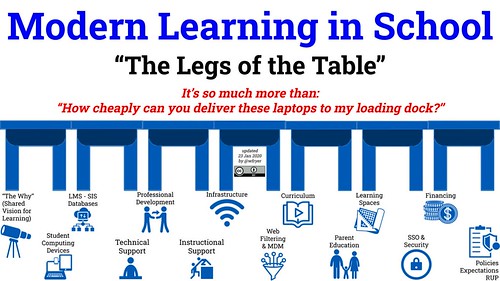
When developing a live-training profile page, we can break it down into four unique prompts that cater to different levels of detail and creativity. Think of it as a buffet—some folks want a full plate, while others just want a taste.
Prompt 1. General Overview
Imagine you’re the go-to product designer for a UX consultancy. Your mission, should you choose to accept it, is to whip up a profile page for course attendees. This page needs to showcase all courses they’ve taken, offer downloadable goodies for each, track exam statuses, and even give a status update on their quest for UX certification.
Prompt 2. Detailed Instructions
Alright, let’s turn up the specificity dial! You’re back as the senior product designer at a UX research consultancy, working on that profile page. Now, let’s break it down:
- Certification Progress: Show how close they are to different certifications.
- Course History: List all past courses with important details like course title and exam status.
- Exam Credits: Display available credits and offer purchase options.
- Filtering Options: Let users sort features by specialty or exam status.
Isn’t it like organizing your closet—keeping everything neat and easy to find?
Prompt 3. Visual and Design Elements
You’re still the superhero designer, but this time, you have a wireframe! Based on the sketch provided, create a stellar profile page featuring all the needed functionalities.
| Component | Description |
|---|---|
| Certification Panel | Displays progress towards various certifications. |
| Course History | Lists all courses with details like titles and exam attempts. |
| Exam Credits | Shows available credits with buying options. |
| Filter Options | Enables sorting by specialty or exam status. |
Prompt 4. Redesign Challenge
Here’s where it gets juicy! Your task? Redesign the existing profile page that feels cluttered and outdated. Address:
- All that clutter—let’s bring some fresh air!
- Outdated visuals—time to modernize!
- Low engagement—let’s inject some fun into the experience!
Picture attending a party—nobody wants to stay if the music’s terrible!
Next, we’re going to chat about how to revamp an online system for bulk training purchases. It’s a bit like reupholstering that old chair in the corner; it needs a fresh look while still being comfy!
Revamping the Bulk Purchase Experience
Prompt 1. Overall Concept
Imagine you’re a product designer at a big-name consultancy that focuses on UX training. Your company’s got big plans – they’re rolling out a scheme for businesses wanting to buy in bulk. This means companies can buy a stack of training credits and score some sweet discounts.
For instance, let’s say Company A decides to throw a party: Team 1 buys 200 credits while Team 2, a bit more frugal, goes for 100. Now, it’s our mission to help these teams buy those credits smoothly.
Tasks include:
- Logging into the company portal easily.
- Checking out the teams with bulk orders.
- Diving into the order history like it’s a Netflix binge.
- Putting in requests for more credits when they run low.
- Keeping track of total credits for courses and exams for each team.
- Sending Team registration links to help staff enroll straight into courses.
- Viewing those pesky pending requests from employees.
- Giving a thumbs up or down on individual requests.
- Monitoring attendance like a diligent teacher with a roll call.
Every page we create should be as friendly as your favorite barista, and accessible for all. Let’s keep our design sharp and user-friendly!
Prompt 2. Redesign and Refinement
Alright, now, let’s think about how we can jazz up the current setup. The goal here is to make an online experience that folks can navigate effortlessly, even if they’re multitasking with one hand while sipping coffee with the other.
Our tasks include:
- Logging into the business portal.
- Viewing teams with bulk orders.
- Accessing order histories like scrolling through a family album.
- Requesting more credits’s quicker than they can say “more learning!”
- Checking total credits available.
- Sharing registration links, so team members can sign up easily.
- Monitoring pending course requests.
- Deciding on course requests based on their worthiness.
- Tracking employee attendance to ensure no one’s pulling a Houdini.
Yet, we need to address some issues in our current flow:
- The navigation is like a maze – users can easily get lost.
- The visuals look like they time-traveled from 2005. We need a design that screams “modern and trustworthy.”
Here’s what the flow looks like now:
- Dashboard Page: A snapshot of all teams’ pending requests and credits.
- Team Credits Page: Displays remaining credits and has a “Request More” button.
- Order Detail Page: All about order specifics and billing details.
- Course Request Page: This page manages employee course requests across several tabs.
Now we’re going to chat about how we evaluate designs, taking a peek into our checklist that keeps us on track. Buckle up, because it gets a bit lively!
Design Assessment Guidelines
Evaluating design is a bit like critiquing that last slice of pizza at a party—everyone has opinions, and some are definitely more qualified than others! So, we’ve whipped up a set of criteria that helps us figure out which designs hit the mark and which just need a little more love.
- Goal alignment: We make sure the design matches the objectives, like checking if our coffee actually wakes us up.
- Concept quality: Here we look for diversity—just like our favorite playlists, we need different flavors of design.
- Visual design: This includes hierarchy, balance, and consistency. Think of it like presenting a beautiful dish—you want it to look as good as it tastes!
- Interaction and usability: We also check how easily users can navigate, ensuring everyone can find their way without needing a treasure map.
|
Dimension |
Criterion |
Description |
|
Goal alignment |
Design-objective fit |
Does the interface actually meet the goals we’ve set? Kind of like checking if we ordered a burger and not a salad! |
|
Prompt compliance |
Are all needed features present? If not, we’re in trouble. It’s like finding out someone forgot the cheese! |
|
|
Concept quality |
Solution diversity |
We look for meaningful differences in design options. Boring should never be an option! |
|
Creative judgment |
Do the ideas stand out? They should have that zing! Think of it as a surprise sparkler at a birthday party! |
|
|
Visual design |
Information hierarchy |
Is the important stuff easy to find? It should jump out at us like “SALE!” signs in a store. |
|
Compositional balance |
Are elements arranged nicely? We aim for something as pleasing as a well-set dinner table! |
|
|
Consistency |
Design should be coherent. Imagine wearing polka dots with stripes—isn’t that a fashion faux pas? |
|
|
Aesthetics |
Does it look good? We want beauty that matches functionality—like a sports car that could actually race! |
|
|
Interaction and usability |
Best-practice compliance |
Does it follow established UX practices? Like how we follow recipes—no chaos allowed! |
|
Accessibility |
Can everyone use it? We’re talking about ensuring accessibility across the board like a welcoming potluck! |
|
|
Responsive performance |
Is it smooth on all devices? We want it to flow like butter—and who doesn’t love butter? |
Now we are going to talk about some of the hurdles we face when dealing with AI tools. Trust us, it’s not all smooth sailing—sometimes it feels like we’re trying to roller skate on a gravel road!
Obstacles and Their Quirks
- Short and sweet inputs: Ever tried fitting a whole pizza into a lunchbox? That’s what using Uizard felt like—staring at a 500-character cap like it was a neon sign saying “don’t even think about it!” We found ourselves acting like wordsmiths, trimming down our prompts to meet the strict limits. Thank goodness for editing — imagine trying to say everything you wanted within a tweet!
- Rolling with the updates: Staying updated in the AI scene is like tracking a new trendy dance move; just when you think you’ve got it down, they change the steps! With ChatGPT-5 hitting the digital shelves, we hurriedly reran tests to keep our findings fresh and relevant. Talk about a surprise twist in our testing routine!
- Free trials with hidden costs: Ah, the classic bait-and-switch! The allure of free trials is like a shiny new toy, only to realize some tools lock essential features behind a paywall. Testing at the free-account level was fine, but every so often, we found ourselves wishing we could unlock premium capabilities without taking out a loan. It’s a penny-pincher’s dilemma!
But here’s the kicker: despite these bumps, we’ve learned a thing or two. Who knew that limitations could actually spark creativity and resourcefulness? Every hiccup, every “oops” moment turned into a mini adventure, making it feel less like work and more like a scavenger hunt for solutions.
For instance, when we faced those character limits, it was like playing a game of Scrabble—word-efficient and slightly nerve-wracking. It forced us to distill our ideas down to their essence, making clear and impactful messages almost a game! Tighter input made us sharper thinkers.
Updates in AI tools might feel overwhelming at times. But let’s be honest, keeping pace with tech is what keeps us on our toes. We like to think of ourselves as tech-savvy ninjas, ready to adapt to new features and finesse our processes. If we didn’t keep revisiting our tests, we might end up running on outdated knowledge—like showing up to a *disco* in sweatpants!
Then comes the free trial rollercoaster. We’ve all experienced the temptation of a shiny new app, only to find the true goodies are lurking behind a paywall. It’s a little like walking into a bakery and realizing only the plain bread is free—but the delightful pastries cost you! Lesson learned; perhaps we should keep our wallets at the ready.
In the end, while the challenges seem like roadblocks, they also serve as stepping stones toward innovation. After all, it’s not the challenges that define our journey; it’s how we adapt to them that gets us riding smoothly! So, let’s roll with the punches and keep pushing forward!
Now we are going to talk about some valuable lessons learned during a recent evaluation project. It’s almost like embarking on a treasure hunt—each lesson is a shiny gold coin waiting to be discovered!
Key Takeaways
- Treat the evaluation like a science experiment. Think about it—when we see a mad scientist in movies, what do they do? They have a plan, right? So, we approached our evaluation as if we were those very scientists. We outlined our objectives, controlled those pesky variables, and set clear criteria. Most importantly, we decided to keep the process consistent. It made our insights not only objective but also incredibly valuable.
- Pilot test and refine those prompts. Remember that time we awkwardly stumbled through a karaoke rendition of a classic? It’s much better to rehearse first! Similarly, we started testing our prompts on general AI chatbots before diving into specialized ones with tighter credit restrictions. This way, we shaped our prompts without burning our resources too quickly. It was like practicing for the big show.
- Keep documentation as sturdy as an old oak tree. In bigger projects, communication is key. We crafted a shared document that acted as our touchstone—a blueprint of sorts for everyone involved. Plus, we utilized a FigJam board to keep track of our findings. This approach ensured everyone was on the same page and working in harmony. And let’s not forget, no one enjoys the chaos of miscommunication!
| Lesson | Key Action | Benefit |
|---|---|---|
| Treat it like science | Establish criteria, control variables | Generate objective insights |
| Pilot test prompts | Refine before use | Optimize resource use |
| Strong documentation | Create shared resources | Ensure team consistency |
So, what’s the big takeaway? Evaluate with intention, rehearse to avoid missteps, and don’t underestimate the power of solid documentation. It might feel a bit like herding cats at times, but those lessons bring order to the chaos, leading to results we can all be proud of!
Conclusion
Reflecting on our design process, it’s clear that every challenge presented a unique opportunity for creative problem-solving. Whether it was those unexpected quirks or the thorough guidelines we developed, our experiments taught us invaluable lessons. Remember, design is an ongoing conversation, so let’s keep the dialogue alive. As we refine our approaches and strategies, let’s ensure our creations resonate with users—keeping them engaged and happy with every click. So, here’s to more humorous mishaps and successful designs in the future!
FAQ
-
What was the challenge faced in designing the live training profile page?
The challenge involved ensuring that all course lists and certification progress bars were accurately displayed, likening it to picking the perfect avocado. -
What did the design process for the bulk purchase enterprise plan resemble?
It felt like assembling IKEA furniture without instructions, highlighting the necessity of clarity in design. -
How many phases were involved in evaluating the AI designs?
The evaluation process unfolded over three phases: crafting writing prompts, generating designs with AI, and thoroughly inspecting those designs. -
What was one of the humorous ways used to describe their testing phase?
They compared it to the chaos of a kids’ art class, emphasizing the fun yet disorderly nature of the evaluation. -
What are the categories of AI prototyping tools mentioned in the article?
The categories mentioned are AI-assisted design, AI-assisted (vibe) coding, and general-purpose AI chatbots. -
What is the first prompt for creating a course attendee profile page?
The first prompt is to imagine yourself as a product designer tasked with creating a profile page that showcases all courses taken, downloadable resources, exam statuses, and certification updates. -
What does the redesign challenge for the profile page focus on?
The redesign challenge aims to address clutter, outdated visuals, and low engagement, enhancing the overall user experience. -
What are the main issues identified in the current bulk purchase flow?
The main issues include confusing navigation and outdated visuals that do not reflect a modern interface. -
What are the key criteria for evaluating designs laid out in the article?
The key criteria include goal alignment, concept quality, visual design, and interaction and usability. -
What valuable lesson is highlighted regarding the evaluation process?
One valuable lesson is to treat the evaluation like a science experiment, establishing criteria and controlling variables for objective insights.
Artificial Intelligence Malta: 7 Powerful Ways AI Is Transforming the Maltese Economy in 2025
Artificial Intelligence Malta: Revolutionising an Island Nation in 2025
In 2025, artificial intelligence in Malta is no longer a futuristic concept—it’s already shaping the way businesses, governments, and startups operate. As a forward-thinking hub in the heart of the Mediterranean, Malta is making significant strides in integrating AI technologies across various sectors.
In this article, we explore how AI is impacting key industries in Malta, how local businesses can leverage AI tools, and what the future holds. Whether you’re an entrepreneur, investor, policymaker, or digital enthusiast, this guide is packed with actionable insights.

1. What is Artificial Intelligence and Why Malta Matters
Artificial intelligence (AI) refers to machines or systems that simulate human intelligence—learning, reasoning, problem-solving, and adapting. In Malta, the adoption of AI is being propelled by its digital-first economy and robust government initiatives.
As a tech-friendly nation with a high rate of internet penetration and English-speaking population, Malta offers fertile ground for AI experimentation and commercialization.
According to the Malta Digital Innovation Authority, the government aims to position Malta as a “centre of excellence in AI by 2030.”
2. Government Support & National AI Strategy
The Malta Digital Innovation Authority (MDIA) and the Malta AI Taskforce have laid out frameworks that encourage responsible AI growth. Malta’s National AI Strategy, “Malta: Towards an AI Nation”, outlines initiatives in:
- Education and AI literacy
- Legal frameworks for AI ethics
- Business grants and R&D incentives
These efforts place artificial intelligence Malta as a front-runner among EU countries embracing AI in a responsible and innovative way.
📚 Learn more on the official MDIA website.
3. AI in Healthcare
One of the most impactful uses of AI in Malta is in healthcare. Hospitals and clinics are implementing AI algorithms for:
- Predictive diagnostics using medical imaging
- Patient triage bots to reduce waiting times
- AI-driven health data analytics to identify public health trends
Malta’s Mater Dei Hospital has begun integrating AI tools to enhance radiology accuracy—reducing human error and accelerating diagnoses.
4. AI in Finance & iGaming
a. FinTech & Blockchain
AI is a major component of Malta’s growing FinTech and blockchain sectors. Algorithms are used to:
- Automate KYC (Know Your Customer) and AML (Anti-Money Laundering) checks
- Identify fraudulent transactions
- Deliver personalized banking experiences
Malta, known as the “Blockchain Island,” is now becoming an AI hub for smart contract automation and financial fraud prevention.
b. iGaming Industry
AI is also revolutionizing the iGaming industry, a sector contributing over €1 billion to Malta’s GDP.
AI is used for:
- Predictive gaming analytics
- Player behavior monitoring
- Responsible gaming compliance
Malta-based companies like Betsson Group are already investing heavily in AI research to personalize user experiences.
5. AI for Small Businesses and Marketing
Why AI Is a Game Changer for SMEs in Malta
With tools like ChatGPT, Jasper, and MidJourney, small businesses in Malta can:
- Automate customer service using AI chatbots
- Generate blog content and product descriptions
- Run predictive ads via AI-powered platforms
At Digital Consulting Pros, we help local businesses implement AI tools to boost digital marketing ROI, generate leads, and improve customer engagement.
6. Opportunities for AI Startups in Malta
Malta is a hotbed for AI startups due to its pro-business environment, tax incentives, and access to EU markets.
If you’re an entrepreneur considering launching an AI-focused venture, here are sectors ripe for disruption:
- LegalTech: Automating document review and compliance
- Maritime AI: Route optimization and fuel efficiency
- EdTech: Adaptive learning platforms
💡 Tip: Malta Enterprise offers startup grants and innovation vouchers for AI projects.
7. Challenges & Ethical Considerations
Despite the advantages, Malta faces challenges in:
- Data privacy and GDPR compliance
- Talent shortages in AI and machine learning
- Ensuring algorithmic fairness and preventing bias
It’s crucial to follow EU guidelines on trustworthy AI and prioritize ethical development.
8. Frequently Asked Questions (FAQs)
1. How is Malta supporting AI education and workforce development?
Malta has integrated AI into university curricula, offers scholarships in data science and machine learning, and supports AI literacy through public initiatives.
2. Are there AI grants or funding programs available in Malta?
Yes. Entities like Malta Enterprise and MDIA offer innovation vouchers, R&D grants, and startup funding specifically for AI and emerging tech.
3. What regulations govern AI in Malta?
Malta aligns with EU AI policies and emphasizes ethical AI development. The Malta Digital Innovation Authority (MDIA) ensures compliance, transparency, and accountability in AI systems.
4. Can foreign companies launch AI ventures in Malta?
Absolutely. Malta encourages foreign investment in AI and offers a business-friendly environment with access to the EU single market, low corporate tax, and digital infrastructure.
5. What role does AI play in Malta’s tourism sector?
AI chatbots are used by hotels and travel companies for bookings, multilingual customer service, and predictive analysis of tourist trends.
6. How is AI used in Malta’s education system?
Schools and universities use adaptive learning platforms, AI tutors, and performance analytics tools to personalize education.
7. What is Malta’s stance on AI ethics and data privacy?
Malta follows GDPR closely and supports ethical AI principles including transparency, non-discrimination, and human oversight.
8. Are there local AI events or conferences in Malta?
Yes, events like Delta Summit, Malta AI & Blockchain Summit, and university-hosted symposiums focus on AI innovation and networking.
9. Is AI adoption high among Maltese SMEs?
Adoption is growing. Many small businesses are using AI for marketing, automation, customer service, and analytics thanks to affordable tools and local support agencies.
10. Where can I learn more about AI tools for business in Malta?
You can explore guides and services at Digital Consulting Pros for practical strategies on using AI in your Maltese business.
9. Final Thoughts: Why Artificial Intelligence in Malta Matters
Malta’s journey into the AI revolution is still unfolding—but the foundations are strong. With government support, tech-savvy talent, and rising demand for automation, artificial intelligence in Malta is poised to redefine how the country works, heals, learns, and grows.
If you’re a business owner in Malta, the time to integrate AI into your operations is now. Start small, stay ethical, and scale with purpose.
👉 Ready to embrace AI in your business? Visit Digital Consulting Pros to learn how we can help you implement AI-driven strategies.