31 Slightly Different Black Friday Email Examples (That Actually Get Attention)
As the leaves turn and turkey-laden tables start to appear, retailers everywhere gear up for one of the busiest shopping weekends of the year: Black Friday and Cyber Monday. Ah, not only a time for feasting but for the hunt of bargains! I fondly recall a Black Friday where half my family got into a bidding war over the last video game console on sale. Spoiler alert: I didn’t win, but my email inbox sure did! At this time of year, strategic email marketing is crucial to stand out in a flurry of holiday promotions. Crafting campaigns that engage customers can lead to impressive sales outcomes. Let’s explore some of the finest email marketing tactics, from quirky subject lines that stop thumbs in their tracks to post-Cyber Monday follow-ups that keep the momentum going. You’re bound to discover something useful, even a chuckle or two!
Key Takeaways
- Engaging subject lines can increase open rates significantly.
- Start your email campaigns early to capture pre-Black Friday interest.
- Utilizing customer data helps in personalizing campaign messages.
- Post-sale follow-ups can drive future engagement and loyalty.
- Creative content can make your email stand out from the competition.
Next, we’re going to explore some fantastic email marketing examples that pack a punch during Black Friday. Let’s sprinkle in a bit of humor and inspiration to help us craft emails that resonate with shoppers.
Outstanding Email Marketing Campaigns for Black Friday
QUICK NAVIGATION:
👉 PRE-BLACK FRIDAY CAMPAIGNS
1. Kyte Baby knows how to get our attention by reminding us to mark those calendars for early deals.
2. Swoveralls rolls out the red carpet for VIP customers, showcasing the perks of being a loyal shopper.
3. Last Crumb throws in gift cards to sweeten the pot, ensuring no one feels left out on Black Friday.
4. Crate & Barrel makes sure we receive our orders in time for Thanksgiving—because who wants to set a beautiful table with cardboard boxes?
5. REI offers handy wisdom on how to spend Black Friday wisely, sending us towards nature and away from the mall madness.
6. Melanie Casey provides sneak peeks with exclusive passcodes—because who doesn’t love feeling special?
👉 ACTUAL BLACK FRIDAY EMAILS
7. Paire’s campaign features tiered free gifts, reminding us that the more we buy, the more we get—who doesn’t love a great deal?
8. Cards Against Humanity cleverly asks for just $5, shifting the usual sales pitch into something quirky and fun.
9. Casper flips the script, reassuring us that we can chill on urgency during their sales—like a warm blanket on a frosty night.
10. Stiksen displays a back-up deal, ensuring we won’t miss out, even if we completely forget what day it is.
11. Samuelsohn Factory Direct makes shopping easy with ready-to-go carts—because who has time for decision fatigue?
12. Steve Madden offers alternative shopping routes, figuring out how to spare us from endless scrolling.
13. Fab Fit Fun invites us to choose our own gift—like picking the best snack at a party!
- 14. Athletic Greens spruces up their welcome emails for Black Friday.
- 15. Destination XL sends out price drop alerts that’ll make us do a little victory dance.
- 16. Dewey proposes a one-time subscription alternative just for Black Friday; they really know how to get our attention!
- 17. Spiceology ticks off daily deals, keeping our taste buds (and wallets) happy.
- 18. Birddogs frames a freebie as a giveaway, turning the spotlight on generosity during BFCM.
- 19. Pangaia ensures that Black Friday purchases support a good cause—feel-good shopping at its finest!
👉 BLACK FRIDAY WEEKEND CAMPAIGNS
20. Third Love addresses outages with a limited-time compensation, showing they’ve got our backs.
21. Craighill extends savings into Small Business Saturday—because why stop the good vibes?
22. Cotopaxi sends out ‘Selling Fast’ alerts, playing off our natural fear of missing out—thanks, anxiety!
23. Altitude Sports reminds us that the savings train keeps rolling with extended returns, which is music to our ears.
👉 CYBER MONDAY APPROACHES
24. GFDA bridges the excitement between Black Friday and Cyber Monday—talk about keeping the party going!
25. Onebone gives us a chance to earn back our order value; who needs a reward program when shopping is the reward?
26. Glossier sends alerts about potential delays—because who hasn’t felt that breath-holding moment post-purchase?
27. NOCS Provisions shows how to access last-chance bundles like a pro, making sure we don’t let good deals slip away.
👉 EMAIL CAMPAIGNS AFTER BFCM
28. Lou & Grey pushes urgency that keeps our wallets ready.
29. Cocoon reminds us about those gift cards that are expiring—like a ticking time bomb of joy!
30. Vintage Frames Company keeps our excitement going with surprise rewards.
Now we are going to talk about how to spark interest before the big shopping frenzy starts. It’s all about those pre-Black Friday emails that get our customers buzzing and prepared for some serious deal-hunting. So, let’s share a few gems from brands that have hit the nail on the head with their warm-up email strategies.
PRE BLACK FRIDAY SALE EMAIL TIPS
1. Kyte Baby’s Calendar Reminder
Ah, Black Friday—like a holiday version of a rollercoaster ride! But guess what? Kyte Baby takes the edge off by sending out an email to remind everyone to mark their calendars.
This little nudge keeps shoppers informed about what to expect from the brand, along with notifications for when the sales kick off. It’s like a friendly nudge from a buddy to remind you that Christmas shopping is coming up fast, isn’t it?
Takeaways for our own pre-Black Friday emails:
- Keep it simple—grab attention with a catchy headline and a quick rundown of what’s in store.
- Highlight items that scream “perfect gift,” so shoppers know exactly what to snag.
And here’s a friendly tip: Sending out a gifting guide before and during Black Friday can work wonders. After all, who doesn’t love a handy list?
2. Swoveralls’ VIP Treatment
Some brands really know how to sprinkle some fairy dust on their loyal customers. Swoveralls, for instance, gives VIPs early access to their Black Friday bonanza.
Vacation vibes aside, they even throw in some bonus perks. Talk about making your VIPs feel like they hit the jackpot!
Key takeaway?
Let VIP shoppers feel exclusive with deals that are simply better than anyone else’s. Building trust with your audience is crucial—better than a hot cup of cocoa on a chilly day.
3. Last Crumb’s Gift Card Gimmick
Last Crumb knows how to keep the party going even after Black Friday. Their emails playfully advertise discounts on gift cards, meaning the sales echo into the holiday season. Who wouldn’t want a sweet deal wrapped in a cookie-themed delight?
Takeaways:
- Show that your deals have lasting value—who says gift cards can’t be fun?
- Address potential shopper worries right in your copy, offering peace of mind through easy returns or warranties.
4. Crate & Barrel’s Thanksgiving Tie-In
Thanksgiving and Black Friday are like peanut butter and jelly—best served together! Crate & Barrel cleverly uses their Thanksgiving emails to give a sneak peek of their Black Friday deals while promoting speedy shipping options.
Completing that festive dinner table and snagging a deal? Sounds like a win-win!
Key takeaway:
Mention the shipping time—it gets those procrastinators clicking away. Reports say shoppers love expedited shipping toward the end of November. It’s like striking while the iron is hot!
5. REI’s Anti-Black Friday
Now, who says you must go all out buying on Black Friday? REI flips the script by encouraging outdoor family time instead—who knew skipping the store could feel so good?
Their approach? Direct and heartwarming, guiding shoppers to focus on quality time instead of hunting for deals.
Key takeaway:
If you’re not doing Black Friday deals, offer something valuable instead, like outdoor experiences that connect with family. They’ll trust your brand more than a dog trusts a mailman!
6. Melanie Casey’s Exclusive Access
Got exciting products ready to roll out on Black Friday? Melanie Casey’s emails brilliantly separate customer access levels, granting VIPs special passcodes for early access.
The anticipation builds—nothing quite like gearing up for a big release, right?
Key takeaway:
Notify shoppers about product launches well before Black Friday, so they’re prepped and ready to hit that “Buy Now” button as soon as the clock strikes.
So as we gear up for the holiday rush, let’s remember these clever email strategies. With a little creativity and the right touch, we can keep our customers excited and ready to shop!
Now we are going to talk about some captivating Black Friday email campaigns that make the shopping frenzy memorable and engaging.
UNIQUE BLACK FRIDAY EMAIL CAMPAIGNS

1. Paire’s Tiered Gift Approach
We all know that confidence can turn a hesitant buyer into a shopping ninja! According to a recent study from Google, confident customers are likely to spend more.
What’s brilliant about Paire’s Black Friday email is how they cleverly sidestep the predictable ‘huge discount’ trap. Instead, they encourage a little retail adventure by enticing shoppers with gifts tied to various spending tiers. It’s a win-win, as they both boost customer engagement and increase average order value (AOV). Not to mention, each freebie is wrapped in excitement:
- Engaging designs
- Animated GIFs
- Handwritten fonts
We can all take a page from Paire’s playbook. It’s all about framing those offers creatively!
2. Cards Against Humanity’s Hilarious Twist
In a sea of ‘save x%’, Cards Against Humanity threw a curveball with their “give us $5” approach. Talk about a bold move that stands out! Who knew asking for a fiver could trigger open rates?
Using humor effectively draws readers in, and their cheeky subject lines make sure to do just that. Something like “You wouldn’t last 9 seconds with 60%” gives shoppers a reason to click and chuckle!
3. Casper’s Chill Vibe
We live in a world of last-minute shopping chaos. Still, Casper decided to take it easy with their “Choose snooze” message. Instead of frantic countdowns, they’re all about relaxation—reminding shoppers there’s no need to rush.
This unconventional calm has built trust and communicates brand personality beautifully. Sometimes, less is more! We could benefit from taking a deep breath ourselves, right?
4. Stiksen’s Backup Offer
What happens when stock runs low? Stiksen knows the struggle. They introduce a backup offer—a classic 25% off—instead of simply shutting down a deal. A smart pivot that guides shoppers even when stocks drop!
They hide prices but showcase the sheer value of bundled offers. It’s all about the presentation!
5. Samuelsohn Factory Direct’s Ready-to-Shop Carts
No one wants to wander through pages trying to find the perfect fit. Samuelsohn Factory Direct steps up by offering curated ‘ready-to-shop carts’. They simplify the decision-making process like pros!
A bundled offer with clear discounts helps customers find exactly what they want—saving time and energy!
6. Steve Madden’s Personalized Shopping Paths
When it comes to shoe shopping, size matters! Steve Madden nailed it by showcasing unique products based on shoe sizes. Click, select, and voilà!
Helping customers avoid disappointment over sizes shows true empathy. Sometimes, all it takes is a little thoughtfulness to create an incredible shopping experience!
7. Fab Fit Fun’s Dual Offer Strategy
Why decide on just one offer? Fab Fit Fun’s email treats recipients to two deals at once. A BOGO alongside a discounted price? It’s a win-win!
And the eye-catching visuals? Just icing on the cake! Always remember, it’s vital to keep readers engaged.
8. Athletic Greens’ Enhanced Welcome Email
Finally, for shoppers who joined but haven’t taken action, Athletic Greens ramped up their welcome email during Black Friday. Offering special discounts and freebies is a clever way to entice new customers.
A reminder that modifying email sequences can breathe new life into marketing efforts!
9. DXL’s Price Drop Alerts
For those who already showed interest, DXL sends targeted emails featuring previously browsed items with price drops during Black Friday. It’s a direct line to conversions!
The key takeaway? Always keep your audience in mind. Timing is everything for grabbing their attention!
10. Dewty’s One-Time Subscription Perk
With tight budgets floating around amid rising tariffs, Dewty tackled the dilemma with a one-time subscription model. It strikes a chord for many shoppers trying to navigate their spending.
Having personalized subject lines that resonate with customers can reignite interest. No one likes to feel forgotten!
11. Spiceology’s Daily Deals Narrative
Spiceology deals with information overload by sending daily emails. Highlighting a different staff member and their top picks adds a personal touch—bringing a human angle to their deals!
It’s more about connection than just a sale!
12. Birddogs’ Unique Giveaway
In the spirit of Black Friday, giveaways can be a big draw. Birddogs nailed it with their ‘Bird Protector’ giveaway for multipair orders, transforming a simple transaction into a fun opportunity for shoppers!
Offering a story behind gifts often makes for more compelling campaigns. Remember, folks, shoppers love a reason to buy!
13. Pangaia’s Meaningful Discounts
With skepticism swirling around discounts, Pangaia is making waves by tying their discounts to charitable giving. By asking customers to donate to charity to unlock deals, they highlight ethical shopping—making the buying experience meaningful.
Inspiring true social consciousness can give shoppers a reason to feel good about their purchases!
| Campaign | Key Idea | Takeaway |
|---|---|---|
| Paire | Tiered free gifts | Engaging presentation is key. |
| Cards Against Humanity | Unique $5 request | Humor catches attention. |
| Casper | Anti-urgency approach | Calm builds trust. |
| Stiksen | Backup offer | Pivoting offers maintains interest. |
| Samuelsohn | Curated carts | Streamline the buying process. |
Now we are going to talk about some clever email strategies to pull off a successful Black Friday weekend. Grab your coffee, because these insights are as valuable as gold when gearing up for those crazy shopping days.
SURVIVING AND THRIVING ON BLACK FRIDAY WEEKEND
1. Third Love Addresses Glitches with Discounts
Nothing says “Oops!” quite like a website crash during Black Friday madness.
When ThirdLove’s site decided to take a little vacation post-launch, they didn’t just throw in the towel. Instead, they sent out a friendly email saying, “Hey, here’s $20 off for your trouble!”
Genius, right?
Key takeaway: Always have a backup email at the ready for those pesky site hiccups. Re-engage with folks who clicked but didn’t seal the deal.
Pro Tip: Target those who did manage to order with something like, “In case you want seconds, here’s $20 off on orders over ${AOV}.” It’s like dessert after dinner – who can resist?
2. Craighill Sheds Light on Small Business Saturday
With tariffs ready to rain on Black Friday parades in 2025, it’s smarter than ever to highlight local charm.
According to an eMarketer study, many shoppers prefer supporting local over foreign imports. Craighill nails this with their Small Business Saturday campaigns, reminding customers that their dollars matter.
Key takeaway: Use this opportunity to share your story and what you’re fighting for—like pre-tariff prices!
Pro Tip: Most emails are already dark and moody—literally! So, double-check those colors and sizes for readability in dark mode.
3. Cotopaxi’s ‘Selling Fast’ Alerts
Want to create a sense of urgency? Cotopaxi sure does!
They know that 57% of shoppers appreciate timely deal alerts. Little nudges like “Selling Fast!” can ignite those shopping carts.
Key Black Friday inspiration: Use this idea to showcase restocked items with urgency. Toss in a stat like “sold out in 10 minutes last year” for that extra push.
Pro Tip: If a shopper was eyeing out-of-stock items, offer them alternatives at a discount. It’s a win-win!
4. Altitude Sports Extends the Fun
After Small Business Saturday, Altitude Sports knows how to keep the party going.
Their strategy? Send enthusiastic emails to reassure customers that the fun continues and offer extended returns—right until the New Year!
Key takeaway: Use this tactic for fresh eyes or those who haven’t bought from your flashy emails before. Make them feel like VIPs!
Pro Tip: Don’t skimp on shipping info—it’s crucial! Mention that deliveries remain on track even amidst holiday chaos or strikes.
- Prepped emails ensure smooth sailing during site hiccups.
- Highlighting local values can resonate with consumers.
- Creating urgency leads to quick purchases.
- Assure customers with continued offers and extended returns.
In the end, it’s all about keeping customers in the loop and making their shopping journey enjoyable. Just remember, a little humor can go a long way in retaining engagement amidst the holiday hustle!
Now we are going to talk about some knock-your-socks-off Cyber Monday email marketing strategies that really stand out. These examples will make you think, “Why didn’t I do that?” Well, let’s dig in!
CYBER MONDAY EMAIL INSPIRATIONS
24. GFDA Keeps the Black Friday Spirit Alive
Ever been in a situation where you’re awake at 2 AM and wishing you grabbed that Black Friday deal? GFDA gets it! They don’t reinvent the wheel for Cyber Monday but simply punch it up a notch.
They send emails that scream, “Missed Black Friday? Don’t worry, we got you covered!” It’s like your friend saying, “I saved you some leftover pizza.” Who could resist that? Key takeaway: Your Cyber Monday emails don’t need a full makeover; just give your readers a warm reminder that good deals are still in the pantry.
25. Onebone Makes Shopping Personal Again
As the clock ticks closer to the end of those Black Friday deals, Onebone swoops in with a dash of personalization. They dangle a $100 gift card like a carrot in front of a rabbit. It’s enough to get even the most hesitant buyer to hit that “add to cart” button.
Picture this: you’re scrolling through endless products but pause because they featured something just for you. Key takeaway: Throw in personalized touches and watch your sales increase. Nobody likes a generic email—give them the VIP treatment!
26. Glossier Communicates with a Side of Humor
Glossier knows that during the cyber shopping frenzy, delays can happen, and they handle it like pros. They keep it light, joking about shoppers losing track of their order confirmations. It’s like a friend texting you, “Don’t worry, you’re not alone!”
They turn potential panic into laughter. Plus, they let you know that shipping might take a bit longer. Key takeaway: Transparency is key! A little humor can soothe the worries of your customers. Offer support options like live chats, and keep the communication lines open. Trust builds sales!
27. NOCS Provisions Has the Last-Chance Strategy on Lock
So, maybe a few shoppers left your Black Friday deals hanging? NOCS Provisions doesn’t throw in the towel—they send a “last chance” email that’s as inviting as a warm blanket on a chilly night.
They creatively illustrate how to unlock exclusive bundles, showing shoppers exactly what they’re missing. It’s like using a treasure map—follow the clues, and you could snag a sweet deal! Key takeaway: Last-chance emails don’t have to sound desperate. Educate your audience about the value, and toss in a hint of urgency without sounding pushy.
- Maximize on humor to connect.
- Personalize like you’re writing to a friend.
- Be upfront about delays to earn trust.
- Use visuals for last-chance offers.
Now we are going to talk about the importance of those vital emails sent after Black Friday and Cyber Monday, the ones that can considerably boost engagement. Don’t underestimate their potential! They can drive the last nails into the coffins of leftover stock or pull in those last-minute peeks from shoppers.
AFTER BFCM EMAIL STRATEGIES
28. Lou & Grey Turns Up the Heat
Have you ever opened an email and felt like you were being watched by a clock that was about to strike twelve?
That’s the vibe we get from Lou & Grey’s post-Black Friday email.
They’ve really got it down, pushing the urgency button like it’s a game show buzzer. We humans thrive on FOMO (Fear Of Missing Out), and a visual countdown can really hit home.
Key takeaway from this email:
Wrap up your sales with a friendly reminder: “Here’s what you missed, but hey, look at what’s still up for grabs!”
Showcase those popular products and keep the excitement alive. And, notice Lou & Grey nailed it with their call to action: “find a store.” Clever!
29. Cocoon Knocks on Gift Card Doors
Ever thought about how that little piece of plastic or e-voucher can work miracles in your marketing efforts?
Cocoon’s Black Friday reminder about expiring gift cards is a cheeky nudge we can all appreciate.
When that $100 e-Voucher is about to vanish into thin air, you’ve got shoppers scrambling to utilize it.
Key takeaway from this email:
Use those e-vouchers to pull back shoppers who might have lost interest.
Who doesn’t love a deadline? It’s akin to the old saying, “A stitch in time saves nine!”
30. Vintage Frames Company Keeps the Good Times Rolling
Have you ever won something and wondered why you didn’t play the lottery more? Vintage Frames Company certainly amps up the thrill with surprise rewards in their follow-up emails.
Their daily deals are spiced up with a twist: a chance to win a refund!
That’s right: “Buy now, cry if you don’t win!”
Key takeaway:
Link those emails with your social strategies. Like Vintage Frames, use your emails to encourage traffic to live events—since nothing beats real-time interaction.
31. Dungarees Sends the “Hey, We’re Still Here” Notice
Sometimes, people need the gentle nudge of a friendly reminder that your sale isn’t done just yet.
Dungarees hit the nail on the head with their “going offline” notice.
I mean, a subject line like “a quick update from the team” makes it sound like a friendly chat. Who wouldn’t be curious?
Key takeaway:
When the smoke clears on Black Friday, consider a straightforward, plain-text email. Cut through the clutter, acknowledge the chaos, and let your customers know what to expect next.
And how about sneaking in some weather updates? That’s a nice touch, wouldn’t you agree? 😊
Here’s a little list to sum it up:
- Create urgency with visuals.
- Leverage expiring gift cards.
- Incorporate rewards in post-purchase emails.
- Send straightforward updates to inform customers.
Now we’re going to talk about some imaginative ways to make email subject lines really pop during the festive shopping frenzy. It’s like trying to stand out in a crowded room full of enthusiastic bargain hunters! So, let’s jazz things up a bit.
Catchy Subject Lines for Black Friday Emails That Really Grab Attention

- Our Black Friday Deals Are On Fire! 🔥
- Score 20% Off Your Favorite Items ❤️
- Snag Early Access to Our Black Friday Blowout! 😍
- Guess What? Our Bestsellers are on Sale!
- 🦷 Enjoy Up to 50% Off This Black Friday!
- Your Personalized Black Friday Deals Start Right Now! 🔥
- Black Friday Prices, No Waiting!
- 🚨 Kicking Off Our Black Friday Sales Early! 🚨
- Get Ready – Prep Your Black Friday Cart!
- ⏰ Less Than 30 Days Until the Madness Begins! 💨
| Subject Line | Emojis |
|---|---|
| Our Black Friday Deals Are On Fire! | 🔥 |
| Score 20% Off Your Favorite Items | ❤️ |
| Snag Early Access to Our Black Friday Blowout! | 😍 |
| Guess What? Our Bestsellers are on Sale! | |
| 🦷 Enjoy Up to 50% Off This Black Friday! | 🦷 |
| Your Personalized Black Friday Deals Start Right Now! | 🔥 |
| Black Friday Prices, No Waiting! | |
| 🚨 Kicking Off Our Black Friday Sales Early! | 🚨 |
| Get Ready – Prep Your Black Friday Cart! | |
| ⏰ Less Than 30 Days Until the Madness Begins! | 💨 |
So why do we focus on crafting these clever subject lines? Well, they set the tone for what’s to come. When people see a subject line that makes them chuckle or piques their curiosity, they’re more inclined to open that email faster than a kid on Christmas morning!
Just imagine banging out a subject that makes folks say, “Oh, I need to see what’s behind that!”
With Black Friday shopping just around the corner, it’s time for all of us to sprinkle a little magic on our emails. After all, who doesn’t appreciate a bit of fun while hunting for bargains? Plus, with the shopping landscape changing faster than fashion trends, we all need a catchy subject line in our arsenal! Happy emailing!
Now we are going to explore some effective techniques for Black Friday email marketing strategies that can help us stand out in the crowded inboxes.
Email Marketing Strategies for a Stellar Black Friday
1. Getting Ahead: Preparing for Black Friday
a) Sending Out Surveys Early
Believe it or not, savvy shoppers think ahead! This is why brands like Estée Lauder cleverly ask customers about their plans as early as September.
We might recall frantically jotting down lists of what we want before the big day – it’s basically a rite of passage. Who knows, that survey might just snag you a discount on your must-have item!
b) Invite Them to Join the VIP Queue
After sending those surveys, consider following up like Aquatru. Offering exclusive early access for a simple text sign-up gets your best customers excited.
It’s like being let in on a cosmic secret! You funnel those keen buyers towards your deals – a win-win.
c) Create a Queue for Landing Pages
It’s not just VIPs who want early access. Getting regular shoppers to sign up for ‘Early BFCM Flash Deals’ can be gold. Kirrin Finch knows the drill with their enticing pop-ups.
After all, who doesn’t love a good mystery gift? It’s like a mini-adventure right in their inbox!
d) Kickstart Deals as Early as October
Why wait until the last minute? October is prime time for early deals.
Back in my shopping days, I’d wait for these sales, sometimes too eager, shaking my shopping list like a maraca! And according to Bazaar Voice, it’s just the right month. It’s never too early to get those early shoppers hooked!
2. Crafting the Perfect Black Friday Email
a) Write Eye-Catching Subject Lines
If your email subject doesn’t pop, it might as well be a snooze button.
Take a cue from Columbia Sportswear, whose subject lines resemble sirens that demand attention. “Price drop on your favorites” just screams, “Click me!” Words like “Exclusive,” “Urgent,” and “Free Shipping” should be our secret weapons.
b) Nail the Email Copy Using the PAS Framework
Ever heard of Problem-Agitation-Solution? This formula can spice up your emails!
For example, a message like “Tomorrow is too late” strikes fear in the hearts of procrastinators like me. When it implies urgency, shoppers can’t resist clicking.
c) Utilize Visuals and Nudges
Images can catch the eye faster than a squirrel with a nut. Fun fact: using bright visuals can increase engagement by a whopping 80%!
So why not throw in some delightful visuals and appeals like free shipping and easy returns?
3. Announcing Sales with Flair
a) Give a Sneak Peek
Let’s be honest – who doesn’t love a sneak preview?
Creating buzz is key, and dropping hints of Black Friday’s big deals will keep your audience on their toes!
b) Tease with New Product Launches
What about tossing in a mystery product? Limited edition items or surprise gifts tease the excitement. People love the thrill of not knowing what’s coming – it’s half the fun!
c) Make Shoppers Feel Special
Offering exclusive VIP discounts can charm even the grumpiest of shoppers. When they think they’re part of an elite group, they’re more likely to make that purchase.
4. Best Timing for Email Campaigns
a) Pre-launch Phase
Launching campaigns early captures wandering shoppers before they get swept into the Black Friday frenzy.
Think of it like getting a head start in a race – the strategy pays off!
b) The Anticipation Phase
As we edge closer to Black Friday, staying relevant is crucial. Shoppers are eager to learn what’s out there. This is when personalized emails can shine. Let’s not keep them waiting!
c) The Final Countdown
The last-minute excitement can trigger impulse buys. Emphasizing traits like ‘ready-to-ship’ can really add that nudge they need to go for it!
5. Timing of Promotions
Starting in mid-October or early November is where the magic happens.
Your strategy shouldn’t just be a one-size-fits-all. Grouping high spenders or previous bargain-hunters seals the deal to keep them engaged.
6. How Many Emails Should We Send?
It’s not about quantity but quality. A well-paced series of emails can build anticipation, leaving room for mistakes in previous years.
Keeping an eye on open rates will help us tailor our approach without the trial-and-error heartaches.
Learn More About Teaser Emails
7. Optimal Send Times for Emails
Spreading emails over a week can go a long way. Research shows many eager shoppers kick-start their hunt early. Mornings between 5 AM and 10 AM seem to be the golden window!
8. Measuring Campaign Success
Success isn’t just about making sales; it’s about meeting our goals.
Let’s reflect on whether we’ve achieved that spiffy conversion rate or if there’s room for improvement!
- Did we hit our target?
- Was our inventory cleared out?
- How’s our ROI looking?
Now we are going to discuss how to turn Black Friday email marketing into a money-making powerhouse.
Boost Your Black Friday Email Game for Serious Sales
It’s a bit wild, isn’t it? Many eCommerce owners treat email marketing like that dusty treadmill in the corner—promising but mostly ignored.
When something happens in email marketing, you hear responses like, “We just stick to basic templates” or “Emails? We don’t have a real plan.”
But here’s the kicker: some savvy stores rake in over 30% of their revenue from a well-crafted email strategy!
Imagine standing in line on Black Friday when that unexpected email hits your inbox—bing!—and it’s for a deal you can’t resist.
This is where smart strategies come into play, transforming passive lists into engaged communities. Frankly, it’s like turning leftovers into a gourmet meal.
As we gather our thoughts, let’s break down what can be done to master this holiday email marketing dance. Here’s what we need to keep in mind:
- Know Your Audience: Understanding who they are goes a long way. We’ve all seen those emails that make us say, “Who even are you?”
- Timing is Key: No one wants a Black Friday reminder on the Wednesday before. It’s all about perfect timing.
- Engaging Subject Lines: Get creative! Think of them as the cover of a bestseller—if it doesn’t grab attention, it’s going straight to the junk folder.
- Personalize Everything: Nobody likes a one-size-fits-all approach. A sprinkle of personalization can turn an “Okay” email to a “Wow, they really care!” moment.
- Use Eye-Catching Visuals: A lit-up Christmas tree can make your graphic pop in-shop—it can do the same in an email.
As the holiday fervor hits, those clever strategies won’t just keep our emails out of the spam folder; they’ll also engage customers in a lively conversation about what we offer.
Relevant content can stir joy; it can make someone’s day just a tad brighter—who doesn’t want that? With the right approach, we create not just another shopping experience, but a warm invitation for our audience to partake in what we’ve cultivated over the year.
And remember, that one email could end up being the breakthrough moment—where that reader becomes a loyal customer rather than a one-time shopper.
Together, let’s make this Black Friday legendary and transform our email game into a remarkable success! It’s time to have some fun with it, sprinkle a bit of cheer, and watch those sales roll in!
Conclusion
As we wrap up our exploration into email marketing strategies for Black Friday and Cyber Monday, remember: it’s about more than just sales. It’s about connection, engagement, and a sprinkle of creativity in your emails. While trends shift like the wind, the core of effective email marketing stays anchored in understanding your audience. Here’s hoping your sales soar higher than Aunt Susan’s pie crust! We can all use a friendly reminder that amidst the chaos, there’s joy and camaraderie in shared shopping experiences. Buckle up; may your inbox buzz with excitement and engagement!
FAQ
-
What is the importance of pre-Black Friday emails?
Pre-Black Friday emails help generate excitement and prepare customers for upcoming deals, making them feel informed and engaged. -
How can Kyte Baby effectively catch shoppers’ attention?
Kyte Baby sends reminders for shoppers to mark their calendars for early deals, acting as a friendly nudge for potential customers. -
What strategy did Swoveralls use to reward their loyal customers?
Swoveralls offered VIP customers early access to their Black Friday deals along with extra perks to enhance their shopping experience. -
How did Last Crumb keep shoppers engaged beyond Black Friday?
Last Crumb cleverly promoted gift card discounts, ensuring their offers remain relevant and appealing into the holiday season. -
What unique approach did REI take during Black Friday?
REI encouraged customers to focus on outdoor family time instead of traditional shopping, promoting quality experiences over purchases. -
What was Casper’s message during their Black Friday campaign?
Casper used a relaxed approach with their “Choose snooze” message, reassuring customers that they don’t need to rush to make purchases. -
What technique did Paire use to boost customer engagement?
Paire introduced tiered free gifts based on spending levels, encouraging customers to increase their purchase amounts for better rewards. -
How did Third Love address website issues during Black Friday?
Third Love sent out an email offering a discount to customers affected by site outages, demonstrating their commitment to customer satisfaction. -
What strategy did GFDA use for their Cyber Monday emails?
GFDA reminded customers of missed Black Friday deals, creating a sense of urgency while keeping the excitement alive. -
Why are catchy subject lines crucial for Black Friday emails?
Catchy subject lines grab readers’ attention, increasing open rates and encouraging engagement with the email content during a competitive shopping period.

Strategies for Ensuring Brand Visibility in the Era of Zero-Click Search
Zero-click searches—sounds fancy, doesn’t it? But it’s really about the little glimpses into our digital lives. Remember that time you asked Google about the weather, and it told you without needing to click? That’s zero-click in action! As search engines get smarter, they’re serving us information faster than we can say, ‘I didn’t even click!’ This shift has significant implications for SEO, and businesses must adapt. Tune in as we explore the transformation of search results, how to keep your brand shining bright, and practical strategies to turn clicks into impressions. Let’s tackle zero-click searches, dissect them like a frog in high school biology, and find out what truly matters in 2025. Spoiler: it’s all about your brand surviving in a clickless age, and yes, some humor along the way to lighten things up!
Key Takeaways
- Zero-click searches are changing search engine optimization practices.
- E-E-A-T is vital for dominating the zero-click landscape.
- Businesses must keep their brand visible in this clickless age.
- Adapting to zero-click searches requires understanding user intent.
- Practical strategies will be key for SEO effectiveness in 2025.
Now we are going to talk about something that should really make us ponder—zero-click searches. Ever typed a question into Google, only to have your answer pop up without you ever clicking on a link? It’s like the internet is trying to cater to our instant gratification tendencies! Let’s break it down.
Understanding Zero-Click Searches
Zero-click searches happen when we ask a question and voila! The answer shows up right there on the Search Engine Results Page (SERP), no clicking required. It’s like the genie from the lamp just handing us what we want without so much as a “please.”
Take, for example, the time someone asked, “How many calories are in a banana?”
Not a huge fan of fruit myself, but I was amazed when all the information splashed right there in front of us. Instant gratification at its finest, right?
Zero-Click Search Results Unraveled
These results come from various features that Google has slapped onto SERPs to meet our ever-growing curiosity. It’s like adding sprinkles to an already delicious cupcake.
- Featured snippets steal great quotes or data from websites. So not only are we reading, but we’re also stealing someone else’s homework! AI Overviews will even take bits and pieces from several sources, making it a buffet of information.
- Knowledge Panels? They give us a snapshot of facts, images, and links, making it feel like we’re getting the VIP treatment.
- Direct Answer Boxes are the short and sweet notes of the internet, perfect for converting currency or giving quick facts. No long essays!
- Then there’s the People Also Ask (PAA) feature—like those annoying pop-ups that ask if you need anything else, but in a good way. It expands on our queries and gives a little more to munch on.
When we look at how these *zero-click searches* operate, we can see they provide the answers we need so fast that we barely even have to consider clicking through to the traditional links. It’s transforming the dynamics of how we discover information and find what we’re looking for.
But isn’t it wild to think about how so much of our interaction with search engines has shifted? Those classic clicks that used to be a staple of our internet experience have become as rare as a unicorn sighting! Companies now have to figure out how to appear in those coveted answer spots rather than the usual ranking methods. It’s like changing the rules of the game halfway through!
In essence, while zero-click searches provide us with speedy answers, they also pose challenges for brands that rely on web traffic. If we’re always fed the answers, where does that leave the website owners trying to get us to check out their meticulously crafted articles? It’s a tech tug-of-war—oh, the irony of getting faster answers while possibly missing out on deeper insights!
Now we are going to talk about some shifts in search behavior that have been shaking things up in a big way.
The Transformation of Search Results in 2025
You know, back in the day, we used to obsess over those sweet, sweet click-through rates. It felt like a high school popularity contest, and we all wanted to be on top. But as we look ahead to 2025, things are starting to feel a little different, like wearing socks with sandals—unusual yet oddly comfortable.
Zero-click searches have taken a leap, growing by 3.2% from 2024 to 2025. Imagine waking up to find that the sun shines just a bit brighter, stirring up your morning coffee with that extra kick! This shift means people are getting information without even stepping onto a website. Isn’t that a hoot?
But wait, there’s more! If we think our mornings are busy, Google’s been working overtime. AI Overviews have shot up by a staggering 116% since March 2025! It’s like watching your favorite sitcom gain a sudden, unexpected plot twist, leaving you wondering what the writers are cooking up next.
Scrolling through mobile? Well, forget about those clicks! Voice assistants are like that friend who always insists on making the decisions. They ensure we get our answers quickly, even if they didn’t come from clicking a link. It seems like page-one rankings are playing a game of hide and seek, where even the top dog can go unnoticed.
So, what does that mean for everyone trying to grab a piece of the digital pie? SEO pros need to sharpen those pencils and start focusing on metrics like visibility, authority, and trust—just like making a good first impression at a dinner party. You may not serve the best dish, but if everyone trusts your cooking, they’ll keep coming back for more!
To really hit the road running in this landscape, we’ve got to make some changes:
- Shift focus from clicks to how visible we are in *search results*.
- Emphasize building brand trust and authority like it’s a family recipe.
- Invest in understanding how AI affects user behavior and intentions.
Google’s not slowing down. In fact, they’re throwing more resources at AI and large language models than ever. It’s like they’ve got a VIP pass to the future of search, and we’re just trying to keep up.
So let’s embrace this transformation like we embrace cozy sweaters in fall. It might feel different, but oh boy, it can open up a world of new opportunities! As they say, when life gives you lemons, make a digital strategy!
Now we are going to discuss the effects of zero-click searches on SEO and what the numbers really tell us about this trend that’s become more common than a cat video on YouTube.
The Implications of Zero-Click Searches on SEO: An Insightful Analysis

Let’s be real, folks: if you’re not paying attention to zero-click searches, you’re about as out of the loop as a caveman with a smartphone. By 2025, just being mentioned in a featured snippet or an AI overview makes your brand as memorable as a catchy jingle stuck in someone’s head. We’re talking about brand awareness that doesn’t even require a click! Crazy, right?
When users see your brand in that coveted spot, they develop trust and familiarity. It’s a little like being a celebrity—people start searching for you, following you on social media, and eventually throwing their wallets at you. But let’s dig a bit deeper into the data to really figure out what’s cooking here.
We found a study that uncovered a wild trend: when AI Overviews pop up, that golden first-place click-through rate drops by about 34.5%. Imagine expecting a pizza delivery and only getting a salad instead! That’s a significant hit to the expected traffic for top rankings. Another source estimates that barely 360 clicks out of every 1,000 U.S. searches make their way to actual websites. The rest? They hang out like party crashers on the search engine results page, or they head straight to company websites.
News publishers can tell you all about this shift. A year ago, they were reveling in around 2.3 billion visits a month. Fast forward to today, and that number is now huddled at just 1.7 billion. Talk about a harsh reality check! With zero-click rates soaring to around 80% when AI Overviews are involved, that’s twice the trouble compared to the 60% rate without them. Who would have thought zero-click searches could be more popular than dad jokes at a barbecue?
And if you thought it couldn’t get worse, surveys reveal that 80% of users depend on these features for about 40% of their searches. For many sites, this means witnessing a traffic drop between 15–25%. Ouch!
Let’s break it down:
- Brand visibility rises without requiring clicks.
- Drop in traffic for websites due to direct answers on SERPs.
- News sites are particularly hard-hit.
- Users love zero-click features—like a moth to a flame!
| Metric | Before Zero-Click | Current Zero-Click Rate |
|---|---|---|
| Monthly Visits (News Publishers) | 2.3 Billion | 1.7 Billion |
| Click-Through Rate Drop | – | 34.5% |
| User Dependency on Zero-Click | – | 80% |
| Traffic Drop for Sites | – | 15-25% |
In short, zero-click searches are shaking things up like a toddler after too much candy. It’s a new playground, and brands have to adapt—like swapping out rollerblades for a bicycle. If they don’t keep up, they risk fading into the internet background like yesterday’s trending meme.
Now we are going to talk about how E-E-A-T and Entity SEO have become crucial for achieving success in zero-click searches. In this digital landscape, understanding how to get noticed amidst the crowd is key—much like trying to find your friend in a crowded concert. Spoiler alert: it’s not easy!
E-E-A-T and Entity SEO: Essentials for Zero Click Triumph
As we navigate the vast sea of search engines, Google’s Experience, Expertise, Authoritativeness, and Trustworthiness (E-E-A-T) framework is like our compass.
Think about it: when we look up answers online, we want them to be credible, right? Just imagine asking a random person on the street for directions to a restaurant, only to find out they’ve never even been there. The horror! To avoid that, content reflecting strong E-E-A-T signals gets a cozy spot in featured snippets and knowledge panels.
Zero-click search strategies combine classic E-E-A-T elements—hello, clear author bios and cited sources!—with modern needs that clarify the connections between brands, products, and topics.
Did anyone say structured data? That’s the glue, folks! It reinforces those relationships and improves our chances of landing nice spots in knowledge panels.
How Entity SEO and Internal Linking Boost Brand Recognition
Imagine playing connect-the-dots but for brands. Strategic internal linking with entity-based anchors helps crawlers and LLMs figure things out. We’re basically saying, “Hey Google, look over here! This brand connects to this person and product!” It’s all about clarity.
Plus, don’t forget to associate your brand with verified profiles on platforms like LinkedIn or Wikipedia. They strengthen signals in the Knowledge Graph. It’s like adding VIP credentials to your guest list.
Building Topical Authority Through Topic Clusters
In this zero-click era, demonstrating expertise isn’t just about checking off a bunch of keywords. It’s more like creating a well-planned dinner menu that offers a delightful range of options.
Pillar pages, anyone? They serve as comprehensive hubs, linking to in-depth articles and presenting a healthy balance of topics. This smart structure not only helps crawlers understand the content relationships, it also signals that you’re the expert on the subject!
Schema Markup for Zero Click Visibility
Now, let’s sprinkle in some schema magic! Focus on schema types that align with zero-click features and facilitate entity recognition.
An article schema is your buddy here; it tells search engines everything about the content. From authorship to publication dates, it covers all bases.
FAQ schema, that’s your secret weapon for featured snippets, while “HowTo” schema optimizes instructional content. It’s essentially a recipe for SEO success—not too salty, definitely not bland.
When using the Organization and Person schema, we establish our brand and authorship in Google’s Knowledge Graph. Implementing JSON-LD is a breeze! Just remember—validate your work with Google’s tools. When in doubt, double check those breadcrumbs so that no one gets lost in this virtual bakery of ours.
- Use clear author bios.
- Connect your brand to verified profiles.
- Create interconnected content hubs.
- Utilize schema markup for better visibility.
In this wild world of zero-click searches, let’s embrace our E-E-A-T and Entity SEO strategies like they’re our best pals. With a little creativity, we can stand out and grab that elusive online attention.
Now we are going to talk about how brands can stay visible in an era where clicks are as rare as a unicorn sighting. With zero-click searches hogging the spotlight, it’s time for brands to rethink their strategies and focus on presence within search result features.
Keeping Your Brand Lit in a Clickless Search Age
The reality is that in a clickless environment, brand visibility often means being noted rather than clicked.
Think of it like ordering a pizza; we often know our favorite places even without physically stepping in. Brands need to mimic that delicious familiarity online.
When *AI-generated responses* pop up with brand mentions, it’s like getting a nod from the universe, or perhaps your chatty aunt who always shares tidbits about your accomplishments—award-winning stuff!
Surveys of one million queries show that mentions of brands appear in an impressive 26% to 39% of AI responses. That’s substantial, no doubt! So, the more brands show up in those snippets, the more trustworthy they appear.
It’s like free advertising with no strings attached.
People trust good ol’ brands they recognize. When folks see a particular brand being highlighted, it creates that warm, fuzzy feeling, and sooner or later, they will type that brand name when searching or follow them on social media, hoping to snag some more juicy deals.
Winning Strategies for Content That Gets Noticed
In this clickless arena, the right kind of content can win brands the spotlight. The trick is to incorporate distinct elements: original studies, proprietary info, and those expert voices everyone loves to quote.
Plus, it pays to have clear, descriptive headings. Those tell-tale H2/H3 tags can be a huge deal here.
Don’t forget to put answer-first sections at the top. Keep your definitions short and snappy—about 40 to 60 words works great! It’s almost like giving a party invitation—you want to be concise but inviting.
Visibility Across Multiple Platforms
Zero-click searches don’t stick to just one platform like a loyal dog; they’re bouncing around between Google AI Overviews, ChatGPT, and the like.
So, why not use tools like Tesseract or Semrush to keep an eye on where your brand appears? It’s like having a GPS for your brand’s presence, helping identify high-traffic areas or those sneaky competitors creeping in.
Engagement Over Competition
Let’s be real, it’s not just about appearing; it’s about outshining the competition. By utilizing Tesseract, we can carry out comparative visibility checks. Spot where others score those shiny AI citations that you missed out on.
This strategy can help shift the focus from reactive to proactive.
When we know what’s working for our competitors, we can dive into those topics with page-specific visibility maps to give that extra push.
Crafting Content that Catches AI Eyes
Creating content that reaps the AI citations requires a recipe with a mix of original research, solid summaries, and expert commentary.
The more authoritative the content, the better the chance that AI systems will serve it up.
A quick checklist is always handy:
- Did you answer the user question upfront?
- Did you utilize original data?
- Is there a clear reinforcement of key info through schema?
- Are related topics appropriately linked?
Winning those citations across AI platforms is simply a matter of checking those boxes.
As we navigate these click-free waters, brands must step up and create memorable content that sticks in the mind of AI—much like that catchy jingle you can’t shake. That’s how visibility is attained!
Now we’re going to talk about some practical ways we can prepare for those zero-click searches that are taking center stage in 2025. With the digital landscape changing faster than a cat chasing a laser pointer, keeping up can feel like a tall order. Here’s how to make your content pop—after all, who wants to be lost in the shuffle?
Strategies for Focusing on Zero-Click Searches in 2025
Why Mentions and Citations Are Our Best Friends
Remember that time we struggled to get recognition for our brilliant ideas at work? Mentioning your brand in high-quality content is like getting a nod from the boss. Generative engines tend to favor sources they can easily reference.
So, let’s aim to publish original data and concise definitions that are easy to quote. This way, we can show up in all those nifty AI summaries rather than just scrolling endlessly through search results.
Mentions create buzz, while citations build our reputation. By keeping our structure neat and the content user-friendly, we can help AI systems find us in a sea of info.
Snagging Featured Snippets with Quick Answers
Think of featured snippets as the VIP section of search results. To snag a spot, start with a short, snappy answer—somewhere between 40-100 words is golden.
After that, throw in some bullet points or a handy table. I’m not saying it’s like tossing a pizza in the oven, but you do have to know the right temperatures… and toppings!
Using clear, question-based headings like “How to…” can work wonders. Plus, keep an eye on your keywords with tools like Semrush or Ahrefs to stay ahead of the competition.
Get Your Schema Sorted
Schema markup might sound like something a librarian would drool over, but it’s essential. Implement types like FAQPage and HowTo that align with your content.
Keep your brand entities consistent across all platforms—because nothing says “trust me” like a well-organized website. Don’t forget to validate your work using Google’s Rich Results Test; think of it as a final check before heading to a fancy dinner.
Fine-Tuning for AI Insights
When creating pages, structure them for generative systems to quote us. Start with that snappy sourced definition, and maybe toss in a quick comparison or a list of steps. Tracking when our content shows up in AI overviews is like keeping an eye on our favorite TV shows—always good to know what’s trending!
Tools to Make Life Easier
- Tesseract AI – tracks our visibility and keeps tabs on competitors, all while suggesting ways to improve our content.
- Semrush – ideal for monitoring SERP features and targeting those coveted featured snippets.
- Google Search Console – perfect for tracking impressions and click-through rates.
Using Tesseract AI is akin to having a personal assistant guiding us to keyword visibility across various platforms. It’s a bit like having a GPS for our SEO journey. If only it could also remember where we parked!
Q&A Sections: Our Secret Weapon
Creating dedicated Q&A sections can be a game changer. When we mirror real user questions and sprinkle in some FAQ schema, we’re not just playing hard to get; we’re inviting Google to pay attention.
Plus, the more granular we get with our Q&As, the more opportunities we have for users to engage. Think of it as a series of appetizers before the main course of content.
Keeping it Consistent
Maintaining consistent entity info across the board—think LinkedIn, Crunchbase, and so on—means Google knows who we are. Confusion is a relationship killer, and we want to keep Google in our corner!
Adding descriptive alt text to our visuals can further enhance our content, like sprinkles on a cupcake. Those infographics? They’re not just for looks; they can boost engagement and dwell time, helping us stay relevant in image searches.
Now we are going to talk about tracking the performance of zero-click SEO strategies—because let’s face it, clicks are so last year, right? As we gear up for the future, it’s crucial to know how your visibility stacks up in this click-free zone. Trust us, without these insights, it’s like trying to find a needle in a haystack.
Assessing Zero Click SEO Effectiveness (Modern Insights and Tools)
Metrics to Keep an Eye On
When it comes to tracking zero-click strategies, it’s vital to monitor a few key metrics:
- Visibility Share: Measure your brand’s impression percentage across various topics. This helps gauge your authority beyond just keyword rankings. Think of it as your online popularity contest.
- Impression Count (GSC): Even if clicks are low, growing impressions can hint at the rising trend of zero-click searches.
- Snippet and PAA Ownership: Use tools like Semrush or Ahrefs to check your wins and losses with featured snippets and “People Also Ask” sections.
- AI Inclusion Frequency: Assess how frequently your content is featured in AI-generated search results.
- Brand Mention Frequency: Track unlinked mentions of your brand; those pieces can still boost awareness.
- Citation Quality Score: Manually check how your brand is referenced in AI responses; quality matters.
- FAQ Schema Impact: Use FAQ schema to influence rich results—validate your inputs through tools like Search Console.
Utilizing Tesseract for Enhanced Analysis
The Tesseract platform is a real eye-opener for analyzing keyword visibility across various AI channels. It’s like having Google Analytics on steroids—but in a good way!
Tesseract lets us input our priority keywords and URLs to analyze where our content shines and where competitors might be snagging all the limelight. It also helps identify those low-ranking pages that need a little TLC.
Actionable Insights
We can all use a little nudge in the right direction, right? With Tesseract, we focus on what’s working for AI responses, making it easier to prioritize content that boosts visibility.
Building a Comprehensive SEO Dashboard
Creating an entity SEO dashboard can provide clarity on your standing within the competitive landscape. It should include:
| Component | Description |
|---|---|
| Ranking Gaps | Identify where you’re lagging behind in SERP features. |
| AI Visibility Metrics | Track visibility across platforms like Google and ChatGPT. |
| Entity Signals | Monitor brand mentions and how often you’re cited. |
| Competitive Analysis | Assess where your competitors are succeeding. |
For building this refined dashboard, tools like Google Data Studio, Google Search Console, and Semrush come in handy. They make analyzing impressions and SERP features feel like a walk in the park—minus the bear encounters!
Evaluating Competitors in a Zero-Click World
With zero-click searches shaking things up, it’s essential to take a fresh approach toward competition analysis. Moving past just rank and traffic, we need to assess AI citation frequencies and SERP feature control.
Identifying where our rivals feature prominently can offer critical insights for our own strategy. Mimicking their successful patterns, and fine-tuning our content structuring can place us right back in the game. But remember, originality is key; no one likes a copycat!
All in all, while zero-click strategies might seem tricky, keeping track of these metrics and utilizing the right tools can make all the difference in enhancing visibility and authority.
Now we are going to talk about some advanced strategies in the world of zero-click searches that can truly amp up visibility and authority. Let’s roll up our sleeves and dig into how we can get it right!
Zero-Click Search Strategies That Go the Extra Mile
Mastering Internal Linking for Modern Search
Think of internal linking as the GPS guiding search engines through our website. It makes sure they know where to go!
Instead of using bland anchors like “click here,” let’s get creative with our links. For instance, use phrases that actually describe what users will find—like “learn more about our eco-friendly products.”
Creating clusters of topics is a great way to connect the main pages with subtopics. It not only helps search engines see the connections but also makes it easier for visitors to find what they need.
Getting Cozy with Voice Search
Voice search is like the cool new kid on the block. It serves up answers without needing a click, so we must think like it.
When folks talk to their devices, they often ask questions. So, why not tailor our content to include those long-tail, question-based keywords?
Also, let’s keep everything mobile-friendly. Short paragraphs, bullet points, and clear headings work wonders on tiny screens. Remember when you squinted at a massive block of text on your phone? Yeah, we don’t want that for our audience!
Creating Unique Content
Let’s face it: there’s a ton of information out there. But, if we want to stand out, we need to serve up something unique.
Publishing original studies, benchmarks, or expert opinions can make us a go-to source. Who doesn’t want to be the encyclopedia that everyone references?
Including our methodology and results not only smartens up our content, but also makes it ready for citation. Plus, annual reports with comparisons? Instant classic!
Extra Tips to Shine
- Target ‘Near Me’ Queries: This helps folks find local services quickly—just what they want!
- Add Speakable Schema: Let’s prepare our FAQs to be read by voice assistants.
- Consistency is Key: Keep our name, address, and phone number neat and tidy across all platforms.
- Optimize Google Business Profile: A well-optimized profile strengthens our knowledge graph, making us easier to find.
With structured data and smart linking, we can lead both AI and users to discover our domain with ease. Who thought zero-click optimization could be such an adventure, right? Let’s keep pushing the envelope!
Now we are going to talk about how us marketers can stay savvy with the ever-growing presence of zero-click searches. With search engines evolving faster than a toddler in a candy store, this isn’t just a passing trend. It’s something we should pay close attention to.
Looking Ahead: The Rise of Zero-Click Searches
Zero-click searches are not going away anytime soon, and if we play our cards right, we can ride this wave like a pro surfer. Think about it: as AI gets smarter and user needs grow, brands have to keep up. It’s like trying to teach my dog new tricks; it takes a lot of patience and some really tasty treats.
Predicted Trends
First up? AI is taking over the search scene like that friend who always knows where the best food truck is. Tech giants are pouring cash into this. Just think about Google, Microsoft, and OpenAI throwing billions into making search results a more refined experience. We’re looking at a possible jump of AI-generated answers from a casual 13.14% to a whopping 30% or more in just a couple of years. That’s quite the leap!
Next, voice search is becoming as common as the morning coffee ritual. By 2025, there are expected to be over eight billion voice assistants buzzing around the globe. Imagine screeching at your smart fridge to find an old family recipe—all without staring at a screen. It’s transforming daily interactions, and the less screen time, the better, right?
Another trend? Personalization is packing a punch. Search results will be tailored to what users actually want, based on their search history, location, and even what they had for breakfast that morning. That means evaluating multiple sources might become a relic, like VHS tapes. So, it’s essential that we make our content genuinely super helpful and appealing.
Preparing for Changes
How can we prepare? Well, for starters, staying in the loop is crucial. Check out Google updates through their Search Central blog and pay attention to reports from Search Engine Land and Search Engine Journal. Those resources are like our guiding map in this unpredictable landscape.
Let’s not forget about investing in AI and voice optimization now. It’s like planting a seed today, so we can harvest results down the line. Building brand authority is key—think expert authorship, trustworthy editorial policies, and good ol’ citations. After all, as this zero-click search philosophy keeps evolving, we want to make sure we’re not left scratching our heads in confusion.
- Track industry updates regularly.
- Optimize for voice search and AI interactions.
- Create quality content that speaks to your audience.
Embracing these changes isn’t just about survival; let’s make this an adventure we tackle together, with a little bit of humor and a lot of strategy!
Now we are going to talk about some key tactics that can give us an edge in zero-click searches for 2025. These strategies can help us stay ahead in the digital landscape where quick information is king.
Essential Priorities for Zero Click Searches in 2025
Let’s break it down with a comparison table that highlights these priorities.
| Priority | Tactic/Tool | Outcome |
| Featured snippet optimization | Short, punchy answers in the first 100 words | Boost in snippet capture and AI Overview visibility |
| Entity SEO and schema | Markups like Organization, Person, and Product | Stronger presence in AI answers and Knowledge Panels |
| AI/LLM dashboard tracking | Tesseract for visibility across platforms, GSC for impressions | Identifying gaps and measurable adjustments |
| Internal linking and topic clusters | Entity-based anchor text and hub-spoke setup | Better semantic understanding and AI clarity |
| High-value visuals | Infographics and clear diagrams with alt text | Boosted engagement and visibility across mediums |
| Voice and mobile answers | Utilizing Q&A format with conversational phrases | Increased wins for voice assistants and mobile searches |
Staying relevant means we’ve got to keep updating our strategies.
We might remember the days when a page of text was gold. Now, it’s all about those quick wins.
And humor me for a second; why aren’t we all just asking our fridge what’s for dinner? Even our appliances are in on it!
Embracing these zero-click tactics can make us the go-to resource instead of just another face in the crowd.
If you want to dig deeper into how technology reshapes search optimization, check out this article on how AI is making waves. It’s a wild ride!
The future is bright. Let’s keep our glasses on and prepare for an exciting year ahead!
Now we are going to talk about how businesses can switch gears in this new landscape where users find answers without even clicking. Seems wild, right? But that’s where we’re at! Let’s break it down.
Adapting to the Zero Click Search Transformation
Zero click searches are popping up everywhere, which means brands have to move from chasing clicks to focusing on visibility. It’s like trying to convince kids to eat their veggies—sometimes it feels hopeless, but it’s all about the long game!
Optimizing for things like featured snippets and AI-generated answers? That’s the name of the game now. Think of those as your golden ticket to getting noticed without someone actually visiting your site.
Who needs traffic when you can have visibility? Well, we all still want some traffic, right? But an effective strategy starts with being seen!
We should keep an eye on how impressions are trending and what features pop up in search results. By 2025, visibility might just be more valuable than clicks. Talk about a plot twist! So, how do we do this?
Getting cozy with entity SEO can help anchor your brand firmly in the Knowledge Graph—like finding that cozy corner of a cafe where you can sip your coffee in peace.
- Upgrade schema across your key pages.
- Structure your content with clear hierarchies.
- Provide direct answers to potential questions.
- Make your formatting scannable; nobody has time for long-winded prose anymore!
Remember that Tesseract by AdLift? It’s like having a magnifying glass for insights, helping us analyze everything from keyword performance to how our competitors are doing. It’s pretty nifty! Diving into AI Overviews, using ChatGPT, and checking out Perplexity can give us the edge we need—no more second-guessing.
As we brace for this AI-centric future, enlisting the help of a seasoned AI SEO agency can keep our brand in the spotlight. Maybe we can finally stop playing hide and seek with our customers!
At the end of the day, even though the search landscape is changing, people will always look for information. We just need to ensure that no matter what, they find us—click or no click!
Conclusion
Navigating the landscape of zero-click searches is no easy task. Brands will need to shift gears and rethink their strategies. With the rise of instant information at our fingertips, staying relevant means adapting quickly and smartly. The key to success? Emphasizing E-E-A-T, focusing on entity-based SEO, and creating content that speaks directly to user intent. By the time we hit 2025, companies that embrace this challenge will shine like a freshly polished penny. So, let’s loosen up, stay informed, and keep our brands lit — after all, it’s all about making it easy for users to get what they need without a click.
FAQ
-
What are zero-click searches?
Zero-click searches occur when answers to queries appear directly on the Search Engine Results Page (SERP) without requiring the user to click on a link. -
How do zero-click searches affect traditional web traffic?
They can significantly decrease web traffic, as users receive their answers immediately on SERPs instead of visiting websites for more information. -
What types of features contribute to zero-click searches?
Features include featured snippets, knowledge panels, direct answer boxes, and the “People Also Ask” (PAA) section. -
What is the growth rate of zero-click searches from 2024 to 2025?
Zero-click searches are expected to increase by 3.2% during that period. -
How can brands improve their visibility in the era of zero-click searches?
Brands should focus on enhancing their E-E-A-T (Experience, Expertise, Authoritativeness, and Trustworthiness) and implementing structured data to improve their chances of appearing in zero-click features. -
What impact do zero-click searches have on click-through rates?
The click-through rate for first-place rankings can drop by about 34.5% when AI overviews are involved. -
What role does schema markup play in achieving visibility?
Schema markup helps search engines understand content better, making it more likely to appear in knowledge panels and other zero-click features. -
What tools can be used to track performance in zero-click SEO strategies?
Tools like Tesseract AI, Semrush, and Google Search Console can help monitor visibility and performance metrics related to zero-click searches. -
What should content creators focus on to succeed in a zero-click search environment?
Creators should aim to provide clear, concise answers, utilize distinct headings, and implement Q&A formats to catch the attention of AI-generated responses. -
What is the expected impact of AI on search results by 2025?
AI-generated answers in search results are predicted to increase significantly, potentially reaching 30% or more by 2025.
🚀 7 Powerful Brand Strategy Tips to Boost Your Web Design in 2025
📌 Introduction
Brand strategy is the cornerstone of any successful business. Whether you’re building a new website or redesigning an old one, integrating a solid brand strategy into your web design is essential for gaining trust, standing out from the competition, and converting visitors into loyal customers.
In this article, you’ll learn how to craft an effective brand strategy that aligns with your business goals and fuels long-term growth. This guide provides proven, research-backed techniques optimized for search visibility and user engagement.
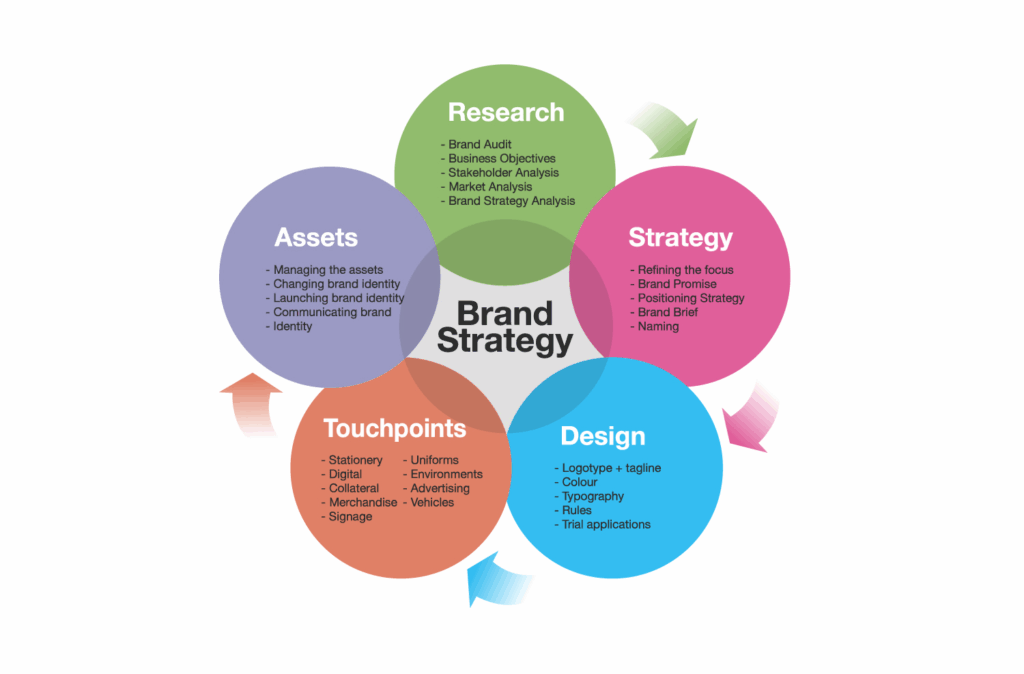
What is Brand Strategy and Why Does It Matter?
Brand strategy is a long-term plan that defines how a business presents itself to the world. It encompasses your messaging, tone of voice, values, design, and the emotional connection you build with your audience.
According to Forbes, consistent brand presentation across all platforms increases revenue by up to 23%.
A well-crafted strategy informs everything from your logo and color palette to the structure and content of your website.
Core Elements of a Strong Brand Strategy
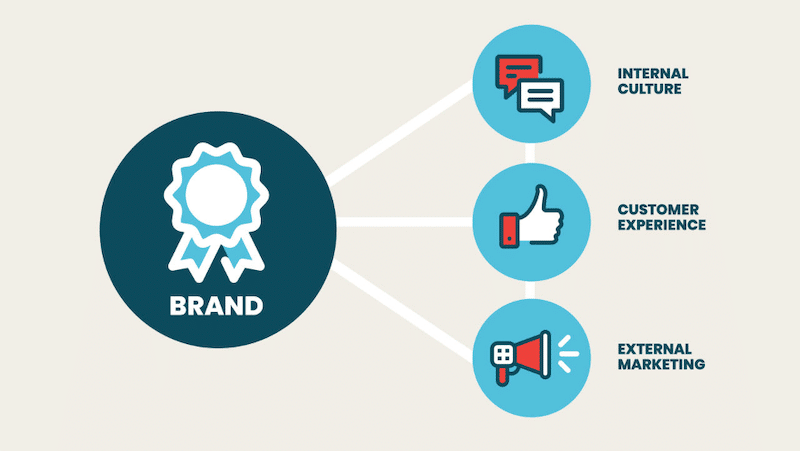
1. Define Your Brand Purpose
Why does your brand exist beyond making money? Customers connect with purpose-driven brands. Think of your brand’s mission, vision, and values.
- Mission: What does your business do?
- Vision: Where is your brand headed?
- Values: What beliefs drive your actions?
2. Know Your Audience
A good strategy is customer-centric. Create detailed buyer personas:
- Age, gender, income
- Pain points
- Buying behaviors
- Preferred channels
Use free tools like HubSpot’s Make My Persona to get started.
3. Build a Consistent Visual Identity
Your web design should visually reflect your brand:
- Logos, typography, and color schemes
- UI/UX elements
- Mobile responsiveness
Visit thisisdcp.com to see how clean and consistent visual branding enhances a user experience.
4. Establish Your Brand Voice & Messaging
Are you professional or playful? Inspirational or informative? Your content voice should align with your audience and industry.
Include:
- Taglines
- Tone guides
- Social media language
5. Leverage Social Proof and Trust Signals
Add testimonials, reviews, and client logos to your website. Include trust badges and certifications for added credibility.
Trust is the currency of the internet.
6. Align SEO and Content with Your Strategy
Content should reflect your brand’s unique value. Use storytelling, branded keywords, and internal linking to reinforce your messaging.
👉 See our SEO & Content Marketing Services for more on aligning brand and visibility.
7. Monitor and Evolve Your Strategy
Use tools like:
- Google Analytics
- Hotjar (for heatmaps)
- Semrush (SEO + brand monitoring)
Constant evaluation ensures your strategy stays relevant.
How Brand Strategy Impacts Web Design
- Navigation: Clear structure reflects brand confidence.
- Call-to-Actions: Voice-aligned buttons increase conversion.
- Content Layout: Hierarchy should follow brand storytelling.
A strong brand strategy guides every pixel and paragraph on your website.
Integrating Your Strategy into Web Design: Practical Tips
- Use your primary brand colors across headers and buttons.
- Make your logo clickable to the homepage.
- Ensure your site is mobile-optimized and fast-loading.
- Use original photos or branded illustrations where possible.
- Include internal links like About Us and Contact pages.
Frequently Asked Questions (FAQ)
What makes a good brand strategy?
A good brand strategy is aligned with business goals, tailored to your audience, consistent across platforms, and adaptable over time.
How does this strategy affect SEO?
Google favors brands that demonstrate credibility and value. A strong brand strategy boosts your site’s reputation and helps you rank higher.
Can this strategy improve conversions?
Yes. A consistent and trustworthy brand increases customer loyalty and improves conversion rates, especially when combined with a high-converting web design.
How long does it take to develop a brand strategy?
It can take several weeks to months depending on your business size and market research needs. However, even small businesses can start with foundational elements in under a month.
Is brand strategy only for big companies?
No. Startups and small businesses benefit significantly from a brand strategy. It helps them appear more professional, build trust faster, and stand out in competitive markets.
What’s the difference between a brand strategy and a marketing strategy?
Brand strategy defines who you are and how you’re perceived, while marketing strategy outlines how you promote your brand. They work hand-in-hand but serve different purposes.
Do I need to redesign my website to reflect a new branding strategy?
Not always. Sometimes minor adjustments in visuals, tone, and structure are enough. But a full redesign may be necessary if your current site conflicts with your new strategy.
Bonus: Brand Strategy vs. Branding – What’s the Difference?
| Term | Definition |
|---|---|
| Branding | The visual and verbal identity (logos, colors, tone) |
| Brand Strategy | The underlying framework and plan that guides branding |
Think of brand strategy as the blueprint and branding as the actual building.
Conclusion
Integrating a robust brand strategy into your web design isn’t just about aesthetics — it’s a powerful way to communicate your value, build authority, and convert visitors into loyal customers.
At Digital Consulting Pros, we help brands like yours align digital strategy, design, and messaging for maximum impact.
Ready to build a brand that stands out? Book a Free Strategy Call today.