How to Turn LinkedIn into a B2B Growth Channel
LinkedIn has undoubtedly transformed from its early days as a simple job board. Now, it’s more like a bustling coffee shop where professionals meet, network, and connect over common interests. I still remember the first time I signed up; I thought it was just a place to post my resume. Little did I know, it would become a vital hub for my career. Fast forward to today, it’s like a Swiss Army knife for professionals—packed with tools that can help anyone from job seekers to seasoned entrepreneurs. Each click can lead to opportunities, collaborations, or new friendships. I’ve watched friends transform their careers all thanks to a well-timed post or connection. In this piece, we’ll dive into strategies that can turn your LinkedIn profile from ‘meh’ to marvelous. So grab your coffee, and let’s chat about how to truly make LinkedIn work for you.
Key Takeaways
- Set clear growth goals to steer your LinkedIn journey.
- A united network amplifies your reach—make the connections count.
- Craft meaningful content that resonates with your audience.
- Ethical social selling fosters trust and long-term relationships.
- Focus on metrics that actually matter to gauge your success.
Now we are going to dive into how LinkedIn’s transformation has left many companies in the dust. It’s hard to believe that this social platform has morphed from a simple online résumé holder to a bustling hub for professional growth and networking. So, what does that mean for us?
LinkedIn: From a Simple Job Board to a Networking Hub
Remember back in the day when LinkedIn was like that friend who always showed up at parties, but never really made an effort to mingle? These days, LinkedIn is the life of the party! It’s all about building personal brands, engaging with niche communities, and driving significant B2B revenue.
Here’s the kicker: many companies are still treating LinkedIn like it’s an old-school message board. You know, the ones with the few company updates, robotic job postings, and the occasional thought-provoking piece from a CEO who probably still uses Times New Roman.
Meanwhile, those clever competitors are busy creating buzz. Think of them as the social butterflies of the digital space. They are building audiences, nurturing leads, and converting relationships into revenue with the efficiency of a barista at a coffee shop during the morning rush.
At one time, a close friend of ours decided to upgrade their LinkedIn strategy. They were stuck in neutral, only posting job listings and announcements, struggling like a car with a flat tire. But once they shifted gears, they transformed their page into a vibrant, engaging platform. They started sharing insights, posting polls, and even showcasing team achievements. Suddenly, their engagement skyrocketed. It was as if they had added a turbo boost!
So, how do we turn LinkedIn into a thriving machine for our businesses? Here are some strategic moves:
- Invest in a strong personal brand: Showcase your expertise and let your personality shine through.
- Engage with your audience: Post thought-provoking content that sparks conversations—no one likes talking to a wall!
- Nurture leads: Develop relationships, because who doesn’t enjoy a good chit-chat?
- Utilize LinkedIn features: Embrace polls and videos for a more dynamic presence—even if your dog steals the spotlight during your video clips!
Leveraging LinkedIn should feel less like work and more like a new adventure. With the right approach, we can create connections that are not just clicks and likes, but real, measurable results. So, let’s dust off our profiles and give this networking giant the attention it truly deserves! Remember, LinkedIn is not just a platform; it’s an opportunity waiting to be seized.
Next, we’re going to chat about how we can grow on LinkedIn in a way that doesn’t feel like pulling teeth. Spoiler alert: it’s simpler than you might think!
1. The Modern Formula for LinkedIn Success
These days, thriving on LinkedIn boils down to:
Regular Posting × Smart Positioning × Engaging with Your Community = Pipeline Growth That Lasts
Let’s break that down, shall we?
-
Regular Posting means staying on the radar.
-
Smart Positioning enhances your authority.
- Engaging with Your Community has a way of transforming mere interest into solid connections, and connections into sales.
Think of LinkedIn as your personal marketing stage, not just another social media hangout. Your mission? Go beyond likes and shares; aim for genuine influence.
Remember when we used to think LinkedIn was just a playground for recruiters? Oh, how we’ve grown! Now, it’s a whole ecosystem of professionals, thought leaders, and occasional cat memes.
Let’s face it, if you’ve ever posted a thought-provoking article only to get crickets in return, don’t fret. It’s all part of the game. Regular posting is like watering a plant – you won’t see flowers immediately, but with consistency, something beautiful eventually blooms!
As for positioning, that’s your opportunity to show off your expertise without sounding like you’re bragging. You know that feeling when you nail a presentation and everyone’s nodding along? That’s how smart positioning works. Suddenly, people see you as the go-to for industry insights.
And if you’re not interacting with your community, you’re like a wallflower at a party, blending in instead of dancing the night away! Hopping into conversations, giving thoughtful feedback, or even sharing a funny story can forge relationships that lead to collaboration or, better yet, business opportunities.
Don’t forget, in this digital age, people crave authenticity. They want the real deal – your quirky anecdotes, your triumphs, and even your fails. Remember when someone shared their epic fail over a missed deadline? Instead of rolling our eyes, we were all like, “Hey, at least they owned it!”
So, while it’s tempting to treat this as just another checkbox on your to-do list, turning LinkedIn into a meaningful part of your professional life can pay off big time. With these strategies, we can not only grow our networks but also foster genuine professional relationships that carry us forward.
Now we are going to talk about the first critical step in achieving growth for brands: defining what growth actually means. This isn’t just a “let’s throw spaghetti at the wall and see what sticks” situation. Oh no, we need to be more strategic than that!
2. First Things First: Establish Your Growth Goals
Before we even think about hitting publish, we’ve got to sit down and figure out what “growth” looks like for our brand. Picture your brand as a car: without a destination, you might just end up at the nearest gas station… confused and clutching snacks.
LinkedIn is a versatile platform that can lead to a bunch of great outcomes:
-
Visibility: Grow your brand’s presence in front of decision-makers.
-
Credibility: Showcase your expertise and establish yourself as a thought leader.
-
Leads: Attract interested clients looking for solutions.
- Advocacy: Motivate employees and customers to shout your praises from the rooftops.
Each of these goals calls for its own unique playbook. Just think:
-
For visibility → Concentrate on creating broad-reaching top-of-funnel content.
-
For leads → Build trust with engaging stories, compelling case studies, and a sprinkle of personalized outreach.
- For advocacy → Equip your internal teams with the skills to consistently share your brand’s narrative.
We’ve all thrown a post up simply for the sake of it, haven’t we? But let’s pivot from scattershot tactics. Clear goals mean no more random posts that lead to crickets and plenty of room for quantifiable success.
| Outcome | Strategy |
|---|---|
| Visibility | Top-of-funnel content and reach |
| Leads | Trust through storytelling |
| Advocacy | Empower teams to share effectively |
So, let’s lace up our hiking boots and start on the right foot. With clarity in our goals, we’ll pave the way to measurable ROI and engaged audiences!
Next, we are going to delve into how creating a well-connected LinkedIn environment can work wonders for businesses.
3. Step Two: Establish a Unified LinkedIn Network
Building a presence on LinkedIn isn’t just about having a standout profile; it’s about cultivating a network that thrives.
We need three interconnected components:
a. The Company Page
Imagine this as your brand’s live news center!
-
Share updates 3–4 times weekly: think thought leadership, team successes, impressive client outcomes, or insights from the industry.
-
Utilize eye-catching carousels and snappy short videos to grab attention.
- Prioritize content that delivers value over mere surface-level engagement. Each post should educate or inspire.
b. Leadership Profiles
Remember, people connect with individuals, not just logos.
Get those executives and senior members to consistently share insights on:
-
What they’ve learned along the way
-
Observations about the industry
- Stories of growth from behind the scenes
This approach brings a personal touch to your brand and can garner 10 times more engagement than solely promoting the company.
c. Team Advocacy
Empower your employees to become enthusiastic spokespeople for your brand.
Provide them with ready-made post templates and catchy headlines to simplify their involvement.
When just a handful of employees shares a single post, watch your organic reach skyrocket.
Next, we will explore how to create content that not only stands out but also drives results, particularly on LinkedIn.
4. Move Beyond Fluff: Crafting Content That Connects
Anyone scrolling through LinkedIn can sniff out self-promotion quicker than a dog on a scent trail.
What resonates with users in 2026 is a heady mix of authenticity, expertise, and consistency.
Think of it like cooking a five-star meal with a pinch of heart.
a. The 4E Approach to LinkedIn Writing
-
Educate: Share bite-sized nuggets of wisdom (think tips, frameworks, insights that stick).
-
Engage: Spark discussions (polls, open-ended questions, or share interesting viewpoints).
-
Empower: Tell stories that uplift or highlight someone else’s achievements.
- Evidence: Show your success (with case studies, metrics, or glowing testimonials).
We should aim for a hearty mix: 40% educating, 40% engaging, and 20% promotional. Easy as pie, right? Except when it’s not.
b. The Three-Second Tip
Those opening moments? They’re like the first few seconds of a bad sitcom; if it doesn’t grab our attention, we’re off scrolling into the sunset.
We can use attention-grabbing hooks, plenty of white space, and thoughtful line breaks to keep folks reading.
Take a look:
❌ “Our new blog post is live!”
✅ “We doubled demo bookings by deleting 80% of our landing page.”
Let’s lead with something that hooks them in first, then drop the knowledge bomb later.
Just like how you would start a party with killer snacks before bringing out the main course! After all, who doesn’t stay for the appetizers?
Now, we are going to talk about the fine art of getting your posts seen beyond just hitting that “publish” button.
The Secret Sauce for Getting Your Content Out There
Let’s face it: hitting “publish” is the easy part. If we had a dollar for every time a brilliant piece of content vanished into the internet abyss, we’d be rich enough to buy a small island! Engagement is where the real magic happens, especially on platforms like LinkedIn where the first hour can make or break your post’s success.
So how can we kick our distribution game up a notch? Here are some tried-and-true tips that we’ve picked up along our content creation journey:
- Rally the troops! Get your team involved to engage right away—comment away, don’t just hit like!
- Think outside the box. Repurpose your content into snazzy carousels, informative newsletters, or even trendy videos. Who doesn’t love a good TikTok-like reel?
- Cross-promote like it’s your job. Share your post through email and even your Slack channels. Trust us, your colleagues are always hungry for something interesting to read.
- Get social! Thoughtfully comment on 5–10 industry posts daily. This not only builds relationships but can also bump up your visibility by 3–5 times. Pretty neat, right?
Remember, distribution isn’t just luck—it’s carefully strategized and designed. We always joke that getting likes and comments is like throwing a party; if no one knows it’s happening, they won’t show up! With a sprinkle of effort and a dash of teamwork, we can turn our content into something that really resonates.
So, let’s bring our A-game and make those posts shine! After all, we didn’t come this far to just watch our content collect digital dust.
Now we are going to talk about how to sell on social media without the cringe factor. We all know that LinkedIn isn’t just another platform for posting your vacation photos—sorry, no beach selfies allowed! Instead, it’s where the serious stuff happens, like networking and B2B connections.
6. The Art of Ethical Social Selling

So, cold DMs? Forget about them. They’re about as effective as a screen door on a submarine these days. Instead, let’s consider a more polished approach that warms up those leads before making a pitch.
Here’s a handy sequence we can follow:
- Start by engaging with the target accounts’ posts for a week or two.
- Next, send a connection request. Psst, include a relevant context!
- Once connected, send a message that offers insight instead of a hard sell—try something like: “We’ve noticed X trend impacting brands like yours. How are you handling it?”
- And when the time feels right, pivot into a consultative chat.
This isn’t just about transactions; it’s about building those relationships. It’s like planting a garden. Give it some attention, and soon enough, prospects will come to you, like bees to a blooming flower.
| Step | Action |
|---|---|
| 1 | Engage with target accounts. |
| 2 | Send a contextual connection request. |
| 3 | Message with insightful questions. |
| 4 | Transition to consultative conversation. |
Creating a connection in the business world can feel a tad overwhelming. It’s like trying to talk to someone at a party when you’re not even sure if they’re really interested. However, by focusing on genuine engagement, we can turn awkward interactions into meaningful dialogues.
And hey, in this age of social media, when everyone’s looking for shortcuts, let’s be the ones who do the hard work. Let’s be those folks who actually take the time to understand our prospects, thereby turning the tide in our favor.
So grab your virtual gardening tools and start nurturing those relationships—because when done right, they will yield results that are far more fruitful than any quick-pitch ever could.
Now, we are going to talk about how to make the most of LinkedIn’s features. Trust us, this platform has become more than just a digital rolodex. It’s like a buffet of opportunities just waiting for us to dig in.
6. Make the Most of LinkedIn’s Features
In 2026, LinkedIn is a vibrant content playground, and we should all be playing to win:
-
LinkedIn Articles: Who doesn’t love a good read? Think of these as your chance to drop knowledge bombs.
-
Carousels: Perfect for quick tips or sharing those “Aha!” moments in a visually engaging way.
-
LinkedIn Newsletters: A way to keep your audience coming back for more. Who doesn’t like a friendly reminder?
-
Video Posts: Because sometimes, seeing a smiling face beats reading a wall of text! Plus, it gives us all a peek behind the curtain.
- Events & Audio Rooms: These are like our cozy corner coffee shops where real conversations happen. Grab a seat!
Let’s mix it up! Different formats can keep our audiences awake and engaged, kind of like jazz versus classical music—both have their admirers, but not everyone wants to be serenaded the same way.
Imagine strolling through LinkedIn, not unlike a digital farmer’s market. Each booth is a unique opportunity. You wouldn’t just grab apples, would you? Some people love a good loaf of bread, while others might be eyeing that gourmet cheese. By expanding what we offer on LinkedIn, we cater to everyone’s tastes.
Just to be real, though—trying to keep all these plates spinning can feel like juggling flaming torches sometimes. But, isn’t that the fun of it? Picking the right features, we might find something clicks. Think creatively!
Lastly, let’s sprinkle in some humor. Have we all had that moment when you stare out into the abyss of content ideas and think, “What on earth am I doing?” We’ve been there too! But leveraging these features gives us the spark we need to stand out amidst the sea of professionals making connections left and right.
So, who’s ready to spice up their LinkedIn game? It seems the platform isn’t just a resume anymore—it’s a vibrant stage where we can showcase our best selves and engage meaningfully with others.
Now we are going to talk about the importance of focusing on metrics that truly move the needle in our social strategies. Spoiler alert: it’s not just about those shiny likes!
8. Step Seven: Focus on the Metrics that Matter
Let’s be real—who doesn’t love a good like count? It’s like getting a gold star in school. But let’s not kid ourselves; real growth hides behind metrics that actually matter. Forget those vanity measures, and let’s get down to the nitty-gritty—impact metrics are where it’s at!
Here’s what we should track:
-
Engagement Rate per Post: This one measures how much your audience really vibes with your content. It’s like the popularity contest we all wished for, but in a more meaningful way!
-
Follower Growth Velocity: Think of it as a speedometer for brand awareness. The faster the needle moves, the more people know you!
-
Connection Quality: It’s not just about numbers—this evaluates how many influencers or decision-makers are actually joining our crew.
-
Inbound Inquiry Rate: This magical percentage tracks posts that spark direct business chats. Who wouldn’t want a hot lead coming their way?
- Content-Assisted Conversions: This one’s a behind-the-scenes hero; it tells us how many leads were influenced by our awesome content even before our outreach efforts.
At times, it feels like we’re trying to find a needle in a haystack—especially in a world filled with noise. The moment we start connecting the dots between our LinkedIn metrics and CRM data, visibility transforms into revenue. That’s the real jackpot!
No kidding, if you think of your LinkedIn analytics as a treasure map, every detailed metric brings you closer to the treasure chest marked with an “X”. You’ll be well on your way to not just shouting into the void but making meaningful connections. Ah, the sweet taste of success!
So, as we plunge into our metrics journey, let’s keep our eyes on those that will genuinely help us grow and prosper. Whether it’s for personal branding or boosting our business visibility, let’s aim for metrics that make our hearts flutter—not just our screens. Cheers to tracking what truly counts!
Now we are going to talk about some LinkedIn blunders that can really hold us back. Yes, even marketing pros can trip over their own shoelaces while navigating this platform. Let’s chuckle at our shared follies and maybe learn a thing or two along the way!
9 LinkedIn Slip-Ups That Hinder Progress

Even the most seasoned pros can stumble here. Let’s steer clear of these common blunders:
- Posting without a purpose: It’s like throwing spaghetti at the wall to see what sticks, but with no meaningful narrative behind it. Make your posts matter!
- Losing your unique voice: Relying on AI or hiring a ghostwriter can make your content sound as bland as unsalted crackers. Keep it real!
- Forgetting to engage: It’s a two-way street on LinkedIn! If you’re not liking, commenting, or sharing other’s content, they won’t bother reciprocating.
- Overdoing the sales pitch: If every post screams “Buy my stuff!”, prepare for an audience as empty as a soda can by the end of a party.
- Being hit-or-miss: One great post can’t offset months of silence. Consistency is key, folks!
In the end, LinkedIn truly rewards those who build credibility through consistent interactions rather than aiming for social media perfection.
| Common Mistake | What Happens |
|---|---|
| Posting without a purpose | Weak brand narrative |
| Losing your unique voice | Generic content |
| Forgetting to engage | No reciprocity |
| Overdoing the sales pitch | Loss of trust |
| Being hit-or-miss | Inconsistent presence |
Let’s not be that marketer who posts once a month and expects to go viral. Share valuable insights, connect with others, and above all, be a human being in a sea of algorithms.
Now we are going to chat about a practical scenario that showcases how businesses can transform their LinkedIn presence into real leads and clients.
10. Case Study: From LinkedIn Frustration to Client Acquisition
Once upon a time, a B2B SaaS company found itself staring at their LinkedIn page, convinced it was a black hole for engagement. Their posts felt more like whispers in a crowded room, and the leadership team was about as active as a hibernating bear.
So, we decided to shake things up with a LinkedIn Growth Engine.
-
First, we identified three powerful content pillars that matched their target audience’s interests.
-
Next, we nudged the executives to get their fingers typing, encouraging them to share insights twice a week. Who knew they had such great thoughts to share?
- Lastly, we devised a cool system to reuse content: turning webinars into snazzy carousels and bite-sized video clips.
And guess what happened after just 90 days?
-
The follower count exploded by a whopping 64%! It was like watching a balloon inflate.
-
Inbound demo requests surged by 37%—talk about a positive wave!
- Two six-figure deals emerged from those newfound LinkedIn conversations. Yes, you read that right—two!
Turns out, the magic wasn’t some mystical algorithm but rather a mix of alignment, authenticity, and consistency. Like making a perfect cup of coffee, it takes a little time and the right ingredients. So, if anyone tells you LinkedIn is just a fancy digital playground, remind them it can be a gold mine with the right approach!
Now we are going to talk about how we’re melding the intricacies of technology with human touch in the professional landscape. It’s like blending a classic rock song with a hip-hop beat—unexpected but surprisingly harmonious!
11. Tomorrow’s Landscape: Merging AI with Human Touch
Fast forward to 2026, and how about a little forecasting fun? Hit the rewind on your favorite 80s jam while you ponder LinkedIn’s transformation. With AI doing the heavy lifting, we’ve got predictive analytics pinpointing when to share that meme of the cat in a business suit for maximum impact, not to mention who’s most likely to appreciate it! Who knew our digital platform could read minds?
But here’s the kicker: while AI crunches numbers like it’s got a PhD in stats, it can’t replicate the warmth of a well-timed emoji or the quirky twist of a personal story. We’ve all shared those cringeworthy moments where we felt too robotic in our correspondence. Yikes! There’s no algorithm to give that heartwarming touch.
The brands that stand out in this tech-heavy environment are the ones that realize the gold in the balance. They wield AI like a trusty Swiss Army knife for efficiency and logistics, yet bring in the humans to craft those emotional connections that turn clients into fans.
At Spinta, we’ve coined a phrase that we hope will catch on: “Augmented Authenticity.” It’s like taking the best of technology and infusing it into human creativity. Imagine tossing a splash of your grandma’s secret sauce into a five-star chef’s recipe. Suddenly, it’s not just gourmet; it’s personal and delicious!
Looking ahead, the roadmap for social growth seems like a blend of empathy tangled with data. Here’s what we think will be pivotal in this journey:
- Emotional Intelligence: Brands will need to tap into real human feelings, not just data-driven decisions.
- Authentic Content: The focus will shift towards storytelling that resonates rather than just sells.
- Interactive Engagement: Expect more two-way conversations, transforming consumers into active participants.
As we whiz into this tech-infused future, it’s clear that we’re not swapping out the human spirit for silicon chips. Instead, we’re enhancing our capabilities while keeping the essence of connection alive. Just like grandma wouldn’t let her recipes be made with just frozen veggies, we shouldn’t let our brands choke the creativity out of the process. Let’s keep it fresh, fun, and very much human!
Now we are going to talk about how LinkedIn is shaping up as a key player in business growth.
Why LinkedIn is Crucial for Business Expansion
LinkedIn isn’t just another social site; it’s like the high-stakes poker table of B2B connections.
Remember the time when we treated networking like a bad blind date? Awkward small talk, fumbling for conversation starters? Those days are gone!
LinkedIn makes it a lot easier, as long as you don’t treat it like your teenage Instagram account.
The secret? Consistency and authenticity. Just like making a great bread: if you skip the kneading, you’ll end up with a flat loaf.
Why are brands winning on LinkedIn? They aren’t just sharing noise; they’re building relationships. We may think that shouting the loudest wins the crowd, but it’s really about being the steady drumbeat that people resonate with.
Credibility counts! When we think of great brands, they often have strong community ties. Connecting with customers makes them feel valued.
Here’s a quick run-down:
- Consistency: Showing up consistently builds trust.
- Credibility: Sharing valuable insights positions you as an authority.
- Community Engagement: Engage with your audience; make them part of the conversation.
Have you ever attended a networking event where the host seems to be throwing darts in the dark? Talking at you, rather than with you?
That’s what makes LinkedIn special; it encourages two-way conversations.
When brands take the time to understand their audience, they set themselves up for long-term success.
At Spinta Digital, we’ve seen companies transform their strategies and harness the art of storytelling through engaging content.
Analytics also play a key role. Knowing what works and what doesn’t can make or break a campaign.
Last week, we read about a brand that took a chance with a unique video campaign.
They showed ‘behind-the-scenes’ footage that humanized their team. It was raw, uncut, and guess what? It resonated!
We’re in a day and age where authenticity reigns supreme—people connect with people, not faceless corporations.
So, if brands are thinking growth is just about numbers, they are barking up the wrong tree.
On LinkedIn, it’s all about the relationships we cultivate; this can lead to real, sustainable growth.
Just remember: growth on LinkedIn doesn’t happen by chance; it’s a result of careful planning and a genuine approach.
Conclusion
LinkedIn isn’t just about job hunting; it’s a digital cocktail party where your next big opportunity could be just one connection away. As I’ve grown to appreciate its value, I’ve learned that success on this platform is a mix of genuine relationship-building and strategic content sharing. So, get out there, connect, and engage—your network is your net worth. Remember, just like a good networking event, it’s all about being personable and approachable. With these insights, you’re well on your way to crafting a LinkedIn presence that not only catches eyes but also opens doors!
FAQ
- What major transformation has LinkedIn undergone in recent years?
LinkedIn has shifted from a simple online résumé holder to a bustling hub for professional growth and networking. - How should companies approach their LinkedIn strategy?
Companies should focus on building personal brands, engaging with their audience, and nurturing relationships instead of treating LinkedIn as an old-school message board. - What is the modern formula for LinkedIn success?
The formula is: Regular Posting × Smart Positioning × Engaging with Your Community = Pipeline Growth That Lasts. - What are some essential growth goals for brands on LinkedIn?
Growth goals may include increasing visibility, establishing credibility, attracting leads, and fostering advocacy among employees and customers. - What are key components for establishing a unified LinkedIn network?
Key components include having a robust Company Page, engaging Leadership Profiles, and encouraging Team Advocacy from employees. - What does the 4E approach to LinkedIn writing entail?
The 4E approach emphasizes Educate, Engage, Empower, and Evidence as effective strategies for crafting content that connects. - How can engagement metrics provide insight into LinkedIn success?
Engagement metrics such as Engagement Rate per Post, Follower Growth Velocity, and Connection Quality help gauge the effectiveness of actions taken on LinkedIn. - What are some common mistakes brands make on LinkedIn?
Common mistakes include posting without purpose, losing unique voice, neglecting engagement, overdoing sales pitches, and being inconsistent. - What case study illustrates successful LinkedIn growth tactics?
A B2B SaaS company that improved their strategy saw a 64% increase in followers and a 37% rise in demo requests after focusing on insightful content and encouraging executive participation. - Why is authenticity important in LinkedIn interactions?
Authenticity fosters trust and engagement, turning connections into meaningful relationships rather than just a numbers game.

Boost B2B Leads: Export LinkedIn Contacts Emails
LinkedIn outreach can feel like tossing spaghetti at the wall—some of it sticks, but most of it falls flat and leaves a mess. I’ve had my fair share of cringe-worthy outreach attempts. Remember that time I mistakenly asked a CEO about their pet goldfish as an icebreaker? Yeah, that didn’t go over well! However, I’ve learned that with a sprinkle of strategy, it’s possible to transform cold outreach into something warmer and more inviting. This article aims to share personal insights and experiences, from turning your LinkedIn contacts into stellar email lists to crafting a consistent outreach process that brings success. And let’s face it, no one likes a ghost writer. So, let’s chat about what works—and what doesn’t—without putting anyone to sleep.
Key Takeaways
- Personalize your messages instead of using generic templates.
- Transform exported contacts into valuable email lists with engaging content.
- Establish a consistent outreach process to build strong relationships.
- Practice ethical outreach to maintain trust and credibility.
- Improve your LinkedIn communication beyond the default settings.
Now we are going to talk about the potential pitfalls of cold outreach on LinkedIn, a platform many professionals flock to for networking. It’s a goldmine, yet sometimes, we find ourselves in a bit of a pickle when using it for outreach.
Why LinkedIn Cold Outreach Might Not Work
Let’s face it: if we peek into most professionals’ LinkedIn inboxes, we’ll see a treasure chest filled with messages.
But wait, it’s mostly clutter.
Imagine you pull up your LinkedIn only to find a mess of underwhelming pitches and spam. It can feel like cleaning out the garage!
With countless unsolicited messages bombarding our screens, it’s no wonder the effectiveness of direct outreach has taken a nosedive.
Just recently, I had a friend who let out a dramatic sigh as she scrolled through her messages. She pointed at one that read, “I love your profile! We should connect so I can sell you my revolutionary widget!” This is the kind of stuff that pushes us to eye-roll with the intensity of an Olympic athlete.
The Trouble with LinkedIn Messaging
LinkedIn’s messaging setup was never intended to be a full-blown CRM.
So, let’s break down some reasons why we might end up tearing our hair out when trying to make connections:
- Message Overload: Profiles with a sprinkle of popularity might receive dozens of requests weekly. Distinguishing between genuine interest and spam can feel like trying to find a needle in a haystack.
- Low Response Rates: Many have become cautious of those cookie-cutter messages—an experience akin to biting into a cupcake only to find it’s all frosting and no cake.
- Confusing Thread Organization: The interface sometimes resembles a game of Jenga; one wrong move and entire conversations tumble into oblivion.
- Transaction Fatigue: Too many sales pitches without substance can feel like trying to eat a buffet of bland food—after a while, we just can’t take any more!
We’ve all had those moments, receiving messages that go something like, “I checked out your website, and while it looks nice, it’s just not popping up on Google.”
And then there are the persistent sellers who feel like the value of their proposition could wake the dead, but they just keep pushing anyway.
In the end, we must remember to add a dash of humor and a sprinkle of authenticity in our approach. It’s a crowded digital sea; let’s not add to the noise but rather resonate with those we genuinely want to connect with.
Now we are going to talk about an efficient way to reach out to our professional network by exporting LinkedIn contacts’ email addresses. Having this information at our fingertips can help us sidestep the noise of LinkedIn DMs and engage with potential clients directly through email.
Strategically Leverage Your LinkedIn Network for Email Outreach
Why Email Reigns Supreme Over LinkedIn Messages
Email has stayed strong as the preferred method for business communication.
It’s like showing up to a party where everyone’s trying to shout over the music, and you’ve got a private chat room just waiting for you.
Here are a few reasons why it’s a much better option:
- Puts your offer front and center with way fewer distractions
- Fosters highly personalized messages that feel more like a conversation rather than a sales pitch
- Allows for automated follow-ups—because let’s face it, who remembers everything?
- Ensures compliance by reaching out after getting permission from your connections
- Helps build genuine relationships by breaking free from the crowded platforms
Many cold email tools play nice with CRM systems and offer handy scheduling features.
Trust us, your email strategy will soar if you build a list of qualified leads, which makes exporting your LinkedIn contacts a smart move.
Step-by-Step: How to Export Your LinkedIn Contacts
So, are we ready to tap into the goldmine of our LinkedIn connections?
Here’s the ethical and straightforward approach to snagging those email addresses:
- Log Into LinkedIn: Head over to the LinkedIn homepage and find the “My Network” section.
- Access Your Contacts: Click on “Connections” from the menu. Voilà! Your first-degree contacts are at your fingertips.
- Export Data: Hit up “Manage synced and imported contacts” and then select “Export contacts.” Choose “Connections” when prompted.
- Download CSV: LinkedIn will generate a CSV file that includes all your contact info—along with those precious email addresses, of course!
Keep in mind, the number of email addresses you score relies on privacy settings.
But don’t fret—you’d be surprised how many people are ready and willing to connect via their business email!
Once you’ve snagged the contacts, import them into your go-to cold email platform.
For even more insights on how to turn your LinkedIn network into successful cold email operations, be sure to explore this comprehensive guide on exporting LinkedIn contacts.
It includes innovative strategies and tips for creating attention-grabbing openings that won’t end up in the digital black hole!
Now we are going to talk about how to transform those exported contacts into engaging cold email lists that actually work. Because who enjoys being ignored, right? Let’s dig in!
Transforming Exported Contacts into Compelling Cold Email Lists
Segmentation Is Key for Targeted Engagement
When we collect our contacts, we often end up with a mixed bag of folks, much like a box of assorted chocolates—some sweet, some nutty. But what’s the strategy here? Well, it’s all about segmentation!
Think of it as organizing your sock drawer:
- Role: Are you talking to decision-makers or just the friendly office assistant?
- Industries: Tech wizards, healthcare heroes, or retail rockstars?
- Company Size: Startups bursting with ideas or established companies with processes?
- Location: Are they down the street or across the globe?
By grouping leads based on these factors, we can tailor our messages. It’s like making a perfectly balanced cocktail—one part relevance, a splash of urgency, and a twist of personalization.
Mention a shared connection, or better yet, address a specific pain point they might be facing. Trust us, they’ll feel seen, and who doesn’t like a little recognition?
Personalization: The Secret Sauce to Standing Out
Now, let’s talk about that oh-so-delicate dance of personalization. Think back to all those times you’ve hit delete on a LinkedIn message. It’s the same old song: generic, impersonal, and honestly—they sound desperate.
What if we flip that script? Instead of opening with a cookie-cutter introduction, dig into something specific that makes your outreach relevant.
Consider a recent accomplishment they achieved, or perhaps casually mention a mutual acquaintance. You could even highlight insights that resonate with their industry challenges.
To crank up our cold email game significantly, modern tools are the way to go. For instance, platforms like Weezly allow sales messages to be recorded in bulk but still get personalized for each recipient. It’s like cooking a big pot of stew but still being able to serve it up in individual gourmet dishes!
| Approach | Description |
|---|---|
| Segmentation | Grouping contacts by role, industry, size, and location. |
| Personalization | Using specific details like recent milestones or shared connections. |
In the end, our goal is straightforward: create connections that spark conversations. With a little structure and a sprinkle of charm, those cold email lists can turn into opportunities that make your inbox feel like a party rather than a chore! 🎉
Now we are going to explore how to set up a solid outreach workflow that keeps those connections coming in heaping piles of opportunity. Who doesn’t love a little more interaction in their professional life, right?
Creating a Consistent Outreach Process for Success
1. Organize and Polish Your Contact List
So, we’ve all been there—downloading a CSV file packed with contacts only to realize it looks like it’s been through a blender. First things first, we must roll up our sleeves and tidy things up.
Get those irrelevant entries and duplicates outta here!
Enrich the list with juicy details like job titles and LinkedIn profiles. Think of it like giving each entry a shiny new coat. Gotta get ready for the attention they deserve!
2. Pick Your Outreach Tool Wisely
After dusting off our lists, it’s time to select the ultimate sidekick—an email outreach platform.
We want one that allows mail merges, custom templates, and automated follow-ups.
Picture this: you send an email while sipping your morning coffee, and voila! Your campaigns are running without you lifting a finger, except maybe to grab that second donut.
Make sure it plays nice with your CRM and can give you insights on how your emails perform—open rates, deliverability, and all that jazz.
3. Plan Follow-Up Campaigns
Welcome to the art of the follow-up! Think of it this way: sending one email is like waving to someone across the street and expecting a heartfelt response. We need to put in some effort!
Craft a sequence of 3 to 5 follow-ups spaced over a few weeks. Stakes are high, so make each email count—share helpful resources or ask a fun question to spark a reply.
Mix and match your messages to see what hits home. It’s a bit like dating—test and learn what draws them in!
4. Analyze and Adapt
Now that we’re rolling with our emails, we’ve got to pay attention to how it’s all working out. It’s like birdwatching, but the birds are your open rates and replies.
Keep an eye on those numbers—are people engaging or just ignoring our heartfelt messages? Use this insight to tweak your approach continually.
Over time, we might just find ourselves with a formula that could win awards—or at least get us a high-five from our colleagues.
Thinking about coordination? If you’re juggling multiple outreach methods, investing in tools that streamline everything—LinkedIn, video sales, and scheduling—can really take the load off. You won’t just be working harder, but smarter, which is what we’re really after!
Now we are going to talk about how to approach outreach in a way that’s both respectful and compliant. We get it—sending emails can feel a bit like throwing spaghetti at the wall and hoping something sticks. But, with the right strategies, we can keep our reputations as shiny as a new penny.
Best Practices for Ethical Outreach
- Only reach out to contacts who have previously interacted with you or fit within your genuine business interests.
- Always include a clear option for recipients to opt-out; nobody likes feeling trapped in an email spider web.
- Keep your emails to a reasonable frequency; nobody appreciates being bombarded like it’s Black Friday.
In our rush to connect, it’s easy to forget that keeping things transparent helps us build trust. Remember that time someone tried to sell you a timeshare in a place you’d never even heard of? Yeah, exactly—let’s not go down that road!
With privacy laws like GDPR dancing around us like those invasive pop-up ads, we need to stay sharp. We’ve all got the email equivalent of a “Do Not Disturb” sign hanging out, and it’s crucial we respect that. As we see more people getting savvy about their data, a caring approach will bring lifelong connections, rather than passing faces in the inbox.
If your outreach plan includes video messages, there are some nifty tools out there! Take a look at solutions that allow for those personal touches. Just imagine: instead of a bland text, your email recipient opens up a friendly face, welcoming them like a neighbor with freshly baked cookies. It’s a game changer—letting folks feel acknowledged instead of lost in the digital shuffle.
Ultimately, our goal is not just to hit a quota but to establish meaningful conversations. Picture our outreach like a dinner party rather than a sales pitch. Nobody likes a guest who monopolizes the conversation! So, let’s be the hosts who invite genuine dialogue and foster relationships that last.
So, as we plunge ahead, let’s remember to equip ourselves with compassion, transparency, and humor as we navigate the email jungle! Keeping our outreach “compliant” is not just about checking boxes; it’s about building a reputation we can be proud of. Here’s to meaningful debates, delightful connections, and a lot less spam!
Now we are going to talk about enhancing our LinkedIn communication skills by exploring some alternatives to the native inbox. Raise your hand if you’ve ever felt like the LinkedIn inbox turns into a black hole! You send messages, only to have them drift away like socks in a dryer. We’ve all been there.
Improving LinkedIn Communication: Alternatives to the Default Inbox
For those of us eager to cultivate connections and expand our network, the standard inbox can feel like trudging through molasses. Are we right? It’s cluttered, and tracking conversations can be as tricky as finding a needle in a haystack. Who wants to rummage through a mess when you could be piecing together those critical connections?
That’s where some nifty tools come into play. Just like a good cup of coffee on a Monday morning can change your whole outlook, upgrading our communication tools can significantly enhance our LinkedIn experience. For instance, a popular extension called Weezly Connect takes your inbox from chaotic to clever.
With this tool, we can:
- Create unique tags for sorting our contacts, like “Prospects,” “Networking,” or “Check-in Soon.”
- Send video or voice messages right within conversations, without the hassle of switching platforms.
- Share calendar links straight from our schedule, because who has time to hop around between apps?
- Utilize AI insights and reminders that really keep us on point.
Imagine organizing your messages like a to-do list for the day, ready to tackle them one by one. Picture having a cup of coffee while the tool pings you about a follow-up, reminding you not to leave any opportunity behind.
We can personalize messages better, allowing conversational flow rather than feeling like we’re sending out generic flyers, ya know?
Plus, when we adopt these tools, it’s like having a mini-CRM in our back pocket, ensuring no important conversation or revenue prospect slips through the cracks. Who doesn’t want to feel like they’ve got everything under control?
For those keen learners out there, there’s also a wealth of techniques and tools to help improve lead generation on LinkedIn—just check out this great resource for more insights.
So, let’s make those inboxes work for us, not against us. It’s time to tackle LinkedIn with a fresher approach and make each message count! Together, we can turn those inbox blues into networking breakthroughs. What do you say? Let’s upgrade and connect!
Now, we’re going to talk about the best platforms for connecting with prospects—like peas in a pod! It’s about figuring out when to use LinkedIn or email for that golden touch.
Choosing Between LinkedIn and Email in B2B Prospecting
As we stroll through the bustling landscape of sales and business development, it’s clear that knowing how to strike the right chord with prospects is essential. You wouldn’t wear sandals to a snowstorm, right? The same applies here.
- LinkedIn Messages: Perfect for friendly introductions, building rapport, or if you can name drop a mutual connection like it’s going out of style.
- Email Outreach: The go-to for sending that laser-focused sales pitch, setting meetings, sharing insightful content, or weaving it into a broader strategy that scales like a pro.
Here’s a funny story: a friend once tried to network exclusively on LinkedIn, only to discover he wasn’t ‘connected’ enough to get responses. So, he switched gears, added cold emailing into the mix, and voilà! His leads went from lukewarm to sizzling. The lesson? Mixing it up is key.
Modern B2B strategies often combine both channels for serious impact. Think of it as a duo act—start with LinkedIn to connect, grab their email address, and follow up with a personalized message that makes them feel like the star of the show. This blend is often cheekily called the “Halo Funnel.” It’s like juggling—except instead of flaming torches, you’re tossing around emails, LinkedIn messages, and maybe a snazzy video or two.
Key Points: Best Practices for Outreach via LinkedIn and Email
- LinkedIn inboxes are like a crowded subway—great for networking but terrible for high-impact sales.
- Exporting emails creates a launchpad for compliant and powerful email campaigns that can reach new heights.
- Personalization, segmentation, and regularly cleaning your list can turn those ‘meh’ replies into enthusiastic affirmative responses.
- Today’s sales tools are like Swiss Army knives; they blend videos, scheduling, and AI insights for a more human approach.
- Spreading your outreach across multiple channels helps to cut through the noise and builds trust that even your grandma would be proud of.
| Channel | Best For | Tips |
|---|---|---|
| LinkedIn Messages | Initial connections, networking | Reference shared interests or contacts |
| Email Outreach | Sales pitches, scheduling | Make it personal and value-driven |
In conclusion, it’s all about striking a balance. If one platform feels like a heavy coat in summer, try the other! And hey, be human in your outreach—after all, people respond to people, not robots pretending to be humans.
Now we are going to talk about ways to enhance our LinkedIn experience and transform our contacts into meaningful connections that drive results.
Revamp Your LinkedIn Network for Bigger Wins
Let’s face it—LinkedIn can feel like a bustling bazaar at times.
Messages pop up like popcorn kernels in a hot pan, but do they actually add value?
Instead of getting swamped, savvy professionals are starting to export their contacts.
Imagine turning your messy inbox into a neatly organized list of prospects. Now, that’s something we can all get behind!
We can take a cue from this approach and build some well-crafted cold email campaigns.
After all, who wouldn’t want a shot at higher engagement and less clutter in their digital lives?
Here’s a quick rundown of what we can do:
- Gather Contacts: Pull your connections together. Simple and effective.
- Organize: Sort them into manageable categories. Think of it like putting your closet in order—nobody likes to dig through piles of clothes.
- Email Strategy: Craft emails that speak to your audience. It’s all about knowing what they need.
- Automate: Use tools to personalize your outreach. It’s like having a personal assistant but without the coffee runs!
- Analyze: Keep track of what works and what doesn’t. Data can feel like that annoying fly buzzing around, but it’s already buzzing with insights.
One time, a colleague shared how he transformed his LinkedIn connections into a directed email campaign.
Instead of just sending “Hi, how are you?” messages, he personalized each one based on the recipient’s interests.
He quickly filled his calendar with meetings and, much to our amusement, even obtained referrals quicker than his pet cat could knock over a glass of water.
Want to know the best part?
The right tools can take a significant chunk of the headache out of this process.
There are platforms that automate everything, from contact organization to follow-up reminders, which is like having a Swiss Army knife for your networking!
With these tools at our disposal, we can turn lead generation into a smooth-running machine rather than a chaotic race against time.
Plus, let’s not forget that personal touch goes a long way.
Nothing says “I care” more than mentioning a shared interest or providing a meaningful insight!
As we move through this digital landscape together, let’s remember to keep things light and engaging. After all, no one wants to read a drab email that feels like a thesis paper.
So let’s roll up our sleeves, tidy up that network, and watch as our LinkedIn connections transform into opportunities!
Now we are going to talk about exporting LinkedIn emails for outreach efforts. It’s a hot topic in the marketing scene, and there are quite a few things to keep in mind.
The Lowdown on Exporting LinkedIn Contacts for Outreach
Can we legally snag those LinkedIn emails for cold outreach?
Absolutely! As long as we play by the rules. LinkedIn allows us to export the email addresses of our first-degree connections.
Just remember, we need to follow GDPR, CAN-SPAM, and other related laws. It’s like when you accidentally try to eat the cookie dough before it’s baked—totally tempting, but there are some rules about what we can nibble on!
Always include an opt-out option and ensure our emails resonate with what the recipients care about. If they have a thing for cats, maybe don’t send them your three-part email series on accounting!
How do we keep our cold emails from landing in the spam folder?
Ah, the million-dollar question! Here’s a short list to keep our emails from getting the cold shoulder:
- Maintain a clean mailing list, like decluttering that closet we’ve been avoiding.
- Send to people who are likely to engage, not just random numbers we pulled from a hat.
- Personalize each message; nobody likes a cookie-cutter approach.
- Avoid those pesky spam trigger words—let’s steer clear of phrases like “guaranteed success” or “free offer.”
- Focus on providing true value; think of it as serving up a gourmet dish instead of last week’s leftovers.
And, of course, keep an eye on our deliverability rates. We don’t want to be shouting into a void!
What if we can’t find an email address for a LinkedIn connection?
Well, that’s a classic conundrum. If someone’s chosen not to share their email, it’s like trying to guess a friend’s Netflix password—questionable at best! Always honor their privacy settings, no exceptions.
A smart move could be to send them a direct message on LinkedIn, friendly and casual, asking if they’d be open to an email chat about something specific they’d find interesting.
Which tools can help us with outreach after getting our contacts?
There are some nifty options out there! For instance, platforms such as Weezly Sales Videos let us send personalized video emails, a sprightly way to catch attention.
Let’s not overlook CRMs that help manage follow-ups, segment contacts, and keep the rhythm going. It’s like having a personal assistant who never sleeps!
Should we stick to LinkedIn DMs?
Direct messages can still serve their purpose, especially for starting a conversation. However, moving the discussion to email or employing various channels usually gets better results.
After all, sending a thoughtful email is like sending a heartfelt card instead of a quick text—it just has a little bit more warmth.
Conclusion
Cold outreach doesn’t have to be a chilling experience. By embracing thoughtful communication strategies and refining how we connect, we can swap out the awkward icebreakers for warm conversations. It’s all about knowing your audience and treating them like the individuals they are. Remember, successful outreach is like a good recipe; it takes time, practice, and sometimes a pinch of humor. So roll up your sleeves, refine those strategies, and watch as your efforts start to pay off.
FAQ
-
Why might cold outreach on LinkedIn not work?
Due to message overload, low response rates, confusing thread organization, and transaction fatigue, many users find it challenging to engage with outreach messages. -
What are the benefits of using email for outreach instead of LinkedIn messages?
Email allows for fewer distractions, personalized messages, automated follow-ups, compliance with privacy expectations, and the ability to build genuine relationships. -
How can you export your LinkedIn contacts?
By logging into LinkedIn, accessing “My Network,” selecting “Connections,” and then choosing “Export contacts” from the settings, you can download a CSV file containing contact information. -
Why is segmentation important when creating cold email lists?
Segmentation allows for more targeted engagement by grouping contacts based on roles, industries, company size, and locations, making messages more relevant. -
What is a good strategy for personalization in cold emails?
Use specific details such as recent accomplishments, shared connections, or industry challenges to make your outreach stand out from generic messages. -
What steps should be taken when organizing a contact list after exporting it?
Clean the list of duplicates and irrelevant entries, enrich it with additional details like job titles, and ensure the entries are formatted for ease of use. -
How can you effectively follow up after an initial cold email?
Create a sequence of 3 to 5 follow-up emails spaced over a few weeks, each adding value and encouraging responses without being overwhelming. -
What are the best practices for ethical outreach?
Only reach out to contacts who have previously interacted with you, include an opt-out option in all emails, and limit the frequency of your communications. -
What are some alternatives to the default LinkedIn inbox for improving communication?
Tools like Weezly Connect can help organize contacts, send video messages, and integrate scheduling, making it easier to manage communications efficiently. -
Why is it often beneficial to use both LinkedIn and email for outreach?
Combining both platforms allows you to build initial connections on LinkedIn and then use email for more focused and detailed communications, increasing engagement potential.
8 LinkedIn Carousel Post Examples That Work in 2025
Creating compelling LinkedIn carousels can feel like prepping for a pie-eating contest—everyone’s eager to see who can serve up the most delicious slice of content! With a bit of creativity and humor, your carousel can stand out amidst the predictable stacks of dull text and static images. Imagine engaging your audience with informative snippets that not only deliver insight but also sprinkle in a little fun. From sharing unique takeaways to busting myths, your carousels can convey rich narratives and vivid storytelling; it’s about transforming the mundane into something exciting. Add a splash of your own experiences to bring it all to life. So, tighten your seatbelt, grab your virtual markers, and let’s make those carousels sing! Who said professional networking could be boring?
Key Takeaways
- Craft unique narratives using personal experiences.
- Use humor to engage your audience effectively.
- Stay updated with industry trends to keep content relevant.
- Dissolve common myths with creative twists.
- Explore diverse carousel formats for optimal engagement.
Now we are going to talk about creating a How-To Carousel that can sprinkle a little magic onto your LinkedIn presence. Think of it like baking a cake; a little bit of structure and a whole lot of flavor go a long way!
1. Crafting Your Step-by-Step Guide Carousel
First off, the How-To Carousel is like the Swiss Army knife of content—it has everything you need!
Imagine breaking down a tricky skill, like organizing your closet. You don’t just dump everything on the floor; you sort, categorize, and create a smoothly functioning system.
That’s what a good carousel does for your audience. It takes them from question mark to light bulb moment!
By doing so, you not only give them valuable insight but also stamp your authority in your niche. And let’s face it, who doesn’t want to be seen as the go-to person?
Strategic Breakdown
The true beauty of a How-To Carousel is in its layout. It sets up a “Curiosity Gap,” enticing our audience to swipe through those slides to get the entire scoop. A bit like eating popcorn at a movie, you can’t stop after just one!
When users stay engaged, it gives LinkedIn a nudge to push your content further into the universe—yes, please!
Here’s a little roadmap:
- Slide 1: Grab Them! Start with a zinger of a title. Something like, “5 Secret Hacks to Boost Your Profile Views Faster than a Cheetah!” Who wouldn’t want to know more after that?
- Slides 2 to X: Break It Down! Dedicate each slide to one step. Think of it like handing someone a cookie—just enough to keep them coming back for more. Use striking visuals, and keep the text as light as a feather.
- Last Slide: Seal the Deal! Wrap it all up with a powerful Call-to-Action. Pose a question that sparks discussions, making it feel like a party in the comments section. Who doesn’t love a good chat?
Actionable Takeaways & Best Practices
To whip up a carousel that performs like a champ, consider these tips:
- Clarity is Key: Keep language simple. You want even your grandma to understand it—trust us, they appreciate that!
- Consistent Visuals: Think about it: a mismatched outfit is a fashion no-go. Apply that same thinking to your carousel’s design—stay consistent with colors, fonts, and style!
- Encourage Swiping: Use arrows, progress bars, or downright sneaky design elements that say, “Keep going; the best is yet to come!”
So, if you are ready to step up your LinkedIn game and turn those scrolling thumbs into engaged fans, a well-structured How-To Carousel might just be your secret ingredient. Time to get cooking!
Next, we are going to talk about how to bust those pesky myths floating around in our industry. Let’s be honest: we all love a good conspiracy theory, but sometimes, those myths can really hold us back. So, here’s how to tackle them with style and substance.
2. Dispelling Common Myths with a Strategic Twist
Dispelling myths through engaging formats, like a LinkedIn carousel, can be quite effective. Think of it as a fun roller coaster ride through those misconceptions that have overstayed their welcome. Each slide can take us on a journey where we bust open a myth, showing readers the true narrative behind it.
And if we do it right, we’ll not only be seen as insightful but also as the friendly guides leading others past the pitfalls of misinformation.
Breaking It Down Step by Step
Why does this approach work so well? It’s like being the David to Goliath of industry misconceptions. When we challenge a commonly held belief, people’s curiosity is sparked like popcorn in a microwave.
Plus, when readers engage with our content—whether that’s through comments or shares—the LinkedIn algorithm starts to think we’re onto something good, which boosts our reach!
- Slide 1: The Attention Grabber. Here’s where we set the stage. Pick a popular myth (like, “Working longer hours means getting more done”) and frame it in a way that makes folks do a double take.
- Slides 2-X: The Truth Serum. Each slide taking apart the myth is crucial. On one slide, let’s lay out the myth and then follow it up with research or real-life examples on the next. Quotes from credible sources are like golden tickets here; they add a sprinkle of credibility to our narrative.
- Final Slide: Call to Engagement. Rather than just signing off, we should throw a question into the mix, like “What’s the wildest industry myth you’ve heard?”—that’ll get our audience chatting and sharing their thoughts!
Best Practices to Remember
So, how can we create a powerful myth-busting carousel? Here are a few friendly tips:
- Back It Up: Always support your points with solid evidence. We want to be credible—like a lawyer with a great case, not that friend who claims aliens built the pyramids without a shred of proof.
- Stay Classy: When knocking down myths, let’s keep it friendly. We’re here to educate, not to mock others. Kindly steer the conversation instead of burning bridges.
- Invite Debate: Encourage followers to join in. The goal is healthy dialogue, not to run them off with our opinions. A welcoming environment fosters discussion and deeper insights.
In the end, spreading awareness about the truth can be enlightening and fun. So let’s grab our virtual wrecking balls and take a swing at those myths! Who’s with us?
Now we are going to chat about a storytelling format that really hits home—if you ever thought transformation was just for reality TV shows, think again! Let’s explore how a simple “Before & After” format can actually work wonders on platforms like LinkedIn.
3. The Transformation Presentation: Capturing Change Effectively

The Transformation Presentation is a captivating way of showing off how change truly takes shape. It’s all about that magnetic draw we have toward seeing things go from “meh” to “wow!”
Whether you’re a coach, a service pro, or anyone in between, this format is a gem for sharing how your work has transformed lives or businesses.
Imagine scrolling through LinkedIn and seeing a side-by-side of someone’s metrics; that’s the warmth of authenticity right there.
When we share these narratives, we’re giving folks a peek behind the curtain. It’s like saying, “Hey, I’ve been there, and here’s how we fixed it!” As we know in life, it’s not just what you say; it’s the proof in the pudding that counts.
Breaking It Down
So why is this format so enticing? It draws the audience in with a relatable struggle and keeps them engaged while revealing how things turned around.
This structure doesn’t just showcase expertise—it lays the groundwork for potential clients to see the return on their investment, which is always a win-win.
| Slide | Description |
|---|---|
| Slide 1: The “Before” State | Clearly outline the starting hurdle, using a catchy headline and measurable data (e.g., “From 100 to 10,000 Monthly Visitors”). |
| Slides 2-X: The Process | Summarize key strategies and actions that contributed to the transformation—this is where the magic happens! |
| Final Slide: The “After” & CTA | Display the impressive results and wrap it up with a Call-to-Action encouraging others to pursue similar outcomes. |
Practical Tips for a Compelling Transformation Story
To really connect with your audience, let’s keep it simple and genuine:
- Quantify Everything: Measurements matter! Don’t just say things improved—give specific numbers that make it real (e.g., “Boosted revenue by 250% in 6 months”).
- Get Client Permission: Always check in with clients before showcasing their data; it’s the right move and builds trust.
- Highlight the “How”: Don’t just flaunt the results; explain the process briefly. This shows you’re not just riding the wave of luck; you’ve got a plan!
With these elements in play, we can weave compelling stories that resonate deeply with our audience and open doors to new opportunities. Who knew sharing successes could be so much fun?
Next, we will explore how taking a stance against the grain can create engaging content that gives us a boost in thought leadership. It’s like being a chef who puts pineapple on pizza; some love it, others might not, but it gets people talking!
4. The Unconventional Perspective Carousel
Crafting an unconventional perspective can be a secret sauce for igniting conversations and establishing ourselves as thought leaders in our field. Think of this format as a digital soapbox where we can present arguments that might raise eyebrows—like debating the merits of endless Zoom calls (who doesn’t love seeing a million faces on a screen?).
Each slide can smoothly build the argument, peppered with logic, data, or even our own experiences to convince the audience.
By playfully challenging conventional beliefs, we showcase our critical thinking and confidence—without just stirring the pot for the sake of it. This approach adds a fresh layer to discussions, allowing us to build authority without breaking the bank on marketing. Plus, it shows we have a voice distinct from the crowd.
Strategic Breakdown
The charm of an unconventional perspective is its knack for halting the scroll and making people go, “Huh, I never thought of it that way.” It grabs attention like a cat video on social media and encourages interaction ranging from agreement to good, old-fashioned debates. This level of engagement doesn’t just feed our egos; it tells the LinkedIn algorithm, “Hey, this content matters!” and boosts its visibility.
- Slide 1: The Attention Grabber. Begin with a bold statement that directly flips a common belief—like “’The Hustle Culture’ is Overrated. Here’s Why We Should Chill Out.” Boom! You’ve got their attention.
- Slides 2-X: Building the Argument. Use the next slides to construct the case step by step. Give a nod to popular views before rolling out our counterarguments, complete with data, anecdotes, or logical reasoning that even our high school debate coach would be proud of.
- Final Slide: The Invitation to Converse. Wrap up by encouraging discussion. Ask something like, “What’s your take on this?” or “Do you think I’m totally off-base?”—this invites more comments and signals our openness to dialogue.
Actionable Takeaways & Best Practices
To make our unconventional carousel truly shine, let’s keep these best practices in mind:
- Substance is Key: Let’s skip the contrarian takes that exist solely for likes. Our views should be well-thought-out and supported by solid evidence. Authenticity will always shine through.
- Recognize the Opposing View: Briefly acknowledge the other side to show we’re not just hot air. This adds credibility and makes our arguments look less like personal vendettas.
- Engage with Grace: Expect some pushback in the comments. Responding respectfully can turn critics into companions and lead to even richer conversations about our stance.
Now, we are going to talk about a fantastic content format that packs a punch—think of it as your handy toolbox for simplifying information.
5. Creating Engaging Lists and Frameworks
When we discuss the prowess of the List or Framework format, think of it like organizing your sock drawer—suddenly, everything is in its place, making your life a lot easier.
For instance, we’ve been there, scrolling through endless posts, only to find ourselves confused by complex jargon. But then comes the rescue: a LinkedIn carousel post that’s neatly organized with lists like “5 Essential Leadership Qualities” or “7 Steps to a Successful Job Interview.” Ah, clarity at last!
This formula doesn’t just showcase information; it turns you into a thought leader.
Remember a time when you shared a helpful tip, and someone said, “Wow! That’s a game-changer!” That’s the kind of impact a well-structured post can have—the kind that elevates your standing in the professional community without necessitating a hefty marketing budget.
How to Structure Your Content
One of the beauties of this format? Its ability to stick with people. Think about it: when people come across a neat list, what do they do? They save it, right?
This little action is like a high five from the LinkedIn algorithm—acknowledging your top-notch content and helping it reach even more eyes!
- Slide 1: Hook It Right. A catchy title lets readers know exactly what they’re getting. Something like “The 5 Pillars of Effective Communication” grabs attention faster than a cat chasing a laser pointer!
- Slides 2-X: Essentials. Focus each slide on a single point. Visuals can help—pick an icon or color scheme that makes everything feel cohesive and easy to follow.
- Last Slide: Call to Action. Wrap it up and encourage engagement. Pull followers in by asking them what they think or inviting them to share their own tips.
Winning Tips for Maximum Engagement
Want to build that perfect List or Framework carousel? Here’s what the pros recommend:
- Keep it Short and Sweet: Lists with about 5 to 7 items are ideal. They’re detailed enough to be useful but not so long that they make your readers’ eyes glaze over like a donut!
- Think Original: While it’s fine to pull from existing knowledge, don’t be afraid to whip up your own framework. A quirky acronym can stick with people like that catchy song you can’t get out of your head.
- Include a Curveball: Toss in something unexpected—be it a shocking fact or a contrarian viewpoint. This will make your content more memorable and shareable than if it simply rehashed old information.
So next time you sit down to create content, remember the delight of a well-structured list—your audience will thank you, and you might just feel a bit like a rockstar!
Now we are going to talk about how sharing our hard-earned lessons can really resonate with others and give us a bit of that warm, fuzzy feeling. Think of it like telling stories around a campfire—everyone loves a good tale. Especially one that has a lesson at the end! Let’s break it down.
Sharing Experiences and the Wisdom Gained from Them
We’ve all faced those sticky situations at work or in life, right? Remember that time someone forgot the big presentation? (Yes, it was me, and the panic was palpable!) Sharing tales of our trials can bond us and even boost our credibility. This isn’t just about the bumps in the road; it’s about turning those bumps into golden nuggets of insight.
When we chat about what we’ve learned, it’s relatable and reminding—an authentic way to connect. As we share our stories, we not only humanize ourselves but also build a genuine following that appreciates real talk over polished façades. It’s like bringing homemade cookies to a potluck rather than store-bought ones—people can taste the realness.
Breaking It Down
The magic behind sharing these lessons lies in the storytelling aspect. We grab people’s attention when we become the protagonist of our stories, complete with all the drama, lessons, and humor that come with it. Just think about it; when was the last time you stopped swiping mid-Instagram-scroll because a story struck a chord?
- Slide 1: The Hook. Start with a catchy title that hints at vulnerability, like—“I Completely Botched My Last Project—Here’s What I Learnt.” This hints at something genuine and promises good takeaways!
- Slides 2-X: The Lessons. Devote each slide to detailing a specific lesson. Share a snapshot of the situation followed by the nugget of wisdom you harvested. A little bit of storytelling can go a long way!
- Final Slide: The Call to Action. Wrap it up inviting your audience to share their experiences. Ask something like, “What’s a lesson you’ve learned from a blunder?” You’d be surprised how people love to engage in these conversations!
Practical Tips & Tricks
Want to create an engaging lesson-sharing experience? Here are some things to keep in mind:
- Be Open But Professional: Share your hurdles but keep it classy. The focus should always be on the lesson—not the messy drama behind it.
- Extract Practical Insights: Make sure each of your lessons is something tangible your audience can put into practice. Frame it as something you’d do differently now.
- Encourage Connection: Use that last slide to foster a sense of community. Responding to comments and engaging with others can transform the experience from a monologue into a dialogue!
In the end, sharing these stories is about building a community that thrives on shared experiences and learning together. So, let’s keep those stories rolling! Who knows? Maybe the next big insight could come from someone’s “oops” moment.
Now we are going to talk about the dynamic nature of trend forecasting in industries today. Smarter predictions can make a world of difference in how we gear up for what’s coming next. Think of it as a crystal ball—except less of a fortune-telling gig and more like a savvy business strategy.
Exploring Industry Predictions and Trends

Trend forecasting is like trying to predict the weather in Texas—one minute it’s sunny and the next, a tornado is blowing through.
This format shines, especially for consultants and analysts who want to be seen as the go-to experts for future insights. With well-thought-out predictions, we can provide significant strategic value to our audience.
Many of us have experienced the fallout from sudden changes in our industries. Those who can foresee shifts can prepare better, and isn’t that the goal? We often find ourselves looking back and saying, “If only I had known!” Well, let’s not dwell too much on hindsight; let’s embrace forward-thinking.
The Breakdown of Strategic Forecasting
One of the best things about a prediction format is that it stirs up discussion. We can put forth our ideas backed by data, creating that engaging back-and-forth everyone loves. Plus, when people interact with our posts, it’s like giving a high-five to the LinkedIn algorithm, boosting our visibility!
- Slide 1: The Attention Grabber. Start with something catchy like, “3 Ways AI Will Transform Marketing by 2025!” This is where we want jaws to drop.
- Slides 2-X: The Meat of It. Each slide should cover a single prediction. Discuss trends, provide stats, and articulate why they matter.
- Last Slide: The Conversation Starter. Wrap it up with a question that encourages opinions, like “What do you think will disrupt our industry the most?” or “Am I totally off base?”
Practical Tips and Best Practices
Ready to craft an eye-catching prediction carousel? Here are some tips:
- Use Data as Your Foundation: A reliable prediction is built on solid data and credible sources. Make sure to explain how you reached your conclusions so folks trust you.
- Clarify the “So What?”: Don’t just throw out trends; elaborate on the implications. Give your audience the lowdown on why your insights are relevant.
- Stay Visually Appealing: Vibrant visuals, eye-catching charts, or symbols can help clarify each trend. A polished design makes the information digestible.
| Section | Details |
|---|---|
| Attention Grabber | Start with a catchy title to draw readers in. |
| The Meat of It | Present each trend with data and its potential impact. |
| Conversation Starter | End with a question to foster engagement. |
| Use Data | Base predictions on credible data sources. |
| Clarify Implications | Explain the significance of trends. |
| Visual Appeal | Utilize strong visuals for clarity. |
Next, we are going to talk about a fun and effective way to share valuable information with your audience. Let’s dive into the world of quick tips that can provide immediate benefits and make us all look like productivity wizards.
Instant Tips for Boosting Your Professional Game
When it comes to snappy advice, the “Instant Tips” format is like dessert after a long meal—quick, satisfying, and absolutely delightful. Imagine scrolling through LinkedIn and stumbling upon a carousel of bite-sized tips that promise to make your day just a tad easier. It’s like finding a $5 bill in last winter’s coat! Each slide serves up a distinct piece of practical advice you can apply faster than it takes to brew a cup of coffee.
Unlike those hefty manuals that read like ancient tomes, this style is all about getting to the point. It doesn’t require a PhD to grasp what’s going on—thank goodness! By sharing easy-to-follow tips, we show off our skills in a way that feels approachable and refreshing. Think of it as setting up a lemonade stand on a hot day; everyone appreciates a good sip!
Quick Tips Demystified
The real charm of these Instant Tips comes from their simplicity. Users can swipe left and soak in valuable insights without feeling like they’re tackling a mountain of information. This way, they’re likely to save or share the content, adding a sprinkle of community spirit to their professional networking.
- Slide 1: The Alluring Opener. Start things off with a catchy title promising instant benefits. Something like “5 Easy Hacks That Will Change Your Workday” could work wonders!
- Slides 2-X: The Golden Nuggets. Each subsequent slide should feature one clear tip—the simpler, the better. Using lively visuals and simple headings keeps it fun and scannable.
- Final Slide: Join the Conversation! Wrap up by asking readers which tip they found most helpful or if they have their own hacks to throw into the mix. This interaction can spark lively chatter and boost connection!
Smart Strategies for Successful Tips
Now that we’re feeling inspired, let’s look at some best practices for creating a standout Instant Tips carousel:
- Keep It Snappy: Ensure that every piece of advice can be executed quickly. If it requires a lengthy tutorial, it’s not a quick win—you might want to save that for a different project.
- Visual Appeal: A clean layout with the right amount of breathing room is crucial. Bolding key points or using eye-catching icons can really draw the reader in, making it easy on the eyes.
- Little Backstory: A brief explanation for each tip adds depth. Sharing a quick personal story or data point lends credibility and helps the audience see why they should care.
So, there you have it—tips that can turn even the most daunting workday into a walk in the park! Let’s keep sharing those golden nuggets of wisdom!
Now we’re going to talk about the different types of LinkedIn carousels. These handy tools can spice up your profile faster than a double espresso on a Monday morning. Each type serves its unique purpose, and let’s be honest, we’ve all scrolled aimlessly through LinkedIn’s sea of posts. Ever wondered what makes a carousel stand out? Let’s break it down!
Comparing Different Types of LinkedIn Carousels
-
The Step-by-Step Guide or “How-To” Carousel:
Perfect if you’ve got a knack for clarity. It’ll take some planning but can really engage your audience. Just remember, we all love a good how-to when we’re lost in the kitchen… or at work! -
The Myth-Busting or Misconception Carousel:
Ah, this one’s like an episode of MythBusters. Who doesn’t enjoy calling out the nonsense floating around? It might stir some debate, but it’s a great way to showcase your industry knowledge. -
The Before & After or Transformation Carousel:
Think of it as sharing your glow-up story, but in a professional sense. Show how your services or insights have made a tangible difference—trust goes a long way in business! -
The Contrarian Take or Unpopular Opinion Carousel:
Sometimes you need to ruffle some feathers! Stand out by giving a strong, personal opinion that challenges norms. People love it when someone dares to be different—like that one friend who always orders the weirdest meal at a restaurant. -
The List or Framework Carousel:
Quick and easy to digest, this format is perfect for organizing thoughts. It’s like a cheat sheet for something complicated, and isn’t that what we all want during a busy workday? -
The Lesson Learned or Wisdom from Experience Carousel:
Sharing personal tales can be powerful. If you’ve learned a thing or two from your career oops moments, it’s time to share. The more genuine, the better—remember that time the printer broke down before a huge meeting? Good times! -
The Industry Trends or Prediction Carousel:
If you can predict the future even a little, this one’s for you! Dive into trends and make educated guesses. Everyone loves a good prophetic insight; it’s like a crystal ball, but without the mystique (or the weird). -
The Quick Wins or Actionable Tips Carousel:
This is your go-to when you want to sprinkle some glitter on everyday tasks. Share mini-tips that make life easier—because who wouldn’t want to work smarter, not harder?
So, whether it’s busting myths or sharing quick wins, we see how versatile LinkedIn carousels can be. They allow us to convey our messages in a visually appealing way. You may just find your next client in the comments section, curious about “that before-and-after.”
Now we are going to talk about crafting impactful LinkedIn carousels that resonate with your audience while holding true to your authentic voice.
Transforming Insights into Engaging Carousel Content
We’ve all seen those carousels that stop our scroll faster than a cat chasing a laser pointer. But what’s behind that captivating content?
It’s more than just pretty visuals—there’s a skilled hand steering the creative ship.
Take, for instance, the “How-To” carousel. It’s like giving your audience a treasure map, pointing them towards the X that marks the spot. Meanwhile, a “Contrarian Take” with its bold stance might feel like a refreshing breeze on a hot summer day, urging folks to rethink their beliefs.
The trick is mastering the art of value delivery without coming off like a used car salesman at a sketchy dealership. Building trust and delivering genuine insights is what keeps the followers coming, not just swiping for pretty pictures.
Key Ingredients for a Winning Carousel
When it comes to piecing together your own carousels, let’s break down some simple, actionable strategies that we can all learn from:
- The Hook: That first slide has to serve up intrigue. Think of it as a movie trailer—a thrilling teaser that makes viewers need to see more.
- Narrative Flow: Ensure each slide flows seamlessly to the next. You want to create a narrative that feels like a juicy page-turner, not a jumbled puzzle.
- Keep It Simple: Less really is more! Use punchy visuals and limit text. We’re aiming for clarity so that even a sleep-deprived night owl scrolling at 2 AM can understand.
- Value Payoffs: Wrap it all up on the final slide with a satisfying conclusion. This could be a lightbulb moment or a clear call to action—whatever tickles their fancy!
Your Roadmap to Carousel Mastery
With these nuggets in hand, it’s time for us to get creative. Remember, perfection is like Bigfoot—lots of people talk about it, but few actually spot it. So, start scribbling down ideas instead of fretting about making them flawless.
As you craft, consider the practical side too. Have you ever tried embedding a video in a carousel only to watch it struggle to load like a toddler on a Monday morning? Well, getting your files optimized is key. Anyone looking to up their LinkedIn game would benefit from learning how to compress videos for smoother plays.
Pick a format from our earlier examples that hits home with you, whip up a basic outline, and focus on your primary message. Then, share it! Monitor the reactions, soak in the feedback, and tweak your approach like a chef perfecting their signature dish.
This back-and-forth is where the magic happens, potentially turning your expertise into a well-oiled networking machine!
| Strategy | Description |
|---|---|
| The Hook | Grab attention right off the bat with an enticing first slide. |
| Narrative Flow | Ensure a seamless connection between slides for a compelling storyline. |
| Keep It Simple | Utilize bold visuals and minimal text to communicate effectively. |
| Value Payoffs | Conclude with a meaningful takeaway or stimulating question. |
Conclusion
In the end, crafting LinkedIn carousels is a lot like baking a cake: mix your ingredients well, layer it thoughtfully, and don’t be stingy with the frosting! By infusing your personal touch, dispelling myths, and showcasing transformations, you’ll whip up content that resonates with your audience. Remember to stay current with trends and predictions; they add flavor to your narrative. With a sprinkle of humor and some solid insights, your carousel can pop off the page and keep folks scrolling. Happy creating!
FAQ
-
What is a How-To Carousel?
A How-To Carousel is a content format on LinkedIn that guides audiences through a specific skill or topic, similar to a step-by-step guide. -
How does a How-To Carousel enhance audience engagement?
It creates a “Curiosity Gap” that encourages users to swipe through slides, keeping them engaged and increasing the content’s visibility on LinkedIn. -
What should the first slide of a How-To Carousel do?
The first slide should grab attention with a compelling title that makes the audience want to learn more. -
What is an effective way to wrap up a How-To Carousel?
The last slide should include a powerful Call-to-Action, inviting viewers to engage in conversation or share their opinions. -
Why is it important to dispel myths within your industry?
Dispelling myths helps to educate your audience, portrays you as an authority in your field, and sparks valuable discussions. -
What makes the Before & After presentation format compelling on LinkedIn?
It visually showcases transformation, allowing potential clients to see the effectiveness of your services or insights clearly. -
How can unconventional perspectives create impactful content?
Presenting contrarian views can ignite discussions, establish thought leadership, and differentiate you from the crowd. -
What should you focus on when creating a List or Framework Carousel?
Each slide should clearly present one point, making the content easy to digest and encouraging users to save and share it. -
How can sharing personal lessons enhance professional connections?
Sharing personal experiences builds relatability, humanizes your brand, and encourages community engagement through shared insights. -
What are some essential tips for enhancing prediction content?
Use solid data to back predictions, clarify their implications, and maintain visual appeal to engage your audience effectively.
How to Run a LinkedIn InMail Campaign That Gets Replies
If you’ve ever felt like you’re shouting into the vast internet void with cold outreach emails, you’re not alone! Sponsored Inmails on LinkedIn are like that friendly nudge you didn’t know you needed—your subtle yet effective way to reach out to the right folks. Back in the day, I remember sending what felt like a million emails and getting responses akin to finding a needle in a haystack. But once I gave Inmail a whirl, things took a delightful turn! It’s all about connecting with the right audience. Let’s dig into how to get started and spice up your campaigns while we’re at it. Buckle up; we’re about to demystify how to make LinkedIn your new best friend for communication.
Key Takeaways
- Personalization is key; make your message feel unique.
- Keep it concise; nobody wants to read a novel in an Inmail.
- Utilize templates, but don’t forget to add your flair.
- Timing can make or break your campaign; think strategically!
- Follow up politely; persistence pays off without being a pest.
Now we are going to talk about a little gem in LinkedIn’s toolbox—those marvelous Sponsored InMails. If we think of LinkedIn as a bustling cocktail party, InMails are like sidling up to someone in a snazzy suit and saying, “Hey, can I steal you for a minute?” And trust us, no one wants to be the wallflower at this shin-dig.
Getting Started with Sponsored InMails
For those who haven’t ventured into InMail territory yet, imagine having a direct line to the big shots without the endless waiting for approval. Now, that’s a cherry on top of our networking sundae!
But how do we whip up an InMail campaign that doesn’t just fizzle out like a flat soda? Let’s dish out some essential ingredients:
- Personalization is key. If your message feels like a generic spam email, it may end up being ignored faster than a Netflix binge on a Sunday afternoon.
- Focus on their interests! Mention something relevant to their work. If they just posted about cat videos or the latest tech gadget, give it a nod.
- Have a clear call to action. What do you want them to do? Take it from us—vague messages are about as effective as trying to herd cats.
Hopping back to our cocktail party analogy, the first impression matters. What comes next? Let’s settle on crafting that splendid message. Oh, templates can be a lifesaver here, keeping things fresh without reinventing the wheel every time!
But wait, when we say “templates,” we mean ones that feel personal and not like you just blasted a mass email. Hiring managers get thousands of messages, and if we don’t stand out, we might as well be invisible.
So, your InMail to a prospect shouldn’t read like a laundry list. Instead, it should be more like sharing a good piece of gossip—engaging enough that they lean in closer! We get into the nitty-gritty of it next.
Creating an Impactful LinkedIn InMail Campaign
Here’s the scoop: the secret sauce of a successful campaign isn’t just clever phrases—it’s in knowing the intricacies of their needs. Think about what burdens they might be holding.
A little reminder of current events might help here! Remember when remote work hit like an unexpected ice cream truck on a hot day? People are still navigating those waters. Share insights or tools that can help.
To round things out, a fun fact: Did you know that LinkedIn users are open to connecting if they feel there’s a potential benefit? It’s like offering a friend a slice of cake—you’re more likely to share if you think it’ll brighten their day! So sprinkle some charm and make your approach truly stand out.
Using a template can be your ticket to getting started without getting overwhelmed. Just remember to add your flair because nobody wants a cookie-cutter message!
Connecting on LinkedIn isn’t just about numbers; it’s about building those relationships. After all, in a sea of professionals, we’re all just looking for a familiar face—or a friendly InMail.
Now we are going to talk about something that might just be the secret sauce for professional networking: InMail campaigns on LinkedIn. These nifty tools let us reach out to people we wouldn’t normally connect with—like that one elusive industry expert we’ve always wanted to chat with.
Understanding LinkedIn InMail Campaigns
So, what’s the deal with InMail campaigns? Essentially, they’re a way to slide into someone’s DMs—but in a professional manner. Think of an InMail as your chance to send a personal note to a potential client or business partner, even if you haven’t met face-to-face yet. Who doesn’t love a good intro, right?
They’re launched through LinkedIn’s Campaign Manager, and instead of shouting “ads!” from the rooftops, they whisper “Hey, here’s something that might interest you” right into the inbox. When you see “Sponsored,” you might think, “Oh no, another advertisement!” But these messages have a way of feeling more personal and engaging than those flashy banners we scroll past.
InMail Campaigns vs. Standard InMails
Alright, let’s clear the fog on these terms before we trip over them. “InMail” and “InMail campaign” may sound like they belong to the same family, but they each have their quirks to consider. It’s like comparing a single scoop of ice cream to an entire sundae—both delicious, but oh-so-different!
- LinkedIn InMail: This is your one-off message—like sending a postcard to someone you admire from afar. With a LinkedIn Premium subscription, you can send a limited number of these each month, depending on your plan.
- LinkedIn InMail Campaign: This is a more strategic approach, akin to running a marathon instead of a sprint. It’s about sending multiple messages to a specific group of users and creating targeted interactions. You pay per message sent, so no annoying credit limits here!
- Sponsored InMails: Think of these as the musical guests on your outreach playlist. They look like regular messages but are designed with a marketing twist, allowing for personalized engagement with your audience—like your favorite band suddenly showing up at your local venue!
Using Sponsored InMails feels a lot like traditional email marketing campaigns, but on LinkedIn. We craft a compelling subject line, like bait on a hook, plus a body that charms its way into the reader’s heart. Don’t forget a call to action (CTA)—because what’s the point in being charming if we don’t invite them over for coffee?
So, in a nutshell, InMail campaigns present a unique opportunity to engage some intriguing prospects and build meaningful connections. With the right strategy, we can spread our professional wings and soar into new networks!
Up next, we will discuss the advantages of utilizing InMail campaigns on LinkedIn. It’s a topic full of insights that can really open doors for businesses and professionals alike.
Benefits of Using InMail Campaigns
When trying to boost lead generation, fine-tune sales outreach, or even supercharge recruitment efforts, a LinkedIn InMail campaign becomes a handy tool. Let’s break down why these campaigns can be so beneficial:
Direct Inbox Delivery
Ever find yourself scrolling through countless emails only to realize you missed one that could have been a game-changer? Well, Sponsored InMails are like the little nuggets of wisdom that drop right into your inbox when you’re actually checking it.
Plus, they only ping you when you’re active on LinkedIn—talk about timing! This feature skyrockets response rates and makes them particularly effective for B2B lead generation.
| Tip | Description |
|---|---|
| 💡 Insider Tip | Pair LinkedIn outreach with good ol’ email to nudge prospects closer to a decision. |
For those looking to expand their list, tools like LinkedIn Email Finder can work wonders by pulling emails from profiles, companies, or search results. It’s like having a digital magnifying glass at your disposal! And hey, they even verify the emails, so no wasted efforts.
Once equipped with this info, we can set the wheels in motion. Use tools to orchestrate your email sequences with LinkedIn actions, speeding up those conversions!
Precise Targeting
Think of targeting like having a well-planned dinner party with just the right crowd. LinkedIn allows us to filter audiences for our InMail campaigns by industry, company size, job title, and more. This means we reach exactly the right audience, ensuring our message resonates.
Performance Analytics
Ever wonder if your efforts are making a difference? The LinkedIn Campaign Manager gives us performance insights. We can track open rates, click-through rates, conversions, and demographic info. Metrics like these help refine our marketing game for even better results.
Scalable Personalization
InMail campaigns allow for dynamic tokens—fancy jargon for personalization, folks! These help tailor messages to each recipient, even if we’re sending them out en masse. We can sprinkle in details like name, job title, and company, making each message feel special. It’s like sending a personalized invitation to a party and not a generic “You’re invited!”
Key Takeaways:
- LinkedIn InMail campaigns allow personalized messages to reach users, even if you’re not connected.
- Sponsored InMails pop into users’ inboxes during their LinkedIn activity, boosting open rates.
- With various filters and personalization options, these InMails help share targeted messages, enhancing engagement and lead generation.
Now, let’s delve into how to set up a focused LinkedIn InMail campaign effectively.
Next, we will explore the steps needed to kick off a LinkedIn InMail campaign. Buckle up because we’re going to break it down step-by-step so anyone can follow along, just like piecing together IKEA furniture—minus the leftover screws!
Getting Started with Your LinkedIn InMail Campaign
Step 1: Create Your LinkedIn Ads Account
First things first, let’s head over to Campaign Manager and log in. It feels like stepping into a new restaurant: a bit intimidating but exciting.
Punch in a name for your ad account and link it to a company page. Choose a billing method, check off the user agreements—nod along as you scroll through the legal mumbo jumbo—and hit “Continue.” Trust us, you won’t accidentally agree to sell your kidney!
Step 2: Building Your Campaign
Now that you’re all set up, it’s time to create that campaign!
Click “Advertise” on the sidebar, strut over to the Campaigns tab, and pick “Create campaign.” You know, like inside a board game where you finally roll a six and you’re off!
Step 3: Defining Your Objectives
Here’s where the magic happens: you pick your objectives. This isn’t just a choose-your-own-adventure book; your choices help LinkedIn tailor your performance tracking.
If you’re gunning for lead generation, you can even sprinkle in a Lead Gen Form. It’s like asking for dessert before dinner—who could say no?
Step 4: Targeting Your Audience
Now we’re getting into the nitty-gritty! Select your audience language and locations; it’s like choosing the right playlist for your road trip—got to set the mood right!
You can even decide who to leave out of your campaign because hey, no one likes unwanted company!
Step 5: Budgeting and Scheduling
Ah, the dreaded budget! Set your total budget and if you’re feeling fancy, a daily budget too.
This is a “cost-per-send” model, so you’ll pay for every message delivered. Think of it as paying for minutes on a talk show—just hope your guests have interesting things to say!
Step 6: Selecting a Sender
Before hitting “send,” pick a team member to be your message sender. Just a heads-up, only your 1st-degree connections are eligible. So, if you’ve kept your LinkedIn network tight, you’re golden!
Step 7: Crafting Your Message
Time to flex those creative muscles! Write a subject line that pops, like fresh popcorn at the movies.
Make sure to introduce yourself, and don’t forget the all-important call-to-action. Personalization is key—after all, nobody wants a generic, copy-pasta message that sounds like it was written by a robot.
- 💡Tip: Have your LinkedIn profile in tip-top shape. It’s your calling card, and first impressions matter!
- Highlight your achievements and include keywords that show what you bring to the table.
Step 8: Keep an Eye on Performance
After launching your campaign, watch for the analytics on Campaign Manager.
It’s like checking on your plant—you want to see it thriving, not wilting! Use the insights for tighter messaging or better budget allocation. Remember, this is all about making every dollar count!
Staying proactive ensures you’re not just tossing money into the wind. So, let’s make sure this campaign is a success story!
Next, we are going to talk about how to craft effective InMail messages on LinkedIn. Getting your message across without sounding too robotic is essential, and we’ve got some great templates to help.
>Effective LinkedIn InMail Campaign Templates
Setting up InMail campaigns is just the tip of the iceberg. To really connect, we might need a little nudge of inspiration from expertly crafted templates.
Remember, brevity is key! Keep your subject line within a snappy 200 characters max, and ideally, your entire message should take up about 500-900 characters. We don’t want to put the recipient to sleep, right?
InMail Templates for Cold Outreach
Cold outreach can feel like crashing a party where no one knows you—awkward, right? But if we play our cards right, we just might walk away with a few new friends!
Template 1
Subject line: Let’s chat about boosting [Company Name]
Hi [First_Name],
Just stumbled upon your profile while hunting for game-changers in [specific industry], and wow, your work on [specific area/project] at [Recipient’s Company] is impressive!
I’m [Your Name], working as [Your Role] at [Company Name]. We’ve created a product that helps professionals achieve [specific benefit]. Might be interesting to see how our paths can cross!
If you’re interested, let’s set up a quick chat or I can send over a brief overview. How does that sound?
Cheers,
[Your Name]
Template 2
Subject line: A quick thought for [Company Name]
Hi [First_Name],
Reaching out about our [Your Product or Service]. Based on your background, I think it could be a hit at your company.
[A few key benefits or unique selling points]
Curious to learn more? Check us out here:
[website URL]
If you want to chat, just reply to this message. I’m all ears!
Best,
[Your Name]
LinkedIn InMail Templates for Sales Prospecting
Sales is a dance—sometimes you lead, sometimes you follow, but you definitely don’t want to step on toes!
Template 1
Subject line: Big congrats on [Recipient’s Company]’s growth!
Hi [First_Name],
Heard about your company’s exciting growth—massive congrats to the team!
But I know new growth can sprout some tough challenges. We help businesses in [Recipient’s industry] streamline [process] to keep you on your toes without tripping!
If you’re focusing on this, let’s chat!
[insert scheduling link]
Here’s to more success,
[Your_Name]
Template 2
Subject line: Free trial just for you 🎉
Hey [First_Name],
I’m [Your Name], and I’m on a mission to help companies like yours.
We’d love for you to check out a free trial of [Product Name]—it’s like a joy ride for your business!
Check it out here:
[Insert link]
Happy to answer any questions!
Cheers,
[Your_Name]
LinkedIn InMail Templates for Recruiting
Hiring can feel like dating—one wrong move, and it’s over before it even starts. Let’s make our approach feel inviting!
Template 1
Subject line: Amazing opportunity at [Company Name]
Hey [First_Name],
Hope you’re thriving!
I’m from [Company Name]. We’re searching for a [Job Title] with [specific skills]. We thought of you!
Could be a great match, don’t you think?
Best,
[Your_Name]
Template 2
Subject line: Your profile caught my eye!
Hi [First Name],
I saw your impressive profile and thought, “Wow, this person could do wonders for us.” We’re on the lookout for a [Job Title] here at [Company Name].
Open to a quick chat to explore?
Can’t wait to hear from you!
[Your Name]
- Variables like name, industry, and title to personalize.
- Dynamic content that caters to audience segments based on what you set.
- Spintax variables to mix things up with unique messages!
With these templates, we can fine-tune our outreach and make meaningful connections. Let’s get out there and start chatting!
Now, we are going to talk about how we can give our LinkedIn InMail campaigns a serious boost. Think about it: launching your campaign feels like the start of a race, but crossing the finish line with success relies on iterating and refining what we do. Even tiny tweaks can transform that campaign into a winner, so let’s dig into some practical tips!
Boosting Your LinkedIn InMail Campaigns
Craft Catchy Subject Lines
First impressions count, right? The subject line of your InMail is like the cherry on top of a sundae. Keep it crisp and intriguing—think less “Can we meet?” and more “You won’t believe this insight!” Just remember, avoid any over-the-top theatrics like excessive exclamation marks or all caps like you’re yelling at your inbox!
Find Your Voice
The tone of your message matters more than a cat video during a work break. If you’re way too formal, you may kill the vibe. But if you’re too laid back, it might feel like you’re texting an old buddy instead of reaching out to a professional. Strike a balance and adjust your tone based on whether you’re targeting C-level execs or creative gurus. A sharp, concise message is often the way to go for the suits, while a friendly nudge can win over the more artistic types.
Sprinkle in Some Personal Touches
We’ve all received that cookie-cutter email where the sender clearly just typed our name in a template and hit send. Yawn! Personalizing your InMails is essential. Make it feel personal by mentioning recent achievements or news in your recipient’s field. Show them you’ve done your homework—because who wants to feel like just another name on a list?
Mobile Optimization is Key
In this oh-so-busy world, many of us check our messages on the go. So, don’t let your InMail be the one that someone squints at while waiting in line for coffee! Short paragraphs, snappy phrasing, and clear organization will keep your message attractive even on a tiny screen. And hey, if you’re including visuals, they better look sharp. No one wants to squint at blurry images!
Include Clear Call-to-Actions
Your message should have a purpose! Don’t leave recipients guessing what they should do next. Whether it’s scheduling a chat or checking out an article, make that call-to-action (CTA) as clear as a sunny day. Avoid ambiguous phrases like “Let me know your thoughts.” Instead, direct them to “Book a call, and let’s chat!” Nobody likes a guessing game.
Proofread Before Sending
We’ve all cringed at spelling blunders, right? “Best regrads” is not going to inspire confidence! Double-check your InMail before hitting send. Typos can shatter credibility faster than a dropped ice cream cone. Oh, and make sure your links lead to well-crafted pages. Nothing screams “I didn’t care enough” like a broken link!
Choose a Credible Sender
Lastly, who’s sending the message matters big time. People are more likely to open a message that comes from someone with a relevant title or background. If you’re offering job opportunities, why not let a hiring manager do the talking? It’s like having a seasoned author write your book—it just makes sense!
- Catchy subject lines
- A well-matched tone of voice
- Personal touches that resonate
- Mobile-friendly messages
- Clear call-to-actions
- Thorough proofreading
- Credible senders
With these strategies, InMail won’t just be another message in a crowded inbox, but a standout connection opportunity!
Next, we are going to talk about how to effectively use LinkedIn InMail for your business outreach.
Insider Tips for LinkedIn InMail Success

So, LinkedIn InMail, huh? It’s like that key party invite you get that opens all the right doors! Imagine sending personal messages straight to prospects without the awkward small talk at the front door.
With Sponsored InMails, you’re not just shouting into the void. Unlike the usual ones that require a Premium subscription, this shiny version lets us pay for sends. It’s like getting an unlimited soda refill – the options are endless!
What’s even cooler? You can really get in the driver’s seat when it comes to targeting. Picture filtering your audience by industry, job title, or even their hometown. It’s like targeting a dart at a bullseye rather than just tossing it around like confetti.
| Feature | Description |
|---|---|
| Cost Structure | Operates on a cost-per-send model for better control. |
| Personalization | Strong subject lines and tailored messages make a difference. |
| Segmentation | Use filters like industry and job title for targeted outreach. |
Don’t underestimate the power of good writing! Strong subject lines are like the bait that catches the big fish. If your subject looks as inviting as a freshly baked pie, who can resist? And let’s not forget to proofread; a typo can make your professionalism slip faster than a banana peel!
- Craft engaging subject lines that pop.
- Keep your tone relaxed but professional.
- Personalize your messages to speak directly to the recipient.
- Optimize your content for mobile devices – think about their screen size!
- Always include a clear call-to-action to guide your reader.
With these tips, your outreach can transition from bland to grand in no time. Think of it as turning a cup of coffee into a fancy latte. You’ve got the tools, now it’s time to make them work for us!
So, go ahead and take these insights to heart. LinkedIn Automation tools can be your trusty sidekick on this adventure. Now, who’s ready to transform boring messages into engaging conversations? Let’s spread those wings! Your future leads are waiting.
Conclusion
In a nutshell, LinkedIn Inmails can be a fantastic way to spice up your outreach strategies. With personalized touches, humor, and a little creativity, you can break through the noise. Just remember, it’s all about building relationships instead of sending digital shouts into cyberspace. So, whether you’re dipping your toes into Inmails for the first time or looking to jazz things up for better engagement, keep these insights handy. Let your next LinkedIn outreach be a breath of fresh air!
FAQ
-
What are Sponsored InMails on LinkedIn?
Sponsored InMails are a way to send personalized messages directly to prospects’ LinkedIn inboxes, acting like targeted outreach tools that feel more personal than traditional ads. -
How can I make my InMail messages stand out?
To make InMail messages stand out, personalize them, keep them concise, and ensure they include a clear call-to-action to guide recipients on what to do next. -
What is the difference between a standard InMail and an InMail campaign?
A standard InMail is a one-off message sent to a LinkedIn member, while an InMail campaign is a strategic outreach effort that sends multiple messages to a targeted audience. -
What are some key ingredients for a successful InMail campaign?
Key ingredients include personalization, focusing on the recipient’s interests, and having a clear call to action. -
How do I start a LinkedIn InMail campaign?
To start a LinkedIn InMail campaign, create an account in the Campaign Manager, define your campaign objectives, target your audience, and craft your InMail message. -
What budget model does LinkedIn use for InMail campaigns?
LinkedIn uses a cost-per-send model for InMail campaigns, meaning you pay for every message delivered, allowing for better budget control. -
How can I track the performance of my InMail campaign?
You can track the performance of your InMail campaign through LinkedIn’s Campaign Manager, which provides insights on open rates, click-through rates, and conversions. -
What are some effective subject lines for InMails?
Effective subject lines should be catchy and intriguing, prompting recipients to open the message and avoid overly dramatic punctuation or all caps. -
Why is personalization important in InMail messages?
Personalization is important because it makes the recipient feel valued and can significantly increase the chances of engagement compared to generic, mass-produced messages. -
What should I avoid when crafting an InMail message?
When crafting an InMail message, avoid typos, overly formal language, and vague calls-to-action, as they can diminish credibility and interest.
best time to post linkedin: 8 peak engagement tips 2025
Ah, LinkedIn! That professional playground where connections are made, and networking is an art. If you’re like me, you’ve probably stared at your screen wondering when to post to spark that elusive engagement. With so many variables, it feels like solving a jigsaw puzzle with pieces missing. Thankfully, I’ve dipped my toes into various posting times and found sweet spots for the audience. For instance, I always notice a slight uptick in my connections around Tuesday morning. Trust me, reaching out on a Tuesday feels like hitting the snack jackpot at about 2 PM—you just know it’s the right timing! Let’s walk through these strategic moments and fine-tune your posting schedule so you can focus on what really matters: making meaningful connections while dodging those pesky algorithm changes.
Key Takeaways
- Tuesday mornings are prime for engagement—don’t sleep on it.
- Wednesdays between 10 AM and 12 PM see a delightful spike in activity.
- Thursday mornings are golden for peak posting—think 9 to 11 AM.
- Lunchtime from Tuesday to Thursday is a hidden treasure trove for connections.
- Kick off your week right with a strategic 8-9 AM post on Mondays.
Now we are going to talk about a specific time that many experts agree is the golden hour for posting on LinkedIn. Let’s dig into the nitty-gritty of why Tuesdays from 8 to 10 AM hold the crown for engagement like it’s a shiny trophy in a sports championship.
1. Tuesday Morning: The Sweet Spot for Engagement
According to countless studies—like a broken record that’s somehow still lively—that little window from 8 AM to 10 AM on Tuesdays proves to be a real sweet spot for posting on LinkedIn.
This is when the office coffee has just kicked in, and professionals are cozied up at their desks, checking notifications and gobbling up industry insights.
Engagement during this time isn’t just an uptick; it’s like watching a toddler chase after a dog—pure enthusiasm.
People are far more inclined to interact with posts, making it a prime time for content that you want to really shine.
The reasoning is quite simple and as clear as day. Mondays tend to be the home of planning and those delightful internal meetings that everyone loves, right? By Tuesday morning, folks are ready to consume external content and connect with their communities.
Big names like Buffer and HubSpot back this trend, with their studies revealing that B2B users are in full swing and eager for business-related content during those morning hours. For instance, a 2023 analysis from Buffer not only confirmed this window but waved a flag for it too with its sky-high engagement metrics.
Tips to Maximize This Prime Time
So, how do we ride this wave?
Well, that’s the million-dollar question! This time slot is absolutely prime for your most pivotal and value-laden content. Think of major announcements, in-depth articles, or even those thought-provoking pieces that require a bit more brainpower.
Let’s face it; if your content doesn’t dazzle, it’ll get swept away like autumn leaves in a brisk wind.
- Schedule Like a Pro: Consider using a scheduling tool (there are some budget-friendly options out there) to launch your post right around 7:55 AM. This way, it makes the cut and sits pretty at the top of the feed for those eager beavers who clock in early.
- Hook ’Em Right: You know the saying—first impressions matter. A strong opening line is essential. Since everyone and their dog will be posting around this time, craft a hook that’s impossible to ignore. You can check out helpful resources like headline generators to polish your opener.
- Quality Over Quantity: Don’t just post for the sake of posting. If your content resembles soggy toast, it will be ignored faster than a bad joke at a wedding. Ensure it’s solid, visually enticing, and offers real value to your audience. This honesty goes a long way in building lasting trust and credibility.
Now we are going to talk about the mid-week sweet spot for sharing content that resonates with professionals. Believe it or not, Wednesdays from 10 AM to 12 PM are like the Goldilocks zone of engagement—just right for folks looking for information to tackle their work projects.
2. Mid-Week Peak: Wednesdays 10 AM-12 PM
After sprinting through the Monday morning rush and finally catching a break on Tuesday, professionals hit their groove by mid-week. It’s as if they’ve finished a marathon and are now just enjoying the scenic views—fueled by coffee and ambition. This is when they dive into their projects headfirst, eagerly searching for insights and tools to get the job done.
This “Mid-Week Momentum” isn’t just a catchy phrase; it’s a strategic moment. By now, the chaos of Monday’s urgency has passed, and Tuesday’s scramble is behind them. Everyone’s settled into a rhythm, eagerly looking for educational tidbits. You know, those fascinating guides and thoughtful newsletters that can help make their workday smoother? Data from recent content marketing studies backs this up, showcasing this timeframe as ideal for sharing deeper, more informative pieces. Professionals are in full-on problem-solving mode—let’s capitalize on that!
Maximizing this Engagement Window
So, how do we make the most of this golden hour? It’s time to get serious about what we share. Forget the gossip and the fleeting news; this is all about delivering real value. Since users are keen to learn, our content should be structured, straightforward, and jam-packed with practical advice.
- Prioritize Educational Content: Think “how-to” guides or detailed tutorials. These gems fit perfectly into professionals’ needs as they seek practical solutions mid-week.
- Encourage Conversational Engagement: Since folks are focused and ready to chat, let’s prompt a conversation. A concluding question can spark commentary—a simple “What hiccups have you encountered when using this strategy?” works wonders.
- Plan for After-Post Interaction: Be ready to hang out online for a while post-publication. Responding to comments quickly boosts visibility and builds rapport. Trust us; this beats the all-too-common “post and ghost” strategy.
So there we have it. If we’re uploading content in this sweet mid-week window, let’s do it with intention! It’s about creating value and building connections—because that’s what we’re all here for, right?
Now we are going to talk about a golden window for posting on LinkedIn that many savvy professionals have noticed with increasing frequency. The magic hour, so to speak, is Thursday morning from 9 AM to 11 AM, and believe us, the Internet buzzes with anticipation during this time!
Peak Posting: Thursday 9 AM – 11 AM

So, why this time slot? Well, it turns out, as the week unfolds, professionals are like cars revving up for that Friday finish line. And Thursdays? That’s when they hit their stride without the distraction of the weekend looming. They’re productive, focused, and ready to absorb some quality content.
Fun fact: research from various social media analytics platforms, including Sprout Social, suggests that this time is frequently deemed the best for outreach. If you’re looking to garner some interest, that sweet spot between 9 AM and 10 AM is like Santa’s workshop—everyone’s busy looking for the next big thing!
Strategies for Maximizing Engagement
This is when we want to pull out the big guns. Let’s ensure we’re sharing content that truly shines. Not all posts are created equal, and this time is perfect for:
- Experimenting with Post Schedules: The two-hour window allows for some creative flexibility. Try posting at 9:05 AM one time, and perhaps at 10:15 AM the next. It’s like being a chef adjusting the oven temp; sometimes, a few minutes make all the difference!
- Offering Real Value: Post insightful interviews with industry trailblazers or share those ‘aha’ moments from your latest project. Your audience will be all ears, looking for that golden nugget of wisdom!
- Kicking Off Major Announcements: If you’re about to drop some news, make it Thursday morning. A product launch or a partnership reveal? It’s like throwing a party where everyone wants to come; just make sure to keep your invitation (read: post) enticing!
| Strategy | Details |
|---|---|
| Experimenting with Post Schedules | Adjust your post times to find what works for your audience. |
| Offering Real Value | Place emphasis on helpful insights or experiences. |
| Kicking Off Major Announcements | Use this time for important news to maximize visibility. |
Sticking to this game plan won’t just maximize engagement; it’s a surefire way to start your network buzzing with excitement. So, let’s gear up and make that Thursday morning count! Who knows, your post might just land you your next big opportunity—and that’s something worth waking up early for!
In the next part, we’re going to discuss the fantastic window of opportunity between lunch breaks for engaging on LinkedIn. Trust us, it’s more effective than trying to please your cat with a laser pointer. Think of it as the time when busy professionals trade in their spreadsheets for sandwiches—and sometimes, a little scroll on social media.
4. Tuesday to Thursday Lunch Hour Goldmine
The lunchtime hours from 12 PM to 1 PM on Tuesdays, Wednesdays, and Thursdays present a unique spike in LinkedIn interactions. Picture this: folks stepping away from their stress-inducing reports, and opting instead for a plate of leftovers and a little thumb exercise on their phones. This “lunch break vibe” can mean a lot more than just food—it opens doors for genuine connections.
During these golden hours, people are generally in a more relaxed state of mind compared to the frantic morning rush. Research shows that the content that truly thrives during this charm-laden time is more about bonding than business. If you’re in HR or company culture advocacy, consider this time your secret weapon. It’s all about sharing who you are as a brand, not just what you do.
This is the moment to show people the beating heart of your company through personal stories and relatable content.
How to Make the Most of This Hungry Hour
When we talk about the lunch hour online, simplicity is the name of the game. This isn’t the time for complicated sales pitches but rather an opportunity to cultivate relationships. Since everyone is unwinding with their meal, think about providing easily digestible content that packs an emotional punch.
- Highlight Your Company Culture: Share posts about team lunches, employee achievements, or perhaps some delightful, candid moments from office life. These glimpses into your world are authentic and help reinforce your values in a non-pushy way.
- Spread Positivity: Share a heartwarming quote, quick tips for work-life balance, or anecdotes of triumph over adversity—anything that tickles the inspiration bone. This type of content is like a warm cookie fresh out of the oven; people just can’t resist sharing it.
- Get Casual: Dial down the business jargon. Use emojis, ask fun questions, or run polls—it’s your time to connect without a tie—let your brand’s human side shine!
So, as your lunch-mates scroll through, let’s be the food for thought that leaves them satisfied. After all, who wouldn’t want to munch on some delightful content while munching on their salad?
Next, we’re going to explore the interesting dynamics of Monday mornings, particularly that golden hour between 8 and 9 AM. This time frame is like the calm before the storm, where everyone’s gearing up for the week ahead.
Let’s be real—people might dread Mondays, but they also take a moment to breathe and regroup. This is our opportunity!
5. Maximize Mondays: The 8-9 AM Strategy
While most folks are busy grumbling about the end of the weekend, there’s a hidden gem lurking in that 8 AM to 9 AM timeframe. It’s when the professional world is shaking off the cobwebs, checking calendars, and flipping through motivational quotes on LinkedIn like it’s a personal mantra.
This window presents a fantastic chance to connect before the tidal wave of emails and meetings hits. Think of it as trying to catch the sunrise before everyone’s sunglasses are on and the distractions begin.
Not convinced? Well, here’s the kicker: by Monday afternoon, inboxes resemble a game of Tetris—overloaded and precariously stacked. Come early Monday, we’re in a sweet spot where people are looking for inspiration instead of just working their way through a to-do list.
Mastering This Morning Window
So, what can we do with this precious hour? It’s all about planting the seeds for the week, engaging our audience not with just any post, but with content that resonates and stays with them.
- Kickstart a Weekly Series: Why not create a “Monday Motivation” post or an industry roundup? This can become something your audience looks forward to, like the first cup of coffee on a Monday.
- Offer Handy Resources: Share insightful frameworks or goal-setting guides that can help your followers tackle the week ahead. The best part? They’re getting valuable content without breaking the bank—what’s not to love?
- Frame the Week: Use your posts to lay out a key theme or question. This engagement can blossom into discussions that can be revisited later in the week, keeping everyone on their toes and involved.
So let’s make that Monday morning slot our own. With the right approach, we could turn a “meh” moment into a “wow” experience. Who knew Mondays could be this much fun? Instead of running from them, it’s time we embrace them with open arms and a splash of creativity!
Now we are going to talk about a fantastic time to engage on LinkedIn. Buckle up, folks; Friday mornings are more than just the beginning of the weekend—they’re a secret opportunity for savvy professionals!
6. Friday 8-10 AM (Time for Reflection and Connections)
If you think mid-week is where the action’s at, it might be time to rethink. The magic happens on Fridays from 8 AM to 10 AM. During this time, many of us are tying up loose ends and reflecting on the week. It’s like that relaxed moment right before a vacation, where people are more open to connecting. No one’s running around in a frenzy here, folks. Well, not as much, anyway.
Ever noticed how Fridays have a different vibe? By the end of the week, the suit-and-tie urgency has often faded. We’re more inclined to engage with posts that make us think or smile. It’s kind of like scrolling through your social media while waiting for a cup of coffee—it’s casual yet thoughtful. Studies show overall interactions might drop on Fridays, but those that do engage are ready for some quality convo. Who wouldn’t want that?
Making the Most Out of Friday Vibes
This slice of time is golden for creating engaging content that connects with others. We’re moving away from hard sales pitches and instead focusing on sharing wisdom. Think of it as a Friday coffee chat where everyone is ready to share insights rather than close deals.
- Share Weekly Summaries: It’s like a “Best of” album from your week. Share highlights, whether it was mastering a project or realizing that 9 AM meetings should be banned. This positions you as someone in the know.
- Encourage Weekend Reading: Recommend articles, podcasts, or maybe even that book gathering dust on your shelf. This not only gives value but invites your audience to interact—even if they’re curled up in pajamas.
- Post Reflective Content: Ever had a blunder that turned into a learning moment? Share that story! Relatable content creates a warm, fuzzy feeling that draws your audience in, like a comforting cup of hot cocoa.
- Focus on Community: Why not ask your network about their wins? “What’s your Friday victory?” can spark lively discussions. Everyone loves to share their small triumphs, and it builds goodwill. Plus, it’s downright engaging!
So, as the clock strikes 8 AM on Fridays, let’s make the most of that precious time. We can all contribute to meaningful conversations, share life lessons, and keep things light before we head into weekend mode!
Now we are going to talk about how posting consistently can help create a loyal audience. We all know how easy it is to get swept up in the race for likes and shares on social media, but let’s take a breather and chat about something more dependable: consistency.
7. Create Steady Engagement with Consistent Posting

Instead of bending over backward for those fleeting, high-engagement moments, let’s focus on the long game. Building a loyal audience is less like a high-stakes poker game and more like a cozy dinner date—something that requires time and attention.
Imagine posting at the same time each day or week. It’s like your favorite coffee shop opening just as you finish your morning jog (not that we all *do* that, right?). This creates a familiar rhythm that your audience can depend on. They start to anticipate and look forward to your content—kind of like waiting for the next season of a beloved TV show.
The heart of this approach is rooted in the belief that creating a brand isn’t just a quick race; it’s a marathon through a park with plenty of scenic spots to stop and enjoy. Sure, optimizing for peak posting times can provide short-term boosts, but building a reliable schedule cultivates trust. It makes your profile the go-to spot for new ideas and insights.
How to Make This Engagement Strategy Work for You
This method is a dream for anyone looking to become a thought leader or community builder. It shifts the focus from merely timing to quality and reliability—fostering a relationship with your audience.
- Pick a Realistic Posting Schedule: Let’s be honest: if daily posts make you break into a sweat, aim for three solid pieces each week instead. Quality over quantity is a principle we all can live by—unless we’re talking about pizza toppings, then more is more!
- Plan and Create Content Ahead: Pick a posting time (say, 8:15 AM every weekday) and stick with it. Think of it as a rendezvous with your audience. Batch your content, so you won’t be scrambling last minute. If you’re unsure how to flex your creative muscles, check out strategies for repurposing content. You can turn leftovers into gourmet meals, right?
- Start with a Strong Hook: Your audience will be waiting, so surprise them with something gripping from the get-go. Crafting a hook is like seasoning a dish—get it right, and you’ll have them coming back for seconds! You might find that a hook generator can really spice things up.
- Review Patterns Over Time: After about two months of consistent posting, take a look at the analytics. You’ll likely find your unique peak engagement times that truly reflect your audience’s preferences. This info will be far more helpful than any cookie-cutter report.
| Strategy | Description |
|---|---|
| Pick a Realistic Posting Schedule | Aim for quality over quantity; three well-thought-out posts a week is better than seven rushed ones. |
| Plan and Create Content Ahead | Set a specific time for posting and batch-create content to reduce last-minute hassles. |
| Start with a Strong Hook | Make sure the opening line catches attention and keeps the audience engaged! |
| Review Patterns Over Time | Track analytics for 60-90 days to find unique engagement times specific to your audience. |
Now we are going to talk about how pinpointing the right moments to engage your audience can make a huge difference in your LinkedIn success.
Mastering LinkedIn Posting Times with Data Insights
Let’s be honest—figuring out the best time to post on LinkedIn can feel a bit like searching for a needle in a haystack. But rather than guessing your way through it, we can turn to data to help us out. By tapping into your audience’s patterns, we can find those sweet spots when they’re most active and ready to interact.
Imagine you work in tech, and your network is buzzing at different times than, say, a group of marketing geniuses in Chicago. Analytics can provide insights that general advice simply can’t, revealing what truly works for you. For instance, HubSpot’s findings showed their best engagement came at 9:30 AM on Wednesdays. Who knew Wednesdays could be so productive?
How to Use Timing Wisely
This timing strategy isn’t just for the analysis nerds or data wizards. It’s for anyone eager to see their engagement skyrocketing. It does take effort, but the payoff is a community that really connects with your content. Here are some steps we can take to boost our game:
- Experiment, Experiment, Experiment: Set aside a month and post at different times. Mix it up and track everything—likes, shares, or comments. Bring out your inner scientist!
- Analytics Are Your Best Friend: Check out the “Follower analytics” on your LinkedIn page. It’ll spill the beans on when people are scrolling through their feeds most.
- Different Strokes for Different Folks: Take a closer look at how various types of content perform. Ever thought about posting a short video on a Friday afternoon? Give it a try! You might discover gold mines of engagement.
- Keep Adapting: Just like fashion trends, your audience’s behavior can shift. Check in quarterly to see if that late-night or mid-morning slot is still golden or if it’s time to reshuffle things a bit.
Utilizing a data-driven approach doesn’t just enhance our posts; it elevates our entire LinkedIn strategy, turning it from just another social media platform into a place where real relationships can flourish. Who wouldn’t want to be part of that? So roll up your sleeves and let’s get testing—our followers are waiting!
Now we are going to talk about the best times to post on LinkedIn, complete with some practical advice and a sprinkle of good humor. We all want to capture those elusive likes, right? Let’s break down the golden hours and strategies for our professional playground.
Optimal Times for LinkedIn Posts
- Tuesday 8–10 AM: If this isn’t the magic hour, we don’t know what is! The most engagement happens here. It’s like the coffee buzz everyone needs at the start of the week—everyone’s ready to dive into fresh content. Perfect for job posts or major announcements. We always say, “Strike while the iron is hot!”
- Wednesday 10 AM–12 PM: Mid-week isn’t just a camel’s day. It’s also a prime posting window. Folks are settled into their week, ready for educational how-tos. Less crowded than Tuesday, so your content has a fighting chance!
- Thursday 9–11 AM: This is the ‘everyone’s alert’ time. Consistent engagement is the name of the game here. Think big—major announcements or exclusive interviews. It’s like the grand finale of a week-long symphony—let’s make it epic!
- Tuesday–Thursday 12–1 PM: Lunchtime is where we grab a quick scroll and some last-minute inspiration. Casual updates or quirky employee highlights fit well here. Less competition means more eyes on your content. Talk about a win-win!
- Monday 8–9 AM: Kicking off the week with thoughtful content sets the tone. A strategic plan or leadership insight might grab some attention, even if the engagement isn’t roaring. It’s all about setting chest-thumping goals!
- Friday 8–10 AM: Fridays might feel lazy, but genuine reflections or weekly recaps can spark some good engagement. It’s all about thoughtful discussions here; who knew wrapping up could be so fulfilling?
- Evergreen Posting: A consistent daily schedule is for those with discipline. Sure, it’s high maintenance, but nurturing that loyal audience? Absolutely rewarding! Think of it like a fine wine—worth the wait!
- Data-Driven Personalization: For the strategists among us, digging into analytics is vital. Testing out what works best at specific times can seriously boost your return on investment. Just remember, it’s a marathon, not a sprint.
So, which time slot fits your best efforts? With a little bit of trial and error, we can discover the magic times that work wonders for our LinkedIn outreach. That platform may seem like a serious business card, but let’s not forget—great conversations can spark from anywhere!
Now we are going to discuss how to craft an ethical content strategy that moves beyond mere timing and puts substance front and center.
Crafting an Engaging Content Strategy for LinkedIn
Finding the right moment to share on LinkedIn is just the first step.
Think of it like timing a soufflé; if you don’t get it right, it’s flat.
So, naturally, we notice that sweet spots, like Tuesday mornings or Wednesday afternoons, let us grab attention when professionals are most awake—well, sort of.
It’s like catching a bus. Miss it, and you’ll be waiting!
But let’s be real; no one’s got time for posts that don’t add value.
The goal isn’t to just get likes; it’s to earn respect and trust.
That’s where developing an ethical strategy kicks in, turning your posts into bonding moments beyond the screen.
Things to Keep in Mind for Lasting Impact
Getting the hang of LinkedIn isn’t just about playing the numbers game; it’s about stirring up real connections.
Here are some golden nuggets to chew on:
-
Stick to a Schedule: Sure, peak times are nice, but the magic really happens with consistency.
Think of your audience like a dog waiting for dinner—if you feed them regularly, they’ll be there when you call.
-
Use Data Wisely: LinkedIn Analytics is your trusty compass, guiding your ship through the sea of posts.
The peak times are a starting point, but your audience data? That’s your treasure map.
-
Engagement is Key: Want to build a reputation that shines? Skip the shortcuts.
Dodging the rules for automation tools might seem tempting, but building genuine relationships pays off in the long run.
-
Meaningful Content is King: Hitting ‘post’ at the right time without adding value is like serving cake with no frosting.
Focus on sharing useful insights and solutions—your audience will love you for it!
Your Next Steps to Shine on LinkedIn
It’s time to bring this wisdom to life.
Let’s make sure this guide doesn’t become just another dusty bookmark.
Here’s how to get rolling:
-
Choose Your Times: Pick two of those optimal windows from earlier and try them out for a month.
This is like dating—find the right timing!
-
Plan Your Posts: Grab a solid scheduling tool and fill in your content calendar.
You deserve to have a life outside of LinkedIn!
-
Check Your Numbers Weekly: Spend 15 minutes at the week’s end going through your LinkedIn Analytics.
You might be surprised by your “hot” times—and those that are more like lukewarm coffee.
-
Reflect and Adapt: After the month, look back on your data.
Adjust your posting patterns accordingly and keep the cycle rolling—because who doesn’t love round two?
By mixing smart timing with a commitment to genuine value, we can elevate our LinkedIn presence.
It stops being just a platform for shouting into the void and turns into a vibrant space for networking and growth.
In this game, consistency and integrity help build a brand that can weather any storm.
If we’re ready to bring these strategies to life without emptying our wallets, consider Contentide.
This tool allows us to whip up high-quality, engaging posts in no time and schedule them effortlessly on LinkedIn’s API. Give it a whirl to maximize our impact during those prime posting times—try Contentide today!
Conclusion
In the hustle and bustle of LinkedIn, timing can truly make or break your engagement. By capitalizing on optimal posting moments, you can transform your outreach from crickets chirping to a lively discussion. So grab that coffee, lean into the rhythm of your audience’s habits, and watch as your connections flourish. Remember, it’s not just about making posts but fostering community spirit. Keep that content coming consistently, and who knows? You might just become the LinkedIn whisperer of your circle. Here’s to thriving in the professional playground!
FAQ
-
What is considered the golden hour for posting on LinkedIn?
Many experts agree that the golden hour for posting on LinkedIn is Tuesdays from 8 to 10 AM. -
Why is Tuesday morning a prime time for engagement?
During this time, professionals are settled at their desks, checking notifications and eager for industry insights, which leads to higher engagement. -
What type of content should be posted during the prime time of Tuesday mornings?
It’s best to share pivotal and value-laden content such as major announcements or thought-provoking pieces. -
What are the recommended posting hours for mid-week engagement?
Wednesdays from 10 AM to 12 PM are highlighted as a peak time for professionals in search of educational content. -
How can one maximize engagement during the mid-week posting window?
By focusing on educational content and encouraging conversational engagement through prompting questions. -
What is the ideal time to post on Thursdays?
The optimal posting window on Thursdays is from 9 AM to 11 AM, when professionals are productive and open to quality content. -
How important is lunchtime for posting on LinkedIn?
The lunch hours from 12 PM to 1 PM on Tuesdays, Wednesdays, and Thursdays present a good opportunity to share more casual and personal content. -
What strategies can be used for effective Monday morning posts?
Sharing motivational content and offering handy resources to kickstart the week can be effective. -
What type of posts are recommended for Friday mornings?
Reflective content, weekly summaries, and light-hearted discussions about the week’s wins are ideal for engaging users on Fridays. -
How can consistency in posting enhance audience engagement?
Creating a reliable posting schedule builds trust with your audience, ensuring they look forward to your content.
What Are LinkedIn Marketing Solutions: How to Use Them Effectively?
Have you ever found yourself scrolling through LinkedIn and wondering how people seem to have it all figured out? It’s like a treasure trove of connections, insights, and, let’s be honest, some pretty cringeworthy posts. I remember my first LinkedIn post, and how I accidentally included a cat meme, thinking it was funny. Spoiler alert: It wasn’t. But as time went on, I realized LinkedIn could be my secret weapon for B2B marketing. From its suite of marketing tools to useful strategies aimed at maximizing ROI, using LinkedIn thoughtfully can make all the difference. Grab a comfy seat as we explore the nuggets of wisdom I’ve gathered along the way, with a sprinkle of humor to keep it interesting.
Key Takeaways
- LinkedIn offers tools for targeted advertising that can significantly improve outreach.
- A well-structured B2B strategy involves aligning content with your audience’s needs and interests.
- Creative content can enhance engagement and make your brand relatable.
- Analytics don’t lie—track your performance and adjust strategies accordingly.
- Investing time in building relationships can yield better results than cold outreach.
Next, we are going to talk about how LinkedIn can be a treasure chest for businesses trying to market themselves effectively.
Quick Overview
LinkedIn marketing is like having a Swiss Army knife in your pocket—if you know how to use it, the possibilities are endless! With the right strategy, we can reach professionals like never before.
- Precise targeting options based on job title, industry, and experience level really crank up campaign success.
- Repurposing existing content, such as articles or whitepapers, helps us stay fresh without breaking a sweat.
- Keeping track of performance by aligning metrics with our goals lets us tweak campaigns weekly. Talk about working smarter!
And let’s be real—nothing screams “professional” quite like a well-timed LinkedIn ad popping up while we’re sipping our morning coffee, right? Hmmm, did someone say casual networking?
When it comes to LinkedIn marketing solutions, it’s like having access to the VIP lounge at a concert. However, without a solid game plan, those amazing resources can be about as useful as a screen door on a submarine. Missed targeting, poorly chosen ad formats, and hazy messaging can lead to a wallet that feels significantly lighter but not much happier.
We’ve all been there—drowning in details while trying to figure out how to make our marketing resonate with the right crowd. It’s like trying to find a needle in a haystack. So, let’s break this down and simplify that heap of information.
First, let’s chat about targeting. If we ever tried to make a splash in just any old pond, we know that we might end up casting our nets all over the place, catching who-knows-what! Targeting options like job titles and industries ensure that our ads land right where they belong—smack in front of decision-makers who can actually benefit from what we’re offering.
Next, let’s talk content. Remember that article we wrote about industry trends last year? Instead of letting it collect digital dust, we can breathe new life into it! Repurposing content helps us stay relevant without reinventing the wheel. Talk about a win-win!
Finally, there’s performance tracking. Picture it like a scoreboard at a game; keeping track of our metrics helps us adjust our strategies to ensure we’re playing to win. Checking in weekly? Yes, please! No one likes wasting budget—especially when that budget buys snacks for the office. Priorities, right?
In essence, utilizing LinkedIn marketing solutions effectively can transform our advertising game. So roll up those sleeves and let’s get to work on making those campaigns as engaging as our favorite cat memes. Cats, of course, always steal the show—but we can hold our own! With the right approach and a sense of humor, we’ll have those leads lining up like it’s Black Friday.
Now we are going to talk about how LinkedIn marketing solutions can work wonders for businesses looking to connect with professionals. Buckle up, because we’re about to explore an exciting landscape of advertising that might just change the way we think about marketing!
Exploring LinkedIn’s Marketing Tools
LinkedIn marketing solutions aren’t just fancy jargon; they’re a toolbox that helps us reach that elusive professional crowd. The heart of this whole operation is the Campaign Manager—think of it as the control center for launching and tracking the ad campaigns that make our brand shine.
Getting the ball rolling doesn’t require a PhD in rocket science. All that’s needed is a LinkedIn profile, admin access to a LinkedIn Page, and a handy payment method. It’s like baking a cake, only without the danger of burning your kitchen down!
Overview of LinkedIn Ad Formats
LinkedIn serves up a smorgasbord of ad formats, each tailored for different marketing goals. Here’s a snapshot of what we have to work with:
Sponsored content
These ads sneak into users’ feeds, looking just like standard posts (but marked as “Promoted”). It’s a subtle nudge that can really grab attention.
Formats available include:
- Single image LinkedIn ads: A visual feast to catch the eye.
- Video ads: Motion and sound that get conversations rolling.
- Carousel LinkedIn ads: Perfect for storytelling or highlighting multiple offers wanting attention.
- Document ads: Share those oh-so-important downloads for lead collection.
- Event ads: Promote your webinars with RSVP options built right in. Goodbye, manual tracking!
- Thought leader LinkedIn ads: Give your leaders the spotlight they deserve to amplify authority.
- Click-to-message ads: A quick pass to start a chat right from the feed.
- Connected TV ads: For when professionals are streaming instead of scrolling.
- Article and newsletter ads: Drive traffic to your compelling long reads directly on LinkedIn.
Dynamic LinkedIn ads
These take personalization to a whole new level using LinkedIn profile data. They tailor the message with details like job title or company name. It’s a match made in marketing heaven!
Text ads
Simple yet effective, these pay-per-click ads pop up on desktop screens, great for when we need something quick and easy to test out.
Sponsored messaging
Instead of floating around in the feed, these ads cozy up right in someone’s LinkedIn inbox, which can be a game changer. They come in two flavors:
- Message ads: Straightforward messages with a clear call to action.
- Conversation ads: Interactive experiences that guide users along various paths. It’s like a choose-your-own-adventure book!
Together, these tools give us a versatile approach to engaging with decision-makers and professionals in the LinkedIn ecosystem. Who knew marketing could be this fun and engaging while still getting results?
Now we are going to talk about crafting a LinkedIn B2B strategy that sparks interest and drives leads.
How to Organize Your LinkedIn B2B Strategy for Maximum Impact
Build a Strong Foundation on LinkedIn
Getting your LinkedIn page sorted before you start throwing money at ads is crucial.
Think of it like painting a room: you wouldn’t slap on the lighter shade first, right?
Spruce up your company page with relevant keywords, a snazzy tagline, and a solid “About” section.
Consistency is key—like how Starbucks always gets our name wrong, but we keep coming back for that caffeine fix.
Here’s a quick checklist:
- Update your tagline with the right keywords.
- Keep content flowing regularly.
- Showcase a compelling value proposition.
| Tip | Description |
|---|---|
| Expert Tip | Building your brand helps your ads resonate better. |
| Be Active | Engage with your network and provide real value. |
| Measure Success | Track your Social Selling Index (SSI) for insights. |
Transform Existing Content into LinkedIn Ads
Before brainstorming fresh ideas, take a step back. Those blog posts and white papers gathering digital dust? Yeah, they can be repurposed for LinkedIn ads.
No need to reinvent the wheel here—just give it a nice polish and put it out into the world!
Highlight What Makes LinkedIn Ads Effective
Successful B2B marketing on LinkedIn hinges on a few key points:
- Strong Visuals: The right image stops the scroll—make it relevant and professional.
- Copy That Hits Home: Understand the pain points your audience faces. Instead of dull slogans, offer solutions like “Save 10 hours a week on follow-ups.”
- Diverse Ad Formats: Engage viewers with a mix of images, videos, and carousels to keep things fresh.
When you vary your formats, you’re not just throwing spaghetti at the wall; you’re cooking a multi-course meal!
Select the Right Campaign Objectives
LinkedIn categorizes advertising into three main goals resembling how buyers make decisions:
- Awareness Campaigns: Get your name out there.
- Consideration Campaigns: Engage your audience more deeply.
- Conversion Campaigns: Aim for those sweet sales actions.
Imagine your efforts split 50/50 between awareness and conversions. What’s the worst that can happen? You’re just figuring out the best recipe to cook up some business growth.
Target the Right People
The real magic of LinkedIn is that users keep their profiles updated.
Forget casting a wide net! Dive into the details by crafting separate campaigns for distinct profiles.
Aim for multiple stakeholders where buying decisions are made.
As you gather data, fine-tune your focus. Always use at least two targeting criteria beyond just location and language!
Select Your Bidding Strategy Wisely
LinkedIn operates on an auction basis, but it’s not solely about the highest bidder.
Engagement matters, and good content can actually save some dough!
Here are your bidding options:
- Automated Bidding: The brainy algorithm handles the nuts and bolts.
- Cost Cap Bidding: Set your max price, but let the system work its magic.
- Manual Bidding: Control your bids for things you truly value.
Remember, a well-structured budget is like a well-planned vacation—nobody wants surprises unless it’s a surprise party!
Launch and Let It Ride
Once everything looks set, dive in and launch your LinkedIn ads.
Upload images, craft catchy headlines, and see how they look across various devices.
Don’t fuss over minute tweaks right after launch. Give it at least a week. It’s like letting a fine wine breathe; you’ve got to allow it to settle!
Track Key Metrics
Keeping tabs on metrics aligned with your objectives is essential. For awareness, focus on impressions. For leads, monitor volumes and costs.
Engagement metrics—like reactions or comments—show whether your content is striking a chord.
Also, explore demographic breakdowns to see which segments hit the sweet spot.
Regularly exporting LinkedIn data mean digs for gold in your broader marketing efforts!
Review and Optimize Regularly
Success isn’t about hitting the jackpot on your first try.
Enhancing strategies over time is what brings consistency.
Take a weekly stroll through your campaign metrics. Analyze your best-performing elements and bid efficiency.
That’s how brands grow long-term; they adapt and refine like a master chef adjusting their secret sauce!
| 📍Key Takeaways | Optimize your company page and reuse existing content for ads. Engage your audience effectively while balancing brand awareness and conversion campaigns. |
| Track successes and iterate | As data flows in, adjust campaigns for continual growth. |
Next, we will explore some innovative strategies to supercharge LinkedIn marketing solutions. Tackling the challenge of turning mere leads into loyal customers is no walk in the park, but let’s make this journey a bit more enjoyable.
Maximizing ROI with LinkedIn Marketing Strategies
LinkedIn marketing solutions offer an incredible way to snag those golden leads. But here’s the kicker—if you don’t have a solid follow-up plan, those leads can go colder than a snowman in a sauna!
Enter Snov.io! This tool is like the Swiss Army knife for our LinkedIn campaigns, transforming those interested prospects into real customers through smart automation and genuine engagement.
Step 1: Capture Leads Like a Pro!
LinkedIn lead gen forms are fantastic tools to reel in prospects, but they’re just the tip of the iceberg. The trick is to whisk those leads into your own system faster than you can say “email marketing”. If they linger too long, they might get lost in the abyss.
Key actions:
- Utilize LinkedIn lead generation forms in your sponsored content and message ads.
- Quickly funnel those leads into Snov.io for speedy nurturing.
Why this matters: This initial step makes sure that those top-of-funnel leads don’t gather digital dust and are prepped for the next stage, avoiding the fate of being buried under piles of spreadsheets!
Step 2: Segment Like It’s a Party! 🎉
Let’s face it, sending out cookie-cutter follow-ups is about as effective as throwing spaghetti at the wall to see what sticks. A sprinkle of thoughtful segmentation can transform your outreach into a truly personalized experience.
Key actions:
- Organize contacts within Snov.io, adding tags to categorize leads by source or where they are in the funnel.
- Tailor your email content to match each segment’s specific interests or challenges.
Why this matters: A little structure goes a long way. When your outreach feels intentional, prospects are often more inclined to engage and move closer to a decision.
Step 3: Automate Those Follow-Ups!
You’ve captured and segmented the leads—now what? Timing and relevance are like the peanut butter and jelly of email marketing. Without a steady flow of follow-ups, even the hottest leads can lose their spark.
Snov.io has our backs by sending personalized messages right when leads are most likely to engage based on their behavior.
Key actions:
- Incorporate personalization tokens to reference the LinkedIn content they engaged with, using Dynamic Content and Spintax.
- Leverage the AI email builder for creating hyper-personalized messages reflecting your ideal customer’s needs.
- Set smart email campaigns with dynamic delays based on engagement.
- Utilize AI Sentiment Analysis to gauge responses and prioritize your leads effectively.
Why this matters: Even leads not ready to buy right away require nurturing. Keeping them engaged through automated, relevant sequences ensures they don’t drift away. Plus, AI Sentiment Analysis lets you adjust your approach based on their reactions—like having a sixth sense for sales!
Now we are going to talk about how to effectively use LinkedIn for marketing, which can feel like unleashing a secret weapon for B2B businesses. Think of it as diving into a quirky coffee shop where the barista knows exactly how to brew your favorite cup of joe. It’s all about that personal connection—right?
Essential Insights
When it comes to LinkedIn marketing strategies, it’s like searching for the right puzzle piece that completes your picture. We’ve all had those moments where we think we’ve found the one, only to realize it was a corner piece while we needed the middle! Here’s the scoop: LinkedIn is not just a fancy digital resume; it’s a platform roaring with potential to connect businesses with their ideal customers.
First off, targeting is everything. It’s like fishing in a pond filled with trout instead of hoping a salmon happens to swim by. We want to catch the right audience, and LinkedIn does that better than a fisherman’s net. Using LinkedIn’s ad types is paramount to meeting our marketing goals. Here’s a little tip: start with brand awareness ads if you’re new to the scene. They’re like warm-ups before the big game.
Now, let’s think about engagement. Ever tried telling a joke to a group of stone-faced folks? Crickets, right? We want to make sure our ads resonate with our audience. Testing different formats is crucial. Maybe that carousel ad about the latest trends in your industry gets more laughs than a static post—who knew? But don’t stop there! Keep an eye on what actually draws people in.
And once we start seeing leads roll in, let’s keep the conversation alive! Imagine you’re at a party talking to someone interesting. You wouldn’t just vanish after one chat. Services like HubSpot can help us automate follow-ups without being that awkward person drifting away mid-conversation.
We need to keep nurturing those connections. After all, relationships matter in business, just like they do in life. Regular updates and thoughtful messages can take us from being just another name in a LinkedIn feed to a real conversation starter.
- Utilize diverse ad types for different goals.
- Test and tweak your ads for better engagement.
- Automate follow-ups to maintain connections.
- Focus on building relationships over merely closing deals.
So, in the game of B2B marketing, taking advantage of LinkedIn is like having a well-placed lifebuoy when you’re out in the open sea of businesses. It’s about making connections that matter and keeping them alive with meaningful interactions. Who knows? The next big client could be just a post away!
Conclusion
Navigating LinkedIn’s features doesn’t have to feel like deciphering hieroglyphics. With a bit of creativity and intentionality, you can elevate your B2B strategy to new heights. Embrace the quirky side of networking, and remember, every connection could lead to your next big opportunity—cat memes aside! Finding your unique voice will engage your audience more than a thousand stock photos ever could. So go ahead and make the most of LinkedIn; who knows, you might just find the perfect lead over a cup of coffee at the virtual water cooler!
FAQ
- How can LinkedIn marketing benefit businesses?
LinkedIn marketing allows businesses to precisely target professionals based on job title, industry, and experience level, enhancing campaign success. - What is the primary tool for managing LinkedIn ad campaigns?
The primary tool for managing LinkedIn ad campaigns is the Campaign Manager, which helps in launching and tracking ads effectively. - What types of ad formats does LinkedIn offer?
LinkedIn offers various ad formats including Sponsored content, Dynamic ads, Text ads, and Sponsored messaging, each serving different marketing goals. - What should businesses do before starting LinkedIn ads?
Businesses should ensure their LinkedIn page is well-optimized with relevant keywords, a catchy tagline, and a compelling “About” section to enhance visibility. - How can existing content be used in LinkedIn marketing?
Businesses can repurpose blog posts and white papers as LinkedIn ads, refreshing old content to maintain relevance without creating anew. - Why is performance tracking important in LinkedIn marketing?
Performance tracking is crucial as it allows businesses to adjust their strategies based on metrics, ensuring budget is used effectively and campaigns are optimized. - How can leads be captured effectively on LinkedIn?
Using LinkedIn lead gen forms in ads allows businesses to capture leads quickly and funnel them into a CRM for nurturing, preventing leads from going cold. - What is the significance of segmenting leads?
Segmenting leads allows for personalized outreach, making marketing efforts more relevant and engaging, which can lead to higher conversion rates. - How can follow-ups be automated on LinkedIn?
Tools like Snov.io enable businesses to automate follow-ups with personalized messages based on lead behavior, ensuring consistent engagement. - What key strategies should be employed for LinkedIn marketing?
Businesses should utilize diverse ad types, regularly test and tweak advertisements for engagement, automate follow-ups, and focus on building lasting relationships.
Linkedin Ads Statistics 2025: 91+ Stats & Insights [Expert Analysis]
Have you ever felt your marketing strategy is like trying to catch smoke with your bare hands? It’s slippery and elusive! This article dives into a variety of marketing aspects that can not only help you attract prospects but also close those sales. From using LinkedIn advertising to boosting your online presence, we’ll explore smart strategies and creative ideas you might not have thought of. You know, when I first started, I was that chicken with its head cut off, flapping around without direction! But with some guidance, I learned the ropes, and trust me, there’s a better way to do this. If you want to revamp your business, stick around because we’re about to dig into effective approaches for marketing success that really resonate with your audience, plus a few laughs along the way. Let’s see how to transform your efforts and actually connect with the people who matter most!
Key Takeaways
- LinkedIn advertising can widen your audience reach and target the right prospects effectively.
- Creative content strategies keep your audience engaged and interested in your business.
- Closing sales is about building relationships; don’t shy away from personalization.
- A strong digital strategy is essential for long-term success and visibility.
- Adaptability in marketing approaches is key to staying relevant in a competitive landscape.
Now we are going to talk about a handy guide on LinkedIn advertising, a topic that can feel a bit overwhelming but holds plenty of promise for all of us in the marketing sphere.
A Closer Look at LinkedIn Advertising
When one thinks about promoting a business online, LinkedIn might not be the first platform that springs to mind. However, it’s a hidden gem that has more to offer than one might assume.
We’ve all heard that saying, “It’s not what you know, but who you know.” On LinkedIn, that’s the bread and butter of networking, personal branding, and yes, marketing.
Through some of our own experiences, we can say that connecting with the right professionals has opened doors we didn’t even know existed. For instance, a colleague once landed a lucrative contract simply by participating in a LinkedIn group discussion about industry trends. Who knew that sharing an opinion could lead to a client knocking on your virtual door?
So, how can we sprinkle a bit of LinkedIn magic into our advertising efforts?
Here are some tips that can transform the traditional dull marketing approach into something more engaging:
- Targeting Your Audience: This platform allows us to reach people based on their job titles, industries, and company sizes. Talk about precision! It’s like finding a needle in a haystack, but the needle is wearing a suit and tie.
- Sponsored Content: Think of this as your billboard on the digital highway. You create content that pops and then pay to make sure it reaches the right eyes. If only all advertising were this simple, right?
- InMail: Communicating directly with potential leads through their inbox? Now that’s less awkward than sending a cold email. You get right to the point and make connections that matter.
- Analytics: With LinkedIn’s analytics tools, we can track the performance of our ads. It’s like having a marketing crystal ball that tells us what’s working and what’s a flop.
It’s essential to remember that LinkedIn isn’t just for job seekers or recruiters; it offers a unique platform for businesses wanting to showcase their expertise.
Another thing to consider? The visual aspect. LinkedIn ads with images tend to grab more attention.
We’ve seen some clever ads that used memes or light-hearted images to convey their messages. It’s a tech-savvy crowd, but a bit of humor can make our brand stand out amid the sea of suits.
Always stay tuned for the latest developments. Just recently, LinkedIn announced new features that make it easier for businesses to manage their ad campaigns. The platform is keen on refining the user experience by adding fresh updates, and who wouldn’t want to take advantage of that?
Advertising on LinkedIn might not be the first item on everyone’s checklist, but it’s worth considering. Sometimes, we have to rethink our strategies and be open to new opportunities. The best connections might just be a post or an ad away!
Now we are going to talk about how to effectively attract leads and turn them into loyal customers. This isn’t just a dry topic; it’s packed with the excitement of watching your ideas flourish. Remember that time when your favorite side hustle started to boom? Yes, that moment when all your hard work started paying off. Let’s have some fun while we get into this!
Attracting Prospects & Closing Sales
Leads are like magnets.
Some people attract them effortlessly, while others feel like they’re shouting into a void.
We all know a couple of folks who can charm the socks off anyone. And you might wonder, “What’s their secret?” Well, it often comes down to a few tried-and-true techniques.
When thinking about leads, consider these gems:
- Know your audience: Just like picking the right playlist for a party, knowing your audience sets the vibe. Too often, brands forget that not everyone wants to hear smooth jazz at a rock concert.
- Quality over quantity: We’ve all been there. A thousand followers but only your mom likes your posts. Focus on building relationships with potential customers instead of merely counting heads.
- Engaging content: Seriously, who isn’t trying to “go viral”? Use humor, visuals, or even attention-grabbing headlines. Remember, no one wants to read something as lively as a bowl of plain oatmeal.
- Follow up: Remember the last time you got ghosted? Ouch! Don’t do that to your leads. A simple follow-up email can work wonders. Just don’t come off too strong; nobody likes a clingy friend.
We can’t forget about conversions. These are the golden moments when a casual passerby becomes a loyal customer—like that friend who tried one of your famous cookies and suddenly shows up at your door for more!
Imagine this scenario: We’re scrolling through our feeds during lunch, and a clever ad pops up. It’s catchy, and we think, “Whoa, I need that!” That’s effective work!
Conversion strategies often involve:
- Clear calls to action: “Click here!” should practically shout at you from the screen. Seriously, be direct. If you want me to sign up, say so.
- Time-sensitive offers: Ever gotten a “limited time only” email? It’s like when your favorite ice cream flavor is on sale. If we don’t act fast, we might miss out!
- Social proof: Testimonials are worth their weight in gold. Seeing others rave about something can flip the switch from “Hmm…” to “Take my money!”
In a world where the digital landscape changes faster than our favorite TV series gets a new season, keeping these strategies in mind can really set us apart.
Though we may laugh and joke, behind every successful lead conversion is a solid strategy, a splash of creativity, and perhaps a dash of caffeine.
Now we are going to talk about marketing strategies and how they can truly make a difference for businesses, big and small. Let’s break it down over a virtual cup of coffee, shall we?
Smart Approaches for Marketing Success
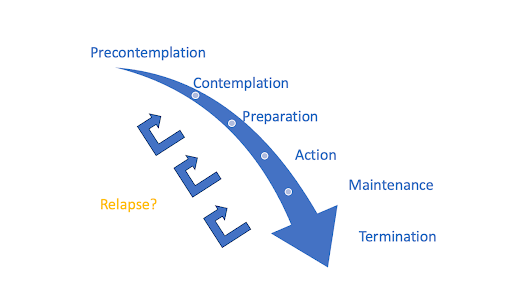
Crafting a successful marketing approach is like prepping for a big family dinner. Everyone wants to impress, but if the main dish is non-existent, well, get ready for some awkward silence at the table!
We’ve all seen brands pulling off stunts that either leave us laughing or scratching our heads. Remember that essence of joy you felt watching spontaneous TikTok dances or laughing out loud at unexpected Super Bowl ads? That’s the magic we’re aiming for!
Here are some strategies that can spice up any marketing plan:
- Know Your Audience: Understand who you’re speaking to. You wouldn’t serve meatloaf to a vegan, right?
- Social Media Savvy: Engage with your audience on platforms they frequent. Just don’t start a Twitter war; it’s seldom worth it!
- Email Newsletters: Send those monthly newsletters as if you’re keeping friends in the know. Share updates, and throw in a funny meme!
- Content is King: Create content that is helpful, relatable, and sometimes witty—something that’s genuine will always stand out.
But what about measuring success? Glad you asked! Here’s a simple table outlining some metrics that can help track effectiveness:
| Metric | Description | Importance |
|---|---|---|
| Traffic | Visitors to your website. | Indicates reach and interest. |
| Engagement | Comments, shares, likes. | Shows connection with audience. |
| Conversions | Visitors taking specific actions. | Reflects effectiveness of strategy. |
So, what’s the moral here?
Marketing isn’t a one-size-fits-all caper; it’s more like finding the perfect selfie angle—requires just the right tweaks! Plus, if something doesn’t land as intended, don’t fret. Just dust off that sense of humor and keep pushing forward.
In 2023, brands that harness the art of real connections, coupled with a sprinkle of schtick, will surely walk away as heroes!
When we think marketing, let’s remember to blend innovation with a touch of authenticity. Who knows, we might just cook up the next viral sensation!
Now we are going to talk about how creativity and content collide, turning plain ideas into memorable experiences. Buckle up, because it’s going to be a fun ride!
Creative Strategies for Engaging Content
Think of content creation like baking. You start with a basic recipe, yet the sprinkles of imagination and flavor combinations can transform it into a delightful dish.
We all remember that time we tried to spice up a family dinner with an elaborate recipe. We were convinced we could impress everyone. Spoiler alert: the flames were not in the recipe, but we all had a good laugh!
When crafting content, we can take a page out of that cooking playbook. It’s about finding a balance — some structure but loads of creativity.
Here are a few strategies to keep our audience engaged:
- Storytelling: Everyone loves a good tale. Share your glitches, triumphs, and lessons learned. Relatable stories resonate! Remember that epic fail when the technology chose to stop working during a big presentation? Those moments stick with us!
- Visual Appeal: A sprinkle of eye candy in our content can elevate it. Think memes or quirky graphics. Who doesn’t chuckle at a funny cat meme? Cats should really get a share of our marketing budget!
- Variety: Mix it up! One day we could write a heartfelt blog, and the next, a snappy social media post. This keeps our audience guessing and hungry for more, much like the variety in a snack mix.
- Call to Action: Don’t be shy. Ask our readers what they think. It’s like inviting them to join the conversation at our dinner table!
In recent times, think of the content surrounding the rise of AI. Companies are buzzing about tools like ChatGPT to generate ideas and enhance their creative processes. Remember when these tools first emerged? We couldn’t decide if they were more like helpful assistants or strange robot overlords!
Yet, we can’t let tech do all the talking. Our unique voices are what make content shine! After all, we don’t want to sound like a cold, robotic script. People connect with other people, complete with humor, emotion, and those delightful quirks that make us human.
As we’re honing our craft, let’s stay updated. The landscape is always shifting—we recently saw brands creating themed content that ties into popular culture events or social movements. Keeping our content fresh and relevant is like keeping our wardrobe stylish—nobody wants to show up to a party in outdated fashion!
Incorporating these strategies into our creative process can lead to magic. So let’s sprinkle some of our personal flair into our content kitchen and see what delicious ideas we can cook up!
Now we are going to talk about how to really get your business buzzing, especially in today’s increasingly competitive market. It’s not about reinventing the wheel but rather putting some shine on it!
Want to Transform Your Business?
The first step in this adventure is crafting a message that doesn’t just hum, but sings!
Remember that time at your friend’s wedding when the karaoke machine turned into a bomb? Yeah, awkward silence can be brutal. Your business communications shouldn’t resemble that moment!
To keep potential customers engaged, here are some tips to polish up your approach:
- Know your audience: Imagine throwing a birthday bash for a three-year-old but inviting a bunch of grannies. Not a great match, right? The same applies to your customers. Understand their needs and preferences.
- Be authentic: When we’re in a room full of posers, the genuine ones shine. Show your personality! People connect with brands that seem real and relatable.
- Leverage social media: Think of social media as the town square. Remember how everyone gathered there to chat and share gossip? Use it to communicate and highlight your brand! Bonus: jump on trending topics for added visibility.
- Create engaging content: Spice things up! Remember that recipe gone wrong? That’s what bland content feels like. Share stories, tips, and even humor. People appreciate relatable content!
- Encourage feedback: Ever asked someone their opinion on your cooking? It can be cringe-worthy, but valuable! Customers love getting involved—make them a part of the conversation!
Shifting gears, strategy is another vital part of this growth equation, much like planning a road trip.
Have we all made that mistake of leaving without a map? The result? Hours of driving in circles and a lot of grumbling.
Effective planning can prevent that frustration!
Here’s how to establish the right plans:
- Set SMART goals: No, this isn’t about scoring points in a game. We want Specific, Measurable, Achievable, Relevant, and Time-bound objectives. Think of these as your GPS to guide your business journey!
- Analyze competitors: Sometimes we need to peek at the neighbor’s garden to see what’s thriving. What are successful businesses in your niche doing? Learn without falling into sour grapes!
- Adapt and innovate: Remember the rubber band analogy! Stay flexible, and don’t be afraid to change. What worked yesterday might not work today!
And finally, we can’t forget about relationships.
Whether they’re with customers or fellow businesses, networking is where the magic happens.
Collaborations can lead to unexpected opportunities, almost like finding a twenty-dollar bill in an old jacket pocket.
Building authentic relationships keeps the communication lines open and can lead to fantastic partnerships!
So, as we consider these elements, let’s put ourselves out there, engaging, connecting, and, most importantly, growing. With a little effort, we could find our businesses thriving. Just watch out for the karaoke machine!
Now we are going to talk about the importance of establishing a solid digital strategy. It’s crucial in today’s tech-savvy landscape, especially with businesses trying to keep up with the whirlwind of trends and updates.
Why a Strong Digital Strategy Matters
There’s no denying it; if one didn’t have a well-thought-out digital plan, it’s like trying to fish in a desert—frustrating, and definitely unproductive!
We often hear the saying, “If you fail to plan, you plan to fail.” And oh boy, have we all been there. Remember that time we thought we could wing it for a product launch? Spoiler alert: it was more like an episode of a failed cooking show!
From our experiences, a solid digital strategy doesn’t just mean having a flashy website.
It includes:
- Social media presence: This is where we get to showcase our fun side! Building relationships with customers is key. Our last post got more laughs than a stand-up show.
- Content marketing: Not just throwing out random blogs but creating engaging stories that resonate. Everyone loves a good story, especially if it includes a cat video!
- SEO: Because let’s face it, if no one finds your content among a sea of cat memes and TikTok dances, what’s the point?
When we think about the rapid rise of e-commerce and platforms like Amazon, it’s hard to ignore how everyone is jumping on the bandwagon. But standing out is crucial. One of our friends decided to sell handmade candles online—what a smoky journey that was! She started with a basic website that looked like it was made in the ’90s, and her sales were as sparse as a vegan at a BBQ.
Then she buckled down and revamped everything. She created a visually appealing site, boosted her social media game, and voilà! Business started to take off.
Every time we think of her success story, we chuckle at how important that transformation was. It’s a constant reminder that if we want to flourish, we need to keep our digital strategy fresh, relevant, and a little bit quirky.
Speaking of quirky, remember the recent trend of ‘glow up’ challenges on TikTok? They shine a light on the importance of a fresh perspective—a reminder that updates can be beneficial, just like updating our digital marketing strategies!
We should also keep a close eye on emerging technologies, like artificial intelligence and machine learning. They’re like the busy bees of the marketing world, buzzing around and making our lives easier without us even realizing it.
By keeping ourselves informed and willing to adapt, we can ensure our digital strategy doesn’t become outdated, like that old sweater hiding in the back of the wardrobe.
In this whirlwind of digital strategies, what’s important is to engage our audience and keep them coming back for more.
So next time we find ourselves thinking that a *set it and forget it* approach will work, let’s remember our friend with the candles and take proactive steps to up our marketing game!
About the author, Bill Nash
Conclusion
To sum it up, the marketing landscape can feel like a circus at times, but with a solid digital strategy and a sprinkle of creativity, you can turn chaos into order. Remember, your audience is out there, waiting to be engaged! Whether it’s through LinkedIn ads or clever content strategies, there’s a chance for every business to shine. Don’t hesitate; roll up your sleeves and transform those prospects into loyal customers. Just like my grandmother used to say, ‘You catch more flies with honey than vinegar’—so, get sweet with your marketing! Here’s to your success, and may your strategies flourish like grandma’s garden in spring!
FAQ
- What platform is highlighted as a promising tool for advertising?
LinkedIn is mentioned as a hidden gem for advertising opportunities in the marketing sphere. - How can businesses effectively target their audience on LinkedIn?
Businesses can target their audience based on job titles, industries, and company sizes. - What is Sponsored Content on LinkedIn?
Sponsored Content acts like a digital billboard, where businesses create eye-catching content and pay to ensure it reaches the right audience. - What is the benefit of using InMail for advertising?
InMail allows businesses to directly communicate with potential leads through their LinkedIn inbox, making connections feel less awkward than cold emails. - Why is analytics important in LinkedIn advertising?
LinkedIn’s analytics tools help track the performance of ads, providing insights into what strategies are effective and which are not. - How can quality leads be attracted?
Understanding one’s audience, focusing on relationship-building over mere follower counts, and producing engaging content are key to attracting quality leads. - What is the importance of clear calls to action in marketing?
Clear calls to action direct people to take specific actions, helping to convert casual visitors into loyal customers. - What role does storytelling play in content creation?
Storytelling helps make content relatable and memorable by sharing personal experiences and lessons learned. - What should businesses focus on when crafting their digital strategy?
A solid digital strategy must include social media presence, engaging content marketing, and effective SEO practices to ensure discoverability. - How can businesses stay current in the fast-evolving digital landscape?
By keeping an eye on emerging technologies and trends, businesses can ensure their strategies remain fresh and adaptable.
🚀 7 Powerful LinkedIn Marketing Strategies That Actually Work in 2025
Why You Need a Strong LinkedIn Marketing Strategy in 2025
If you’re not leveraging LinkedIn marketing strategy in 2025, you’re missing out on one of the most powerful platforms for B2B lead generation, networking, and brand authority. With over 1 billion members globally, LinkedIn is no longer just a digital resume—it’s your gateway to building meaningful connections and driving revenue.

In this guide, you’ll learn 7 actionable LinkedIn marketing strategies that can help you stand out, grow your network, and generate leads.
1️⃣ Optimize Your LinkedIn Profile for Visibility
Your profile is your personal landing page. Ensure it reflects your brand:
✅ Add a professional headshot.
✅ Use a keyword-optimized headline — for example: Helping SaaS startups generate leads using LinkedIn marketing strategy.
✅ Write a compelling summary that tells your story and highlights your unique value proposition.
✅ Use the Featured section to showcase media, posts, and links to your website.
👉 Tip: Your LinkedIn URL should include your name or business keyword for SEO.
2️⃣ Create and Share High-Value Content
Content marketing is at the heart of any LinkedIn marketing strategy. Share posts that:
- Solve your audience’s problems
- Highlight case studies or success stories
- Share behind-the-scenes insights
- Include videos, infographics, or carousels
✅ Example: Check out LinkedIn’s official content guide for ideas on creating engaging posts.
3️⃣ Use LinkedIn Groups to Build Authority
Join or create LinkedIn Groups relevant to your niche.
- Engage consistently by answering questions.
- Share helpful resources, not just promotional content.
- Build connections by offering free advice.
👉 Groups can position you as a trusted expert—a core part of building your digital presence.
4️⃣ Leverage LinkedIn Ads Smartly
LinkedIn Ads are highly targeted but can be costly if not used right.
- Start small and test ad creatives.
- Use Lead Gen Forms to reduce friction.
- Retarget people who have visited your website.
✅ Pro tip: Tools like LinkedIn Campaign Manager help monitor and optimize your ad performance.
5️⃣ Master LinkedIn Outreach (Without Being Spammy)
✅ Personalize your connection requests—always mention why you want to connect.
✅ Avoid mass messaging.
✅ Use tools like Phantombuster or LinkedIn Sales Navigator to track prospects (but don’t over-automate).
👉 Focus on building relationships — not just pitching.
6️⃣ Encourage Employee Advocacy
Your team can amplify your LinkedIn marketing strategy by:
- Sharing company updates
- Posting thought leadership content
- Commenting on industry discussions
👉 This humanizes your brand and expands reach organically.
7️⃣ Track, Measure, and Improve Your Strategy
- Use LinkedIn analytics to monitor profile views, post engagement, and follower growth.
- Set KPIs: e.g. connections added per month, leads generated, content engagement rates.
- Adjust your strategy based on what works.
✅ Tools like Shield offer deeper LinkedIn analytics.
Final Thoughts
A killer LinkedIn marketing strategy isn’t just posting—it’s about strategic planning, data-informed content, and genuine interaction. By aligning SMART goals, diverse content, ads, and analytics, you’ll build credibility, attract qualified leads, and scale your presence. Keep iterating, stay helpful, and your LinkedIn influence—and business growth—will follow.
👉 Want to go deeper? Check out LinkedIn’s Marketing Blog for more insights.
👉 Looking to get a LinkedIn expert for your LinkedIn marketing strategy? Click here!
FAQs
❓ What is the best time to post on LinkedIn?
The best times are Tuesday to Thursday, between 9:00 AM and 11:00 AM in your audience’s time zone. However, test and adjust based on your specific industry and audience engagement data.
❓ How do I generate leads with LinkedIn?
To generate leads on LinkedIn:
- Optimize your profile as a lead magnet
- Share valuable content consistently
- Use LinkedIn Sales Navigator to target prospects
- Start meaningful conversations via DMs
- Offer lead magnets (eBooks, free calls) via content or messages
❓ Can I use hashtags on LinkedIn?
Yes, hashtags increase discoverability. Use 3–5 relevant hashtags per post, mixing broad ones like #LinkedInMarketing with niche-specific ones like #SaaSLeads or #B2BSales.
❓ Is a LinkedIn Company Page necessary?
Yes. A Company Page is crucial for your LinkedIn marketing strategy:
- Helps you run ads
- Builds credibility
- Lets you showcase services, updates, and team members
- Is a trusted source for clients and candidates
👉 But don’t neglect your personal profile, as it’s often more engaging.
❓ What’s the difference between LinkedIn Ads and organic marketing?
- LinkedIn Ads = Paid reach to a targeted audience; great for scaling.
- Organic marketing = Free content, engagement, and networking; builds long-term trust.
Best results come from combining both.
❓ How do I improve my LinkedIn engagement?
- Ask questions in your posts
- Use storytelling
- Tag relevant people (sparingly)
- Reply to every comment
- Post consistently (2–4 times/week)
❓ How do I build thought leadership on LinkedIn?
- Post original insights and opinions
- Share lessons learned from your work
- Host LinkedIn Live sessions or webinars
- Comment meaningfully on other leaders’ posts
- Write LinkedIn Articles to go in-depth on a topic
❓ What’s a good LinkedIn connection acceptance rate?
A 20–40% acceptance rate is standard for cold outreach as part of your LinkedIn marketing strategy. If it drops below 15%, revise your connection request message and targeting.
❓ How do I use LinkedIn for recruiting?
Join industry-specific LinkedIn groups
Use LinkedIn Recruiter or Sales Navigator
Post jobs via your Company Page
Reach out directly to passive candidates