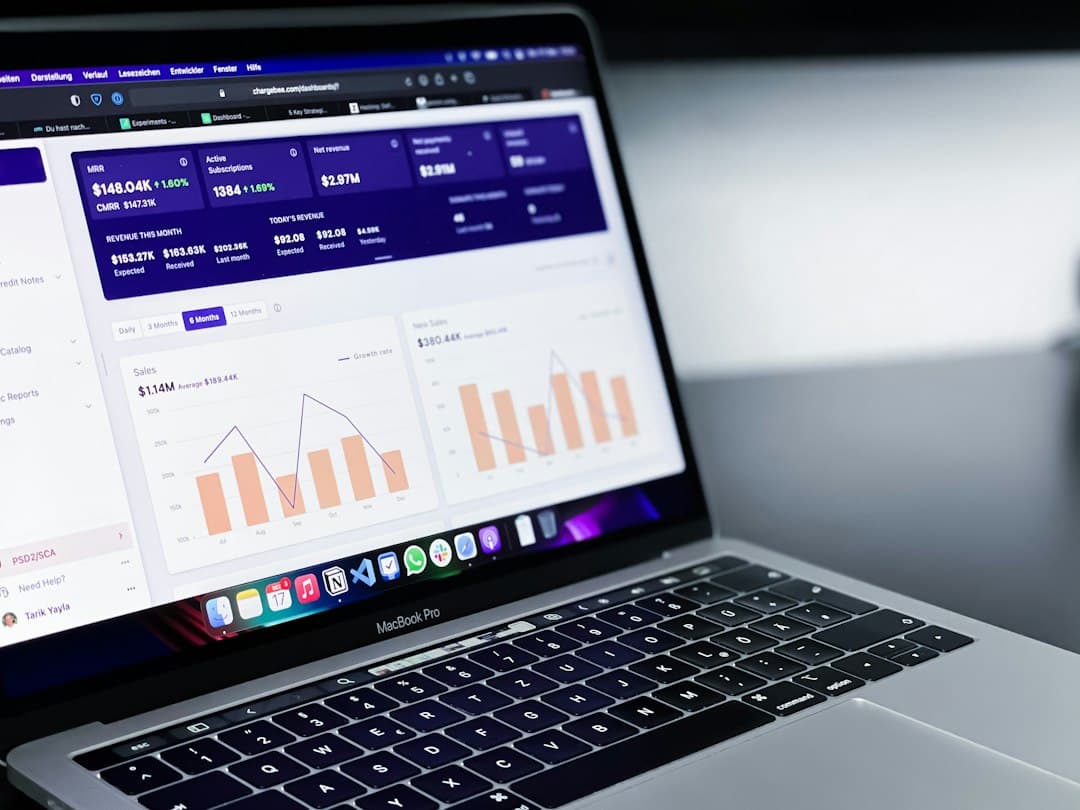
A monthly SEO report should help a business decide what to do next. It should not be a collection of charts with no explanation, nor should it rely on one ranking screenshot to prove that everything is improving.
This SEO reporting checklist for Malta explains what an agency, consultant or internal team should report, how the figures should be interpreted and which questions a business owner should ask.
Start with the business objective
The report should begin by restating what SEO is expected to support. Possible objectives include qualified enquiries, bookings, ecommerce sales, applications or visibility for specific services. Traffic growth can be useful, but it is not the final objective for most businesses.
Agree on the primary outcome and any supporting indicators before judging performance. This prevents the report from highlighting whichever metric happened to increase that month.
1. An executive summary in plain language
The first section should explain the period in a few useful points:
- What improved, declined or remained stable
- Why the change probably happened
- What work was completed
- Which risks or blockers need attention
- What the team recommends doing next
The summary should distinguish evidence from interpretation. If the cause of a traffic change is uncertain, the report should say so and explain what will be investigated.
2. Organic conversions and lead quality
Report the actions that matter commercially, such as submitted forms, calls, bookings, purchases or other agreed outcomes from organic search. Where the sales process allows it, add feedback on enquiry quality and eventual outcomes.
Google Analytics uses “key events” for actions considered particularly important to a business. Its official events guidance explains that collected events can be marked as key events and used to evaluate marketing performance.
The report should also disclose measurement limitations. Cookie consent, call tracking, cross-device journeys, offline sales and incomplete CRM data can all affect attribution. A precise-looking number is not automatically complete.
3. Organic traffic by landing page
Site-wide organic sessions can hide what is really happening. Break performance down by the page where visitors entered the site. This reveals whether growth came from commercially relevant services, useful guides, branded searches or an unrelated page.
- Priority service and product pages
- Location pages where they serve a real local need
- Articles supporting the buying journey
- New or recently improved pages
- Pages with notable gains or declines
For each important change, add context. A decline may follow a site edit, a seasonal change, reduced search demand, lost indexation or stronger competition. The chart alone does not explain the cause.
4. Google Search visibility
Google Search Console provides clicks, impressions, click-through rate and average position, with breakdowns by query, page, country, device and search appearance. Google’s Performance report documentation explains how these metrics and dimensions are calculated and displayed.
A useful SEO report should interpret this data rather than copying the default dashboard. For example:
- Which priority pages gained or lost impressions?
- Are clicks changing because visibility changed or because CTR changed?
- Which queries show emerging demand?
- Are mobile and desktop trends materially different?
- Is the change concentrated in Malta or another target market?
5. Branded and non-branded demand
Separate searches containing the business or brand name from searches for services, problems or products. Branded visibility often reflects existing awareness from many channels. Non-branded queries can show whether the site is reaching people who may not already know the business.
This split is not perfect because Search Console withholds some query data and brand names can have variations. The report should explain its filtering method and avoid presenting the result as exact.
6. Priority keyword themes, not a vanity list
Rank tracking is useful when it follows a defined group of relevant searches. It becomes misleading when a report celebrates isolated low-value phrases or adds easy keywords after the campaign starts.
Group tracked terms by service, location or buying intent. Show movement alongside the relevant landing page, impressions, clicks and conversions. Remember that search results vary by location, device, time and personal context, so a ranking is an indicator rather than a universal position.
7. Technical SEO health
The report should identify technical issues that affect discovery, indexation or user experience, especially if they require action from a developer or content owner.
- Indexing errors and unintended noindex directives
- Broken internal links and important 404 responses
- Redirect loops or unnecessary chains
- Incorrect canonical tags
- XML sitemap problems
- Structured-data errors relevant to the site
- Mobile usability and performance concerns
Do not inflate the report with every warning produced by a crawler. Prioritise issues by potential impact, affected pages and the effort required to fix them.
8. Content work and page changes
List what was created, revised or consolidated during the period. For each important change, state the reason, the intended search intent and the page that should benefit.
Reporting only the number of words or articles encourages output rather than usefulness. Better evidence includes improved coverage of buyer questions, clearer service-page information, stronger internal links and removal of competing or outdated pages.
9. Authority and link activity
If link acquisition or digital PR is part of the scope, the report should show the actual pages linking to the site, their destination and why the links are relevant. It should distinguish newly discovered links from links actively earned by the team.
Avoid treating every link as equally valuable. Relevance, editorial context, destination and legitimacy matter more than a large raw total. The report should also flag important lost links or suspicious activity that needs review.
10. Local visibility for Malta businesses
Where local discovery matters, include the performance of the Google Business Profile and the website pages supporting local intent. Relevant measures may include profile actions, calls, direction requests, bookings, review activity and queries connected with the services and locations served.
Do not report map rankings from a single point as if they apply across Malta. Local results can vary by the searcher’s location and other context. Explain the measurement method and focus on trends that can guide action.
11. Work completed versus work planned
A client should be able to see what the SEO provider actually did. List completed technical fixes, content work, research, internal linking, outreach and measurement tasks. Link to the affected pages or task records where practical.
Then show the next priorities, the reason for each one and any dependency on the client. Examples include approving copy, providing subject expertise, granting developer access or confirming how sales outcomes are recorded.
12. Meaningful comparisons
Compare the reporting period with an appropriate baseline. Month-on-month comparisons show recent movement, while year-on-year comparisons can help account for seasonal patterns. New sites or recently changed tracking setups may need a different baseline.
State when tracking, consent configuration, site structure or conversion definitions changed. Otherwise, two periods may appear comparable when the underlying measurement is different.
Questions to ask about an SEO report
- Which business outcome does this metric support?
- What caused the most important change?
- Which data is incomplete or estimated?
- What did the SEO team change during this period?
- Which recommendation has the highest priority and why?
- What action is required from our business?
- How will we know whether the next action worked?
Warning signs in SEO reporting
- Only positive metrics are shown
- Rankings are reported without location, page or business context
- Traffic is not connected with enquiries, sales or agreed outcomes
- Completed work is described vaguely
- Technical issues are listed without priorities or owners
- Every change is claimed as an agency result without evidence
- The report contains no recommendation or decision
What a useful monthly report achieves
A strong report creates a shared understanding of performance, limitations and next actions. It should make the SEO work accountable without pretending that rankings or revenue can be guaranteed.
Google describes Search Console as a way to understand how a site performs in Search and how Google crawls, indexes and serves it. Its Search Console guidance also recommends monitoring queries, pages, countries, indexing and search-performance trends. These sources are most useful when combined with website analytics and genuine business feedback.
Make SEO reporting commercially useful
Digital Consulting Pros provides SEO services in Malta with strategy, implementation and measurement connected to business priorities. For a practical conversation about your current visibility and reporting, contact us.
Featured image: path digital via Unsplash.