Inside Our Website Design Process: From Planning to Handoff
Crafting a website isn’t just about slapping on some graphics and hoping for the best. It resembles cooking a new recipe: you wouldn’t toss the ingredients together without a plan, right? Each step is crucial, and trust me, I’ve burned my share of the proverbial soufflés. Every website deserves a thorough approach that maps out all elements and functions to avoid the chaos of an unplanned structure. Whether you’re a newbie or have dabbled in website development, having a concrete strategy can make the difference between a website that shines and one that fizzles. This article will take you through each essential step in developing a stellar site, sharing personal slip-ups along the way and a sprinkle of humor to boot. Let’s get your website cooking!
Key Takeaways
- A structured process saves time and frustration.
- Creating a sitemap is essential for organization.
- Don’t skip the homepage adjustments for a polished look.
- Essential pages are just as important as the homepage.
- Preparation before development is key to a smooth workflow.
Now we are going to talk about the structure behind delivering an outstanding website. If you think it’s as simple as slapping together some colors and fonts, well, let’s just say you’re in for a surprise!
Why Website Development Needs a Clear Process
Building a great website isn’t just about throwing some code at a screen and hoping for the best. No way, José!
Let me tell you, it’s more like a group project where everyone swears they did the work, but really, it’s all about teamwork.
We often hear the saying, “jack of all trades, master of none.” Well, this couldn’t be more accurate in web development.
Designers can’t always market and vice versa. Each job requires specialized skills. That’s why we’ve put together a delivery process that covers all bases, with clear stages and distinct responsibilities to keep everything flowing smoothly.
Here’s a quick rundown of how we tackle this beast:
First Stop: Discovery & Strategy
Before we plunge into designs and color palettes, we sit down and hash things out.
This is the discovery phase—the moment we gather the essential intel. Think of it as detective work where we analyze what’s working, what’s not, and where we can sprinkle some magic.
Oh, we once believed that if a website wasn’t crumbling apart, we should just leave it alone. Now, our motto is, “If it’s doing okay, let’s kick it up a notch!”
Metrics like traffic and conversion rates tell us what to look out for. This shift has really been a breakthrough for our clients.
During this stage, we dive into:
- Getting clear on business goals
- Discussing how the website impacts revenue
- Defining the messaging tone
- Making sure the tea…er, stakeholders are all on the same page
- Figuring out tech integrations
- Drafting an initial sitemap and planning content
We crunch all this data to decide whether to take on the project or help steer clients in a direction that suits them better.
Next Up: Design
After we’ve mapped the path, it’s time to get creative!
Here, the strategy gets a visual makeover. Starting with wireframes, we layout the site like we’re setting the stage for a Broadway show. It’s all about hierarchy and making sure the important bits stand out.
Once that’s a go, we layer on the visual design. Typography and brand identity come into play, but remember, while looking fabulous is essential, functionality takes precedence.
If a simple layout converts better, that’s what we go for. A pretty face might catch the eye, but you want depth too!
Now: Development
With designs in the bag, we roll up our sleeves and get to coding.
Webflow is our go-to tool, though sometimes we throw in some WordPress for good measure. Here’s the kicker: just because someone can design a snazzy mockup doesn’t mean they should build it. That’s where developers shine!
We learned the hard way that mixing roles often leads to a technical mess. Developers are the ones who keep everything running smoothly, which means fewer headaches for everyone!
Then, SEO Optimization
Just a heads up: SEO is not a last-minute add-on.
As the site develops, our SEO team works closely with designers, ensuring each page matches search intent and keywords. It’s like making sure every piece of the puzzle fits just right.
Good SEO boils down to smart development practices. Proper HTML, metadata, and performance keep sites competitive and visible. Our developers are in sync with SEO, making sure we’re set to shine from the start.
Final Stage: Quality Assurance (QA) & Launch
Here’s where we ensure everything fits and works.
QA is crucial—it’s like a coach reviewing game tape. Any issues get caught before we go live. Our team scrutinizes:
- Layout across devices
- Browser compatibility
- Form submission behaviors
- Content rendering
- Integrations with tools like Google Analytics
Because let’s face it: nobody wants to launch a site that’s broken. QA helps us catch those gremlins early on.
So, there you have it! With this structure, we’ve set ourselves up to succeed, and that’s no accident!
In the next section, we’ll explore how the initial step before any design magic happens is all about strategy. It’s like planning a road trip; you wouldn’t just hop in the car and drive in any direction. You’d need a map, some snacks, and maybe a playlist to keep things interesting.
Step 1: Laying the Groundwork Before Design Begins
So, here’s the scoop: the design process doesn’t kick off in Figma; it starts with a solid strategy.
Right after we put pen to paper on the scope, we plunge headfirst into a week-long discovery adventure. This time is all about getting our ducks in a row—aligning on goals, content, structure, and messaging, long before any visuals take shape.
What kind of shenanigans do we get up to during that week? Buckle up!
- Strategy Workshop: Here, we roll up our sleeves and chart out business goals, value propositions, and the different user segments. Think of it as our brainstorming breakfast, but with fewer bagels and more sticky notes.
- Content Workshop: We hammer out the key messaging pillars, calls to action, and content needs. Picture a bustling café where we’re all brainstorming ideas while sipping our third cup of coffee.
- Product Walkthrough: We get intimate with the product, actually using it. It’s like a first date, but instead of awkward small talk, we’re all about understanding features.
- Sitemap & Information Architecture: This is where we draw out the entire site structure and user flows. Think of it as a treasure map, leading us to hidden gems.
- References & Moodboards: We gather visual inspiration and create moodboards. It’s like putting together a team vision board but without the glitter and glue.
- Strategy Document: Finally, we compile all our brainchild into a client-approved strategy doc that’ll guide us during the design phase. It’s our north star—akin to the GPS of our creative road trip!
By the end of this phase, we have laid down the essentials: business intent, page hierarchy, and creative direction. It’s all about setting the stage for designs that resonate and lead us to the promised land of user engagement. Talk about a blueprint for success!
Now we are going to talk about how we lay down the framework for a website. Think of this as crafting the blueprint for that dream house—except instead of bedrooms and bathrooms, we’re dealing with pages and links. And yes, sometimes it does feel like herding cats when trying to get everything just right!
Creating a Sitemap & Information Architecture

Once we get the green light on the website strategy, it’s time for the real fun: structuring the site. This is where we set the stage for how visitors will wander around, claim their little victories (aka conversions), and maybe even enjoy a few cat videos along the way.
So, what do we need to think about?
- What pages we’ll have and their purpose
- How they’re interconnected like a friendly neighborhood
- What content each page needs to do its job
Page Inventory Breakdown
We categorize every page into one of three groups—kind of like sorting your socks, but a bit more strategic:
- Static Pages: These are like well-furnished living rooms—custom-designed and easy to navigate (like your Homepage, About, and Product pages).
- Dynamic CMS Pages: Think of this as the lively kitchen, always fresh and full of the latest content (like Articles and Case Studies).
- Utility Pages: The unsung heroes, like the laundry room that keeps everything running smoothly (think 404 pages or Login screens).
Each page gets a little tag, too:
- Intent: Is it commercial, informational, or does it just want a map (navigational)?
- Funnel Stage: Is this at the top (TOFU), middle (MOFU), or bottom (BOFU) of the sales funnel?
This helps us pin down what users want and how we can serve it up nicely.
Control the User’s Path with Interlinking
In theory, users should follow a structured path through the site, but in reality, they might as well be on a scavenger hunt—dipping in through random blog posts or even tripping over a 404 page. We’ve seen it all!
So, while we do set up some nice scenic routes (especially if we’re running PPC ads), we also prepare for the unexpected.
Instead, we create interlinking systems that are like a GPS for our visitors, making sure they have:
- Contextual CTAs that make sense
- Crosslinks between TOFU, MOFU, and BOFU pages
- Navigation cues that nudge them onward
This way, they always find something to click on, no matter where they start their adventure.
Outlining Each Page’s Content Needs
Before we leap into wireframing, we diligently sketch out what each page should feature:
- Key headline blocks that grab attention
- Supporting proof—like testimonials, logos, and stats to back us up
- CTAs suited for the occasion (primary, secondary, or contextual)
At this stage, we’re not drafting the actual text yet; that comes later. Right now, it’s all about setting the stage for our designers and writers!
| Page Type | Examples | Function |
|---|---|---|
| Static Pages | Homepage, About | Informational |
| Dynamic CMS Pages | Articles, Case Studies | Content-driven |
| Utility Pages | 404, Login | User experience |
Now we are going to talk about an essential stage in creating an effective website layout. It’s the process that takes us from the fluffy ideas to something we can actually see and critique—wireframing!
Step 3: Crafting the Blueprint for Success
Once we’ve laid out the sitemap and given our content a solid backbone, we jump into wireframing. This is where we sketch out the site’s layout, making sense of how everything fits together.
Why Bother with Wireframes?
Think of wireframes as our digital underlayment. These low-fidelity, black-and-white sketches are our site’s skeleton that gives us a glimpse into how it’ll hold itself together once dressed up with visuals.
We use wireframes to:
- Clarify content priority: It’s like deciding what dish to put at the buffet first—some items need star treatment!
- Pinpoint content requirements: Without the distraction of colors or fancy fonts, we can focus purely on the messaging and ensure it hits the mark.
The whole purpose here is to see how our clients will display their message before rolling out the visual bells and whistles. Think of it like going to a party in your pajamas—sometimes you need to present the essentials before dazzling everyone with your best outfit!
Filling in the Blanks
Let’s be real; we don’t always have every single piece of final content handy. That’s completely okay! In such cases, we pull out our trusty AI tools to whip up draft content. It’s like putting a placeholder in for your best friend when planning the next party—always good to have a backup!
Wireframes don’t just lay out the look; they help us demonstrate functionality. Once the structure has the stamp of approval, we can roll into the exciting phase of visual exploration. Who doesn’t love a good makeover, right?
Now we’re going to cheerfully wade into the intricate waters of designing a homepage. Trust me, getting this step right makes a significant difference in the overall experience.
Step 4: Crafting the Heart of Your Website
Why the Homepage is Our Starting Line
The homepage isn’t just a pretty face; it’s the strong anchor in the sea of your website!
This is where all the traffic streams in, like people trying to catch a glimpse of the latest celebrity at a movie premiere.
It’s crucial in setting the overall vibe—like the first song at a wedding that either gets everyone on their feet or has them sneaking away for a snack.
Sampling Designs in Bite-Sized Pieces
We start with something manageable—think of it like tasting a new dish before ordering the whole menu.
The first five sections come together, leading with the hero and the core value proposition, proving that sometimes less is indeed more.
These sections are crafted in two to three different styles, inspired by the moodboards we all agreed upon.
It’s an exciting phase where we can stretch our creative muscles while still playing by the rules.
Polishing the Visual Identity
Once we decide on a design direction, it’s time for the finesse of visual identity.
This stage involves carefully selecting:
- Typography that sings
- Color schemes that pop
- A logo that tells your story
- UI patterns that are smooth as butter
From this point, the design gets ramped up for each subsequent page, ensuring everything feels cohesive.
What You’ll Walk Away With
Clients leave with a shiny Figma file packed with goodies:
- A homepage blueprint tailored for conversions
- Design elements linked to those moodboards that got your creative juices flowing
- Helpful notes explaining our design choices along with guidance for the developers
Overall, it’s like unwrapping a present after a long wait, filled with clarity and excitement for what’s next!
Now we’re going to talk about the essential stages of refining a homepage. It’s a bit like whipping up a delicious meal – you don’t just throw everything in the pot and hope for the best!
Step 5: Adjusting the Homepage for Peak Performance
Once we get the green light on the initial design, we roll up our sleeves and jump into the nitty-gritty refinement. This step is all about ensuring that the homepage isn’t just shiny, but polished to perfection.
Valuable Insights That Drive Change
Clients are free to share their thoughts on the design; after all, we all know that feedback is vital. Technically, feedback can flood in like a tidal wave, but we set a few ground rules.
If feedback actually makes things better and aligns with the original plan, we’re all ears! This way, we avoid those pesky pixel-pushing sessions that lead to chaos.
Connecting on Many Levels
We like to keep things collaborative, and our clients can jump into designs via Figma. Sometimes we chat in real time, but often we find our groove in a more asynchronous way. Here’s how we keep it all organized:
- Pinned Figma comments for pinpoint accuracy in feedback
- Slack threads for larger conversations and strategizing
- Loom walkthroughs to illustrate ideas or changes
- Google Meet sessions to tackle bigger calls
This multi-faceted approach keeps everyone in sync, just like a well-rehearsed dance troupe.
Keeping the Spark Alive
To ensure we keep the train on the tracks, we agree on some straightforward ground rules:
- Set review periods after each major tweak
- Internal deadlines for gathering all the sparkling feedback
- Maintain a clear log of changes with thorough notes
This structure lets us stay flexible while still hitting our deadlines like a boss.
Taking the Next Leap
Once we finalize the homepage and know it aligns with our earlier objectives, we treat it like a sturdy launchpad. From there, we start scaling that visual vibe across the entire site, ensuring consistency and flair everywhere it goes!
Now we are going to talk about designing those additional pages—essentially the finishing touches that bring the entire site to life. It’s like icing on the cake, people! Let’s break it down, shall we?
Step 6: Crafting the Other Essential Pages

With the homepage giving us the thumbs up, we leap into the full site design, tackling all those remaining pages with gusto. We tackle this in focused waves, prioritizing based on navigation and the all-important funnel.
Focused Sprint Methodology
Our design strategy follows a priority game plan:
- Conversion-driven pages: Services, Product, Pricing
- Trust-building elements: Case Studies, About
- Content hubs: Blog, Podcast, Resources
- Utility pages: Contact, 404, Legal
Each sprint gets a full review and polish before the next kicks off. Think of it as a cutting board—chopping up ideas keeps everything fresh and tasty!
Extending Visual Themes Across Pages
We take inspiration from the homepage, stacking those style guidelines to maintain a consistent vibe across all pages:
- Layout patterns and spacing
- Buttons, forms, and interactive flow
- Typography and color use
This way, we can remain nimble and cohesive—turning out new components to match our shiny style guide whenever we need to. It’s like adding sprinkles—who doesn’t love sprinkles?
Collaborative Feedback Loops
We batch our page deliveries into small groups—think 2 to 3 at a time—allowing us to:
- Speed up feedback
- Make design choices in context
- Minimize backtracking
Once we get that stamp of approval on all pages, we’re primed and ready to roll into development. It’s a team effort, and trust us, collaboration in design works wonders! No one wants to be that solo artist out in the wild, right?
| Page Type | Description |
|---|---|
| Conversion-driven pages | Key pages that drive transactions |
| Trust-building elements | Content that builds credibility |
| Content hubs | Resource-rich areas for engagement |
| Utility pages | Necessary info and support |
Now we are going to talk about the steps we take to get everything ready for development. It’s like preparing for a big dinner party; you want everything to be just perfect, right? Let’s go over how we make sure our designs make a smooth entrance into the tech world.
Preparing for Development
Final Check-Up Before Handoff
Before we hand things over, it’s time for our pre-flight checklist:
- Making sure spacing and alignment are on point across all pages
- Ensuring the components have a handshake agreement on how they look and behave
- Checking color contrast so everyone can enjoy the show without squinting
- Confirming the final content is like the cherry on top—approved and ready to shine
Basically, we do a final inspection to ensure everything looks fabulous and ready for its close-up.
Locking in the Style Guide
Next comes the grand finale of our design system:
- Colors, typography, and spacing all doing their little dance together
- Reusable components strutting their stuff with layout rules
- Notes on animations, hover states, and some insider tips for the CMS setup
This guide ensures our site maintains consistency and remains easy to jazz up as we grow.
Figma Files Ready for the Builders
Sending off Figma files to developers is like handing over a well-organized toolbox:
- Layers cleaned up and labeled like an efficient library
- Notes on functionality and animations so no one gets lost
- Visual assets exported and ready to dazzle on the web
When the files are easy to read, development proceeds without any hitches, akin to reading a great recipe!
Transition to Webflow
Once the design is signed sealed and delivered, our development team springs into action in Webflow. Since we handle both design and development in-house, it’s like having the chefs and waitstaff in sync at a five-star restaurant.
This marks the end of our design phase and kickstarts the project into production. It’s exciting; like watching a cake being brought to life!
Now we are going to talk about the questions that often pop up regarding website design at Tilipman Digital. It’s a bit like chatting over coffee, where we spill the beans on how things work. So, grab your favorite mug and let’s get into it!
Your Questions Answered: Our Website Design Journey
How long does it take to get a new design?
Typically, our projects wrap up in about 3-4 weeks. Of course, this time frame can stretch out a tad depending on how quickly clients provide their feedback (imagine waiting on your friend to text back!). This timeline includes everything from homepage brainstorming to revisions and designing the rest of the pages. We’ll nail down specifics during our kickoff chat.
What about revisions? Are they limited?
Great question! Here’s the scoop: we don’t limit revisions. As long as the feedback aligns with the approved game plan and drives better outcomes, we’re all in. We structure our review sessions to keep things moving smoothly and not let any hiccups slow us down. No one likes being stuck in revision limbo!
Should I have my content ready before we kick things off?
Not at all! It’s perfectly fine to start with rough drafts, ideas, or even a sprinkle of AI-generated content. We can work with placeholder text to get our creative juices flowing. The final touch on the copy happens while diving into wireframes and refining the homepage. Just make sure to have your existing copy handy—we might need it later!
Can I peek at and comment on the designs?
You bet! We design using Figma, which allows you to review and comment directly, making it as easy as pie. No need for downloads or learning curves. Just jump in and give us your thoughts!
Why use Figma instead of Webflow right away?
Well, designing in Figma makes everything smoother. It lets us iterate quickly and collaborate in real-time before jumping into the actual development phase in Webflow. Once we get the thumbs-up on the designs, we hand over all neatly organized files for a stress-free build in Webflow. No messy kitchens here!
How do you ensure the design converts visitors?
Conversion is all about strategy! We set goals, outline messaging, and plan page flows early on. These elements inform our design—everything from the call to action placement to content arrangement is intentional. Every little design detail exists to support your sales funnel, guiding potential customers like breadcrumbs leading them to the good stuff.
- Quick project turnaround
- Unlimited revisions based on strategic feedback
- Placeholder content is totally fine to start
- Seamless commenting in Figma
- Designs that convert based on clear goals
Conclusion
After laying down the foundation and whipping up the essential ingredients, your website should come together like a well-cooked dish. Each phase has its flavor that contributes to the final outcome. Remember, planning saves time and countless headaches down the road. So, whether you’re preparing for development or just fine-tuning your pages, keep that recipe in mind. Your audience will appreciate a site that not only looks good but functions seamlessly. Now, go out there and start building, but keep the fire extinguisher nearby—trust me, it helps!
FAQ
-
How long does it take to get a new design?
Typically, our projects wrap up in about 3-4 weeks. Of course, this time frame can stretch out a tad depending on how quickly clients provide their feedback (imagine waiting on your friend to text back!). This timeline includes everything from homepage brainstorming to revisions and designing the rest of the pages. We’ll nail down specifics during our kickoff chat. -
What about revisions? Are they limited?
Great question! Here’s the scoop: we don’t limit revisions. As long as the feedback aligns with the approved game plan and drives better outcomes, we’re all in. We structure our review sessions to keep things moving smoothly and not let any hiccups slow us down. No one likes being stuck in revision limbo! -
Should I have my content ready before we kick things off?
Not at all! It’s perfectly fine to start with rough drafts, ideas, or even a sprinkle of AI-generated content. We can work with placeholder text to get our creative juices flowing. The final touch on the copy happens while diving into wireframes and refining the homepage. Just make sure to have your existing copy handy—we might need it later! -
Can I peek at and comment on the designs?
You bet! We design using Figma, which allows you to review and comment directly, making it as easy as pie. No need for downloads or learning curves. Just jump in and give us your thoughts! -
Why use Figma instead of Webflow right away?
Well, designing in Figma makes everything smoother. It lets us iterate quickly and collaborate in real-time before jumping into the actual development phase in Webflow. Once we get the thumbs-up on the designs, we hand over all neatly organized files for a stress-free build in Webflow. No messy kitchens here! -
How do you ensure the design converts visitors?
Conversion is all about strategy! We set goals, outline messaging, and plan page flows early on. These elements inform our design—everything from the call to action placement to content arrangement is intentional. Every little design detail exists to support your sales funnel, guiding potential customers like breadcrumbs leading them to the good stuff. -
What is the discovery phase?
The discovery phase is the moment we gather essential intel about the project—analyzing what’s working, what’s not, and where we can sprinkle some magic. It sets the groundwork for aligning business goals and discussing how the website impacts revenue. -
What is the purpose of wireframing?
Wireframing serves as our site’s skeleton, allowing us to clarify content priority and pinpoint content requirements. It gives us a simple visual representation of the site layout, enabling us to focus purely on messaging before rolling out the visual details. -
What types of pages do you create?
We categorize pages into three groups: Static Pages (like Homepage and About), Dynamic CMS Pages (like Articles), and Utility Pages (like 404 pages). This categorization helps us serve users effectively based on their intent and the sales funnel stage. -
How do you handle user navigation on the site?
We create interlinking systems that serve as a GPS for our visitors, ensuring they find contextual CTAs, crosslinks between TOFU, MOFU, BOFU pages, and navigation cues that guide them through their journey on the site.

Email Marketing For Law Firms [An Overview]
Email marketing may sound about as exciting as watching paint dry, especially in the legal field. However, trust me, it’s like the secret sauce that can spice up your law firm’s marketing strategy. Imagine sending out a perfectly worded email that not only hits the inbox but also prompts a potential client to call you the next day. Yes, that kind of magic can happen! With the right strategies (and maybe a few cups of coffee), you can turn your emails from dry legalese into engaging conversations. As a lawyer myself, I’ve had my fair share of trial and error with email marketing. Let’s talk about how to get it right!
Key Takeaways
- Engaging emails can turn potential clients into loyal ones.
- Building an email list ethically is crucial for trust.
- Types of emails are diverse; don’t stick with just one.
- Analyzing your email effectiveness can lead to better strategies.
- Clients appreciate informative, non-pushy communication.
Next, we are going to explore a streamlined approach to email marketing for law firms. Grab your coffee because, trust us, you’re going to want to stick around for this.
Quick Guide to Email Marketing for Law Firms
Alright, so picture this: you’re a lawyer, juggling cases and clients, and the last thing you want to think about is crafting the perfect email campaign. But here’s the kicker—it’s crucial for growth! Let’s break this down into bite-sized bits so we can keep our sanity intact, shall we?
- List Building: Aim for a permission-only approach. Think webinars, consultation inquiries, and downloadable resources. By working this way, your list could swell by 50-100 contacts each month—just think of all the potential clients!
- Email Frequency: How about sending out educational nuggets twice a month? Toss in some legal alerts when necessary. An open rate of 15-25% and a click rate of 3-5% can easily be achieved, which is more hopeful than most of our Monday mornings!
- Technical Setup: So, SPF, DKIM, DMARC? Sounds like alphabet soup, right? But these configurations, paired with a smooth 14-day warm-up for new domains, can help snag a spot in over 95% of inboxes. Now that’s a cozy welcome!
- Content Types: What to share? Monthly newsletters, gripping case studies, timely regulatory updates, and exciting event invitations. This cocktail can generate consistent referrals and keep the phone ringing!
- Success Metrics: Keep your eyes on those consultation bookings, track where clients come from, and know your acquisition cost. After 60-90 days, you’ll see who’s smiling and who’s not. ROI tracking is like GPS for your marketing journey!
Now, email marketing may sound like another task on the to-do list, but it’s an opportunity to showcase expertise. It’s about human connection—adding a sprinkle of personality can go a long way!
Thinking of jumping on this bandwagon? Just remember, it’s not about sending out emails at lightning speed; it’s about delivering value. The right message at the right time will make recipients lean in instead of lean out.
So, are we ready to work smarter, not harder? With the right strategy, we can turn those email recipients into loyal clients. After all, the road may be bumpy, but with a solid email marketing plan, we can navigate it with style!
Now we are going to talk about making sure that law firm emails actually reach the intended audience, instead of getting lost in the digital void. Let’s face it, nobody invests years in law school just to watch their emails dance in the spam folder like they’re at a sad party with no guests.
How to Ensure Your Law Firm Emails Hit the Inbox
Every lawyer knows the hustle of crafting the perfect email. But it’s a real head-scratcher when those emails get intercepted by pesky spam filters.
It’s like preparing a gourmet meal only for it to be served in a bathroom stall.
In our experience, we all know compliance and strategy, but email delivery? That’s a whole different ball game.
EmailWarmup.com comes in like a superhero without a cape, fine-tuning our emails so they glide effortlessly into clients’ inboxes. They don’t just fake it; they replicate our real sending patterns. That means no more painfully watching our emails vanish into cyberspace!
- Real-time spam checker: Watch as your inbox placement is displayed right before your eyes. It’s like having a backstage pass to your own concert!
- Customized warmup: This setup mirrors the actual email interactions of a busy law office. Your emails won’t just look authentic; they will be.
- Testing galore: Enjoy free unlimited deliverability tests, making sure that your emails aren’t ghosting anyone! Other platforms are charging an arm and a leg for this.
- Consultant at your service: You’ll have a dedicated deliverability consultant ready to tackle any email-related issue.
- Technical setup: Forget the headaches of SPF, DKIM, DMARC. They handle the geeky stuff for us.
It’s straightforward to get started! Seriously, why let your hard work go unseen? Want to discover how to keep your emails from turning into digital tumbleweeds?
Book a consultation call to help bring your email game to the next level!
Now we are going to talk about why law firms should consider putting some chips on email marketing. Spoiler alert: it’s not as old-fashioned as many might think!
Why Law Firms Should Consider Email Marketing
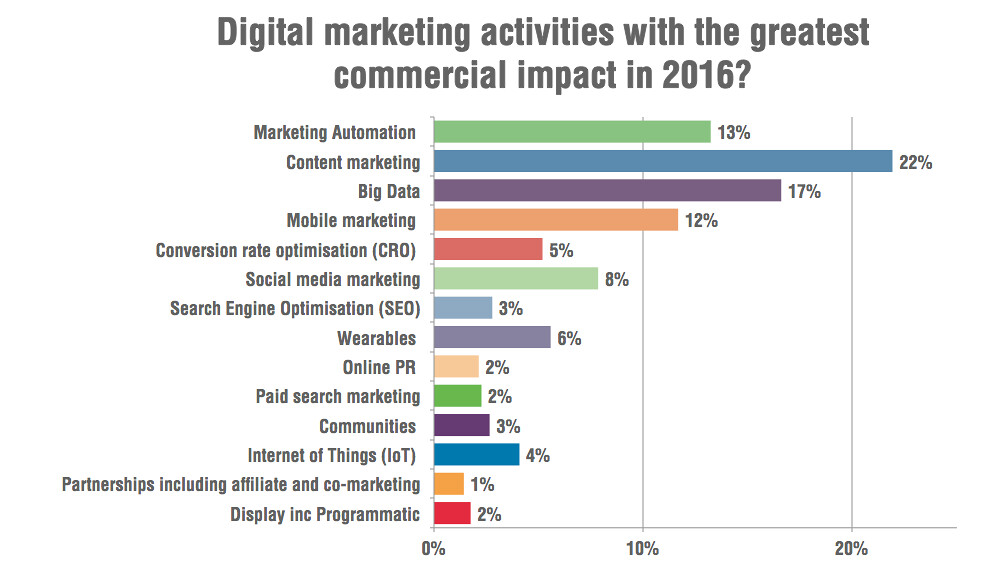
It’s quite amusing how many attorneys believe that email marketing is like disco—it had its day and is now collecting dust in the attic. They often pivot to SEO or throw money at paid ads, like tossing coins into a wishing well, hoping for referrals to magically appear.
However, a little research goes a long way. Sure, you might think people are overwhelmed with emails, but let’s look at the numbers. According to data from HubSpot, every dollar spent on email marketing can return around $36. Talk about a profitable night out!
Consider this: securing one corporate client that pays $50,000 annually can make your entire email marketing budget—typically between $500 to $2,000 a month—seem like pocket change. And let’s be honest, most law firms are not scrounging for pennies. Instead, they’re out there trying to reel in the big fish!
| Marketing Channel | Monthly Cost | Predictability | Asset Ownership |
| Email Marketing | $500 – $2,000 | High (list compounds investment) | You own the list |
| Google Ads | $3,000 – $10,000 | Low (stops when you stop paying) | You own nothing |
Email marketing’s beauty lies in its compounding nature. As the list grows—much like that houseplant that refuses to die, against all odds—the firm’s reputation strengthens in the inboxes of potential clients. Paid ads, on the other hand? They vanish faster than a magician’s rabbit when the budget runs dry.
So, let’s not be the ones to let a golden opportunity pass by. Embracing email marketing means investing in something tangible, building a connection with current and potential clients that could lead to the big wins.
In the end, the email saga continues, proving to be an underdog that’s very much alive and kicking. So, let’s break free from the notion that it’s just a relic. Email marketing could be your firm’s best friend—or at least a reliable sidekick in this wild legal landscape.
Now we are going to talk about building an email list for a law firm while staying on the right side of ethics. It may seem tricky, but with a few smart strategies, we can create a compliant and effective email list. Let’s dig right in.
How to build an email list for your law firm without crossing ethical lines
Bar associations come with a thick rulebook, right?
It’s crucial to distinguish between solicitation and marketing.
One’s like trying to sell ice cream to someone in a snowstorm, while the other is more like inviting friends to your ice cream party.
If you’re not careful, whoosh—straight into ethical trouble!
The importance of asking permission
Picture this: you find a list of potential clients online—ooh, shiny!
But hold on, do they really want to hear from you?
Seth Godin nailed it with his radical idea of Permission Marketing.
He said, “Permission marketing turns strangers into friends and friends into loyal customers.”
Imagine having a friend who insists on sending you ten unsolicited emails a day. There’s nothing friendly about that, right?
Understanding the rules
Bar Association compliance isn’t rocket science, but it’s got its quirks.
According to ABA Model Rule 7.3, any email must include your firm name and location, plus a clear method to unsubscribe.
No misleading claims, please—nobody wants to end up on the email equivalent of a bad blind date.
Here’s the kicker: you can’t just blast emails to anyone who shows up with legal woes.
So, if you’re hosting a seminar and someone signs up, sending them educational content is as fair as pie!
No one’s flipping tables over that.
Creative ways to collect emails
- Create pop-ups offering downloadable guides (who doesn’t love a freebie?)
- Use consultation forms with a little checkbox for newsletter sign-up (a two-for-one deal, if you will)
- Host quarterly webinars and snag those 30-50 qualified addresses like catching candy at a parade
- Leverage speaking engagements with sign-up sheets or nifty QR codes (tech-savvy, hello!)
- Publish articles jam-packed with value and throw in a call to action—like a friendly nudge!
Lastly, don’t underestimate the importance of running regular email deliverability tests.
A growing list is only useful if your messages don’t end up in the dreaded spam folder.
Let’s keep those emails shining brightly in inboxes instead of lurking in the shadows!
Now we are going to talk about how law firms can jazz up their email strategies without boring their readers into a snooze-fest. Let’s grab some insights to help legal professionals engage effectively!
Types of Emails Lawyers Should Send
We’ve all been there—the inbox flooded with dull promotional emails from law firms. It’s like they think we’re all just waiting to hear about the latest internal meeting, right? The truth is, clients want content that speaks to them. It’s time for a shakeup!
- Educational Newsletters
- Legal Alerts
- Case Studies
- Event Invitations
- Referral Nurturing
Educational Newsletters
Imagine sending out an email twice a month that actually helps your clients. These newsletters should focus on real issues your clients care about, such as new regulations or tips on handling common legal challenges.
Keep it simple—plain English with a sprinkle of personality goes a long way.
Wrap it up with a friendly nudge inviting clients to hit reply if they have questions. They should walk away thinking, “Wow, that was useful! Not, ‘What’s the catch?’” We want them to feel informed, not sold to.
Case Studies
Let’s get real about showcasing expertise! Instead of sharing dry, legalese-filled cases, tell a story.
Anonymize everything but let the strategic thinking shine through. It’s like revealing the secret sauce: “We started with idea A but ran into hurdle B, so we switched gears to C, which worked wonders!”
This approach not only demonstrates skill but also keeps readers engaged—because who doesn’t enjoy a good story behind a win?
Legal Alerts
Ever receive a sudden update that left you scratching your head? We’ve all been there! Lawyers should swiftly send legal alerts when significant changes happen that could impact clients.
Provide a brief overview of what occurred, the implications, and steps clients should take.
According to recent trends, delivering timely alerts is a winning strategy for keeping clients loyal. They feel in the loop and ready to tackle challenges head-on, thanks to your quick response!
Event Invitations
Webinars can be a breath of fresh air! Sure, some folks might scroll past your newsletter, but they just may seize a chance for a free seminar on estate planning.
When they walk through that door, you can showcase your legal brilliance in person, answering questions and making meaningful connections. It’s way more engaging than any old email thread!
Referral Nurturing
For those who refer clients to you, let’s roll out the red carpet! Craft a dedicated email series for referral sources—think attorneys, accountants, financial advisers, and so on.
Give them updates on what types of cases you’re looking for and celebrate successful outcomes that sprouted from referrals. Toss in some useful content that their clients might appreciate, and watch those referral sources feel valued and more inclined to send business your way!
Now we are going to talk about writing your law firm emails in a way that builds trust while keeping things genuine and approachable.
Crafting Trustworthy Law Firm Emails Without Sounding Pushy
We’ve all been there—emails that read like a robot trying to sell insurance. Let’s face it, no one wants that in their inbox!
Imagine you’re trying to connect with someone who’s digging themselves out of a mountain of legal trouble.
They don’t need legal jargon that sounds like it was cooked up in a dimly lit law office. They need a friendly voice offering support.
The wisdom of Ann Handley in her book Everybody Writes hits the nail on the head:
“Writing well is part habit, part knowledge of some fundamental rules, and part giving a damn.”
Catchy Subject Lines That Matter
Let’s kick things off with subject lines.
“July 2024 Newsletter” is about as appealing as a soggy sandwich.
However, “New Ruling Could Change Your Child Custody” gets those eyes opening faster than a kid spotting candy.
Your subject should practically scream, “Hey, you need this info right now!”
Personalization Beyond the Name
Moving on to personalization!
Sure, calling someone by their first name is nice, but how about adding a sprinkle of relevance?
“Hey, small business owner!” or “What you learned at the workshop” packs a punch.
People appreciate when you’ve taken the time to recognize their world—it’s like a warm hug on a cold day!
The 90 Percent Value Rule
Now, let’s chat about the famous 90/10 rule.
Picture this: Your email has 90% offering solid advice and 10% squeezing in your services.
Instead of a hard sell, you can casually say something like, “If you’re facing challenges, reply back, and let’s chat!” It feels real, right?
An honest approach rather than a sales pitch is often more digestible—much like a warm chocolate-chip cookie.
- Use relatable language.
- Provide actionable tips.
- Engage them with stories from your practice.
- End with an invitation to connect, rather than a push.
By weaving these elements into our law firm emails, we can build trusted connections that resonate with clients.
Next time someone opens your email, you want them to feel understood, not sold. That’s where the trust blossoms, and we all know trust is the real currency in these conversations!
Now we are going to talk about how your law firm can ensure its emails don’t play hide and seek in spam folders. Because seriously, who wants their brilliant legal insights lost in the email abyss?
How to Ensure Your Law Firm’s Emails Make It to the Inbox

Email Authentication Protocols
| Protocol | What it does | Why it matters |
|---|---|---|
| SPF | Identifies which servers can send emails for your domain | Stops riff-raff from impersonating you |
| DKIM | Adds a digital signature to verify your email’s authenticity | Keeps your messages from being tampered with |
| DMARC | Gives instructions on what to do if an email fails authentication | Establishes your enforcement policy |
Setting these protocols up? A breeze! Just access your domain’s DNS records via your hosting provider. Most platforms hand you a user-friendly map to get it done. But, folks, budget about 30-60 minutes for it—bonus time for snacks!
Domain Reputation and Getting Warmed Up
Your email interactions are under scrutiny—every open and reply counts. High engagement? That’s a thumbs-up from your inbox gods. But spam complaints? Yikes! Not ideal.
Picture this: You’ve got a shiny new email domain that starts off as a blank slate—zero reputation. To avoid the “You’re not coming in” vibes, ease into it by sending just a handful (10-20) of emails daily for about three weeks. Slow and steady wins the race!
For those who prefer kicking back, EmailWarmup.com can work its magic. With its AI wizardry, it mimics your natural sending behavior. And hey, an email spam checker browser extension can help you peek at your deliverability rate right from your Gmail or Outlook! How slick is that?
List Hygiene
Your email list is your gold mine—so why fill it with rust? Bad addresses are like that friend who eats all your chips at a party—no one wants them around! Here’s how to keep your list sparkling clean:
- Remove addresses that bounce like a bad check
- If someone hasn’t opened an email in six months, it might be time to bid adieu
- Cut off completely disengaged contacts; nobody likes the clingy friend!
Remember, quality is key. So, armed with an email validation API, you can filter out the duds. Your inbox will thank you, and who knows? You might even score a reply or two!
Now we are going to talk about the essentials of measuring email marketing success for law firms. It’s not just about how many people opened the email or clicked a link. Oh no, it’s like judging a book by its cover—nice, but not everything. Let’s get into it!
How can law firms evaluate the effectiveness of their email marketing efforts?
Let’s be real: we’ve all received those emails that hit the inbox with a loud *thud* rather than a celebratory *pop*. But here’s the kicker: just because someone didn’t click on that shiny link during lunch break doesn’t mean they’re not interested. They might just be binging their favorite Netflix series instead! You never know what’s going on behind that screen.
To truly assess if our emails are making waves, we need to look deeper than the surface. For instance, someone might scan through a whole six months’ worth of newsletters before finally deciding to book that long-awaited consultation. It’s like waiting to find out if that new summer blockbuster is worth the hype—sometimes it takes longer than expected.
Here’s a quick rundown of important metrics that can shed light on our email marketing success:
- Consultation bookings: This is like the cherry on top. When clients come in asking, “How did you find us?” and say they’ve been reading your newsletter, it’s a win—no matter how many links they clicked.
- Referral source attribution: How many clients come from referrals? This tells us how effective those relationships are. Keep track of who’s sending clients our way!
- Client acquisition cost: Crunch the numbers! If a family law firm spends $1,500 a month and pulls in two clients worth $10,000 each, that’s a 13x return. Not too shabby!
- Engagement signals: Look for replies, forwards, or RSVP’s to events. Even if they don’t book right away, these interactions are like gold nuggets for future business.
And if nobody’s asking questions, forwarding your emails, or attending events after three months? That’s a red flag waving in the wind. We might need to rethink our content or check if our technical setup is more tangled than a pair of earbuds pulled from the bottom of a backpack.
Remember, email marketing for law firms often has a longer sales cycle than most. Expect to see some traction in 60 to 90 days. So, if we find ourselves with zero consultation requests and zilch on referrals during that time, it’s time to spice things up! Our clients deserve to see our updates as a must-read, not just another email to scroll past.
Now we are going to talk about how AI is giving newsletters a kick in the pants, and why it’s time for us to get a little crafty with our emails.
When AI Takes the Helm of Your Newsletter
Imagine this: in a few years, lawyers aren’t scribbling out every word in their newsletters.
Nope! They’re the savvy captains steering the AI ship, making sure it captures their unique flair—like a personal chef who can cook, but prefers to guide the kitchen staff.
Funny enough, the AI can whip up an entire newsletter faster than it takes to brew a decent cup of coffee! But there’s a catch: if every law firm is tossing the same vanilla content out there, it’s like everyone wearing the same boring suit to a party. Who stands out?
It’s all about the unique insights we bring to the table. We must morph from just good writers to savvy content curators. Just like during a recent legal ruling on remote work, where passionate opinions flooded social media, those sharp takes get conversations buzzing!
These days, having a strong stance on legal trends is like having a secret sauce. Sharing those spicy, sometimes controversial takes on recent rulings is invaluable. By revealing case strategies—both triumphs and missteps—we not only engage but invite discussion.
Let’s face it, sharing what went wrong in a case can be a riot! Everyone loves a good courtroom drama.
Here’s the plan: let AI do the heavy lifting!
Get that first draft out, but don’t forget to jazz it up with personality—like sprinkling sprinkles on a cake. It’s that sprinkle of individuality that makes it tasty!
- Infuse opinions that challenge the norm.
- Share untold stories behind the cases.
- Engage readers with humor and relatable anecdotes.
By 2030, we’ll see law firms maximizing their email game by balancing the speed of AI with the human touch. It’s not about who can type the fastest anymore; it’s about who can think the most creatively and connect authentically.
Isn’t that refreshing?
So, while we appreciate the AI’s efficiency, let’s not forget to add that human essence, the flair that only we can provide. Just like a good cup of coffee, a newsletter should have a kick and a personality of its own. Cheers to blending tech and touch!
Now we are going to chat about some burning questions that often pop up regarding email marketing for law firms. It’s one of those things that can feel a bit like trying to solve a Rubik’s cube: tricky yet rewarding! We’ve gathered some common queries along with a sprinkle of humor and wisdom. Let’s dig right in!
Common Queries about Law Firm Email Marketing
Here’s a handy list where we break down those questions flat-out:
- Can law firms send promotional emails to former clients without violating ethics rules?
Yes, if they haven’t opted out! But remember, avoid asking them about new, unrelated legal stuff. It’s like trying to sell ice to penguins; it just doesn’t sit right. Always double-check with your state bar!
- What’s the ideal time to send law firm marketing emails?
Right in the sweet spot from Tuesday to Thursday, between 10 AM and 2 PM. It’s when folks are in that mid-week groove, still awake but dreaming of the weekend. Family lawyers might find evenings are better for their crowd.
- Should we use email automation or send manually?
A little of both! Automation is fantastic for setting up welcoming waves and keeping in touch. Manual emails? Think of them for those personal shout-outs and legal alerts. Trust us, automation is like having an extra set of hands!
- How many emails are too many for a law firm to send?
Twice a month is about right for educational newsletters. Toss in a few alerts, and you should be golden. Keep an eye on those unsubscribes; if they start to climb over 0.5%, maybe dial it back a smidge!
- Do law firms need separate email lists for different practice areas?
Absolutely! If you’re juggling different audiences—like managing estate planning and criminal defense—it’s wise to keep those lists separate. But if they overlap like peanut butter and jelly, stick to one streamlined list.
- How long before email marketing generates measurable ROI for law firms?
Patience is key! It could take 60-90 days to see any fruits from your email labor. Month one is about gathering folks, month two is trust-building, and by month three, you’ll hopefully see some consultations rolling in!
| Question | Answer |
|---|---|
| Can law firms send promotional emails to former clients? | Yes, if they haven’t opted out, but no unsolicited requests. |
| What’s the ideal time for sending emails? | Tuesday to Thursday, 10 AM – 2 PM, and evenings for family law. |
| Email automation or manual? | Use both for efficiency and personal touch. |
| How many emails is too many? | Twice a month is typically safe; watch unsubscribe rates! |
| Need separate email lists for practice areas? | Yes, if audiences are distinctly different. |
| How long before ROI? | 60-90 days for measurable results. |
Now we are going to talk about the art of client engagement and how it has changed in professional legal marketing. It’s been a wild ride, hasn’t it? From the days of toss-a-flyer-on-every-car-in-the-parking-lot days to sophisticated digital strategies, we’ve come a long way. And let’s be honest, who doesn’t love the smell of old paper in a law office? Just kidding! Let’s get into how to make those connections stick while keeping it light and engaging.
Engaging Clients in a Digital Landscape
We all know that first impressions matter.
In the legal world, the challenge now is to create connections that resonate and endure. It’s not just about handing over a business card — remember, we’re not living in 1995 anymore. So how do we do it?
One of the best tools in our toolkit today is email communication. Perfecting the email marketing strategy can really make a difference. Think of it as the digital equivalent of inviting someone over for coffee.
But here’s the kicker: you want it to feel personal.
1. Personalization: Use clients’ first names, friendly reminders, and even a touch of humor. “We’re here for you, and not just because it’s in our job description!”
2. Educational Content: Share insights that showcase expertise without sounding like a textbook. Imagine sending out a monthly newsletter that includes tips on everything from navigating contract negotiations to fun legal facts – ever heard of “the case of the cat that became a lawyer”? True story!
3. Consistency: The more consistent you are with your communication, the more your audience will begin to trust your brand. Like your favorite coffee shop, early morning visits become part of a routine.
4. Social Media Savvy: Jumping into the social media fray can also bolster your presence. Even lawyers have some fun stories. Share the occasional behind-the-scenes mishap in the office. Who doesn’t want to hear about the time you spilled coffee on a big case file before the meeting?
5. Feedback Loop: Always ask for feedback. It’s like that classic sitcom trope – “How did I do?” It’s important to ensure clients feel heard. Their insights can guide improvements, making your practice even better.
And yes, let’s not forget those attention spans are shorter than a squirrel’s. Keep emails concise, informative, and fun. Nobody likes a lengthy scroll just to get to the point.
We can’t ignore the importance of flexibility, either.
It’s like the last-minute change in the courtroom drama — plans can shift, and adaptability is key!
Legal marketing in the modern age is truly an evolution of tactics and approaches.
With the help of tools available today, we can build solid client relationships. It’s all about creativity, authenticity, and the willingness to step out of traditional roles.
Here’s to engaging clients in fresh and exciting ways, making law practice feel just a little more human!
References
- American Bar Association. (2024). Model Rules of Professional Conduct: Rule 7.3 Solicitation of Clients.
- Campaign Monitor. (2024). The Email Marketing Playbook for Lawyers.
- Clio. (2024). Legal Trends Report: Client Intake and Engagement Findings.
- Godin, S. (1999). Permission Marketing: Turning Strangers into Friends and Friends into Loyal Customers. Simon & Schuster.
- Handley, A. (2014). Everybody Writes: Your Go-To Guide to Creating Ridiculously Good Content. Wiley.
- HubSpot. (2024). Email Marketing Statistics and Benchmarks.
- Legal Marketing Association. (2025). CMO Survey Report: Marketing Tactics and Client Retention.
- Mailchimp. (2024). Email Marketing Benchmarks by Industry.
- Potter Anderson & Corroon LLP. (2003). How The CAN-SPAM Act of 2003 Affects Electronic Communication By Lawyers.
Conclusion
In a world where clients are bombarded with marketing messages, standing out is more important than ever. Email marketing isn’t just a box to check; it can be a powerful tool for building trust and long-lasting relationships with clients. Serve your clients solutions, not just services. Don’t forget to evaluate your efforts regularly and pivot where necessary! So go ahead, send those emails, share updates with clients, and watch as your firm’s engagement grows. Who knew that hitting ‘send’ could be so rewarding?
FAQ
- Can law firms send promotional emails to former clients without violating ethics rules?
Yes, if they haven’t opted out! But remember, avoid asking them about new, unrelated legal stuff. It’s like trying to sell ice to penguins; it just doesn’t sit right. Always double-check with your state bar! - What’s the ideal time to send law firm marketing emails?
Right in the sweet spot from Tuesday to Thursday, between 10 AM and 2 PM. It’s when folks are in that mid-week groove, still awake but dreaming of the weekend. Family lawyers might find evenings are better for their crowd. - Should we use email automation or send manually?
A little of both! Automation is fantastic for setting up welcoming waves and keeping in touch. Manual emails? Think of them for those personal shout-outs and legal alerts. Trust us, automation is like having an extra set of hands! - How many emails are too many for a law firm to send?
Twice a month is about right for educational newsletters. Toss in a few alerts, and you should be golden. Keep an eye on those unsubscribes; if they start to climb over 0.5%, maybe dial it back a smidge! - Do law firms need separate email lists for different practice areas?
Absolutely! If you’re juggling different audiences—like managing estate planning and criminal defense—it’s wise to keep those lists separate. But if they overlap like peanut butter and jelly, stick to one streamlined list. - How long before email marketing generates measurable ROI for law firms?
Patience is key! It could take 60-90 days to see any fruits from your email labor. Month one is about gathering folks, month two is trust-building, and by month three, you’ll hopefully see some consultations rolling in! - What types of content should be included in educational newsletters?
Focus on real issues your clients care about, such as new regulations or tips on handling common legal challenges. Use plain English with a sprinkle of personality to make it engaging! - How can law firms ensure their emails do not end up in spam?
Set up email authentication protocols like SPF, DKIM, and DMARC, maintain list hygiene, and regularly run email deliverability tests to keep your messages sparkling clean! - Why should law firms embrace email marketing?
Every dollar spent on email marketing can return around $36. It’s an investment that compounds over time, helping to build a connection with current and potential clients! - What is the 90/10 rule in email marketing?
The famous 90/10 rule means your content should consist of 90% valuable advice and only 10% about promoting your services. This approach fosters trust and engagement instead of a hard sell.

How to Get Cited by AI: A Marketer’s Guide to Winning in AI Search
In a world where artificial intelligence is becoming synonymous with progress, standing out amidst the noise of algorithms and data can feel like trying to be heard at a rock concert. Remember the time you shouted out a great joke, yet a wave of laughter drowned you out? Yeah, that’s what it’s like for brands trying to get noticed by AI. Your content needs to shine brightly enough that even a robot can’t ignore it! With AI recognition acting like a filters and citations being your brand’s cheerleaders, getting savvy about how they operate is paramount. I’m here to share some essential insights—from the nitty-gritty of AI mentions to creative ways to boost your citations—so you can grab the AI spotlight like a seasoned pro. Grab your virtual sunglasses; it’s time to shine!
Key Takeaways
- AI recognition isn’t just for tech giants; small brands can shine too!
- Citations boost credibility; think of them as your brand’s best friends.
- Mix creativity with data to capture AI’s attention; it loves a good story!
- Using tools like Writesonic can simplify creating engaging content.
- Stay authentic and let your personality shine; robots love that!
Now we are going to talk about how to be truly recognized in the age of AI and digital content. It’s a bit like trying to catch a fish with your bare hands—sometimes slippery and unpredictable, right? Here are some insights that can help us navigate this interesting landscape.
Essential Insights for Standing Out in AI Recognition
- To get noticed by AI, clarity is key. Think of it like giving directions to someone who loves getting lost. The clearer your map, the less chance for confusion!
- Building trust goes beyond just keywords. It’s like having your grandma vouch for your cooking—external validation, strong branding, and being spot-on with facts can boost how AI perceives your content.
- Your visibility isn’t set in stone. It’s like a social media trend: what’s cool today might be old news tomorrow! Make sure to keep an eye on updates.
- Technical maintenance matters. If AI can’t crawl your site, it’s like hiding an elephant in an empty room—no one will notice!
- Tools like Writesonic can offer insights into how visible you are to AI. It’s like a personalized report card for your content!
Let’s consider that tidbit about content visibility. Remember when everyone was obsessing over pumpkin spice everything last fall? Well, trends in visibility can shift just as quickly! It’s essential we track the changes and adapt our strategies, much like we’d swap out summer clothes for winter coats as the weather turns.
Nothing says ‘I’m serious’ like crisp content structured with clear points. Just as we wouldn’t read a book with scribbles all over the pages, AI appreciates a neat, coherent structure. It’s like showing up to a party with a well-thought-out outfit—everyone takes notice!
And speaking of parties, we all know the importance of having connections. We wouldn’t expect a friend to introduce us to the coolest people without some weight behind our name. Similarly, authority requires us to be factually accurate and consistent across the board. It’s all about showing up and being authentic; no one enjoys a fake!
Finally, let’s not forget about technical hygiene. Websites with broken links or a confusing layout are like meeting someone who’s had one too many—hard to trust and even tougher to understand. Keep things tidy, and the chances of AI siding with us increase significantly.
So as we weave through the ever-shifting landscape of digital content, let’s keep these insights in mind. We can sharpen our approach and hopefully find ourselves in the good graces of AI, just as we would with a trusted friend. After all, who wouldn’t want to be the life of the digital party?
Now we are going to discuss a topic that can really make or break your brand’s visibility in the digital landscape—how AI treats mentions versus citations. Grab your coffee; this might get interesting!
Understanding AI Mentions and Citations
It can feel a bit like comparing apples to oranges when it comes to brand mentions versus citations.
One winter afternoon, while sorting through my emails, I stumbled upon a mention of my favorite gadget in an AI-generated article. Naturally, I felt a rush of pride—“Wow, my beloved tech tool got a shout-out!”
But wait! Was it just a casual nod, or did it come with any credibility?
Let’s break it down:
- Brand Mentions: This is like a friend shouting your name from across a crowded room. Your brand gets mentioned in the text—“Everyone is saying that Tools like XYZ are great!” But is there a restaurant reservation? Nope. No link, no recommendation, just some clapping hands. Great for a warm fuzzy feeling, but it leaves a lot to be desired.
- AI Citations: Now, this is when things get serious! It’s like someone at that party passing you the mic and saying, “Listen up! According to Brand ABC’s 2025 research, this is legit.” You get credibility, a link, and who doesn’t love a good quote around the water cooler? This is trust wrapped up in a lovely citation bow.
So, what’s the takeaway here? Mentions can sprinkle some exposure and keep you in the loop. But citations? They’re the golden tickets. They tell the world, “Hey, we trust these guys” and lead potential customers right to your door.
Recently, in the marketing community, there’s been buzz about how the balance of mentions and citations has shifted. As companies increasingly leverage AI for content creation, the true brass tacks are this: If you want to solidify your online presence, just being there isn’t enough—being able to write your name in the good books with citations is key.
When considering the impact of AI-generated content platforms, remember: a shout-out is nice, but a solid reference is what earns you credibility.
So, next time you see your brand flashing across an AI report, take a moment to evaluate: Is it just a shout-out at a party, or did someone just hand you the microphone?
Reflecting on these aspects while pushing your brand forward can be quite beneficial.
Let’s keep our eyes peeled for mentions and work our magic on securing those precious citations!
Happy branding everyone!
Now we are going to talk about why citations from AI are crucial for marketers. This is quite a hot topic these days, especially with all the buzz surrounding AI technologies!
The Importance of AI Citations for Marketers

In recent months, we’ve seen a remarkable shift in how we access and digest information. AI tools like ChatGPT and newer platforms are changing the landscape.
Instead of old-school searches listing a hundred link options, these robots spit out answers, shining the spotlight on only a handful of sources. Guess what? These are the new rock stars in the information arena.
When an AI platform references a website, it’s practically giving it a big thumbs up. Think of it as the ultimate endorsement! If your work pops up as the source, it’s like the AI is saying, “These folks know what they’re talking about!”
This level of trust used to take quite an effort with SEO and PR strategies, and now it can happen in a blink.
For those in marketing, this is a game changer. A simple citation from AI brings some serious benefits:
- Establishes immediate trust. An AI’s nod to your content suggests that users will be more likely to trust it too.
- Attracts engaged visitors. Those reading AI-generated content are often already doing their homework, which means they are further in the decision-making process.
- Boosts your visibility. Think of AI as a new avenue for discovery. Aligning your content for AI models as you do for search engines opens the doors to a wider audience.
While AI citations can overlap with traditional search results, the brands that consistently show up in AI references might not be the top contenders on Google. Instead, they’re the ones whose content the AI can easily analyze and quote.
That’s the sweet spot!
Marketers who jumped aboard this trend early are basking in the glow of success. They gain heightened trust, a steady stream of visitors from AI sources, and they’re way ahead of the competition still debating if “SEO is obsolete.”
The proof is in the online pudding! Who knew a few lines from AI could pack such a powerful punch in the marketing game?
| Benefits of AI Citations | Description |
|---|---|
| Instant Trust | An AI citation boosts your credibility right away. |
| Qualified Visitors | AI traffic is often from engaged users who are ready to make decisions. |
| Increased Visibility | A opens up new channels for potential customers to discover your brand. |
Now we are going to talk about how AI engines determine what sources to cite, exploring some key signals that seem to pop up more often than that one song on a never-ending playlist.
Signals Influencing AI Citation Choices: The Essential 8
1. Semantic Relevance & Intent Understanding
Ever asked Google a simple question and gotten back a result that’s so far off the mark, it felt like it was answering a different query altogether?
Well, AI isn’t just about keywords anymore. Let’s say someone wants to know “What’s the best time to post on LinkedIn?”
AI engines like ChatGPT dig into the real meat of that question: audience engagement and behavior trends.
So, if the content is just a keyword-packed fluff piece, the engines—like Mohawked, over-caffeinated baristas—are going to skim right past it.
2. Content Depth & Topical Knowledge
Here’s a chuckle-worthy truth: AI can smell shallow content from miles away like a dog on the scent of bacon.
If you’ve written a quickie article about “email deliverability” that only scratches the surface, good luck!
Engines prefer rich, informative content that covers all bases.
We’re talking about examples, data, context—everything a reader or, heaven forbid, an AI needs!
This isn’t just about word count; it’s about being that friend who shows up with not just pizza but also the wings and dessert.
3. Format & Readability
If your article resembles a chaotic jumble of letters, you might as well be sending it off on a one-way ticket to obscurity.
Structured content with headings, bullet points, and easily digestible paragraphs works like breadcrumbs leading AI home.
The clearer your structure, the easier it is for the engines to grab your insights and give you a nice little shout-out.
4. Trust & Authority Signals
Trust me; AI has major trust issues.
When deciding what to quote, it’s like that skeptical friend who needs at least three sources of validation before believing anything.
Credibility signals include:
- Your identity or brand reputation
- Citations or links to high-quality sources
- Coverage by reputable websites
- Content grounded in experience rather than just opinions
If the AI senses that your content shines with real expertise, it’s more likely to spotlight you.
5. Freshness & Updates
If your last update was in 2021, surprise! You’re practically a fossil.
AI absolutely favors fresh information. But don’t panic; you don’t need to rewrite everything every week.
Simply keep your best pieces up to date with relevant data and tweak those examples every so often.
This will show the AI that your content is well-loved and maintained.
6. Technical Accessibility
Have you ever tried accessing a site only to encounter loading screens for days?
Bad tech can bury the best content in an unfindable void.
For AI engines to cite you, your pages should be:
- Quick to load and mobile-friendly
- In HTML, not hidden away in images
- Well-structured URLs
If it’s a hassle for AI to find you, they won’t bother quoting you.
7. Multi-Source Validation
AI loves a consensus—they want to see corroboration from multiple credible sources.
If your insights are echoed by other authoritative sites, bingo!
Whether through media mentions or guest posts, it all helps to paint you as an expert worth quoting.
One loud opinion doesn’t carry much weight, but when multiple voices back it up? That’s music to the AI’s ears.
8. Structured Data & Schema
Think of structured data as giving AI a map to your treasure chest of information.
Tags like FAQ and HowTo help AI find quick answers without flipping through an endless jumble of text.
If it’s easy for the engine to parse your information, you’re in a prime spot for a citation.
Now we are going to talk about how brands can get cited by AI and why it’s not just about being good—it’s about being clever too! We’ve gathered some tips that are as solid as grandma’s chocolate chip cookie recipe, and without the crumbs. Let’s dive into some effective strategies that actually get results!
Simple Strategies to Get More AI Citations
1. Assess Where You Stand
First things first—let’s see if we’re swimming with sharks or just paddling in the kiddie pool.
It’s time to act like your audience would. Whip out ChatGPT, Gemini, or Perplexity and throw some real-user queries into the mix. Questions like, “what are the best generative engine optimization tools?” and “how can I enhance AI visibility?” are great starters to see who’s getting attention.
Make a mental (or physical) note of which brands pop up. It’s like spying on your neighbors to see who’s got the best lawn. Do those cited pages look like lists? Do they come from well-established brands or niche experts? All this info is key!
2. Create an Easy-to-Read Format
Picture this: you’re trying to read a book where every word is jumbled. Not fun, right? The same goes for AI.
AI loves content that’s structured neatly. Here’s how to roll it out:
- Segment your content into bite-sized chunks.
- Keep sections short and label them clearly.
- Use visuals or lists where they fit.
- Don’t make definitions a riddle—keep them clear!
For example, a simple line explaining geo-tagging makes it much more digestible for AI than a five-paragraph essay. Sprinkle in some schema markup when it fits—think FAQs or how-tos. It gives AI a roadmap to follow.
3. Strengthen Your Brand Image
If your brand feels more like a fog than a beacon, you’re going to have problems. AI needs clarity!
Start to enhance your brand signals. Here’s how:
- Show off your awards: “We were listed among the top AI content platforms by G2!”
- Promote unique features, like “Our tool measures real-time AI mentions!”
- Link to external credible sources—guess what? AI loves validation!
And be conscious of your tone! If your content feels chaotic, AI won’t know what to make of it either.
4. Build Credibility Through Mentions
If you’re not spreading your name around the Internet, you might as well be a ninja. AI engines need more than your own site to recognize your value.
Getting mentioned in popular blogs, podcasts, or news articles elevates your game. For instance, if “Our study was mentioned by Search Engine Land,” that’s a gold star for credibility!
And just like friends, AI takes note of how you’re talked about. If you’re painted as a leader, it helps boost your standing. So, be proactive about your online reputation using tools to check how AI perceives you.
5. Keep Your Content Up to Date
Nothing screams “I’m outdated” louder than a blog post from last decade. And AI can smell that a mile away!
Consider these tips:
- Set a schedule to refresh content—every few months should do.
- Add new data or insights when possible.
- Show your readers when it’s last updated.
- If something’s changed about your previous content, own it and correct it!
Use tools to monitor when your citations drop—this gives you a heads-up to refresh your strategies.
6. Optimize Your Technical Setup
It’s like throwing a great party but forgetting to unlock the door. Silent issues can keep AI from finding you.
Start here:
- Crawlability: Ensure your essential pages aren’t behind a “do not enter” sign.
- Speed & structure: Slow-loading pages? No thanks! Fix links and optimize assets.
- Readable markup: Keep headers logical and ensure alt texts are clear.
- API readiness: If you have structured data, let AI access it to find info quickly.
By keeping an eye on these aspects, you can enhance your chances of being cited by AI engines.
7. Monitor & Adapt
SEO isn’t a one-and-done deal, and neither is getting AI to notice you. Trends shift faster than fashion week!
Evaluate what’s working:
- Which queries feature your brand?
- Where are competitors leaping ahead?
- Which formats and topics resonate best with AI?
Once you’ve gathered this intel, you can adjust accordingly. If you see mentions but no citations, sharpen your clarity. If competitors are enjoying the spotlight while you’re benched, check their tactics and improve yours.
Using tools can help track everything from mentions to sentiment and keep you in the game!
Using Writesonic to Get Noticed in AI Responses
Now let’s break down how we can go from practically invisible to being the darling of AI citations—without breaking a sweat.
Step 1: Customize and Monitor Your Prompts
First up, we need to focus on those prompts that have your audience buzzing.
Think of it like setting up a delicious buffet at a party—the more appealing the prompts, the bigger the crowd.
We can either get creative and craft our own prompts or stick to the ones that have been popular among users.
Just hop over to the Prompts Overview and check out:
- The number of AI responses mentioning your brand
- Which of your competitors are hogging the limelight
- The platforms where you might be invisible
This gives us a snapshot of our current situation—kind of like checking a map before heading on a road trip!
Step 2: Identifying Gaps in Citations
Next on our list is diving into the Citations Overview. Here’s where we roll up our sleeves and see which sites are getting all the AI love.
We can figure out how often our pages are recognized and their authority scores—sort of like figuring out which of our friends has the best connections at a networking event.
This helps us spot content that’s getting all the attention while we’re left holding our drinks in the corner.
Look for citation opportunities too—sites that are giving your competitors a shout-out but ignoring you.
That’s the roadmap for making some much-needed changes!
Step 3: Take Action in the Action Center
Alright, it’s time to roll up our sleeves and get to work in the Action Center.
Here, Writesonic helps us identify those golden opportunities, such as:
- Prompts where competitors are getting attention but you’re missing out
- Pages that might be losing their shine week by week
- Mentions that haven’t linked back to your site yet
- Content that might need a little facelift to appeal to AI
With all this intel at our fingertips, we can prioritize quick fixes and revamp tired posts. It’s like spring cleaning for our online presence without ever leaving the comfy couch!
Step 4: Keep an Eye on Your Progress
Finally, let’s not forget the importance of monitoring.
By checking in regularly on the Overview Dashboard, we can keep track of our growing visibility across various AI platforms and prompts.
Metrics like AI Visibility and Answers Mentioning You showcase the difference our efforts are making—almost like watching a plant grow, but with a lot less watering involved!
This is the magic of Writesonic: the tools we need to track, optimize, and cement our brand’s visibility within AI-generated responses.
Trust us, with a little help, you won’t just be around; it’ll feel like you’re everywhere. Now, doesn’t that sound like a plan?
Next, we will explore how brands can catch the attention of AI systems and make a mark in today’s digital landscape.
Make Your Brand Stand Out to AI
Getting noticed by AI isn’t just a stroke of luck; it’s all about clarity, trust, and staying consistent.
We’ve all had those moments when we’re frantically Googling something, wondering why the first few results look like they were written by a robot — or worse, a sleepy intern.
Generative AI is no different. It prefers picking its favorites from sources that are well-organized and up-to-date. So how do we become one of those sought-after favorites? It’s straightforward: share something worth sharing and make it easy to reference.
What’s changed? Well, we’re not just crafting messages for human eyes anymore. We’re writing for sophisticated algorithms that curate what people actually see, believe, and click on.
Sometimes it feels like we’re yelling into a void, but hey, it’s just us and the machines now! Just like in a crowded room, clarity in communication is essential—no one wants to hear someone ramble on and on about their cat’s eating habits before getting to the point.
Writesonic offers tools that help us understand how our brand is viewed by AI, where we get applause (or crickets), and what tweaks we can make to secure those all-important citations.
Ultimately, it’s not the brands that shout the loudest that get ahead; it’s the ones that communicate the clearest.
Key Steps to Enhance AI Citation:
- Clarify your message
- Focus on credibility
- Stay consistent with your updates
- Ensure content quality
- Engage with current trends
| Step | Description |
|---|---|
| Clarity | Make sure your content is easy to understand — even for a robot! |
| Credibility | Use reliable sources to back up your claims. |
| Consistency | Keep your messaging aligned across all platforms. |
| Quality | Prioritize creating valuable content that resonates. |
| Engagement | Stay aware of the latest trends that matter to your audience. |
So, how do we adapt? Think about your favorite content creator and what makes them stand out. Spoiler alert: it’s not their ability to juggle flaming torches while reciting Shakespeare, but how relatable and straightforward they are.
This is our blueprint for thriving in a world where AI is curating what’s hot and what’s not. Let’s clear the noise and focus on delivering quality content. That’s our winning ticket!
Conclusion
In summary, standing out in this AI-driven landscape is no small feat, but with the right strategies and a sprinkle of ingenuity, your brand can make a splash. Whether you’re leveraging AI citations or getting noticed through innovative content, remember that authenticity is key. Keep experimenting, maintain that unique tone, and let your brand’s personality shine. Before you know it, you’ll be raking in those AI citations and being talked about at digital dinner parties. Who knew AI could be your best conversationalist?
FAQ
-
What is key to getting noticed by AI?
Clarity is essential; providing clear and structured content helps AI understand your message better. -
How can building trust impact AI recognition?
Trust goes beyond just using keywords; strong branding, external validation, and factual accuracy enhance how AI perceives your content. -
Why is tracking visibility important?
Trends in visibility change quickly, so staying updated allows you to adapt your strategies effectively. -
What does technical maintenance involve?
Ensuring that AI can crawl your site without hindrances, preventing it from being overlooked. -
What role do AI citations play for marketers?
Citations establish immediate trust, attract engaged visitors, and boost visibility by providing recommendations through AI platforms. -
How do mentions differ from citations?
Mentions provide exposure and recognition, while citations carry credibility and provide a link back to your source. -
What are some key signals that influence AI’s citation choices?
Signals include semantic relevance, content depth, format and readability, trust and authority, and timely updates. -
What should brands focus on to enhance AI citation chances?
Building credibility, creating structured content, and staying consistent with updates are vital strategies. -
How can tools like Writesonic assist in gaining visibility?
Writesonic helps track mentions and citations, allowing you to identify gaps and optimize your content for better recognition. -
What is one of the main takeaways for brands aiming to be cited by AI?
Share valuable content in a clear format and ensure it remains fresh and relevant to engage both audiences and AI.
How to Choose the Best Email Marketing Software (with a free checklist and mistakes to avoid)
Choosing the right email marketing tool can feel a bit like selecting the perfect avocado at the grocery store—too soft and it’s a mushy mess; too hard and you’re biting into something that feels like a rock. There are just so many options out there! From sleek interfaces to powerful analytics, finding that one tool that fits your needs can be a quest worthy of Indiana Jones. I remember the first time I tried to set up an email campaign; it was like trying to assemble IKEA furniture without the instructions. Confusion was plentiful, but I learned what to look for in a platform, and I’m here to share those insights. So, grab your cup of coffee, and let’s unravel this maze together. Who knew choosing software could be so… adventurous?
Key Takeaways
- Look for ease of use—intuitive interfaces keep stress levels down.
- Evaluate features like automation for efficiency and results.
- Check customer support options; you’ll want a helping hand.
- Consider pricing structures; avoid hidden fees that surprise you.
- Read user reviews to ensure you’re not getting a lemon.
Now we are going to talk about some essentials to consider before jumping into the email marketing madness. Think of it as packing for a trip; nobody wants to arrive at their destination without the essentials!
Essential insights for comparing email marketing tools
Categories of email marketing platforms
When it comes down to picking the right email marketing software, we usually have a couple of routes to choose from based on different agency needs—or, frankly, how much caffeine we’ve had that day!
- Stick to one platform for every client, or
- Switch up software based on what each client’s business demands or wallet size.
However you slice it, getting a grasp on the four main types can save a ton of time and help you pick the right software that matches your goals and your clients’ needs. Remember the last time you tried to fix a leaky faucet with a frying pan? Yeah, we don’t want that!
- Newsletter platforms
These are your go-to for bulk emails. Think of sending lover letters but without the risk of your crush reading them—well, sort of! They’re great for updates, product launches, or just your favorite blog recaps.
Examples: MailerLite, Substack, EmailOctopus
Best suited for: Clients that just want to keep their audience in the loop or chatty brands eager to keep old friends close. Perfect for creatives and lifestyle brands trying to be that popular friend always at the party.
Not the best for: Anyone looking for rocket science-level targeting or whiz-bang automations. You’d probably drown in the sea of simple newsletters if you manage more complex campaigns. 🏊♂️
- Automation tools
These aren’t just for the machine-lovers among us. They take email marketing a step further by triggering actions based on user behaviors. Like sending a welcome email after someone signs up, or that gentle reminder with a side of guilt when someone ghosts.
Examples: ActiveCampaign, Klaviyo, Kit
Best suited for: Those agencies diving into the nitty-gritty of customer journeys—offering services like onboarding for SaaS or giving a nudge to the B2B leads that need a little extra love.
Not so great for: Clients only looking to send the occasional email blast. These tools can be a bit like bringing a tank to a paintball game—overkill!
- Cold outreach tools
These specialized beauties help you reach out to new leads who might not even know you exist yet—what an audacious first impression! They focus on deliverability and can include neat features like email warm-ups—not a yoga class for your inbox, but close!
Examples: Instantly, Apollo, Lemlist
Best used for: Agencies wanting to spice things up with outbound email campaigns. Great for keeping track of potential clients who need a little nudge without coming off as ‘annoying salesperson.’
Not ideal for: Nurturing people who already like you! They aren’t built for newsletters or managing existing lists. Like trying to use a hammer to cook spaghetti—totally wrong approach!
💡 Tip: Many savvy agencies like to pair these cold outreach tools with automation ones; one for getting in the door and another for keeping the conversation going.
- All-in-one solutions
All-in-one suites are like that reliable Swiss Army knife in your kitchen junk drawer. They combine email marketing, automation, customer relationship management, and analytics all under one roof. Perfect when you’re juggling a million things at once!
Examples: HubSpot, Brevo, Zoho Marketing Plus
Best suited for: Clients looking for a centralized hub for everything from marketing to sales. It’s ideal for growing businesses managing multiple campaigns across channels.
Not suited for: Smaller teams aiming for simple emails or basic automations. These platforms can be like that time you tried to bake a soufflé when all you wanted was a muffin—too complicated for the task at hand.
💡 Tip: A few platforms provide sub-accounts or specialized workspaces, which can ease managing multiple clients without losing your sanity.
Key features every email marketing platform should include
Before jumping into the comparison game, let’s get clear about what every modern email marketing tool should be bringing to the table. These are the non-negotiables—like needing coffee to function on Monday mornings:
- Drag-and-drop email builder: Craft emails like you’re in kindergarten with no coding required!
- Mobile-friendly templates: Ensure every email looks neat and pretty regardless of the size of the screen.
- Audience segmentation: Group your subscribers like they’re at a high-school reunion based on interests and behaviors.
- Basic automation: Set up no-brainer workflows like ‘welcome’ emails or follow-ups, like you’d remind your buddy not to forget their lunch.
- A/B testing: Experiment with subject lines or content, just like trying different toppings on a pizza until you find a favorite.
- Analytics dashboard: Keep an eye on open rates, clicks, and unsubscribes—it’s like checking the score during your favorite game!
Stay focused! No point in getting wooed by flashy buzzwords. Most “AI-enhanced” features are just fancy terms for what most tools already do. What counts are the real differences, and we’re getting to those in the next section! 👇
Next, we’ll explore some must-have features that can make or break your choice of email marketing software. It’s like choosing a trusty pair of shoes—comfortable ones make all the difference on a long walk!
Key Features to Consider in Email Marketing Software
1. Inbox Assuredness
Ah, deliverability—the holy grail of email marketing. Imagine crafting a masterpiece, then finding out it got lost in the abyss of the spam folder. Total bummer, right?
Keep an eye out for:
- Email authentication: SPF, DKIM, and DMARC—these acronyms are more than just alphabet soup; they help ensure your emails reach their intended audience.
- Inbox landing tests: Before hitting send, double-check where your emails will actually land. Can’t be too careful!
- Reputation monitoring: Tools that keep tabs on complaints and engagement can be lifesavers in maintaining a good standing.
- Dedicated IPs: Ideal for heavy hitters sending out loads of emails or agencies representing multiple brands.
- Clear reporting: Beyond vanity metrics, you want to understand delivery rates—after all, what’s the point of a high open rate if your emails aren’t even delivered?
🚨 Fun Fact: Starting in 2024, email giants like Gmail and Yahoo tightened their security requirements. If your sending game isn’t strong, your beautifully crafted emails might get tossed into the spam dungeon.
2. Automation Magic
Let’s face it—manual email campaigns can feel like running a marathon on a treadmill. Basic automation is nice, but why not level up?
Look for:
- Visual workflow builders: Create customer journeys as easily as pie—no coding needed!
- Behavior triggers: Sending emails based on actions? Yes, please!
- Cross-channel workflows: Spread your nets wide by coordinating emails, SMS, and ads all in one go.
- Conditional logic: Crafting messages tailored to user behavior makes all the difference.
- Reusable templates: Why reinvent the wheel? Save time by repurposing high-performing automations.
✅ Pro Tip: When trying out platforms, recreate a client’s onboarding process. If you’re not breaking a sweat, you’ve got a winner!
3. Personal Touch and AI Magic
According to Campaign Monitor, throwing in a bit of personalization can boost open rates by a whopping 26%! That’s like finding a five-dollar bill in your pocket.
Hungry for more? Seek out:
- Send time optimization: Because nobody wants to be the one sending emails at midnight.
- AI-assisted writing: Suggesting catchy subject lines and offers can save time and brainpower.
- Smart product recommendations: Tailor suggestions to what folks have shown interest in or bought—always a crowd-pleaser.
- Dynamic content fields: Slice and dice visuals or messages based on user groups.
💡 Tip: AI can do wonders, but a human heart adds that extra bit of warmth. Give AI outputs a quick review before hitting send!
4. Integrations that Click
Having your email tool play nice with other software is crucial. Think of it as assembling your dream team—everyone needs to get along!
Key integration areas include:
- CRM systems: Tools like Salesforce or HubSpot should have smooth sailing connections.
- E-commerce platforms: If you’re in the online sales game, Shopify and WooCommerce should be on your radar.
- Analytics tools: Google Analytics and others help keep tabs on success.
- Ad platforms: Think Facebook Ads and Google Ads for a multi-faceted strategy.
- Payment gateways: Integrating with processors like Stripe or PayPal can ease payment headaches.
5. Analytics Galore
Basic metrics like open rates give you a glimpse into what’s happening, but advanced analytics unravel the deeper story.
Seek out:
- Cohort Analysis: Understand how different subscriber groups act over time.
- Revenue attribution: Tie your emails directly to sales and profit—always a nice touch.
- Predictive insights: Spot which subscribers are ready to buy or need a nudge.
- Custom reports: Everyone loves data without needing to become a data scientist.
Important metrics to track include:
- Delivery Rate: Because what’s the point of sending if they’re not making it?
- Conversion Rate: How many folks are doing what you want them to do?
- Subscriber Retention: How long are people sticking around? We want them to be lifers!
- Campaign ROI: Let’s talk dollars and cents.
💡 Tip: When checking tools, test their speed in answering key questions about your audience—because nobody enjoys the long road to find answers.
6. Safety First
In a digital age where data is gold, a breach can be catastrophic! We need security measures that hold up like fortified walls.
Look for:
- SOC 2 Compliance: A must for any vendor handling sensitive info.
- Encryption: Safeguards data both in transit and at rest—a tech fortress.
- GDPR Features: Consent and privacy controls are non-negotiable these days.
- Data Storage Locations: If you’re working globally, choose wisely on where data lives.
Heads Up: Gmail and similar services are always watching how subscribers interact with your emails. If a platform struggles with consent, it could put deliverability at risk.
7. Vendor Reliability
Purchasing software isn’t a quick fling; it’s a commitment. We want a partner that grows alongside us.
Keep an eye out for:
- Frequent Updates: Regular enhancements show a thriving service.
- Transparent Roadmaps: Open communication about future features is a good sign.
- Responsive Support: Quick fixes and community feedback can save massive headaches.
- Stable Ownership: Choose well-established companies that won’t suddenly vanish.
Did You Know? Apple’s new updates in iOS now auto-summarize lengthy emails. So, we’d better up our subject line game if we want attention!
8. Agency-Grade Tools
For those managing multiple clients, features tailored to agency environments can be like a breath of fresh air.
- Multi-client Dashboards: One login to rule them all? Yes, please!
- White-Labeling: Add your flair to reports when presenting to clients.
- Lead Tracking: Show the profit impact of your hard work—numbers don’t lie!
- Pre-made Templates: Access ready-made workflows for swift launches.
If juggling multiple clients, such tools can be a real lifesaver. Efficiency is the name of the game!
Next, we are going to explore how to filter down those email marketing platforms that can really do the heavy lifting for us. Let’s break it down step-by-step—kind of like how we once tackled a complicated IKEA furniture assembly and ended up with leftover screws. Spoiler: it happens.
Finding Your Ideal Email Marketing Platform

Step 1: Know Your Goals and Objectives
Before we get lost in the features, we need to know what we want. Think of it as planning a road trip—if we don’t have a destination, we’ll end up at the wrong diner, wondering why we’re staring at a plate of mystery meat.
Ask yourself:
- Are we aiming to increase subscribers?
- Do we want to recover those “oops, I left my cart behind” sales?
- Is the goal to nurture those leads in a longer sales cycle?
These goals will dictate the features we need. For instance, if a client is all about content, they might want breeze-like UX and pretty templates. Meanwhile, an e-commerce client will be focusing like a hawk on integrations and recommendations.
💡 Tip: Jot down a table with each client’s top 3 goals and the metrics (think open rates, revenue per email, or reactivation rates) for measuring their success. This checklist will feel like having your own personal GPS on the road to choosing the right platform.
Step 2: Pin Down Must-Have Features
Time to roll up those sleeves! Create a handy feature checklist with three categories:
✅ Must-Have – These are the can’t-live-without features.
✨ Nice-to-Have – The little sprinkles on top, but not essential.
🚫 Don’t-Need – The extras that can confuse us and empty our wallets.
By doing this, we sidestep paying for fancy bells and whistles that will only clutter our email kitchen.
🛍 For e-commerce clients
They’re all about those data-driven insights. Your list might look like this:
- Integrations with platforms like Shopify or BigCommerce
- Automated flows for abandoned carts and re-engagement
- Dynamic product feeds to keep things fresh
Revenue dashboards to connect campaigns to sales
💼 For service-based clients
These folks focus on relationships and follow-ups. Their must-haves might include:
- CRM connections (think HubSpot or Salesforce)
- Follow-up automations based on where leads are in the process
- Appointment schedule integrations
- Reporting tools to keep clients in the loop
💡 Tip: Create a shared matrix for your clients’ features. If two clients need similar tools, it might save the day with just one platform to rule them all.
Step 3: Narrow Down to 3-5 Strong Options
Hit up reliable review sites like G2 and TrustRadar. Look for trends in feedback rather than rants—every tool has some disgruntled users. Focus on reviews from agencies, small teams, and companies similar to yours.
A platform adored by large companies might leave small agencies feeling like fish out of water. Pick about 3-5 platforms that really resonate.
💡 Tip: Don’t overthink it; a shortlist of solid options is like a smaller ice-cream scoop: still delicious but way less complicated!
Step 4: Test Drive with Free Trials
Free trials are like first dates. They give you a taste of compatibility without the commitment. Take full advantage, and don’t just stick to sample templates. Bring in the real deal.
During your trial, make sure to:
- Import actual subscribers.
- Create a full workflow based on a real client project.
- Link in key tools: CRM, eCommerce, you name it.
- Send a test campaign and watch those results roll in.
- Consider usability—does it flow like a smooth jazz tune or feel like a bad commercial jingle?
💡 Tip: Note anything that feels off. What’s minor now could be a pitfall later when you’re juggling multiple client accounts.
Step 5: Score and Compare Costs
After testing, it’s all about the numbers. Create a simple scorecard, rating each platform from 1-5 for:
- Core features: How well they meet your must-haves.
- Ease of use: How intuitive it feels.
- Overall experience: How well it fits into your workflow.
Don’t forget to go beyond the monthly fee. Consider:
- Setup and onboarding times
- Training costs for your crew or clients
- Consulting fees
- Extras like additional user seats
❗Note: Sometimes, a cheaper tool is pricier in terms of time and effort. It’s best to weigh everything like you would snack choices during a movie marathon—always choose wisely!
Step 6: Pilot Before You Commit
Even after all this, kick off a 30-60 day pilot with your top pick before going all in.
This phase helps catch the details we might overlook during short trials. Start small with one campaign. Track all progress and gather feedback from your team.
💡 Tip: If you’re juggling numerous clients, use this stage to see how easily you can switch between accounts. A smooth pilot makes for a smoother ride later on.
Now we are going to talk about how to choose the right email marketing software. With countless options out there, it can feel like searching for a needle in a haystack. But don’t fret, we’ve got a handy checklist to help us sift through the choices with ease.
Email Marketing Tools: A Handy Evaluation Guide
When it’s time to pick an email marketing platform, we need some solid criteria to base our decision on. It’s like shopping for the perfect pair of running shoes—everyone has their unique preferences, but some features are must-haves. Let’s break it down.
- User-Friendliness: Picture a platform that feels like a breeze to navigate. No one wants to spend their day dodging complicated interfaces. If we can figure it out without calling a techie friend, we count that as a win!
- Features: What bells and whistles does it come with? Automation, A/B testing, segmentation—these are like the chocolate chips in our cookie. We want our email dessert to be as delicious as possible!
- Integration: Can it play nice with our favorite tools? Whether it’s our customer relationship management (CRM) software or social media platforms, we need our email solution to fit seamlessly into our workflow, like peanut butter and jelly.
- Analytics: We’re not just sending emails into a void. We need to measure open and click rates! A solid analytics dashboard is like a cheat sheet for knowing what works.
- Cost: Ah, the budget. We should know how much we’re willing to spend. Free trials are like window shopping for software. They let us check out the goods before dropping the dough.
- Customer Support: It’s comforting to know help is just a click away when we hit a snag. Reliable support can be like having a lifebuoy when we’re floundering in the sea of technology.
In a recent survey, nearly half of marketers reported that they want more features in their email tools. Sounds like a good opportunity for software developers to step up their game!
And speaking of stepping up, remember our good old friend Mailchimp? They’ve rolled out some nifty updates that really turned heads recently. We all know how much we value emails that land in the money-making zone—engagement is key.
As we explore our options, keep in mind that the best tools don’t necessarily have to break the bank or come with a PhD in tech to navigate. Whether we’re sending out weekly newsletters or promotional blasts, the right platform should help us connect with our audience, not create more headaches.
So, as we prepare our emails to hit inboxes everywhere, let’s grab this checklist and get to work. Who knows? The right choice could transform our marketing strategy and boost our engagement rates dramatically! Let’s get clicking!
Now we’re going to talk about some common pitfalls to dodge when selecting email marketing software. Getting stuck in a wrong choice is like wearing shoes two sizes too small—it doesn’t take long for the blisters to kick in!
7 Blunders to Sidestep in Email Marketing Software Selection
- ❌ Picking a platform meant for a different audience. We’ve all been in over our heads at some point—like ordering a five-course meal when we only wanted a burger. If your team is small, why go for an enterprise tool that makes you feel like you’re operating a spaceship?
- ❌ Paying for features you’ll never touch. Sure, an all-in-one solution sounds fancy, but if you’re just using the email feature to send cat memes, maybe it’s time to rethink that premium price tag. Audit your actual needs; it’ll save you dollars and headaches.
- ❌ Overlooking deliverability rates. You can have the prettiest templates out there, but if all your hard work ends up in spam, you might as well have sent a postcard. Check for platforms that emphasize strong deliverability—because no one wants to take a detour through junk folders!
- ❌ Getting lured by low-cost entry plans. That tantalizing $10/month price may come with some strings attached—like a cap on subscribers or features that make you feel like you’ve just bought a toy instead of a real tool. Always calculate for what you’ll need down the road.
- ❌ Skipping integration tests. Just because it says “plug and play” doesn’t mean it will work seamlessly. It’s a bit like getting a new gadget that’s supposed to connect with your Wi-Fi and you end up with nothing but frustration. Test those integrations before jumping in!
- ❌ Overlooking the quality of support. When things go awry—like your emails heading straight to Nirvana, or worse, spam—you’ll want a support team that’s on the ball and not leaving you hanging. Investigate if they offer various support options and check their response times during the trial; it could spare you from a weekend panic!
- ❌ Letting decision fatigue derail your choice. After endlessly scrolling through options, it’s easy to just pick one and call it a day. Resist the urge! Stick to your checklist and scorecard; a rational decision will pay off more than a tired, impulse pick.
Next, we’re heading into the nitty-gritty of client onboarding—where time often seems to crawl. With onboarding, it’s like herding cats; no two clients are the same. But don’t fret, there’s a handy tool out there that promises to lighten our load. Let’s take a look at how we can streamline this process.
⚡ Client Onboarding: Streamlining Access and Communication
When we start working with clients, the first challenge isn’t drafting killer campaigns. It’s actually getting into their accounts—think Facebook Ads, Google Analytics, and all those platforms we can’t live without. We’ve all been there, right? Sending frantic emails back and forth just to get access feels like trying to crack a code without a key.
But hey, say goodbye to those headaches! Enter Leadsie.
This tool is like having a Swiss Army knife for client onboarding. Imagine sending just one secure link and voilà!—access to all necessary marketing and social accounts in a single swoop. No more password sharing or frantic follow-ups.
It’s like making a similar request for each account with the same ease as ordering a latte—no complicated art to it!
Why Agencies Are Loving Leadsie
- ✅ Slash your turnaround time by more than half. Seriously, it’s like someone pressed a fast-forward button!
- ✅ Scale up your game as you welcome new clients every month; it’s not the chaos we once had.
- ✅ Jump right into billable work without the delays. Treat your clients to a speedy start.
- ✅ Save hours and gain access to over 23 platforms at once, including Google Ads. That’s a real-time saver!
🎁 Best of all, you can try Leadsie for free for 14 days. And guess what? No credit card needed! It’s almost like finding a ten-dollar bill in last winter’s coat.
By the way, it’s totally risk-free, and you get to keep those account connections even after the trial ends. 🙌 Isn’t that just beautiful?
So, let’s cut through the noise and embrace tools that help us work smarter, not harder. After all, who wouldn’t want to streamline their workflow and impress their clients while they’re at it?
Conclusion
In closing, while choosing an email marketing tool may feel like a ticket to a rollercoaster ride, with all its ups and downs, remember it’s about finding what fits your business snugly! Make sure to evaluate features like automation, segmentation, and, of course, customer support. You don’t want to be left hanging in the loop like a bad sitcom rerun. After all, the right platform can propel your marketing efforts to new heights—without the dizzying twists and turns. Happy emailing!
FAQ
-
What are the main types of email marketing platforms?
The four main types are newsletter platforms, automation tools, cold outreach tools, and all-in-one solutions. -
What is an essential feature that every modern email marketing platform should have?
A drag-and-drop email builder is crucial, allowing users to create emails without any coding knowledge. -
How important is deliverability in email marketing?
Deliverability is essential; without it, even the best-crafted emails might end up in the spam folder. -
What should agencies consider regarding automation tools?
Agencies need to look for visual workflow builders, behavior triggers, and cross-channel workflows to enhance customer journeys. -
Why is it important to have good integrations with email marketing software?
Smooth integration with other tools like CRM systems and e-commerce platforms ensures a seamless workflow and enhances overall efficiency. -
What analytics features should email marketing tools provide?
Tools should offer advanced analytics such as cohort analysis, revenue attribution, and predictive insights to track and improve performance. -
What are some common pitfalls to avoid when selecting email marketing software?
Avoid picking tools meant for a different audience, paying for unnecessary features, and overlooking deliverability rates. -
What key aspects should be scored when comparing email marketing platforms?
Score core features, ease of use, and overall experience when evaluating different platforms. -
How can Leadsie help agencies during client onboarding?
Leadsie simplifies access to multiple accounts with a single secure link, reducing turnaround time and allowing agencies to start billable work quickly. -
What is a helpful tip for agencies when considering features for their clients?
Create a shared matrix of must-have features for clients with similar needs to potentially save time and unify platform choices.
GEO vs SEO: What’s The Difference And Why It Matters?
When I first dipped my toes into the worlds of Geo and SEO, I felt like a kid in a candy store—overwhelmed but excited. If you’ve ever tried to explain to grandma how Google knows exactly where you are (and how to help you find a decent pizza place), you might relate. Geo and SEO are like peanut butter and jelly; they complement each other in ways that make online visibility tastier. From voice searches asking for ‘nearby’ to users scrolling on their phones, these concepts weave together like a fine tapestry. You can yell ‘SEO’ on a crowded street, but without the local touch, it’s just a sound in the wind. So, let’s chew on this together and dig into what makes Geo and SEO the double act you never knew you needed!
Key Takeaways
- Geo and SEO complement each other like coffee and donuts—essential for visibility!
- Local searches have skyrocketed; optimizing for these can boost real-life foot traffic.
- Crafting content that speaks to local audiences is key; think of it as speaking their language.
- Data shows that personalized search results significantly improve user engagement.
- Combining Geo and SEO strategies can lead to measurable success, transforming visitors into customers.
Now we are going to talk about the differences between two buzzworthy concepts that everyone seems to be chit-chatting about: GEO and SEO. Buckle up because this is going to be a fun ride filled with some juicy insights!
Understanding the Nuances of GEO and SEO
It’s like comparing apples to oranges—if the apples were your old-school search engine tactics, and the oranges were the fancy new fruit salad created by AI!
So, what’s the skinny on GEO and SEO?
GEO, or Generative Engine Optimization, is all about making sure your brand garners attention in AI-generated content. Imagine the AI as that socially connected friend who always knows the latest scoop. You want it to mention your brand, right?
Meanwhile, SEO—or Search Engine Optimization—is like trying to get on the first page of a search engine’s results, waving your arms like you’re in a crowd trying to get a cab.
Interestingly, both remix a common playlist of fundamentals, like clarity, authority, structure, and user intent. The twist is how they interpret those fundamentals.
In SEO, we rely on backlinks and click metrics—kind of like trading baseball cards back in school. You’d swap cards to get a collection that mattered.
However, analysis done by AI engines is a bit more like a cryptic crossword puzzle—entity recognition is key. They lean heavily on who’s talking about what, where, and how often, rather than just who clicked the most.
Now, here’s where it gets juicier: strong SEO gives us the head start in AI visibility. But hold your horses! Just ranking high in search results doesn’t automatically mean your brand gets cited by AI gems like ChatGPT, Gemini, or Perplexity. It’s like getting an invitation to the party but not being listed on the guest list!
A quick anecdote for you—remember the last time you and your friends argued over where to eat? If one of your buddies said they heard about a new taco joint on a podcast, and suddenly, everyone was on board. That’s how AI engines pull information—they draw from every corner—third-party mentions, forums, reviews—you name it!
So, what’s the best approach for us? The secret is really straightforward—rather than choosing sides in this SEO vs GEO debate, we should aim for a harmonious blend! Integrate GEO into our existing SEO strategies to ensure our brand dazzles in both traditional search results and AI responses.
Here’s a little cheat sheet to keep track:
- GEO makes you relevant in AI-generated answers.
- SEO aims for higher search rankings.
- They share core principles but approach them differently.
- Strong SEO sets you up, but you still need the citations.
- Best results come from integrating both strategies.
So, whether we’re scrolling through search results or sifting through AI-generated magic, let’s make sure our brands are putting their best foot forward!
Now we are going to talk about a couple of buzzwords that have been floating around the digital marketing space and causing a stir: GEO and SEO. Let’s break it down with some relatable context.
Understanding GEO and SEO
So, first off, we have Generative Engine Optimization (GEO). Imagine your content being so appealing that AI chatbots like ChatGPT or even the newly-minted Gemini can’t resist giving you a shout-out.
It’s like being the popular kid on the block, but in the digital space.
On the flip side, there’s Search Engine Optimization (SEO). This one’s more about the traditional aspect of showing up on Google search results, like being the first car at a stoplight when the light turns green—everybody sees you first!
At some point, we all sat around the digital campfire, pondering what to call it: GEO, AEO (Artificial Engine Optimization), or even LLMO (Large Language Model Optimization). We could call it “Alphabet Soup” and it’d still be soup; what matters is knowing we’re catering to AI search engines too, right?
Back in the good ol’ days when SEO was born, we didn’t bother with terms like “traditional” or “alternative” searches. We just optimized for how people accessed information—simple as that!
Today, it’s about keeping up with the latest trends. Think of it like updating your wardrobe from bell-bottoms to skinny jeans. The style changes but the essence remains!
Now, here’s something we can all relate to: the industry really didn’t separate “desktop SEO” versus “mobile SEO”. It just rolled with the punches. Mobile search came along, and we adapted just like switching from lemonade to iced tea during the summer.
But to keep things clear and user-friendly, we can stick with this fancy term GEO, especially given how these AI-powered searches pull up content differently.
And let’s not ignore the elephant in the room: what does all this mean for us?
We have to stay on our toes, constantly learning and adapting. It’s much like trying a new recipe—sometimes it’s a hit, other times, well, let’s just say the smoke alarm might go off!
So in a nutshell, let’s keep our content sharp and relevant for both traditional search engines and their AI cousins.
Think of it as the digital version of mastering both the cha-cha and the tango. Different dances, but you’ll look great on the floor as long as you know your steps!
- Stay updated on trends in AI search to keep content relevant.
- Understand the nuances of how AI presents information.
- Embrace the change in optimization styles—flexibility is key!
- Remember the basics of good SEO still apply, just with a twist.
Now we are going to talk about the buzz surrounding GEO and SEO, reassuring all of us who have felt a twinge of worry about the future of search. Spoiler alert: SEO isn’t going anywhere!
Is GEO the New King, or Just a Fad?
The short answer? Nah, it’s not taking over.
With all the chatter about GEO and its shiny possibilities, it’s easy to feel like we’re on the brink of an *AI invasion*. Marketers seem to be running around like their hair is on fire, trying to make sense of it all. But let’s keep our cool—this isn’t a new blockbuster movie plot.
What’s really unfolding is AI search joining forces with good old traditional search, not knocking it out of the ring. Remember how back in the day, we all had our favorite search engine, and then life threw *Google* our way? Well, people are starting their searches on ChatGPT and Perplexity, but still cruise over to Google for the deeper dives.
It’s like when a friend tells you about a place that serves the best burgers, but you still check Yelp for the full menu and reviews. That’s how we’re getting our recommendations these days.
- We ask AI questions, gather names.
- Then we verify those names with a good ol’ Google search.
This isn’t the end of *traditional* search; it’s just evolving! Sure, SEO may have some competition now, but folks still lean heavily on it to get their fix of websites, service comparisons, and juicy content.
Interestingly, the data points show that chatter about “GEO” and “AEO” is heating up. It’s clear marketers are keeping an eye on how AI search acts like a kind of digital sidekick. But let’s not throw the baby out with the bathwater; SEO still holds the lion’s share of search volume—and for good reason.
They’re not tearing up the script; they’re adding a new plot twist! Picture a *buddy cop film* where AI search and traditional SEO team up. They’re often identical when it comes to quality content, authoritative sources, and a clear site structure. What a time to be alive!
| Aspect | SEO | GEO |
|---|---|---|
| Content Quality | Essential | Essential |
| Structure | Clear and organized | Clear and organized |
| Source Authority | Highly valued | Highly valued |
| User Intent | Key factor | Key factor |
Think of GEO as a fresh coat of paint on the same house. It’s nice, it’s new, but that house is still standing strong! So, rather than feel like you need to jump ship, it’s time to embrace both approaches. Let’s adapt and carry on!
Now we are going to talk about the similar goals of SEO and GEO, and how they intersect in today’s digital landscape.
Understanding SEO and GEO’s Shared Goals
Funny how both SEO and GEO are like best friends that share a single purpose: to answer the burning questions users throw out into the endless abyss of the internet. Whether it’s a snippet in search results or a summary by an AI, the priority is simple—give people what they’re after.
AI Search and Traditional Indexes
Currently, AI systems are like that friend who can’t help but parrot back the latest gossip they heard online. Most of them pull their info from traditional search engines like Google and Bing. And let’s be honest, with results overlapping like crazy, it’s like comparing two identical twins—hard to tell them apart!
According to a recent analysis, a whopping 40.58% of citations from AI come directly from Google’s crème de la crème—the top 10 search results. So, if your content shines bright in traditional search results, you’re already halfway up the hill in the AI world!
But hold on a second! Ranking high doesn’t automatically translate to AI visibility. The truth is, Google loves pages with backlinks and engagement—clicks and time spent on the page.
On the flip side, AI is looking for clarity and precision. It cares less about how many folks clicked your link and more about whether you’ve laid out the who, what, when, and where clearly for them.
Imagine a page that’s doing great in traditional search yet is as cryptic as a riddle. If key facts are buried, AI’s going to wink and pass by without a second glance. Meanwhile, a page that’s lower-ranked but tells a clear story gets cited more often because AI trusts it more—simple as that!
This is where GEO struts in, ready to save the day—because even with a successful SEO strategy, GEO is crucial.
Pro Tip: Before juicing up those pages for AI, fix any SEO hiccups first. Since GEO runs neck and neck with SEO, issues like shoddy structure or weak authority will trip you up in both AI visibility and search rankings. Start strong with SEO, then sprinkle in GEO expertise.
The Shared Focus on User Intent and Quality
Whether it’s the fabled Google or the rising star ChatGPT, they all want to answer user queries effectively. Sure, their methods may vary like differing pizza toppings, but the main course remains the same: deliver accurate, trustworthy information.
Both SEO and GEO thrive on one essential ingredient: E-E-A-T (Experience, Expertise, Authoritativeness, and Trustworthiness). Credibility is king, and both search engines and AI systems lean heavily toward sources that ooze expertise and accuracy.
That means:
- Original data and research—the more, the merrier!
- Include those expert quotes and author credentials to amp up credibility.
- Consistent, verifiable information always trumps vague claims.
- Don’t skimp on clear citations—trust is everything.
The twist lies in how each one perceives E-E-A-T. Search algorithms view it through the lens of backlinks and engagement metrics, while AI digs deeper into entity recognition for a clearer picture.
Why Structure, Keywords, and Authority Matter
When it comes to getting it right, both SEO and GEO share similar foundations:
- Content structure: Knowing the headings and their hierarchy helps AI and search engines grasp your content’s flow.
- Keywords are still hero players, but they play different roles depending on whether you’re focusing on SEO or GEO.
- Authority signals are essential for credibility in both realms.
- Schema markup and structured data: Helps search engines and AI understand context more clearly.
In short: the best GEO strategies lean on solid SEO foundations and build them up to be more machine-readable, entity-rich, and contextually authoritative.
Many marketers mistakenly believe they can shelve GEO since they’ve nailed down SEO. But without intentional GEO work, they’re missing out on visibility and leaving that opportunity wide open for competitors willing to step up.
The brands that brush this change off as “just SEO” might end up being ghosts in conversations that really matter to their customers!
Now we are going to talk about some key differences between GEO and SEO that can really shake things up in how we approach our online presence.
The Nuances Between GEO and SEO
GEO: It’s Broader Than Just Your Words
So, let’s reminisce a little. Remember when SEO was like being the captain of your ship? You steered your website, blog, and landing pages through the choppy waters of the internet? You penned down content, sprinkled in keywords like they were seasoning on a bland dish, and built backlinks like they were your lifelines. Ah, simpler times!
Now, enter GEO, which is like inviting a whole crew aboard—one that doesn’t just care about your shiny assets. This is where the plot thickens. Now, we’ve got AI engines rummaging through every corner of the internet, digging up info from spots you can’t even control!
User-generated content from platforms like Reddit and Quora often pops up like uninvited guests in a dinner party – frequently cited in those AI-generated responses. Remember that one time someone found an old review from a website you didn’t even know existed? Yeah, that can pop up too and change the way AI perceives your brand!
Your brand’s reputation isn’t just about how polished your website is. It’s about what everyone out there is saying—good or bad. A single misstep on a community forum can haunt your digital presence like a ghost at a banquet!
This shift means that GEO requires a broad strategy that includes vigilant monitoring and a bit of outreach to ensure all those pesky mentions out there are on point.
Entity Recognition: The Secret Sauce!
Now, let’s talk about the nitty-gritty. One major difference between SEO and GEO boils down to how we earn our visibility. In the SEO days, backlinks were like shiny golden tickets—if a trusted site linked to you, boom! You were on the map.
Fast-forward to GEO, where mentions—yes, even those without links—carry a hefty weight. AI recognizes and keeps tabs on entities like brands, products, and notable names based on how consistently they pop up across various sources. Think of it as high school; if ten well-respected articles mention your brand without a link, AI is all ears.
Take “The Flying Unicorn” project as an example. If ten top-notch articles chat about it in context with “management innovation,” AI begins to link that buzz with your entity, even pooling together unlinked mentions!
It’s true; sometimes AI can be a little clueless about linked content. So, clarity is key. Instead of saying “It’s a cool app,” drop a name like, “Trello is a fantastic project management tool.” This way, we become crystal clear, and AI can work its magic and cite us correctly.
- Keep your mentions consistent across the board to build authority.
- Don’t shy away from outreach; it’s all part of the plan!
- Stay on top of your reputation—every word counts!
So, buckle up! With the right strategies, we can shift gears on how we present our brands online.
Now we are going to talk about the differences and impacts of SEO and GEO on our marketing strategies. Understanding how each plays its role can significantly influence our approach to online presence.
SEO and GEO: A Shift in How We Measure Success
SEO often feels like our trusty old friend who always shows up to the party, ready with metrics like clicks and last-touch conversions. It’s simple enough; we aim for higher rankings, users click through, and hopefully, they hit that magical “buy” button.
Not too shabby, right? Who wouldn’t want a solid click count on their site?
But wait, let’s throw GEO into the mix. This isn’t just the newer kid on the block; it’s like the cool kid who strolls in with an entourage. GEO measures success by how often our brand pops up in AI conversations. Think about it:
- Have we ever seen our brand mentioned in an AI-generated response?
- Did it lead to someone searching for us afterwards?
- Did we build rapport before they even clicked on a link?
This gets tricky. Users might meet our brand through an AI’s summary, gaining a sense of trust and awareness before they even type our name directly into a search bar.
This is where things get interesting. It’s not just about immediate clicks; it’s about cultivating an impression over time.
Picture this scenario: You first hear about a restaurant from an AI recommendation while scrolling through your social feeds. Intrigued, you check out their menu later on a whim. Voilà! This is GEO working its magic, slowly and surely.
Now, let’s chat about content ROI for a minute. It’s similar to investing in a fine wine versus a flashy car. A page that holds the number one rank on Google might seem appealing initially, driving traffic like a rockstar, but if it’s never mentioned by AI, it could be missing out on long-term gains.
On the flip side, a page that gets tossed around by ChatGPT or other AIs might lack immediate traffic but will probably work wonders for our brand recognition.
In fact, learning how to measure GEO success can be like finding a treasure map.
With tools like Writesonic, we can discover:
- Where our brand is shining in conversations,
- How our competitors are standing out,
- And where we can fine-tune our content strategy.
Imagine knowing exactly where our brand stands in the AI landscape. That’s real insight!
Utilizing GEO means we’re not just chasing fleeting traffic spikes; we’re building a solid reputation that matters long-term. This isn’t just about today’s clicks; it’s about planting seeds for the future.
When we follow this path, it’s like planting a tree that will offer shade for generations. With a thoughtful SEO and GEO strategy, we’re set to create a thriving ecosystem for our brand.
Now we are going to chat about mixing two essential ideas: creating content that works for geographical searches and for search engine optimization. Spoiler alert: they don’t have to be like oil and water.
Crafting Content Suited for GEO and SEO
It’s like standing at a buffet—with GEO and SEO both waiting eagerly for our attention. We don’t need to whip up entirely different dishes; instead, we can spice up our existing recipes to satisfy both audiences.
And trust us, this is easier than baking a soufflé on the first try. Remember the last time someone asked you, “What’s the best pizza place?” They didn’t just throw out a couple of keywords; they were looking for an experience.
Revamping Your Keyword Strategy for the GEO Age
Traditionally, SEO was like hunting for gold nuggets, finding high-volume keywords while avoiding the ones loaded with competition.
Now, with GEO around, we’re more focused on those juicy, full-on conversations. How many of us have asked, “Where can I find the best lasagna?” instead of just typing “lasagna”?
Well, that’s what we need to cater to. Instead of just keywords sitting there like wallflowers at a dance, we seek out clusters of intention that reflect how people genuinely want to engage.
Tools like Ahrefs help us map out those evolving intents and measure our opportunities at the group level.
We have to think about questions like:
- What different ways might someone ask about your product?
- What background do they have?
- What comparisons do they draw?
Pondering these questions not only equips us with better content but helps us answer the burning queries folks are tossing at AI.
Clarity Is Key: Writing with Intent
When it comes to GEO content, clarity is like wearing your favorite pair of glasses—you need to see things clearly!
Instead of saying, “It is a popular running shoe,” we should state the obvious: “Nike makes popular running shoes.” The clearer we are about entities, the better AI understands who we are.
Gone are the days of shoving keywords into every nook and cranny. It’s an emphasis on identity, like saying, “Harvard gives a great education,” instead of “Education is given by many institutions.” The latter just sounds like a riddle—we need to cut the confusion!
| Example Type | High Dependency Hops | Low Dependency Hops | |
|---|---|---|---|
| ❌ | “The product that the engineering team, which collaborated with multiple departments over several months, designed has transformed our user experience.” | ✅ | “The engineering team’s new product transformed our user experience. They designed it in collaboration with several departments over the past few months.” |
And when referencing studies or data, hit home by mentioning the author upfront: “According to a 2025 study by Ahrefs,” instead of just tossing in a footnote. That way, even if AI can’t read your links, it can backtrack them to a credible source.
Structuring Your Content for AI Success
To help AI understand what we’re rambling about, a little structure goes a long way:
- Format your sentences clearly—short and sweet, like grabbing a snack.
- Use headings to create a hierarchy (think H1 → H2 → H3). This helps AI see which topics are related.
- Add schema markup to aid overall visibility and insights.
Those strategies lighten the mental load for your readers while streaming data for AI.
Keeping an Eye on How AI Views Your Brand
Misconceptions about your brand? No thank you! Information can spread faster than a rumor at a high school.
AI tools pick up on everything publicly available: articles, comments, and mentions. If something misleading slips through the cracks, it can come back to bite us.
To keep everything in check, we must conduct regular content audits, ensuring that out-of-date or incorrect info doesn’t taint AI’s view of us.
Here are a few handy tips to keep your digital reputation squeaky clean:
- Regular content audits to scout and fix outdated info.
- Fact-checking across all pages to avoid contradictions.
- Schema updates to keep your information accurate.
- Monitor your reputation on third-party sites.
Finding misrepresentation can feel like searching for a needle in a haystack. A platform like Ahrefs can make this a whole lot easier, alerting you to any questionable associations with your content.
So, don’t hesitate—reach out and ask for that correction!
In the following segment, we’re diving into the interaction between geography and search engine optimization. It’s not as straightforward as you might think, and that’s where the fun begins!
It’s Both GEO and SEO, BFFs for Success
Geographic optimization and search engine optimization are like peanut butter and jelly; separate, but together they create something amazing.
While the building blocks for rising in search results—clarity, authority, and trust—are key, the game has changed.
Search engines are now more like our chatty friends. They don’t just throw out keywords; they actually want to grasp the context and credibility of our brand. Can you imagine? It’s as if they went from reading “War and Peace” to gossiping about the next big thing on TikTok.
The wisest brands are juggling both strategies. They lean on good old SEO to build up their reputation while simultaneously using GEO to make that reputation shine through for AI.
Talk about a two-for-one deal!
Speaking of reputation, how many of us have hit “refresh” on our pages, hoping for a miracle? With the right tools—like Writesonic—you can track just how often your brand pops up in the answers generated by AI tools like ChatGPT, Gemini, and Perplexity.
This platform is like a personal detective for the digital world.
With Writesonic, you can:
- Keep tabs on your brand’s appearances in AI-generated responses, ensuring you’re part of the conversation.
- Identify which of your pages are the stars of the show (and which ones are collecting dust).
- Snoop around to discover prompts where your competitors are shining, and you might be missing.
- Get clued in on the signals affecting your visibility in the new-age search game.
So, let’s raise a glass (or a coffee mug) to the duo of GEO and SEO. They’re like Batman and Robin—each strong on their own, but when they team up, they can conquer the digital universe! We shouldn’t be surprised if a superhero movie comes out of this.
Cheers to making our digital lives easier, more engaging, and a little bit more fun!
Now we are going to talk about the fascinating dynamics between GEO and SEO. Grab your favorite snack, and let’s get comfy!
Understanding GEO and SEO: Your Questions Answered
1. What’s the main difference between GEO and SEO?
Think of SEO as the classic car that gets you from point A to point B in traditional search results, like Google. It’s familiar, reliable, and, let’s face it, has a certain charm. Now enter GEO: the shiny electric vehicle of the future, helping your brand pop up in AI-generated answers from chatbots like ChatGPT or those mysterious algorithms behind Gemini and Perplexity.
While both need clarity and solid structure, SEO leans on backlinks—the “gold stars” of the online world—while GEO gets down to business with entity recognition. That means AI has its own way of picking favorites.
2. Does GEO replace SEO?
Absolutely not! GEO isn’t here to kick SEO to the curb; it’s more of a sidekick, really. SEO is still the trusty steed in our digital castle, and many AI tools cozy up to search engines like Google or Bing.
SEO builds a strong foundation, but just scoring high on Google doesn’t automatically place your content in the spotlight of AI summaries. For that, having GEO in your toolkit is like giving your content a backstage pass to the show.
3. If my website ranks well on Google, will I automatically show up in AI answers?
Well, not quite. It’s a bit like baking a cake. If you have all the right ingredients—high rankings, punchy content—they don’t guarantee that you’ll be the star of the dessert table. AI engines are super picky, looking for clear entities and well-defined facts.
Imagine this: a page ranked #3 on Google might be a total wallflower at the AI party if it’s vague. Meanwhile, a page that doesn’t rank high but is rich in strong entity signals could be the life of the party. Who knew the digital world was so dramatic?
- SEO focuses on content clarity and backlinks.
- GEO enhances visibility in AI-generated content.
- High Google rankings don’t guarantee mentions in AI answers.
- Both strategies are essential, but serve different roles.
Conclusion
In wrapping up, Geo and SEO aren’t just buzzwords that people throw around. Think of them as a dynamic duo on a mission to help your brand shine. By blending local relevance with strong search tactics, you create a strategy that not only reaches but resonates. So next time you’re crafting content, remember: it’s not just about getting clicks; it’s about getting real folks in the door (or on the website). Who knew geography could be this much fun?
FAQ
- What’s the main difference between GEO and SEO?
Think of SEO as the classic car that gets you from point A to point B in traditional search results, like Google. It’s familiar, reliable, and, let’s face it, has a certain charm. Now enter GEO: the shiny electric vehicle of the future, helping your brand pop up in AI-generated answers from chatbots like ChatGPT or those mysterious algorithms behind Gemini and Perplexity. While both need clarity and solid structure, SEO leans on backlinks—the “gold stars” of the online world—while GEO gets down to business with entity recognition. That means AI has its own way of picking favorites. - Does GEO replace SEO?
Absolutely not! GEO isn’t here to kick SEO to the curb; it’s more of a sidekick, really. SEO is still the trusty steed in our digital castle, and many AI tools cozy up to search engines like Google or Bing. SEO builds a strong foundation, but just scoring high on Google doesn’t automatically place your content in the spotlight of AI summaries. For that, having GEO in your toolkit is like giving your content a backstage pass to the show. - If my website ranks well on Google, will I automatically show up in AI answers?
Well, not quite. It’s a bit like baking a cake. If you have all the right ingredients—high rankings, punchy content—they don’t guarantee that you’ll be the star of the dessert table. AI engines are super picky, looking for clear entities and well-defined facts. Imagine this: a page ranked #3 on Google might be a total wallflower at the AI party if it’s vague. Meanwhile, a page that doesn’t rank high but is rich in strong entity signals could be the life of the party. Who knew the digital world was so dramatic? - What role does content quality play in SEO and GEO?
Content quality is essential for both SEO and GEO. Both approaches thrive on delivering accurate, trustworthy information that meets user intent, relying on credibility and expertise to ensure high visibility. - How does GEO impact brand reputation?
GEO broadens how your brand’s reputation is perceived. Instead of being solely based on your polished website, it takes into account user-generated content and mentions, making it crucial to monitor and engage with what’s being said about your brand online. - Why is entity recognition important for GEO?
Entity recognition is key for GEO because AI systems use unlinked mentions and consistent references to identify and rank entities like brands or products. This helps build visibility and authority without relying solely on backlinks. - Can I use the same keywords for both SEO and GEO?
Not exactly. While keywords still play an important role, GEO requires a shift towards clusters of intention that reflect genuine user queries rather than just standalone keywords. This helps engage users better with conversational content. - How can I structure my content for better AI visibility?
To structure your content for AI visibility, use clear and concise language, establish a content hierarchy through headings, and implement schema markup to enhance comprehensibility and context for both search engines and AI. - What does E-E-A-T stand for and why is it significant?
E-E-A-T stands for Experience, Expertise, Authoritativeness, and Trustworthiness. It is crucial for both SEO and GEO as it emphasizes the need for credible sources and quality information, which are favored by search engines and AI alike. - What’s the best approach for combining GEO and SEO?
The best approach is to harmoniously integrate GEO into your existing SEO strategies. By doing so, you ensure your brand shines in both traditional search results and AI-generated content, maximizing visibility and engagement across platforms.
How To Generate Leads For B2B Business?
Lead generation for B2B ventures can feel like fishing in a sea of possibilities, but without a boat, it’s just a lot of waiting. I remember my first attempt at attracting clients—let’s just say I caught more seaweed than fish! Over the years, I’ve learned that generating quality leads is about connection and strategy rather than just throwing out bait and hoping for a nibble. Having a solid plan and understanding your audience makes a world of difference. It’s like having a map on a treasure hunt. So, grab your metaphorical fishing pole, and let’s explore some serious tactics for reeling in those invaluable clients. You’ll want to keep your eyes peeled—there’s gold to be found amidst the dock! We’ll chat about everything from fundamental concepts to how to keep your pipeline bursting with quality opportunities.
Key Takeaways
- Know your audience to create tailored marketing messages.
- Utilize content marketing to build authority and attract leads.
- Networking is key—don’t underestimate personal connections.
- Leverage social media for lead generation and engagement.
- Regularly analyze and tweak your strategies for better results.
Now we are going to talk about one of those business buzzwords that everyone seems to be tossing around—B2B lead generation. It might sound like jargon that belongs in a boardroom, but trust us, it’s like that secret sauce that can spice up a business.
Understanding B2B Lead Generation
We all have that friend who knows how to attract a crowd, right? That’s what B2B lead generation does for businesses. It’s about attracting those potential clients like moths to a flame.
When companies chase after leads, they’re essentially fishing for clients who might just buy what they’re selling.
Think of it like this:
– Who are we trying to attract?
– What bait are we using to reel them in?
– How do we keep them interested once we’ve got them on the line?
One thing to keep in mind is that modern times have changed the game. In the age of social media and instant gratification, we must adapt. Back when dinosaurs roamed the earth—or so it feels, in marketing terms—cold calling was all the rage.
Now, that’s about as appealing as a root canal.
Instead, we have various techniques in our toolbox, from content marketing to social media outreach, each with its own flavor.
Speaking of flavors, ever tried to pick up a piece of pizza with a bunch of toppings and you end up wearing half of it instead? That’s how chaotic lead generation can feel without a solid strategy.
So what can B2B lead generation look like for us? Here’s a quick rundown:
- Content Creation: Engaging, informative. Think blogs or videos that make people say, “Wow, I need that!”
- Networking: Whether online or at a seminar, shaking hands (or elbows these days) still works wonders.
- Email Campaigns: Those targeted emails that land in your inbox can lead to significant conversions. A little birdie told us that almost 60% of marketers say this is their number one way to nurture leads.
- Social Media Marketing: Posts that connect, resonate, and potentially go viral; this is like getting free advertising!
Keep an eye on current trends, as they can be pivotal. For instance, keeping up with the latest AI technology has become essential. A few savvy companies are even using chatbots to engage potential leads instantly. Imagine that! It’s like having a helpful friend standing by, ready to strike up a conversation at any hour.
We never know when that *next big opportunity* can knock on the door. It’s like playing a game of roulette: sometimes you hit the jackpot, and other times, it’s like placing all your chips on a number and watching it hit zero.
Finding new leads is a journey, filled with twists and turns just like our favorite roller coasters. But once we get that ride down, we’ll find ourselves reaching new heights. So, let’s keep our eyes peeled and our strategies updated. Ready to make some sales magic happen?
Next, we are going to talk about why B2B lead generation matters and how it can make or break a business’s success. It’s like fishing, but instead of casting a line in the water, we’re throwing out invitations to dinner—hopefully, to the right crowd!
The Significance of B2B Lead Generation
Ah, B2B lead generation—sounds fancy, doesn’t it?
Well, it’s practically the lifeblood for businesses that want to keep the doors open, let alone thrive. Remember that one time we all tried to sell lemonade on the corner?
Sales were great until we realized we had no customers walking by.
This is the same concept, just with a much bigger price tag!
Consider this:
– Targeting the right audience
– Building relationships that lead to sales
– Generating interest before pitching
We’re talking about making connections that matter. You wouldn’t invite just anyone to your barbecue, right?
You want folks who appreciate the juicy burgers and not just the free drinks.
When businesses focus on B2B lead generation, they’re doing more than just finding people to sell to.
They’re creating meaningful dialogues with potential clients.
For instance, let’s take the latest in tech—think AI-driven strategies.
Businesses today are using analytics to pinpoint who might need their services.
It’s like being able to read minds, but without the creepy factor!
Generating leads isn’t just about sending emails or making calls. Oh no!
It’s more of a dance where both partners need to know the steps.
One awkward misstep and bam!
That potential lead is off to the competition, probably enjoying a better salsa!
Also, let’s not ignore social media.
Platforms like LinkedIn are crucial for making those valuable connections.
You can showcase your business and expertise while giving prospective clients a reason to reach out.
Just the other day, one of us saw a company share a post that highlighted their customer success story.
Guess what? They attracted numerous inquiries asking about their services.
Boom! Lead generation in action!
In closing—well, not closing. But as we know all too well—it’s about being proactive.
Focus on nurturing relationships long before the sale.
Being approachable and knowledgeable can be your golden tickets to a thriving business.
So, whether you’re waving your sales pitch or just sharing a friendly chat, it pays to keep those lead generation wheels spinning.
And who doesn’t love a good chat over a cup of coffee, right?
Building that rapport today can blossom into partnerships tomorrow!
Now we are going to talk about some tried-and-true methods to attract those valuable B2B leads. Trust us, this isn’t just a wild goose chase; these strategies are golden nuggets in our business toolkit.
Effective Methods to Attract B2B Clients
We can all agree that generating B2B leads is like trying to find a needle in a haystack—if that haystack were on fire and had a mischievous squirrel hiding in it!
It’s a bit of a circus, isn’t it? But luckily, we can juggle some strategies that are proven to work.
Let’s dive right into them!
- Content Marketing: Share your knowledge—create articles, podcasts, or videos that resonate with your audience.
- Networking: Attend industry events or web conferences; you’d be surprised how many connections you can make over a cup of coffee—or a virtual cup, if you’re in the pants-optional zone!
- Social Media Engagement: Leverage platforms like LinkedIn. We’ve all seen those overly dramatic posts, but authentic interaction trumps those every time!
We remember a time when our team tried out an online workshop about not-so-secret sales strategies.
To our shock and awe, we were bombarded with inquiries after a casual conversation over what we thought was an ordinary chat!
Speak of starting a lead generation party without even trying!
Moreover, how often has someone told you that “just being yourself” is the best strategy?
Well, it actually rings true in business as well.
If you show up genuinely and don’t do the usual hard sell, people are more likely to engage.
That’s not to say skip the sales pitch altogether, but rather let the human connection shine through the business jargon.
Here’s where the numbers come into play.
Let’s take a look at some insights:
| Strategy | Projected Leads | Investment |
|---|---|---|
| Content Marketing | 100+ Leads | Moderate Time/Cost |
| Networking Events | 50+ Leads | Travel & Registration Fees |
| Social Media Ads | 70+ Leads | Variable Budget |
So, there you have it—a little humor, a sprinkle of hard-won wisdom, and a game plan of sorts.
With creativity and a genuine touch, we can reel in those B2B leads without losing our minds (or our coffee).
Let’s face it, if squirrels can find their way through a burning haystack, we can figure this out!
Now we are going to talk about some essential ideas behind B2B lead generation that can really help businesses thrive today.
B2B Lead Generation: Key Concepts for Success
Imagine being at a bustling gala filled with potential clients, but instead of mingling, you’re stuck in the corner with a plate of lukewarm appetizers.
That’s kind of how some businesses feel about lead generation. They know it’s essential, but they don’t know how to get the ball rolling.
But don’t worry; we’ve all been there!
Let’s break down how we can turn that awkward moment into a smooth conversation over a fine hors d’oeuvre.
First off, identifying your target market is crucial.
Think of it like dating. You don’t just swipe right on everyone—find those who genuinely connect with your offerings.
We’ve all seen those wild dating profiles, where someone is way off on what they’re looking for. Don’t be that person with your marketing!
Secondly, content is still king, folks.
Whether it’s blogs, newsletters, or even those quirky memes for social media, creating valuable content can attract the right crowd to your doorstep.
We might think about how we search for a good restaurant or review a Netflix show.
In the age of instant information, don’t we want to provide the kind of content that people actually find helpful?
Next, let’s talk about leveraging social media.
We’re not just posting selfies from brunch; we can use platforms like LinkedIn to build relationships and interact with our leads.
Networking online can be a lot easier (and way less awkward) than in person, plus it keeps those cold calls at bay!
And speaking of calls, let’s not forget the power of a good ol’ follow-up strategy.
It’s like knowing when to text back after that first date.
Be persistent but not creepy; a simple reminder email can do wonders.
Sometimes we forget about those leads buried in our inbox.
Make them feel like loved ones you’re eager to catch up with!
Lastly, integrating a reliable CRM system can streamline everything.
Imagine walking into that gala with a trusty notebook where you have all your charming connections organized.
Suddenly, you’re the social butterfly of the night!
So, to recap our game plan, we should:
- Identify our ideal audience.
- Create engaging content to draw them in.
- Use social media for networking.
- Develop a solid follow-up strategy.
- Employ a CRM system to keep track of potential leads.
These ideas can turn the awkward networking experience into a fruitful endeavor, leading us straight to success. Trust us; with a little effort, B2B lead generation doesn’t have to feel like waiting for a bus in the rain!
Now we are going to talk about how to establish a solid pipeline that stands the test of time. It’s like planting a tree; you need to nurture it with the right conditions to see it flourish. So, let’s stroll through some strategies that can help us construct a sustainable pipeline. These tips come from our experiences and some current trends that have popped up lately.
Constructing A Long-Lasting Pipeline
Ah, the pipeline—think of it as the lifeblood of any project. It’s not just about having a steady flow of leads; it’s about ensuring that flow doesn’t turn into a trickle at the first sign of adversity.
We all know that keeping things fresh is a challenge. Remember the time when everyone thought TikTok was just a passing trend? Fast forward a couple of years, and here we are, feeling like dinosaurs if we don’t keep up with the latest short-video craze. So, how do we build a pipeline that won’t crumble under pressure?
First things first, we need to focus on relationship building. It’s not just about making a sale; it’s about connecting. Imagine attending a networking event and finding a like-minded soul instead of just another business card collector.
Next, wise folks say, “Don’t put all your eggs in one basket.” We can apply this by diversifying our pipeline. Whether through social media outreach, email marketing, or content creation, we ought to mix it up. We should never rely solely on one channel to get us leads.
Let’s break down some effective strategies to make our pipeline as sturdy as an oak tree:
- Personalization: Tailor your message to speak directly to your audience’s needs. No one enjoys receiving cookie-cutter emails. It’s like eating stale bread instead of fresh-baked sourdough.
- Regular Check-Ins: Just like that old friend who always remembers your birthday, stay in touch with leads. A simple message or an offer to help can work wonders.
- Valuable Content: Create content that gives your audience something useful. Think of it as a gift that keeps on giving.
- Analytics: Keep an eye on your data. Understanding what works and what doesn’t is essential. It’s like watching the weather report; it helps us prepare for the storm!
On top of that, let’s not forget the importance of technology. Tools like customer relationship management (CRM) systems can be a lifesaver—like having a GPS when you’re lost.
Recently, there have been advancements in AI that can help us with everything from automating emails to analyzing customer behavior. We should embrace these changes as they can significantly streamline our efforts.
In conclusion, building a pipeline that lasts requires a blend of good relationships, diverse channels, creativity, and a sprinkle of technology. It’s not about one hit wonder; it’s about creating a symphony that resonates with our audience, time and again. So let’s roll up our sleeves and get to work, because a lasting pipeline won’t build itself!
Now we are going to talk about how to attract those valuable leads that can boost our B2B businesses. Think of this as your guide to sharpening the tools in our lead-generation toolbox.
Attracting Quality Leads for Your B2B Endeavors!
Ah, leads! The magical beings fluttering around in our business garden, right? We’ve all been in that exciting yet nerve-wracking spot, waiting for the phone to ring or that notification to ping—*will it be a hot lead or just Aunt Gertrude asking about the cat?*
We understand how challenging it can be to pin down those that provide genuine value. In a sea full of options, it sometimes feels like finding a needle in a haystack or a decent song on the radio these days—possible, but time-consuming!
So, how do we reel in those golden opportunities? Let’s break down some practical strategies.
- Optimize Your Online Presence: It’s like having the best bakery in town but hiding it in a basement. A well-optimized website keeps doors open, attracts visitors, and showcases our goodies!
- Use Targeted Content: Not every cat meme is going to resonate with your audience! Tailoring content to fit their specific needs can turn casual readers into serious buyers.
- Network, Baby! Think of networking as fishing. Proper bait and timing can mean the difference between catching a whopper and coming home empty-handed. Most valuable leads often come from genuine conversations.
- Engage on Social Media: Picture our business as a party. If we’re stuck in the corner, sipping on lukewarm coffee, hardly anyone will notice us! Being active on social platforms puts us at the heart of the action.
- Measure and Adjust: If we’re throwing spaghetti at the wall to see what sticks, it’s vital to take notes! Delving into data helps us figure out what strategy is working and what’s just a disaster.
Keep in mind that the landscape is bustling with potential. With tools like webinar platforms and automated marketing, there’s no shortage of ways to grow our networks—if we embrace them!
Also, remember that patience is key. Building quality relationships can take time, much like waiting for a fine wine to age. But when the right partners come knocking, it’s a sweet reward.
Finally, don’t forget to celebrate! Whether it’s high-fiving the team after landing a major client or enjoying a long-overdue coffee break, those moments count. As we step boldly into the future, let’s keep it light, engaging, and above all, productive.
With these insights, we can better attract quality leads that will help us thrive in our B2B ventures!
Conclusion
Building a successful B2B lead generation process is all about persistence and the right strategies. Remember, it’s not just about the numbers; it’s about forming real connections with potential clients. Take a moment to reflect on the techniques shared and adapt them to your unique style. As you refine your approach, think of it as gardening: it takes time for those seeds of effort to blossom into fruitful relationships. So keep nurturing those leads, and you might just find yourself with a lush bounty of opportunities!
FAQ
- What is B2B lead generation?
B2B lead generation is the process of attracting potential clients to your business, similar to fishing for clients who might buy what you’re selling. - How has B2B lead generation changed over time?
In the past, cold calling was popular, but now techniques like content marketing and social media outreach have become more effective in attracting leads. - What are some effective techniques for B2B lead generation?
Effective techniques include content creation, networking, email campaigns, and social media marketing. - Why is B2B lead generation important for businesses?
It is essential because it helps target the right audience, build relationships, and generate interest before making sales pitches. - What role does social media play in lead generation?
Social media platforms, especially LinkedIn, are crucial for making valuable connections and showcasing your business to attract potential clients. - How can companies improve their lead generation strategies?
By personalizing messages, regularly checking in with leads, producing valuable content, and leveraging analytics to inform decisions. - What are some common lead generation pitfalls?
Relying too heavily on one channel, not personalizing messages, and neglecting to follow up can hinder effective lead generation. - How can businesses create a long-lasting lead generation pipeline?
Focus on relationship building, diversify outreach channels, and utilize technology such as CRM systems to maintain and manage leads. - What is the importance of content marketing in lead generation?
Content marketing is vital as it shares knowledge and provides valuable information that resonates with the audience, drawing them in as potential leads. - How can businesses attract quality leads?
By optimizing online presence, creating targeted content, networking effectively, engaging on social media, and measuring and adjusting strategies as needed.

10 Social Media Hacks That Actually Work
In the bustling landscape of social media, standing out can feel like trying to find a needle in a haystack. You blink, and the algorithms change, leaving you frantically trying to catch up. But fear not! By focusing on quality content, leveraging user-generated gems, and embracing tools that make life easier, you can ride the waves instead of sinking. It’s about striking that perfect balance between innovation and community. Let’s dive into some effective strategies that not only enhance your social media presence but also make the process enjoyable. We’ve got some smart moves to share, so grab your notepad, or at least your favorite writing app. Believe me, you won’t want to miss these insights, especially since each platform seems to have its own personality — sometimes quirky and sometimes downright unpredictable!
Key Takeaways
- Focus on creating high-quality content to attract and retain followers.
- Utilize user-generated content to foster community engagement.
- Experiment with TikTok duet-reply strategies to enhance interaction.
- Incorporate captions in videos to boost engagement levels.
- Use Canva Pro to quickly craft and resize visuals that stand out.
Now we are going to talk about the importance of quality in short videos and how to optimize engagement for social media platforms. Yes, it’s that time when our thumbs hit the scroll button like they’re in a race! Let’s see how we can win that race.
1. Prioritize Quality Content
21–60 second videos are the golden ticket
Short-form videos have been taking the spotlight, and the magic number is around 21 to 60 seconds. Back in March, we tried crafting a quick video of our cat doing yoga—turns out, he was more interested in the nap than the downward dog! However, that 30-second masterpiece received more likes than some of our longer videos. Go figure!
According to Contentworks Agency, videos of this length perform better since they keep viewers engaged. Think about TikTok: the algorithm absolutely loves it when you can keep the audience watching all the way through.
Did you know that when 80% of people finish watching a video, your potential reach practically skyrockets? It’s like throwing a party where everyone wants to stay until the last song!
For instance, videos under 90 seconds retain about 50% of viewers to the end, while those longer than that plummet to a mere 25%. A real cliffhanger, right?
Anyone who’s used TikTok knows about diving into the analytics panel to see how the videos are doing. Or you can just take the easy way out and check it all side-by-side on other platforms. We’ve found this helpful for identifying how many viewers hit that replay button.
Short, sweet, and oh-so-savory—think time-lapses! A fitness coach could whip up a super-fast transformation video; a food brand could glamorize a recipe from “meh” to “wow!” Just make sure to sprinkle in some funky music and captions, and watch the retention rates ripple.
Now, as we keep up with social media changes, it’s all about jumping on features ASAP. Who can forget when Instagram introduced those quiz overlays? We hopped on that bandwagon faster than a squirrel on caffeine, and it paid off big-time with extra views!
- This spring, early adopters of new features saw boosts in engagement, including recent updates to Facebook Reels, which have jumped by 20% year-over-year.
- Heard about TikTok’s “Promote”? It’s like buying a first-class ticket for your content, ensuring it gets the visibility it deserves!
Sure, it can be a slog trying every shiny new tool. No one wants to feel like they’re drowning in features, but it’s worth testing now and then. If feeling adventurous seems daunting, a dummy account can be your testing ground—trust us, there are plenty of cringe-worthy attempts on ours!
By the way, don’t let your highlights fade into oblivion. Using stories again can revamp engagement, and we’ve seen archived stories get re-shared over 37% more effectively. It’s recycling, but for social media!
Why Re-sharing Works
Those highlights can make a sneaky comeback! When we reshare, we’re basically tossing the content back into the social media mix. You’d be surprised how often recycled content can catch a fresh wave of attention. Think of it like bringing an old favorite dish back to the table—who doesn’t love a good second helping?
Now we are going to talk about a fun way to make waves on TikTok by mastering the duet-reply combo. Let’s face it; TikTok has become the party where everyone wants an invite, and what better way to strut your stuff than by hopping in on trending conversations!
4. The TikTok Duet-Reply Strategy
TikTok thrives on interaction like a toddler thrives on cookies.
With an engagement rate that has a little bounce at around 4-5%, it’s a space where creators can really shine. Fun fact: posting videos that latch onto trending sounds within the first 48 hours can boost engagement by up to 66%. It’s like having a key to the VIP section of a club.
Duets and replies act like beacons to TikTok’s algorithm, letting it know you’re in the game. To really hit it big, find a trending post, duet or stitch it, and sprinkle in a trending sound. Then, reply to the top comments with snappy follow-up videos. Easy peasy, right?
- Scope out niche hashtags and save three trending clips.
- Pick the best one to stitch or duet; don’t drag it out—keep it under 20 seconds.
- Find a trending audio track that’s bubbling up.
- Reply to a few comments with your own video answers; it shows you’re engaged.
- Monitor your performance—track watch-throughs, shares, and new followers.
This method is like throwing a fishing line into multiple ponds at once—more visibility without too much effort. And while it’s easy to engage, steer clear of being confrontational. Instead, bring in a touch of humor; after all, laughter is the best glue for social connections!
We all remember that one awkward moment when a comment felt like a punch to the gut, right? Avoid that! Instead, let’s sprinkle in some charm and wit. TikTok isn’t just about being seen; it’s about being remembered. So, don your creative hat, and let your personality shine!
Now let’s roll up our sleeves and chat about how AI can make competitor research a breeze.
5. Using AI for Researching Competitors

Who has time to scour through social media all day? We used to spend hours doing competitor research, wondering if we could ever catch a break. Well, here comes our little friend, AI. In a matter of minutes, it can do the research that previously felt like searching for a needle in a haystack.
Just recently, during a strategy meeting, we found ourselves swamped with requests from clients wanting to know what their competitors were up to. Apparently, being informed now means we remember to breathe between sips of coffee and scrolling. 🙃 Hence the need for AI tools. They can summarize, categorize, and benchmark our competitors’ activities without breaking a sweat. Who’d have imagined?
Simply feed AI your top three to five competitors from platforms like Instagram, LinkedIn, X, or TikTok. It’s almost like giving it a shopping list. Then, it rolls up its metaphorical sleeves and analyzes their posting frequency, engagement rates, and content types.
For example, if we’re eyeing Dominos Pizza, the AI might reveal they’re not tapping into enough viral TikTok trends while your local pizza place is busy spinning dough like it’s going out of style.
- Competitor handles
- Posting frequency
- Engagement rates
- Content types
- Market gaps
How does that sound for a productivity boost? Pretty neat, right? Imagine cutting down the tedious scrolling and sifting like a prospecting gold miner looking for that shiny nugget.
And here’s where it really gets interesting. The AI can highlight those gaps in the competitor’s strategy—topics they ignore, underused hashtags, and so on. Thinking of content formats like carousels or short Reels they haven’t jumped on? Suddenly, that’s your playground.
Take a look at how it might break down Domino’s activities:
| Competitor | Posting Frequency | Engagement Rate | Content Types | Identified Gaps |
|---|---|---|---|---|
| Domino’s | Daily | 4.5% | Images, Specials | Short Reels, User-generated Content |
| Local Pizza Place | 3 times/week | 5.7% | Videos, Challenges | Seasonal Specials, Influencer Partnerships |
Finally, that golden nugget: you can ask the AI to whip up everything in a downloadable format. Talk about a handy tool for report-making and content planning! Squares don’t have all the fun—time to add some pizzazz to those presentations!
Now we are going to talk about the importance of letting our audience take the reins with content creation. Trust us, it’s like finding a pot of gold at the end of a rainbow!
6. Letting Our Audience Shine: User-Generated Content (UGC)
Taking a break from always being the content wizard can be refreshing. When we let our fans strut their stuff, it’s like breathing fresh air on a stuffy day.
How cool is it that in 2025, posts featuring real folks generated a whopping 2.4x more engagement than our polished ads? It’s like our followers are waving the magic wand, and their stories resonate deeper.
Moreover, 63% of marketers swear that UGC feels much more genuine than the glitzy influencer posts. Why? Because customers relate to each other, not just shiny brand slogans.
When someone shares their experience—be it a delightful photo or a quirky review—it’s like an instant trust builder. It creates a cozy community feel, and algorithms love that vibe, helping us reach more organic eyeballs.
A Fun Example
Let’s look at our friends over at Crocs. In 2025, they launched the “Show Us Your Crocs” fun fest on TikTok. They invited fans to flaunt how they jazzed up their Crocs with the hashtag #MyCrocsStyle.
Within two weeks, they hit the jackpot with over 250 million views and a staggering 31% jump in brand mentions—all without dumping cash on influencer deals! Talk about a win-win!
Crocs doesn’t just stop there. They regularly partner with celebrities like Post Malone and Justin Bieber, keeping their brand at the forefront and trendy. Every collaboration adds a sprinkle of stardust that makes Crocs a standout choice.
So, how can we make UGC campaigns sizzle for our own brands? Here are a few tips that have worked like charm:
- Run polls or ask fun questions in Stories, like “What’s your favorite way to rock our product?”
- If our fans keep asking the same questions, let’s turn it into a fun weekly post or Reel series. It’s a win-win where we thank them for their input!
- Shout out a “Fan of the Week” or showcase top community comments in our Stories. Everyone loves a spotlight!
- Always tag and thank our followers when sharing their content. It’s how friendships blossom, and they might share our posts too!
- And hey, let’s never post ads with UGC unless we’ve got the original poster’s green light. A little thank-you, like a goodie bag or store credit, can go a long way!
By embracing user-generated content, we can create a thunderous sense of belonging that echoes through our campaigns! Just remember, every story shared is a step towards building trust and community.
Now we’re going to talk about a little something that can make your videos sparkle like diamonds in a sea of pebbles—subtitles! Seriously, if you’ve been skipping this step, it’s like throwing a party and forgetting to send out invites. Most folks scroll through social media without any sound blaring out, often while dodging the awkward glances in a waiting room or sneaking a peek during a boring lecture (no judgment, remember?). Almost 80% of viewers watch videos muted, which is a big chunk of people.
7. Add Captions to Your Videos to Conquer Engagement
Research shows that adding subtitles can boost information retention by up to 15%. It’s like pairing your coffee with a donut—just makes everything better! When viewers see the text alongside the visuals, it strengthens their grasp on the content. Rely solely on dialogue? Good luck—a quick scroll and they’re gone like a flash, missing your crucial message. So, let’s get serious about those captions!
Case in Point
Take Nike, for example. This brand never slacks off on captions. Whether it’s their Instagram Reels or TikToks, they incorporate subtitles that sync perfectly with the action on the screen. Their bold, eye-catching text is like that loud friend at a party—it draws attention! In fact, their captioned videos tend to keep viewers engaged for 35–40% longer compared to those without captions. They know how to keep the audience on their toes, especially when viewers might be watching quietly at the office or in a crowded café.
But hey, it’s not just Nike leading the charge. Other players like Duolingo and The Washington Post have caught on, using captions effectively to widen their audience appeal. And here’s the good news: adding captions doesn’t eat into your schedule. Here are some handy tips to get started:
- On TikTok, use “Auto Captions” under text tools. It’ll pop up subtitles like magic. A quick edit can clear up any hiccups.
- Instagram makes it easy with a “Captions” sticker to pull everything together.
- Facebook and LinkedIn let you upload your SRT files or use the auto-caption feature while uploading your videos.
- YouTube enables auto-captions by default, but tweaking them can enhance clarity and keep your message intact.
- Want to cater to different languages? Upload captions for multiple languages on platforms like Instagram and Facebook, or check out tools like OpusClip for generating multilingual support.
- Don’t forget about text visibility! Use high-contrast colors for your captions and position them away from UI buttons. Experimenting with sizes and styles can make them pop even more.
Incorporating these simple steps isn’t just a bonus; it’s becoming a must-do! Let’s keep those videos exploding with engagement and reach!
Now we are going to talk about an excellent tool that has become a favorite among many creatives. It’s fantastic for us who find ourselves juggling the demands of social media like a circus performer. We’re diving into how Canva Pro can help us whip up stunning visuals without breaking a sweat—or the bank!
8. Craft and Resize Images on the Fly with Canva Pro
Imagine it’s 5 PM, and you suddenly remember you need a flashy image for that brand campaign rolling out tomorrow. Panic can ensue, but panic isn’t invited to this party when you have Canva Pro at your fingertips! This design tool is a lifesaver for brands flying solo without a trusty designer in-house.
The game-changer? The Magic Resize feature. A few clicks, and voila—your Instagram post becomes LinkedIn-friendly in a snap! You can practically hear the angels singing when that happens. We’ve all been there, spending hours creating graphics for every platform, wondering if sleep is overrated, and dreaming of a day when we can simply hit a button and have it all done.
Using this tool has saved our social media team a ton of time—like, enough time to finally finish that Netflix series we started in 2020. With the consistency of fonts, colors, and logos across platforms, our posts look as synced as a well-rehearsed boy band.
- You’ll need Canva Pro to unleash these magical powers!
- Begin by crafting your primary design—a photo or video that speaks volumes.
- Click on “Resize” in Canva Pro, select your desired formats, and hit Copy & Resize.
- Do a quick check to ensure everything looks spruced up; resizing may nudge things a bit.
- Download every version and schedule them out—easy peasy!
It’s almost like Canva was built with our frantic schedules in mind. Remember that time we scrambled through five different platforms to post our content? Yeah, let’s not go down that road again. And if we can avoid additional stress, why not?
As social media continues to be as vibrant as a rainbow after a storm, tools like Canva Pro help brands keep up and stand out. Who knew design magic could just be a button click away? It’s like having a fairy godmother who knows a thing or two about branding and graphics.
So, if you’re aiming to make your social media game shine bright like a diamond without locking yourself in an office for hours, Canva Pro could be just what we need. Happy designing!
Now we are going to talk about the art of squeezing every drop of value from your existing content. Think of it like turning leftover turkey into sandwiches – it’s both smart and delicious!
Expand Your Audience by Utilizing Existing Content
Let’s be real: content creation can sometimes feel like a never-ending treadmill. Just when you think you’ve hit your stride, there’s another sprint waiting ahead.
But here’s a fun little secret we’ve stumbled upon: a lot of our best social media gems are hiding right under our noses!
Blog posts, FAQs, videos… you name it. They can all be rewritten, reshaped, and resurrected into new forms that spread further than your average dad joke at a barbecue.
Why bother creating fresh content when you can breathe new life into what’s already resonated?
Think about it—everyone has their preference. Some folks are all about those clever TikTok dances, while others savor a hefty whitepaper. By reworking what we’ve previously published, we ensure our messages travel to every nook and cranny where our audience hangs out.
And guess what? Repurposed content often outshines the original!
Here are some quick examples of how we can turn aging content into shiny new social media treasures:
- Transform those old blog posts into snappy video scripts that point back to the original blog.
- Slice up interviews into thought-leadership posts, mixing in short clips for a teaser.
- Convert tons of research into engaging infographics or stylish images for LinkedIn.
- Spin webinars into bite-sized YouTube Shorts or TikToks, linking back to the full presentation for those hungry for more.
Repurposing isn’t just about saving time; it’s about building a bridge of *familiarity*.
When our audience sees consistent ideas across different formats, they start to connect those dots back to us, and that’s where the magic happens.
We create authority without even breaking a sweat! It’s brand building made easy.
| Old Content | New Format | Platform |
|---|---|---|
| Blog Post | Video Script | Instagram/TikTok |
| Interview | Thought-Leadership Post/Clips | |
| Research | Infographic | |
| Webinar | YouTube Short/TikTok | YouTube/TikTok |
So, let’s dust off that old content and start sharing it in fresh ways. After all, every piece has the potential to shine anew, just like our grandma’s secret recipe for Thanksgiving leftovers! Who knew reusing what we already have could be so rewarding?
In the next section, we’re going to explore the unbeatable advantages of giving your social media efforts a bit of structure. Buckle up—this isn’t just about setting reminders!
The Art of Scheduling Social Media Posts
Did you know that brands posting consistently can boost their reach by 20-30%? That’s like finding an extra fry at the bottom of the bag! If you’ve ever been caught scrambling for content on a Friday afternoon, only to realize it’s the weekend and nobody’s around, you know what we mean.
We’ve dabbled with clients across continents—Australia, the USA, Europe—you name it. Seriously, scheduling posts according to their time zones has saved us from many 2 AM brainstorming sessions. Nobody likes to be posting while wearing pajamas, am I right?
- Plan Ahead: Build your content calendar for at least a month ahead. Think campaigns, seasonal events, or recurring posts. Trust us, you don’t want to be scrambling last minute!
- Use the Right Tools: Invest in a reliable scheduling platform. Pick one that allows you to post, monitor engagement, and generate reports from the same dashboard. It’s like having a Swiss Army knife for social media management!
- Time It Right: Map your content to when your audience is most active. If they’re night owls, that’s your cue to post at midnight. Who knew we’d be socializing with insomniacs?
- Compliance Approval: Set alerts for any compliance checks. The last thing we want is to accidentally post something that ends up in the “oops” folder.
- Analyze and Adapt: Use performance data to refine your calendar. Is a funny meme boosting engagement? Post more memes! Or maybe not too many or you’ll be labeled the “meme factory.”
- Automate: Utilize automation tools for reminders, workflows, and listening alerts. Simplifying tasks means more time for coffee breaks— which are sacred around here!
With these scheduling hacks, we save time and boost engagement while maintaining a strong presence across various platforms. Imagine managing multiple accounts without wanting to pull your hair out. It’s a game changer for agencies!
Feeling tech-savvy? Dive into the world of social media management tools that keep everything in one place. It’s like organizing your sock drawer, but you know, way cooler. Check out the variety available today, and let those scheduled posts do the heavy lifting!
Conclusion
By prioritizing quality content and embracing creativity, you can create an engaging social media presence. The strategies discussed offer practical and delightful ways to connect with your audience like never before. So go ahead, start experimenting with those TikTok duets, sprinkle in some user-generated content, caption your snippets for maximum engagement, and use tools like Canva to jazz things up. Remember, this journey is all about building a community, sharing stories, and having a bit of fun along the way. Now get out there and make some noise!
FAQ
- What is the ideal length for short-form videos to optimize engagement?
The ideal length for short-form videos is between 21 to 60 seconds, as they tend to perform better in keeping viewers engaged. - How can recycling old content benefit social media engagement?
Recycling old content can enhance engagement by refreshing familiar ideas in new formats, allowing for broader reach and authority building. - Why are subtitles important in videos?
Subtitles boost information retention by up to 15% and help retain viewers, as many tend to watch videos with the sound off. - What is the TikTok duet-reply strategy?
It involves using trending posts to create duets or video replies, leveraging trending sounds and engaging with comments to boost visibility and interaction. - How can AI assist in competitor research?
AI can analyze competitor activities, summarize posting frequency, engagement rates, and identify market gaps in a matter of minutes. - What is the advantage of using user-generated content (UGC)?
UGC tends to generate higher engagement as it feels more genuine, fostering trust and community among followers. - What should be considered when utilizing captions on social media?
Captions should be clearly visible, high-contrast, and strategically positioned to enhance viewer engagement, especially for those watching without sound. - What features does Canva Pro offer for social media content creation?
Canva Pro offers a Magic Resize feature, allowing users to quickly adapt images for different platforms, saving time and maintaining brand consistency. - How does scheduling social media posts impact engagement?
Consistent scheduling can increase reach by 20-30%, reducing last-minute scrambles and ensuring timely content delivery according to audience activity. - What strategies can improve engagement on platforms like TikTok?
Engaging with trending content, leveraging duet and reply features, and interacting with comments in a humorous way can significantly enhance engagement.

Meta Ad Library: Complete Guide (+ Better Alternative for 2025)
So, it’s time to chat about the Meta Ad Library, a treasure chest of digital advertising gems. Just the other day, I stumbled upon a quirky ad while scrolling — you know, the kind that makes you chuckle and wonder who thought it up. The Meta Ad Library isn’t just a bunch of ads; it’s like peeking into the minds of advertisers—wild, creative, and sometimes downright hilarious. With nearly 50,000 ads analyzed, the insights are as rich as grandma’s secret cookie recipe. As we gear up for 2025, which seems to be lurking just around the corner, understanding this library is vital for anyone wanting to stand out in the crowded ad landscape. Strap in, because we’re going to make sense of it all and maybe have a laugh or two along the way!
Key Takeaways
- The Meta Ad Library is a goldmine for understanding advertising trends and competitor strategies.
- Creating innovative ads hinges on breaking down successful examples found in the library, offering endless inspiration.
- Effective search methods can save time and lead to valuable insights about competitors.
- Avoiding common pitfalls in advertising can enhance your campaign’s success rate.
- Vibemyad offers unique features that set it apart for smarter advertising in the years to come.
Now we are going to talk about a handy tool for marketers and curious minds alike: the Meta Ad Library. It’s like a backstage pass to the advertising world, providing insights into countless ads running on Meta’s platforms. So let’s unpack this treasure trove of information.
The Scoop on Meta Ad Library
The Meta Ad Library, which kicked off in May 2018 after the whole Cambridge Analytica mess (remember that?), is a freebie for anyone looking to stroll through the wild landscape of online advertisements.
We all know how much brands love to advertise, but let’s be real—who doesn’t want to know what’s really going on behind those flashy graphics? This tool was built to bring a bit more honesty to the advertising table, and believe us, it’s become a must-have for marketers itching to keep an eye on competitors.
Here’s What We Get to Peek At:
- The dazzling ad creative—images, videos, and even those fancy carousels that swipe left like your ex.
- The full lowdown on ad copy and catchy headlines that can make or break a campaign.
- All the ad variations being tested—because who doesn’t love a little science behind marketing?
- Launch dates and what the status is, so we don’t end up late to the party.
- Where the ads are popping up (I’m looking at you, Facebook, Instagram, and Messenger).
- Details about advertisers and their page history for some added detective work.
What’s Off the Table (Commercial Ads):
- The juicy targeting parameters—sorry, but age, gender, and interests are shrouded in mystery.
- Budget or spending amounts; we can only guess how deep their pockets go.
- Performance metrics like CTR, conversions, and impressions are locked away in a vault.
- The A/B test results, because who wants to reveal their secret sauce?
For Political Ads Only, Here’s What We Can See:
- Estimated spend ranges—no point hiding the spending when it’s all about the votes.
- Demographics huddled together for a better glimpse into the audience.
- Geographic distribution, so we know who’s targeting whom.
- Impression counts, because someone’s counting, right?
💡 Pro Tip: The Meta Ad Library ticks a lot of boxes when it comes to transparency under the EU Digital Services Act and similar regulations worldwide. It truly serves as a significant tool for competitors keeping tabs on each other.
📚 Related Resource: Don’t miss our upcoming article: “What is Meta Ad Library? Everything Marketers Need to Know (2025)”—perfect for the newbie eager to get the scoop!
Now we are going to talk about some fascinating insights we found from our deep dive into Meta advertising. Buckle up—because the numbers are eye-opening!
Our Findings: Insights from 47,392 Advertisements
From January to September 2025, we took a real hard look at the Meta Ad Library, examining a whopping 47,392 active ads from 1,247 brand pages across 23 industries. It was like someone dared us to count every grain of sand on a beach—except much less sandy and a lot more numbers!
Observation #1: The 60-Day Performance Cliff
Only 11.3% of the ads we tracked managed to stick around past 60 days. It’s like a reality TV show—if you’re boring, you’re out!
Here’s how the ad longevity breaks down:
- 1-14 days: 47.2% (Hello, test phase or total flops!)
- 15-30 days: 24.8% (Surviving the initial cuts)
- 31-60 days: 16.7% (Doing something right)
- 60+ days: 11.3% (Truly exceptional)
- 90+ days: Just 4.7%! (The true unicorns)
⚡ Quick Tip: When checking out what competitors are doing, focus on those long-runners—those ads have proved they can play with the big dogs.
Industry Insights:
- Financial Services: 18.2% survival (thinking it over is key)
- E-commerce Fashion: 8.3% survival (creative fatigue is a real thing)
- SaaS Software: 15.4% survival (a reliable choice)
- Health/Wellness: 13.7% survival (serious business)
Observation #2: Format Performance Surprises
Video ads are the big talkers, but get this—carousel ads actually outperformed video for longevity in visual product categories.}
60+ Day Survival Rates:
Carousel Versus Video:
- Home Goods: Carousel 16.7% vs Video 11.2%
- Apparel/Fashion: Carousel 14.3% vs Video 9.8%
- Jewelry: Carousel 15.1% vs Video 10.4%
However, Video Comes Out on Top Here:
- SaaS Software: Video 19.8% vs Carousel 11.2%
- Online Courses: Video 21.3% vs Carousel 9.7%
- Fitness Programs: Video 17.4% vs Carousel 10.8%
Why Care? The more angles you show on an item, the happier a carousel ad will be. But if it’s something more technical, video shines.
💡 Pro Tip: Don’t just slap on video because everyone’s shouting “video is king.” Align format and your product category with the data!
Observation #3: Finding the Copy Length Sweet Spot
Ads with 75-100 words saw 23% better survival rates beyond 60 days compared to their shorter or much longer counterparts.
Copy Performance by Length:
- Ultra-short (0-50 words): 8.9% survival
- Short (51-75 words): 10.2% survival
- Medium (76-100 words): 14.7% survival ← Sweet spot!
- Long (101-150 words): 11.8% survival
- Very Long (151+ words): 9.4% survival
Why It Works: Too short? You lose the pitch. Too long? Scrolled right past. The 75-100 word sweet zone gives enough context without overwhelming.
⚡ Quick Win: Try crafting your ads with 12-15 sentences featuring a hook, benefits, social proof, and a rock-solid CTA.
Observation #4: Social Proof is Boss
67.3% of ads that lingered past 60 days featured social proof, while only 38.9% of the quick exits had it.
Types of Social Proof Found in Winning Ads:
- Customer Count Claims (“10,000+ Customers”): 34.2%
- Testimonial Quotes: 28.9%
- Rating Mentions (“4.8 Stars”): 22.1%
- Press Mentions: 18.7%
💡 Pro Tip: When crafting your ads using our research, emphasize elements that include social proof. According to HubSpot, authenticity is key with 90% of consumers.
Now we are going to talk about the benefits of the Meta Ad Library for designers, marketing managers, and small businesses. You might find these insights as valuable as that first cup of coffee on a Monday morning.
The Importance of the Meta Ad Library for Creative Minds and Business Leaders in 2025
For Designers: Finding Inspiration that Actually Clicks
Key Takeaway: Tired of staring at a blank screen like it owes you money? The Meta Ad Library allows us to see real campaigns that have budgets that make our heads spin!
What You’ll Discover:
- Trend Spotting: Notice which color palettes and designs work, so you’re not painting with your eyes shut.
- Format Insights: See which types (video, carousel, stills) your peers are throwing their money at.
- Style Check: Confirm if your design ideas are on-trend or as out there as a neon snail.
- Creative Rescue: Browse through hundreds of successful ads in under an hour—perfect for those “Aha!” moments.
🎨 Quick Win for Designers: Type in your industry’s buzzwords, look at carousel ads, and analyze the top five ads. Those successful patterns can give you a head start.
The Designer’s Quandary: Sure, the library has millions of ads, but analyzing them can feel like sorting through a mountain of laundry. It’s time-consuming!
How Tools Like VibeMyAd Help:
- AI Visual Analysis: Automatically spot winning designs, because we all need a break from hard work sometimes.
- Ad Remix Feature: Create variations of top campaigns almost instantly. It’s like having a design assistant who never sleeps.
- Searchable Database: All the best visuals organized, so no more digging through files like a treasure hunt.
- Trend Reports: Notifications about what’s working for your competitors—before you even have a chance to sip your coffee.
📚 Resource to Keep an Eye On: Stay tuned for our upcoming guide: “Creative Inspiration from Meta Ad Library: Designer’s Playbook” [Link to be added]
For Marketing Managers: Gaining Strategic Insights & Team Sync
Main Benefit: Get a clear picture of your competition, justify those budget requests, and keep your team rowing in the same direction.
What’s in It for You:
- Competitive Positioning: See how others are marketing similar offerings. You might get a few ideas or, at the very least, a laugh.
- Budget Insights: Make educated guesses about how much your rivals are spending—no psychic powers required!
- Team Cohesion: Share ideas with designers and writers to create a unified front. No more “who’s on first?”.
- Reporting to Stakeholders: Present competitive intelligence in meetings—no more fumbling through papers.
🔍 Quick Win for Marketing Managers: Before your next big meeting, spend 45 minutes on your top three competitors. Document everything and wow the room with your newfound wisdom.
The Marketing Manager’s Challenge: Keeping tabs on multiple competitors, pulling insights, and coordinating everyone can feel like herding cats wearing roller skates!
How VibeMyAd Comes to the Rescue:
- Automated Tracking: Monitor your competitors without lifting a finger—it’s almost like magic.
- Collaboration Tools: Enable your designers and strategists to access the same insights.
- Ready-to-Use Reports: Take the headache out of presenting to stakeholders.
- Alerts for New Campaigns: Get notified when competitors launch something big—stay ahead of the curve!
- ROI Justification: Clearly show leadership which creative ideas are backed by market insights.
For Small Businesses: Free Inspiration from Industry Big Shots
Key Value: Let those with deeper pockets do the testing for you, and you can sit back with popcorn, watching what works!
Let’s face it, who has the budget to test fifty different ads? But big players do, and you can use the Meta Ad Library to see which ones made the cut. That’s gold without the spend!
💡 Pro Tip: Focus on competitors that are your size. Strategies from Fortune 500 companies might just as well be from Mars for our budgets.
Now we are going to talk about accessing the Meta Ad Library. It’s like a treasure chest for advertisers, so let’s unlock those tips and tricks to explore everything it has to offer.
Navigating the Meta Ad Library: 3 Effective Approaches
Method 1: Quick URL Access (Super Easy)
Step 1: Head over to facebook.com/ads/library
Step 2: Start typing away—no login needed!
Best suited for: Those marathon research sessions or when we’re snooping on multiple competitors at once.
💡 Quick Tip: Using a desktop gives us way better filtering options. If we’re feeling fancy, landscape-mode on tablets works wonders too. And hey, if you hit a snag, check out Meta’s Business Help Center for more info.
Method 2: Checking Out Competitors’ Facebook Pages
Step 1: Swing by a competitor’s Facebook business page.
Step 2: Hit the “About” section.
Step 3: Click on “Page Transparency” and then “Go to Ad Library.”
Best suited for: Quick peeks at a single competitor’s ad stash.
Limitation: Remember, this will only show ads from that specific page. If they’ve got more than one page, we might need to do a little more digging.
Method 3: Catching Ads in Your Feed
Step 1: Spot a sponsored post in your Facebook or Instagram feed.
Step 2: Click on the three-dot menu (⋯).
Step 3: Select “Why am I seeing this ad?” and click on “See ad details.”
Best suited for: Diving deeper into specific ads that caught our eye—like that one jewelry ad that claimed to be made with “unicorn tears.”
Bonus Insight: Clicking “Why am I seeing this ad?” gives us a sneak peek at how ads target us. It’s one of the few times we can feel like we’re in the driver’s seat learning about targeting parameters.
📚 Helpful Resource: If anyone wants a detailed guide with pretty pictures to follow along, check out our tutorial on “How to Use Meta Ad Library: Step-by-Step Tutorial (+ Better Alternative).” [Link to be added]
Now we are going to talk about a straightforward approach for those in design, marketing, or small biz. This framework is about working smart, not hard, so let’s break it down into bite-sized pieces!
A Straightforward Framework for Quick Insights
This simple structure can work wonders for designers, marketing pros, and entrepreneurs. Total time commitment: 4-6 hours for initial research, followed by just an hour a week for monitoring. So, let’s roll up our sleeves!
Step 1: Map the Market (1-2 Hours)
Objective: Find out who your competitors are in the ad space.
How to do it:
Hop onto the Meta Ad Library and select your desired country.
Search using 5-7 industry-related keywords.
Check out the first 50 ad results for each keyword.
Lastly, create a neat spreadsheet capturing each Advertiser’s Name, Active Ad Count, and Ad Format.
Budget Estimates:
- 1-5 active ads: Small budget (around $1,000-5,000/month)
- 6-15 active ads: Medium budget (about $5,000-20,000/month)
- 16-30 active ads: Large budget (approximately $20,000-50,000/month)
- 31+ active ads: Very large budget (over $50,000/month)
Output: A master list of 15-25 active competitors.
⚡ Quick Win: You’ll unearth 5-10 competitors who are flying under your radar. These folks are your new competitors to watch!
💡 Pro Tip: Remember to broaden your searches. For “project management software,” throw in terms like “team collaboration platform” too. It opens new doors!
Step 2: Analyze Competitors Deeply (2-3 Hours)
Objective: Scout intel from your top 5 competitors.
Selection Criteria:
- Similar target customer and price point
- 15+ active ads (they’re serious players!)
- Similar company scale
- Direct product overlap
For Each Competitor, Document:
1. Format Strategy
- Video length (6s? 15s? 60+?)
- Carousel card counts (3, 5, 7+?)
- Style of static images (product-driven, lifestyle, UGC)
2. Visual Strategy (Designers, this is your playground):
- Color schemes (bright and bold, muted and professional)
- Main focus (product, human, text overlay)
- Quality of production (slick studio work vs. more casual UGC)
3. Copy Strategy:
- Headline structure and length
- Word count (aim for 75-100 words)
- Tone of voice (casual, professional, urgent)
- Presence of social proof
4. Offer Type:
- Discount depth (10-20%? 40%+?)
- Free shipping, trials, lead magnets?
- Bundle deals?
5. Landing Page Alignment:
- Does the headline match the ad?
- Main conversion goal?
- Trust signals (reviews, badges, press mentions)
⚡ Quick Win: Click “See ad details” on every ad. Most marketers overlook this goldmine and lose out on valuable insights!
Output: A thorough file with 50-100 documented ads across your top competitors.
Manual Analysis Can Be Tedious: This phase alone can gobble up 2-3 hours. Keep in mind, tracking 10+ competitors could chew up 8-12 hours monthly. Yikes!
What VibeMyAd Brings to the Table:
- Automated tracking of 25 competitors every few days
- AI analysis that spots patterns for you
- Instant organization of your swipe file by format, angle, and niche
- Transforming 2-3 hours into just 15 minutes with these automated insights
Check out ethical competitive research strategies!
Step 3: Identify Winning Patterns (1 Hour)
Objective: Spot patterns that bring results in successful ads.
How to do it:
Look through the documented ads, focusing on those that have been live for 45 days or more.
Group these long-runners based on shared traits and calculate how often each pattern pops up.
Pattern Categories:
Creative Patterns (Designers, take note):
- Before/after showcases
- Testimonial videos from customers
- Product demonstrations
- Aspirational lifestyle images
- UGC-style content
Copy Patterns:
- Engaging hooks (“Frustrated with…?” “Looking for…?”)
- Compelling statistical claims
- Testimonials from satisfied customers
- Classic problem-agitation-solution format
Offer Patterns:
- Substantial first-order discounts (20-50% off)
- No-cost trial periods (7, 14, or even 30 days)
- Time-limited campaign offers
- Bundled pricing strategies
Output: A “Greatest Hits Playbook” packed with 10-15 validated concepts ready for testing.
💡 Pro Tip: Patterns emerging in ads live for over 60 days from multiple competitors hold the highest potential. Test these concepts first and take the leap into ethical competitive research!
Now we are going to talk about some practical search tactics that can boost our marketing game like an espresso shot on a Monday morning. These techniques aren’t just for the pros; they’re for anyone wanting to dig a bit deeper and see what our competitors are really up to. Think of them as your treasure map—but instead of pirate booty, we’re hunting for marketing gold.
Effective Search Strategies to Discover Competitive Insights

Technique 1: Understanding Buyer Journey Through Competitor Ads
Concept: Different ads target varying stages of a buyer’s journey.
Implementation: Search for the same brand with distinct keywords:
- “[Brand] + workout” → Ads for New Customers
- “[Brand] + free trial” → Ads for Interested Shoppers
- “[Brand] + discount” → Ads for Ready-to-Buy Customers
What You Learn: Savvy competitors tailor their messages based on where customers are in their buyer journey.
Connecting with the right stage could make or break a sales pitch.
⚡ Quick Win: If those ads look like they’re talking to different audiences, we can mimic their strategy in our campaigns.
Technique 2: Mapping Out Seasonal Campaigns
Concept: Spot when competitors launch their seasonal advertisements.
Implementation: Over the next couple of months, track when they kick off their seasonal promotions:
- How many weeks prior they start
- When urgency sets in
- When “last chance” deals are unleashed
Strategic Advantage: Launch our own campaigns a week or so earlier than average, and we’ll capture those eager early shoppers.
Example Findings:
- Black Friday ads appear three weeks ahead
- Valentine’s Day ads roll out four weeks in advance
- Back-to-school promotions kick off six weeks early
| Campaign Type | Launch Timing |
|---|---|
| Black Friday | 3 Weeks Before |
| Valentine’s Day | 4 Weeks Before |
| Back-to-School | 6 Weeks Before |
Technique 3: Analyzing Ad Format Efficiency
Concept: Figure out which ad formats deliver better performance.
Implementation:
Select 20-30 ads from competitors that have run for more than two months.
Tabulate the format distribution (video, carousel, static).
Calculate and compare percentages.
Example Finding:
- Bigger portfolio: 60% video, 30% static, 10% carousel
- Lasting ads: 40% video, 40% static, 20% carousel
Interpretation: For these competitors, static images and carousel ads outshine video formats, even if they spent more on videos.
It’s like finding out the homemade cookies we baked are everyone’s favorite, not the fancy store-bought ones!
Application: Adjust the budget for ad types to reflect what performs best, instead of what the initial outlay suggests.
💡 Pro Tip: For extra insights on competition, we can lean on tools like SEMrush, SpyFu, or Similarweb for a broader look at digital marketing trends.
Now we are going to talk about some of the key obstacles businesses face when utilizing the Meta Ad Library and how VibeMyAd steps in to make things a little easier. It’s like bringing a ladder to a jump rope competition; it just makes sense!
Understanding Essential Shortcomings and Solutions with VibeMyAd
Shortcoming 1: Limited Targeting Transparency
What’s Missing:
- Age groups and gender specifics
- Interest-based targeting capabilities
- Custom or lookalike audience insights
- Behavioral targeting options
- Device targeting insights
Why It Matters: We can see what shiny ads our competitors have, but we’re left guessing who they are actually reaching. Trying to copy-paste their campaigns? Good luck!
Partial Fix: If an ad pops up in your feed, you can click on “Why am I seeing this ad?” But let’s be honest, who wants to wait for organic ads to roll in?
😓 Challenge: As if this guessing game weren’t frustrating enough, the process is painfully slow.
🚀 VibeMyAd Solution: Their AI algorithms sift through ad patterns to predict target demographics, nailing down who these ads might be aimed at based on trends.
Shortcoming 2: Missing Performance Metrics
What’s Hidden:
- Click-through rates
- Conversion rates
- Cost per acquisition
- Return on ad spend
- Impression counts (with political ads as the exception)
Why It Matters: We find ourselves playing detective, trying to ascertain performance by looking at the ad’s age or how creative it is. A 90-day ad might be smashing it, or it could just be a sad finger point from a budget-strapped advertiser.
😕 Uncertainty: What a rollercoaster ride! Making guesses instead of solid decisions can feel like wearing blindfolds on a wild ride.
🚀 VibeMyAd Solution: Their unique performance scoring takes into account various signals to give reliable confidence scores for each ad. Basically, it’s the crystal ball of ad performance!
Shortcoming 3: Short Historical Data Access
What’s There:
- Political/social ads: 7 years maximum
- Commercial ads (UK/EU): 1 year only
- Commercial ads (other regions): No historical data at all
Why It Matters: Without a broader view, we can’t analyze trends over the years or figure out what worked during specific seasons.
2025 EU Update: Starting next year, political ads will stop appearing due to new regulations, but at least the historical data will stick around!
😩 Challenge: Trend analysis? Forget it! We’re left in the dark, squinting at the now.
🚀 VibeMyAd Solution: They capture competitor ad changes over time, letting you build your own historical data library. You’ll know what works before it’s even popular!
Shortcoming 4: No Bulk Export Opportunities
What’s Missing:
- No option to download multiple ads in a single go
- No CSV export
- Comparing advertisers is a manual slog
Time Cost: Trying to manually analyze 50 competitor ads can chew up about 3 hours. What a fun way to waste your day!
😟 Challenge: Work smarter, not harder? More like work slower and harder!
🚀 VibeMyAd Solution: One-click export allows instant access to competitor ad portfolios. Imagine saving hours while still catching all the juicy insights!
Shortcoming 5: Lack of Creative Testing Insights
What’s Hidden:
- Which ad variations are actually rockstars
- Budget breakdown per variation
- Test results and conclusions—like hidden treasure!
Issue: You might be ready to roll out an ad that flops instead of one that shines.
😣 Challenge: It’s like wading in the deep end without a floatie; you need visibility!
🚀 VibeMyAd Solution: Their AI-driven creative scoring ranks variations based on performance potential. Say goodbye to guesswork when investing your budget!
Shortcoming 6: API Limitations
Reality Check: The current API focuses more on political ads, leaving commercial ad data high and dry.
Developer Frustration: Searching manually is often more effective than trying to squeeze anything useful from the API.
😟 Challenge: The API seems designed more like a fishing trap than a helpful tool.
🚀 VibeMyAd Solution: They’ve crafted an API specifically for commercial marketers, allowing access to competitor intelligence. It’s like getting the VIP pass instead of waiting outside!
Shortcoming 7: Time-Intensive Manual Labor
Truth Bomb:
- Routine checks: 1-2 hours weekly
- Monthly evaluations: 4-6 hours
- Requires 70-100 hours annually!
For a marketing team with a $60/hour rate, that’s an eyewatering $4,200-6,000 just for research! Ouch!
😱 Challenge: The cost of missed opportunities is a true thief of your time!
🚀 VibeMyAd Solution: Total automation slashes research time by 90%. Imagine wrapping up your research in just 10 hours a year!
ROI Revelation:
- Using Meta Ad Library: $6,000 for limited insights
- Using VibeMyAd: $2,388 annually for far superior insights
- Potential net savings: $3,612, plus 90 extra hours!
Why not check out how to create better Facebook ads without breaking a sweat using VibeMyAd? It’s a no-brainer!
Now we are going to talk about a strategy that takes your competitor ad insights from mere numbers to actionable insights. That’s right! We’re breaking down a framework to ensure that all that research pays off. So, grab your favorite beverage and let’s unravel how to go from research to real results.
Transforming Insights into Action: A Three-Tier Test Strategy
Collecting ads is like collecting stamps—great for a hobby, but if you’re not doing anything with them, what’s the point?
Tier 1 Priority (Test Right Away)
Ideas popping up in ads that have been running for 60+ days across at least three competitors. Sounds like business gold, doesn’t it?
When you spot a carousel ad that’s been on a three-month marathon across four brands, it’s a sign that this format isn’t just a passing fad; it’s got some serious market credibility.
Budget Allocation: 70% of your testing budget should go here. Yes, this means cutting back on your fancy coffee runs—sacrifices must be made!
Expected Outcome: Buckle up! A 25-40% boost in click-through rates waiting in the wings. According to WordStream, the average CTR sits at about 0.90%. So why not leapfrog that?
Tier 2 Priority (Test Weeks 2-3)
Ideas from ads running for 45+ days from one or two competitors OR your unique angles. This is where creativity and observation waltz hand in hand!
For example, every player in your sector might shout “super fast delivery,” but hold on! What if you’re eco-friendly too? You’ve just uncovered a unique selling proposition!
Budget Allocation: 20% of your testing budget goes here. Treat this like your savings account—necessary but less flashy.
Expected Outcome: A drop of 20-40% in customer acquisition costs by entering less crowded messaging territory. Less congestion equals smoother traffic!
Tier 3 Priority (Test Weeks 4+)
Curious ideas from ads that have run for 15-30 days. Yup, these may lack proof of longevity, but they can be gems waiting to shine.
Budget Allocation: Just 10% of your budget. The last piece of cake at the party, if you will!
💡 Pro Tip: Always prioritize those Tier 1 concepts. This smart strategy brings home the bacon quickly and minimizes wasted funds.
Implementation Example: Format Optimization
Research Finding: A whopping 65% of long-running competitor ads are using videos, but guess what? Your campaign leans heavily on static images.
Action Steps:
- Week 1: Allocate 30% of your budget for testing five video concepts.
- Week 2-3: Keep tabs on video versus static performance in terms of CTR and conversion rates.
- Week 4: Get ready to scale! If video shows a 25% better CPA, shift that budget like a subway train—60% video, 40% static.
Expected Outcome: Look forward to a 20-35% improvement in key metrics in just a month. Cha-ching!
⚡ Quick Win: Want to supercharge your video concepts? You could whip up to five video ideas in a flash with VibeMyAd. No designer cape required!
Next, we’re going to explore an exciting alternative that could change how we approach ad research and creation.
Why VibeMyAd Stands Out for 2025 and Beyond
Now, don’t get us wrong; the Meta Ad Library has its benefits. But there are some features it just can’t touch. Think of it like trying to shove a square peg in a round hole—frustrating for everyone involved.
The Issues with the Meta Ad Library
Let’s face it:
- Spending 3-4 hours diving into research? Yikes!
- No automation? It’s like riding a bike with training wheels forever.
- Screenshots? More like a digital hoarder’s nightmare.
- Performance insights? They’re harder to find than a needle in a haystack!
- Team collaboration? Let’s just say we’ve all seen chaotic messaging threads.
- Ad creation capabilities? Nonexistent.
Annual Cost: About $6,000 just for labor. That’s 100 hours at $60/hour—more than some people pay for rent!
How VibeMyAd Revolutionizes Ad Research & Creation
1. Smart Competitor Tracking
The Meta Ad Library: Manual searches that feel like searching for Wi-Fi in a remote cabin.
VibeMyAd: You input 25 competitor brands, and voilà:
- New ads scraped every three days (sniffing out the competition).
- Notifications about fresh campaigns? Yes, please!
- Tracking ad lifespan and edits like a detective.
- All organized in a searchable database—goodbye clutter!
Time Saved: From 3 hours a week to just 15 minutes!
2. AI-Powered Creativity in a Snap
The Meta Ad Library: Inspiration—if you like treading water.
VibeMyAd: A chat-driven assistant that:
- Transforms your concepts into ads faster than you can say “creativity overload.”
- Generates multiple variations faster than a speeding train.
- Remixes winner ideas from competitor research—talk about using resources!
- Delivers ads in less than a minute. Mic drop.
Production Time: Going from 2-4 hours to under 1 minute was never so easy!
For Designers: Forget starting from scratch—generate 100 variations as easily as flipping a pancake! Learn more about AI ad creation.
3. Gathering Competitive Intelligence
The Meta Ad Library: Is like spotting patterns through a foggy window.
VibeMyAd: Takes a digital magnifying glass to:
- Common ad formats.
- Messaging trends that get hearts racing.
- Design patterns and color schemes that pop!
- Competitor content strategies—yes, we’re watching!
- Market-wide creative trends—that’s our crystal ball!
Analysis Time: From 2-3 hours to instant insights.
4. Built-in Team Collaboration
The Meta Ad Library: Teamwork feels like herding cats.
VibeMyAd: A platform that’s a team player:
- A shared swipe file everyone loves.
- Comments and annotations that actually make sense.
- Approval workflows to keep things smooth.
- Searchable by product or campaign—easy peasy!
Coordination Time: From 1-2 hours a week to instant alignment!
5. Prediction Algorithms for Performance
The Meta Ad Library: Is like buying a lottery ticket without checking the numbers.
VibeMyAd: Uses clever algorithms to guess performance based on:
- Ad duration.
- Patterns in creativity.
- Budget signals.
- Distribution strategies that make sense.
Decision Confidence: Feel good about which concepts to try, cutting down on wasted ad spend—nobody likes burning money!
6. Multi-Platform Support on the Way
The Meta Ad Library: Limits you to Meta platforms, like a one-hit wonder.
VibeMyAd Roadmap: Looking to go big with:
- TikTok ads.
- Google Display ads.
- YouTube ads.
- Pinterest ads—Pinterest, here we come!
- LinkedIn ads for the pros.
Value: A complete competitive spirit across the paid media landscape.
ROI, by the Numbers
Scenario: Mid-sized e-commerce brand dishing out $30,000/month on Meta ads.
Meta Ad Library Method:
- Marketing Manager: 6 hours/week at $60/hour = $360 weekly.
- Designer: 4 hours/week at $50/hour = $200 weekly.
- Grand Total: $560/week ($29,120 yearly)
- Output: 15-20 ads a week.
VibeMyAd Method:
- Cost of the platform: $199/month ($9.57 weekly).
- Manager: Just 1 hour/week at $60 = $60.
- Designer: Only 30 minutes/week at $50 = $25.
- Grand Total: $94.57/week ($4,918 yearly)
- Output: Over 100 ads a week.
Annual Savings: $24,202 with 5-6x more creative!
Additional ROI: VibeMyAd users often see better-performing ads with a boost of 15-30% in ROAS, which means $4,500-$9,000 more revenue monthly—talk about a financial boost!
Who Gains the Most from VibeMyAd?
For Designers:
- No more creative roadblocks—get instant ideas!
- Whip up 100 variations in a snap.
- Access organized swipe files by style.
- Focus on strategic work rather than repetitive tasks.
For Marketing Managers:
- Automated reports for fancy meetings.
- Collaboration without the chaos.
- Justify budgets with rock-solid concepts.
- Scale creativity without expanding the team.
For E-commerce Brands:
- Quick creative production for diverse product lines.
- Prepare for seasonal campaigns faster than ever.
- Ideal for keeping up with competitors.
For Agencies:
- Efficient client management across the board.
- Quality competitive reports for clients.
- Scalable production across accounts—bring it on!
- White-label options to keep it sleek and professional.
Getting Started with VibeMyAd
Step 1: Visit vibemyad.com
Step 2: Join the beta program waitlist
Step 3: Gain access (in about 1-2 weeks)
Step 4: Set up tracking for 25 competitors
Step 5: Go ahead, start crafting ads!
No Ad Account Linking Needed: Enjoy privacy and security—no ties to your Facebook ad accounts.
Your Creative Assets: Everything you create stays private to your team, keeping that competitive edge sharp!
💡 Pro Tip: Think of VibeMyAd as a partner to Meta Ad Library; use it for automation and analysis after doing your initial research on Meta. For a broader social media approach, tools like Hootsuite or Sprout Social could take you to the next level!
Now we are going to talk about some common pitfalls to steer clear of in advertising. We’ve all been there—scrolling through social media, swiping left and right on ads, and wondering why some just fail to catch our attention. Let’s break it down in a way that feels like we’re sharing tips over a cup of coffee.
10 Blunders to Sidestep in Advertising
Mistake 1: Cloning Competitor Ads
What Happens: People copy ads from competitors right down to the last dot.
Why It Falls Flat: You’ve got no clue if that ad is a winner for them; also, duplication breeds boredom faster than you can say “ad fatigue.”
Smart Move: Take a step back. Understand the essence (like “hey, video testimonials work wonders”) and give it your own spin.
Mistake 2: Skipping the Variations
What Happens: We click on an ad and instinctively hit “skip” on the details.
Why It Falls Flat: Missing out on testing insights feels like throwing away 70% of a pie and hoping for a piece anyway.
Smart Move: Dive into the variations—there’s gold in those insights!
Mistake 3: One-off Research
What Happens: People conduct their research once a quarter and then forget about it.
Why It Falls Flat: Trends shift quicker than a cat on a hot tin roof—your info will be ancient history in days.
Smart Move: Set aside just 30 minutes weekly to check in on trends. You’ll thank us later.
Mistake 4: Studying the Wrong Competitors
What Happens: Everyone gets lost analyzing big brands with deep pockets while they’re running on a shoestring budget.
Why It Falls Flat: Those big players don’t face the same challenges—we’re playing different ball games here!
Smart Move: Focus on competitors of similar size targeting the same crowd.
Mistake 5: Eyes Wide Shut Analysis
What Happens: Quick glances at ads and collecting random screenshots.
Why It Falls Flat: Without any real analysis, it’s like collecting movie posters without ever watching the films.
Smart Move: Spend a couple of minutes per ad documenting what truly stands out.
Mistake 6: All About the Creative
What Happens: People obsess over visuals and copy while ignoring landing pages.
Why It Falls Flat: If the ad doesn’t align with the landing page, it’s a corkscrew in the sales funnel.
Smart Move: Explore all landing pages—every piece matters!
Mistake 7: No Action Plan
What Happens: Accumulating screenshots without executing any findings.
Why It Falls Flat: All that research is like a beautiful map no one ever follows!
Smart Move: Draft “Top 5 Tests” within a day and set your action plans.
Mistake 8: Analysis Paralysis
What Happens: Endless research with no end in sight.
Why It Falls Flat: Perfection is a mirage—while you’re waiting, your rivals are out there testing.
Smart Move: Put a cap on research time and get testing!
Mistake 9: Ignoring Your Own Metrics
What Happens: Focusing too much on competitors instead of self-data.
Why It Falls Flat: Your audience is unique—what works for competitors may fall flat for you.
Smart Move: Use your performance data to guide your decisions.
Mistake 10: Thinking Longevity Equals Success
What Happens: Assuming the ad that’s been around for three months is a golden egg.
Why It Falls Flat: Sometimes it’s just a money sink masquerading as a winner.
Smart Move: Treat longevity as one of many signals—context is everything!
💡 Pro Tip: Keep these blunders at bay with tools that analyze performance intelligently. For more insights, check out this guide on competitive analysis. Cheers to smarter advertising choices!
Now we are going to talk about some frequently asked questions regarding the Meta Ad Library. This tool can be a treasure trove for marketers or just the curious, so we wanted to clear the air on a few common queries.
Common Questions About the Meta Ad Library
1. Is the Meta Ad Library available for free?
Absolutely! No login needed. Anyone can browse the Ad Library here. Sure, there’s an API for it, and you do need a Facebook Developer account for that, but it’s still free as long as you stay within the limits. Kind of like going to an all-you-can-eat buffet but for ads!
2. Can we view ads that are no longer active?
It depends. Political ads remain visible for up to 7 years around the globe, but other types of ads in some regions stick around for just a year. It’s like seeing the ghosts of advertising past—if those ghosts know how to sell shoes.
3. Why can’t we see targeting information?
Targeting data is only available for political ads. Commercial ads keep their strategies close to the chest, probably like that friend who won’t share their Netflix password!
4. How can we gauge ad performance?
Sometimes, it’s all about intuition. If an ad’s been running for over 30 days, it’s likely doing its job. More variations often indicate good optimization, plus, if it’s showing up across multiple platforms, that’s confidence right there. Like ordering the same dish at a restaurant twice—it must be good!
5. How often does the Meta Ad Library get updated?
Updates are pretty frequent, typically within a day or so. Yet, now and then, you might experience delays. Kind of like waiting for your package to arrive that’s stuck in “out for delivery” limbo.
6. Can rivals see our ads?
Yup! If an ad is running on Meta, it’s out there for all to see in the Ad Library. Transparency is in Meta’s playbook—unless you’re good at hide-and-seek. But ads? Nope!
7. Are Instagram ads included in this library?
Definitely! Ads across Facebook, Instagram, Messenger, and more are fair game. Just check the ad details to see where it’s playing. It’s basically the buffet of ads—you can mix and match!
8. What’s the deal with EU political ads in 2025?
With the upcoming TTPA regulation, political ads will no longer be allowed starting October 2025. Don’t worry; the historical ones will still be there, like that old mixtape you can’t bear to throw away.
9. Can we download or export ads?
Commercial ads? Nope, not a chance. You can only download political ads as CSV files. So for commercial ads, it’s the good old screenshot and copy-paste route—like a kid trying to sneak candy from a store!
10. What’s the difference between the Meta Ad Library and its API?
Meta Ad Library: A user-friendly web interface for everyone to use.
API: For those who speak tech; it focuses on political ads with limited commercial insights. It’s like the cool, exclusive club versus the lively neighborhood block party!
11. How long does it take to search in the Meta Ad Library?
Initially, it might take around 4-6 hours, with a weekly check needing about 1-2 hours. If you’re in for the long haul, expect around 70-100 hours a year. But fear not!
12. Can small businesses take advantage of the Meta Ad Library?
Absolutely! They can peer into their competition’s tactics and get inspired. It’s like sneaking a peek at your friend’s homework—get the right ideas without taking the test!
13. Are there any legal snags with using the Meta Ad Library?
None! This is a public tool. Just avoid copying content or pretending to be someone else. Keep it clean, folks! For guidelines, peep FTC regulations.
14. What’s the top alternative to the Meta Ad Library?
For casual use: The Meta Ad Library (it’s free, after all)
For the pros: VibeMyAd offers automation and collaboration tools.
For a broader approach: SEMrush, SpyFu, and Buffer are solid picks!
15. How should we act on insights from the Meta Ad Library?
Stick to the 3-Test Priority System: (1) Test ideas from ads active for more than 60 days from various competitors (70% of your budget), (2) Test different angles (20%), (3) Experiment with eye-catching short-term ads (10%). Measure outcomes with Google Analytics and Meta’s tools, and for more strategy, check out Neil Patel’s guides.
Now, we’re going to unpack how to effectively use the Meta Ad Library for better advertising outcomes. Grab a coffee, and let’s dig in!
Essential Strategies: Steps to Take Next
Let’s face it—finding a solid free tool for competitive insights can feel like searching for a needle in a haystack. But fear not; the Meta Ad Library is here to save the day. Here’s how we can make the most of it:
If You’re a Designer:
- Kick off with a solid 1-2 hours of research to spot those hot visual trends.
- Pay attention to formats and creative patterns that are leading the pack.
- Compile a swipe file organized by visual style—think of it as your creative pantry.
- Even consider using VibeMyAd for fresh ad ideas that can remix your designs into something new!
If You’re a Marketing Manager:
- Take charge with a comprehensive three-phase strategy and make a habit of weekly monitoring.
- Use those golden insights for stakeholder reporting—because nothing says “I know what I’m doing” like data!
- Concentrate on strategic positioning to stand apart from the crowded marketplace.
- And don’t sleep on VibeMyAd for effortless tracking and team collaboration.
If Your Ad Spend is $10K-50K Monthly:
- Treat the Meta Ad Library as your go-to resource for research.
- Set aside an hour each week to keep tabs on what’s working.
- Enhance your strategy with VibeMyAd for automated tasks and creative outputs—because who doesn’t love a little automation?
- Remember, investing in professional tools pays off when you see returns!
If Your Ad Spend Exceeds $50K Monthly:
- Combine the Meta Ad Library and VibeMyAd, and think about adding an agency partnership to the mix.
- Focus on gathering comprehensive insights across all channels.
- Develop a habit of monitoring competitors constantly—nobody likes a surprise attack!
- Don’t forget advanced analysis on landing pages and creative tests to keep things spicy.
⚡ Quick Win: Start your research today! Spend an hour searching your industry to pinpoint your top three competitors and note their longest-running ads. Try implementing one of their winning ideas within a week.
Key Principle: Let those with the big budgets do the experimenting. We’ll take notes and pick the winners, reducing our risks while speeding up the learning curve!
Implementation Timeline:
- Week 1-2: Wrap up your initial research (Phases 1-2).
- Week 3: Spot patterns and create a test plan—you’ll feel like Sherlock Holmes!
- Week 4 onward: Start your weekly monitoring and rolling out tests.
- Months 2-3: Sit back and enjoy as you witness measurable improvements in your campaigns.
The 2025 Perspective: The edge in advertising won’t just sit with those who have the biggest wallets—it goes to teams with serious intel, fast adaptation, and rigorous testing. The Meta Ad Library is our intel base; VibeMyAd adds the spice! How we execute defines our success.
Get started with your research at facebook.com/ads/library.
For your tracking and AI-driven creation needs, check out VibeMyAd.
The advantage in 2025 is claimed by teams who master both wisdom and speed, not just by those with deeper pockets. The Meta Ad Library gives us a leg up, but using the right tools and fostering a disciplined approach spins that advantage into gold.
Let’s kickstart our research today—our competitors definitely aren’t taking a break!
Conclusion
In summary, the Meta Ad Library emerges not just as a tool, but as a survival kit for advertisers ready to tackle the future. With creativity in one hand and competitive insights in the other, the possibilities are endless. Whether you’re looking to avoid common pitfalls or execute brilliant strategies, this library shines like a lighthouse in some foggy waters. So let’s step into 2025 armed with insights that can truly transform the way we advertise. Remember, it’s all about putting that newfound knowledge into action!
FAQ
- Is the Meta Ad Library available for free?
Absolutely! No login needed. Anyone can browse the Ad Library. - Can we view ads that are no longer active?
It depends. Political ads remain visible for up to 7 years, but other types of ads in some regions stick around for just a year. - Why can’t we see targeting information?
Targeting data is only available for political ads. Commercial ads keep their strategies private. - How can we gauge ad performance?
If an ad has been running for over 30 days, it’s likely performing well. More variations often indicate good optimization too. - How often does the Meta Ad Library get updated?
Updates are frequent, typically within a day, but sometimes delays occur. - Can rivals see our ads?
Yes! If an ad is running on Meta, it’s available for all to see in the Ad Library. - Are Instagram ads included in this library?
Definitely! Ads across Facebook, Instagram, Messenger, and more are included. - What’s the deal with EU political ads in 2025?
Political ads will no longer be allowed starting October 2025 due to new regulations, but their historical data will still be accessible. - Can we download or export ads?
Commercial ads cannot be exported; only political ads can be downloaded as CSV files. - What’s the difference between the Meta Ad Library and its API?
The Meta Ad Library is a user-friendly interface for anyone, while the API focuses on political ads with limited commercial insights.
Black Friday Email Marketing: 15 High-Converting Campaign Examples + Templates
Ah, Black Friday—the glorious day when shopping carts overflow and our inboxes are bombarded with deals galore! As we look ahead to 2025, the stakes are higher than ever for brands trying to stand out in a sea of emails. It’s like being at a crowded party where everyone is shouting, trying to get your attention. Trust me, I remember one Black Friday when I opened my email and saw a 50% discount for that one gadget I’ve been eyeing for months. I couldn’t resist! But with the excitement comes a few challenges. Brands must navigate the intricacies of consumer behavior while keeping their emails fresh and engaging. So, grab your coffee (or tea if you roll that way), and let’s chat about what works, what doesn’t, and how you can make your email campaigns shine brighter than Black Friday lights!
Key Takeaways
- Personalization is key; customize your emails to reflect customer preferences.
- Enticing subject lines can significantly increase open rates—make them catchy!
- Engaging content keeps users interested; tell a story, don’t just sell.
- Timing matters; send emails when consumers are most likely to open them.
- Analyze previous campaigns to learn what worked and what flopped.
Now we are going to talk about the bustling world of Black Friday email marketing and what lies ahead in 2025. With the holiday shopping frenzy just around the corner, it’s time to bring up the highs and lows. Remember when Cyber Week 2024 raked in a whopping $41.1 billion? That’s a goldmine! But wait—strangely enough, the open rates for emails took a nosedive by 4.9%. It’s like showing up to a party with a great outfit and finding out nobody’s really paying attention. Ouch!
Email Marketing Challenges for Black Friday in 2025
Now, let’s flip the script for a second. When it comes to invigorating email campaigns, we have to ditch the notion of simply cranking out more messages. It’s not quantity but quality that keeps people engaged. Isn’t that the truth? Imagine if your inbox was like a crowded party where everyone is shouting to be heard. Yikes!
- Email fatigue is like that overcooked turkey—nobody wants to deal with it on Thanksgiving.
- Finding ways to make emails engaging rather than just noise.
- Crafting messages that resonate with customer psychology—because sometimes a flurry of discounts isn’t enough.
Email marketing tools, like our friend Averi, are changing the game. They help us keep our messages consistent and engaging. It’s like having a personal stylist but for your emails. We want to maintain brand voice while forging valuable connections. It’s not just automation; it’s about aligning our strategy with what our customers truly want.
Consider this: why would anyone want to sift through the electronic equivalent of a junk drawer? We’ve all been there: scanning our inbox, dodging those “we’re 50% off!” emails that came flooding in overnight. But if we create a focused approach to send emails that matter, we’ll thrive instead of just surviving.
So let’s think smarter, not just harder. We don’t want our emails to become the digital equivalent of spam. Instead, let’s transform them into delightful, value-driven experiences. With the right balance of creativity and analytics, we can craft campaigns that’ll leave our audience saying, “Hey, I need to check that out!”
As we gear up for the holiday madness, let’s remember: a sprinkle of humor, a dash of creativity, and oh, a whole lot of understanding can take our emails from “meh” to “wow!” 2025 might just be the year we take our email campaigns from drab to fab.
Now we are going to chat about some stellar Black Friday email campaigns that really knocked it out of the park and why they worked like a charm.
15 Email Campaigns That Shined This Black Friday (And the Reasons They Did)
Pre-Black Friday Buzz: Stirring Interest Without Fatigue
1. Patagonia’s Bold Call: “Don’t Buy This Jacket”
What They Did: While the majority were shouting about their discount bonanzas, Patagonia played the eco-friendly card and asked customers to fix their old stuff rather than buy new items. Talk about a plot twist!
Why It Worked: Instead of panicking in the sales frenzy, Patagonia drew attention to its sustainable ethos, connecting with customers who appreciated that kind of honesty. This tactic picked up massive media coverage and built lasting loyalty.
The Key Takeaway: Going against the grain can make you stand out, but it needs to feel genuine. Patagonia’s commitment to environmentalism made their anti-push feel purposeful, not just marketing gimmickry.
2. BH Cosmetics’ Golden Ticket Strategy
What They Did: BH Cosmetics rolled out early access emails for VIP members, granting them a “golden ticket” for exclusive deals before the masses.
Why It Worked: Everyone likes a VIP pass. By creating a feeling of exclusivity, they ramped up urgency. This went beyond just a shout-out email—it was an invitation to something special.
Take Note: Segmentation is key, but it has to mean something. BH Cosmetics made VIPs feel like they were part of an exclusive party, not just another number on a list.
3. Kyte Baby’s Gift Guide Countdown
What They Did: Kyte Baby shared comprehensive gift guides well in advance, helping customers who were stressed over decisions. Who doesn’t feel that rush of panic while gift shopping?
Why It Worked: By providing clarity upfront, they eased customer anxiety. When consumers feel supported before the sale craze begins, it builds goodwill. After all, many shoppers are just looking for guidance during the holiday madness.
Quick Note: Giving customers a roadmap makes them feel more equipped to tackle shopping, which can pave the way for successful sales down the line.
4. Happi’s Mysterious “Choccy Offer”
What They Did: Happi dipped into the intrigue zone with a teaser for a “choccy offer” without dropping details about discounts, keeping folks on their toes.
Why It Worked: This created a nice little gap of curiosity. By hinting at something sweet, they drew attention without revealing too much. Plus, that fun language matched the fun vibe of the brand.
Pro Tip: A little mystery can go a long way if it’s executed correctly. It gets folks chatting and excited about what’s coming.
5. Swoveralls’ Tiered Access Delight
What They Did: Swoveralls rolled out two early access periods, one for top-tier VIPs and another for regular VIPs, enhancing the excitement.
Why It Worked: This kind of tiered access not only created urgency but made customers feel appreciated. It’s all about encouraging everyone to act fast! What a clever way to keep that FOMO alive.
During Black Friday: Cutting Through the Chaos
6. Kate Spade’s Fun Polls
What They Did: Kate Spade sent out emails featuring an interactive poll to let customers vote on their favorite products, followed by a personalized email with recommendations.
Why It Worked: It turned simple recipients into active participants. People like to express their choices, and the second email felt like a tailored gift, not just another spam message.
Here’s the Takeaway: Engaging customers directly fosters loyalty and gives them a stake in the brand.
7. Virgin Atlantic’s Boarding Pass Urgency
What They Did: Virgin Atlantic creatively styled their countdown timer as a boarding pass, infusing urgency with a fun twist.
Why It Worked: Familiarity in design alongside urgency makes it easy for customers to relate and act promptly. It’s as if they were already on board!
8. Paire’s Gift Structure
What They Did: Instead of a straightforward discount, Paire provided free gifts at various spending tiers.
Why It Worked: Who doesn’t love a surprise gift? This method not only encouraged larger orders but created a joyful shopping experience.
9. J.Crew’s Minimal Message
What They Did: J.Crew opted for minimalistic designs featuring a generous discount, letting the products shine without overwhelming visuals.
Why It Worked: In a jam-packed inbox, simplicity distinguishes a brand as refined and confident.
10. Chubbies’ Comedic Approach
What They Did: Chubbies took a humorous turn in their marketing, using comedy to emphasize their offerings and differentiate from the serious competition.
Why It Worked: Humor resonates well with their audience, solidifying their identity as a fun brand. This can make even the most formal day feel a bit lighter!
Post-Black Friday: Keep the Momentum Going
11. Sevenly’s Charitable Aftermath
What They Did: Sevenly extended the Black Friday offers well into December, tying it seamlessly with charitable efforts.
Why It Worked: Making the holiday about giving back rather than just clearing out stock elevated each purchase, appealing to consumers’ emotional sides.
12. Hard Core Waterfowl’s Personalized Touch
What They Did: They crafted lifecycle emails to meet customers wherever they were in their shopping journey, leading to impressive sales figures.
Why It Worked: Tailoring communication based on customer behavior keeps the conversation meaningful.
13. Leesa’s Honesty
What They Did: Leesa sent out communications explaining the rationale behind their Black Friday deals instead of just pushing products.
Why It Worked: Transparency builds trust. When customers understand the background of an offer, they feel good about their choices.
14. Jonathan Adler’s Cohesive Campaign
What They Did: A consistent theme carried from Black Friday into Cyber Monday, including matching designs and similar messaging.
Why It Worked: Familiarity breeds trust. When people recognize a brand’s presentation, they’re more likely to buy.
15. Patrick Ta Beauty’s Smart Segmentation
What They Did: After modest results, they cranked their segmentation game up, analyzing customer preferences to increase engagement beautifully.
Why It Worked: Context matters! Sending relevant emails at different stages of the buying process keeps customers engaged without driving them up the wall.
Now we are going to talk about some fascinating insights from recent marketing campaigns that often slip under the radar.
Key Insights from Successful Marketing Campaigns
After analyzing fifteen distinct campaigns, we stumbled upon some trends that might just become our new marketing mantras:
- Consistency is King. The campaigns that truly shined were those that held steadfast to their unique voice and visual identity. Remember that time we all received those cookie-cutter promotional emails? Yawn. The standout brands didn’t fall into that trap.
- Segment and Conquer. Take a cue from Patrick Ta Beauty; they cranked up their email sends sixfold and didn’t scare consumers away. How? They carefully crafted messages for various segments. It’s like cooking—seasoning is key!
- Value Over Discount. Surprisingly, the most effective discounts weren’t the steepest. Campaigns offering 10-15% or even 20-25% off did better than hefty reductions. Framing the value is like how we choose snacks: sometimes, a little sprinkle of spice is all it needs!
- Real Urgency Wins. Countdown timers and “limited stock!” alerts can only work if they’re grounded in reality. It’s important to keep it real; after all, who wants to feel guilted into buying something with a fake deadline? No one, right?
- Focus on Post-Purchase. The brands that excelled during the Black Friday frenzy weren’t just in it for quick conversions. They were strategizing on how to keep holiday shoppers around for the long haul. Kind of like investing in a Houseplant instead of just a bouquet. Who can resist that?
Let’s break it down in a table for a clearer view:
| Insight | Actionable Takeaway |
|---|---|
| Brand Consistency | Stick to your brand’s unique voice and visuals. |
| Segmentation | Create tailored messages for different customer segments. |
| Value Proposition | Emphasize value rather than discounts. |
| Real Urgency | Only create urgency when it’s legitimate. |
| Post-Purchase Focus | Prioritize customer retention after sale. |
In the end, it seems that a sprinkle of consistency, a dash of segmentation, and a generous helping of real value can turn the tide for marketers today. Who wouldn’t want to feast on that recipe?
Next, we’re going to tackle why execution is the real secret sauce in email marketing, especially with those big sales like Black Friday. Spoiler alert: It’s not just about having the right plans; it’s about putting them into action without turning your marketing team into a band of frazzled squirrels.
The Real Deal: Why Implementation Is Key
Here’s the lowdown on Black Friday email marketing: Most people know what they need to do.
Things like segmentation, urgency, personalization, and keeping it all consistent—those are like the ABCs of marketing. The tricky part? Actually pulling it off without your team feeling like they’re in a never-ending game of whack-a-mole.
Let’s think about just one campaign:
- Crafting different versions for various segments
- Keeping the brand voice straight across all these versions
- Timing emails, SMS, social media posts, and website updates
- Running A/B tests on everything from subject lines to calls to action
- Monitoring everything in real-time and making adjustments on the fly
- Juggling teams of designers, writers, and developers
- Praying nothing goes haywire at 3 AM when the sales start
So what do many brands do? Well:
a) They throw out generic emails that barely convert or
b) They fry their teams attempting to execute overly complex campaigns by hand.
That’s where a service like Averi steps in with a fresh outlook:
Imagine blending AI that’s been trained for marketing with a hand-picked group of human experts. We’re talking about not replacing human creativity but enhancing it while keeping the chaos to a minimum.
So, how does Averi help you make your Black Friday emails actually work?
Brand Core: Keeping It Consistent
Averi has a feature called Brand Core that learns all about your brand—how you talk, what you value, and how you showcase your products. This means:
- All email variations sound like you
- Product descriptions echo your tone perfectly
- Urgency messaging doesn’t come off as cookie-cutter
- Humor hits the mark, because the AI learns from your style
The outcome? You can send out a truckload of emails without doubling the writing time. Talk about a win!
/create Mode: Teamwork Makes the Dream Work
The /create Mode isn’t about letting a robot take over. Instead, it’s about working together. You set the direction—who gets what message, what your focus is, which products should shine. Averi handles the tricky part:
- Comes up with various copy options for testing
- Keeps consistency across your email campaigns
- Tweaks messages based on customer behavior
- Makes sure all elements—like subject lines and CTAs—work together
Thanks to this teamwork, you can pull off impressive strategies without needing a squad of writers!
Expert Marketplace: Get Help When You Need It
Not every decision can be automated. Averi connects you to marketing pros for:
- Reviewing campaign strategies before you hit send
- Optimizing your most important emails for conversion
- Refining your brand position
- Getting complex segmentation right
In short, you gain insight that’s as sharp as a tack, without the hefty agency fees!
Library: Your Marketing Memory Bank
There’s no need to reinvent the wheel every year. Averi’s Library feature stores:
- Data from past campaign performances
- Winning email templates
- Brand assets and design guidelines
- Definitions for customer segments
This means you can run campaigns like clockwork, pulling from years of experience without starting from scratch!
Synapse: Keeping Everything in Harmony
Behind the scenes, we’ve got Synapse—a smart system that handles the nitty-gritty of coordinating everything:
- Scheduling campaigns smoothly across channels
- Triggering follow-ups based on customer actions
- Maintaining consistency in data across platforms
- Monitoring delivery rates and making necessary tweaks
What does that translate to? You can execute complex marketing flows without losing sleep over conflicts or the fear of waking up to a mess!
Now we are going to talk about how we can truly gain an edge in our marketing efforts. In this era of constant connectivity and competition, direct action is key. The following points will help illuminate how we can make that bold leap from plans to results.
How to Truly Stand Out in Marketing
The numbers are out there, folks. Campaigns that resonate don’t just sell; they build connections. But let’s be real—numbers don’t write emails, people do. To bridge the gap between ideas and execution, we need:
- Speed: Getting our creative concepts off the whiteboard in hours, not weeks. Remember the last time we planned a potluck and no one showed up with the lasagna? Yeah, let’s skip that kind of delay.
- Flexibility: It’s crucial to whip up variations that don’t leave quality on the cutting room floor. Think of it as adapting your grandma’s famous recipe for a vegan crowd without losing that ‘home-cooked’ magic.
- Consistency: Ensuring our brand voice doesn’t go haywire when we send hundreds of emails. Imagine if our emails sounded like a college student after one too many energy drinks—yikes!
- Real-time Monitoring: Keeping an eye on what’s landing and what’s crashing. Ever watched a bird fly into a window? Cringe-worthy. We want that smooth, soaring flight with our audience.
- Creative Strategy: This is where the human touch shines. AI may suggest, but we’ve got that gut feeling that still rules the roost.
So, what made your last campaign memorable? Maybe it was the bright subject line or the irresistible discount. But let’s face it: it’s no longer just quantity that counts.
It’s all about crafting sophisticated, multi-channel initiatives that feel personal.
As Black Friday looms, and we prepare for a sea of inbox clutter, let’s remember:
The brands that flourish don’t merely hammer more emails or push out steeper discounts. It’s those that master the art of creating relevant, engaging campaigns—without their teams crumbling under the pressure to coordinate it all.
Like a well-rehearsed flash mob, we want our marketing efforts to feel both spontaneous and perfectly tuned. So as we gear up for the holiday rush, let’s keep our strategies tight and our spirits high. Who knew email marketing had this many dance moves?
Let’s keep shaking things up and making waves this season! After all, it wouldn’t hurt to be an email superstar, would it?
Now we are going to talk about launching those Black Friday email campaigns that really catch attention!
Craft Unforgettable Black Friday Email Campaigns
Ah, Black Friday! That magical time of the year when shoppers morph into deal-hunters like kids after candy.
But let’s be real, creating effective email campaigns can feel like trying to find a needle in a haystack.
We want our emails to shine, not get lost in a sea of “50% off!” and “buy one, get one free!”
So, how do we whip up that perfect recipe for success?
Here’s what we’ve learned over the years:
- Start Early: Just like we wouldn’t wait until Thanksgiving dinner is served to figure out the cooking, don’t wait until the last minute to plan your campaign. Get your creativity flowing early!
- Segment Your Audience: Sending the same email to everyone is like shouting into the void. Let’s tailor those messages to different groups. Think about what Susan loves vs. what Dave finds appealing.
- Create Engaging Subject Lines: A subject line should make our audience curious, but not in a “why is this happening?” kind of way. Something catchy like “Your Wallet Will Thank You!” can pique interest.
- Use Eye-Catching Designs: You know those emails that are a feast for the eyes? Yeah, let’s draw inspiration from those! A colorful layout can make a significant difference.
- Include Strong Calls-to-Action: If we want them to buy, don’t just hope they figure it out. A clear, “Grab Your Deal Now!” can guide them faster than a GPS on a road trip.
Some time ago, we remember a friend who was stressing over their email campaign.
They ended up sending out a spectacular email with a subject line that read, “You’ll Regret Not Clicking This!”
While it definitely got opened, the only things clicked were the unsubscribe links!
That taught us that there’s a fine line between creativity and confusion.
Incorporating humor is one great way to get engagement.
A fun GIF or a clever pun can break the ice. Just remember: what’s hilarious to us might not tickle everyone else the same way.
Last year, brands capitalized on innovative tech solutions. So why not us?
We can definitely explore tools that help streamline our processes. For example, some platforms offer AI enhancements that help sharpen our strategy.
While nobody wants to be replaced by a robot, embracing tech can be like having an extra pair of hands – super useful!
Now the countdown is on, and we’re armed with fresh strategies for Black Friday.
Let’s roll up our sleeves, create dynamic campaigns, and see those conversion rates soar!
Is it too early to get excited? Never!
Let’s make this Black Friday the one everyone talks about—not just for the deals, but for the emails!
Now we are going to talk about some common questions that arise around preparing for Black Friday email campaigns. Buckle up. Here we go!
Your Black Friday Email Queries Answered
When should we kick off our Black Friday email campaign?
Well, it seems our data-loving friends suggest many brands tiptoe into campaigns as early as November 1st. Imagine your inbox on Thanksgiving Day—relentless reminders flooding in.
A hefty 40% of campaigns are already dishing out Black Friday deals by the Monday before turkey time!
However, if we take a look around, 56.9% of consumers are fussing for a heads-up at least a month prior. So, let’s play it smart:
- Start hinting at deals mid-October
- Crank it up in early November
- Sail through Cyber Monday with gusto
How many emails should we send for Black Friday?
Ah, the classic question of “how much is too much?” Well, high-ROI marketers often fire off at least two emails per week leading up to the big day.
But fret not; it’s not about the quantity—it’s more about the relevance. Just ask Patrick Ta Beauty! They cranked their sends six times higher while keeping unsubscribes at bay thanks to some nifty segmentation.
The golden rule? As many meaningful emails as possible for the right audience.
What discount percentages hit the sweet spot on Black Friday?
Surprise! The magic numbers that sway customers are often around 10-15% or 20-25%. It’s not always about the gigantic discounts; it’s all about *perceived* value.
Consider adding gifts with purchases or tiered incentives, rather than going straight for the steep discounts. Let’s not race to the bottom when we can craft value!
How do we dodge inbox fatigue during Black Friday?
Got to love segmentation! It’s like serving different flavors at an ice cream shop. We wouldn’t give a mint chocolate chip scoop to a vanilla lover, right?
Using behavioral triggers will help tailor emails based on where customers are in their buying journey. If someone already bought a gift on Friday, sending them the same urgency emails they got last Sunday is just going to lead to eye rolls!
Should we extend the Black Friday sale?
Only if you’ve got a genuine reason—no one wants to hear “We didn’t sell enough.”
Brands like Sevenly cleverly marketed extensions as charity efforts. So, let’s think creatively here. A solid reason will make extensions feel purposeful rather than desperate.
What subject lines should we use for Black Friday emails?
The most effective subject lines have urgency and specificity, like “40% off everything. 24 hours.” No snooze-fests please! A sprinkle of personalization and emojis can boost open rates—provided they match the brand voice.
How do we keep brand consistency during the Black Friday hustle?
The trick is to keep our brand’s unique flair intact, like maintaining a signature recipe in a kitchen full of copycats. Staying true to our voice and visual identity is essential.
Tools out there can help in scaling our consistency while avoiding cookie-cutter templates.
Is email or SMS better for Black Friday promotions?
Email is still where the bulk of customers prefer to receive updates, delivering an ROI of $36-$50 per dollar spent. But hold the phone!
SMS has been showing off with a click rate of 5.58% compared to email’s 1.41%. Blending both tactics could be the way to go. Use email for the deeper chats and SMS for those time-sensitive deals.
How do we evaluate the success of our Black Friday email strategy?
Looking beyond revenue is crucial! Track items like list growth, average order value, and even how many new customers return for seconds.
It’s all about building relationships that last beyond just Black Friday hype.
Can small brands hold their ground during Black Friday?
Absolutely! Instead of trying to match the big guys’ discount prowess, small brands can shine through creativity and their unique brand personality.
Campaigns that resonate on a personal level often succeed over generic offers. A distinctive voice and consistent execution can make all the difference.
| Question | Key Insight |
|---|---|
| When to start? | Mid-October hints, early November push! |
| How many emails? | As many relevant ones as possible! |
| Best discount? | 10-25% for perceived value. |
| Inbox fatigue? | Segment messages thoughtfully. |
| Sales extension? | Only for a solid reason. |
| Subject lines? | Specific and urgent, like a good action movie. |
| Brand consistency? | Keep your unique voice and visuals! |
| Email vs SMS? | Combine both for the best effect. |
| Success metrics? | Build lasting relationships! |
| Small brands? | Compete on creativity and personality. |
Conclusion
As we wrap this up, remember that creativity is your secret weapon. Embrace witty subject lines, compelling content, and a sprinkle of humor—because who doesn’t enjoy a good laugh amidst the holiday rush? Reflect on past campaigns but don’t be afraid to step out of your comfort zone. Each email is a chance to connect with customers, to tell them you care, and to remind them why your product deserves a spot in their shopping cart. So gear up, get creative, and may your Black Friday emails be as unforgettable as the discounts you’re offering!
FAQ
- When should we kick off our Black Friday email campaign?
Start hinting at deals mid-October and ramp up in early November. - How many emails should we send for Black Friday?
Send as many relevant emails as possible, but typically aim for at least two per week leading up to the big day. - What discount percentages hit the sweet spot on Black Friday?
Discounts in the range of 10-25% are often most effective due to perceived value. - How do we dodge inbox fatigue during Black Friday?
Utilize segmentation to tailor emails based on customer behavior and interests. - Should we extend the Black Friday sale?
Only if there’s a genuine reason; extensions should feel purposeful, not desperate. - What subject lines should we use for Black Friday emails?
Effective subject lines should convey urgency and specificity, like “40% off everything. 24 hours.” - How do we keep brand consistency during the Black Friday hustle?
Maintain your brand’s unique voice and visual identity to avoid falling into cookie-cutter templates. - Is email or SMS better for Black Friday promotions?
Email remains preferred for updates, but SMS can be effective for time-sensitive deals. A combination of both could work best. - How do we evaluate the success of our Black Friday email strategy?
Look beyond revenue; track metrics like list growth, average order value, and customer retention. - Can small brands hold their ground during Black Friday?
Yes, small brands can compete through creativity and a strong brand personality instead of trying to match larger discounts.
10 Best WordPress Email Marketing Plugins Reviewed (2025)
Email marketing with WordPress is like finding that perfect pair of shoes—just right for you and a little comfy! While some folks think email is on its way out, I’m here to tell you that it’s still kicking and screaming loudly. The beauty of WordPress and its plugins makes creating campaigns as easy as pie. From crafting catchy subject lines to automating your emails, you’ll find tools that can elevate your strategy without breaking a sweat. With my fair share of experience, you’ll learn not just from my successes but also my amusing flops. So, let’s chat about what makes WordPress email marketing tick, and trust me, it’s going to be more fun than waiting for your bread to toast. Spoiler alert: You’ll also get the lowdown on must-have plugins that make your life easier and your emails shine.
Key Takeaways
- Email marketing can still pack a punch with WordPress.
- Key features in plugins can make your life easier.
- Must-have plugins are game changers you don’t want to miss.
- WordPress makes email campaigns fun and straightforward.
- A dash of personality goes a long way in emails.
Now we are going to talk about the fascinating intersection of WordPress and email marketing, a combo that could rival peanut butter and jelly in terms of effectiveness!
Understanding WordPress Email Marketing
WordPress Email Marketing is like having your cake and eating it too, pairing your website with streamlined email campaigns.
We gather contact lists straight from our WordPress hub, then send tailored marketing emails to our subscribers, based on their previous clicks and purchases.
It’s really an art form—in the “don’t be that person” kind of way. You’ll want to avoid bombarding people with emails more than an overzealous salesperson at a local car dealership.
This method is a fantastic fit for smaller businesses; think of it as the little engine that could. However, we’ve got to keep a few things in mind: deliverability, server resources, and compliance requirements become more important as we grow. It’s like when your favorite coffee shop expands and suddenly the lines are long and the baristas need to learn how to juggle espresso shots like pros!
Many business owners appreciate WordPress email marketing for its ability to create lead generation forms.
Why? Because it turns site visitors into customers without making them feel as if they need a degree in rocket science just to subscribe. It’s almost like magic—abracadabra, you’re signed up!
Imagine this: someone visits your site, takes a peek around like a curious cat, then—bam—they find a compelling reason to subscribe. Suddenly, they’re in the loop, and you’re talking to them directly. It’s win-win.
- Engagement: Tailored emails can captivate attention and keep subscribers engaged.
- Segmentation: Send the right email to the right people.
- Analytics: Monitor performance to see what truly resonates.
To bring things full circle, we’re leveraging WordPress as the master conductor of our email marketing symphony. With the right resources, plugins, and a sprinkle of creativity, we can push our voice out there without losing a tune.
And let’s not forget, as of October 2023, brands using personalized email marketing are seeing a boost in open rates. Isn’t it comforting to know that we can cozy up with a hot cup of coffee while our marketing machine does the heavy lifting? Just like that one friend who always helps you move—except they love heavy furniture, and we adore crafting compelling messages.
When we diminish the barriers and keep our communications relatable, we create effective email marketing strategies that feel personal. Oh, how delightful it is when a subscriber gets that email and feels as though it’s crafted just for them!
Next, we are going to talk about some essential features when choosing a WordPress email marketing plugin. Trust us, it’s a jungle out there, and finding the right tools can feel like searching for a needle in a haystack—but fear not!
Key Features to Look For in WordPress Email Marketing Plugins
A good email marketing plugin isn’t just about firing off emails—it’s about creating connections and fostering loyalty among your audience.
So, what should we keep an eye on while hunting for the perfect plugin? Here’s a little checklist that might just save the day:
- Seamless integration. Your chosen plugin should play nice with popular email service providers. Think of it as a buddy who always brings chips to the party—no fuss and totally dependable.
- User-friendly subscription forms. Opt for plugins that offer drag-and-drop builders. Trust us, nothing’s worse than trying to wrestle with a complicated setup while counting down the minutes to dinner.
- Automated workflows. Plugins that handle tasks like sending welcome emails or follow-ups for us? Yes, please! Who has time to craft each individual email? We certainly don’t! This automation is like having a personal assistant who never takes a lunch break.
- Ecommerce functionality. Keep an eye out for features like abandoned cart recovery emails or smart product recommendations. It’s like playing matchmaker for your products and customers, and we all know that creates a happy ending!
- Detailed analytics. A good plugin will provide insights into user behaviors and activity. It’s like having a crystal ball for your campaigns, letting us fine-tune our messages and make them resonate.
As we trot through our own adventures in digital marketing, it’s clear that finding a plugin with these features can significantly enhance our email marketing strategy. It’s exciting to think about creating emails that not only get opened but actually engage and convert!
Ever used a plugin that promised the moon but delivered a cloud? We’ve all been there! Make sure to choose wisely—after all, we want technology to lighten our load, not add to it. Look for plugins that help us build our brand while keeping it fun and engaging.
In a landscape bustling with options, let’s stick to what works and keeps us smiling. Remember, a little humor can go a long way in emails. Why not throw in a quirky line to brighten someone’s inbox? After all, who couldn’t use a chuckle while checking their promotional emails?
Now we are going to talk about the essential WordPress email plugins that can give our marketing efforts that much-needed bump. It’s like finding the right pair of socks that finally complete your outfit—no more mismatched styles!
Must-Have Email Plugins for WordPress – Quick Recap

- Sender — A free plugin perfect for email marketing.
- OptinMonster — Expert in popups and lead generation tools.
- Mailchimp for WordPress — Popular for its user-friendly features.
- MailPoet — Ideal for creating newsletters.
- FluentCRM — Your go-to for email marketing CRM.
- Brevo — Affordable solution for small businesses.
- Klaviyo — Tailored for WooCommerce users.
- WPForms — The champ for building email lists.
- WP Mail SMTP — Focuses on email deliverability.
- HubSpot — Strength in CRM and email marketing.
| Tool | Best For | Key Features | Pricing |
| Sender | Automated campaigns for small businesses | Drag-and-drop builder; automation | Free plan available; paid plans from $7/month |
| OptinMonster | Converting visitors into subscribers | Popup builder; real-time testing | No free plan; paid plans start at $7/month |
| Mailchimp for WordPress | Lead capture & automated newsletters | Popup builder; analytics | Free plan available; paid plans start at $13/month |
| MailPoet | Creating newsletters directly in WordPress | Templates; WooCommerce automations | Free plan available; paid plans start at $10/month |
| FluentCRM | Self-hosted email CRM | Full contact profiles; dynamic segmentation | No free plan; paid starts at $129/year |
| Brevo | Multi-channel marketing | SMS/WhatsApp automation; landing pages | Free plan available; paid plans from $8/month |
| Klaviyo | Data-driven ecommerce marketing | Real-time segmentation; AI insights | Free plan available; paid plans from $20/month |
| WPForms | Building forms with integrations | Drag-and-drop builder; templates | Free (lite) version; paid plans start at $49.50/year |
| WP Mail SMTP | Improving email deliverability | SMTP authentication; logging | Free version available; paid plans start at $49/year |
| HubSpot | All-in-one CRM plus email marketing | CRM; email automation; analytics | Free plan available; paid plans from $15/month |
In the following section, we’ll highlight some of the best email marketing plugins for WordPress, touching on their standout features, pricing, and who they’re best suited for. Let’s roll up our sleeves and figure out what tools can help us connect with our audience more effectively.
Top 10 WordPress Plugins for Email Marketing
Sender — Your Go-To Free Email Marketing Plugin
Ever felt like running email campaigns was akin to navigating a maze blindfolded? Don’t worry, we’ve all been there! Enter Sender — it’s like taking off that blindfold and suddenly seeing the exit.
If planning personalized email campaigns is draining you, then this plugin can become your new best friend. With a user-friendly drag-and-drop editor, customizable templates, and nifty automation features, Sender allows us to jump into email marketing while saving precious time.
Plus, who doesn’t love a deal? Their free plan offers a whopping 15,000 emails per month to 2,500 subscribers. Just a heads up: they even integrate well with WooCommerce, which is something many of us have come to rely on. A tool that supports our shopping cart woes? Yes, please!
Key Features
- Generous Free Plan. Seriously, 15,000 emails to 2,500 subscribers? That’s a steal!
- Super Intuitive Builder. Creating emails that look good on every device? You bet!
- Smart List Segmentation. Tailor content based on user behavior, making engagement a piece of cake.
- Email Automation. Set it once and let it run; perfect for time-strapped folks like us!
Pros & Cons
Pros:
- Really useful free plan;
- User-friendly interface, perfect even for those of us who’d rather not deal with tech;
- Good deliverability rates!
Cons:
- Free plan includes Sender branding;
- SMS features are behind the paywall.
Best For
Sender tends to shine across industries, helping us craft personalized messages that cut through the clutter. The ability to integrate email and SMS marketing adds extra flavor to our outreach, potentially boosting our ROI.
OptinMonster — The King of Clicks
If you’ve ever found yourself fishing for email addresses like it’s an Olympic sport, OptinMonster might just be your secret weapon. This plugin makes converting visitors into subscribers feel like a walk in the park.
With beautiful pop-up forms and behavioral targeting, it senses when visitors might hesitate — like ninja-level timing! You can even gain insights post-click, helping you fine-tune your approach.
Key Features
- Easy-Peasy Popup Builder. Create pop-ups like a pro, no coding required!
- Template Library. A plethora of designs awaits, making every campaign pop.
- Real-time Targeting. Focus your efforts where they matter most based on user habits.
Pros & Cons
Pros:
- Exit intent technology that catches attention just before they leave;
- Highly customizable for every kind of campaign!
Cons:
- Higher price tag compared to some competitors;
- No free plan available.
Best For
OptinMonster truly excels in driving conversions, especially when we want to catch users before they make a quick exit. Its flexibility makes it ideal for all shades of businesses.
Mailchimp for WordPress — More Than Just Monkeys
We all know about the popular kid on the block — yes, Mailchimp. It’s great for those who love integrating lead capture with email marketing.
What’s fantastic is the popup builder that helps gather leads effortlessly, along with the built-in analytics to track how we’re doing.
Key Features
- Easy Popup Creation. Nail that lead capture without breaking a sweat!
- Behavior-Based Targeting. Craft messages that resonate based on how users engage with your site.
Pros & Cons
Pros:
- Wide range of design templates;
- Great for A/B testing and continuous improvement!
Cons:
- Pricing can escalate quickly as subscriber count grows;
- Support can be slow for lower-tier plans.
Best For
Mailchimp feel at home for anyone immersed in the WordPress ecosystem looking for straightforward lead collection and automation flows.
MailPoet — Your Newsletter Ally
If newsletters are your jam, look no further than MailPoet. This plugin was practically born for crafting engaging email content right inside WordPress!
Setup is quick and the email automation features mean you can keep followers updated without lifting a finger every time. It’s like having an assistant who never sleeps.
Key Features
- Real-time WordPress Integration. Simplifies the email creation process thanks to seamless syncing.
- Easy Automation. Set it and forget it; the plugin does the rest!
Pros & Cons
Pros:
- Integrates smoothly into WordPress;
- Simple dashboard for managing all email campaigns.
Cons:
- Limited options in the free version;
- Not as advanced as standalone systems.
Best For
MailPoet works wonders for bloggers or businesses focused on a newsletter strategy to engage their readers consistently.
FluentCRM — The Workflow Wizard
Want to track leads and manage campaigns seamlessly from your site? Then FluentCRM could be your next go-to.
This self-hosted CRM makes managing email flows easy and gives insight into customer behavior, all within your dashboard. We think of it as our very own command center!
Key Features
- Dynamic Email Campaigns. Start automating without the fuss!
- Smart Segmentation. Offers tailored communication for different audience types.
Pros & Cons
Pros:
- Full control over campaigns without recurring fees;
- Deep integrations with popular plugins!
Cons:
- Newer interface may require some getting used to;
- Fewer templates than what some users might want.
Best For
FluentCRM is a fantastic option for those who want granular control over their marketing and data management directly within WordPress.
Brevo — For Small Business Owners
If being a one-person show feels overwhelming, Brevo swoops in like a trusty sidekick!
With capabilities for email and SMS marketing under one roof, it eliminates the clutter for small businesses looking to streamline their communications.
Key Features
- Multi-Channel Marketing. Boost engagement by coordinating through various platforms!
- Landing Page Builder. Handy for anyone looking to establish dedicated campaigns quickly.
Pros & Cons
Pros:
- Affordable for startups;
- Great transactional email features!
Cons:
- Template options may feel a tad limiting;
- Mobile app lacks full desktop features.
Best For
Brevo is ideal for small businesses wanting to maintain a good rapport with their customer base while crafting engaging messages.
Klaviyo — Perfect for E-Commerce Stars
Klaviyo is like the cool kid in class that knows everything about e-commerce. It snags behavioral data to craft personalized marketing content effortlessly.
With features like dynamic content and detailed analytics at your fingertips, we say it’s an invaluable companion for serious online retailers.
Key Features
- Real-Time Segmentation. Cut through to your audiences based on their actions.
- AI-Driven Insights. Make smart decisions with ease!
Pros & Cons
Pros:
- Specifically tailored for e-commerce;
- Powerful analytics tools!
Cons:
- Costs may pile up quickly;
- Some users might struggle with the learning curve.
Best For
Klaviyo thrives in the e-commerce landscape, providing tools that integrate shopping behaviors for more relevant customer engagements.
WPForms — Building Bridges
Key Features
- Drag-and-Drop Builder. Forms made simple!
- Email Marketing Integrations. Connect seamlessly with popular email service providers.
Pros & Cons
Pros:
- Super easy to use;
- Strong spam protection!
Cons:
- Some premium options require a paid plan;
- Advanced features locked behind a paywall.
Best For
WPForms is tough to beat for lead generation — it captures contacts seamlessly and integrates nicely into any marketing strategy.
WP Mail SMTP — Your Deliverability Champion
Key Features
- Stellar SMTP Support. Works great with major providers like Gmail and SendGrid!
- Email Tracking. Keep track of what’s being sent when.
Pros & Cons
Pros:
- Significantly improves email deliverability;
- User-friendly setup!
Cons:
- Free version lacks some features;
- Relies on external services for full functionality.
Best For
WP Mail SMTP really shines for anyone whose business depends heavily on getting emails into inboxes without fail, especially in time-sensitive situations.
HubSpot — All-In-One CRM and Email Solution
Key Features
- Built-in CRM. Keep all your customer interactions organized without any extra costs!
- Email Automation. Tailor workflows based on user triggers.
Pros & Cons
Pros:
- Comprehensive platform covering multiple marketing needs;
- Great scalability for growth!
Cons:
- Can feel a bit overwhelming at first;
- Advanced features may come at a premium.
Best For
HubSpot is perfect for businesses wanting a more integrated approach to managing customer relationships and email communications via a single tool.
Now we are going to talk about how WordPress Email Marketing can be a real boon for website owners wanting to up their game. Imagine sending out emails that are not just opened but actually read. Sounds dreamy, right? Well, it doesn’t have to be! There are some solid perks to consider.
Benefits of Using WordPress for Email Campaigns
Let’s break it down. When we connect our email campaigns to WordPress, it creates a smoother ride for managing our digital marketing efforts. There’s no need for us to juggle multiple platforms. It’s like having your cake and eating it too!
– Single Dashboard Galore: No more hopping from site to site. We can manage our email campaigns and website right from one place. Talk about efficiency!
– Data at Our Fingertips: Ever tried figuring out how your users behave? With WordPress, we can track behavior, purchase patterns, and who’s opening our emails. This treasure trove of info lives right in our WordPress database, which is pretty cool.
– Segment Those Lists: Why send the same email to everyone? WordPress lets us create targeted mailing lists based on user segments. We can tailor our messages to different audiences. It’s like having a personal conversation rather than shouting into the void!
– Bulk Email Bliss: Sending emails in bulk can be a hassle, but WordPress plugins make it easy-peasy. They help us achieve high deliverability without the tech headache. Isn’t that just the cherry on top?
– Cost-Effective Solutions: Integrating SMTP services can give us detailed analytics for our campaigns, and no need to be a tech wizard. It’s like having a financial advisor but for your campaign performances.
Now, let’s take a peek at why this isn’t just a passing trend.
With the rise of AI tools like ChatGPT and even Google’s Bard, marketers are raising their game. It’s no longer enough to just send emails; they need to be smart, engaging, and oh-so-relevant.
Given how competitive the digital landscape has become, investing in effective email marketing via WordPress is crucial. We might as well give our website the best shot at standing out and converting visitors into loyal followers.
In a nutshell, WordPress Email Marketing can change how we connect with our audience. Still skeptical? Try it out and see the engagement skyrocket. It might just be the boost we didn’t know we needed!
Us sending out engaging emails while sipping coffee? Now that’s a scenario worth exploring!
Now let’s chat about how we can kick off our venture into WordPress email marketing. It’s a powerful tool, and getting a grip on it might be easier than trying to find your keys when you’re late for work!
Starting Your Email Marketing Adventure with WordPress
Email marketing is still up there as one of the best methods for connecting with folks, boosting website traffic, and, yes, making those sales numbers jump sky-high. Remember my friend who launched a tiny candle shop online? They turned their casual readers into loyal customers with just a solid email strategy!
When it comes to WordPress, tapping into this potential doesn’t have to resemble rocket science. Here’s an easy roadmap for us to follow:
- Pick your email marketing platform. The world is full of options! Go for one that syncs smoothly with WordPress. Some even offer free trials—always a win for our wallets.
- Install that nifty plugin. Most email marketing platforms have their very own WordPress plugins. All you need to do is install it and follow the user-friendly setup wizard. Trust me; it’s like following a recipe for chocolate chip cookies—who could mess that up?
- Start growing your email list. It’s crucial to gather emails, so pop signup forms in all the right places on your site. Think your homepage, blog posts—maybe even throw a form in your footer for good measure.
- Craft engaging content. Splitting your audience into segments can work wonders! Tailor your emails to different groups. Whether you’re sharing blog updates or exclusive deals, the goal is to keep them reading and engaged. My buddy once sent out a fantastic recipe for pumpkin spice lattes, and let me tell you, the click rates went through the roof!
- Launch your email campaigns. Once you’ve polished everything, it’s time to hit send. Or, if you’re feeling a bit more strategic, schedule it for those golden hours when everyone’s likely to check their inbox.
- Monitor the results. Keep an eye on crucial stats—open rates, click-through rates, and all that jazz. These numbers are like the ‘report card’ for your campaigns. Use them for adjustments, fine-tuning our approach. After all, even the best navigation systems need updates now and then!
If we keep it light, humorous, and relatable, we’ll not only connect better with our audience but also find a whole lot of joy in the process! Let’s get those email campaigns soaring!
Next, we will explore some common queries about using email marketing with WordPress. We’ll sprinkle in a few personal touches to keep it engaging, like sharing some light-hearted experiences along the way.
Common Questions About Email Marketing and WordPress
Can I send emails directly from WordPress without using a third-party service?
Absolutely! WordPress can technically send emails using its built-in PHP mail function. But let me tell you, from a few snowy days of misadventures, this setup can be as dependable as a chocolate teapot.
Emails often end up as lost souls in the spam folders or just vanish into thin air!
To fix that, we suggest using something like an SMTP plugin. Tools like WP Mail SMTP can make a world of difference. Alternatively, there are solid options like MailPoet and FluentCRM for those who prefer sending emails straight from their own servers.
Which WordPress email plugin works best for novices?
In our experience, Sender takes the cake for beginners. Its drag-and-drop interface is as easy as pie, not to mention the free plan which offers 15,000 emails to 2,500 subscribers monthly! It feels like getting a huge discount at a store where you actually need everything.
If you fancy sticking with your WordPress dashboard, give MailPoet a whirl. It’s a great way to keep everything in-house while avoiding extra platforms. Plus, there’s just something satisfying about managing everything from one spot, like hosting a potluck dinner—everyone’s contributions make for a great feast!
How do we connect contact forms to our email lists?
Great question! Most form plugins, like WPForms, come equipped with built-in integrations to top email marketing services.
From our adventures, here’s how it usually goes down: Install your form plugin, head to its settings or integrations, and select your email platform (like Mailchimp, Brevo, or yes, Sender). Then, just pop in your API key from your email service account, and voilà! New form submissions sync right up to your email list. It’s like magic—only less rabbit-out-of-the-hat and more “Oh, look! New subscribers!”
- Use SMTP for better delivery reliability.
- Sender is user-friendly and has a great free plan.
- MailPoet is fantastic for those who like everything in one place.
- Form plugins usually integrate smoothly with email services.
| Email Plugin | Best For | Key Features |
|---|---|---|
| Sender | Beginners | Drag-and-drop, free plan |
| MailPoet | All-in-one Management | No external platform needed |
| WP Mail SMTP | Email Deliverability | Enhances email sending reliability |
Conclusion
Hopping into WordPress email marketing feels a bit like handing out candy at Halloween—you’ll either get it right or wind up with a rogue gummy worm stuck in your molars. But all jokes aside, using WordPress can really simplify connecting with your audience. With the right plugins, your campaigns can flourish, bringing you joy and maybe even some chocolate! Don’t forget to sprinkle some humor and personality in your emails. After all, nobody wants to read a dull note—it’s like eating plain tofu. Just make sure to keep experimenting! Who knows—your next idea might just be the email everyone remembers!
FAQ
-
What is WordPress Email Marketing?
WordPress Email Marketing combines your website with streamlined email campaigns, allowing you to gather contact lists and send tailored marketing emails to your subscribers based on their behaviors. -
What are the key benefits of using WordPress for email campaigns?
Benefits include managing everything from a single dashboard, having access to detailed data on user behaviors, the ability to segment lists effectively, bulk email functionalities, and cost-effective solutions. -
Can I send emails directly from WordPress without using a third-party service?
Yes, while WordPress can send emails using its built-in PHP mail function, it’s recommended to use an SMTP plugin for better reliability and deliverability. -
Which WordPress email plugin works best for novices?
Sender is highly recommended for beginners due to its user-friendly drag-and-drop interface and a generous free plan offering 15,000 emails per month to 2,500 subscribers. -
How do I connect contact forms to my email lists?
Most form plugins like WPForms have built-in integrations. Install the form plugin, navigate to the settings, select your email platform, and input your API key to sync new form submissions to your email list. -
What essential features should I look for in a WordPress email marketing plugin?
Look for seamless integration with email services, user-friendly subscription forms, automated workflows, ecommerce functionality, and detailed analytics. -
What are some popular WordPress email marketing plugins?
Popular plugins include Sender, OptinMonster, Mailchimp for WordPress, MailPoet, FluentCRM, Brevo, Klaviyo, WPForms, WP Mail SMTP, and HubSpot. -
What is the advantage of using segmented email lists?
Segmented email lists allow for targeted communication, enabling personalized messages to be sent to different audience groups, thus increasing engagement rates. -
How can I monitor the performance of my email campaigns?
Keep track of crucial metrics such as open rates, click-through rates, and other analytics provided by your email marketing plugin to fine-tune and optimize your campaigns. -
Why is personalization important in email marketing?
Personalization enhances engagement and creates a connection with subscribers, making them feel that emails are specifically crafted for them, which can lead to higher conversion rates.
Top 10 Website Design Trends for 2025: The Future of the Web is Here
As we look ahead to 2025, the web design scene promises some exciting twists and turns that might leave our heads spinning—or smiling! From minimalist designs that whisper elegance, to immersive 3D experiences that make you feel like a kid in a candy store, trends are taking a refreshing dive into the creative pool. And let’s not forget about biometric security—because who wouldn’t want their website to be as safe as Fort Knox? Embracing AI for personalized experiences? Yes, please! Add a splash of voice tech, and you’ve got a recipe for websites that are not just functional but downright friendly. Buckle up, we’re about to explore what’s on the horizon for web design, and trust me, you’ll want to take notes (or grab a snack).
Key Takeaways
- Minimalist designs will dominate with simplicity and elegance.
- AI will play a key role in making personalized user experiences.
- Biometric security is set to enhance site safety significantly.
- Voice technology is changing how users interact online.
- Immersive 3D and AR experiences will create engaging interfaces.
Next, we are going to chat about why minimalist website design is all the rage as we roll into 2025. It’s like decluttering your closet but for the internet—who knew cleaning could be so stylish?
1. Minimalist Website Design: A Simple Yet Striking Trend for 2025
As we stride into 2025, minimalist website design is taking the spotlight in the digital arena. It’s all about keeping things clean and clear, with user experience taking the cake. Just like a well-organized sock drawer, a simple design helps users find what they need without the fuss.
Why is minimalist web design a hot topic for 2025?
Let’s face it: We live in an information overload universe. It’s like trying to enjoy a meal while a clown juggles behind you. A busy interface can send potential users running for the hills. That’s where minimalist design swoops in like a superhero, creating streamlined experiences that don’t induce panic.
How to put minimalist website design into practice:
-
Whitespace:
Use good ol’ whitespace to make sure users aren’t squinting or scrolling like there’s no tomorrow. Think of spacing as breathing room for your content. Just the right amount helps to make things legible and inviting.
-
Clear Call-to-Action (CTA):
Design CTAs that grab attention without causing chaos on the page. When users can spot what to do next, it’s like putting up a sign that says, “This way to fun!”
And speaking of exciting trends, have you heard about the growing interest in immersive 3D and AR experiences? It’s like stepping into a video game while browsing the web! We’re really moving toward making the digital experience as engaging as the latest blockbuster movie.
If you’re itching to know more about mobile app challenges, that’s also on the radar! Keeping up with mobile app redesign challenges is like trying to keep track of all the different streaming services out there—can we ever keep up? But that’s a ride for another day.
Now we are going to talk about some exciting trends shaping website design in 2025. We’re stepping into adventures with immersive 3D and AR experiences that really turn things up a notch. Buckle up!
2. Immersive 3D and AR Experiences: Top Web Design Trend for 2025
By 2025, website design is shifting gears. We’re talking about immersive 3D experiences and Augmented Reality (AR) that practically reach out and grab users by the eyeballs. Gone are the days when websites felt as flat as a pancake, right? With interactive 3D visuals and AR, sites are transforming, merging the digital with the physical. It’s like mixing cake and ice cream—why choose one when they’re better together?
Now, imagine browsing a store online and instead of just seeing a product photo, you can actually interact with it in 3D or see how your brand-new sofa looks in your living room through AR. It’s like having your own personal shopper without the awkward small talk.
Why are 3D and AR Design Trends Heating Up for 2025?
These immersive experiences take user engagement to a whole new level, like trying to fly a drone for the first time—thrilling, right? Brands are jumping on the bandwagon to keep customers from bouncing away to competitors. Let’s face it; we all remember that one time we clicked away from a boring site, right?
With 3D and AR, brands can showcase their products in jaw-dropping ways that stick in our minds. It’s no longer enough to just have a static image. Innovation is what will keep customers coming back for more. It’s the icing on the cake—or perhaps the cherry on top!
Practical Applications for Immersive 3D and AR in Web Design:
-
3D Product Views:
Integrate 3D models on product pages so users can rotate and zoom in. Make it a cinematic experience where they feel like they can reach out and touch the product. Always test these features on various devices, because let’s be real, we’ve all seen a website crash faster than a toddler on a sugar high when it’s not optimized.
-
AR Features:
Let users immerse themselves in AR by visualizing products right at home. Think of it—trying on virtual clothes or placing that vibrant, funky chair into a living room corner before committing to the purchase. No more awkward returns because the couch was the size of a tiny country!
As we usher in this new tech-savvy age, let’s keep our eyes peeled for other innovative trends that will shape the digital landscape. Exciting times ahead!
Now we are going to talk about something that’s becoming a hot topic in the field of website design: biometrics. These features are not just buzzwords—they are proving to be pivotal as we move toward 2025.
3. The Rise of Biometric Security in Website Design by 2025

As we gallop into a future riddled with cyber threats, we’re noticing a significant uptick in the use of biometric security features like facial recognition and fingerprint scanning. These enhancements are poised to transform website logins by eliminating the hassle of memorizing passwords. And let’s be honest, isn’t everyone a bit tired of typing out those long passwords that are all too easy to forget?
Why Biometric Security is a Must-Have Trend in 2025?
Integrating biometric features is like adding a bouncer at the door of a high-end club—only the right folks get in! This approach not only fortifies protection but injects confidence into the online experience for users, making transactions feel like a walk in the park rather than a trek through the Amazon rainforest.
So, why are we turning to biometrics like it’s the latest viral TikTok dance? Let’s look at some eye-opening statistics. In just one year, 2023, Indian websites faced a staggering 5 billion cyberattacks. Seriously, that’s more than the population of Earth trying to hack into a single website! No wonder the push for biometric security is stronger than my craving for pizza after a long day.
How to Get Started with Biometric Features
- Facial Recognition:
This nifty tech verifies user identity with a quick glance, making account access feel like magic. Do you remember a time when unlocking your phone felt like a sci-fi movie? Now it’s a reality!
- Multi-Factor Authentication:
Combining biometrics with traditional methods is like bringing a sidekick to a superhero showdown—less chance for bad guys to win! This makes the website resilient against the grimy hands of cybercriminals.
When a website integrates biometric features, it’s like setting up a personalized virtual assistant that knows their stuff. Imagine if every time you logged in, it was as smooth as butter sliding off a hot pan.
| Biometric Feature | Benefits |
|---|---|
| Facial Recognition | Quick and secure user identification |
| Multi-Factor Authentication | Enhanced security against unauthorized access |
By adopting these biometric measures, we’re looking at a safer e-commerce and banking landscape. Just imagine how relieved we’ll all feel when online shopping doesn’t come with the anxiety of a cyberattack!
Next, we’re delving into how Artificial Intelligence is shaking things up in web design. Spoiler alert: it’s a wild ride!
4. Embracing AI for Personalized Web Design
When it comes to keeping a website fresh, we could all use a little help, right? Imagine a world where websites can read your mind—okay, maybe not that far, but AI is certainly creeping closer to personalizing user experiences.
With AI tools strutting their stuff, websites can whip up custom layouts, streamline content creation, and fine-tune user experiences based on what clicks with visitors. Talk about bringing web design into the 21st century!
Why AI-Driven Design is the Buzzword for 2025
Let’s face it: creativity and efficiency are like the peanut butter and jelly of web design.
AI is becoming the ultimate sidekick, giving designers supercharged abilities to craft visually appealing and deeply personalized sites. It’s like having a magic wand—poof! Tasks that once took hours can be automated in the blink of an eye, all while keeping visitors engaged and ensuring they’ve got their pick of tailored experiences.
No more boring templates—the future is dynamic!
How to Get Started with AI-Enhanced Web Design
-
Dynamic Content:
Using AI to analyze user data is like having a personal shopping assistant. Websites can adjust what they display in real time, putting products or articles that are perfectly suited to individual tastes right under a visitor’s nose. It’s like magic—only without the top hat and wand.
-
Chatbots:
Integrating an AI chatbot on your site can feel like having a super helpful buddy available 24/7. Especially for e-commerce shops, it’s crucial to offer personalized assistance.
But before anyone dives into the AI chatbot world, remember to weigh the costs of chatbot development. It’s worth it, but best to keep an eye on the budget!
As we start to wrap our heads around AI in web design for 2025, it’s also exciting to look at emerging trends like emotion-based website design. Where your website can actually react to how a visitor feels? That’s some next-level stuff.
So, let’s see where this ride takes us!
Now we are going to talk about emotion-responsive design, a fascinating trend that’s set to reshape online experiences in 2025. Just imagine a website that seems to know how you feel. Sounds like magic? Well, it’s the latest tech wizardry!
Emotionally Intelligent Websites: The Next Big Thing for 2025
Remember that time we tried to navigate a website that just didn’t get us? Frustration levels rising like a hot air balloon? With emotion-responsive design, those days are on their way out. This technology is like a mood ring for websites — it reads our emotions and adapts in real-time!
Using fancy tech such as AI and biometric indicators, these sites can pick up on everything from our furrowed brows to our typing speed. It’s as if the website is saying, “I see you’re stressed; let me lighten the mood.”
For instance, imagine struggling with a tough course on an e-learning platform. Instead of the usual one-size-fits-all approach, the site could adjust the difficulty based on your level of frustration. Or, consider shopping online and getting ready to abandon your cart due to a mini-meltdown. A splash of calming visuals or a sudden discount could swoop in just like a friend offering a cup of tea during a rough day!
Why is Emotionally Tuned Web Design Key for 2025?
Emotion-responsive design creates bonds stronger than a double-knotted shoelace between us and our favorite websites. It personalizes interactions, transforming every visit into a tailored experience that really speaks to us. This knack for understanding our moods enhances our engagement, leading to happier customers and ultimately, brand loyalty. Talk about a win-win!
How We Can Apply Emotion-Responsive Design:
-
Adaptive Content:
Craft a website capable of changing headlines, colors, or imagery based on our emotional cues—making the experience feel like a warm hug on a rainy day.
-
Mood-Driven Themes:
Design different themes that align with our browsing emotions. If we’re feeling festive, let’s see a merry design pop up!
As websites start to morph based on our feelings like those zoom backgrounds at family Zoom calls, it’s also important to consider how this ties in with another hot trend: designing voice user interfaces. Can’t wait for our websites to chit-chat with us just like our friendly barista at the coffee shop!
Next, we’ll explore an exciting shift that’s expected to shape our digital landscape by 2025: the use of voice user interfaces (VUI) in web design. It’s no secret that talking to machines has become almost second nature to us. Who would’ve thought we’d be discussing VUI as a necessity instead of just a futuristic dream?
Voice Technology’s Role in Web Design for 2025
We’re blending our realities with a sprinkle of sci-fi here. With voice technology picking up speed, we bet you’ve chatted with your phone more than some of your friends. By 2025, incorporating voice interfaces into websites won’t just be a trend—it’ll be a standard practice. Imagine being able to command a website without lifting a finger—literally!
Why VUI Matters in Web Design by 2025?
First off, it’s about making our cyberspace more welcoming. VUI isn’t just a fancy add-on; it’s a superhero for users with disabilities or anyone multitasking on the go. Let’s be honest, sometimes we’re all just one-hand-typing while the other hand holds a coffee. Think of VUI as a new best friend—sipping that caffeine while checking off tasks with a simple voice command.
How Voice User Interfaces Will Transform Websites:
-
Voice Search Optimization:
-
Voice Commands:
Picture this: your website speaks to your users. With voice search, we need to simplify our web content so that it’s conversational and easy to digest. Let’s ditch the jargon and get straight into natural language. This means speaking to our audience as if we’re explaining something to a friend over brunch.
And what about those voice commands? Imagine a user saying, “Buy me a cactus!” and, poof—there’s a delivery at their door the next day. It’s crucial to incorporate voice action features that let users search or even make a purchase just by talking. Before launching this magic, though, it’s our job to test it out. We don’t want users shouting into the void—but rather having productive chats!
So, what’s next after voice integration? Keep those ears perked, because the upcoming trend is all about intertwining quantum computing with our web design. It sounds fancy and a bit sci-fi, doesn’t it?
For those looking to stay ahead in tech, check out this insightful guide on essential software security testing to keep your applications safe!
Now we are going to talk about the exciting world of tech trends that affect web design, focusing on the buzz around Quantum Computing Integration. You might be thinking: “Quantum what now?” But hang tight, because this is one ride worth taking!
Quantum Computing in Web Design: What We Can Expect in 2025

So, why should we give a hoot about quantum computing for our website? Imagine our computers being able to process information faster than a caffeinated squirrel! That’s right—quantum computing is like the superhero of the tech world, capable of delivering complex calculations in the blink of an eye.
For instance, remember that time we were trying to access our crypto wallet and it felt like watching paint dry? With quantum computing integrated into web design, those wait times could dwindle to nearly nothing. We’ll wonder how we ever lived without it!
Why We Need Quantum Computing in Web Design
In industries with *data galore*—like finance or healthcare—quantum computing isn’t just a luxury; it’s a necessity. Think about it: lightning-fast calculations mean a smoother user experience. We don’t just want speed; we want sites that can juggle tons of data while keeping our information safe. It’s like having a personal butler who can serve five courses at once without dropping a thing!
How to Integrate This Trend in Web Design
-
Energy-Efficient Designs:
Creating websites that consume less energy is a major plus. We can use lighter codes and greener hosting services, saving the planet one byte at a time!
-
Real-Time Personalization:
Imagine a site that knows what you want before you even do! Quantum computing can help analyze our behaviors in real-time, offering us content that feels almost like magic. Who wouldn’t love the feeling of getting exactly what they crave?
| Integration Aspect | Description |
|---|---|
| Energy-Efficient Designs | Optimizing the code and using renewable energy sources to lower carbon footprint. |
| Real-Time Personalization | Utilizing user data to provide tailored content almost instantaneously. |
As we gear up for 2025, it’s clear that harnessing quantum computing can position our websites at the pinnacle of efficiency and speed. We might just find ourselves saying, “Why didn’t we do this sooner?” The future’s looking bright, and faster than ever, thanks to this technological marvel!
Now let’s chat about a transformative topic that’s not only interesting but also crucial for the future of the internet—Decentralized Web Design for 2025. Buckle up; it’s going to be quite a ride!
Decentralized Web Design: The Future of the Internet in 2025
In 2025, we’ll see a shift from the old-school centralized servers to something more dynamic: a network of peers called blockchain. Think of it like a potluck dinner—everyone brings a dish, and everyone has to contribute to the meal. It’s all about sharing and enjoying without a single chef calling the shots!
These decentralized applications (dApps) popping up on Web3 platforms are like the new kids on the block. They let us connect directly to services in finance or social media, skipping the middleman altogether. Remember when you had to ask your parents to call their friends? Well, this is like bypassing the parental controls altogether!
Why Decentralized Web Design Matters for 2025
The beauty of Web3 is in its approach to privacy and security. By cutting out central authorities, we minimize the risk of data breaches and reclaim ownership of our online lives. It’s like handing the house keys back to us after a long and arduous rental period. Who doesn’t want that?
Practical Applications of Decentralized Web Design
- User-Controlled Content: This is a biggie! With blockchain’s super-secure nature, we can create and manage our content while raking in the profits without depending on centralized platforms. It’s like hosting your own blog without needing a website host—just pure freedom!
- Smart Contracts: Remember the days of waiting for checks to clear? Well, with smart contracts, there’s no more paperwork and no need for manual validation. Once the terms are met, the algorithm does its magic. It’s like having an automatic butler. “You’ve met the conditions? Here’s your cash!”
As we see decentralized web design gain traction, there’s also a wave of excitement surrounding machine learning. It’s like having a personal trainer for your website, helping it become more efficient and user-friendly. We’re entering an era where web design is both smarter and more personalized—think of it as the evolution from dial-up to fiber optic!
So, if you’re looking to hop on the decentralized train, now is the time to ponder your path forward. Staying ahead of the curve means embracing these advancements, and who doesn’t want to be known as the go-to tech guru at the next dinner party?
Now we are going to talk about how machine learning is shaking things up in website design as we move closer to 2025. It’s like finding a genie in a lamp, but instead of three wishes, we get endless possibilities for creating user-friendly sites!
The Future of Website Design: Machine Learning Trends for 2025
When we think about website design, sometimes it feels like trying to assemble IKEA furniture without the instructions—easy to mess up, right?
But with the magic of machine learning, we can craft a personalized feel for each user.
Imagine websites that learn from us—like a best friend who knows what we want before we even say it.
It involves taking a peek into user data, with algorithms creating layouts that adapt like a chameleon. Amazing, isn’t it?
Why is Machine Learning in Website Design Crucial for 2025?
So, why should we care? For one, machine learning makes the design process quicker than a cheetah on roller skates.
We get to adjust in real-time based on how users are interacting with the site.
What does this mean for us? Well, we’re looking at engaging, user-friendly websites that feel like they were custom-made for every visitor.
Think more retention and satisfaction—like finding a comfy couch during a Netflix binge.
Applying Machine Learning in Website Design
-
Dynamic Resizing:
With machine learning in our toolbelt, sites can stretch and squish as needed, adjusting layouts based on real-time user behavior. It’s like that friend who always knows when to switch up the game plan to keep everyone entertained!
-
Behavioral Insights:
This technology is like having a spy (the friendly kind!) that spots how users interact with the website.
By analyzing engagement patterns, we can optimize design elements, making changes that resonate with users.
Let’s be real; we all want our website to be like a well-timed joke—it hits the mark every time!
So, as we dive into 2025, don’t forget to embrace machine learning in our websites.
With the right data, we can leave behind the days of guesswork and step into a future where our sites truly cater to our audience, like a tailor making a suit fit just right.
Get ready, because the next wave of website design isn’t just about aesthetics; it’s about creating experiences that feel personal and engaging!
Now we are going to talk about how haptic feedback is shaking up the way we design websites for 2025 and beyond. Can you believe it? Once reserved for just game controllers and smartphones, haptic tech is stepping onto the web stage with a flair that’s hard to ignore.
The Impact of Haptic Feedback on Web Design Trends for 2025
Imagine scrolling through a site and feeling a gentle pulse or a subtle buzz every time you click a button. Talk about a rollercoaster of sensations! By adding a tactile twist to our interactions, we can create a more vibrant, appealing online experience.
Gone are the days of lifeless clicks and taps. Haptic feedback offers a touch of reality to the virtual landscape, creating a connection that keeps visitors engaged and, dare we say, excited.
This isn’t just a gimmick; it’s a way to make interactions more instinctive, kind of like how we instinctively grab a cookie when it winks at us from the jar. The result? Higher retention rates and clearer communication of digital actions. It’s like teaching a toddler to use a spoon—they need some sensory reinforcement!
Why Embracing Haptic Feedback in Design Matters
Having a sense of touch adds an extra layer of understanding. Who wouldn’t prefer a website that feels alive? That little vibration when you complete an action? Pure joy! It’s as if the website is giving you a high-five every time you engage.
But it’s not just about fun and games. It’s about usability. Haptic feedback helps us decipher what we’re doing on a site without straining our brains, much like how a well-placed sign prevents us from getting lost in a mall.
Practical Applications of Haptic Feedback in Web Design:
- Responsive Feedback:
Imagine a world where every button click feels like a mini celebration. Tactile responses make it easier to navigate and let users know loud and clear when they’ve done something right. Think of this as high-fiving your screen!
- Game-Like Elements:
Integrating haptic feedback into gamified experiences can make users feel like champions. Every reward can come with a satisfying buzz that brings a sense of achievement, much like the feeling after scoring the winning goal.
| Application | Description |
|---|---|
| Responsive Feedback | Physical sensations when buttons are clicked enhance the experience. |
| Game-Like Elements | Rewards with tactile feedback turn interactions into memorable triumphs. |
For those wanting a deeper dive into enhancing user experiences, check out these trends in UX design. They’ll really get your creative juices flowing!
Now we are going to talk about some exciting web design trends that are bound to make waves in 2025. It’s like a spicy dish we can all savor together, one that keeps evolving with the tastes of its diners!
Exciting Web Design Trends to Watch in 2025
-
Sustainable web design: It’s about time we prioritized the planet with our digital spaces. Imagine your website as a leafy green salad instead of a greasy burger—better for both us and the Earth!
-
Micro-interactions: These tiny, delightful moments on a website make a huge difference. Ever clicked a button and it danced? That’s a little joy bomb right there, keeping users engaged and smiling.
-
Accessibility: Making sure everyone can enjoy your site is paramount. Picture a party where everyone feels welcome—nobody likes to be left out!
-
Community engagement: Your website isn’t just a place for pretty pictures; it’s a gathering spot. Think about it like hosting a block party—everyone should feel invited to connect and contribute.
-
Predictive UX: Websites that sense what users want before they even know they want it? That’s the equivalent of a waiter who knows exactly when you’re about to finish your drink.
-
Cognitive accessibility: Incorporating features that make navigation easier for everyone, especially those with learning difficulties. It’s like laying out the welcome mat for all thinkers.
As a web designer or business owner, embracing these trends can make all the difference in a bustling digital marketplace. It’s like wearing a unique outfit at a crowded party—you’ll grab attention simply by being yourself!
When users stumble upon your future-ready site, the fun really begins. A personalized experience guides them on their journey, allowing them to meet their goals while giving you a pat on the back for achieving yours.
And let’s face it—staying updated is crucial as user behavior shifts like a cat on a hot tin roof! Keep an eye out for emerging trends that can enhance the web experience, making it both empathetic and valuable. If implementing these trends feels like a wild new recipe, partnering with top-notch web designers will ensure you whip up something spectacular.
Now we are going to dive into how we can create a website that’s built to last. Think of it as crafting a digital time capsule, designed not just for the present, but for the future, too.
Innovative Clone Scripts for Timeless Web Design
So, how many times have we all watched our favorite websites go out of style quicker than a trendy pair of shoes? It’s like the internet is one big fashion show where everything that was in yesterday is suddenly out today! That’s where our web design approach comes in.
We believe that great design is like a fine wine—it gets better with age. Our service is all about creating websites that won’t just get lost in the digital shuffle.
Some of the key aspects we cover include:
- Responsive design – Because who wants to squint at a website on their phone?
- Performance optimization – If a website takes too long to load, we might as well watch paint dry.
- Advanced security – This is our digital ‘lock and key’. Nobody likes uninvited guests, especially on their websites!
Let’s face it—our online presence shouldn’t just be good enough; it should be exceptional! Whether we’re talking about giving users a smooth experience or ensuring your site plays nice with new tech, our goal is to keep your digital home polished and ready for the next big thing.
Gone are the days when a simple webpage sufficed to attract attention. Today, we must think about how to stand out. Imagine trying to make a splash by jumping into a kiddie pool filled with colorful floats. Not exactly competitive, is it?
We might chuckle at the challenges, but the truth is, a lackluster web presence can sink a great business faster than a lead balloon. By treating your website as a long-term investment, you’re setting yourself up for success.
Need to keep an eye on your competitors? Guess what? They’re probably stepping up their game, as the digital landscape keeps shifting like quicksand. But don’t worry; we’re here to help ensure your site stays relevant and up-to-date, even as trends come and go.
So, ready for a resilient online presence? Let’s make sure your website doesn’t just ride the wave but rather surfs through every current!
Contact us for more information, and let’s create something that not only meets the moment but actually practices a bit of future-proofing for years to come.
Conclusion
As we gear up for 2025, it’s clear that the future of web design is not just about aesthetics but creating meaningful and interactive user experiences. With trends like biometric security, AI personalization, and immersive technologies, the digital landscape is evolving into something far more engaging and secure. When it comes to design, remember that simplicity can be striking, and emotional intelligence in web design is where the magic lies. So, keep an eye on these trends because they’re not just buzzwords; they’re shaping the future and making our digital lives a whole lot better.
FAQ
-
What is minimalist website design and why is it trending in 2025?
Minimalist website design focuses on clean, clear layouts that enhance user experience. It’s trending because it addresses the problem of information overload, providing streamlined and efficient digital experiences. -
How can whitespace be effectively used in web design?
Whitespace should be utilized to make content legible and inviting, providing breathing room between elements to help users navigate easily without straining their eyes. -
What role do immersive 3D and AR experiences play in web design for 2025?
Immersive 3D and AR experiences take user engagement to a new level by allowing interactive product showcases. This innovation helps brands stand out and enhances user retention. -
Why is biometric security becoming essential in website design?
Biometric security, such as facial recognition and fingerprint scanning, offers enhanced security and convenience, eliminating traditional passwords that are often forgotten or vulnerable to hacking. -
How can AI improve personalized web design?
AI can analyze user data to create custom layouts and content, making websites more tailored and engaging, thus improving user experiences significantly. -
What is emotion-responsive design and why is it important?
Emotion-responsive design adapts website elements based on user emotions. It’s important because it personalizes interactions, leading to higher engagement and customer satisfaction. -
How does voice technology influence web design?
Voice technology allows users to interact with websites through voice commands, making browsing more accessible and efficient, which is particularly beneficial for multitaskers and those with disabilities. -
What advantages does quantum computing bring to web design?
Quantum computing provides rapid data processing and analysis, leading to faster website performance and real-time personalization, enhancing user experiences. -
What are decentralized web applications (dApps) and their benefits?
dApps operate on blockchain technology, allowing for user-controlled content management and improved privacy and security by minimizing reliance on central authorities. -
What are some upcoming web design trends to watch for in 2025?
Emerging trends include sustainable web design, micro-interactions, enhanced accessibility, community engagement, predictive UX, and cognitive accessibility, all aimed at creating a more inclusive and engaging user experience.
How to Choose the Right Social Media Marketing Agency for Your Business
Choosing the right social media agency can feel a bit like dating. You meet a bunch of charming candidates, each promising the moon, but how do you know which one will stick around for the long haul? Sure, they’ll impress you with flashy presentations, but you need to dig deeper. This article is your guide to finding that perfect match, whether it’s assessing their experience or sniffing out the warning signs like a seasoned detective. Let’s chat about the essential questions to ask, how to evaluate agency offerings, and more. I promise, by the end of this, you won’t just be swiping right randomly—you’ll know how to lock it down with confidence. So grab your coffee, and let’s get started!
Key Takeaways
- Understand your social media needs before shopping around.
- Ask agencies about their previous successes to gauge experience.
- Identify key services offered and ensure they align with your goals.
- Be aware of warning signs that signal trouble ahead.
- Craft a clear contract to establish expectations and responsibilities.
Now we are going to talk about finding the perfect social media marketing agency. This may sound like hunting for a needle in a haystack, but with a little guidance, we’ll make it a bit easier. After all, we all want to work with someone who not only gets our vibe but can also help us reach the stars—without sending us on a rocket ride!
Finding Your Social Media Marketing Match
We’ve all been there—whether it was picking a restaurant where you don’t know the menu, or deciding on a movie without reading the reviews first.
Choosing a social media marketing agency can feel alarmingly similar. Here are some tips to make your search a bit less like throwing darts blindfolded:
- Define Your Goals: Before diving in, let’s figure out what success looks like for us. Is it building brand awareness, generating leads, or maybe even becoming a TikTok sensation?
- Ask Questions: Don’t hesitate! Just like when you’re trying to figure out who gets the last piece of dessert, ask pointed questions to understand their strategy. “How would you handle a PR crisis?” is a classic opener.
- Evaluate Case Studies: Look for agencies that don’t just boast about their success but actually show it. If they can land a client big enough to get an invite to the Oscars, they might be worth considering!
- Compare Pricing: Just like shopping for a new phone plan, make sure you know what you’re getting into. Price doesn’t always equal quality, so read the fine print like it’s a riveting novel.
- Watch for Red Flags: If they promise you the moon and the stars without any realistic strategy to back it up, run! Vague reports and grandiose promises can be the killer of any good partnership.
- Choose a Partner: We’re looking for a team, not just a vendor. Our agency should feel like a friendly neighbor who drops by with cookies, not the one who only shows up to collect the rent!
When brands take the time to solidify this partnership, we position ourselves for measurable growth and foster long-term relationships that can weather any storm. Think of it as finding a buddy who not only cheers us on in our endeavors but also knows when to gently nudge us in the right direction!
So, let’s avoid the mistake of rushing into anything. Choosing the right social media marketing agency could be the difference between sending out a social media blast that flops harder than a bad stand-up routine and launching a campaign that has audiences laughing (and engaging).
With these tips in our back pocket, let’s get out there, explore, and find the perfect match that fits our vision like a glove!
Now we are going to talk about how to pinpoint what you actually want from an agency. It’s a bit like ordering at a restaurant, right? You don’t just shout “food!” and expect a Michelin star chef to whip up a culinary masterpiece. Let’s break it down.
How to Pinpoint Your Agency Needs
First things first, let’s get our heads wrapped around those shiny goals. What’s on your business wish list? If you want more folks to recognize your brand, then brand awareness is king. But if your sights are set on the cash register ringing, then sales should be your North Star.
Imagine attending that family reunion where Uncle Bob asks what you do for a living—what do you want to say? If it’s about community building and having people rally behind your brand, then you’d be better off with a creative agency that tells your story beautifully.
Next up, let’s establish those supporting goals. Think of these as the side dishes to your main course. Maybe you want to boost your engagement rates or grow your social media following. Or perhaps you have a new product that needs the spotlight. The clearer you are about these, the easier it’ll be to find your dream agency to help cook up the perfect plan.
We also can’t forget about your team’s current setup. Are you envisioning a partner who’s basically an extension of your in-house crew? Or do you want someone to selectively take on specific tasks like content creation or engaging with your audience online? Answering this will help the agencies show up with proposals that make sense for how you operate.
- Consider your primary objectives.
- Don’t skip the supporting goals.
- Think about your internal setup.
- Prefer an extension, or a focused partner?
Let’s be real, taking the time to outline what you truly need isn’t about throwing a blanket over potential options. It’s more about giving those agencies a compass to navigate your business waters. The more you spell it out, the quicker they can whip up a plan that really resonates with your vision.
It’s almost comical how many businesses jump into the agency hunt without a solid game plan. Like heading to a buffet and just piling everything on your plate without considering what works together! So let’s avoid that culinary disaster.
So, as you sit down to draft your needs, keep in mind that if you want a meaningful partnership, you’ve got to lay it all on the table.
Now we are going to talk about the essential questions to ask before deciding on a social media agency. It’s important to have a solid grasp of their approach, values, and overall vibe before signing anything. Who knows? We might be handing over our brand’s social soul to someone who thinks “engagement” means setting up a bowling alley. Let’s avoid that, shall we?
Essential Questions to Consider Before Selecting a Social Media Team
Starting the conversation can feel a bit like speed dating—nervous excitement mixed with the pressure of finding the right match. Here are some questions we suggest tossing their way:
- What’s your game plan for strategy and planning? Just winging it doesn’t cut it!
- Have you worked with brands similar to ours? Show us the receipts!
- How do you define success? Are we talking likes, shares, or unicorn sightings?
- Who will be the captain of our social ship, and how often will we chat with them? Weekly coffee dates or every six months?
- What fancy tools do you use to track our stellar trajectory? Do you use spreadsheets or smoke signals?
| Question | Why It’s Important |
|---|---|
| How do you approach strategy and planning? | Ensures they have a structured method and aren’t shooting from the hip. |
| Can you share examples of brands similar to ours that you have worked with? | Gauges their experience and relevance in our industry. |
| How do you measure success and report on performance? | Understands their metrics and whether they align with our goals. |
| Who will manage our account, and how often will we meet? | Clarifies communication and accountability. |
| What tools and platforms do you use to support your work? | Indicates their level of professionalism and tech-savvy. |
Look for answers not just sprinkled with jargon, but grounded in real-life examples. A great agency can whisk their way through your inquiries with clarity and confidence. If their method sounds like a secret recipe rather than a corporate spaghetti mess, they’re likely worth considering.
At the end of the day, it’s all about finding a team that meshes with our style and understands our vision. Let’s make sure we aren’t just another notch on their belt!
Now we are going to talk about how to assess an agency’s experience and previous success. It’s kind of like dating; you want to know they can commit without ghosting you after a month.
Assessing an Agency’s Experience and Past Success
Let’s be honest, we all like a bit of a background check! While experience is key, what really makes the wheels turn are results. You wouldn’t trust a chef who burns toast, right?
First things first, ask for those case studies—the ones that illustrate real-life outcomes. We need to see the magic they’ve worked, like turning a frog into a prince. We want to spot improved engagement, boosted traffic, or those sweet, sweet lower costs per click. The numbers are great, but what’s even juicier are the tales of specific hurdles they’ve jumped over.
Sure, if they’ve dipped their toes in your industry pool, that’s a bonus. But don’t fret if they haven’t. A good agency knows how to shake things up based on audience insights, platform trends, and a sprinkle of creative experimentation. It’s like cooking: you don’t have to only use one recipe to bake a cake!
Another nugget of wisdom? Give their own online presence a good ol’ once-over. If they strut their stuff with creativity and maintain consistent engagement on their own platforms, chances are they’ll bring that same flair to your party, too. Nothing worse than a party planner who can’t even throw a decent shindig for themselves!
- Check their online reviews.
- Follow their social media engagement.
- Look for any awards or recognitions they’ve snagged.
- Ask about their team’s backgrounds—what makes them tick?
- Request previous clients’ testimonials.
In the end, it’s about connecting the dots. We want to see how they measure success in working with other clients. Like that time you had a particularly challenging group project in school; you remember the ones who contributed and the ones who just showed up for snacks.
So as we move forward, it’s about finding an agency that will treat your brand like royalty, not just a side gig. Evaluate their credentials, ask the right questions, and don’t forget to keep it fun and friendly, because after all, we’re in this together!
Now we are going to talk about what we should expect from a social media agency. What do they really bring to the table anyhow? It goes beyond just sharing the occasional meme or motivational quote—though let’s be honest, we all love a good cat video!
Key Offerings from Your Social Media Agency
A *good* agency should be like your friendly neighborhood barista—always ready to serve up something that fits your taste! So what’s brewing, you ask? Here’s a sprinkle of what to expect:
- A solid strategy that aligns with your dreams and goals (no magic wands here, just good planning!)
- A content calendar featuring creative ideas for each platform—who knew TikTok and LinkedIn could all fit into one plan?
- Campaign management for paid ads—think of them as your campaign superheroes, swooping in like Marvel characters to save the day!
- Community management to keep those conversations flowing (because let’s face it, your followers need love too).
- Regular reports filled with insights and recommendations—like getting a report card, but without the anxiety!
So, don’t hesitate to whip out your list of questions. Things like timelines and how approval processes work are crucial. No one likes surprises at the last minute, right? Picture trying to put together a jigsaw puzzle with pieces from three different boxes—yikes!
Once we have those details down, the collaboration can be smoother than a hot knife through butter. For instance, if you know what’s coming down the line, it’s easier to get pumped about it and stay on target. Anyone else out there who thrives on planning? High fives for organization!
Keeping things transparent helps minimize stress. It’s like when you’re in a long-distance relationship—regular communication means fewer misunderstandings and sweeter video calls! Just like a ship needs a compass, your strategy will help steer everyone in the right direction.
One thing we can’t overlook is flexibility; we’ve all seen how trends change faster than our Wi-Fi speeds. An agency should be agile enough to catch the latest viral sensation while still ensuring the overall plan doesn’t end up looking like a Pinterest fail.
Let’s face it, no one wants to be the brand that misses out on *insert current trending topic here* and ends up looking a bit behind the times—talk about cringeworthy! So, when scouting for a social media agency, keep your eyes peeled for those vital elements, and ensure you’re set up for success. And add a dash of creativity and humor along the way— after all, no one wants to be the “businesslike” brand in a sea of fun!”
Now we are going to talk about budgeting for marketing efforts. It can feel like trying to find a needle in a haystack, can’t it? Everyone has that friend who provides unsolicited advice, and budgeting for campaigns often feels just like that—overwhelming and filled with pitfalls. But figuring out what to expect doesn’t have to be a headache. Let’s break this down!
What Can You Expect to Spend?
First and foremost, let’s address the elephant in the room: pricing varies. Your budget is like a pair of jeans—what fits one person may not fit another. It all depends on what goals you’re aiming for, how many platforms you want to sprinkle your magic on, and how intricate your campaigns happen to be. Here’s the kicker—most agencies work using one of these three pricing structures:
- Retainer: Think of this as the “monthly subscription to creativity.” You pay a flat fee each month for ongoing support and strategy. It’s like having Netflix for your marketing; you know you get fresh content regularly!
- Project-based: This is the “let’s tackle this one task at a time” model. Ideal for specific campaigns or single events, much like going to a buffet but only loading up on the chocolate fountain.
- Performance-based: This is where things get spicy. Fees here are closely tied to results—think conversions or sales. It’s like betting on a horse; the better it performs, the bigger the payout!
Don’t shy away from asking for a breakdown of what’s included in your deal. It’s essential to be clear on any extra costs for advertising, production, or design elements. Kinda like those hidden fees that pop up when booking a hotel—nobody likes surprises, right?
And hey, let’s not forget about the importance of communication. The right agency will be open, honest, and ready to help you decide which structure works best for your objectives. It’s like choosing between coffee or tea; both can kickstart your day, but only one will hit the spot just right.
In a nutshell, getting a feel for where your money is going not only makes you feel empowered but can also help avoid that ‘buyer’s remorse’ feeling later on. So roll up your sleeves and get to know what suits you best—it’s a partnership, after all! Who knows? In the end, you might just end up with a budget that’s as solid as your best friend’s avocado toast—trendy and effective!
Now, with your newfound knowledge, you’ll be ready to tackle those marketing costs like a seasoned pro!
Now we are going to talk about some key warning signs that might indicate a less-than-stellar partnership with an agency. It’s like dating—sometimes, the red flags are waving furiously, and we just need to pay attention!
Warning Signs to Keep an Eye On

A few red flags can save us from wandering down a rocky road. Let’s keep our eyes peeled for these telltale signs:
- Claims to deliver instant results without the slightest understanding of your brand
- Struggles to explain its process clearly, sounding more like a mystic than a strategist
- Shies away from sharing data or reports—come on, we’re not asking for state secrets!
- Experiences frequent staff changes—the revolving door effect isn’t so charming
- Responds slowly or inconsistently, making us wonder if they’re on a coffee break or just playing hide and seek
It’s crucial to work with an agency that’s confident in their ways, open about their methods, and there for us when we shout for support. They shouldn’t be acting like an aloof cat, but rather a curious pup—sniffing around our business and eager to jump in with fresh ideas.
Speaking of which, did you know that some recent studies, especially post-pandemic, have shown a significant change in how agencies operate? It seems communication has become the new buzzword. Yet, despite this shift, many still miss the mark! Just like when we try to put together IKEA furniture without the instructions, it can become a disaster if they aren’t transparent.
| Red Flag | Description |
|---|---|
| Instant Results | Promises miracles without a strategy |
| Poor Communication | Can’t explain their methods clearly |
| Data Avoidance | Refuses to share insights and reports |
| Staff Changes | Consistent turnover in team members |
| Slow Responses | Poor response time when we need help |
So, as we embark on this quest for the perfect agency, let’s remember these red flags. We deserve partners who are transparent, engaged, and ready to roll up their sleeves. After all, no one wants to be stuck in a partnership that’s all sizzle and no steak! Let’s keep the standards high and watch out for those warning signs, shall we?
Now we’re going to chat about something that’s quite the hot topic in our industry: picking the right agency for your needs. With so many options out there, it can feel like trying to find a needle in a haystack—or maybe just trying to pick a flavor at an ice cream shop!
The Dilemma of Choosing Your Perfect Agency Partner
Your choice hinges on your objectives, budget, and how you prefer to collaborate.
- Large agencies are like a buffet; there’s plenty to choose from. They offer vast expertise and a one-size-fits-all approach that many enterprises crave when juggling multiple platforms. With them, you get well-defined processes and resources you didn’t even know you needed. But don’t expect a lot of personal attention—you might end up feeling like a small fish in a very big pond.
- Boutique agencies could be compared to a cozy café where everybody knows your name. They shine when it comes to creativity and that one-on-one touch. These nimble outfits are perfect for those who want a more personal relationship and enjoy brainstorming sessions over a cup of coffee. However, they might not have the same wide reach or resources as their bigger counterparts.
- Mid-sized agencies—like those friendly folks at Pepper—manage to strike the perfect balance. They have the strategic heft of larger firms while maintaining the personal touch found in smaller teams. This makes them ideal for organizations that crave both thoughtful guidance and responsiveness. Picture a team ready to jump on opportunities as they arise and still have someone to chat with about the latest marketing trends over lunch.
Before you make your decision, think about how you like to engage with others. Do you prefer relaxed, open discussions, or is a more structured approach your jam? After all, you want an agency that feels like a natural extension of your team, not just another contractor. We never want to feel like we’re just another cog in the wheel, right?
Ultimately, it’s all about compatibility. The right fit will lead to a working relationship where ideas flow and creativity thrives. And who wouldn’t want a partnership that feels like a comfortable pair of sneakers rather than a rigid pair of loafers? That’s the kind of collaboration that gets results—and probably a few laughs along the way!
The landscape might be crowded, but trust us, when you find “the one,” everything just clicks. Your perfect agency partner is out there, waiting to help take your brand to the next level.
Next, we’re going to explore how to assess agencies before making that all-important choice.
What to Look for in an Agency Comparison
Making a decision can feel a bit like picking a favorite child—everyone has their strengths and quirks. But we can keep it fair and square by using a solid comparison strategy.
Creating a checklist or scorecard is the way to go. It’s like setting up your dating profile for agencies. Let’s list a few essentials:
- Strategic approach and creativity: Do they think outside the box, or are they still stuck in it?
- Proven results through case studies: What’s their track record? If their case studies don’t make you go “wow,” it might be time to swipe left.
- Alignment with your brand voice and values: Are they tuned into your vibe, or will you need a translator?
- Communication and reporting style: Are they chatty like a friend or as silent as a cat in a roomful of rocking chairs?
- Cost, flexibility, and scalability: Is their pricing friendly enough to keep you on speaking terms in the long run?
Shortlisting two or three agencies can help narrow the field. Think of it like deciding between pizza toppings—it’s crucial to find the right fit for your tastes.
Once you have your finalists, request proposals. This step is akin to asking potential partners how they plan on making your life easier. You’ll want to see how adeptly they translate your goals into a strategy. The agency that engages in a bit of friendly banter, asks probing questions, and backs up their ideas with solid evidence tends to be the best long-term match.
And let’s be honest: if they can throw in a pun or two, they’ll likely score extra points for creativity. Remember that quirky agency that proposed a campaign revolved around cats wearing sunglasses? They may not have been your first choice, but that sassy creativity sure made them memorable.
Lastly, don’t hesitate to trust your gut feeling. Sometimes a hunch is more reliable than a fancy spreadsheet. It’s like relying on your own taste buds—if something feels “off,” it probably is! In the grand scheme of things, this decision can shape your brand’s future, so let’s be smart and a tad bit sassy in our approach.
Now we are going to talk about how to frame a solid contract while setting those all-important expectations.
Crafting a Contract That Works for Everyone

Isn’t it funny how a piece of paper can hold so much power? Who knew that something as unassuming as a contract could transform a nerve-wracking situation into a secure partnership?
We’ve all been there: squinting at a contract, unsure if we’re about to get ourselves into a can of worms or if we’re truly on the road to success. So how do we prevent a contract from becoming a horror story?
First things first, let’s roll up our sleeves and get this party started with a solid list. Here’s what to include in your contract:
- Scope of work
- Deliverables and timelines
- KPIs and success measures
- Reporting frequency
- Review and renewal periods
- Exit clauses
Setting expectations shouldn’t feel like rocket science. Imagine planning a surprise birthday party without telling anyone—chaos, right?
We want to make sure all parties know what’s expected regarding communication styles. Think of a feedback loop as that trusty boomerang: throw it out there, and it comes back with insights. Fun fact—one time, at a project meeting, someone actually brought a boomerang to illustrate this point. Totally stole the show!
Communication deserves a front-row seat in your contract. It’s essential to define how often we check in and share updates. After all, silence is not golden when deadlines loom like looming shadows.
We’d advocate for a quick and reliable reporting frequency to keep everyone on their toes and feeling informed!
| Contract Element | Description |
|---|---|
| Scope of Work | Defines what will be done. |
| Deliverables | Details on what is due and when. |
| Success Measures | How we’ll gauge effectiveness. |
| Reporting | How often we’ll communicate. |
| Review Periods | Timeframes for assessments. |
| Exit Clauses | How to part ways if necessary. |
Flexibility is key! A word of advice: great agencies often encourage a conversational approach. Nobody likes to feel boxed in, so letting creativity flow is essential.
In the hilarious whirlwind of project management, an open dialogue fosters an environment where small hiccups can be ironed out swiftly, making everybody feel heard.
So remember, structuring a contract isn’t just about putting pen to paper; it’s about laying the groundwork for a partnership where everyone can thrive, while keeping a few laughs along the way. And who couldn’t use a bit of humor in business? Cheers to smooth sailing and contracts that make us feel like champs!
Now we are going to talk about the timeline and expectations when partnering with an agency for your brand. It’s like making a perfect stew; it takes time and the right ingredients or you’ll end up with something unappetizing!
How Long Before You See Results with a New Agency?
Q: How long does it take to see results with a new agency?
The clock starts ticking, but it’s a bit like waiting for your coffee to brew! It depends on various spices like the age of your brand’s social presence and the clarity of your internal assets. If you’re in the mix with clear branding and solid assets, you might just see some sizzle quickly. But if you’re starting from scratch — well, it’s more of a slow simmer than a quick boil.
Here’s a rough recipe to follow:
- Weeks 0 to 2: This is where we chop vegetables for our stew, aka onboarding. Expect a lot of chat about brand immersion, strategy sessions, and diving deep into data. If the agency’s crafting foundational elements like tone and creative frameworks, be prepared for a bit more chopping and stirring.
- Weeks 3 to 6: Now we’re cooking! Content gets rolling, and if it’s influencer campaigns, there’s outreach and negotiations. You’ll start to sense some action, though don’t expect a full taste test just yet.
- Months 2 to 3: Quick, someone pass the salt! Initial optimizations mean we’re starting to taste the flavors. Engagement rates and click-throughs start to pop up, and campaigns can be tweaked for better outcomes.
- Months 4 to 6: The stew is simmering nicely. Strategies settle down, and influencer partnerships should be hitting the right notes. Reports are connecting the dots between the engagement and actual business outcomes.
- Month 6 and beyond: Time for a taste test! With ample data, you can refine the content mix and measure outcomes directly tied to revenue or brand recognition.
Of course, if you’re launching a brand new product or entering a tricky market, expect the cooking time to increase. Established accounts might get more instant gratification. The golden rule? Balance your expectations. Look for steady improvement — after all, a watched pot never boils, right?
Q: What matters more, creative or strategy?
The two are a match made in the marketing heavens! Strategy sets the direction, while creativity transforms eyeballs into action. It’s all about sweet harmony!
Here’s some food for thought:
- Strategy checks: This includes documented objectives, audience breakdowns, and a clear plan for every campaign. We want to see a roadmap, not just a random GPS.
- Creative checks: Fast hooks and memorable messages are key! Look for a repeatable process that’s always cooking up something new.
Q: Should paid and organic social be managed by the same team?
Absolutely! It’s like having one chef at the helm while the rest chop ingredients. Good integration means insights are shared, messages stay consistent, and winning content is scaled. Here’s how to set the table:
- One channel owner: Someone who aligns both paid and organic activities.
- Shared creative library: Every post should be a team player.
- Common metrics: A unified language for engagement and conversions means everyone’s on the same page.
- Single testing backlog: Ideas should be prioritized on potential impact, not by which one was cooked up first.
In the end, if we can keep our teams integrated, everyone will dish out a feast to remember! Let’s toast to patience and synergy in our marketing endeavors, and remember even the best meals need time to prepare!
Now we are going to talk about what makes a social media marketing agency truly shine.
Partnership Over Promises: The Real Deal
So, we’ve all heard the expression, “don’t judge a book by its cover.”
But when it comes to choosing a social media marketing agency, it might feel like we’re thumb-deep in a library full of glittery covers and big promises.
Raise your hand if you’ve been wooed by a flashy pitch before!
Yeah, us too.
But here’s the scoop: the best agency isn’t the one with the fanciest graphics; it’s the one that genuinely gets what you’re after and can whip up a plan that’ll actually work for you.
When it comes to chatting with potential agencies, don’t be shy about asking questions.
And I mean the kind that make them think on their feet.
When we had a meeting with an agency, we asked them, “What’s your favorite social media snafu and what did you learn from it?”
Their answer? A golden nugget of wisdom wrapped in a hilarious failure—totally worth the popcorn we brought!
So, look for folks who can mix it up with thoughtful questions and proven results because communication is what keeps the wheels turning, right?
When we stumble upon an agency that listens as well as they talk—ding, ding, ding!
That’s the sign we’re on the right track.
It’s like dating; finding someone who’s interested in your goals and struggles is more critical than finding the perfect aesthetic.
Trust us, they can have all the social media sparkle they want, but if they don’t communicate well, you might as well be throwing spaghetti at the wall to see what sticks.
- The agency that’s hungry to know you—ask them about your brand’s quirks!
- Check for transparency; no one likes a magician who won’t reveal their tricks!
- Look for collaboration vibes—teamwork makes the dream work, right?
Selecting wisely can lead to campaigns that not just plaster your brand everywhere but genuinely engage your audience, build rapport, and deliver numbers that’ll make your accountant smile from ear to ear.
And let’s not forget the small wins that accumulate like stray cat hair on your favorite sweater—they build up!
In the end, we’re not looking for a sidekick for a few months; we want a long-term partner who can roll with the punches as social media trends do their funky dance.
So, while the glittery pitches may be tempting, let’s keep our eyes peeled for an agency that prioritizes communication, collaboration, and results over fluffy promises.
After all, nobody wants a “short-term” fling when you can have a fulfilling long-term relationship. Cheers to smart choices and growth that lasts!
Conclusion
Finding the right social media agency isn’t just about numbers and checklists; it’s about trust, compatibility, and, let’s be honest, a sprinkle of luck. Remember, a good partnership feels like a perfect dance—one that requires both leading and following at the right times. Stay alert for those red flags, ask the awkward questions, and take your time making the right choice. With the tips and insights provided here, you’ll be better equipped to choose a team that not only gets your brand but also fuels your growth. Happy agency hunting!
FAQ
- What should I do before I start looking for a social media marketing agency?
Define your goals to understand what success looks like for you, whether that’s building brand awareness, generating leads, or achieving another target. - How can I evaluate a social media marketing agency’s experience?
Ask for case studies that showcase real-life outcomes and improvements they’ve achieved for other clients in similar industries. - What are some red flags to watch out for when selecting an agency?
Be cautious of agencies that promise instant results, struggle to explain their strategy, avoid sharing data, or have frequent staff turnover. - How should I budget for social media marketing efforts?
Understand that pricing varies widely depending on your goals and the agency’s pricing structures, which typically include retainer, project-based, and performance-based models. - What should be included in a contract with a social media agency?
Include elements such as the scope of work, deliverables, timelines, KPIs, reporting frequency, review periods, and exit clauses. - How long does it typically take to see results from a new agency?
Expect to see initial results within the first few months, with ongoing improvements as strategies are refined and campaigns mature. - What matters more in social media marketing: creativity or strategy?
Both are equally important; strategy provides direction while creativity drives engagement and action. - Can paid and organic social efforts be managed by the same team?
Yes, integrating both paid and organic social strategies under one team ensures a unified approach and maximizes effectiveness. - What should I look for when comparing multiple agencies?
Create a checklist based on their strategic approach, proven results, alignment with your brand, communication style, and cost structures. - How do I know if an agency will be a good fit for my brand?
Choose an agency that actively seeks to understand your brand’s values and objectives while maintaining open communication and collaboration throughout the partnership.
AI Search Engine Optimization: from classic search to AI Search
Have you ever found yourself typing a question into Google, only to be bombarded by an avalanche of links? I remember asking, ‘How do I make my cat stop knocking things off the table?’ and got the advice of a thousand dog trainers. It’s clear that search has seen quite a shift, especially with AI stepping into the ring. Our old buddy, the search engine, is now more of a clever assistant using fancy algorithms to make sense of our ever-growing data planet. This article explores how AI shapes what we see online and how those summaries can flip organic search rankings upside down. Let’s take a stroll down this digital avenue, shall we? Spoiler alert: it’s as wild as the comments section of a viral cat video.
Key Takeaways
- AI algorithms are now enhancing the accuracy of our search experiences, making it easier to find what we want.
- The shift toward summaries is changing how we view and engage with search result pages.
- Search engines are evolving from static tools into smart assistants that learn from user interactions.
- AI-driven insights are starting to dictate organic search rankings, impacting how content is created.
- Keeping up with AI improvements is essential for anyone wanting to maintain visibility in the search landscape.
Now we are going to talk about how we perceive search engines, especially with the rise of AI. It’s a big shift in how we approach information and the way we react to it.
A Different Angle on the Evolution of Search
Did you ever find yourself lost in a library, surrounded by towering shelves of dusty books, feeling like you need a map just to find the right section? That’s how traditional search engines make us feel, right?
In a recent chat with Erik Wikander, the CEO of Wilgot.ai, he likened using Google to a treasure hunt with a blindfold on. You have a vague idea where the gold might be, but good luck refining that into something useful without a horde of time and energy!
Wikander brilliantly pointed out that,
“Using search engines like Google is like wandering through a library, collecting a laundry list of book titles you need to sift through yourself.”
Then he flips the script with AI search, suggesting it’s like having a genius librarian who reads and distills each book’s essence for you. No more high-stacking books and feeling like you need a PhD to find something useful. “It’s fluid, interactive, and helpful in a way traditional research is not,” he emphasized.
It’s refreshing to think about how AI is shifting our perspectives.
No longer are we only tweaking content for algorithms. Nope, we aim for a language model that can actually understand our queries and the context behind them. This leads us to:
- Clarified Intent: AI gets what we mean, not just the words we use.
- Responsive Learning: Questions can evolve with the conversation, much like a good back-and-forth with a friend.
- Simplified Access: Who wouldn’t want someone to sift through all that noise, addressing only what matters?
As we continue this shift, we can liken it to a bad relationship advice column from decades ago. Let’s be real—finding the right answers back then was like trying to fix a microwave by reading a toaster manual.
With AI, it feels like we’ve upgraded to relationship advice from someone who actually understands us! The need to tailor our content for an audience that’s literally reading between the lines transforms our communication.
Let’s face it; we’ll take that super-smart librarian any day, right? With AI in our toolkit, it’s like having a personal assistant for our quest for information—one that doesn’t roll its eyes at our endless questions but rather ignites the inquiry with enthusiasm.
It’s all about making that search experience feel less like a chore and more like a chat with an old buddy who just happens to have read every book in the library.
Now, we’re going to chat about a topic that’s buzzing louder than a bee in a flower garden—AI Overviews and their effect on organic search results. It’s like trying to keep a cat from knocking over a vase; complicated! We see it morphing how we search and feast on information these days. So let’s dive into some of these intriguing details and see what’s cooking.
How AI Summaries Shape Organic Search Rankings
What is an AI Overview?
So, an AI Overview is essentially a slick little feature at the top of search results. Picture it as Google’s answering machine—only way more sophisticated. It delivers quick, snappy summaries that address even the trickiest queries without us having to dig deep.
The Purpose of AI Overviews
Google is basically on a mission to be the superhero of search—speeding things up and giving us the lowdown in the blink of an eye. We’re talking key information presented in a flash, paired with links that can take us to the source like breadcrumbs in a fairy tale.
How AI Overviews Function
According to Google’s documentation, AI Overviews use this nifty little thing called the Gemini model, working hand in hand with their established ranking standards and the Knowledge Graph. Think of it like a GPS for search queries, ensuring we stay on course towards the answers we crave.
The Consequences of AI Overviews on Organic Results
Now, let’s get to the meat of the matter—the aftermath of these AI Overviews! They’ve got some serious numbers to back up their impact.
- Ahrefs discovered that adding an AI Overview can cause a startling 34.5% drop in click-through rates for the first organic result. Yikes! That’s like losing a quarter of your pizza at a party.
- Research from Indig alongside Eric van Buskirk found that organic traffic might drop up to a jaw-dropping 66% in some cases. Ouch!
- But wait, there’s more—the content AI Overviews showcase doesn’t always align with the top 10 classic Google results, creating a quality conundrum.
- Semrush noted that links highlighted in AI Overviews often sit beyond the 21st place in rankings, proving that not every answer comes from the cream of the crop.
- Finally, a study by Advanced Web Ranking indicated that 46.5% of URLs in these overviews weren’t even among the top 50 organic results.
All in all, Google’s AI isn’t just picking favorites; it’s prioritizing who provides the best answers to our questions. It’s a new process that may leave some heavy hitters scratching their heads while the clever, less-known sites get a slice of the action!
Now we are going to explore AI-driven search engines and how they’ve transformed our search experiences.
AI Search: A New Chapter in Information Discovery

Remember when searching online meant clicking through endless links just to find a decent answer?
The game has changed with the rise of artificial intelligence-based search engines. Tools like ChatGPT, Gemini, and Deepseek are not just spitting out links; they’re crafting answers straight from the internet’s archives.
It’s like having a personal research assistant at your beck and call—minus the coffee runs!
What is AI Search?
AI Search is simply the practice of looking for information, products, or services through AI engines. It’s a bit like turning your friend into a very knowledgeable trivia master.
Specifically, AI Search refers to:
- A search experience mediated by LLMs—think vast neural networks trained on billions of words.
- Generating fluent and natural language responses. Trust us, it feels like chatting with an enthusiastic friend who knows all the facts!
- A simple prompt that can yield surprisingly rich conversations.
Unlike traditional search engines that merely offer a list of links, these advanced models pull together unique answers from real-time resources.
They’re essentially saying, “Here’s the breakdown of what you need—no endless clicking required!”
How AI Search Rankings Work
Forget the days of obsessing over keyword placements. AI search rankings are more like a team effort.
There’s no SERP filled with blue links anymore to climb. Instead, content is picked and cited based on its relevance to the user’s query.
The key? AI now rewards clarity and completion over keyword stuffing.
It’s like bringing a homemade pie to a potluck; no one cares if it’s not perfect, but everyone appreciates the effort. And that effort counts!
Three Key Factors for Ranking in AI Search
- Contextual Understanding: It’s not enough to throw out a list of tips. Explain why those tips work. For instance, if you’re advising on nutrition, share the benefits—not just the menu!
- Content Structure: Using structured data makes it easier for AI to digest and present your info neatly. Think of it as putting all ingredients in labeled jars—the AI will thank you!
- Depth: AI loves rich content that covers all bases. Think of it as that friend who, in addition to giving you directions, also tells you the best places to stop for snacks along the way.
EEAT in AI: The Key to Selection
These three factors aren’t exactly groundbreaking—they’re really just the evolution of Google’s E-E-A-T: Experience, Expertise, Authoritativeness, and Trustworthiness.
Google has been emphasizing quality content for ages, and AI only amplifies these needs. It’s almost like having your grandma reminding you to dress well for dinner—trustworthy and crucial!
Implementing EEAT in AI
- Experience: Share real experiences and case studies that showcase your lived expertise.
- Expertise: Authoritative insights should carry your unique voice.
- Authoritativeness: Use credible data and sources to back your claims.
- Trustworthiness: Be transparent and keep your info updated.
In essence, it’s about becoming a trusted source for the AI rather than just being found online. Powerful content embodies these EEAT principles and is what gets cited most in AI responses.
Current Trends in AI Search Traffic
According to a study by Onelittleweb, as of early 2025, chatbot traffic only accounted for 2.96 percent of total search engine visits.
In numbers, that’s a whopping 34 times fewer than traditional search engines!
So while AI’s influence is blossoming, it’s not yet the dominant force.
Search engines averaged around 5.5 billion daily visits, while chatbots lagged behind at 233.1 million.
Clearly, the gap is wide but closing, and conversational search is reshaping how we discover content. Being prepared for this shift is essential to staying relevant.
So What’s Next?
AI Search may represent a small slice of the global traffic pie right now, but writing it off would be a huge misstep.
These generative tools are already shaping how information is ranked and accessed.
If we cling to old SEO tactics, we risk going invisible in future AI summaries.
What we need are deeper, clearer, and more human-centered narratives in our content.
Adopting new writing habits rooted in clarity, credibility, and structured organization is the way forward.
Stay tuned, subscribe to our updates, or follow us for more insights into writing for AI engines.
| Factor | Description |
|---|---|
| Contextual Understanding | Explains why content is valuable, beyond just listing facts. |
| Content Structure | Uses organized data for easier comprehension and retrieval. |
| Depth | Explores topics comprehensively, answering implicit queries. |
Conclusion
As our online world spins faster than my head after a few cups of coffee, understanding the role of AI in search is crucial. Those bite-sized summaries are like the appetizers of the information buffet, alluring us to dig deeper. This vibrant friendship between AI and search is only going to grow stronger, and it’s our job to keep a watchful eye. In the end, the better the search, the happier our inner info-hunters will be. So, the next time you’re scrolling through the results, just remember: it’s not just about finding answers; it’s about being entertained, surprised, and occasionally — giggling at how far we’ve come from searching for cat advice on page 50.
FAQ
- How do traditional search engines make us feel?
Traditional search engines can make users feel lost and overwhelmed, similar to wandering through a library filled with dusty books, as they must sift through numerous results to find relevant information. - What comparison does Erik Wikander make about using Google?
Erik Wikander likens using Google to a treasure hunt with a blindfold on, indicating that it can be frustrating and time-consuming to find specific answers due to vague results. - How does AI-based search improve the search experience?
AI-based search improves the experience by acting like a “genius librarian” who distills information, clarifying intent, allowing responsive learning, and simplifying access to relevant information. - What is an AI Overview in the context of search engines?
An AI Overview is a feature at the top of search results that delivers quick, concise summaries to answer user queries without the need for in-depth searching. - What impact do AI Overviews have on organic click-through rates?
Research shows that AI Overviews can cause a drop in click-through rates for organic search results, with findings indicating decreases of up to 34.5% for the first organic result. - What are the key factors for ranking in AI search?
Key factors include contextual understanding, content structure, and content depth, focusing on providing comprehensive and clear answers to users’ queries. - What does E-E-A-T stand for in the context of AI?
E-E-A-T stands for Experience, Expertise, Authoritativeness, and Trustworthiness, qualities that content should embody to be favored by AI search rankings. - How are AI search rankings different from traditional search rankings?
AI search rankings focus on the relevance of content to the user’s query rather than just keyword placement, promoting clarity and completeness in responses. - What trends are observed in AI search traffic as of early 2025?
As of early 2025, AI chatbots accounted for only 2.96% of total search engine visits, indicating a significant gap compared to traditional search engines. - What should content creators focus on for future AI-driven search?
Content creators should focus on deeper, clearer, and more human-centered narratives, incorporating clarity, credibility, and structured organization to remain relevant in AI search.
Top 12 Email Design Examples to Inspire Your Next Campaign in 2025
So, you’ve got an email campaign in the works? Awesome! Email design can either make your content shine or land in the dreaded spam folder. I remember trying to create a newsletter once, and let’s just say, my ‘creative’ design looked like a toddler doodled on it. Yikes! Luckily, with the right concepts and some humor sprinkled in, you can captivate your audience and keep them scrolling. Whether it’s adding a snazzy preheader or crafting a footer that doesn’t scream ‘I give up!’, this article dives into those little touches that refresh your email game. Trust me, good design isn’t just fluff; it conveys your brand’s personality and keeps your readers coming back for more. Grab your coffee (or tea, no judgment) and let’s get this design party started!
Key Takeaways
- Crafting an inviting preheader can boost open rates dramatically.
- Footers aren’t just an afterthought; they can include essential info.
- An engaging email signature can leave a lasting impression.
- Don’t underestimate the power of effective newsletter designs.
- Remember, humor can be a great connector in your email content.
Now let’s discuss the art of email design and how to make your messages stand out like a unicorn at a dog show. Effective designs don’t need to be glued together with the latest technology; they just need to convey your message with a sprinkling of creativity and a dash of charm.
Inspiring Email Design Concepts
We’ll explore some design ideas that not only make your emails pop but also transform your marketing strategies—think of it like dressing your great-aunt’s fruitcake in Gucci!
Minimalist Magic
Let’s kick things off with the minimalist approach. It’s like eating a salad after a week of pizzas—pure, fresh, and focused!
Consider StudioSuits. Their emails are like a clean white canvas, showcasing their offerings with sharp product images and concise descriptions. You can almost hear the angels sing every time a new suit collection drops, easing your decision-making like a Sunday morning.
Take a peek at their latest collection of green suits. Notice how the clarity allows readers to shop without feeling like they’ve wandered into a labyrinth.
Another great example is Fellow. Their emails radiate simplicity with just enough white space and bold text to make it feel like an exclusive coffee shop vibe—no distracting images or unnecessary fluff.
Check out Fellow’s AI Biweekly Recap to see how they woo their audience without the razzle-dazzle. This approach really sharpens focus.
What This Means for Your Metrics:
- Click-through rates often improve because readers are guided towards a single call-to-action—like a sign pointing to a free donut!
- Conversion rates can rise due to fewer distractions. It’s simple: too many choices can feel like being at a buffet without a plate.
- Open rates may not soar because of design, but a catchy minimalist subject line can enhance trust.
Color That Pops
Next on our list? Colorful designs! These emails are like fireworks in a dull sky—perfect for grabbing attention and reflecting your brand’s personality.
For instance, Headspace does a fantastic job with vibrant welcome emails, making users feel like they’ve just stumbled into a carnival for their minds. You can bet these emails help keep the excitement rolling!
How This Connects to Your Metrics:
- Open rates may see a boost thanks to engaging and lively subject lines that spark curiosity.
- Click-through rates can increase when the visuals pull readers towards action, turning curiosity into clicks!
- Conversion rates fluctuate, but energetic designs can either energize or overwhelm. Balance is key!
Customer-Centric Approach
Let’s not forget customer-centric designs. These beauties help people feel seen, much like a good friend who knows your coffee order by heart.
Take emfluence’s nurture email, which directly speaks to the recipient’s specific needs. It’s like giving a personalized gift—who wouldn’t feel special?
Impact on Your Metrics:
- Open rates can skyrocket with relatable, personalized subject lines.
- Click-through rates typically increase when the content resonates with user preferences.
- Conversion rates improve as loyalty grows, thanks to that warm fuzzy feeling of recognition!
Get Creative!
Last but not least, let’s get creative! Think storytelling combined with vibrant visuals, like a Fort Knox of excitement!
For example, scrapbook-styled emails are on-trend and give off a cozy vibe that feels crafty and inviting. Canva’s got some stellar examples that infuse personality and originality into emails.
Impact on Your Metrics:
- Conversion rates rise when creativity aligns with your message, adding a human touch.
- Open rates get a lift if your subject line teases a story that piques curiosity.
- Click-through rates may soar if the creative layout invites exploration—keeping readers engaged!
Now, we’re going to talk about how crucial the email preheader is in grabbing attention and setting the mood for your campaign. It’s like the appetizer before the main course at a fancy restaurant—just a hint that leaves folks hungry for more!
The Art of Crafting an Eye-Catching Preheader
Think of the preheader as the charming sidekick to your email subject line. It shouldn’t try to steal the show, but rather, complement it.
Picture this: you’re scrolling through your inbox, and a preheader catches your eye like a bright red sports car in a sea of beige sedans.
It doesn’t have to spill all the beans, but it should whet the appetite for what’s to come.
Let’s explore some stellar preheader examples that really shine:
- Company X offers unbeatable discounts for the weekend!
- Don’t miss out on this unique opportunity!
These snippets of text are like a friendly nudge, inviting the reader to take a closer look. They cleverly hint at exciting content within, making subscribers think, “Oh boy, what’s going on here?”
Take Company Y—it uses a bright, engaging background and emphasizes its message with bold typography and delightful calls-to-action (CTAs). No one wants to feel like they’re reading fine print after clicking open, right?
They want that ‘aha!’ moment as soon as they open the email.
Other examples, like the vivid style of Company Z, blend fun phrases with striking visuals to create a memorable experience. And who doesn’t want to be remembered as the life of the email party?
Design Reminders:
- Choose a background color that feels true to your brand’s vibe.
- Craft a message that sparks curiosity and encourages scrolling.
- Incorporate your logo and branding to keep everything cohesive.
In the end, captivating your audience right off the bat is key to effective email marketing. Think of the preheader as your golden ticket—it opens the door to engaging conversations and piques interest faster than a hot knife through butter!
When done right, those few characters can elevate your email’s performance, engaging readers just like a blockbuster trailer that keeps them on the edge of their seats waiting for the premiere.
Next, we are going to talk about how the footer in an email or webpage serves as the finishing touch. It’s like the sprinkles on a cupcake—optional, but it makes everything sweeter!
Why a Footer is Essential
The footer is your grand finale. It’s not just about looking good; it’s about delivering essential info like contact details, social media links, and those pesky legal notices we all love.
(Yes, and the beloved unsubscribe button—it’s like saying, “Hey, no hard feelings!”)
For a glimpse into footer brilliance, let’s take cues from Supergoop and Polestar.
Supergoop’s footer is like a party invitation—informative yet inviting. It features quick links for free shipping, rewards, and quizzes. Talk about getting everyone’s attention without the formalities!
In contrast, Polestar’s approach is more like a stiff upper lip at a tea party—formal and direct. They focus on crucial disclaimers, contact info, and social media connections, which is a must for those compliance-heavy industries.
Both styles keep it neat, structured, and easy for users to find what they need, adhering to the best practices of clarity and accessibility.
So, what do we need to include in our footer?
- Contact information or a reply address
- Social media icons
- Legal or subscription information
- Brand colors for visual consistency
- An unsubscribe button
Let’s keep it clean and user-friendly! A solid footer not only concludes your message with style but also builds confidence in your brand.
| Footer Element | Purpose |
|---|---|
| Contact Information | Allows recipients to reach out |
| Social Media Icons | Promotes connection and engagement |
| Legal Information | Ensures compliance and transparency |
| Brand Colors | Maintains consistency across communications |
| Unsubscribe Button | Gives users an easy exit option |
Now we are going to talk about how effective email signatures can really tie the whole thing together, almost like that last sprinkle of seasoning on a perfect dish. Who doesn’t like a sprinkle of effort in our digital communication?
Creative Email Signature Tips
Let’s be real—signatures are more than just ending a message with a flourish. They’re like a handshake in the digital realm, a warm welcome that says, “Hey, I’m a human too!”
Consider this one time when a colleague sent an email with a quirky signature, complete with a funny quote about coffee. It made us chuckle during a monotonous day. That little personal touch sparked a conversation, and suddenly, we were all sharing our favorite coffee blends. Talk about a win-win!
One of the best parts of a creative signature is that it can really showcase your brand’s personality. Think of it as giving your emails a little character, like putting on a wardrobe that suits a special occasion. A well-crafted signature reassures the recipient that they’re dealing with real people—people who, at least once, might have burned their morning toast. Trust us, there’s relatable charm in that!
Here are a few top-notch elements to consider for crafting an effective signature:
- Add your full name and job title—because mystery should be saved for novels
- Keep fonts and colors in line with your brand—no one wants to style their email like a circus poster
- A small photo can work wonders—professional but not so stiff that you’ll put your grandma to sleep
- Include your company logo—just as a good meal needs a garnish
- Make sure everything aligns with your brand identity—after all, consistency is key!
Taking these steps shows that you care—not just about your message, but about how it’s received. It’s like opening the door for someone—it’s a small gesture that goes a long way. And in a world where we’re bombarded with generic emails, a creative signature stands out like a lighthouse in a foggy sea.
Plus, let’s be honest, who doesn’t enjoy a bit of personality added to their inbox? Getting an email with a dash of humor or personalization can totally shift the mood. Recently, we saw a signature that included a fun GIF—sure, it might not work in every context, but it certainly brought a smile.
So, let’s roll up those sleeves, groove to our own beat, and make those signatures sing—after all, we’re not just sending emails, we’re making connections. Now go on, let’s sprinkle some creativity across that email signature!
Now we are going to talk about how to craft eye-catching email campaigns that not only grab attention but also inspire action. Believe us, designing an appealing email can be as thrilling as picking the perfect outfit for a first date!
Effective email campaign designs
So, what’s the secret sauce behind a successful campaign email? It all boils down to getting our readers fired up to take that leap and click!
Just the other day, we opened an email from a brand that shall remain nameless. It was so cluttered, it felt like a teenager’s bedroom during a sleepover. But then there are gems like Amazon’s email design—oh boy, they really know how to grab our attention!
That bold, colorful layout practically shouts, “Look here!” Their presentation of features and benefits reminds us of a well-organized closet: everything in its right place and hard to resist.
Then there’s Musicbed, whose emails are essentially a siren call to all the creative souls out there. The moody images paired with that inviting “press play” button? Genius! Any artist looking for the perfect soundtrack will find themselves clicking away faster than we can say “Spotify,” eager to explore those enticing playlists.
When crafting your own email campaigns, keep these points in mind:
- Focus on a single idea – too many might make our readers feel dizzy.
- Splash in some bold visuals or emojis; they can really jazz up your offer and make it pop like popcorn!
- Your CTA buttons should practically scream, “Click me!” And hey, don’t forget to A/B test them for the best results!
- Remember, mobile is king—make sure everything looks fabulous on those tiny screens!
We’ve all been there—scrolling through emails on our phones, only to be met with a design that makes us squint like we’re trying to decipher a secret code. The best designs treat our eyes kindly, guiding us gently to the call to action.
The last email we opened that nailed it? It was about a pop-up sale. The images were vibrant, the text was concise, and that CTA button was hard to miss. We couldn’t help but click! It’s those small victories in the design world that lead us to the ultimate goal: conversion.
So, let’s sharpen those pencils, folks! We have the tools and tricks to make our email campaigns not just seen but heard. Now, who’s ready to make some noise in their inboxes?
Next, we are going to talk about how to whip up engaging email newsletters that your audience can’t help but love. Spoiler alert: it involves a bit of strategy and a splash of creativity!
Crafting Engaging Email Newsletters
Email newsletters shouldn’t feel like homework. Instead, we want readers to grab their favorite cup of coffee and settle in for a delightful read.
Isn’t it a relief when you open your inbox and find something actually interesting, rather than the usual “Congratulations! You won a million dollars!” email?
Think about newsletters like a cozy catch-up with a friend; they should be informative but not a lecture!
Consider using a friendly theme like the “Spotlight Sessions” from StudioSuits. Or keep it simple with a straight-up “Here’s what’s new” vibe. This gives readers a mental high-five while allowing them to find nuggets of gold—err, information—quickly.
Take Miro, for instance. They ace this with their layout that feels like you’re walking through a well-organized gallery rather than a cluttered flea market.
Pro tips for email newsletters:
- Stick with consistent formatting—think section headers and dividers as your guiding stars.
- Keep those paragraphs short and sweet; no one’s got time for an essay!
- Add a little flair with visual cues like icons or bold text to point the way.
- Use branded email templates to keep your style cohesive; your identity matters!
We all know that a strong content backbone goes a long way, keeping readers interested and engaged.
The key lies in mixing solid layouts with content that sings. Sure, we might not all be Picasso, but we can definitely paint a clear picture with our words—sans the mess!
Remember, if you create something visually appealing and provide content that speaks to your audience, they’ll eagerly await your next email like it’s a new season of their favorite show!
So let’s make those newsletters something to look forward to, rather than a chore to read. Who knew climbing the email communication ladder could feel like a walk in the park? Or at least a jog around the block? Let’s keep it lively and let our creativity shine through!
Next, we are going to talk about some cringe-worthy email design blunders that can really hurt a business’s image.
Hilariously bad email designs
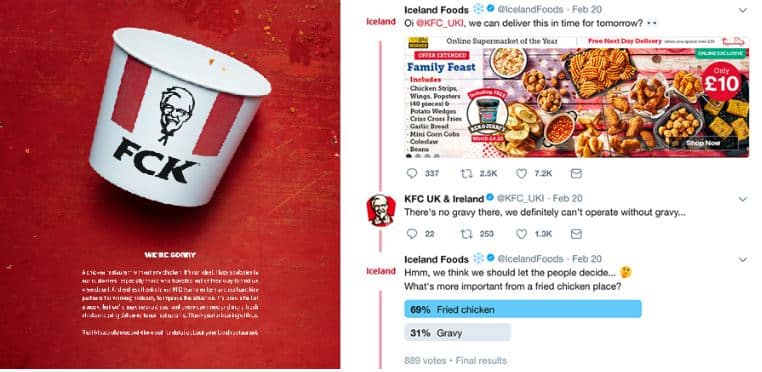
We all slip up sometimes, but let’s keep those mistakes out of our emails!
Have you ever opened an email that looked like a toddler got a hold of it?
We know clutter can be a total buzzkill. Picture this: a medley of fonts, a rainbow of colors, and as many call-to-action buttons as a carnival booth. Your eyes are left darting around as if trying to catch a squirrel!
Plus, forgetting to add alt text for images is like throwing a party and not inviting half your guests. Not everyone can see your stunning graphics, and they might be left scratching their heads.
And let’s not forget the desktop-only designs.
Remember the last time you tried to navigate a site optimally designed for a computer on your phone? Frustrating, right?
Now, we’ve also seen those emails that take the creative route too far.
One email we received recently was such an eyesore, it looked like it had been put together during a thunderstorm. The visual chaos left us more confused than when we try to use a vending machine for the first time!
Oh, and typos? We’ve all seen the infamous “we’re the best in the biness.” Honestly? Get it together, folks!
Sometimes, automation can spit out some wacky errors that just crack us up.
There was this one email filled with random symbols, like the “#” sign crashing the party. It sent us into an existential crisis pondering whether importance lies in random chaos.
Quick fixes:
- Stick to one or two fonts per email—less is more!
- Establish a clear hierarchy for headlines. Make it easy to read!
- Always add alt texts for images. Seriously, no one likes being left out.
- Test across multiple devices. Your email should look good everywhere.
We’ve all been there, but a clean and functional design is the golden ticket. After all, first impressions matter, and you want your brand coming across as polished and professional.
| Error Type | Description | Solution |
|---|---|---|
| Cluttered Design | Too many fonts and colors. | Limit to one or two fonts. |
| Lack of Alt Text | No descriptions for visuals. | Always include alt text. |
| Desktop Only | Ignores mobile users. | Test on different devices. |
| Typos | Errors that can confuse readers. | Proofread before sending! |
Let’s sharpen those designs and ensure our emails shine bright like a diamond! After all, nobody wants to feel like their email design went on the struggle bus.
Now we are going to talk about sprucing up our email designs without losing our minds over it. It doesn’t have to be a Herculean task!
Enhancing Your Email Design
We all know that crafting emails can often feel like pulling teeth. Believe us, we’ve been there, staring blankly at the screen, wondering why we can’t come up with something remotely appealing.
Then, one day at a coffee shop, we spotted a brilliant email from a brand that had nailed it. The design was so clean and inviting, we couldn’t help but open it up. We thought, “Hey, if they can do it, so can we!”
Here’s the scoop: there’s no need for a complete overhaul. Just sprinkle in some charm and practicality. Take a page from the playbook of brands that really hit the mark with their emails. Spending a little time on them can yield impressive results!
Here are some handy tips based on successful designs:
- Clear Subject Lines: Think of those curious moments when an enticing subject line grabs you. Use that same magic!
- Visual Hierarchy: Organize your content so it’s easy to scan—like opening a fridge and quickly spotting the ice cream! Just prioritize the bits that pop.
- Mobile Optimization: We live on our phones—a tiny masterpiece is a must to cater to those thumbs!
- Consistent Branding: Keep your colors and fonts aligned. It ensures recognition like a familiar jingle stuck in our heads.
- Call to Action: Make buttons vibrant and noticeable. You want folks to click, kind of like a toddler approaching a cookie jar!
As we piece together our email approach, we can audit what we’ve got. Is it shining like a diamond or more like a dusty old bookshelf?
It’s good to test things out! Different colors, styles, or formats can lead to jaw-dropping results—or at least a chuckle or two as things go sideways. Just imagine sending out a 90s-style email on a whim; it might shock people into reading it!
Design is a blend of expression and function; we might juggle visuals with text, but keeping it simple often steals the show.
So, embrace the quirks and finds that resonate with us. After all, if we can inspire someone to smile or click, we’ve done our job right, and that’s worth all the confetti we can throw!
Conclusion
Great email design isn’t just for fancy corporations; it’s for everyone. Remember, a well-crafted message can resonate with your audience, making them feel valued and appreciated. Experiment, have a little fun with your designs, and don’t be afraid to show your personality. You might just find that a simple tweak here and there transforms your emails from mundane to memorable. Now, throw on your designer hat, and let those creative juices flow. Here’s to brightening inboxes everywhere!
FAQ
-
What is the key to effective email design?
Effective email design conveys your message with creativity and charm, rather than relying solely on technology. -
How does a minimalist design impact metrics?
Minimalist designs often enhance click-through rates by guiding readers towards a single call-to-action and reducing distractions. -
What role does color play in email design?
Colorful designs can grab attention, reflect brand personality, and potentially boost open and click-through rates. -
What is a customer-centric approach in email design?
This approach personalizes content to resonate with recipients’ specific needs, enhancing loyalty and improving open and click-through rates. -
What is an eye-catching preheader?
A preheader is a short snippet that complements the email subject line, enticing readers to open the email and learn more. -
What should be included in an email footer?
Essential elements include contact information, social media links, legal disclaimers, and an unsubscribe button, among others. -
How can email signatures enhance communication?
Creative email signatures add personality and warmth, reassuring recipients that they’re engaging with real people. -
What are some secrets to successful email campaigns?
Focus on a single idea, use bold visuals, ensure mobile-friendliness, and feature prominent call-to-action buttons. -
What are common email design blunders to avoid?
Common blunders include cluttered designs, lack of alt text for images, mobile-unfriendly layouts, and typos. -
What are some tips to enhance email design?
Tips include using clear subject lines, organizing content with visual hierarchy, optimizing for mobile, and maintaining consistent branding.

How to Tell if Your Google Ads Agency Is Wasting Your Budget
Ever stared at your Google Ads account and thought, ‘What in the world is happening here?’ You’re not alone! Many business owners have journeyed through the ups and downs of online advertising, only to find themselves tangled in a web of costs without any real results. I mean, I once spent an entire paycheck on ads only to end up promoting my neighbor’s dog grooming business instead of my bakery. Who knew the algorithm had such a sense of humor? This article aims to share some authentic experiences and practical insights on working with Google Ads agencies, ensuring you steer clear of budget blunders and find efficient strategies to make your advertising bucks count. So grab a coffee and let’s chat about how to save both your sanity and your budget!
Key Takeaways
- Identify and avoid common pitfalls in Google Ads management.
- Look for red flags when choosing an agency to manage your campaigns.
- Implement practical strategies to cut unnecessary ad spending.
- Utilize essential tools and resources that can enhance your marketing success.
- Adopt smart spending strategies to make every dollar count.
Now we are going to talk about what a Google Ads agency really does and why budgets can sometimes go down the drain like a forgotten coffee cup. Trust us; it happens to the best of us!
Understanding Google Ads Agencies and Budget Blunders
A Google Ads agency is like that cool friend who knows all the right moves at a party. They take care of the keyword research — which is basically finding out what people are searching for, just like figuring out the latest meme trend.
They handle ad creation like it’s an art form and strategize bidding as if they’re placing bets at a racetrack.
They even make sure all these ads connect with what your business is trying to achieve.
But here’s the kicker. We’ve all heard stories of businesses blowing their budget faster than a balloon at a porcupine convention. This happens when campaign targeting misses the mark. Imagine throwing a birthday party and inviting your clients instead of your friends. Yikes!
If ads are reaching the wrong crowd, it’s like pouring money into a wishing well with a rock tied to your wallet.
What’s crazier is that many businesses skip on setting up conversion tracking. It’s like going on a road trip without a map; you might end up in the middle of nowhere, wondering how you got the wrong directions.
A grim statistic from CustomerLabs shows that over half of small businesses lack proper tracking.
Without this crucial data, it’s like paying for a Netflix subscription but only getting the buffering screen — no results, and certainly no fun.
Here’s a quick guide to avoid those budget-blowing pitfalls:
- Align targeting with customer intent to catch the right audience.
- Set up conversion tracking so every click is measured.
- Regularly optimize campaigns based on performance data.
- Craft ads that resonate with your target demographics — no one likes mismatched socks.
To wrap it all up, having a great Google Ads agency is essential for turning clicks into customers. That doesn’t mean, though, that we should throw money around like confetti.
With a little planning and smart targeting, we can make that budget work as hard as we do — while sipping on that coffee, of course!
Next, we are going to discuss some tell-tale signs that your Google Ads management agency might not be living up to its promises. Spoiler alert: It’s all about keeping an eye on your budget!
10 Red Flags in Google Ads Management Agencies
When you decide to pour your hard-earned cash into Google Ads, you expect some bang for your buck, right? Well, here are a few signs that your SEM agency might be akin to a leaky faucet, just dripping money away:
- 1. Mysterious Spending: If your agency sends you reports that look like they’re written in a foreign language, that’s not a good look. You deserve a clear picture of your spending—like knowing exactly how much went to that fancy coffee versus regular!
- 2. Clicks Without Conversions: So, you’re getting a heap of clicks? Cool, but if those clicks aren’t translating into sales, it’s like inviting friends over for pizza, only to serve them salad. Something’s off!
- 3. Ignoring Negative Keywords: If your ads are showing up for “how to knit a sweater” when you sell shoes, Houston, we have a problem. A savvy agency knows how to filter out the noise.
- 4. No Testing, No Glory: If they aren’t mixing up the ad copy or trying different designs, they’re basically serving the same dish every day. Variety is the spice of life, remember?
- 5. All-You-Can-Eat Targeting: Targeting everyone is like trying to throw a party and inviting the whole neighborhood. You’re probably better off bringing in the folks who actually care about your product.
- 6. Bid Setting in Stone: If your agency treats bids like a set in concrete statue, you might be bleeding cash on underperformers. Flexibility is key!
- 7. What’s the Plan? If your agency can’t explain their strategy in a straightforward way, it might be time to raise an eyebrow—or two.
- 8. Competitor? What Competitor? If they’re not watching what your rivals are up to, you might as well be playing chess against a wall. Keeping tabs is critical!
- 9. Communication Breakdown: If getting updates feels like waiting for a text back from a crush, that’s a red flag. Consistent communication is essential for a healthy partnership.
- 10. ROI? What’s That? If your agency isn’t laser-focused on tracking your returns, it’s time to have an earnest chat. After all, that cash isn’t gonna ensure your ultimate beach vacation all on its own!
Spotting any of these red flags? Don’t hesitate to chat with your agency or consider a fresh start. Your funds are precious, and ensuring they work harder for you is key to achieving success!
Now we are going to talk about some savvy techniques to trim the fat off our advertising budgets. If you’ve ever felt like your marketing funds are slipping away faster than your favorite snack during movie night, you’re not alone. Let’s get into some strategies that can help us plug those leaks.
Practical Ways to Cut Unnecessary Ad Spend

- Conduct a Google Ads Check-Up – Think of this as a wellness check for your ads. Scrutinize everything from tracking to keywords. A tiny mistake can snowball into a budget disaster. Just the other day, someone forgot to double-check their settings and ended up paying for clicks that went nowhere. Oops!
- Repair Conversion Tracking – It’s crucial we capture every action that counts. Missing out on form fills or calls can lead to poor decisions. We had a case where broken tracking turned our insights into guesswork. Using Google Tag Manager can be a lifesaver. Don’t forget, offline conversions can bridge the gap between clicks and actions!
- Keep Campaigns Separate – By isolating brand keywords, we can avoid bidding wars with ourselves. It feels like fighting with your own reflection in the mirror – confusing and unnecessary. Plus, it allows for better budget control on general terms. No more throwing money at our own name!
- Utilize Negative Keywords and Exclusions – Don’t let irrelevant clicks hit your wallet. We can easily add terms like “free options” or “job-seekers” to our negative list. And don’t forget those demographic filters. Filtering out folks who are just looking for a bargain can save us a pretty penny.
- Match Ads with Landing Pages – Aligning ad copy with the user’s intent is like serving pizza at a party; everyone loves it and it keeps them coming back! Send traffic to dedicated landing pages designed for conversion, rather than the general homepage. This simple tweak can enhance our Quality Scores. Who wouldn’t want lower costs and better rankings?
- Use AI Wisely – Responsive search ads are like having a test kitchen for our ad copy, thanks to Google AI. But we can’t just set it and forget it; we need to keep an eye on performance and craft quality assets. Performance Max campaigns can be a bonus, but we have to be clear about our goals to avoid unwanted surprises.
- Ask for Transparency – We want partners who spill the tea on our campaign performances. No more cryptic reports or hidden surprises! Regular updates with detailed insights are non-negotiable. If something’s unclear, don’t hesitate to raise your hand. After all, we deserve to know how every dime is spent.
| Strategy | Description |
|---|---|
| Run a Google Ads Audit | Check every component for efficiency |
| Fix Conversion Tracking | Ensure every meaningful action is tracked |
| Separate Campaigns | Avoid internal bidding competitions |
| Use Negative Keywords | Exclude irrelevant search terms |
| Align Ads with Landing Pages | Ensure relevance to improve conversions |
| Leverage AI Responsibly | Test and monitor ad variations |
| Demand Transparency | Seek clear reporting from partners |
Now we are going to talk about some essential tools and resources that help businesses thrive amid ongoing marketing shifts.
Essential Tools and Resources for Marketing Success
-
Google Analytics 4 (GA4): Think of this as your digital detective! It tracks user behavior across web and app properties.
You can set up conversions and delve into user journeys, connecting those precious ad clicks to actual revenue—like finding hidden treasure! -
Google Tag Manager: This tool is a lifesaver. It makes deploying tracking tags easier than pie.
No need for a developer to come over with a toolbox; just a few clicks, and voila! -
Call Tracking Software: Tools like CallRail are invaluable. They attribute phone leads to specific campaigns, helping businesses calculate actual returns on ad spend.
In a recent survey of 500 marketing leaders, a whopping 91% reported having bigger paid media budgets for 2025 – proof that accurate attribution is more crucial than ever! Check it out on invoca.com. - Free Google Ads Agency Audit: Want real solutions? Fast? Our certified experts can pop the hood and give it a thorough look. You’ll know what’s working and what needs a little TLC.
We all have that friend who sends unsolicited advice at the worst times—just imagine your marketing strategy without the right tools; it could feel like trying to fix a leaky faucet without a wrench.
After all, having the best hands on deck, equipped with top-notch tools, ensures businesses stay afloat amidst shifting trends and competition. Whether it’s zeroing in on your audience or mastering budgets, the right resources can turn a daunting scenario into a walk in the park. So, let’s roll up our sleeves and start experimenting!
Now we are going to talk about some of those pesky bumps in the road that can trip us up when managing our online campaigns. We’ve all been there—wishing we had seen the red flags before we hit “launch.” Let’s unpack some common things to watch out for!
Common Pitfalls to Sidestep
- Counting on Broad Match Keywords – You know those keywords that sound like a catch-all? They can be more trouble than they’re worth. Trust us, that “kitchen appliances” term can suck your budget dry like a vacuum cleaner on steroids, drawing in unwanted clicks.
- Mixing Search Terms – Picture this: You mix your brand with generic keywords, and it’s a chaotic family reunion of data points. It creates confusion, like that time we invited a friend’s ex to a barbecue—awkward and messy.
- Overlooking Conversion Tracking – Driving blind is great for a road trip in a movie, but in business? Not so much! If conversion tracking is absent, you’re flying sans navigation. Spoiler: It won’t end well.
- Directing All Traffic to a Generic Page – Sending users to a one-size-fits-all landing page is like giving everyone at a potluck the same dry piece of bread. No one leaves happy, and your Quality Scores plummet faster than a lead balloon.
- Accepting Google’s Defaults Without Question – Google’s default settings are like that friend who always chooses the same restaurant. Sure, it’s convenient, but sometimes we need a little variety! Scrutinize those settings as if you’re choosing a movie for movie night; don’t just roll with the first suggestion.
- Neglecting Negative Keywords – Forgetting to add negative keywords is like leaving a door wide open for pesky sales calls. If one irrelevant search pops up, don’t just shrug it off. Exclude it immediately, or risk letting your budget take a vacation without you!
So, as we navigate this digital marketing landscape, let’s keep these ideas in mind to prevent losing our way. Consistency and a bit of humor can turn a tricky campaign into a successful one. We can do this together, one click at a time!
Now, let’s take a closer look at how to keep our hard-earned ad dollars from slipping through the cracks. We’re about to explore potential pitfalls in ad spending and ways to tighten the ship for better results.
Smart Spending Strategies for Your Ad Budget
We’ve all been there—throwing money at ads and hoping they magically convert. Kind of like tossing a penny into a fountain and wishing for a yacht, right? But the reality is, wasted ad spend is a repeat performance for many.
Why does this happen? It often boils down to a few key issues.
Let’s break it down:
- Tracking troubles: If you’re stuck in the dark, how can you expect to succeed? Without proper tracking, it can feel like playing darts blindfolded.
- Weak campaign structures: A haphazardly built campaign is like a house of cards—totally unreliable. It crumbles under pressure!
- Inattention to detail: Just like ignoring that “Check Engine” light, neglecting your campaigns can lead to disaster. We’ve seen it too many times.
But fear not, fellow marketers, for there are ways we can make our ad dollars work harder than a barista on a Monday morning!
First up, let’s talk about clear KPIs. Think of them as your North Star, guiding you through the murky waters of digital marketing. Next, smart segmentation is crucial. We need to know our audience better than they know themselves, right?
And God forbid we forget about agency accountability. If they’re working for us, they’d better be putting in the effort!
If you’re scratching your head and thinking, “What do I even do now?” fear not. We can reach out for a free consultation on Google Ads setup. Seriously, it’s like having a GPS for your ad spend; why not clarify those hidden issues?
Frequently Asked Questions
1. How can I spot wasting ad budget?
Look out for signs like high spend with a sorry lack of conversions or those pesky broad match keywords taking more than their fair share. If your spend doesn’t connect to leads, your budget’s probably on a vacation it didn’t tell you about.
2. What metrics should I watch besides clicks?
Keep an eye on conversion rates, cost per acquisition, and the ever-elusive return on ad spend (ROAS). Let’s ditch those vanity metrics and focus on what really counts!
3. How often to audit my Google Ads account?
A high-level check every quarter, with a deeper dive annually—or after a performance hiccup—will save us from some serious waste down the line.
4. What’s the cost of hiring a Google Ads agency?
Costs vary, of course! It’s like shopping for pizza—there are plenty of options. Just be sure to ask about what they offer beyond the price tag.
5. Should we handle ads in-house or hire an agency?
If you’ve got the time and know-how, in-house can be a good option. But agencies? They come armed with specialized skills and fresh perspectives.
Balancing internal and external resources can shine a light on the path to success!
6. Is our Google Ads agency up to snuff?
Any agency worth their salt should track performance, report transparently, and continuously adapt to what’s working (or not working). If they’re vague or only patting themselves on the back, we might need to reevaluate!
All things considered, let’s ask ourselves if we’re truly confident in our ad spend’s efficiency. If there’s a shadow of doubt, it’s worth digging deeper.
Conclusion
In the end, managing your Google Ads doesn’t need to feel like navigating a minefield. With the right information and tools, you can dodge the common pitfalls and uncover smart strategies to ensure every dollar spent is a dollar well invested. Remember, it’s all about testing, trial, and keeping an eye out for those pesky red flags. Your advertising can flourish, and you can smile at your bottom line instead of cringing at your ad spend. Here’s to smarter spending and successful campaigns!
FAQ
- How can I spot wasting ad budget?
Look out for signs like high spend with a sorry lack of conversions or those pesky broad match keywords taking more than their fair share. If your spend doesn’t connect to leads, your budget’s probably on a vacation it didn’t tell you about. - What metrics should I watch besides clicks?
Keep an eye on conversion rates, cost per acquisition, and the ever-elusive return on ad spend (ROAS). Let’s ditch those vanity metrics and focus on what really counts! - How often to audit my Google Ads account?
A high-level check every quarter, with a deeper dive annually—or after a performance hiccup—will save us from some serious waste down the line. - What’s the cost of hiring a Google Ads agency?
Costs vary, of course! It’s like shopping for pizza—there are plenty of options. Just be sure to ask about what they offer beyond the price tag. - Should we handle ads in-house or hire an agency?
If you’ve got the time and know-how, in-house can be a good option. But agencies? They come armed with specialized skills and fresh perspectives. Balancing internal and external resources can shine a light on the path to success! - Is our Google Ads agency up to snuff?
Any agency worth their salt should track performance, report transparently, and continuously adapt to what’s working (or not working). If they’re vague or only patting themselves on the back, we might need to reevaluate! - What role does conversion tracking play in ad spending?
Conversion tracking is critical because it allows businesses to capture every meaningful action that counts. Without it, you might as well be driving blind! - Why is campaign structure important?
A well-structured campaign is crucial because a haphazardly built one can become unreliable and lead to wasted ad spend, akin to a house of cards! - What are negative keywords and why are they important?
Negative keywords help exclude irrelevant search terms that can waste your budget. They act like bouncers at a club, keeping unwanted guests out! - How can I enhance my Google Ads performance?
By regularly optimizing campaigns, aligning ad copy with landing pages, and keeping communication open with your agency, you can significantly improve performance and reduce wasted spending.
How I Structured Articles for Better GEO Rankings in 2025 (And What I’ll Change in 2026)
Ah, SEO and geo content optimization! It’s like comparing apples to oranges – both delicious, but oh, so different! I remember when I first stumbled upon this while trying to get my blog off the ground. I thought SEO was the holy grail; turns out, geo strategies are like secret sauce that makes your content pop in the right places. You need to know how to twist and turn your words not just for search engines, but for the locals who’ll grab your content like it’s hot cake at a county fair. As we trot into 2025, AI is shaking things up. Crafting content that speaks to algorithms is a whole new ball game, and I can assure you, strategy is key. Let’s roll up those sleeves and figure this out together!
Key Takeaways
- SEO focuses on visibility while geo optimization hones in on local relevance.
- AI will influence how content is created and recognized in content strategies for 2025.
- Adapting geo strategies can improve local search outcomes and customer engagement.
- Creativity and authenticity are key, regardless of whether you’re optimizing for search engines or local demographics.
- Strategizing is crucial—without a clear plan, content can drift like a paper boat in a storm.
Next we will explore the distinctions between optimizing content for SEO and GEO, so grab a snack, and let’s get into the nitty-gritty!
The Key Differences Between SEO and GEO Content Optimization
Did you ever get advice that sounded so right but turned out to be as helpful as a chocolate teapot?
We certainly have!
When someone tosses around the terms SEO (Search Engine Optimization) and GEO (Geographical Optimization), it can feel like learning a new language.
Sure, both are important for any online strategy, but they ride different bicycles to the same marathon.
Think about it: when we searched for “best hiking trails” recently, did it come up with a list of trails only in our home state? Nope! It threw in trails from New Zealand that were perfect for hobbits.
Here’s where we start to see the differences.
SEO is like throwing a wide net into a vast ocean.
We want to reel in traffic from anywhere, regardless of where someone is tapping from.
That’s why we focus on keywords, backlinks, and all those magical bits of code that let Google know our page is the bee’s knees.
Here are a few SEO strategies:
- Keyword density: Not too much, not too little – think of it like seasoning a stew!
- Meta descriptions: Write them like a hook for a fish – they need to be enticing to reel people in.
- Mobile optimization: Ensure your site works on all devices – because every screen has its own quirks!
On the flip side, GEO optimization is like picking the right berry at the berry-picking farm.
If you’re optimizing for a specific location, you’re keen to attract neighbors—and we all know the importance of keeping up good relations with the folks next door!
GEO optimization involves local keywords and ensuring your business shows up on Google Maps.
If we’re running a pizza joint, the neighbors need to know we’ve got the best pepperoni this side of the county.
Here are some GEO strategies:
- Use local keywords: “Best pizza in Springfield” instead of “best pizza.”
- Google My Business: Claim it. You want reviews shining like a lighthouse in a storm!
- Encourage user-generated content: Happy customers with photos are your free marketing team!
The funny part? While we spent so long trying to make everyday decisions—like where to grab lunch—we couldn’t help but see how both SEO and GEO intertwined.
As exemplified by recent trends, people are shifting to search engines not just for information but for experiences.
Trust us, the idea of
an algorithm grasping our needs transforms the way we plan, travel, and eat.
So, when strategizing our content, we don’t have to just think about *what* to say but *where* to say it.
As the motto in marketing goes, “go where the people are.” And sometimes, they might be looking for pizza as comfortably in their PJs as they are in their hiking boots!
Now we are going to talk about how we can prepare our content for AI’s attention in 2025. With AI rapidly becoming a cornerstone of search strategies, it’s practically knocking on our doors. We need to roll out the welcome mat instead of hiding behind the couch!
Crafting Content for AI Recognition in 2025
So, what’s the secret sauce for getting those AI algorithms to notice us? Here are some tried-and-true strategies with a sprinkle of humor and a splash of personal tales!
Say It Like You Mean It!
Using your brand name instead of “we” is like introducing your friend at a party; you don’t just say, “My friend over there.” Do you? Nope, you say, “Meet Sarah, the best salsa dancer ever!”
When we put “HR Datahub claims…” instead of “we think…” it gives that model something solid to chew on. I remember when HR Datahub’s updated articles started turning heads just by reinforcing their name. It’s like putting their name in a neon light!
Heading Out in Style
Using proper headings isn’t rocket science, but it might as well be with how often folks miss the mark! Clear hierarchical headings help AI sort things out like an IKEA assembler trying to find the right screw!
Think of it this way: if each H2 is a question, nurture it with H3s that elaborate on that theme. It’s like having snacks serve the main dish—a perfect sidekick!
One Idea Per Headline, Please!
Mixing ideas in headings is like pouring orange juice in your coffee—yikes! Each headline should have a singular focus. Split themes into bite-sized chunks, so clarity reigns supreme! AI loves it when we’re straightforward.
Get Straight to the Point
Ever heard of the Bottom Line Up Front (BLUF) principle? The idea is that AI has a limited attention span; it’s like a toddler’s focus in a candy store! Put your most important points right at the top.
Let’s not bury the lede; instead, let’s showcase it with fireworks!
Short and Sweet Paragraphs
Imagine a long-winded lecture. Eyes glazing over, right? That’s what AI feels with lengthy paragraphs. Keeping them snappy and focused makes for a happy AI and happier readers. In one blog, ChatGPT loved my compact paragraphs—it was like hitting the jackpot for everyone!
Lists and Tables Are Your Best Friends
Everyone loves a good list, and AI is no different! Bullet points and numbered steps make information accessible, kind of like fast food for your brain.
For example:
- Highlight key ideas in bullet points
- Numbered steps for instructions
- Tables to compare details at a glance
Filling the FAQ Section
Remember Chris Green’s enlightening experiment in June 2025? He discovered that structured Q&A is a winner for AI. By peppering in FAQs based on real-world questions—think Reddit threads or Google autocomplete—we hit the jackpot on AI visibility!
Implementing FAQs helped one client’s blog soar. It’s incredible what happens when you cater to what people actually want to know. And just like that, we walked away with citations that had us doing the happy dance!
Now we are going to discuss how to adjust your GEO content strategy as AI becomes more advanced.
Adapting GEO Strategies for a Changing Future

AI is a bit like a toddler with a growth spurt—just when you think you’ve got it figured out, it surprises you! As AI improves how it retrieves and interprets information, it’s essential to keep our GEO content strategies fresh and relevant.
Simplicity is the Name of the Game
When we create content, we should remember that clarity is essential. Using headings, lists, and straightforward paragraphs form the backbone of effective GEO.
Just the other day, a friend of ours asked for a recipe, and the website was a labyrinth of long paragraphs. I think she abandoned it after the first three sentences! If content is hard to follow, even the best AI will struggle to get it right.
That said, we don’t need to slice our content into microscopic segments. Overdoing it can make the flow choppy, leaving both readers and machines scratching their heads.
| Content Type | Importance |
|---|---|
| Headings | Guide topics clearly |
| Lists | Organize information |
| Concise paragraphs | Enhance readability |
In short, if our writing flows nicely for humans, it’ll likely parse well for machines as well. Writing for people first is always a solid move!
Getting Cozy with Schema Markup
We’ve all been there, slightly intimidated by the idea of schema markup. Like approaching a grumpy cat, we weren’t sure it would be worth the risk!
Yet, the landscape has changed. Modern AI are straightforward—they understand schema markup better than ever.
Sure, early models acted like they were speaking a different language, but not anymore. Today’s systems embrace structured data, making it easier for them to interpret who’s saying what and the type of content we’re presenting.
- Identification: Who is speaking.
- Type of Content: What’s it about.
- Answers: Where concise responses can be found.
This isn’t just fluff; it helps AI avoid confusion. Check out guides on how to incorporate schema—this can be a game-saver for clarity!
Mixing it Up with Multimodal Content
AI search systems are on a roll, now gathering insights from everything—text, images, tables, you name it! So why not throw some visuals into the mix?
However, don’t forget—context matters. Just like a fine wine pairs with cheese, visuals must come with descriptive text. This allows AI to grasp their meaning.
Here’s a quick list to make visuals more watchable for AI:
- Standard HTML for images: Avoid those fancy scripts—they often leave AI in the dark!
- Crystal-clear alt text: Help both AI and users understand your image.
- Short captions: Place them near visuals to contextualize what’s happening.
- Correct markup: Think simple HTML tags for easy reading.
- Real HTML tables: These are far more helpful for AI than image copies.
If video creation has you self-doubting, don’t sweat it. There’s a wealth of resources out there to get us started on crafting engaging content!
Now we are going to talk about content creation and how we can elevate our writing to connect with both humans and those pesky language models. Believe it or not, there’s a method to the madness when it comes to crafting delightful pieces.
Let’s Talk Strategy
Generative engine optimization is still fresh on the scene, and we’re like kids in a candy store trying to figure it all out.
At the end of the day, we know one thing: if our pieces are well-structured, they’ll catch the eyes of those big, smart algorithms.
It’s as if they’ve got a sixth sense for clarity and hierarchy. Kind of like how we can sense when our coffee pot’s almost empty—an urgency like no other!
Here are some tips to keep in mind:
- Be clear. Think of your content as a conversation with a friend, not as a Shakespearean sonnet. Keep it simple!
- Have a hierarchy. Just like a well-organized closet, everything should have its place. Headings, subheadings, and bullet points can help.
- Prioritize readability. No one wants to squint at a wall of text. Break it up, my friends!
And here’s a little secret: tools like StoryChief’s Content Editor can be our sidekick in this quest.
Imagine having a buddy who not only helps you craft well-structured articles but also nudges you with suggestions for improvement. It’s like having a gym buddy for your writing!
One of the nifty features? The readability score based on the Flesch Reading Ease test. Think of it as your personal trainer who tells you, “You’re ready for a marathon, or maybe just a light jog.”
When your content’s all spiffy and ready, you can even integrate it with your favorite CMS and hit publish like a boss!
So, if you’re itching to kickstart this adventure in writing, why not sign up for free? It’s like opening a door to a treasure chest of opportunities!
Your words can not just fill a page, they can inspire, inform, and even entertain. So let’s get out there and make our creations shine!
Conclusion
In the mix of SEO and geo content optimization, remember: one doesn’t eclipse the other. It’s about blending the strengths of both like a fine cocktail. As we adapt strategies for a future that’s always just around the corner, consider how AI will shape our interactions and content creation. Your audience is waiting, and trust me, when you hit that sweet spot, engagement will flow like a fine wine at a dinner party. So, let’s keep talking strategy and find the best way forward for your unique needs!
FAQ
- What is the main difference between SEO and GEO?
SEO focuses on attracting a wide range of traffic from various locations, while GEO optimization targets local audiences to enhance visibility in specific areas. - What are some strategies for SEO optimization?
SEO strategies include managing keyword density, crafting enticing meta descriptions, and ensuring mobile optimization across devices. - What are key elements of GEO optimization?
Key elements of GEO optimization involve using local keywords, claiming and managing your Google My Business profile, and encouraging user-generated content. - How can I prepare my content for AI’s attention in the future?
To prepare content for AI, focus on clear and concise writing, proper heading structures, and effective use of lists and tables. - What does the term ‘Bottom Line Up Front’ (BLUF) mean?
BLUF refers to presenting the most important points at the start of your message or content, catering to the limited attention span of AI. - Why is schema markup important for content?
Schema markup helps AI interpret the structure and context of your content, reducing confusion and enhancing clarity in the information presented. - What is the benefit of using multimodal content?
Multimodal content, which includes text, images, and tables, helps AI gather insights from various formats, improving the overall user experience. - What are effective practices for writing content?
Effective writing practices include prioritizing clarity, maintaining a hierarchy with headings and bullet points, and ensuring readability with shorter paragraphs. - How can tools like StoryChief’s Content Editor assist in content creation?
StoryChief’s Content Editor helps optimize the structure of your articles and provides suggestions to enhance readability, making it a valuable writing companion. - Why is engaging content important for both humans and AI?
Engaging content resonates with readers, inspiring and informing them, while well-structured content helps AI recognize and rank your material effectively.
ABM, Outbound, and Inbound: A Guide to What Works Best for Lead Generation in B2B
If you’re a life sciences professional wandering through the vast landscape of marketing, grabbing a cup of coffee or two won’t hurt. Content marketing can sometimes feel like a maze, especially in a field that’s skimming the surface of innovation while still clinging to tradition. Remember those awkward first days in school? That’s how many of us feel trying to balance distinguishing between account-based marketing, outbound, and inbound strategies. Spoiler alert: it’s not black and white! Also, have you ever had one of those ‘light bulb’ moments when you realize targeting early can make all the difference? My friend once launched a campaign aimed at everyone – yes, including your grandma – and guess how that turned out? Let’s talk about some impactful strategies that’ll help you attract leads like you’re the cat’s pajamas, minus the confusion.
Key Takeaways
- Embrace the uniqueness of your audience to create tailored content.
- Account-based marketing focuses on building relationships with specific clients.
- Outbound strategies can be effective but need personalization to thrive.
- Quality inbound content is essential for attracting leads naturally.
- Starting with targeted efforts can save time and resources in lead generation.
Now we are going to talk about some handy tips for making content marketing work in the life sciences industry. It’s a field that might sometimes feel like deciphering an ancient scroll, but with the right approach, we can certainly make it easier to engage and educate. Let’s dig in!
6 Content Marketing Tips for Life Sciences Professionals
There’s no denying it—life sciences can seem as exciting as watching paint dry if you don’t spice it up with some good content marketing.
So, how do we turn those scientific breakthroughs into something that actually grabs attention? Here are some ideas that can help even the most lab-coat-clad professionals shine:
- Tell a Story: Remember that time someone presented a dry research paper and turned it into a nail-biter? We want our audiences on the edge of their seats—not snoozing. Share narratives that highlight human impact or real-world applications.
- Use Visuals: A well-placed chart can speak volumes. Just think of how a simple pie chart can turn a complex dataset into dessert—but without the calories! Infographics can also be a breath of fresh air, making dense information digestible.
- Leverage Social Media: Social media is that friend who can’t stop talking about their new diet—always there, buzzing with energy! Platforms like LinkedIn can be great for sharing new findings and connecting with industry experts.
- Focus on Education: Instead of just selling a product, offer valuable content that enlightens. Webinars and eBooks educate folks about things like health trends. We’ve all Googled symptoms—we know they’re doing it too!
- SEO is Key: Think of SEO like your favorite highway—a little upkeep can get you where you need to go faster! Optimize your content with keywords that resonate with your audience. Who doesn’t love being on the first page of search results?
- Engage with the Community: Be the friendly neighbor who waves and helps out. Join industry events, engage in discussions, and participate in medical forums. When we contribute, we’re remembered. It’s like leaving cookies on the porch—everyone loves a sweet gesture!
In the exciting landscape of life sciences, where complex scientific concepts meet real-world applications, these tips can help us illuminate our content.
While some might say academia and marketing are like oil and water, we can easily blend the two with a dash of creativity and genuine engagement.
So, as we take these suggestions for a spin, remember that successful content isn’t just about presenting facts; it’s about connecting with people, telling stories, and, of course, having a little fun along the way. After all, who says science can’t be exciting?
Now we are going to talk about how we can break down the concepts of ABM, outbound, and inbound in the B2B experience. It’s like trying to understand the ingredients in a grand gourmet meal—each part plays a role, and together, they create something deliciously effective.
Understanding ABM, Outbound, and Inbound in B2B Marketing
When we mention ABM or Account-Based Marketing, it feels like we’re introducing the trendy kid at school.
ABM focuses on specific accounts instead of a broad audience, reminiscent of the time we spent hours crafting the perfect birthday invitation for one special friend. Personalization is the name of the game, folks!
Contrast that with outbound marketing, which is like that friend who can’t stand not being noticed. Think cold calls, flashy ads, and email blasts. We’ve all received an unsolicited pitch during dinner—awkward! Yet, sometimes, it hits the mark.
Then there’s the charming inbound marketing. This is the laid-back friend who simply brings snacks to the party. They attract people through useful content—blogs, videos, and social media—making prospects come to them rather than the other way around.
Here’s a quick breakdown:
- ABM: Targeted strategy, focuses on specific accounts.
- Outbound: Pushy approach, includes ads and calls.
- Inbound: Draws customers in with valuable content.
We remember attending a conference recently where the speaker compared these three strategies to different styles of cooking.
Some cook in a gourmet kitchen (ABM), crafting unique dishes for select guests; others deploy microwave meals (outbound), quick but often bland. In contrast, the inbound chefs whip up scrumptious food blogs enticing hungry diners and leaving them wanting more.
So, what’s the secret sauce? It’s all about knowing who you want to serve, whether you’re orchestrating an elegant banquet or a casual potluck.
The recent trends show that companies are increasingly embracing a blend of these strategies, like an arugula salad tossed with bacon—unexpected but delightful. The goal is always the same: attract, engage and convert.
Striking a balance can be tricky. After all, we wouldn’t want to show up to a taco night with a casserole, would we? It’s all about finding the perfect recipe for your target audience, stirring in innovation and crafting a message that resonates.
In a fast-paced environment where connections matter, our approach towards marketing needs to appeal not only to logic but humanness. As we ponder the future, remember it’s about building relationships, not just transactions.
Aligning these strategies is essential for B2B companies aiming to enhance their connection with clients. After all, it’s not just about what you say, but how you say it that’ll keep those prospects coming back for more.
So, let’s keep those marketing conversations flowing, learn from one another, and maybe even throw a good old-fashioned barbecue to stay connected!
Now we are going to talk about how various marketing strategies—like ABM, outbound, and inbound—stand apart from one another. Each method has its quirks, much like our favorite quirks within our circle of friends!
Exploring the Differences Between ABM, Outbound, and Inbound Strategies
When it comes to marketing, we often encounter different styles that can resemble our day-to-day life.
Let’s break it down in a way that’s as fun as a Sunday picnic.
First off, we have Account-Based Marketing (ABM).
Imagine throwing a party but only inviting a select few—your VIPs.
ABM focuses on targeting key accounts that really matter, treating these relationships like fine wine—aged to perfection.
It’s like a love letter to your ideal clients with tailored strategies that hit just the right notes.
Next up is Outbound Marketing. Think of this as the enthusiastic friend who tries to get everyone on the dance floor, but sometimes ends up spilling punch everywhere.
Yes, those cold calls, email blasts, and ads everywhere!
It’s direct and often intrusive, but can get some attention amid all the noise.
Lastly, here comes Inbound Marketing.
This strategy is like a cozy invitation.
It’s about attracting potential clients through engaging content—like a warm hug after a long day.
Blog posts, social media, podcasts—bringing the crowd to you!
Let’s take a closer look at how these styles compare:
| Strategy | Definition | Pros | Cons |
|---|---|---|---|
| Account-Based Marketing | Targeted approach to specific high-value accounts. | Efficient use of resources, strong relationships. | Time-consuming, may overlook smaller clients. |
| Outbound Marketing | Direct outreach methods like cold calls and ads. | Immediate visibility, wide reach. | Often seen as intrusive, lower engagement. |
| Inbound Marketing | Creating engaging content to attract leads. | Builds trust, long-term relationships. | Slow results, requires continuous effort. |
So which is right for our marketing strategy?
Well, we might need a mix of all three to keep our engagement levels as vibrant as a Friday night out with friends.
Each method has its distinct place, kind of like the variety on a well-stocked buffet.
We can dive deeper into each method later, but for now, remember: there’s no one-size-fits-all.
Just like picking a favorite ice cream flavor—sometimes, we want to enjoy a bit of everything!
Now we are going to talk about the various types of inbound content that can really help businesses attract leads and engage their audience.
7 Varieties of Inbound Content That Attract Leads
There’s a certain thrill in crafting content that pulls people in like a moth to a flame. It’s like planning a surprise party for someone—only instead of cake, you serve up valuable information.
Here’s a fun fact: Content marketing has become a bit of a superstar lately! Just think about how it can turn a random browser into a loyal customer. Suddenly, that awkward first date turns into a blossoming romance. Kind of like how weNetflix binge-watch a series. We start with one episode—then bam!—we’re locked in for the entire season.
Let’s break down the tasty bits of inbound content that we should all consider:
- Blog Posts: They’re like the bread and butter of inbound marketing. A well-written blog can answer questions and attract those curious minds. Just like Grandma’s recipes, they keep visitors coming back for more.
- Infographics: You know those visually appealing images that explain complicated stuff? They’re the perfect eye candy that simplifies information and it’s like trying to figure out how to fold a fitted sheet—infographics make it all look easy.
- Videos: They pack a punch! Just think of viral videos that get shared more than cat memes. A dynamic video can engage your audience like nothing else, especially in a world where attention spans are shorter than a goldfish’s.
- Podcasts: Listening to a podcast feels like having a chat with friends. We can learn something new while making dinner or working out—a multitasker’s dream! Everyone has something of value to share—it can be enlightening or downright hilarious.
- Ebooks: When you want to dive deep, ebooks provide detailed insights like a cozy bedtime story—for adults! A well-crafted ebook can turn you into an authority in your industry.
- Webinars: Picture a live talk show but without the celebrity drama. They allow for real interaction, and sometimes, we find out that industry experts can be just as quirky as we are.
- Social Media Content: This is where we showcase who we really are. Funny memes, valuable tips, and engaging posts can turn followers into fans, like having a loyal cheerleading squad cheering us on from the bleachers.
It’s remarkable how diverse inbound content can be! Each type can attract leads in its own way, just like how every movie genre appeals to different tastes. And while these pieces of content can sometimes feel like a jigsaw puzzle with a few missing pieces, when put together, they can create a beautiful picture that showcases the value we provide.
So, let’s create content that pulls in those leads and keeps them coming back like kids for ice cream on a hot day—who doesn’t love that?
Now we are going to talk about the importance of early-stage targeting in B2B lead generation and how it can really make a difference in our strategies.
The Significance of Targeting from the Get-Go in B2B Lead Generation
When it comes to attracting the right clients, being specific is like using a GPS instead of a paper map. We’ve all been lost in a conversation about business, nodding our heads while secretly wondering where the bathroom is.
On that note, targeting early can feel a bit like assembling IKEA furniture without the instructions—confusing but oh-so-satisfying when done right!
Let’s consider what it means for us:
- Identify Your Audience: Think of it as picking your spot at a concert. You wouldn’t want to stand behind someone seven feet tall if you can help it.
- Craft Relevant Content: If you’ve ever received an email that felt more like a bad rom-com than a business proposal, you know the importance of knowing who you’re talking to.
- Warm-Up Your Leads: Getting them interested is like making a good cup of coffee. You don’t just dump the grounds in and hope for the best. It’s all about brewing relationships!
In the past few years, we’ve witnessed a shift in the B2B landscape. Companies now realize that throwing spaghetti at the wall and seeing what sticks is akin to, well, throwing spaghetti at the wall.
Targeting early means that our efforts are better spent on leads that actually matter rather than chasing down folks who wouldn’t recognize our brand if it slapped them in the face. It’s all about being strategic.
Take Salesforce, for example. Their focus on current trends has kept them ahead of competitors and in the right conversations. By identifying their audience and understanding their needs, they create tailored experiences that leave potential clients thinking, “Wow, this feels like it was made just for me.”
It’s a recipe we can borrow from—knowing our audience allows us to show up with value, making them want to stick around, kind of like that one friend who always brings dessert to dinner.
But how do we get there?
Studies indicate that a strong early-stage targeting strategy can lift conversion rates significantly. This isn’t just fluff; data points and case studies underline the tangible benefits we can reap.
So, let’s ditch the guessing game, fine-tune our targeting efforts, and build a foundation that’s solid. Building leads should feel less like dodging traffic and more like cruising down a scenic route—enjoyable, right?
As we polish our approach to early-stage targeting, remember that the conversations we want to have are with people who genuinely want to listen. After all, in a world that gets busier by the day, gaining the attention of potential leads is no small feat!
Now we are going to talk about how to select a marketing strategy that aligns with long-term B2B objectives. It can feel like an intricate dance, right? But don’t worry, we’ve got some tips that’ll help you sway smoothly. So, let’s cut to the chase!
Selecting an Effective Marketing Approach for Your B2B Aspirations
Finding the perfect marketing strategy is a bit like finding that elusive sock that always goes missing in the dryer—frustrating but oh-so-satisfying when you finally locate it.
So, what should we focus on? Here’s a sneak peek at some savvy points:
- Know Your Audience: Before you even think about launching a campaign, it’s crucial to understand who you’re talking to. Dig into your target market’s needs and pain points like a kid hunting for Easter eggs. Nothing beats the thrill of uncovering insights.
- Set Clear Objectives: Just like trying to bake a soufflé without a recipe (not advisable, trust us), going in without clear goals can lead to chaos. Aim for SMART goals—Specific, Measurable, Achievable, Relevant, Time-bound—and your marketing will rise like that soufflé if you do it right.
- Utilize Multiple Channels: If you think one channel is enough, let’s be honest—just like a one-hit-wonder in music, it gets old fast. Incorporating various channels like email, social media, and webinars can create that harmonious marketing melody.
- Analyze and Adapt: Star Wars taught us that “the force” is strong with those who adapt. Regular analysis of your strategies is like checking the weather in spring—better to know if you’re in for a sunny day or a storm!
Now, let’s talk about keeping it fresh.
It’s not just about sticking to the same old strategies. Think outside the box! How about some quirky content marketing ideas? The other day, we stumbled upon a company that used memes to effectively communicate their brand message. Who knew a cat video could help explain software development?
Plus, current events can give you a boost in relevance. Remember that viral meme challenge?
Well, why not create a campaign around it? Just don’t forget to throw in your brand’s voice so it doesn’t sound like a parrot squawking random phrases.
Networking is also crucial.
Join forums, attend webinars, and interact with industry leaders. We all know that, sometimes, it’s about who you know.
Chatting over coffee or hopping on a Zoom call could lead to unexpected opportunities. It’s like the old saying goes, “it’s not what you know, but who you know”—a lesson for the ages!
In summary, selecting the right marketing strategy may take time, experimentation, and a sprinkle of humor.
Just remember to keep the target audience in mind, set objectives, diversify, and remain adaptable. With the right approach, businesses can strengthen their connections and build a legacy that lasts.
Conclusion
To all the life sciences pros out there, remember: marketing doesn’t have to be a chore. With a sprinkle of creativity and a dash of insight, you can stand out in the crowd. Embrace the variety of approaches, be it account-based, inbound, or outbound. Your passion for your craft deserves to shine through your marketing efforts. As we’ve seen, knowing your audience and choosing the right strategy is paramount. Let’s keep refining our approaches, learning, and laughing along the way. The best campaigns resonate with the heart and mind, and that’s what truly counts!
FAQ
- What is one effective way to engage an audience in the life sciences industry?
Telling a story that highlights the human impact or real-world applications of scientific breakthroughs can effectively grab attention. - How can visuals enhance content in the life sciences field?
Using visuals like charts and infographics can simplify complex datasets and make dense information more digestible for the audience. - Why is social media important for life sciences professionals?
Social media, especially platforms like LinkedIn, allows for sharing new findings and connecting with industry experts in an engaging way. - What type of content can help educate rather than just sell a product?
Offering valuable content such as webinars and eBooks can enlighten audiences about health trends and related topics. - How does SEO contribute to successful content marketing?
Optimizing content with relevant keywords can enhance visibility, helping businesses appear on the first page of search results. - What role does community engagement play in content marketing?
Engaging with the community at industry events and forums helps build relationships and remembers a company as a valuable contributor. - What is Account-Based Marketing (ABM) in B2B marketing?
ABM focuses on targeting specific high-value accounts with personalized marketing strategies instead of a broad audience approach. - What distinguishes outbound marketing from inbound marketing?
Outbound marketing is characterized by direct outreach methods like ads and cold calls, while inbound marketing attracts customers through valuable content. - What types of inbound content can effectively attract leads?
Varieties include blog posts, infographics, videos, podcasts, ebooks, webinars, and social media content—all aimed at engaging the audience. - Why is early-stage targeting significant in B2B lead generation?
Early-stage targeting allows businesses to focus their efforts on leads that matter, improving efficiency and increasing conversion rates.
A social media advertising guide for success in 2025
Launching a social media advertising campaign can feel like hosting a dinner party where you’ve only invited strangers. You hope everyone gets along, but there’s that lingering fear someone will embarrass themselves (or you!). I remember my first campaign—think cringeworthy high school dance moves. I had my budget locked and loaded, but my ad copy? Let’s say it was more ‘meh’ than memorable. Over the years, I’ve learned a thing or two (or a hundred) about how to navigate this tricky terrain, combining humor and strategy to make things sing. A sprinkle of creativity, a dash of analytics, and voilà! With a bit of practice, launching campaigns can feel less like a shot in the dark and more like a satisfying waltz. Trust me, confidence is key, and you can absolutely get there.
Key Takeaways
- Tailor your content to resonate with your audience’s interests.
- Keep it light-hearted; humor can connect and engage.
- Stay informed on trending topics to make your ads relevant.
- Don’t shy from testing and tweaking your campaigns.
- Emphasize authenticity to build trust with your audience.
Up next, we’re going to explore how to kickstart those social media ad campaigns that can give our reach a solid boost. Spoiler alert: it’s all about reaching the right folks!
Launch Your Social Media Advertising Campaigns with Confidence
We all know how social media is a wild ride—sometimes you feel like you’re on a rollercoaster, and other times, it’s a carousel stuck on repeat. But the beauty of social media ads is they can really help steer that merry-go-round in the right direction.
Back in the day, we were all chasing likes and shares with organic posts, hoping they’d spread like wildfire. Remember sitting there refreshing the screen? “Did someone like my cat meme yet?” Now, with paid advertising, we can skip the waiting game and send our content directly to the folks who want to see it.
Engagement isn’t just a fancy word we throw around—it’s the lifeblood of our online presence. Without it, our posts are like those forgotten socks in the dryer, lost and alone. Paid ads help us find our audience, attracting interactions like a magnet. And yes, they need a bit of finesse.
A pro tip? Think of social media ads like a recipe. It’s not enough to toss a bunch of ingredients in a pot and hope for the best. Here’s how we can spice things up:
- Test: Try different formats and visuals. Maybe a video of that cat meme? (Seriously, cats sell!);
- Track: Keep an eye on the results. If something’s not working, it’s time to tweak it—like making pancakes without burning them, or so we’ve heard;
- Optimize: Based on what the data tells us, adjust our strategy and keep refining our approach.
Paid and organic efforts are like the peanut butter and jelly of social media marketing—perfectly complementing each other. If we sprinkle in a bit of paid promotion, organic content will dance in the spotlight and amplify our messages.
Consider starting with a budget that doesn’t make your heart race. A few bucks can go a long way if you know where to place them. Picture a small ad running that reaches the exact audience you’re aiming for—it’s basically sending out a party invitation to only the coolest folks.
So, let’s balance this act. Engage with your audience, throw in ads, and watch that community grow! We’re all in this together, trying to spread our stories and connect with others. And who knows, maybe our next ad will go viral, making us laugh all the way to the engagement bank!
Now, let’s get out there and start sharing, testing, and learning. It’s time to turn those clicks into connections!
Conclusion
So here we are—ready to step out into the social media spotlight with your head held high! Set your sights on those creative campaign strategies, keep an eye on the analytics that matter, and sprinkle in a bit of genuine personality. Whether you’re flaunting your products or sharing a relatable tale, create content that resonates. Remember, Rome wasn’t built in a day, and neither is a memorable campaign. Learn, adjust, and tackle each challenge with that newfound confidence! Plus, who doesn’t like a few witty tweets along the way? It’s all about making a mark, and I’m rooting for you every step of the way.
FAQ
- How can social media advertising campaigns help businesses?
They can boost reach by directly connecting with the right audience without the waiting game of organic posts. - What is the main benefit of paid advertising compared to organic posts?
Paid advertising allows for immediate visibility to target audiences, bypassing the uncertainty of organic reach. - Why is engagement important on social media?
Engagement is the lifeblood of an online presence, attracting interactions and helping to grow a community. - What is the analogy used for social media ads in the article?
Social media ads are likened to a recipe, requiring careful consideration of different ingredients to succeed. - What are the three key actions mentioned for improving ad campaigns?
Test different formats, track results, and optimize strategies based on data. - How do paid and organic efforts work together in social media marketing?
They complement each other like peanut butter and jelly, enhancing each other’s effectiveness. - What budgeting advice is provided for starting social media ads?
Start with a modest budget that you’re comfortable with, as even small amounts can be effective if targeted correctly. - What should you picture when placing a small ad?
Imagine sending a party invitation to only the coolest folks, targeting the specific audience you want to reach. - What is the ultimate goal of sharing and testing ads?
The aim is to turn clicks into connections and grow a thriving community around your brand. - What tone does the article suggest we take towards launching social media ad campaigns?
It encourages a confident and fun approach, emphasizing the journey of learning and discovery in the process.
10 Web Design Trends to Expect in 2025
In the quirky universe of web design, it’s amazing how tiny touches can transform user experience. Think about how the right color or a playful animation can evoke emotions. It’s like putting on a favorite pair of jeans—feels right and makes you smile! Remember when websites were all about flashy graphics? Nowadays, nostalgia dances with sleek modernity. Just last week, I stumbled upon a site that gave off serious ’90s vibes, complete with pixel art—my childhood nostalgia kicked in, and I was hooked! As designs evolve, we’re seeing more engaging 3D features that pull you in, making websites feel like dynamic environments. From embracing eco-friendly practices to customizing experiences, the journey in web design today is as thrilling as finding a five-dollar bill in an old jacket. Let’s unravel how these trends are reshaping our online spaces and making browsing a joyful experience!
Key Takeaways
- Small design tweaks can make big impacts on user experience.
- Nostalgia paired with modern design creates a memorable browsing journey.
- 3D features are becoming vital for engagement in web design.
- Eco-friendly practices in web design are gaining traction.
- Inclusivity is essential for creating welcoming online spaces.
Now we’re going to explore the art of micro-interactions—those delightful little details that make a website feel more alive. They’re like the sprinkles on a cupcake; sure, the cupcake itself is good, but with sprinkles? Oh, that’s next-level good! Micro-interactions add that special touch, making the user experience a lot sweeter.
Enhancing User Experience with Tiny Actions
Think about it: when you hover over a button and it changes color, or when a cheeky little animation pops up after you click something, it’s like the website is giving you a high-five. These actions let users know they’re being heard, which taps into our inherent desire for instant feedback. It’s more than just aesthetics; it’s all about making users feel right at home.
Last week, while waiting for my laptop to update (a process that feels longer than a three-hour movie), I decided to survey some of my favorite websites. And you know what stood out? It was those tiny reactions—buttons sliding, alerts popping! It’s like the website was saying, “Hang in there, buddy, we’re on this.”
Let’s Look at Some Ways to Add Micro-Interactions:
- Add Entrance Animations to welcome your users like a friendly barista.
- Incorporate Hover Effects so buttons get all dressed up when someone gets close.
- Integrate Lottie Animations to sprinkle some animation magic into your site.
- Use Tooltips for interactive tips that pop up when we least expect it—like finding cash in an old jacket!
In the digital landscape, where an impatient click is just waiting to happen, we all know there’s no room for fustiness. Every moment counts! Remember that time your phone froze just as you were about to send a text? Frustrating, right? That’s how users feel in a slow-loading webpage without those gorgeous micro-interactions guiding them.
With tools out there that make it easier than making toast, we can amp up the user experience. Take the chance to sprinkle a few micro-interactions into your website! Watch as your visitors not only stay longer but have a more memorable experience. It’s all about making someone’s day—one delightful hover at a time!
And who knows? With the right touches, maybe your website will become the place everyone talks about, much like that shared pizza on movie night. Everyone loves a good interactive website—bring on the fun!
Now we are going to talk about how retro style keeps finding its way back into design, bringing a delightful dose of nostalgia to our screens.
Nostalgia Meets Modern Design
Retro style is that old friend who always knows how to lighten the mood. It pops up frequently, like a catchy song from the past that gets stuck in our heads.
As time marches on, what we label as retro continually shifts—much like vinyl records making a comeback in the digital age. Remember the first time we flipped through an old photo album? That nostalgic feeling can be captured beautifully in design.
When we think of retro, we often envision a feast of vivid colors, pixelated art reminiscent of our favorite childhood video games, and the kind of glitchy effects that would make a 90’s hacker proud. Nowadays, infusing these ingredients with the latest web design functionalities is like making a great smoothie—mixing the classic with a fresh twist.
Many websites are catching this wave, tapping into our collective memories of the 80s, 90s, and early 2000s. It’s a playful jab at today’s overly polished visuals, reminding us of the beauty in imperfections. Who doesn’t love a bit of authenticity with their modern flair?
Tips for Achieving Retro Style:
- Go wild with bold typography. Mix and match quirky fonts that scream personality, using variable fonts to give them some serious character.
- Craft retro-inspired palettes with background overlays and gradients. Think of those neon signs we used to see—brilliant, right?
- Employ CSS filters for a touch of vintage charm, whether that’s a retro glitch effect or simply giving your visuals a weathered look.
Our favorite retro moments often remind us that design doesn’t have to be sleek and polished to be beautiful. Sometimes, a little rough edge adds a touch of relatable realness, like a homemade pie at a fancy dinner party— it may not look perfect, but boy does it taste good.
So when we find ourselves reminiscing about those good old days or simply seeking a fresh take on design, let’s not forget the treasures of decades past. Retro will always have a special place in our creative hearts— a vibrant reminder that sometimes, looking back can propel us forward.
Now we are going to talk about how 3D elements can liven up our online spaces, making them feel less like a flat page and more like a vibrant marketplace or museum of wonders.
Engaging 3D Features for Websites

Remember the first time you saw a website with a 3D product viewer? Your eyes probably widened like a kid in a candy store. That’s what these interactive 3D elements do; they breathe life into web pages, giving us a delightful peek at what a product really looks like from all angles. Imagine scrolling through a site, and boom! There’s your new favorite gadget spinning like it’s on a catwalk.
This trend isn’t just a passing fad—nope! It’s fueled by tech advancements and our growing love for augmented reality (AR) and virtual reality (VR). After all, who doesn’t enjoy feeling like they’re right there in the action? Remember when we all jumped on board with those immersive workout apps? It’s the same idea. We want experiences that are both fun and real, and these 3D elements deliver that punch.
The great news is that tools like no-code platforms are popping up faster than we can refresh our social feeds. It seems anyone with a spark of creativity can whip up a 3D visual like a chef tossing a pizza dough. Sure, we might not all be Picasso, but hey, we can put together something eye-catching!
Here’s How We Can Incorporate 3D Elements:
- Utilize the fantastic tips from platforms that offer creative tools. For example, an AI image generator can help create those stunning visuals we need.
- Spice things up with Mouse Effects or 3D Tilt; it’s like adding sprinkles on a cupcake—totally makes a difference!
| Element | Description |
|---|---|
| Mouse Effects | Add movement based on user interaction; it’s like the website is saying “Hey, look at me!” |
| 3D Tilt | Offers a perspective shift as users scroll; we’re talking about making things pop! |
| Animations | Make elements move or change as users interact; it’s like magic coming alive! |
Don’t you think it’s time our web designs looked as alive as the vibrant interactions we have daily? Let’s take a leap and sprinkle some of these 3D features on our sites. We all know that a little extra effort can really turn heads—and websites! Plus, if your friends don’t start buzzing about your site, you might just want to check those 3D settings again!
Now we are going to talk about a delightful trend in web design that feels like flipping through an old memory book. Scrapbook-style sites are all about showcasing the quirky, the imperfect, and the heartfelt.
Crafting Unique Digital Spaces
Think of it like a digital collage—where scanned textures, playful washi tape-like banners, and the occasional doodle come together to tell a story. It’s like having your childhood art project come to life but in a more sophisticated adult way.
Brands looking to escape the cookie-cutter template trap find this style refreshing. It’s a little rebellious, a little nostalgic, and undeniably charming.
You know, I recently stumbled upon a website that looked like someone had thrown a craft party, and honestly, it made me feel warm and fuzzy inside. It had character!
Getting Started with this Trend:
- Utilize Transform Features for fun, asymmetrical layouts that buck the straight lines of corporate boredom.
- Incorporate widgets like Hotspot and Text Path to give your audience an interactive experience that’ll keep ’em clicking.
- Play with effects, like a page-turner using the Nested Carousel Widget, to keep the creative vibe flowing.
What’s brilliant about this approach is it shouts individuality. You can almost hear the site saying, “I did this my way!” Perfect for brands wanting to show a personal touch amidst the sea of slick corporate designs.
Just last weekend, while sipping my morning coffee, I browsed through a few scrapbook-style sites, and honestly, they sparked a kind of joy that sleek minimalist websites just don’t deliver. The blend of colors, textures, and playful elements transported me back to my childhood days of crafting with scissors and glue.
This aesthetic is almost a statement—a little reminder that in our ultra-digital perfectionist society, it’s okay to be a little rough around the edges. Honestly, who doesn’t love a good glue stick mess now and then?
So, if you’re gearing up to create something that resonates on a deeper level, think of adding elements that echo the scrapbook vibe. It gives a wink to the viewers, saying, “Hey, this is straightforward. No filters here!”
When brands embrace this style, they not only connect better with their audience but also stand out like a colorful patch in a sea of grey suits. It’s business with a twist—no stiff collars allowed!
Now we are going to talk about a design trend that’s all the rage in the design community: bold minimalism. This style keeps things simple but packs a punch.
Striking Simplicity in Design
Bold minimalism is like that friend who shows up to a party in a simple black dress and steals the limelight. It merges clean layouts with eye-catching typography, making everything feel refreshing yet sophisticated. Remember when we all thought extra embellishments were the way to go? Turns out, less is often more!
Today, there’s this growing trend where people hustle for simplicity without sacrificing flair. We want designs that are a breeze to navigate, yet still hold our attention. It’s a balancing act, like trying to eat spaghetti without making a mess—challenging but oh-so-rewarding!
Here’s how to channel bold minimalism using Elementor:
- Play around with Typography Controls and Custom Variable Fonts. This is where you can let your text do the talking!
- Establish design consistency through Global Styles. A well-choreographed dance is much better than a bunch of solo acts, right?
- Leverage Spacing and Layout Tools to create clean, organized layouts that make browsing feel effortless.
We’ve all heard the saying, “Keep it simple, stupid!”—and sometimes it just clicks. We’ve seen brands flourishing by cutting through the clutter, making their message crystal clear. Everyone feels overwhelmed, and a straightforward design can be like a breath of fresh air amidst the online chaos.
Incorporating bold minimalism isn’t merely about aesthetics; it’s also about creating a better user experience. You know, the kind where users find what they need without feeling like they’ve stepped into a digital maze? It’s like organizing your closet—once you’ve sorted through the chaos, it feels both liberating and functional.
Of course, current trends like TikTok and Instagram are buzzing about how visuals matter. But bold minimalism reminds us that sometimes, a few thoughtful words can be more impactful than a dozen filters. After all, effective communication is the name of the game.
In summary, see how we can blend our design tastes with these principles and explore how they can work for us! As we step forward, let’s embrace this blend of simplicity and creativity that boldly stands out, yet doesn’t scream for attention.
Now, we’re diving into the fascinating landscape of how AI is reshaping the visual content scene in web design. With tools popping up like mushrooms after the rain, it’s tough to keep up! Let’s dig into what this exciting shift means for creators.
AI’s Role in Image and Video Generation
AI-generated visuals are like that magical fairy dust that web designers wish for at 3 a.m. when caffeine hits its limits. They provide us with quirky, unique content in the blink of an eye, which is both thrilling and sometimes slightly terrifying, right?
Imagine pulling up an AI tool and crafting a stunning banner in what would normally take hours, if not days. Sounds like every designer’s dream! However, there’s an ongoing debate: will AI really steal our jobs, or is it more like a trusty sidekick, helping us reach new creative heights?
Let’s not kid ourselves—designers have a flair that’s hard to replicate. It’s like trying to explain why Grandma’s secret recipe tastes better than any restaurant’s. It’s all about that personal touch and taste, which machines just can’t replicate. Designers curate visuals with a finesse that speaks to their individual journeys and experiences. Even with all the *tech wizardry*, nothing beats human intuition and creativity.
This shift reflects how our society is warmly welcoming customization and automation. In the hustle and bustle of deadlines, having AI in our corner allows us to maintain a balance between efficiency and creativity. And trust us, it’s a bit like having your cake and eating it too—if that cake could magically generate itself!
Getting Creative with AI Tools:
- Use an AI Image Generator to whip up and tweak visuals like you’re a digital Picasso.
- Optimize your assets with Elementor’s Image Optimizer to ensure seamless integration into your projects.
- Try out new AI tools that can create fresh sections or modify images—think of it as having a creative buddy who can brainstorm 24/7!
As we fumble through these exciting times, we should remember: AI is a tool, not a replacement. So, let’s embrace it! After all, we still need our designers to sprinkle magic dust on the mundane, because life—and design—is about that creative spirit that makes the ordinary feel extraordinary.
Now we are going to explore dark themes, which have not only become all the rage but also a practical choice for our late-night web surfing sessions.
Embracing Dark Themes
In recent years, dark themes have grown beyond just a trend; they’ve become a staple for anyone who spends hours scrolling through content late at night.
It’s like having a comfy pair of sweatpants instead of those stiff jeans—much easier on the eyes!
We all know that our collective browsing habits peak between 4 PM and 10 PM.
And let’s be honest: who wants to squint at a blinding white screen after a long day?
The shift toward dark themes reflects a subtle yet powerful change in how companies are catering to user comfort and preferences.
Creating a Dark Theme with Elementor:
- First up, use Global Colors. Think of it as your personal palette that sets the mood for your site.
- Next, make use of the Theme Builder—it’s like having a magic wand to conjure up the perfect dark color scheme.
- Lastly, for those who love to get into the nitty-gritty, employ Custom Code to fine-tune that dark theme to match your exact style.
| Step | Action |
|---|---|
| 1 | Create a palette with Global Colors. |
| 2 | Utilize the Theme Builder for consistency. |
| 3 | Add Custom Code for unique tweaks. |
Implementing these elements creates not just an aesthetic experience but also a functional one that feels tailored to our needs. It’s like switching from regular fries to sweet potato fries—you still get your fix, but it’s way more enjoyable.
And let’s be real, who doesn’t want to scroll through their favorite memes or binge-watch series without causing eye fatigue?
So, whether you’re designing a new site or just giving your old one a fresh coat of paint, dark themes are definitely worth considering. After all, they’re not just cool; they’re practical too.
Happy theming!
Now we are going to discuss an exciting trend in web design that’s catching everyone’s attention: the evolution of interfaces that adapt uniquely to each user. It’s like having a digital wardrobe that changes according to your mood!
Custom-Fit Web Experiences
Custom-fit interfaces adjust content and layouts for every individual, making sure that users feel like VIPs in a club where they know the secret password.
We all love sites that “get” us, right? Whether it’s Netflix suggesting that next must-watch thriller or a shopping site displaying shoes that match our favorite outfit, it’s all about making us feel understood.
In fact, this trend is popping up everywhere, hitting its stride especially in areas like online shopping and sites packed with content that begs for attention. That tailored experience? It’s no accident.
Strategies for Personalizing with Elementor:
- Use Dynamic Content to showcase info that speaks directly to the visitor. Imagine getting a welcome message that actually uses your name! Exciting, right?
- Implement Display Conditions for sections or specific elements, tailoring layouts and promotions based on who’s showing up at the door.
- Employ Advanced Popups to send out timely messages or special offers that feel curated just for the moment.
Think of it like a barista who remembers your coffee order—nothing beats that feeling. This tech isn’t just smart; it’s friendly!
Bigger brands are diving headfirst into this trend. A recent study showed that personalized marketing can lead to a whopping 80% increase in customer engagement. That’s like your favorite band selling out a stadium tour without even trying!
As we embrace this new wave in web experiences, the focus is on creating connections that resonate. Just like texting an old friend—you want to feel that familiarity and warmth, even through a screen.
So why not get on board? The future is about user-centered design, and making someone’s online visit memorable will not only keep them coming back but could also turn them into a loyal follower.
Next time we’re browsing, let’s think about how we can make our own online platforms reflect a bit of who our visitors are. After all, isn’t that what being online is all about—connecting and sharing? Let’s get creative!
Now we are going to talk about a topic that’s as essential as having a good Wi-Fi signal—accessibility. After all, we wouldn’t want anyone left out of our online shindig, right?
Being Inclusive Online
Accessibility isn’t just a buzzword tossed around at tech conferences; it’s a fundamental requirement that makes websites friendly for everyone, especially those with disabilities.
Think of it like this: if your website is an all-you-can-eat buffet, you want to ensure that everyone, including those with different needs, can help themselves to the feast. It’s a cultural shift that’s gaining momentum, especially with rules like the European Accessibility Act set to roll out in 2025. Can you believe we’ve got deadlines to help everyone navigate the web easier?
There are fantastic tools available that can help creators tune their sites to be, well, accessible superheroes! Accessibility checkers stand by like loyal sidekicks, ready to ensure your site meets necessary standards. Plus, online contrast checkers are there to prevent any visual disasters, like pairing hot pink text with a bright yellow background—yikes!
Using Tools for Accessibility:
- Make sure you’re using proper HTML tags. Treat your content like a pizza: it should have layers!
- Always write Alternative Text for images. Think of it like giving your images a good backstory.
- Utilize ARIA Labels to ensure that buttons with icons don’t turn into confusing riddles for users.
- Check out external Color Contrast Checkers to avoid those eye-straining combinations.
- Embrace Responsive Design Tools so assistive technologies can easily make sense of your site.
- For more info, check out how to make websites accessible.
Accessibility in web design doesn’t just tick boxes; it represents a more inclusive digital environment. Think of it as the digital version of holding open the door for someone. Who wouldn’t appreciate that?
In a world where DIY is all the rage—from sourdough starters to home renovations—let’s not forget that DIY also applies to web design. Pull up your sleeves, use these guidelines, and let’s make the internet a more inviting place for everyone!
Now we are going to talk about a topic that’s not just for tree-huggers anymore: web design that’s easy on Mother Earth. Sustainable web design is becoming a must-have instead of a nice-to-have as more folks demand brands that care about the planet.
Eco-Friendly Web Design Practices

We all know that the internet can be a bit of a gas guzzler. Think of it like that friend who always orders the most complicated drinks that come in tiny cups. Each sip might seem innocent, but the environmental toll? Yikes! Let’s chat about how we can streamline our sites to keep our digital footprint as small as possible.
The Essentials of Sustainable Web Design:
- Create user-friendly layouts by utilizing versatile tools, making it easier for users to find what they need quickly.
- Optimize images like a ninja—smaller files mean less energy used while loading!
- Select eco-friendly hosting options. They may cost a pinch more, but saving the planet is priceless, right?
Speaking of efficient designs, did you know that brand giants like Google have made strides in green tech? It’s a bit like when your grandma switches to LED bulbs at home and claims she’s saving the environment while keeping her electric bill low. Impressive!
Let’s talk details, shall we? Here’s a handy table to illustrate the techniques we can use:
| Method | Description | Benefits |
|---|---|---|
| Efficient Layouts | Utilize tools to build streamlined, user-centric pages. | Enhances user experience and accessibility. |
| Image Optimization | Reduce file sizes without sacrificing quality. | Quicker load times and lower energy consumption. |
| Green Hosting | Choose hosting services powered by renewable energy. | Reduces carbon emissions and supports sustainability. |
In short, embracing sustainability in web design isn’t just a trend, it’s becoming a necessity.
When we choose to focus on eco-friendly practices, we’re not only helping to protect our planet but often optimizing performance along the way.
And who doesn’t love that feeling of doing good while getting things done efficiently? It’s like finding a forgotten five-dollar bill in your pocket—unexpected, delightful, and fully satisfying.
Let’s work together to keep our websites green and mean—like a yoga instructor who also moonlights as a personal trainer! Who says you can’t have it all?
Now we are going to talk about what’s buzzing in web design trends and best practices as we look ahead to 2025. Spoiler alert: it’s not just about slapping a trendy font on a page and calling it a day.
Exploring Future Web Design Trends
Ah, web design! It’s like throwing a party where the guests are browsers—and they can be pretty picky. Remember that time when a website took longer than a snail on vacation to load? Yikes!
In 2025, we’ll all want our digital parties to run smoother. Fast loading times will be the name of the game.
We all understand how quick clicks can lead to clicks that stick. Here are some trends that we should watch:
- Micro-interactions: These little animations can make users smile and add a spark to boring forms. Ever clicked a button that bounced back? That’s a tiny joy right there!
- Sustainable design: Let’s save the Earth, one pixel at a time. Consider those eco-friendly websites that use less energy. It’s like the green smoothie of design.
- Inclusive design: Accessibility will take center stage—because everyone deserves a seat at the table, right? Think of those times when you struggled to navigate a site. We can do better!
- Augmented Reality (AR): Imagine trying on shoes through your screen without leaving the couch. Yes, it’s still socially acceptable to wear sweatpants in public—thank you AR!
Now we might wonder, how can these trends be woven into our creative fabric?
Just think about all the times a well-placed call-to-action saved the day. Instead of just a “Buy” button, how about we jazz it up with some personality? A little humor here and there can turn a visitor into a loyal fan faster than you can say “subscribe.”
Also, let’s remember that color psychology isn’t just for art classes—it directly influences behavior. We all have that friend who can never pick a paint color most of the time.
In web design, however, choosing the right hues can make visitors feel happier and more engaged.
Speaking of happiness, we shouldn’t forget about effective typography.
Fonts have a personality, just like that quirky friend who always shows up at the wrong time. A great design knows which font to flaunt and when!
As we journey into this digital future, let’s keep our eyes peeled for trends that truly resonate with us.
After all, creating a website is like baking a cake: it requires the right ingredients, a dash of creativity, and a sprinkle of love to ensure it rises to perfection. Who knows? By 2025, we might be designing sites that practically serve us dinner.
What design element will we welcome into our creative kitchen next? Let’s keep the conversation going!
Conclusion
At the end of the day, web design is about connection—between users and their experiences. As we embrace trends like dark themes and 3D features, let’s remember that simplicity and inclusiveness matter. Whether you’re scrolling through a site from your couch or creating one, your online journey can be both meaningful and fun. And hey, if it takes a few toddler-like giggles or a touch of nostalgia to make it memorable, why not? Let’s keep designing for joy and purpose, ensuring everyone feels at home on the web. Who knows what fun features will pop up next? Remember, your digital space is your canvas. Paint boldly!
FAQ
-
What are micro-interactions in web design?
Micro-interactions are small, subtle animations or reactions on a website that enhance user experience, providing instant feedback and making the site feel more alive. -
How can entrance animations improve user experience?
Entrance animations can welcome users to the site, creating a friendly atmosphere, much like a barista greeting customers. -
What characterizes retro style in modern design?
Retro style features vivid colors, pixelated art, and glitch effects, blending nostalgic elements with contemporary web design functionalities. -
What are some key elements to incorporate 3D features into websites?
Utilize mouse effects and 3D tilt to create a dynamic viewing experience, where elements move or change based on user interaction. -
How does scrapbook-style design differ from traditional web aesthetics?
Scrapbook-style design embraces asymmetrical layouts, playful textures, and quirky elements, creating a more personal and unique online experience. -
What defines bold minimalism in web design?
Bold minimalism combines clean layouts with striking typography, simplifying content presentation without compromising visual interest. -
What tools can help ensure web accessibility?
Tools like HTML tags, alternative text for images, ARIA labels, and color contrast checkers help make websites more accessible to users with disabilities. -
What are some sustainable web design practices?
Sustainable practices include creating user-friendly layouts, optimizing images for faster load times, and choosing eco-friendly hosting options. -
How can interfaces provide custom-fit experiences for users?
By using dynamic content and display conditions, websites can tailor experiences to individual visitors, making them feel recognized and valued. -
What trends are expected in web design by 2025?
Anticipated trends include enhanced micro-interactions, sustainable design, inclusive design, and advancements in augmented reality (AR) integration.
Wix email marketing: Is it worth it in 2025?
Wix email marketing is like the secret sauce for your online business. You know, that little thing that takes your emails from bland to grand? I started using Wix Email Marketing during one of my late-night brainstorming sessions (shouldn’t have had that extra cup of coffee!). At first, I felt like I was trying to assemble IKEA furniture without the instructions. But slowly, I realized that the platform is user-friendly and packed with features that can make your emails shine. From templates to analytics, it’s all there. As I explored its capabilities, I brewed a love-hate relationship with the pricing. Call it a rollercoaster ride of emotions! Join me as I unpack my journey through Wix email marketing, sharing tips and tricks, plus a few chuckles along the way. Spoiler alert: it’s worth considering, especially with the option to link with Omnisend for an extra boost!
Key Takeaways
- Wix Email Marketing is user-friendly and full of useful features.
- Pricing can be tricky, especially as your business grows.
- Connecting Omnisend can supercharge your email strategy.
- Monitor your metrics to avoid outgrowing Wix.
- Personal touches in emails can lead to better engagement.
Exploring Wix Email Marketing: A Hands-On Experience
Now we are going to talk about testing out Wix’s email marketing features.
We took a leap into the world of email newsletters, treating it like our first attempt at a soufflé—adventurous but slightly terrifying.
Upgrading to the swankiest plan felt like stepping into a five-star restaurant after a week of microwaved dinners.
The goal was to see if Wix’s marketing tool is worth the hype or if we should stick to the trusty ol’ cupboard of email templates from our high school days.
Curiosity piqued, we set out to explore:
- Can Wix hold its own for online retail?
- Is it user-friendly for novices?
- Are its features justifiable?
- How steep is the learning curve for advanced tools?
- What fresh updates have cropped up for 2025?
- Will we eventually want to jump ship to dedicated email services, like Omnisend?
If you’re raising an eyebrow, join the club! By the end of our little review, we’ll break down:
- How easy it is to navigate
- The goodies it offers
- Is it a match for our email needs?
- The quality of support when things go awry
Each section comes with a star rating (out of five, because who doesn’t love a good rating scale?), and a cheeky emoji to capture the essence of the experience—from feeling like a genius to wanting to pull our hair out.
At the end, we’ll tally them up with an average rating, like getting a report card… but hopefully minus the “needs improvement” comments!
Now we’re going to explore the ins and outs of Wix email marketing through the lens of personal experience. We’ll discuss everything from that quick and easy signup to customer support and all the little quirks in-between.
Wix Email Marketing: An Experience-Based Analysis
Getting Started with Signup
Signing up for Wix feels almost liberating, like finding an open parking spot on a busy street. All we had to do was enter an email, whip up a password, and decide if the account was for us or someone else (which is kind of like asking, “Are you taking the dog for a walk or just pretending?”).
Choosing to start with the helpful chat feature—or bypassing it—introduced us to Wix’s AI helper, Astro. Think of Astro as the friend who knows just enough about technology to help you without making you feel inadequate. For our project focused on EV chargers and a blog, his assistance was surprisingly spot-on.
Then came the dashboard—an intuitive space with all the bells and whistles we could want for our marketing efforts. Who knew organizing email lists could be this much fun?
Email Functionality and Builder
Wix’s email utility doesn’t require an extra app, unlike some other platforms out there. That’s like ordering a sundae and realizing you didn’t have to ask for the cherry on top—it comes standard! Navigating to the email marketing section from the dashboard was smooth.
At first glance, the email builder had us feeling like kids in a candy store. We could create emails from scratch or opt for an AI-generated option. Naturally, we dove into the AI feature first, only to find that it produced something… well, let’s say “average.” Think of it as a cupcake that’s missing the sprinkles.
But the drag-and-drop functionality of building emails was enjoyable. Sometimes it felt like playing Tetris—add a text box here, remove an image there. Just be prepared for the slight annoyance of readjusting elements whenever they changed seats.
Email Templates and Segmentation
With the free version, we felt a tad restricted regarding templates. It’s like ordering an entry-level meal at a fancy restaurant and being told you can only pick the salad. An upgrade unlocked more templates, tapping into some beautifully crafted designs that actually spark creativity.
- Introduce new products
- Promote services
- Announce special flash sales
- Share tips
Despite this, the lack of diversity in high-quality templates steered us back toward the AI builder more often than not. And segmentation? Well, that was like a treasure hunt. Finding the right filters required a sleuthing spirit, but once we dug them up, they made personalized marketing that much more effective.
The Scheduling Conundrum
When it came to scheduling emails, we learned the hard way that a paid plan was necessary—much like discovering that a restaurant’s “happy hour” comes only with an entrée purchase. Thankfully, the Essentials plan wasn’t going to break our bank.
So, getting the hang of scheduling was straightforward. It involved a few clicks, and voilà! We had our emails set up to go out at just the right moment. It’s like setting an alarm clock, but for our campaigns!
A/B Testing: Oh, the Pain!
Now, let’s talk A/B testing—or rather, the lack thereof. It was almost comical trying to figure out how to run tests without built-in tools. We found ourselves creating separate campaigns like it was the ‘90s and hoping for the best. It’s inefficient and honestly felt like trying to juggle flaming torches.
Automation Features
Using Wix’s automation felt like using the middle slot in a bakery box—filled with the “essentials” but lacking that special something. The library is brimming with pre-built workflows like abandoned cart sequences or invoice reminders. However, customization options were limited, leaving us wishing for more flexibility.
Analytics and Reporting
When we journeyed into the analytics section, the data felt comprehensive enough to help us make informed decisions. It was like hosting a dinner party and having each guest describe the meal—everything from date sent to sales made after campaigns. A gold star for that level of detail!
Final Thoughts on Customer Support
Wix customer support came across as one of its strongest points. Whether through live chat or email, their service was like having a reliable GPS—always ready to help when we took a wrong turn!
So, while the Wix email marketing experience showed promise, it’s chock-full of things to consider. Perfect for beginners yet requiring a bit of patience for those with high expectations. It’s much like learning to ride a bike—some bumps, but an experience worth having!
Next, we are going to talk about a quick wrap-up of our review for Wix email marketing.
Final Thoughts on Wix Email Marketing
Our score for Wix email marketing would be ★★★✩✩.
Check out the ratings for each section below, which reveals a quick glance at where Wix shines and where it might need some extra sparkle.
| Review Section | Star Rating |
| Email Builder | ★★★✩✩ |
| Email Templates | ★★★✩✩✩ |
| Segmentation & Personalization | ★★★✩✩ |
| Scheduling | ★★★★✩ |
| A/B Testing | ★✩✩✩✩ |
| Automation | ★★★✩✩ |
| Analytics & Reporting | ★★★★✩ |
| List Management | ★★★★✩ |
| Deliverability | ★★★★★ |
| Customer Support | ★★★★✩ |
So, how does this star rating stack up? Well, it tells us that while we might see some sunny days with deliverability and customer support outshining the rest, other features like A/B testing could use some serious work before hitting the big leagues.
In our experience, using Wix felt a bit like trying to assemble IKEA furniture—sometimes it all fits perfectly, and other times, you’re left with extra pieces and a slight headache.
As the email landscape continues changing, we’ll keep an eye on how Wix updates its offerings. We’re all ears for improvements!
Now we’re going to take a look at Wix’s email marketing options, focusing on their plans and pricing for 2025. Spoiler alert: It’s not a secret vault, but there are some worthwhile nuggets in here!
Wix Email Marketing Pricing Breakdown for 2025
Wix throws us a bone with one free and three paid email marketing options. However, before we can even peek at the prices, we’ve got to create an account. Once inside, navigating to Marketing > Email Marketing > Upgrade Email Plan is your mission for today. As of September 25, 2025, the prices look like this:
They’ve revamped the names, moving from Wix Ascend and Wix Shoutout to Essentials, Core, and Advanced. It’s like a makeover, but without the dramatic music!
And let’s not kid ourselves—the prices displayed initially don’t tell the entire story. Each plan gives options for monthly, yearly, and bi-yearly payments. Here’s some relevant info to digest:
Free Plan
Who doesn’t love free stuff? Wix’s free plan allows for 200 emails each month. That’s your canvas to paint on—one big message to 200 folks or ten tiny notes to 20 pals. Math was never our strong suit, was it?
But wait! There’s a catch. No scheduling allowed. You can compose as many campaigns as your heart desires, but once those 200 emails are sent, it’s lights out until next month. It’s like a great party that suddenly gets shut down at midnight!
Essentials
The Essentials plan takes you from 200 to 500 emails/month. And guess what? Bye-bye, Wix branding! Plus, you can finally schedule campaigns! 🎉
At $12 monthly or $10 per month with a year commitment ($120 total), it’s a slight splurge but handy for anyone feeling the limitations of the free plan.
Core
Here’s where things get juicy—Core gives 5,000 emails a month! Perfect for those entrepreneurs with a growing list of admirers. With perks like multiple sender addresses (hello@, sales@, etc.) and customizable web versions, it’s worth the $29 monthly fee. Can we just say, it’s the sweet spot for small businesses?
Annual plans at $288 and $528 for two years add some nice cost savings for the budget-conscious.
Advanced
If you plan on shoving a million emails out monthly, this one’s for you! The Advanced plan provides everything from Core—but with stress-free limits. At $59 a month, it’s like ordering a giant pizza with all the toppings. You might not need it all, but it’s nice to know you can!
Yearly plans run $588 and $1,080 for two years. Definitely a commitment, like adopting a puppy!
Wix Email Marketing Pricing in 2025
Here’s a neat little snapshot of everything we’ve discussed for quick reference:
- Free: 200 emails, basic templates, and Wix branding—$0
- Essentials: 500 emails—$12/month or $120 for 12 months
- Core: 5,000 emails—$29/month or $288 for 12 months
- Advanced: 1,000,000 emails—$59/month or $588 for 12 months
And rest easy; all plans come with a 14-day money-back guarantee if you pay with a credit card. Talk about safety first, right?
How Does This Stack Up Against Competitors?
Wix’s pricing isn’t the end of the world. Let’s see how it holds up against other big players:
Omnisend — Best for E-commerce
- Free: 250 contacts, 500 emails/month, no major restrictions.
- Standard: $16/month for 500 contacts and bonus goodies.
- Pro: $59/month for 2,500 contacts and unlimited emails!
Mailchimp — Best for Integrations
- Free: 1,000 emails/month, great customer support.
- Essentials: $13/month for 10x the contact sending limit.
- Premium: $350/month, though you’ll need to contact sales for details.
Sender — Best for Bulk Sends
- Free: 2,500 subscribers, 15,000 emails/month—seriously!
- Standard: $10/month for 12,000 emails/month.
- Professional: $20/month for 24,000 emails!
And with that, we’re out! Choosing the right plan for email marketing can feel like dating, but with the right tips, it won’t be such a chore.
Now we are going to talk about when it might be time to leave Wix behind for your email marketing needs. Let’s spill the beans on some of those telltale signs.
Signs You’ve Outgrown Wix Email Marketing
Your Recovery Emails Aren’t Cutting It
So you’ve got a fancy cart abandonment email saying, “Hey, you left something behind!” But that’s just about as useful as a chocolate teapot. The high-roller who forgets a $500 purchase doesn’t need the same nudge as that person who left a $20 item.
We need to roll up our sleeves and get a smidge personal with our messaging. If we’re continually sending out the same message, it’s time to rethink our strategy.
Longing for More Channels
Ever have a friend text you when you forget your lunch but email you if they need something? That’s how our customers feel when we can’t coordinate SMS with email.
We’ve all experienced the stress of tracking who gets what on different platforms. It’s like herding cats while balancing on a unicycle. Meanwhile, our customers might be giving more attention to texts than comprehensive emails, so let’s keep up!
Irrelevant Offers Abound
Tired of sending the same offer to the big spender and the penny pincher? It’s like serving a five-course meal to someone who just wants to snack!
Repetitive offers can make our loyal buyers feel less valued, and that’s a slippery slope. We need to cater our emails with offers tailored to various spending habits and purchase histories.
Revenue Attribution is a Mystery
Sometimes, tracking revenue from emails feels like chasing shadows. Wix tells us about sales in a 30-day bubble. But what about the longer interaction?
We yearn to know the full customer journey—what makes them stick around and what sends them packing. It’s like trying to figure out why a friend ghosted you without any context.
Customization is a No-Go
Wix provides some handy automations, but they can feel as restrictive as wearing a straitjacket while trying to dance.
Customization is key in standing out, and we often find ourselves hitting a wall instead of smoothly flowing through marketing tasks. Dedicated platforms allow us to build those intricate customer journeys and eliminate the tedious workarounds.
- If three or more of these ring true, it’s time we say goodbye to Wix’s basic tools.
- Consider exploring specialized email marketing apps that can give us the freedom and features we crave.
- The grass could be greener, and, hey, who doesn’t want to skip over to a more vibrant meadow?
Now we are going to discuss why choosing Omnisend is a wise step up for Wix store owners.
Why Omnisend is the Clever Choice for Your Wix Store
Wix Email Marketing might’ve been our first crush, but Omnisend truly swept us off our feet. After wrestling with Wix’s quirks—like A/B testing being MIA—it felt like upgrading from a tricycle to a Ferrari.
Here’s the lowdown on why Omnisend is a no-brainer for enhancing our store:
Email Editor Showdown
- Wix: Offers 26 templates, but let’s be honest—it’s like trying to find your car keys in a haystack. Mobile optimization? Good luck; you need a lot of manual tweaking. And that AI builder? It thinks all layouts should look the same.
- Omnisend: Boasts over 250 templates sorted by campaign type. It’s like a smorgasbord of goodness! Templates adapt seamlessly to mobile. Plus, you can save designs for later—like finding that favorite sweater you thought was lost.
Segmentation Skills
- Wix: They allow some segmentation based on purchase dates, but come on—it’s like starting from scratch every time. Want to target VIP customers? Sorry, that’s a DIY project.
- Omnisend: With over 30 pre-built segments, it’s like having a personal assistant. These segments auto-update as customer habits change—set it and forget it, like that one plant we all have but can’t remember to water!
Scheduling Features
- Wix: Free plan? You’ll be sending emails manually. Paid plans offer a basic scheduler, but it feels like bringing a spoon to a knife fight.
- Omnisend: Every plan includes scheduling. Who wouldn’t want to send emails at peak engagement? It’s like timing your dessert perfectly after a delicious meal!
A/B Testing
- Wix: A/B testing? Nah. You’re stuck duplicating campaigns and comparing in spreadsheets—what, is it 2005?
- Omnisend: A/B testing straight across all plans. You can test anything—subject lines, content, send times—and the winners get deployed automatically! No more manual madness.
Automation Workflows
- Wix: Pre-built workflows are available, but customization feels like trying to fit a square peg in a round hole.
- Omnisend: The platform features over 70 customizable workflows. You can even combine email with SMS seamlessly—talk about multitasking!
Analytics and Reporting
- Wix: You track opens and clicks, but good luck getting the full story. It’s like checking your bank account after a shopping spree—do you really want to know?
- Omnisend: Offers in-depth reporting with customer lifetime value and revenue tracking. It’s like having a personal financial advisor who knows what the heck they’re doing.
Deliverability
- Wix: Runs on SendGrid, but you’re left in the dark about sender reputation—essentially playing hide and seek.
- Omnisend: It helps optimize your sender score. List hygiene is built-in; say goodbye to inactive subscribers dragging down your score!
Ecommerce Features
- Wix: Basic features, but if you’re hoping for anything advanced, it’s like expecting your cat to take out the trash.
- Omnisend: Captures browse abandonment, triggers restock alerts, and engages dormant customers with enticing winback flows. Perfect for keeping customers coming back!
Quick Comparison Table
Let’s summarize the key points:
| Feature | Wix Email Marketing | Omnisend |
| Free plan limits | 200 emails/month, no scheduling | 500 emails/month, all features |
| Email templates | 26 templates | 250+ templates |
| Pre-built segments | 15+ | 30+ |
| A/B testing | Not available | All plans |
| Automation paths | Basic paths | Conditional branching |
| SMS marketing | Auto-replies only | Standalone SMS campaigns |
| Revenue tracking | 30-day attribution | Live tracking with CLV |
| Product recommendations | Manual only | Automated |
| Browse abandonment | Not available | Included |
| Pricing | From $12/month | From $16/month |
Now we are going to talk about a straightforward way to set up Omnisend with Wix, a combo that can save your sanity while boosting your marketing game.
Connecting Omnisend with Wix
First things first, head on over to the Wix Marketplace and find the Omnisend app. Yes, this is where the magic begins!
Now, let’s take a look at the steps involved:
- Click Add to Site. It’s about as easy as pie—if pie had fewer calories and more clicks!
- Select the site you want to add the app to, then hit Continue.
After that, you’ll be faced with a permissions page. Most people prefer a thumbs-up and a good old “I agree,” so just click Agree & Add.
Next, you get to choose how you’ll be using Omnisend. Are you in the mood for Wix Bookings or maybe a Wix Store? Pick your flavor and click Create Omnisend account to wrap things up.
Once you’ve completed the set-up, it’s time to unleash your creativity with automations, segments, and campaigns. Here’s how we can kick off that first campaign:
- Head over to the Campaigns tab on your Omnisend dashboard. Your command center awaits!
- Smash the Create Campaign button.
- Select Email Campaign. Easy peasy!
- Fill in campaign details like subject line, preheader text, and sender email. This is your chance to get catchy!
- Choose a template that vibes with your campaign—whether it’s a promo, product launch, or seasonal shindig.
- Drag-and-drop to add content blocks like images, text, buttons, or even products. Think of it as online Tetris!
- Edit each element for that personal touch. Little tweaks go a long way!
- Don’t forget to preview on both desktop and mobile. That’s the equivalent of getting dressed up for a date!
- Hit Save and pick your recipients. One click for all subscribers or a specific segment.
- Decide on the timing: Schedule or send immediately—like making a spontaneous late-night snack!
- Review the campaign summary because who doesn’t double-check before pushing the button?
- Finally, click Send or Schedule and watch it go from dream to reality!
Then, sit back and keep an eye on the results in the Reports > Campaigns section. You can track revenue, orders, open rates, and more. It’s like looking at your report card, but way less stressful!
| Step | Action |
|---|---|
| 1 | Click Add to Site |
| 2 | Choose your site and hit Continue |
| 3 | Click Agree & Add |
| 4 | Select for Wix Bookings or Wix Store and create an account |
Next, we are going to explore the perks and quirks of using Wix Email for your online enterprise. Let’s take a stroll through the digital landscape and chat about what’s buzzing with email marketing today.
Getting the most out of Wix Email
Wix Email is like that friend who knows how to throw a good party. If you’re already on the Wix platform, this tool is a neat fit for bundling website creation and marketing services in a single spot. You start off with 200 free emails, which is like testing a new ice cream flavor before committing to the whole pint.
Now, let’s have a chuckle about cart abandonment emails. Picture this: someone adds a shiny new gadget to their cart, but poof! They vanish like a magician’s rabbit. This is where those reminder emails swoop in like superheroes, trying to revive those lost sales. Welcome sequences are like your brand’s introduction to the new folks in town, while order confirmations keep customers in the loop—nobody likes being left in the dark!
However, as you hit milestones and grow, some limitations pop up like weeds in a garden. Maybe you’re testing out different subject lines, but it feels like you’re running in circles creating duplicate campaigns. Meanwhile, you glance over at your competitors effortlessly sending out SMS campaigns while you’re stuck with just emails. It’s like being the kid at school without a lunchbox in a sea of colorful ones!
When we find ourselves relying on manual processes due to missing features, it’s clear: we need a platform that supports ecommerce growth, not just one that helps us tread water. This is where tools like Omnisend come into play—not as frills we shove aside but as essential gear that boosts our efficiency and revenue.
- Seamless integration with ecommerce platforms
- Dynamic SMS marketing alongside email campaigns
- Automated workflows for customer engagement
- Data-driven insights for better decision-making
So, if you’re thinking about getting Omnisend on board with your Wix store, think of it as unlocking a treasure chest of opportunities. Sales are hiding everywhere, waiting for that perfect email or SMS to come knocking on their digital doors.
With easy sign-up and zero credit card fuss, there’s nothing holding us back from exploring new avenues for sales. Time to roll up our sleeves and dive into this rewarding adventure!
Now we are going to talk about Wix’s email marketing features, breaking down what we need to know and the ins and outs of what they offer. Spoiler alert: it’s like a mixed bag of candies, some sweet, but others might be a little nutty!
Your Questions About Wix Email Marketing Answered
Is Wix email marketing free?
Wix offers a taste of email marketing by letting us send 200 emails a month for free. However, there’s a catch—it comes with Wix branding at the bottom, kind of like that unwelcome fruitcake at Christmas. If we want to spice things up with scheduling and some extra perks, plans start at $12/month. Not too shabby if we think of it as a Netflix subscription for our marketing!
Can I use Wix email marketing if I don’t have a Wix store?
Unfortunately, no. It’s a bit like trying to play in a band without a guitar. Wix email marketing is cozying up inside its website builder, so we need at least a basic Wix site to get the ball rolling. A Wix store is like your secret sauce—it’s what makes the whole meal worth it.
Does the Wix Core plan include email marketing?
Well, plan your budget wisely because website plans and email plans are like two peas in a pod, but they don’t share the same grocery list. The Core plan allows us to send 5,000 emails monthly, but that cozy package starts at $29/month on top of our website subscription. It’s like a fancy dinner; the main dish looks delicious, but the sides can rack up the bill!
Does Wix support email automation?
Yes, sweet relief! Wix provides some handy automation features like abandoned cart recovery and welcome series emails. It’s a little like having a virtual assistant reminding folks of what they left behind. But just a heads-up—the custom automations are not as loaded as those offered by dedicated email platforms. Think of it more as a reliable friend than a personal assistant!
How does Wix compare to Omnisend on pricing?
When we stack them side by side, Omnisend starts off $4 more per month compared to Wix. But here’s the kicker—Omnisend comes packed with all the standard features right from the get-go. Wix, however, feels like it’s holding some features hostage, requiring us to climb to higher tiers, and guess what? There’s no A/B testing at any paid level. It’s like ordering a meal but finding out that dessert is off-menu!
Is there a limit on email marketing on Wix?
Yup! Wix has its caps on monthly emails, which could feel like a rollercoaster ride. Just a quick rundown: 200 for the free plan, 500 for Essentials, 5,000 for Core, and a whopping one million for Advanced. Just remember, automations count toward these limits too. So if you plan to send more than a few thoughts, watch out for that ceiling!
How do I connect Omnisend with Wix?
Connecting Omnisend with Wix is pretty straightforward. First, we need to whip up an Omnisend account. Next, let’s find Omnisend in the Wix App Market, hit that Add to Store button, and follow the prompts as if we were on a cooking show. Voilà! Email marketing magic!
Conclusion
So, after my rollercoaster ride through Wix Email Marketing, I can safely say it’s a mixed bag but definitely worth a look. Whether you’re a newbie or a seasoned pro, there’s treasure to be found. Just keep an eye on your growth, especially if you find yourself outgrowing it. And hey, if you ever feel like you need more options, consider connecting with Omnisend. But remember, every email you send is a reflection of your brand, so why not make it sparkle? Until next time, may your open rates be high and your unsubscribe rates be low!
FAQ
- Is Wix email marketing free?
Wix offers a taste of email marketing by letting us send 200 emails a month for free. However, there’s a catch—it comes with Wix branding at the bottom. If we want to spice things up with scheduling and extra perks, plans start at $12/month. - Can I use Wix email marketing if I don’t have a Wix store?
Unfortunately, no. Wix email marketing is cozying up inside its website builder, so we need at least a basic Wix site to get started. - Does the Wix Core plan include email marketing?
The Core plan allows us to send 5,000 emails monthly, but that package starts at $29/month on top of our website subscription. - Does Wix support email automation?
Yes, Wix provides some automation features like abandoned cart recovery and welcome series emails. However, custom automations are not as full-featured as those offered by dedicated email platforms. - How does Wix compare to Omnisend on pricing?
Omnisend starts off $4 more per month compared to Wix, but it comes packed with standard features right from the start, while Wix requires climbing to higher tiers for additional features. - Is there a limit on email marketing on Wix?
Yup! Wix has caps on monthly emails: 200 for the free plan, 500 for Essentials, 5,000 for Core, and one million for Advanced. Automations count toward these limits as well. - How do I connect Omnisend with Wix?
Connecting Omnisend with Wix involves creating an Omnisend account, finding Omnisend in the Wix App Market, hitting the Add to Store button, and following the prompts. - How easy is it to navigate Wix’s email marketing dashboard?
Navigating the dashboard feels intuitive, as it organizes email lists and tools effectively, making it a user-friendly experience. - What are some limitations of the free Wix email marketing plan?
The free plan allows sending only 200 emails a month without scheduling options, limiting users’ ability to send timely campaigns. - Can I customize my emails with Wix?
Yes, but customization options are somewhat limited compared to dedicated email marketing platforms, which may restrict creative flexibility.

Need-To-Know Best Practices for AI Search Optimization (2025)
Is optimizing AI search like trying to find your car keys in the couch cushions? I mean, one minute they’re right there, and the next, they’re playing hide and seek! But fret not, dear reader—it doesn’t have to be as tricky as an origami crane. As AI continues to evolve, mastering search optimization can feel like solving a Rubik’s cube blindfolded. With each passing year, we’ve got fresh trends to consider. How do we stay ahead of the game while keeping it breezy and fun? Let’s explore essential strategies for the upcoming AI search landscape, ask the right questions, and discover some smart ways to monitor our local success. With a sprinkle of humor and a dash of my personal stories, we’ll make sense of this topic without losing our marbles!
Key Takeaways
- Embrace evolving AI technologies to stay ahead of the curve.
- Ask thoughtful questions to clarify your SEO strategy.
- Utilize tools and analytics to monitor local AI search effectiveness.
- Creativity in content can enhance AI search rankings.
- Share insights with peers for a richer SEO experience.
Next, we are going to explore some strategies that can help boost our visibility on AI search platforms. This is like hunting for a four-leaf clover; it’s not just about luck! It’s about knowing where to look. So, let’s roll up our sleeves and dig into some best practices.
Seven Essential Strategies for Optimizing AI Search
1. Create Valuable, Trustworthy Content
We all know that if we want to be the favorite kid in the digital playground, creating stellar content is our golden ticket.
Much like how our teachers loved the well-researched projects, AI tools have a soft spot for content that’s both helpful and credible.
If we’re already hitting the mark in traditional searches, it’s likely we’ll catch AI’s eye, too.
Let’s not go down the cookie-cutter path of blasting out content for the sake of it. Quality over quantity, my friends!
2. Structure Your Pages Like a Pro
Picture trying to read a novel without chapters. Frustrating, right?
Just like traditional search engines, AI takes its cues from how well we organize our content.
Headings (that’s H1, H2, H3 to us SEO enthusiasts), short paragraphs, and bullet points are like road signs to AI crawlers navigating our content’s labyrinth.
Make it easy for them, and you might just score higher rankings. So, let’s tidy up those pages!
3. Cater to Both Traditional and Conversational Searches
Folks love to say “traditional SEO is dead,” but like a stubborn cold, it just won’t go away.
Keyword research is still crucial, but with a twist. We need to blend in good ol’ traditional phrases with conversational queries that people toss AI’s way.
The irony? Keywords people are asking about might not show up on typical lists! It’s like finding a hidden gem at a garage sale.
Mix and match techniques to unearth those gems that your audience is eager to discover.
4. Answer Real Questions Directly
AI isn’t looking for fluff; it wants substance. Like a good friend, it seeks genuine answers to pressing questions.
Using a straightforward Q&A format can make it easier for folks to get the info they seek.
Imagine setting up FAQs for your blog; clarity is key.
By keeping it sharp and right to the point, you’re basically rolling out the red carpet for AI to notice your content.
5. Sprinkle in Some Relevant Statistics
Nothing says “trustworthy” like a well-placed statistic.
Instead of vague claims, let’s spice things up with concrete numbers from reputable sources. Think of it as giving AI a stamp of approval.
A .edu or .gov tag is like wearing a tuxedo to a barbecue – it stands out and is respected.
The more precise and credible the point, the likelier it gets picked up!
6. Dive Into Local AI Keywords
If we’re running a local business, knowing the local lingo is crucial.
Many old-school keyword tools overlook our neighborhoods’ quirks.
Use targeted tools to pinpoint what specific terms your community is searching.
Think about that small local café. They’d want visibility for “best coffee in [Our Town]” rather than “best coffee.”
Get it right, and watch the local crowd flock!
7. Make Content Snippet-Friendly
If we want our words to be quoted, let’s make them easy to snatch up like candy from a piñata.
Short, punchy sentences and neatly organized bullets can do wonders.
Clear, standout phrases can be just what AI is hunting for when creating summaries.
We might even toss in study sources right by the stats; that’s like offering a dessert with coffee—something sweet to follow up with!
By following these steps, we can boost our chances of being referenced correctly and consistently by AI—like having our cake and eating it too!
Now we are going to talk about some questions and insights surrounding best practices for AI search optimization in 2025. This is a hot topic, especially with businesses scrambling to stay relevant—as if they were contestants in a high-stakes game show!
Questions on AI Search Optimization Best Practices for 2025
Are AI Search Optimization Practices Similar to Traditional SEO?
Imagine you’re baking a cake. Traditional SEO is like the classic chocolate cake recipe, while AI search practices add a delicious twist—maybe some zesty citrus.
Sure, we still need those classic ingredients like creating neat content, focusing on E-E-A-T (that’s Expertise, Authoritativeness, Trustworthiness), and hunting for the perfect mix of keywords.
Both types work together—like peanut butter and jelly. It’s all about finding that balance!
How Do We Find Conversational Keywords for AI Search?
Let’s face it; traditional keyword tools are like using a treasure map but forgetting your compass. Instead, we need to think like our audience—those casual, natural conversations they have.
Utilizing AI-driven tools, examining customer questions, and sifting through search console data can reveal those hidden conversational gems. Think of it as eavesdropping on a conversation… ethically, of course!
Why is Page Structure Important in AI Search?
Structured content is the clean room that AI loves to visit. If AI can easily digest our work, it pulls quotes directly—like a well-behaved guest at a dinner party!
Making sure our content is organized helps AI understand context and deliver clean, quotable snippets. It’s like setting a lovely table before a fancy feast!
How Can Local Businesses Optimize for AI Search?
For local businesses, the key is to think like their customers. Go for those hyperlocal, conversational queries!
Imagine customers asking for a “great pizza near me”—this is where utilizing FAQs and community-focused landing pages acts like a Wi-Fi signal, boosting visibility in local AI responses.
What Types of Content Get Quoted by AI?
Conciseness is king! Think of it like a Twitter post—snappy answers, relatable statistics, definitions, and step-by-step instructions generally score big.
If we present these in an easy-to-digest format, it’s like attractive packaging at a store, increasing the chances of being featured by AI. Who doesn’t love unboxing something nice?
Does AI Search Replace Traditional SEO in 2025?
Not at all! Traditional SEO remains a vital player, but AI search is like a new dance move everyone’s trying to master.
Those who adapt and incorporate AI will surely leave their competitors in the dust, like the last contestant standing in a game of musical chairs!
What’s the Biggest Mistake to Avoid in AI Search Optimization?
One major pitfall is thinking AI optimization is a standalone strategy. Imagine trying to run a marathon without training!
Classic SEO mistakes—like keyword stuffing or throwing out lower-value content—will only hurt both traditional and AI visibility. It’s better to build a strong foundation rather than wing it!
Now let’s chat about some handy tips for keeping tabs on your local AI search optimization success. Just like checking if your favorite pizza place still delivers those cheesy delights you love, we need to keep our eyes peeled. Here’s what we’ve got for you!
Smart Ways to Track Your Local AI Search Success:
- Stay updated on your local AI search visibility across various platforms.
- Keep an eye on the types of content AI tools highlight in your local scene.
- Don’t snooze on tracking your competitors’ AI voice shares to grasp their winning strategies.
- Try some AI-driven searches using conversational phrases to see if your brand pops up.
- Remember that best practices in AI search are evolving faster than a squirrel on espresso, so adapt as needed!
| Tip | Details |
|---|---|
| Monitor Visibility | Stay alert to how you’re faring in local AI search results |
| Monitor Content Types | Examine what types of content AI highlights in your area |
| Competitor Analysis | Check your competitors’ success in AI searches for insights |
| Conversational Searches | Run searches using natural language and observe your presence |
| Stay Adaptable | Be aware that SEO trends can change on a dime |
We’ve all snapped a pic of food, right? If we want our brands to draw in customers like moths to a flame, we need to adapt our strategies continuously.
Just as we rely on our GPS to navigate unfamiliar roads, let’s use these tips to steer our local AI search efforts in the right direction.
Conclusion
To wrap it all up, staying sharp with AI search optimization might feel like chasing a runaway shopping cart sometimes, but with the right strategies, questions, and tracking methods in place, we can keep it all together. Embracing change and creativity can turn a complicated task into a walk in the park, or at least a brisk jog! Let’s keep sharing tips and stories so we can make our local SEO shine brighter than a freshly polished apple. After all, knowledge is best when shared, and laughter never hurts along the way!
FAQ
-
What is the first strategy for optimizing AI search?
The first strategy is to create valuable, trustworthy content that is both helpful and credible, prioritizing quality over quantity. -
How should page content be structured for better AI search visibility?
Page content should be organized with clear headings (H1, H2, H3), short paragraphs, and bullet points to help AI crawlers navigate the website easily. -
What types of searches should businesses consider for SEO?
Businesses should cater to both traditional and conversational searches, blending classic keywords with natural, conversational queries. -
Why is answering real questions directly important?
AI search prioritizes substance over fluff, so providing straightforward answers in a Q&A format makes it easier for users to find the information they seek. -
How can statistics enhance content credibility?
Incorporating relevant statistics from reputable sources gives AI a stamp of approval, which can enhance the trustworthiness of the content. -
What should local businesses focus on when optimizing for AI search?
Local businesses should dive into local AI keywords by using targeted tools to understand the specific terms their community is searching for. -
What is meant by making content snippet-friendly?
Snippet-friendly content is organized in short, punchy sentences and bullet points that AI can easily quote when creating summaries. -
Do traditional SEO practices still matter in the age of AI?
Yes, traditional SEO remains important and works hand-in-hand with AI search optimization, ensuring a well-rounded approach. -
How can one find conversational keywords for AI search?
Conversational keywords can be found by thinking like the audience, utilizing AI-driven tools, examining customer questions, and analyzing search console data. -
What is the biggest mistake to avoid in AI search optimization?
One major mistake is considering AI optimization as a standalone strategy; it should be integrated with traditional SEO practices to ensure visibility.
Digital Marketing Agency Malta: 10 Proven Ways to Grow Your Business in 2025
Digital Marketing Agency Malta: An Introduction
In today’s competitive online world, hiring a digital marketing agency in Malta is no longer a luxury—it’s a necessity. Businesses that want to grow fast, attract qualified leads, and increase their ROI are turning to digital experts who understand how to navigate the ever-changing digital landscape.
This article explores why Maltese businesses are partnering with top agencies like Digital Consulting Pros to elevate their online presence. Whether you run a startup, a small business, or a large corporation, understanding the value of digital marketing in Malta can be your biggest advantage in 2025.
1. What Makes a Great Digital Marketing Agency in Malta?
A leading digital marketing agency Malta combines creativity, analytics, and strategy. It’s not just about running ads—it’s about crafting campaigns that resonate with your audience and drive measurable results.
A high-quality agency should offer:
- Web Design & Development – User-focused websites that convert visitors into customers.
- Search Engine Optimization (SEO) – Boosting visibility on Google and other search engines.
- Social Media Marketing – Building brand awareness on platforms like Facebook, Instagram, TikTok, and LinkedIn.
- Pay-Per-Click (PPC) Advertising – Targeted ads that deliver instant visibility.
- Email Marketing & Automation – Nurturing leads with personalized communication.
👉 Explore these services in detail at Digital Consulting Pros.
2. Why Businesses in Malta Are Going Digital
Malta’s digital transformation is in full swing. According to the European Commission’s Digital Economy and Society Index (DESI), more businesses are embracing digital marketing to remain competitive.
From tourism and retail to finance and healthcare, every industry in Malta is experiencing the shift towards online engagement.
By partnering with a digital marketing agency Malta, you can:
- Reach a broader audience globally.
- Compete effectively with larger international brands.
- Leverage data-driven marketing for better ROI.
3. Local Expertise Matters
Working with a Malta-based digital marketing agency means you get access to professionals who understand the local market, audience behavior, and language nuances.
They know what works for Maltese consumers and can tailor strategies accordingly. This local insight gives you an edge when targeting both Maltese and international clients.
4. SEO: The Backbone of Every Digital Strategy
If your website doesn’t show up on Google, it’s like opening a store in the desert.
An experienced digital marketing agency in Malta will help your business rank higher on search engines through:
- Keyword optimization
- Link building
- Local SEO strategies
- Technical SEO audits
- Content creation
📈 Learn more about SEO strategies at Digital Consulting Pros.
5. Social Media Dominance in Malta
Social media marketing is one of the most powerful tools for brand awareness in Malta. Facebook, Instagram, and TikTok continue to dominate, while LinkedIn is crucial for B2B marketing.
Top agencies create engaging content, run paid ads, and monitor analytics to ensure every campaign delivers measurable results.
6. Google Ads & PPC Management
Pay-per-click (PPC) campaigns deliver quick results—ideal for businesses that want to attract immediate traffic.
A digital marketing agency Malta can:
- Set up and optimize Google Ads campaigns
- Create conversion-focused ad copies
- Improve Quality Scores
- Manage budgets efficiently
For example, Digital Consulting Pros specializes in ROI-driven PPC campaigns designed to reduce costs and boost conversions.
7. Content Marketing & Blogging for Authority
Google rewards consistent, high-quality content. Agencies like Digital Consulting Pros develop content strategies that educate and engage your audience—building trust and authority in your niche.
Whether it’s blog posts, whitepapers, or case studies, quality content attracts organic traffic and strengthens your brand reputation.
8. The Power of Email Marketing Automation
Email marketing remains one of the most cost-effective channels. A good digital marketing agency in Malta will automate personalized campaigns that nurture leads and turn them into loyal customers.
Tools like HubSpot, ActiveCampaign, and Mailchimp help businesses save time while maximizing conversions.
9. Measuring Success with Data Analytics
Digital marketing is all about measurable results. Agencies use advanced analytics tools to track metrics such as:
- Conversion rates
- Cost per lead (CPL)
- Return on ad spend (ROAS)
- Customer lifetime value (CLV)
This data-driven approach ensures your marketing budget is invested wisely.
10. Why Choose Digital Consulting Pros – A Leading Digital Marketing Agency Malta
At Digital Consulting Pros, we help Maltese businesses grow online through proven marketing strategies.
Our services include:
- Web Design & SEO
- Google & Facebook Ads
- Content Creation & Social Media Management
- Email Marketing & Automation
We’ve helped numerous local and international clients increase their sales, traffic, and brand awareness. Our team combines experience, expertise, authoritativeness, and trustworthiness—the core principles of Google’s E-E-A-T.
FAQs About Digital Marketing Agencies in Malta
1. How much does digital marketing cost in Malta?
Pricing depends on the services you need. Most agencies charge monthly retainers ranging from €500 to €1,000.
2. How long before I see results?
SEO takes 3–6 months for noticeable results, while paid ads can bring leads within days.
3. What industries benefit the most?
Every industry can benefit—from real estate and tourism to healthcare and retail.
Final Thoughts
Choosing the right digital marketing agency Malta can transform your business. With expert strategies, advanced analytics, and consistent optimization, you’ll achieve long-term growth and a solid online presence.
🚀 Visit Digital Consulting Pros today to start your digital transformation journey.
10 Proven Strategies for Social Media Marketing Malta: Grow Your Business Fast 🚀
What Is Social Media Marketing in Malta?
Social media marketing Malta refers to how Maltese businesses use platforms like Facebook, Instagram, TikTok, and LinkedIn to connect with local audiences, increase brand awareness, and generate more sales.
With more than 85% of Malta’s population using social media daily (source: Digital 2025 Malta Report), social platforms are no longer optional — they’re essential for any business that wants to thrive online.
Whether you run a local café in Valletta, a real estate agency in Sliema, or a growing eCommerce brand, mastering social media marketing in Malta can give you a huge competitive edge.
Why Social Media Marketing Is Crucial for Maltese Businesses
Here are some reasons why social media marketing in Malta is a game-changer:
- Massive Local Reach – Maltese audiences are highly active on Facebook and Instagram.
- Affordable Advertising – Compared to traditional media, paid ads are cheaper and more measurable.
- Builds Trust and Awareness – Regular posting helps small businesses become familiar names in their niche.
- Boosts Website Traffic & SEO – Social shares and backlinks can indirectly support your search engine ranking.
- Improves Customer Engagement – Instant replies via Messenger or WhatsApp strengthen relationships.
For an example of effective digital strategy, check out Digital Consulting Pros, a Malta-based agency helping brands grow through digital channels.
Top 10 Strategies for Social Media Marketing in Malta
Let’s dive into the most effective social media strategies Maltese businesses can apply in 2025.
1. Define Your Audience Clearly
Before posting, identify your ideal customers.
Ask:
- Who are they (age, interests, location)?
- Which social platforms do they use most?
- What type of content engages them?
Use tools like Meta Audience Insights or Google Analytics to build data-driven profiles.
2. Create High-Quality Localized Content
Post photos and videos that resonate with Maltese culture — like local events, scenery, or humor.
Video content performs best in Malta, especially on Instagram Reels and TikTok.
💡 Pro tip: Use Maltese hashtags like #MaltaBusiness or #DiscoverMalta to increase visibility.
3. Optimize Your Posting Schedule
Posting at the right time can boost your reach.
For Malta, the best times to post are typically:
- Weekdays: 6–9 PM
- Weekends: 10 AM–12 PM
Experiment and track engagement using Meta Business Suite Insights.
4. Run Targeted Paid Ads
Facebook Ads in Malta are still relatively inexpensive.
You can target users by location, interests, or even behaviors (e.g., “frequent travelers”).
Combine this with a custom audience for website visitors using the Meta Pixel — this drives retargeting and conversions.
Learn more from Facebook’s official ad targeting guide.
5. Partner with Maltese Influencers
Influencer marketing in Malta is highly effective because the community is small and interconnected.
Work with micro-influencers (1K–10K followers) who align with your niche — authenticity beats follower count.
6. Leverage LinkedIn for B2B Marketing
LinkedIn is underused in Malta — yet it’s a goldmine for B2B companies, consultants, and agencies.
Post thought leadership content, success stories, and case studies to attract professionals.
7. Track Performance with Analytics
Always measure results.
Track metrics like:
- Engagement rate
- Click-through rate (CTR)
- Cost per conversion
Tools like Google Analytics 4 and Meta Insights can help you fine-tune your campaigns.
8. Engage with Your Audience
Reply to comments, DMs, and reviews quickly.
This not only boosts trust but also signals to social algorithms that your account is active and relevant.
9. Run Social Contests & Giveaways
Maltese audiences love local giveaways.
Offer small prizes (e.g., restaurant vouchers, experiences) to grow followers fast.
Just ensure you comply with Meta’s contest policies.
10. Use AI Tools to Automate and Optimize
Leverage AI-driven tools like:
- Canva AI for smart content creation
- ChatGPT for caption generation
- Later.com or Buffer for post scheduling
- Workflo AI Agents for automated customer replies
AI automation saves time and ensures consistent posting.
Common Mistakes in Social Media Marketing Malta Businesses Should Avoid
- Posting without a strategy
- Ignoring analytics
- Buying fake followers
- Not engaging with comments
- Using poor-quality visuals
Consistency and authenticity are key — especially in a small, reputation-based market like Malta.
Social Media Marketing Malta: The Future Outlook
In 2025 and beyond, expect growth in:
- AI-powered advertising
- Video-first marketing (Reels, Shorts, TikTok)
- Social commerce (Instagram Shops, Facebook Marketplace)
- Personalized engagement using AI chatbots
Businesses that adapt early will dominate the Maltese digital space.
Internal Resources You Might Like
Final Thoughts: Grow Your Business with Social Media Marketing Malta
If you’re ready to transform your business online, investing in social media marketing in Malta is one of the best moves you can make.
Whether you manage your campaigns internally or partner with a professional agency like Digital Consulting Pros, consistency, creativity, and strategy are the keys to success.
🧠 SEO Consultant Malta: 7 Proven Strategies to Skyrocket Your Business in 2025
Introduction: Why Hiring an SEO Consultant in Malta Can Transform Your Business
If you’re searching for a reliable SEO Consultant Malta, you’re already ahead of most local businesses. In 2025, ranking high on Google isn’t just about keywords — it’s about trust, authority, and experience. With over 90% of Maltese consumers searching online before making a purchase, SEO is no longer optional — it’s essential.
Whether you run a small restaurant in Sliema, a real estate agency in St. Julian’s, or an ecommerce brand in Valletta, a skilled SEO Consultant in Malta can help you generate qualified leads, increase visibility, and dominate your niche online.
⚡ 1. What Does an SEO Consultant in Malta Do?
An SEO consultant helps your website appear higher in search results, driving more traffic and conversions. At Digital Consulting Pros, we specialize in helping Maltese businesses grow using ethical, data-driven SEO strategies.
Here’s what a professional SEO consultant in Malta typically does:
- Conducts keyword research and competitor analysis.
- Optimizes on-page SEO (titles, headings, content structure).
- Improves technical SEO (site speed, mobile-friendliness, indexing).
- Builds high-quality backlinks.
- Tracks and reports performance with analytics tools like Google Search Console.
🌍 2. Why Choose a Local SEO Consultant in Malta?
Choosing a local SEO expert means working with someone who understands Malta’s unique business landscape and consumer behaviour.
Advantages include:
- Knowledge of Maltese market search intent and local language nuances.
- Access to local backlink opportunities from trusted Maltese domains.
- Personalised support with face-to-face consultations.
👉 For example, a global SEO agency might not know how to rank your business for “best pastizzi in Malta” or “pharmacies open in Marsascala.” A local consultant does.
📊 3. 7 Proven SEO Strategies Used by Top Consultants in Malta
Here are the strategies expert SEO consultants in Malta use to achieve measurable results:
1. Local SEO Optimisation
Set up and optimise your Google Business Profile, include local keywords (like “SEO agency in Valletta”), and get more 5-star reviews.
➡️ Learn more about Google’s Local SEO guidelines.
2. Content Marketing
Publish high-quality blog posts answering questions Maltese customers are asking. For example:
- “How to choose the best SEO consultant in Malta?”
- “What is the cost of SEO services in Malta?”
3. On-Page SEO
Optimize meta tags, H1s, and internal links to ensure every page supports your SEO goals.
4. Technical SEO
Fix crawl errors, improve Core Web Vitals, and ensure HTTPS security.
📚 Reference: Google PageSpeed Insights.
5. Link Building
Earn backlinks from reputable Maltese sites such as Times of Malta, Lovin Malta, or niche directories.
6. Analytics & Reporting
Use Google Analytics 4 and Search Console to track rankings, conversions, and ROI.
7. AI SEO Tools
In 2025, consultants use AI tools like Surfer SEO, Frase, and Semrush AI Writing Assistant to analyse competitors and improve content quality.
💡 4. How to Choose the Right SEO Consultant in Malta
Before hiring, check for:
✅ Proven track record (case studies, testimonials).
✅ Clear strategy (no black-hat or spammy tactics).
✅ Transparent pricing and reporting.
✅ Excellent communication and regular updates.
You can contact us for a consultation here.
🚀 5. How Much Does an SEO Consultant in Malta Cost?
The cost varies depending on your business size and goals.
| Type of SEO Service | Estimated Monthly Cost (€) |
|---|---|
| Local SEO (small business) | €300 – €800 |
| Ecommerce SEO | €800 – €2000 |
| Full-scale SEO campaign | €1500 – €4000 |
👉 Keep in mind: quality SEO is an investment, not an expense. The ROI often exceeds 5–10x when done properly.
🧩 6. SEO Consultant Malta FAQ
Q1. How long does it take to see SEO results?
Usually, 3–6 months depending on your niche and competition.
Q2. Is SEO better than paid ads?
SEO offers long-term, sustainable results, while ads stop delivering traffic once you stop paying.
Q3. Can I do SEO myself?
You can handle basic optimizations, but for competitive niches, hiring a professional SEO consultant in Malta is highly recommended.
Q4. What industries benefit most from SEO in Malta?
Hospitality, healthcare, real estate, ecommerce, and professional services.
🎯 7. Why Digital Consulting Pros is a Top-Rated SEO Consultant in Malta
At Digital Consulting Pros, we’ve helped dozens of Maltese businesses dominate Google using proven strategies, AI insights, and local expertise.
Our services include:
- On-Page and Technical SEO
- Link Building
- Content Strategy
- Google Ads & Conversion Tracking
- Website Speed & UX Optimization
📞 Contact us here for a free consultation.
🧠 Conclusion: Get Found Online with a Trusted SEO Consultant Malta
If you’re serious about growing your business, investing in a professional SEO Consultant Malta is one of the smartest decisions you can make. You’ll attract the right audience, improve your brand visibility, and increase sales — sustainably.
👉 Start your SEO journey today with Digital Consulting Pros — your trusted partner for results-driven SEO in Malta.
Facebook Advertising Management: 7 Powerful Strategies to Maximize ROI in 2025
Introduction to Facebook Advertising Management
Facebook Advertising Management is one of the most effective ways to grow your business online. With over 3 billion monthly active users on Meta platforms, Facebook remains a marketing powerhouse. But to run profitable campaigns, you need more than just boosting posts—you need a well-planned ad management strategy.
In this guide, we’ll break down how to manage Facebook ads like a pro, covering targeting, optimization, budgeting, and tracking. Whether you’re a small business or a growing brand, these strategies will help you get the best possible return on ad spend (ROAS).
What is Facebook Advertising Management?
Facebook Advertising Management refers to the planning, creation, monitoring, and optimization of ad campaigns on Facebook and Instagram using Meta Ads Manager. It includes:
- Defining campaign objectives (awareness, traffic, conversions).
- Audience targeting based on interests, demographics, and behaviors.
- Designing engaging ad creatives (images, videos, carousels).
- Setting budgets and bidding strategies.
- Tracking performance using analytics and pixel data.
Without structured ad management, businesses risk wasting budget on irrelevant clicks, low engagement, and poor conversion rates.
Why Facebook Advertising Management Matters in 2025
With rising ad costs and stronger competition, effective ad management is no longer optional—it’s essential. Here are key reasons:
- Precise targeting: Facebook ads allow hyper-specific targeting compared to traditional ads.
- Scalability: Start small and scale when you find winning campaigns.
- Advanced analytics: Track real ROI with Meta Pixel and conversion APIs.
- Cross-platform reach: Manage ads across Facebook, Instagram, Messenger, and Audience Network.
According to WordStream, the average Facebook ad conversion rate is around 9.21%, making it one of the most effective ad platforms when managed correctly.
7 Proven Strategies for Effective Facebook Advertising Management
1. Define Clear Campaign Objectives
The first step in Facebook Advertising Management is aligning campaigns with business goals.
- Awareness campaigns for brand visibility.
- Consideration campaigns for traffic and engagement.
- Conversion campaigns for sales and leads.
2. Master Facebook Audience Targeting
Targeting is where most campaigns succeed or fail. Use:
- Custom Audiences – based on website visitors, email lists, or app users.
- Lookalike Audiences – find new users similar to your best customers.
- Interest & Behavior Targeting – based on hobbies, activities, or purchase behaviors.
3. Optimize Ad Creatives
High-performing ads use engaging visuals and clear calls to action (CTAs). Best practices:
- Use videos (short, engaging, with captions).
- A/B test multiple creatives.
- Add social proof (reviews, testimonials).
4. Use Facebook Pixel & Conversion API
Tracking is critical in Facebook Advertising Management. Install the Facebook Pixel on your website to track conversions, retarget users, and measure ROI. For iOS 14+ users, Meta recommends using the Conversion API for accurate data.
5. Smart Budgeting & Bidding
- Start with a modest budget, then scale up winners.
- Test Campaign Budget Optimization (CBO) to let Facebook distribute spend across ad sets.
- Use manual bidding for high-value conversions.
6. Regular Campaign Optimization
Check campaigns every 48–72 hours for:
- CTR (Click-Through Rate).
- CPA (Cost Per Acquisition).
- ROAS (Return on Ad Spend).
Pause underperforming ads and scale high performers.
7. Leverage Retargeting & Funnels
Retargeting is one of the most profitable tactics. Examples:
- Retarget website visitors who didn’t purchase.
- Show upsell or cross-sell ads to past buyers.
- Create full-funnel strategies (awareness → engagement → conversion).
Best Tools for Facebook Advertising Management
- Meta Ads Manager – the official tool.
- Hootsuite Ads – streamline multi-platform campaigns.
- AdEspresso – advanced testing & optimization.
- Google Analytics – measure ad-driven traffic behavior.
Common Mistakes to Avoid
- Boosting posts without strategy.
- Ignoring ad frequency (avoid ad fatigue).
- Failing to install Pixel.
- Neglecting split testing.
FAQs on Facebook Advertising Management
Q1. How much does Facebook Advertising Management cost?
Budgets vary. Some businesses start with €10/day, while others invest thousands monthly. The key is tracking ROI.
Q2. Can small businesses benefit from Facebook ads?
Yes. With proper targeting and retargeting, even small budgets can drive results.
Q3. What is a good ROAS for Facebook ads?
Most businesses aim for 3x–4x ROAS, but it depends on industry and margins.
Internal Resources You’ll Find Helpful
At Digital Consulting Pros, we specialize in:
If you want expert help managing your ads, our Facebook Advertising Management service can save you time and maximize your ROI.
Final Thoughts
Facebook Advertising Management is more than running ads—it’s about creating profitable systems that attract, nurture, and convert customers. By setting clear goals, using advanced targeting, optimizing creatives, and monitoring results, you can achieve long-term success with Facebook ads.
Businesses that master Facebook Advertising Management will stay ahead of competitors and see higher growth in 2025 and beyond.
Google Ads: 7 Proven Strategies to Boost Your ROI in 2025
Introduction: What Are Google Ads and Why They Matter
Google Ads is one of the most powerful advertising platforms in the world, giving businesses the ability to reach billions of users every day. Whether you’re running a small local business or an international e-commerce brand, Google Ads allows you to appear in front of customers actively searching for your products or services.
In this guide, you’ll learn how to set up, optimize, and scale your Google Ads campaigns effectively, while following best practices that align with Google’s Experience, Expertise, Authoritativeness, and Trustworthiness (E-E-A-T) guidelines.
What is Google Ads?
Google Ads (formerly Google AdWords) is Google’s online advertising platform where businesses bid to display ads across:
- Search Network (text ads on search results)
- Display Network (banner ads on partner websites)
- YouTube Ads (video advertising)
- Shopping Ads (for e-commerce)
- App Promotion Ads
With the right Google Ads strategy, you can attract highly qualified traffic and convert leads into paying customers.
Benefits of Google Ads
Here’s why smart businesses continue to invest in Google Ads:
- Targeted Reach – Show ads to users searching specific keywords.
- Measurable Results – Track clicks, conversions, and ROI with precision.
- Scalability – Start small and scale up based on performance.
- Flexible Budgeting – Control how much you spend daily.
- Faster Results than SEO – Unlike SEO, which takes months, Google Ads brings immediate traffic.
👉 Related: Digital Marketing Services
7 Proven Strategies to Improve Your Google Ads Performance
1. Master Keyword Research
Keyword selection is the foundation of any Google Ads campaign. Use tools like:
Look for a balance between high-intent keywords (ready-to-buy users) and long-tail keywords (less competition, cheaper clicks).
2. Optimize Your Ad Copy for Click-Through Rate (CTR)
Your ad copy should be:
- Clear and benefit-driven
- Contain your focus keyword (Google Ads)
- Use numbers and power words (e.g., “Save 30% Today”)
Example:
“Boost ROI with Google Ads – Proven Strategies for 2025 🚀”
3. Use Ad Extensions for Higher Visibility
Ad extensions improve your CTR and provide more information. Popular types include:
- Sitelink Extensions
- Call Extensions
- Location Extensions
- Price Extensions
4. Improve Landing Page Quality
Google Ads doesn’t just rank based on bids—it also evaluates your Quality Score. A fast, mobile-friendly, and conversion-optimized landing page can significantly reduce your cost per click (CPC).
5. Leverage Smart Bidding Strategies
Google’s AI-powered bidding strategies (like Target CPA or Maximize Conversions) can help you get more out of your ad spend.
6. Track Conversions & Analytics
Never run Google Ads blindly. Use:
- Google Analytics
- Conversion Tracking Pixel
- Call Tracking Software
This ensures you only invest in keywords and ads that bring real results.
7. A/B Test Everything
Successful advertisers constantly split-test:
- Ad headlines
- Calls to action
- Landing page layouts
- Bidding strategies
Small tweaks can double your conversion rate.
Common Mistakes to Avoid in Google Ads
- Targeting broad match keywords without filters
- Not using negative keywords
- Ignoring mobile optimization
- Sending traffic to homepage instead of specific landing pages
- Forgetting to track conversions
FAQs About Google Ads
Q1: Is Google Ads worth it in 2025?
Yes. With proper targeting and optimization, Google Ads remains one of the fastest ways to generate qualified leads.
Q2: How much should I spend on Google Ads?
Budgets vary, but starting with €100–€500/month allows enough data to optimize campaigns.
Q3: Can small businesses use Google Ads effectively?
Absolutely. Local businesses often see high ROI by targeting location-based searches.
Conclusion
Google Ads is not just a marketing tool—it’s a growth engine. By applying the strategies above, you’ll attract high-quality traffic, reduce wasted spend, and maximize your ROI.
If you’re ready to take your campaigns to the next level, check out our Digital Marketing Services where we specialize in Google Ads management, SEO, and web design to help businesses grow.
Recommended Resources
Top 10 Reasons to Choose a Web Design Company Malta for Your Business in 2025
Web Design Company Malta – Why Your Business Needs One
If you are searching for a web design company Malta, you are already on the right track toward building a stronger digital presence. In today’s competitive online marketplace, your website is often the first impression customers have of your business. Whether you are a small start-up in Valletta or a growing enterprise in Sliema, professional web design can help you attract more clients, improve user experience, and increase revenue.

In this article, we’ll explain why partnering with a reliable web design company in Malta can be a game-changer for your business.
Why Choose a Web Design Company in Malta?
1. Local Expertise with Global Standards
A web design company Malta understands the unique challenges of Maltese businesses. From supporting tourism-focused companies in Gozo to serving financial services in Valletta, local designers can create websites tailored to your audience while applying international best practices in design and SEO.
2. Improved First Impressions
According to Business Dasher, 75% of users judge a company’s credibility based on its website design. Your website is more than just an online brochure—it’s a digital storefront that should reflect professionalism and trustworthiness.
3. SEO-Friendly Websites
Having a visually stunning website isn’t enough. A good web design company Malta ensures your site is SEO-optimized so customers can find you on Google. At Digital Consulting Pros, we integrate SEO from day one, helping your site rank higher in search engines.
Key Services a Web Design Company Malta Should Offer
When choosing the right partner, ensure the company provides a full package of digital services.
Responsive Web Design
Your website must look perfect on mobile, tablet, and desktop. With over 60% of users browsing via mobile devices, responsive design is non-negotiable.
SEO & Content Marketing
Optimizing your site with the right keywords, high-quality content, and internal linking strategies helps you rank and stay competitive.
E-Commerce Development
If you run an online store, a web design company Malta can build user-friendly platforms using Shopify, WooCommerce, or custom solutions.
Social Media Integration
Seamlessly connect your website with platforms like Facebook, Instagram, and LinkedIn to expand your digital reach.
How to Select the Best Web Design Company Malta
Choosing the right partner is critical. Consider these factors:
- Portfolio & Case Studies – Review past projects to ensure quality.
- Client Testimonials – Check Google reviews and LinkedIn feedback.
- Technical Expertise – Ensure they understand SEO, UI/UX, and security.
- Support & Maintenance – Websites need ongoing updates and care.
At Digital Consulting Pros, we combine over a decade of expertise in web design, SEO, and digital marketing to deliver results-driven websites for Maltese businesses.
Benefits of Hiring a Web Design Company in Malta
- Cost-Effective Solutions – Compared to larger European markets, Malta offers competitive pricing.
- Local Understanding – Knowledge of local trends, business culture, and customer behavior.
- Personalized Service – Smaller teams mean more tailored communication.
- Trust & Reliability – Face-to-face consultations when needed.
FAQs – Web Design Company Malta
❓ How much does web design cost in Malta?
Costs vary depending on project complexity. Basic websites may start at €1,000, while e-commerce or custom builds can exceed €5,000.
❓ How long does it take to build a website?
On average, a professional site takes 4–8 weeks, depending on size and requirements.
❓ Can a Maltese web design company also handle SEO?
Yes. Agencies like Digital Consulting Pros specialize in web design and SEO together, ensuring you not only have a beautiful website but also one that ranks well.
External Resources for Further Reading
Final Thoughts
Hiring a web design company Malta is an investment in your brand’s future. From professional layouts to SEO optimization, a reliable partner ensures your website becomes a powerful business tool. Whether you are just starting out or scaling your online presence, working with local experts gives you the advantage of personalized, professional, and results-driven web design.
👉 Ready to take your business online? Contact Digital Consulting Pros today and let’s build your success together.
Marketing Agencies Malta: 7 Proven Advantages of Hiring One in 2025
Introduction: Marketing Agencies Malta

If you’re searching for the best marketing agencies Malta has to offer, you’re likely looking for ways to grow your business, increase visibility, and stay ahead of the competition. In Malta’s fast-changing digital economy, hiring a professional agency isn’t just a smart move—it’s a strategic investment in long-term success.
Here’s why Maltese businesses are turning to marketing agencies Malta for growth in 2025.
1. Access to Digital Marketing Expertise
A key advantage of working with a marketing agency in Malta is tapping into a team of specialists. From SEO and PPC advertising to social media and email campaigns, agencies bring together diverse skills that would be costly and time-consuming to hire in-house.
This ensures your campaigns are managed by professionals who understand the latest industry trends and algorithm changes.
2. Save Time and Resources
Running marketing campaigns on your own can be overwhelming, especially if you’re also managing daily business operations. By hiring a marketing agency in Malta, you save valuable time and resources. Agencies handle campaign planning, execution, and reporting—so you can focus on serving your customers.
3. Cost-Effective Growth
Contrary to the belief that agencies are expensive, hiring one often costs less than building an in-house marketing team. Agencies already have the tools, software, and expertise needed, reducing overhead expenses.
Many Maltese businesses find that their ROI from agency-led campaigns is significantly higher than DIY efforts.
4. Data-Driven Strategies
Top marketing agencies in Malta rely on analytics and performance tracking. Every campaign is monitored, tested, and optimized for maximum results. This means you won’t just “spend” on ads—you’ll invest in strategies backed by measurable data.
Transparent reporting ensures you always know how your budget is working for you.
5. Stay Ahead of Competition
Whether you operate in tourism, retail, iGaming, or professional services, Malta’s business landscape is competitive. A marketing agency ensures you stay visible where it matters most: Google search, social media, and online marketplaces.
By staying ahead of algorithm updates and consumer behavior trends, agencies give you an edge over competitors.
6. Scalable Marketing Solutions
As your business grows, so do your marketing needs. Agencies offer flexible and scalable solutions. Whether you need a basic SEO package, advanced PPC campaigns, or full digital transformation, agencies can adjust strategies to match your goals and budget.
This scalability makes them an ideal partner for both startups and established Maltese companies.
7. Focus on Core Business Growth
Perhaps the most overlooked advantage is peace of mind. When you hire a marketing agency in Malta, you’re entrusting professionals to handle your brand visibility and lead generation. This allows you to focus entirely on what you do best—running and growing your business.
FAQs About Marketing Agencies Malta
1. How much does it cost to hire a marketing agency in Malta?
Costs vary, but most agencies offer packages starting from €300 per month, scaling up depending on services like SEO, PPC, and social media management.
2. Are marketing agencies in Malta effective for small businesses?
Yes. Many agencies create tailored strategies for small and medium businesses, ensuring affordable growth solutions.
3. What is the first step in working with a marketing agency?
Usually, agencies start with a digital audit or strategy session to identify opportunities and create a roadmap for results.
Final Thoughts
Hiring a professional marketing agency in Malta is more than outsourcing—it’s a partnership designed to drive measurable results. From expertise and cost savings to scalability and long-term growth, agencies provide the tools and strategies Maltese businesses need to thrive in 2025.
👉 Ready to see how expert digital marketing can grow your business? Contact Digital Consulting Pros today and get a tailored strategy built for your success.
SEO Services Malta – Why Your Business Needs Them in 2025
SEO Services Malta: An Introduction
If you’re running a business in Malta, investing in SEO services Malta is no longer optional—it’s essential. With over 90% of consumers using Google to search for products and services before making a purchase decision, having your website rank on the first page can mean the difference between steady growth and being invisible online.
In this article, we’ll break down exactly what SEO is, why Maltese businesses should care, and the 7 proven strategies that will help you dominate search results in 2025.
What Are SEO Services in Malta?
SEO (Search Engine Optimization) refers to the process of improving your website’s visibility on search engines like Google. Businesses in Malta can benefit from local and international SEO strategies, ensuring their target audience finds them online.
SEO services Malta typically include:
- Keyword Research – Identifying what people in Malta search for.
- On-Page SEO – Optimizing content, meta tags, headings, and site structure.
- Technical SEO – Improving site speed, mobile responsiveness, and crawlability.
- Link Building – Building authority with quality backlinks.
- Local SEO – Ranking for searches like “pharmacy in Valletta” or “lawyer in Sliema.”
- Content Marketing – Publishing valuable content that builds trust and drives traffic.
- Analytics & Reporting – Tracking progress and adjusting strategies.
👉 At Digital Consulting Pros, we provide all these SEO services tailored to Maltese businesses.
Why Maltese Businesses Should Invest in SEO
Running a business in Malta means competing in a digital-first economy. From tourism to retail to professional services, people turn to Google first.
Here are some key benefits of SEO services Malta:
- Increased Visibility – Appear on the first page of Google and attract more clicks.
- Higher ROI than Paid Ads – SEO provides long-term organic traffic.
- Local Advantage – Dominate “near me” and city-specific searches.
- Builds Trust & Authority – Customers trust businesses ranking high on Google.
- 24/7 Marketing – Your website works for you even while you sleep.
7 Proven SEO Strategies for Businesses in Malta
1. Local SEO Optimization
If you own a physical store or provide services locally, you need Google Business Profile optimization. Claim your profile, add accurate business details, and collect customer reviews. According to Google’s local search data, businesses with complete profiles are 70% more likely to attract visits.
2. Content Marketing with Maltese Relevance
Content tailored for a Maltese audience works best. For example, a restaurant in St. Julian’s should publish content like “Best places to eat in St. Julian’s” to attract tourists and locals.
3. Mobile-First SEO
More than 65% of searches in Malta are done on mobile. Ensure your site is fast and mobile-friendly.
4. Voice Search Optimization
With the rise of smart devices, people are using voice search more often. Focus on long-tail queries like:
- “Best SEO services Malta for small businesses?”
- “How can I rank my business in Valletta on Google?”
5. High-Quality Link Building
Partner with Maltese directories, local news websites, and reputable blogs to build authority backlinks.
6. Technical SEO Audits
Fix broken links, optimize site speed, and improve user experience. Websites that load under 2.5 seconds see lower bounce rates.
7. Continuous Analytics & Adjustments
SEO isn’t one-and-done. Regular reporting helps refine campaigns.
FAQs About SEO Services Malta
Q1: How much do SEO services cost in Malta?
SEO services Malta vary depending on scope. Small businesses can expect from €300 – €500 per month, while larger projects can cost more.
Q2: How long does SEO take to work?
Typically, it takes 3–6 months to see measurable results, but SEO delivers long-term growth.
Q3: Can I do SEO myself?
Basic SEO can be done in-house, but hiring a professional agency ensures better results.
Trusted SEO Resources
- Google Search Central – Official SEO guidelines from Google.
- Moz Beginner’s Guide to SEO – Comprehensive SEO resource.
- Ahrefs Blog – Expert strategies and case studies.
Final Thoughts: Why Choose SEO Services Malta
If you want to future-proof your business, investing in SEO services Malta is the smartest move you can make in 2025. Whether you’re a local shop in Sliema, a hotel in Valletta, or an e-commerce brand serving all of Europe, SEO will help you attract customers, increase sales, and grow sustainably.
👉 Ready to get started? Contact Digital Consulting Pros today to discover how our tailored SEO strategies can help your Maltese business dominate search results.
SEO Malta: 10 Proven Strategies to Boost Your Business Online
SEO Malta: Introduction
If you’re running a business in Malta, SEO Malta is one of the most powerful ways to increase your online visibility, attract local customers, and grow your revenue. With more Maltese consumers searching for products and services online, ranking higher on Google has never been more important.
In this guide, we’ll cover everything you need to know about SEO in Malta—how it works, why it matters, and the 10 strategies that can give your business a competitive edge.
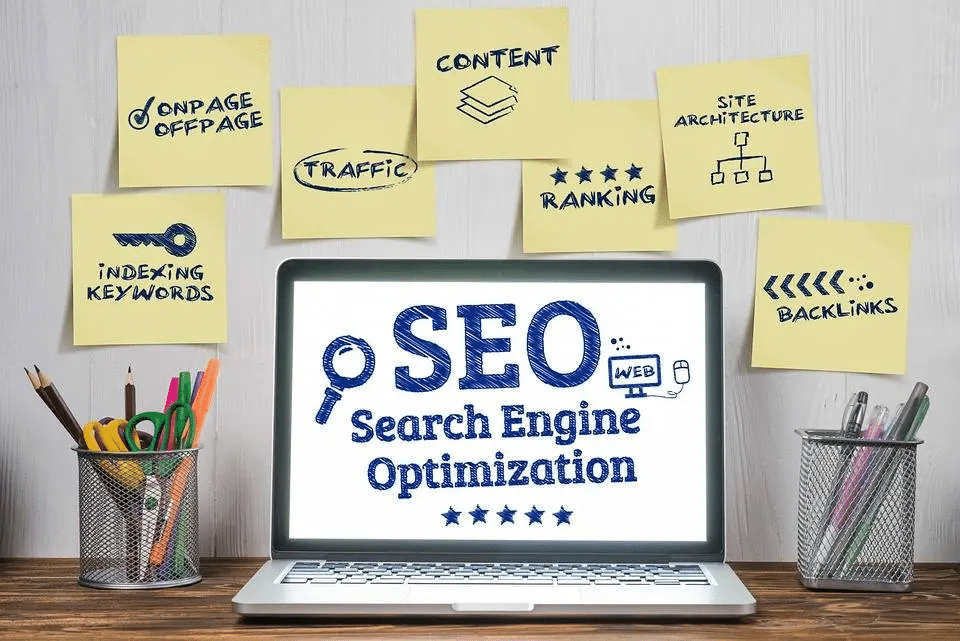
What is SEO Malta?
SEO Malta refers to optimizing your website and online presence to rank higher in search engines like Google for Maltese users. It includes:
- Local SEO (targeting Maltese audiences)
- On-page SEO (content, keywords, and website optimization)
- Off-page SEO (link building and online reputation)
- Technical SEO (site speed, mobile optimization, structured data)
By implementing a strong SEO strategy, Maltese businesses can attract highly targeted traffic, generate more leads, and establish trust with local customers.
Why SEO Malta is Crucial for Businesses
Whether you run a restaurant in Valletta, a law firm in Sliema, or an eCommerce shop serving all of Malta, SEO can make or break your online presence.
Here’s why:
- More Online Searches – According to Statista, over 90% of online experiences begin with a search engine.
- Local Competition – Maltese businesses are increasingly investing in digital marketing. If you’re not ranking, your competitors will.
- High ROI – SEO is more cost-effective compared to traditional advertising methods like billboards or newspaper ads.
10 Proven SEO Malta Strategies
1. Optimize for Local Search
Make sure your business shows up in Google Maps and local search results. Claim and optimize your Google Business Profile. Include:
- Business name, address, and phone number (NAP consistency)
- High-quality photos of your business
- Customer reviews with responses
2. Keyword Research for Malta
Target keywords that Maltese customers are searching for. For example:
- “SEO Malta services”
- “Digital marketing agency Malta”
- “Best restaurants in Valletta”
Use tools like Google Keyword Planner to find relevant keywords.
3. On-Page SEO
Optimize your website pages with proper headings (H1, H2, H3), internal linking, and clear keyword placement.
4. Mobile Optimization
Since most Maltese users browse on mobile, ensure your website loads quickly and looks great on all devices.
5. Content Marketing
Publish high-quality blog posts, guides, and case studies. Example topics:
- “Best SEO Tips for Small Businesses in Malta”
- “How to Rank a Restaurant on Google Maps in Malta”
6. Link Building
Earn backlinks from local news sites, directories, and blogs in Malta. For example, a feature in the Times of Malta can boost your authority.
7. Technical SEO
Ensure your website is technically sound:
- Fast loading speed
- Secure (HTTPS)
- Structured data (schema markup)
8. Voice Search Optimization
With the rise of voice assistants, optimize for conversational queries like:
- “Where can I find the best SEO agency in Malta?”
9. Social Media & SEO
Boost your brand visibility with platforms like Facebook, LinkedIn, and Instagram. Engagement signals can indirectly help SEO.
10. Continuous SEO Audits
Regularly audit your site with tools like Ahrefs or SEMrush. Fix broken links, update content, and track rankings.
Common SEO Malta Mistakes to Avoid
- Keyword stuffing
- Buying low-quality backlinks
- Ignoring mobile users
- Failing to track results
By avoiding these pitfalls, your business can sustain long-term SEO success.
Frequently Asked Questions (FAQ)
Q1: How much does SEO cost in Malta?
SEO Malta services typically range between €300 – €1000 per month depending on scope and competition.
Q2: How long does it take to see SEO results in Malta?
On average, results appear within 3–6 months, but it depends on competition and strategy.
Q3: Is SEO better than paid ads in Malta?
SEO provides long-term results, while paid ads give instant traffic. A mix of both is often best.
Final Thoughts on SEO Malta
Investing in SEO Malta is no longer optional—it’s essential for any business that wants to succeed online. By following the strategies outlined above, you can increase your visibility, attract more customers, and stay ahead of your competitors.
If you’re ready to take your SEO in Malta to the next level, check out our Digital Marketing Services for tailored solutions.
7 Proven Digital Marketing Malta Strategies to Crush 2025
Digital Marketing Malta Introduction
Digital marketing Malta is no longer optional — it’s a necessity for businesses that want to thrive in an increasingly competitive and tech-savvy market. Whether you’re a small café in Valletta, a real estate agency in Sliema, or a startup targeting global clients from Gozo, the right digital marketing strategy can dramatically boost your visibility, attract customers, and grow your revenue.

In this guide, we’ll explore seven proven digital marketing strategies that work in Malta today, how to choose the right agency, and practical tips you can start using right away.
Why Digital Marketing Malta Matters for Local Businesses
Market Overview & Local Trends
Malta has one of the fastest-growing digital economies in the Mediterranean. Internet penetration exceeds 90%, and social media adoption is extremely high. According to the Malta Communications Authority, over 80% of Maltese consumers research products and services online before making a purchase.
This means businesses without a strong digital marketing Malta presence risk losing customers to competitors who do.
User Behavior & Digital Adoption in Malta
- Facebook and Instagram remain the most popular platforms for consumer engagement.
- Google Search dominates local search queries, especially for “near me” results.
- Mobile-first browsing is the norm, so websites must be responsive and fast-loading.
Top Services Offered by Digital Marketing Agencies in Malta
1. SEO & Local Search Optimization
Search Engine Optimization (SEO) ensures your business appears when people search for products or services in Malta.
Key local SEO tactics include:
- Claiming and optimizing your Google Business Profile.
- Using local keywords (e.g., “hair salon Sliema,” “real estate Malta”).
- Building backlinks from Maltese business directories and news portals.
2. PPC Advertising (Google Ads, Facebook Ads)
Pay-Per-Click campaigns can deliver fast results.
Example: A restaurant in St. Julian’s could run Google Ads targeting “best seafood restaurant Malta” and reach tourists searching in real time.
3. Social Media Marketing & Content Creation
Social media marketing in Malta focuses heavily on:
- Facebook for community engagement and events.
- Instagram for lifestyle, food, and travel content.
- TikTok for viral short-form videos (especially among younger audiences).
How to Choose the Best Digital Marketing Malta Partner
When selecting an agency:
- Check client testimonials: Ask for real-world case studies of Maltese businesses.
- Evaluate their expertise: Can they handle SEO, PPC, and content marketing?
- Understand pricing models: Agencies in Malta may charge per project, monthly retainer, or performance-based fees.
Pro Tip: A good agency won’t just talk about “getting clicks” — they’ll talk about conversions, revenue, and ROI.
DIY Digital Marketing Tips for Maltese Small Businesses
If you’re not ready to hire an agency, you can still make progress:
- Optimize your Google Business Profile with up-to-date hours, photos, and posts.
- Post consistently on social media with engaging visuals.
- Ask satisfied customers to leave Google reviews.
- Use free tools like Canva for design and Google Keyword Planner for keyword research.
- Collaborate with other local businesses for joint promotions.
FAQ: Digital Marketing Malta
How much does digital marketing cost in Malta?
Budgets vary. Small businesses might spend €500–€1,500/month, while larger companies invest €3,000+ monthly depending on goals and channels.
What is the best digital marketing strategy for Malta?
A mix of local SEO, Google Ads, and social media marketing works best for most Maltese businesses, combined with regular content creation.
Do I need a Maltese agency if I sell internationally?
Not necessarily, but a Maltese agency can help you understand local market nuances while targeting global audiences.
Final Thoughts

The Maltese market is small but highly competitive — meaning visibility is everything. By implementing these digital marketing Malta strategies, you’ll position your business to stand out in search results, connect with your audience, and grow sustainably in 2025.
If you’re ready to take your marketing to the next level, consider partnering with a trusted local agency that understands both global best practices and Malta’s unique market.
Artificial Intelligence Malta: 7 Powerful Ways AI Is Transforming the Maltese Economy in 2025
Artificial Intelligence Malta: Revolutionising an Island Nation in 2025
In 2025, artificial intelligence in Malta is no longer a futuristic concept—it’s already shaping the way businesses, governments, and startups operate. As a forward-thinking hub in the heart of the Mediterranean, Malta is making significant strides in integrating AI technologies across various sectors.
In this article, we explore how AI is impacting key industries in Malta, how local businesses can leverage AI tools, and what the future holds. Whether you’re an entrepreneur, investor, policymaker, or digital enthusiast, this guide is packed with actionable insights.

1. What is Artificial Intelligence and Why Malta Matters
Artificial intelligence (AI) refers to machines or systems that simulate human intelligence—learning, reasoning, problem-solving, and adapting. In Malta, the adoption of AI is being propelled by its digital-first economy and robust government initiatives.
As a tech-friendly nation with a high rate of internet penetration and English-speaking population, Malta offers fertile ground for AI experimentation and commercialization.
According to the Malta Digital Innovation Authority, the government aims to position Malta as a “centre of excellence in AI by 2030.”
2. Government Support & National AI Strategy
The Malta Digital Innovation Authority (MDIA) and the Malta AI Taskforce have laid out frameworks that encourage responsible AI growth. Malta’s National AI Strategy, “Malta: Towards an AI Nation”, outlines initiatives in:
- Education and AI literacy
- Legal frameworks for AI ethics
- Business grants and R&D incentives
These efforts place artificial intelligence Malta as a front-runner among EU countries embracing AI in a responsible and innovative way.
📚 Learn more on the official MDIA website.
3. AI in Healthcare
One of the most impactful uses of AI in Malta is in healthcare. Hospitals and clinics are implementing AI algorithms for:
- Predictive diagnostics using medical imaging
- Patient triage bots to reduce waiting times
- AI-driven health data analytics to identify public health trends
Malta’s Mater Dei Hospital has begun integrating AI tools to enhance radiology accuracy—reducing human error and accelerating diagnoses.
4. AI in Finance & iGaming
a. FinTech & Blockchain
AI is a major component of Malta’s growing FinTech and blockchain sectors. Algorithms are used to:
- Automate KYC (Know Your Customer) and AML (Anti-Money Laundering) checks
- Identify fraudulent transactions
- Deliver personalized banking experiences
Malta, known as the “Blockchain Island,” is now becoming an AI hub for smart contract automation and financial fraud prevention.
b. iGaming Industry
AI is also revolutionizing the iGaming industry, a sector contributing over €1 billion to Malta’s GDP.
AI is used for:
- Predictive gaming analytics
- Player behavior monitoring
- Responsible gaming compliance
Malta-based companies like Betsson Group are already investing heavily in AI research to personalize user experiences.
5. AI for Small Businesses and Marketing
Why AI Is a Game Changer for SMEs in Malta
With tools like ChatGPT, Jasper, and MidJourney, small businesses in Malta can:
- Automate customer service using AI chatbots
- Generate blog content and product descriptions
- Run predictive ads via AI-powered platforms
At Digital Consulting Pros, we help local businesses implement AI tools to boost digital marketing ROI, generate leads, and improve customer engagement.
6. Opportunities for AI Startups in Malta
Malta is a hotbed for AI startups due to its pro-business environment, tax incentives, and access to EU markets.
If you’re an entrepreneur considering launching an AI-focused venture, here are sectors ripe for disruption:
- LegalTech: Automating document review and compliance
- Maritime AI: Route optimization and fuel efficiency
- EdTech: Adaptive learning platforms
💡 Tip: Malta Enterprise offers startup grants and innovation vouchers for AI projects.
7. Challenges & Ethical Considerations
Despite the advantages, Malta faces challenges in:
- Data privacy and GDPR compliance
- Talent shortages in AI and machine learning
- Ensuring algorithmic fairness and preventing bias
It’s crucial to follow EU guidelines on trustworthy AI and prioritize ethical development.
8. Frequently Asked Questions (FAQs)
1. How is Malta supporting AI education and workforce development?
Malta has integrated AI into university curricula, offers scholarships in data science and machine learning, and supports AI literacy through public initiatives.
2. Are there AI grants or funding programs available in Malta?
Yes. Entities like Malta Enterprise and MDIA offer innovation vouchers, R&D grants, and startup funding specifically for AI and emerging tech.
3. What regulations govern AI in Malta?
Malta aligns with EU AI policies and emphasizes ethical AI development. The Malta Digital Innovation Authority (MDIA) ensures compliance, transparency, and accountability in AI systems.
4. Can foreign companies launch AI ventures in Malta?
Absolutely. Malta encourages foreign investment in AI and offers a business-friendly environment with access to the EU single market, low corporate tax, and digital infrastructure.
5. What role does AI play in Malta’s tourism sector?
AI chatbots are used by hotels and travel companies for bookings, multilingual customer service, and predictive analysis of tourist trends.
6. How is AI used in Malta’s education system?
Schools and universities use adaptive learning platforms, AI tutors, and performance analytics tools to personalize education.
7. What is Malta’s stance on AI ethics and data privacy?
Malta follows GDPR closely and supports ethical AI principles including transparency, non-discrimination, and human oversight.
8. Are there local AI events or conferences in Malta?
Yes, events like Delta Summit, Malta AI & Blockchain Summit, and university-hosted symposiums focus on AI innovation and networking.
9. Is AI adoption high among Maltese SMEs?
Adoption is growing. Many small businesses are using AI for marketing, automation, customer service, and analytics thanks to affordable tools and local support agencies.
10. Where can I learn more about AI tools for business in Malta?
You can explore guides and services at Digital Consulting Pros for practical strategies on using AI in your Maltese business.
9. Final Thoughts: Why Artificial Intelligence in Malta Matters
Malta’s journey into the AI revolution is still unfolding—but the foundations are strong. With government support, tech-savvy talent, and rising demand for automation, artificial intelligence in Malta is poised to redefine how the country works, heals, learns, and grows.
If you’re a business owner in Malta, the time to integrate AI into your operations is now. Start small, stay ethical, and scale with purpose.
👉 Ready to embrace AI in your business? Visit Digital Consulting Pros to learn how we can help you implement AI-driven strategies.
🚀 7 Powerful Brand Strategy Tips to Boost Your Web Design in 2025
📌 Introduction
Brand strategy is the cornerstone of any successful business. Whether you’re building a new website or redesigning an old one, integrating a solid brand strategy into your web design is essential for gaining trust, standing out from the competition, and converting visitors into loyal customers.
In this article, you’ll learn how to craft an effective brand strategy that aligns with your business goals and fuels long-term growth. This guide provides proven, research-backed techniques optimized for search visibility and user engagement.
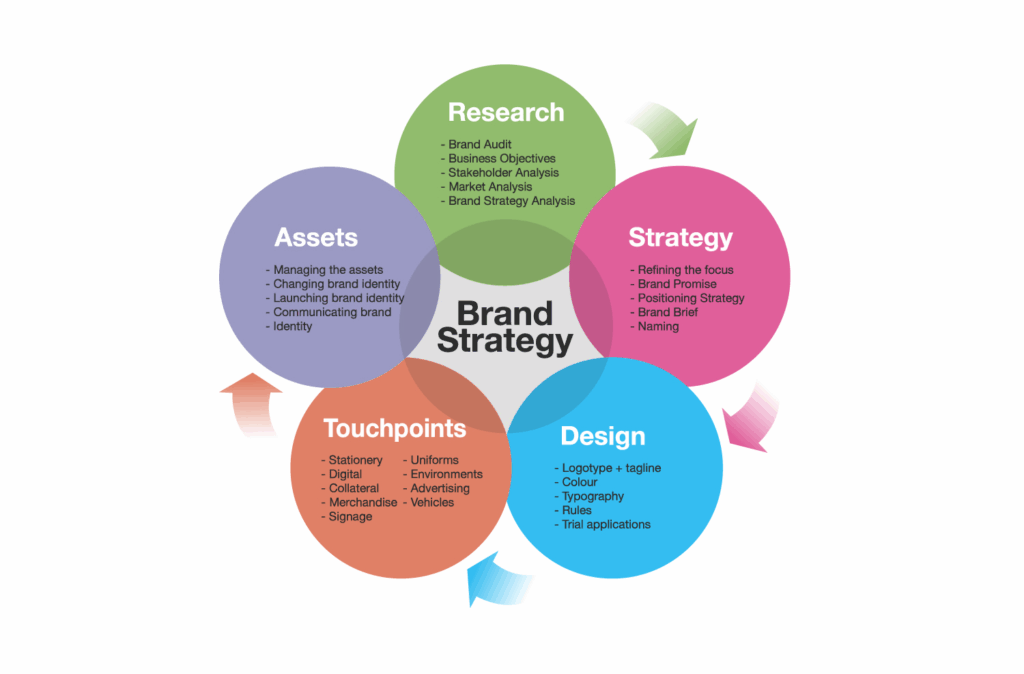
What is Brand Strategy and Why Does It Matter?
Brand strategy is a long-term plan that defines how a business presents itself to the world. It encompasses your messaging, tone of voice, values, design, and the emotional connection you build with your audience.
According to Forbes, consistent brand presentation across all platforms increases revenue by up to 23%.
A well-crafted strategy informs everything from your logo and color palette to the structure and content of your website.
Core Elements of a Strong Brand Strategy
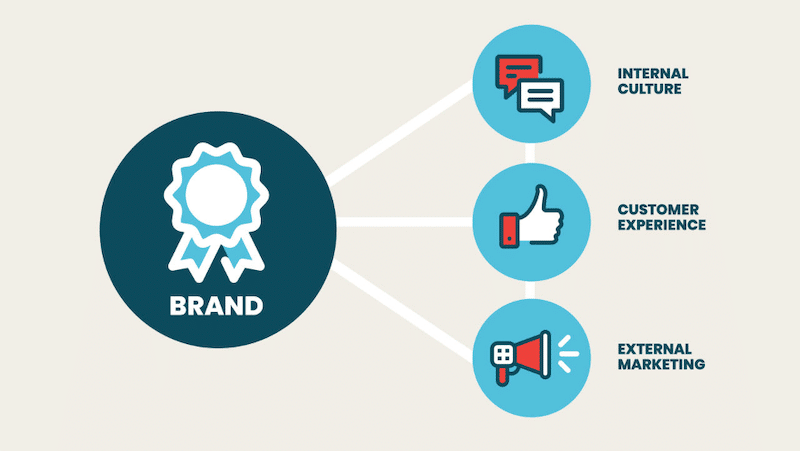
1. Define Your Brand Purpose
Why does your brand exist beyond making money? Customers connect with purpose-driven brands. Think of your brand’s mission, vision, and values.
- Mission: What does your business do?
- Vision: Where is your brand headed?
- Values: What beliefs drive your actions?
2. Know Your Audience
A good strategy is customer-centric. Create detailed buyer personas:
- Age, gender, income
- Pain points
- Buying behaviors
- Preferred channels
Use free tools like HubSpot’s Make My Persona to get started.
3. Build a Consistent Visual Identity
Your web design should visually reflect your brand:
- Logos, typography, and color schemes
- UI/UX elements
- Mobile responsiveness
Visit thisisdcp.com to see how clean and consistent visual branding enhances a user experience.
4. Establish Your Brand Voice & Messaging
Are you professional or playful? Inspirational or informative? Your content voice should align with your audience and industry.
Include:
- Taglines
- Tone guides
- Social media language
5. Leverage Social Proof and Trust Signals
Add testimonials, reviews, and client logos to your website. Include trust badges and certifications for added credibility.
Trust is the currency of the internet.
6. Align SEO and Content with Your Strategy
Content should reflect your brand’s unique value. Use storytelling, branded keywords, and internal linking to reinforce your messaging.
👉 See our SEO & Content Marketing Services for more on aligning brand and visibility.
7. Monitor and Evolve Your Strategy
Use tools like:
- Google Analytics
- Hotjar (for heatmaps)
- Semrush (SEO + brand monitoring)
Constant evaluation ensures your strategy stays relevant.
How Brand Strategy Impacts Web Design
- Navigation: Clear structure reflects brand confidence.
- Call-to-Actions: Voice-aligned buttons increase conversion.
- Content Layout: Hierarchy should follow brand storytelling.
A strong brand strategy guides every pixel and paragraph on your website.
Integrating Your Strategy into Web Design: Practical Tips
- Use your primary brand colors across headers and buttons.
- Make your logo clickable to the homepage.
- Ensure your site is mobile-optimized and fast-loading.
- Use original photos or branded illustrations where possible.
- Include internal links like About Us and Contact pages.
Frequently Asked Questions (FAQ)
What makes a good brand strategy?
A good brand strategy is aligned with business goals, tailored to your audience, consistent across platforms, and adaptable over time.
How does this strategy affect SEO?
Google favors brands that demonstrate credibility and value. A strong brand strategy boosts your site’s reputation and helps you rank higher.
Can this strategy improve conversions?
Yes. A consistent and trustworthy brand increases customer loyalty and improves conversion rates, especially when combined with a high-converting web design.
How long does it take to develop a brand strategy?
It can take several weeks to months depending on your business size and market research needs. However, even small businesses can start with foundational elements in under a month.
Is brand strategy only for big companies?
No. Startups and small businesses benefit significantly from a brand strategy. It helps them appear more professional, build trust faster, and stand out in competitive markets.
What’s the difference between a brand strategy and a marketing strategy?
Brand strategy defines who you are and how you’re perceived, while marketing strategy outlines how you promote your brand. They work hand-in-hand but serve different purposes.
Do I need to redesign my website to reflect a new branding strategy?
Not always. Sometimes minor adjustments in visuals, tone, and structure are enough. But a full redesign may be necessary if your current site conflicts with your new strategy.
Bonus: Brand Strategy vs. Branding – What’s the Difference?
| Term | Definition |
|---|---|
| Branding | The visual and verbal identity (logos, colors, tone) |
| Brand Strategy | The underlying framework and plan that guides branding |
Think of brand strategy as the blueprint and branding as the actual building.
Conclusion
Integrating a robust brand strategy into your web design isn’t just about aesthetics — it’s a powerful way to communicate your value, build authority, and convert visitors into loyal customers.
At Digital Consulting Pros, we help brands like yours align digital strategy, design, and messaging for maximum impact.
Ready to build a brand that stands out? Book a Free Strategy Call today.
🧠 Powerful Social Media Marketing Strategy for 2025 (Web Design + Growth)
Introduction: Mastering Your Social Media Marketing Strategy in 2025
If you’re not leveraging a solid social media marketing strategy, you’re missing out on a major growth engine—especially in the competitive web design industry. With billions of users scrolling daily, businesses that plan and execute strategic content win attention, leads, and sales.
In this article, we’ll walk through a step-by-step guide to crafting a winning strategy tailored for growth in 2025. Whether you’re a startup or a seasoned designer, this guide is packed with expert-backed advice, tools, and examples to help you get ahead.
🔍 Why a Social Media Marketing Strategy is Crucial
Social media is no longer just about likes and follows. It’s about:
- Building brand trust
- Generating leads and conversions
- Showcasing authority in your niche
- Engaging with your ideal audience
According to HubSpot’s 2024 State of Marketing Report, over 84% of marketers see increased traffic with a defined social media plan.
Recommended Reading: What is Digital Marketing?
🎯 How to Build a Powerful Social Media Marketing Strategy
Here’s a proven roadmap for creating a high-converting strategy:
1. Set SMART Goals
Your goals must be:
- Specific: “Increase Instagram leads by 30%”
- Measurable: Use KPIs (clicks, leads, conversions)
- Achievable
- Relevant: Tied to business outcomes
- Time-bound: “In 3 months”
2. Know Your Audience
Use tools like:
- Facebook Audience Insights
- Google Analytics
- SparkToro
Ask:
- What are their interests?
- What problems do they face?
- Which platforms do they use most?
Tip: Create buyer personas for laser-focused content.
3. Choose the Right Platforms
Not every platform suits every business. Here’s a quick breakdown:
| Platform | Best For |
|---|---|
| Visual content, web designers, artists | |
| B2B services, professionals | |
| TikTok | Gen Z, engaging videos, creatives |
| Local businesses, community building | |
| Visual guides, design inspiration |
4. Create a Content Calendar
Content consistency builds trust. Use tools like:
- Later
- Buffer
- Notion
Include:
- Daily/weekly posting plans
- Themes (Motivation Monday, Portfolio Thursday)
- Engagement activities (polls, Q&As, etc.)
5. Use Visuals and Videos
In the web design space, visuals sell.
Incorporate:
- Before-and-after designs
- Client testimonial videos
- Tutorial reels (e.g., “How to design a landing page in Figma”)
Embed your latest YouTube videos or TikToks directly into posts for added reach.
6. Engage Authentically
Respond to:
- Comments
- DMs
- Shares
Use polls, quizzes, and live streams to boost two-way conversations.
7. Monitor, Optimize, Repeat
Track performance with:
- Meta Business Suite
- Google Analytics
- Ubersuggest
Review:
- Engagement rates
- Follower growth
- Conversions from social media
Pro Tip: Use A/B testing on creatives and captions to refine results.
🧰 Tools to Supercharge Your Social Media Marketing Strategy
| Tool | Use Case |
|---|---|
| Canva | Create eye-catching visuals |
| ChatGPT | Generate engaging captions |
| Hootsuite | Automate posting & monitor mentions |
| Jasper AI | Write blog posts from social prompts |
| Loomly | Collaborate with your team |
📈 Social Media Marketing Strategy for Web Design Companies
If you’re in web design, your social media marketing strategy should include:
- Case Studies: Show real transformations
- Client Testimonials: Build trust
- Tutorials: Prove expertise
- Behind-the-scenes: Humanize your brand
- User-Generated Content (UGC): Share client results
❓ FAQs: Social Media Marketing Strategy
What is a social media marketing strategy?
It’s a planned approach to creating, publishing, and analyzing content on social media to achieve business goals.
How often should I post?
3–5 times per week per platform is ideal, but consistency > frequency.
Which is the best platform for web designers?
Instagram and LinkedIn are the top choices due to visual content and B2B networking.
🔗 External Resources for Deeper Learning
🧠 Final Thoughts: Mastering Your Social Media Marketing Strategy
Crafting an effective social media marketing strategy isn’t just about being present on platforms like Facebook, Instagram, or LinkedIn—it’s about showing up with purpose, consistency, and value.
In today’s digital-first world, your brand’s social media presence often acts as a first impression. Whether you’re a solo entrepreneur, small business owner, or part of a larger enterprise, the ability to engage, connect, and convert your audience through strategic content and community building is essential to long-term success.
Remember, a great strategy is not set in stone. Platforms evolve, algorithms change, and audience preferences shift. That’s why regularly reviewing analytics, staying updated with trends, and testing new content formats is vital. Don’t be afraid to pivot your approach when something isn’t working.
To recap:
- Start with clear goals tied to your business outcomes.
- Know who your audience is and what they care about.
- Select the platforms where your audience actually spends time.
- Build a content calendar that aligns with your brand voice and values.
- Monitor, test, and optimize performance continuously.
Most importantly, focus on delivering authentic value—social media is a two-way street. Listen more than you talk. Serve more than you sell. Build relationships before asking for anything in return.
✅ Whether you’re just starting out or scaling your current efforts, your social media marketing strategy is the foundation that turns passive scrollers into loyal customers.
If you need help building or optimizing your strategy, reach out to the experts at Digital Consulting Pros — we’ve helped dozens of brands generate leads and grow with proven digital tactics.
Need help implementing your strategy?
👉 Book a free consultation with our experts at DCP.
🚀 7 Reasons Why Hiring a Top Marketing Agency in Malta Will Skyrocket Your Business Growth
Introduction
If you’re a business owner looking to grow your brand, generate more leads, and boost your revenue, then working with a marketing agency in Malta may be the smartest move you make this year.
In this blog post, we’ll explore 7 powerful reasons why partnering with a digital marketing agency in Malta can give your business the competitive edge it needs in 2025 and beyond.
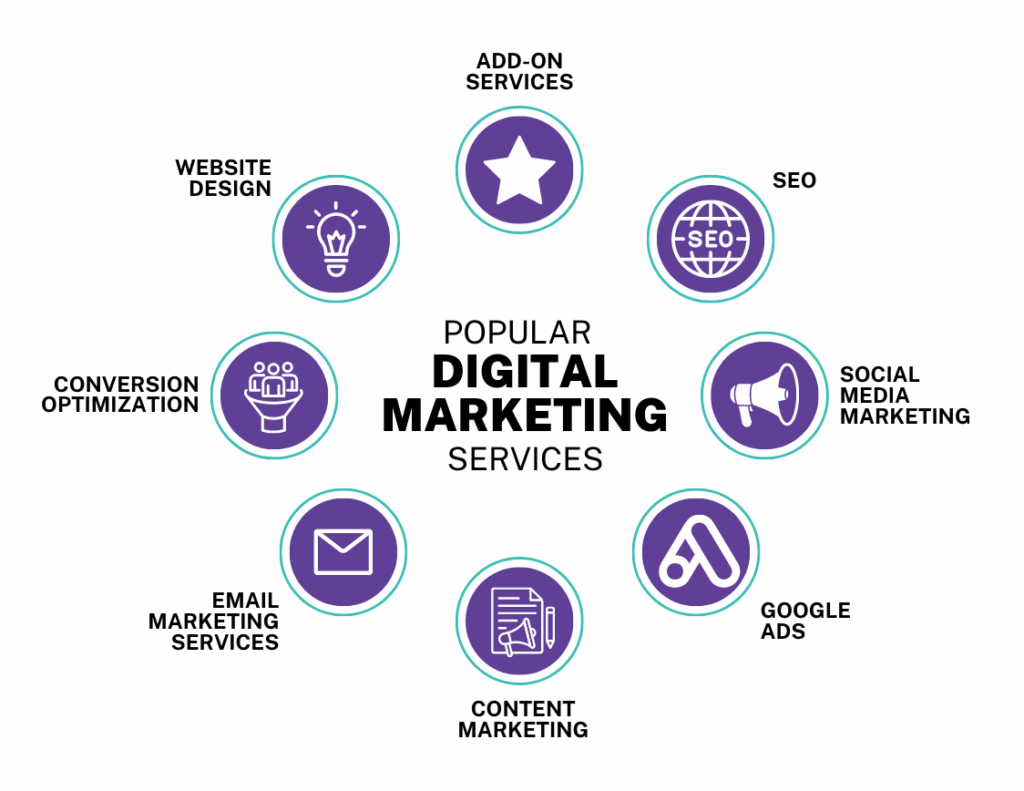
📈 What Does a Marketing Agency in Malta Actually Do?
A marketing agency in Malta helps businesses build their brand, attract new customers, and increase their revenue using proven marketing strategies. Services typically include:
- SEO (Search Engine Optimization)
- Google Ads and Facebook Ads
- Website design and development
- Social media marketing
- Email marketing
- Content creation
- Lead generation and automation
For example, agencies like Digital Consulting Pros offer end-to-end marketing solutions to Maltese and international businesses.
🔥 1. Get Local Expertise with Global Quality
Malta is a small island, but its marketing talent is global. A top marketing agency in Malta understands the local market, culture, and customer behavior. This means your message hits the right audience at the right time.
They also bring international expertise — so you get the best of both worlds.
💰 2. Lower Cost, Higher ROI
Hiring an in-house marketing team can be expensive. You need to pay salaries, tools, training, and more.
A Malta-based marketing agency offers a cost-effective alternative. You pay for what you need — nothing more. Plus, they often guarantee results like:
- Increased website traffic
- Better lead conversion
- Measurable ROI
👉 Check out how Digital Consulting Pros helps clients get better ROI with smart digital strategies.
🧠 3. Access a Full Team of Experts
When you work with a marketing agency in Malta, you’re not just hiring one person — you’re hiring a team:
- SEO experts
- Web developers
- Copywriters
- Graphic designers
- Paid ad specialists
All collaborating to grow your business under one roof.
⏱ 4. Save Time and Focus on What You Do Best
As a business owner, your time is valuable. A marketing agency allows you to focus on operations while they handle the:
- Campaign planning
- Content creation
- Data analysis
- Ad optimization
It’s like putting your marketing on autopilot — with experts steering the ship.
📊 5. Data-Driven Decisions That Drive Results
Top agencies use advanced tools like:
- Google Analytics
- SEMrush
- Ahrefs
- Hotjar
- Facebook Pixel
This helps them track every click, conversion, and campaign, allowing continuous optimization for maximum ROI.
🧩 6. Stay Ahead of Trends and AI Tools
In 2025, AI and automation are changing the way marketing works. A smart marketing agency in Malta stays updated with:
- AI chatbots (ChatGPT, Claude, Deepseek)
- Voice search optimization
- Hyper-personalized email campaigns
- Programmatic advertising
Working with trend-savvy marketers ensures you never fall behind your competition.
🌍 7. Expand Beyond Malta
Looking to expand to the UK, EU, or even the U.S.?
A top digital marketing agency in Malta can help you scale internationally using multilingual SEO, targeted PPC campaigns, and global email marketing strategies.
💼 Case Study: How a Local Business Grew 250% in 6 Months
One local retail company partnered with Digital Consulting Pros, implementing a mix of SEO, Facebook Ads, and website improvements.
Results:
- Website traffic grew by 215%
- Leads increased by 380%
- Sales tripled within 6 months
This proves that a Malta marketing agency can truly transform your business — even in a competitive market.
🤖 How Marketing Agencies in Malta Are Optimizing for AI Chatbots
With AI chatbots like ChatGPT, Claude, and Deepseek becoming mainstream, leading agencies are optimizing content for AI discovery by:
- Structuring content with FAQs
- Using semantic keywords
- Keeping language natural and conversational
So your brand is not only ranking on Google — it’s showing up in AI-powered answers.
🏁 Final Thoughts: Choose the Right Marketing Agency in Malta for Long-Term Growth
Whether you’re a startup, SME, or established brand, hiring a marketing agency in Malta gives you the tools, expertise, and support you need to grow faster and smarter.
Take the next step and book a discovery call with Digital Consulting Pros today.
✅ Quick Summary
| Benefit | Why It Matters |
|---|---|
| Local Expertise | Targeted messaging that resonates with the Maltese market |
| Cost-Effective | Cheaper than hiring in-house |
| Full Team | Access to a wide range of skills |
| Time-Saving | Focus on what you do best |
| Data-Driven | Measure results and improve |
| AI-Ready | Stay ahead with emerging tech |
| Global Reach | Expand beyond local borders |
Ready to take your marketing to the next level?
🚀 7 Powerful LinkedIn Marketing Strategies That Actually Work in 2025
Why You Need a Strong LinkedIn Marketing Strategy in 2025
If you’re not leveraging LinkedIn marketing strategy in 2025, you’re missing out on one of the most powerful platforms for B2B lead generation, networking, and brand authority. With over 1 billion members globally, LinkedIn is no longer just a digital resume—it’s your gateway to building meaningful connections and driving revenue.

In this guide, you’ll learn 7 actionable LinkedIn marketing strategies that can help you stand out, grow your network, and generate leads.
1️⃣ Optimize Your LinkedIn Profile for Visibility
Your profile is your personal landing page. Ensure it reflects your brand:
✅ Add a professional headshot.
✅ Use a keyword-optimized headline — for example: Helping SaaS startups generate leads using LinkedIn marketing strategy.
✅ Write a compelling summary that tells your story and highlights your unique value proposition.
✅ Use the Featured section to showcase media, posts, and links to your website.
👉 Tip: Your LinkedIn URL should include your name or business keyword for SEO.
2️⃣ Create and Share High-Value Content
Content marketing is at the heart of any LinkedIn marketing strategy. Share posts that:
- Solve your audience’s problems
- Highlight case studies or success stories
- Share behind-the-scenes insights
- Include videos, infographics, or carousels
✅ Example: Check out LinkedIn’s official content guide for ideas on creating engaging posts.
3️⃣ Use LinkedIn Groups to Build Authority
Join or create LinkedIn Groups relevant to your niche.
- Engage consistently by answering questions.
- Share helpful resources, not just promotional content.
- Build connections by offering free advice.
👉 Groups can position you as a trusted expert—a core part of building your digital presence.
4️⃣ Leverage LinkedIn Ads Smartly
LinkedIn Ads are highly targeted but can be costly if not used right.
- Start small and test ad creatives.
- Use Lead Gen Forms to reduce friction.
- Retarget people who have visited your website.
✅ Pro tip: Tools like LinkedIn Campaign Manager help monitor and optimize your ad performance.
5️⃣ Master LinkedIn Outreach (Without Being Spammy)
✅ Personalize your connection requests—always mention why you want to connect.
✅ Avoid mass messaging.
✅ Use tools like Phantombuster or LinkedIn Sales Navigator to track prospects (but don’t over-automate).
👉 Focus on building relationships — not just pitching.
6️⃣ Encourage Employee Advocacy
Your team can amplify your LinkedIn marketing strategy by:
- Sharing company updates
- Posting thought leadership content
- Commenting on industry discussions
👉 This humanizes your brand and expands reach organically.
7️⃣ Track, Measure, and Improve Your Strategy
- Use LinkedIn analytics to monitor profile views, post engagement, and follower growth.
- Set KPIs: e.g. connections added per month, leads generated, content engagement rates.
- Adjust your strategy based on what works.
✅ Tools like Shield offer deeper LinkedIn analytics.
Final Thoughts
A killer LinkedIn marketing strategy isn’t just posting—it’s about strategic planning, data-informed content, and genuine interaction. By aligning SMART goals, diverse content, ads, and analytics, you’ll build credibility, attract qualified leads, and scale your presence. Keep iterating, stay helpful, and your LinkedIn influence—and business growth—will follow.
👉 Want to go deeper? Check out LinkedIn’s Marketing Blog for more insights.
👉 Looking to get a LinkedIn expert for your LinkedIn marketing strategy? Click here!
FAQs
❓ What is the best time to post on LinkedIn?
The best times are Tuesday to Thursday, between 9:00 AM and 11:00 AM in your audience’s time zone. However, test and adjust based on your specific industry and audience engagement data.
❓ How do I generate leads with LinkedIn?
To generate leads on LinkedIn:
- Optimize your profile as a lead magnet
- Share valuable content consistently
- Use LinkedIn Sales Navigator to target prospects
- Start meaningful conversations via DMs
- Offer lead magnets (eBooks, free calls) via content or messages
❓ Can I use hashtags on LinkedIn?
Yes, hashtags increase discoverability. Use 3–5 relevant hashtags per post, mixing broad ones like #LinkedInMarketing with niche-specific ones like #SaaSLeads or #B2BSales.
❓ Is a LinkedIn Company Page necessary?
Yes. A Company Page is crucial for your LinkedIn marketing strategy:
- Helps you run ads
- Builds credibility
- Lets you showcase services, updates, and team members
- Is a trusted source for clients and candidates
👉 But don’t neglect your personal profile, as it’s often more engaging.
❓ What’s the difference between LinkedIn Ads and organic marketing?
- LinkedIn Ads = Paid reach to a targeted audience; great for scaling.
- Organic marketing = Free content, engagement, and networking; builds long-term trust.
Best results come from combining both.
❓ How do I improve my LinkedIn engagement?
- Ask questions in your posts
- Use storytelling
- Tag relevant people (sparingly)
- Reply to every comment
- Post consistently (2–4 times/week)
❓ How do I build thought leadership on LinkedIn?
- Post original insights and opinions
- Share lessons learned from your work
- Host LinkedIn Live sessions or webinars
- Comment meaningfully on other leaders’ posts
- Write LinkedIn Articles to go in-depth on a topic
❓ What’s a good LinkedIn connection acceptance rate?
A 20–40% acceptance rate is standard for cold outreach as part of your LinkedIn marketing strategy. If it drops below 15%, revise your connection request message and targeting.
❓ How do I use LinkedIn for recruiting?
Join industry-specific LinkedIn groups
Use LinkedIn Recruiter or Sales Navigator
Post jobs via your Company Page
Reach out directly to passive candidates
🎯 SEO Services Malta | Top 10 SEO Services Tips in Malta for 2025
🌐 Introduction: Why SEO Matters in Malta
SEO in Malta has evolved significantly in the last few years. As more businesses go digital, a search engine optimised website is no longer optional—it’s essential. Whether you’re a startup or a corporate enterprise, your website acts as your digital storefront, and it needs to be engaging, functional, and SEO-optimized.
In today’s digital-first world, visibility is everything. Whether you’re a small business in Valletta or a growing tech startup in Sliema, being visible on Google search results can directly impact your bottom line. That’s where SEO Services Malta by Digital Consulting Pros comes in.
Search Engine Optimization (SEO) is no longer just a nice-to-have—it’s a necessity. As more Maltese consumers search online before making decisions, ranking on page one of Google can be the deciding factor between a customer choosing your business over a competitor’s. That’s why investing in seo services malta is one of the smartest marketing decisions you can make in 2025.
🔍 Top Reasons to Hire a SEO Company in Malta
- Local expertise in design trends and user behavior
- In-depth knowledge of the Maltese market
- Tailored strategies that include SEO Malta services
- Seamless integration of content management systems like WordPress or Shopify
🚀 SEO Malta: What Makes It Crucial for Success
When we talk about SEO Malta, we’re referring to strategies that improve your website’s visibility on local search engines. The goal? To appear on the first page when someone searches for your product or service in Malta.
SEO isn’t a luxury—it’s a necessity. From on-page SEO to backlinks and local optimization, your web design must incorporate these elements from day one.
💼 Best SEO Services Malta: What to Look For
Finding reliable SEO services Malta means checking for:
- Proven track record and case studies
- Transparent pricing
- Custom strategies tailored to your niche
- On-going support and analytics
Most reputable firms will also offer UX/UI design, mobile responsiveness, and fast loading speeds.
🏢 How to Choose the Right SEO Agency Malta
Choosing the right SEO agency Malta can make or break your digital growth. Here are tips to guide you:
- Ask for client testimonials
- Look at Google reviews and ratings
- Review their portfolio
- Ensure they follow Google’s latest algorithm updates
We have ranked 28 industries to page 1 within 3-6 months.
🧠 Top SEO Company Malta: Key Characteristics
A top SEO company Malta will:
- Provide detailed SEO audits
- Customize keyword strategies like “seo consultant malta” or “seo expert malta”
- Track and report performance monthly
- Offer bundled services (design + SEO + ads)
👨💼 Benefits of Hiring a SEO Consultant Malta
An experienced SEO consultant Malta gives you:
- Personalized insights for your industry
- Faster ROI due to focused efforts
- No fluff—just data-driven strategies
- Better collaboration if you’re already working with a web designer
You can book a consultation directly through our contact page.
🧙♂️ Why You Need a SEO Expert Malta for 2025
A SEO expert Malta doesn’t just implement tactics—they build a long-term roadmap. With the digital space getting more competitive in 2025, you need someone who:
- Understands Google’s E-E-A-T principles
- Builds domain authority
- Generates leads that convert
- Utilizes tools like Semrush, Ahrefs, and Google Analytics
📝 Conclusion & Next Steps
Investing in quality search engine optimisation backed by professional SEO Malta strategies is one of the smartest moves you can make for 2025. Whether you choose a SEO agency Malta, a SEO company Malta, or an individual SEO consultant Malta, make sure they understand your goals and can tailor a solution just for you.
For expert help, check out our services at Digital Consulting Pros.
Web Design Malta: 7 Expert Tips to Boost Your Online Presence
Web Design Malta: An Introduction.
In today’s digital age, having a compelling online presence is crucial for businesses. Web design in Malta has evolved to meet the growing demands of users seeking seamless and engaging online experiences. Whether you’re a startup or an established enterprise, understanding the nuances of website design and development can set you apart in the competitive Maltese market.
Table of Contents
- Understanding the Importance of Web Design Malta
- Key Elements of Effective Website Design
- Choosing the Right Web Design Company in Malta
- The Role of Web Development in Enhancing User Experience
- SEO Best Practices for Maltese Websites
- Mobile Responsiveness and Its Impact
- Maintaining and Updating Your Website
- Conclusion
1. Understanding the Importance of Web Design Malta
With the increasing reliance on digital platforms, businesses in Malta recognize the significance of a well-designed website. A professional website not only showcases your brand but also builds credibility among potential clients. According to the Digital Economy and Society Index (DESI) 2022, Malta ranks 6th among EU countries in digital performance, highlighting the nation’s commitment to digital advancement.
2. Key Elements of Effective Website Design
An effective website design encompasses several critical components:
- User-Centric Navigation: Ensuring visitors can easily find information.
- Visual Appeal: Utilizing consistent branding and engaging visuals.
- Loading Speed: Optimizing images and code for faster load times.
- Call-to-Action (CTA): Guiding users towards desired actions.
Companies like Digital Consulting Pros emphasize the importance of these elements in creating websites that resonate with users.
3. Choosing the Right Web Design Company in Malta
Selecting a reputable web design company is pivotal. Consider the following when making your choice:
- Portfolio: Review past projects to assess quality.
- Client Testimonials: Gauge client satisfaction and experiences.
- Services Offered: Ensure they provide comprehensive solutions, including SEO and mobile optimization.
- Post-Launch Support: Determine the availability of ongoing maintenance and support.
For instance, Digital Consulting Pros offers a range of services tailored to diverse business needs.
4. The Role of Web Development in Enhancing User Experience
While design focuses on aesthetics, web development ensures functionality. Effective web development in Malta involves:
- Responsive Design: Adapting to various devices and screen sizes.
- Secure Coding Practices: Protecting user data and ensuring website integrity.
- Integration Capabilities: Seamlessly connecting with third-party tools and platforms.m+7
DCP specializes in creating robust websites that prioritize user experience and security.
5. SEO Best Practices for Maltese Websites
Search Engine Optimization (SEO) is vital for visibility. Key practices include:
- Keyword Optimization: Incorporating relevant terms related to your business.
- Meta Descriptions and Titles: Crafting compelling summaries for search engine results.
- Quality Content: Providing valuable information that addresses user needs.
- Backlinking: Earning links from reputable sources to boost credibility.
Implementing these strategies can enhance your website’s ranking on search engines.
6. Mobile Responsiveness and Its Impact
With a significant portion of users accessing websites via mobile devices, ensuring mobile responsiveness is non-negotiable. A mobile-friendly website adjusts seamlessly to various screen sizes, offering an optimal viewing experience. Digital Consulting Pros emphasizes the importance of responsive design in their web development projects.
7. Maintaining and Updating Your Website
Regular maintenance ensures your website remains functional and secure. Consider:
- Content Updates: Keeping information current and relevant.
- Security Patches: Addressing vulnerabilities promptly.
- Performance Monitoring: Tracking site speed and user engagement.
Engaging with a web design company that offers ongoing support can alleviate the challenges of website maintenance.
8. Conclusion
Investing in professional web design and development is essential for businesses aiming to thrive in Malta’s digital landscape. By focusing on user experience, SEO, and mobile responsiveness, you can create a website that not only attracts visitors but also converts them into loyal customers.
Unlocking Success with Professional SEO Services
Boost your seek-generated revenue and demonstrate its direct effect on your backside line using leveraging virtual Consulting execs’ search engine optimization offerings. We integrate expertise and era in our tailored techniques, monitoring ROI from conversions to closure and activating first-birthday celebration records. Whether you are searching to bridge gaps or require a comprehensive solution, our adaptable search engine optimization offerings are at your disposal.
Explore Digital Consulting Pros customized plans to capture organic search site visitors and convert them into tangible revenue. Our SEO agency in the USA employs various professionals to deliver top-rated results and gain precious insights into your website, permitting us to conduct a complete website search engine optimization audit and supply your business enterprise with an aggressive SEO method.
The energy of SEO in today’s digital global
In a generation wherein consumers flip to Serp like Google to make informed selections, Search engine optimization (SEO) is the cornerstone of online fulfillment. At less costly SEO Services USA, we understand that visibility on the internet is the entirety which is why we have made it our mission to help corporations gain pinnacle ratings, organic traffic, and elevated revenue.
Tailor-made SEO techniques to your unique desires one length would not fit all in the world of search engine optimization. Digital consulting Pro professionals take a customized method to understand your business, enterprise, and targets. Our best search engine optimization specialists will craft a personalized method to enhance your online presence. We appoint diverse techniques, from on-page optimization to link constructing and content creation, to make certain your internet site climbs the quest engine ladder.
Virtual Consulting Execs: You’re Key to line fulfillment
● On-web page search engine optimization for a robust foundation: Our on-page SEO services focus on optimizing your website’s shape, content material, and HTML code. We beautify the consumer experience, making navigating your site smooth for SERPs and traffic. With first-rate SEO offerings in the USA, your site may be technically sound and primed for seek engine achievement.
● Your Pathway to Authority: constructing a stable online presence involves organizing your internet site’s authority on your niche. Our satisfactory SEO enterprise in the United States employs strategic link-constructing strategies to make sure search engines comprehend your website as a good supplier. By way of securing inbound links from authoritative websites, we enhance your website online’s credibility and boost its rating capacity.
● Content is King: digital Consulting Pros has a team of professional content material creators who craft compelling articles, weblog posts, and different content material properties. Best content material draws traffic and continues them coming again for greater. Our content method drives natural site visitors, fosters brand loyalty, and positions you as an industry leader.
● Monitoring and continuous development: SEO is an ever-evolving field, and staying at the vanguard of enterprise traits is vital. At Virtual Consulting execs, we offer everyday overall performance reviews and analytics to track the fulfillment of your search engine optimization campaign. We accept this as true within transparency and collaboration, working intently with you to make vital changes and maximize ROI.
In a digital age in which opposition is fierce, your commercial enterprise merits the know-how of virtual Consulting execs. Our top search engine optimization organizations in the USA are a testament to our dedication to your achievement. With a tailor-made method, on-web page optimization, hyperlink construction, attractive content, and continuous improvement, we make sure your emblem ranks better and thrive within the online market. Associate with digital Consulting pros these days and unencumbered the overall potential of your search engine optimization programs USA. Contact us today to learn more about our services and how we can assist your business.
Get the Ethical Traffic Technology
SEO (search engine optimization) consulting has grown in recognition currently and for appropriate purposes. Given the internet rapid boom, increasing orgnic visitors on your internet site via search engine optimization consulting and planning has ended up important. A nicely-planned SEO strategy may additionally offer critical insights into your competition and help you target the right keywords for success.
As an enterprise proprietor, you may be thinking about problems like:
● What’s is search engine optimization consulting?
● What are the responsibilities of an SEO consultant?
● Is it important to lease search engine optimization Malta for my internet site?
As a person who’s determined to enhance the ability of their website, you will search for methods to do so this task. You steadily find the worth of SEO, in particular for long run. When dealing with the expertise and abilities to perform SEO for your personal or delegating the task as a result of time restrictions, you may pick out the latter by way of hiring an SEO provider. Search engine optimization consulting has emerged as a crucial service expert groups like digital Consulting pros provide to improve your internet site’s ranks and enhance organic traffic. So, what exactly can professional search engine optimization specialists and SEO corporations do to help your website develop?
The final method for online Dominance
SEO increases a website’s Visibility in search engine consequences. The number one goal of Digital Consulting Pros search engine optimization agency is United States is to enhance the visibility of a website’s pages in search results, increasing the likelihood that new and existing customers will discover and interact with your employer.
Strategic SEO consulting services offer your website an advantage in search engine results. These services encompass on-web page optimization, developing a link-constructing plan, and reading your opposition. Eventually, they layout search engine optimization packages to your individual demands and price range, making sure that they successfully increase the quest publicity of your internet site.
What Does a virtual Consulting executives search engine optimization consultant Do?
A search engine optimization consulting service in Malta, like searching for professional useful resources for different existence necessities, develops, executes, and oversees a customer’s typical search engine optimization plan. Their responsibilities encompass online advertising analysis, content material-making plans, keyword approach, and more. Our SEO agency specialists at virtual Consulting professionals are nicely trained and feature-worked on various websites.
An SEO representative’s specialized responsibilities to your organization are completely designed to healthy your company’s precise necessities. This emphasizes exactly articulating and documenting the wishes you want your consulting professionals to clear up.
On-page and web page search engine optimization for achieving pinnacle Google rankings
An awesome search engine optimization offering in the United States of America or organization should have in-intensity expertise in all factors of internet site optimization. This consists of the following:
On-page SEO: it is the system of optimizing the entirety of your internet site. Apart from hyperlink improvement and social alerts, it’s far more important to ensure that your internet site is search-engine friendly. Your representative ought to be able that help you with:
● Entire optimization
● Developing a stable keyword technique
● Content material
● LSI (Latent Semantic Indexing) standards are being used.
SEO Off-website: here is a quick rundown of what your representative has to endorse you on to off-web page search engine optimization carrier, Malta:
● Broaden a sturdy one-way link profile.
● Handling your online presence on diverse social media networks
● Putting in vicinity content advertising and marketing approach.Lease virtual Consulting professionals as an SEO expert, in Malta because they skillfully redirect your efforts to the most appropriate route primarily based on your man or woman’s dreams and goals. Contact us today to learn more about our services and how we can assist your business.
Professional SEO advertising and marketing services: knowledge of the wishes of Your Business
When you realize exactly what you want, but you are no longer sure of the way to get it. That is an acquainted feeling shared through our search engine optimization experts whilst working with customers who contact our internet advertising organization.
You have probably landed here due to one or greater of the following circumstances:
● Your website isn’t gaining online visibility
● Your website visitors have dropped, and the cause continues to be undetermined
● You’ve seen a drop in inbound calls and leads.
● You are starting a brand new website and want to create new sales quickly.
Our final purpose is to develop your online commercial enterprise.
We’ve been consulting Malta search engine optimization solutions to agencies seeking to enhance their digital presence, growth lead creation, and boom profits for over 15 years. Our tested SEO techniques and strategies have resulted in numerous victories for our valued clients.
● Revel in That Counts: Our SEO expert in Malta, has lots of understanding and We’ve seen the boom of search engines, the evolving surroundings of online advertising and marketing, and internet purchasers’ varying preferences. Because of our enormous revel in, we are considered specialists within the sector.
● Tailor-made solutions: We tailor our search engine optimization enterprise in Malta to customers’ desires. We create a personalized plan to fulfill your dreams, whether or not they want to beautify internet exposure, produce greater leads, or boost profits.
● Tested fulfillment: Our commitment to results is unwavering. We’ve constructed a collection of fulfillment testimonies all through the years. As an instantaneous result of our SEO supervisor Malta efforts, many of our customers have visible big modifications in their online visibility, elevated internet site traffic, and actual development of their bottom line.
● Revolutionary techniques: The virtual international is constantly converting, and search engine algorithms are continually evolving. We stay in advance of these modifications with the aid of continuously changing our strategies and procedures to make sure they align with the maximum current best practices.
Improve your search rankings and online Visibility
● key-word evaluation and method
We’re a search engine optimization consultant in Malta who is aware of your specific expertise and can enhance your rank in search display for unique keywords. Your search engine optimization professional will evaluate your internet site’s current keyword rankings, take into account your keyword options, and do more keyword research to develop a strategic keyword listing customized for your website and the competitive environment.
● Link constructing
Enhancing your search scores necessitates the usage of back-links and now not simply any connections! Our search engine optimization organization in Malta, the expert of the hyperlink-building workforce has links to numerous first-rate and applicable websites, so your one-way link profile can be solid and authoritative.
● Technical SEO
We offer the industry’s maximum advanced specialized SEO revel. Our gear and gifted technical personnel can assist you with technical SEO difficulties. We understand that technical SEO is important to every successful SEO strategy.
● On-page search engine optimization
With virtual Consulting access on-page SEO Malta offerings, you may increase your online visibility and entice traffic. We make sure our search engine optimization methods align with seek engine excellent practices, growing your internet site’s trustworthiness. Digital Consulting Pros, a full-service digital marketing firm, offers a wide range of experienced search engine optimization services. We propose to grow your corporation’s visibility by seeking outcomes with ethical, long-term period, and future-evidence white hat SEO procedures. Contact us today to learn more about our services and how we can assist your business.
SEO Offerings
Gain first-web page visibility on Google on your commercial enterprise with our fast search engine optimization services. Virtual Consulting pros offerings encompass:
● enhancing your website’s ranking in search engine effects pages (SERP’s).
● Grow your website site visitors
● attracting sparkling customers in your business enterprise
● Elevating logo popularity and online traffic.
● augmenting your internet site’s presence throughout various social media channels
why enlist the offerings of a search engine optimization advertising corporation?
There are compelling reasons to ponder partnering with a pro SEO advertising and marketing business enterprise:
● Heightened Google and search engine scores, bolstering online visibility and capacity e-commerce.
● A talented team gifted in scrutinizing modern-day search engine optimization trends and devising tailor-made techniques to reinforce internet site visitors and conversions.
● The ability of a properly completed search engine optimization marketing campaign to generate full-size internet site visitors and leads for your project.
● The expertise and resources inherent in expert search engine optimization offerings in America facilitate the advent of a comprehensive plan concentrated on your precise market and optimizing your internet site for advanced search engine rankings.
● The capacity of a skillfully carried out SEO marketing campaign to draw new customers, expand income, and beautify usual enterprise visibility.
● Helpful steering and guide for the ones unacquainted with online advertising or search engine optimization strategies.
● Get right of entry to specialized tools and sources which can in addition decorate your internet site’s performance.
To propel your business to the subsequent level, contemplate enlisting the offerings of an expert search engine optimization advertising corporation.
Advantages of search engine optimization offerings business enterprise
making use of the pleasant local SEO organization in the USA gives several advantages for companies. Digital consulting professionals’ services can enhance online visibility, draw in clean customers, and elevate a website’s function on seek engine results pages (engines like Google). Beneath are a number of the important thing advantages:
● enhanced Visibility: A proficiently finished search engine optimization marketing campaign expands a commercial enterprise’s reach using securing higher placements on search engine outcomes pages. This heightened visibility can translate into increased site visitors, leads, and income.
● elevated rankings: reaching high scores on Serp signifies that your website is seen as reliable and precious.
● extended visitors and Leads: one of the number one benefits of enlisting an SEO agency is boosting internet site visitors and leads. While your internet site is optimized for search engines, it seems better to seek outcomes when customers search for pertinent keywords.
● more suitable brand Visibility: effective search engine optimization efforts result in extra online visibility for a commercial enterprise. This heightened visibility can entice new clients and open up new commercial enterprise opportunities.
Incorporating the fine SEO expert in the United States of America may be instrumental in knowing those blessings and strengthening your online presence.
What do Digital Consulting Pros SEO services give?
● On-web page Optimization: This consists of optimizing elements like identifying tags and Meta descriptions at once on the internet site.
● Off-page Optimization: techniques like back linking and engagement on social media structures that decorate a website’s authority and online presence.
● Middle advertising offerings: This encompasses lead generation and e-mail marketing, essential to a complete online advertising strategy.
Integrating a few shapes of less expensive SEO services in America into their online advertising method is recommended for most agencies. Optimizing their websites for outstanding search engines inclusive of Google, Yahoo!, and others can improve internet visibility and appeal to new customers.
Digital Consulting Pros complete choice of SEO offerings is intended to assist you in increasing the publicity of your website. From on-page audits to complete search engine optimization methods, we’ve all of it. SEO professional near me, Santa Monica, United States, is devoted to assisting you in accomplishing the most remarkable search engine ratings viable. Please contact us immediately to examine extra approximately our offerings! Contact us today to learn more about our services and how we can assist your business.
A brand communicate techniques for increasing purchaser enchantment and Retention
E-mail is used as an each day to communicate medium by using approximately thirty nine billion humans worldwide, outnumbering every other platform for daily active customers. Are you using electronic mail advertising to your enterprise method? For effective e mail advertising and marketing offerings, work with virtual Consulting execs company. Allow us to create an e mail campaign that suits your company targets.
At Digital Consulting Pros, we focus on growing applicable content material that sparks significant dialogues with potential clients. We expand and foster those connections, transforming them into significant partnerships and sales. Our content material era in Malta includes telling charming tales about your company with cautiously designed content material released on the proper moments and via the proper channels.
Building a loyal network round your logo
Complete electronic mail advertising offerings
● Strategic plans: We paint carefully with you to broaden a properly-notion-out e mail advertising and marketing approach. This consists of defining your target audience, putting clean campaign goals, and devising a content material and timing plan.
● Innovative Excellence: The content era our team consists of designers and creators who excel in crafting visually attractive e mail templates and compelling, enticing content material.
● listing management: clean and nicely-segmented electronic mail lists are vital for campaign fulfillment. We assist you maintain and organize your lists for unique targeting.
● Automation and Personalization: Automation permits you to deliver personalized electronic mails at scale. We set up automated workflows that cause mails primarily based on recipient behavior, making sure relevance and engagement.
● checking out and Optimization: continuous development is on the middle of our approach to maximize consequences marketing America conducts A/B testing and optimizes various marketing campaign elements, along with problem lines, content material, and send times.
● Sturdy Analytics: We offer in-intensity analytics and reporting to music campaign performance. These insights empower you to make data-driven selections and refine your approach.
Blessings of Partnering with virtual Consulting professionals
Working with digital Consulting execs may additionally have a full-size affect to your commercial enterprise:
● Experience: content advertising United States deliver particular knowledge and years of experience to ensure your electronic mail advertising and marketing campaigns run nicely.
● financial savings: Outsourcing electronic mail advertising to us free up internal assets to cognizance on critical business enterprise responsibilities.
● Deliverability: Our revel in guarantees that your mails get in the inbox, lowering the likelihood that they may land up in e-mail folders.
● Personalization: We use facts-pushed insights to produce noticeably tailor-made electronic mail content material, which will increase recipient engagement.
● Scalability: whether you’re a begin-up or a prime employer, our offerings may be tailored in your needs and goals.
The impact for your commercial enterprise
● better Engagement: Our tailored and targeted conversation builds greater profound relationships together with your customers, resulting in higher engagement and loyalty.
● Higher Conversions: properly-crafted e-mail advertising may additionally generate conversions, whether or not it’s a purchase, signing up for newsletters, or downloading materials.
● records-driven Insights: We deliver beneficial data and insights that can be used to manual marketing techniques and decision-making for the duration of your commercial enterprise.
● Brand constructing: constant, applicable electronic mail communicates contributes to developing and reinforcing your brand identification inside the eyes of your consumers.Email marketing is a dynamic and vital device for companies within the digital technology. Operating with virtual Consulting execs can also help you attain your advertising targets, create patron interplay, and supply consequences. Email marketing company in USA is here to empower your success and convert your e-mail advertising plan into a potent device in your company as you continue to discover the well worth of e-mail advertising and marketing. Contact us today to learn more about our services and how we can assist your business.
Effective Email Marketing Strategies for Customer Attraction and Retention
Introduction In today’s digital landscape, email marketing has become a powerful tool for businesses to communicate with their target audience. This article highlights the key strategies and benefits of partnering with a reliable email marketing agency like Digital Consulting Pros to increase customer attraction and retention.
1. Strategic Planning Digital Consulting Pros works closely with businesses to develop a comprehensive email marketing strategy. This includes identifying the target audience, setting campaign objectives, and devising a content and timing plan. A well-thought-out strategy ensures that emails are relevant and impactful, driving customer engagement.
2. Creative Excellence The team at Digital Consulting Pros excels in crafting visually appealing email templates and compelling content. Their talented designers and creators ensure that each email captures the attention of recipients, increasing the chances of customer interaction and conversion.
3. List Management Clean and well-segmented email lists are crucial for campaign success. Digital Consulting Pros helps businesses maintain and organize their lists, ensuring precise targeting. This approach maximizes the effectiveness of email campaigns and enhances customer attraction and retention.
4. Automation and Personalization Automation allows businesses to deliver personalized emails at scale. Digital Consulting Pros sets up automated workflows that trigger emails based on recipient behavior, ensuring relevance and engagement. Personalized emails create a stronger connection with customers, increasing their loyalty to the brand.
5. Testing and Optimization Continuous improvement is a core aspect of Digital Consulting Pros’ approach. Through A/B testing, they optimize various campaign elements such as subject lines, content, and send times. This data-driven approach increases the effectiveness of email marketing, leading to higher customer engagement and conversions.
6. Robust Analytics Digital Consulting Pros provides in-depth analytics and reporting to track campaign performance. These insights empower businesses to make data-driven decisions and refine their email marketing strategy. Understanding customer behavior and preferences helps businesses tailor their communication to enhance brand building and customer retention.
Benefits of Partnering with Digital Consulting Pros
- Experience and expertise in email marketing
- Savings in internal resources
- Improved email deliverability
- Highly personalized email content
- Scalable services for businesses of all sizes
Impact on Your Business
- Higher engagement and loyalty from customers
- Increased conversions and customer actions
- Data-driven insights to guide marketing strategies
- Stronger brand identity through consistent and relevant email communication
In the digital era, email marketing is a dynamic and essential tool for businesses. By partnering with Digital Consulting Pros, businesses can leverage the power of email marketing to achieve their marketing objectives, drive customer interaction, and deliver tangible results. Book a call with the email marketing experts at Digital Consulting Pros to unlock the full potential of your email marketing strategy.
Unlocking Success with Expert SEO Services from Digital Consulting Pros
Maximize your search-generated revenue and witness its direct impact on your overall financial performance by harnessing the power of Digital Consulting Pros’ SEO services. Our tailored strategies, backed by expertise and cutting-edge technology, enable us to track ROI from conversions to closure and leverage first-party data. Whether you need to bridge gaps or require a comprehensive solution, our adaptable search engine optimization services are at your disposal.
Discover our personalized plans designed to capture organic search traffic and convert it into tangible revenue. As the best SEO company in the USA, we employ a diverse range of SEO tools to deliver optimal results and gain valuable insights into your website. This allows us to conduct a comprehensive website SEO audit and provide your organization with a competitive SEO strategy.
Unleashing the Power of SEO in Today’s Digital World
In the digital era where consumers turn to search engines like Google to make informed decisions, SEO is the platform of online success. Affordable SEO Services in USA, we understand that web visibility is paramount. That’s why we are dedicated to helping businesses achieve top rankings, drive organic traffic, and increase revenue.
Tailored SEO Strategies for Your Unique Needs
We recognize that a one-size-fits-all approach doesn’t work in the world of SEO. At Digital Consulting Pros, we take a customized approach to understand your business, industry, and objectives. Our seasoned SEO experts will craft a personalized strategy to enhance your online presence. From on-page optimization to link building and content creation, we employ various techniques to ensure your website climbs the search engine ladder.
Digital Consulting Pros: Your Gateway to Online Success
On-Page SEO for a Strong Foundation: Our on-page SEO services focus on optimizing your website’s structure, content, and HTML code. We enhance the UX (user experience), making it easy for search engines and visitors to navigate your site. With the best SEO services in the USA, your website will be technically sound and primed for search engine success.
Building Authority: Establishing your website’s authority in your niche is vital for a solid online presence. Our best SEO agency in the USA employs strategic link-building techniques to ensure search engines recognize your website as a reputable source. By securing high-quality backlinks from authoritative websites, we enhance your site’s credibility and boost its ranking potential.
Content is Key: At Digital Consulting Pros, we have a team of skilled content creators who craft compelling articles, blog posts, and other content assets. Quality content attracts visitors and keeps them coming back for more. Our content strategy drives organic traffic, fosters brand loyalty, and positions you as an industry leader.
Monitoring and Continuous Improvement: SEO is an ever-evolving field, and staying ahead of industry trends is crucial. At Digital Consulting Pros, we provide regular performance reports and analytics to track the success of your SEO campaign. With a commitment to transparency and collaboration, we work closely with you to make necessary adjustments and maximize ROI.
In a digital age where competition is fierce, your business deserves the expertise of Digital Consulting Pros. Our top SEO companies in the USA are a testament to our dedication to your success. Through a tailored approach, on-page optimization, link building, engaging content, and continuous improvement, we ensure your brand ranks higher and thrives in the online marketplace. Partner with Digital Consulting Pros today and unlock the full potential of our SEO packages in the USA. You can book a call here: https://calendly.com/digitalconsultingpros/30min
Achieve First-Page Visibility on Google for Your Business with Our Rapid SEO Services
Unlock the potential of your business by achieving first-page visibility on Google with our efficient SEO services. At Digital Consulting Pros, we offer a range of solutions to enhance your online presence:
- Enhancing Search Engine Rankings: We specialize in optimizing your website’s ranking in search engine results pages (SERPs), ensuring that your business stands out from the competition.
- Increasing Website Traffic: Our strategies are designed to drive targeted traffic to your website, attracting fresh clientele and boosting your online reach.
- Elevating Brand Recognition: Through our SEO services, we focus on improving your brand recognition and online visibility, establishing your business as a reputable and trustworthy entity.
- Expanding Social Media Presence: We also augment your website’s presence across various social media channels, leveraging these platforms to attract and engage with your target audience.
Why Partner with an SEO Marketing Agency?
There are compelling reasons to consider partnering with a seasoned SEO marketing agency like us:
- Higher Google Rankings: Our proficient team stays up-to-date with contemporary SEO trends and devises tailored strategies to boost your website’s traffic and conversions, ultimately improving your online visibility and potential for e-commerce success.
- Expertise and Resources: By enlisting professional SEO services, you gain access to a wealth of expertise and resources. We create comprehensive plans specifically targeting your market, optimizing your website for superior search engine rankings.
- Increased Customer Acquisition: A skillfully implemented SEO campaign has the power to attract new customers, amplify sales, and enhance overall business visibility, giving your venture a competitive edge.
- Guidance and Support: If you’re new to SEO techniques, our agency provides invaluable guidance throughout the process, helping you navigate the complexities of the digital landscape.
- Specialized Tools and Resources: As an SEO marketing agency, we have access to specialized tools and resources that can further enhance your website’s performance, ensuring optimal results for your business.
To take your business to the next level, consider enlisting the services of a professional SEO marketing agency like Digital Consulting Pros.
Benefits of SEO Services Company
Utilizing the best local SEO company in the United States offers numerous advantages for businesses. By working with Digital Consulting Pros, you can experience the following benefits:
- Enhanced Visibility: Our proficiently executed SEO campaigns expand your business’s reach by securing better placements on search engine results pages. This increased visibility translates into more traffic, leads, and sales for your business.
- Elevated Rankings: Achieving high rankings on SERPs signifies that your website is seen as reputable and valuable, establishing trust with potential customers.
- Increased Traffic and Leads: One of the primary advantages of enlisting an SEO company is the ability to boost website traffic and generate valuable leads. By optimizing your website for search engines, it appears higher in search results when users search for relevant keywords.
- Enhanced Brand Visibility: Effective SEO efforts result in greater online visibility for your business, increasing brand recognition and attracting new customers. This expanded visibility opens up new business opportunities and further strengthens your online presence.
What Search Engine Optimization Services Offer
Our SEO services encompass a range of strategies to optimize your website and improve its performance:
- On-Page Optimization: This includes optimizing elements like title tags and meta descriptions directly on your website, ensuring that search engines understand the relevance and quality of your content.
- Off-Page Optimization: We employ strategies like backlinking and engagement on social media platforms to enhance your website’s authority and online presence, further boosting your rankings.
- Core Marketing Services: Our comprehensive approach also includes lead generation and email marketing, integral components of a successful online marketing strategy.
Incorporating affordable SEO services into your online marketing strategy is highly advisable for most businesses. By optimizing your website for prominent search engines like Google and Yahoo!, you can improve web visibility and attract new customers.At Digital Consulting Pros, we offer a comprehensive selection of SEO services in the USA, aimed at increasing the exposure of your website. From on-page audits to full-fledged SEO tactics, we have the expertise to help you achieve the best search engine rankings possible. Contact us today to learn more about our services and how we can assist your business.
Unlock Your Online Potential with Professional Search Engine Optimization Services
Admit it, you possess a distinct vision of your desires, yet you find yourself uncertain about transforming it into actuality. This is a common predicament encountered by clients who seek the expertise of our Internet Marketing Agency, renowned for delivering exceptional SEO services. Chances are, you have arrived here due to one or more of the following reasons:
- Your website is struggling to gain the online visibility it deserves.
- The traffic to your website has taken a hit, and you’re searching for answers.
- Inbound calls and leads have dwindled, impacting your business growth.
- You’re launching a new website and need to generate revenue quickly.
Our primary objective is to unlock your online business’s full potential.
For over 15 years, we’ve been providing businesses in Malta with exceptional SEO solutions. Our expertise in search engine optimization has helped numerous clients enhance their digital presence, generate more leads, and boost their profits. We pride ourselves on delivering results through proven strategies.
Here’s why you should choose us:
- Extensive Expertise: Our SEO experts in Malta possess a wealth of knowledge and experience. We’ve witnessed the growth of search engines, the ever-evolving landscape of online marketing, and the shifting preferences of internet users. With our significant experience, we are considered industry leaders.
- Tailored Approach: We understand that every client has unique goals and requirements. That’s why we customize our SEO services in Malta to meet your specific objectives, whether it’s increasing online visibility, generating more leads, or driving revenue growth.
- Demonstrated Excellence: Our unwavering dedication to achieving concrete outcomes sets us apart. Throughout our journey, we have amassed a remarkable collection of success stories. Numerous clients have witnessed substantial enhancements in their online prominence, website traffic, and overall profitability, all thanks to our unwavering commitment to SEO excellence.
- Innovative Strategies: The digital landscape is constantly evolving, and search engine algorithms are continuously changing. To stay ahead of the curve, we continuously adapt our methods and techniques to align with the latest industry best practices, ensuring optimal outcomes for our clients.
Supercharge Your Search Rankings and Online Visibility
- Keyword Analysis and Strategy: Our SEO consultants in Malta possess in-depth knowledge of your industry and can optimize your website’s search rankings for targeted keywords. Your dedicated SEO professional will assess your current keyword rankings, consider your preferences, and conduct thorough keyword research to develop a strategic keyword list tailored to your website and the competitive landscape.
- Link Building: Enhancing your search rankings requires high-quality backlinks from reputable and relevant websites. Our SEO company in Malta boasts a professional link-building team that has established connections with various trusted sources. This ensures that your backlink profile remains authoritative and robust.
- Technical SEO: We provide cutting-edge technical SEO expertise to tackle any challenges your website may face. With advanced tools and a skilled technical team, we can help you optimize your website’s technical aspects. We understand the critical role technical SEO plays in driving success.
- On-page SEO: Through our on-page SEO services in Malta, offered by Digital Consulting Pros, you can elevate your online visibility and attract high-quality visitors. We ensure that our SEO tactics align with search engine best practices, bolstering your website’s credibility.
Digital Consulting Pros is a full-service digital marketing firm that offers a comprehensive suite of professional search engine optimization services. Our mission is to unlock your company’s online potential using ethical, sustainable, and future-proof white hat SEO techniques. You can book a call here: https://calendly.com/digitalconsultingpros/30min
Unlock the Potential of Ethical Traffic Generation
The demand for Search Engine Optimization (SEO) consulting has witnessed significant growth in recent times due to the rapid expansion of the internet. In today’s digital age, increasing organic traffic to your website through strategic SEO consulting and planning has become crucial for success. A well-crafted SEO strategy not only provides valuable insights into your competition but also helps you target the right keywords to achieve favorable outcomes.
As a business owner, you might think it is necessary to hire an SEO agency for your business website. While you may consider the knowledge and skills of a professional to perform SEO on your own, time constraints often lead to the decision of hiring a SEO service.
SEO consulting has become an essential service offered by companies like Digital Consulting Pros to elevate your website’s rankings and drive organic traffic. Skilled SEO consultants and firms can assist in the growth of your website by adopting a definitive approach to establish online dominance.
SEO aims to improve the traffic of a website in search engine results. The primary objective of an SEO company is to increase the visibility of a website’s pages in search results, thereby increase the chances of new and existing customers discovering and engaging with your business.
Strategic SEO consulting services provide your website with a competitive edge in search engine results. These services encompass on-page optimization, devising a link-building strategy, and analyzing your competition. SEO consultants tailor packages to suit your specific needs and budget, ensuring an effective enhancement of your website’s search visibility.
At Digital Consulting Pros, our SEO consultants fulfill various roles to develop, implement, and oversee a comprehensive SEO plan for clients. Their responsibilities include conducting online marketing analysis, formulating content strategies, devising keyword strategies, and more. Our SEO agency specialists are well-trained and have extensive experience working with diverse websites.
On-page and off-page SEO are crucial for securing top rankings on Google. A reputable SEO services provider should possess profound knowledge of all aspects of website optimization. On-page SEO involves optimizing every element on your website, such as link development, social signals, and ensuring search-engine friendliness. Your consultant should assist you with comprehensive optimization, developing a robust keyword strategy, creating high-quality content, and implementing LSI (Latent Semantic Indexing) concepts.
Off-page SEO focuses on building a strong backlink profile, managing your online presence across various social media platforms, and implementing a content marketing strategy. Your consultant should guide you on off-page SEO services, ensuring a holistic approach to website optimization.By hiring Digital Consulting Pros as your SEO specialist, you can trust that our team will skillfully align your efforts with the most suitable path based on your individual goals and objectives. You can book a call here: https://calendly.com/digitalconsultingpros/30min
Successful Brand Communication Strategies for Increasing Customer Attraction and Retention
Email is used as a daily communication medium by about 3.9 billion people worldwide, outnumbering any other platform for daily active users. Are you using email marketing in your business strategy? For effective email marketing services, work with Digital Consulting Pros Agency. Allow us to create an email campaign that matches your company objectives.
At Digital Consulting Pros, we specialise in creating relevant content that sparks meaningful dialogues with prospective clients. We develop and foster these connections, transforming them into meaningful partnerships and sales. Our content generation in Malta entails telling fascinating stories about your company with carefully designed content released at the right moments and through the proper channels.
Building a Loyal Community Around Your Brand
Comprehensive Email Marketing Services
- Strategic Planning: We work closely with you to develop a well-thought-out email marketing strategy. This includes defining your target audience, setting clear campaign objectives, and devising a content and timing plan.
- Creative Excellence: The Content Generation USA team includes talented designers and creators who excel in crafting visually appealing email templates and compelling, engaging content.
- List Management: Clean and well-segmented email lists are vital for campaign success. We help you maintain and organise your lists for precise targeting.
- Automation and Personalization: Automation allows you to deliver personalised emails at scale. We set up automated workflows that trigger emails based on recipient behaviour, ensuring relevance and engagement.
- Testing and Optimization: Continuous improvement is at the core of our approach. To maximise results, E-mail Marketing USA conducts A/B testing and optimises various campaign elements, such as subject lines, content, and send times.
- Robust Analytics: We provide in-depth analytics and reporting to track campaign performance. These insights empower you to make data-driven decisions and refine your strategy.
Benefits of Partnering with Digital Consulting Pros
Working with Digital Consulting Pros may have a significant influence on your business:
- Experience: Content Marketing USA bring specific expertise and years of experience to ensure your email marketing campaigns run well.
- Savings in Resources: Outsourcing email marketing to us free up internal resources to focus on important company tasks.
- Deliverability: Our experience guarantees that your emails get in the inbox, reducing the likelihood that they will wind up in spam folders.
- Personalisation: We use data-driven insights to produce highly tailored email content, which increases recipient engagement.
- Scalability: Whether you’re a start-up or a major corporation, our services may be tailored to your needs and goals.
The Impact on Your Business
- Higher Engagement: Our tailored and targeted communication builds more profound relationships with your consumers, resulting in higher engagement and loyalty.
- Higher Conversions: Well-crafted email marketing may generate conversions, whether it’s a purchase, signing up for newsletters, or downloading materials.
- Data-Driven Insights: We give useful data and insights that can be used to guide marketing strategies and decision-making throughout your business.
- Brand Building: Consistent, relevant email communication contributes to developing and reinforcing your brand identity in the eyes of your consumers.
Email marketing is a dynamic and essential tool for organisations in the digital era. Working with Digital Consulting Pros may help you reach your marketing objectives, create consumer interaction, and deliver results. Email marketing company in USA is here to empower your success and convert your email marketing plan into a potent tool for your organisation as you continue to discover the worth of email marketing. You can book a call for email marketing plan.
Unlocking Success with Expert SEO Services from Digital Consulting Pros
Boost your search-generated revenue and demonstrate its direct impact on your bottom line by leveraging Digital Consulting Pros‘ SEO services. We combine expertise and cutting-edge technology in our tailored strategies, tracking ROI from conversions to closure and activating first-party data. Whether you’re seeking to bridge gaps or require a comprehensive solution, our adaptable search engine optimisation services are at your disposal.
Explore our personalised plans to capture organic search traffic and convert it into tangible revenue. Our best SEO Company in USA employs diverse SEO tools to deliver optimal results and gain valuable insights into your website, allowing us to conduct a comprehensive website SEO audit and furnish your organisation with a competitive SEO strategy.
The Power of SEO in Today’s Digital World
In an era where consumers turn to search engines like Google to make informed decisions, SEO (Search Engine Optimization) is the cornerstone of online success. At Affordable SEO Services USA, we understand that visibility on the web is everything. That’s why we’ve made it our mission to help businesses achieve top rankings, organic traffic, and increased revenue.
Tailored SEO Strategies for Your Unique Needs One size doesn’t fit all in the world of SEO. Digital Consulting Pros takes a customised approach to understand your business, industry, and objectives. Our seasoned SEO experts will craft a personalised strategy to boost your online presence. We employ various techniques, from on-page optimisation to link building and content creation, to ensure your website climbs the search engine ladder.
Digital Consulting Pros: Your Key to Online Success
- On-Page SEO for a Strong Foundation: Our on-page SEO services focus on optimising your website’s structure, content, and HTML code. We enhance the user experience, making navigating your site easy for search engines and visitors. With the best SEO services in USA, your website will be technically sound and primed for search engine success.
- Your Pathway to Authority: Building a solid online presence involves establishing your website’s authority in your niche. Our best SEO agency in USA employs strategic link-building techniques to ensure search engines recognise your website as a reputable source. By securing high-quality backlinks from authoritative websites, we strengthen your site’s credibility and boost its ranking potential.
- Content is King: Digital Consulting Pros has a team of skilled content creators who craft compelling articles, blog posts, and other content assets. Quality content attracts visitors and keeps them coming back for more. Our content strategy drives organic traffic, fosters brand loyalty, and positions you as an industry leader.
- Monitoring and Continuous Improvement: SEO is an ever-evolving field, and staying at the forefront of industry trends is crucial. At Digital Consulting Pros, we provide regular performance reports and analytics to track the success of your SEO campaign. We believe in transparency and collaboration, working closely with you to make necessary adjustments and maximise ROI.
In a digital age where competition is fierce, your business deserves the expertise of Digital Consulting Pros. Our top SEO companies in USA are a testament to our commitment to your success. With a tailored approach, on-page optimisation, link building, engaging content, and continuous improvement, we ensure your brand ranks higher and thrives in the online marketplace. Partner with Digital Consulting Pros today and unlock the full potential of your SEO packages USA.