Facebook ads for contractors: Tips and examples
If you’ve ever wondered how Facebook ads can make a contractor’s day brighter, grab a coffee and settle in! It’s fascinating how a scroll through our feeds can connect us with potential customers—often more seamlessly than a fresh paint job over an old wall. From targeting the right audience to creating eye-catching visuals, Facebook advertising is like the Swiss Army knife of marketing—handy and versatile! Let’s dig into the benefits, strategies, and creative options that can help contractors not just survive, but flourish.
Key Takeaways
- Facebook ads can significantly increase your contractor business’s visibility.
- Targeting specific demographics helps you reach potential clients effectively.
- Creative ad designs, like showing before-and-after images, grab attention.
- Engagement with followers builds trust and fosters client relationships.
- Monitoring and tweaking ads based on performance ensures you get better results.
Now we are going to talk about why contractors should seriously consider using Facebook ads. Let’s be real: these days, advertising without social media is like trying to find a needle in a haystack—blindfolded. We can leverage this platform to connect with potential clients and showcase our work like never before.
Benefits of Facebook Advertising for Contractors
Facebook isn’t just for cat memes and political debates (thank goodness!). It’s a powerful platform for connecting with future clients who might need your services. Sharing blog posts, videos, and photos can help us broaden our reach and grow our clientele.
Setting up pages for your business on popular platforms like Instagram and Facebook is key. Think of it as putting up a welcome sign at your shop. Post helpful content, and don’t hesitate to flaunt those beautiful before-and-after photos of your projects; trust us, clients love that stuff. And remember, nothing beats free marketing—encourage satisfied customers to tag you in their posts!
Running ads is easier than finding a good parking spot at a concert. With Facebook for Business, you can whip up some snazzy ads at little cost, which means more bang for our buck when it comes to attracting new customers.
Connect with a Broad Audience
Ads are only as good as their audience. If you remember the time you accidentally sent a group text to your entire contact list—yikes! That’s what we want to avoid in our ad campaigns.
Thankfully, Facebook helps contractors zero in on their audience. From HVAC specialists to fencing pros, we can target demographics, interests, and locations, making sure our ads land in front of those who could use our expertise. It’s like having a custom-tailored suit—instead of a one-size-fits-all approach.
Being bonded and insured? That’s crucial for building trust. It’s like having a secret handshake with potential clients. Plus, you really don’t need to pull your hair out trying to decode Facebook’s algorithm; they provide handy tools to improve user experience and ad performance.
To effectively boost our presence on Facebook and Instagram, consider these tips:
- Use targeted ads to zero in on demographics that are ripe for your services.
- Engage in organic lead generation by posting valuable content that keeps followers hooked!
- Join or create industry-related groups to interact and show off your expertise.
- Host contests or giveaways to attract new followers—everyone loves a good prize!
- Showcase your work with video; they tend to grab more eyes than just plain text.
- Review your ad performance regularly with Facebook Analytics to find out what resonates.
Affordable Marketing Strategies
Marketing doesn’t have to cost an arm and a leg. It’s all about being smart with our spending while still raking in profits.
So, does Facebook advertising really make sense financially? Absolutely! Unlike those gigantic billboards that practically scream for your wallet, Facebook ads let us set budgets that can be adjusted on-the-fly based on how they perform.
Effective Lead Generation
Using lead ads on those Meta platforms means we can snag potential customers’ contact info directly, making follow-ups a walk in the park—much easier than trying to remember where we parked.
With all these incredible tools and strategies at our disposal, the question remains: what’s stopping us from giving Facebook ads a shot?
Now we are going to talk about some helpful ideas for running Facebook ads tailored for contractors. These tips will help us connect with potential clients while keeping our sanity intact!
Strategies for Effective Facebook Ads for Contractors
First off, we need a Facebook page and a Business account—it’s like starting a party without music. Both are free, but scrolling through ads costs more than my morning coffee splurge.
Before we get too comfy, let’s figure out the budget for our ads. Spoiler alert: it’s important! Knowing how much to spend can save us from financial facepalms.
1. Leverage Facebook Lead Ads
When we’re gunning for fresh leads, we should definitely consider Facebook Lead Ads.
These bad boys streamline the whole process, making it easier for our potential clients to reach us. Think of it as putting up a “Welcome” sign at our virtual door.
Here are some golden nuggets to make our ads stand out:
- Offer something too good to refuse.
- Simplify the lead form like we’re on a diet—cut the fluff!
- Speed is key, so follow up faster than a dog after a squirrel.
- Set up a lead management system that’s like clockwork.
It’s all about making the first impression count, right?
2. Craft Engaging Ad Content
Now, let’s talk about ad content. It should grab attention like a cat in a room full of laser pointers.
We want it clear and persuasive without being all salesy—unless we’re selling a used car, then all bets are off!
Here are some tricks of the trade for killer ad content:
- High-quality visuals are like the cherry on top of our sundae. They show off what we can do.
- Clear and concise copy should highlight our services without sounding like a robot.
- Include a strong call to action that jumps out like a dance move at a wedding.
For example, Contractor Clicks nails it with a casual tone while delivering their message without sounding like a billboard.
3. Target the Right Audience
Targeting is where many of us often stumble. If we want our ads to hit home, we need to get specific.
Meta’s targeting options are like a buffet—pick and choose what suits us best!
- Demographics matter: filter by age, gender, and location. Keep it relevant.
- Interests are telling: focus on users into contracting work.
- Don’t forget retargeting: people can change their minds!
- Create custom audiences: aim straight for the bullseye.
Seriously, connecting our CRM with Facebook can really sharpen our focus and improve results.
4. Embrace Automation Tools
Automation saves us time, allowing leads to transition smoothly. Picture LeadsBridge as our lead management understudy, always ready to lend a hand.
This tool helps us move lead information from Facebook to our CRM, making us look like pros. And with the Conversions API, we can track performance without getting tangled in cookies—who needs those anyway?
That’s the magic of modern tools, right? They help us work smarter, not harder.
Now we are going to explore some standout examples of Facebook ads that contractors can use to really grab attention and secure those leads. Who knew that a social media platform could be such a treasure trove for attracting customers? Let’s share some laughs and insights about effective strategies!
Creative Facebook Ads for Contractors

So, here’s the scoop: The best Facebook ads for contractors need to hit home. Whether they make you chuckle or tug at your heartstrings, it’s all about connecting. Have you seen how people react to personal stories on social media? They seem to have a magnetic pull!
Let’s take a look at a few contractors who are nailing their ad game on Facebook. Remember, it’s about engagement and appeal—treat your audience like they’re in a casual chat, not like they’re reading a school textbook.
Eye-Catching Facebook Ads for Fence Contractors
A fence contractor’s Facebook ad should highlight their craftsmanship. Take ASAP Fence & Gates, for example. They showcase stunning before-and-after projects. It’s like watching a makeover show but for your yard!
Plus, they’ve sweetened the deal with a special offer of a free consultation. Who doesn’t love a freebie? It’s like finding a $20 bill in last winter’s coat!
| Ad Component | Description |
|---|---|
| Visuals | Before-and-after photos |
| Offer | Free consultation valued at $150 |
Smart Facebook Ads for HVAC Contractors
HVAC services are all about comfort and savings. An excellent ad by HVAC U combines testimonials and seasonal offers. This way, it feels like a friendly recommendation rather than a sales pitch.
Imagine cozying up in a perfectly cooled house during a summer heatwave. That’s worth a share, right?
Talking Price in Facebook Ads for Home Service Contractors
Using humor can go a long way, especially when discussing prices. Take notes from Rocket Roofing & Restoration Contractors. Their playful tone while revealing prices feels like chatting with a friend about a movie—fun and easygoing!
Engaging Facebook Ads for Electrical Contractors
Electricians can light up the scene with targeted ads. For instance, Dream Home Electrical Experts focuses on home safety through electrical inspections. It’s a common concern, and their ad points out a clear solution.
- Reach specific regions to target potential customers
- Manage daily or lifetime budgets for flexibility
- Preview various ad types tailored for electricians
Responsive Facebook Ads for Plumbing Contractors
Plumbers benefit from local targeting. Check out how Dammen’s Plumbing LLC crafts ads specifically for emergency plumbing services. Simple yet effective—they make requesting a service a breeze without getting bogged down.
Strategic Facebook Ads for Flooring Contractors
For flooring contractors, connecting with multi-family property owners can be key. Cornerstone Flooring Companies knows this well. Their ad taps into common challenges while offering solutions right off the bat.
They highlight the need for coordination while promising a seamless experience. Talk about making life easier!
Always remember, whether it’s laughter or logics, successful ads are about knowing your audience and speaking their language. Happy advertising!
Now we are going to talk about how Facebook ads can change the game for contractors in the bustling home services scene. It’s like having a magic wand, but instead of turning pumpkins into carriages, we can turn clicks into customers!
How Contractors Can Thrive with Facebook Ads
Running Facebook ads can really spice things up for contractors. Remember the last time we saw a neighbor’s house being painted? One post about it, and suddenly everyone wanted their home touched up too! That’s how effective Facebook can be.
But let’s get one thing straight: it’s not just about tossing out some ads and hoping people notice. It’s like fishing without bait; you won’t catch much that way. We need to put in some elbow grease.
First off, think of those ads as a first date. You want to impress! Craft compelling lead ads that tell your story. Maybe it’s about that time you repaired a leaky roof at a church right before a big Sunday service. It’s these stories that draw people in.
Next, we have to find our audience. It’s not just anyone in the neighborhood; think about who really needs our services. Families? Young professionals? It’s like picking the right toppings for a pizza. Not everyone loves anchovies, right?
Key steps we should follow include:
- Research: Know your audience and their behaviors.
- Creations: Develop engaging and eye-catching ads.
- Refinements: Analyze and tweak based on what works best.
We can also make life easier by automating our campaigns. Imagine a coffee maker that brews while you sleep—sounds great! Integrating automated tools helps keep things running smoothly and can save us from drowning in emails. Just like that old adage, “Work smarter, not harder!”
While we’re at it, let’s think about our follow-ups. We don’t want to ghost potential customers! Keeping in touch can be as important as the initial contact.
There are tools out there that can help us with this as well. For instance, automating data management can streamline our processes, making it easier to track campaign effectiveness without pulling our hair out. Who needs that stress?
As we venture forth with these Facebook ads, let’s keep our eyes peeled for what works. Testing different strategies is like trying new coffee blends; you’ll find your favorite eventually.
In the end, while Facebook ads can significantly boost our visibility in the home services industry, it’s up to us to make it work. So let’s roll up those sleeves, show some personality, and give our ads the flair they deserve!
For help turning Facebook campaigns into contractor enquiries, see our Facebook Ads service.
Conclusion
So, what’s the takeaway? Facebook ads have the potential to turn that dusty toolbox into a treasure chest. With a few clever strategies and showcases of standout projects, contractors can find their sweet spot. Whether it’s an ad that gives potential clients a chuckle or one that showcases an impressive before-and-after transformation, creativity is crucial. Just remember: ads shouldn’t feel like a hard sell; they should feel like a friendly nudge, inviting folks to learn more. So go ahead, give it a whirl! Your next great project could just be a click away.
FAQ
- Why should contractors consider using Facebook ads?
Contractors should consider using Facebook ads because it allows them to connect with potential clients and showcase their work effectively, broadening their reach in a competitive market. - What types of content should contractors post on Facebook?
Contractors should post helpful content, beautiful before-and-after photos of their projects, blog posts, and videos to engage with their audience and attract new clients. - How can Facebook help contractors target their ideal audience?
Facebook provides targeting options that allow contractors to filter demographics, interests, and locations, ensuring their ads are seen by those likely to need their services. - What are some effective strategies for running Facebook ads?
Effective strategies include using targeted ads, engaging in organic lead generation, joining industry-related groups, hosting contests, showcasing work through video, and regularly reviewing ad performance. - Are Facebook ads a cost-effective marketing strategy?
Yes, Facebook ads allow contractors to set adjustable budgets, making advertising more affordable compared to traditional means like billboards. - What should contractors focus on when creating Facebook Lead Ads?
Contractors should offer irresistible deals, simplify lead forms, follow up quickly, and establish a streamlined lead management system. - How can contractors craft engaging ad content?
Contractors can create engaging ad content by using high-quality visuals, crafting clear and concise copy, and including a compelling call to action. - What role does audience targeting play in Facebook ads?
Audience targeting is vital because it ensures that ads reach the right potential clients, which increases the effectiveness and relevance of advertising efforts. - Why is automation important for contractors using Facebook ads?
Automation saves time and ensures leads transition smoothly through the sales process, improving efficiency and tracking performance effectively. - What should contractors do after launching their Facebook ads?
Contractors should analyze ad performance, tweak strategies based on results, and maintain follow-up communication with potential clients to maximize engagement and conversion.

Email Marketing in 2025 and Beyond: A Data-Backed Examination
Email performance metrics might sound like a snooze-fest, but trust me, they’re essential! I remember my first email campaign, nervously biting my nails as I hit send. Watching the open rates trickle in was like waiting for a pot of water to boil; you know it will happen, but it feels like forever! But once I started digging into the numbers, I realized there’s a treasure trove of information. From open rates to click-throughs, these metrics are the heartbeat of your campaigns. They tell you who’s engaged and who’s snoozing on the couch binge-watching sitcoms. Let’s break down what makes email performance tick and how you can spice up your strategy to keep subscribers wide awake, or at least more interested than their latest Netflix binge.
Key Takeaways
- Understand key metrics like open rates and click-throughs for better engagement.
- Craft compelling subject lines to boost open rates.
- Different industries have unique email benchmarks; know yours!
- Regular A/B testing can reveal what resonates with your audience.
- Keep your content fresh and relevant to maintain subscriber interest.
Now we are going to talk about some fascinating insights into how emails stack up in today’s marketing arena. It’s easy to think of emails as yesterday’s news, like VHS tapes or flip phones, but hold on to your keyboards! The truth is, email isn’t just surviving; it’s thriving. Let’s roll up our sleeves and get into the meat of this.
Examining Email Performance Metrics
In a sea of flashy social media posts and viral TikTok trends, it’s easy to overlook the humble email.
Yet, the numbers tell a different story!
Key Metrics That Matter
Let’s talk about folks checking their emails. A whopping 88% of us are peeking into our inboxes multiple times a day, while about 39% just can’t seem to resist opening that inbox 3 to 5 times!
Think about it—how many times have we hovered over an unopened email like it’s a mysterious package on our doorstep?
With around 361.6 billion emails sent each day, it’s like an overflowing taco bar—hard to resist! Email boasts an impressive deliverability rate of over 83%. Unlike social media, where organic reach feels more like shouting into the void (thanks, algorithms), emails land right where we want them: in our inbox.
That’s a straight shot to our audience, unlike trying to reach them on social media with its meager engagement—like ~5% on Facebook!
With every $1 spent on email marketing returning about $36, it’s practically throwing a dollar into a wishing well that spits out change in bundles! Can one ever really beat that?
Performance Across Different Sectors
But what’s really buzzing here is how various industries see consistent wins through email.
Let’s take a look at average open rates across sectors, shall we?
- B2B/Career: 35–45%
- Ecommerce/DTC: 32–42%
- Nonprofits: 25–40%
- SaaS: 20–30%
- Retail: 15–38%
Even the sectors on the lower end of the scale still manage to outshine social media engagement rates.
When it comes to click-through rates (CTRs), we’re cruising at around 2.3–3.25%. Those marketers who really crank up their strategies can push those figures north of 4%. It’s like turning interest into action—like convincing your friend that an extra slice of pizza is a sound idea!
These numbers paint a picture that shows emails really matter, and pretty soon, we’ll navigate to the “how” behind this amazing effectiveness. More than just numbers, relatable stories are what really clicks!
Now we are going to talk about the key elements that make email campaigns truly effective. Think of it like cooking a gourmet meal: without the right flavors, you’re just left with a bland dish. And no one wants that!
Essential Elements: What Fuels Email Performance?
In today’s hustle and bustle, a one-size-fits-all email is as outdated as dial-up internet. We all know the excitement of spotting a subject line that makes you smile, right? That’s where good emails come in. Today’s digital communication is a blend of personal touches, smart planning, and a bit of tech-savvy finesse. Let’s break it down!
Personalization and Audience Targeting
In a world where our inboxes overflow faster than a toddler with a juice box, standing out is critical. This is where personalization and audience segmentation shine. Just last week, we received an email from a local coffee shop that remembered our usual order. It felt like they genuinely cared! That little touch can make a significant difference.
For instance, marketers who personalize their emails see around a 26% increase in open rates. Talk about a game changer!
- Emails that target specific audience segments can lead to 30% higher open rates.
- A simple personalized subject line boosts that engagement by 26% on its own.
Consider a skincare brand that sorted its audience by age—what a stroke of genius! Targeting recommendations to specific age groups helped lift their click rates without breaking a sweat. It’s like realizing you can use the same old recipe but add a twist! Who knew age could be a marketing magic trick?
Smart Automation: The Wizard of Email
Automation? That’s not just a fancy buzzword; it’s a ticket to smoother operation. Think of it like having a personal assistant who sends out reminders for birthdays, sales, or must-have hacks at just the right moment! When we send emails based on user behavior, engagement skyrockets.
Here’s a jaw-dropper—automated campaigns can pull in 320% more revenue than those standard blasts. No pressure there!
- Lifecycle emails, like welcome messages, outperform generic emails by a whopping 3x.
- Welcome sequences can lead to 33% more engagement. Talk about making a killer first impression!
Ever seen someone abandon a cart? A strategically timed reminder can save that sale—think of it as a friendly nudge at the right moment. Remember that time we forgot we were shopping online, only to get a reminder? Yeah, it definitely works!
The Mobile Mindset: Emails in Our Hands
Let’s face it: our phones are practically glued to our hands. If our emails don’t look good on a smartphone, they might as well be a brick. More than half of all emails are opened on mobile devices. Each time we click on a poorly designed email, a little part of us dies inside!
- If an email isn’t optimized for mobile, 50% of users will delete it faster than they can say “unsubscribe.”
- But when done right, brands that focus on mobile designs see a 24% rise in click-through rates.
A user-friendly experience on mobile can make or break results—like trying to read a book with tiny print. It’s all about making it easy and enjoyable! The marketing landscape is busy, and those that prioritize a seamless mobile experience will surely reap the rewards.
So, these strategies are at the core of what makes emails perform at their best. And, as we advance, we’ll look into how different industries are leveraging these concepts to boost their success.
Now we are going to talk about some fascinating ways various industries are making email marketing work wonders for them. It’s like finding the secret sauce to a favorite recipe, right? Everyone’s got their own twist, but the ingredients can make all the difference. Let’s dive into how email is hitting the sweet spot in different sectors.
Email Usage Across Industries: Real-World Examples

Email may sound about as thrilling as watching paint dry to some, but wait till we share how it comes alive in the business arena!
We’ve all seen how email can transform in the digital marketplace. It’s like that enchanted cloak Frodo wore—changing everything that’s beneath it. Here’s how different sectors are weaving this digital magic.
- SaaS: Imagine joining a gym without a personal trainer—lost, confused, and probably not returning. SaaS companies get it! They send targeted onboarding emails to familiarize users with their platforms, leading to astonishing open rates of over 40%. By guiding customers, they help reduce churn by a hefty 12%, saving their precious subscription revenue.
- Ecommerce/DTC: In this arena, competition is as fierce as a Black Friday sale. One fashionable brand cleverly tapped into browsing habits, boosting their sales by 25%! It’s like when you get a nudge from a friend saying, “Hey, don’t forget those shoes you loved!”
Remember those pesky abandoned carts? Automated campaigns are like digital lifeguards—rescuing about 10-15% of lost sales, with top performers reeling in a jaw-dropping 20%. That’s what we call surfing the sales wave!
- B2B: This market often resembles a maze with endless twists and turns. However, savvy marketers use email nurture workflows to light the way. By sharing relevant white papers and engaging case studies, they shorten the sales cycle by a solid 3 to 4 weeks. Talk about speeding things up!
- Nonprofits: These organizations prove that heart and strategy can go hand in hand. By sending tailored campaigns based on previous donations, they create connections. It’s like your grandma knowing which cookies you love most! This method helped some nonprofits double their year-end donations, showing the impact of personalized outreach.
Here’s a nifty table to highlight these remarkable applications:
| Industry | Email Strategy | Results |
|---|---|---|
| SaaS | Onboarding email sequences | 40% open rates, 12% reduction in churn |
| Ecommerce/DTC | Personalized triggers based on user behavior | 25% increase in sales |
| B2B | Email nurture workflows with relevant resources | 3-4 weeks shorter sales cycle |
| Nonprofits | Donor-segmented campaigns | Doubling of year-end donations |
These diverse examples reveal the remarkable things businesses are already pulling off with email marketing. With a sprinkle of creativity and a dash of strategy, it seems we’re just scratching the surface! Who knows what’s next? Perhaps more wondrous tales await us in the inbox!
Now we’re going to chat about how marketers can rethink their email strategies and take them from just “meh” to “wow!” It’s not rocket science, but it does require some thoughtful tweaks. Let’s explore how we can put these strategies to work, shall we?
Boosting Your Email Marketing Strategy: Tips for Marketers
Sure, we all heard the tales of how email is “dying” — right before we scroll through our overflowing inboxes. But let’s face it, email isn’t going anywhere; it’s just getting a tune-up. To keep us on our toes, here are some actionable steps that can take our email campaigns from drab to fab!
- Quarterly List Audits. Nothing like a little spring cleaning, right? Periodically removing inactive subscribers not only boosts our inbox deliverability but also ensures our messages land with an engaged crowd. Think of it as decluttering our digital space.
- Creative Subject Line Trials. A/B testing subject lines can feel like playing the lottery. But hey, it can also deliver a nifty 15% bump in open rates! Talk about a low-effort lift that makes it rain visibility!
- Behavior-Based Automation. Forget about one-size-fits-all emails. Instead, let’s send messages that respond to user actions—like shopping cart abandonment—because who wouldn’t want a little nudge to finish their purchase?
- Advanced Segmentation. Sure, knowing someone’s age can be helpful, but why not dig deeper? Segmenting by behavior—like past purchases—means crafting messages that feel like we’re reading their minds.
- Mobile-First Designs. Remember when websites were best enjoyed on a desktop? Those days are gone! With over half of emails opened on mobile, we can boost click-through rates by making our emails mobile-friendly—like putting on a fresh shirt before meeting the in-laws.
- Integrate Email with SEO. These two are like peanut butter and jelly—they just work better together. Using SEO insights to shape email content can elevate our campaigns and turn leads into loyal customers. Who doesn’t love a win-win?
Implementing these steps is the magic glue that can take our email marketing prowess from good to epic. Despite those persistent myths about email’s downfall, the reality is quite the opposite. The data clearly shows it’s thriving and kicking!
Email isn’t just holding its ground; it’s evolving to meet our ever-busy lives. For instance, have any of us realized that a whopping 85% of Gen Z is still using their emails frequently? Talk about a testament to its relevance moving forward!
Email marketing remains our unsung hero, offering unmatched reach and a stellar return on investment. It’s all about great strategies—like tailored automation and timely communication—that keep the connections strong and meaningful.
Ignoring email in our marketing strategy? Now that would be like forgetting to bring an umbrella on a rainy day—no one wants to end up soaked! So, if we’re looking to revamp our approach and maybe even have some fun in the process, consider booking a free strategy call. Who knows? We could unearth some fresh ideas together!
Conclusion
Wrapping this up, email performance metrics aren’t just jargon; they’re the flashlight in your marketing toolkit, guiding your path through the often-tangled woods of consumer engagement. Embracing them helps you craft better emails, skip over those cringe-worthy blunders, and connect more meaningfully with your audience. Remember, a good email is like a good friend; it knows what you like, engages you, and brings value to your day. Keep experimenting, keep learning, and who knows? Your next campaign could be the talk of the inbox.
FAQ
- How often do people check their emails daily?
A whopping 88% of people peek into their inboxes multiple times a day. - What is the average deliverability rate of emails?
Emails boast an impressive deliverability rate of over 83%. - What is the return on investment for email marketing?
For every $1 spent on email marketing, there is a return of about $36. - What is the average open rate for B2B email campaigns?
The average open rate for B2B/Career emails ranges from 35% to 45%. - How much can automated email campaigns increase revenue?
Automated campaigns can generate 320% more revenue than standard blasts. - What percentage of emails are opened on mobile devices?
More than half of all emails are opened on mobile devices. - How much can personalized emails increase open rates?
Personalized emails can lead to a 26% increase in open rates. - What effect do behavior-based emails have on engagement?
Behavior-based emails, such as reminders for cart abandonment, can significantly increase engagement. - How does advanced segmentation improve email marketing?
Advanced segmentation based on behavior can lead to more relevant and effective messaging. - What is the estimated percentage of Gen Z that uses email frequently?
A staggering 85% of Gen Z is still using their emails frequently.

Do I Need GEO? Yes, If You Want to Stay Agile in 2025 and Beyond
Have you ever been lost in a new city and craved the reassuring glow of your GPS? That’s pretty much how I feel about geo-targeting in marketing. Think of geo as your trusty map, guiding your audience right to your doorstep—figuratively speaking, of course. As businesses grapple with how to stay relevant and connect with customers, geo strategies are proving to be more than just a trendy buzzword. It’s like adding hot sauce to a boring meal; it just gives everything a zing! The surge of new search engines is shaking things up, and what better way to stand out than by optimizing your approach? So if you’ve been sitting on the fence, let’s chat about why geo-targeting might just be your new best friend.
Key Takeaways
- Geo-targeting helps connect to local audiences effectively.
- New search engines present fresh opportunities for visibility.
- Implementing a geo strategy enhances customer experiences.
- Timing and place matter; don’t let them go to waste!
- It’s fun! Who doesn’t love a little adventure in marketing?
Now we are going to talk about an increasingly hot topic that’s turning heads in the digital space: the need for a strong GEO presence. It might sound like a tongue twister at first, but trust us, it’s worth discussing!
Why You Should Consider GEO: Four Compelling Reasons
Many folks scratch their heads, wondering, “Do I really need this GEO thing?” Well, let’s break it down! Spoiler alert: Yes!
Sure, it might seem that AI search is just another trend hanging around like an unwanted relative at Thanksgiving, but let’s face it: it’s changing how we hunt for info online. And if we’re not on board, we could be left in the dust like a forgotten piece of pie.
Here’s why jumping on the GEO bandwagon is smart:
1. Searches are Evolving
Remember the days when we’d sit at our desks, log onto a search engine, and type away like our lives depended on it? Oh, how the times have changed! Now, instead of scrolling through a laundry list of links, folks are heading to generative engines like ChatGPT.
Why, you ask? Because these engines let people “chat” and explore answers like they’re catching up with an old friend over coffee. Instead of sifting through a pile of articles, they can ask questions and get quick, conversational responses.
This shift means we need to adapt our strategy. If your business isn’t prepared with a GEO plan, you’re missing out.
2. Your Audience is Multitasking
Let’s be realistic: consumer journeys aren’t like a straight road; they’re more like a complex maze. Customers interact with businesses in various ways, be it through social media, email, or – yes – those sneaky generative engines.
Having a GEO strategy means you’re meeting your audience at various points along their path, ensuring they see you when it matters most.
3. Competitors are Already Ahead
Here’s a wake-up call: while you’re pondering whether to start a GEO strategy, your competitors are already several steps ahead. Seriously, a recent survey revealed that a whopping 90% of businesses are concerned about AI affecting their online presence. To stay relevant, 85% are already putting cash into AI strategies!
It’s like a race, and everyone else is chomping at the bits. If your competitors are adjusting and you’re not, you’re going to find yourself in the slow lane.
4. Visibility is Key
If you want to make a splash in the digital realm, you need a GEO strategy in place. Think of it like SEO. Before optimization, businesses struggled to get noticed. Now, with SEO? They’re shining bright!
If you want to shine equally in generative results, simply following generic SEO practices isn’t going to cut it. You need a tailored approach to ensure you’re in the spotlight.
In conclusion, having a solid GEO plan is more than just a good idea; it’s essential for anyone wanting to keep pace in this digital dance. So, are you ready to step up your game?
Now we are going to talk about optimizing for those shiny, new generative engines. If you’ve ever felt like technology is outpacing you—don’t worry, you’re not alone! We can all agree that keeping up is like trying to grab a greased pig at a county fair. So, let’s break down some straightforward tips to help your business shine in these new search results.
Optimizing for New Search Engines
Do we need GEO? Absolutely! But how? Here are some tips and tricks to get us on the right track.
1. Focus on Conversational Queries
Remember when our parents taught us to “speak clearly”? Well, the rules have changed!
Instead of those terse, clipped phrases we used with traditional engines—like “best pizza New York”—assume a more laid-back vibe. Think about how you’d ask a friend for advice—more like, “Hey, I’m dying for some pizza in New York! Where should I go?”
It’s all about length and detail now. So, let’s aim to include those friendly, chatty sentences in our content to really connect.
2. Pump Up Your Content Quality
Quality content is where it’s at if we want to have a fighting chance in this new arena. Generative engines aren’t just looking for the right keywords; they crave depth like a kid craves candy after brushing their teeth.
Think of content clusters as your nutritious meals. Cover each topic thoroughly, and you’ll be seen as the expert. Providing a rich selection of info allows the engines to find what they need before users even think to ask. Talk about anticipating needs like a seasoned waiter!
3. Sprinkle in Some Schema
Ah, schema, or structured data—it sounds fancy, doesn’t it? But it’s really just a way of making ourselves more relatable to generative engines. It’s like putting on our best outfit before a job interview.
By adding schema, we give a little extra context that helps these engines understand our pages better. Try incorporating types like:
- FAQ
- Article
- Local Business
- Product
- Service
- Item List
- How-To
Keeping these tips in mind, we can gear up pro-style for generative engines. So let’s adapt, let’s optimize, and—more importantly—let’s not stress about it. Embrace the change and keep our spirits high!
Now we are going to talk about why we should all jump on the GEO bandwagon and how to get started with it.
Kickstart Your GEO Strategy Today
Alright, folks, let’s roll up our sleeves and get down to the nitty-gritty! It’s incredible how geo-targeting can flip the script for businesses aiming to capture that local market.
You know, just the other day, a neighbor was raving about a local café that popped up in the neighborhood. She mentioned how the owners had cleverly used geo-marketing to attract new customers. It made me realize that planning a solid GEO strategy can be like throwing a fantastic party—if the location’s right, everyone will show up!
So, how do we kick things off? Here’s the lowdown:
- Identify your target audience and their location.
- Use local keywords that resonate with your community.
- Optimize your website for mobile users. Trust me, it’s a must!
- Leverage social media to promote local events or services.
- Analyze your results to refine your strategy over time.
After all, just like that last-minute decision to order pizza at a friend’s gathering, it’s crucial to stay adaptable. Besides, isn’t pizza the glue that holds our social lives together?
Now, let’s break it down even more in a neat little table! Who doesn’t love organized information?
| Step | Description | Example |
|---|---|---|
| Identify Audience | Know who you’re speaking to & where they are. | Local coffee drinkers |
| Use Local Keywords | Incorporate terms that locals recognize. | Best coffee near me |
| Optimize for Mobile | Ensure your website serves well on smartphones and tablets. | Responsive design |
| Leverage Social Media | Use platforms to connect with local customers. | Special offers on Facebook |
| Analyze Results | Review and adapt your strategy based on performance. | Using Google Analytics |
So, ladies and gentlemen, if you want valuable traffic coming through your doors instead of just scrolling by, it’s high time to roll out that GEO strategy.
It’s proven that small shifts in how we approach our services can give us a fresh edge. And just like your favorite local diner sprucing up its decor, a little attention to geo-targeting can bring in a wave of new regulars!
Ready to jumpstart that GEO adventure? Embrace it, and who knows, it might just have you converting clicks to foot traffic before you know it!
Conclusion
In a whirlwind of ever-multiplying search engines and shifting consumer behaviors, embracing geo-targeting is like catching the first wave at the beach. You ride it out smoothly and might even have a little fun while you’re at it. Whether you’re a small business or a larger enterprise, implementing a geo strategy might just be the ticket to make your marketing boat float. So, why not grab your virtual compass and plot your course today? You’ll be glad you did, and who knows, you might just find treasure—or at least a few more customers.
FAQ
- What is GEO presence and why is it important?
GEO presence refers to a strong geographic targeting strategy in digital marketing, crucial for staying relevant in the evolving landscape of AI search engines. - How are searches evolving in the digital space?
Searches are moving from traditional engines to generative AI platforms like ChatGPT, which offer conversational and quick responses rather than lengthy lists of links. - Why should businesses implement a GEO strategy?
A GEO strategy helps businesses meet their audience at various points in their consumer journey, enhancing visibility and engagement. - What percentage of businesses are concerned about AI affecting their online presence?
A significant 90% of businesses are concerned about AI’s impact on their online visibility, and 85% are investing in AI strategies. - What is the relationship between GEO and visibility?
Just like SEO boosted businesses’ visibility, a tailored GEO strategy is essential for shining in the new generative search results. - How should content be adjusted to fit conversational queries?
Content should adopt a more natural, conversational tone, mimicking how people casually ask for recommendations in everyday language. - What is the significance of content quality in a GEO strategy?
High-quality content that thoroughly explores topics is vital for being recognized as an authority by generative engines. - What role does schema play in GEO strategies?
Schema, or structured data, provides additional context to help generative search engines better understand and rank web pages. - What are some initial steps to kickstart a GEO strategy?
Identify your target audience, use local keywords, optimize for mobile, leverage social media, and analyze your results to refine your strategy. - Why is adaptability important in implementing a GEO strategy?
Just like being prepared for last-minute decisions, staying adaptable allows businesses to pivot and optimize their efforts based on changing consumer behaviors.
From Awareness to Conversion: Mastering the B2B Marketing Funnel
Marketing isn’t just for the glittery folks selling the latest iPhone. Nope! Even in the B2B landscape, folks are crafting strategies as intricate as grandma’s secret chili recipe. As companies scuffle to catch up with digital trends, the B2B marketing funnel is like that friend who goes deep into conversation about random trivia—it has its stages, twists, and turns! We’re diving into what makes these stages tick, exploring how B2B marketing approaches have transformed over the years, and the metrics that help track our shiny progress. From attracting clients to nurturing them into longtime partners, we’ll cover it all. So, grab your favorite drink and pull up a chair; let’s get down to the nitty-gritty of B2B marketing together!
Key Takeaways
- The B2B marketing funnel consists of multiple essential stages to nurture leads.
- Transformations in B2B marketing reflect the need to adapt to digital advancements and changing clientele expectations.
- Metrics are vital—keeping tabs on what works (and what doesn’t) can mean the difference between success and a costly misstep.
- Refining your approach involves embracing change, experimenting, and learning from data.
- Consistency in following the funnel can help cultivate long-lasting business relationships.
Now we are going to talk about a fascinating aspect of marketing that’s super important for businesses: the B2B marketing funnel. Think of it as the roadmap for businesses trying to coax other businesses into making a purchase.
Understanding the Stages of the B2B Marketing Funnel
We’ve all been there—scrolling through the internet, stumbling upon a promising product and wondering if it’s really worth our time.
The B2B marketing funnel is basically that journey, but with some extra steps and a bit more paperwork. You start with a flicker of interest, which can quickly turn into a whole stage performance compared to buying a pack of gum!
Let’s break this down:
- Aware: This is where the magic begins. A potential client learns about your business. You could say it’s like meeting someone at a party—first impressions matter!
- Interest: Now, they’re intrigued. Maybe they’ve Googled your brand or followed your social media. It’s the equivalent of them looking for more than just a name tag at that party.
- Consideration: Here’s where the real thinking kicks in. Prospects are weighing their options, checking comparisons like they’re shopping for a car. Do they go with you or the competition?
- Intent: This stage is where potential buyers start moving from daydreaming about a product to actually wanting it. It’s like eyeing that delicious slice of pizza—you can practically taste it!
- Evaluation: They’re not just ready; they want to dive deep. They’ll read reviews, ask for references, and need some reassurance. Think of it as them consulting their friends about that pizza joint—”Is it really that great?”
- Purchase: Finally, they pull the trigger! They go ahead and make the purchase. It’s like finally getting that pizza after all the deliberation.
The B2B marketing funnel helps businesses know where they are in that labyrinth of customer engagement.
When we understand each phase, we can create strategies tailored to bring potential customers from awareness to that glorious moment of purchase.
What’s even more fabulous is that as we move through each stage, the insights gained can be a treasure trove for refining marketing tactics.
It’s like collecting souvenirs during a road trip. Each stage gives us a little nugget of wisdom, helping us adjust our route if necessary.
Consider 2023’s emphasis on sustainability—many companies are recognizing that they need to align their marketing strategies with eco-friendly practices.
That’s not just smart; it’s the right thing to do!
So, next time we’re in a meeting discussing strategy, remember that each stage of the funnel is a chance to engage differently. Let’s tackle it like it’s our favorite jam on the radio—turning up the volume and inviting others to enjoy the ride with us!
Now, we are going to talk about how B2B marketing has taken some unexpected twists lately. If someone told us a few years back that research would trump sales pitches, we might’ve raised an eyebrow. But surprise! It turns out that buyers have become savvy internet detectives who prefer clicking their way to decisions rather than relying on a salesperson’s pitch.
Transformations in B2B Marketing Approaches
Recent studies reveal that a whopping 89% of B2B researchers do their homework online. This means they’ll casually type away on Google, conducting at least a dozen searches before they ever think about stepping foot into a brand’s virtual storefront.
That’s a lot of digital footwork, and it paints a picture of a changing landscape. The good ol’ linear B2B marketing funnel has gone a bit wonky. Instead of a straight shot from awareness to decision, it seems more like a winding road filled with detours, where buyers hop from one phase to another, often backtracking when they stumble upon something shiny.
So, if we’re aiming to catch these savvy buyers, our strategies need to come with some serious flexibility and adaptability.
We can’t just throw the old methods around and hope they stick anymore.
This evolution highlights the importance of engaging with buyers at various points in their journey. Here, the concept of account-based marketing (ABM) struts in wearing a superhero cape.
ABM focuses on specific accounts rather than casting a wide net. Think of it like a bespoke suit instead of an off-the-rack one. This approach aligns sales and marketing efforts in a coordinated fashion, targeting specific businesses with tailor-made messages.
The goal? Create a personalized buying experience for those B2B buyers who are now a bit more selective.
- When sales and marketing teams collaborate, they foster a more unified experience.
- Targeted messaging becomes the name of the game, ensuring the right info lands in the right inbox.
- Personalized content tugs at the right heartstrings, captivating buyers who are scanning the market.
- Outreach strategies are no longer one-size-fits-all, increasing engagement.
As the marketing playlist updates to reflect new rhythms, we need to ensure our beats match the mood of our audience.
ABM enables a seamless union between the B2B marketing funnel and the sales funnel, which feels less like a juggling act and more like a well-rehearsed dance.
Instead of competing with Google searches and endless options, let’s be the preferred choice by giving our buyers what they truly seek—personalized connections that speak to their needs.
So, let’s all learn from these shifts and keep our strategies as vibrant as the last viral TikTok dance. After all, the more we adapt, the better we can serve those on the hunt for solutions!
Now we are going to talk about the essential stages that guide businesses in connecting with their customers. Understanding the customer journey is crucial, and those stages can feel like a roller coaster ride without the safety bar sometimes!
The Essential Stages of the B2B Marketing Cycle
So, have you ever tried to bake a cake without following the recipe? Spoiler alert: it can lead to some questionable results. Just like baking, the marketing cycle has its own sequence of steps that help us create something sweet for our customers. Here’s a rundown of those stages along with some content ideas that are sure to hit the spot.
- Awareness: This is the moment when our potential customers first hear about us. It’s like shouting “Hey! Over here!” from across a crowded room. Whether through word-of-mouth, social media buzz, or ads plastered all over town, this stage is all about making noise.
- Interest: Once we have their ear, it’s time to keep them from zoning out. This stage is where customers engage with our brand, perhaps by clicking on a blog post or watching a cheeky video. Like that one friend who always sends you the latest meme, we want to be that source of intrigue!
- Decision: Here comes the moment of truth. This is where customers weigh their options and mull over whether to grab that proverbial slice of cake. Things like product demos and glowing testimonials can help tip the scales in our favor.
- Action: At this stage, customers are ready to pull the trigger and finally make that purchase. Think of it as the grand finale of a magic show. To ease any last-minute jitters, we should provide clear product info, awesome landing pages, and enticing promotions.
Remember, this cycle isn’t a cookie-cutter path. Everyone’s journey is different, and so will be each business’s strategy. For some, an approach like account-based marketing (ABM) does wonders. Instead of the traditional funnel, this technique customizes experiences for high-potential clients right from the get-go—kind of like fitting a tailored suit instead of grabbing whatever’s on sale at the thrift store.
Furthermore, keeping an eye on our performance is vital. If something’s off, we can tweak it! Think of it as adjusting your spice level in a recipe—too much cumin and suddenly it’s a no-go. By mastering the customer journey, we not only welcome potential buyers but also engage them in the best way possible through every twist and turn of their unique cycle.
| Stage | Description | Content Ideas |
|---|---|---|
| Awareness | Initial recognition of our product or service. | Blogs, ads, social posts. |
| Interest | Engagement with our offerings. | Videos, newsletters, infographics. |
| Decision | Choosing whether to buy. | Demos, case studies, comparisons. |
| Action | Final purchase decision. | Landing pages, clear CTAs, user guides. |
Next, we are going to explore the essential components that put the B2B marketing funnel together. Think of it as the recipe for a gourmet meal—each ingredient plays its part.
The Essential Stages of the B2B Marketing Funnel
Top of the Funnel (ToFu)
Middle of the Funnel (MoFu)
Bottom of the Funnel (BoFu)
Just like every movie has a beginning, middle, and end, so does our marketing funnel. The top is where we catch eyes, the middle is all about building connections, and the bottom is where we seal the deal. Think of it as dating—nobody gets hitched on the first date, right?
Top of the Funnel (ToFu)
Welcome to the ToFu—a bustling marketplace of ideas. Here, potential customers stumble upon your brand and wonder, “Hmm, what’s this?” The goal? Cast a wide net to attract as many interested folks as possible.
At this phase, we need to charm the socks off the right audience. Imagine you’re at a party, and you’ve got your best elevator pitch ready to go. If we aim at the wrong crowd, we’ll end up with crickets instead of conversions. And nobody wants that kind of awkward silence!
Strategies for ToFu success often include:
Creating engaging content that resonates.
Offering freebies like trials or discounts—who doesn’t love a good deal?
Providing educational resources that truly help—because we want to be the wise sage, not the pesky salesman.
Hosting events to connect on a personal level—virtual coffee chats, anyone?
Some effective content ideas for ToFu include:
Blog posts that break things down.
Social media buzz—Instagram reels, anyone?
Infographics that make info digestible.
Engaging videos that tell a story.
Podcasts that keep folks entertained and informed.
Webinars that feel more like a casual chat.
ToFu Metrics to Track
Website Traffic: Keep an eye on those visit counts—it’s like gauging the popularity of a new play on Broadway!
Page Views: Discover which of your pages are the popular kids on the block.
Bounce Rate: If folks are leaving faster than a bad first date, it’s time to rethink your approach!
Click-Through Rate (CTR): Are people intrigued enough to click on your links? Think of it as checking out that intriguing dessert on the menu.
Leads Generated: How many potential customers are giving you a run for your money? This number tells us how well we’re doing in wooing our audience.
Ultimately, this is where you create that first impression—let’s make it memorable!
Middle of the Funnel (MoFu)
Now we’ve moved to the MoFu, where the sparks start to fly. Our potential customers have taken a second look and are getting more serious. It’s evaluation time; are we the right fit for them?
This part is like a confident dance—messy steps here and there, but always continuing to lead with style! We need to show off our value and begin nurturing these leads.
MoFu strategies include:
Providing tailored content to meet specific interests—like finding their favorite ice cream flavor!
Sharing case studies to show how we solve problems—because who doesn’t love a good success story?
Sending out personalized newsletters that keep us top-of-mind.
Offering free demos or trials to build trust.
Content strategies we should consider are:
Guides that compare products to help make choices.
Thorough case studies that serve as testimonials to our expertise.
Whitepapers that showcase industry knowledge.
Webinars that allow us to engage directly with our audience.
Video demonstrations that bring our products to life.
MoFu Metrics to Consider
Lead Engagement: Are they interested in what we’re saying? Keep track of those metrics!
Lead Quality: Not all leads are created equal—pinpoint those high-value prospects.
Conversion Rate: Tracking how many leads turn into customers tells a delightful story!
Sales Cycle Length: Understanding how long it takes for leads to convert helps with planning.
Pipeline Velocity: Keep that sales pipeline flowing smoothly!
This is where we establish credibility and ensure we’re providing information that genuinely adds value.
Bottom of the Funnel (BoFu)
Welcome to the BoFu! Here, leads are primed and ready to make their grand purchase. If the ToFu is the first impression and the MoFu is the courtship, think of BoFu as the moment you both decide to order dessert—no doubt it’s going to be delicious!
It’s crucial to focus on converting these leads. If we don’t, we might as well hand them a bag of cash and let them walk out the door. Let’s avoid that!
Effective strategies for BoFu include:
Creating targeted content that speaks directly to their needs.
Providing social proof—because who doesn’t love great reviews?
Offering enticing incentives, like discounts that feel like a special gift!
Personalizing the entire customer experience—tailored approaches win hearts.
Using retargeting to bring past visitors back—like a well-timed romantic gesture!
Content that shines at the BoFu stage includes:
Product demonstrations showing features in action.
User tips and guides to help them get started.
Feature comparison charts that clarify choices.
Client testimonials that are sure to sway hearts.
Inspiring case studies showcasing successful transformations.
BoFu Metrics to Track
Sales Revenue: It all comes down to the numbers; let’s make it count!
Conversion Rate: The key performance indicator that tells how well we’re sealing the deal.
Average Order Value (AOV): Understanding spending habits can unlock growth strategies.
Customer Lifetime Value (CLV): This tells us how much we can expect over time from each customer.
Win/Loss Ratio: Keep tabs on how many deals we win compared to the ones we lose.
Free trials or demos here can make all the difference, allowing potential customers to experience the magic firsthand.
Now we are going to talk about the significance of keeping an eye on our marketing journey. Think of it as monitoring a pot of water on the stove—if we don’t watch it, we either end up with a burnt offering or a soggy disappointment!
Keeping an Eye on the Marketing Funnel
When we’re crafting a marketing strategy, we need to treat the funnel like a GPS navigation system.
Not every turn will be smooth, and sometimes, we reroute to avoid traffic jams!
Here’s where the tracking magic comes in.
By measuring our funnel, we can spot hiccups before they become full-blown traffic disasters. It’s a lot like our favorite sport, the NFL—every play is dissected in slow motion, ensuring teams learn from mistakes.
Tracking data means we can tweak our strategy instead of just hoping for the best.
We’ve all been there, right? Launching a campaign and praying it sticks?
With proper tracking, we can skip the drama and get straight to optimizing.
Imagine sending out emails only to find they’re going into the void. Talk about facepalm moments!
But with tools that analyze engagement, we can see who’s opening and who’s ghosting us, making it easy to adjust our approach.
Here’s a short list of what to keep an eye on:
- Click-through rates: Are people actually curious?
- Conversion rates: Are we transforming interest into action?
- Drop-off points: Where are folks taking the exit?
- Return on investment (ROI): Are we getting bang for our buck?
It’s a myth that tracking is dry and boring.
In fact, it’s more like a reality show full of unexpected twists.
For instance, just last week, a major brand discovered their latest ad still had a nostalgic music jingle that nobody could resist.
They revamped their marketing strategy around it, and voila—sales shot up like a rocket!
Utilizing analytics helps us bounce back when campaigns flop. Here’s a light-hearted truth—no one nails it every time!
It’s more about getting back on that horse, adjusting the saddle, and riding into the sunset over the next strategy.
So let’s embrace the numbers.
They’re not just boring digits; they tell a story—a narrative full of ups, downs, and those cringe-worthy “what were we thinking?” moments.
The key takeaway here is simple: tracking is not about failure; it’s about adjustment.
Just as athletes don’t stop practicing because of a lost game, we shouldn’t shy away from tweaking our funnels when necessary.
With every setback, we gain knowledge, and every victory becomes a stepping stone for future triumphs.
With the right approach, we turn potential losses into valuable lessons.
We’re continuously learning, adapting, and becoming better marketers with every piece of data—and hey, that’s a win!
Next, we are going to talk about how crucial it is to keep an eye on those metrics like a hawk. Seriously, nothing fuels a business’s success quite like solid analytics! It’s like having a cheat sheet for understanding our customers, and boy, do we like cheat sheets.
Metrics That Make a Difference
In the hustle and bustle of business, keeping track of how things are going is key. Just the other day, we were chatting about how frustrating it can be to put in effort without knowing what’s working.
Analytics helps demystify the customer journey and puts us in the driver’s seat. Nothing worse than zigzagging through a foggy road without GPS, am I right?
Here’s a fun take on how analytics can help us gauge our business performance more effectively:
Tracking website traffic: Imagine knowing how many folks wandered into our digital shop, how long they loitered, and what items grabbed their attention! It’s like a peep show into our marketing strategy. This insight allows us to see what’s working and what’s as appealing as a soggy sandwich.
Measuring conversion rates: Ah, conversion rates—the holy grail for any business. They tell us who made it from “I’m thinking about it” to “Take my money!” Understanding these rates helps us identify where we might be losing potential buyers faster than socks in a washing machine.
Monitoring customer behavior: Every click and scroll tells a story! Analytics lets us follow customer behavior like Sherlock Holmes on a case. We get to know what makes our audience tick and what might just leave them scratching their heads.
Identifying trends: Trends come and go like fashion fads—remember when everyone was obsessed with fidget spinners? Keeping track of trends helps us stay ahead of the game. By analyzing customer behavior over time, we can adapt and evolve instead of getting stuck in a time warp.
These insights aren’t just fluff. They help us fine-tune our marketing strategies, polish our customer engagement methods, and stop guessing what might work. So, let’s keep those magnifying glasses handy, because keeping a close watch on metrics can turn our business tale from “meh” to “wow!”
Analytics isn’t just a tool; it’s our trusty sidekick in this adventure. Because after all, who wouldn’t want to make smarter decisions and enjoy the sweet taste of success?
Now we are going to talk about how we can keep our marketing strategies dynamic and effective. It’s all about adjusting as we go along, like a chef tweaking a recipe to get it just right. Let’s get cooking!
Refining Our Approach
In the hustle of the marketing world, a key ingredient might just be the art of continual tweaking. It’s like trying to make the perfect cup of coffee—sometimes you need a little extra sugar or a splash more milk to suit your taste buds. The primary aim? Maximize those precious conversion rates and ensure our sales teams are swimming in a sea of solid leads, which, let’s be honest, is much better than floundering around in the shallow end.
Let’s chat about what this continuous optimizing involves. Think of it like a video game where you’re always leveling up. We’re constantly testing landing pages, ad strategies, or even email campaigns to see what grabs potential customers’ attention like a golden retriever with a frisbee.
And guess what? By keeping our strategies fresh, businesses can outpace the competition. Imagine your favorite sports team on a winning streak—what’s their secret? They adjust their plays and keep their game face on. We, too, can charm customers with relevant marketing that meets their whims and fancies.
B2B Marketing Funnel Questions to Ponder:
Let’s take a moment to ponder some essential questions that help illuminate our marketing funnel and ensure we’re optimizing it just right.
What’s the difference between a marketing and a sales funnel?
We often get tangled up in terminology, but don’t worry—it’s simpler than it sounds. Think of the marketing funnel as the welcoming committee, guiding potential customers through their journey. Meanwhile, the sales funnel is like the friendly tour guide, helping those who are already convinced to make that big leap and actually buy something.
Which marketing funnel metrics should I track?
Alright, folks, metrics are like GPS for our marketing. Knowing what to track can keep us from going around in circles. Early on, we might focus on web traffic and social media buzz, but as we inch closer to converting, we’ll want to zero in on those sweet conversion rates and post-purchase feedback. It’s all about adjusting our sights based on where we are in this wild ride.
What is an example of a marketing funnel?
Awareness: Here, potential customers stumble upon us, whether that’s from a catchy ad or a referral from a friend who just can’t stop raving about our product.
Interest: Next, these intrigued folks do a bit of poking around—gathering info like squirrels stashing nuts for winter.
Consideration: They start comparing us with the competition, weighing our perks against theirs like they’re on a grocery aisle showdown.
Intent: A lightbulb moment! They’ve made up their minds and are ready to take action, whether it’s requesting a quote or sliding into our DMs.
Purchase: The grand finale—they hit that buy button and make it official!
Retention: And just like that, we’ve turned them into lifelong fans, paving the way for endless opportunities ahead.
| Funnel Stage | Description |
|---|---|
| Awareness | Potential customer learns about your brand. |
| Interest | Customer seeks information regarding your offerings. |
| Consideration | Customer evaluates your product against competitors. |
| Intent | Customer expresses desire to make a purchase. |
| Purchase | Final decision made to buy. |
| Retention | Customer returns for more business. |
Conclusion
Closing the chapter on B2B marketing may feel like finishing a suspenseful novel. You’ve gone through your share of character developments, unexpected plot twists, and the occasional cliffhanger. But remember, just like in any good story, refinement and analysis keep your marketing strategies fresh and effective. Watching the funnel is crucial, and being flexible with metrics allows growth in a crowded marketplace. So, keep your mindset sharp and open — who knows what new narrative awaits? Grab those learnings and let’s funnel our way to success!
FAQ
- What is the B2B marketing funnel?
The B2B marketing funnel is a roadmap for businesses guiding them through the stages of attracting, engaging, and converting other businesses into customers. - What are the primary stages of the B2B marketing funnel?
The main stages of the B2B marketing funnel are Aware, Interest, Consideration, Intent, Evaluation, and Purchase. - What does the “Aware” stage in the B2B marketing funnel represent?
The “Aware” stage is where potential clients first learn about a business, similar to making a first impression at a party. - Why is account-based marketing (ABM) important?
ABM allows businesses to target specific accounts with tailor-made messages, creating a more personalized buying experience for B2B buyers. - How has B2B marketing changed recently?
Buyers now prefer conducting research online before making a purchase decision, often visiting multiple websites rather than relying on sales pitches. - What are the four essential stages of the B2B marketing cycle?
The four stages are Awareness, Interest, Decision, and Action, which guide customers from first hearing about a product to making a purchase. - What content strategies should be employed in the ToFu (Top of the Funnel)?
Effective ToFu strategies include creating engaging content, offering freebies, providing educational resources, and hosting events. - How can businesses track the success of their marketing efforts?
Businesses can monitor metrics such as click-through rates, conversion rates, drop-off points, and return on investment (ROI) to gauge their marketing success. - What does the BoFu (Bottom of the Funnel) focus on?
The BoFu focuses on converting leads into customers by providing targeted content, social proof, enticing incentives, and personalized experiences. - Why is it important to refine marketing strategies continuously?
Continuous refinement helps maximize conversion rates and keeps marketing efforts relevant and effective, similar to tweaking a recipe for the best results.
Why Your Meta Ads Aren’t Converting (What to Fix First)
Advertising with Meta can feel like trying to find your car keys in a dark room—you know they’re in there somewhere, but good luck locating them! With Facebook, Instagram, and WhatsApp as some of the heavy hitters in the game, getting your ads to shine can sometimes seem impossible. I remember my first attempt: it felt less like an art and more like throwing spaghetti at a wall to see what sticks. But fret not! This article is like a friendly guide, ready to share the good, the bad, and the humorous side of Meta ads. Let’s explore why these platforms can be both a boon and a burden, and how you can craft campaigns that not only draw eyes but also drive action. Grab your coffee; let’s get into it!
Key Takeaways
- Meta ads can be tricky; understanding your audience is key!
- Common pitfalls can sink a campaign faster than a stone in water.
- Creative content and humor can make your ads stand out.
- Using the right tools is essential; they can save you time and headaches.
- Measuring success isn’t just about clicks; engagement matters too!
Next, we are going to dive into the fascinating world of Meta Ads, a topic that often brings a lot of questions to the table. So, let’s unravel this together and add a splash of humor along the way!
Understanding the Value of Meta Advertising
Meta Ads, what was once known as Facebook Ads, are like those cute little ads that pop up while we’re scrolling through our feeds, trying to avoid the uncle’s vacation pictures.
These are paid ads nestled in the cozy arms of Meta’s apps—think Facebook, Instagram, Messenger, and even WhatsApp!
It’s an advertiser’s dream to connect with people based on everything from age to their liking for pineapple on pizza (seriously, who are you?!)
Creating ads on Meta is a bit like baking a cake; you choose your ingredients—ad types like video ads, carousel ads, or classic image ads—and then hope it rises beautifully in the auction oven.
- The bid amount—how much we’re willing to throw into the pot.
- The estimated action rate—how likely someone will click. No pressure, right?
- The quality of the ad—let’s face it, nobody wants a flabby ad that goes nowhere!
Meta Ads in the Bigger Picture of Marketing
Now, let’s chat about Meta Ads in the broader marketing scheme, shall we?
Many marketers see Meta as more than just a branding playground. It’s like that friend who knows everyone but stays out of the spotlight.
While Google Search is busy capturing those hot keywords, Meta shines at discovering audiences who might not be actively seeking a product but fit the bill perfectly. Think of it as stumbling upon a hidden gem at a yard sale—it’s delightful and often surprising!
When we mix Meta with paid media, SEO, and our trusty email marketing, it’s like inviting the whole squad to a potluck.
This mix allows businesses to interact with potential customers at every stage of their journey—from that first spark of interest to the satisfying moment they hit ‘purchase’. It’s priceless!
So next time we scroll past those ads on our feeds, let’s appreciate the complex algorithm that works tirelessly behind the scenes to get the right messages in front of us.
And who knows? One of those clever ads might just lead us to the next great thing we didn’t even know we needed—like a potato slicer that also tells dad jokes! Now that’s innovation.
Now we are going to talk about the current landscape of advertising and why it’s crucial to understand some of the shifts happening right now. It’s all about how we spend our pennies and why it feels like the value for our bucks is dwindling. Buckle up!
The Current Advertising Challenge
Costly Ads with Dwindling Results
We’ve all been there: a big chunk of our budget goes into ads on platforms like Meta, but the expected conversions? They seem to vanish like socks in the dryer.
Industry insights suggest this is due to several factors: poor targeting (seriously, who thought grandma would love that new tech gadget?), uninspiring creative, and don’t even get us started on conversion tracking—it could be more reliable than a weather forecast in April!
With companies galore trying to woo the same audience, the cost per result skyrockets. One minute we’re indulging in ad success, and the next, we’re left wondering what went wrong.
And let’s not forget privacy changes keeping us up at night, like Apple’s new app tracking updates and the cookie phase-out. These shifts make it tougher to identify potential customers without digging into our first-party data. It’s like trying to find a needle in a haystack with a blindfold on!
The Tech Tidal Wave: AI & Automation
Did you ever think machines could do more than just brew your morning coffee?
Meta is rolling out shiny new features powered by machine learning. Tools like Advantage+ Shopping Campaigns and campaign budget optimization jump in like eager interns, automatically managing your budget and bids. They can work wonders for Return on Ad Spend (ROAS), but hold your horses! They can also take a nosedive if the campaign doesn’t have enough quality data or if targeting misses the mark.
Remember that famous Andromeda update? Yeah, it’s still buzzing around and might change how ads perform overnight.
Heightened Consumer Expectations
In a world where everyone and their neighbor sees hundreds of ads daily, standing out has become more crucial than ever. If our ads aren’t delivering value, solving someone’s problem, or piquing curiosity, we might as well be shouting into a void.
To engage potential buyers, our creative, copy, and offers need to resonate, making sense to the right audience at the right time. We can’t afford to be just another blip on their scrolling journey!
To sum up, it’s a wild ride out there in advertising land. If we tighten our strategies and truly listen to what audiences want, we can navigate this maze more effectively. Here’s to hoping fewer of our ad dollars disappear without a trace!
- Improve targeting strategies
- Leverage AI and machine learning tools
- Create ads that resonate
- Monitor performance religiously
Now we are going to talk about the essential building blocks behind Meta ads, the advertising titan we’ve all encountered—even if you didn’t know it. Remember that time you were scrolling through your feed and suddenly thought, “Wow, do I really need a glow-in-the-dark cat litter?” Well, that’s Meta magic for you.
The Fundamental Elements of Meta Ads

1. Objectives and Budgeting Bliss
Every Meta ad campaign kicks off with an objective, whether it’s boosting awareness, driving conversions, or convincing someone that they absolutely need 500 sprouting succulents. Your chosen goal tells the algorithm what you’re aiming for.
Now, let’s chat about budgets. Picture a high-stakes game of poker: putting in just pennies might keep your ad in the lonely corner, while tossing in too many bucks could lead to “I spent how much on what?” Talk about a financial hangover!
2. Choosing the Right Audience and Placement
This part feels a bit like matchmaking at a party but for ads. You want to play Cupid with your audience, right?
- Core audiences: Think of age, location, and interests. What do they binge-watch on Netflix? What foods do they crave?
- Custom audiences: This is where your existing clientele comes in. Yep, those folks who already love your company. Let’s show them some love!
- Lookalike audiences: Want to reach new customers? Find people who resemble your best customers. It’s like the app dating for businesses.
- Placements: Decide where your ads will pop up—whether it’s feeds, stories, or in streamed videos. Automatic placements can work wonders; it’s like letting the algorithm take the wheel, while manual placement gives you the driver’s seat.
3. Ads That Speak Volumes: Creatives and Copy
The ad itself is where the magic happens—images, videos, catchy headlines… All the fun stuff! Meta loves to play mix-and-match with dynamic creative, finding out which combo makes people click like they just discovered chocolate for the first time.
It’s crucial for the creative to reflect your campaign goal. If you’re pushing for conversions, clarity is king—what’s in it for the viewer? If selling a narrative, engagement ads can weave a whimsical story that leaves your audience wanting more.
| Component | Description |
|---|---|
| Objectives | Your goal: awareness, conversions, or engagement. |
| Budget | How much you’re ready to spend—but watch out for overspending! |
| Audience | Target groups that include core, custom, and lookalike audiences. |
| Placements | Where your ads will show up: feeds, stories, and more. |
| Ad Creatives | Images, videos, and copy that makes your ad pop. |
When it comes down to it, running successful Meta ads may feel like herding cats at times, but with these core components, you’ll be well on your way to crafting engaging ads that resonate. Now, let’s go forth bravely into the wild world of Meta! Well, sort of. It’s more like a digital maze, but you get the idea!
Now we’re going to talk about how to supercharge those Meta ads. If they’re not pulling their weight, we’ve got some straightforward fixes to finetune the entire process.
Effective Strategies to Boost Your Ads
1. Identify the Issues
When those Meta ads fall flat, it’s time to take a good hard look at the whole process:
- Check your tracking: Make sure that Meta pixel and Conversions API are like a well-oiled machine, clicking at every stage. Without solid data, it’s like throwing darts blindfolded.
- Assess your audience: See if ad sets are stepping on each other’s toes. If there’s a lot of overlap, you might just be competing against yourself. Pull the plug on the audiences that aren’t bringing in business.
- Review the creative: Take a gander at the click-through and conversion rates. A low CTR? Well, maybe the ad isn’t winning hearts and minds.
- Evaluate your landing pages: If your site is slower than a tortoise in molasses or the messaging is off, you can kiss your conversion rates goodbye.
2. Sharp Targeting
Let’s get picky about who we are reaching out to:
- Start focused: Zero in on specific interests and lookalike audiences. Using your existing customer data to create custom audiences is like fishing with a spear instead of a net.
- Layer your audiences: Don’t just throw everyone interested in “fitness” into one basket. Combine locations, age, and buying behaviors for better targeting.
- Exclusions are key: Keep ads away from those who’ve already bought or others who just don’t fit. Wasted impressions are like giving away free donuts in a place that only sells kale shakes.
3. Elevate Creative and Copy
Sprucing up the visuals and words can make all the difference:
- Match your messaging to intent: If you’re hunting for conversions, clarity and urgency are your buddies. Think “50% off this week only!” If it’s awareness, storytelling is where it’s at.
- Test different formats: Static images might not cut it when video or carousel ads could steal the spotlight. Throw in some variations; you never know what might click!
- Refresh often: Social media is like a trendy clothing store—ad fatigue happens. Switch up the creative every month or so to keep things fresh.
4. Align Landing Pages
Consistency is paramount. If your ad says one thing and the landing page says another, it’s like promising chocolate and delivering Brussels sprouts.
Keep headlines, visuals, and offers cohesive.
Simplify forms, cut the fluff, and spotlight testimonials to build trust. If you’re leading customers to product pages, double-check that the items are in stock and the checkout is as easy as pie. A seamless landing page experience can mean the difference between a sale and a runaway customer.
5. Utilize Automation and First-Party Data
Make technology your ally:
- Advantage campaigns: They can work wonders if set up right. Think Meta’s Advantage+ Shopping and other clever budget strategies. For lead generation, give Instant Forms a whirl—just verify quality first.
- Conversions API: This server-side tracking sends events straight from your site to Meta. It’s a lifesaver, especially post-iOS privacy changes.
- Automate rules: Create rules to pause underperforming ads while giving the successful ones a boost. It’s like having a personal trainer for your ad account!
Now we are going to talk about some tools and resources that can help us sparkle in the digital marketing universe. These platforms can make our life easier and our campaigns more effective, like a trusty Swiss army knife on a camping trip – a little bulky, but oh so useful!
Must-Have Tools for Digital Marketing Success
- Meta Ads Manager: Think of this as your campaign HQ. It lets us whip up creative campaigns and keep our eyes glued to those all-important metrics like CTR and CPC. Daily visits here are essential – like checking our mirror before leaving the house to avoid any “bad hair day” incidents.
- Meta Business Suite: This is our control center for all things Facebook and Instagram. With this tool, we can schedule posts and check our insights without breaking a sweat. It’s like having a virtual assistant that never takes a coffee break!
- Google Analytics 4 (GA4): Understanding what users do after they click on our ads feels like reading the last page of a mystery novel. GA4 helps us uncover those juicy insights, showing us how users navigate through our sites and where we might be losing them along the way.
- Looker Studio: Want to combine data from multiple sources into beautiful dashboards? Looker Studio is our go-to. It’s like mixing all our favorite ingredients into a delicious stew – it visualizes performance and allows us to share reports easily with our teams. Yum!
- Hotjar or Microsoft Clarity: Ever wondered how users interact with our landing pages? These tools provide heatmaps and session recordings to unveil the mysteries of user behavior. It’s like being a fly on the wall (if flies had any sense of self-preservation). Use these to spot UX issues that might be dragging our conversion rates down.
- The Brand Amp’s Paid Media Services: When we need a helping hand that’s been around the block, The Brand Amp can step in. They know all the tricks of the trade to maximize our ROAS, and isn’t that what we all want? It’s like having a seasoned captain at the helm while we enjoy the view.
Whether we’re new to the marketing scene or seasoned pros, these tools will equip us to tackle our challenges. They might even give those grumpy mice in our heads a reason to dance!
Now we are going to talk about some common pitfalls many of us encounter in our marketing efforts. It’s like trying to bake a cake without following the recipe—every ingredient counts! So, let’s break down these missteps, shall we?
Marketing Mistakes We Should Steer Clear Of
- Ignoring the learning phase: We’ve all been there—excited about our campaign and itching to tweak everything. But if we keep changing our budgets, targeting, or creative on a whim, it’s like resetting a jigsaw puzzle mid-way! Let’s give it some breathing room—aim for around 50 conversions before shaking things up.
- Overlapping audiences: Think of it like a family reunion where two cousins insist on planning the same barbecue. Suddenly, we have two events competing for attention, raising costs and confusion! Consolidating similar ad sets can save the day.
- No conversion tracking: Running ads without tracking is like sailing a ship without a compass. We might be moving, but where are we headed? Installing the Meta pixel and Conversions API is our lifeboat here. It’s essential to know what’s truly turning heads and wallets.
- Too many goals: Trying to juggle multiple objectives in one campaign is like herding cats—everyone goes their own way! Separating campaigns by goal is a smart move. It simplifies the process and makes it easier for the algorithm to do its thing.
- Neglecting creatives: Creative fatigue is a real buzzkill. Just like our favorite TV show going stale after the same plot twist for the fifth time, audiences need fresh visuals and copy regularly. Keep things spicy to maintain engagement!
- Forgetting mobile users: With most of us glued to our smartphones, neglecting mobile usability is risky business. Ensuring that our creative and landing pages are thumb-friendly? A no-brainer. We want to make it easy for users to click their way to happiness!
These missteps might seem trivial, but traffic and conversions can feel like elusive butterflies if we’re not careful. So let’s keep our marketing efforts sharp and aligned. After all, a stitch in time saves nine—or in this case, the right strategies can save our campaigns! Here’s to avoiding these traps and watching our success grow!
Now we are going to talk about a delightful winter festival and the clever strategies that boosted its success. It’s like that time we all tried to bake cookies but ended up with a chocolate lava disaster instead—only this time, they got it right!
A Festive Example of Success
Winter Fest OC: Picture a winter wonderland where families flock to create memories, laughter, and perhaps a snowball fight or two. This jolly festival teamed up with marketing whizzes to rev up ticket sales during the bustling holiday season.
By mixing public relations with influencer marketing and a sprinkle of targeted Facebook Ads—because who doesn’t love a good scroll through the ‘gram—they made quite the splash. They focused on identifying high-value audience segments that knew how to nab the best hot cocoa spots!
| Success Metrics | Results |
|---|---|
| Media Impressions | 1.37 billion |
| Earned Media Placements | 277 |
| Return on Ad Spend (ROAS) | 8.07x |
| Year-over-Year Ticket Sales Increase | 25% |
The numbers really tell a story. With a whopping 1.37 billion media impressions, it’s clear that their clever tactics struck a chord. They garnered 277 earned media placements—like getting free advertising at a holiday party where everyone is talking about your gingerbread house… of marketing!
And wait for it… they managed to pull off an astronomical 8.07x ROAS. That’s not just success; it’s like finding an extra cookie in the jar when you thought they were all gone! And guess what? Ticket sales went up by a smiling 25% year over year. Talk about a sweet win!
This festive example proves how a well-rounded approach—combining PR, social media, and influencer marketing—can drum up not just attention but also conversions. It’s almost like mixing sugar, spice, and everything nice into one fantastic holiday treat! Want to dig deeper? This merry campaign certainly has more layers worth exploring!
Now we’re going to talk about making sense of why our Meta ads might not be pulling in the crowds we’d hoped for. Let’s face it, we’ve all been there: you’ve got your ads running, but the conversion numbers look more like a bad day on the stock market than a thriving business.
Understanding Why Meta Ads Might Miss the Mark
It’s kind of like tossing spaghetti at the wall to see what sticks… and finding out that nothing did!
We’ve seen that low conversions can often trace back to a few common culprits.
Let’s break it down:
- Tracking Issues: If our tracking is off, we might as well be throwing darts blindfolded!
- Poor Targeting: Showing ads to folks in Antarctica when we’re selling flip-flops isn’t exactly on-point.
- Boring Creative: Creativity matters. If our ads look like last year’s memes, we might not grab any attention.
- Landing Page Trouble: If users click through to a dull landing page, they’re bound to turn around faster than a cat in a bathtub!
So, what can we do? First off, let’s take a good look at our strategy. It’s crucial to line up our ads with our business goals. Like a chef finding the right recipe, our ads need the right ingredients.
Automate what we can. No one wants to spend hours on something that can be done with a few clicks. Besides, it gives us time to grab that much-needed coffee.
Next, we can’t forget about testing. Think of it like trying out different ice cream flavors. We’ve got to sample many to know which one gets us dancing in the aisles.
And let’s not overlook budget and time management. We can’t expect miracles overnight. Give those campaigns some room to breathe. Just like fine wine, good results need time to develop.
Have Meta ads thrown a wrench in our marketing plans? Well, don’t fret too much. There are expert agencies just waiting to swoop in. For example, a solid digital marketing firm can turn those numbers around with their tailored strategies.
If this sounds familiar, it might be worth reaching out to experienced pros who specialize in Facebook and Instagram ads. Trust us, sometimes it takes a fresh set of eyes to spot what’s going wrong.
So, let’s not let our ads become the ghosts of campaigns past. Instead, let’s roll up our sleeves, check our stats, and whip things into shape. After all, we all know the saying, “If at first, you don’t succeed, call in the experts!”
So why not find out how to transform those sluggish Meta campaigns into bustling success?
Now we are going to talk about common queries related to Facebook ads that many might be scratching their heads over. If you’ve ever tossed your phone aside in frustration at your ad campaign, you’re not alone. We’ve all been there—buoyant enthusiasm followed by muted results. Let’s tackle those pressing questions!
Common Questions About Facebook Advertising
- 1. Why on earth are my Facebook ads not converting?
- 2. How long does it usually take for Meta ads to figure themselves out?
- 3. Should I shoot for broad targeting or keep it specific?
- 4. What’s a golden conversion rate for Facebook ads?
- 5. Is it worth hiring a Facebook ads agency to sort out my mess?
- 6. How can I tell if my ads are making the dough?
More often than not, it boils down to a few key issues: wrong objectives, audience that’s as off-target as a bad dart throw, unengaging creative, or maybe even a landing page that leaves people wondering what on earth you’re selling. Think of it like baking a cake; if you miss the key ingredient, you’re left with a crumbly mess. Make sure your pixel is set up and your audience actually wants to see your ad!
This is like asking how long it takes for a cat to decide whether or not it wants to sit on your lap. Generally, Facebook needs around 50 conversion events to start finding its groove. If you’re selling something niche—like organic gluten-free gravel—it might take a little longer. Just hang tight and let the algorithm do its thing.
When rolling out a new offer, it’s wise to start with a lookalike audience that mirrors your dream customer. Think of it as tailoring a suit—start with a fit before you go oversized! Once you have data flowing in, pair broad targeting with quality creative so the algorithm can really get to work. But remember, if your budget is small, don’t cast your net too wide too soon.
Conversion rates are like snowflakes—unique to each industry. Instead of chasing some mythical average, keep an eye on your own campaigns. Look for trends over time. Just because B2B leads might convert less frequently doesn’t mean your return on ad spend can’t be solid!
Before you call in the cavalry, give optimizing a shot yourself with the tips we’ve covered. But if your to-do list looks like a blockbuster film, maybe it’s time to hand off the reins. A solid agency can help uplift your strategy—just be sure they’re as invested in your ROI as you are.
Monitoring revenue through the Meta pixel or your favorite CRM platform is a must. If your return on ad spend (ROAS) is showing some love, then you’re in the clear! For leads, assign a dollar value to keep track. Just like keeping count of your favorite snacks, it’s all about the numbers!
Conclusion
In summary, navigating advertising on Meta doesn’t have to be a rollercoaster of confusion and frustration. With the right strategies and tools, even the most bewildered marketer can experience some major wins. Just remember to steer clear of common pitfalls and keep your audience engaged. As we’ve discussed, Meta advertising requires a unique blend of creativity, clarity, and a diligent approach. So roll up those sleeves, tap into those insights, and let the clicks roll in—because we all know that in advertising, every click counts!
FAQ
- What are Meta Ads?
Meta Ads, formerly known as Facebook Ads, are paid advertisements that appear on Meta’s platforms, such as Facebook, Instagram, Messenger, and WhatsApp, connecting advertisers with users based on specific targeting criteria. - Why is the current landscape of Meta Ads challenging?
The challenges stem from costly ads with dwindling results, privacy changes affecting targeting, and heightened consumer expectations that make standing out more crucial than ever. - What fundamental elements are essential for Meta ads?
Key components include clear objectives and budgeting, selecting the right audience and placements, and crafting engaging creatives and copy that align with campaign goals. - How can I improve my ad targeting?
Start with focused interests, layer your audiences by combining demographics, and exclude audiences who’ve already converted to avoid wasted impressions. - What common mistakes should I avoid in advertising?
Essential mistakes include ignoring the learning phase, not tracking conversions, having multiple goals in one campaign, and neglecting to refresh your ad creatives regularly. - How can I boost the performance of my Meta ads?
Identify issues, sharpen targeting strategies, elevate the creativity of your ads, ensure consistent landing pages, and utilize automation and first-party data to optimize campaigns. - What tools can help with Meta advertising?
Tools like Meta Ads Manager, Meta Business Suite, Google Analytics 4, Looker Studio, and Hotjar can significantly enhance campaign management and performance tracking. - What recent example showcases successful use of Meta Ads?
Winter Fest OC successfully leveraged a mix of public relations, influencer marketing, and targeted Facebook Ads, achieving significant media impressions and increased ticket sales. - Why might my Facebook ads not be converting?
Low conversions can often be traced to wrong objectives, poor targeting, unengaging creatives, or landing pages that fail to capture user interest. - Is hiring a Facebook ads agency worth it?
If you’ve optimized to the best of your ability and still struggle, hiring an agency may be beneficial as they can provide specialized insights and strategies to improve your ROI.

Stunning parallax scrolling web designs that make you never want to stop scrolling
Life’s a interesting ride, much like the unique history of Porsche, which started with humble beginnings and zoomed into the spotlight of iconic automotive design. It’s fascinating how business resilience, like Hadaka Co’s journey, mirrors those twists and turns—one moment, you’re soaring, the next, you’re navigating a hairpin turn. In blending art and web design, creativity finds a way to dazzle, akin to exploring the intimate canals of Amsterdam or reminiscing about cinematic classics like The Goonies. Today’s digital storytelling—from captivating canines to dynamic parallax effects—is an art form that transforms mundane experiences into engaging narratives, underlining the importance of creativity in both design and everyday life.
Key Takeaways
- Porsche’s history is a testament to evolution and innovation in automotive design.
- Resilience in business, as exemplified by Hadaka Co, can lead to remarkable success stories.
- Art and web design can create a unique blend that captivates audiences.
- Storytelling in digital media is evolving, utilizing creative techniques like parallax scrolling.
- The connection between creativity and our personal journeys is more significant than we often realize.
Now we are going to talk about how one website captures the evolution of a legendary car brand in a fun and engaging way.
01. A Ride Through Porsche’s History
Have you ever been on a website that feels like a thrilling rollercoaster ride through time?
The PORSCHEvolution site is just that. It’s a delightful mashup of nostalgia and slick design that showcases Porsche cars from way back in the 1930s to the slick models of 2021.
Created by the talented UX designer Ondrej Homola, this site doesn’t just show off cars; it practically tells a story that revs your engine.
Imagine scrolling through history, with each car making an appearance like an old friend at a reunion.
Here’s how it all works:
- Each section of the site introduces a new Porsche through the decades.
- You’re greeted with parallax scrolling that feels like you’re zooming along a winding road.
- A catchy soundtrack from Daft Punk is reimagined to fit each era, keeping you bopping along as you scroll.
It’s almost like attending a concert where every song has a major key change, each representing a different era of car innovation.
Remember the excitement of your first car? For many, a Porsche is that dream car—exotic, powerful, and oh-so-stylish!
Scrolling through the site, one can’t help but feel a flutter of excitement.
Like the time a friend invited us all to a motorsport event, and I found myself standing next to the sleek elegance of a new 911, thinking, “If I squint hard enough, I could pretend it’s mine.”
With each scroll, users are whisked back to the 30s when the Type 64 Racing Coupé ruled the streets, all the way to today’s engineering marvels.
The design is clean and hits all the right notes. Just like how one feels good after a long drive with the windows down and music blasting—freedom wrapped in leather and horsepower!
Every car isn’t merely a model; it represents innovation, style, and a dash of luxury.
Yet, it also tells stories of change, resilience, and passion—just like its drivers.
It’s challenging not to feel a bit of nostalgia mixed with excitement for the future of these iconic machines.
Porsche has a way of weaving adventure into the machinery, and this site encapsulates that spirit flawlessly.
Each decade tells a thrilling tale of passion and engineering breakthroughs.
So grab your favorite drink and buckle up as we take this ride through one of the most fascinating histories on four wheels.
Who knew scrolling could be so much fun?
Now we are going to talk about a flashy example of web design that catches the eye and might just leave us scratching our heads in wonder.
02. Hadaka Co
Let’s be real: when we came across Hadaka Co, we felt like we’d wandered into an imaginative carnival where every ride is a little too wild for its own good. This Japanese website rocks some serious parallax scrolling, but is it the kind of trip we want to take?
Picture bright neon lines whipping around like a high-energy video game. There’s a flying robot cat (yes, you read that right), a girl wielding a sword, and a smorgasbord of cute anime characters that make you question your sanity at 3 a.m. You’re left wondering if you should laugh, cry, or grab a bag of popcorn.
The amusing part? Some of the text is in Japanese, so we’re guessing what it all means. The scrolling message ‘We naked all to wonder’ sounds abstract enough to be profound… or a smidge confused. Honestly, it feels like we’ve stumbled into an art installation where the curator had one too many espressos.
One thing we can agree on is that Hadaka Co certainly showcases creativity. It makes us feel like we’re on a visual rollercoaster, but remember that old saying, “with great power comes great responsibility”? Well, this site takes its sweet time loading, leaving us tapping our feet while contemplating life choices. Sometimes, us impatient souls need websites to deliver quicker than a pizza on a Friday night.
This website is a fine example of how dynamic design can truly captivate, even if it makes our brains do a little somersault. Here’s a quick rundown of what it brings to the table:
- Visual Overload: A riot of colors and animations that could charm even the Grinch.
- Memorable Characters: We may not understand the language, but anime cuteness speaks to everyone.
- Design Trends: Still reminding us that parallax scrolling isn’t just a phase; it’s here to stay – at least for now.
In conclusion, this site not only flaunts creativity like a peacock at a fashion show, but it does raise questions on usability. Are flashy visuals the holy grail of web design, or do we need them tempered with a dash of practicality? As we continue to explore more examples like Hadaka, we can look for that delicate balance between artistic flair and straightforward navigation.
Now we are going to talk about a brave step taken by Squarespace in 2020, showcasing remarkable individuals who turned challenges into triumphs.
Celebrating Resilience in Business

With businesses struggling through a tough 2020, we could all use a bit of uplifting news.
Squarespace decided to shine a light on those who dared to launch new ventures, even when the odds were stacked against them.
They put together a project featuring six inspiring success stories.
Imagine a comedian, a baker, and a fitness studio all rolling up their sleeves—talk about a diverse cast!
Among the highlights, we have the talented Ziwe Fumudoh, whose sharp wit and humor have entertained many during tough times.
Then there’s Richard Valls, a French actor who traded the spotlight for the sweet scent of baked goods.
And let’s not forget the fitness studio Good Move, helping people stay in shape—maybe while munching on those treats from Valls!
What’s fantastic about this project is not just the beautiful illustrations that bring these stories to life, but also the engaging Q&As that let us peek behind the curtain.
We can feel a sense of community, like we’re all in this together, sharing tips on how to keep the proverbial ship afloat.
With parallax scrolling, the project keeps us glued to the screen, much like the latest Netflix binge, but perhaps a tad more productive!
To summarize, here are some key figures featured in Squarespace’s initiative:
- Ziwe Fumudoh – Comedian
- Richard Valls – Baker
- Good Move – Fitness Studio
Recognizing Innovation
This wasn’t just a pretty bunch of illustrations.
It was about celebrating true grit!
We all know it takes more than a good idea to keep pushing forward.
These stories remind us of the innovative spirit that’s alive and kicking out there.
In case you’re wondering about the details, here’s a little overview. Check out the table below:
| Entrepreneur | Venture | Background |
|---|---|---|
| Ziwe Fumudoh | Comedy | Entertaining during tough times |
| Richard Valls | Baking | From actor to baking delights |
| Good Move | Fitness | Promoting wellness through exercise |
There we have it, three examples of resilience wrapped in creativity.
This project proves that even on rocky roads, there are inspiring stories waiting to be told.
Whether it’s a laugh, a warm pastry, or a workout that brings us together, they’ve got us covered!
Now we are going to shed some light on the intriguing fusion of art and web design, which may just open your eyes in delightful ways.
04. A Creative Blend of Art and Web Design
Who would have thought that the fascinating tales of art could intertwine with web design? We’ve stumbled upon an engaging site that makes a compelling case for why web design truly deserves a spot in the art world.
It’s like finding out your favorite pizza topping pairs well with chocolate—unexpected yet, somehow, it just makes sense.
The site takes us on a vibrant ride through the timeline of web design, showcasing how artists of the past have influenced today’s digital canvas. And let’s be honest, sometimes scrolling through a website feels like an art gallery that just keeps growing!
Each section introduces a host of innovative parallax scrolling techniques that constantly surprise us. Kind of like those old “Choose Your Own Adventure” books, except instead of making life decisions, we get visually stunning artwork at every scroll.
The joy of seeing how different design techniques blend is like mixing paint colors and discovering a new hue. Here’s a quick rundown of what we might encounter:
- Historical Context: How do classic art movements inform today’s digital aesthetics?
- Engagement Techniques: Tricks that keep users entertained while they browse.
- Visually Striking Examples: Links to some of the wildest interfaces out there.
Imagine your grandparents’ stories about their childhood, yet sprinkled with a splash of tech-savvy flair. This is how the site aromas waft through our screens, inviting us to explore further.
Speaking of exploration, remember when we all turned to Google to figure out how to hold a camera properly for that perfect selfie? Now, web design is evolving in a similar way. It’s like every new website is a child trying to find its way in a world of endless possibilities—sometimes awkward, sometimes brilliant, but always growing.
As we scroll through, we can feel the rhythm pulse. It’s as if the site has a heartbeat all its own, blending artistry with technology. Just last week, an article mentioned that companies are investing more in graphic design to keep up with current trends. Well, it seems the website we’re talking about is ahead of that curve.
In this union of older artistry with fresh tech, we find ourselves engaged more creatively than ever. The next time we refresh our browsers, let’s remember to take a moment to appreciate how vibrant and artistic web design has come to be.
So, who knew learning about web design history could be like unwrapping a present on a birthday morning? We hope you’ll journey through this fascinating site soon—it’s quite the gift!
Next, we are going to talk about how the Qode Interactive Catalogue makes browsing themes feel like a mini-adventure. And who doesn’t love a little excitement with their design choices, right?
05. Exploring the Qode Interactive Catalogue
The Qode Interactive Catalogue kicks off with what can only be described as a parallax scrolling experience that’s like a thematic rollercoaster—minus the heart-stopping drops.
As we glide through the intro, we encounter a menu that isn’t just a list but a sleight of hand, revealing stylish images as we hover over each WordPress theme. It’s as if the themes are winking at us, saying, “Pick me! I’ll make your website shine.”
Sure, it isn’t the first time we’ve seen parallax scrolling take center stage, but here it’s more than just a flashy effect. It’s like finding the right shoe: both stylish and practical. By effectively showcasing various applications for each theme, Qode makes sure we aren’t just left daydreaming about design possibilities.
The animations scattered throughout add a bit of pizzazz without making the experience overwhelming. It’s like adding just the right amount of spice to grandma’s famous spaghetti sauce—enough to make it zhuzh but not to leave us scratching our heads questioning what just happened.
- Intuitive navigation as we explore themes
- Visuals that draw us in without overwhelming
- Animations that feel just right
With just a click on any theme name, we zoom into a scrolling portfolio. This is where real magic happens—flipping through designs like flipping through a fashion magazine, each showcasing different applications. It’s like having a personal stylist, but for websites! No more boring templates; each click leads us to fresh inspiration.
Let’s admit it, we’ve all been there—endlessly scrolling through countless themes that blur together like an over-mixed paint palette. But Qode’s approach? It stands apart like that one cousin at family gatherings who doesn’t just tell a good story, they make the room laugh out loud.
In essence, the Qode Interactive Catalogue isn’t just an assortment of themes; it’s an experience crafted for usability. We get all the bells and whistles, but more importantly, it’s about what those bells and whistles can do for us. Something to consider next time we’re seeking that perfect theme for a new project.
Now we are going to talk about a fascinating project that rolls out the red carpet for history enthusiasts and curious minds alike.
Exploring Amsterdam’s Waterways
When you think of Amsterdam, what comes to mind? Maybe those charming canals, or perhaps the overabundance of bicycles—probably one of the few places where a bike is the reigning monarch!
Well, we recently stumbled upon an amazing site called Canals, which masterfully tells the story of how the stunning canals came to be. Designed by Marcus Brown and developed by Aristide Benoist, this project takes us on a 400-year exploration, which, let me tell you, is more exciting than reading my aunt’s collection of travel journals.
What captivated us most was how this site feels like flipping through a beautifully curated coffee table book instead of just scrolling through standard online pages. Honestly, it’s like entering a time machine.
With parallax scrolling, every time we scroll down, it feels like we’re diving deeper into a fascinating aquatic history rather than just scrolling through pixels. Wave after wave of history draws us in, sometimes even compelling us to put our coffee mugs down as we think, “Wow, who knew canals could be so captivating?”
Here are some standout features of the site that tickled our fancy:
- Visual delight: The design is gorgeous, really. It has that effortless elegance that can make even a history buff’s heart skip a beat.
- Historical precision: Each section doesn’t just tell a story; it weaves narratives from the past, capturing the essence of the 17th-century engineers who were probably the first ‘water architects.’
- Interactive experience: The whole site encourages us to engage. You might even find yourself becoming the unofficial tour guide for your next dinner party. Trust us; you will impress.
Imagine effortlessly sharing facts about how these canals helped transform Amsterdam into a trading powerhouse. You might even give the impression you’ve read deeper into the subject than you actually have!
Often we overlook our surroundings, casually gliding past history with our noses buried in our phones. This project gives us a nudge—a gentle reminder to appreciate the beauty and ingenuity surrounding us.
With the world still buzzing from events like the recent climate summit, this site serves as an excellent reminder of how humans adapt and change their environments. Perhaps we could learn a page or two from those 17th-century constructors who navigated their waterways with sheer determination and a splash of creativity.
So next time we find ourselves dreaming of a Dutch escapade, let’s not just imagine ourselves frolicking through tulip fields; let’s take a moment to appreciate the canals that tell stories older than our grandparents.
Sounds tempting, doesn’t it?
Next, we are going to explore a beloved classic that has left an indelible mark on pop culture, one that many might recall with a hearty chuckle or a fond sigh. Let’s talk about The Goonies!
07. The Tale of The Goonies
Oh, who could forget the thrill of watching a ragtag group of kids stumbling upon a treasure map, battling pirates, and, honestly, each other?
If you grew up in the ’80s, chances are you’ve seen this film more times than you can count.
I remember sitting with friends, popcorn in hand, wide-eyed as we followed Mikey, Chunk, and the gang on their wild escapade.
It was like a rite of passage, really.
Now, there’s a website that pays homage to this nostalgic treasure. Created by the talented Joseph Berry using WebFlow, The Tale of The Goonies brings that vintage magic back to life.
With its clever use of parallax scrolling, it’s like the film is coming at you in 3D.
Here’s what we can expect from this lovely site:
- A deep dive into the characters.
- Fun facts that will unleash your inner trivia champ.
- Stunning visuals that could make a pirate drool.
- Nostalgic music clips that might just get you singing along.
If you’re feeling adventurous just like our favorite gang, check out the site for a blast from the past!
And remember that iconic phrase from Chunk? “Hey, you guys!” It still rings in our ears.
Here’s a fun little breakdown of the film and its impact over the years:
| Aspect | Description |
|---|---|
| Release Year | 1985 |
| Director | Richard Donner |
| Iconic Quote | “Goonies never say die!” |
| Current Cult Status | Beloved classic with a dedicated fan base. |
So, whether you’re revisiting for the hundredth time or discovering it afresh, The Goonies continues to remind us of the importance of friendship, adventure, and a little bit of mischief along the way.
Let’s keep that treasure hunt spirit alive, shall we?
Now we are going to talk about how some creative folks are using clever techniques to keep things interesting on their websites, particularly with UX design.
08. Louie Sellers
When browsing portfolio sites, we often find ourselves yawning or scrolling aimlessly, right?
But then comes along Louie Sellers, a UX designer who has turned his site into a delightful experience.
He employs parallax scrolling, which is basically a fancy way of saying the background and foreground move at different speeds.
It’s like watching a magician perform—you’re hooked and waiting to see what comes next!
Imagine landing on his site and encountering a virtual marker that actually uncaps, then closes as you scroll to the end.
This little touch is a fun nod to his business name, “Recap After Use.”
Talk about a memorable brand experience, folks!
Louie’s site is a perfect example of how to blend playfulness with professionalism.
We all know those websites that feel like a chore?
Not his.
Here’s what makes it stand out:
- Engaging design: It grabs attention without yelling for it.
- Clever effects: It keeps visitors curious and eager to scroll.
- Brand reflection: The marker symbolizes his creative approach.
Sellers shows us that a little creativity goes a long way in the digital landscape.
With his portfolio, he’s not simply flaunting his work; he’s telling a story.
It’s kind of like inviting friends over and presenting them with not just a meal, but a full dining experience.
And let’s face it; we all prefer a meal that lingers in our memory rather than one that vanishes faster than the last donut in the box.
He demonstrates that a portfolio can tell a narrative, engage the audience, and reflect brand identity all at the same time.
That’s a lot to juggle, but Louie makes it look effortless.
With so many options out there, we all want to make sure our own portfolios stand out without feeling overly dramatic.
When us designers tap into creativity while remaining grounded, that’s when the magic happens.
Louie Sellers deftly reminds us that a touch of innovation can transform a standard portfolio into an engaging journey, enticing visitors to stick around (and maybe come back again).
So, what can we learn from Louie?
Let’s not be afraid to infuse our personality into our projects.
They say a little creativity can brighten even the dullest of platforms, so why not put it to work?
In a world where everyone is trying to capture attention, let’s do it with style—maybe even a wave of the marker!
Now we are going to talk about a cool technique in web design that can catch our attention in unexpected ways.
09. Delassus Group
Parallax scrolling—sounds fancy, doesn’t it?
The truth is, it’s a fun little trick that can transform a regular site into a visual treat.
Much like reading a thrilling novel, we don’t always know what’s coming next.
This method usually lets us scroll vertically, but let’s not forget about the horizontal magic too!
Take a peek at the site from Delassus Group, a Moroccan fruit powerhouse.
They’ve utilized this technique brilliantly, showing off their juicy offerings in an eye-catching but straightforward manner.
While the design might not scream “groundbreaking,” it definitely sticks in our minds like the last slice of peach pie at a summer barbecue.
Isn’t that the goal?
To make a lasting impression?
We can easily get lost in a sea of websites, but when a site uses parallax scrolling, it’s like a fun rollercoaster ride—up and down, left and right, keeping us engaged.
Their approach is almost reminiscent of a perfectly ripened fruit: straightforward, yet satisfying.
Here’s what we love about it:
- User Engagement: It grabs our attention without being over the top.
- Visual Appeal: The mixture of imagery and scrolling creates a unique experience.
- Brand Identity: It helps Delassus stand out in the crowded digital orchard.
The beauty of parallax scrolling is that it doesn’t require all the bells and whistles to be effective.
Sometimes, simple is better—think of it like a well-made sandwich.
Throw in too many ingredients and it can get messy; keep it crisp, fresh, and straightforward?
Now that’s something we can sink our teeth into!
As tech trends fluctuate constantly, the ability to adapt keeps a company’s online presence vibrant and engaging.
By incorporating techniques like this, brands can ensure they aren’t just another face in the crowd.
They can actually create an experience that resonates with users.
Whether we’re digitally window shopping for ripe avocados or scrolling through a harvest of delightful apples, sites like Delassus remind us that creativity and simplicity can go hand in hand.
So, let’s tip our hats to those creative geniuses out there, especially in the food industry, who are redefining how we interact with their products online.
It’s a juicy time to be in the digital space, and we’re here for all of it!
Now, we’re going to talk about a website that really knows how to make a lasting impression. Dogstudio’s homepage is more than just a cute gimmick; it’s a playful fusion of artistry and technology that glorifies the intersection between creativity and digital dynamics.
Captivating Canines and Clever Design

When you visit Dogstudio, you’re greeted by an animated creature that seems to teeter between ‘doggo’ and ‘wild wolf.’ As we scroll, this lively figure twists and turns, almost challenging us to keep our eyes on the screen. It’s like a friendly game of tag, where the dog is always one step ahead!
The way the pup—or wolf, who’s judging?—lightens up as we hover over sections of their latest projects brings a smile. Honestly, it’s like that moment when the sun beams through the clouds and just makes everything brighter. We chuckle because it genuinely does feel like the dog is teasing us to click around. And let’s face it, we all enjoy a little interaction on a website to make things lively.
| Feature | Description |
|---|---|
| 3D Animation | The animated figure that interacts as you scroll. |
| Dynamic Lighting | Colors change as you hover over project titles. |
| Text Engagement | The dog playfully obscures text highlights. |
This site isn’t just about establishing a visual feast; it also speaks volumes about the team behind Dogstudio. Their work radiates creativity, and it’s evident they’ve sprinkled some of their personality into every pixel. Each piece of their work feels like a postcard from a creative journey they’ve been on, and honestly, we’re here for it.
- Engaging animations keeping viewers entertained.
- A creative portfolio showcasing diverse projects.
- A lively, light-hearted presentation that invites further exploration.
So, what can we learn here? Dogstudio shows us that sometimes, a little fun goes a long way. Their site not only holds our attention, but it also compels us to seek out their projects. In a digital landscape flooded with options, they’ve crafted a delightful niche that keeps people coming back for more.
Now we are going to talk about a fascinating blend of storytelling and design that shows how engaging long articles can still capture attention. It’s like trying to keep a cat entertained with a laser pointer–a bit tricky but definitely possible!
11. The New York Times: Tomato Can Blues
In a time when our attention spans rival that of a goldfish, getting folks to stick around for a long read can seem like an uphill battle. But hey, leave it to The New York Times to show us how it’s done! They introduced us to a delightful piece called Tomato Can Blues, crafted by Mary Pilon with striking illustrations from Atilla Futaki.
This article is not just a read; it’s basically a rollercoaster for your eyes! As we scroll down, we watch the colorful illustrations wiggle and squirm, bringing the story of a cage fighter to life. Have you ever had your breakfast scrambled? Well, this is like a beautifully layered omelet that you don’t wanna miss!
Futaki’s illustrations pull from police records, eyewitness stories, and even the reporter’s own scribbles, giving us a real feel for the narrative. They’re like little windows into the story—every frame a piece of the larger puzzle. It’s impressive how the animation captures our attention so effectively!
We all remember those days in school when the teacher would drone on, right? Well, Tomato Can Blues turns that concept on its head. Here’s how they did it:
- Visual Engagement: The animations keep viewers hooked. Who needs static images when you can have an illustrated brawl get all animated and punchy?
- Layered Storytelling: The scrolling reveals new details, much like peeling an onion—one layer at a time.
- Dynamic Design: It’s all about combining clever design with storytelling. No one wants a snooze-fest when reading!
So, how does this relate to our lives today? Well, given the media landscape we often find ourselves in, finding ways to keep people engaged is crucial. Just look at the latest TikTok trends that make content bite-sized and easily digestible. While that’s a far cry from long-form journalism, it does highlight the shift in what captures our day-to-day attention.
As we witness advancements, let’s not forget that even the most traditional media formats can shake things up! Tomato Can Blues might just foreshadow future storytelling. Who knew cage fighting could be so enchanting? Well played, New York Times. Well played!
Now we are going to explore a standout piece of journalism that pushes creative boundaries and tells a gripping tale.
Captivating Storytelling: The Art of Snow Fall
Ah, the New York Times, the gold standard for news. Remember that time when someone shared the “Snow Fall” article with us? Talk about a fancy online masterpiece!
In December 2012, this gem hit the digital shelves.
It wasn’t just your run-of-the-mill article; it was like a finely crafted winter blanket that wrapped us up in a gripping avalanche story at Tunnel Creek.
It utilized parallax scrolling—a term that sounds like it belongs on a spaceship—to breathe life into long-form journalism.
The way they layered photos and videos with written content felt like watching a dramatic film, complete with suspenseful music and adequate popcorn breaks.
Let’s just say, it’s not often that a snowy tragedy becomes an interactive experience that leaves us holding our breaths.
Those clever designers at the Times caught our attention and our imaginations! Imagine creating a digital snow globe that showcases depth through motion, making snowflakes dance across the screen.
The piece even snagged a Pulitzer Prize, which is like the Oscars for written words. Ingredients for success? A blend of stunning visuals, gripping narratives, and perhaps a sprinkle of fairy dust for good measure!
It kicked off a trend, inspiring countless writers and journalists to stretch their wings and try new storytelling methods.
- Parallax scrolling adds a dynamic touch.
- Engaging multimedia elevates traditional reporting.
- A collaborative effort that showcases numerous talents.
- Innovative design attracts both readers and critics.
“Snow Fall” didn’t just tell a story; it revolutionized how journalism can interact with its audience. Watching it felt like moving from black-and-white television to 4K streaming overnight!
Even in 2023, it’s referenced in conversations about online storytelling. Many digital creatives still glance back at that snowy mountain of content with nostalgia in their hearts, longing to recreate the magic.
So, hats off to the Times for taking risks that turned out beautifully! We could all take a page from their book (preferably with a few scrolling layers of images and video).
Who said journalism has to be all words and no fun? It’s about time we sprinkle some creativity into the mix!
Now we are going to talk about a superb website that showcases how well parallax scrolling can enhance user experience. Not just any website, but one that takes us on an adventure above the treetops!
13. The Art of Parallax in Firewatch
Ever wandered into a game that feels like you’ve walked right into a painting? That’s exactly how we feel with the Firewatch website.
It’s not just an online portal; it’s an experience!
Imagine layers weaving in and out like your favorite sandwich, but without the calories!
The use of parallax scrolling here is genius. With six moving layers that create that delicious depth, it’s like standing on a hill and watching a sunset, with figures dancing across the horizon.
And guess what? There’s no screen hijacking here! You can scroll freely without feeling like a child on a merry-go-round – it’s just smooth sailing all the way.
You may be wondering, “Is that all?” Well, not quite. This nifty trick is strategically placed at the top of the site.
So, we feast our eyes on that visual delight while digesting the game’s information without getting blindsided.
Talk about a pleasant reading experience!
Simply put, it’s parallax done right – a sprinkle of flair that doesn’t overshadow the content. For those intrigued by this technique, there’s a handy demo floating on CodePen.
You’ll be scratching your head, trying to remember the last time web design made you feel this way.
- Engaging visuals: The layers pull you in, making you feel part of the story.
- User-friendly design: Who needs distractions when you can have clarity?
- Moderation at its finest: A little pizzazz goes a long way!
So, let’s tip our hats to a website that does justice to parallax scrolling without a circus show of effects.
Firewatch teaches us that sometimes, less really is more.
Just like grandma always said, “Too much icing on the cake ruins the flavor!”
In this case, Firewatch is a cake we could eat every day.
Now, if only their customer service was as smooth as their design…!
Now we are going to discuss a vibrant web trend that adds some pizzazz to online storytelling: parallax scrolling. This technique isn’t just a fancy visual trick; it’s a way to engage viewers and create a memorable experience, especially if done right. Here’s a little peek into what makes this style worthwhile and how we can use it effectively.
Exploring Parallax Scrolling in Web Design
Have you ever found yourself lost in a website, scrolling down, and suddenly the background moves at a different speed than the rest of the content? That, my friends, is parallax scrolling working its magic!
It’s like watching a movie where the background sometimes steals the spotlight—fun, isn’t it? This visual delight has roots going back to classic animation, where they used layers to create a sense of depth. Remember that odd pastime of playing 8-bit video games? Yep, that illusion of movement originated from something similar!
What Exactly is Parallax Scrolling?
At its heart, parallax is about layers. Imagine a grand beach party setup—your friend dancing in the foreground while the waves in the back seem to lazily roll in at their own pace.
This web design technique makes the viewer feel like they’re part of an experience rather than just reading a page. It can create a sense of journey through delightful storytelling!
Bringing Parallax to Life
So, how can we incorporate this cool feature into our websites? The easiest route is through some nifty CSS, which guides how our visual elements interact on-screen. Or, for those of us who aren’t quite code-wizards, using a pre-designed template can easily sprinkle in that parallax magic.
Platforms like WordPress come loaded with templates that embrace this charm. You could even host a template party—grab some friends and brainstorm! Think how your website could become a digital carnival.
Perks of Using Parallax Scrolling
- Creates an instant “wow” factor.
- Keeps visitors engaged longer.
- Helps tell a compelling brand story.
Imagine a potential customer landing on your beautifully layered site and just being mesmerized, like a kid in a candy store. Sounds delightful, right?
But let’s not go overboard—keeping user experience in mind is vital. After all, we don’t want our visitors feeling like they’re trying to dodge squirrels in a crowded park.
Finding the Right Balance
Parallax doesn’t have to shoulder the entire spotlight. It can shine subtly—like a hidden gem. If used wisely, it can enhance the story you’re telling instead of becoming a digital distraction.
Consider giving your users the option to adjust effects. A button to toggle the parallax on or off can be a lifesaver, especially when they’re just trying to find the contact info!
Web Builders and Parallax Features
Several popular website builders have adopted parallax scrolling, but they’ve refined it significantly over the years. Platforms like Wix, Squarespace, and Webflow offer easy tools to implement motion effects without needing a computer science degree.
In contrast, builders like Elementor and Divi allow for more detailed controls, letting designers tweak the speed and layering for truly engaging layouts.
The winds of change are here—most builders now prioritize smoother, nuanced effects that keep the user journey front and center!
So, as we navigate our web design adventures, remember: a sprinkle of parallax can be a delightful addition, but let’s keep it charming, not chaotic!
Conclusion
To wrap it all up, from Porsche’s storied past to the captivating designs that compel us to look closer, each piece of the puzzle plays a role in shaping our experiences. The blend of storytelling and visual elements in web design not only grabs our attention but invites us to reflect on our journeys. Whether it’s the resilience shown by businesses or the charm of a V8 engine, creativity propels us forward in unexpected ways. So, the next time you find yourself lost in a creative project or an enthralling story, remember there’s a rich history behind it, one that continues to evolve and inspire.
FAQ
- What is the main purpose of the PORSCHEvolution site?
To showcase Porsche cars from the 1930s to 2021 in an engaging and nostalgic way. - Who created the PORSCHEvolution site?
The site was created by UX designer Ondrej Homola. - What unique feature does the PORSCHEvolution site use to enhance user experience?
It employs parallax scrolling, adding a dynamic feel to the browsing experience. - What kind of visuals can users expect from the Hadaka Co website?
Bright neon colors and lively animations, creating a chaotic but creative atmosphere. - What initiative did Squarespace launch in 2020?
An initiative to highlight inspiring individuals who launched new ventures during challenging times. - Who are some of the entrepreneurs featured in Squarespace’s initiative?
Ziwe Fumudoh (comedian), Richard Valls (baker), and Good Move (fitness studio). - What is the primary concept behind the site showcasing art and web design?
To illustrate how historical art movements influence contemporary web design. - How does the Qode Interactive Catalogue make browsing themes exciting?
It features parallax scrolling and interactive visuals that engage users while exploring WordPress themes. - What does the Canals site offer users in terms of content?
A detailed narrative of Amsterdam’s canals, blending historical storytelling with engaging design. - How does Dogstudio’s website enhance user interaction?
Through playful animations that engage visitors as they scroll and hover over elements of the website.
Emails going to spam? 12 reasons why that happens and what you can do about It
I have a confession: emails sometimes feel like throwing messages in a bottle into the vast ocean. More often than not, they wind up in the spam folder—like receiving an unwanted fruitcake during the holidays. It’s frustrating! You carefully craft a message, hit send, and poof! It vanishes, lost amidst the junk of the internet. In my early days of email marketing, I watched my messages get swallowed by spam filters, leaving me with nothing but crickets. What’s worse? Realizing my subscribers never even saw them. Learning how to dodge these pesky filters is key. Whether you’re a business owner or just trying to reach friends, let’s chat about some tried-and-true tips to help keep your emails out of the spam pit.
Key Takeaways
- Personalize your emails; nobody wants generic junk.
- Engaging subject lines can make or break your open rates.
- Limit images and links; too many can trigger spam filters.
- Encourage subscribers to whitelist you—it’s like giving them a VIP pass.
- Regularly clean your email lists to keep them fresh and engaging.
Now we are going to discuss why emails sometimes end up in the dreaded spam folder and how we can avoid this digital Bermuda Triangle. We’ve all been there—spending hours crafting the perfect email, only for it to vanish like socks in a dryer, never to be seen again. So, let’s get started!
12 Reasons Emails Get Sent to Spam and How to Avoid It
1. Lack of Permission to Contact Recipients
Imagine inviting someone to dinner without asking them first. Awkward, right? That’s what sending emails without proper consent feels like. Permission is a must. Don’t be that person who buys email lists or scrapes social media contacts—it’s a fast track to the spam folder.
In our experience, regulations like CASL and GDPR are no joke. If you’re still collecting emails with pre-checked boxes, stop right there!
- Using contacts from *every* place you’ve chatted?
- Automatically adding checkout folks to your mailing list?
- Forgetting to ask people if they want your emails?
Let’s just say: that won’t fly! So, how do we fix it? A good ol’ reconfirmation campaign—ask folks if they still want to hear from you. When in doubt, always ask!
2. Confusing Subscription Sign-up
Ever walked into a restaurant and spent ages trying to figure out the menu? Don’t do that to your subscribers! Be as transparent as a freshly cleaned window. Say what they’ll get—whether it’s weekly newsletters or last-minute discounts. No one likes surprises, especially when it comes to emails.
For example, we love the sign-ups from companies that clearly say, *”Hey, if you sign up, you’ll get weekly tips on how to use our product!”* Set expectations, and watch your unsubscribe rates drop!
3. Using Free Email Domains
Think of sending emails from Gmail or Yahoo as wearing slippers to a business meeting—it’s just not professional. People often avoid bulk emails from these domains. Instead, going for a custom domain builds trust. It’s a branding win! Your email gets noticed for all the right reasons.
4. Choosing the Wrong Email Marketing Software
Just as you wouldn’t drive a car without a steering wheel, don’t send emails without the right tools. Great software isn’t just for sending emails—it helps manage bounces and unsubscribes, saving us from potential embarrassment. If your email service doesn’t handle these issues, time for a change!
5. Hiding the Unsubscribe Option
Nobody likes a clingy friend! If someone wants to unsubscribe, make it easy for them. Burying that unsubscribe link? That’s a one-way ticket to the spam folder.
- Don’t hide it in a corner of your email.
- Don’t force users to jump through hoops.
Just make it easy-peasy! The last thing we want is to annoy our subscribers until they hit that *report spam* button.
6. Email Frequency Issues
Bombarding your recipients with emails daily? Yikes! They’ll start ignoring you like that one relative who always asks for favors. Balance is key. Find out a sweet spot—enough to stay relevant, but not so much that you become wallpaper!
If you’re sending too many or too few, gauge feedback—ask your subscribers how often they want to hear from you.
7. Ignoring Email List Hygiene
Think of your email list like your closet. Clutter just doesn’t work! Regularly clean out those contacts who haven’t engaged in a while. Not only does it keep your numbers looking healthier, but it also helps improve deliverability.
- Run re-engagement campaigns for those ghosting you.
- Dispose of invalid emails ASAP.
8. Being Image-Heavy
We love a good visual, but when emails are packed with images and little text, we risk being thrown into spam. This combination can confuse ISPs looking for a text-to-image ratio. A guilty party? Spammers! A little text goes a long way in keeping things legit and attractive.
9. Linking to Suspicious Websites
Linking is as important as making a good first impression. If those links lead to unknown territories, forget it! ISPs check where we’re sending traffic. Next time, think before you link. A wise approach is keeping a low profile with fewer, trusted sites.
10. Using Sneaky Tactics
No one likes a trickster! Adding “Re:” in your subject line is not cool—it’s deceitful. Your subscribers are savvy, and they’ll catch on quickly to insincerity in your emails. The best practice? Honest and professional communication—always.
11. Low Engagement Rates
If nobody is interacting with your emails, it’s time to rethink your approach. Consider how you’re engaging your audience. High engagement is key! If your open rates are lower than a limbo stick, you might need to shift strategies.
- Clean your list regularly.
- Try nurturing leads differently.
Elevate those rates by sending targeted content that resonates with their interests.
12. Bad IP Reputation
If you’ve checked all the boxes and your emails still land in the spam folder, your IP might have a bad rap! Monitor its reputation and consider reaching out to your email service provider for insights on cleaning it up.
Remember, a clean slate goes a long way in ensuring our emails hit the inbox instead of the junk pile. In the end, tidy up your practices, and let’s make our emails shine where they belong—in the inbox!
Now we’re going to chat about something that might have you scratching your head: why your emails seem to be playing hide and seek with the inbox. Spoiler alert: it’s probably not just to annoy you!
Tips to Avoid the Spam Folder
We all want our emails to land in that cherished inbox, right? You know, where the good stuff happens! But sometimes, our messages get derailed and instead find themselves chilling in the spam folder.
We’ve been there! Remember that time someone sent an email that was so poorly written it made “LOL” turn into “uh-oh”? Well, there are *better* ways to guarantee our emails are received and not just ignored like that oddly shaped leftover cake in the fridge.
So let’s break down a few savvy strategies to boost that email visibility:
- Subject Lines That Spark Interest: Think of your subject line like the first line of a novel. Would you keep reading if it started with “Greetings”? Nope! Spice it up!
- Don’t Go Overboard with Links: Remember, too many links can make you look like an internet sleazebag. One or two good ones will do the trick!
- Authenticate Your Messages: Setting up SPF and DKIM is like showing your ID before boarding a flight. It adds credibility!
- Clean Your Lists Regularly: Just like we clean out our physical inboxes, doing the same for our email lists can work wonders.
- Content Quality: High-quality content is king! Sharing valuable information keeps your audience engaged and eager for more.
Finding the right email provider can also make all the difference. Imagine trying to command an army with a rubber chicken instead of a strategy! There are so many options out there that promise the moon and stars, but don’t be swayed by flashy marketing. Always look for a trusted partner!
Those of us who have switched to well-established email platforms often feel like we just traded in a clunky old car for a shiny new model. They offer great features, deliverability, and tons of support.
Lastly, if ever in doubt, we should connect with experts in the comments! Whether they offer practical advice or just a good laugh, it’s always nice to have the support.
Ready to take on the challenge of shaping our email outreach? It’s not just a task; it’s an adventure worth embarking on — without the rubber chicken, of course!
Conclusion
Avoiding the spam folder isn’t rocket science, but it does require a sprinkle of know-how. From crafting engaging subject lines to ensuring your content checks all the right boxes, a little effort can go a long way. Think of your email as a shiny invitation to a party—if it looks good and feels personal, people are more likely to open it. So take these insights to heart, fine-tune your approach, and watch your emails land where they belong—right in the inbox!
FAQ
- Why do emails sometimes end up in the spam folder?
Emails can be marked as spam due to various factors such as lack of permission, confusing sign-up processes, using free email domains, or improper email marketing practices. - What is one way to ensure you have permission to email someone?
A good way is to run a reconfirmation campaign asking recipients if they still want to receive your emails. - Why is confusing subscription sign-up an issue?
Confusing sign-up processes can lead to misunderstandings about what the subscriber will receive, increasing the likelihood of unsubscribes. - What should I use instead of free email domains for marketing?
Using a custom domain for your business emails builds trust and makes your emails more professional. - How can poor email frequency affect deliverability?
Sending too many emails can annoy recipients, while too few can cause them to forget about you, leading to low engagement and higher chances of being marked as spam. - What does email list hygiene refer to?
Email list hygiene means regularly cleaning your email contacts by removing inactive or invalid emails to improve overall engagement rates. - How can images affect email deliverability?
Emails heavy on images and light on text can appear spammy to Internet Service Providers, increasing the risk of landing in the spam folder. - What role do links play in email deliverability?
Linking to suspicious websites can lead to your emails being marked as spam, so it’s best to link only to trusted sites. - What’s a best practice for subject lines in emails?
Crafting engaging and interest-sparking subject lines is crucial, as they are the first thing recipients see and can determine whether they open the email. - What should I do if my emails are still going to spam despite following best practices?
If your emails still land in spam, check your IP reputation and consider consulting your email service provider for assistance in cleaning it up.
SEO For AI Search Engines: Optimize Your HR And LMS Content For AI Discovery
Optimizing HR and LMS content for AI searches isn’t just another task on your to-do list; it’s akin to learning to cook without a recipe. You know there’s a method, but where do you start? We’ve seen how AI search engines are rewriting the script on SEO, leaving many HR tech and LMS vendors scratching their heads—kind of like trying to assemble IKEA furniture without the manual. With the right strategies, we can surf this evolving tech wave like pros. From avoiding common slip-ups to diving into essential AI tools, there’s no shortage of insights to share. So, let’s sprinkle some wit and wisdom as we explore how to keep our content shining brightly in this AI age. Buckle up; it’s time we take a good look at what’s shaking in SEO and AI search.
Key Takeaways
- Prioritize unique content that resonates with AI algorithms.
- Stay informed about AI tool innovations that can impact SEO.
- Identify common mistakes in AI SEO to maintain visibility.
- Focus on strategies that enhance content discoverability.
- Make relevance a continual goal for HR tech and LMS platforms.
Now we are going to talk about how to make content more visible for AI-driven searches, especially in the HR and LMS sectors. These days, it can feel like AI has taken over the tech world—like a new kid in class who gets top grades without breaking a sweat! Just like that time when your friend used AI to whip up a research paper in minutes, AI is now changing the way we approach content creation and visibility.
Optimizing HR and LMS Content for AI Searches
AI isn’t just a flash in the pan; it’s as ubiquitous as a coffee shop on every corner. Wouldn’t you agree? Search engines have morphed into AI powerhouses, and instead of spending hours clicking through blue links on a search results page, we’re getting concise answers served on a silver platter.
Think about platforms like ChatGPT or SGE. These babysitters of information not only fetch answers but analyze content, providing insights without even a finger lift. It’s the equivalent of asking a friend for help and getting a full report instead of just a quick text.
For HR and LMS tech vendors, this shift is like stumbling upon hidden treasure. Clients now lean heavily on AI-generated summaries to make decisions. So, if you’ve been here long enough to remember when keywords were king, listen up! It’s time to rejig that content marketing strategy if you want to stay relevant.
Instead of just saying “Check out our software!” we must ask ourselves: “How can we get AI to showcase us?” There’s a golden opportunity waiting to be seized, especially as queries like “best LMS for large companies” or “top HR solutions with predictive analytics” are increasingly handled by AI overviews.
This brings us to the meat of the matter! We’re thrilled to outline a full-on guide to SEO in this new age of AI. With these nuggets of advice, you can mold your content into something that doesn’t just catch human eyes but also makes friends with AIs. After all, in this digital universe, being cited by AI can mean increased authority and visibility for your brand.
Here’s what we’re going to cover:
- Differences between regular SEO and AI-focused SEO
- How AI munches through content for discovery and citation
- Best practices for making your content appealing to AIs, including all those fancy letters like EEAT
- A step-by-step approach for optimizing HR and LMS content for AI recognition
- Tools, pitfalls to dodge, trends on the horizon, and strategies to keep an eye on
By the end of this ride, we’ll equip you with actionable insights to ensure your LMS or HR tech content stands out in this AI-driven landscape. Let’s make sure your brand doesn’t go unnoticed! So, grab your favorite drink, get comfy, and let’s jump into it!
Next, we are going to explore how AI search is reshaping our online experience, distinguishing itself sharply from traditional SEO tactics. Grab your favorite warm beverage—this might get interesting!
Understanding AI Search versus Classic SEO
Remember a time when our Google searches felt like a treasure hunt, but without the map?
We’d sift through endless links, sometimes finding answers that were like finding a needle in a haystack. And the ‘valid’ content? Well, it was often the result of clever tactics rather than genuine quality.
Enter AI search. It changes the game by doing the legwork for us. Instead of scrolling through pages like a kid in a candy store, AI sifts through the information and hands us a neatly wrapped answer.
Talk about a win-win!
Comparing Classic SEO to AI SEO
Now that we’re all on the same page, let’s get into the nitty-gritty of how these two approaches differ.
Understanding these distinctions can help us pinpoint what our content might be missing to shine on AI platforms.
Aim
In classic SEO, the goal was like trying to hit a bullseye with a blindfold on—we aimed to rank for specific keywords.
However, with AI SEO, we shift our focus. It’s not about what we want to say; it’s about what answers people are searching for.
Crafting content that answers specific queries is now the name of the game!
Measurement Metrics
The metrics we relied on in classic SEO were like our scoreboard—click-through rates, backlinks, and domain authority showed how we were performing.
In the world of AI SEO, it’s a different game.
We’re looking at citations and EEAT signals (that’s Expertise, Authoritativeness, and Trustworthiness for those not in the know).
Think of it as a report card for how AI perceives our content—how likely it is to be quoted in an AI-generated summary!
Target Audience
Strategy
Results
In sectors like LMS and HR tech, grasping these differences isn’t just a nice-to-have; it’s essential.
While classic SEO may still pull in some traffic, AI SEO gives us the leverage to be seen as credible by AI systems.
This can broaden our reach and help our strategic marketing efforts hit new heights!
Introducing the AI Discoverability Index
Some pivotal elements that make up the ADI are:
- Semantic depth – Covering topics and subtopics comprehensively.
- Machine-readable structure – Using schema markup and clear formatting.
- EEAT signals – Highlighting expert authorship and company credibility.
- Citations – Getting cited by reputable sources.
- Clarity and completeness – Help AI summarize without breaking a sweat.
Now we are going to chat about why it’s crucial for HR tech and LMS vendors to pay attention to how they are seen in the AI discovery landscape. Buckle up as we explore this ever-trendy topic with a dash of humor and real-world examples!
Why Staying Relevant in AI Search Matters for HR Tech and LMS Vendors
These days, anyone in charge of training or corporate decisions is like a kid in a candy store, only instead of sweets, they’re sifting through AI platforms.
Imagine a training manager asking, “Which LMS will personalize my learners’ experience better than my grandma’s secret chocolate chip cookie recipe?” It’s a tough sell if you’re not in the AI mix.
So, if your software doesn’t make it into that AI-generated answer, you’re left standing at the door like a bouncer at a club—only nobody wants to come in.
LMS and HR tech solutions that don’t optimize for AI visibility might as well be invisible. The irony? When you aren’t showing up, you might be missing out on a big chance to shine.
The Essentials of Credibility in AI Discovery
Let’s talk EEAT—no, not the “eat your veggies” kind! We’re diving into Experience, Expertise, Authoritativeness, and Trustworthiness. This fancy acronym is key in AI searches. Here’s what makes the cut:
- Author credentials and relevant expertise
- Research-backed insights and references
- Domain authority and consistent publishing
- Transparent company information
For HR tech and LMS vendors, having solid EEAT is like wearing a superhero cape in the world of AI. It shows AI search engines your stuff is the real deal! This means higher chances of being included in those fancy AI summaries where they feature shiny recommendations.
If you think about it, who wouldn’t want their product to be the first one suggested over the coffee machine? We sure would!
| EEAT Factor | Description |
|---|---|
| Experience | Demonstrated experience in the field |
| Expertise | Knowledge honed through research and practice |
| Authoritativeness | Well-respected within the industry |
| Trustworthiness | Reliable and transparent company information |
So, in a nutshell, if you want to be the star of the show in the AI discovery game, beefing up on EEAT is essential! Don’t let your potential buyers search high and low for answers without seeing your name pop up. After all, in the competitive tech landscape, being overlooked equates to being forgotten. And we all know that’s a place no vendor wants to be!
Now, we are going to talk about some fundamental strategies for improving your SEO, especially concerning AI search engines. Spoiler alert: it’s not all about throwing words together in the hopes of ranking higher.
Key Strategies for Enhancing SEO in AI-Driven Environments
Much like a chef has special ingredients for a signature dish, we need unique approaches for AI SEO that align with today’s AI standards, focusing on key areas:
- Contextual SEO over mere keyword stuffing
- EEAT-focused content creation
- Data structuring for AI comprehension
- Source validation and reliable citations
Let’s peel back the layers and see how we can sprinkle some of this seasoning into our content strategies.
1. Contextual SEO Instead of Keyword Stuffing
Remember the days when cramming your content full of keywords felt like a strategy? Those days are as outdated as flared jeans! Now, AI is like that overly curious friend who asks for context, not just buzzwords.
For companies in the learning and development sector, it’s crucial to shift from hunting for “top LMS” phrases to crafting rich topic clusters that portray knowledge and expertise.
Here are some excellent topic ideas to explore:
- AI-enhanced LMS systems
- Learning management for corporate training
- Educational LMS tools
- Data analytics for learning
Linking within these clusters signals to AI that we know our stuff! More citations mean a broader audience. It’s like getting the VIP pass to the knowledge club.
2. Prioritizing EEAT in Your Content
Let’s chat about EEAT—yeah, it sounds like a breakfast item, but trust us, it’s more important than that. Establishing your credibility is non-negotiable.
Consider showing:
- Expertise of authors—and no, a five-word bio won’t cut it!
- A transparent about page (awkward family photos optional)
- Insightful case studies that have backing
- Regularly published, top-notch articles
All this signals to search engines that your content is trustworthy, making it more likely they will recommend it to users!
3. Data Structuring for AI Understanding
Structured data might sound like something you’d hear at a dinner party hosted by a data analyst, but it’s actually central to AI comprehension. Using schema markups—like FAQs or product reviews—helps AI grasp your information quickly.
For instance, using FAQ structure allows AI platforms to pull direct answers for their summaries. It’s like giving them cheat sheets; they’re grateful, and so will you be when your content ranks higher.
4. Source Validation and Trustworthy Citations
Last but certainly not least, let’s chat authority. AI loves a reputable reference like we love a good Netflix series. Increasing your website’s credibility means seeking out reliable partnerships and high-quality backlinks.
Collaborating with trusted platforms can boost your visibility, and the more reliable your content seems, the more AI will lean on you for trustworthy answers. A win-win for everyone!
Now we are going to talk about the intriguing world of how AI search engines decide what to cite. Grab your favorite beverage and let’s chat about this fascinating topic!
How AI Search Engines Decide What Information to Use
There’s no treasure map guiding AI search engines on what to cite, but we’ve seen some hints about their citation preferences.
Here’s the gist of it:
- Domain trust – Websites with a good reputation are like popular kids in school—everyone wants to hang out with them.
- Fresh content – Just like bread, the fresher the content, the better it tastes! Regular updates give sites a leg up.
- Clear structure – Think of it as a well-organized closet—headings, lists, and summaries make it easy for AI to find what it needs.
- Consistent subjects – AI likes it when a website sticks to its guns, discussing similar topics and maintaining clear branding.
Let’s throw in a few examples of how different AI platforms play the citation game:
- ChatGPT often goes for rigorously researched articles that come with detailed sourcing, much like a well-cooked meal that includes all the right ingredients.
- For AI Overviews, it’s all about that FAQ schema. They seem to fancy blog posts that outline commonly asked questions, lifting answers straight from the source—talk about smart shortcuts!
- Perplexity prefers structured content and robust citations like a student who always shows homework—there’s a clear reward for providing thorough references.
For Learning Management Systems (LMS) and HR tech vendors, this means that simply slipping into the right keywords won’t cut it. To ride the AI wave, we must appear as trustworthy and knowledgeable sources.
Imagine trying to borrow a book from a library where the librarian doesn’t trust you; pretty tough, right?
Visibility nowadays relies on building credibility, just like a good reputation at a party. Showing the AI engines our strong suit in offering reliable, fresh content can make all the difference.
So, as we navigate this new era of information, let’s keep our content crisp and captivating, ensuring it’s worthy of being the one cited by the AI crowd! Trust us, a trustworthy site is like gold in the world of search engines.
Next, we’re going to explore some effective methods to make your HR and LMS content more accessible for AI. Let’s chat about how we can create content that not only looks good but stands out in the digital crowd!
Strategies for Enhancing HR and LMS Content Visibility for AI
Step 1: Create Thematic Content Areas
First things first, let’s think less about individual blog posts and more about a collection of related topics.
Imagine if your blog was a cozy library where every book lovingly refers to its neighbor. For an LMS provider, you could group your content like this:
- Smart LMS solutions driven by AI
- LMS for business training
- Compliance LMS
- AI-driven learning analytics
By crafting articles around these themes, you create clear pathways that signal expertise to AI. When Google “sees” your interlinked structure, it’s like giving it a friendly wink—“Hey, I know what I’m talking about!”
Step 2: Focus on Structure for Easy Citations
Next on our list, let’s make citation a walk in the park. Think of your content as a treasure map—each heading, bullet, and summary box a clear guide for AI to find and understand quickly.
Here’s a handy checklist:
- Use headings and subheadings
- Incorporate bullet points
- Add summary boxes for key insights
- Include a FAQ section
This organization increases the likelihood of AI citing your content. Basically, it makes you the life of the digital party. Who doesn’t like the smooth talker with all the best stories?
Step 3: Back It Up With Solid Data
Now here’s where we can really shine. AI loves data—it’s like candy to a kid! When you use research findings or statistics in your posts, it not only boosts credibility but also lets AI know you mean business.
Think about including:
- Industry benchmarks
- Your own research
- Well-respected third-party studies
Data-rich content strengthens your position as a reliable source, making folks trust you more—and who doesn’t want that?
Step 4: Build Your Brand’s Authority
Next, let’s strengthen those good ol’ brand signals. It’s essential to demonstrate expertise effectively.
Here’s how:
- Create detailed author bios with credentials
- Share clear company info
- Publish consistently
- Showcase case studies
These points not only impress humans but also catch AI’s eye. Rely on these practice points to help cement your brand’s trustworthiness.
Step 5: Use Credible Distribution Channels
Last but definitely not least, consider leveraging high-authority platforms to share your content. Think of it as tagging along with the cool kids—they’ll help you shine.
For LMS and HR companies, try:
- Collaborating with reputable eLearning sites for exposure
- Syndicating your top articles
- Maintaining consistent messaging
AI appreciates content from trusted sources. So, putting yourself out there on these platforms can greatly enhance your reach!
Now we are going to talk about some handy tools that can boost our SEO efforts with the help of AI. It’s like assembling a Swiss army knife—we want the right gadgets for the job. So, let’s break down these tools that can help us gather SEO traffic like bees to honey!
Essential AI Tools for SEO Success

- Content Analysis: Think of it as your SEO’s personal trainer! Tools like NeuronWriter, MarketMuse, Clearscope, and SurferSEO help you whip your content into shape. They’ll analyze keywords, suggest improvements, and even tell you if you sound like an actual human—or like a robot trying to impress humans.
- Schema Testing: Before we wrap the gift of our website for the world to see, let’s make sure the wrapping is on point! Tools such as the Google Rich Results Test and Schema.org tools help us ensure our site is well decorated for search engines.
- AI Search Testing: ChatGPT, Perplexity, and SGE query simulations can simulate user searches. Just think of them as stage actors helping you rehearse before your big SEO debut—no pressure, right?
- Citation Tracking: Keeping an eye on how often you’re mentioned in AI overviews is crucial. This helps us understand if we’re winning the popularity contest in the AI world or just blending into the wallpaper!
Having these tools at our disposal can really help us refine our SEO game. We’re not just throwing spaghetti at the wall to see what sticks; we’re crafting a well-thought-out strategy to grow that organic traffic like a well-watered fern.
| Tool Type | Examples | Purpose |
|---|---|---|
| Content Analysis | NeuronWriter, MarketMuse, Clearscope, SurferSEO | Optimize content with actionable insights |
| Schema Testing | Google Rich Results Test, Schema.org tools | Ensure structured data is correctly implemented |
| AI Search Testing | ChatGPT, Perplexity, SGE query simulations | Test search behavior and response |
| Citation Tracking | AI Overviews monitoring tools | Track mentions and references in the AI space |
Armed with these tools, we can optimize our content and track its performance like seasoned pros. And let’s be honest, having a solid toolkit feels like having a secret weapon—because who doesn’t want to strut their stuff in the AI-driven universe of SEO?
Next, we will chat about some of the all-too-common blunders people make with AI and SEO. Spoiler alert: it’s like stepping on a rake in a cartoon, more painful than funny!
Mistakes to Avoid in AI SEO
When it comes to mixing SEO with AI, having a sound strategy is crucial.
But guess what? Many folks trip over their shoelaces without even knowing it.
We’ve all been there. Remember the time a friend insisted on copying their college roommate’s term paper to save time? Spoiler: it didn’t end well!
Similarly, here are a few mistakes to steer clear of:
- Thinking keyword stuffing is still an art form. Instead, try focusing on what people actually mean when they type.
- Publishing content that sounds like it was spun from a three-year-old’s ramblings—no depth, no facts, just fluff.
- Disregarding structured data; it’s crucial, kind of like how coffee is to Monday mornings.
- Not sharing content where it can do the most good. It’s like baking a cake and leaving it in the fridge—who’s going to know it’s there?
Let’s face it, if we avoid these blunders, we’re not just making our LMS or HR technology content shine.
We’re boosting our chances of landing on those coveted AI platforms, making it easier for a broader audience to find us.
Being visible isn’t just a goal; it’s the name of the game in our digital lives.
If we treat our content like a viral TikTok challenge, think how far we can reach!
So, if your strategy feels like it’s stuck in quicksand, maybe it’s time to step back.
Just don’t forget, even the best SEO minds have slipped up before.
The trick is to learn, adapt, and then laugh about it over a cup of coffee—perhaps even espresso if we’re feeling adventurous!
Let’s roll up our sleeves and untangle those mistakes together.
Now we are going to talk about some trends that are making waves in AI SEO. Keeping up with these trends isn’t just a good idea; it’s a bit like making sure your car has gas before a road trip. You wouldn’t want to stall in the middle of nowhere, right?
Upcoming Innovations in AI-Driven SEO
First off, let’s chew on the concept of AI-powered personalization. Imagine browsing a site that throws content at you like your favorite café serves lattes—just the right flavor, every single time! By crafting content that matches users’ queries in real-time, businesses can make their audience feel like they’re the star of a select show. It’s all about rolling out the red carpet.
Next up is multimodal search. Gone are the days when we dutifully pounded keys to find information. We’re in an era where voice searches and video queries rule the roost. Picture this: you ask your virtual assistant to find the best recipe for a chocolate cake, and she not only gives you a recipe but also a step-by-step video. Sweet deal, right?
And let’s not forget about zero-click content. Now, this is the kind of content that has its cake and eats it too! AI search engines are stepping up to serve up answers straight-up—no clicks needed. Sure, this might dent click-through rates, but the trade-off is a boost in brand awareness. It’s like becoming the person at a party everyone is talking about, even if they never got your number!
Another angle we should keep on our radar is brand presence. It’s all about being omnipresent—or as the kids say, “always on.” When brands stay visible across platforms, SEO power naturally follows suit. It’s akin to being that friend who shows up at every gathering, making sure no one forgets your name (or business, in this case).
- AI-powered personalization – Tailors content based on individual interactions.
- Multimodal search – Supports voice, video, and text for richer results.
- Zero-click content – Provides instant answers to direct queries.
- Brand presence – Maintains a constant visibility to boost recognition.
By keeping tabs on these trends, businesses stand a chance to remain competitive and ready for whatever the future throws their way. If we incorporate these strategies into our AI SEO tactics, we not only keep the lights on but also drive traffic and boost sales. It’s like having a GPS on a winding road—helpful and a little less nerve-racking!
Now we are going to talk about how engaging with the eLearning space can really boost the visibility of your AI content.
Boosting Your AI Content Visibility through eLearning Prospects
In the ever-shifting landscape of AI SEO, companies need to stay sharp and adapt fast. It’s like trying to keep a cat off a warm laptop—futile at best, but you’ve got to give it your all!
When companies choose to partner up with eLearning platforms, they’re not just throwing spaghetti at the wall to see what sticks; they’re crafting a solid approach to enhance their content’s reach.
Working with eLearning experts can lead to some pretty cool perks:
- Establishing credibility and grabbing that sought-after EEAT recognition.
- Boosting the chances of landing a spot in AI summaries—imagine your content right there at the forefront!
- Hitting the sweet spot with focused outreach to leaders in LMS and HR tech through effective lead gen campaigns.
- Utilizing content distribution, lead generation tools, and syndication—like giving your content a gym membership for visibility!
These vendors can craft AI-savvy articles, insightful reports, and handy toolkits. Think of it as putting the icing on the cake; it just makes everything look more delicious and tempting.
| Benefit | Description |
|---|---|
| Credibility | Gain trust and recognition in the industry with strong content. |
| Increased Visibility | Higher likelihood of appearing in key AI summaries. |
| Targeted Reach | Access decision-makers in LMS and HR tech sectors. |
| Content Tools | Implement effective lead generation strategies with distribution tools. |
One might think, “Surely, there’s no harm in just posting a blog!” But trust us, crafting content that appeals to AI algorithms feels a bit like getting your toddler to eat their veggies—possible but can take some finesse!
So, take a look at the amazing opportunities out there. Yes, AI is the talk of the town, but without a solid plan, it’s like trying to catch smoke with your bare hands.
Check out updated resources, identify what works best for your approach, and get ready to shine. After all, the spotlight on AI content can be remarkably bright—let’s make sure you’re standing right in it!
Now we are going to talk about the importance of adapting to the AI landscape in content marketing. This shift isn’t just coming soon; it’s here, sneaking up like that friend who shows up uninvited but you can’t help but adore.
Embracing AI in Content Marketing Today
Let’s face it: AI has crashed the party, and we’ve all got to rework our invites.
Gone are the days when search engines relied solely on keywords. These days, they’re like detectives trying to uncover the truth behind the text, working hard to understand context and intent.
Think of it like a first date. Would you show up in your workout clothes and expect to charm someone? Well, unless you’re meeting at the gym, probably not.
The same goes for content.
One of the key factors to consider is semantic depth. That means writing in a way that shows your knowledge and makes it clear you’re not just throwing words at a wall. Remember the last time you Googled something and got an answer that felt like it came from a robot on its lunch break? Exactly.
Let’s break down a few essentials to make our content sing for AI:
- Experience: Share real-life stories to connect with your audience.
- Expertise: Show credentials; let your audience know you know what you’re talking about.
- Authority: Cite reliable sources; nothing like a good reference to get your credibility meter up.
- Trustworthiness: Build trust with your readers; if they believe you, they’ll come back for more.
Just the other day, a friend was lamenting over her lack of visibility online. It hit her; she’d been treating SEO like an old pair of sneakers—comfortable but frayed. With AI, understanding how to present your content is crucial.
Structured data is like handing your audience a roadmap to your content. It creates clarity, and we all know how much people appreciate a straightforward path. When we take the time to organize our information, it doesn’t just help AI; it helps our readers too.
Vendors looking to amp things up must also consider authoritative distribution. Sharing your insights in the right places can be like placing a billboard in Times Square—everyone is bound to see it!
The marketing landscape is shifting daily, and if LMS and HR tech vendors don’t keep up, they risk becoming background noise. Just like trying to shout over a rock concert—your voice might get lost.
We should embrace this new era with open arms.
Why wait when we can optimize our strategies today? By refreshing our content with a sprinkle of AI, we position ourselves for newfound visibility and influence.
So let’s roll up our sleeves, put on our thinking caps, and dive headfirst into this exciting new chapter of content marketing!
Now we are going to talk about how AI search tools are transforming our approach to content and SEO. You know, it feels like just yesterday when we were all stuffing keywords into our blogs like it was a Thanksgiving turkey. But when you tune into the latest tech, it’s clear: AI is rewriting the playbook!
How AI Is Changing the Content Game
AI search engines like Google SGE and ChatGPT aren’t just fancy calculators; they’re like those friend-savvy baristas who know exactly what you want before you’ve even ordered.
They summarize and even cite content straight from the source to give us precisely what we want.
This shift isn’t just a sprinkle of convenience; it’s a whole new recipe for success!
Traditional SEO was all about keywords, like trying to navigate a maze blindfolded—you might find your way eventually, but it’s tough! Now, we have to think about how AI perceives our content.
Imagine tackling topics like credibility and semantic depth; it’s akin to getting extra toppings on your pizza — it just makes it better.
Let’s face it; if you’re not playing nice with AI, you might as well be shouting into an empty room. When someone asks ChatGPT about the best LMS for enterprise training, they expect insights from credible sources.
If your content doesn’t pop up in those discussions, you’re missing the bus!
So, how do we optimize our digital presence?
Here are some gems:
- Organize your content into topic hubs (think “corporate learning analytics” or “AI in employee training”)
- Implement structured data like FAQs or how-to schemas for navigation clarity
- Bring credible authors on board for expert input
- Regularly update and refresh your content to stay in the game
AI looks for patterns that shout expertise, making it essential to publish or syndicate your best assets on platforms already trusted by AI.
With every piece of content, we’re playing a strategic game of chess, not checkers.
For instance, content from sites with high domain authority wins more hearts (and clicks!). It’s like choosing between a taco truck with a long line or a hot dog stand with nobody around. Timing and quality matter!
Speaking of timing, we can’t forget about structured data—think of it as putting a neon sign next to your content, guiding AI engines on what’s what.
If they understand your site structure and context with clarity, it’ll reflect in their summaries.
And remember, freshness counts! Consistently updating materials every few months is key. AI loves fresh content, like we all love a new Netflix season dropping!
Lastly, if you haven’t had a gig on eLearning Industry, what are you waiting for?
That platform is like the VIP lounge for content visibility. Your insights published there could give you the boost you never knew you needed.
So, as AI tools develop, let’s adapt and act—we might just find ourselves at the top of the search results, sipping our coffee triumphantly!
Conclusion
As we wind down, remember that optimizing your HR and LMS content is not just a strategy; it’s your ticket to staying relevant in this bustling AI landscape. While AI continues to throw curveballs, having a plan can keep your content not just afloat but thriving. Let’s embrace these changes, sprinkle in a little creativity, and employ the right tools to make sure our content stands tall amidst the sea of information. Whether you’re an HR tech guru or an LMS vendor, these strategies will keep you not just in the race, but ahead of it. Happy optimizing!
FAQ
- How has AI changed the landscape of content visibility?
AI has made content visibility more crucial as it allows users to get concise answers quickly instead of sifting through numerous links, which enhances the importance of optimizing content for AI-driven searches. - What is the AI Discoverability Index (ADI)?
The ADI is a scorecard that assesses how appealing your content is for AI summarization, taking into account factors like semantic depth, machine-readable structure, EEAT signals, citations, and clarity. - What does EEAT stand for?
EEAT stands for Experience, Expertise, Authoritativeness, and Trustworthiness, which are key factors that AI search engines consider when evaluating content credibility. - How can I optimize my HR and LMS content for AI recognition?
You can optimize your content by creating thematic content areas, focusing on structured data for easy citation, backing up information with solid data, and building brand authority. - What are some common mistakes to avoid in AI SEO?
Common mistakes include relying on keyword stuffing, creating low-quality fluff content, neglecting structured data, and failing to share content effectively. - What is the main difference between classic SEO and AI SEO?
The primary difference is that classic SEO focuses on ranking for specific keywords, while AI SEO emphasizes crafting content that answers user queries and builds trust with AI systems. - What strategies can enhance SEO in AI-driven environments?
Key strategies include using contextual SEO, prioritizing EEAT in content creation, structuring data for AI comprehension, and ensuring source validation with reliable citations. - How do AI search engines decide what information to cite?
AI search engines look for domain trust, fresh and well-structured content, and consistent subject matter to determine what information to cite. - What tools can assist with AI SEO?
Essential tools include content analysis platforms like NeuronWriter and Clearscope, schema testing tools like Google Rich Results Test, AI search testing tools like ChatGPT, and citation tracking tools. - Why is staying relevant in AI search important for HR and LMS vendors?
Staying relevant ensures that your solutions are included in AI-generated answers, which can significantly affect visibility and credibility in the competitive landscape.
Unlock the Power of Google AdSettings (Now My Ad Center) for Your Business
Have you ever wondered how your online ads seem to read your mind? One minute you’re Googling for the best vegan taco joint in town, and the next, your feed is full of taco-themed ads. It’s a mix of savvy tech and a sprinkle of privacy concerns. Google Adsettings gets us closer to that behavior we see online. Personally, I’ve had my share of head-scratching moments with them. I found myself targeted with ads for bubble wrap—like, who needs bubble wrap? But once I dug deeper, I saw how I could tweak my settings to better reflect my shopping habits (hint: less bubble wrap, more taco recipes). With a dash of humor and a hearty helping of practical tips, let’s explore how to make these tools work for us while keeping the creepy factor at bay.
Key Takeaways
- Adjusting your ad settings can lead to more relevant advertisements that suit your interests.
- Your privacy matters—Google Adsettings offers controls that help safeguard it.
- Understanding the importance of ad settings can transform your online experience significantly.
- Regularly checking and tweaking your settings can help in managing repetitive or irrelevant ads.
- Businesses can leverage Google Adsettings to optimize their ad performance and maximize their return on investment.
Now we are going to talk about a nifty little tool that everyone could use to get the most out of their online experience: Google’s ad settings. If you’ve ever found yourself scrolling through ads that look like they were pulled straight from your last shopping list, you know what we’re talking about.
Understanding Google AdSettings: Personalization Meets Privacy
The fabulous thing about Google AdSettings is that it puts users in the driver’s seat. Want to see fewer ads featuring inflatable unicorns? Consider it done!
For businesses, AdSettings can be like having a secret weapon in their advertising arsenal. The ability to tailor ads that actually resonate with folks can lead to bulging sales and happy customers. If only buying groceries worked that way!
Yet, navigating these digital waters means keeping a close eye on what data we collect. It’s like holding a pie—you need to cut the slices just right to keep everyone satisfied. Prioritizing privacy is paramount to building trust and maintaining strong customer relationships.
Remember when ads were just boring billboards on the side of the road? Well, those days are long gone! Today, the vast expanse of digital advertising comes chock-full of insights and analytics that make Mad Men look like children playing with crayons.
By using AdSettings, we can adjust that ad landscape to fit our tastes. It’s an absolute riot when we find ourselves being served ads for dog sweaters after looking for gift ideas on online platforms! It’s necessary to have a chuckle, but also a little alarming. Good on Google for giving us the ability to hit pause when things get a bit too personal.
But let’s be honest—ads can be misleading. Just the other day, we were shown a brilliant ad about a weight loss miracle, and let me tell you, I found myself laughing more than anything. You just know the moment you click that ‘ad’ button, you’re engaging with a flashy gimmick!
Companies can gather a gold mine of information from these ad settings. They can observe what clicks (pun intended) and really tailor their marketing strategies accordingly. It’s like piecing together a puzzle where every click, like a single puzzle piece, tells its own story. When done right, this info leads to creating ads that actually engage rather than annoy.
So, if one lesson can be taken away from all this, it’s that maintaining an equilibrium between personalization and privacy is vital. Companies should think of data collection like cooking—only collect what’s really necessary, and don’t add too much salt!
As we gorge on our virtual data experiences, let’s work on keeping things both relatable and respectful. After all, we don’t mind a good laugh, but a little respect for our privacy is the cherry on top!
Now we are going to talk about why so many of us might find ourselves searching for Ad Settings. It’s like finding a tool in the garage that we didn’t even know we had; suddenly, it’s the answer to our prayers!
Quick Look at Why Ad Settings Are Important:
Opting Out of Personalized Ads
Don’t want ads that seem to read your mind?
→ Head over to My Ad Center and switch off Ad Personalization.
Heads up: Ads will still appear, but they’ll resemble a random assortment of things you don’t even care about!
Finding Out Why Certain Ads Keep Appearing
Ever wondered why you’re suddenly inundated with ads for fuzzy slippers after looking for a snazzy watch?
→ Just click on the “Why this ad?” option during your Google browsing spree, whether it’s on YouTube or a simple search.
→ Craving more info? Follow this link: Check out Google Ads insights.
Managing Ad Preferences
Want to fine-tune the type of ads you’re bombarded with?
→ Swing by My Ad Center, hit Customize Ads, and shape your interests and topics like a sculptor with clay.
Privacy Concerns
Are you wondering just how much Google knows about your online antics?
→ Take a peek at your Google Account Privacy settings.
There, you can manage:
- Web & App Activity
- Location History
- YouTube History
- Ad Personalization
Troubleshooting Ad Settings Issues
Frustrated that your ad choices keep resetting like your new year resolutions?
→ Check out the Google Ads Help Center for solutions, or don’t hesitate to reach out to their support team.
Advertising Policies for Businesses & Marketers
Running Google Ads and not quite sure what you can do without getting a slap on the wrist?
→ Review the Google Ads Policies to keep your campaign from taking an unexpected detour.
Curiosity About Digital Advertising
Want to unlock the myths about how digital advertising operates?
→ Here’s a helpful resource to scratch that itch: HubSpot’s Guide to Online Advertising.
Now we are going to talk about the shift from Google AdSettings to the revamped My Ad Center and what that means for us as users navigating our ad experiences.
Exploring My Ad Center and Your Ad Experience

Alright, let’s get one thing clear: if you’ve been fumbling through Google’s ads like they’re a treasure map with no X marks the spot, you’re not alone. Remember Google AdSettings? It was like that friendly neighbor who knew a bit too much about your home improvement projects.
But now, we must welcome the upgraded My Ad Center.
Think of it as the sleek, new neighbor who’s taken over the block, updated the landscaping, and made it way easier to ask for a cup of sugar—or, in this case, manage our ads.
A Brief Trip Down Memory Lane
- Google Ad Settings was once the go-to spot, where we could manage our ad preferences without feeling lost on a global road trip.
- In 2022, along came My Ad Center. It’s like the GPS upgrade that’s easier to figure out:
- It explains why we see those bizarre ads for cat yoga mats.
- We can hand-pick our interests like it’s a buffet line.
- Oh, and we can toss the off-button on ad personalization like it’s yesterday’s leftovers.
- Blocking annoying advertisers? It’s as easy as swiping left on a dating app!
But wait, there’s more! The Google Account settings now offer us a treasure trove of control, covering:
- How our Web & App Activity is tracked
- Our Location History, if we dare
- YouTube Watch History that sometimes reveals more than we’d like
- Ad Personalization settings — they’re as customizable as a pizza topping!
What We Can Tackle Now
So, what can we do today with this shiny new My Ad Center? Here’s a rundown:
- Turn off ad personalization—no one wants ads about foot cream if they don’t have foot issues!
- Customize our ad topics, steering clear of the irrelevant fluff.
- Block advertisers—because we don’t need that persistent ad for a taco truck at 2 AM!
- Control sensitive ad topics—from alcohol to gambling, because we’re not in the mood for that pressure.
- Check “Why this ad?”—because curiosity didn’t just kill the cat, folks!
- Manage personal data and decide how much info we want to share.
In short, while the name change might have spiced things up, our toolbox remains packed with everything we need to keep our ad experiences enlightening rather than annoying across platforms like Google Search, YouTube, and Gmail. It’s like getting more sprinkles on your donut without paying extra!
| Feature | Description |
|---|---|
| Ad Personalization | Turn it off if needed. |
| Ad Topics | Personalize based on interests. |
| Block Advertisers | Say goodbye to annoying ads. |
| Sensitive Topics Control | Manage what sensitive ads you see. |
| Ad Reasoning | Why do you see a specific ad? |
| Data Management | Control your data usage. |
Now we are going to talk about adjusting your Google ad settings, and boy is it easier than convincing a cat to take a bath! With a little tweaking, you can have a more personalized experience tailored to your likes.
Adjusting Your Google Ad Settings Made Easy
First up, let’s get cozy with My Ad Center and your Google Account. You’ll be in control in no time!
Start with My Ad Center
- Head over to My Ad Center.
- If you’re not logged in, sign in – no secret handshake required!
Toggle Ad Personalization
- On the home page, spot the Personalized Ads card.
- Flip that toggle to either turn it on or off.
- If OFF: Ads won’t be tailored to your activity, but hey, ads will still pop up.
- If ON: Feel free to personalize your ad journey like a custom pizza topping!
Curate Your Ad Topics & Brands
- Click Customize Ads on the sidebar.
- Explore various categories like Fitness or Technology.
- Make your choices:
- Show more of certain topics or brands.
- Show less.
- Block brands that make you cringe.
Manage Sensitive Ad Categories
- In the Customize Ads section, scroll down to Sensitive categories.
- Decide if you want to limit ads about touchy subjects like:
- Alcohol.
- Dating.
- Gambling.
- Pregnancy & Parenting.
- Weight Loss.
Check “Why This Ad?”
- While viewing ads, keep an eye out for the three-dot menu.
- Click on “Why this ad?” to get the scoop on why it’s popping up!
Keep Your Data Settings in Check (Optional but Recommended)
- Visit Google Account → Data & Privacy.
- Check under History Settings:
- Web & App Activity.
- Location History.
- YouTube History.
Log Out (If on a Shared Device)
- And if you’re on a shared computer, remember to log out—don’t give your browsing history to that nosy neighbor!
FYI: Even with Ad Personalization off, ads will still display—they’ll just be about as relevant as a wet sock.
Why Ad Personalization Matters
Ad personalization isn’t just fluff; it’s crucial for a good user experience. For us, it means fun ads that pique our interest instead of the boring ones that make us want to scroll through a blank wall. For advertisers, it’s like having a friendly GPS that guides them right to their ideal customer.
Google gathers data—like what we’re searching for and where we’re spending time online. This means no more repeated ads that make us roll our eyes so hard they might get stuck! A relevant ad now and then? Count us in!
Data Collection for Personalized Ads
Google collects all sorts of data about our browsing habits, like sites visited and searches made. This information helps make ads more aligned with our interests across all their platforms, including Gmail and YouTube.
By tweaking our Ad Settings, we can manage our preferences, ensuring that the ads we see hit closer to home rather than being as interesting as watching paint dry.
Now we are going to talk about how to manage those quirky ad settings on Google. We all know ads pop up everywhere, like that one friend who shows up uninvited to every party. But here’s the kicker: we can actually have a say in what ads we see!
Navigating Your Google Ad Settings
First things first, we need to log into our Google account. Think of it as entering a secret club, but instead of exclusive perks, we get ads tailored to our whims.
When you’re logged in, look out for “My Ad Center.” Clicking on that is like opening the curtains to let the sunlight in; you gain insights into what’s tickling your fancy—or what is downright missing the mark.
How To Get Into Ad Settings
Ready for the step-by-step? Here’s how to access those settings:
1. Head to the Google homepage.
2. Log in using your username and password (the password you keep forgetting while coping with all those streaming service logins).
3. Click that charming little ‘Settings’ icon in the upper right corner. It’s like the sip of coffee that kicks your brain into gear.
4. From the menu, choose ‘Ad Preferences.’ Voilà! You’ve entered the realm of your ad destiny.
Now here, you can tweak what kind of ads make their way to your screen. Whether you want to see more hot sauce ads (excellent choice) or maybe ditch those endless gym ads, it’s all possible!
Adjusting Ad Preferences
While in your Ad Settings, it’s time for some customization. Picture it as dressing up your digital wardrobe—personalized ads can be enabled or disabled, and you can even pick your favorite interest categories. If you’ve ever been served an ad for something so boring it made you want to take a nap, you know what we mean!
- You can turn off personalized ads if you’d like to keep your browsing life a surprise.
- You can select various categories that truly resonate with you. Maybe you love vintage cars or are on a quest for the best chocolate cake recipes.
- There’s even an option to restrict sensitive topics or even set limits on brands you prefer to avoid—goodbye to that one company that keeps sending ads despite your efforts to ignore them!
In short, customizing your ad settings can save the day and help align those digital messages with your interests. So let’s wave goodbye to those random ads for products we’d never touch and welcome ones that feel just right! After all, a little organization never hurt anyone, right?
Now we are going to talk about how Google AdSettings can truly help businesses shine in the digital advertising landscape. Let’s explore how we can finely tune our ad strategies to captivate our target audience, design eye-catching ads, and stay within Google’s guidelines—all while having some fun along the way!
Maximizing AdSettings Google for Business Benefits
Finding Your Audience
Using AdSettings is like trying to find that perfect pair of socks that doesn’t end up at the bottom of the laundry basket.
By analyzing past search behaviors, we can tailor ads to potential customers who are more likely to engage.
Instead of casting a wide net and hoping for the best, we can aim for specific interests. The reward? Higher engagement and… well, fewer crumpled-up socks in our advertising approach!
But let’s not stop there! We can also exclude certain groups from seeing our ads. Think of it as choosing who gets to attend your barbecue: the more selective, the better the vibes. This way, our ads hit home with the right people, keeping them engaged and interested.
Crafting Eye-Catching Ads
Creating ads that grab attention is no walk in the park—more like a sprint through a maze. Thankfully, a few strategies can set us off in the right direction.
We’ve got to keep it simple. Think minimalism, not clutter. Remember that time we tried to describe a seemingly “easy” recipe to a friend, only to end up confusing them with every ingredient and step? Yeah, that’s what we want to avoid in our ads.
Words that highlight the benefits, mixed with snappy designs, can spark interest.
And let’s not forget those calls to action (CTAs)! It’s like setting a friendly reminder to get off the couch and do something productive—just with a “Click Here!” instead. Pair a clear message with recognizable logos, and our ads will be hard to ignore!
Staying on the Right Side of Google
Let’s face it: following Google’s advertising policies is like following a recipe that doesn’t allow substitutions.
But ignoring those rules? That’s a surefire way to ruin dinner—or in this case, our ad campaigns! By familiarizing ourselves with the guidelines on what’s allowed and what’s not, we pave the way for a smoother experience and a happy brand image.
We can utilize Google’s resources like a backpack on a hike, keeping us informed about compliance. Certifications and audits? Yes, please! It’s like having a safety net. They help us maintain compliance and keep our business flourishing while avoiding the pitfalls others might tumble into.
- Review Google’s guidelines regularly.
- Stay updated on ads content policies.
- Engage with compliance resources to enhance your ads.
So, let’s make the most out of AdSettings Google. By expertly targeting our audience, crafting compelling ads, and staying within the rules, we’re on our way to boosting our business like a freshly baked loaf of bread rising to perfection. And who isn’t craving that success?
Now we are going to talk about a tool that can really help in getting your ads to shine like a freshly polished apple at a farmers’ market. If you’ve ever wondered why that cat yoga video keeps popping up in your feed or why your shoe ad seems to know you haven’t bought running shoes since high school, then AdSettings Google is your best buddy in sorting that out!
Evaluating Your Ad Performance with AdSettings Google
Let’s face it, folks: advertising can be a bit of a wild ride. It’s like trying to dance at a wedding when you can’t even hear the music; you need some clues to know what’s working and what’s not. That’s where AdSettings Google comes in with its nifty features that make analyzing ad performance a piece of cake—or should we say, a slice of ad pie?
Getting to Know the “Why This Ad?” Feature
Ever clicked on “Why this ad?” out of sheer curiosity? It’s like opening Pandora’s box, but instead of chaos, you find out why the universe—the internet, really—thinks you’re a perfect match for that ad about cat sweaters. By digging into the “Why This Ad?” feature, you get to see why a particular ad has found its way to you. You’ll discover specifics like audience targeting and whether that ad is cozied up to your phone or laptop.
Understanding this feature isn’t just useful; it’s downright essential if you want to optimize your ads. It’s like figuring out the secret ingredient in Grandma’s famous cookie recipe—once you have that, you can whip up a masterpiece! By keeping tabs on these factors, you can fine-tune your ads for better results and perhaps achieve more clicks than a tap dancer at a crowded intersection.
Finding Out Your Ad Performance Metrics
Accessible within AdSettings Google, ad performance metrics are your compass for navigating the tumultuous waters of digital advertising. Think of metrics like impressions, clicks, and conversions as your trusty map guiding you to success. With these numbers at your fingertips, evaluating your ad performance becomes as easy as pie—apple pie, to be specific!
Regularly checking these metrics can help prevent your campaigns from running amok. It’s like checking your rearview mirror before changing lanes—you want to ensure you’re not driving right into a bad spot. By staying alert to your ad performance, you’ll be primed for increased engagement and conversion rates, which leads to overall success for your business.
| Metric | Importance |
|---|---|
| Impressions | Indicates how often people see your ads |
| Clicks | Shows how many people interacted with your ads |
| Conversions | Reveals how many people completed a desired action |
So, let’s put our ad strategies to the test, fine-tune our techniques, and perhaps, go from ad flops to ad pops! With AdSettings Google, success is just a few clicks away.
Now we’re going to chat about a pretty hot topic these days: protecting our privacy while surfing the digital waves.
With all those ads popping up left and right, it can feel like we’re being watched more closely than a deer in headlights. However, AdSettings from Google has some nifty tools that help us shield our personal space while still getting those ads that kind of know what we like. Let’s dig into how to keep our privacy intact and still enjoy a sprinkle of personalization.
Keeping Your Privacy Safe with Google AdSettings
The first step in safeguarding our data is to grasp the privacy features sitting in our Google accounts. Who knew there was a treasure trove of options just waiting to be clicked? It’s like finding a hidden stash of cookies during a spring cleaning—definitely worth digging into!
We can begin our adventure by hopping over to our AdSettings. There, we’ve got a smorgasbord of choices—everything from customizing ad interests to switching up whether or not we receive personalized ads. Plus, we can flex our privacy muscles with Web & App Activity, definitely a must for the more privacy-inclined.
Here’s a quick checklist to manage data effectively:
- Access your AdSettings through your Google account.
- Adjust your ad preferences to keep things relevant (or outlandish if you’re in the mood).
- Regularly review your web and app activity for any surprises.
While we’re at it, considering incognito mode can feel like our very own invisibility cloak. One minute you’re shopping for shoes, the next, you’re genuinely surprised by an ad for cat sweaters—interesting how that works, right?
Achieving The Ad Personalization & Privacy Balance
Balancing personalized ads with privacy concerns is a high-wire act—without a net. Companies can help us out by being transparent about their data usage. For instance, imagine a world where businesses actually tell us what they’re doing with our data. Crazy talk!
Here’s the kicker: if businesses ask for our stamp of approval upfront, it builds trust. It’s like when your buddy asks to borrow your favorite book; you want to know they’ll handle it with care.
Here’s a refresher on how businesses can maintain that balance:
- Keep communication clear and simple.
- Request permissions before using personal data.
- Continuously review user feedback to adjust ads effectively.
By taking these steps, companies not only keep us snug and secure but also keep their advertising relevant. In the long run, it’s all about mutual respect, and who doesn’t prefer a bit of healthy synergy in online interactions?
Now we are going to talk about how AdSettings from Google can play a significant role in refining our advertising strategies.
Understanding AdSettings: A Tool for Advertising Optimization
When we mention AdSettings from Google, it’s like talking about the Swiss Army knife for advertisers.
We all know how annoying those irrelevant ads can be, right?
Imagine scrolling through your favorite content only to be bombarded with ads for something you don’t need—like a lifetime supply of pet rocks. Not exactly what we’d call targeted marketing!
With AdSettings, businesses gain the ability to fine-tune their approach.
They can shift from hit-or-miss to a more personalized experience.
It’s like trading in a clunky old flip phone for the latest smartphone!
Here’s how we can make the most of AdSettings:
- Understand features: Familiarizing ourselves with AdSettings is crucial. It allows us to tailor ads based on user preferences.
- Analyze performance: Keeping tabs on ad performance can reveal what’s working and what’s not. This is like having a cheat sheet for better insights!
- Balance privacy: We need to walk the fine line between being helpful and being intrusive. Respecting user privacy is key to maintaining trust.
By welcoming AdSettings into our ad strategies, we not only create a more relevant experience for users but also increase our chances of effective engagement.
Last month, while scrolling through YouTube, one of those ads actually intrigued us. It tied perfectly to our hobbies and interests.
Unbelievable, right? This is exactly what happens when AdSettings plays its part!
We want businesses to realize that personalization can revolutionize their campaigns.
Every time someone sees an ad that resonates, it’s like hitting a small jackpot for both the advertiser and the viewer.
It’s vital we remember that not everyone knows about AdSettings, so sharing insights with colleagues or clients can create a more knowledgeable community.
Who knows?
They might even share a few secrets themselves that could elevate our collective strategies!
Let’s embrace these digital tools like AdSettings that help us not just reach audiences, but connect meaningfully.
After all, successful advertising isn’t just about shouting the loudest; it’s about making real connections.
So, as we continue exploring the landscape of digital marketing, let’s keep our eyes on the goal: creating ad experiences that feel less like interruptions and more like delightful surprises.
As for those pesky ads for pet rocks, we can only hope they’ll find their true fans—somewhere else!
Now we’re going to talk about how to take control of your Google Ad settings. Like a good steward of your online life, it’s important to manage what ads follow you around like a loyal dog. Trust us, knowing how to tweak your settings can be as rewarding as finally finding the TV remote after a long search. Let’s break it down step by step!
Common Queries Regarding Google Ad Settings

How do I find my Google Ad settings?
Finding your Google Ad settings is like discovering an extra slice of pizza in the fridge. Just log in to your Google account and cruise over to adssettings.google.com.
Here, you can review your ad preferences with the finesse of a seasoned chef checking for spices.
How do I turn off Google ad settings?
To turn off Google ad settings, start by entering your profile in your Google account. Select ‘Data & personalization’ – it’s like choosing between a salad or fries. Next, scroll down to ‘Web & App Activity’ and opt-out of the ads directed by your actions.
If you’re on Android, just hop into the ‘Settings’ app, tap on Google, select ads, and flick on that ‘Opt out of Ads Personalization’ button. Confirmation is key, folks!
Where is ad personalization in settings?
Ad personalization includes a sneaky little area in your Google Account settings. To uncover it, simply navigate through Settings > Data & Privacy > Ad personalization.
Alternatively, dive into ‘Manage your Google Account’ and find that toggle switch. It’s like a light switch for your ad preferences—flip it, and you’re good to go!
How do I stop personalized ads on my Android phone?
If you want to stop personalized ads on your Android phone, just pop open the Settings app, then make your way through Privacy > Ads. There, turn on that ‘Opt out of Ads Personalization’ setting. Think of it as putting a “Do Not Disturb” sign on your phone for ads—peace at last!
Where are my Google settings?
Google settings, much like hidden treasures, can be found by logging into your account on any device. Once you’re in, it’s like opening a treasure chest of preferences and privacy controls. Just click on your profile picture and select “Manage your Google account.” Voilà! Everything you need for a customized experience is right there.
| Task | Location in Settings |
|---|---|
| Find Google Ad settings | adssettings.google.com |
| Turn off ad settings | Data & personalization > Web & App Activity |
| Find Ad personalization | Settings > Data & Privacy > Ad personalization |
| Stop personalized ads on Android | Settings > Privacy > Ads |
| Access Google settings | Profile picture > Manage your Google account |
Conclusion
Taking control of your Google Adsettings can feel a bit like being handed the keys to a digital car. Sure, there are traffic lights (privacy settings!) to mind, but with the right adjustments, you can navigate your online experience with ease. You’ll not only streamline your ad experience but also protect your personal space in the digital landscape. So roll up your sleeves, dive in, and turn those ads from annoying nudges into helpful guides—like having a GPS that won’t direct you into a lake!
FAQ
- How do I find my Google Ad settings?
Finding your Google Ad settings is like discovering an extra slice of pizza in the fridge. Just log in to your Google account and cruise over to adssettings.google.com. Here, you can review your ad preferences with the finesse of a seasoned chef checking for spices. - How do I turn off Google ad settings?
To turn off Google ad settings, start by entering your profile in your Google account. Select ‘Data & personalization.’ Scroll down to ‘Web & App Activity’ and opt-out of the ads directed by your actions. If you’re on Android, hop into the ‘Settings’ app, tap on Google, select ads, and flick on that ‘Opt out of Ads Personalization’ button. Confirmation is key! - Where is ad personalization in settings?
Ad personalization is located in your Google Account settings. Navigate through Settings > Data & Privacy > Ad personalization. Alternatively, you can dive into ‘Manage your Google Account’ and find that toggle switch. - How do I stop personalized ads on my Android phone?
If you want to stop personalized ads on your Android phone, open the Settings app, then go through Privacy > Ads. Turn on the ‘Opt out of Ads Personalization’ setting—it’s like putting up a “Do Not Disturb” sign for ads! - Where are my Google settings?
Google settings can be found by logging into your account on any device. Once you’re in, click on your profile picture and select “Manage your Google account.” Everything you need for a customized experience is right there. - What is My Ad Center?
My Ad Center is an upgraded platform that allows users to manage ad preferences more easily than previous versions like Google Ad Settings. It provides options for customizing interests and managing ad personalization. - What can businesses gain from using Google AdSettings?
Businesses can utilize Google AdSettings to fine-tune their advertising strategies, tailor ads to specific audience interests, and increase engagement by avoiding irrelevant advertising. - Why is ad personalization important?
Ad personalization is crucial for providing a good user experience, as it helps to present relevant ads that match user interests, improving engagement and reducing ad fatigue. - What role does data collection play in personalized ads?
Data collection involves gathering information on users’ browsing habits and preferences, which helps to align ads more closely with their interests across platforms like Gmail and YouTube. - How can I check “Why this ad?” while viewing ads?
While viewing ads, look for the three-dot menu and click on “Why this ad?” to discover the reasons behind the specific ad being displayed to you.
The relationship between SEO and content marketing in 2025 — how they work together
In today’s online landscape, content marketing and SEO are like the two sides of a coin—one can’t shine without the other. I remember trying to write a blog post without considering SEO. It was like baking a delicious cake but forgetting the sugar. Sure, it looked great, but who was coming back for more? SEO is the sugar that sweetens the content, making it visible and appealing to search engines and users alike. This article explores the intricacies of how SEO and content marketing work hand in hand. We’ll unpack on-page, off-page, and technical SEO, delve into the significance of backlinks, and share some personal stories along the way. So, grab a cup of coffee, sit back, and let’s unravel this captivating duo together. After all, who doesn’t want their content to get the attention it deserves?
Key Takeaways
- SEO and content marketing create a synergy essential for visibility.
- On-page, off-page, and technical SEO play vital roles in strategy.
- Backlinks are more than just links; they’re trust signals.
- User experience can make or break your SEO efforts.
- Always assess and adapt your strategies for effectiveness.
Next, we’re going to explore the beautiful dance between SEO and content marketing. You might think of them as a perfect couple at a wedding; one can’t shine without the other. Let’s unpack this fascinating relationship, shall we?
The Symbiotic Relationship of SEO and Content Marketing
SEO and content marketing are like peanut butter and jelly—highly enjoyable when combined! Think of it this way: SEO is the conveyor belt that brings your delicious content to the hungry public. But, just throwing it out there without care won’t do much.
Content marketing provides the flavor and substance, ensuring that the visitors keep coming back for more. It’s akin to throwing the best party without notifying anyone—it just won’t work out.
How SEO Boosts Content Visibility
Imagine spending hours crafting the most enlightening article only for it to gather dust on a forgotten shelf. SEO is here to change that. It acts like a megaphone, shouting from the rooftops, “Hey, look at this amazing content!”
Let’s look at a few ways this happens:
- Keyword research sharpens the focus of your content, determining what questions your audience actually has.
- Meta tags draw in curious clicks, like moths to a flame.
- Schema markup allows your work to shine in special spots on search results, almost like daylight savings for your rankings.
Ranking high isn’t just a nice bonus; it’s crucial. As recent data from a Backlinko study shows, nearly 54.4% of all clicks land on the top three results. Without SEO, your stellar content might as well be in a remote corner of the internet!
How Do SEO and Content Marketing Harmonize?
Think of SEO as a welcoming mat while content marketing keeps guests mingling. One invites folks in, and the other ensures they’re having such a good time they forget to leave. They’re both equally essential; without content, SEO’s just an empty room; without SEO, good content might as well be a treasure buried in the backyard.
How Content Drives SEO Success
Quality content is more than just filler; it’s the engine that powers your SEO. High-quality materials keep visitors glued to their screens, like binge-watching a fantastic show online. This interaction, in turn, sends a message to search engines saying, “Hey, our users love this; let’s boost it up!”
Consider content creation a continuous loop: SEO channels traffic your way, and superb content makes sure they stick around.
The SEO and Content Marketing Success Story
In our little corner of the digital universe, we witnessed firsthand how SEO and content marketing can team up like a dynamic duo! We revamped some older blog entries to ensure they better aligned with user interests.
Guess what? Within weeks, our stats skyrocketed—like watching a rocket launch! It was a vivid reminder that aligning SEO with focused content can transform performance dramatically!
Next, we are going to explore how to craft an effective SEO content marketing strategy that doesn’t require a crystal ball. Instead, we can use some practical steps that we can follow like baking a cake—without burning it, of course!
Building a Solid SEO Content Marketing Plan
Think of merging SEO and content marketing as cooking a delightful dish—it takes a bit of patience and a sprinkle of love. It’s not just about throwing random ingredients into a pot; it’s a well-thought-out recipe from start to finish.
Here’s how we can whip up that perfect strategy step by step:
1. Identifying Your Target Audience
First things first: who exactly are we trying to feed? Understanding our audience is like knowing how spicy to make your chili—it’s crucial!
Before we get lost in our keyword garden or content kitchen, it’s essential to pinpoint who is lurking at our virtual dinner table. We can ask ourselves:
- What industry are they in, and what roles do they play?
- What are their age ranges and interests?
- What challenges keep them up at night?
- Do they prefer searching through social media or diving into forums for answers?
The more clear our vision is of our ideal reader, the better we can cater to their appetites, aligning our content with what they’re desperately searching for. Tools like Google Analytics and Semrush can be our culinary companions here.
👉 Why this matters: If we know our audience, we can make sure every dish we serve meets their cravings and needs.
2. Uncovering Their Challenges
Now that we know who we’re talking to, let’s roll up our sleeves and uncover the problems our audience faces. This is akin to sifting through flour to find those pesky lumps!
With tools like Google Keyword Planner and Ahrefs, we can identify the keywords that resonate with our target group, highlight the demand, and figure out the topics they’re searching for the most.
👉 Why this matters: Knowing what troubles our audience allows us to address their needs directly, making our content that much more appealing.
3. Organizing Topics and Keywords
Next, we need to cluster our related keywords like a well-organized spice rack. Think of building a pillar page as creating a hearty base dish, while subpages might be like side dishes that complement it.
For instance, a pillar on Content Strategies could branch into related topics like Keyword Research or Content Calendar Planning.
This organization can also help us build confidence in our subject, leading to increased search visibility.
👉 Why this matters: It positions us as experts across the full spectrum, allowing us to tackle entire subjects rather than just focusing on single keywords.
4. Crafting Content for Intent
Let’s not forget about the intent behind those searches. We need to ensure our content aligns perfectly with what folks are hoping to find.
Consider these formats:
- If they want information → create guides and blogs.
- If they’re comparing options → develop comparison charts or case studies.
- If they’re ready to buy → put out product pages or demos.
👉 Why this matters: Tailoring content to specific intents boosts not just user engagement but also our chances of ranking well!
5. Amplifying Your Reach
Now that we have our content, it’s time to let it shine! We’ve got to push our creations out to the public. It’s like setting a lovely dinner table; we want to attract the guests!
Make sure to use channels where our audience hangs out. And remember, no piece of content is going to promote itself—so we need to sweat a little to get it noticed!
👉 Why this matters: Sharing high-quality content expands our reach and builds a potential path for backlinks, which is always a bonus.
6. Analyzing and Iterating
Finally, let’s take a good hard look at our previous efforts. Using tools like Google Analytics 4 and Search Console, we can evaluate our content’s performance and figure out what’s working and what might need a sprinkle of salt—or maybe a complete overhaul.
Keeping an eye on metrics lets us know when to refresh outdated posts or double down on our winners.
👉 Why this matters: This isn’t a one-and-done scenario; it’s a constant improvement endeavor to keep us at the top of the game!
Next, we’re going to explore the trio of SEO magic: on-page, off-page, and technical SEO. Just like a well-balanced meal, each part plays a crucial role in keeping your online presence wholesome and appealing.
Unpacking On-page, Off-page, and Technical SEO
SEO is like a three-part buddy system for websites. If one friend bails, the whole group suffers.
Let’s break it down:
On-page SEO is your content’s best friend, off-page SEO brings street cred, and technical SEO makes sure everything’s working like a well-oiled machine.
If your content is already climbing the ranks, kudos! But tweaking each part of this trio can take you even higher.
Key On-page SEO Focus Areas
On-page SEO involves everything that happens on your site. To optimize it like a pro, we need to pay attention to:
- Content quality and keywords: Your text should resonate with what people are looking for. Use the right terms naturally; tools like Semrush can help us find those hidden gems.
- HTML elements: Think of title tags and meta descriptions as your content’s first impression. Make them enticing!
- Internal linking: Connect the dots for visitors and search engines, guiding them through your content roadmap.
- Readability & UX: Shorter paragraphs and clear headings make for happier readers. It’s like upgrading from a Ford Pinto to a Tesla.
📌 Pro Tip: Conduct a content audit! It’s like spring cleaning, but for your website. You might discover some forgotten treasures or gaps to fill.
Off-page SEO Efforts that Really Matter
Off-page SEO is all about building credibility outside your site’s walls. Here’s what to focus on:
- Backlinks: Quality back links can make or break your ranking. Use tools like Moz to keep an eye on the good, the bad, and the spammy.
- Brand mentions: You don’t even need a link! The more people talk about you, the more authority you build.
- Social signals: Shares and likes might not directly boost rankings, but they broaden your audience, like opening up an all-you-can-eat buffet for new friends.
- Local SEO: Keep your business listing updated on Google Business Profile and other sites. Don’t let it collect dust!
💡 Pro Tip: Instead of link-hunting, create shareable content. Think guides or tools that naturally attract backlinks.
Technical SEO — Fine-tuning Your Site’s Inner Workings
Content won’t stand a chance if the technical side isn’t top-notch. We need to ensure:
- Crawlability: An XML sitemap is like a treasure map for search engines. Update it regularly so they don’t get lost.
- Site speed: Fast sites rank better. Use tools like PageSpeed Insights to ensure you’re not crawling like a tortoise!
- Core Web Vitals: Focus on optimizing LCP, FID, and CLS for a better user experience.
- Mobile-first indexing: Google’s got its magnifying glass focused on mobile versions first. Keep yours polished!
- HTTPS security: SSL certificates are the badges of honor for trust online.
- Structured data: Adding schema helps search engines get to know your content better, like being introduced to friends.
- Canonicalization: Use canonical tags to prevent duplicate content chaos.
💡 Pro Tip: Follow content guidelines and use tools like Slickplan’s Sitemap Builder to keep things neat. A well-structured sitemap is your website’s best friend.
| SEO Type | Description | Key Tools |
|---|---|---|
| On-page | Focuses on content quality, keywords, and structure | Semrush, Ahrefs |
| Off-page | Builds authority with backlinks and brand mentions | Moz, social media |
| Technical | Ensures efficient site performance and security | PageSpeed Insights, GTmetrix |
Now we are going to talk about the importance of backlinks and how they can help bolster your SEO strategy. It’s a bit like having a friendly nod from someone reputable at a party—you know, the one everyone listens to? Well, backlinks work just like that in the digital landscape.
The Importance of Backlinks
Imagine you’ve spent hours crafting the perfect piece of content. You’ve got bright ideas, clever anecdotes, and all the SEO bells and whistles in place.
Yet, without backlinks, it might just linger in the shadows like a wallflower at a dance party.
When sites with good reputations link back to you, it’s like they’re saying, “Hey, check this out!”
It’s all about gaining respect and trust in the wild world of searches. Here’s how high-quality backlinks can be beneficial:
- Boost domain authority and improve those pesky keyword rankings.
- Bring in traffic from sources that are already trusted.
- Enhance your brand’s visibility while establishing credibility.
But remember, friends, not all backlinks are created equal. Quality trumps quantity every time, kind of like how homemade cookies beat out store-bought every day of the week.
Creative Backlinking Techniques
Now, how do we rack up these glorious backlinks? It’s not always a walk in the park, but it can be done. Here are some tricks that might just come in handy:
- Craft exceptional content
It’s a tall order, but think along the lines of detailed guides or snazzy tools. These nuggets of wisdom don’t just attract attention—they naturally entice others to reference them. Just take a look at platforms like Backlinko for inspiration. - Write guest posts
When you pen an article for a reputable blog, you not only flaunt your expertise but also snag a contextual backlink. - Try your hand at Digital PR
Pitch content to journalists or websites that focus on resource curation. If you’ve got a killer template, reach out to sites that highlight tools in your niche. - Engage in broken link building
Tools like Ahrefs can help you identify dead links on relevant sites. Reach out and suggest your content as an alternative—a win-win!
Backlinking Bloopers to Avoid
- Stay away from shady domains: Associating with spammy sites can hurt more than help—like a bad haircut.
- Natural anchor text is key: Don’t overdo the optimization; keep your anchor text a pleasant mix.
- Forget about link schemes: Buying or excessively trading links can earn you penalties, and it’s just not worth the risk.
💡 Insider Tip: Forge genuine relationships rather than just seeking links. Connecting with industry peers often leads to authentic opportunities for linking down the line.
Now we are going to talk about the link between user experience and SEO in content marketing. It’s almost like peanut butter and jelly; one just isn’t as tasty without the other.
Boosting user experience for better SEO results
The straight-up truth is that search engines favor websites that visitors enjoy. If we’re not making it easy for our users, we might as well be tossing breadcrumbs into a black hole.
When folks land on a site and can’t figure out where to go next, it’s time for a panic button, and we don’t need that kind of stress. A solid user experience cranks up engagement, keeps those pesky bounce rates in check, and gives search engines a thumbs-up to boost visibility. Think of it like giving your favorite jeans a good wash; they just fit better.
Essential factors for user experience and SEO
- Site speed and performance: Nobody wants to watch paint dry. A slow-loading page is like a bad first date; you just want to leave. Even a 1-second delay can lead to a noticeable spike in bounce rates.
- Mobile optimization: With most people glued to their phones, a site that doesn’t play nicely on mobile is like bringing a horse to a car race. It’s just not going to work out.
- Navigation and structure: Clear menus and organized layouts help users (and search engines) find what they need. Tools like Sitemap Builders can be lifesavers, turning confusion into clarity.
- Accessibility: Think of alt text and ARIA labels as the nice folks who hold the door open. They let everyone in, which means more eyes on your content!
- Content readability: Short paragraphs and simple language keep readers engaged, letting them digest important info without feeling like they’re reading a tax document.
Creating content for users
At the end of the day, it all circles back to our audience. UX- and SEO-friendly content not only addresses questions but speaks the language of our readers, ditching the fluff like an awkward party guest.
To be truly effective, our content has to feel personal. So, what does this look like in action?
- A video that guides someone through a task, like needing help cooking a soufflé without setting off the smoke alarm.
- A step-by-step guide that breaks down complicated concepts—hey, we’re not at an amateur magic show here.
- A case study detailing real-world experiences, complete with lessons learned (and hopefully, some laughs).
- An interactive template or checklist that zips through tasks, making life smoother for our readers.
So, make sure your content answers real questions and becomes the handy toolbox your audience never knew they needed.
💡 Tip: Try experiencing your content as a user. Does it load in a flash? Can readers find what they’re looking for without a treasure map? If not, time to spruce it up!
Now we are going to talk about how to evaluate the effectiveness of our SEO and content marketing strategies. This topic is crucial, yet many businesses seem to treat it like a forgotten sock in the laundry—left behind and out of sight!
Assessing Effectiveness of SEO and Content Marketing
Feedback is like a GPS. Without it, we might just end up driving in circles, which is not the most efficient use of our time, right?
To really get a grasp on whether our strategies are hitting the mark, we should keep an eye on those all-important performance indicators (KPIs).
After all, making informed decisions can really boost our content quality and help us rise in search rankings.
Essential SEO and Content Metrics
How do we know if our efforts are actually paying off? When we measure our SEO and content marketing results, we can easily spot our strengths, identify our weaknesses, and determine where to invest more energy.
Let’s be honest, without data, we’re like chefs trying to cook without a recipe—just sprinkling ingredients and hoping for the best!
- Organic traffic: This tells us how many visitors are flowing to our website from search engines. Tools like Google Analytics have our back here.
- Click-through rate (CTR): Are our titles and meta descriptions grabbing attention? CTR tells us exactly that, thanks to tools like Google Search Console.
- Dwell time and bounce rate: These metrics tell us how engaged visitors are with our content. Platforms like GA4 and Hotjar help clarify these patterns.
- Keyword rankings: This tracks where our important terms stand on search engine results pages. With tools like Semrush and Ahrefs, we can keep an eye on our progress.
- Conversions: Are people taking action like signing up or downloading content? Conversion tools such as HubSpot and Salesforce measure this essential metric.
- Cost per acquisition (CPA): This shows how much cash we’re shelling out to acquire a single lead through our organic efforts.
- Lifetime value (LTV): This reveals the yay or nay on how much revenue we can expect from our organic leads over time.
Snapshot of Analysis Tools
| What to Measure | Tools to Use |
|---|---|
| Organic traffic | Google Analytics 4, Search Console |
| Keyword rankings | Semrush, Ahrefs |
| Technical health | Screaming Frog, Sitebulb |
| Engagement signals | GA4, Hotjar |
| Conversions | GA4, HubSpot, Salesforce |
Regular Content Revisions
Keeping track of our website’s content is like maintaining a car—ignore it long enough, and we’ll be stuck on the side of the road! Regular reviews ensure our content is fresh, valuable, and keeps us visible online.
You’ve probably heard of “Always Be Closing” in sales; for content, we should focus on “Always Be Optimizing.” It’s a never-ending circle of improving our offerings.
As we look through our content, here are a few key areas to focus on:
- Outdated content: Revamp old statistics, switch out screenshots, and spice things up with current insights.
- Thin or duplicate pages: Combine these into more substantial resources. No one likes redundancy—unless it’s a good sitcom, right?
- Top performers: Enhance successful content into wider topic clusters. More pages mean more chances to attract traffic.
- Content gaps: Take a peek at what competitors are doing and identify topics we might be missing or unique angles to explore.
Calculating ROI on Content Strategies
Calculating the costs related to our marketing strategy can feel like trying to decipher a toddler’s crayon drawing.
Everyone’s budgets are different, based on needs and audience, but we can’t skip measuring our return on investment (ROI).
Here’s the simple formula we can use:
ROI = ((Value of conversions from organic traffic – Cost of content and SEO) ÷ Cost of content and SEO)) x 100
For instance, if we throw $5,000 into crafting some blog posts, and those posts pull in 20 leads worth $500 each—totaling $10,000—our ROI jumps to 100%! Not too shabby, right?
Don’t forget—organic ROI often grows over time as our quality content continues to work its magic.
💡 Pro Tip: Instead of fixating on raw traffic numbers that may feel impressive, let’s concentrate on metrics that showcase conversions—like sign-ups, purchases, and all those other actions that really add up!
Now we are going to chat about the hurdles we face in SEO and content marketing. Spoiler alert: it’s a bit like a rollercoaster, but without the snack bar. Trust us, navigating this landscape can be trickier than assembling IKEA furniture without the manual.
Facing the Realities of SEO and Content Marketing
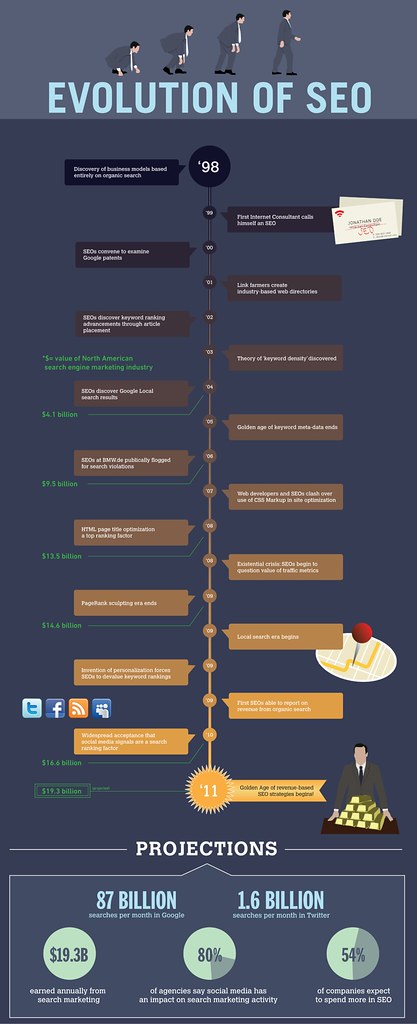
A solid strategy? It’s a game of chess against an ever-wily opponent filled with surprises.
We’ve all seen it: competitors jockeying for position, algorithms pulling their best Houdini acts, and user expectations changing like the weather in April. Getting a grip on these challenges is essential; otherwise, you’ll find your strategy stuck in the mud.
Rolling with Algorithm Punches
Did you know Google cranks out thousands of algorithm changes each year? That’s a lot of changes. Some patches are like a gentle breeze, while others hit like a freight train. Just last year, they threw us all a curveball with the introduction of E-E-A-T—adding “experience” to the existing expertise, authoritativeness, and trustworthiness.
It’s enough to make anyone wonder if they signed up for a marketing class or a game of whack-a-mole!
Finding the Sweet Spot Between Optimization and Authenticity
Optimizing is essential, but if you’re all about numbers and neglect the heart of your content, ranking high might feel like chasing your own tail.
We’ve all stumbled across articles that are as dry as toast—technically perfect yet devoid of genuine voice. To really shine, mix that solid SEO with the kind of content that’s not just informative but resonates with real folks. Think of it as a good recipe: you need both the spice and the main dish.
Keeping Up with the Joneses
If you’ve spotted a juicy content gap, guess what? So have others. That’s why we can’t slack off on those regular content audits. Update old posts, dabble in new media like videos, and experiment with interactive formats. Think of it as giving your website a fresh coat of paint every once in a while—it’s vital for staying appealing.
Staying in Tune with User Behavior
User behavior shifts faster than our favorite sitcoms get canceled. From voice searches that sound like mini-rants to mobile browsing that invites instant gratification, we must adapt.
Making your content accessible and user-friendly is no longer optional; it’s the new norm. Everyone deserves to engage with your content, don’t you think?
| Challenge | Action Required |
|---|---|
| Algorithm Updates | Stay informed and adapt quickly |
| Optimization vs. Authenticity | Create engaging, original content |
| Competitor Strategies | Regular audits and content updates |
| Changing User Behaviors | Ensure accessibility and responsive design |
Now we are going to talk about the latest forces reshaping SEO and content marketing strategies. Buckle up, because the landscape is shifting like a jigsaw puzzle with a couple of important pieces missing!
Forces Shaping SEO and Content Marketing
SEO and content marketing? Oh, they’re like two friends who are always changing the game for each other. Just when you think you’ve got it all figured out, boom—new trends pop up and change the rules! Keeping up with these shifts is crucial for staying effective.
Experience and Credibility
Google recently decided to spice things up with a little tweak from E-A-T (Expertise, Authoritativeness, Trustworthiness) to E-E-A-T (yep, they added Experience). This means we need to flex our content muscles a bit more.
It’s not merely about writing that captivating blog post anymore. We need to show that we’ve been there, done that. Here’s how:
- Feature bylines that highlight real credentials.
- Share personal case studies or experiences. We all love a good story, right? 😉
- Link to credible sources—think of it as giving high fives to other trustworthy voices.
Answer-First Search
Remember when search results used to just be ten blue links? How quaint! Now, with voice assistants and AI summarizing information faster than you can say “Google it,” we have to opt for an answer-first approach.
To make our content soar in this brave new world, let’s:
- Organize with clear headings and FAQ sections—nobody likes digging for information!
- Add schema markup because, let’s face it, the more info we provide, the better.
- Craft concise answers to popular questions—short and snappy is the name of the game.
Inclusive Design and Accessibility
Accessibility isn’t just a trend; it’s practically a necessity. Everyone deserves to access information, and guess what? Search engines are starting to reward it!
By including practices like alt text for images and ARIA labels, not only do we improve usability, but we also cast a wider net for our content marketing efforts.
AI and Changing User Habits
AI tools are shaking things up in how we create and consume content. Users are asking lengthy, chatty questions and anticipating swift, relevant answers. Those of us who can mix a dash of human insight with AI wizardry are riding the wave of success!
Video and Search Results
Let’s not forget the video revolution—YouTube is the second largest search engine! Google is increasingly prioritizing video content in search results.
That means if we aren’t thinking video, we might as well be wearing our socks with sandals—totally behind the times! Make sure to optimize titles, descriptions, and even provide transcripts to ensure our video content ranks well.
Now we’re going to chat about how content marketing and SEO are like the peanut butter and jelly of the online world. They just belong together, right? Who doesn’t love a good sandwich? Let’s dig into the juicy details.
Content Marketing and SEO: The Dynamic Duo Boosting Your Online Presence
Think of content marketing and SEO working together like a well-rehearsed comedy duo. One brings the punchlines, while the other sets the stage for laughs.
When SEO works its magic, it makes your content more discoverable.
And trust us, we all want those clicks!
On the flip side, when you crank out high-quality content, you’re not just showcasing your wit; you’re also boosting SEO. Engaging your audience leads to longer time spent on-page, more backlinks, and let’s be honest, a lot more love from search engines.
This mutual cheerleading makes both strategies stronger.
You know how caffeine makes your morning better?
That’s how these two work together to boost performance, visibility, and attract those oh-so-important customers!
Let’s break it down, shall we? Here are a few ways they support each other:
- SEO Optimizes Content Discovery: By incorporating the right keywords, your content shines brighter in search results.
- Engaging Content Invites Interaction: The more your visitors enjoy your content, the better they engage and share.
- Quality Content Generates Backlinks: Other sites will link to your fabulous material, giving you a gold star from search engines.
- Improved User Experience: Good content keeps readers on your page longer, which search engines love!
- Drives Targeted Traffic: Those who click through are genuinely interested in what you offer.
When we’re weaving these two strategies together, it’s like crafting a plush, cozy blanket that keeps your online presence warm in the chilly world of the internet.
We all know it’s a wild ride out there with trends shifting faster than a squirrel on espresso!
So, if you’re feeling a bit overwhelmed by the thought of aligning these strategies, don’t fret.
Instead of facing down the idea of yet another strategy session (we’ve all been there!), consider tools that simplify the process.
After all, standing out in the digital landscape doesn’t have to be rocket science.
Just like choosing between cats and dogs, your audience will resonate more with content that speaks directly to them.
Remember, collaboration is key, turning your website into a beacon for those looking for what you offer.
So grab your metaphorical toolbox and let’s get to work!
Now we are going to talk about some common inquiries folks often have.
Common Questions We All Wonder About
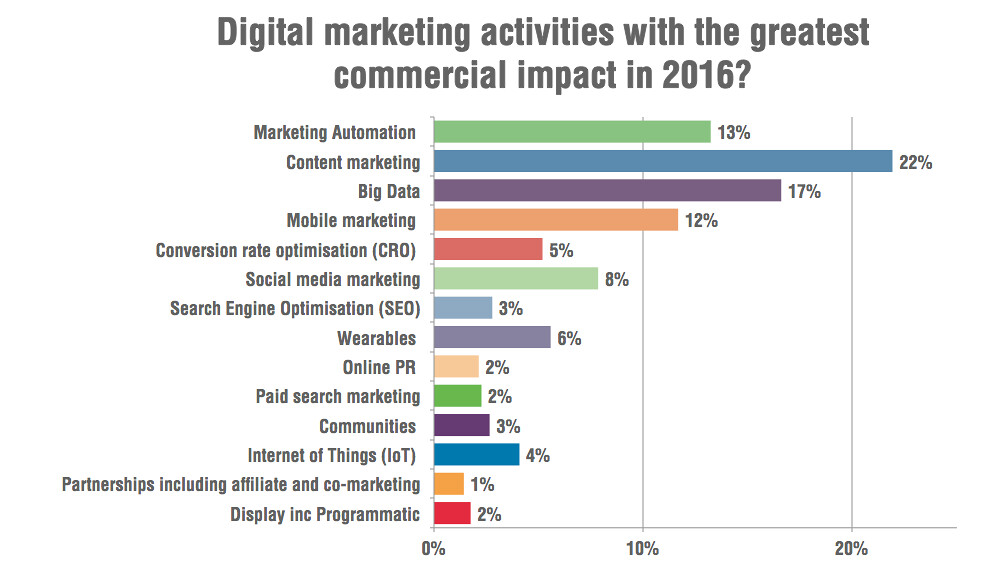
| Question | Answer |
|---|---|
| What is the best way to stay informed? | Follow reliable news sources and podcasts that resonate with your interests. |
| How often should we check for updates? | Daily, but set limits to avoid information overload. |
| Are there any tools that help with organization? | Absolutely! Consider using apps like Trello or Notion to keep track. |
- Stay curious! Keep asking questions.
- Look out for diverse sources to broaden perspectives.
- Don’t forget the value of discussions with friends; they can unveil fresh insights.
It’s fascinating how the questions we ask mirror our lives.
For instance, remember that time someone asked a seemingly simple question at a dinner party? Suddenly, the table erupted into a lively debate about the best pizza toppings. It was humorous yet enlightening.
Being “informed” seems simple but can feel more like negotiating a crowded subway sometimes. So, learning and sharing, just like pizza toppings, can lead to unexpected joy.
Curiosity fuels conversations! Wouldn’t it be nice if we could transfer that energy into every interaction?
Maybe we could even crack the code on how to actually fold fitted sheets without losing all our sanity.
Just like discussions can set the tone of a gathering, knowing where to get your news can shape your outlook on life.
If we can stay engaged and share our experiences, then we’re halfway to being the insightful friends everyone turns to for advice.
So let’s keep those questions rolling and embrace the art of learning together. Who knew curiosity could be such a connector?
So, let’s continue to ask, share, and grow. After all, the best conversations often begin with a simple question!
Conclusion
By blending SEO with content marketing, you’ll not only boost your online presence but also forge lasting connections with your audience. The insights shared here serve as essential tools in creating an effective strategy. As we’ve seen, learning to balance these components can feel like walking a tightrope, but with practice, it’s a rewarding feat. So, whether you’re strategizing your next piece of content or assessing your current performance, embrace this symbiosis. Make sure to keep those backlinks strong and your user experience delightful. Everyone deserves a slice of the online pie, so let your content shine!
FAQ
- What is the relationship between SEO and content marketing?
SEO and content marketing work together like a perfect couple, with SEO enhancing content visibility and content providing value that keeps visitors engaged. - Why is keyword research important for SEO?
Keyword research helps sharpen the focus of your content by determining what questions your audience is actively asking. - What role do backlinks play in SEO?
Backlinks boost your domain authority and improve keyword rankings by signaling trust and credibility from other reputable sites. - How can user experience impact SEO?
A solid user experience increases engagement and decreases bounce rates, which search engines favor when ranking your site. - What tools can help analyze SEO and content performance?
Tools like Google Analytics, Semrush, Ahrefs, and Google Search Console are effective for tracking key performance metrics. - What are some essential factors for enhancing user experience?
Key factors include site speed, mobile optimization, clear navigation, accessibility, and content readability. - What should you do with outdated or low-performing content?
You should regularly revise these posts by updating information, combining them into more substantial resources, or enhancing successful content. - What type of content aligns with user intent?
You should tailor content formats to the searcher’s intent, such as creating guides for informational queries and product pages for buying intents. - How can you amplify content reach?
Promote content through social media and other channels where your audience engages to expand visibility and potential backlinks. - What are common pitfalls to avoid in backlinking?
Avoid shady domains, over-optimizing anchor text, and participating in link schemes, which can result in penalties.
Mastering B2B Lead Generation: Tools, Tactics, and the Growing Role of AI
Lead generation in B2B is like fishing for the perfect catch—you need the right bait, location, and patience. I remember my first attempt at sourcing leads. I set up my laptop with endless tabs open, hoping for a miracle, only to realize that throwing everything at the wall doesn’t make fish jump into the net. It’s a blend of strategies, creativity, and yes, a bit of networking finesse that pays off. From understanding your target market to leveraging AI tools, B2B lead generation has transformed considerably. It’s less about cold calls and more about warm connections, where relationships bloom into business opportunities. By keeping it fresh and engaging, we can connect with potential clients in genuine ways that yield results.
Key Takeaways
- Building personal relationships is crucial for successful lead generation.
- Incorporate AI tools to streamline your lead generation process.
- Regularly evaluate your strategies to stay ahead of the competition.
- Embrace creativity in your outreach efforts for better engagement.
- Understand your target audience for more effective lead generation.
Now we are going to talk about a crucial aspect of business: attracting potential clients. Understanding this process can give us the upper hand we need in today’s competitive market.
An Introduction to B2B Lead Generation
Imagine trying to catch fish with a fishing pole, but you’re not just after any fish; you want the big ones! In the B2B world, we’re casting our lines to reel in valuable leads rather than just any old catch. B2B lead generation is all about actively pursuing prospects that can translate into significant business relationships.
It’s not just about throwing a net out there and hoping for the best; it’s about quality over quantity. Think about it this way: we aren’t just looking for any warm body to fill a chair. We want decision-makers from companies that fit our target market profile, whether that’s based on their size, industry, or budget. It’s like searching for the last slice of pizza at a party—everyone wants it, but not everyone knows it’s the *best* slice!
In the B2B world, leads often need a bit of pampering before they decide to swipe their corporate credit card. The buying cycle can feel like an epic saga, requiring us to nurture these leads through thoughtful engagement. Anyone who’s tried to coax a cat into their lap knows that sometimes you just have to wait and let them come to you.
While some of these leads come to life at face-to-face events like conferences—where we can spot a potential client amidst the chatter—most of us are gathering our leads digitally. Think about all those website visitors scrolling through product pages, or the folks clicking on our email newsletters. Each mouse click is a glimpse into their interest level, akin to someone glancing over at the dessert table.
Successful lead generation isn’t just about collecting names and emails. It’s an art of analyzing engagement behaviors online. We’re looking at everything from our cost-per-lead to conversion rates. It’s that detective work of figuring out what makes a lead tick. And let’s face it, we all have our moments of confusion, wondering why an amazing offer fell flat. Sometimes our metrics look like they could use a little *rebranding* too!
- Collect data from all available channels.
- Analyze what works best for your target leads.
- Monitor engagement patterns to optimize strategies.
As we navigate this vast territory of lead generation, we get to refine our approach continuously. It’s like tuning a guitar; every adjustment helps us resonate perfectly with our audience, ensuring we hit the right notes in our outreach efforts.
Now we are going to talk about the important stages involved in generating leads for B2B sales. It’s a bit of a dance between marketing and sales—like trying to do the cha-cha in a crowded room. So let’s break this down together.
The Essential Steps in B2B Lead Generation
In B2B lead generation, efforts typically require collaboration from both marketing and sales teams. Remember that awkward moment when we all gather around a buffet, unsure who’s going to grab the first meatball? That’s how it can be with lead generation; everyone needs to take the initiative! Marketing folks churn out engaging content to catch eyes and encourage prospects to hand over their contact info. Meanwhile, Sales Development Representatives (SDRs) put their detective hats on to vet leads before handing them off to account executives who set up those crucial meetings and pitch the product.
Let’s explore the usual sequence in the customer journey:
1. Awareness
Picture your company running sprightly digital ads and social media buzz around a common industry hiccup. One day, while scrolling their feed, someone working in your target sector stumbles across your ad. They weren’t even aware of your existence, yet here you are, waving hello! Your brand piques their interest with solutions to their problems.
2. Interest
Curiosity gets the better of them, and they click! They tumble down the rabbit hole to your landing page, where you’ve laid out all the juicy details about what you offer. They’re playing around with the info, trying to grasp what makes your brand special. Before they know it, they’ve filled out a form to learn more—like signing up for that free trial but with way more potential.
3. Consideration
Your team swings into action, sending extra tidbits of information or reaching out for a friendly chat. It’s crucial to relate back to their specific pain points, telling them you’ve got just the remedy. This stage can be a make-or-break scenario; leads can warm up or, heaven forbid, go cold.
4. Intent
Things are heating up! The lead decides to sit down for a formal meeting—hello, coffee and donuts! They might share their budget numbers or purchasing timelines. It’s like preparing for a blind date where the stakes are high.
5. Evaluation
They don’t jump in head-first—oh no! They’ll be combing through reviews and comparing you with your competitors like a kid comparing candy bars before making a choice. This stage can drag on a bit as they consult with others, so patience is key.
6. Conversion
If our sales team plays their cards right, they’ll win them over with impressive case studies and glowing testimonials. That moment when the contract gets signed? Pure joy! From there, the focus shifts to onboarding the new customer and ensuring they receive stellar support—after all, we want them to stick around for dessert.
- Awareness: Grab their attention.
- Interest: Spark intrigue.
- Consideration: Nurture the connection.
- Intent: Seal the deal.
- Evaluation: Address concerns and comparisons.
- Conversion: Close the sale and create a happy customer.
Now we are going to talk about some effective tactics for B2B lead generation that can really make a difference in your marketing strategy. Whether you’re sipping coffee or multitasking your way through a busy day, these insights will help us make sense of the best approaches to connect with potential clients.
Essential Strategies for B2B Lead Generation

Generating leads is all about showing value. If we can grab attention, we might just open the door to a lasting business relationship. Think of it like fishing—if we bait the hook right, we’ll catch something worth our while.
In the B2C arena, we’re usually talking to individuals—like that busy mom juggling groceries and work calls. But with B2B, we’re aiming at whole organizations with products that can change their game. They’re like sturdy ships; our job is to be the lighthouse guiding them to safer waters.
Now, some folks still cling to the idea of cold calling. It’s like walking into a party and starting the dance-offs without any introduction. Instead, let’s consider a more thoughtful approach where we zero in on our ideal customers and how they like to engage.
Here’s a peek at some standout tactics:
1. SEO and AI Search Tools
Most buyers start their journey on Google. So, auditing our content is like cleaning out the fridge: necessary, sometimes messy, but oh-so rewarding. We need those keywords, the phrases our potential customers type in, scattered throughout our pages like breadcrumbs leading them home.
Plus, with AI chat tools all the rage, it’s crucial we think beyond just key phrases. If someone types, “What’s a good ergonomic chair brand for a team of 50?” We should have answers that sound like conversations, not just stock responses. This helps us get a seat at the conversation table.
2. Pay-Per-Click Ads
PPC ads are like placing our shiny, irresistible sandwich in the city square—everyone gets a whiff! Whether it’s Google or LinkedIn, these ads target precise audiences. Your ad’s creativity must dazzle; it has to scream, “Click me!” while still feeling like it belongs in the digital space.
3. Content Marketing
Building a B2B brand is about crafting insight and sharing wisdom. When potential leads land on our site, they should feel like they’ve found a goldmine of information. Blogs, webinars, and case studies act as our trusted guides through the often-choppy waters of business decisions.
4. Account-Based Marketing (ABM)
ABM is like adopting a laser focus. Sales teams pick their targets—corporate heavyweights that could bring in big bucks. Marketing then tailors messaging that speaks directly to their challenges. This targeted approach builds strong relationships that can last longer than the latest tech trend.
5. Referral Programs
Got partners? Let’s leverage them! By offering commissions for leads, we can turn our collaborators into lead-generating machines. It’s win-win—like trading cookies in the schoolyard.
6. Lead Magnets
Everyone loves a good incentive, right? Lead magnets such as tools that forecast project costs, quizzes to assess needs, or even free trials can reel in leads faster than a fisherman on a good day. It’s about giving them something valuable upfront to build their trust.
| Tactics | Description |
|---|---|
| SEO and AI | Optimize content for searches using relevant keywords and AI-friendly answers. |
| PPC Ads | Run targeted ads to attract specific audiences effectively. |
| Content Marketing | Create helpful insights to build trust and nurture leads. |
| ABM | Tailor campaigns for specific target accounts with personalized messages. |
| Referral Programs | Engage partners to gain leads through commissions and collaborations. |
| Lead Magnets | Offer valuable tools and resources to entice potential customers. |
Now we are going to explore how the landscape of B2B lead generation has shifted dramatically over the years. Buckle up, because things are never static, and the twists and turns can be quite the ride!
How B2B Lead Generation Has Evolved
Think of B2B lead generation like trying to keep a pet turtle and a hare happy at the same time. One’s slow and steady, while the other is zipping around with energy to spare. We’ve all tinkered with methods that worked initially, but here’s the kicker—we have to keep adapting! This is no “set it and forget it” scenario. Business growth throws curveballs, causing us to rethink our strategies constantly.
Buyers today are more attuned to our lead generation tactics than a cat noticing the laser pointer. They know that handing over their details could lead to relentless follow-ups—trust us, no one likes a disappearing act after a data drop. As a result, our content must not only hit the mark but also spark that “aha!” moment that makes them lean in.
Let’s face it—B2B marketing is everywhere like your neighbor’s over-the-top holiday lights. Buyers, becoming seasoned pros at spotting overly grand claims, now lean more on case studies and testimonials than ever. They’re practically doing their detective work on sites before even raising a finger to contact a sales rep. If your content doesn’t pass the sniff test, it’s game over.
With competition at an all-time high, the expectation bar has been raised higher than a cat on a windowsill. Bulky, one-size-fits-all marketing? Forget about it! Buyers are craving personalized messaging, delivered right in their already-favored hangout spots. Anything less is just white noise to them.
There’s much work to be done, and unfortunately, the busy bees of sales and marketing can’t do it all alone. Picture the chaos—a team of five trying to juggle 10 flaming torches while riding a unicycle! That’s why many savvy organizations are hopping on the automation train. The right B2B lead generation services and tools can seriously lighten the load, ensuring we don’t drop any crucial leads along the way.
- By adopting automation, marketing teams can leverage tools that fine-tune campaigns without turning into stress balls.
- Sales teams can utilize unique platforms to manage leads effectively, ensuring those golden opportunities never slip by.
- AI-driven software solutions are now making waves, simplifying processes and boosting efficiency.
Never underestimate the need for a little innovation; we’re all marching to the beat of a different drum these days. So let’s embrace this excitement and continue to adapt—after all, no one wants to be the last one holding the bag when it comes to lead generation!
Now we are going to talk about how artificial intelligence is stepping up to the plate in B2B lead generation. It’s like having a super-smart assistant who never gets tired of repetitive tasks. Wouldn’t we all love that?
The Impact of Artificial Intelligence on B2B Lead Generation
Imagine our sales reps — juggling countless tasks while trying to stay sane.
With AI buzzing in the background, they can wave goodbye to spending precious time on tasks like lead scoring. Instead, they can whip up customized campaigns that treat each lead as the unique snowflake they are.
Just the other day, a friend of ours was buried under paperwork and deadlines.
She wished she had an AI tool that could handle her lead data, so she could focus on building relationships rather than getting lost in spreadsheets.
It sounds dreamy, doesn’t it?
As those inbound leads trickle in, agents can tap into their CRM with a sprinkle of external data to whip up the perfect engagement strategy.
It’s like magic. They can shoot out timely responses to questions, jazz up the sales pipeline with new opportunities, and even play the role of scheduler extraordinaire by booking meetings for their reps. Talk about multitasking!
Now, for those days when the pressure’s on, AI B2B lead generation software, think of something like Efficiency Insider, acts as a wingman.
Whether crafting a quote or throwing in some last-minute coaching before a big pitch, this tech can zip through tasks faster than a coffee-fueled sprint.
It’s like having a supercharged salesperson that gives feedback based on actual customer data, which we can all agree is worth its weight in gold!
- Predictive scoring: AI can forecast which leads are most likely to convert, helping reps prioritize their efforts.
- Data-driven insights: No more second-guessing! Get solid and reliable information instead of relying on gut feelings.
- Time efficiency: Free up precious hours to focus on building real connections and closing deals.
And let’s not forget the cherry on top – AI’s magical ability to offer predictive scoring.
It’s like having a crystal ball showing us how likely a lead is to bite. Gone are the days spent second-guessing every lead; we can count on stats and analytics.
So, as we step into this brave new world of AI-powered lead generation, it’s clear that we’re not just boosting efficiency – we’re completely redefining how we approach B2B sales.
No more being bogged down by repetitive tasks. Let’s embrace this friendly AI, so our sales reps can focus on what they do best: building relationships, closing deals, and possibly, catching a breather in between!
Now we are going to talk about measuring the effectiveness of B2B lead generation efforts. It’s like trying to find your car keys when you’re already running late—frustrating yet essential. Let’s explore some crucial metrics that can help us keep our eye on the prize without losing our sanity.
Success in Evaluating B2B Lead Generation
Marketing Qualified Leads (MQL)
MQLs are like that friend who always shows up at the party with snacks; they’re engaged and interested!
When someone jumps on your content, whether it’s downloading a white paper or filling out a form, it signals interest.
Marketing teams usually hand off these golden nuggets to sales, hoping they’ll work their magic.
I remember one time at a networking event. Someone actively engaged with our brand after I talked about our newest white paper.
Before I knew it, we were strategizing ways to work together. That’s the power of MQLs!
Sales Qualified Leads (SQL)
Once you’ve got those MQLs, it’s time to put on your sales hat.
Reps reach out to these leads to see if they’re truly interested in purchasing.
If a lead is fired up to make a decision, they transition into SQL territory.
It’s like trying to score a table at a busy restaurant; you might need to pull a few strings!
We might end up with fewer SQLs than MQLs, but remember, quality over quantity.
Less is more when we’re targeting the ones who are ready to roll!
Pipeline Velocity
Now let’s talk about pipeline velocity—no, it’s not a new Marvel superhero!
It’s simply how fast a lead moves through each stage until they become customers.
The quicker we can speed this up, the more efficient we become.
When we look at our lead generation strategy, let’s aim to trim any unnecessary steps.
Imagine it like peeling potatoes—there’s a technique! We want a streamlined process without too much fuss and mess.
- Focus on metrics like MQLs and SQLs.
- Understand the buyer’s journey to optimize strategies.
- Work on speeding up pipeline velocity.
So, while lead generation may feel like herding cats at times, especially with the latest shifts in technology and market dynamics,
keeping track of these metrics can really help us steer the ship in the right direction.
And who knows? Maybe our next big client is just a click away!
Now we are going to talk about the fascinating world of B2B lead generation and why it’s not just busy work. There’s a bit of an art and a whole lot of science involved that can really transform how we connect with potential clients.
Why B2B Lead Generation Matters

We’ve all had that moment where we thought buying a new gadget would magically solve all our problems. Spoiler alert: it rarely does. The same goes for B2B lead generation—this isn’t just a checkbox on your to-do list; it’s a savvy investment in the future of your business!
When we talk about leads, we are talking about identifying future customers who can genuinely benefit from what we offer. It’s akin to dating; if you don’t know what you’re looking for, you might end up swiping left on a goldmine.
Let’s break this down a bit:
- Create meaningful connections.
- Align your sales and marketing teams for max synergy.
- Pay attention to what the data is telling us.
B2B lead generation isn’t just about cold calls or generic emails. Nope! It’s about creating relationships where both sides walk away feeling like they’ve won a little.
This past year, we saw companies pivot with creativity, some even embracing virtual events to generate leads. How cool is that? Who knew a Zoom call could turn into the next big business deal?
Effective Lead Generation Strategies
So how do we roll up our sleeves and get into the nitty-gritty of lead generation? Here are some effective strategies:
| Strategy | Description |
|---|---|
| Content Marketing | Create valuable content that attracts your target audience. |
| Email Campaigns | Reach out with personalized messages that speak directly to potential clients. |
| Social Media Engagement | Join conversations where your prospects hang out! |
And let’s not forget about monitoring our effectiveness. It’s like adjusting the seasoning in your favorite dish—too little salt can leave it bland, while too much can be a disaster.
In our quest for leads, it’s essential to constantly assess what works and what doesn’t. Even minor tweaks can yield major outcomes that save time and money.
As we engage with leads, let’s remember they’re real people trying to solve their problems. They’re not just entry points for sales; they are potential partners eager to grow.
So, are we ready to stop merely pushing for conversions and start cultivating real relationships? It’s a game worth playing—because loyalty isn’t given; it’s built!
Conclusion
B2B lead generation isn’t just a buzzword; it’s essential for sustaining business growth. Reflecting on the strategies and changes we’ve explored, it’s evident that success lies in our ability to adapt, connect, and evaluate effectively. Think of it like tending a garden—regular care and attention will ensure fruitful outcomes. Whether you’re embracing AI or refining traditional tactics, showing up authentically with your leads is where the magic happens. So, keep those nets ready, and may your leads flow like a well-timed joke at a dinner party!
FAQ
- What is B2B lead generation?
B2B lead generation is the process of actively pursuing valuable prospects that can lead to significant business relationships, focusing on quality over quantity to attract the right decision-makers. - What are the stages involved in generating leads for B2B sales?
The essential stages include Awareness, Interest, Consideration, Intent, Evaluation, and Conversion which together describe the customer journey. - What is the importance of nurturing leads?
Nurturing leads through thoughtful engagement is crucial, as it allows businesses to establish stronger relationships and guide prospects through the buying cycle. - What are some effective tactics for B2B lead generation?
Effective tactics include SEO and AI tools, Pay-Per-Click ads, content marketing, account-based marketing, referral programs, and lead magnets. - How has B2B lead generation evolved over the years?
It has evolved to require more personalization, automation, and adaptability with buyers more aware of lead generation tactics and craving tailored messaging. - What role does artificial intelligence play in B2B lead generation?
AI helps streamline repetitive tasks, improve lead scoring, personalize campaigns, and provide data-driven insights, allowing sales reps to focus on building relationships. - Why are Marketing Qualified Leads (MQL) significant?
MQLs indicate strong engagement with your content, signaling interest and potential for conversion, making them valuable for sales follow-up. - What is pipeline velocity?
Pipeline velocity measures how quickly a lead moves through the sales stages until they convert into a customer, indicating the efficiency of the lead generation process. - Why does B2B lead generation matter?
It is crucial for identifying future customers who can benefit from your offerings, helping to create meaningful connections and align sales and marketing efforts. - What are some effective lead generation strategies?
Effective strategies include creating valuable content, personalized email campaigns, and engaging with prospects on social media to foster relationships.
How to run Facebook ads for digital marketing agencies
Marketing agencies today are like alchemists, turning clicks into clients and engagements into revenue. As someone who has dabbled in the Facebook Ads arena, I can tell you this: it’s an art and science. I remember my first attempt—my ad was so poorly targeted, I ended up advertising cat sweaters to a vegan audience. Who knew? That’s where learning comes in! Armed with insights and a dash of humor, this article explores the strategies that can elevate your Facebook ad game. From winning clients to decoding expenses, we’ll unpack smart strategies to maximize your advertising potential. So grab a coffee, settle in, and let’s chat about making those ad dollars stretch further while having a laugh along the way.
Key Takeaways
- A/B testing is your best friend; experiment to find what clicks!
- Knowing your target audience is crucial—don’t be like me with the cat sweaters.
- Budget wisely; unexpected expenses can be your worst enemy.
- Creativity in ad design can set you apart—think outside the box.
- Constantly analyze your results; even a small tweak can make a big difference.
Now we are going to talk about the benefits of using Facebook ads for marketing agencies and how they can be a sidestep from traditional marketing. Let’s grab a cup of coffee and dive into why this social platform can dish out some serious advantages for us!
Utilizing Facebook Ads for Marketing Agencies
Ever thought about flipping that script on digital advertising?
Facebook ads are the ticket to not just showcasing your agency’s talents but also giving your clients the spotlight they deserve.
It’s like hosting a talent show; while your clients perform, you’re behind the scenes ensuring everything pops!
With a sprinkle of creative strategy, agencies can showcase their capabilities alongside the success stories of their clients.
And let’s be honest—numbers matter. Success is in the metrics. If we’re not flaunting those juicy analytics, what are we doing?
Plus, it’s about building trust. Who wouldn’t want to tell the world “Hey, look at us—food for thought!”?
Promoting on Facebook and Instagram not only helps us stand out, but it can also attract fresh clientele faster than a pizza delivery on a Friday night.
Showcasing Clients’ Brilliance
It’s all about bringing our clients’ brands into the limelight!
Creating ads means highlighting the brilliance of their offerings.
Generate content that feels as good as grandma’s apple pie.
A few tips:
- Share insights that only experts know. Think of cooking shows where the secret ingredient is finally revealed!
- Host webinars that educate and dazzle. Free, engaging content makes us the go-to source in our field!
- Dive into discussions—reply to every single comment. It’s like hosting a party: no one likes being ignored!
- Post regularly and share success stories—they’re our bread and butter.
Engaging with followers builds that warm, fuzzy trust we all crave, and guess what? Recognition often transforms into sales. Just like that, we’re cooking up conversions!
Highlighting Your Agency
Let’s not forget that our agency deserves its spotlight too!
Facebook ads can shine a light on our successes—think case studies and glowing testimonials.
After all, who doesn’t love a good before-and-after story?
It’s the best kind of marketing: proof that we know our stuff.
If creativity feels like it’s running low, take a cue from successful agencies that have hit the jackpot with their ads.
Using your agency’s CRM tools, track user behavior and keep those leads nurtured and informed about new offerings and special promotions.
It’s like keeping a garden—water it, and it grows.
We’ve got to keep growing, adapting, and, of course, laughing while doing it!
So, buckle up because Facebook ads might just be your agency’s best friend in this wild world of marketing!
Now we are going to discuss some clever strategies for attracting clients to a Facebook ad agency. It’s half art, half math—and a sprinkle of charm doesn’t hurt! We’ll go through practical approaches and share some light-hearted yet effective tips. So grab a cup of coffee, and let’s jump right in!
Winning Clients for a Facebook Ad Agency: Three Brilliant Strategies
A common snag many agencies hit as they grow is getting wrapped up in promoting others. Ever find yourself so busy, you’ve forgotten to boast about your own services? Yeah, we’ve all been there! It’s crucial to strike that delicate balance.
We need to explore how to lure clients for Facebook ad agencies while also catering to those already in our corner. It’s about being the chef and the menu!
1. Spark Referrals (the Fun Way!)
Let’s face it, happy clients are like gold! They’re often the best salespeople you could ask for. Just casually ask current or previous clients if they’ve got friends who might be on the hunt for your services. Sometimes, it could be as simple as a text!
Why not spice things up with a referral program? Throw in some enticing incentives. A cheeky discount or a complimentary service can go a long way. It’s like giving out free samples at a bakery—the best way to ensure they come back for more!
2. Showcase Cheerful Client Reviews
Nothing screams “trust me!” like a chorus of happy clients singing your praises. Encourage satisfied customers to leave glowing reviews on popular platforms like Google or your Facebook page. A little nudge in the right direction can sometimes work wonders!
Set up links to leave reviews on your website or follow up with feedback emails after a successful campaign. And remember—respond to every review! Whether it’s a standing ovation or constructive feedback, show that you appreciate the time they took to write. It’s a way to build trust and rapport with potential clients.
3. Collaborate with Similar Businesses
Joining forces can be super valuable! Team up with businesses that complement your service offerings. If Facebook ads are your forte, think about partnering with web designers, PPC agencies, or content creators. The collaboration could be a masterpiece of mutual success!
- Reach out to local web design firms.
- Pair with a content creator for some cross-promotion.
- Join forces on community events to pool resources.
In essence, when we lend a hand to others, it often comes around—like that trusty boomerang! You help them, and they’ll help you boost your clientele.
So, as we tackle the delightful challenge of strengthening our client base, let’s employ these strategies with a smile. After all, building relationships should feel less like a chore and more like an adventure! Cheers to finding those dream clients!
Now we are going to talk about how agencies can break down Facebook ad costs for their clients. Ad costs can feel as confusing as trying to understand why cats insist on knocking stuff off tables, right? But don’t worry, we’ve got some tips to keep it straightforward!
Decoding Facebook Ad Expenses for Your Agency

Meta’s auction setup might seem like a game of chance at a carnival, but there’s a method to the madness.
So, how do we help our clients grasp these costs while keeping our sanity intact?
1. Get the Lowdown on Costs
Facebook ad costs boil down to several key players:
- Your bid, or how much you’re ready to fork over for a click or view. Think of it as your “ad wallet.” You can either let automated bidding do its thing or set your own limits.
- Ad relevance is your friend! The more relevant your ad is to the target audience, the less it’ll cost. It’s like getting a discount for being popular at school.
- Meta’s predictions about user engagement are a big deal. Higher engagement rates lead to lower costs, making it crucial to create ads that people actually want to click.
2. Invoicing Based on Performance
Now, let’s chat about those all-important performance metrics.
Identify the key performance indicators (KPIs) and bill your clients based on these. Here’s what we’re talking about:
- CPC (Cost per Click): If a client wants to boost website traffic, bill based on the average cost per click. It’s like charging them by the mile during a road trip—only, hopefully, no bathroom breaks!
- CPM (Cost per 1,000 Impressions): For campaigns geared toward brand awareness, go with impressions. It’s the equivalent of charging for how many conversations have been heard at the party.
- CPA (Cost per Action): When the goal is conversions—like smashing that “buy” button—charge by the action taken. More clicks mean more cha-ching!
3. Set Smart Budget Expectations
Your clients are likely wondering, “How much am I really shelling out for these ads?”
Here’s how to clarify what they’re paying for:
- Provide a detailed breakdown. Show them where their money is going—ad spend vs. your management fee. It’s like itemizing a grocery list minus the cookies they never meant to buy.
- Discuss budget flexibility. Some clients may want to stick to a tight budget while others could roll with it if the results shine. Be upfront about this in your agreements.
- Offer a flat monthly retainer that includes a proper chunk of ad spend along with your management fee. This keeps the billing predictable—like knowing how many tacos you can have in one sitting!
| Billing Type | Purpose |
|---|---|
| CPC | Drive traffic to the website |
| CPM | Brand awareness campaigns |
| CPA | Conversion-focused goals |
Now we are going to chat about how to sharpen our Facebook advertising skills for digital marketing agencies. After all, who doesn’t want their ads to shine like a diamond among a pile of coal?
Smart Strategies for Effective Facebook Ads in Digital Marketing
1. Sharpen Your Ad Creative
When scrolling through a feed, ads can blend in like a chameleon on a colorful T-shirt.
We’ve all experienced that moment when we see an ad that practically jumps off the screen.
That’s the goal! Top-notch visuals and punchy copy can make all the difference.
Sprucing up your ad content can elevate your conversion rates.
First off, let’s focus on what tickles your audience’s fancy.
Keep it fresh, original, and insightful – kind of like a good cup of coffee on a Monday morning.
And don’t forget exciting visuals – think infographics, custom illustrations, and videos!
They can turn a mundane ad into a captivating story that pulls your audience in.
So, here’s the skinny on creating ads that really pop:
- Say goodbye to generic stock photos; invest in high-quality images or videos.
- Simplicity is key. Focus on the benefits, not the fluff.
- Employ a compelling Call-to-Action (CTA) to get the ball rolling!
Mix these ingredients together, and voila! Your Facebook ads could be the talk of the town.
Just take a look at how Trifecta Marketing Agency does it – a cheeky discount and a straightforward message make for a stellar combo.
2. Tap into Meta’s Targeting Options
One of the brightest gems of Meta is its stellar targeting features.
It’s like having a backstage pass to the coolest concert; you’re in the front row with the best view!
For instance, syncing client CRM segments with Facebook could mean the difference between tossing an ad into the ether or hitting the bullseye.
Here’s how to get the most out of it:
- Custom audiences: Upload a list of your clients’ customers to engage those who already love what they offer.
- Lookalike audiences: Create new targets that mirror your client’s best customers, like twins in a sitcom.
- Behavioral and demographic targeting: Engage users based on likes, interests, age, gender, and location. It’s like finding a needle in a haystack, but you’ve got a magnet!
- Conversion leads optimization: This helps boost campaign performance, leading to more conversions.
But remember, you’ll need to set up Facebook Conversions API first!
3. Keep an Eye on Competitor Ads
Curiosity killed the cat, but in advertising, it can lead to gold!
Check out what the top agencies are running nowadays.
It’s like peeking at the neighbors’ garden to get inspiration.
For example, take a gander at this ad from Laurel Portié.
With a low-risk price of just $7 and promises that catch your eye like a firework, it’s a fine example of a cleverly constructed ad.
Using such formats as tripwires can be your secret weapon to snagging low-hanging fruit, leading to upselling opportunities.
This ad showcases expertise with a specific focus and a free audit, making it clear who they aim to attract.
Knowing your audience’s pain points is vital, and this ad nails it!
This one uses numbers and guarantees outcomes, illustrating the kind of data-driven results clients crave.
Copying this approach, backed with verified metrics, can be a winning formula.
4. Automate for Efficiency
Building strong client relationships goes beyond likes and comments.
It’s about gathering insights from solid marketing reports that showcase your team’s magic.
But all that data can feel like trying to sip from a fire hose!
To tackle this, automation is key.
Not just for targeting but also for seamless data management.
Syncing Data in Style
Setting up automated integration can skyrocket your team’s efficiency.
LeadsBridge makes sure you get an alert as soon as a lead enters your system, giving you a head start on follow-ups.
Imagine the thrill of being first to respond!
Integrate your leads straight from Facebook lead ads to your CRM and streamline efforts like a well-oiled machine.
Making Campaigns More Targeted
Using Conversions API can give your agency’s campaigns a real boost.
This nifty feature sends event data directly from your server to Facebook, dodge possible issues caused by pesky ad blockers.
With better data accuracy, tracking performance becomes a walk in the park, making for more effective marketing.
Just be sure to connect it with your CRM, and you’ll have a treasure trove of customer interactions at your fingertips.
That’s how you create personalized marketing strategies that resonate!
Now we are going to discuss how agencies can really make the most out of advertising on platforms like Meta, while boosting overall productivity. Grab a cup of coffee; we might be here a while!
Maximizing Opportunities in Advertising
For agencies, platforms like Meta are practically a treasure chest filled with shiny coins. Seriously, it’s like being a kid in a candy store, except the candy is key audience insights and target demographics. But let’s be real; even the most dazzling treasure has its pitfalls.
As we dive into this adventure, it’s vital to remember that productivity isn’t just a buzzword; it’s the lifeblood of any successful agency. When tackling digital marketing, we’ve got to look at our processes with a stubborn magnifying glass.
For instance, when Sally’s agency implemented a new project management tool, it felt like replacing a horse and buggy with a Tesla. Suddenly, tasks were getting done faster than ever before. And don’t we all want that?
To really hit the ground running, we ought to focus on a few key areas:
- Investing in systems: Choose project management software that fits your team’s workflow like a glove.
- Balancing client and employee needs: Happy employees make for happy clients— and sometimes they even bring donuts.
- Embracing automation: Seriously, if we can teach our coffee machines to make lattes, surely we can automate repetitive tasks!
Automation is where the magic happens. It’s like having a superhero in the background, silently saving the day and freeing up time for creativity. Remember that time you spent hours manually scheduling posts? Now, with the right tools, that time can be redirected toward brainstorming the next big campaign or polishing that snappy client email. You know, the one that does not start with “Dear Sir or Madam.”
By putting in place solid project management processes, we’re not just streamlining our operations. We’re doing something way smarter: creating a foundation that supports our growth. Imagine building a skyscraper on a solid foundation—it’s not glamorous, but it’s effective!
In closing, let’s embrace these digital marketing strategies, not to just keep pace but to sprint ahead. When we nail our productivity, agencies can focus on what really counts: building strong relationships with clients while navigating the wild west of digital advertising.
If you’re curious about how to take your agency’s capabilities to the next level, don’t hesitate to explore innovative solutions that streamline processes effectively.
Conclusion
In conclusion, leveraging Facebook Ads can feel like a wild ride, but the payoff is worth it. With the right strategies, you can enhance your reach, bring in clients, and ultimately thrive in the competitive marketing landscape. Remember, every expert was once a beginner, probably like me, trying to find the right audience for those cat sweaters. So keep learning, keep experimenting, and don’t forget to have a little fun along the way. Happy advertising!
FAQ
- What are the benefits of using Facebook ads for marketing agencies?
Facebook ads help showcase the agency’s talents, highlight client success stories, build trust, and attract new clientele quickly. - How can agencies effectively showcase their clients’ brands?
Agencies can create engaging ads that highlight clients’ offerings, share expert insights, host webinars, and engage with followers to build trust. - What is a good way to highlight an agency’s own successes?
Agencies can promote case studies and testimonials to demonstrate their capability and prove their effectiveness to potential clients. - How can agencies generate referrals?
Happy clients can be encouraged to refer friends through casual asks or referral programs offering discounts or complimentary services. - What role do client reviews play in attracting new customers?
Cheerful client reviews build trust and can significantly influence potential clients’ decisions to choose an agency. - How can collaboration benefit a Facebook ad agency?
Partnering with related businesses like web designers or content creators can boost exposure and lead to mutual success through combined efforts. - What factors contribute to Facebook ad costs?
Key factors include the bid amount, ad relevance, and predictions about user engagement impacting the overall cost of running an ad. - How should agencies invoice clients for Facebook ads?
Agencies can invoice based on performance metrics like CPC, CPM, or CPA, depending on the campaign goals. - What are effective strategies for improving Facebook ad creativity?
Focus on unique visuals, clear benefits, and compelling CTAs while avoiding generic stock photos to make ads stand out. - How can automation enhance an agency’s efficiency in Facebook advertising?
Automation allows for better data management and lead tracking, freeing up time for creative tasks and improving campaign targeting.

November Newsletter Ideas for 2025
November is more than just a month full of colorful leaves and turkey dinners. It’s also a fantastic opportunity for marketers to connect with their audience in creative, memorable ways. As the chill in the air heralds the festive season approaches, customers begin to think about gifts, gatherings, and gratitude. I remember one November when I crafted a quirky email about ‘leftover recipes’ after Thanksgiving—it not only brought laughs but also boosted our engagement. In this article, we’ll explore innovative email and newsletter strategies to make this November shine bright. From themes that resonate with seasonal events to strategies that keep your audience engaged, you’ll find a treasure trove of ideas to elevate your messaging. So grab a cup of cocoa, and let’s chat about how to sprinkle some creativity into your November campaigns!
Key Takeaways
- November is a great time to engage your audience with seasonal themes.
- Humor and personal anecdotes can enhance reader connection and engagement.
- Highlighting November celebrations can make your content relatable and fun.
- Creative visuals are essential to draw attention to your newsletters.
- Plan campaigns that resonate with current events and audience sentiment.
Next, we’ll explore some email marketing ideas tailored for November, focusing on Thanksgiving and Black Friday. These special occasions offer marketers golden opportunities to connect with audiences and encourage sales. Let’s get to it!
Creative Email Strategies for November 2025
Thanksgiving
When: November 27
As Thanksgiving rolls around on November 27, 2025, it’s high time businesses get creative with their email outreach.
This holiday’s all about family feasts, and who doesn’t want to know where to buy the best turkey for grandma’s secret stuffing recipe?
Marketers can leverage this excitement by sending out Thanksgiving-themed emails that scream “buy me!”
Email ideas: Imagine sending a message not just with discounts but heartfelt greetings.
You know, the kind that makes subscribers feel warm and fuzzy inside—like that first slice of pumpkin pie after dinner!
Encourage your audience to share their Thanksgiving recipes for a chance to win a gift card. This could turn into a fun cooking contest; who doesn’t love a bit of competition?
And hey, plant your brand firmly in your audience’s hearts by donating part of your profits to a community cause. After all, giving back feels just as good as eating that third slice of pecan pie.
Black Friday
When: November 28
Ah, Black Friday! It’s like the Super Bowl of shopping.
This day’s not just for getting deals; it’s an event, folks!
With a well-planned email strategy, businesses can ignite excitement that sends shoppers racing to their websites. Trust us; you’ll need to be prepared!
Before unleashing your sales strategy, spend some time contemplating your goals.
We don’t mean to be vague, but it’s about knowing whether you want to clear out stock or introduce a new product.
For an edge, consider a countdown clock in your emails to build hype as the day approaches.
A little anticipation can do wonders, like waiting to open a gift on Christmas morning.
Email strategies: Tease your sales with sneak peeks of irresistible offers.
Give your subscribers early access to deals that could make them feel like VIPs—who wouldn’t want that?
During the frenzy, make a buzz about limited-time flash sales to spur immediate action.
And don’t forget to create a gift guide highlighting must-have items; after all, shoppers appreciate a little guidance when they’re two coffee cups deep!
- Send festive email greetings with exclusive discounts.
- Encourage recipe sharing for a fun competition.
- Include countdowns to build anticipation for Black Friday.
- Offer sneak peeks and early access to deals.
Now we are going to talk about some exciting newsletter ideas for November! This month is packed with meaningful events that deserve a little extra attention in our email campaigns. So, let’s get those creative juices flowing as we explore some engaging concepts for month-long observances.
Creative Newsletter Themes for November’s Events
Mustache Season: Men’s Health Awareness Month (Movember)
Get those clippers ready! November is here, and so is Movember! It’s that time of the year when men across the globe embrace their inner Tom Selleck. The idea is simple: grow a mustache and spark conversations about men’s health.
We remember last November when someone in the office attempted (and failed) to grow a full mustache. Picture a confused walrus instead. But the real aim here isn’t just to tickle our funny bone; it’s about raising awareness for vital health issues like prostate cancer and mental health.
Let’s get our readers involved with fun polls or promotions for grooming products.
They’ll appreciate a chuckle or two along with a chance to look dapper!
National Native American Heritage Month
November is also the time to celebrate the rich tapestry of Native American culture.
Think of it as inviting friends over for a warm dinner, where stories from the past blend with today’s realities. This month, we can acknowledge and promote the contributions of Native Americans to our society.
Sharing authentic recipes or crafting DIY projects featuring traditional elements can engage our audience in uplifting ways. Just imagine sending out a newsletter featuring a “Taste of Tradition” recipe that turns into a fun family dinner activity.
American Diabetes Month
Let’s sweeten the deal this November with a focus on American Diabetes Month! Did you know that nearly 1 in 10 Americans has diabetes? That statistic might make for a healthy conversation starter at your next gathering.
With health being a hot topic nowadays, why not launch a “Zero Sugar” campaign? Promote healthy snacks and sugar-free alternatives.
People are always looking for easier ways to manage their diets, and your newsletter can provide valuable tips along with some humor. Like, “Who needs sugar when you have chocolate-flavored broccoli?” Okay, we kid. But you get the idea!
You can to share recipes or partner with local health initiatives – your audience will thank you later!
- Engage followers with interactive content like polls or contests related to their health journeys.
- Highlight relevant products through targeted promotions for themed months.
- Share community events or online workshops to foster connection with the topics at hand.
These concepts aren’t just about sprinkling special offers; they’re decent ways to build a connection that resonates. Let’s give our newsletters a twist this November and make sure they stand out in the inbox!
Now we are going to talk about some delightful November newsletter topics that can warm hearts and make a difference. Just like that awkward Thanksgiving dinner where Uncle Joe insists on bringing his famous fruitcake, these ideas are quirky, memorable, and for a good cause!
Engaging Newsletter Topics for November Celebrations

National Animal Shelter Appreciation Week
When: 1st Full Week of November
Let’s give a big round of applause to all those furry friends out there!
During National Animal Shelter Appreciation Week, why not share inspiring stories from a local shelter? Nothing says “I care” like showcasing adorable furballs available for adoption.
How about tossing in a little extra? Consider donating a portion of your sales to the shelter. I mean, who can resist a puppy with a bow tie? It’s like the adorableness level is through the roof!
International Games Week
When: November 7–13
This isn’t just about gaming marathons and pizza rolls!
Libraries all over are cooking up some fun during International Games Week. We can easily join in the action by including interactive games in our newsletters.
Imagine sending out a crossword or a word search.
Who doesn’t love a friendly competition? Maybe add a little twist where the first subscriber to get it all right wins a dazzling prize.
It’s like a treasure hunt, just without the pirates! Aargh!
World Kindness Week
When: Week of November 13
World Kindness Week is not just a buzzword; it’s a heartfelt reminder!
Share charming stories, helpful tips, and genuine ideas that encourage kindness.
You know, like holding the door for someone (even when they’re far enough away to warrant a sprint).
Offer exclusive promotions linked to doing good—maybe a discount where part of the sales go to a charity of the customer’s choice.
After all, we could all use a little more warmth in our lives. It’s like wrapping ourselves in a cozy blanket of goodwill!
Dear Santa Letter Week
When: Second Week of November
Christmas may still be on the horizon, but it’s never too early to get into the holiday spirit.
During Dear Santa Letter Week, we can encourage our audience to send letters to Santa through our platforms.
After all, who wouldn’t want a direct line to the North Pole?
To really spice things up, offer a little incentive like gift wrapping for those who participate. Everyone loves a good ol’ holiday discount, right?
Quick Summary of November Activities
| Event | Date | Highlights |
|---|---|---|
| National Animal Shelter Appreciation Week | 1st Full Week of November | Feature local shelters, promote adoptions |
| International Games Week | November 7–13 | Include interactive puzzles in newsletters |
| World Kindness Week | Week of November 13 | Encourage kindness with stories and promotions |
| Dear Santa Letter Week | Second Week of November | Gift ideas and letter-writing fun! |
In the following section, we’ll take a closer look at some *daily themes* for your November newsletters that can engage and inspire your audience. So, grab a cup of coffee, or in honor of *National Coffee Day*, maybe a latte, and let’s explore some unique ideas!
November Newsletter Theme Ideas
November 1: Celebrating Change
- World Vegan Day
Ever tried to whip up a vegan feast? Let’s just say my attempt at a lentil loaf turned into a disaster covered in a suspicious sauce! Now that we’ve laughed together, here’s the scoop: Share enticing discounts on vegan goodies while promoting quick, delicious recipes.
Subject Line Ideas:
🌱 “World Vegan Day: Dine Deliciously with Discounts!”
🥑 “Green is Good: Special Offers Await!”
November 2: Kindness Counts
- National Cook for Your Pets Day
Who says pets can’t enjoy a homemade meal? Suggest fun recipes, and don’t forget to share your own furry friend’s taste test! Consider putting together a contest for the best pet meal picture. Who wouldn’t want to see a cat with a chef hat?
Subject Line Ideas:
🐾 “Bring Joy to Your Pets! Cook for Them Today!”
🍲 “Paw-some Recipes Inside for National Cook for Your Pets Day!”
November 3: Homefront Heroes
- National Homemaker Day
How many of us could use a high-five (or a hug) for handling our domestic chaos? This day, give discounts on home essentials. Perhaps throw in some DIY tips to make their homes sparkle without breaking a sweat!
Subject Lines:
🏡 “To All the Keepers of the Home: Special Discounts Inside!”
🌸 “Celebrate Everyday Heroes: Amazing Offers for Homemakers!”
November 4: The Power of Common Sense
- Use Your Common Sense Day
We could all use a gentle nudge sometimes. Encourage your subscribers to approach life with logic and practicality. Share lighthearted tips alongside products that promote a simplified lifestyle, like planners or stress balls that won’t explode.
Subject Lines:
🧠 “Let’s Get Smart About It – Celebrate Common Sense Day!”
🤔 “Are You Doing Life Right? Let’s Talk Common Sense!”
November 5: Celebratory Gatherings
- Bonfire Night
It’s all about cozy gatherings around the fire! Share tips for a safe bonfire party with warm drink recipes to boot. For your delightful British audience, blend in special discounts on outdoor essentials. Everyone loves a new blanket, right?
Subject Lines:
🎆 “Gather ‘Round! Get Ready for Bonfire Night!”
🔥 “Warm Up with Our Cozy Picks for Bonfire Night!”
November 6: Team Spirit
- National Team Manager Day
Remember the time a manager turned a tough project around? It’s vital to celebrate those leaders! Share stories of strong management with engaging leadership tips, plus discounts on office supplies. We all need pens that *actually* write!
Subject Lines:
🏆 “Cheers to Team Managers! Celebrate Special Offers!”
👩💼 “Unlocking Potential with Great Leaders – Deals Inside!”
November 7: Cozy Vibes
- Hug A Bear Day
We can all use a warm hug, even if it’s from a teddy bear! Encourage some self-care ideas and share stories about childhood joy. Maybe there’s a hilarious childhood bear story in the mix to capture attention!
Subject Lines:
🧸 “Cuddle Up for Hug A Bear Day – Deals Inside!”
💕 “It’s Time for a Hug! Celebrate Today with Us!”
November 8: Creativity Sparks
- STEM/STEAM Day
Ignite the curiosity of children (and adults!). Provide engaging activities and DIY projects that inspire creativity. Share exciting discounts on educational products and tools. Who doesn’t love a good science experiment?
Subject Lines:
🚀 “Let’s Get Creative! STEM/STEAM Deals Await!”
🧪 “Ignite Creativity in Your Home – Grab Our Special Offers!”
November 9: Freedom and Resilience
- World Freedom Day
Share motivational stories about freedom, hope, and resilience. Spotlight products that empower individuality, and honor this spirit with exclusive discounts. There’s power in unity when it comes to uplifting each other!
Subject Lines:
🕊️ “Celebrate Freedom! Special Offers for World Freedom Day!”
🌍 “Join Us to Honor Resilience and Strength!”
November 10: Counting Your Blessings
- International Accounting Day
Time to show appreciation for accountants! Provide accounting tips and financial literacy content. Discounts on office supplies will surely grab their attention!
Subject Lines:
📊 “Financial Freedom Awaits! Celebrate with Special Offers!”
💼 “Cheers to Accountants! Fresh Deals to Celebrate!”
November 11: Honoring Our Heroes
- Veterans Day
Offer a day of gratitude, honoring those who served. Instead of selling, consider donating for every purchase. Highlight community events and list charities for veterans support.
Subject Lines:
🕊 “Thank You, Veterans! Let’s Honor Them Together!”
🍁 “Join Us in Supporting Our Heroes – Special Offers Inside!”
November 12: Sweet Soundtrack of Metal
- National Metal Day
For the heavy metal lovers out there, curate a playlist of classics and suggest merchandise. A little headbanging never hurt anyone!
Subject Lines:
🤘 “Turn It Up! It’s National Metal Day – Get Your Gear!”
🎸 “Celebrate Metal! Rock Out with Our Exclusive Deals!”
November 13: Giving Back
- World Kindness Day
Encourage acts of kindness and allow your audience to share their stories. A discount on self-care or unique gifts can go a long way in spreading warmth.
Subject Lines:
💖 “Spread Kindness! Celebrate with Special Offers!”
🌟 “Let’s Join Forces! World Kindness Day Deals Await!”
November 14: Think Quality
- World Quality Day
Showcase your commitment to quality in service. Share customer testimonials and provide exclusive discounts on high-quality products. Let your audience know they’re valued!
Subject Lines:
🏅 “Quality Matters—Special Offers for World Quality Day!”
📦 “Celebrate Excellence! Discover Our Premium Picks!”
November 15: Health is Wealth
- World Diabetes Day
Raise awareness about diabetes with helpful tips and healthy recipes. Share discounts on health-related products to support those living with the condition.
Subject Lines:
💙 “Raise Awareness Now! World Diabetes Day Deals!”
🍎 “Stay Healthy! Wellness Offers Today!”
November 16: Appreciate Diversity
- International Day of Tolerance
Share valuable insights respecting all cultures. Celebrate diversity through team stories and initiatives promoting inclusivity.
Subject Lines:
🌍 “Celebrate Diversity! Honoring the International Day of Tolerance!”
🕊️ “Together We Rise: Embrace Tolerance!”
November 17: Adventure Awaits
- National Hiking Day
Engage your audience with exciting outdoor adventures. Share hiking tips and exclusive discounts on outdoor gear. Perfect for adrenaline seekers!
Subject Lines:
🥾 “Hit the Trails! Celebrate National Hiking Day Deals!”
🌲 “Adventure Awaits—Outdoor Essentials on Sale!”
November 18: Childhood Magic
- Mickey Mouse Day
Who doesn’t love some Disney charm? Delight your audience with historical facts while offering special discounts on Mickey merchandise.
Subject Lines:
🐭 “Happy Mickey Mouse Day! Special Deals Await!”
🎉 “Celebrate the Magic! Deals and Fun Facts Inside!”
November 19: Honoring Men
- International Men’s Day
Show your appreciation for men in your audience! Share wellness tips with discounts on grooming products and stylish accessories to inspire self-care.
Subject Lines:
👨 “Honoring Men Everywhere – Celebrate with Exclusive Offers!”
💪 “Strive for Wellness! International Men’s Day Deals Await!”
November 20: Child Advocacy
- Universal Children’s Day
Promote children’s welfare with heartwarming stories and exclusive discounts on educational materials that can help parents foster development.
Subject Lines:
🌈 “Celebrating Children’s Rights – Discounts Inside!”
🎉 “Join Us in Honoring Every Child – Amazing Offers Await!”
November 21: Lights, Camera, Action!
- World Television Day
Invite your audience to reminisce about classic shows! Offer discounts on home entertainment products and maybe hold a poll on their favorite series.
Subject Lines:
📺 “Celebrate TV Time – Iconic Moments & Special Deals!”
🎬 “Get Ready to Binge! World Television Day Offers Await!”
November 22: Nomadic Spirit
- Go For A Ride Day
Whether it’s bikes or cars, inspire your audience to travel and explore. Consider discounts on travel gear and personal recommendations for scenic routes.
Subject Lines:
🚴 “Hit the Road! Celebrate Go For a Ride Day with Exciting Deals!”
🚗 “Adventure Awaits! Offers for Your Next Journey!”
November 23: Togetherness
- Drinks Giving Day
Mix up holiday flavors with creative cocktail or mocktail recipes. Share discounts on festive drinkware or ingredients to ensure everyone toasts together!
Subject Lines:
🍹 “Raise a Glass! Celebrate Drinks Giving Day with Festive Recipes!”
🥂 “Cheers to Togetherness! Special Offers Await!”
November 24: Evolutionary Thinking
- Evolution Day
Embrace growth with educational resources on evolution. Encourage discounts on science-related items that inspire curiosity and learning!
Subject Lines:
🧬 “Discover Science Wonders! Special Offers for Evolution Day!”
🌱 “Evolve and Learn! Amazing Offers Inside!”
November 25: Acts of Love
- International Day for the Elimination of Violence Against Women
Share educational resources and promote a safe space for discussions on empowerment. Celebrate with charitable movements and work towards a communal cause.
Subject Lines:
🧡 “Together, Let’s End Violence Against Women – Join Us!”
💪 “Support. Empower. Advocate.”
November 26: Culinary Delights
- National Cake Day
Let’s all embrace the sweetness! Share cake recipes and promotions for baking essentials to spark some sweet creativity in every home.
Subject Lines:
🎂 “Let’s Celebrate Cake Day with Sweet Deals!”
🍰 “Bake It, Share It, Love It – National Cake Day Offers Await!”
November 27: Impactful Gatherings
- Thanksgiving Prep
Assist your audience with preparations for happy gatherings. Offering special discounts on festive supplies and creative drink recipes can help set the mood!
Subject Lines:
🦃 “Get Ready for Thanksgiving – Fun Offers await!”
🥂 “Cheers to Thanksgiving! Celebrate with Special Deals!”
November 28: Celebrate Comfort
- French Toast Day
Remind subscribers of the warmth of good breakfast! Sharing delightful recipes and discounts on breakfast essentials can stir up some cozy memories.
Subject Lines:
🍞 “Savor the Flavor! Celebrate French Toast Day with Offers!”
🥞 “Let’s Get Toasty! Delicious Deals Await!”
November 29: Reflect & Rejuvenate
- Buy Nothing Day
Encourage thoughtful spending this day. Highlight DIY projects and community initiatives that inspire less consumerism while still engaging your audience.
Subject Lines:
🌍 “Pause & Reflect on Buy Nothing Day – Mindful Choices Matter!”
♻️ “Create More, Buy Less – Eco-Friendly Ideas Await!”
November 30: Chill Day
- Stay Home Because You’re Well Day
Encourage relaxation with ideas for fun at-home adventures. Share discounts on home comforts and cozy activities that promote mental health.
Subject Lines:
🛋️ “Take a Break—It’s Stay Home Day!”
☕ “You Deserve a Relaxing Day! Enjoy Special Deals!”
With these lively ideas, November newsletters can shine bright like a Thanksgiving turkey! Engaging your audience with warmth, humor, and value will surely lead to a fruitful month ahead.
Next, we will explore some tips and tricks for crafting an engaging November newsletter that shines through the holiday noise. As we know, this time is often busier than a one-legged man in a butt-kicking contest. So, how do we stand out? Let’s dig into some effective strategies!
Effective Strategies for November Newsletters
- Segment Your Audience
We can’t stress this enough: different folks have different strokes!
When we segment audiences, it’s like having a tailored suit versus wearing something straight off the clearance rack.
Consider sending community-oriented content to your local fans while giving your VIPs exclusive offers for Black Friday.
This way, they feel like they’re in a secret club, and engagement skyrockets!
- Cross-Promote on Multiple Platforms
Emails are great, but don’t stop there. Why not take that November email and spin it into a catchy TikTok video?
Or how about a funny Instagram meme?
It’s like making a giant pizza: a slice for everyone! The more channels we use, the wider our reach, which means more eyes on your content.
- Optimize for Mobile
Did you know that over half of emails are opened on mobile devices?
So, if we’re still using those teensy-weensy fonts, we’re basically asking readers to squint like they’re in a horror movie!
Instead, let’s go for tappable buttons, larger fonts, and concise texts. Make it so that reading your email on a phone is as easy as pie—because who doesn’t love pie?
- Seasonal Design Matters
Choosing a seasonal design is like throwing on a cozy sweater in November—it just feels right!
We should opt for colors and themes that evoke that warm, fuzzy holiday vibe.
Let’s think about festive graphics and fonts that resonate with our message. It’s all about enhancement!
- Timing is Everything
During Black Friday, competition for inbox space is stiffer than a January gym-goer!
Experiment with your sending times to see when your audience is most responsive.
Trying a few different times can uncover those golden hours when your emails will truly shine.
- Assess and Refine Your Strategy
Don’t forget to keep track of those important metrics like conversions, clicks, and open rates.
If your “thank you” emails are better than holiday promos, let’s spice things up with more gratitude in December!
November is the best time to test the waters and see what truly resonates with your audience.
Now we are going to talk about some effective email marketing strategies for November. Who doesn’t love a little creativity mixed with some holiday spirit, right?
Kick Off Your November Email Marketing Plans
We truly believe that this November can be a stellar month for your business with the right email marketing ideas. Let’s face it, the holiday season sneaks up on us like that unexpected extra guest at Thanksgiving.
Whether you’re dreaming up fun campaigns to entice your customers or considering handing off the reins to some experts, don’t worry. Those wizards at Flowium are all set to help you gear up for some festive marketing wizardry.
Imagine sending out an email featuring the world’s best hot chocolate recipes while promoting your latest products. You know folks are going to click! Who can resist a warm drink during winter?
Here are some ideas to get your gears turning:
- Thanksgiving Offers: A “pre-turkey day” discount. Everyone loves a good sale before the big feast!
- Festive Newsletters: Share holiday cheer and spotlight new items. Add a personal touch—maybe a favourite recipe from your grandmother!
- Customer Appreciation Emails: Send thank-you notes to loyal customers. A simple gesture, but it goes a long way!
Looking around, we see the big retailers already rolling out their holiday marketing plans. Just last week, we caught wind of some elaborate campaigns showing up in our inbox. I mean, how do they think of such catchy slogans? It makes our efforts seem like child’s play!
Engagement is everything, so feeling connected to your audience is key. Don’t just hit ‘send’ and hope for the best.
Personal anecdotes resonate! We recall a quirky campaign sending quirky holiday cards to top clients. Unexpected, delightful, and they loved it. You could hear the smiles through the screen!
So, if you’re feeling a bit out of your depth with this, chat with marketing experts. They’ve got the resources and insider info to get you moving in the right direction.
Schedule a call with experts – sometimes, two heads are better than one, especially when one of them is a marketing whiz!
Incorporating these innovative strategies can create excitement around your offerings. Be ready to spread some holiday cheer while boosting your sales. Novembro’s almost here, and the last thing we want is to be caught empty-handed, right?
Conclusion
As we wrap up our November newsletter strategy exploration, remember that connecting with your audience is about authenticity. With a pinch of creativity, a dash of humor, and a spoonful of timely topics, your November emails can resonate and engage remarkably. Whether you go for festive themes, nostalgic stories, or eye-catching visuals, make sure to keep your messaging genuine. After all, people appreciate a good laugh and relatable content just as much as they enjoy a warm cup of cider on a chilly evening.
FAQ
- What are some creative email strategies for Thanksgiving in November 2025?
Send Thanksgiving-themed emails that include heartfelt greetings, offer discounts, and encourage subscribers to share their recipes for a chance to win a gift card. - How can businesses build excitement for Black Friday?
Businesses can use countdown clocks in emails, tease sales with sneak peeks, offer early access to deals, and promote limited-time flash sales. - What is Movember, and how can it be incorporated into email campaigns?
Movember raises awareness for men’s health issues. Campaigns can include polls, grooming product promotions, and encourage readers to share their mustache stories. - How can newsletters celebrate National Native American Heritage Month?
Share authentic recipes and DIY projects featuring traditional elements to engage the audience in celebrating Native American culture. - What should newsletters highlight for American Diabetes Month?
Promote healthy snacks, sugar-free alternatives, and share recipes or tips related to diabetes management throughout the month. - What are some interactive ideas for newsletters during National Animal Shelter Appreciation Week?
Share inspiring stories from local shelters, feature adoptable pets, and consider donating a portion of sales to the shelter. - What kind of content can be included for World Kindness Week?
Share charming stories, helpful tips, and promotions linked to acts of kindness, encouraging subscribers to spread goodwill. - What strategies can enhance the effectiveness of November newsletters?
Segment the audience, cross-promote on multiple platforms, optimize for mobile, and use seasonal designs to make emails stand out. - What are some ideas for subject lines to engage readers in December newsletters?
Use catchy subject lines that highlight exclusive offers, seasonal themes, and personal anecdotes to create a connection with subscribers. - How can businesses show appreciation for their customers in November?
Send thank-you emails to loyal customers and incorporate personal touches in holiday communications to foster engagement and loyalty.
SEO Keyword Strategy: How To Build a Successful Strategy
Crafting a winning keyword strategy can feel like trying to find your way through a maze blindfolded. I remember my first SEO attempt—let’s just say my keywords were about as effective as a screen door on a submarine. Surgeons can be precise, but when it comes to keywords, we need a plan that won’t leave us grasping at straws. It’s not just about jamming a hundred words into your content and hoping for the best. We’re talking about understanding your audience and what keeps them up at night—along with the questions they type furiously into Google. So, let’s transform that confusion into clarity and learn how to throw some strategic punches in the keyword boxing ring. Trust me, your content will do the happy dance once it’s armed with the right words!
Key Takeaways
- The right keywords don’t just drive traffic; they engage your audience.
- Experiment with different strategies; don’t put all your eggs in one basket.
- Regularly update your keyword strategy; what worked yesterday might not work today.
- Think like your audience—what questions are they asking?
- Be flexible! Adaptability is key to staying relevant and effective.
Now we are going to talk about how a keyword plan can boost our online presence and make our content shine. Think of it as constructing a bridge between what we sell and what our potential customers are searching for. This isn’t just an academic exercise; it’s more like assembling the ultimate playlist for a road trip—only it involves a bit more research and a lot less singing.
Understanding Your Keyword Game Plan
A keyword plan acts like a GPS for our content creation. It helps us pinpoint those all-important keywords and search intents that can attract visitors to our website. Just as we wouldn’t aimlessly wander through a city without a map, we shouldn’t create content without a keyword strategy. It’s all about streamlining our focus—assigning specific keywords to different parts of our site like our homepage, product listings, and blog posts.
So why do we bother? Well, the main goal is to synchronize our SEO efforts with our business targets. Maybe we want to build brand awareness at the top of the funnel—or, on the flip side, we’re itching for a quick increase in sales. Each of these goals requires a slightly different keyword focus, much like choosing between a light summer read or a gripping thriller based on our mood.
Keyword Strategy in Action
Let’s say we aim to enhance our brand recognition. Our keyword strategy might zero in on moderate-search, non-branded queries. Picture this: we’re selling cutting-edge kitchen gadgets. Our blog posts could revolve around “how to properly slice an onion” or “best techniques for dicing peppers.” Sure, these readers might not whip out their credit cards immediately, but we’re planting seeds of curiosity in their minds about our products.
Now, if we were looking for an instant sales boost, we’d shift gears and focus on queries that scream ‘buy me now!’ Think items like “top-notch vegetable slicer” or “affordable kitchen knife set.” These terms have high purchase intent, akin to someone eyeing the last slice of pizza at a party—they know they want it, and they want it now.
We also need to consider how likely we are to rank for different keywords. Sure, we could target high-traffic terms related to gourmet recipes, but if there are 20 food blogs ahead of us on Google, it’s like trying to win a race with a bike where everyone else has Ferraris. Better to focus on areas where we can actually make a mark.
- Technical SEO lays the foundation.
- Keyword tactics are crucial for enhancing visibility.
- Research helps us fine-tune exactly which terms to chase.
After setting up our keyword strategy, we can explore the details of which specific terms to target through keyword research. This step involves looking at search volumes and specific difficulty scores, almost like checking the weather before a big outdoor event. The right insights will help us craft content that not only grabs attention but also converts leads into loyal customers.
Now we are going to chat about crafting an effective keyword strategy. Think of it as teaching a dog new tricks—amazing things can happen if done right! So, let’s roll up our sleeves and dig in.
Building a Keyword Strategy That Actually Works
- Set your objectives with keyword types
- Spot your essential keywords
- Look at what’s working now
- Focus on key opportunities
- Launch and keep an eye on results
Believe it or not, a well-formed keyword strategy is similar to baking a cake: skip the main ingredients, and you’ll end up with a flat disaster instead of a fluffy masterpiece. Here’s how we can avoid that catastrophe:
1. Set your objectives with keyword types
When we think about SEO, it’s not merely about attracting more visitors—it’s about achieving specific goals tied to our larger aims. It’s a bit like going to the grocery store with a list rather than just meandering around aimlessly.
Let’s jot down what we aim to achieve with SEO and rank these goals in order of importance.
Based on these targets, we can figure out the types of keywords that will give us the best shot.
For instance, are we looking for those high-traffic keywords to boost awareness, or are we after those sneaky, long-tail keywords that drive sales? The choice is ours!
2. Spot your essential keywords
Let’s narrow our focus and pinpoint the keywords that we absolutely must win. It’s like a treasure map—we want to find the X that marks the spot! Here’s how we can do this:
Brainstorm specific keywords that are connected to our broader keywords related to our business.
Check out what our competitors are ranking for and eye their high performers.
If we’re using paid search, let’s see which keywords are already bringing in the bucks. We may want to snag these for organic rankings instead!
Tools like Semrush, Ahrefs, and Google Keyword Planner will be our trusty sidekicks in this keyword hunting escapade. Enter in a seed keyword like “pet grooming,” and watch as it suggests gems like “dog nail clippers” or even “grooming tips for cats.”
3. Look at what’s working now
Let’s take a peek at how we’re performing with Google Search Console or whichever tool we prefer. It’s like checking the scoreboard during a game; we need to know where we stand! Here’s how to dig into the data:
Log in to Google Search Console and go to the Performance section.
Select Queries to see search terms our site is ranking for. The Position column helps us find out where we sit in the rankings. Also, check clicks to see if those terms lead people to our site.
Look at the Pages tab to see which areas are thriving and which need a little TLC.
This analysis helps us find out which types of keywords we can easily rank for and which will require more elbow grease.
4. Focus on key opportunities
After we’ve gathered our must-win keywords, let’s evaluate them considering the performance data. Then it’s time to prioritize our treasure hunt! Here are two tactics:
Maximize potential impact. Let’s go for keywords that could drive a significant amount of traffic. Sure, they may need a lot of effort, but the payoff could be worth it.
Quick wins. Alternatively, we can opt for low-hanging fruit—those easier keywords that could give us a boost without too much hassle. Small wins can lead to a chain reaction!
Of course, our budget plays a role in this decision-making process, so let’s be mindful of that!
5. Launch and keep an eye on results
Once our keyword strategy is all set, it’s time to roll out content and see what happens! As we do this, we need to monitor our performance using a keyword tracking tool. Google Search Console can track site traffic and keyword rankings, while connecting it to Google Analytics allows us to observe how different visitors behave on our site.
Let’s reflect on these questions:
Are we grabbing the target keywords we set out to catch?
Are those keywords delivering the value we anticipated?
If something is amiss, can we figure out what’s going wrong?
With these reflections, we’ll adjust our strategy and keep moving forward!
Now, we are going to talk about some clever keyword strategies that can really make a difference for businesses. It’s like having a treasure map—just without the pirates and buried treasure (unless you count the sales). So, let’s dig in and see what’s worth unearthing!
Smart keyword strategies to explore
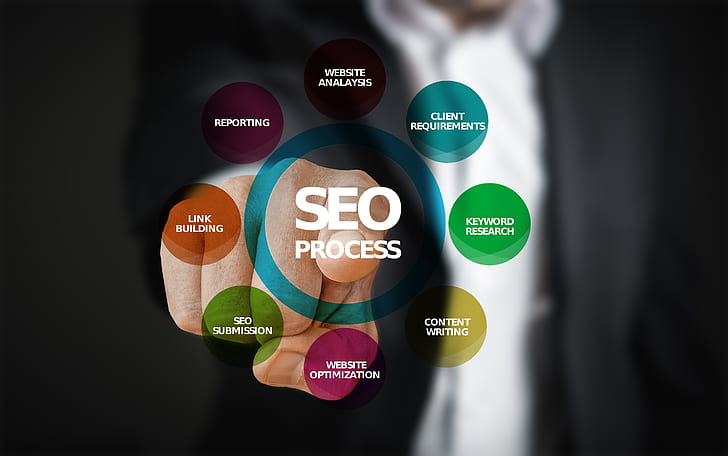
- Branded keyword strategy
- Competitor keyword strategy
- Nonbranded keyword strategy
- Long-tail keyword strategy
Here are some popular keyword tactics, plus a few thoughts on when to whip them out:
Branded keyword strategy
Ever tried typing your favorite brand name into Google? Well, that’s the essence of a branded keyword strategy! Think of names like “Nike” or “Starbucks.”
It’s like a cozy little online corner that’s just for your brand.
When businesses focus on these specific terms, they usually face less competition. After all, who wants to wrestle for a slice of the pie when they can have their own cupcake?
Competitor keyword strategy
This involves targeting a competitor’s name, usually by adding a twist that highlights your uniqueness.
Imagine something like “Budget-friendly Prada alternatives”—a cheeky way to say, “Hey, we might just be what you’re looking for!”
But let’s not grab a bull by the horns; this strategy can backfire. Established brands tend to shield their names like a mother bear protecting her cubs. So, careful planning is crucial!
Nonbranded keyword strategy
Here’s where it gets interesting! This strategy focuses on folks who don’t yet know they need you.
It’s a bit like being a superhero without the cape; it requires a good amount of creativity!
Think of brands that write articles about skincare tips, drawing in readers who suddenly realize they need to get their hands on that miracle cream.
A classic example is Fresh Heritage. They provide information-rich pieces on topics that speak to their audience’s needs and subtlety guide them toward their products.
Long-tail keyword strategy
If you ever searched for “comfortable running shoes for flat feet,” congratulations—you’ve ventured into long-tail keyword territory!
These phrases may not scream “high traffic,” but they’re specific. Imagine being the answer to a very particular question!
Ecommerce businesses often find success here since fewer people are fighting for these keywords. Even if only a handful of folks come knocking, if they’re ready to click, we’re ready to welcome them!
| Keyword Strategy | Characteristics | Best For |
|---|---|---|
| Branded | Company-specific terms | Building brand visibility |
| Competitor | Focusing on rival brands | Catching competitor audiences |
| Nonbranded | Problem-solving keywords | Attracting new customers |
| Long-tail | Specific phrases with low searches | Niche targeting |
Next, we will explore some common questions about crafting an effective keyword strategy in SEO. This is where the rubber meets the road for many businesses trying to outshine their competition!
Common Questions on Keyword Strategy
What is a keyword strategy for SEO?
A keyword strategy is basically a game plan for boosting a business’s visibility in search engines. It’s like preparing a recipe: you can have all the ingredients (that’s your keyword research), but if you don’t know how to mix them, you’re just left with a mess in the kitchen.
How do you check competition on a keyword?
There are some nifty tools out there that can help us figure out how tough the competition is for a keyword. Tools like Ahrefs, Semrush, and Google Keyword Planner can show us just how fierce the battlefield is. Think of it like checking the enemy’s strength before a big match—knowledge is power!
What is a good keyword strategy?
The best keyword strategy is like a well-fitted pair of shoes: it should be comfortable and meet your unique needs! Consider your business goals and resources. A lot of ecommerce folks find gold in long-tail keyword strategies, since these often spotlight those niche keywords that have lower search traffic but less competition. Think of it as fishing in a small pond instead of the vast ocean!
- Keyword strategy is crucial for visibility.
- Use tools to gauge keyword competition.
- Long-tail keywords can be a golden ticket.
Conclusion
Creating a keyword strategy is less like solving a Rubik’s cube and more like fishing—sometimes you reel in a big catch, and sometimes you just get seaweed. The key is to keep your bait fresh and your hooks sharp. By exploring various strategies and ensuring you adapt to the shifting tides of SEO, you’ll build a keyword strategy that not only attracts traffic but also creates meaningful connections. So as you refine your approach, remember: flexibility is your best friend, and a sprinkle of creativity never hurt anybody!
FAQ
- What is a keyword plan?
A keyword plan acts like a GPS for content creation, helping to pinpoint important keywords and search intents that attract visitors to a website. - Why is a keyword strategy important?
A keyword strategy synchronizes SEO efforts with business targets, ensuring that content creation aligns with goals such as brand awareness or immediate sales increases. - How can different keyword focuses affect our content?
Focusing on moderate-search, non-branded queries can enhance brand recognition, while high-purchase intent keywords can lead to immediate sales. - What steps are involved in building an effective keyword strategy?
Key steps include setting objectives with keyword types, spotting essential keywords, analyzing current performance, focusing on key opportunities, and monitoring results. - What should I do in the first step of creating a keyword strategy?
Start by identifying specific goals related to your SEO efforts, which helps determine the types of keywords that will best suit your objectives. - How can I find essential keywords for my business?
Identify keywords by brainstorming relevant terms, checking competitors’ rankings, and evaluating which keywords are performing well in paid search. - What tools can assist in keyword research?
Tools like Semrush, Ahrefs, and Google Keyword Planner can help identify keywords and provide insights into search volume and difficulty. - What is the role of long-tail keywords in SEO?
Long-tail keywords are specific phrases with lower search volumes but often less competition, making them valuable for niche targeting in eCommerce or specialized content. - What is the benefit of using a branded keyword strategy?
A branded keyword strategy focuses on company-specific terms that generally face less competition, helping to build brand visibility. - How can I evaluate the effectiveness of my keyword strategy?
Monitor keyword rankings, site traffic, and conversion rates using tools like Google Search Console and Google Analytics to assess performance and make adjustments as needed.
15+ Thanksgiving Marketing Emails That Helped Brands Sell More (With Takeaways)
Thanksgiving is a time for gratitude, turkey, and of course, those delightful email campaigns! Think about it: the holidays are right around the corner, and businesses everywhere are gearing up to make the most of this season of giving. With inboxes buzzing like a bee in a flower garden, it’s crucial to stand out. I remember my first Thanksgiving email campaign; let’s just say it was about as impactful as a soggy biscuit. But, after a bit of trial and error (okay, a lot), I learned the art of crafting emails that make people feel a little more thankful for my offerings. Ultimately, Thanksgiving email campaigns serve not only as promotional tools but also as a way to connect with customers on a more personal level. Let’s explore how to spice up your strategy this year—and infuse a bit of fun while we’re at it!
Key Takeaways
- Craft subject lines that pop like a corn kernel on a hot stove.
- Add personal touches to make customers feel special.
- Utilize eye-catching graphics that evoke holiday nostalgia.
- Engage with interactive elements like polls or fun quizzes.
- Offer exclusive deals that make recipients say, ‘Gobble gobble!’
Now we are going to talk about why Thanksgiving email marketing is more than just a warm-up act for Black Friday. It’s a golden chance to make genuine connections with customers.
The Importance of Thanksgiving Email Campaigns
Picture this: the turkey just came out of the oven, and everyone is rifling through the deals with the same fervor as they dig into the stuffing.
During Thanksgiving, folks are filled with an overwhelming sense of gratitude that even Aunt Mildred can’t spoil with her political rants. That mindset? It’s music to marketers’ ears.
We can tap into this emotional vibe. Let’s be honest—this holiday season is a fantastic opportunity for brands to showcase their best selves.
Thanksgiving email campaigns can effectively highlight messages about appreciation and giving back.
Remember that week when the silence before Black Friday is almost deafening? It’s crucial because shoppers are snapping photos of their wish lists and hunting for deals.
Statistics show that during this time, shoppers in the U.S. spend over $240 billion online from November to December. Thanksgiving plays a monumental role in that figure.
Smart marketers don’t wait until the turkey’s carved. They start weeks ahead, seducing potential customers with well-timed emails that offer exclusive early access to deals. This proactive approach can work wonders.
Plus, engaging customers across various platforms is akin to having a seat at every table. This ensures brands are fresh in consumers’ minds when they’re most likely to whip out that credit card.
By offering irresistible Thanksgiving promotions, we can turn occasional visitors into loyal customers.
Let’s not forget the impact on customer relationships. Those little touches of warmth go a long way, especially as we approach the shopping frenzy of Black Friday and Cyber Monday.
It’s all about hitting the sweet spot where customers feel valued. The Thanksgiving weekend creates a unique bridge connecting brands and buyers.
- Start campaigns early for maximum impact.
- Emphasize gratitude and appreciation in messaging.
- Use attention-grabbing subject lines to boost open rates.
- Incorporate special offers that resonate with the holiday spirit.
- Engage across multiple channels to cover all bases.
As we gather around our tables this Thanksgiving, let’s also gather insights on how a well-planned marketing strategy can resonate with customer sentiments, ensuring that brands celebrate success as much as their shoppers celebrate the holidays.
Next, we’re diving into some creative and engaging Thanksgiving email marketing examples that can spark inspiration for your own campaigns.
15+ Thanksgiving Email Marketing Inspirations
1. Gratitude with a Side of Discounts
Levi’s nailed it this Thanksgiving with a 40% off discount for customers. Wrapped in thanks, the marketing email had designs that felt like warm memories shared around the dinner table.
We’ve all felt that warm glow of appreciation when someone thanks us, right? It’s a great way to build connection! Levi’s did just that, thanking customers for their loyalty all year long.
Framing the discount as a “gift” makes it feel more special.
We can learn a thing or two here—why not show some real appreciation during the holidays? It’s like serving up turkey at dinner; it brings everyone together!
2. Celebrating Autumn Vibes
Calm Radio was brilliant with their 40% Thanksgiving discount, infusing autumn themes into their emails.
Imagine crisp leaves swirling around while sipping hot cider—yep, that’s the mood. Their design was not just clean; it oozed autumn charm.
A well-timed reminder of the season helps by tapping into emotions and boosting brand relatability.
3. Early Black Friday Excitement
Kate Spade sent out a sneaky “Happy Thanksgiving! Here’s your post-turkey treat” email that doubled as a Black Friday teaser.
We all know post-meal drowsiness comes from too much turkey, but how about a post-dinner shopping spree? It’s like handing out candy right after Halloween!
This clever strategy gave customers early access to deals and piqued their curiosity about what’s to come.
4. Flash Sales with Countdown Clocks
Talk about urgency! Sending a Thanksgiving night email with a countdown timer can be electrifying.
Who doesn’t love racing against the clock? A 24-hour preview can inject a thrill into shopping, just like racing for the last slice of pumpkin pie.
Why not send reminders too? “Only 1 hour left!” can rouse customers from turkey comas.
5. Interactive Turkey Treat Reveal
Imagine clicking an image in an email to reveal a surprise discount—fun, right? Hiding rewards behind interactive elements makes shopping feel like a game.
Throw in a “Pick Your Turkey” button, and watch customers engage! Cards revealing discounts create excitement, turning routine marketing into a memorable experience.
6. Bundling for the Holiday Feast
Why not combine essentials into a “Thanksgiving Dinner Bundle”? Whether it’s a turkey-sides package or curated gift sets—bundles increase cart value while making holiday prep easier.
Can you smell that turkey yet? Framing the offer as limited-time only adds an enticing touch.
7. Playful Cross-Selling
Thanksgiving’s all about pairing, right? Suggesting complementary products is key.
Imagine a food delivery service emailing customers who ordered turkey with suggestions for pies or wine.
It’s like saying, “Don’t forget the wine with that turkey!” Engaging customers with practical ideas can make their feast feel complete.
8. Curated Holiday Checklists
Providing a Thanksgiving prep checklist can be super helpful.
For retailers, sending a list of must-haves lets brands offer genuine assistance, keeping them top-of-mind while shoppers plan their big meal.
By including product recommendations, businesses could smoothly blend holiday joy and marketing into one seamless experience.
9. Exclusive Access for Loyal Customers
Rewarding top customers with early access to sales shows appreciation. Let’s face it; who doesn’t love feeling special?
Creating an exclusive Thanksgiving deal for loyal patrons can strengthen ties. After all, when businesses show gratitude, customers often return with more purchases.
10. Early Bird Rewards
Some brands drum up excitement for holiday shopping by encouraging early purchases with incentives.
Who doesn’t love getting a bonus for shopping early? A little nudge can smooth out demand and keep customers happy— especially when there’s a bonus waiting!
11. Give & Get Referral Campaigns
How about launching a Thanksgiving referral program? “Give $10, Get $10” is a classic, and it works!
Tapping into holiday goodwill can lead to a win-win. People enjoy sharing rewards, especially when it involves friends and family.
12. Fun Contest Opportunities
Running a Thanksgiving-themed contest allows brands to engage and collect user-generated content.
Think about it—you can get followers to share their favorite holiday recipes or photos for a chance to win.
Not only does this create buzz, but it builds a community atmosphere that keeps customers coming back!
13. Interactive Quizzes for Festivity
Spice things up with a Thanksgiving quiz! “Which side dish are you?” can be an attention-grabber.
These fun interactions give a personalized touch while keeping the spirit light and engaging. What a way to break the ice and keep your audience involved!
14. Reconnecting with Dormant Customers
Thanksgiving is perfect for win-back campaigns targeting customers who haven’t engaged recently.
A heartfelt, “We miss you” message wrapped in holiday cheer can rekindle relationships. A compelling offer can increase the chances of bringing customers back to your fold and might even create repeat buyers.
15. Dynamic Personalization galore
With all the rich user data available, personalizing emails for Thanksgiving can skyrocket engagement.
Imagine each email tailored to fit individual preferences; it feels like a tailored suit—comfortable and stylish!
Personal touches, like using names or acknowledging past purchases, keep customers feeling valued throughout the holiday season.
Now we are going to talk about the essential ingredients to craft a memorable Thanksgiving email marketing strategy. It’s not just about sending out emails—it’s about creating connections. So, let’s sprinkle some gratitude on this holiday marketing recipe, shall we?
Key Elements for Successful Thanksgiving Email Campaigns

- Heartfelt Design: Use autumn colors and festive vibes.
- Gratitude-Focused Messaging: Show appreciation to your customers.
- Clear Offers with Fun CTAs: Make promotions engaging and relevant.
- Segmented Audiences: Tailor your messages for better impact.
- Mobile-Friendly Formats: Optimize for handheld devices.
- Seasonal Humor: Infuse some lighthearted fun.
| Element | Description |
|---|---|
| Heartfelt Design | Warm visuals that connect emotionally |
| Gratitude-Focused Messaging | Thank your customers, building bonds |
| Clear Offers with Fun CTAs | Explicit yet engaging promotions |
| Segmented Audiences | Target messages for increased response |
| Mobile-Friendly Formats | Responsive design for on-the-go browsing |
| Seasonal Humor | Light language, fun emojis like 🦃 and 🍂 |
Heartfelt Design: We all know that a warm, cozy vibe is exactly what this time of year calls for. When it comes to visuals, think of that dreamy Thanksgiving dinner scene—turkeys being carved, families gathering ’round, and maybe that one uncle who always tells the same joke. Your audience wants to feel that nostalgia, so evoke those emotions with visuals that scream, “Let’s feast together!”
You don’t want a cluttered design; a clean look helps to drive home your message. Just like grandma’s apple pie, simplicity can be the cherry on top.
Gratitude-Focused Messaging: Let’s get real for a second—customers appreciate being appreciated! A sincere note of thanks can go a long way. Before we hit them with promotions, a little heartfelt acknowledgment of their loyalty can foster goodwill.
Action-Oriented Offers with Fun CTAs: Here’s where it gets juicy! Don’t shy away from witty offers because Thanksgiving is all about giving. A fun CTA like “Gobble Up 20% Off!” can create a sense of urgency that folks just can’t resist.
Segmented Audiences: Remember, one size does not fit all! Knowing your audience is key. Maybe they’re VIPs or customers who haven’t shopped in a while—crafting specific messages can be a real game-changer.
Mobile-Friendly Formats: We live in a world where everyone is multi-tasking, especially during the holidays. Ensuring your emails look great on phones is crucial. A mobile-optimized, user-friendly design makes all the difference.
Seasonal Humor: And lastly, let’s not forget fun! Injecting personality into your messages with some holiday-themed jokes or emojis can make your emails stand out. Who doesn’t want a chuckle amidst prepping their Thanksgiving feast?
Now we are going to talk about effective Thanksgiving email strategies. With the holiday season upon us, it’s time to roll up our sleeves and get creative! Here’s how we can make our Thanksgiving email campaigns not only memorable but also effective.
Thanksgiving Email Strategies to Boost Engagement
Timing is Key for Thanksgiving Emails
Imagine it’s Thanksgiving morning: grandma’s cooking up a storm and you’re desperately trying to send out your email blast. Timing is everything!
A well-timed email can be as satisfying as that first slice of pumpkin pie.
Using tools like CleverTap, we can set our campaigns to land just when our subscribers are most likely to open them.
Consider early birds who start planning their gatherings weeks in advance. Who wouldn’t want to snag a great deal on holiday decor before everyone else?
Setting up a schedule is as easy as pie—pun intended! And with analytics in hand, we can adjust our send times based on peak engagement days. If folks are opening emails on Sunday mornings more than on Thursday afternoons, we’ll adapt!
Experiment with Subject Lines and CTAs
Ever tried to decipher why one email gets opened while another is left gathering digital dust?
It can often come down to a catchy subject line!
By A/B testing our subject lines, we can figure out if “Get Your Turkey On!” resonates more than “Thanksgiving Sale!”
A sprinkle of curiosity goes a long way! CleverTap allows us to test different variations, making it as simple as deciding whether to make stuffing or green bean casserole (and we all know stuffing wins!).
Furthermore, let’s not forget the Call-to-Action (CTA). With CleverTap’s AI-powered Scribe assistant, we can whip up compelling CTAs that resonate with our customers’ emotions, whether it’s laughter, nostalgia, or that good ol’ holiday spirit.
It’s like having a mini marketing guru in our pocket!
Creating an Omnichannel Strategy is a Treat!
Picture this: receiving an email about a holiday sale, a phone notification about the same, and a text with an exclusive code. It’s like a friend showing up with all your favorite foods for a Thanksgiving feast—no one’s complaining!
Aligning all your channels (email, SMS, mobile pushes) for the holiday season ensures a seamless experience.
Tools like CleverTap help us coordinate these campaigns from one dashboard. If someone clicks on the email, we can pause those pesky SMS reminders. Let’s keep it coordinated instead of sounding like a confused turkey gobbling away!
Personalization: The Secret Sauce for Engagement
Not everyone likes the same Thanksgiving dishes—some love turkey, while others are die-hard ham fans. The same goes for our customers.
Using CleverTap’s segmentation capabilities, we can tailor content based on behavior and preferences.
How about personalizing a message that says, “Hey, we know you loved our pumpkin spice candles last year—check out our new fall fragrances!” That’s how we make our subscribers feel special!
Research shows that segmented email campaigns can lead to a whopping 760% increase in revenue.
Who wouldn’t want a slice of that pie? By utilizing RFM segmentation (recency, frequency, monetary), we can classify customers into groups. So whether it’s our loyal champions or those who are at risk of falling away, we’ll craft messages just right for them!
- Timing is essential for boosting open rates.
- Test different subject lines to find the best fit.
- Integrate multiple channels for a cohesive message.
- Segment your audience for personalized messaging.
Let’s leverage these strategies and make this Thanksgiving a feast for the senses—and sales! Happy emailing!
Now we are going to talk about how to elevate your Thanksgiving email marketing strategies. With the holiday season coming up, it’s time to rally our marketing efforts and reach our audience in a meaningful way!
Enhance Your Thanksgiving Email Campaigns
Thanksgiving gives us a chance to connect with customers like never before. Remember last year when we all wanted to throw a holiday dinner but ended up overdosing on takeout? We learned a lot about human connection—or the lack thereof! Email campaigns can serve as our bridge to that missing connection.
When crafting your Thanksgiving emails, consider who you’re talking to. Are they fresh faces, loyal customers, or those who forgot they signed up? Think of it like tailoring a Thanksgiving feast; not everyone wants turkey, right? Some may be looking for that vegan dish or gluten-free option.
- Lapsed customers: Remind them of what they miss!
- Loyal customers: Offer them exclusives; they deserve a VIP experience!
- New customers: Introduce them to your “family” with warm welcomes.
- High spenders: Treat them with something extra special!
- Deal-seekers: Who doesn’t love a good bargain? Give them a reason to click!
Once we’ve identified our audience, it’s time to deliver the goods. Well, not literally—unless you’re a bakery or a turkey farm! Use creative content to ensure your emails pop like that champagne we all wish we had at the family dinner.
Imagine sending a heartfelt email that makes someone chuckle, or better yet, inspires them to act. Just like Aunt Mabel’s favorite cranberry sauce recipe is a must-have on the table, a compelling subject line is essential to catch attention. Nobody wants to open an email titled “Sale Alert.” How about “Gobble Up These Deals!”? Way more appetizing, don’t you think?
Timing is critical as well; don’t be the last-minute turkey. Schedule those emails in advance to keep the excitement bubbling. Think about it: That perfect lead-up to the big day can create an engaging campaign that gets viewers into the holiday spirit.
So, as we gear up for one of retail’s busiest seasons, let’s make those emails resonate with a human touch. Remember, we want our audience to chuckle, feel valued, and, of course, open the wallets. After all, who wouldn’t want to buy an extra pie when tempted with a tasty deal?
Thanksgiving is more than a meal; it’s an opportunity for connections, celebrations, and yes—marketing magic!
Posted on October 30, 2025
Conclusion
In wrapping up our Thanksgiving email journey, it’s clear that a good campaign isn’t just about the discounts. It’s about cooking up a blend of engagement, creativity, and a sprinkle of personality. Share your unique story, invite recipients to feel part of your holiday, and watch your engagement soar like that turkey on Thanksgiving morning. So, grab your email lists, prep those templates, and get ready to send out some warm vibes along with those deals. Happy emailing and even happier Thanksgiving!
FAQ
- Why is Thanksgiving considered more than just a warm-up act for Black Friday?
Thanksgiving email marketing presents a golden chance to make genuine connections with customers, showcasing appreciation and giving back during a time filled with gratitude. - What can brands highlight in their Thanksgiving email campaigns?
Brands can effectively highlight messages about appreciation, gratitude, and exclusive early access to deals, which resonate emotionally with customers. - How much do U.S. shoppers spend online from November to December?
Statistics show that during this period, shoppers in the U.S. spend over $240 billion online, with Thanksgiving playing a significant role in that spending. - What is a smart strategy for marketers before Thanksgiving?
Smart marketers start their campaigns weeks ahead of Thanksgiving to engage potential customers with timely emails offering exclusive promotions. - What are some effective elements of a Thanksgiving email campaign?
Elements include heartfelt design, gratitude-focused messaging, clear offers with fun CTAs, segmented audiences, mobile-friendly formats, and seasonal humor. - What is the importance of timing in Thanksgiving email campaigns?
Timing is key in landing emails just when subscribers are most likely to open them, maximizing engagement and effectiveness of the promotions offered. - How can brands personalize their Thanksgiving email campaigns?
Brands can tailor messages based on customer behavior, preferences, and past purchases, making subscribers feel valued and enhancing engagement. - What is the benefit of segmenting audiences for email campaigns?
Segmenting audiences allows brands to target specific groups with tailored messages, increasing the chances of engagement and conversions. - What type of promotions can enhance customer loyalty during Thanksgiving?
Offering exclusive deals and early access to sales for loyal customers can strengthen relationships and encourage repeat business. - How can humor be incorporated into Thanksgiving emails?
Injecting seasonal humor and festive emojis can create a lighthearted tone, making the emails more engaging and memorable for recipients.
Best Google Ads Expert Services to Maximize ROI for Your Business
In today’s bustling marketplace, Google Ads can feel like the wild west of marketing strategies. I’ve seen businesses transform overnight, fueled by clever ad placement and savvy optimization tactics. It’s a bit like baking a cake—mixing just the right ingredients at just the right time is crucial. In my early days, I stumbled through campaigns, tossing in keywords like confetti at a New Year’s bash. Spoiler alert: it didn’t taste good. But over time, I discovered the gems among the overwhelming options. Whether you’re a small mom-and-pop shop or a rising tech startup, finding the right Google Ads professional can turn your hopes into reality. Let’s explore this colorful journey together and see how you can find that perfect partner to boost your online presence. Because, let’s face it, nobody wants to be that tree that falls in the forest without anyone to hear it!
Key Takeaways
- Choose a Google Ads professional who aligns with your business goals.
- Expertise in ad management can substantially increase your ROI.
- Collaboration and communication with ad specialists are crucial.
- Research top agencies and look for proven success in your industry.
- Stay updated on current trends and changes in Google Ads for maximum effectiveness.
Now we are going to talk about the cream of the crop in the Google Ads world. Think of them as the superheroes of online advertising. We’ve all heard stories of brands skyrocketing while others fizzle out—but who do we call for help? Let’s take a look at some of the most impactful players in the field. This isn’t a snooze-fest of information; rather, we can think of it as an adventure, with each agency offering unique powers!
Highlighting the Top Google Ads Professionals
- Roketto: Focused on Google Ads, CRO, and SaaS, Roketto is a go-to for SaaS businesses. They have a track record of scaling campaigns and trimming costs.
- Logical Position: Experts in eCommerce, they handle Google Ads and Amazon Ads like pros. If you’re a retailer, these folks know how to make the cash register sing.
- Titan Growth: With a flair for enterprise scaling, Titan Growth is the shield that Fortune 500 companies love to use. Their TitanBOT tech is like having a sidekick in the digital marketing realm!
- Single Grain: They speak fluent SaaS and are buddy-buddy with giants like Uber and Airbnb. If your startup needs a turbo boost, these are your people.
- JumpFly: This team has spent over 20 years in PPC. They’ve seen trends come and go like fashion on a runway, and they know how to keep clients growing.
- WebMechanix: They specialize in B2B campaigns and have a knack for reducing acquisition costs. Think of them as your financial guru in the digital landscape.
- Voy Media: With a focus on unique ad designs, they help DTC brands skyrocket sales. Their creativity could be your secret sauce!
- Loud Mouth Media: Known for their award-winning campaigns across Europe, they harness the vast potential of Google Ads and YouTube. If you’re eyeing European markets, have a chat with them!
- Silverback Strategies: They integrate paid media with content seamlessly. Healthcare and education sectors, rejoice! They’ll take your lead generation to new heights.
- Power Digital Marketing: For those high-growth brands, they’re like the Avengers of the marketing world, helping Dropbox soar through Google Ads.
- Sculpt Marketing: If you’re in finance or real estate, Sculpt excels in B2B/local paid search. They expand local brand presence like nobody’s business.
- Granular Marketing: They’re all about data-driven precision. If your goal is targeted and relevant advertising, look no further.
- Ten Thousand Foot View: These guys focus on regional campaigns. They’re the neighborhood watch for SMBs in healthcare and education—keeping an eye on your growth!
- Marketing 360: Perfect for small and mid-sized businesses, with their CRM and SEO integration. Thousands of SMBs have journeyed with them to success.
- Searchbloom: Their search-driven approach is geared toward geo-targeting. If you need local and national growth, they’ve got the magic touch!
So, whether you’re a small startup or a Fortune 500 company, there’s an agency out there boasting skills that suit your unique flavor. It’s all about who knows not just how to pull the right strings but also when!
Next, we will explore some top-notch agencies that make Google Ads work like a charm. Choosing the right agency can feel like trying to find a needle in a haystack, especially when everyone’s claiming to be the best thing since sliced bread. But worry not! We’ve compiled a handy list to guide our choices.
15 Exceptional Google Ads Agencies Sparking Business Success
It’s a jungle out there! With countless agencies vying for attention, how do business leaders sift through the noise? The following highlights 15 stellar agencies known for their knack for effective Google Ads management. Let the advertisers do the talking!
Roketto
Roketto isn’t just another agency in the crowd; they’re the friendly neighborhood experts. Known for their growth-oriented strategies, they ensure each advertising penny counts. Their motto should be, “Why just spend when you can invest?”
Expertise:
- Google Ads setup
- Conversion rate optimization
- Performance tracking driven by data
- B2B and SaaS marketing
Fun fact: They’ve been known to make SaaS platforms dance to their tunes, creating campaigns that lead to more leads and customers than ever!
Logical Position
With a name like Logical Position, they had us at “hello.” This agency offers a blend of scalability and intelligence, perfect for navigating the tricky waters of eCommerce advertising.
Specialties:
- Google Ads for eCommerce
- Ad remarketing and display tactics
- Amazon Ads oversight
- Well-rounded paid media strategies
Their success stories speak volumes, even making it rain awards. Logical Position is indeed a Premier Google Partner!
Titan Growth
When it comes to tech-savvy strategies, Titan doesn’t play around. Their TitanBOT technology is a cherry on top, helping clients achieve impressive returns in competitive industries.
Areas of Focus:
- Paid search and programmatic ads
- International campaigns
- In-depth insights through proprietary tech
- Scaling campaigns for big players
These folks love a good challenge, thriving with Fortune 500 companies and showcasing growth across diverse sectors—from finance to tech.
Single Grain
Eric Siu’s brainchild, Single Grain, is the place for those who want to take their growth to loftier heights. Their strategies are as spicy as the clients they serve!
Expertise:
- Google Ads for tech and SaaS
- Funnel optimization
- Paid media mixed with SEO
- Consultation for startups
They’ve hit home runs with brands like Amazon and Uber, proving that they know how to make campaigns sing.
JumpFly
With over two decades of PPC mastery, JumpFly’s longevity is a testament to its resilience and adaptability. They can be best described as the wise old owl of the industry.
Focus Areas:
- Management for Google Ads and Microsoft Ads
- eCommerce campaigns
- Video ads and display strategies
- Robust analytics and reporting
They have a knack for fostering long-term relationships, consistently delivering more than what clients hope for.
WebMechanix
A performance-first consultant, WebMechanix combines the agility of startups with the reliability of seasoned pros. Their campaigns are as smooth as a Monday morning coffee, delivering quality results!
Domains of Expertise:
- Paid search and display ads
- Conversion optimization
- Full-funnel strategies
- Performance marketing for larger clients
Whether it’s SaaS or B2B, they know how to turn leads into gold!
Voy Media
With a flair for creative execution, Voy Media’s blend of innovation with analytics could give Picasso a run for his money. They light up advertising with vibrant visuals!
Expert Areas:
- PPC and creative design
- Full-funnel campaigns
- Retargeting strategies
- Scaling brand awareness for DTC
They thrive on transforming data into eye-catching campaigns that resonate with audiences.
Loud Mouth Media
A UK-based powerhouse, Loud Mouth Media has been shaking up the PPC scene with their award-winning campaigns. They are anything but shy when it comes to showcasing success!
Adept in:
- Google Ads and display campaigns
- YouTube and remarketing ads
- Lead generation tactics for eCommerce
- Global and regional campaign expertise
Dexterous in handling the competitive European markets, they certainly know how to make some noise!
Silverback Strategies
Silverback Strategies puts the “fun” in “fundamentals,” combining meticulous strategy with high-impact campaigns. Let’s face it, they bring the best out of every appearance!
Expertise includes:
- Paid search and social integration
- Content-driven campaigns
- Optimization of landing pages
- Custom dashboards for insights
Ensuring their clients shine like stars in the sky is what they do best.
Power Digital Marketing
A full-service agency, Power Digital Marketing helps companies soar like eagles with their cutting-edge Google Ads strategies. They leverage technology for steady growth!
Expertise:
- Strategic Google Ads management
- Attribution model development
- Omnichannel campaigns
- Data integration for seamless experiences
Brands like Dropbox can attest to their prowess, as they successfully blend technology with creativity.
Sculpt Marketing
Focused on mid-sized businesses, Sculpt Marketing conducts the orchestra of digital advertising with precision. Their strategies hit all the right notes!
Focus Areas:
- Paid search for B2B
- Social media promotion
- Targeted strategies
- Optimizing performance across platforms
Clients in diverse sectors benefit from their strategic wizardry, expanding their digital footprints like never before.
Granular Marketing
Granular Marketing may be small, but their impact is mightier than several marketing agencies combined! They focus on measurable results through precise advertising.
Expertise spans:
- Google Ads, Bing Ads, and Amazon Ads
- Lead generation and eCommerce
- Data analytics expertise
- Thorough campaign audits
Both startups and established businesses raved about their structured approach to enhancing performance.
Ten Thousand Foot View
This Canada-based agency does exactly what their name suggests—they help businesses see the bigger picture while executing effective Google Ads campaigns.
Specialties include:
- Google Ads and remarketing
- Paid search for eCommerce
- Strategies tailored for niche markets
- Comprehensive reporting
Clients have seen remarkable returns on investment, thanks to their transparent processes.
Marketing 360
Last but never least is Marketing 360, a full-service platform that takes Google Ads deeper into the marketing ecosystem. They weave together technology and creativity beautifully!
Domains of Expertise:
- Google Ads within CRM frameworks
- Lead generation tactics tailored for SMBs
- Synergistic SEO and paid campaigns
- Creative campaigns with a strong brand message
Each campaign helps countless small and mid-sized businesses shine bright in their respective industries!
So there you have it! Whether you’re launching a startup or scaling an enterprise, these agencies bring their A-game to amp up those ad strategies. Let us know who you’re vibing with!
Now we are going to explore the various services that Google Ads professionals offer to help businesses shine like a freshly polished apple! Understanding these services can make a noticeable difference for anyone looking to ramp up their online marketing game.
Services Provided by Google Ads Professionals

Engaging a Google Ads professional isn’t merely about placing ads; it’s about crafting an efficient system capable of translating ad dollars into tangible business growth. These experts provide a spectrum of services spanning all campaign phases—from the initial brainstorm to ongoing monitoring and tweaking. Knowing what they offer can help us see how it can directly boost our return on investment.
Campaign Strategy and Setup
The foundation of a successful campaign is a well-thought-out strategy that’s in harmony with the client’s business model, target demographic, and objectives. Google Ads specialists:
- Conduct a thorough market analysis—think of it as Googling the competition but with way more caffeine!
- Assess competitors to spot trends (and maybe what not to do).
- Pinpoint opportunities for standing out, making us the peacocks in a world of pigeons.
They ensure every ad campaign is set up correctly, covering geographic targeting, schedules, and devices. Getting this part right is like setting a robust foundation for a skyscraper; it avoids unnecessary expenses and gets campaigns rolling smoothly from day one.
Keyword Research and Targeting
Keywords are like the GPS of Google Ads campaigns. Professionals use clever tools and strategies to discover high-value search terms. But beyond just lists, they dig into search intent and even find long-tail opportunities that really hit home. This method makes sure ads find the right eyeballs, boosting click-through rates while minimizing wasted impressions.
Ad Copywriting and Creative Optimization
The type of ad copy and visuals can make or break the customer’s interest—it’s like the difference between a drab buffet and a five-star restaurant! Google Ads pros whip up engaging, benefit-laden messaging that hits the sweet spot with potential customers. They don’t just set it and forget it; they run A/B tests continuously to keep headlines, descriptions, and calls-to-action fresh. Plus, many incorporate responsive ads and even videos to catch that elusive audience eye.
Bid Management and Budget Optimization
Managing bids effectively is all about finding that sweet spot between being competitive and preserving budget. Experts use a mix of automated bidding, manual adjustments, and sometimes even AI tools to stretch every dollar while maximizing value. They keep a close watch on bid performance across all areas, adjusting budgets in real-time so money doesn’t go to waste. Think of it as keeping the engine running smoothly rather than throwing money into a black hole.
Performance Tracking and Reporting
Transparent reporting is the bread and butter of gauging campaign effectiveness. Google Ads specialists implement advanced tracking systems and often link with tools like Google Analytics, CRM platforms, and data dashboards. Their reports typically spotlight critical metrics like:
| Metric | Description |
|---|---|
| Click-Through Rates | Measures how often people click on your ad after seeing it. |
| Conversion Rates | Tracks how many clicks lead to desired actions, like purchases. |
| Cost per Acquisition | The cost spent to acquire a customer. |
| Return on Ad Spend | A measure of the revenue earned for every dollar spent on advertising. |
Beyond just the numbers, these experts provide insights that help us fine-tune campaigns for better results. Gotta love a good strategy chat over coffee!
Now we are going to talk about why it’s a smart move for businesses to hire a pro for Google Ads. It’s like trying to bake a soufflé without a recipe—sure, you might get lucky, but chances are, it’s going to be flat and sad.
The Smart Choice to Hire a Google Ads Professional
Let’s be honest: running Google Ads can look as simple as pie. Just toss a few keywords into a campaign, and voilà! But ending up on the winning side? That’s a whole different kettle of fish. Many businesses wind up tossing money into the virtual abyss with ads that go nowhere and lead to… well, disappointment.
Bringing in a Google Ads expert is like inviting a master chef to your kitchen. They bring a splash of experience, a pinch of strategy, and the steady hand required to cook up something that actually works. Here are some of the key reasons outsourcing this responsibility is a big win for growth.
Gaining Insightful Knowledge and Experience
Google Ads experts are like the seasoned sailors of the digital advertising seas. With years of training under their belts, they tackle:
- Ever-changing platform updates
- Variety of bidding models
- Important quality score metrics
- Artful campaign organization
With this strong expertise, they craft campaigns that stand out without guzzling your budget, giving businesses more bang for their buck.
Boosting Ad Performance and ROI
Think of a great Google Ads campaign as a fine-tuned sports car: it needs constant monitoring and tweaks to zoom ahead. An expert dives into the numbers like a kid to a candy store, adjusting metrics like click-through and conversion rates. Using techniques like A/B testing and audience segmentation, they boost efficiency, leading to a strong ROI—much better than a DIY attempt. Who wouldn’t want to see more cash flow?
Freeing Up Time for Business Owners
Let’s face it: business owners lead busy lives. Managing Google Ads often feels like juggling flaming torches while riding a unicycle. By handing over the reins to a professional, owners can sidestep the chaos and dedicate their time to growing their operations, enhancing customer service, and boosting sales—all while their ads are in good hands.
Access to Advanced Tools and Targeting Strategies
Experts come armed with tools that smell suspiciously like magic—keyword planners, competitor analysis tools, and AI optimization gadgets. These bad boys help them find golden opportunities that others might miss. With techniques like geo-targeting and device-specific bids, they make sure ads hit the right audience at exactly the right moment, snagging those strong leads.
Ongoing Optimization and Real-Time Monitoring
In the ever-changing landscape of digital advertising, doing nothing is not an option. Google Ads experts are like hawks, keeping a watchful eye on campaigns daily. They make bid adjustments, keep the ad creatives fresh, and tweak targeting criteria to stay aligned with shifting business goals. All this staying vigilant protects ad budgets from leaks—no one likes throwing money away!
Now we are going to talk about how to choose an ideal Google Ads expert who can supercharge your returns. How do we sift through the multitude of options without feeling like we’re searching for a needle in a haystack? Let’s break it down so it’s as easy as pie.
Finding the Right Google Ads Expert for Maximum Returns
Selecting a Google Ads whiz can turn your ad dollars into gold, or send them down the proverbial rabbit hole. With countless consultants and agencies floating around promising you the moon, we need a sharp eye to identify those that deliver.
Here’s a quick cheat sheet to help us separate the wheat from the chaff:
- Proven Track Record: Look for experts who can showcase clear success stories, not just vague claims. It’s like choosing a restaurant based on real reviews instead of their fabulous menu.
- Certifications & Experience: Google Partner badges are a plus, but we should also consider their specific experience in our industry—like finding a chef who specializes in our favorite cuisine.
- Transparent Pricing: Avoid the sneaky hidden fees. Clear pricing structures can save us from sinking into a financial black hole.
- Effective Communication: An expert should be more than just a voice in the void; regular updates are key. We want someone who can explain the nitty-gritty in plain English.
- Data-Driven Optimization: This isn’t set-it-and-forget-it. We need ongoing adjustments to keep the campaigns fresh and fruitful.
The Importance of a Proven Track Record
It’s like asking your friend for restaurant recommendations; you trust their opinions, especially if they’ve enjoyed the food! A great Google Ads expert should present us with convincing case studies. These stories can show how they tackled real challenges, such as:
- Lowering those pesky acquisition costs
- Scaling campaigns effectively
- Improving return on investment
A diverse portfolio across different industries gives us peace of mind that they can adapt strategies to our ever-changing goals.
Value of Certifications and Relevant Experience
Certifications from Google act as a stamp of approval, but let’s not overlook industry experience! It’s like hiring a tour guide who not only knows the route but also the local snacks. Their familiarity with customer behaviors and market trends can lead to better-targeted campaigns.
Keep an Eye on Transparent Pricing and Reporting
A transparent partnership is worth its weight in gold. We want upfront costs that don’t come with unexpected surprises, and detailed reports that cut through the fluff. These reports should answer the big questions: How is our money being spent? What key metrics are we tracking?
Strong Communication is Non-Negotiable
In a world filled with automatic replies, having a proactive expert is a relief. Regular check-ins, straightforward explanations, and a team available for questions cultivate a collaborative vibe that we all want.
Choosing a Data-Driven Expert for Continuous Improvement
The world of Google Ads isn’t rigid; it’s more like a constantly shifting landscape. We need experts who can adapt, using data analytics to spot trends and tweak campaigns in real-time. This approach guarantees that our ads don’t just sit there gathering dust!
Now we are going to talk about why finding the right Google Ads expert can be a total game changer for our business growth. Let’s jump into this, shall we?
Choosing the Right Google Ads Specialist for Your Business Growth
Picture this: You’ve poured your heart and soul into your business, but your ads seem to fall flat like a soda left open overnight. We’ve all been there, right?
Finding a Google Ads expert shouldn’t feel like searching for a needle in a haystack.
It can indeed be a wild ride filled with excitement, confusion, and more than a few head-scratching moments.
Here are some pointers to keep in mind while looking for that perfect ad wizard:
- Experience Matters: Their past performance tells us way more than slick brochures and promising pitches. A solid track record is a good indicator that they know their stuff.
- Communication is Key: We all know a good relationship is built on communication—chances are our ads will flourish if our expert keeps us in the loop about strategies and adjustments.
- Data-Driven Decisions: If they spit out metrics and graphs like a coffee machine on overdrive, then we’re on the right path. Understanding stats and using them means they can pivot strategies, rather than wandering in the dark.
- Tailored Approach: One-size-fits-all rarely fits anyone. The best experts won’t treat our business like a cookie-cutter case.
- Post-Campaign Optimization: Check back-in strategies are crucial! They should have a plan for adjusting campaigns after the initial launch to maximize performance.
One time, we had an expert who promised to transform our campaign appearance. Spoiler alert—the only thing he transformed was our bank account; he didn’t spend much time on the ads.
We learned the hard way that champagne promises don’t always lead to sparkling results!
Now, we make a point to ask about their approach upfront.
Here’s the kicker—think about how many businesses get lost in the shuffle.
With the right Google Ads expert, we stand a better chance of turning “clicks” into “cha-chings!”
Let’s not forget about ongoing optimization. Ad strategies should adapt like a chameleon changing colors—especially in today’s fluctuating market.
We’ve seen all the news about shifts in consumer behavior due to recent events. If our Google Ads expert isn’t on top of new trends, we might as well be yelling into a void.
By engaging with a knowledgeable team that’s the real deal, we’re turning those click-through rates into genuine sales.
So, whether they sprinkle magic dust over our budget or simply know how to spend it wisely, the right partner can mean the difference between standing still and zooming past the competition.
In the end, it’s about building a strategy that aligns with our unique business goals.
Instead of burning our budget, let’s make those ad dollars work for us like a little money-making machine!
Conclusion
Partnering with a Google Ads professional can steer your business into bustling traffic and sales. It’s essential to choose someone who understands your vision and can sculpt spectacular campaigns. Remember, not every ad pro is a wizard, so take your time and dig into their past successes to ensure a happy ending. So, gear up, roll up those sleeves, and don’t be shy! Onward to growth, profits, and maybe even a little bit of ad magic.
FAQ
- What are some key services provided by Google Ads professionals?
Google Ads professionals offer services such as campaign strategy and setup, keyword research and targeting, ad copywriting and creative optimization, bid management and budget optimization, and performance tracking and reporting. - Why should businesses hire a Google Ads expert?
Hiring a Google Ads expert brings valuable insights, boosts ad performance and ROI, frees up time for business owners, provides access to advanced tools and targeting strategies, and ensures ongoing optimization and real-time monitoring. - What is the importance of keyword research in Google Ads?
Keyword research helps identify high-value search terms and understand search intent, ensuring ads reach the right audience which boosts click-through rates and minimizes wasted impressions. - How do Google Ads specialists track campaign performance?
They implement advanced tracking systems and link with tools like Google Analytics to monitor metrics like click-through rates, conversion rates, cost per acquisition, and return on ad spend. - What should businesses look for in a Google Ads expert?
Businesses should seek a proven track record, relevant certifications and experience, transparent pricing, effective communication, and a data-driven approach to optimization. - What are some characteristics of top Google Ads agencies?
The best agencies often demonstrate expertise in specific areas like eCommerce, B2B, or SaaS, have a successful portfolio, and employ innovative strategies to differentiate their clients. - Can Google Ads experts help in reducing acquisition costs?
Yes, skilled Google Ads experts understand how to optimize campaigns, which can lead to lower acquisition costs while still achieving substantial growth. - What is the role of ongoing optimization in Google Ads?
Ongoing optimization involves continuous tweaks and adjustments to campaigns based on performance data to ensure the best possible results and return on investment. - Why is bid management important in Google Ads?
Effective bid management balances competitiveness with budget preservation, ensuring that every dollar spent contributes to maximum value and campaign success. - What makes a good communication style important in a Google Ads expert?
Strong communication ensures that business owners are kept in the loop regarding strategies and performance, fostering a collaborative relationship that enhances campaign effectiveness.
Mastering AEO: The Future of Search in an AI-Driven World
In the tech-savvy cosmos we live in, the search landscape is morphing like a chameleon on a rainbow. With artificial intelligence rolling into search engines and content planning, understanding AEO (Answer Engine Optimization) becomes paramount. It’s not just some futuristic fantasy; it’s right at our doorstep, shaking hands with SEO and making itself comfy. Think of AEO as that overachieving classmate who does your homework while you sip on a latte. By 2025, this approach may not only be crucial—it could be your golden ticket to online visibility. If you’re feeling like it’s all Greek to you, fret not! We’re cracking open this topic like a piñata at a birthday party, ready to let those insights flow. So grab your favorite snack as we dig into what AEO means for us today and when we’re looking at tomorrow!
Key Takeaways
- AEO is becoming essential to achieving greater search visibility.
- AI-enhanced search technologies are here to stay and evolve.
- Understanding differences between AEO and SEO can set you apart.
- Adopting actionable strategies can significantly boost your AI search visibility.
- Staying informed about current trends in AEO ensures you remain competitive.
Now we are going to talk about a fascinating topic that’s reshaping how we find information online. You might be surprised to learn just how much the landscape has changed!
Understanding Answer Engine Optimization (AEO)
Throwback to the late ’90s, when searching meant typing clunky keywords and hoping for the best. We’d click on those blue links like kids selecting their ice cream flavor, often with questionable outcomes. Ah, the good ol’ days, right?
Fast-forward to today’s digital carnival where AI tools like ChatGPT and Google AI have taken the spotlight. Imagine asking a question and instead of clicking through ten websites, you get an answer faster than your morning coffee brews! It’s like asking a friend for advice, and they have all the right answers.
This magic moment has given birth to Answer Engine Optimization (AEO). So, what’s that, you ask? Well, it’s the art of making your content not just readable, but downright irresistible to these brainy AI systems. Forget just aiming to get a link clicked; we’re talking about being the go-to source for information. Think of it like wanting to be that wise friend everyone turns to when they need life advice!
The goal?
Getting your content in the spotlight. Imagine someone Googling “best tacos in town,” and voilà—your food blog gets quoted while everyone else is left scrolling like they’re searching for a lost sock.
- It’s like being the star in a reality TV show, minus the drama.
- Your brand’s credibility gets a turbo boost when it’s featured in AI summaries.
- You might even start receiving partnership offers faster than you can say “let’s taco ‘bout it!”
So, how does this work?
AI engines are like super-sleuths using natural language processing (NLP). They comb through content faster than a teenager scrolling through TikTok for that trending dance. The key? Your content needs to be pristine—structured, expert-reviewed, and simple enough that grandma would understand it.
Take a recent example: a pharmaceutical giant publishes a comprehensive report about drug supply chain chaos. Thanks to AEO, this report pops up when someone asks, “How do we fix supply chain issues in pharma?” Boom! Instant authority, even if it doesn’t drive traffic right away.
What’s the takeaway?
This evolution highlights a major trend: we now want information quickly and efficiently. When nearly 60% of Google queries don’t lead to a click, it’s clear we’re entering a new era of information access. As we become more accustomed to these streamlined answers, how will we keep up? It’s a wild, wild west out here in the digital frontier!
Now we are going to talk about the surge of AI-enhanced search and how it’s becoming a necessity rather than a luxury. Just like phone batteries, this isn’t slowing down anytime soon!
AI-Enhanced Search is Here to Stay
AI Overview isn’t just a fancy term; it’s crucial to stay connected in our chatty search environment. Remember the last time you asked your digital assistant a question and waited, tapping your foot like you were in a slow dance? Patience is key, but having intelligent responses at our fingertips is better.
Recent data paints a stunning picture of this shift. There’s been a curious uptick in the number of queries triggering AI Overviews, and it’s making waves across the industry:
- AI Overviews made their appearance for a cool 6.49% of queries back in January.
- In February, that number jumped to 7.64%—that’s an 18% rise! Talk about a growth spurt!
- By March, it soared to a whopping 13.14%, marking a 72% leap from the month before.
Fast forward to May 2025—hold onto your hats—AI Overviews were gracing around 54.61% of all Google searches! If that’s not showing up to the party, we don’t know what is!
Who’s Calling the Shots in AI Search?
- ChatGPT: Great for those sprawling, open-ended queries that make us question reality.
- Google AI Overviews: A staple in nearly 47% of searches these days.
- Perplexity AI: Ideal if you’re hunting for research-focused responses, because who doesn’t love a good bibliography?
- Microsoft Copilot: Your go-to for bumping up productivity without sacrificing coffee breaks.
- Grok: A helpful player, surfacing info when you need it like an old friend.
These players are shaking things up in how we search and research. Let’s face it; AI is like the friend who brings the best snacks to the party but also makes sure we’re all in on the conversation. We couldn’t ask for a better wingman!
As we move forward, keeping an eye on these advancements can help us stay relevant and efficient in our information hunt. So, what’s on your digital wishlist for future searches?
Now we are going to talk about the significance of AEO as we approach 2025 and its impact on how we seek out information in these fast-paced times.
Why AEO is Crucial by 2025

As we march into 2025, it’s clear that AI is about to become as common as that morning coffee we can’t live without. If we look closely, over 60% of Millennials and Gen Z have already hopped on the AI train for everything from career tips to business hacks.
They’re not keen on combing through endless links; they want their answers served up on a silver platter—quick and to the point!
Take a more complex question, like “How to adhere to EU GDPR when running operations across borders?”. They’re not looking to get lost in a sea of articles. Instead, they want a neat summary—preferably one crafted by the experts who’ve been around the block a few times.
And let’s talk about zero-click searches for a second. These bad boys let users find what they need right there on the search page without even a single click.
It’s no wonder Ahrefs reported a 3% annual increase in these searches, with AI snippets popping up in an impressive 55% of Google queries.
For companies operating internationally, this shift means traditional traffic funnels are drying up faster than a dried-up sponge.
Just think—if your insightful white paper on sustainable global sourcing isn’t making it into those AI summaries, you might as well be shouting into the void while execs in New York and Singapore look elsewhere for answers.
But the advantages go beyond just being visible. AEO builds long-term brand equity. When your content gets cited, voila! You start being seen as a thought leader, which naturally builds trust over time. Curious readers might even decide to investigate your full resources further.
Sounds like a win-win, right?
Imagine a European fintech giant that shifted its blog strategy to focus on those executive-level questions everyone’s asking.
Just six months later, AI citations got them mentioned in industry reports a whopping 35% more, sparking investor interest and new partnerships. Who wouldn’t want some of that magic?
Now, we can’t ignore the flip side. Neglecting AEO carries risks. Those forward-thinking competitors will elbow their way into the limelight in crucial sectors like finance, tech, and manufacturing.
For instance, giant players like Amazon are already capitalizing on AEO in e-commerce, making it tough for smaller firms to get noticed.
“By 2026, traditional search engine volume is expected to dip by 25%, and search marketing will take a backseat to AI chatbots,” – Gartner, Inc.
Why does AEO matter? Because it aligns with how people consume knowledge today—fast, accurate, and contextually relevant.
In an era where AI efficiently answers cross-border queries, optimizing for answers is essential to keeping your business in the running.
To get on board with AEO, we really need to understand how it differs from the SEO strategies we’ve been leaning on. Let’s break down this valuable insight, shall we?
| Aspect | AEO | SEO |
|---|---|---|
| Focus | Answering specific queries | Ranking for keywords |
| Traffic | Zero-click searches | Click-through traffic |
| Engagement | Building brand equity | Increasing website visits |
| Citations | AI snippets | Backlinks |
Next, we are going to discuss a topic that’s become the talk of the town: AEO versus SEO. These digital strategies have both taken the stage, but they want to steal the spotlight in different ways.
Understanding AEO and SEO: Key Differences
For ages, Search Engine Optimization (SEO) has been like that reliable friend who always helps you climb to the top of the search results—you know, the one that maybe knows a little too much about traffic stats!
But then came AI Engine Optimization (AEO), flipping that same friend’s playbook. Suddenly, it’s not just about the rankings; it’s about jumping right to the answers.
Let’s break it down:
Main Objective
SEO: Striving to be number one on the SERPs to attract more clicks and traffic.
AEO: Getting noticed as the go-to answer in AI-generated summaries or juicy featured snippets.
Focus Area
SEO: It’s all about keywords, backlinks, and let’s not forget about speed. Everyone loves a fast site!
AEO: Here, it’s more about crafting content that is structured and answers questions directly, integrating the E-E-A-T principles—Experience, Expertise, Authority, and Trustworthiness. Sounds like a fancy dinner party, right?
User Intent
SEO: Think broader searches, like “Best pizza places.” We all want pizza, after all.
AEO: This leans into those long-tail, conversational queries. Picture someone asking, “Where can I find the world’s cheesiest pizza in New York?”
Performance Metrics
SEO: Metrics like the click-through rate (CTR) and organic traffic matter here. More clicks equal more joy!
AEO: It’s all about how often your content gets cited in AI responses—hello, zero-click visibility.
Tools and Formats
SEO: Here’s where meta tags and expansive blogs come into play, like a good novel.
AEO: Think schema markup, FAQs, nifty headings, and those snappy snippets that get straight to the point.
Key Takeaways:
- SEO thrives on technical tweaks, like optimizing those pesky meta descriptions or building link authority to attract visitors.
- AEO shines by creating content that AI can easily digest and remix—direct answers to questions, aided by those E-E-A-T signals. For example, Google evaluates trustworthiness based on author credentials and source citations, a practice AEO mirrors.
So, AEO isn’t trying to kick SEO to the curb; rather, it complements it perfectly. Think of it as your sidekick in the quest for higher visibility—a team effort!
In our next talk, we’ll dive into practical ways to put AEO into action, so stay tuned!
Now we are going to talk about some practical strategies for enhancing AI search visibility, streamlined into seven approachable tactics that can fit any organization’s needs.
Boosting AI Search Visibility: 7 Actionable Approaches
Let’s be real: showing up in AI search isn’t just an optional strategy anymore; it’s essential for staying relevant. We can kick things off with some easy wins, right from our own experiences navigating digital content.
It’s much like when you finally clean out that junk drawer at home. You start with one sticky note and somehow find yourself sorting through a decade’s worth of batteries and expired coupons. Similarly, start with a single content piece, refine it, and expand from there! These tactics build on SEO basics but make sure they speak AI fluently.
- Answer Questions Directly: Think of this as hosting a dinner party where you actually serve food your guests asked for. Start by addressing common queries right off the bat. A snappy answer under 50 words sets the stage for a deeper dive, making it smooth for AI to pull your insights later.
- Use Structured Data: Employ schema markup like it’s your best friend at a networking event—help guide others to your valuable content! Use types like FAQPage or HowTo. With tools like Google’s Structured Data Testing Tool, you’ll ensure AI knows exactly what you’re serving. Clearly defined steps pull potential visitors in and spark interest.
- Prioritize E-E-A-T: AI is like that picky eater who only trusts gourmet chefs. Bring in E-E-A-T (Expertise, Authoritativeness, Trustworthiness)! Including author bios and solid citations gives your blog credibility. Skip the vague advice; share specific insights from your experiences or case studies.
- Optimize for Voice/AI Search Queries: Have a chat with your content just like you would with a friend—ask it how to tackle relevant questions! Incorporate natural phrases into your writing. For instance, looking for “best ways to break into Asian markets ethically” isn’t just a buzzword; it’s a search reality! Test your ideas with ChatGPT and refine them based on what comes back.
- Create at Scale: Think of topic clusters as the ultimate family dinner—everyone has their designated dish! Start with a central pillar page (like “Enterprise Digital Transformation”) that branches into sub-pages. This connectivity broadens the scope and increases AI’s chances of finding and showcasing your content.
- Monitor with Tools: Keeping tabs on your content’s performance is essential. Use AI-specific tracking tools and set alerts, especially when your competitors start moving ahead of you in search results. Aim for a 20% citation rate in related queries; consider Google Analytics as your trusty sidekick in this journey.
- Avoid Fluff: AI can sniff out nonsense like a bloodhound on a hot trail. Ditch keyword-stuffed fluff and instead focus on delivering genuine insights. Share real data and stories that resonate. For example, a lengthy blog post might tick SEO boxes, but if AI skips it for the lack of substance, what’s the point? Trim the fat and serve the juicy bits!
💡 Bonus Tip: Combine these tactics with a content checklist. Audit ten pages: assess their question-answer structure, add schema where needed, check on that critical E-E-A-T, and see how they perform in various AI tools. Involve content teams for a unified global presence!
Feeling energized? Jump into Tactic 1 and watch your progress take off!
Now we are going to chat about what the future holds for AEO, or Answer Engine Optimization. Spoiler alert: it’s pretty exciting but also a bit bumpy. Buckle up!
What’s Next for AEO: Trends and Expectations
As we gaze into the crystal ball (no, it’s not broken; we swear), AEO seems poised to shift and shimmy with the latest AI innovations.
What do we see on the horizon? Here are some trends that will likely emerge:
- Personalized responses: Imagine AI spitting out answers tailored to where you are or what you do. It’s like having a conversation with your overzealous, yet well-meaning friend who knows just a bit too much about you!
- Multimodal search: Get ready for a buffet of search options! It’s not just text anymore; think images, videos, and maybe even a sprinkle of augmented reality. It’s like searching for a pizza recipe and getting a cooking demo instead!
However, it’s not all rainbows and unicorns. There are hiccups in this dance:
- AI hallucinations: Ever heard of a fabricating information problem? Sounds scary, right? This can totally flip the trust equation on its head. Always double-check those sources like you’re trying to win trivia night!
- Ethical concerns: Bias in citations? Yep, that’s still lurking around. This means we have to push for diverse content to create a balanced buffet of ideas and perspectives.
To put it simply, AEO is like the secret sauce for finding success in an AI-driven search environment. Getting your content noted in instant answers from big players like ChatGPT or Google AI Overviews isn’t just about optimization; it’s about being recognized as a thought leader in discussions that truly matter.
As we witness the booming trend of zero-click searches on search results pages and the rise of queries that flow more like a conversation, remember: the quality of your content remains the magic ingredient. Authenticity and human-centric writing, combined with solid facts, are vital for AI to cite your work. Think of it like crafting a gourmet meal; you wouldn’t serve instant ramen at a fine dining restaurant, right?
Ready to make some moves? Start by reviewing your best-performing pages. Pick one strategy to jazz up your content, and then keep an eye on the results. It’s like planting a little garden and watching it bloom. This future is calling for us to be proactive. Include it in your overarching content strategy now, or better yet, let the pros handle it for you!
Now we are going to take a closer look at the ins and outs of Answer Engine Optimization, commonly known as AEO. This concept has surfaced as a hot topic, especially in the wake of AI’s rise in our daily lives. It’s fascinating to see how it’s transforming the way we search for information and the narrative around content.
A Closer Look at AEO and Its Importance
What’s AEO All About?
AEO focuses on organizing content to become the go-to answer for AI-driven tools like Grok 4 and Microsoft Copilot. This is more about being in the spotlight than just wrangling for search engine ranking.
How Does AEO Differ from SEO?
Think of SEO as that friend who insists on driving you to that hot new restaurant. While it gets you there, AEO is the culinary critic who’s already being quoted on what to order. AEO captures those zero-click citations where your content is the answer that pops up directly in the AI platform, saving users from any click-induced cardio.
Why Should Companies Pay Attention to AEO in 2025?
With more than 40% of executive searches now running through AI assistants, being part of the conversation is crucial. Your brand can build authority and trust, even if users aren’t clicking through. It’s like being invited to the VIP lounge, even if people don’t order your cocktail!
Backlinks: Are They Still Cool For AEO?
Not quite as much as in the land of SEO. Nowadays, it’s all about E-E-A-T—Experience, Expertise, Authoritativeness, and Trustworthiness. Quality like that beats quantity, and it seems like AI is more into meaningful content than just link quantity.
Can AEO Make Waves for B2B and Enterprise Brands?
Absolutely! Particularly for things like whitepapers or research documents. AI loves content that’s original and backed by solid methodology. If companies play their cards right, they can win big.
How Much of Google’s Searches Trigger AI Overviews in 2025?
As of March 2025, a hefty 13.14% of U.S. desktop queries trigger these AI Overviews—up from 6.49% in January. It’s predicted that this will surpass 20% globally by Q4. Talk about a growing trend!
Are AI Overviews Influencing Zero-Click Searches?
Not always. While queries featuring AI Overviews start with a slightly higher zero-click rate due to their informational intent, recent numbers show a bit of a dip (38.1% to 36.2%). It’s not all sunshine and rainbows for clicks!
Which Industries Are Affected Most by AI Overviews?
By 2025, the sectors seeing the biggest jumps include Science (+22.27%), Health (+20.33%), and Law (+15.18%). These trustworthy fields are where AI is laying its bets.
Do AI Overviews Hurt Traffic for Big Brands?
Only if you’re left off the dance card. Brands included in AI summaries often see those sweet indirect traffic boosts. The kicker? Losing out while competitors are basking in the AI glow.
What Types of Queries Trigger AI Overviews?
A whopping 88.1% of these queries are informative. Think long-tail and low-difficulty, like “What is BMR?” or “difference between debit and credit.” Commercial queries are climbing, but they still lag behind.
Is AEO About to Replace SEO?
Not quite! AEO is more like a new dance partner joining the party. While SEO remains crucial for discovery, being cited in AI responses is growing as a new authority signal. Why not optimize for both? Get those high rankings while also being the source everyone’s talking about.
| Question | Key Insight |
|---|---|
| What is AEO? | A practice for content to be acknowledged as the answer by AI tools. |
| AEO vs SEO? | AEO earns citations without clicks, while SEO drives site traffic. |
| Why AEO in 2025? | Executive searches favor AI, improving authority and trust. |
| Backlinks? | Less important than quality content for AI citations. |
| B2B Brands? | Favorable for original data and expert content. |
Conclusion
As AI search features continue to grow and expand, those who pay attention to AEO will surely have the upper hand. It’s no longer a question of if AEO matters, but how quickly we can adapt and leverage its potential. The way forward is filled with lots of opportunity, creativity, and yes, maybe a little trial and error. Just like finding the best taco spot in town, it requires exploration and a healthy appetite for learning. So, let’s stay ahead of the curve and see how we can make AEO work for us!
FAQ
- What is AEO?
A practice for content to be acknowledged as the answer by AI tools. - How does AEO differ from SEO?
AEO earns citations without clicks, while SEO drives site traffic. - Why is AEO important in 2025?
Executive searches favor AI, improving authority and trust. - Are backlinks still important for AEO?
Backlinks are less important than quality content for AI citations. - Can AEO make a difference for B2B brands?
Yes, especially for original data and expert content. - What does E-E-A-T stand for?
Experience, Expertise, Authoritativeness, and Trustworthiness. - What percentage of U.S. desktop queries triggered AI Overviews as of March 2025?
A hefty 13.14%. - What industries are most affected by AI Overviews?
Science, Health, and Law are seeing the biggest jumps. - How do AI Overviews influence zero-click searches?
While they initially have higher zero-click rates, recent data shows a slight dip. - Is AEO set to replace SEO?
Not quite; AEO complements SEO by being recognized in AI responses while SEO remains important for visibility.
What Makes a Winning B2B Sales Pitch?
B2B sales pitches can feel like a high-stakes poker game. Everyone’s bluffing, trying to impress, and hoping their cards are better than the competition’s. Trust me, I’ve been in that chair, sweating bullets while trying to articulate value propositions to clients who seem more intrigued by the napkin than my pitch. Yet, amidst the jargon and the eyes glazing over, there’s an art to crafting these communications. It’s about connecting with fellow business folks and addressing their challenges in a manner that speaks to their hearts and minds. As industries evolve, so do the ways we pitch. Let’s unpack some essential tips, mix in a dash of creativity, and equip you with tools and insights for a pitch that lingers like the last bite of your favorite dessert.
Key Takeaways
- Connect with your audience on a personal level.
- Highlight the real-world benefits over features.
- Use storytelling to make your pitches relatable.
- Avoid jargon—keep it simple and engaging.
- Incorporate humor to break the ice and foster connection.
Now we are going to talk about the essence of a B2B sales pitch and how to craft one that doesn’t just tick boxes but truly resonates with potential clients. We all know the stakes are high. How can we make that first impression count? Sometimes it feels like trying to win a pie-eating contest while avoiding getting covered in whipped cream!
Understanding a B2B Sales Pitch
Let’s face it: sales pitches are like a box of chocolates. You never know what you’re going to get—or how quickly it can go wrong. In today’s world, those 30 seconds of fame are crucial. You’ve got to connect on a human level, offer serious value, and be more persuasive than a toddler in a candy store.
A sales pitch is our chance to strut our stuff. Whether we’re in a room, on a call, or messaging through social media, the goal remains the same: show how our product or service is the best solution for their needs. Think of it as our verbal business card that’s capable of opening doors—and maybe even wallets!
So, how do we pull it off without sounding like a robot? Well, let’s break it down!
Crafting an Engaging Sales Presentation
When slapping together a sales pitch, consider it an art form. It’s not about spitting out facts; it’s about telling a story that makes the listener nod in agreement, perhaps over a coffee. So, how do we structure it?
- Welcome (1-2 minutes): Start by saying hello and sharing a fascinating tidbit about your business. Think of it as ice-breaking, but without the awkward moments!
- Identifying the Problem (2-3 minutes): Use data and relatable anecdotes to highlight the struggles they face. Everyone loves a bit of drama, right? Spinning a tale makes it memorable!
- Presenting Your Solution (3-4 minutes): Describe how your offering shines. Emphasize features but don’t bore them to death.
- Your Unique Selling Proposition (3-4 minutes): This is your time to strut your stuff and show why you’re better than the competition.
- Case Studies (2-3 minutes): Share success stories that reflect the prospect’s needs. Everyone loves a good success story!
- Demo Time (Optional, 3-4 minutes): Want to dazzle them? Show them the product in action!
- Q&A Session (2-3 minutes): Be prepared for questions. This is your chance to shine or take a curveball.
- Call to Action (1-2 minutes): The grand finale—what do they need to do next?
- Wrap-Up (1 minute): Summarize the main points and thank them for their time! No pressure, right?
Steps to Write a Winning Pitch
Do Your Homework
Research is king, my friends! Take their company, their challenges, the little quirks that might give you an edge. You wouldn’t show up to a potluck empty-handed, would you? Information is your appetizer.
Key points to investigate:
- Industry nuances: Understanding their industry helps tailor your pitch.
- Their offerings: What are they selling?
- Size matters: Get a grasp on how big they are.
- Competitors: Knowing who they’re up against gives you a leg up.
- Newsflash: Any recent changes or news about their business? Be the first to know!
Identify Pain Points
Digging around to discover what keeps them up at night can work like a charm. Asking the right questions can lead to golden insights. Remember, it’s not just about your service; it’s about how you can fix their headaches.
Sell Benefits, Not Features
Focus on their needs, not just the awesomeness of your product. The client doesn’t care about how shiny your product is; they want to know how it will save them time and money. Offer solutions, not just a sales pitch!
Stories Sell
We all love a good story! Share experiences that resonate with your clients’ struggles. They’ll remember the tale long after the numbers have faded. Like bedtime stories for adults—engaging and enlightening!
Clarity is Key
Vagueness is the enemy! Specificity in your pitch ensures understanding, so don’t just gloss over details. Think clarity, not confusion.
Handle Objections Like a Pro
Objections are like speed bumps: inconvenient but manageable. Prepare for them! Most doubts fall into categories like price or implementation concerns. Being ready for these will help maintain the flow of the pitch.
- Price worries: “This seems pricey.”
- Implementation fears: “Is this going to be complicated?”
- Decision authority: “I’ll need to check with my team.”
So, consider it a friendly conversation rather than a high-pressure pitch. After all, we’re in this business to make connections and create lasting partnerships! Who said selling can’t be fun?
Now we are going to talk about how B2B pitches go mano a mano with B2C pitches, revealing the quirks and differences of each approach. Spoiler alert: it’s not just about the numbers.
Understanding the Differences Between B2B and B2C Sales Pitches
When we think about sales pitches, it’s like comparing apples to oranges, isn’t it?
In B2B sales, it’s often a crowded room of stakeholders, each juggling their own concerns and objectives. We know this because last week, during a pitch for a client, we had seven decision-makers present. Imagine trying to please a committee over a family dinner where each person orders their own dish!
In contrast, B2C sales are a breeze, aiming squarely at individuals. It’s all about stirring emotions. Think about that time when we impulsively bought those shoes on sale—it wasn’t just the discount; it was the blissful feeling of scoring a deal!
Here’s a snapshot of our findings about the two styles:
- Target Audience: B2B targets multiple decision-makers while B2C focuses on consumers who have unique wants.
- Decision-Making Process: B2B requires intricate justification and can be lengthy, while B2C often hinges on a gut feeling.
- Pitch Focus: In B2B, showcasing value and ROI is essential; for B2C, it’s about personal benefits and emotional ties.
- Sales Cycle: B2B sales cycles can stretch longer than a Monday workday, whereas B2C is typically quick and straightforward.
- Tone: Expect formality in B2B and a friendly chat style in B2C.
- Objections: B2B objections often revolve around costs and ROI, while B2C objections relate to personal suitability and value.
- Pricing: B2B pricing can be flexible; B2C is usually nailed down and straightforward.
To put it in simpler terms, when we’re crafting a B2B pitch, we could use a laser pointer to point out the ROI while trying to keep the audience awake. Meanwhile, in our B2C approach, we want to sprinkle in some wit and a pinch of charm—perhaps even a clever meme or two. Just remember, your mom was right: it’s all about knowing your audience!
In a recent ad campaign, a tech company really leaned into this difference by skipping the nitty-gritty technical jargon and going straight for the emotional appeal in their B2C ads. The result? A spike in sales faster than one might get a coffee on a Monday morning!
Understanding these dynamics can make all the difference. So, the next time we polish up our sales pitch, let’s keep in mind who we’re talking to. A few tweaks here and there can transform a pitch from “meh” to “wow!”
Now we’re going to talk about the essentials for crafting a compelling B2B sales pitch. Imagine standing in front of a potential client, confident and ready to shine. What’s in your toolkit? Let’s break it down!
Essential Components for a Compelling B2B Sales Presentation
A winning B2B sales pitch is like that perfect cup of coffee—strong, energizing, and just what you need to kickstart your day! After all, who wants a lukewarm sales talk, right?
A great presentation includes:
- An Insightful Grasp of the Client’s Needs
- A Compelling Value Proposition
- Engaging Storytelling Through Data
- Showcasing Social Proof with Case Studies
- Defined Next Steps with a Clear Call to Action
Think of those case studies as your secret weapon. One time, we had a client who was hesitant about our services. We trotted out a success story that sounded like a fairytale—productivity skyrocketed, costs slashed. They couldn’t say no! It’s about painting a picture with real results. And who doesn’t love a happy ending?
Now, let’s take a closer look at a few key elements through a handy table:
| Component | Description |
|---|---|
| Understanding the Prospect’s Business | Getting the nitty-gritty of their operations is like reading the menu before ordering. It shows you care! |
| Value Proposition | This is your sales pitch’s heartbeat. Highlight why they should choose you over everyone else! |
| Data Storytelling | Numbers tell a tale! Use them to make your case; just don’t put your audience to sleep. |
| Case Studies | Real-world examples lend credibility. Who doesn’t trust a tale of triumph? |
| Clear Next Steps | Don’t leave them guessing—be direct about what you want them to do next! |
So as we wrap our heads around these essential elements, remember: it’s a conversation, not a monologue. Engage, connect, and humor can be your sidekick. The more authentic we are, the better our chances of landing that deal—like finding a parking spot right in front of our favorite café!
Now let’s dig into what really stumbles B2B sales pitches. They can trip over their own feet if we’re not careful, like that one time at the company picnic when someone thought it was a good idea to challenge the boss to a three-legged race. Spoiler: It didn’t end well! So, here are some common pitfalls we should steer clear of during our presentations.
Common Pitfalls in B2B Sales Presentations
- Talking More Than You Listen
- Offering Too Much for Free
- Leading with Features Instead of Solutions
- Focusing on Price Instead of Value
- Overpromising and Under-Delivering
- Failing to Own the Close
- Avoiding Objections Instead of Embracing Them
- Getting Defensive or Combative
- Skipping the Prep Work
- Selling to Someone Who Can’t Say Yes
Let’s break it down a bit.
First up, we often forget that listening is the secret sauce of sales.
Have you ever been caught in a conversation that felt like a monologue? Yeah, we don’t want to be “that person” at a pitch.
Instead of rambling on and on…
We need to pause and let our prospects share their needs. Who knew the answer was just a few questions away?
Then there’s the expectation that offering the moon for free will win hearts. Remember that time we treated ourselves at an all-you-can-eat buffet? Sure, we packed our plates high, but by dessert time, we regretted every decision.
Likewise, drowning clients in freebies might make them skeptical rather than grateful.
Next, who hasn’t been guilty of leading with features—those shiny bells and whistles we all love? We’ve been there, talking about functionalities like they were the coolest new phone. But wait! What about the actual problem we’re solving?
Let’s shift the spotlight to how we can lighten their burdens instead.
Now, here’s a fun fact: people remember the value before they remember the price.
Think about our latest online shopping spree—wasn’t it the “I need this” feeling that won over the cost?
Plus, let’s steer clear of that slippery slope of overpromising.
It’s like promising a new puppy to a kid, only to deliver a stuffed animal.
No one wants that heartbreak in business either.
We also need to own the close—no beating around the bush.
Remember how scary it was to ask someone out back in high school? Yeah, directness isn’t always easy, but it pays off.
Now, objections aren’t the enemy! Don’t we all love challenges?
Facing concerns head-on can actually strengthen our case.
And let’s steer away from getting defensive.
No one likes that person who has to one-up every comment with a snarky retort.
Lastly, let’s not skip the prep work.
Isn’t it like trying to bake a soufflé without a recipe? It could turn out disastrous!
Lastly, we need to ensure we’re pitching to decision-makers, or we might be wasting our breath on someone who won’t ever give the thumbs up.
Focusing on these points can help us steer clear of the potholes in the B2B sales journey. It’s all about being genuine, value-driven, and open to real conversations.
Now we are going to explore effective methods for crafting a B2B sales pitch that really resonates with potential clients.
Crafting an Effective B2B Sales Pitch
In today’s hustle and bustle, sales teams face a big challenge. Every day feels like a race, and clients can be as elusive as a cat in a room full of rocking chairs. With fierce competition, we need to grab their attention and make them stick around.
Here’s the kicker: we don’t need every flashy trick in the book. Building strong relationships takes time and effort.
We should focus on the essentials to develop a successful B2B sales process. A solid foundation is like making sourdough; it’s all about patience and the right ingredients!
Step 1: Research and Preparation
Before delivering that pitch, it’s crucial to do our homework.
Remember that time we misquoted a famous movie while talking to a client? Awkward, right? Let’s not repeat that! Each client has unique needs, so we need to tailor our approach.
- Identify Your Ideal Customer Profile
- Find Key Contacts and Gather Important Data
- Pinpoint their Pain Points
- Clarify Your Value Proposition
For example, suppose we discover during our research that a company consistently faces high material waste. If our product can reduce that by 50%, we know what to emphasize in our pitch.
This personal touch shows that we care about their pain points and aren’t just cruising through a pitch.
Step 2: Open With a Problem
Our aim is to make potential clients nod in agreement faster than a bobblehead doll. That means highlighting their pain points clearly.
We can personalize our pitch through questions, anecdotes, or even surprising statistics. Instead of saying, “People struggle with efficiency,” we could ask something specific, like, “Have you ever lost sleep over those inefficiencies?”
Now, that’s relaying a problem they can relate to!
Step 3: Present Your Solution
Here’s where the magic happens! Instead of rattling off endless features, we should focus on how we can solve their specific problems.
Think of it like baking: we wouldn’t just show them the ingredients; we’d want to present the delightful end result—a fresh batch of cookies!
By aligning solutions with their objectives, we make them think, “This is just what I’ve been searching for!” Sharing real-life examples adds a cherry on top.
Step 4: Show Proof
Names hold weight, especially in business. Dropping the names of happy clients they already respect can make a world of difference.
But don’t go on a name-dropping spree that would rival celebrity gossip! One or two relevant success stories do just fine.
It’s about establishing trust; after all, who doesn’t love third-party endorsements?
Step 5: End With a Clear Call-to-Action
After all the buildup, we can’t leave them hanging! A strong call to action is like a great dessert at the end of a fabulous meal.
Here are a few ideas:
- “What are your thoughts on exploring revenue boosting options together?”
- “Can we chat briefly next week to dig a bit deeper?”
- “Let’s set a time to discuss how we can tackle this!”
- “Ready to jump on a call next Tuesday to discuss this exciting opportunity?”
A memorable, concise pitch will stick with them like a catchy jingle!
So let’s harness these steps to craft a pitch that stands out and gets results. It’s engaging, thoughtful, and just the right sprinkle of authenticity.
Now we are going to talk about some engaging ways to craft B2B pitches. Whether we’re jazzing up a sleepy boardroom or presenting to a group of skeptics, using anecdotes and relatable data can make all the difference.
Creative Approaches to B2B Pitching
Leveraging Data for Impact
Manufacturing: Turbocharging Productivity with Automation
Imagine a robotics company walking into a pitch, armed not just with fancy slides but with data that packs a punch. They could say something like:
Pitch: “When we helped Factory Z, a lot like yours, implement our automated system, they saw production shoot up by 18% in just six months. The best part? They didn’t have to hire a single extra set of hands. Let us show you how we can get you there too, boosting your bottom line in the process.”
Why It Works: It’s like bringing a casserole to a potluck—who wouldn’t want to dig into a story that’s backed by hard numbers and real-world success?
Telling Your Story
From Challenge to Solution
For those budding startups, a heartwarming origin story can be the secret sauce. Think about this pitch for an AI recruiting platform:
The Tale: “My co-founder and I used to be buried in resumes, relying on gut feelings to find talent. It felt like looking for a needle in a haystack, and oftentimes it was skewed by biases. We thought, ‘There’s got to be a smoother way to connect the dots between qualified candidates and employers.’”
The Fix: “So, we rolled up our sleeves and developed a platform that sees beyond just the surface. Our AI spots potential that others might overlook, saving recruiters countless hours each week. We didn’t just create a tool; we built it because we lived the struggle!”
Focusing on ROI
This approach is like showing someone how to ride a bike—offer a clear “before” and “after” that relates directly to your solution.
Take on a New Logistics Challenge:
Pitch Snippet: “Company Z was essentially stuck in a quagmire with manual order processing, leading to delays and errors that cost them a staggering $500,000 annually. After jumping onboard with our automated logistics platform, they slashed their order-to-delivery time by 42% in just 90 days. Now, instead of fixing mistakes, their sales team is busy strategizing and growing!”
Why It Works: This isn’t just fluff—it’s tangible and relatable. By spotlighting pain points and quantifiable gains, it connects the dots directly to profits, not to mention giving the sales team a much-needed breather.
- Data-driven insights can showcase real-world impacts.
- Storytelling fosters trust and emotional buy-in from clients.
- Focusing on ROI demonstrates the financial benefits and efficiency gains.
Even in today’s bustling business landscape, these tried-and-true methods stand the test of time, proving that sometimes, it’s all about how we share our stories while keeping a firm eye on the numbers. Who knew pitching could blend business with a dash of heart and humor?
Now we are going to talk about how to craft pitches that really resonate. Think of it like cooking a great meal—get your ingredients right, season it well, and serve it hot. When we sprinkle in some effective frameworks and handy tools, we can truly whip up something delicious!
Frameworks and Tools to Craft Compelling Pitches
Frameworks are the secret sauce to great pitches. They help us outline our thoughts, ensuring we don’t miss the spice of important points like the issue at hand, the proposed solution, the market potential, and the all-important call-to-action. It’s like having a map while road-tripping; who wants to get lost on the way to a pitch?
Plus, with the right tools, our presentation game is elevated to a whole new level. We can grab eye-catching design templates, showcase data neatly, and foster collaboration with teammates. It’s a miracle we don’t have to juggle flaming swords while doing this work!
| Tool Name | Purpose |
|---|---|
| Visme | Visual storytelling and infographics |
| Shorthand | Create engaging narratives |
| Canva | User-friendly design for varying skills |
| Keynote | Polished presentations for Apple fans |
| Pitch | Collaboration and pitch structuring |
| Storydoc | Interactive storytelling for pitches |
| Beautiful.ai | Automatic design adjustments for aesthetics |
These nifty tools not only create a polished look but also encourage input from others—talk about a dream team! Real-time feedback keeps the creative juices flowing, and who doesn’t love a little collaboration?
Combining these useful tools with structured frameworks transforms our pitches into memorable performances. With that balance, we serve something appealing and engaging that’s sure to captivate our audience. So, let’s roll up our sleeves and get cooking!
Now we are going to talk about creating a sales pitch that truly hits home. You know, that moment when someone’s eyes glaze over and you wonder if they’re actually listening or just plotting their escape? We’ve all been there! So, let’s explore how to craft pitches that people can’t resist, even if they tried.
Crafting Sales Pitches That Stick
When it’s time to sell, we need to whip out our best stuff. Think of it as dating; nobody jumps into a relationship without a little charm and research, right?
We need to make our pitch feel personal and relevant.
Here’s how we can jazz up our approach:
- Do your homework: Research the person you’re pitching to, like a detective hunting clues. And trust us, a little snooping can go a long way. You’d be surprised what a quick scroll through their LinkedIn profile can uncover!
- Tailor your message: Just like a good tailor fitting a suit, our pitch should fit the customer perfectly. Maybe they love cats—mentioning how our product is “purr-fect” for them could spark a giggle and their interest!
- Keep it brief: Nobody wants to hear an hour-long novel, especially when short thrillers are the trend. Aim for a punchy, engaging talk that doesn’t send them into a snooze fest.
- Use real stories: Anecdotes can make pitches relatable. Share how someone just like them used the product and, voila, they’re instantly interested. “Last week, a client told me they were thrilled with… ” adds a personal touch.
- Engage with humor: Light humor can disarm even the sternest of buyers. If they crack a smile, you’ve already won half the battle. Think dad jokes, but not too cheesy!
Imagine being in a pitch meeting with someone who’s just droning on and on about features. Snooze alert, right? But if they popped in a anecdote about how their product saved a small bakery from closing its doors last summer, now we’re talking!
It’s all about making connections.
Being relatable can turn the tables. Remember that time we felt stuck during a pitch, and then someone dropped a one-liner that changed the mood entirely? That’s the kind of magic we want to create, folks.
We should also consider current times. With so many of us moving to virtual meetings, that ability to connect is more crucial than ever. When we present online, we’re not just selling a product; we’re selling a relationship, a dynamic that resonates beyond a simple transaction.
So, let’s keep things fresh and real. Make every word count, entice with engaging stories, and humor sprinkled in! It’s not about being pushy; it’s about being genuine and relatable.
With this approach, we’re on our way to creating sales pitches that not just get heard but also hit home!
Now we are going to talk about how to create a sales pitch that truly resonates with clients in the B2B space. We’ve all been there, sitting through pitches that stretch on longer than a Monday morning. So, let’s break down how to make ours memorable without putting people to sleep.
Creating a Memorable B2B Sales Pitch
How Do We Make Our B2B Sales Pitch Stand Out?
To craft a sales pitch that commands attention, we need to shift our focus to what the audience really cares about.
Imagine you’re sitting across from a prospect, and they’re furiously typing. News flash: they’re probably drafting their grocery list instead of hanging on your every word.
Here’s the trick:
- Know your audience. What keeps them up at night? Fixate on their pain points.
- Differentiate yourself. You’re not selling a fancy paperweight. Highlight what makes your product unique and how it can drive real value.
- Tell a story. Everyone loves a good yarn—especially if it involves someone who benefitted from your product!
- Use visuals. Charts, images, or even a quick demo can speak volumes.
- Create urgency with time-sensitive offers. They don’t want to miss out, right?
- Follow up! Don’t just vanish like a magician after the pitch.
When it comes to storytelling, remember that genuine anecdotes can ignite inspiration. A couple of years back, we launched a product for a client who was ready to toss in the towel. Their results were like a phoenix rising from the ashes—dramatic, right? That’s the kind of hero’s journey we want to communicate.
What Are the Most Common Mistakes We Make in B2B Pitching?
Let’s face it; we all fumble sometimes. One mistake we see a lot is a pitch that feels like a one-size-fits-all shirt—tight in some places and baggy in others.
Here are some pitfalls to avoid:
- Not personalizing the pitch. If it feels generic, the audience will tune out faster than a bad sitcom.
- Lacking a benefits focus. If we list features without context, we might as well be reading the back of a cereal box.
- Overloading on information. A flood of stats can drown your message.
- Neglecting to quantify value. Numbers matter; use them to show what’s at stake.
- Skipping the follow-up. If we don’t check in, we’re just leaving the door wide open for competitors.
How Long Should Our B2B Sales Pitch Be?
Our pitches should be crisp and engaging—ideal for shorter attention spans. Picture this: under two minutes for a face-to-face, and let’s not go over 120 words for initial emails.
Getting to the point is key. Think of the attention span of a goldfish—okay, maybe that’s a stretch, but you get the idea! For a phone call, let’s aim for around five minutes, peppered with questions to keep things interactive.
By polishing our approach, we transform our pitches into valuable conversations rather than monotonous monologues. And who wouldn’t prefer that?
Conclusion
Just remember, B2B pitching isn’t just about the data; it’s about the people behind the numbers. Infusing your personality while addressing real needs makes for a memorable interaction. With the right tools and a bit of humor, you’ll not just make a pitch, but you’ll build a bridge. So, grab your notes, prepare your stories, and don’t forget to bring a sprinkling of fun—your clients will thank you for it.
FAQ
- What is the primary goal of a B2B sales pitch?
The primary goal is to show how your product or service is the best solution for the client’s needs, establishing a connection and demonstrating value. - How should a sales presentation be structured?
It should include a welcome, identifying the problem, presenting the solution, showcasing your unique selling proposition, sharing case studies, a demo, a Q&A session, a call to action, and a wrap-up. - Why is research important before making a pitch?
Research helps understand the prospect’s company, industry nuances, pain points, and competitors, allowing for a tailored pitch that resonates with the client. - What should be prioritized during a pitch: features or benefits?
Benefits should be prioritized, as clients want to know how the product will save them time and money, not just its features. - How can storytelling enhance a sales pitch?
Storytelling makes pitches relatable and memorable, allowing prospects to connect emotionally with the challenges and successes shared. - What are some common pitfalls in B2B sales presentations?
Common pitfalls include talking more than listening, leading with features instead of solutions, and failing to own the close or embrace objections. - How can you create urgency in your sales pitch?
You can create urgency by providing time-sensitive offers that encourage potential clients to act quickly before missing out. - What is the recommended length for a face-to-face B2B sales pitch?
Ideally, a face-to-face pitch should be under two minutes, with the goal of keeping it concise and engaging. - How important is follow-up after making a pitch?
Follow-up is crucial as it keeps the conversation going and shows the client that you are interested in their business, helping to maintain engagement. - What tools can enhance the effectiveness of a B2B sales pitch?
Tools like Visme for visual storytelling, Canva for design, and Storydoc for interactive storytelling can enhance presentation quality and engagement.
How to Use Facebook Ads for Subscription Services
Running Facebook ads for subscription services can feel a bit like trying to teach a cat to fetch. It’s tricky, it’s unpredictable, but oh, the rewards can be worth it! You see, with platforms like Facebook, you’re tapping into a sea of potential customers—each scrolling past a dozen ads a minute. What truly counts is striking a balance between attention-grabbing content and relatable messaging. It’s not just about selling a service; it’s about connecting with people who’ve been waiting for just what you offer. Trust me, understanding your audience and crafting your message can turn your ads into the magnetic force you never knew they could be. So grab a cup of coffee, and let’s explore together how to transform those casual browsers into loyal subscribers, one compelling ad at a time!
Key Takeaways
- Understand your audience’s mindset to create relatable content.
- Set clear, achievable goals for your subscription campaigns.
- Craft offers that not only attract but also address customer hesitations.
- Implement smart strategies that foster subscriber loyalty.
- Regularly analyze your campaign metrics to drive growth.
Now we are going to talk about the essential aspects to consider when marketing subscription services through Facebook ads.
Essential Insights for Facebook Ads in Subscription Services
Mastering Facebook ads for subscription services can feel like herding cats on a caffeine high. But fear not, because by the end, we’ll have a game plan that’s more solid than a grandma’s meatloaf!
- Crafting irresistible offers that tackle those pesky subscription hesitations (you know, the ones everyone experiences?)
- Honing in on targeting tactics to snag subscribers with high lifetime value, rather than just budget-friendly trial seekers who ghost after a month.
- Setting up retargeting sequences designed to cut churn rates and boost that sweet, sweet customer lifetime value.
- Bonus tidbit: We’ll throw in the latest 2025 benchmarks to keep our expectations grounded, including the juicy 1.6 ROAS median that many subscription services hit.
We all know that subscriptions are like that friend who promises to pay you back but keeps forgetting their wallet. So, how do we make our offers more appealing and convert casual browsers into loyal subscribers? First, let’s think about our offers.
On one of my early attempts at running ads for a subscription box service, I thought adding a free gift would do the trick. Spoiler alert: it didn’t! The lesson here? We need to structure our offers in a way that resonates with potential subscribers. Trying to convince someone to commit to a monthly service can feel like convincing a cat to take a bath. Making the first step painless—like a free trial or a money-back guarantee—can help break the ice.
Next up is the magic of targeting. It’s like finding a needle in a haystack, but if we do it right, we’ll be targeting those golden prospects who want and need our service, rather than chasing down one-time bargain hunters. We want folks who stick around and appreciate what we have to offer, not fly-by-night visitors.
And don’t forget retargeting! For anyone who’s ever been ghosted, we know how awkward that can be. By crafting a solid retargeting sequence, we can reel those subscribers back in, reminding them of all the delightful reasons they visited us in the first place.
Lastly, keeping up with industry benchmarks is key. Think of it as knowing the speed limits on your morning commute. Nobody likes getting pulled over! By tracking those numbers, we can set realistic goals and adjust our strategies as needed. No one wants to aim for the stars only to land in a cactus patch. Keep it real, folks!
So there you have it. With offers that entice, targeted approaches that actually connect, and numbers that keep us grounded, we’re on our way to running Facebook ads that don’t just speak, but sing to potential subscribers. Here’s to crafting campaigns that convert like a well-aimed boomerang! 🎯
Now we are going to talk about how to crack the code of your subscription audience’s mindset. It’s a bit like trying to decode your cat’s odd behavior—those little furballs can keep us guessing!
Decoding the Mindset of Subscription Buyers
We all know that buying a one-off item is a piece of cake. You walk in, you grab that coffee mug, and you’re out. No strings attached!
But when folks jump into a subscription, it’s a whole different story. It’s like entering a relationship—there’s commitment, jitters, and a touch of paranoia about the whole thing!
One of the biggest hurdles? The dreaded fear of being stuck in a commitment.
Even with policies saying “cancel anytime,” that doesn’t stop the worry! People stress about forgetting to opt-out, racking up charges for services they’re not using, or even worse, battling convoluted cancellation processes that feel like solving a Rubik’s Cube—blindfolded.
- Potential subscribers often have a fear of commitment.
- They worry about hidden fees and cancellation hassle.
- They tend to research extensively before making their choice.
This isn’t just a wild assumption; it’s proven in the wild west of subscription models.
Studies show patterns that reveal subscription services have unique conversion rates compared to classic retail.
The best subscribers—those who bring in the big bucks—typically engage over multiple channels. They’ll dabble through various touchpoints like a kid in a candy store, needing anywhere from 3-5 nudges before they finally hit that “Subscribe” button.
Have you noticed that these savvy subscribers are often already tied down to other subscription services?
It’s like a comfort blanket for them! They likely enjoy the Netflix life while dabbling in a monthly snack box. The familiarity takes the edge off, making it easier to dive into your offerings.
Quick Tip: The magic lies in understanding their habits! Knowing what makes your subscribers tick can lead to better conversions.
Keeping tabs on your audience is key.
It’s like trying to remember which aunt prefers fruitcake at Christmas—they’re out there, and they exist! Those who stick beyond the first billing cycle typically show notable engagement data.
This insight not only helps us see who our dedicated fans are, but it also aids in grasping how we can keep them around longer.
The bottom line here? We need to address their fears and expectations head-on.
If we can offer transparency and a seamless experience, we can turn those anxious potential subscribers into lifelong fans. Remember, trust is like a good cup of coffee—it takes time to brew!
Now we are going to talk about how to craft killer objectives for subscription-based campaigns. It’s a bit like strategizing a heist, only instead of diamonds, we’re after long-lasting relationships with customers. Trust us, the execution plays a key role!
Developing Goals for Subscription Campaigns

To kick things off, many subscription businesses get tripped up focusing solely on initial sales.
It’s reminiscent of those folks who fall head over heels after one date—roses and romance galore, but where’s the commitment?
We’ve learned that true success lies in nurturing that customer relationship over time.
Let’s break it down:
- Relying on traditional metrics—like celebrating a 3x Return on Ad Spend (ROAS)—for subscriptions just won’t cut it anymore. We need to look at the LTV to Customer Acquisition Cost (CAC) ratio, with a healthy subscription aiming for at least a 3:1 balance.
- With monthly churn rates waddling between 3-5%, our strategy has to factor in retention from day one. Remember that time someone almost got lost in their favorite taco joint? The key is to never let them lose their way.
- Choosing the right campaign objective is like picking the right movie for date night: while others lean towards immediate conversions, folks, value optimization is like choosing a classic that stands the test of time. It aligns with the predicted lifetime value of customers. Trust the Facebook algorithm; it knows who’s in it for the long haul.
- Budgeting needs to be as strategic as choosing toppings for a pizza. Follow the 70/20/10 rule: allocate 70% to attract new subscribers, 20% for retaining those gems, and 10% for experimenting. Pro tip: start with a daily budget of $50-$100. It’s like giving your campaign the fuel it needs to take off!
- Reality check, folks: the customer acquisition cost has surged by 60% over the past few years. Efficient targeting is paramount when it comes to boosting subscription profitability. Tread carefully!
| Strategy Aspect | Details |
|---|---|
| ROAS Focus | Shift from focusing solely on first sales to consider LTV:CAC ratios. |
| Churn Rates | Account for monthly churn rates of 3-5% in your strategy. |
| Campaign Objectives | Use value optimization over conversion optimization for better long-term results. |
| Budget Distribution | Follow the 70/20/10 rule for effective budget allocation. |
| Current Costs | Factoring in a 60% rise in CAC is crucial for profitability. |
So, as we vent our frustrations while zealously pushing our subscription offerings, let’s remember: we’re not just after the initial “yes,” we’re all about that long-term love!
Now we are going to talk about how our offer strategy can really make or break our success. No pressure, right? Let’s face it—if you think a 10% discount is going to woo customers into a long-term commitment, you might as well be offering them a trip to the dentist instead. Who gets excited over a mere sliver of savings?
Crafting Irresistible Offers: A Key to Success
So, what actually works when it comes to subscription offers? We’ve observed some patterns that are as reassuring as a good cup of coffee on a Monday morning.
- Free Trials: Think of this as the golden ticket. Letting customers try before they buy wipes out the fear factor. This works wonders for digital services where the overhead is light as a feather.
- Hefty Discounts on First Orders: For those physical products, putting a nice hefty discount on that first box can do wonders. We found that discounts over 50% deliver much more impact—anything lower than 40% often fizzles out quicker than a soda left open overnight.
- Exclusive Bonuses: Throwing in some premium items that are exclusive to the offer not only adds value but also makes customers feel like they’ve stumbled upon a hidden treasure.
- Risk Reversal Messaging: Just saying “You can cancel anytime” won’t cut it anymore. Instead, we ought to use phrases that pop, like “No long-term contracts,” “Skip or cancel with one click,” and the ever-so-appealing “Try it risk-free.” After all, no one’s eager to jump into a pool without knowing how deep it is, right?
- Case Studies: Take BusterBox, for instance—a subscription service for pet lovers. They switched things up by offering their first box for $9.99 instead of the usual $35 and added “Cancel anytime, no questions asked.” This simple shift led to 40 new subscribers each day, which is a staggering 300% increase from their previous 10% discount. Talk about a win!
Pro Tip: Use Creative Intelligence tools to identify which offers keep customers around, not just land a quick sale. Tracking long-term performance is like having a cheat sheet for true success.
We often overlook the subtleties of what turns a casual browser into a committed subscriber. It’s about meeting needs and addressing fears, like that ghost hiding in the corner of a dark room. Plus, who doesn’t love a good deal? By blending thoughtful strategies with clever wording, we can create offers that resonate loud and clear.
And isn’t that what we aim to achieve—a spark of interest that turns into lasting loyalty? Let’s keep experimenting and tweaking our approach until we find that perfect equation that sends our subscription numbers soaring!
Now we are going to talk about how subscription ads can differ from regular product marketing. It’s not just about putting a shiny object in front of people. It’s about showing that warm, fuzzy feeling of getting something good on a regular basis.
Crafting Subscription Ads That Tackle Customer Hesitations
Let’s face it, subscription-based ads have a tall order. They’re not just about sweetening the deal with a one-off product; they’re seriously selling a relationship. Imagine opening your door to not just a package, but a little piece of joy, again and again.
How do we convey that? Well, visuals play a huge role. Think about unboxing videos. Who doesn’t get excited watching someone peel back the layers of wrapping, revealing that shiny new gadget or beauty product?
It’s like unwrapping a gift each month! To tap into that, we can show:
- Transformations: Before and after shots where a customer’s skin looks like they just stepped off a magazine cover after a month of regular use.
- Real people enjoying products all year long create genuine buzz. That’s the real gold—it’s like a buddy saying, “Hey, this really worked for me!”
When it comes to video content, remember that brevity is key—think quick bites of satisfaction. A video that’s 15-30 seconds long is like a hot cup of coffee: it gets to the point without taking too long. For pictures, the first three seconds should scream the perks of signing up, not just the product specs.
We’re all in on some psychological tricks here, too.
For it to sink in, copy must read like a conversation:
- Lead with improvements, like: “Get better results every month!” We all love to see progress, don’t we?
- Hit those commitment fears head-on: “No contracts, cancel anytime.” It’s like a safety net for the wary.
- Emphasize convenience: “Never run out again.” Imagine running out of your favorite coffee! Immediate heartbreak!
- Finally, lay on that social proof: “Join 50,000+ happy subscribers.” Who doesn’t want to be part of the cool crowd?
Oh, and let’s not ignore the mobile crowd. Did you know that about 80% of our subscription traffic comes through tiny screens?
It’s like trying to cook a gourmet meal in a tiny kitchen—everything needs to be accessible without a magnifying glass!
Text must be crystal clear, and the key points should pop out like a well-placed punchline. Also, remember: the first screen needs to tell the value, as if it’s shouting from the rooftops.
Subscription ads can be tricky, but with the right approach, they can turn potential customers into loyal fans quicker than you can say, “Where’s my next box?”
Now we are going to talk about some clever approaches to scoring big wins with loyal subscribers. Forget those one-size-fits-all tactics that leave us feeling like we just walked into a buffet with no idea what to choose. Let’s get into some strategies that help us find those golden subscribers who are all set for long-term loyalty.
Smart Approaches to Attracting Loyal Subscribers
- Lookalike Audiences: When we make lookalike audiences, let’s focus on those subscribers who stuck around for at least six months. Why? Because comparing apples to oranges here won’t help us sell more apples! A small, focused lookalike audience works wonders for targeting people with similar engagement. If we cast our net too wide, we might haul in folks who don’t really want what we’re offering.
- Interest Targeting: Here’s a hot tip – search for folks who are into “subscription boxes” or “monthly deliveries.” These folks are like ducks waiting for breadcrumbs. We can mix this interest with our own product category to reel in loyal fans who are already familiar with the subscription concept.
- Behavioral Targeting: We should keep our eyes peeled for users who display consistent buying habits. If they’re “frequent online shoppers” or have a taste for “premium brands,” we can bet they’re primed for considering a subscription service.
- Custom Audience Exclusions: Let’s save our resources by excluding subscribers who are already with us. Why waste those marketing bucks? Instead, we can target ads specifically aimed at bringing back people who might’ve taken a break from our service—those churned subscribers might just need a little nudge!
For a deeper dive into these tactics, check out our thorough Facebook Advertising Tips that provide a step-by-step on how to set these strategies in motion.
Pro Tip: Want an easy way to create high-performing lookalike audiences? We’ve got your back! Using tools that analyze data from our best subscribers can keep our audience definitions fresh and effective.
Now we are going to discuss effective strategies for keeping subscribers engaged and preventing them from slipping away like butter on a hot skillet. In today’s subscription landscape, turning hesitant prospects into loyal fans—and keeping those fans around—requires a bit of finesse.
Strategies to Retain Subscribers and Keep Them Coming Back

When it comes to retargeting for subscription services, it’s essential to balance two main goals: snagging those unsure prospects and ensuring current subscribers stay happy. Let’s break this down a bit.
Here’s a solid three-stage approach to guide prospects:
- Value Demonstration (Days 1-3): This is your chance to shine. Show off product benefits, sprinkle in some glowing customer testimonials, and even share some fun unboxing moments. Think of it as a digital pep rally.
- Objection Handling (Days 4-7): People have questions! Address their concerns—will they get value? Can they cancel easily if they want? Give them the reassuring nudge they need. It’s like being the friend who tells you it’s okay to pivot—sometimes, reassurance is key.
- Urgency Creation (Days 8-14): Time is of the essence, and what better way to motivate folks than a limited-time offer? Everyone loves a good deal, after all. It’s like finding the last slice of pizza at a party—you’ve got to grab it before it’s gone!
Next, let’s talk about the importance of segmenting website visitors. Just think about it: someone who checked out your subscription page deserves different messaging than someone who merely strolled past the homepage like they were window shopping.
Similarly, when it comes to email lists, uploading subscribers for win-back campaigns is a smart move. These folks have already expressed interest, making them prime candidates for conversion. Think of them as your returning customers—eager to come back for more.
Also, consider engaging those who’ve peeked at your Facebook content but haven’t quite taken the plunge. This warm audience is often just a nudge away from becoming subscribers. It’s a bit like getting people to finally climb aboard the rollercoaster of subscription—some just need a little push!
Finally, an advanced tactic involves creating retargeting campaigns that align with the subscription lifecycle. New subscribers might appreciate content focused on retention, while long-timers might enjoy upsell opportunities. Imagine catering a birthday party for a three-year-old versus a sweet sixteen—your approach will vary, right?
| Stage | Focus | Duration |
|---|---|---|
| Value Demonstration | Product benefits, testimonials, unboxing | Days 1-3 |
| Objection Handling | Addressing concerns and reassurance | Days 4-7 |
| Urgency Creation | Limited-time offers to encourage action | Days 8-14 |
By using these strategies, we set the stage for not only converting potential subscribers but also for ensuring they stick around like that last piece of gum you just can’t seem to throw away. So let’s put these tricks to the test and watch our subscriber base thrive!
Now we are going to talk about how to win over potential subscribers and build that all-important trust. When it comes to subscription businesses, it’s like trying to convince someone to join a book club – they need reassurance that they won’t be stuck with a never-ending pile of unread novels! So, let’s break it down.
Establishing Confidence and Tackling Subscription Concerns
Establishing trust in subscription commerce is like nurturing a friendship; it takes consistency and a dash of humor. In our experience, just like in those awkward early days of dating, folks require reassurance. One-time purchases are less of a commitment, but subscriptions? That’s a whole different kettle of fish!
- Leverage Testimonials: Instead of hearing “Great product!” let’s get specific. Think along the lines of testimonials like, “I’ve been a loyal subscriber for eight months, and each box feels like Christmas morning!” Customers love a good story, especially ones that sound like their friends might have shared them over brunch.
- Transparency is Key: Let’s face it: nobody enjoys a surprise cancellation fee or a manual that reads like a Tolkien novel. Show how easy it is to skip or cancel your subscription; think handing out cupcakes at a meeting. That unexpected ease? A real game changer in how people perceive your service.
- Money-Back Promises: Offering a guarantee that stretches beyond the first shipment can go a long way. “Love it or your money back – even after your second box” implies, “We’re so confident you’ll love our stuff that we’re practically giving it away!”
- Combat Subscription Overload: Many potential subscribers worry about their growing collection of monthly snack boxes, personal care kits, or streaming services. A message like, “Why add another subscription? Let’s simplify your life with one amazing delivery instead!” acknowledges their dilemma while still pushing our solution.
The aim here is to create a sense of partnership rather than a commitment trap. Every strategy we put into action should convey that we’re so confident in what we offer that, honestly, the idea of cancellation shouldn’t even be a concern! And let’s not forget: a little humor can lighten the mood. Maybe offer a “cancel anytime, but we bet you’ll be hooked” tagline; it’s endearing and effective!
When we weave this all together, subscriptions can become a comfortable arrangement rather than a burden. Building trust isn’t just about making promises; it’s about showing we’re committed to delivering value, month after month. With a solid foundation of trust, subscribers won’t just stick around – they’ll be sharing your service with their friends over coffee, too!
Now we are going to talk about key metrics and strategies that play a crucial role in ensuring subscription service success through Facebook ads. This isn’t your run-of-the-mill e-commerce chatter; it’s about finding what works for your subscribers. Buckle up!
Understanding Metrics That Drive Subscription Growth
Running Facebook ads for subscription services is a whole different ballgame compared to traditional shopping ads.
One time, a friend of ours launched a subscription box business and only focused on ROAS (Return on Ad Spend). Guess what? It was like trying to bake a cake without the oven—nothing baked, just a crumbly mess.
We’ve learned that digging deeper into the customer journey is a must.
Here’s what we’re seeing lately in the industry benchmarks for 2025:
- Median ROAS: 1.6x for subscription services
- Average conversion rate: 3.3% overall, 5.49% for retargeting campaigns
- Typical monthly churn: 4-7.5%, depending on category. Some are smoother than others—think of it like choosing between mint and chocolate chip ice cream!
- Healthy LTV:CAC ratio: at least 3:1. That’s your winning ticket to success!
Let’s keep our eyes peeled for these crucial metrics:
- LTV:CAC Calculation: This is like calculating how much money you’ll make versus how much you spend. It’s Customer Lifetime Value divided by Customer Acquisition Cost. Calculate LTV as (Average Monthly Revenue per User × Gross Margin %) ÷ Monthly Churn Rate, and you’ll see the bigger picture.
- Cohort Analysis: This nifty trick tracks retention by acquisition month. It helps us figure out if our ads are attracting loyal subscribers or just those eager for a discount.
- Attribution Window Settings: Set your window to 7-day click attribution for subscriptions. Those who take time to decide need a little extra love; otherwise, our conversions might slip through the cracks like that last french fry at the bottom of the bag.
- Churn Rate Monitoring: Keep an eye on churn rates per acquisition source. If customers from Facebook aren’t sticking around, it’s time to consult the crystal ball—er, we mean, review targeting and messaging!
For a treasure trove of optimization strategies, check out our detailed Facebook ad optimization guide. It’s filled with advanced techniques that can help boost those all-important metrics.
Here’s a pro tip: the platform’s budget optimization can lead you to spend smarter. Focus on audience segments with high LTV instead of just hunting for the lowest conversion costs. This way, your dough goes where it counts—on subscribers who actually stick around!
Next, we are going to talk about how to enhance subscription campaigns for better optimization and scaling strategies, especially as they expand. We all know that feeling when our marketing efforts start to grow, and suddenly, what seemed manageable becomes a bit like herding cats. Lucky for us, AI tools are here to lend a hand.
Boosting Subscription Campaigns with Smart Strategies

Managing subscriptions manually can quickly turn into a circus act—an impressive performance, but one where the risks of juggling too many balls are high! That’s where AI-driven tools sweep in to save the day. They don’t just crunch numbers; they understand the nuances that define subscription success.
- Advantage+ Campaigns: Facebook’s Advantage+ is like that reliable friend who always knows what you want! When set up right, it can work wonders for subscription services. By configuring value optimization with your highest-LTV events, it finds users similar to your best customers. Who wouldn’t want that?
- Dynamic Ads: Think of dynamic retargeting as the perfect wingman doing all the work. It shows specific products like premium tiers to those who actually looked at them. Someone checking out your top-tier offering deserves different visuals than the person who was merely browsing the basic options.
- Automated Rules: Crafting rules is like setting your oven’s timer—the moment your cost per acquisition goes haywire, your ads pause like a shocked actor in a drama! Plus, you can program rules to fatten up budgets for ad sets revealing early retention glimmers.
- Creative Rotation: Ads for subscriptions can tire out faster than a pair of worn-out running shoes—especially since they require a greater commitment! A fresh creative blow every 2-3 weeks keeps things snappy, and having new assets to test is like keeping a secret stash of party snacks.
- Seasonal Adjustments: Q4 is like the Super Bowl for gift subscriptions and brings in its unique challenges. As we cozy up to the holidays, the conversion rates may dance higher, but retention could do the cha-cha in the opposite direction. Adjusting LTV calculations and bidding strategies in this time is key to avoiding a cold winter for your subscriptions.
The magic really happens when we leverage AI tools that look beyond just those shiny immediate conversions. Relying too much on traditional Facebook optimization might mean losing out on the real deal—long-term profitability for subscriptions!
| Strategy | Description |
|---|---|
| Advantage+ Campaigns | Utilize value optimization to find high-LTV customers. |
| Dynamic Ads | Show tailored products based on browsing behavior. |
| Automated Rules | Stop ads if acquisition costs exceed target ratios. |
| Creative Rotation | Refresh ads every 2-3 weeks to avoid fatigue. |
| Seasonal Adjustments | Modify LTV and bidding during high conversion periods. |
Now we are going to talk about some practical solutions for those pesky subscription ad issues that tend to pop up like weeds in a garden. Let’s face it, Facebook ads for subscription services can be a bit like trying to solve a Rubik’s cube—frustrating and colorful, but oh so rewarding when you get it right!
Addressing Common Challenges in Subscription Advertising
Sometimes, even the best-laid plans can hit a snag. Here’s our friendly guide to tackle some of those common hiccups:
- High Customer Acquisition Costs (CAC): If your costs feel like they’re climbing Mount Everest, it might be time to reassess your offer. Think of your offer as a warm hug; if it’s not inviting enough, you’ll need to sweeten the deal. Increasing your first-order discount or throwing in some enticing bonuses can work wonders—like a spritz of lemon in a glass of water, refreshing and appealing!
- Low Conversion Rates: Let’s be real, subscription services often get the short end of the stick when it comes to conversions. If your numbers are crawling below 2%, it’s time to put on your detective hat. Examine your messaging: focus on risk reversal—that sweet promise that if things go south, you’ve got their back. Also, sprinkle in some social proof; testimonials can help build trust faster than a cat meme on the internet. And, be sure your Facebook pixel is tracking the right events—after all, knowing what’s going on is half the battle!
- Attribution Tracking Issues: Oh, the joy of trying to track where those conversions are coming from! To ensure your data remains accurate, implementing the Conversions API is key. Subscription shoppers often wade through a sea of devices and sessions. Proper attribution is like putting the right address on a letter—otherwise, it might get lost in the ether.
- Creative Fatigue: Ah, creative burnout! It’s more common than losing your keys—especially for subscription ads that demand more commitment from potential customers. Keep an eye on frequency and don’t hesitate to refresh your creative once it approaches 3-4 impressions per user; think of it like changing your shampoo—sometimes you just need to shake things up! User-generated content tends to stick around longer than branded stuff, so don’t be shy about leaning into your community.
- Scaling Plateaus: Hitting a wall while trying to scale your ads can feel like being on a treadmill without an off switch. Often, it’s because you’re fishing in the same pond. Try casting a wider net; expanding your interests or creating fresh lookalike audiences from various customer segments can lead to new waters—think high spenders or those loyal subscribers who can’t get enough!
If technical issues spring up like weeds, our Facebook Ads Manager guide is a treasure trove of troubleshooting steps for common platform problems. It’s like having a personal tech support buddy, minus the waiting on hold!
Now we are going to talk about the nuances of Facebook ads specifically for subscription services. These ads can be a wild ride, so buckle up! Let’s explore how to maximize our efforts and maybe enjoy a chuckle along the way.
Facebook Ads Strategy for Subscription Services
What’s the magic number for ROAS in subscription ads?
So, what’s a good ROAS for subscription services on Facebook?
Current stats suggest that a median ROAS of 1.6 is in the sweet spot.
But here comes the kicker: retargeting campaigns are delivering the goods, hitting around 2.76x!
It’s like the difference between discovering a hidden gem of a restaurant and finding a drive-thru.
Also, let’s not forget about focusing on LTV:CAC ratios.
You can definitely make a 1.5 ROAS work wonders if your customers stick around longer than an unwelcome house guest.
How much should our budget be for these ads?
Starting off, poke the piggy bank for a daily budget of about $50 to $100.
This is essential for letting Facebook’s ad algorithm do its little dance and find us the right folks.
Subscription ads, unlike that pair of shoes we impulsively bought online, require more understanding.
Facebook needs to spot those who’ll stick around like a loyal dog!
Once we see some stable performance, we can gradually scale up weekly by about 20%. It’s the financial equivalent of gently nudging a stubborn toddler.
What matters most for success in subscription ads?
Here’s where we need to put on our detective hats: strong offers are key.
Yep, that shiny creative and pinpoint targeting won’t cut it if our offer makes people go “meh.”
A solid deal—think more along the lines of “50% off” rather than a sad little 10%—is what’ll lure customers in like moths to a flame.
First things first, let’s tackle that commitment barrier. We want potential subscribers to feel warm and fuzzy, not trapped!
How can we tackle customer churn using ads?
Directing efforts back to our existing subscribers is crucial.
Use retention-focused retargeting sequences to show our valued customers that there’s ongoing value.
Share inspiring customer success stories—everybody loves a feel-good moment!
Also, when customers are on the verge of leaving like a tornado in a trailer park, show them some special retention deals to keep them on board.
Should we focus on free trials or paid subscriptions?
Ah, the age-old question of trial versus paid subscriptions.
If your LTV supports the CAC and you’ve noticed more than 70% of trial users converting to paying customers, it might be time to focus on those trials.
But if conversion rates are lower than our hopes for that Netflix show we just can’t get into? Switch gears and optimize directly for paid subscriptions.
Quality over quantity wins here!
Now we are going to talk about how to effectively advertise subscription services using Facebook ads, especially as we approach 2025. Buckle up, because this ride’s going to be a mix of strategy, a sprinkle of technology, and a dash of customer psychology!
Crafting Enticing Offers and Using Smart Tools to Scale
Running successful Facebook ads for subscription services boils down to a few golden rules: a great offer is king, prioritizing customer lifetime value over quick returns is crucial, and keeping AI tools handy is essential for growth without losing that all-important profitability.
Let’s face it: the subscription model brings its own set of challenges. It’s like dating—you’re not just selling a product; you’re inviting someone into a long-term relationship. Remember your first online crush? There was that flurry of excitement mixed with the fear of commitment. The same thing applies here! Each ad should account for that desire for connection; from visuals to targeting, every bit needs to nurture that relationship vibe.
Don’t forget our reality check: setting benchmarks like a 1.6 ROAS median and a 3.3% conversion rate is vital. Plus, did you hear? Customer acquisition costs have skyrocketed by about 60% in recent years! Crazy, right? It’s essential to have realistic expectations, focus on LTV (that’s customer lifetime value for those under a rock), and lean on smart tools to untangle subscription-specific metrics.
Businesses rocking the subscription game are not always the ones throwing cash around. Nope! They’re often the savvy ones who understand their customers’ needs—and the tools to cater to them! The goal is to craft an offer so enticing it removes all those pesky commitment hesitations. Then, we layer in precise targeting and creative strategies that build on that foundation.
To help you visualize, here’s a quick list of some things to keep in mind:
- Understand customer psychology: Get to know what your audience is looking for.
- Create an appealing offer: Make it worthwhile for them to take the plunge.
- Leverage smart tools: Use AI to boost and manage your metrics efficiently.
- Measure the right metrics: Always keep an eye on LTV and CAC.
- Refine constantly: Test, learn, and adjust your approach based on feedback and data!
Incorporating all these elements can take your advertising from “meh” to “wow!” So, let’s get out there, make those offers sparkle, and watch the subscriptions roll in!
Conclusion
So, as we wrap this up, remember: running effective Facebook ads for your subscription service isn’t about shouting louder than the competition. It’s about creating a genuine connection, addressing concerns, and ensuring your offers are so enticing that your potential customers can’t resist clicking that ‘subscribe’ button! If you tackle these elements with creativity and a sprinkle of humor, you’ll find that loyal subscribers are just around the corner. Keep testing, keep learning, and most importantly, keep connecting!
FAQ
- What are some essential insights for marketing subscription services through Facebook ads?
Crafting irresistible offers, honing targeting tactics, setting up retargeting sequences, and staying updated with industry benchmarks are key aspects to consider. - Why is it challenging to convert potential subscribers?
Many potential subscribers have a fear of commitment and often worry about hidden fees and difficult cancellation processes, which makes them hesitant to sign up. - What types of offers are effective in enticing subscribers?
Free trials, hefty discounts on first orders, exclusive bonuses, risk reversal messaging, and case studies showcasing successes can significantly attract new subscribers. - How should subscription ad campaigns differ from regular product marketing?
Subscription ads should focus on showcasing the recurring value and relationship aspect rather than just presenting a one-time purchase opportunity. - What strategies can help attract loyal subscribers?
Creating lookalike audiences based on long-term customers, interest and behavioral targeting, and excluding current subscribers from ads are effective tactics for retention and growth. - How can businesses address high customer acquisition costs?
By reassessing the offers, increasing first-order discounts, and potentially including enticing bonuses to make the plan more attractive. - What metrics are crucial for driving subscription growth?
LTV:CAC ratio, churn rate, conversion rates, and successful cohort analysis are critical metrics for understanding and improving subscription services. - What should a budget for Facebook ads for subscription services look like?
Starting with a daily budget of $50 to $100 is recommended, gradually scaling up as performance stabilizes and improves. - How can companies tackle churn rates?
Through retention-focused retargeting campaigns, showcasing ongoing value, and offering special retention deals to current subscribers to keep them engaged. - What role do testimonials play in subscription marketing?
Testimonials provide social proof and build trust by sharing specific customer experiences, making potential subscribers more comfortable committing to a subscription.
Subscribe to the Emails Successful Creators Open
Let’s face it: email and SMS marketing are like the peanut butter and jelly of the marketing world. Each boasts its own charm but when paired, they can create something magical. Think about that moment your inbox pinged with a cheeky promotional email offering something you absolutely didn’t need, but somehow couldn’t resist. That’s email marketing for you. On the other hand, SMS marketing is like that friend who texts you right before an exciting event, creating urgency faster than a kid on Christmas morning. Whether you’re a small business owner or a seasoned marketer, finding the sweet spot between these two methods can boost your strategies and connect you with your audience in meaningful ways. Let’s dig deeper into these two contenders and see which one takes home the gold – or at least has a good laugh along the way!
Key Takeaways
- Email marketing is excellent for storytelling and detailed offers, expanding your narrative.
- SMS marketing is immediate and perfect for creating urgency with quick updates.
- Combining both strategies can enhance engagement and cater to diverse audience preferences.
- Understanding the timing and context of each channel can make a huge difference in effectiveness.
- Always prioritize clear communication and respect your audience’s preferences to keep them coming back.
Now we are going to talk about the pros and cons of email versus SMS marketing. It’s a classic debate that often sparks a lively conversation among marketers over coffee—or in my case, a hastily consumed doughnut.
Comparing the Benefits of Email and SMS Marketing
So let’s get straight to the point.
It’s like comparing apples to oranges, but for marketing.
Email is like that trusty old friend who always has your back. It can reach a lot of people and go into detail. Imagine creating a narrative that unfolds gradually, allowing your audience to sip their coffee while reading about your product’s history. It’s engaging, right? And let’s be honest: email is pretty budget-friendly. A little creativity can give endless bang for your buck!
Now, think about SMS as the friend who shows up unannounced but it’s fine because they come with pizza. It’s immediate, personal, and demanding attention. Who doesn’t check their phone every few minutes? Texts get read almost instantly—like when you see a notification pop up, and, boom, you can’t help but peek. Perfect for urgent actions and those time-sensitive deals that feel like treasure hunts!
Both channels have their perks, and the winning ticket really hinges on what we aim to achieve. Here’s how they stack up:
- Reach: Email casts a wider net.
- Engagement: Email tells a better story.
- Immediacy: SMS blazes through like lightning.
- Cost: Email is generally more budget-friendly.
- Actionable: SMS gets folks moving quickly.
When we think about our audience, it’s essential to get into their heads (not literally!). Are they waiting for that long email unraveling your brand saga or desperately waiting for a sale alert buzzing on their phones?
Just last month, I received a text from my favorite restaurant saying they were offering a “buy one, get one free” deal that was valid for only two hours. I dashed there quicker than a squirrel on a caffeine high. But if they sent an email, I’d likely ponder over it while half-watching a rerun of my favorite sitcom.
So, understanding the mood and timing makes all the difference. It’s not about which one “wins” in an absolute sense—they both play their roles in our marketing toolbox. It’s all about how we decide to use them. Want a chatty buddy or the fast-paced friend? Depending on our goals, we can mix and match and find the perfect combo that boosts our engagement and conversions.
Now we are going to talk about how vital email marketing is for brands and their relationships with customers. It’s like inviting them to a party they actually want to attend! So, let’s unravel the ins and outs of this powerful tool.
The Magic of Email Marketing
Email marketing seems to be the unsung hero of digital strategies, don’t you think? While we’re all busy scrolling through endless TikTok videos and Insta reels, most of us find ourselves checking our emails at least once a day. It’s like that trusty old friend who always keeps in touch.
Why Email Marketing Stands Out
Let’s face it – email isn’t the glitziest option on the table. Yet, it quietly dominates for several reasons that keep marketers grinning from ear to ear.
- It’s cost-effective. Think about it: for the price of one fancy latte, you can reach out to thousands of inboxes. The ROI? Off the charts!
- It grows alongside you. You won’t break a sweat as automations swoop in to manage new subscribers like a personal assistant who never takes a coffee break.
- You hold the reins. Your data, your timing, and your audience without shady algorithms lurking behind every corner.
- It fosters loyalty. With space for storytelling, tips, and exclusive offers, who wouldn’t want to stay in the loop?
- It’s a goldmine of insights. Each open and click is like a little whisper from your audience, telling you what they love.
Email Marketing Hurdles
- Inbox fatigue is a thing. It’s like a buffet where everyone’s bringing the same dish; your message can easily get lost in the crowd.
- Patience is key. If you’re expecting a wild sales spike overnight, you might find yourself in for a wait. Consistency wins.
- Maintenance required. Testing, checking, and refreshing are non-negotiables if you want to stay relevant.
Best Moments for Email Impact
Email really shines during those crucial moments that call for a personal touch and storytelling flair. Just think of it as delivering warm cookies rather than cold pizza.
- Welcome and onboarding emails. These introduce customers to your brand story and values.
- Ongoing educational series. Share how-tos or styling tips to keep the conversation lively.
- Product launches and updates. This provides a canvas for sharing narratives behind new products.
- Nurturing flows. Combine valuable content with gentle nudges to maintain relationships.
- Reactivation campaigns. Bring back those lapsed customers with a sprinkle of personalization.
Email is that solid foundation in any marketing plan—it builds trust and keeps your brand in the spotlight, even when a purchase isn’t happening. Using strategies like A/B testing for subject lines can optimize your email game, ensuring you stay top of mind with your audience.
Next, we will explore the fascinating world of SMS marketing and its impact on engaging customers effectively.
Why SMS Marketing is a Must-Consider Strategy

Think about the last time you got a text that made you sit up and take notice.
That little notification pops up on your screen, and bam! You’re intrigued, right?
With SMS marketing, we see that same reaction at play.
Messages land squarely in our hands, right when we’re most likely to respond. It’s like having a conversation with a friend—short, sweet, and to the point!
The Magic of SMS Marketing
Sure, it sounds straightforward, but there’s a certain charm to those little text bubbles.
Let’s break down why SMS marketing gets results:
- Instant Readability: It’s like handing someone a hot cup of coffee; they can’t resist it for long! Most texts get opened within minutes.
Imagine texting someone a sale at your store and them rushing in right away—sweet, right? - In-Your-Face Visibility: When it hits the lock screen, it’s unmissable! We all know that with our phones glued to our hands, if a text pops, we look.
- Feels Like a Friend: Messages read like they’re from pals rather than brands. We’re wired to respond better to a friendly nudge versus a formal email.
- Creates Urgency: Perfect for those moments when “now” is everything! Whether it’s a flash sale or that last cookie in a glass jar, getting a text makes it hard to resist.
Challenges on Our SMS Journey
But hold your horses! With great texts come great responsibilities.
SMS does have its pitfalls that we need to navigate:
- Costly Endeavors: Let’s face it, sending texts in bulk isn’t cheap. Each message adds to the bill, especially with a growing subscriber base.
- Character Limit Crunch: A measly 160 characters doesn’t leave much wiggle room. It’s like trying to fit a Thanksgiving feast into a lunch box!
- Consent is Key: These days, regulations are as tight as a drum. Every message needs green light approval, so make sure you’ve asked.
- Frequency Fatigue: Too many messages, and customers might block your number faster than they can say “unsubscribe.”
Where SMS Shines Brightest
We can all agree: SMS is best during those pivotal moments. It’s like striking while the iron is hot.
So where does SMS really shine? Check it out:
- Flash Sales: The kind that makes you feel like a superhero for snagging a deal.
- Restock Alerts: Those “we’ve got your item back in stock” texts that make customers feel like they’ve won the lottery.
- Order Confirmations: Because nothing says “thank you” quite like knowing your order is on its way!
- Post-Purchase Engagement: Prompting reviews or loyalty points is a fantastic touch to keep the convo going.
- Abandoned Cart Reminders: Just a little nudge can bring those customers back to finish their shopping spree.
In summary, SMS acts as a crucial link in our marketing strategy.
It’s fast, friendly, and essential for creating meaningful connections with our audience.
| Features | Benefits |
|---|---|
| Instant Reach | Most texts are read within minutes. |
| High Visibility | Lands right on the screen. |
| Personal Touch | Feels like a natural conversation. |
| Creates Urgency | Perfect for promoting flash sales. |
Next, we will discuss how email and SMS marketing stack up against each other, drawing upon concrete data and some humorous insights from our own experiences.
Email vs. SMS Effectiveness Analysis
We all know that numbers can sometimes tell lies—or at least stretch the truth. When it comes to email and SMS, think of them as two friends with different styles. One is the chatty storyteller, while the other is the quick, tell-it-like-it-is buddy.
Each method has its own good vibes, driving results in ways that reflect their personalities!
- Open Rate: SMS is like that friend who always shows up—materializing with an eye-popping 90-98% open rate, often within minutes. Email struggles a bit at 20-30%, but it’s like that book you plan to read; it’s there waiting for you when you’re finally ready.
- Click-Through Rate (CTR): SMS is quick off the mark, with a CTR of 6-20%. Email? Well, it’s on a leisurely stroll at 2-5%. Timing is everything!
- Conversion Rate: A surprising twist! SMS converts at a stunning 20-30%, while email holds its own at 2-5%. Just make sure your timing doesn’t have you sending an SMS at 3 a.m. unless it’s *really* important.
- ROI: Here’s the kicker: email delivers a solid $36-$42 for every buck spent, while SMS varies wildly, ranging from $10 to a stunning (but rare) $71.
- Response Time: SMS is a whiz at under 3 minutes, while email requires about 90 minutes. That’s like the difference between waiting for dinner at a fancy restaurant and grabbing a slice of pizza on the run.
- Cost per Message: Yup, emails are practically free, while SMS can cost between $0.007–$0.05. Cheap thrills, anyone?
- Deliverability: Emails are often stuck in spam filters like awkward guests at a party, but SMS almost always gets seen. Definitely a perk!
- Best For: Email is the king of long storytelling and nurturing relationships. SMS is like the superhero of urgency—great for time-sensitive messages.
The Key Insights from Email and SMS Performance
Here’s what the numbers are trying to tell us (or maybe it’s just my coffee kicking in).
First, attention spans are short-lived. That SMS open rate looks like a winner, but blink, and you might miss it. If you’re looking for a quick action, SMS is your go-to. On the other hand, email’s lower open rate may seem disheartening, but it’s patiently waiting in the inbox, occasionally reminding you of its presence—kinda like that friend who won’t let you forget to RSVP to their wedding!
Second, ROI is about patience. For every dollar spent, email is the tortoise that wins the race, regularly scoring higher with $36-$42. Meanwhile, SMS has its moments of glory but requires precision to really shine in sales. It’s like fishing; sometimes you catch big ones, other times, you walk away empty-handed.
The main takeaway? Email excels at depth and cost efficiency, while SMS shines in speed. The secret sauce isn’t choosing one over the other. Instead, it’s smartly leveraging both to their strengths. Each channel complements the other, allowing brands to reap higher total lifetime value. Now, how cool is that?
Now we are going to talk about how we can spice things up by blending email and SMS for maximum effect. Think of it like mixing the perfect cocktail—too much of one ingredient and the whole thing can spoil. But strike the right balance, and you’ve got a winner!
Leveraging Email and SMS for Maximum Engagement
Email and SMS are like that dynamic duo—Batman and Robin, if you will. They each have their strengths, and when they team up, they can turn a mild effort into something spectacular. Timing is everything here, folks.
So, let’s break it down step by step.
The Smooth Transition
A smooth transition from one touchpoint to the next is essential. We want to keep customers engaged without feeling like they’re getting hit with a fire hose of information.
Here’s a simple example:
- Receipt email (hey, thanks!): Send a friendly email thanking them for their purchase—maybe add a meme? Everyone loves a laugh!
- Catchy SMS (picking favorites): “Hey there! You might like this too! 😉” Include a link to a related product they might fancy.
- Follow-up email (let’s chat): Share user stories or reviews that highlight the product’s awesomeness—like your aunt’s endless tales about her cat, but in a great way.
- FOMO SMS (time-sensitive offer): “Last chance! Get this exclusive deal today!” Make it sound as enticing as a half-off pizza on a Friday night.
This rhythm makes the experience seamless. Email educates while SMS sparks that itch to act immediately—it’s a classic one-two punch!
Smart Segmentation is Key
Segmenting our audience smartly ensures that we’re not sending the same boring email to everyone. Think of this as tailoring our approach to fit each customer.
Use data on buying habits and behavior like it’s a map guiding us through customer preferences.
- Top-tier customers: Shoot them exclusive sneak peeks or VIP offers via SMS, then hit them with more info through email.
- One-time buyers: Start with helpful emails to build trust—like introducing them to a potential friend—before hitting up with a text.
- Inactive customers: Send a lighthearted re-engagement SMS to say, “Hey, we miss you!” before launching the full email comeback.
This way, our messages come across as thoughtful instead of repetitive. It’s all connected, like a well-planned dinner party!
Less is More: Avoid Overlap
One of the biggest pitfalls we can stumble into is overwhelming our audience. No one enjoys getting bombarded with messages.
It’s crucial to set some ground rules for how often to touch base.
Here are some best practices:
- Email: Limit to about two to four messages per week, based on what your audience seems to prefer.
- SMS: Keep it to one or two per week, ideally for urgent stuff that matters.
Always allow at least 24 hours between sending an email and an SMS about the same topic. Balance is the name of the game—it keeps engagement up and your customers happy.
Now that sounds like a winning combo!
Now we are going to talk about some essential email and SMS compliance rules that every brand needs to keep in mind. It’s like walking a tightrope; one misstep can send your message right into the spam folder—yikes!
Essential Rules for Email and SMS Communication
Have you ever sent a message only for it to vanish into the void? That’s why following the right compliance rules is key to making sure our messages reach their intended targets. We want our emails and texts to hit the mark every time, right?
- Opt-ins are Non-Negotiable
Think of consents as the golden ticket. When we ask folks to join our email or SMS list, it’s crucial to collect separate consents. Those cute little checkboxes can’t handle the heavy lifting of dual purposes.
Let’s be honest; nobody enjoys receiving messages they didn’t ask for. It’s like showing up at a pool party without a swimsuit! So, let’s ensure we clearly explain what people are signing up for and how often we’ll pop into their lives.
- No One Likes a Stubborn Relationship
Every time we communicate, making it easy for recipients to opt out is a must.
Imagine getting texts from that one friend who just doesn’t get the hint. That “Reply STOP” for SMS and “Unsubscribe” link for emails is like a lifeboat in rough seas; they keep our lists clean and our brands looking good!
- Timing is Everything
We’ve all had that 3 a.m. email alert that nearly gave us a heart attack. Being respectful of local laws and “quiet hours” is essential.
In the U.S., we have the TCPA for SMS and the CAN-SPAM Act for emails that guide our timing decisions. A good rule of thumb? Text between 8 a.m. and 9 p.m. That way, we avoid any late-night surprises that might upset our audience!
- Keep It Fresh with Clean Lists
No one enjoys clutter, especially in their inbox. Keeping lists clean means removing inactive contacts and steering clear of spammy keywords.
When we communicate consistently, we build trust, and trust translates to higher engagement. Nobody wants to end up buried in the spam folder—not us, and certainly not our messages!
In the end, compliance isn’t just a box to tick off; it’s how we tell our customers their messages are valued. Every email and text they receive is because they chose to be part of our conversation.
And who wouldn’t want to be included in that, right?
Now we’re going to talk about choosing between email and SMS for your communication strategy. It’s somewhat like picking the right shoes for an occasion—sometimes you need those snazzy sneakers; other times, it’s all about the classic loafers.
Email vs. SMS: Making the Smart Choice
- Email builds loyalty and brand awareness.
Think of email as that friend who has all the time in the world to share life stories over coffee. Through longer, engaging content, email allows brands to tell captivating stories and share tutorials while keeping a consistent presence.
There’s nothing quite like an email to remind customers of what they love about a brand when they aren’t in a buying mood.
And hey, let’s not forget: a well-timed SMS can be like a nudge from a buddy to check your messages. Toss in a little discount, and that’s the cherry on top!
- SMS drives immediate action for quick sales.
If there’s a flash sale, we all know SMS is the superstar. It’s like sending an alert for a surprise birthday party—everyone’s in a frenzy!
People see your message right away, and it’s prime time for conversions. For example, if someone has been eyeing that limited-edition sweater, a well-timed text could have them clicking away in seconds versus mulling over an email for days.
- Email is best for recovering abandoned carts.
Picture a customer who adds a fancy gadget to their cart, but life gets in the way. An email can swoop in like a superhero, complete with visuals or customer testimonials showcasing the benefits they nearly walked away from.
If you have a little extra time, adding a quick SMS reminder after 24 hours can be the sprinkle of magic that converts browsers into buyers! It’s like that persistent friend who keeps reminding you to finish that book you started.
- SMS can re-engage customers who’ve gone MIA.
A casual text can shake things up and remind past customers of why they loved your brand. It’s efficient—like sending a quick ‘Hey, miss you!’ note that brings people back into the fold.
If you’re up for it, follow up with an email that has a personalized offer. The text gets their attention, and the email builds the connection once more—great teamwork!
- Launches shine with email leading the charge.
Email is where the excitement brews! It allows brands to share stunning visuals and create anticipation for that product launch.
If you’ve got the manpower, sprinkle in an SMS when it’s go-time. Nothing says “Ready, set, go!” like a little text pinging in right before the big reveal.
Putting It into Practice
Before charging ahead, let’s think about a few things: your goals, team capacity, and the tools at your disposal.
Sometimes, you might feel the urge to juggle both strategies, but less can be more. Strong communication isn’t built overnight.
Take some time to draft the customer journey, giving each channel a specific purpose. When every message has direction, communication transforms into a well-orchestrated symphony. It’s all about harmony, folks!
| Strategy | SMS | |
|---|---|---|
| Build Loyalty | Yes | No |
| Drive Quick Sales | No | Yes |
| Recover Carts | Yes | Optional Reminder |
| Re-Engage Customers | Optional Follow-Up | Yes |
| Launch Products | Yes | Announce, Optional |
Now we are going to talk about the value of communication channels, specifically how they can affect outreach in our lives and in business.
Communicating Effectively: Email vs SMS
When it comes down to connecting with customers, we often find ourselves staring at two old friends: email and SMS. Both have their charms and respective strengths, much like those two iconic cats that always make us smile on the internet.
Email is like the friend who brings the best snacks to movie night. It’s reliable, informative, and, let’s be honest, it doesn’t mind taking its sweet time. I fondly remember the endless newsletters I used to read in bed, cup of coffee in hand, fully immersed in all the DIY tips and tricks.
On the other hand, SMS is the friend who calls you at midnight and says, “Let’s go get tacos!” It’s fast, urgent, and doesn’t beat around the bush. Just last week, I got a text reminding me about a flash sale. You can bet I was out the door faster than I can say “extra guac, please!”
Here’s the scoop:
- Email is perfect for detailed updates, product launches, and nurturing relationships.
- SMS shines in situations that require immediate action, like flash sales or appointment reminders.
Now, weighing the two, if we’re looking to build lasting connections while establishing brand loyalty, email holds the key. Think of it as the long game. It nurtures bonds over time and builds our audience’s trust. This method, although often slower, ensures we deliver value consistently.
However, if we want to light a fire under potential customers and prompt them into action? Well, then SMS swoops in like a superhero. Quick and effective, that little *ping* alerts us right when it matters most.
Recent studies show that response rates for text messages can soar as high as 98%. Not too shabby, right? It’s like finding a twenty-dollar bill in your old jeans. That’s money in the bank!
So how do we choose wisely? Here’s a thought:
– Assess your objectives – Are you aiming for engagement or immediacy?
– Consider your audience – What do they prefer, the long reads or quick texts?
– Blend both – If we can get our hands dirty with multi-channel strategies, we can reach our audience in ways that resonate.
In a world where inboxes overflow and notifications ping like popcorn, it’s essential to tailor our approach. It’s not about picking favorites; it’s about orchestrating a symphony where both email and SMS play their role at precisely the right moment.
The magic happens when we embrace both realms, scheduling campaigns with intention and finding that sweet spot. Let’s face it – who wouldn’t want a friend who brings chips AND tacos?
So, as we traverse this landscape of communication, let’s engineer our strategies in ways that genuinely resonate with our audience, hitting the right notes every time.
Conclusion
Both email and SMS marketing have their own flavor, and the best choice often depends on your goals, audience, and even the mood of the day. Want to reach them during breakfast? SMS might be your best bet. Got a little more time to tell a story? Go for that email! Ultimately, rather than viewing these channels as rivals, picture them as teammates in your marketing playbook. Use ‘em for what they’re best at, and you’ll be the coach everyone looks up to.
FAQ
- What are the main advantages of email marketing?
Email marketing is cost-effective, allows for detailed storytelling, fosters customer loyalty, and provides valuable insights through engagement metrics. - What are the challenges associated with email marketing?
Email marketing struggles with inbox fatigue, requires consistent effort, and necessitates regular maintenance to stay relevant. - How does SMS marketing differ from email marketing?
SMS marketing is immediate, highly visible, and creates a sense of urgency, while email allows for more detailed content and storytelling. - What are some key advantages of SMS marketing?
SMS messages have high open rates, are read quickly, feel personal, and effectively create urgency for time-sensitive promotions. - What are some challenges faced by SMS marketers?
SMS marketing can be costly, has character limits, requires consent, and can lead to frequency fatigue if not managed carefully. - When is email marketing most effective?
Email marketing shines during welcome campaigns, educational series, product launches, nurturing relationships, and reactivation campaigns for lapsed customers. - What are the best uses for SMS marketing?
SMS marketing excels during flash sales, restock alerts, order confirmations, post-purchase engagement, and abandoned cart reminders. - What is the average open rate for SMS compared to email?
SMS has an open rate of 90-98%, while email’s open rate typically ranges from 20-30%. - What role does compliance play in email and SMS marketing?
Compliance ensures that communication follows laws regarding opt-ins, easy opt-outs, respectful timing, and maintaining clean contact lists to prevent spam issues. - How can brands effectively leverage email and SMS together?
Brands can create a seamless experience by coordinating messages, using email for in-depth information and storytelling while utilizing SMS for quick action and urgent communications.
Republishing Content for SEO & AI: How to Update Posts (Not Just Change Dates)
Entering the content game in 2025 is a lot like attending a family reunion – you want to impress folks, share memorable tales, and keep things fresh. Just like Aunt Edna’s potato salad can’t be served year after year without a little twist, content needs sprucing up to stay relevant. After all, the online landscape is as fickle as the weather in April. If you want your content to shine, without being stale like last week’s bread, you need a strategy to give it a facelift. Remember, one person’s boring is another’s hidden gem, so let’s discuss ways to refresh that content and keep your audience engaged in this lively digital scene. Trust me, you don’t want to be that person at the family gathering who’s still talking about the 2018 memes!
Key Takeaways
- Refreshing content is crucial in 2025 to maintain audience interest.
- Look at competitors for inspiration; it’s like checking out the competition’s BBQ grill!
- Evaluate which pieces need a new look; some may just sparkle with a few updates.
- On-page SEO is not just a buzzword—it’s the bonfire that keeps your content warm.
- Always be ready to adjust and improve; after all, even the best recipe can use a pinch more salt!
Now we are going to talk about why keeping our content fresh and relevant is crucial, even in 2025. We all know that the online landscape can feel like running through quicksand sometimes, and staying relevant isn’t just a nice option—it’s essential.
Why Freshening Up Our Content Remains Essential in 2025
Let’s be honest: no one wants to serve yesterday’s leftover content to their audience. Like that infamous pot of chili that’s been sitting in the fridge for three weeks, content can get stale—fast!
So, why is it important to dust off our old articles and give them a shiny makeover? Well, we’re glad you asked!
First off, fresh content can breathe new life into our brands. Remember that time we took an old blog post from last year, sprinkled on some new stats, and BAM—it got a hundred more hits? It’s like giving a puppy a bath; they might not like it, but the end result is worth it!
Consider these points:
- SEO boost: Search engines love new content. It’s like feeding them a steady diet of SEO-friendly kale instead of old pizza. The algorithm might just take notice!
- Audience engagement: Revising content allows us to connect with our audience again. Think of it like sending them a “just wanted to check in” text—who doesn’t appreciate that?
- Showcase expertise: Updating our insights demonstrates that we’re in tune with industry trends. It’s our way of waving a flag that says, “We’re still here, and we know what’s up!”
- Improved clarity: We’ve all had those moments where we read our past work and thought, “What was I even trying to say?” A little editing can fix that—it’s like having a good friend edit our love letters!
In 2025, rewriting isn’t just a suggestion; it’s how we keep our digital presence alive. Social media trends are shifting faster than a toddler’s mood at a birthday party, and our content should reflect that. Just last week, there was a viral TikTok about nostalgia marketing that had everyone talking. If we repurpose our old articles with a trendy twist, we might just get some of that viral magic.
And it’s not just about rewriting. Sometimes, it might mean creating an entirely new angle on an old topic. We can ask ourselves—what’s changed since we first hit publish? Did the world forget how to cook pasta in 2025? Spoiler alert: no, but maybe there’s a new recipe hack that could benefit everyone!
Lastly, let’s remember that updating is like wearing our favorite jacket—sometimes it just needs a good wash to feel brand new again.
So, when staring at that forgotten post, don’t just cringe. Laugh at it, update it, and share it with the world again! It’s a chance for growth, and honestly, it’s just good practice for us as content creators.
Now go ahead, give that old content a facelift!
Now we are going to talk about the different methods to share and promote our content anew. It’s like tossing a well-loved sweater back into the wardrobe and wearing it with a fresh outfit—still cozy, but with a new flair! Let’s get into the nitty-gritty.
Two Approaches to Sharing Content Again
One of the things we often overlook is how we can bring old content back into the limelight.
We’ve all had that moment when we found an old article—or worse, a college essay—sitting in the digital depths.
It’s like finding a forgotten snack at the back of the cupboard: surprising and delightful!
So, what can we do about it?
Here are two nifty strategies to breathe fresh life into our writings:
- Update and Revamp: Dust off those cobwebs and give your older content a facelift! Add current stats, relevant images, and maybe a witty joke to keep it fresh.
- Repurpose: Turn that blog post into a snazzy infographic or a podcast episode. Remember that time we turned an old travel blog about the Grand Canyon into a vibrant Instagram carousel? Talk about a creative workout!
Updating content isn’t just smart; it’s downright savvy.
With new tools and trends sprouting up, why not transform our dusty old posts into sparkling new gems?
Let’s sprinkle in some trends. For instance, with AI tools making headlines and dominating the content scene, we can find ways to integrate them into our older pieces.
Remember when ChatGPT popped up in conversations like it was the life of the party?
People were asking about its impact on writing, and for good reason—it’s a hot topic!
Using those insights in older posts can make them relevant again.
Repurposing content, on the other hand, is like cooking with leftovers but making a five-star meal out of them.
Take a blog post, create a YouTube video out of it, or even host a Twitter Space discussing its themes.
Lately, we’ve seen writers do this with success, turning their articles into lively online discussions.
It gets the audience engaged and opens up new conversations.
So, when you look at that old content, don’t think of it as a relic.
Consider it a hidden treasure in the attic.
Every bit and piece can be dusted off, polished, and shared again with new audiences.
And who knows?
With a little creativity, that old gold can shine like the morning sun!
Often, it’s all about perspective—just think of those moments when something unexpectedly delightful happens, like seeing a cat video pop up when you were deep into work.
Suddenly, the day seems brighter, and the same can happen with our content!
By updating and repurposing, we’re not just recycling.
We’re optimizing our digital footprints and continually engaging our readers.
And isn’t it nice knowing our work can have a second, third, or even fourth act?
Let’s give our content the encore it deserves!
Now we are going to talk about a simple yet impactful way to keep your content fresh and engaging. Updating content is like giving your old favorite sweater a new hem—still cozy, but with a dash of style. Let’s break this down into eight straightforward steps. Trust us, your readers will appreciate it!
Refreshing Your Content in 8 Simple Steps

- Review your existing content
- Identify what’s outdated
- Research current trends
- Incorporate new data
- Update visuals and links
- Add a personal touch or story
- Optimize for SEO
- Promote the refreshed content
| Step | Action |
|---|---|
| 1 | Review your existing content |
| 2 | Identify what’s outdated |
| 3 | Research current trends |
| 4 | Incorporate new data |
| 5 | Update visuals and links |
| 6 | Add a personal touch or story |
| 7 | Optimize for SEO |
| 8 | Promote the refreshed content |
We remember a time when a blog post written about an exciting topic was somehow forgotten under the weight of newer, shinier content. That happens, right? It’s a busy digital jungle out there, and sometimes the older gems collect dust.
Step one is like dusting off those gems. Rereading allows us to find what still shines and what’s faded.
Next, let’s be honest—some parts might feel like a dinosaur in a tech store. Identify what’s outdated, toss the dead weight. We promise, you won’t miss it!
Researching current trends is like checking the fridge before a dinner party. You want to serve what’s fresh and exciting, not last week’s salad.
Once the research is done, it’s time to spice things up with some new data. Think of it as adding salsa to a plain taco; it can transform a dull experience into a fiesta!
Updating visuals is key, too. Flashy images draw the eye, while old photos might make readers raise an eyebrow, wondering if they’ve stumbled onto an ancient artifact.
Speaking of treasures, add a personal touch! A relatable anecdote or story can add flavor. After all, who doesn’t love a bit of humor with their facts?
SEO magic comes next. Tune up keyword densities like a car before a road trip—keep it lightweight yet effective!
Finally, spread the word about your revitalized content. Share it like a triumphant victory parade, ensuring everyone knows.
So, let’s roll up those sleeves, breathe life back into that old content, and keep our audience returning for more. After all, who doesn’t love a fresh take on a classic?
Now we are going to talk about how we can gather fresh ideas by keeping an eye on our competitors. It’s a little like eavesdropping on a neighbor’s barbecue for recipe inspiration—great flavors can come from unexpected places!
2. Get new ideas from what competitors are doing
We’ve all been there: staring blankly at our screens, wondering what to post next.
It’s tough out there, especially when everyone and their dog claims to be a social media expert.
But fear not; our competitors can be a treasure trove of inspiration!
And no, this doesn’t mean we need to don our spy gear or take up residence in their bushes—though, let’s be honest, sometimes it feels that way.
So how do we glean these golden nuggets of wisdom? Let’s break it down:
- Check out their content calendar: Marketers often share when their latest blog or social post goes live. Stalking their timelines (in a non-creepy way) can give us ideas about what’s trending.
- Analyze social media engagement: Pay attention to which posts have comment threads longer than a soap opera. If folks are buzzing about a topic, it’s a solid bet we might want to explore it, too.
- Look at their keywords: Tools like SEMrush and Moz will help us spot the keywords competitors are ranking for. It’s like finding out someone else’s cheat codes!
- Evaluate their customer reviews: Customers’ feedback on competitors’ products can reveal gaps we can fill. If they’re complaining about poor customer service, maybe we can highlight ours!
- Content formats: Are they doing video, blogs, or podcasts? If they can captivate with a snazzy infographic, maybe we should give it a whirl!
This isn’t about outright copying—hey, that’s a one-way ticket to “Copycatville,” and nobody wants to visit!
Instead, it’s about gathering ideas to spark creativity into our own unique take.
Let’s face it: brainstorming can feel like herding cats some days. But by watching what competitors are finding success with, we can steer our ship in a more promising direction.
Plus, it’s fun to keep our eyes glued to the competition; we can feel like detectives solving a mystery.
Who doesn’t love a bit of suspense in their workday?
As we move forward, let’s keep our antennae tuned to those trailblazers reinventing the wheel.
And remember, the goal isn’t to mimic them, but rather to inspire ourselves to innovate in our own thrilling way.
Now we are going to talk about how we can gather fresh ideas by keeping an eye on what our competitors are cooking up, especially in the AI space. It’s all about staying in the know without falling into the comparison trap. Let’s get into it!
Learning from Competitors in AI
We know that competition can be like that pesky fly buzzing around during a picnic; it’s annoying but also makes us sharper.
In the AI arena, learning from what others do can serve as a fantastic inspiration.
Think of it as window shopping for ideas.
You don’t have to buy everything; just take notes on what catches your eye.
Here’s how we can catch wind of those bright ideas:
- Follow social media channels and hashtags related to AI.
- Sign up for newsletters from competitors.
- Monitor blogs and articles that highlight industry trends.
- Join AI forums and discussion groups to hear what others are saying.
Just last week, we stumbled upon a competitor’s blog post that had a unique take on using AI in customer service.
We thought, “Now that’s clever!”
It sparked our own brainstorming session, leading to an idea that we hadn’t even considered before.
The beauty of it all? We didn’t reinvent the wheel; we just put a new tire on it.
Let’s face it: competition can get fierce.
But rather than grumbling like a cat on a rainy day, it’s better to use that energy for good.
By keeping an eye on our competitors, we can avoid duplicate ideas and find our unique spin.
Every competitor is like a puzzle piece in this giant AI landscape.
Some fit perfectly while others might get tossed in the box (or the recycling bin) for later.
And let’s not forget about the importance of staying ethical.
Inspiration is great, but spectacular ideas come from our creativity.
We can learn from others while adding our special sauce—that oh-so-important flavor that makes our work distinctive.
As the saying goes, “Imitation is the sincerest form of flattery,” but we’re aiming for innovation here.
Plus, with tools like Google Alerts, it’s super easy to keep tabs on our competitors and see what they’re up to without creeping on them like an overzealous fan.
We can set alerts for specific keywords, and voilà—instant news feed!
So, while we can certainly keep an eye out, let’s also remember to step back and focus on our own goals.
Being informed is fantastic, but comparison can be a slippery slope.
So let’s celebrate our wins, learn from others, and sprinkle in some creativity along the way.
After all, we want to be the trendsetters, not just the followers, right?
Let’s keep those ideas brewing!
Now we are going to talk about the importance of determining if content needs a fresh coat of paint. It’s like realizing your trusty old sofa could use a bit of reupholstering before guests arrive. Sometimes, we might need to polish up our content to keep it lively and interesting, particularly in our fast-paced information age.
4. Check if the content is worth a facelift
When it comes to content, not all pieces are created equal. Some might be like a fine wine, getting better with age. Others? Let’s just say they’re more akin to leftover pizza — a bit stale and probably best to toss.
So how do we determine if a piece deserves a refresh? Here’s the scoop:
- Relevance: Is it still applicable? A blog on flip phones might not resonate today, unless it’s an irony-fueled nostalgia trip!
- Current Trends: If the content doesn’t reflect recent events or changes in your industry, it’s time for a re-do. Like that embarrassing high school hairstyle, we don’t want to hang onto past trends.
- Engagement: Are readers yawning or clicking away faster than a cat running from a vacuum? Low engagement is a flag that the content might need some exciting new life.
- SEO Performance: If Google is treating your content like it’s invisible, it’s an indicator. After all, we want to be the sparkling gem in a sea of pebbles!
Everyone loves a good underdog story, right? A couple of months back, we updated a dusty old article, added a sprinkle of current stats, and revamped the visuals. The piece shot up in the rankings faster than we could say “content strategy.” It was like finding out your high school rival developed a taste for pineapple on pizza — surprising but deliciously satisfying!
An important note is that updating content doesn’t mean you have to reinvent the wheel. Sometimes, it’s the little tweaks that make a huge difference, akin to adding a pinch of salt to a bland soup.
And let’s not forget about our audience. They’re a fickle bunch, and keeping their attention is like trying to hold onto a bar of soap in the shower. The more you chase, the harder it is to grasp! We want to keep our readers coming back for more, like kids flocking to the ice cream truck in summer.
In short, let’s treat our content like we treat our relationships — give it a little love and attention, and it just might thrive. So, next time we question whether a piece is worth updating, remember: it could be just what we need to stay fresh, relevant, and engaging.
Plus, who doesn’t love a good before-and-after reveal? It’s like home makeover shows — satisfying and worth every second of effort!
Now we are going to talk about the ins and outs of on-page SEO. It’s a bit like cooking: if you miss a key ingredient, you might end up with a half-baked dish. And trust us, nobody likes a soggy SEO soufflé!
Mastering On-Page SEO Essentials
We all know that on-page SEO can make or break our online presence. Remember that time when we were frantically trying to fix our website because it ranked lower than a rock?
Long story short, it was all about those sneaky little optimization details.
Here’s what we can do to ensure our content shines:
- Title Tags: This is like your book cover. Make it enticing!
- Meta Descriptions: Think of this as your book teaser. Make it convincing!
- Content Quality: If your content is boring, you’ll lose your audience quicker than a cat on a hot tin roof.
- Keyword Usage: Sprinkle those keywords in naturally, like seasoning your favorite dish.
- Image Alt Text: Don’t forget to describe your images! Even they want to show off a bit.
- Internal Links: Help your readers navigate through your site like a GPS. The right link can lead them to treasure!
When we consider the technical side of our web pages, some often-overlooked aspects can save us from the SEO pits. Let’s break these down!
| SEO Element | Why It Matters | Tip |
|---|---|---|
| Header Tags | Helps structure content, making it digestible. | Use H1, H2, H3 for hierarchy. |
| URL Structure | Easy to understand URLs rank better. | Keep it short and relevant. |
| Mobile Friendliness | With more users on mobile, it’s critical. | Test your site’s responsiveness! |
| Page Speed | Faster sites keep users happy. | Optimize images and reduce redirects. |
We can’t ignore the current conversations buzzing in the digital realm. Did you catch that Google update? It’s like the plot twist in a soap opera – just when you thought you had it locked down, everything changed!
We’re all in this together, so let’s keep our ears to the ground and our websites primed for success. Remember, a well-optimized site isn’t a luxury; it’s a necessity.
So, let’s sprinkle some SEO magic and turn those visitors into loyal fans!
Now we are going to talk about how to share valuable insights that resonate in our daily lives.
7. Share Knowledge That Matters
Let’s face it, bombarding people with facts that sound like they came from an ancient encyclopedia isn’t exactly a recipe for riveting conversation.
When we share knowledge, let’s make it memorable and, dare we say, a bit entertaining.
Remember that time we tried explaining cryptocurrency to Grandma? The look on her face was priceless, like we were speaking Martian!
We should aim for clarity, but also infuse our tales with a sprinkle of humor.
Here’s how we can do that:
- Relate to Real Life: Share anecdotes that connect the dots. Instead of just talking about the stock market, share how you accidentally bought a “mystery stock” and ended up with a quirky startup that sells singing fish!
- Make It Visual: We’re all visual learners. When discussing the latest tech gadget, include rants about how complicated it seems to operate, and how we preferred our old flip phones (awkwardly reminiscing while we struggle to switch it back on).
- Use Humor: A light-hearted joke can diffuse tension. “AI is great, but can it take out the trash? It better get its priorities straight!”
- Offer Practical Application: How can our insights help? Maybe it’s about sustainable living. Share how you went green by accident – like forgetting to take your lunch and ending up in the organic aisle, exploring kale chips!
- Encourage Dialogue: Instead of a monologue, ask questions. “What’s your wildest tech fail story?” or “Have you ever regretted your snack choices?”
In today’s connected society, we all have a myriad of experiences just waiting to be shared.
By distilling knowledge into relatable stories, we can all contribute to conversations that are both educational and engaging.
In this whirlwind of information, letting our personalities shine keeps the dialogue light and fun.
It’s all about keeping it real, inviting laughter as we reflect on our mishaps, and learning together.
At the end of the day, it’s the little stories that matter.
After all, how else will we remember to laugh at ourselves in the age of information overload?
Now we are going to talk about the importance of reviewing our strategies and how adapting those strategies can help in achieving our goals.
8. Adjust, evaluate, and improve
It’s that age-old saying: “If at first you don’t succeed, try, try again!”
In our professional lives, we often find ourselves stuck in routines, clinging to what has worked before. But let’s face it, what worked a few years ago can sometimes be as useful as a screen door on a submarine.
When we look at strategies, we need to keep a close eye on how they are performing. Think of it as checking the oil in your car. Sure, you can drive around for a while without doing it, but let’s be real—are you ready for a surprise breakdown on the side of the road?
We should start with some solid methods for tracking our progress:
- Set clear, measurable goals.
- Use analytics tools for data collection.
- Gather feedback from those we work with.
- Review and assess regularly—monthly or quarterly works!
Taking a moment to step back and assess allows us to see what’s actually working and what’s just taking up our time like a forgotten sandwich in the back of the fridge.
Remember the recent buzz around AI tools? They’re shaking things up in every industry! From marketing to operations, businesses are leveraging them to not just boost productivity but also to evaluate their strategy effectiveness. Imagine having a robot analyze your strategies while you…well, grab a donut or two. Sounds ideal, right?
“It’s not about the destination, it’s about how many donuts you can eat along the way!”
But seriously, while we embrace tech, we must also be vigilant, ensuring we don’t get swept away by shiny new toys.
We know that the key to true success lies in flexibility. If we become too rigid in our approach, it’s like trying to fold a piece of paper into an origami crane without your instructions—frustrating and usually a paper airplane instead.
So, how do we actually iterate? Here are a few ideas:
- Take our data and ask, “What does it really mean?”
- Implement small tweaks rather than overhauls.
- Involve cross-functional teams for different perspectives.
- Celebrate small wins along the way to boost morale.
In wrapping our thoughts around this process, it’s all about adjusting our sails. It doesn’t matter if your sea is smooth or stormy; staying flexible keeps our ship on course.
So, let’s grab that metaphorical mop and clean up our process whenever necessary, ensuring we’re always sailing towards a brighter horizon, one iteration at a time!
Now we are going to talk about why keeping content fresh is crucial for staying relevant in our fast-paced online landscape.
Staying Relevant Through Content Refreshes

Ever had a friend who kept showing up in the same shirt from 2005? You know, the one with the questionable graphics?
We all want our brands to be the “cool” friend, right?
Outdated content can leave us feeling like yesterday’s news, with algorithms bypassing us like a bad haircut on a job interview.
Here’s the thing: updating content isn’t just about being found via search engines; it’s about speaking the language of your audience.
It’s learning what’s hot, what’s not, and what everyone is buzzing about over coffee. If your content reads like an old history textbook, it’s time to give it a makeover.
Just recently, we saw how different companies jumped on the AI bandwagon, writing blogs about their new features while updating old articles to include “zipper shoes”—a viral trend.
They understood that staying relevant meant jumping on the ever-moving train of consumer interest!
Why Bother with Content Updates?
So, you might be thinking, “Why should we even bother?”
Well, let’s sprinkle in some reasons:
- Relevance: Content that speaks to current trends keeps us in the spotlight.
- Engagement: Fresh info invites readers back—who doesn’t love a good plot twist?
- SEO Benefits: Updating can boost our search rankings faster than a cat video can go viral.
- Credibility: Accurate and up-to-date information positions us as trustworthy experts.
They say good things come to those who wait, but we can’t afford to sit back and relax.
We all have that friend still thinking emojis are the pinnacle of texting, but then again, it’s 2023!
Your audience is impatient, and if they don’t find what they’re looking for at warp speed, they’ll click on someone else.
So, let’s bust out the old content and give it a good spring cleaning.
How to Update Content Effectively
Here’s a handy guide, almost like a recipe for your content casserole:
| Step | Action |
|---|---|
| 1 | Identify outdated content to update. |
| 2 | Research current trends or facts related to the topic. |
| 3 | Add fresh insights or examples to engage readers. |
| 4 | Revise for clarity and conciseness. |
| 5 | Promote it on your social platforms! |
In summary, refreshing content is as essential as a good cup of coffee on a Monday morning.
It wakes our brand up, keeps us alert, and ensures we stay in our audience’s good graces.
So, let’s get out there and show those search engines and readers that we’re ready to serve up hot, fresh insights—just like a baker pulling cookies from the oven!
Conclusion
Revamping your content isn’t just good practice; it’s essential to maintain your audience’s attention. As we push into 2025, it’s wise to mix things up, share knowledge that truly matters, and learn from what others are doing well. Keep the conversation light, sprinkle in some fresh ideas, and don’t shy away from giving old pieces a new look. You might just find that content that once felt stale can become a delightful treat for your readers. So, let’s refresh, engage, and stay relevant. Your odd potato salad might just be a crowd favorite again!
FAQ
- Why is keeping content fresh and relevant important in 2025?
Keeping content fresh is essential for maintaining audience engagement, improving SEO, showcasing expertise, and staying relevant with current trends. - What are the benefits of updating old content?
Updating old content can breathe new life into a brand, boost SEO, enhance audience engagement, and demonstrate expertise in the industry. - What are two methods to share and promote old content?
The two methods are updating and revamping the content, and repurposing it into other formats like infographics or podcasts. - What are the eight steps to refreshing content?
The eight steps are: review existing content, identify outdated information, research current trends, incorporate new data, update visuals and links, add personal touches, optimize for SEO, and promote the refreshed content. - How can we gather new ideas from competitors?
We can gather new ideas by checking out their content calendar, analyzing social media engagement, looking at their keywords, evaluating customer reviews, and exploring the content formats they use. - What factors determine if content needs a refresh?
Content should be refreshed if it is no longer relevant, does not reflect current trends, has low engagement rates, or has poor SEO performance. - What are some essential elements of on-page SEO?
Essential elements include title tags, meta descriptions, content quality, keyword usage, image alt text, and internal linking. - Why should we share knowledge that matters?
Sharing relevant and entertaining knowledge helps keep conversations engaging, relatable, and memorable for the audience. - What should we do to ensure our strategies remain effective?
We should set clear goals, track progress using analytics, gather feedback, and regularly review our strategies to stay adaptable and focused. - How can updating content enhance credibility?
By providing accurate and up-to-date information, updating content establishes the brand as a trustworthy expert in the field.
5 essential pre-sales tips every SMB can use to boost sales
Have you ever found yourself at a networking event, lost in conversation, trying to articulate what you do, only to realize it’s like explaining quantum physics to a toddler? That’s the pre-sales environment in a nutshell. In smaller businesses, where the stakes are high and resources are limited, every word matters. Pre-sales isn’t just about landing clients; it’s about crafting relationships, anticipating needs, and ensuring the solution fits like a glove. You might say it’s akin to matchmaking but with much less drama and more spreadsheets. This article will offer insights on not just how to succeed in pre-sales, but to thrive, while sprinkling humor and anecdotes that make this process feel less like an uphill battle and more like an exciting adventure. Let’s strap in and explore the finer points without all the jargon!
Key Takeaways
- Pre-sales is all about relationship building, not just transactions.
- Crafting a proposal is like writing a love letter—make it personal and engaging.
- Quality leads come from genuine conversations, not just cold calls.
- An effective pre-sales strategy can be the difference between a ‘yes’ and a ‘no’.
- Remember to infuse a bit of humor and personality into your pitches; it’s what makes you memorable.
Now we’re going to chat about something that can make or break a business: pre-sales. You know, that crucial phase before the sales team starts sending potential customers on an emotional rollercoaster. So, let’s break it down together!
Insights into the Pre-Sales Process
Pre-sales is like the friendly warm-up before the main event, involving everything from figuring out who might want to buy stuff to assessing their needs and connecting with key players.
These vital steps keep small and medium businesses (SMBs) laser-focused on leads that have a better shot at becoming paying customers, showcasing their value like a magician pulling a rabbit out of a hat!
Sure, time can be tight, and resources sometimes feel as scarce as a unicorn sighting, but having a clear pre-sales process can help teams concentrate on qualified prospects and offer solutions that make sense.
What’s interesting is that even a simple checklist can make a difference. Picture us at a café, coffee in hand, brainstorming: a pre-sales strategy can include the following steps:
- Lead Qualification – Not all leads are created equal!
- Needs Assessment – Understanding what a potential client really wants can be a game changer.
- Stakeholder Engagement – Getting everyone on board keeps the momentum going.
Sometimes, it’s easy to forget these steps in the hustle and bustle, but a robust plan ensures we don’t leave potential customers hanging like a dad joke that doesn’t land.
Imagine attending a concert, waiting for your favorite band. If they don’t warm you up with some opening acts (like pre-sales), you might just leave before the real show begins!
And speaking of being proactive, there’s this nifty tool out there that can really help. Using a solid CRM can centralize pre-sales data and track performance like a hawk. It helps SMBs prioritize deals instead of running around like a headless chicken.
Let’s be honest: no one enjoys the chaos. So, if you’re looking to streamline those processes, it’s worth exploring options that keep your pre-sales game strong!
Now we are going to talk about pre-sales and whether it really matters for small and medium-sized businesses (SMBs). You might think it’s just another buzzword tossed around in meetings, but it holds more weight than a kitchen sink full of potatoes.
The Role of Pre-sales in SMBs
Imagine sitting down with a potential client, armed with more insights than an overeager trivia game champion. Pre-sales is like that trusty sidekick who knows all the answers before the actual sales pitch begins. For SMBs, tapping into pre-sales can mean the difference between closing a deal and getting ghosted faster than a bad Tinder date.
So what does pre-sales actually involve?
It’s a mix of research, preparation, and communication that helps potential clients feel like they’re in the best hands since grandma baked cookies. Here are some key ingredients to this recipe for success:
- Understanding Customer Needs: Knowing your customers’ pain points can feel like reading their minds, minus the psychic powers. A good pre-sales strategy involves listening and learning about what keeps them up at night.
- Product Knowledge: Just as you wouldn’t challenge a chef without knowing their specialties, knowing your product inside and out builds trust. It’s about being the hero they never knew they needed.
- Demonstrations: Picture a magic show, but instead of disappearing rabbits, it’s your service or product wowing the crowd. A captivating demo can transform skeptics into raving fans.
- Building Relationships: Pre-sales isn’t just a one-night stand. It’s about fostering connections. It’s akin to dating—nurture those relationships, and you might just find your perfect match.
- Competitive Analysis: Knowing who else is in the ring can help you craft a strategy that knocks the competition out cold. It’s like preparing for a friendly family feud, only with way more spreadsheets.
Engaging in pre-sales creates opportunities that can turn “maybe” into “absolutely!”
In a recent study, it was shown that businesses that invest in this phase often see conversion rates soaring like a kid on a sugar high.
As SMBs navigate the choppy waters of the market, the need for a solid pre-sales strategy is like having a reliable compass. Without it, those small boats can quickly become lost in a sea of uncertainty.
So, is pre-sales necessary for SMBs? Absolutely! It’s like turning on the GPS before a lengthy road trip. Sure, you could drive around aimlessly, but wouldn’t you rather know where you’re headed? It’s all about finding that sweet spot between effort and results. After all, every successful business journey begins with understanding—both of the product and the customer.
Now we are going to talk about the nuts and bolts of pre-sales, which is basically the warm-up act before the main event—the sale itself. It’s all about setting the stage by transforming initial queries into genuine opportunities that are ready for a decision. Kind of like prepping a soufflé before serving it, right?
Understanding the Pre-Sales Process

Consider our friends at DataCloud, a company selling a spiffy cloud-based analytics platform tailored for mid-sized logistics firms. They get an inquiry from TransLogix, who’s basically wrestling with tracking delivery times and fuel use. What’s the first step? Let’s see how DataCloud rolls with the pre-sales process!
Lead Qualification: Focusing on the Right Prospects
When we talk about lead qualification, think of it as sifting through a box of chocolates. Not every piece is the praline ganache you’ve been dreaming of; some might just be coconut cream (no offense to coconut enthusiasts). This process allows sales teams to zero in on the prospects that are more likely to convert.
Here’s a rundown of how lead qualification operates in the pre-sales phase:
- First off, companies check out their inbound leads from demo requests or sign-ups, along with outbound prospects they’ve targeted.
- Then, they assess each lead against their ideal customer profile, focusing on factors like business size and industry type.
- Lastly, they often utilize frameworks—like BANT (Budget, Authority, Need, Timeline)—to sort through leads quickly.
This pre-sales activity looks like this for DataCloud: Their sales development representative (SDR) receives a demo request from TransLogix.
During a quick and to-the-point sales discovery call, the SDR learns that TransLogix operates a fleet of 200 trucks. They’re currently juggling numbers on spreadsheets (yikes!), and they’ve got the budget to invest in some analytics magic this quarter. Guess what? The decision-maker happens to be the Head of Operations! Talk about hitting the bullseye.
With this juicy intel, the SDR slaps a qualified lead label on TransLogix and sets the stage for a deeper exploration. It’s like finding the perfect pair of shoes—once you know your size, everything else falls into place!
| Pre-Sales Activity | Description |
|---|---|
| Lead Review | Analyze inbound and outbound leads to identify potential matches. |
| Qualification Criteria | Evaluate leads based on business size, industry, and urgency. |
| Framework Application | Use standards like BANT to ensure consistent lead qualification. |
Next, we are going to explore how to supercharge our lead generation game with valuable tips and insights.
Generate Quality Leads Effortlessly with Your B2B Prospecting Guide
Finding those golden leads can sometimes feel like searching for a needle in a haystack, right?
We’ve all been there—spending hours sifting through contacts, hoping to find that one perfect match that could turn our sales goals into reality.
And let’s be honest, we’ve often thought, “If only there was a manual for this!”
Well, here’s the good news:
This guide isn’t just another dry read; it’s packed with nuggets of wisdom to help us find high-quality leads while keeping ourselves compliant with all the dos and don’ts of the industry.
We all know the stakes are high in B2B prospecting.
Not only do we need to be vigilant about legal regulations, but we also have to charm potential clients with our smooth moves.
Think of it as dating—no one wants a clingy partner, right?
We should connect without being overbearing.
Here are some tips that can help us navigate this landscape with finesse:
- Know Your Audience: Do a little homework. Understand who your ideal customers are and cater to their needs. This isn’t a one-size-fits-all affair!
- Build Relationships: Engage in meaningful conversations. Who knew a simple “hello” could go such a long way?
- Utilize Social Media: It’s not just for cat videos! Leverage platforms like LinkedIn to connect and share insights.
- Content Marketing: Share relevant content that speaks to your audience. This can position you as an expert in your field.
- Be Consistent: Persistence pays off. Just like watering a plant—don’t neglect it!
Now, let’s chat about compliance.
With all the laws and regulations out there, it can feel like we’re walking through a minefield.
But don’t sweat it! Keeping things above board isn’t as hard as we think.
Just remember to:
1. Get consent from potential leads.
2. Be transparent about how you’re using their data.
3. Stay informed about the latest regulations—this will save us many headaches down the line.
An interesting tidbit: did you catch that new legislation that passed last month about data privacy?
That’s why we need to keep our ear to the ground—staying compliant isn’t just about rules; it’s about trust.
Clients feel more comfortable when they know their information is in safe hands.
So let’s take notes and elevate our prospecting strategies!
With the right approach, we can find those quality leads that make all our hard work worthwhile.
Embrace the challenge, keep it light-hearted, and smile—after all, a friendly face isn’t just for selfies; it’s vital in our business interactions.
Now, let’s roll up our sleeves and get to work generating leads that’ll keep our sales charts pointed north!
Now we are going to talk about creating stellar sales proposals that really stand out in the crowd. It’s like trying to catch a fish with a toothpick—tricky, unless you have the right bait! Let’s explore how we can refine our proposals and make them more effective.
Crafting Exceptional Sales Proposals That Win Clients
We’ve all been there: staring at a blank document, wondering where to start with a sales proposal. It can feel like being the only sober person at a raucous party—overwhelmed and lost.
What if we told you there’s an easier way to construct a proposal that not only conveys what you offer but also brings the pizzazz?
Here are some best practices worth pondering:
- Know your audience: Before you throw down words, get to know who you’re talking to. A proposal for a tech startup sounds different from one aimed at a law firm. Know their lingo and concerns like your favorite song lyrics.
- Clear objectives: What do you want your proposal to achieve? Be as clear as your morning coffee—no one likes the bitter aftertaste of vague goals.
- Engaging design: Let’s face it, nobody wants to read a wall of text. Use designs that make people go “Wow!”—it’s like putting sprinkles on a vanilla cupcake; it makes it more appealing.
- Value proposition: State your case. What’s in it for them? Picture this: If you had a dollar for every time someone asked “What’s the catch?” you’d be financially stable! Address their concerns upfront.
- Call to action: Don’t just leave them hanging. A good proposal nudges them to take action. It’s like popping the question; don’t leave them guessing!
We can automate parts of this process with some handy tools. Remember when we used to rely on paper and ink? It’s a marvel that we now have templates ready to go at our fingertips. It saves time and lets us focus on crafting compelling narratives.
And speaking of tools, have you heard of some fresh players in the market? For instance, tools like PandaDoc and Qwilr offer ingenious templates that streamline the process without sacrificing quality. Just be wary not to put all your eggs in one basket; always cross-verify before committing.
It’s essential to treat your proposal like a first date—impression matters! Make it memorable, let your personality shine through, and don’t forget to listen. Their feedback could be your golden ticket to winning the deal.
Everyone has a unique way of presenting. So, why not showcase our strengths? Whether you’re a wizard at graphics or a wordsmith extraordinaire, let those talents take the front seat! And remember, it’s perfectly okay to sprinkle in a dash of humor; it keeps things light-hearted and approachable.
Finally, practice makes perfect! Don’t shy away from reviewing past proposals. Much like how we learn from our culinary mistakes (trust us, burnt toast is a learning moment!), our past efforts can guide us toward success.
When we combine all of these elements, we can fashion standout sales proposals that resonate, engage, and ultimately convert! So, let’s roll up our sleeves and get to work. After all, crafting a winning proposal can be the ticket to sweet victory!
Now we are going to talk about creating a solid pre-sales process that really works for small and medium-sized businesses.\n
Crafting an Effective Pre-Sales Strategy: Essential Insights for SMBs
Getting the pre-sales process right can feel like finding a needle in a haystack, but it’s crucial. This phase is where we determine which leads are worth chasing after and which ones might just be a wild goose chase.\n
A well-oiled pre-sales operation not only builds that all-important bridge between marketing and sales but also helps us seize every golden opportunity in a savvy way.\n
1. Define What Makes a Great Lead
Let’s talk about lead qualification. Think of it like a dating app for businesses; you wouldn’t want to go on a second date with someone who still lives in their mom’s basement, right? We must set standards to figure out which leads are the real catch.\n
Imagine a financial advisory firm. Their perfect match? A business with:\n
- More than 50 employees
- A goal to expand operations next quarter
- A budget that could buy a decent used car (over $100,000)
By applying lead criteria, the sales team can avoid the “swipe left” scenarios and focus on those prospects with the best chance of converting.\n
Here’s a simple game plan to define what a high-flyer looks like:\n
- Identify Ideal Customer Characteristics: Take a good hard look at your top clients. What do they have in common? Industry, size, role—you know, the usual suspects. Focus on leads that mirror these traits.\n
- Utilize a Qualification Framework: Ever heard of BANT? It stands for Budget, Authority, Need, and Timeline. A little framework can help you sort through potential customers without letting the duds duck into your pipeline.\n
- Score Your Leads: Give points for key factors—like is the decision-maker involved? Score them and prioritize. It’s like giving a gold star in school; everyone likes the recognition.\n
- Keep Revisiting Criteria: The business landscape is more dynamic than a TikTok dance challenge. Be willing to adjust your standards based on market changes or updates to your product. A quick check-in ensures you’ve still got your spark.\n
These strategies will seriously amp up your team’s efficiency. Trust us, the last thing you want is to waste time on leads that aren’t going anywhere.\n
Technology can help here too. With the right CRM system, we can automate lead scoring, making it easier to sift through the pond and pick only the best fish. Just think of it as having a personal assistant who never takes a vacation!\n
Now we are going to talk about how pre-sales can be a game changer for small-to-medium businesses. Think of it like a warm-up before the big game—you wouldn’t step onto the field without stretching, right? Pre-sales helps businesses not just scramble for any lead, but to qualify them like the pros they are.
Smart Strategies for SMB Success
In the hustle and bustle of business, we sometimes forget that understanding our customers is like finding the left sock that matches the right one—an absolute necessity! We face an array of potential leads, but how do we pick the ones that matter? Here’s where defining lead criteria comes into play. Knowing the traits of ideal customers can save time, energy, and maybe even a few sanity points.
We laugh about that time we chased a lead expecting a golden goose, only to discover it was merely a plastic chicken. If only we had focused on our criteria from the start!
Once we know our ideal customer profile, we must understand their needs. It’s like dating; if you only talk about yourself, well, good luck with that! Discover what keeps your customers up at night—or better yet, what makes them excited about tomorrow.
Also, tracking performance isn’t just fancy talk for looking at numbers. It’s about creating high-value opportunities. Think of it as cultivating a garden; you’ll only grow the best fruits if you care for the roots.
Using a CRM system can be like having a personal assistant who knows exactly what you need and what you’ve wanted on your to-do list for ages. With the right CRM, like one from a certain well-known platform, you can keep tabs on each charming lead, analyze how effective your demos are (we’ve had some flops, but that’s a story for another day), and see how proposals are faring—dare we say it, all from one central hub!
| CRM Features | Benefits |
|---|---|
| Lead Engagement Tracking | Identify who’s interested |
| Demo Effectiveness Measurement | Polish your presentation skills |
| Proposal Success Rate | Focus on high-potential deals |
Remember, getting a prospect to sign on the dotted line isn’t just about flash and flair; it’s about understanding their needs, offering solutions, and showing how you can help them, all while making the process as smooth as butter on a hot day.
In the quest to connect with prospects, let’s make sure not to miss the boat—it’s easy for deals to slip away if we’re not prepared.
Who knew pre-sales could give a business a much-needed leg-up? Let’s raise our glasses (or coffee mugs, let’s be real) to equipping ourselves with the right strategies and tools—because when we do, success is bound to follow!
Conclusion
Navigating the pre-sales landscape is crucial for SMBs aiming for success. By honing an effective strategy, generating quality leads, and crafting compelling proposals, small businesses can significantly improve their chances of winning clients. Remember, it’s a blend of personal touch and professional finesse that makes the difference. So, dust off that proposal template and get ready to shine!
FAQ
- What is the pre-sales process?
The pre-sales process involves everything from identifying potential buyers and assessing their needs to engaging with key stakeholders, essentially serving as a warm-up before the main sales event. - Why is pre-sales important for small and medium businesses (SMBs)?
Pre-sales can significantly impact SMBs by transforming leads into paying customers, ensuring a higher chance of success through understanding customer needs and building relationships. - What are some key steps in a pre-sales strategy?
Key steps include lead qualification, needs assessment, and stakeholder engagement, all of which help focus efforts on qualified prospects. - How can using a CRM enhance the pre-sales process?
A solid CRM can centralize pre-sales data, track performance, and help SMBs prioritize deals effectively, making the process streamlined and organized. - What role does understanding customer needs play in pre-sales?
Understanding customer needs allows businesses to tailor their approach and offer solutions that genuinely address clients’ pain points, improving the likelihood of conversion. - What is lead qualification?
Lead qualification is the process of determining which leads have the potential to become paying customers by assessing them against established criteria like budget and authority. - How can businesses build strong relationships during pre-sales?
Businesses can build relationships by engaging in meaningful conversations with leads, listening to their concerns, and nurturing connections over time. - Why is it essential to conduct competitive analysis in pre-sales?
Conducting competitive analysis helps businesses understand their market position, allowing them to craft strategies that effectively highlight their own strengths over competitors. - What are some tips for generating quality leads?
Tips include knowing your audience, building relationships, utilizing social media, engaging in content marketing, and being consistent in outreach efforts. - What should be included in a compelling sales proposal?
A compelling sales proposal should contain a clear understanding of the audience, clear objectives, an engaging design, a strong value proposition, and a call to action to prompt decision-making.
A practical guide to Facebook Ads integrations with n8n
Let’s talk about mixing Facebook Ads with N8n like a well-crafted cocktail. Back in the day, I remember hunched over my laptop, trying to piece together multiple tools to get my marketing strategy off the ground. It felt like trying to build a LEGO set without the instructions! Facebook Ads are great for reaching your audience, but when you throw in N8n, the whole game changes – for the better. Imagine automating your processes so that you can spend less time pulling your hair out over spreadsheets and more time sipping coffee (or tea, no judgment) while watching your campaigns flourish. In this article, we’ll dissect how these two can come together seamlessly to create better results, save money, and minimize that DIY headache that’s all too familiar.
Key Takeaways
- Combining Facebook Ads with N8n streamlines marketing efforts.
- DIY methods can lead to wasted time and budget.
- Automation significantly boosts efficiency and effectiveness.
- Understanding N8n’s capabilities is crucial for integration success.
- Finding the right tools can save you from unnecessary headaches.
Now we are going to talk about how Facebook Ads can work wonders when paired with n8n, an incredible automation tool. It’s like pairing peanut butter with jelly—unexpectedly delightful!
Joining Forces: Facebook Ads and n8n
What’s the Buzz About n8n?
Picture this: You’ve just brewed the perfect cup of coffee. Now you need a helper to blend in your favorite flavors. That’s n8n for you! It’s a nifty open-source tool that automates workflows.
Imagine trying to assemble IKEA furniture without instructions—n8n’s visual editor is like that manual we never knew we needed. You can build some impressive automations without needing to turn into a coding wizard. It’s great for those among us who enjoy tinkering, rather than just pressing buttons like we’re in a video game!
So, What’s the Deal with Facebook Ads Integrations?
Let’s break it down: a Facebook Ads integration is a like a secret handshake between the Meta Ads platform and other tools. It connects through its API, allowing us to pull in data like campaign performance and the latest trends in ad creatives.
Remember the time when parents thought Facebook was just for college kids? Well, now it’s a goldmine for businesses! With the help of n8n, you can set up automated sequences that analyze your ad data in real time. It’s like having a personal assistant who only serves coffee and reports on your ad performance—minus the salary.
Now, here’s a quick peek at what we can achieve with these integrations:
- Real-time performance tracking
- Automated reporting to keep you in the loop
- Seamless updates to your ad campaigns
- Customizable workflows that fit your specific needs
Just last week, we read about companies pivoting their marketing strategies via Facebook Ads. They took advantage of automation tools like n8n, and their sales soared faster than a cat chasing a laser pointer! It’s not magic, folks; it’s integration.
So, whether you’re a small business owner or a marketing aficionado, leveraging Facebook Ads integrations with n8n can help you streamline your advertising efforts. Besides, who doesn’t want to save time and get better results? It’s about working smarter, not harder!
Now we are going to talk about how to get the most out of Facebook Ads integrations with n8n, a handy tool that makes life a bit easier for marketers out there. It might seem like a complicated dance, but once we break it down, it’s like discovering the secret sauce to a delicious recipe. Let’s roll up our sleeves and dig in!
Decoding Facebook Ads Integrations with n8n
Step 1: Pulling in the Data
First up, we need to gather the game pieces. Using the Meta Ads API, we pull in all those crucial performance metrics—spend, clicks, purchases, you name it!
Imagine this as gathering every ingredient before cooking. Once we have that raw data, we give it a good scrub and compare it against our typical numbers.
Then, it’s off to an AI model, like Google Gemini. We ask it to categorize the ads—think “High Performer” or “What Were They Thinking?” All this info gets logged in a Google Sheet, nice and tidy like a well-organized pantry.
Step 2: Tracking Down Ad Creatives
Next, we don our detective hats! With the best-performing ads identified, we grab their ad ID for another API call.
This one is like a treasure hunt, where we look for the unique creative ID of the visual—be it an image or a video. Finally, we fetch the direct URL, adding it right into that Google Sheet.
A bit like sending a postcard while traveling to keep everyone in the loop, don’t you think?
Step 3: Analyzing the Creatives
This part is like sending a film to a director for review. We download the image or video from that URL and hand it over to the AI for some TLC.
For images, the AI can offer insights on elements like the color scheme or any text in the creative.
When it comes to videos, it can summarize the content, identify the best hook, and reveal the overall angle. These golden nuggets of information get added as new columns in our Google Sheet—joining those all-important performance stats.
- For videos: We might get a transcript, pinpoint that captivating hook, and label the ad type (e.g., solution-focused or a classic use of social proof).
- For images: The AI provides a detailed description of the visuals, color choices, and any text present!
Step 4: Generating Fresh Ad Ideas
Finally, we take that mountain of data—both performance numbers and the creative insights—and bundle it all up.
We toss this back to the AI, now asking it to play creative strategist and whip up some fresh ad concepts! Picture it crafting new hooks, voiceover scripts, and even a creative brief for our design team.
This elaborate output gets turned into a neat report that heads straight to the email inbox, ready to inspire our next big campaign. Talk about efficient!
Now we’re going to discuss the financial side of using a DIY setup for your marketing needs. Spoiler alert: it might cost you more than just your time and sanity!
The Costly Nuances of a DIY Approach
Sure, it sounds exciting to stitch together your own Facebook Ads integrations with n8n. But, the reality? It’s not as wallet-friendly as it seems. Imagine trying to cook a gourmet meal, but every ingredient requires its own separate purchase. You’re not only paying for the ingredients but also the fancy pots and pans. That’s a glimpse into the DIY marketing toolkit!
A Peek at Possible Expenditures
Here’s a simple rundown of some of the tools you might use in this adventurous undertaking, complete with their costs—because nothing says fun like budgeting!
| Tool | Role | Pricing Model |
|---|---|---|
| n8n | Workflow Orchestrator | Starts at $20/month for 2,500 executions. Pro plan is $50/month for 10,000. |
| Apify/Scraping Tools | Data Scraping | Usage-based pricing. Free plan is limited; paid plans begin at $49/month. (Source) |
| Google Gemini / OpenAI | AI Analysis & Generation | Pay-as-you-go based on usage. Lots of analysis can lead to hefty bills. |
| Google Sheets | Data Storage | Free for personal use. Businesses need Google Workspace starting at $6/user/month. |
| Developer Time | Build & Maintenance | And this is where it gets spicy! Technical skills needed can be pricey. |
Hidden Hiccups of DIY
It’s important to know that beyond costs, a DIY approach can have its share of challenges:
This isn’t just a walk in the park. It’s more like a stroll through a tech-heavy jungle. You’re expected to wrangle with APIs and data structures, just to make things click.
You’re in for some technical mishaps. One update can throw a wrench into your whole workflow. If something goes belly-up, good luck tracing that issue across various services!
Good luck finding tech support. When things go awry, is it an n8n issue? A Google AI problem? You’ll find yourself playing detective without a agency to call.
Watch out for the free-for-all! DIY solutions often lack the security and stability needed for critical tasks. It might feel a bit like the Wild West.
For the tech-savvy marketer looking to create nifty tools for personal projects, this could be a delightful challenge. But when it comes to essential business operations? The risks of hiccups and upkeep might just outweigh the thrill!
Now we’re going to talk about automating key business tasks without pulling our hair out. We all know how it feels to wrestle with technology, right? Sometimes, it seems like those user-friendly interfaces are more of a cruel joke than a helpful assistant.
A More Efficient Approach to Automation
Enter n8n and ad analysis. It’s supposed to simplify internal marketing tasks, yet when we think about external automation, like customer support, we realize we need something that actually works and doesn’t require a PhD in coding. Who has time for that?
That’s where a solid platform, like eesel AI, really shines. Sure, you could cobble together a bot with n8n, but don’t be shocked when you run into issues that make you feel like you’re trying to herd cats. It often leads to fragile setups that leave customers wondering if they’re talking to a robot or a very confused intern.
Get Started in No Time
Creating a workflow in n8n can take ages—like the time we tried to coordinate a surprise party and ended up with more problems than guests. With eesel AI, however, you could have an AI agent up and running faster than a coffee run on a Monday morning.
- One-click integrations: Forget about all that fiddling with API keys and follow-up emails. Eesel AI connects immediately to platforms like Zendesk, Freshdesk, and Intercom. It’s smoother than butter on a hot skillet.
- Self-service experience: Who likes long sales calls? No one! With eesel AI, you can create, test, and launch your AI agent without needing to sit through any boring demos. It’s like having a cheat sheet during a test.
Effortlessly Gather Your Knowledge
The beauty of the n8n workflow is in its focus on analyzing external ads. However, a solid support AI needs to learn from our internal knowledge sources. Thankfully, eesel AI does this all on autopilot.
- Learn from past experiences: From day one, eesel AI scrutinizes your past support conversations. It picks up your brand’s unique voice and how you tackle common challenges. It’s like having a loyal assistant taking notes during meetings.
- Combine your resources: This platform can pull information from your help center, Confluence pages, Google Docs, and more. It gives the AI a complete overview, ensuring it has all the facts before jumping into action.
Test Before You Trust
One of the biggest fears when launching a new automation is the uncertainty of its performance. A hiccup in your ad analysis is annoying, sure, but a flaw in your customer support bot could lead to chaos. It’s like having your cake and finding out someone forgot the sugar.
- Robust simulation mode: Eesel AI has a feature that allows you to run tests on thousands of past tickets, all in a risk-free setting. This way, you can see how it would behave, predict its performance, and fine-tune its responses before it faces real customers. That’s validation that a DIY n8n setup simply won’t give you.
Now, we are going to talk about how picking the right tools can turn your work routine from a circus act into a well-oiled machine. Yes, juggling spreadsheets and emails may seem like a talent, but when it comes to automation, we want to simplify, not add to the chaos!
Finding the Perfect Fit
Automating workflows with tools like n8n is shaking things up for tech teams. Just imagine a media buyer crafting custom Facebook Ads integrations with n8n. It’s like finding a secret recipe that helps uncover those golden nuggets of data that often get lost in the noise.
However, let’s not kid ourselves; this newfound power doesn’t come easy. It could take a bit of an engineering degree and a couple of hair-pulling moments. Talk about a steep learning curve! While it’s great for those internal projects where losing a few hours to a glitch won’t break the bank, it might not be the ideal choice for mission-critical tasks.
Think about it—if we’re automating customer service, the stakes are higher than a cat on a hot tin roof. We want something reliable and scalable, and that’s where purpose-built platforms come in. Sure, DIY automation can help analyze data, but platforms like eesel AI are built to handle the heavy lifting, providing that sweet, sweet peace of mind. Why wrestle with code when you could be focusing on delivering a stellar customer experience?
With a platform that offers custom AI automation, we can save our sanity and let our creativity flow. The last thing anyone wants during a major product launch is to be knee-deep in debugging instead of brainstorming the next big marketing idea!
- Automation can save time and energy.
- Choosing the right tool can prevent future headaches.
- Investing in effective platforms leads to better customer experiences.
So, is it time to see how effortless AI automation can really be? Imagine typing in a few prompts and getting more time to sip that overpriced coffee while your bots do the heavy lifting. It’s like upgrading to the deluxe version—less hassle, more speed!
Conclusion
Wrapping things up, integrating Facebook Ads with N8n feels like finding the last puzzle piece that completes the picture. No more running around in circles and pulling out your hair – it can be smooth sailing with the right tools and strategies. Remember, efficiency is key, and learning from a few hiccups along the way makes you wiser. So, if you see that DIY approach as a black hole that swallows your time and money, consider looking for that perfect, automated fit to streamline your advertising efforts. Cheers to a smarter way of handling your marketing!
FAQ
- How can Facebook Ads work wonders when paired with n8n?
They can automate workflows and streamline advertising efforts, making it easier for marketers to analyze ad data in real time. - What is n8n?
n8n is an open-source tool that automates workflows with a visual editor, enabling users to build automations without needing deep coding knowledge. - What does a Facebook Ads integration with n8n allow you to do?
It allows you to pull in data such as campaign performance and trends in ad creatives through its API. - What are some benefits of using Facebook Ads integrations with n8n?
Benefits include real-time performance tracking, automated reporting, seamless updates to campaigns, and customizable workflows. - What are the costs associated with a DIY setup for marketing using tools like n8n?
The costs can vary based on usage of various tools, including n8n, scraping tools, AI analysis services, and potentially high developer costs. - Are there challenges in dealing with DIY marketing setups?
Challenges include technical issues, lack of reliable support, complex setups, and potential security vulnerabilities. - What platform offers an efficient approach to automating customer support?
eesel AI provides a solid platform that simplifies the automation of customer support tasks without extensive technical expertise. - How does eesel AI ensure the quality of its customer support automation?
It features a robust simulation mode that allows testing on past support tickets to predict performance and fine-tune responses. - What should you consider when choosing automation tools?
It’s important to select tools that are reliable and scalable for mission-critical tasks, as opposed to DIY solutions that might be error-prone. - What is the ultimate goal of leveraging AI automation in marketing?
The goal is to save time and resources, allowing marketers to focus on creativity rather than wrestling with complex technical issues.
How To Create an Email Marketing Funnel That Converts
Now we are going to talk about a warm, fuzzy topic that often leads to sales but is rarely discussed at family dinners: email marketing funnels. Let’s unwrap what they really are, shall we?
Understanding Email Marketing Funnels
So, what’s the scoop on an email marketing funnel? Think of it as your trusty *map* through the land of potential customers.
We guide leads from that *first glance* at your offerings all the way to the elusive land of customer loyalty.
When we think about email marketing funnels, we’re essentially laying out a plan for nurturing relationships. This isn’t just about collecting emails and blasting out promotional messages like they’re confetti on New Year’s Eve.
This is a carefully crafted process. And I mean carefully. Imagine hosting a dinner party: you don’t bombard your guests with *appetizers, main courses,* and *dessert* all at once—there’s a flow, a rhythm.
- Initial Interest: You might start with a friendly hello, capturing attention with a catchy subject line.
- Consideration: Move in closer, offering content that answers burning questions, like “What’s this mysterious product?”
- Conversion: Here’s the real deal—getting them to take the plunge and buy.
- Retention: Keep the flame alive! Send follow-up emails that remind them why they loved you in the first place.
- Loyalty: The *holy grail* of email marketing. Reward their loyalty with exclusive offers and personalized content.
What’s fascinating is that an effective email funnel doesn’t call it quits after one sale. No, sir. It’s designed to build trust over time, much like a vintage wine.
You want your customers to feel good about what they bought and excited about their next purchase. It’s just smart business!
And it’s more than just art; it’s also a little bit psychological. Think about it: when you send the right content at *just the right time*, you’re basically saying, “Hey, I get you!”
There’s a little dance happening here. Customers will appreciate being guided gently, instead of feeling like someone’s trying to push them off a cliff into a sea of *decisions*.
Aligning your messages with where your audience is in their buying process can really ease their journey.
When they’re ready to buy, and trust you, it’s like finding that *perfect dish* at a buffet. Suddenly, everything just falls into place.
So, as we navigate these choppy waters, remember: It’s all about taking one step at a time.
We’re building relationships, one email at a time—and with a sprinkle of humor, a dash of insight, and a commitment to serve, we’re bound to make an impact!
Now we are going to talk about the stages involved in creating an effective email marketing funnel. It’s a bit like making a perfect cup of coffee; you need to respect each step to get a delicious result. So, buckle up; we’re diving into how to keep your audience engaged, eventually turning them into loyal customers.
Email Marketing Funnel Breakdown
- Awareness
- Consideration
- Conversion
- Onboarding
- Retention
- Loyalty
- Reactivation
Awareness
Getting strangers to notice us is like trying to grab the attention of a cat with a laser pointer. We need to make a good impression! Offering a simple bonus—say a discount or a nifty guide—can turn that curiosity into a subscription.
Make it easy for them; we want them to sign up, not fill out an autobiography. Think short forms and enticing welcome emails that strike a quick “let’s get acquainted!” vibe. Trust us, it works better than trying to impress them with pretentious mumbo jumbo.
But hang on! Let’s not forget the technical nitty-gritty. Filters like Apple’s Mail Privacy Protection can throw those open rates off a bit. So, Jacob suggests focusing on real actions like sign-ups and clicks. They’re the true stars of our metrics show!
Consideration
Once they’re on board, let’s keep them curious. Instead of bombarding them with ads, how about taking them behind the scenes? Maybe share a quirky story about how the product came to be—everyone loves a good backstory!
A sprinkle of testimonials and photos can work wonders. If that click-through rate skyrockets, we know they’re interested. Jacob mentions trying out a few emails in one to two weeks. It’s like testing out new ice cream flavors; everyone wants to know which one is the crowd favorite!
Conversion
Ah, the moment of truth! This stage is like the final minutes of a nail-biter game—suspense thick enough to cut with a knife. Customers are weighing their options, so let’s make it easy for them to choose us.
Sending clear, straightforward emails about shipping timelines, easy returns, and any guarantees helps to ease their nerves. Short demos or GIFs can be the cherry on top of the sundae.
If products are almost bought but left hanging, send a gentle nudge. “Hey, still thinking? Here’s what everyone loves about it!” Plus, shouting about free shipping won’t hurt, right?
Onboarding
Once they buy, it’s not the end; it’s just the beginning! Treat their first purchase like rolling out the red carpet. A quick thank-you goes a long way, along with key details about their order.
Later, why not share tips on how to get the best use out of their new treasure? That early engagement decreases buyer’s remorse and helps pave the path for glowing reviews.
Retention
If we want customers to stick around, we have to continue providing value. Dropping product tips or sneak peeks keeps them coming back for more.
And hey, if they haven’t shopped in about a month, a friendly reminder can be just what they need. “We miss you!” pairs well with a discount, like pancakes with syrup.
Loyalty
Let’s face it; turning a frequent buyer into a passionate advocate is like hitting the jackpot! Offering early access to sales or exclusive events can make your customers feel like VIPs in a world full of peasants.
When they’re excited to share their love for your brand, it benefits everyone. Loyalty programs can be the icing on the cake, sweetening that long-term relationship.
Reactivation
Lastly, what happens to customers who fade away? A gentle reminder can help bring them back without coming off as desperate. If they haven’t clicked in a while, try a light engagement email: “Miss us? Here’s what’s new!”
If crickets chirp, it might be time to cut ties gently to keep your list healthy. After all, quality is better than quantity on the email list! Who wants subscribers who don’t engage anyway?
Now we are going to talk about crafting an email marketing funnel that truly converts. It’s a bit like baking the perfect cake—get the recipe right, and you’ll have everyone asking for seconds!
Creating a Conversion-Driven Email Marketing Funnel

- Cultivate a Quality Email List
- Motivate Participation
- Streamline Sign-Ups
- Implement Double Opt-Ins
- Strategically Segment Your Audience
- Automate Responses
Let’s sprinkle in some steps that can lead potential customers right through your email funnel.
1. Cultivate a Quality Email List
Before any effective email campaign can take off, we need that healthy email list. Think quality, not just quantity. A massive list filled with uninterested folks? That’s a recipe for disaster. We’ve all been there—sending emails, only to hear crickets in response.
Instead, focus on building a smaller, excited group who will actually engage. Remember, it’s not just about data—it’s about fostering a community that values your brand.
| Subscriber Type | Engagement Level |
|---|---|
| Passive Subscribers | Low |
| Active Fans | High |
2. Motivate Participation
Want folks to hand over their emails? Offer something delightful in return. Even a simple “How about 10% off?” can ignite a spark. Our buddy Jacob always emphasizes that little nudge—what he calls the “micro-yes.”
A tiny ask can make a big difference. Even if there’s a couple more clicks involved, users feel they’re getting a deal. After all, who doesn’t love a discount?
3. Streamline Sign-Ups
Keep your sign-up forms as breezy as a summer picnic. Just name and email—no one wants to fill out a novel! Place those forms in prime locations like the homepage or checkout pages to maximize visibility.
And let’s not forget about those nifty exit-intent pop-ups that can grab attention just as users decide to leave. A friendly reminder can work wonders!
4. Implement Double Opt-Ins
To keep that list cleaner than a whistle, double opt-ins are essential. When someone signs up, they should confirm their subscription in their inbox first.
Sure, it’s an extra step, but it ensures you’re connecting with actual people who genuinely want to hear from you. It’s like weeding a garden—make sure the roots are strong and healthy!
5. Strategically Segment Your Audience
We need to pay attention to how folks found us. Were they discount-seekers or quiz-takers? This little detective work allows for precise segmentation, which leads to personalized emails that encourage repeat visits.
The more we know, the better we can cater to our audience! Think of it as creating tailored playlists for every mood.
6. Automate Responses
Once someone signs up through a tempting offer, we should hit them with that welcome email faster than anyone at a sale! Timeliness builds trust, encouraging them to stay engaged.
Jacob suggests starting with four essential automated flows: a warm welcome, a browse abandonment message, a checkout rescue, and a post-purchase thank you.
These ensure subscribers feel valued and excited to hear from your brand again.
- Welcome Email for New Subscribers
- Browse Abandonment Email
- Checkout Abandonment Sequence
- Post-Purchase Flow
In the fast-paced world of email marketing, taking these steps can help us foster meaningful connections and change the way customers perceive our brand.
Now we are going to talk about the important details regarding email marketing metrics we should pay attention to. Think of it as your report card for how well your emails are doing. Just like our teachers used to say, “You can’t improve what you don’t measure!” So, let’s unravel the magic behind those numbers.
Essential Email Marketing Metrics
If we want those automated email flows to actually work, we better keep an eye on our key performance indicators (KPIs). These handy metrics act like a GPS, directing us to see how our campaigns are faring. Here’s the scoop:
Open Rate. This little gem tells us the percentage of folks who decided to peek into our email. It’s like the doorbell of the digital world—if nobody rings, we might need to rethink our sales pitch!
Click-Through Rate. Ever taken a detour while driving because the sign was interesting? This metric shows us how many curious recipients clicked our links after opening. It’s like finding a hidden gem—we want more explorers!
Conversion Rate. This metric is our endgame, showing how many people did what we wanted, like buying a t-shirt after clicking through. If they didn’t convert, maybe we were pushing rain on a sunny day.
Bounce Rate. It’s not just a fun trick at a party. Here, it tells us the % of people who landed on our page then hit the back button faster than a cat on a hot tin roof. We want to keep them engaged!
Unsubscribe Rate. Ouch! This tells us how many people decided our emails weren’t quite their cup of tea anymore. It’s like the dreaded breakup text—nobody enjoys getting that.
If our metrics are looking sadder than a rainy Monday morning, we might want to try A/B testing. This lets us tinker with subject lines and email content to discover what tickles our subscribers’ fancy. Also, let’s remember to keep our designs clean and focused, like our resolution to eat healthier—where one clear goal is the order of the day!
FAQs on the Email Marketing Funnel
What are the stages of the marketing funnel?
Picture this: awareness, consideration, conversion, onboarding, retention, and loyalty. Some brands even add a little cherry on top with a reactivation stage!
Why do companies use a marketing funnel?
A marketing funnel is like a well-organized toolbox—it helps teams align their strategies with what customers are doing, allowing them to send personalized content while boosting lifetime value.
What’s a lead magnet?
Think of a lead magnet as a tempting bait to grab email addresses—like offering someone a free cookie to get them into your bakery!
Now we are going to talk about those burning questions many have regarding the marketing funnel, specifically in email marketing. It’s a wild ride, and we’ve all felt the ups and downs. Grab a coffee, let’s unravel this together!
Email Marketing Funnel Questions Answered
What stages make up a marketing funnel?
We could say it’s a bit like a roller coaster. Buckle up, as the stages follow a thrilling path: awareness, where the magic begins; consideration, when folks start weighing their options; then comes conversion, the sweet spot where someone finally decides to buy. Oh, but it doesn’t end there! We also have onboarding—where customers get the VIP treatment—followed by retention, keeping them around for the long haul, and loyalty, where they’re brand advocates. Some companies even throw in reactivation, giving that nudge to customers who’ve gone AWOL.
Why do businesses bother with a marketing funnel?
Think of it as a game plan. A marketing funnel helps businesses align their efforts with the customer journey. Instead of throwing spaghetti at the wall and seeing what sticks, they can send targeted content that resonates with customers at each stage. This strategy not only helps in reaching out but also boosts the average customer lifetime value. It’s like having a superpower in a world of marketing mayhem!
What is a lead magnet?
Ah, the lead magnet! Picture it as the tempting ice cream stand on a hot summer day. A lead magnet is basically an irresistible bait—a special offer like a discount code or a nifty freebie that companies dangle in front of potential customers in exchange for their email addresses. This tactic usually shines brightest in the awareness stage, helping businesses scoop up those coveted leads.
Conclusion
FAQ
- What are the stages of the marketing funnel?
Picture this: awareness, consideration, conversion, onboarding, retention, and loyalty. Some brands even add a little cherry on top with a reactivation stage! - Why do companies use a marketing funnel?
A marketing funnel is like a well-organized toolbox—it helps teams align their strategies with what customers are doing, allowing them to send personalized content while boosting lifetime value. - What’s a lead magnet?
Think of a lead magnet as a tempting bait to grab email addresses—like offering someone a free cookie to get them into your bakery! - What is the purpose of the awareness stage in the funnel?
The awareness stage is all about getting strangers to notice you and making a good impression to convert curiosity into subscriptions. - How can companies improve their click-through rate?
To improve click-through rates, companies should focus on crafting engaging content and intriguing subject lines that compel recipients to explore further. - What should businesses do during the onboarding stage?
Treat customers’ first purchases like the red carpet event, with thank-you emails and tips for maximizing their new products to ensure they feel valued. - How can companies reactivate customers who have faded away?
A gentle reminder email saying “Miss us? Here’s what’s new!” can bring back customers without seeming desperate. - What does the conversion rate indicate?
The conversion rate shows how many recipients completed the desired action, like making a purchase after clicking through the email. - What is the significance of the unsubscribe rate?
The unsubscribe rate indicates how many recipients are no longer interested in your emails, helping you gauge audience engagement. - What are the benefits of segmenting an email audience?
Segmenting an audience allows businesses to tailor their content effectively, providing personalized emails that resonate with different customer motivations.
Best Content Optimization Tools to Boost SEO and Content Performance in 2025
Every time I sit down to write, I think about the experience of sharing knowledge. It’s like preparing a dish for friends—could definitely use some spice! Content enhancement is like that magic sprinkle; it adds flavor to your work and keeps your readers hungry for more. With digital noise blaring everywhere, grabbing attention is tougher than finding a needle in a haystack. Enter content optimization tools! Trust me, having the right ones in your corner can transform your efforts. Picture your content strutting down the street, shining bright like a diamond—that’s what good optimization can do. So let’s break it all down, shall we? From must-have tools to effective tips, I’ve got you covered, and maybe even a few laughs along the way.
Key Takeaways
- Content enhancement is essential for grabbing reader attention.
- Quality optimization tools can dramatically improve your writing.
- Effective strategies include engaging headlines and concise language.
- Regularly updating your approach keeps content fresh.
- Use analytics to understand what resonates with your audience.
Now we are going to talk about how enhancing content can be that secret ingredient many overlook while crafting their digital masterpieces.
Understanding Content Enhancement and Its Growing Importance
You know, last week, while sifting through the endless sea of online content, we stumbled upon an article that was just… well, let’s say, it left us scratching our heads. It reminded us that there’s more to content than just slapping words together.
Content enhancement is all about boosting visibility and grabbing attention. It’s like seasoning a bland dish; you want to make it pop! An optimized piece of content can mean the difference between a snooze-fest and an engaging read that draws in traffic like moths to a flame.
When we think about what matters, here’s the scoop:
– A well-optimized article:
– Ranks higher in search results—because we all know no one ventures to the second page!
– Aligns with what readers are actually searching for, not just what we think they should want.
– Reads smoothly for both humans who, you know, have feelings, and those pesky algorithms that need to be pleased.
– Creates chatter, driving more clicks, shares, and conversions. Who wouldn’t want that?
Take a moment to reflect. Imagine serving up a beautifully decorated cake at a party, but the flavor is akin to cardboard. If content isn’t enhanced, it’s just occupying space on the web like a ghost at a dinner party—unseen and unheard.
So, how do we give our content that extra zing? We can start by focusing on some key aspects:
- Keyword Usage: Scatter those targeted keywords like confetti but don’t overdo it!
- Readability: Ensure the text flows like that smooth jazz playlist we all love.
- Visual Appeal: Incorporate images or graphs that make the reader go “Oh, wow!” instead of “Yikes!”
- Calls to Action: Don’t just leave them hanging. Guide them sweetly to your next big offer or blog post!
Now, content enhancement isn’t just a nice-to-have; it’s essential. As we look towards 2024, it’s painfully clear that the online landscape is continuously shifting. With recent updates from major search engines like Google, staying relevant is becoming a full-time job.
In the end, optimizing your content isn’t just a task; it’s a strategy. Think of it as your trusty sidekick, always ready to help your brand shine. After all, who doesn’t want to be the life of the digital party?
Now we are going to talk about the essentials that make a strong content optimization tool. We’ve all tried tools that promised the moon and ended up just giving us a rock. It’s a little like my last attempt at baking—let’s just say the smoke alarm was buzzing more than the oven! So, what should we really be on the lookout for in 2025?
Key Features of a Quality Content Optimization Tool
To really get the most out of our content, we need tools that do more than just throw around keywords like confetti at a parade.
Here’s the cheat sheet for what we ought to be hunting for:
- SERP and keyword analysis—because clarity is key!
- Competitor insights—know what we’re up against!
- NLP-driven content scoring—for when our words need a little pep talk!
- Readability and structure feedback—let’s keep it smooth and scans-able.
- Plagiarism detection—we’re here to create, not duplicate!
- SEO performance tracking—to see if our ducks are actually in a row!
- Seamless integrations with platforms like Google Docs or WordPress—less time fiddling, more time creating!
If a tool doesn’t check off at least half of these boxes, we might as well be throwing spaghetti at the wall and hoping it sticks. And trust us, nobody wants that outcome—especially if dinner’s on the line!
In the whirlwind of tech advancements, we see companies honing in on these features more than ever. For instance, tools that feature AI algorithms are now becoming the gold standard, predicting trends faster than we can say “click-through rate.” It’s a wild ride, but when armed with the right tools, we can all get a little victory in our content game.
Remember the last time we tried to find that perfect online outfit, only to get lost in a sea of options? That’s what it feels like when searching for content optimization tools without a clear idea of what we need. So, play it smart and keep an eye out for these features to ensure we’re not left in the dust in this competitive landscape.
Ultimately, a solid content optimization tool should make our lives easier, not harder. After all, we’re in this to create great content, not to wrestle with software that feels like rocket science. So, let’s gear up for the 2025 content race with the right tools in our arsenal!
Now we are going to talk about what’s buzzing in the land of content optimization tools for 2025. Spoiler: it’s not all smoke and mirrors. We’ve all been there, staring at a blank screen, feeling like a deer caught in headlights. But fear not; these tools are here to lighten the load. Let’s spill the beans on some of the most trusted platforms that SEO wizards and marketing gurus rely on. Grab your coffee, and let’s unpack this!
Must-Have Tools for Content Optimization in 2025
Ever wondered how that perfect blog post is crafted? Well, it’s not all fairy dust and magic. Here’s the scoop on some stellar optimization tools that can turn your content from drab to fab.
1. Surfer SEO
Ah, Surfer SEO! It’s like that overachieving friend who seems to have all the right answers. This tool is perfect for anyone tired of guessing what will get them to the top of the rankings. You input your keywords, and it crunches data to give you a play-by-play on what works.
Key Features:
- Comprehensive SERP analysis
- Real-time content editor
- Integrates with Google Docs and WordPress
Pricing: Starts at $99/month, scaling up for larger teams.
2. Clearscope
If Surfer SEO is the star student, Clearscope is the one who knows everyone’s birthday. It offers clear-cut recommendations and makes your content sparkle without drowning you in jargon.
Key Features:
- Intuitive scoring system
- Keyword usage analysis
- Works seamlessly in Google Docs
Pricing: Starts from $189/month, climbing to $399 for advanced features.
3. MarketMuse
MarketMuse is like your friendly librarian who knows everything about every topic. Beyond just keywords, it identifies content gaps and creates topic clusters.
Key Features:
- Automated content briefs
- Topic authority scoring
Pricing: Custom plans available, so worth checking out.
4. Frase
Frase is the busy bee of content creation—it buzzes around gathering insights and organizing them into bite-sized briefs! Perfect for folks pressed for time.
Key Features:
- AI-generated briefs
- Real-time content scoring
Pricing: Begins at $45/month with team plans at $115/month.
5. Dashword
For those who want straightforward, no-frills help, Dashword is akin to having a solid adult by your side as you figure things out. Super user-friendly!
Key Features:
- Simple keyword recommendations
- AI-powered outlines
Pricing: Free trial available, with plans from $99/month.
6. WriterZen
WriterZen is like that friend who simplifies complex ideas. It offers a streamlined approach, from keyword discovery to content creation—ideal for those juggling too many balls.
Key Features:
- Topic identification
- Plagiarism checker
Pricing: One-time payment of $150, a steal for what it offers!
7. Page Optimizer Pro (POP)
Page Optimizer Pro is your nitpicky best friend who critiques your drafts but in the best way possible. It offers precise recommendations tailored to what’s ranking.
Key Features:
- Advanced on-page analysis
- Technical SEO insights
Pricing: Starting at $37/month, moving up for advanced options.
8. NeuralText
NeuralText keeps it simple, ideal for writers who don’t want to drown in metrics. Think of it as your guiding compass amidst the chaos of keywords!
Key Features:
- Semantic content outlines
- Collaboration tools
Pricing: Starting at $19/month, with various tiers based on features.
9. Content Harmony
This tool is a lifesaver for agencies world-building their content brief processes. It collects data so you don’t have to—allowing you to focus on what you do best.
Key Features:
- Auto-generated briefs
- Keyword and gap analysis
Pricing: From $99/month depending on volume.
10. INK Editor
For creators, INK Editor is like the ultimate multitasking tool—writing, optimizing, and spelling all rolled into one clean interface. Cliché but true: it’s everything you never knew you needed!
Key Features:
- AI-assisted content generation
- Real-time SEO scoring
Pricing: Offers a 5-day free trial, followed by plans from $39/month.
In a nutshell, these tools will help anyone brave enough to tackle the wild online space succeed in crafting phenomenal content. Which one will you choose first? The choice is yours, but don’t dawdle—your next viral article might just be a click away.
Now we are going to discuss how to pick the best content optimization tools to fit our diverse needs, whether we’re lone rangers writing in a cozy coffee shop or part of a bustling agency.
Picking the Perfect Content Optimization Tools
Solo Writer
For those of us flying solo, we crave simple yet affordable tools. Think about it: you don’t want a tool as complex as assembling IKEA furniture after a long day.
Look for options that combine features like keyword research, content grading, and idea generation.
Tools like Surfer SEO and Frase can feel like having a friendly ghostwriter—always there to help but not demanding a salary.
Agencies
Now, for agencies, the scenario shifts.
We’re juggling multiple clients and content streams like pros on a unicycle. Scalable solutions are essential!
We need tools that allow for collaboration, reporting, and workflow management.
Enter enterprise options like Clearscope or Content Harmony, which help smooth out the production process—like a good cup of coffee in the morning.
In-house Team
For those of us lucky enough to be in-house, integration is everything!
Picture it: working across marketing, SEO, and content departments, we need tools that play nice with our existing CMS and project management systems.
MarketMuse or SEMrush come to the rescue with flexibility and collaboration features that can make even the busiest of teams feel synchronized.
It’s like a well-rehearsed flash mob—everyone moving in harmony!
Hot Tips:
When it comes to budgeting, don’t go all out right away.
Start small with free or budget-friendly tools while we dip our toes into the content optimization pool.
Hemingway or Grammarly can improve our writing game without costing a dime.
As our needs grow, we might explore mid-range options like Frase or Surfer SEO before eventually snagging those fancy enterprise tools like Clearscope.
Just think of these upgrades as climbing the ladder of success—and yes, we want to avoid those pesky missteps!
Technical know-how? It matters, folks.
If we’re not tech-savvy, look for tools with user-friendly interfaces.
Complicated dashboards can feel like trying to read ancient hieroglyphs during a midnight snack run.
And remember, while data-heavy tools may be a playground for SEO experts, writers might just end up with digital indigestion.
In the end, the right user interface can either boost our productivity or turn our workflows into chaotic tangle of wires—like that drawer full of chargers we all have!
Now we are going to talk about some handy tools that may not be the backbone of content optimization, but they certainly give it a solid leg up! Think of them as the sidekicks that never fail to make a hero shine a bit brighter.
Extra Resources for Enhanced Content Quality
Let’s face it; crafting that perfect article is as tricky as trying to teach a cat to fetch! Fortunately, there are tools out there that can lend a hand. Here are some favorites that can help polish our writing and improve search visibility:
- Grammarly – It’s like having a grammar guru perched on your shoulder, tweaking those pesky typos and adjusting tone.
- Hemingway Editor – If our writing were a clothes closet, this tool would help us weed out those items we just don’t wear anymore—keeping our sentences crisp and to the point.
- Yoast SEO / Rank Math (for WordPress) – These are like GPS for our content, steering it in the right direction for better online visibility.
- Ahrefs / SEMrush – They’re the detectives of the digital world, diving deep into keyword trends and backlink profiles so we don’t have to.
- Originality.ai – Think of it as the vigilant watchdog for our work, ensuring that no sneaky plagiarism slips through.
Using these tools can turn the daunting task of writing into a more manageable endeavor. Each serves a purpose, and together they can transform a draft from “meh” to “wow!”
We’ve all been there, staring at a blank screen that feels more like the Grand Canyon than a blank canvas. These tools can help fill that void and ensure our writing resonates with readers, much like how a good cup of coffee can awaken the senses on a groggy Monday morning.
Remember, in a time when attention spans are shorter than a vine flower, making our content shine is no longer just about what we say, but how we say it. With these tools, we can craft content that not only ranks well but also connects with folks.
So, whether we’re penning blog posts or crafting catchy social media snippets, leveraging these resources can help us stand out in a sea of noise. After all, who doesn’t want their words to be the ones that are remembered?
Now we are going to talk about some solid practices to enhance our content and make it shine like a freshly polished shoe. Because let’s face it, the digital space is as crowded as a subway at rush hour!
Effective Content Enhancement Tips
Here are some reliable strategies to maximize any content tool you use:
- Kick off with user-focused keyword research
Before picking those keywords, it’s crucial we understand what our audience is really after. Think of it as detective work! Tools like Ahrefs and SEMrush are our magnifying glasses, helping us uncover what folks want when they hit search engines.
- Prioritize readers, then search engines
Let’s be honest: if our content doesn’t connect with readers, all the fancy optimization in the world won’t make it fly. We should focus on creating content that’s useful and enjoyable. Remember, SEO is more of a cherry on top than the whole cake!
- Incorporate related keywords and internal linking
Relying solely on one keyword is like trying to make a pizza with just cheese—where’s the fun in that? Sprinkle in some related terms and use internal links to weave a rich tapestry of content. This gives both our readers and search engines a clearer picture of our topic.
- Keep content fresh and relevant
SEO is a bit like gardening: it’s not a one-off task. Just as plants need regular care, so does our content. We should revisit and refresh high-performing articles to ensure they stay as enticing as ever.
- Utilize auditing tools for continuous improvement
Every few months, let’s dust off our content and give it a good once-over with some optimization tools. This helps us catch any decline in performance early on, ensuring our content continues to thrive instead of fading into the background.
By following these tips, we can craft compelling content that not only attracts search engines but also resonates with readers. After all, it’s all about making a connection, isn’t it? And who wouldn’t want to be that person at the party with the best stories? Let’s keep our content lively and engaging!
Now we are going to discuss how content strategies and optimization tools can significantly improve your writing journey.
Enhancing Content with Smart Strategies

When it comes to creating stellar content, we’ve all been there—sitting at a desk staring at a blank screen, waiting for inspiration to strike.
But let’s be honest, waiting is hardly a tactic!
Getting down to business with a well-crafted content strategy makes all the difference. It’s like going to a grocery store with a list versus wandering aimlessly—you know about how that turns out!
One time, I ended up with ten jars of pickles and no bread. Not ideal.
Tools that optimize content are like cherry on top of a sundae. They’re here to make sure we don’t forget the important sprinkles, so our writing shines. Plus, they help us uncover ways to improve and ensure our narratives hit home with readers and search engines alike.
- Content Guidelines: Use tools that show the essentials of crafting engaging material.
- Readability: They often suggest adjustments that make writing more friendly—think less Shakespeare, more chatty friend.
- SEO Insights: Good tools will help your gems get discovered. Keywords? We’ve got ‘em!
However, let’s remember—tools can’t work magic on poor writing. They’re like enhancements on pizza. Sure, they make it better, but they can’t fix a soggy crust!
A tool can help polish your work, but without a strong foundation, it’s akin to icing on a rock. We need to pair these tools with our creativity and skills for the best results.
| Content Improvement Tools | Key Features |
|---|---|
| Grammarly | Checks grammar and suggests readability enhancements |
| Yoast SEO | SEO analysis and readability score |
| Hemingway App | Improves clarity by flagging complex sentences |
| BuzzSumo | Content performance insights and trending topics |
| SEMrush | Keyword research and competition analysis |
Experimenting with different options is key to building a toolkit that fits your personality.
In the end, it’s not about chasing every shiny new tool on the market; it’s about finding what makes you write like you mean it. So grab those tools, sprinkle in some of your unique flair, and let’s create some content that won’t just sit there collecting dust.
Remember, the goal isn’t just to fill pages; it’s about speaking to an audience that’s excited to hear what we have to say! Writing, after all, should be both a craft and a joy!
Conclusion
In the grand scheme of things, content enhancement isn’t just a trend; it’s a necessity. As readers, we crave quality, and as creators, we must deliver. With the right optimization, your writing can genuinely resonate. Plus, armed with some smart strategies, you can elevate your game—yes, that’s a pun! So roll up those sleeves, make mistakes, learn, and laugh a little. And remember, each piece you craft is a stepping stone towards becoming the content champion you aspire to be. Now, go make some magic!
FAQ
- What is content enhancement?
Content enhancement is the process of optimizing content to boost visibility, grab attention, and engage readers, making the content more appealing to both humans and algorithms. - Why is optimizing content important?
Optimizing content helps it rank higher in search results, aligns with reader search intentions, ensures smooth readability, and drives more clicks, shares, and conversions. - What are some key aspects to give content extra zing?
Key aspects include keyword usage, readability, visual appeal, and incorporating calls to action. - What are essential features to look for in a content optimization tool?
Essential features include SERP and keyword analysis, competitor insights, NLP-driven content scoring, readability feedback, plagiarism detection, SEO performance tracking, and seamless integrations. - Can you name a few must-have tools for content optimization in 2025?
Some must-have tools include Surfer SEO, Clearscope, MarketMuse, Frase, Dashword, WriterZen, Page Optimizer Pro, NeuralText, Content Harmony, and INK Editor. - What should solo writers look for in optimization tools?
Solo writers should seek simple, affordable tools that combine features like keyword research, content grading, and idea generation, such as Surfer SEO and Frase. - What are the needs of agencies when it comes to content optimization tools?
Agencies need scalable solutions that allow for collaboration, reporting, and workflow management, often found in enterprise tools like Clearscope or Content Harmony. - What are some extra resources for enhanced content quality?
Extra resources include Grammarly, Hemingway Editor, Yoast SEO, Ahrefs, and Originality.ai, which help polish writing and improve search visibility. - What strategies can maximize the use of content tools?
Strategies include user-focused keyword research, prioritizing reader engagement over SEO, incorporating related keywords and links, keeping content fresh, and using auditing tools for continuous improvement. - How can content strategies enhance the writing journey?
A well-crafted content strategy provides direction, ensures efficient use of tools, improves readability, and helps in discovering SEO insights, ultimately leading to better engagement with the audience.
CRM for lead generation: Complete guide and top tools to try
Lead generation can feel like a wild goose chase, right? With endless tools and methods, it’s like trying to find a needle in a haystack. But fear not! I’ve spent countless hours sifting through options, only to discover that the right mix of CRM and some clever tactics can make all the difference. I remember the first time I tried using a CRM system—like trying to teach my cat to fetch. It was a bit of a disaster, but eventually, I got it. The beauty of these tools lies in their ability to streamline processes and keep you organized in a chaotic world. So, gather ’round folks, and let’s chat about how to boost your lead generation efforts without losing your mind in the process.
Key Takeaways
- The right CRM can streamline your lead generation efforts dramatically.
- Integrating AI tools helps automate mundane tasks, giving you more time to build relationships.
- Personal anecdotes can enrich your strategy, adding a human touch.
- Keep experimenting with different strategies to find what really clicks.
- Effective lead generation is all about making meaningful connections and not just numbers.
Now, we are going to talk about a handy little treasure called lead generation software, a lifesaver for businesses aiming to turn mere passerby into loyal customers.
Understanding Lead Generation Tools
Think of lead generation software as your trusty sidekick in the bustling world of sales. Imagine the days spent spinning your wheels, only to find that out of a hundred leads, maybe two actually showed interest. We’ve all been there, right? These nifty tools change the game by helping companies attract and engage future clients like a bee to honey.
So, what’s the scoop? This software usually helps us either draw in leads through smart tactics like content marketing and social media glam or reach out directly with cold emails and catchy ads. A bit of both never hurt anyone either!
Let’s break down the types of lead generation platforms:
- Automation platforms: They take care of the tedious stuff, like sending reminders and nurturing leads.
- Data enrichment tools: These are like personal trainers for lead profiles, filling in the gaps and adding some much-needed muscle to the data.
- Lead scoring software: Assigns values to leads based on their behavior, making it easier for us to prioritize who we chase after.
- CRM platforms: They’re like the command center, keeping all our lead info organized and tracking every interaction.
- Live chat tools: They enable us to chat with visitors in real time, pouncing on leads while they’re still warm.
- Email marketing software: Sent out targeted campaigns that help us nurture prospects better than a parent coaxing a teenager to clean their room.
While some tools focus solely on captivating leads or managing data from live chats, platforms like CRMs mix and match to create a wild cocktail of lead management, keeping everything under one roof. Isn’t that a relief? We can finally wave goodbye to spreadsheets that look like the aftermath of a tornado!
And let’s be real, in a time when we’re juggling more tasks than a circus performer, utilizing effective lead generation software isn’t just a nice perk – it’s practically essential. With all the buzz around AI this year (thanks, chatbots and virtual assistants), why not let tech lighten our load a bit?
So, whether it’s zooming in on potential leads or managing the data in a way that makes sense, these tools offer a warm hug to anyone looking to boost their sales. What’s not to love about that?
Now we’re going to discuss how CRM tools play a crucial role in generating leads that can transform businesses from ‘meh’ to ‘wow’. Remember that time your friend kept losing their phone? Well, that’s one way to think about chaos in managing customer interactions—often, you just need a reliable tool. Let’s dig into how CRMs save the day!
The Power of CRM Tools in Boosting Lead Generation
Customer relationship management tools are like a magic wand for businesses, transforming potential chaos into organized bliss. Whether we’re talking about small startups or established giants, there’s a CRM waiting to work its charm. Picture it: a bustling sales team engulfed in a sea of leads—like kids in a candy store. But wait! Here comes CRM to the rescue!
With these CRM systems, sales and marketing folks can spot the hottest leads faster than a cat spotting a sunbeam. They whip up personalized content like gourmet chefs, ready to serve up delicious deals to eager customers. Remember the last time you received an email that felt crafted just for you? That’s CRM in action—making us feel like the center of the universe!
What’s more, it’s not just about chasing down leads. A solid CRM acts as a centralized hub where everything needed to nurture prospects can be found. Think of it as the Swiss Army knife for sales teams. It’s capable of managing data from various channels—social media, web forms, and even those pesky ad campaigns that seem to multiply overnight.
- Lead Capturing: From social posts to web inquiries, a CRM can help gather insights across platforms.
- Data Management: It keeps all that golden information in one place, so no more searching through a digital junk drawer!
- Campaign Insights: Use analytics to tweak future campaigns for maximum impact—because nobody likes a flop.
Let’s not forget the joy of knowing exactly what stage a lead is in. It’s like watching a Netflix series where you know what’s coming next. Familiarity breeds confidence and having that insight helps us nurture leads like a gardener with their prized roses, ensuring they bloom beautifully!
Can we talk about the *efficiency* factor? The right CRM systems streamline communications, allowing teams to focus more on high-value tasks instead of getting lost in admin mess. With automated processes, those tedious tasks melt away—like butter on a hot pancake. Who wouldn’t want more time for strategizing over coffee while the CRM handles the grunt work?
Let’s face it; the lead generation landscape is like a rollercoaster ride—exciting but often unpredictable. A robust CRM system can help us manage the ups and downs like seasoned thrill-seekers, keeping our business on track amid all the twists and turns.
So, for those still on the fence about incorporating CRM tools, remember: it’s not just software; it’s a lifeline that transforms leads into loyal clients. Let’s gear up, embrace this tech, and drive those leads home!
Now we are going to talk about how CRM solutions are transforming the way we snag leads. Grab a cup of coffee, cozy up, and let’s explore some impressive platforms that make turning prospects into customers feel as easy as pie.
CRM Solutions to Supercharge Lead Generation
We all know that the right CRM acts like a friendly sidekick in the epic quest for new business. These platforms use a delightful mix of automation, artificial intelligence, and data analysis to help us not just catch leads, but reel them in like a seasoned fisherman on a summer day.
And speaking of fishing, let’s get to the hooks—here are five notable CRMs you might want to consider, whether you’re running a bustling enterprise or a cozy little startup:
| Platform | Use Case | Starting Price | Free Trial? | G2 Rating |
|---|---|---|---|---|
| monday CRM | AI-automated lead generation | $12/seat/month | 14 days | 4.6/5 |
| HubSpot Smart CRM | Inbound marketing for lead generation | $45/seat/month | 14 days | N/A |
| Salesforce Sales Cloud | Enterprise lead management | $25/user/month | 30 days | 4.4/5 |
| Zoho CRM | Lead management for small businesses | $14/user/month | 15 days | 4.1/5 |
| Freshsales by Freshworks | B2B lead scoring and engagement | $9/user/month | 21 days | 4.5/5 |
Though these CRMs each have their unique flavor, they all aim for the same outcome: helping us work smarter, automate the nitty-gritty, and cultivate leads into loyal customers. It’s like planting a garden—once you water it with the right tools and attention, you’ll be reaping those juicy rewards in no time!
Fun Fact: Since the buzz from HubSpot’s recent INBOUND 2025 event, their Smart CRM is now a standalone offering, which is great news for those wanting to keep things simple. And don’t worry, the classic CRM still joins the party with HubSpot’s free marketing tools.
So, whether you’re a big fish in a vast ocean or just dipping your toes in the water, choosing the right CRM can make a world of difference in your lead-generation strategy. Who’s ready to reel in some prospects?
Now we’re going to explore the exciting role of AI and automation in transforming how businesses generate leads. Buckle up, because this is a wild ride through the tech landscape with some relatable stories sprinkled in.
AI and Automation in CRM: Revolutionizing Lead Generation
Have you ever been bogged down with follow-up emails? We’ve all been there.
Just recently, one of us tried to keep tabs on a potential client, and let’s just say it felt like herding cats! Thankfully, modern CRMs are stepping in to save the day.
Thanks to AI and automation, they’re lifting the weight off our shoulders by tidying up lead generation processes.
Imagine AI-powered CRM systems sifting through heaps of data like a digital Sherlock Holmes. They analyze long sales cycles, focus on high-value accounts, and trigger personalized messages right when everyone’s buzzing about their next move.
For those in real estate, something magical happens. These systems can track how often someone checks a property listing and score potential buyers, like giving them little gold stars. Agents just have to stay alert for the follow-up tasks, which are automatically assigned. Easy-peasy!
Let’s take a look at some specific areas where AI and automation really shine:
- Lead scoring: Think of it like a popularity contest for your leads. The system tracks interactions and assigns scores based on who’s more engaged. It’s like giving your users an A+ for participation!
- Prospect prioritization: Why waste time on leads with two left feet? AI ranks them by conversion chances. Suddenly, we know who to woo first—it’s all strategy!
- Lead nurturing: Tailored content makes the heart grow fonder. By sending out the right material, it’s like gifting someone a good book they’ve always wanted. Timing is everything!
- Follow-up sequences: Imagine sending a “Hey, I noticed you checked us out!” email at just the right moment—it almost feels like mind-reading, doesn’t it?
- Personalized messaging: Who doesn’t love a personal touch? AI crafts messages based on past purchases or interactions; it feels like your CRM is a thoughtful friend remembering anniversaries!
- Real-time engagement: Enter chatbots—those little digital helpers work around the clock, answering questions and qualifying leads like a seasoned pro, even when the humans have clocked out.
As we embrace this tech-savvy age, it’s clear AI and automation are not just trends—they’re changing the way we think about CRM and lead generation.
So next time managing leads feels overwhelming, remember there’s a silver lining in the world of technology. Grab a comfy chair, a hot beverage, and let the bots do the heavy lifting!
Now we are going to talk about enhancing lead generation strategies through effective CRM practices, and how these systems can flip the script on how we connect with clients.
Essential tactics for maximizing CRM effectiveness in lead generation
So, let’s face it—CRMs can sometimes feel like you’re talking to a brick wall. We’ve all been there, right? Thinking, “This fancy tool is supposed to help, but where’s the magic?” Well, the secret sauce is in how we harness these systems.
They’re not just for checking in on those loyal clients; they’re like a Swiss Army knife, ready to assist in lead generation too!
Here are some tactics that can help us whip our lead generation game into shape:
Scrub the CRM data
Picture your CRM data like a messy attic. If we don’t clear out old junk, we can’t find those hidden treasures.
Cleaning up means ensuring the accuracy of our data. Historical data on leads? Great. New prospects? Even better, but only if it’s reliable!
Utilizing your CRM’s tools to eliminate duplicate entries can save us from sending the same “Welcome!” email to the same person—been there, done that, and it’s awkward!
Segment your leads like a pro
Incoming leads are like a box of assorted chocolates—if we don’t sort them, we might end up biting into the weird flavors.
Sorting them based on demographics or behaviors lets us prioritize those with a higher chance to convert.
So, we could say yes to the shiny, eager leads while leaving the slowpokes for later.
Create content that connects
Ah, content—the holy grail of lead generation! It’s essential to create material that *actually* resonates.
According to a recent study, a whopping 74% of companies think content marketing is their best buddy in attracting leads.
Here’s where our CRM can really shine; using it to analyze what’s worked in the past helps us craft compelling ebooks, quizzes, or snazzy infographics that converts like nobody’s business.
Build actionable insights
Insights can sometimes feel like a magic eight ball—helpful but often confusing. However, keeping an eye on our CRM data and reports can reveal trends we might overlook in the chaos.
Sales forecasts can highlight which lead sources convert best, so we can put more effort into what’s proving to work rather than throwing spaghetti at the wall to see what sticks.
Automate to engage
Automation is the caffeine of the CRM world: it keeps things running smoothly!
Automated lead nurturing can make sure we don’t drop the ball, even at 3 AM. Think drip campaigns or product suggestions based on past shopping patterns; it’s all about getting the right content at the right time!
Personalize the experience
Over 75% of business leaders believe that personalization is where the success is at. With CRM data, we can tailor our outreach to fit each lead’s interests and behaviors.
Crafting personalized messages is not just a nice-to-have, it’s pivotal. Think of it as writing love letters to your leads rather than generic postcards!
So, let’s lean into those sleek CRM tools! When we improve our CRM strategies for lead generation, we’re not just polishing our processes—we’re also sweetening our chances of landing that oh-so-precious conversion!
Now we are going to talk about how to revolutionize our lead generation process using tools that feel like they belong in a sci-fi movie, yet are totally real. With so many options out there, choosing the right CRM is like picking the best avocado at the grocery store—tricky, but oh-so-worth it when you get it right!
Streamlining Lead Generation with AI-Powered CRM Tools
Lead generation is just the tip of the iceberg. The real magic happens when we start managing, nurturing, and yes, transforming those prospects into our engaged tribe of loyal customers.
Enter monday CRM—our trusty sidekick that harnesses AI to not merely capture leads but also handle follow-ups like a barista who knows your order by heart. Imagine a platform that prioritizes urgent leads while smoothing out our entire sales process, all while boasting a user-friendly drag-and-drop interface that even our tech-challenged friend can master.
Let’s chat about some cool features that put the spotlight on how smart automation and workflows can boost our lead generation and management from hello to “let’s seal the deal!”
Smart Automations That Work for Us
Creating custom automations feels like playing with Legos—it’s both fun and gratifying. With monday CRM, we can have AI trigger workflows based on what our leads are doing. For instance, when a lead visits our pricing page, we can set up an alert to pop up faster than a jack-in-the-box!
- Automatically assign hot leads to specific team members.
- Send personalized, timely follow-up emails when prospects engage with proposals.
- Set alerts for various lead actions to ensure no opportunities slip through the cracks.
Take Charge of Lead Management
Imagine a world where incoming leads are sorted and prioritized with a wave of a magic wand—well, monday CRM does just that! Its AI-powered system organizes incoming leads quicker than a squirrel on a sugar rush, allowing sales teams to focus on nurturing existing relationships while snagging new ones.
With this tech in tow, we can classify potential customers, assign scores, and route them directly to the appropriate sales agents. It’s like having our very own caddy at a golf game, making sure we’re always lined up for a hole-in-one!
Bridging Sales and Marketing Teams
Collaboration is key, and with monday CRM, sales and marketing teams can finally sing in harmony! This platform lets them exchange data effortlessly, helping everyone stay on the same page while closing deals and launching savvy marketing campaigns aimed at generating solid leads.
Insights That Matter
Let’s not forget the treasure trove of analytics waiting to be mined. With monday CRM, we can access detailed sales dashboards and insights that help us decide on the best ways to allocate our resources.
These tools allow teams to bring out their inner Sherlock Holmes with predictive analytics and sales forecasting. This means we can strategically target channels that produce the best leads—who doesn’t love a little planning, right?
So, as we venture into the wild, wild west of lead generation, tools like monday CRM remind us that we’ve got the upper hand. Let’s embrace the tech and let it guide us to build not just leads, but lasting relationships.
Now we are going to talk about how connecting different tools can supercharge lead generation efforts. It’s like having a well-oiled machine at your fingertips, one that works together so you can focus more on the fun parts—like actually talking to potential clients instead of trying to wrangle multiple platforms!
Integrating Tools: Boosting Your Lead Collection Game
Okay, hands up—who else has felt overwhelmed juggling endless tabs and apps just to get one lead?
We’ve all been there, and it can feel a bit like trying to juggle flaming swords while riding a unicycle on a tightrope. But fear not! There’s a way to make this ride smoother by joining forces with different tools.
Let’s dig into some fantastic integrations that can turn your CRM into a lead-generating powerhouse.
- Communication tools: Use WhatsApp to snag leads straight from chats. It’s like fishing without the bait; just reel ’em in!
- Marketing software: Connect Mailchimp or landing page creators to turbo-sync new leads into your CRM. Like magic, but without the rabbit!
- Social media apps: Link accounts like Facebook and Instagram to keep tabs on interactions and engage with followers like a social butterfly.
- Automation platforms: Employ tools like Zapier. Think of it as your behind-the-scenes wizard, moving leads between systems so you don’t have to.
- Sales software: Connect Zoom to your CRM to log meetings and identify high-potential prospects faster than you can say “business pitch.”
- Lead capture forms: Integrate Typeform to collect submissions that feed right into your CRM pipeline—talk about seamless!
- Analytics tools: Add Google Analytics to track which campaigns are pulling in the best leads. It’s like playing detective, but with less trench coat and more data.
| Integration Type | Purpose |
|---|---|
| Communication tools | Capturing leads from chat platforms |
| Marketing software | Syncing email leads |
| Social media apps | Tracking social interactions |
| Automation platforms | Streamlining workflows |
| Sales software | Logging meetings and calls |
| Lead capture forms | Collecting submissions |
| Analytics tools | Tracking campaign effectiveness |
Sales and marketing gurus have it easy these days with platforms that connect to over 200 apps—incredible, right? When leads engage across different platforms, your CRM can keep you in the loop.
So, the next time you’re gearing up for a lead generation strategy, remember: integrating is the name of the game, and we’ve got this!
Next, we are going to explore how picking the right CRM can shift the gears of lead generation for businesses, whether they’re in the starting blocks or already racing ahead.
Boost Your Lead Generation with the Perfect CRM
Selecting a CRM is like trying to find the right pair of shoes for a marathon.
You need something that supports your speed, won’t give you blisters, and ideally matches your neon workout gear (just kidding on the last part, unless that’s your thing).
For businesses, lead generation can take a dramatic turn when using the right CRM.
Picture a small bakery figuring out how to get those heavenly croissants into more hands—or a tech startup striving to attract fresh clientele.
Both can benefit from flexible solutions that fit varying needs.
A well-integrated CRM with AI features can make life much easier.
Remember that one Monday morning when everyone had too much coffee and not enough structure?
That’s what a great CRM prevents.
It allows teams to grab leads without fumbling around.
Our friend’s startup found success partnering their CRM with automated marketing tools. Suddenly, their pipeline was filled with quality leads—almost like magic.
Sometimes, that’s what it takes!
Let’s break down what we should keep an eye out for when evaluating CRMs.
- Lead Scoring: It’s like dating—some leads are simply more compatible than others.
- Automation: Reminder rocks! Nobody wants to send out fifty emails manually.
- Predictive Analytics: Helps you anticipate which leads might bite the hook.
- Integration: Connect your CRM to marketing tools and social media—supercharge everything!
Another delightful aspect of using a CRM? The FAQs we keep hearing!
– What’s the difference between lead generation software and a CRM?
Ah, the classic misunderstanding!
Lead generation software focuses on attracting fresh faces, while a CRM handles the follow-up, nurturing, and relationship aspect. Think of it like the difference between a first date and settling down; each has its own magic.
– Can a CRM work for real estate lead generation?
Absolutely!
Real estate agents can scoop up prospects from listings, open houses, and turn them into clients faster than you can say “open house.”
– Free CRM options—do they exist?
Yes!
Finding a good free CRM is like finding a clean coffee mug in the office—that small victory we all cherish.
Free options often include tools for contact management and email tracking.
Just remember, you often get what you pay for.
Upgrading can bring in a sleeker experience with nifty automations and enhanced analytics.
In this whole lead generation escapade, oh how we appreciate a process that keeps us moving!
So, suit up with a CRM that adapts to your needs and watch as your lead game transforms!
Now we are going to talk about some common questions surrounding CRM and lead generation. Let’s break it down, shall we?
Common Questions About CRM and Lead Generation
What’s the distinction between lead generation software and a CRM?
Lead generation software is like the friend at a party who introduces you to interesting people—totally focused on finding new prospects through web forms and outreach campaigns. A CRM, however, is more like a life coach, helping manage the whole customer relationship, from first hello to happily ever after. These days, many modern CRMs mix both, so you get the best of both worlds!
How can a CRM ramp up my lead generation efforts?
Your trusty CRM can catch leads quicker than a cat on a laser pointer. It syncs through web forms, measures engagement, sends out deep follow-up emails, and helps organize your contacts for specialized campaigns. Don’t forget to check which sources are bringing in quality leads, so you can sweet-talk them even better next time!
What features should I look for in an AI-powered CRM to boost lead generation?
An AI-driven CRM should be like your own personal assistant. It should score leads based on how likely they are to convert, personalize your emails, and provide predictive insights. Adding features like automated data updates and insightful reporting makes it even more valuable. You want one that lifts your spirits when you smash those sales numbers!
Can a CRM assist in lead generation for real estate?
Absolutely! For real estate agents, a CRM is like having a trusty sidekick. It captures leads from listings and open houses, nurturing them with smart automated campaigns. Imagine staying on top of market updates and transaction tracking while you’re out showing homes. Talk about winning!
Is there a budget-friendly CRM that effectively generates leads?
Sure thing! There are free CRMs out there, like monday CRM, that offer basic lead generation capabilities. It’s like dipping your toes into the water before you cannonball in. These free versions let you track contacts and send emails, so it’s perfect for starting out. But keep in mind, upgrading unlocks some pretty awesome features!
Conclusion
Lead generation doesn’t have to be a headache. With the right CRM tools and a sprinkle of creativity, you can set up a system that works for you, not the other way around. Remember, it’s about creating connections, not just clicking buttons. So, whether it’s through innovative AI or simply being organized, the goal is to capture and nurture those leads like they’re your prized pet. Keep experimenting, keep learning, and trust me, your lead generation game will never be the same. Now get out there and start connecting!
FAQ
- What’s the distinction between lead generation software and a CRM?
Lead generation software is like a friend at a party who introduces you to interesting people—focused on finding new prospects through web forms and outreach campaigns. A CRM, however, is like a life coach, helping manage the whole customer relationship, from first hello to happily ever after. Many modern CRMs mix both, so you get the best of both worlds! - How can a CRM ramp up my lead generation efforts?
Your trusty CRM can catch leads quicker than a cat on a laser pointer. It syncs through web forms, measures engagement, sends out deep follow-up emails, and helps organize your contacts for specialized campaigns. Don’t forget to check which sources are bringing in quality leads, so you can sweet-talk them even better next time! - What features should I look for in an AI-powered CRM to boost lead generation?
An AI-driven CRM should be like your own personal assistant. It should score leads based on how likely they are to convert, personalize your emails, and provide predictive insights. Adding features like automated data updates and insightful reporting makes it even more valuable. You want one that lifts your spirits when you smash those sales numbers! - Can a CRM assist in lead generation for real estate?
Absolutely! For real estate agents, a CRM is like having a trusty sidekick. It captures leads from listings and open houses, nurturing them with smart automated campaigns. Imagine staying on top of market updates and transaction tracking while you’re out showing homes. Talk about winning! - Is there a budget-friendly CRM that effectively generates leads?
Sure thing! There are free CRMs out there, like monday CRM, that offer basic lead generation capabilities. It’s like dipping your toes into the water before you cannonball in. These free versions let you track contacts and send emails, perfect for starting out. But keep in mind, upgrading unlocks some pretty awesome features! - What role do CRM systems play in lead generation?
CRM systems help sales and marketing teams spot the hottest leads, whip up personalized content, and manage data from various channels, acting as a command center to structure customer interactions. - Why are lead scoring software and data enrichment tools important?
Lead scoring software assigns values to leads based on their behavior, allowing teams to prioritize whom to engage with, while data enrichment tools provide deeper insights into the lead profiles to improve targeting. - How does AI improve lead nurturing?
AI helps personalize content delivery to leads based on their behavior and interests, ensuring that the right message reaches the right person at the right time, enhancing the chances of conversion. - What is the benefit of using automated follow-up sequences?
Automated follow-up sequences eliminate the manual effort of sending emails, ensuring leads are consistently nurtured while allowing sales teams to focus on high-value tasks. - How can integrating tools enhance lead generation?
Integrating different tools streamlines communications and data flow, making lead capture, tracking, and nurturing processes more efficient so teams can focus on engaging with potential clients.
How to Run Facebook Ads for Online Retail in 2025
Running an e-commerce store can feel like trying to juggle flaming torches while riding a unicycle—darn tricky! Yet, Facebook advertising? That’s your trusty safety net! With 2025 just around the corner, grabbing your slice of the online sales pie means embracing savvy ads and clever strategies. I’ve had my fair share of squeaky starts and unexpected tangents while setting up my own shop. But by weaving in a solid understanding of Facebook ads, I’ve seen growth that makes my heart do a little dance. The truth is, the digital landscape is a wild ride, and knowing how to market smoothly on platforms like Facebook is essential if you’re aiming for big wins in e-commerce. Let’s chat about the nitty-gritty and sprinkle in some laughs along the way, shall we?
Key Takeaways
- Facebook advertising is crucial for standing out in the crowded e-commerce market.
- Effective audience targeting can significantly boost your campaign’s success.
- Creating mobile-friendly ads is essential for reaching today’s on-the-go shoppers.
- Developing a budget strategy helps allocate resources wisely for maximum impact.
- Tracking performance metrics allows for continuous improvement and growth.
Now we are going to talk about what you can expect to pick up from this guide, filled with gems to help you soar with Facebook ads in the online retail space.
What You Can Expect to Master Here
By the end of our little chat, we’ll have you all set for launching those profitable Facebook ads:
- Clear technical setup requirements (so you’re never left scratching your head about your pixel)
- Budgeting formulas that make sense based on your product’s price and a taste of reality in ROI
- Creative strategies that put mobile first—because let’s face it, most of us are glued to our phones these days (94%, in case you’re counting)
- Oh, and a bonus: automation tools that take the edge off your daily campaign management duties
Let’s get straight to the meat and potatoes!
When we think about Facebook ads, we often picture the thrill of seeing those numbers climb, right? However, starting out can feel like trying to find your way in a foreign city without a map. Remember the time we all joked about “adulting” and realizing that budgeting isn’t just about clipping coupons? Facebook ads can sometimes feel like that—overwhelming but rewarding once we figure it out!
First, let’s chat about the setup. Getting your pixels to work can be about as fun as herding cats. We’ve all been there, staring at the screen, wondering if we’re speaking in binary. But once you nail the technical side, it’s like finding the secret handshake to a club you didn’t even know existed!
Then there’s budgeting. It’s crucial to set those expectations—no one likes a surprise bill, especially after you thought your ad was going to be the next big thing. Here, imagine you’re at a carnival, plopping down your quarters at the game booths. Knowing how much to spend versus what you might win can change the experience from trying your luck to playing strategically.
Next up is the mobile-first strategy. Today’s consumers are like magpies—constantly attracted to shiny screens. With 94% of users on their phones, crafting ads that pop on mobile is key. Think funny memes mixed with eye-popping visuals. It’s about catching their eye in that never-ending scroll. We remember the days of chuckling at viral ads—let’s create our own legends!
And let’s not gloss over automation tools—they’re like that friend who always knows the best restaurants. While others scramble to manage their ads, you’ll be sipping coffee and strategizing for your next grand move. Who doesn’t want more free time, right?
With these insights, we’ll be able to tackle the Facebook ad world with confidence. With a sprinkle of creativity and a dash of strategy, we’re ready to turn those ads into profit machines. So, let’s roll up our sleeves and get going! The world of retail awaits.
Now we are going to talk about the significance of Facebook Ads for online retail, especially as we march through 2025. Grab a cup of coffee, and let’s unpack this dynamic topic!
Why Facebook Advertising Is Key for E-commerce in 2025
First off, we can’t ignore the sheer numbers at play here. A staggering 93% of marketers are hopping on the Facebook ad bandwagon. And that’s no surprise given that Meta rakes in a jaw-dropping $164.5 billion in advertising revenue.
It’s not just about fame; it’s all about those sweet, sweet results.
Taking a peek at the e-commerce landscape, we find that it now accounts for a hefty 15.9% of total retail sales. Can you believe that? It’s almost like e-commerce is the teenager everyone expects to run the household one day! This is precisely why your online store needs to capitalize on Facebook advertising.
Staggering Reach with Targeted Accuracy:
With about 3 billion monthly active users, Facebook is where buyers hang out. They’re scrolling, but they’re also willing to buy. And guess what? Their algorithm has leveled up, matchmaking your products with potential customers better than a savvy dating app!
Mobile-First Approach:
Here’s one for the ages: 94.1% of Facebook ad impressions pop up on mobile devices. If your strategy isn’t mobile-first, it’s time to hit the refresh button. Think of it like wearing winter clothes in summer—totally out of sync!
Cost-Effective Customer Acquisition:
Google Ads can feel like dropping your paycheck into a wishing well—only the well sometimes doesn’t return anything!
By contrast, Facebook ads slide into your budget like a ninja, with an average cost-per-click between $0.77 to $1.88 for retail. That’s like finding a five-dollar bill in an old coat pocket!
Proven ROI Potential:
When done right, these ads can yield a jaw-dropping 3 to 6 times your return on ad spend (ROAS). Basically, for every dollar you toss in, you could see three to six sprout back up. Not too shabby for some clever ad work!
Here’s a nugget of wisdom: If Facebook ads were a sidekick in a buddy cop movie, organic social media would be the cool, seasoned partner. Trust builds when they work together, making the user experience seamless and cozy!
Compared to the shiny new platform like TikTok, Facebook’s e-commerce features are as reliable as grandma’s secret cookie recipe. Sure, everyone hops on TikTok for the thrill, but Facebook’s robust ad platform and conversion tracking keep your business on solid ground.
Wrapping it up, Facebook ads are more than just a line item in your budget. They may just be the secret sauce that turns your online store from “meh” into a thriving seven-figure venture. So let’s toast to that, shall we?
Now we are going to explore the pre-launch essentials for your online store. Setting this up might feel like clearing a cluttered garage, but trust us, it’s worth the effort when the sales start rolling in.
Setting Up Your Online Store: A Roadmap to Success

Getting a Facebook Business Manager Account
First off, we have to gather our supplies. A Facebook Business Manager account is like having a Swiss Army knife for online advertising. Just hop over to business.facebook.com and set up your account using your business email—figuring out how to separate work from play is key. This little step protects your professional turf!
Once you’re in, don’t forget to add your Facebook page and Instagram account. Starting without an Instagram for your business? It’s like trying to bake a cake without flour – not happening! A business Instagram is prime real estate for ads and can give your sales a little turbo boost, especially with younger crowds.
Mastering the Meta Pixel
Now, let’s talk about the Meta Pixel—it’s like the adorable little spy we all need in our digital lives. This clever tool tracks every visitor to your site, reporting to Facebook about their antics. We’re talking solid insights for retargeting, which is basically whispering, “Hey, remember that shoe you liked?” when they’ve wandered off.
For the Shopify fam, setting it up is smoother than a fresh jar of peanut butter. Head to your Shopify admin, find the Online Store > Preferences, and drop in your pixel ID. Voilà! Shopify has your back from there.
WooCommerce users may feel like they’ve stepped into a maze, but don’t worry! The official Facebook for WooCommerce plugin is like the guidebook to get you out. Install it, link your Facebook, and let the setup wizard do its thing.
Pro Tip: Grab the Meta Pixel Helper Chrome extension. It’s like bringing a skilled technician when you’re unsure if your car’s engine is running smoothly—it’ll tell you if your pixel’s firing correctly.
Conversions API: Your Go-To for Privacy
Let’s spice things up! Because of iOS privacy changes, the Conversions API is your new best friend. It’s kind of like taking a shortcut home while avoiding all the traffic. This tool sends conversion data from your server straight to Facebook, bypassing those pesky browser restrictions.
If you’re on Shopify Plus, congratulations! This feature is gift-wrapped for you. Regular Shopify users can enable it through the Facebook channel. Other platforms? You might just need a little tech support, but it’s well worth it.
Showcase Your Products: Catalog Setup
Your product catalog is like the star of the show, driving dynamic ads and shopping campaigns. Creating one is usually as automated as making instant coffee. Within Business Manager, just hop over to Catalog Manager and create a new catalog.
Link your product feed (most platforms whip this up automatically), and Facebook does the heavy lifting. Ensure your product images are on point—nobody’s buying a used car without seeing its shiny new paint job first!
Verifying Your Domain: Claim Your Space
Domain verification might seem like a minor detail, but don’t underestimate it. It’s crucial for that elusive attribution in the post-iOS 14.5 world. Navigate to Business Manager, then Brand Safety > Domains, and let the claiming begin! Your web developer can knock this out in about five minutes, as easy as pie…but probably less messy.
Configuring Your Events: Track What Matters
Time to configure those conversion events. Here are the must-haves for e-commerce:
- View Content (product page views)
- Add to Cart
- Initiate Checkout
- Purchase
Most platforms set these up for you, but always double-check in Events Manager to make sure everything’s firing on all cylinders. Use that Test Events tool to ensure you’re ready to roll without draining your budget first.
Your Quick Setup Checklist:
| Task | Status |
|---|---|
| Business Manager account created | ✓ |
| Meta Pixel installed and verified | ✓ |
| Conversions API enabled | ✓ |
| Product catalog connected | ✓ |
| Domain verified | ✓ |
| Conversion events configured | ✓ |
Investing some time now will set you up for future wins in your campaigns. A solid foundation today means fewer issues tomorrow—like laying down the groundwork for a cozy living room instead of stumbling over the coffee table later!
Now we are going to talk about crafting a streamlined campaign strategy for 2025. You know, simplifying things can often lead to greater success, especially when it comes to online advertising.
Simplifying Campaign Strategies for 2025
Most online retailers have a knee-jerk reaction to think that more campaigns equal more sales. Honestly, we’ve all been there, like trying to juggle too many balls and ending up with a face-full of circus!
In 2025, simpler is better. With Facebook’s fancy algorithms getting smarter by the day, it’s clear our approach needs to catch up.
Welcome to the Age of Advantage+
Enter the Advantage+ Shopping Campaigns. This is like letting your Tesla drive while you enjoy the scenery.
You just provide your product catalog and budget – no more headache of setting up each audience manually. A true sigh of relief from the chaos!
Here’s when these campaigns shine:
- Got at least 100 products? Check!
- Managing 50+ conversions a week? Double-check!
- Want more time for brunch instead of manual tasks? Absolutely!
- Trust Facebook’s AI to handle targeting? Into the deep end we go!
For fresh, smaller stores, traditional methods still have their place. It’s all about figuring out which strategy suits our situation best.
The Budget That Actually Makes Sense
Forget starting with that tired $5 daily budget advice. The reality is that successful stores in 2025 are using this formula:
Minimum Daily Budget = Target CPA × 7.14 × Number of Ad Sets
If our target cost per acquisition (CPA) is $30, and we’re dealing with two ad sets, then we should be looking at a minimum budget of about $428.
Now, I know what you’re thinking, “Yikes!” But here’s the kicker: Facebook needs volume to work its magic. Skimping on the budget is like trying to run a marathon on an empty stomach. You just won’t make it!
Here’s how that translates for most online stores:
- Low AOV ($25-50): Start with $200-300 daily budget
- Medium AOV ($50-150): Start with $300-500 daily budget
- High AOV ($150+): Start with $500+ daily budget
Less is More: Campaign Consolidation
- One Advantage+ Shopping Campaign (60-70% of budget)
- One Broad Targeting Manual Campaign (20-30% of budget)
- One Retargeting Campaign (10-20% of budget)
That’s three campaigns max. Who knew simplicity could feel so liberating?
The Learning Curve We Need
Here’s a nugget of wisdom: Facebook needs 50 conversions within a week for each ad to break free from the learning phase.
If we’re slow on the conversions, our results will be about as steady as a toddler on roller skates.
That’s why that budget formula is a lifesaver. Underfunding campaigns is like planting seeds and forgetting to water them—nothing’s going to grow!
Tools like Nicepage can help keep us updated on our Facebook ad performance, much like having a fitness tracker for our campaigns.
Simple Objective Selection
For e-commerce, stick with the Sales objective. Facebook’s streamlined it, and we don’t need engagement fluff.
Avoid Traffic unless you’ve got a laser-focused plan. It’s like going on a diet but having a birthday cake on the table: tempting, but not always helpful.
Quick Tip: Run just one Advantage+ Shopping Campaign first. Let it breathe for a week or two and gather data before trying to divide the budget. It’s like testing the waters before cannonballing into the pool!
Scaling Wisely
Once that initial campaign is a winner, here’s how to scale wisely:
- Week 1-2: Run your single campaign
- Week 3-4: If the ROAS is greater than 3x, add a retargeting campaign
- Week 5+: If ROAS is over 4x, then think about adding a manual campaign for creative testing
Don’t forget, scaling’s about handling growth without losing that precious profitability.
If the ROAS dips, it’s time to pause and fix things up before moving forward.
Embracing simplicity gives us clarity and control—2025 is all about efficiency and savvy decision-making! Think of it like downsizing your closet: fewer items, more options.
Effective Audience Targeting for 2025
Now we are going to discuss a fresh approach to audience targeting that actually gets results. You might think creating detailed customer profiles is the gold standard, but let’s face it, that’s about as trendy as wearing socks with sandals.
Wider Is Better
In 2025, savvy online retailers have stumbled upon a surprising truth: Facebook’s algorithms are like that friend who just knows everyone—we’re talking about reliable matchmaking without needing a specific profile.
It’s like finding socks that fit, not squeezing into a pair that’s two sizes too small.
Here’s a thought: instead of honing in on specifics like “cool folks who love vegan snacks and yoga,” why not give Facebook a chance to work its magic?
Think broader:
- Location: Where you can ship your goodies
- Age: 18-65+ (Seriously, they can surprise you)
- Gender: Everyone (unless you sell specific products for a particular gender)
- Interests: Let Facebook figure this part out
Sure, it feels like throwing a net in an ocean, but remember, that algorithm is eager to snag those customers for you… it’s like fishing with a pro!
Custom Audiences: Your Secret Sauce
While the broad approach is for finding new customers, your retargeting strategy is where the real fun begins.
Consider these audiences to boost conversions:
– Website Visitors (Last 30 Days): Familiar faces—seven times more likely to convert than newcomers.
– Add to Cart (Last 7 Days): These folks are primed and ready to buy; hit them with enticing offers!
– Purchasers (Last 180 Days): Your repeat customers are like gold—so let’s mine that opportunity!
– Email Subscribers: A quick upload of your email list can yield a highly engaged crowd.
Lookalikes: Finding Your Twin
Once you’ve racked up about 100 conversions, lookalike audiences become your new best buddies.
Think of it like finding family in a crowd: Facebook takes your customer traits and finds similar folks.
Begin with a 1% lookalike of your buyers—usually the best bet.
Once comfy, explore 2-3% for wider nets, but typically, 1% brings home the bacon.
Pro Tip: Segment lookalikes based on customer value! Your VIP purchasers have tons of value—so go after their lookalikes!
Geography and Demographics: Keep It Practical
Let’s not overthink demographics.
A few practical points:
- Shipping Zones: Target where you can actually send stuff. Surprising, but some forget this!
- Time Zones: For flash sales, time it right for each zone.
- Device Targeting: With most users on mobile, focusing there can help save money.
The Interest Stacking Blunder
A common mistake is piling interests up like a Sunday buffet: “Nike AND Adidas AND fitness AND healthy eating.”
In reality, that turns into a tiny audience that flops. If using interests, stick to one broad term per ad set—let Facebook do the heavy lifting!
Avoiding Audience Overlap: Keep Costs Down
Overlapping audiences can make ad sets compete against each other, which is the worst. Use Facebook’s tool to check overlap—anything over 20% is like driving with one foot on the brake. Consolidate where you can!
A Logical Retargeting Flow
Crafting your retargeting campaigns is like playing a game of chess. Keep it sequential:
- Website Visitors (1-3 days): Soft-touch branding content
- Add to Cart (1-7 days): Directly target them with urgency
- Purchasers (30-90 days): Time to upsell!
And remember, let the algorithm breathe!
A common fumble? Constantly tweaking audiences. Give Facebook a chance—a good 7-14 days—to figure things out.
Trust the process, and you’ll be amazed how well a broad approach can perform compared to getting bogged down in specifics.
If you’re curious about more advanced strategies, check out our deeper insights into audience targeting.
Now we are going to chat about how to shift gears in our approach to mobile advertising. With almost everyone glued to their devices, it’s essential we create ads that click—literally and figuratively.
Creating Ads for Mobile: Small Screens, Big Impact
Let’s face it: if we’re still crafting ads like it’s the good old days of desktop browsing, we might as well be sending smoke signals.
Nearly 94.1% of Facebook ad impressions come from mobile.
That’s right—if your ads aren’t designed for thumbs, they might as well be invisible! It’s akin to trying to fit a whale into a kiddie pool; it just won’t end well.
The Rise of Vertical Video
Remember when we thought landscape videos were the cat’s pajamas? Well, hang on to your hats, because vertical video is where it’s at!
By 2025, it won’t just be a trend it’ll be a requirement.
These videos take up more screen space—better use of our fingers, don’t you think? And we’re noticing a 20-30% engagement boost. So, make sure to:
- Keep them under 30 seconds (because who has the attention span of a gnat?)
- Hook viewers in the first three seconds—make them stop scrolling!
- Add captions (85% watch without sound, so let’s not leave them in the dark)
- Put that product to work! Show it in action, not just posing on a shelf.
Crafting Copy for the Quick-Scrollers
If you’re thinking of writing a novel for your ads, think again! We’re working with small screens, and the fast-scrolling mob isn’t reading more than the first line unless it grabs them.
So here’s the golden rule:
- Primary Text: Stick to under 125 characters—short and sweet!
- Headline: Five words or less; think “Welcome Surprise” instead of “Good Deals Await You!”
- Description: Make it tempting—“Shop Now” is solid.
Visuals that Catch Our Eye
When that thumb hovers over an ad, it’s make-or-break time. To grab attention:
- Make the product the star of the show—position it prominently!
- Clear value propositions work wonders (everyone loves a good deal).
- Opt for minimal text to avoid Facebook’s wrath (too much text? They’ll penalize you).
- High contrast colors will make your visuals pop like soda on a hot day!
User-Generated Content: The Hidden Treasure
Get this: user-generated content (UGC) can outperform those fancy ads we pay a fortune for! Why? It feels like a recommendation from a friend, not a billboard.
Encourage customers to post their product experiences—offer deals, and turn the best stories into ads (with a friendly thumbs-up from them).
Speedy Creative Testing
- Batch creation days: Set aside one day to crank those ideas out!
- Template strategies help streamline your efforts.
- Monthly seasonal updates keep your content bright and breezy.
- Watch performance! If an ad is losing steam, it’s time for a refresh.
Tools like Madgicx’s AI Ad Generator can ease this journey, whipping up those variations like a chef in a kitchen!
Static vs. Video: Know the Difference
Video might sound appealing, but static images can pack quite a punch too. Start by:
- Creating static images for speed and ease.
- Testing multiple variations to see what resonates.
- Converting winning static ads into engaging videos.
- Experimenting with videos after you’ve nailed the fundamentals.
Elements that Seal the Deal
After analyzing tons of successful ads, here’s the deal:
Before/After shots can be magic for beauty or fitness niches.
Showcase your product tackling real problems—people love results!
Include customer reviews and urgency cues; we’ll jump when something feels limited!
And instead of dry headlines, try something like “Never Slip During Your Downward Dog!” How’s that for appeal?
Final tip: Stick to the 3-Second Rule! Show your ad and ask what’s being sold. If someone can’t answer, it’s back to the drawing board!
Keeping Creative Fatigue at Bay
Facebook gives us warnings when our ads start getting stale. If frequency rises above 3 or results begin to slip, time for a creative overhaul!
Remember, in our fast-paced mobile universe, your ads are competing with anything from cat memes to viral TikTok dances. Make those ads stop thumbs in their tracks!
Smart Spending: Crafting a Winning Budget Strategy for Growth
Now we’re going to chat about something that often feels like herding cats: the budget. Often, shop owners kick off with no budget at all or plunge headfirst into the deep end with their wallets wide open. Spoiler alert: neither of these is the path to untold riches.
Budget Breakdown Based on Average Order Value
Your average order value (AOV) is the magical number. It’s the key to your budget, especially as we roll into 2025. Here’s what we mean:
Low AOV (products priced between $25 to $50):
- Daily budget requirement: $200-$300
- Target Cost Per Acquisition (CPA): $8-$15
- Profit timeline: 2-3 weeks
- Scale once you achieve 3x return on ad spend (ROAS) for a week
Medium AOV ($50-$150):
- Daily budget requirement: $300-$500
- Target CPA: $15-$45
- Profit timeline: 1-2 weeks
- Scale at 4x ROAS for a week
High AOV ($150+):
- Minimum daily budget: $500+
- Target CPA: $45-$100
- Profit timeline: 3-7 days
- Scale at 5x ROAS consistently for a week
Feeling overwhelmed? Think of it this way: spending $50 daily on a $200 product will get you only a couple of conversions. It’s like trying to fill a kiddie pool with a garden hose; it takes forever!
Choosing Daily vs. Lifetime Budgets in 2025
What’s the best way to handle budgets these days? Most experts are saying: stick with daily budgets for most campaigns. Why? Because lifetime budgets can throw your spending into chaos like a toddler at a birthday party with a piñata.
But there’s a time for exceptions. For retargeting campaigns with small audiences, lifetime budgets might save you from burning through your stash in mere hours.
Cost Insights by Industry
Let’s be realistic about costs. Based on recent surveys, here’s what you might expect in various sectors:
- Fashion/Apparel: $0.77-$1.20
- Beauty/Cosmetics: $1.15-$1.88
- Home/Garden: $0.85-$1.35
- Electronics: $1.25-$2.10
- Health/Wellness: $1.40-$2.25
These figures are just starting points. Your actual costs will rise and fall with competition and trends. If you’re seeing prices skyrocketing beyond these averages, time for a makeover!
ROAS Benchmarks: What to Expect
Here’s the lowdown on what a good return on investment from Facebook ads should look like:
- Week 1: 1-2x ROAS (Eh, you may see some losses here)
- Weeks 2-3: 2-3x ROAS (The algorithm starts getting its act together)
- Week 4+: 3-6x ROAS (Alright, now we’re talking)
If you’re not hitting 3x by week four, it’s time to make some adjustments – whether that’s in your targeting or your creative flair.
A Ladder for Scaling
If you’ve cracked profitability, let’s chat scaling without sabotaging performance:
Phase 1: Vertical Scaling (small steps are key)
- Increase your daily budget by 20% every three days
- Keep a close eye on ROAS; dipping below target? Hit the brakes!
- Keep going until you notice returns sagging
Phase 2: Horizontal Scaling (spread your wings)
- Duplicate campaigns with new creative
- Expand to new audience segments or geographic areas
Phase 3: Creative Scaling (variety is the spice of life)
- Test new creative ideas frequently
- Launch campaigns for different products
How to Distribute Your Budget Wisely
Here’s a suggested breakdown of where your advertising budget should go:
- Prospecting (Advantage+ or Broad): 60-70%
- Retargeting: 20-30%
- Testing/Development: 10-20%
This approach helps to consistently attract new customers while squeezing more from current traffic.
When to Hit Pause vs. Optimize
Many shop owners bolt and halt campaigns too quickly. Here’s when to actually pause:
Pause Immediately If:
- You’ve spent double your daily budget without any conversions
- CPA is higher than target for three straight days
- You have technical issues (broken links are a marketer’s nightmare)
Optimize Instead If:
- Performance is slipping but remains profitable
- You’re still in the learning phase (<50 conversions)
- Seasonal trends are likely affecting your results
Oh, and here’s a little secret—the 50-conversion rule. Avoid making major changes without hitting 50 conversions first. Otherwise, it’s like restarting your study session right before a test!
For constant monitoring and insights about your Meta campaigns, there are tools that can save the day. It’s like having a sidekick who knows the ins and outs of the algorithms, making your life infinitely easier.
Red Flags in Scaling
Be on the lookout for warning signs while scaling:
- Frequency over 3: Your audience is likely suffering from ad fatigue
- Declining Click-Through Rate (CTR): Your creative has become a snooze fest
- Shooting CPA: Audiences are getting burnt out
- Conversion rates plummeting: Your landing page might need some TLC
When these trends flash before your eyes, it’s pause-and-optimize time before taking another leap.
Remember, the trick is to grow sustainably. Slow and steady wins the race, after all. Better to build profit gradually than to hastily scale and watch your budget go up in smoke!
Now we’re going to talk about ways to keep your online store’s performance sharp without going full Sherlock Holmes on those spreadsheets. Because let’s face it: being a data detective can either turn us into a number-obsessed lunatic or leave us clueless about where our budget disappeared. So, let’s strike a good balance!
Smart Strategies for Performance Tracking and Enhancement
Identifying Key Metrics
Not every number is a gem. Some metrics shine like a diamond, while others resemble dull rocks. Here’s how to prioritize our performance checklist for Facebook ads in the online retail scene:
Daily Must-Checks:
- ROAS (Return on Ad Spend): Think of this as our guiding star.
- CPA (Cost Per Acquisition): Directly impacts this sweet thing called profit.
- Daily Spend vs. Budget: It’s like checking your bank account before splurging on that fancy coffee.
Weekly Wisdom:
- CTR (Click-Through Rate): This one shines a light on our ad’s charisma.
- Conversion Rate: How effective is that landing page of ours?
- Frequency: Is our audience getting tired of our same old song?
Monthly Metrics:
- CPM (Cost Per Thousand Impressions): A good indicator of market competition.
- Reach: Count how many unique folks are seeing our ads.
- Video View Rates: Essential if we’re using slick video ads.
Daily scrutiny helps, but don’t sweat the daily ups and downs. Look for patterns over 3-7 days instead of flipping out over minor blips.
Understanding Your Attribution Window
A little secret many store owners overlook? Attribution windows. Thanks to some iOS privacy tweaks, our previous 28-day attribution might as well be a ghost. As we gear up for 2025, let’s reshape our approach:
- Primary Reporting: 1-day click attribution.
- Secondary Reference: 7-day click attribution.
- Ignore: 28-day attribution (it’s like nailing jelly to a wall).
This could make our ROAS look a tad underwhelming, but it’s the real deal! Adjust those targets accordingly, too.
When to Hit Pause or Floor It
This is where our experience needs to kick into high gear. Here’s a friendly decision chart:
Hit Pause When:
- CPA rockets to 3x the target for three straight days.
- No conversions after burning through 2x the daily budget.
- Technical hiccups (broken pixels or out-of-stock items).
- Frequency hits above 5 and performance goes south.
Optimize When:
- Performance is slipping but still hovering above breakeven ROAS.
- Frequency lies between 3-5 (time to shake things up).
- CTR sinks below 1% for retail campaigns.
- Declining conversion rate (landing page drama).
Scale When:
- ROAS consistently shines above our target for a week or more.
- CPA stabilizes or shows improvement.
- Frequency stays below 3.
- Audience still has room for growth.
Spotting Creative Fatigue
Creative fatigue can sneak up on us like a cat during a thunderstorm. Here’s how to spot and tackle it:
Early Warning Signs:
- Frequency starts creeping over 3.
- CTR takes a dive each week.
- CPA slowly climbs higher.
- Comments turn negative or sound like a broken record.
Quick fix: Refresh that creative before things tank. Proactive beats reactive any day.
Cross-Platform Attribution
Here’s a fun dilemma: our Facebook ad stats will likely clash with Google Analytics. Why? Because data loves a good argument! Here’s how it breaks down:
- Facebook shouts for credit within its attribution window.
- Google prefers last-click attribution, keeping things spicy.
- Your e-commerce platform might have its own tracking quirks.
What’s the takeaway? Use Facebook data for tweaks but lean on overall business metrics for broader insights.
Advanced Tweaks and Tricks
Once we’ve nailed down the basics, let’s tackle some advanced optimization ideas:
Bid Cap Testing: Set maximum bids to keep costs manageable in tight competitions.
Audience Exclusions: Keep away recent buyers from prospecting campaigns—let’s avoid unnecessary spending.
Placement Optimization: Check placements—some perform better than others, like that unexpected hit single!
Time-Based Optimization: Analyze performance based on timing—no one wants to run ads during a zombie hour.
The Benefits of Automation
Manual tweaks can be a real time sink, almost like waiting for a kettle to boil. Tools like Madgicx help us monitor ads around the clock, letting us take a breath instead of feeling like we’re on a treadmill.
So, instead of sweating the small stuff daily, let’s lean on intelligent recommendations that follow best practices—like having a vigilant campaign manager who thrives on coffee!
Constructing a Practical Optimization Routine
Here’s how we can realistically squeeze optimization into our busy schedules:
Daily (5 minutes):
- Quick peek at overall ROAS and spend.
- Pause any campaigns that face technical drama.
- Check out those automated alerts!
Weekly (30 minutes):
- Analyze creative performance—refresh as needed.
- Review audience stats; tweak targeting accordingly.
- Strategize next week’s creative tests.
Monthly (2 hours):
- Dive into attribution and cross-platform data.
- Analyze customer lifetime value and acquisition costs.
- Plan strategic changes and fresh campaigns.
Ultimately, optimization is about paying attention to real trends instead of overreacting to every blip. The algorithm needs its beauty sleep too, right? Let’s not forget to keep an eye out for genuine issues needing our touch.
Now we are going to discuss some frequently asked questions about running Facebook ads for online retail, all while sprinkling in a few insights that might just make you chuckle.
Answers to Common Queries About Facebook Ads for Online Retail
What’s the minimum budget needed to start Facebook ads for online retail?
Here’s the scoop: the minimum budget isn’t set in stone. It really revolves around your average order value (AOV). But let’s get real—Facebook likes to see at least 50 conversions in seven days. Without that, you’re basically offering them a small cup of water and asking them to run a marathon.
If your AOV is about $50, consider kicking things off with a budget of $200-$300. For products around $150 or more, you’ll want to step it up to a $500 daily budget. Yeah, it sounds like a lot, but trust me, investing wisely is way better than trying to stretch pennies. One well-funded campaign can outshine three half-hearted ones any day.
If that’s more than you’ve got right now, don’t sweat it. Focus on upping your conversion rate first. Then, come back when you’re ready to splash some cash on those ads.
Why do my Facebook ads numbers not match Google Analytics?
Ah, the classic case of “Why don’t my numbers line up?” It’s normal! Facebook counts clicks within a certain period, while Google Analytics leans toward last-click attribution. Plus, with all those privacy updates, data sometimes goes MIA between platforms, like socks in the dryer.
So here’s the deal: stop chasing those matching numbers. Use Facebook data to fine-tune your ad campaigns and Google Analytics to keep tabs on your site performance. For best results, tap into the Conversions API—it’s like having a secret passcode to recover some lost data magic.
How long should I wait before optimizing my Facebook ads?
Ah, patience is indeed a virtue here. Facebook needs those 50 conversions in seven days to work its magic. Until then, resist the urge to tweak your campaign like a caffeinated squirrel.
Here’s a simple timeline to guide the way:
- Days 1-3: Only change things if you notice broken links or incorrect products—technical gremlins!
- Days 4-7: Keep an eye on performance, but don’t start changing things unless you hit three times your target CPA.
- Week 2+: Begin making thoughtful adjustments based on performance trends.
If you’re seeing less than seven conversions daily, your budget might be playing too shy for optimization.
Should I use Advantage+ or manual campaigns for my online retail store?
Advantage+ can be a real treat if you have:
- 100 or more products on your shelf
- 50 or more conversions weekly
- An open mind about letting Facebook play matchmaker with your audience
- A desire to cut down management time while sipping coffee!
But if your catalog is smaller or you like to keep tight reins on your targeting, go manual. It’s great when:
- Your product count is below 50
- You want precise audience control
- You’re testing new territories
- Unique targeting needs arise
For most established stores, stash 60-70% of your budget on Advantage+ and save some room for manual campaigns to get creative.
What’s a good ROAS for Facebook ads for online retail?
Ah, the elusive ROAS (Return on Ad Spend). It’s like that perfect dessert—the goal varies widely! Here are some benchmarks to marinate on:
- Break-even ROAS: 2-3x (makes sure your product costs are covered)
- Profitable ROAS: 3-4x (gives you the ability to grow)
- Excellent ROAS: 4-6x (welcome to sustainable scaling!)
Just remember, these are fresh 1-day click figures. If you’ve been tracking 28-day attributions, don’t be shocked if your ROAS seems slimmer by about 20-30%.
And don’t forget to weigh in on your customer lifetime value. A 3x ROAS can work for repeat buyers, while one-time purchases may need a 5x+ to stay hot.
The bottom line: know your margins. High-margin products can afford to play a bit looser with ROAS, whereas low-margin ones need to tighten up to survive.
Now we are going to talk about crafting Facebook ads that can really take off for online retail. While we’ve rolled through the nitty-gritty of setting things up and optimizing like pros, we can’t ignore the hard truth: fancy knowledge is great, but if we don’t take action, it’s just a fun little fact trip.
Getting Started with Lucrative Facebook Ads for E-commerce

As we think about running effective Facebook ads in 2025, we can boil it down to four essential points:
- Mobile-first approach: Seriously, we live in a thumb-scrolling universe! If your ad doesn’t look good on a phone, do people even see it? Just like our moms always told us, “dress right for the occasion”! Think vertical videos and catchy visuals.
- Wider targeting with a healthy budget: Let’s let Facebook do its magic. By giving the algorithm some room to wander without hyper-targeting, we can find those wonderful customers waiting to discover us.
- Patience is key: During the early days, don’t flip out over small bumps in the data. Like a gardener nurturing a seed, we must allow our ads to develop, keeping an eye out for genuine issues without overreacting to every little change.
- Regular creative testing: You know how your favorite song gets stale after playing it a hundred times? Ads can get tired too! We recommend rolling out around 15-20 snazzy creative variations each month to keep things fresh.
The cool part? This system can work whether we’re operating on a budget of $500 or $50,000 a month. These principles will grow with our business. It’s like finding the right pair of shoes; they need to fit well at every stage!
If setting things up sounds like an uphill climb, fear not! Tools like Madgicx can lighten the load. From pixel health checks to spotting ad fatigue, these platforms help remove the busywork, so we can focus more on strategy and less on babysitting our campaigns.
Here’s a clever tip: Kick things off with one well-funded Advantage+ campaign. Give it 2-3 weeks to groove, and from there, scale based on how it performs. Don’t throw every tactic into the mix at once; each step counts.
Success in online retail using Facebook ads isn’t about getting everything perfect right from the start. It’s about having a strong foundation, learning from what the numbers tell us, and adjusting based on what our audience really loves.
The opportunity out there is enormous! Facebook ads could generate a whopping $164.5 billion in revenue for a reason—because they work. So why not reach out and grab your piece of that pie before someone else does?
| Key Principles | Why It Matters |
|---|---|
| Mobile-first approach | Essential for engagement, as most impressions come from mobile. |
| Wider targeting with budget | Allows Facebook to effectively locate potential customers. |
| Patience | Trust the optimization process; it needs time to work. |
| Consistent creative testing | New ads keep audience interest and prevent ad fatigue. |
For more in-depth strategies, we can take a look at guides on Facebook advertising that tailor these principles specifically for DTC brands.
Conclusion
As we wrap up this chat about Facebook advertising for e-commerce, remember that every great venture starts with a single step—preferably without tripping! Whether you’re fine-tuning your audience targeting or crafting an ad that’ll stop thumbs in their tracks, these strategies are your ticket to thriving in this bustling arena. Now, let’s keep the momentum going! Stay curious, keep experimenting, and walk away ready to conquer the digital shopping landscape like a pro. Who knows, maybe one day you’ll be the one giving advice to eager entrepreneurs just starting out. Cheers to bold moves and successful stores!
FAQ
- What’s the minimum budget needed to start Facebook ads for online retail?
The minimum budget isn’t set in stone and depends on your average order value (AOV). For an AOV of around $50, consider starting with $200-$300, and for products around $150 or more, a budget of $500 is advisable. - Why do my Facebook ads numbers not match Google Analytics?
This discrepancy is common due to Facebook’s attribution method, which counts clicks differently than Google Analytics’ last-click attribution. Privacy updates can also affect data consistency between the platforms. - How long should I wait before optimizing my Facebook ads?
Facebook needs about 50 conversions in seven days to optimize effectively. During the first week, avoid making changes unless there are technical issues. Start adjusting thoughtfully after the second week. - Should I use Advantage+ or manual campaigns for my online retail store?
Use Advantage+ if you have at least 100 products and 50 conversions weekly. Manual campaigns are better if your store is smaller or if you prefer precise targeting. - What’s a good ROAS for Facebook ads for online retail?
Good benchmarks for ROAS are: 2-3x for break-even, 3-4x for profitability, and 4-6x for excellent returns. Adjust goals based on customer lifetime value. - How can I set up my online store for Facebook ads?
Set up a Facebook Business Manager account, install the Meta Pixel, verify your domain, and connect your product catalog for effective ad management. - What’s the importance of mobile-first advertising?
With over 94% of Facebook ad impressions coming from mobile devices, ads must be optimized for mobile viewing to capture audience attention and engagement. - How often should I test new creatives for my ads?
It’s recommended to roll out around 15-20 new creative variations each month to keep your advertising fresh and engaging. - What are some key metrics to monitor for my Facebook ads?
Daily checks should include ROAS, CPA, and budget vs. spend; weekly checks for CTR, conversion rate, and frequency; and monthly metrics like CPM and reach. - What should I do if my ad performance drops?
If your performance dips (e.g., rising CPA, declining CTR), optimize your campaigns instead of pausing them. Make adjustments based on data trends rather than knee-jerk reactions.

2026 Web Design Trends That Will Redefine User Experience
Web design trends are like fashion fads—they seem to come and go faster than a kid can lose interest in spinach. Remember the time everyone was mad about parallax scrolling? Now, it’s all about minimalism and mobile-first designs! User engagement isn’t just a fancy phrase; it’s the lifeblood of websites today. Every click, scroll, and tap counts. Recently, I stumbled across a site that was a visual feast but impossible to navigate. Talk about a one-way ticket to frustration! That’s why keeping up with trends matters. Whether you’re running a personal blog or corporate site, knowing what’s hot and what’s not can make all the difference. Trust me, a slick design can turn casual visitors into raving fans quicker than you can say ‘Call to Action.’
Key Takeaways
- Current design trends prioritize user experience over flashy graphics.
- Minimalist designs are gaining popularity for their clarity and ease of navigation.
- Mobile-first approaches are essential as more users browse on smartphones.
- Content that resonates emotionally tends to keep users engaged longer.
- Tenet’s innovative methods differentiate their web design services from the competition.
Now we are going to talk about the exciting trends in web design that are not just about looking good, but also play a pivotal role in enriching user experience.
Web Design Trends to Boost User Engagement
We are on the brink of a web design renaissance! This year is shaping up to be eye-opening. It’s not just about aesthetics; it’s about creating memorable interactions that keep users coming back for more.
So, what’s on the design menu? Let’s unwrap some delightful trends!
- Minimalist Design: Think “less is more.” There’s a certain zen in simplicity. Throwing out the clutter helps users focus on what really matters. Remember that time we were at a restaurant, and the menu had so many options we just ended up having breadsticks? That’s what a crowded design feels like. We want users sipping coffee, enjoying their meal, not studying an overwhelming menu!
- Interactive Elements: Ever visited a site where you thought you could just reach out and touch the images? Interactive designs create a playground where users can engage actively, turning clicks into connections. It’s like being at a carnival – the thrill is in the interaction!
- Eco-Friendly Design: Sustainability isn’t just a trend; it’s an ethos. Many brands are embracing green practices, from hosting on renewable energy to creating energy-efficient sites. It resonates with users who care about the planet. You know, like when you find that vegan option that tastes just as good as the real deal!
- Parallax Scrolling: This technique adds depth and engagement. Imagine a dynamic story unfolding as you scroll down; it’s like walking through a gallery where each artwork reveals a plot twist.
Why These Trends Matter
As we adopt these needs-driven trends, web designers are not just decorating digital spaces. They create environments where users feel at home, keeping them engaged like a fascinating podcast that just won’t let you hit pause.
The humor? We’re all in this digital jungle together, laughing at the bloopers along the way. Consider this: 36% of designers are now leveraging AI tools. It’s like a digital concierge helping us navigate the design maze while we sip our lattes.
In terms of design, customizing experiences through unique content or distinctive images is the way to resonate with users. Like that favorite sauce on your favorite dish that makes all the difference!
So, as we forge ahead, let’s embrace creativity while ensuring functionality. When we blend innovation with a human touch, we’re not just updating a website; we’re building a community. Who knows, one day, we might even get to a point where clicking “I accept” on cookie policies feels less like a chore and more like receiving a warm greeting!
Now we are going to talk about what makes some brands choose a specific web design and development agency over others. Spoiler alert: it’s not just about flashy colors!
What Sets Tenet Apart in Web Design and Development Services?
When brands select a web design partner, it’s like choosing the right pair of shoes: comfort, style, and durability matter. At Tenet, we know the struggle of strutting through the digital landscape, and we pride ourselves on making clients’ websites not just functional but also unforgettable.
We’re not just about making things pretty. Our team has experience so vast it could give the ocean a run for its money, which is why top brands flock to us. Here’s the scoop:
- Client Satisfaction: Picture this: a 98% client satisfaction rate. That’s like winning at bingo every time! Happy customers are our badge of honor. We’ve bagged a reputation that keeps us ranking high, and we’re proud of it.
- Award-Winning Work: Much like a child getting gold stars for good behavior, we’ve collected multiple awards. Each accolade pushes us to keep sharpening our skills and staying ahead of the competition. Who doesn’t like accolades?
- Systematic Approach: You know how your favorite restaurant has a process for flipping tables quickly so you never wait too long? That’s us! We believe in efficient systems that keep communication clear and projects flowing smoothly. No guesswork here!
- Skilled Team: Think of us as the Avengers of web design—each member has a superpower. Our team is composed of experienced professionals who know their craft. You can rest easy; we never promise what we can’t deliver!
👉 Want some assistance turning your website dreams into a reality? Connect with our experts today, and let’s get the ball rolling!
💡 RELATED RESOURCES:
- How much does mobile app development cost?
- App development cost in UK
- Website design cost in the UK
- Website design cost in Dubai?
- How much does digital product design cost?
Conclusion
In conclusion, engaging web design is not just about aesthetics; it’s about creating experiences that resonate. With the right trends, a sprinkle of humor, and maybe a dash of cat videos, you can connect with your audience on a deeper level. And if you need that special touch, Tenet’s unique blend of creativity and tech savviness can help make your web presence memorable. So, let’s put on our design thinking caps and craft something exceptional!
FAQ
- What are the current trends in web design that enhance user experience?
Current trends include minimalist design, interactive elements, eco-friendly design, and parallax scrolling. These practices focus on user engagement and creating memorable interactions. - Why is minimalist design important in web design?
Minimalist design helps eliminate clutter, allowing users to focus on essential content. It creates a zen-like experience, making navigation easier and more pleasant. - How do interactive elements boost user engagement?
Interactive elements create a playground for users to actively engage with the website, enhancing connections and making the experience more enjoyable and memorable. - What is the significance of eco-friendly design in web design?
Eco-friendly design showcases brands’ commitment to sustainability, resonating with environmentally conscious users by employing green practices and energy-efficient technologies. - What is parallax scrolling, and how does it enhance the user experience?
Parallax scrolling is a technique that adds depth to web pages, creating a dynamic storytelling experience as users scroll, much like enjoying a gallery of artworks. - Why do brands choose specific web design and development agencies?
Brands choose agencies based on factors like client satisfaction, quality of work, systematic processes, and team expertise, rather than just aesthetics. - What is Tenet’s client satisfaction rate?
Tenet boasts an impressive 98% client satisfaction rate, reflecting the effectiveness of their web design services and the happiness of their clients. - What distinguishes Tenet from its competitors?
Tenet’s systematic approach, talented team members, and a collection of awards help distinguish them by ensuring efficient processes and high-quality results. - How important is a skilled team in web design?
A skilled team is vital as it ensures that each project is handled by professionals with expertise, leading to better results and successful website development. - How can someone connect with Tenet for web design services?
Interested individuals are encouraged to connect with Tenet’s experts to discuss turning their website dreams into reality.
Email Leads: 5 Ways to Get Them for B2B Business
Now we are going to talk about how we can understand email leads and their importance in today’s marketing landscape. It’s a bit like fishing—reeling in the right catch makes all the difference!
Understanding Email Leads
Email leads are individuals who willingly share their email addresses through sign-up forms, genuinely curious about what you offer. Think of them as folks who raised their hands at a party, saying, “Yes, I want to learn more!”
These leads aren’t random names on a list; they are potential customers who’ve shown an interest in your products or services. It’s like finding a friend who enjoys the same quirky Netflix series! By nurturing these relationships through thoughtful email communication, we have the potential to turn those friendly waves into solid sales.
Sometimes, we also scoop up email leads from B2B data providers. They’re like talent scouts, giving us access to lists of potential customers based on distinct criteria. Sure, some might not have expressed interest outright, but with a bit of charm, we can pique their curiosity! It’s like showing up at a party where you didn’t quite know anyone, but by the end, you might just be the life of it.
- Opt-in Forms: The first step in nurturing leads is getting them to say “yes” through an enticing offer.
- Interest Level: These leads have indicated their interest, making them worth our time and effort.
- Data Providers: Partnering with the right data provider can help us reach untapped markets.
And speaking of interests, have you ever noticed how sharing the perfect meme in an email can work wonders in forging a connection? Recently, we’ve seen companies sprinkle a little humor into their communications, turning dry facts into engaging conversations! Nothing like laughter to break the ice, right?
Now, it’s all about how we talk to these leads. We want our emails to feel like a friendly note, not a corporate snooze-fest. Crafting a subject line that grabs attention can be as tricky as finding the end of a roll of tape! But once we get it right, we open doors to conversations that could lead to amazing opportunities.
So, how do we keep this momentum rolling? Regular updates, offers tailored to interests, and a bit of wit can ensure our leads remain engaged rather than ghosting us like they’re avoiding an ex at a party!
In the end, forming genuine connections with email leads is all about being relatable, consistent, and sometimes a touch bold. So let’s keep those communication lines open and remember: The best relationships—business or personal—are built on trust and a dash of humor!
Next, we are going to talk about some effective strategies for snagging email leads for your business. Get ready to roll up those sleeves because it’s time to reel in those contacts!
Effective Strategies for Acquiring Email Leads
There are a variety of approaches to consider when the goal is to generate more email leads. Below are some popular methods that have become the go-to playbooks for savvy sales teams:
1. Utilizing Data Providers
B2B data providers are like a treasure chest when it comes to tapping into fresh contact information for cold email outreach.
Imagine having the power to create crystal-clear email lists that, unlike our childhood drawings, actually yield results!
Here’s what we can do:
Targeting Prospects
These databases allow us to track down contacts filtered by things like industry or job title. It’s like walking into a candy store, but without the sugar crash afterward!
Data Enrichment
Want those email lists to shine? Keeping everything up-to-date is a must. It’s like watering a plant; if you don’t, it’ll soon turn brown.
Personalized Campaigns
With good B2B data at our disposal, we can make our marketing campaigns truly speak to the audience’s needs. Triggers like job changes can help us offer just the right nudge at the right time.
That said, using reputable data providers beats buying random email lists, which, let’s face it, is a surefire way to end up in the “spam jail.”
2. Tapping into LinkedIn
LinkedIn is a goldmine for finding email addresses! Yet, it’s crucial we tread lightly and steer clear of stepping on any toes or breaking privacy laws.
After all, we are here to build relationships, not put ourselves on the “naughty list.”
Here’s the best way forward:
- Connect with potential leads and use tools like LinkedIn Sales Navigator.
- Automation for gathering email data can save time—because let’s face it, who actually enjoys manual searches?
- With the right tools, we can easily pinpoint high-quality leads based on relevant criteria.
3. Hosting Engaging Webinars
Webinars are like the friendly neighborhood coffee shop for sharing knowledge—they attract eager participants who willingly hand over their email addresses!
When people sign up, we gain access to an eager audience ready to engage.
Want to maximize attendance? Here are some tips:
- Clarify what attendees will learn. Bullet points work wonders!
- Make the landing page visually chic to grab attention.
- Include testimonials to build trust—people love a good recommendation!
- Offer exclusive resources that attendees can snag only by joining the webinar.
- Be a social media butterfly; share details across all platforms.
4. Running Targeted B2B Campaigns
B2B marketing campaigns are a powerful approach to drive valuable email leads. Through pay-per-click ads, social advertising, and meticulously planned email outreach, we can engage with our ideal audience.
Start by identifying target sectors—if you don’t have a plan, it’s like fishing without bait. You’ll end up without even a nibble!
5. Newsletter Sign-Ups
Crafting a newsletter filled with insightful content is an excellent way to draw in leads. Just make sure it’s not the same old drudgery that only puts people to sleep!
Regularly sending valuable updates can transform casual readers into warm leads.
Think of your newsletter as a dinner invitation—make it appealing enough that they can’t resist saying yes!
While there are countless newsletters out there, what unique spice can we add that no one else is serving? Offer exclusive interviews, behind-the-scenes looks, or industry insights tailored just for your targeted audience.
By keeping our approach authentic and engaging, we have a solid chance to not just fill those email boxes but turn curiosity into genuine engagement.
Now we are going to discuss the ins and outs of using email leads effectively. It’s really less of a daunting challenge and more of an opportunity to connect with your audience.
Getting Started with Email Leads

How do you use email leads?
So, you’re thinking about purchasing some email leads? Great idea! We can use them to amplify marketing campaigns or give our sales team a boost in outreach.
Segmenting leads is key here. We’ve learned that targeting people based on their job titles or what they browsed on our website can turn a ho-hum email into a genuine connection. Forget about the ‘one-size-fits-all’ approach; you want to hit the right notes with tailored content.
Picture sending an email with industry-specific insights. It’s like sending a friendly reminder about an upcoming barbecue, rather than the usual “Hey, want to buy our fancy gadgets?”
Building relationships can work wonders. Think of lead nurture campaigns as the love letters of the marketing world: welcome emails and educational tidbits can win hearts and wallets!
What is the difference between an email list and email leads?
An email list is a collection of addresses that, let’s be honest, might involve more junk than candy. These can pop up from sign-ups, event registrations, or even databases that might not be as clean as we’d wish.
On the flip side, email leads are golden nuggets. They indicate real interest in what we offer — think of them as the folks who waved back at a networking event instead of just scrolling through their phones.
To boil it down: email lists are like tossing confetti everywhere, while email leads are laser-focused fireworks that light up the night!
How do I verify email leads?
Relying on our trusty verification tool is essential here. Why waste time doing it manually when tools can do it faster and often more accurately? Some services, like Cognism, cut down the hassle significantly, making it almost fun to verify leads.
With tools like Diamond Data®, you can increase your chances of connecting with potential customers by threefold. Imagine sitting back while teams phone-verify contacts—now that’s a win!
That means sales teams can hit up to 87% of prospecting lists. And who doesn’t love a good boost to their ROI? A 54% increase? Yes, please!
Where can I find specific B2B job title email leads?
Searching for email addresses by job title can feel like looking for a needle in a haystack. But don’t worry!
Here’s a handy list of resources that integrate email leads into CRM tools:
- CEO email leads
- CTO email leads
- CMO email leads
- CIO email leads
- IT decision-makers emails
- Marketing directors emails
- C-level executives emails
- HR emails
Should I buy email lead lists?
Buying email lead lists can be a slippery slope. Only roll with reputable vendors like Cognism or ZoomInfo. Deciding to dip into the black market could ruin your day… or worse!
A shady list risks not only legality issues but also your good name. Imagine trying to book a fancy dinner with a group of people who aren’t even real. Yikes!
So stick with trusted sources that emphasize data integrity, and you’ll save yourself a world of trouble.
Is it legal to buy email leads?
The legality of buying email leads can feel like a game of dodgeball, especially with all the swirling regulations. Countries have their own rules, like:
- GDPR (General Data Protection Regulation): This European regulation requires explicit permission before using personal data. Think of it as knocking before entering a party; it’s just polite!
- CCPA (California Consumer Privacy Act): In California, residents have better control over their data. Businesses gathering data have to play by the rules, or else!
So yes, always ensure the data provider gets everything in writing. Trust us; it’s the best way to avoid a monster headache down the line!
Now we are going to talk about securing top-notch email leads that truly drive results.
How to Land Quality Email Leads
When searching for the goldmine of email leads, we need something dependable—a B2B contact database that actually works.
Honestly, we’ve all faced that annoying moment when we find ourselves sifting through leads that were more like wild geese than gold. Am I right?
So, what do we need in our toolkit? Here’s a quick list to keep us on track:
- Verified mobile numbers that don’t belong to Aunt Edna.
- High-quality B2B leads—like the crème de la crème, if you will.
- Unlimited access to data, because who wants limits?
- A user-friendly interface—it’s got to be easy peasy, right?
- Compliance with GDPR and CCPA—because we all love a hassle-free life.
- Friendly support that swoops in faster than a superhero when we need help.
In fact, last month, a friend of ours, caught in the web of endless emails, turned to me for advice.
We teamed up to check out various data solutions. The key? We found one that ticked all the boxes above! That’s how we got him sorted with leads that actually converted instead of floating around like last week’s leftovers.
So, how do we kickstart this process? Booking a demo with a B2B data expert can be a game changer. You’ll end up with the right tools in your arsenal, feeling more prepared than ever.
Trust us, nothing beats that feeling of having quality leads knocking at your digital door!
Let’s get mixing those connections and watch as opportunities spring to life. Email leads, here we come! 👊
Grab that demo—it could just be the move that takes your outreach from zero to hero!
Conclusion
FAQ
- What are email leads?
Email leads are individuals who willingly share their email addresses through sign-up forms, showing genuine interest in your products or services. - How can you acquire email leads effectively?
Effective strategies for acquiring email leads include utilizing data providers, tapping into LinkedIn, hosting engaging webinars, running targeted B2B campaigns, and encouraging newsletter sign-ups. - What is the difference between an email list and email leads?
An email list is a collection of addresses that may not indicate interest, while email leads are individuals who have expressed real interest in your offerings. - What are some methods to verify email leads?
Using trusted verification tools like Cognism and Diamond Data® can help validate email leads efficiently and accurately. - Is it recommended to buy email lead lists?
Buying email lead lists can be risky; instead, stick with reputable vendors focusing on data integrity to avoid potential issues. - What regulations should be considered when buying email leads?
Important regulations include GDPR, which requires explicit permission to use personal data, and CCPA, which gives residents control over their data in California. - How can segmented leads improve email marketing?
Segmenting leads based on their job titles or web browsing can lead to more tailored content that resonates better, enhancing connections with the audience. - How do webinars help in generating email leads?
Webinars attract eager participants who share their email addresses and provide an opportunity to engage with a responsive audience. - What features should a B2B contact database include?
A reliable B2B contact database should have verified mobile numbers, high-quality leads, unlimited access to data, user-friendly interface, compliance with GDPR and CCPA, and good customer support. - What should you do to start securing quality email leads?
Booking a demo with a B2B data expert can provide the necessary tools and strategies to successfully secure quality email leads.

SEO IS DEAD! Ok but… Who Dunnit?
Once upon a time, SEO was the golden child of the digital landscape. Websites were slow-cooked to perfection with keywords, and backlinks were like warm hugs from the internet. Remember those days? Fast forward to 2023, and things are looking a bit different—like that old high school buddy who’s gained a few pounds and has fewer hair follicles. Is SEO still the hero it once was, or are newer strategies elbowing their way into the spotlight? In this article, we’ll explore the changing tides of marketing, dissect who might be holding the knife—err, blame—and focus on what customers really crave. Spoiler alert: it’s not just keywords. Let’s dig in!
Key Takeaways
- SEO is facing challenges due to changing consumer expectations and technology.
- The blame for SEO’s struggles can often be shared among marketers, tech trends, and even consumers.
- Businesses should focus more on customer needs rather than just ticking SEO boxes.
- New marketing strategies, like content marketing and social media engagement, are gaining traction.
- Staying relevant requires a balance between traditional SEO practices and innovative approaches.
Now we are going to talk about the ever-shifting landscape of SEO and how it fits into our marketing toolkit today. Buckle up; it’s a wild ride!
Is SEO Fading Away?
SEO is in a bit of a pickle. Sure, it’s not dead, but it’s like that uncle who shows up to every family gathering—you love him, but you also realize that he’s just one part of the chaotic ensemble.
These days, if you’re still riding the SEO train alone, it might be time to hop on some new lines. It’s not just Google and Bing vying for the crown anymore. We’ve got ChatGPT rolling out answers faster than a speeding bullet, TikTok serving up trends hotter than a summer day, and YouTube turning ordinary folks into influencers overnight.
So, who’s to blame for this shake-up? Let’s take a stroll through our list of prime suspects:
- Search Intent Evolution: Users are looking for quick, snappy answers. Gone are the days of lengthy keyword-stuffed articles. Instead, they want bite-sized nuggets!
- The Rise of Visual Content: TikTok and Instagram are like that flashy friend who steals the spotlight. People are drawn to videos and images over text, and that’s a tough break for traditional SEO.
- AI Influence: AI is not just a passing trend. It’s changing the game, providing tailored responses and chat experiences. Search engines have to keep up or risk becoming yesterday’s news.
Remember the times when Google was the go-to for every little query? You’d ask it, “How to boil an egg?” and get a few varied opinions. Now, you can ask that very question to ChatGPT, and voilà—instant step-by-step instructions with personality, too! It’s like chatting with your chef friend who really knows their stuff.
Yet, let’s not forget the folks at Google aren’t sitting idly by. They’re rolling out updates like clockwork, trying to stay relevant amid this content revolution. So, while the landscape is changing, it’s not time to toss SEO out the window just yet; rather, we need to adapt.
Instead of treating SEO as the lone ranger, think of it as part of a marketing band. We’ll need to harmonize it with other strategies to create the perfect symphony. Those catchy TikToks? They can drive traffic to our SEO-optimized blogs. And a dash of good ol’ email marketing sprinkled on top? Golden!
In our fast-paced digital landscape, isn’t it refreshing to think of SEO not as an end goal, but as a piece of the puzzle? We just need to keep our eyes peeled and be ready to pivot. After all, the modern world demands flexibility—like a yoga instructor at a food festival. So, let’s embrace the change and get creative!
Now we are going to talk about the decline of SEO and what might be contributing to it. It’s like trying to find a needle in a haystack, except the needle’s gone and the haystack is mostly ads. Let’s break down this perplexing situation—together.
Who’s to Blame for SEO’s Downfall?
There’s no single culprit ruining the SEO scene. A cocktail of factors is shaking things up and sending users running for the hills—or rather, to TikTok. Let’s grab a seat and look at the suspects.
Suspect #1: Outdated Websites
Has anyone else noticed how some websites feel like they were last updated in 1999?
If we’re waiting for a page to load like we’re on dial-up internet, we’ll click away faster than you can say “buffering.”
And let’s face it, nobody has time for an unresponsive design that’s about as user-friendly as a cat during bath time. With Google waving its Core Web Vitals flag, it’s shocking how many sites keep ignoring the warning signs!
Suspect #2: Overbearing Ads
Remember when ads were simple and didn’t take up half the screen?
Now, if we had a dime for every intrusive pop-up while trying to get some straightforward info, we’d probably have enough to fund a better browsing experience!
These days, instead of earning our trust, ads seem to shatter it like a dropped glass at a dinner party.
Suspect #3: Google and Reddit—A Tricky Partnership
Google’s newfound friendship with Reddit is giving us all whiplash! Suddenly, folks with questionable advice can top search results.
I mean, one user suggested cutting off a limb to shed pounds! The internet can be a crazy place, but there’s a limit to how wild it should get in a search result.
Suspect #4: Affiliate Links Gone Wild
Try Googling product reviews, and it’s like stepping into a maze of affiliate links.
“Trust us!” they say. “We handpicked the best products!” But more often than not, the picks scream “whoever pays more!” We can’t help but wonder if we’re buying a top-notch product or just a fancy name someone decided to slap a price tag on.
Suspect #5: The TikTok Takeover
Meanwhile, in TikTok land, the younger generation is happily swiping away.
In a blink, they find bite-sized videos that tell them everything they need in seconds.
Recent studies show Gen Z is actually choosing TikTok over Google for their searches. The phrase “I prefer it” is quickly morphing into “I can’t be bothered with Google’s slow pace!”
Suspect #6: Misguided Praise for Longform Content
Long posts used to be the gold standard until people started feeling like they needed a degree in reading to get through them.
When did we all turn into marathon runners?
Scrolling through a 3,000-word blog post feels like watching paint dry compared to a quick YouTube video.
Suspect #7: Ads Flooding Search Results
Isn’t it wild how search results are now swimming in promotions?
Whether we’re hunting for a local diner or a new phone, it seems like the ads are winking at us, saying, “Hey, forget the legit links?” We’re left with a jumbled mess, where organic listings get the short end of the stick.
Suspect #8: AI’s Flawed Insights
While AI tools promise to make searching easier, they have their share of hiccups.
Mistaking pizza toppings for ingredients to make a rock salad? Count us out! Even Google admitted in 2024 their AI can be a bit of a jokester with the information it delivers. We want facts, not comedy sketches!
With so much misdirection, it’s no wonder people are feeling lost in the search process. The key takeaway? We need to keep reality front and center—always prioritize reliable sources and take everything else with a grain of salt.
Now we are going to talk about a rather hot topic in digital marketing that seems to be sending shockwaves through the industry: the state of SEO. Trust us; it’s not a pretty picture.
Is SEO Losing Its Edge in 2023?
SEO has hit a major bump in the road. Remember those blissful days when ranking on Google felt like winning the lottery? Well, those days may be slipping through our fingers like sand.
Take a recent eyebrow-raising incident with HubSpot. They experienced a nosedive in traffic that sent ripples across the digital marketing pool. It’s a telltale sign that something is amiss. Google’s latest updates have pushed organic results so far down the list that they’re practically doing the Limbo under layers of ads, shopping links, and AI-generated content. It’s like a treasure hunt where the treasure is buried ten feet deep.
Think about it—how often do we scroll past those sponsored ads? Organic traffic is now fighting for table scraps. We all know those click-through rates are plummeting faster than our hopes during a soggy Monday morning.
Then there’s the new generation—the Gen Z crew. They’re flipping the script on how we find information. Quick, snappy content is their jam! So, platforms like TikTok, YouTube, and Instagram are now the preferred search engines for our instant-gratification-seeking friends. Let’s be real, scrolling through endless blogs isn’t their idea of a good time. If it’s not a video or a flashy image, it’s destined for the digital abyss.
Once upon a time, SEO was a dependable ROI machine. These days? Not so much. Marketers are swapping stories at the digital watering hole, realizing that it’s now about omnichannel strategies. It’s all about blending social, paid ads, and PR with SEO to cut through the cacophony. This mixology is shaking up budgets and ramping up competition. Everyone’s scrambling to make a splash online like it’s a high-stakes cannonball contest.
So, what does this mean for marketers? How do we adapt? There’s no magic crystal ball, but it’s clear we need to rethink our game plans. It might not be the end of SEO, but let’s face it—it’s definitely a wake-up call. Time to shift gears and ride this new wave!
| Key Changes in SEO | Impacts on Marketing |
|---|---|
| More focus on visual content | Need for creative strategies |
| Increased reliance on social media | Broader budget allocation |
| AI-generated content on the rise | Shifting consumer trust |
| Organic reach declining | More competition for attention |
- Prioritizing visual storytelling
- Embracing influencer partnerships
- Leveraging data to grab attention
- Staying adaptable and open to change
Change might be challenging, but it’s also an opportunity for innovation. Let’s raise our glasses to the future of marketing—cheers to keeping up with the times!
Now we are going to talk about how the buzz around SEO is making some marketers panic as if they’ve just seen a ghost in the digital candy store. But fear not! There’s more to marketing than just keywords and rankings.
The Evolution of Marketing Strategies Beyond SEO
Let’s get straight to the point: SEO isn’t dying; it’s transforming, much like that awkward teenage phase we all went through (thankfully, with less acne).
These days, it’s all about creating a seamless experience on all devices. We’ve got to make sure our websites are smoother than butter on a hot skillet and that our content resonates with readers like your favorite song on a Friday night.
Imagine this: one moment you’re busting out your niche blog posts, and the next, you get swept up in the race to be recognized by AI platforms like ChatGPT and others. It’s like standing in line for the hottest concert tickets—only to find out the show has just begun!
To stay ahead, businesses need to roll up their sleeves and juggle multiple marketing channels like a pro. We’re talking about social media, email campaigns, and even video marketing. Here’s a quick rundown of what we should keep in our marketing arsenal:
- Create engaging content that speaks volumes.
- Utilize social media to build connections and brand personality.
- Catch consumers’ attention with eye-catching visual content.
- Optimize for mobile because who doesn’t scroll on their phone these days?
- Leverage online communities for more genuine engagement.
Despite the buzz about SEO’s so-called demise, the truth is businesses need to embrace Change 101. Real value will always rule the roost; getting your audience to trust you should be at the heart of your strategy.
We may swap SEO for something snazzier like AIO or GEO, but remember this: people want genuine content that feels like a conversation over coffee, not a corporate memo.
In this wild marketing landscape, one thing’s crystal clear—Google has thrown us a lifeline: it’s all about user needs. Keep that front and center as you craft your marketing plans, and you’ll be surfboarding the digital waves while others are still getting their feet wet.
So, let’s keep our marketing hats on tight and embrace the changes with humor and curiosity. After all, in this game, if you’re standing still, you might as well be in a museum!
Now we are going to talk about why customer needs are the ruling monarch when it comes to marketing strategies. We can learn a thing or two from brands that get this concept right, and boy, does it make a difference!
Focus on What Customers Truly Want
We’ve all been there, right? Staring at endless blog posts trying to justify why you need a specific tool. But what do we really crave? Easy-to-digest info and proof that a product works! Just like the time I spent an hour researching lawnmowers, only to realize I could’ve just asked my neighbor, who has the greenest lawn in the block. Don’t waste your time—get to the good stuff!
Canva’s Winning Strategy
Let’s take a moment to appreciate Canva. It’s like that reliable friend who always shows up with snacks when you need them the most. They cater to everyone from big agencies to tiny startups and freelancers who’ve forgotten how to use anything but their phones.
Their AI image generator? It’s a lifesaver! Imagine needing social media graphics in a pinch—Canva’s on it like a squirrel on a nut! They’ve undeniably mastered SEO to snag the top spot for “AI image generator,” waving goodbye to brands like Adobe while still tipping their hat to Gemini’s fancy ads.
What really cracks me up is how they’ve rolled out paid search like a pro. They target terms such as “AI generator” and “AI logo creator.” It’s as if they’ve thrown a fishing line into the sea of customers and pulled out a trophy catch every time! And did you know they’ve integrated AI in such a way that ChatGPT conversations have crossed over 16 million? Talk about a dinner party!
Canva also hits the bullseye with their social media advertising game. You might as well expect to see their sponsorships plastered across TikTok and YouTube. It’s like they decided to sprinkle their presence everywhere—kind of like confetti—but way more valuable!
Thanks to a great combination of strategies, Canva is often the go-to answer when you search for “best AI image generator for solopreneurs.” Their commitment to putting customers first is why they shine!
The Great SEO Debate
Now, on to SEO—it’s like trying to find a needle in a haystack—if that haystack keeps changing! SEO isn’t going anywhere, but it’s flirting with change at every corner. As user behaviors keep evolving, relying on classic techniques just doesn’t cut it anymore.
The moral of the story? A hybrid strategy is key! Mixing SEO, PPC, social media, and AI can rev up your marketing engine and keep it running smoothly. Think of it like spreading peanut butter on toast; no one likes a dry slice!
In the end, ignoring the customer is like taking a road trip without a map. Let’s steer our marketing strategies with consumers in the driver’s seat! The ride is bound to be much more enjoyable.
- Listen to customer feedback.
- Experiment with new platforms.
- Combine data insights with creative strategies.
By focusing on what customers really want and adapting, we carve out a space that even Google can’t overlook. Let’s keep serving up what people truly care about, one amazing experience at a time!
Conclusion
So, what’s the final verdict? SEO may be huffing and puffing, but it’s far from a lost cause. Like a classic rock song, it just needs some fresh riffs to stay relevant. Businesses that grasp what their audiences desire, while still keeping an eye on SEO, will have the best shot at hitting the right notes. The playing field is changing, but it’s not time to write an obituary for SEO just yet. Instead, it’s time for a remix!
FAQ
- Is SEO fading away?
No, SEO is not dead, but it is evolving and becoming one part of a broader marketing strategy. - What are some factors contributing to the decline in SEO effectiveness?
Outdated websites, intrusive ads, and the shift toward video content are all major contributors. - How has user search behavior changed recently?
Users now prefer quick, snappy answers and visual content over lengthy articles. - What role does AI play in the current SEO landscape?
AI is influencing how searches are conducted, offering tailored responses and user experiences that challenge traditional SEO methods. - Why are younger generations favoring platforms like TikTok over Google?
Younger users, particularly Gen Z, prefer quick, engaging video content to traditional search results. - What should marketers focus on to adapt to changing SEO dynamics?
Marketers should blend SEO with social media, video marketing, and influencer partnerships to create a comprehensive strategy. - What can businesses do to improve user experience on their websites?
Websites should be updated to load quickly, be mobile-friendly, and have a responsive design to keep users engaged. - How can platforms like Canva serve as a model for effective marketing?
Canva excels by putting customers first, integrating AI, and using comprehensive marketing strategies to dominate search results. - What are some key changes in SEO that impact marketing strategies?
A focus on visual content, greater reliance on social media, and a decline in organic reach are transforming marketing approaches. - What is the ultimate takeaway for marketers regarding SEO?
Marketers should embrace change and prioritize creating genuine, user-focused content rather than relying solely on traditional SEO techniques.
How to Refine Search Results: Advanced Tips, Filters & SEO Insights for 2025
Search is more than just typing a few words into a box and hitting ‘enter.’ It’s about finding the right breadcrumbs in the digital forest. Think about that time you asked Google for a pizza place and ended up with a local bakery’s blog post about croissants! I mean, who doesn’t love a good croissant? But seriously, the importance of refining your search can’t be overstated. We all have our little quirks when searching. Whether it’s understanding the various search intents or wrangling with filters, each layer of that search process brings us closer to what we really want. These days, it’s getting a bit wild with AI in the mix and voice tech popping up everywhere. Buckle up—this is going to be a fun ride through search! We’re dissecting everything from phone searches to e-commerce, and yes, even local SEO. Let’s get into it!
Key Takeaways
- Knowing different types of search intent can help you narrow down results.
- Filters are not just for laundry; they sharpen your search findings immensely.
- AI is changing the search game; learn how to use it to your advantage.
- Local SEO isn’t just about restaurants; it’s crucial for any business wanting to reach nearby customers.
- Voice search is on the rise—make sure you’re ready for it!
Now we are going to delve into why refining our search results is like adding sprinkles to an already delicious cupcake – it just makes everything better!
Understanding the Importance of Search Refinement
Every day, we all find ourselves typing away at our keyboards, trying to get Google to magically read our minds. Just the other day, a friend of ours spent what felt like a lifetime searching for the best lasagna recipe, only to end up with instructions on how to change a tire.
The issue? The internet is like a massive buffet – it’s overflowing with everything from lasagna to tire-changing tutorials, and let’s be honest, most users don’t find what they want on the first attempt.
This is precisely why refining search results is crucial. By utilizing some nifty techniques such as filters, search operators, and AI suggestions, we can chop through the clutter to find exactly what we need—faster than a dog can finish its dinner when it hears the treat jar open!
So, what’s on the menu today? We’ll be covering:
- Basic filters to get rid of the unwanted stuff
- Advanced search hacks that even Google can’t keep a secret
- Answer Engine Optimization (AEO) to make our answers pop out more
- Geo-personalized search strategies (think Local SEO), which help us find those delightful mom-and-pop shops nearby.
No matter if we are business owners, marketers, or just folks looking for cool cat videos, mastering these tricks can save us a lot of time. In fact, just last week, a family member secured front-row tickets to a concert by using these very tips. Spoiler alert: it involved some slick filtering and knowing when to search.
So, how do we ensure we hit the jackpot next time we’re sifting through the endless sea of web content? First off, think of what we really want. Instead of searching for “best pizza,” let’s be specific and ask for “best gluten-free pizza in Chicago”. That’s like waving a magic wand without having to bend spoons!
In conclusion, whether we’re diving into the vast depths of the internet or just scratching the surface in our everyday lives, refining our search results can lead us to those golden nuggets of information we’re hunting for. We’ll no longer have to wade through irrelevant noise. Instead, we’ll emerge triumphant like a lion with a fresh new mane—ready to tackle anything the web throws at us!
Next, we’re going to explore a key aspect of online searching: understanding what people really want when they hit that “search” button. It’s like being a detective—unraveling clues and piecing together the big picture of human curiosity. So, let’s break down the different kinds of search intent that keep the web ticking.
1. Types of Search Intent That Are Crucial
1. Seeking Information
When folks type queries like “What is a backlink?” they’re on a mission to learn, not to buy a yacht or anything.
Think of it like surfing the web for knowledge nuggets.
Content should be educational, clear, and informative to satisfy their quest for understanding before they part with their hard-earned cash.
2. Finding a Destination
Some searches scream, “I know what I want!” For instance, when someone types “EWR Digital blog,” they’re not doing any elaborate pirouettes—they just want to land right where they intended.
This shows brand awareness, so it’s important for SEO strategies to make sure everything’s indexed correctly and that brand visibility is catchy, like that one favorite song you can’t shake off at a wedding!
3. Ready to Make a Move
Then there are the searchers with their credit cards at the ready. When someone types “Buy pool supplies online,” they’re in full shopping mode, ready to fill that backyard with inflatable fun ASAP!
Optimizing product pages and ensuring smooth buying experiences should be the goal here, transforming those intent-driven searches into real-life sales. We all know that moment of hitting “purchase” feels almost like a mini victory dance!
4. Locating Local Services
No one wants to drive halfway across town looking for an SEO agency when they can just type “SEO agency in Houston” into Google. Local searches happen when people want quick and convenient solutions nearby.
This means businesses have to make sure their Google Business Profiles are sharp and updated. It’s like putting a big neon sign in a crowded marketplace—hard to miss and always inviting!
- Informational Intent: Learning and researching.
- Navigational Intent: Directing to specific brands or sites.
- Transactional Intent: Ready to buy or engage.
- Local Intent: Searching within a neighborhood or city.
Understanding these different intents equips us to craft content that connects and resonates. By aligning our strategies with what users are genuinely after, we can boost relevance, visibility, and ultimately, those coveted conversions.
Now we are going to discuss how filters make our online searching less like finding a needle in a haystack and more like visiting a well-organized library.
2. How Filters Sharpen Our Search Findings

In the vast sea of information, filters help us stay afloat. Seriously, have you ever tried to search for something specific without using filters? It’s like trying to find your lost sock in the washing machine – almost impossible!
Common Search Filters:
1. Time-Based Filters
Time filters are like having a friend who constantly updates you on everything trendy. Want the newest breaking news? Just set your filter to the last hour or day. It’s crucial in fields like technology, where last month feels like a hundred years ago!
2. Location Filters
Location filters are a lifesaver when searching for local service providers or news. Imagine trying to order pizza from a place that’s halfway across the country! By filtering for specific locations, we can conveniently find just what we need while snuggling on the couch.
3. Content Type Filters
Content filters are fantastic for efficiently narrowing down our results. Instead of wading through endless blogs, we can instantly jump to videos or scholarly articles. Want to watch cute cat videos or research academic papers? Just a click away!
4. Language Filters
Language filters are our trusty companions for global communication. When we’re traveling or delving into international business, these can snatch insights we’d otherwise miss. Ever read a fascinating article in Spanish only to realize it was about muffins? A shame we can’t all be Juan who speaks five languages!
5. Platform Filters
Platform filters help us drill down to what we need based on where we want to search. Think about it – do we really want to sift through zillions of general results when we can just look on YouTube for that ‘how to braid hair’ tutorial? Nah, let’s cut to the chase!
Example in Action:
Say we’re on the hunt for “best pool company marketing strategies.” Applying a “Past Year” filter ensures we’re seeing the latest tactics. Old ideas? Gone! We’re swimming in fresh knowledge instead!
| Filter Type | Purpose |
|---|---|
| Time-Based | Access the latest info |
| Location | Find nearby services |
| Content Type | Narrow down formats (videos, articles) |
| Language | Access insights in different languages |
| Platform | Focus on specific marketplaces |
Next, we’re going to explore how to amp up your search game with some nifty tools.
Mastering Advanced Search Techniques
For those who consider themselves search wizards, advanced search techniques can make finding what you need a walk in the park. Remember that time someone asked you to find a specific article and you ended up procrastinating on cat videos instead? Yeah, we’ve all been there.
Key Search Tricks:
1. Quotation Marks (“ ”)
Using quotes tells search engines to find those exact words in that specific order. It’s like asking a friend to bring you your favorite sandwich precisely how you like it—no surprises! Need a book title or a specific phrase? Quotes are your new best friend.
2. Minus Sign (-)
Want to find something but wish to ditch the junk? Use the minus sign to exclude unwanted words. For example, searching for “pool marketing -budget” helps skip the cheapos. It’s like sifting through a box of chocolates and leaving out the ones with coconut filling!
3. Site Command:
Want to limit your search to a particular website? Use the site: command. For instance, “site:example.com marketing tips” will only show you marketing content from that site. It’s like going straight to your favorite restaurant’s menu instead of scrolling through thousands of options.
4. Filetype:
Curious about that one mysterious report? The filetype: operator is your ticket. Try “pool marketing filetype:pdf” to uncover hidden gems like PDFs or spreadsheets that might otherwise slip through the cracks. Just like finding treasure in a dusty attic!
5. OR
Have a few options in mind? The OR operator expands your horizons. Searching for “pool SEO OR pool advertising” ensures you get results that match either term. Think of it as opening multiple tabs on your browser—more options, less hassle!
Wrap-Up: These advanced search techniques save us time and help uncover valuable insights. Think of them as little treasures in our digital scavenger hunt. They’re essential for anyone wanting to level up their research skills, unearthing competitive strategies and unlocking hidden information!
Now we are going to discuss how advancements in AI are reshaping the way we refine search techniques. It’s like going from using a flip phone to a smartphone overnight – you can’t quite believe it until it smacks you in the face with convenience. Incorporating AI into search isn’t just a trend; it’s rapidly turning into a necessity that no one can afford to ignore. It seems like every time we turn around, advancements like Google’s MUM or ChatGPT are making it easier for us to find what we need without the digital scavenger hunt.
4. The Impact of AI on Search Precision
A good old search engine isn’t what it used to be. Forget about simply typing a few keywords and crossing your fingers. Now, AI-powered platforms are becoming answer machines that aim to provide us with what we really want:
The Importance of Refinement:
- Content must have direct answers to trending questions.
- Utilize FAQ sections, schema markup, and well-structured headings.
- Offer both quick and detailed answers so AI can grab snippets easily.
- Focus on voice search optimization (“Hey Google, show me the best sushi spots nearby!”).
Consider this: if your local Italian restaurant’s website features an FAQ addressing “What are the gluten-free options available?”, AI systems can extract and display that information right when someone asks! It’s like having your dinner suggestions spoon-fed directly to users. Who wouldn’t want that?
And let’s be honest; the future feels a bit uncertain. Navigating these technological waters sometimes feels like learning to ride a bike uphill in a windstorm—just when you think you’re getting the hang of it, a new update knocks you off balance. But for businesses, adapting to these changes isn’t just wise; it’s crucial for survival. AI is like that overzealous friend who keeps suggesting new bars to check out—sometimes it leads us to a hidden gem, sometimes to a disappointment, but it’s always keeping things interesting!
While the push for optimized content might feel like a never-ending relay race, it’s an essential part of the game. As the digital landscape transforms, we must stay sharp. Search technologies are evolving faster than most of us can keep up with, and that’s a tall order. From ensuring we provide straightforward, informative answers to refining our techniques for voice searches, every little detail helps. So, let’s buckle up and embrace the ride— who knows what delightful answers await us just around the corner?
Now we’re going to chat about how businesses can sparkle in their local area through some savvy SEO techniques. Local searches can sometimes feel like trying to find a needle in a haystack, but having the right tools and tricks makes it a breeze. Let’s break down how local optimization works and why it’s worth the effort.
5. Getting Local: The Scoop on Local SEO
Local SEO Essentials:
1. Location-Savvy Searches
When we type in a search, be it “marketing agency” or “best coffee shop,” adding a city or state is like turning on the GPS for our internet search. It helps us find not just any coffee but the *perfect* latte down the street! Businesses that pop up with location-based filters attract more foot traffic and create a buzz in their communities.
2. Getting on the “Near Me” Bandwagon
Ah, “near me” searches. It’s like asking your phone to be your ultimate wingman—for food or services right around the corner. For businesses, optimizing to show up in these searches is critical. Updating addresses and service areas can mean the difference between a casual browse and someone walking through the door! Who wouldn’t want more customers stopping by?
3. Google Business Profile: The VIP Pass
Having an optimized Google Business Profile is like holding a VIP pass to the local scene. Listing the right categories can push businesses to the top of local search results. Throw in some eye-catching photos and glowing reviews, and voilà! You’ve caught the attention of potential clients hunting for your exact services.
4. Creating Neighborhood-Specific Content
Think of creating city-specific landing pages as inviting friends over for a potluck but with each guest bringing a dish that’s relevant to their area, like “SEO services in Chicago” or “SEO services in Miami.” This localization builds authority and rapport within the community, signaling to search engines that you’re in the know about local needs.
The Proof is in the Pudding: If you search for “SEO expert” in Houston, you’ll see a wild and varied array of results compared to New York, all thanks to customization based on location and relevance. It’s a tip-top way to make sure businesses shine right where they are.
- Location-based search boosts local visibility.
- “Near me” optimization captures immediate interest.
- Google Business Profile categories improve search results.
- Localized content helps businesses connect practically.
Embracing these local strategies can truly change the game for businesses looking to make their mark in their community. It’s all about making the connections that lead to success, one search at a time!
Now we are going to talk about how refining search results can supercharge the online shopping experience. You know, it’s like trying to find a needle in a haystack, if the haystack could be anything you want to buy. So let’s break it down and have some fun with it!
6. Improving Search Results in E-commerce

When it comes to online shopping, sharpening search results can be a real lifesaver.
Filters Shoppers Love:
1. Price Range
Imagine walking into a store with everything from luxury yachts to plastic spoons. A price filter sweeps away those budget-busting yachts, letting shoppers focus on what they can actually afford. This not only builds a sense of achievement but also keeps buyers breathing easy, knowing they won’t accidentally blow their entire paycheck on a designer toaster!
2. Brand
Remember the time someone confidently strolled into a gadget store, only to discover they were eying the ‘budget brand’ of headphones? Talk about awkward! Brand filters help avoid those cringe moments, letting fans of, say, Apple or Nike find their favorite products quickly. This builds trust like a trusty old friend, making shoppers more likely to return for a repeat visit!
3. Color / Style
Color and style filters are like having a personal stylist—without the hefty price tag. Whether it’s the perfect shade of blue for a sofa or the latest trendy hoodie, these filters ensure shoppers can find items that tickle their fancy. Let’s be real—who wants to sift through a rainbow of options just to find that one stunning crimson dress?
4. Ratings & Reviews
In a world where opinions fly fast and furious, ratings and reviews serve as the wise old sages of the shopping realm. They give us a glimpse of quality before opening our wallets. Businesses that highlight top-rated products can essentially kick hesitation to the curb, allowing shoppers to buy with confidence—because, let’s face it, who doesn’t love a solid recommendation?
5. Delivery Options
Ever found yourself doing a happy dance when you see free shipping? Delivery options are crucial for those of us who loathe waiting. Be it free shipping or lightning-fast delivery, showcasing these choices can be the cherry on top of a delightful shopping experience. Less cart abandonment, more happy faces!
Service Example for Pool Builders: Much like e-commerce, pool companies can also flex their filter muscles. Imagine filters for services such as installation, repairs, maintenance, or financing options. By allowing customers to refine their service needs, pool businesses can boost usability and conversion rates, making a splash in their market!
| Filter Type | Benefit |
|---|---|
| Price Range | Narrows options to fit budgets |
| Brand | Speeds up trust-building |
| Color / Style | Matches personal taste |
| Ratings & Reviews | Leverages social proof |
| Delivery Options | Enhances convenience and satisfaction |
Now we are going to talk about how we can get the most out of our social media searches. These platforms are like treasure troves waiting to be explored, and using the right tools helps us find the good stuff faster.
7. Tips for Sharpening Your Social Media Searches
Believe it or not, social media is like a buffet of information, and we just need to know how to fill our plates without piling on the unwanted greens!
1. YouTube
So, YouTube? It’s got more filters than a fashion blogger on a Sunday! We can sort by upload date, video length, and even subtitles. Nothing quite like that fresh content smell! Filters help us sniff out the tutorials and vlogs that don’t feel like a fossil from the Stone Age. Let’s be honest, no one wants to waste hours on a tutorial that’s as relevant as dial-up internet.
2. LinkedIn
With LinkedIn, it’s like having a laser pointer in a dark room. Filters let us sift through job titles, companies, and skills like a pro. Need to find the next tech wizard or a marketing guru? No problem! This platform zooms in on professionals and trends that a basic Google search might just gloss over. It’s like being at a networking event where everyone is wearing a name tag!
3. Instagram & TikTok
When it comes to Instagram and TikTok, hashtags are like the breadcrumbs pointing us to the good stuff. Using trendy hashtags can lead us to local gems or viral videos that make you laugh so hard your coffee shoots out your nose. Geo-tags help us tap into local events and influencers. So, if we’re looking for the best taco truck in town, just a few clicks on these platforms can do the trick!
4. Twitter/X
Ah, Twitter — the place where ideas fly faster than a kid on a sugar rush. It even helps us filter by date, location, and hashtags. Thinking of tracking that breaking news story or local event? Easy-peasy! Just find the conversations buzzing around those hashtags. It’s like having a megaphone for the world, but without all the noise! We can tune out the irrelevant stuff and focus on what really matters.
- Use filters wisely to save time.
- Don’t shy away from advanced features.
- Keep up with local trends to stay relevant.
- Explore hashtags to find what’s hot.
Takeaway: Social platforms function as specialized search engines, and using their filters transforms them into powerful tools for research, trend analysis, networking, and local discovery.
Next, we’re going to chat about why fine-tuning our search strategies can be a game changer for SEO—it’s not just for tech whizzes! We’ve all been there, clicking on a link and ending up on a site that looks like it hasn’t been updated since the dawn of the internet. Yikes! Let’s dig into the essential steps that can turn our sites into welcoming digital homes.
8. SEO Insights: The Importance of Fine-Tuning for Better Rankings
1. Keyword Discovery
Have you ever stumbled upon a treasure map, only to realize it’s a spaghetti plate in disguise?
With the right tools, we can dissect competitor content, pinpointing those glorious keywords they’ve overlooked. This is where the magic happens—we sharpen our keyword lists, uncover hidden gems, and create content that speaks to high-value search phrases. Before we know it, we’re not just playing in their sandbox; we become the rulers of our niche!
2. Organizing Content
Imagine trying to bake a cake without a recipe—good luck with that!
Content clustering is like putting all ingredients in neat bowls before mixing—organized pages centered around core topics with sub-pages that serve up tasty answers to specific queries. This approach not only builds authority but also helps search engines connect the dots. It’s like throwing a house party where everyone knows where to find the snacks!
3. SERP Opportunities
Getting featured in local news is great, but being on the front page of Google? Now, that’s the dream!
When we optimize our content for SERP features like “People Also Ask” or those coveted featured snippets, we’re improving our visibility in the best way. It’s all about delivering concise, well-structured answers that can be easily lifted by Google’s AI. After all, who doesn’t want to hog the spotlight at a party?
4. Enhancing User Experience (UX)
Picture a website like a highway—smooth rides lead to happy travelers.
A user-friendly layout with intuitive filters can make navigation smoother than butter on warm toast. If visitors can refine their searches without breaking a sweat, they’re bound to stick around, reducing bounce rates and boosting those golden conversion stats. In contrast, a confusing site sends users scrambling back to Google, likely landing on a competitor’s shiny, well-organized page.
- Keyword Research: Uncover those hidden search terms.
- Content Structuring: Organize for clarity and authority.
- SERP Features: Optimize for maximum visibility.
- User Experience: Simplify to keep them engaged.
Final Thought: Fine-tuning our approach to SEO isn’t just a handy strategy—it’s a necessity! By aligning our content with user intentions, we boost our site’s visibility and create a place users want to linger. While we’re busy helping users refine their searches, let’s ensure they don’t take a detour to a competitor’s site!
Next, we’ll chat about the rising trend of voice search and how it’s shifting the way we ask questions online. It’s like we’ve moved from scribbling notes in a dusty library to having a casual chat with a tech-savvy buddy who knows everything about everything!
9. Enhancing Search with Voice Technology
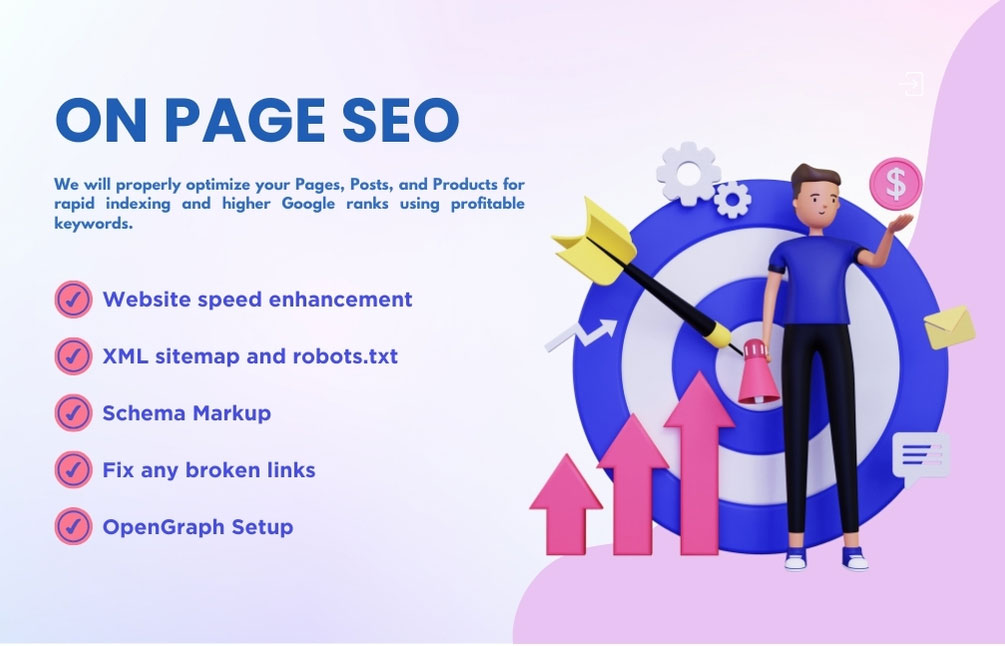
Once upon a time, we typed out our Google queries as if we were composing Shakespearean sonnets. Now, thanks to smart assistants, it’s all about casual conversations. It’s like having a friend who’s also a walking encyclopedia and doesn’t mind chatting while you do the dishes. Imagine asking:
- Formerly, you might have typed: “Best pool companies Houston reviews”
- Now, you casually say: “What’s the top-rated pool company near me with financing?”
It’s amazing how far we’ve come! Suddenly, our smartphones don’t just sit there—they actually listen. It’s like having a second pair of ears in the room, ready to help us find what we need without the fuss.
Voice SEO Tips to Keep in Mind:
- Incorporate natural language keywords.
- Develop conversational FAQs.
- Utilize Local SEO (think “in Houston,” “near Dallas”).
- Answer those tricky who, what, when, where, why, and how questions.
When it comes to adapting to voice search, think about searching for a restaurant. We’ve all been there, rummaging through our heads, mentally filtering out the “meh” places. Using conversational phrases is where the magic happens. You want your content to feel like a friendly chat, not a stuffy lecture.
| Key Considerations | Description |
|---|---|
| Natural Language Keywords | People speak differently than they type. Use phrases that people naturally say. |
| Conversational FAQs | Create content that answers common questions in a friendly tone. |
| Local SEO | Always bring in local references to help people find you easily. |
| Comprehensive Answers | Cover all angles—who, what, when, where, why, how—to be the go-to source. |
In short, embracing voice search might seem like a new language, but it’s about connecting with our audience in a more approachable way. With every “Hey Siri” or “Okay Google,” the way we interact with technology is transforming—and we’re all along for the ride!
Next, let’s explore what’s on the horizon for search. This isn’t just about keeping up; it’s about gearing up for the future!
A Glimpse into the Future of Search (2025 and Beyond)
We’re stepping into an era where search is becoming increasingly predictive, personalized, and, yes, even multimodal. If this sounds like sci-fi, hold onto your hat!
- Predictive Search: Remember when Google anticipated your queries? It’s like they can read your mind! They might as well assign a crystal ball to each user.
- AI-Powered Refinement: With AI evolving faster than a toddler on caffeine, it’s no wonder results will be tailored based on our past searches. It’s like having a personal butler who knows you well—without the bow tie.
- Multimodal Search (Google Lens): Ever tried searching with an image? It’s like showing your phone a photo of your lunch and asking it what’s on the menu. Mind-blowing!
- Zero-Click Searches: You know what’s cool? Getting the answer before you even ask! Google’s been flexing its muscles, giving us answers straight in the search results—practically serving it up on a platter.
With all this finesse in search refinement, businesses will need to adapt omnichannel SEO strategies. This means our brands need to pop up wherever the magic happens, like finding a miracle burger in a sea of salad.
It’s high time to get proactive! Think of it as prepping for a potluck—you don’t want to show up empty-handed when everyone else is bringing homemade goodies!
Adapting to the trends is fundamental; it can feel like trying to catch a greased pig at a county fair. Just when you think you’ve got a grip, it wiggles free! Staying on top of these changes isn’t a one-and-done deal; it’s a marathon, not a sprint. Just look at some of the big names adapting their strategies to cater to these advancements. For instance, companies are increasingly using data analytics to gauge customer preferences before they even blink.
As we move forward, let’s keep our eyes peeled for new tools and trends. Who knows? While you’re brushing your teeth, your phone might just pull up the perfect hair gel based on your search history. So buckle up; it’s bound to be one wild ride in this search landscape!
Now we are going to talk about some common questions and clarifications regarding search optimization and how it can impact our online experiences.
Questions We Often Encounter
Q1: What’s the simplest trick to improve search results on Google?
Well, filters are like magic wands! Using options like “Past Year” or snazzy Boolean tricks can really narrow down those endless lists. It’s like having a personal assistant sifting through mountains of data.
Q2: How do these nifty filters actually help with SEO?
Imagine SEO as a dating profile—filters help tailor your content to what users are really looking for. The more your content matches these refined requests, the higher you rank. It’s all about making those connections!
Q3: Can refining searches seriously boost e-commerce sites?
You bet! Think of filter-style navigation as a well-organized closet; it just makes things easier to find. This can significantly raise conversions by reducing those “I-can’t-find-anything” moments.
Q4: How does Local SEO fit into refining searches?
Local SEO is like having a friendly neighbor that knows where the best pizza is. It makes sure users spot location-specific results, which can really drive local leads. We all know nobody wants to see sushi places when they’re in the mood for tacos!
Q5: What does the future hold for refining search?
We’re talking about AI-powered, multimodal, and predictive search here! It’s like having a crystal ball that can predict what you want before you even know it. The personalization is about to take a leap into the extraordinary!
Now we are going to talk about why working with a top-tier SEO agency is crucial for enhancing search visibility in a crowded digital marketplace.
Collaborate with Leading SEO Experts for Enhanced Search Visibility
Let’s face it, folks, SEO can feel a bit like trying to assemble IKEA furniture without instructions—confusing and a tiny bit frustrating. That’s why having a savvy team at your side can make a world of difference.
When we team up with skilled professionals, they help businesses become the shining stars in search results. With strategies that include strong SEO, a sprinkle of AEO, and some localized magic, a great agency ensures that your content doesn’t just exist; it thrives where it truly counts.
Here’s what we, as savvy marketeers, typically expect from a high-caliber agency:
- In-depth SEO analytics & insights that align perfectly with what users are after
- Local SEO strategies to kick those geo-specific searches into high gear
- AEO optimization for voice searches, because why not let Siri do some of the heavy lifting?
- Content and technical SEO that make your website a breeze to navigate
In this busy online space, it’s not just about making an appearance anymore; it’s about simplifying user experience. If your business can’t cut through the noise, what’s the point, right?
Just the other day while scrolling on social media, I found myself chuckling at yet another SEO meme. It struck me that unlike social networks, being discovered online isn’t about luck; it’s about strategy. So, what can businesses do?
Reaching out for expert guidance can be a solid starting point. After all, it’s like bringing in a professional chef when your cooking efforts lead to burnt toast. Just makes life easier, doesn’t it?
If your brand is serious about being the answer potential customers are actively searching for, it’s time to make that call.
Connect with a team that understands your needs and will set you up for success. Let’s face it, positioning your brand for peak visibility is the ticket to ride in this digital amusement park.
Ready to take the leap? Contact us now and book a session with our SEO pros—because your business deserves to shine like a diamond in a search result list.
Why wait? Schedule your FREE consultation today and let’s put your brand in the spotlight!
Conclusion
In conclusion, search isn’t just a task; it’s an adventure! Whether you’re fine-tuning your SEO strategies or simply trying to find the best taco joint in town, every small adjustment can lead to big results. Remember, the tools we have today—like AI and voice tech—aren’t just toys; they’re allies in making our searches smarter and more relevant. Let’s keep exploring, adapting, and laughing along the way, because at the end of the day, we’re all just trying to find our slice of pizza, croissant or whatever makes our hearts sing. Happy searching!
FAQ
- What’s the simplest trick to improve search results on Google?
Well, filters are like magic wands! Using options like “Past Year” or snazzy Boolean tricks can really narrow down those endless lists. It’s like having a personal assistant sifting through mountains of data. - How do these nifty filters actually help with SEO?
Imagine SEO as a dating profile—filters help tailor your content to what users are really looking for. The more your content matches these refined requests, the higher you rank. It’s all about making those connections! - Can refining searches seriously boost e-commerce sites?
You bet! Think of filter-style navigation as a well-organized closet; it just makes things easier to find. This can significantly raise conversions by reducing those “I-can’t-find-anything” moments. - How does Local SEO fit into refining searches?
Local SEO is like having a friendly neighbor that knows where the best pizza is. It makes sure users spot location-specific results, which can really drive local leads. We all know nobody wants to see sushi places when they’re in the mood for tacos! - What does the future hold for refining search?
We’re talking about AI-powered, multimodal, and predictive search here! It’s like having a crystal ball that can predict what you want before you even know it. The personalization is about to take a leap into the extraordinary! - What is the role of filters in social media searches?
Filters help us save time and find what we need faster by narrowing down content based on specific criteria, making social media platforms function as specialized search engines. - Why is it important to optimize for voice search?
Optimizing for voice search helps us connect with our audience in a more conversational way, as people tend to speak differently than they type. This approach enhances user experience and aligns better with natural language queries. - How can businesses leverage local SEO strategies?
Businesses can attract more customers by optimizing their Google Business Profile, utilizing “near me” searches, and creating localized content that resonates with community needs. - What are some advanced search techniques to improve online searching?
Techniques like using quotation marks for exact phrases, the minus sign to exclude terms, and the site command to search specific websites can significantly refine search results. - Why should businesses consider collaborating with SEO experts?
Collaborating with skilled professionals ensures businesses get tailored strategies that enhance their visibility and help them thrive in a competitive digital marketplace.

How to Use AI to Generate B2B Leads Fast?
Lead generation can feel like trying to find a needle in a haystack. Remember those days when we had to trudge through endless spreadsheets and cross our fingers for a lead? Well, imagine a helpful robot, maybe with a little personality, sorting through that chaos for you. Yep, that’s AI stepping in to save the day! Using AI can feel like having a super-smart intern who never takes coffee breaks but also tells awful jokes. With its help, you can simplify the lead generation process, find the right prospects, and even discover who’s truly interested. Let’s chat about how AI transforms lead generation from a back-breaking task to a breezy experience filled with opportunities. Slap on your favorite caffeinated drink, and let’s dig into some quick strategies, top tools, and a solid acceleration plan to boost those B2B leads. No cap, it’s time to work smarter, not harder!
Key Takeaways
- AI can simplify lead generation, saving you time and effort.
- There are quick strategies to effectively boost B2B leads using AI.
- Top AI tools can enhance your lead generation process significantly.
- Applying smart strategies will help in creating better leads.
- A well-structured 14-day plan can accelerate your lead generation efforts.
Now we are going to talk about how AI is reshaping the way we attract potential customers. It’s like having a tireless intern who never complains and always shows up on time—what’s not to love?
The Role of AI in Lead Generation
Imagine trying to find a needle in a haystack. That’s what traditional lead generation can feel like. Enter artificial intelligence: your new best friend.
AI can help identify, qualify, and nurture prospects as easily as swiping left or right on dating apps!
Picture this: you’re sipping your morning coffee, scrolling through your emails when a brilliant sale pops up. How did they know? AI can analyze patterns and user behavior, predicting customer intentions before the first sip of latte.
Here are some perks AI brings to lead generation:
- Quality Leads: It’s like fishing with a net instead of a hook. AI helps surface the leads that matter!
- Personalized Outreach: Who doesn’t love a personal touch? It tailors your message, so customers feel like you’re speaking directly to them, not sending out mass emails.
- Task Automation: Say goodbye to repetitive tasks! AI takes care of the mundane, freeing us to focus on more strategic work, like brainstorming our next office trivia game.
- Lead Scoring: With AI scoring leads, we can highlight the cream of the crop for our sales teams to pursue—talk about working smarter, not harder!
All these elements contribute to a more streamlined sales process. It’s like having a GPS for your sales strategy; navigating toward success becomes less like wandering in the dark and more like a Sunday drive.
Consider the latest trends: companies are increasingly adopting AI to stay competitive. Remember that time we all scrapped our New Year resolutions after two weeks? Well, businesses are realizing that sticking with AI pays off big time! With better conversions and increased revenue, it’s hard to argue against it.
The current trend suggests smaller businesses are also hopping on the AI train.
They’re using the tech for targeted marketing efforts, improving customer experiences, and yes—certainly reminding us that the future is now, and it’s bright!
So, while we may never fully predict when our favorite shows will get renewed (looking at you, Netflix), at least we can make confident predictions about customer behavior. Now, that’s something we can all raise a coffee cup to!
Now, we are going to explore some dynamic strategies for ramping up B2B lead generation with the help of good ol’ AI. These tools can turn a sluggish process into a turbocharged one. Let’s jump into seven rapid-fire methods to nab those leads!
7 Quick Strategies to Boost B2B Leads Using AI
Create Targeted Lists in a Snap
AI tools can whip up those ideal customer profiles faster than a barista can brew a cup of coffee! Think of it as a matchmaking service, but for businesses. By crunching vast datasets, these tools can pinpoint the most promising prospects.
- Data Crunching: These clever algorithms sift through mountains of data like kids in a candy store, finding the nuggets that define your perfect customers.
- Insights on Behavior: You can find out who’s eyeing your product by analyzing customer interactions. It’s like having a crystal ball—except way cooler!
- Lead Sources Galore: AI connects to platforms like LinkedIn faster than you can say “networking event,” fishing out leads from over a hundred sources.
- Crafting Your ICP: AI helps shape the fictional biz best suited for your services. Time to roll up those sleeves and get to work.
- List Automation: Once it gets the hang of what you want, it can serve up a list of eager prospects straight to your sales team, saving time and effort.
Score Leads Like a Pro
Imagine being able to know which leads are likely to convert—all thanks to predictive lead scoring! AI analyzes everything from web visits to social media activity to figure out who’s ready to dance.
- Data Collection: AI gleefully collects data from CRM systems and social channels like it’s gathering candy on Halloween.
- Patterns Galore: Using machine learning, AI detects the telltale signs of a buyer on the prowl.
- Dynamic Scoring: Each lead gets a score, like a Yelp review, showing how likely they are to become a customer.
- Prioritize Outreach: Sales teams focus on those high-scoring leads, ceiling the deals with style!
- Ever-Learning AI: It adapts and learns from every interaction, honing its skillset like a true virtuoso.
Personalize Everything with Ease
Using AI for personalization might feel like magic. You could be sending tailored messages to thousands while still keeping it cozy and familiar—talk about efficiency!
- Customer Insights: AI zeros in on buyer behaviors, uncovering what makes them tick.
- Custom Messaging: AI can whip up compelling emails tailored to each lead’s needs faster than a chef can prepare a soufflé.
- Maximize Automation: Send personalized messages on every channel, from email to social media, without lifting a finger.
- Predictive Tools: These models forecast what customers might do next—perfect for keeping competition at bay.
- Live Interaction: AI chatbots can have engaging dialogs that feel more like a chat with a friend than a robot.
Streamline Multichannel Campaigns
Integrating AI into sales platforms is like putting the cherry on top of a sundae. It organizes campaigns and personalizes messages so effectively that you’ll wonder how you ever lived without it!
- Customer Analysis: AI checks out where customers are engaging the most—saving you from shouting into the void!
- Prospecting Intelligence: If you like clues, AI uses data signals to find leads that match your ideal customer profile, ensuring you hit the mark.
- Multichannel Magic: Design campaigns that leverage everything from emails to calls, ensuring no stone is left unturned.
- Personalized Outreach: Integrate smart AI writing assistants to help craft compelling communications for each platform.
- Automated Logic: Adjust your messaging based on how a lead behaves, like an adaptable chameleon!
Track Buyer Intent & Major Events
Using AI tools to analyze behaviors and significant events can feel like being handed a treasure map. You can hit all the sweet spots for personalized outreach!
- Understanding Intent: Understanding what leads want comes from analyzing conversations and interviews.
- Spotting Trigger Events: AI quickly identifies those key moments that indicate a lead might be ready to talk turkey!
- Automating Outreach: Create engagement messages tailored to lead behavior—super handy during busy times!
- Fine-Tuning Targeting: Smart AI can adapt strategies based on real-time data, ensuring optimal messaging.
- Enrichment Tools: AI enriches lead profiles, giving your sales team valuable context to address concerns and objections like pros.
Engage with AI Chat & Lead Routing
AI chatbots are like your squad of sales ninjas! They qualify leads, route them effectively, and keep them engaged without breaking a sweat.
- Lead Identification: Chatbots can sniff out high-value prospects by analyzing behavior and generating leads based on firmographic data.
- Immediate Engagement: AI chatbots don’t sit around; they engage with website visitors, collecting info and directing them to the right contacts.
- Lead Nurturing: Personalized emails and follow-up messages are handled like a pro chef plating a perfect dish.
- Campaign Optimization: AI constantly polishes campaigns, adjusting tactics to engage the most responsive audiences, making it all super cost-effective.
- Seamless Integration: Connect AI with your CRM for ongoing performance evaluations and fine-tuning, ensuring everything runs smoothly.
Refine Messaging Using Insights
Finally, it’s vital to analyze calls and surveys using AI. This gives clues about potential customer pain points and what messaging resonates best. Here’s the lowdown:
- Conversation Insights: AI tools sift through discussions to gauge what prospects really care about.
- Data-Driven Personas: More precise personas made with AI mean that your messaging hits the mark more often.
- Lead Automation: Integrating AI means effective lead segmentation and nurturing happen automatically.
- Predictive Scoring: Assigning scores based on behavior helps prioritize high-intent leads.
- Combining AI with Human Touch: Pair AI analytics with human creativity for the ultimate messaging setup. Yes, we can work together!
Now we are going to talk about some fantastic AI tools that can streamline lead generation and boost sales efficiency, all while making us feel like we’re living in the future. Remember when we used to sift through piles of paper leads? Yeah, that’s as outdated as dial-up internet! Let’s explore how we can make those tedious processes a breeze.
Top Picks for AI Tools to Accelerate Lead Generation
We’ve all seen the transformation in how businesses identify, engage, and cultivate leads. AI tools have become like trusty sidekicks in our sales adventures — always ready to lend a helping hand.
These tools can automate mundane tasks, making it easier for sales teams to focus on what they do best: engaging with prospects. The benefits are like finding a twenty-dollar bill in an old coat pocket – delightful and unexpected!
Here are some stellar AI tools to rev up your lead generation:
| Tool Name | Description |
|---|---|
| io | An affordable all-in-one platform with a vast B2B contact database and outreach tools. |
| Clay | Flexible tool allowing customized lead enrichment workflows. |
| ZoomInfo | Comprehensive B2B data for larger organizations, with intent insights. |
| Cognism | Focuses on high-quality B2B data with accurate European market coverage. |
| ai | No-code tool for discovering and qualifying leads efficiently. |
Enhanced Data Collection & Enrichment
In our quest for quality leads, data enrichment tools come in like the cavalry. They fill in the gaps in our contact lists faster than you can say, “Where’s my phone?”
- SuperAGI: Offering AI-powered sales agents for smooth conversations and meeting setups — smooth as butter on warm toast!
- Salesloft: Acts like the conductor of a symphony, orchestrating the entire sales lifecycle.
- ai: Helps craft personalized emails and call sequences that convert like magic.
- Clari: Provides insights on sales calls — think of it as a coach in your earpiece, guiding your every move.
AI Tools for Website Conversion
Now, let’s not forget we need those leads to convert! Website conversion tools are like the cheerleaders of our digital marketing efforts, ensuring visitors take the right action.
- Optimizely: This tool wields A/B testing prowess to help us find out what our audience really likes — like discovering the secret to grandma’s famous cookies!
- Hotjar AI: Analyses user behavior, making it easier to pinpoint where visitors tend to bail — no more lost leads!
Well, there you have it! These AI tools can simplify our lead generation process, allowing our teams to focus on building genuine connections with potential customers. ✨ Now, who’s ready to take their lead game to the next level? 📈
Now we are going to explore how to effectively use AI for lead generation. With creativity and precise prompts, we can turn our ideas into actionable insights. In this age of digital communication, getting creative is key!
Smart Strategies for AI-Driven Lead Creation
Identifying Our Ideal Customer Profile (ICP)
When it comes to targeting the right audience, we’ve all had our share of misses. Remember that time when we tried to sell ice to penguins? Yeah, not very effective.
So, crafting our Ideal Customer Profile is crucial. We’d prompt AI to whip up profiles by throwing in details about our products and customers’ needs.
Just like finding the right seat in a crowded café, specificity is vital. Here are some prompts we can use:
- Create an ICP for a growing software company in California that uses Salesforce, struggles with lead qualification, and is considering expansion.
- Draft an ICP for a product-focused tech startup that aims to scale its sales team while juggling too many manual tasks.
- Outline an ICP for a B2B SaaS firm wanting to boost outbound sales while minimizing data entry woes.
Personalization is Key
We all love a good personal touch—like that friend who remembers our favorite pizza toppings!
When prompting AI to personalize messages, we should sprinkle in some context about our audience. For example:
- Craft a connection request for a Marketing Director interested in productivity tools, highlighting our platform’s benefits.
- Write landing page content for freelance graphic designers in need of seamless project management software.
- Suggest products for an e-commerce customer who just purchased running shoes, adding complimentary items like workout gear!
Segmenting Our Audience
Ever tried fitting a square peg in a round hole? Yeah, that’s what it feels like when we send generic messages to specific audiences.
Effective segmentation relies on well-defined parameters. Here’s what we can prompt AI to accomplish:
- Create detailed personas for a software launch in the healthcare industry, focusing on job titles and goals.
- Analyze our customer database to identify segments that would love our new feature.
- Compare engagement patterns between users of our product’s features to pinpoint improvement areas.
Custom Variables for Leads
Ah, the joy of customization! It’s like having a tailored suit versus wearing something off the rack.
When building custom variables, we might structure prompts that gather nitty-gritty details about leads. For instance:
- Detail the specific challenges faced by a Marketing Manager interested in our software.
- Identify needs for a Head of Operations in logistics, highlighting their pain points and goals.
Scoring Leads Wisely
This is where the rubber meets the road! Effective lead scoring is crucial—think of it as grading an exam.
We can prompt for scoring rules by clearly defining what we’re looking for. Here are examples we can use:
- Set lead scoring criteria for a marketing service targeting e-commerce brands.
- Establish a numerical scoring system based on specific engagement metrics for a new product launch.
In short, playing it smart with AI in lead generation can be a blast. With the right prompts, we can tailor our approach and truly connect with our audience—ice to penguins optional.
Now we are going to talk about an invigorating approach to generating leads that promises results in just two weeks. It’s all about shaping a streamlined process to amplify your outreach and connect with your target audience genuinely. Let’s dive into some fun and actionable strategies we’ve learned along the way.
14-Day “Leads-Now” Acceleration Plan
The “14-Day Leads-Now Acceleration Plan” is like a high-speed train to generate leads at lightning speed. Think of it as a sprint through the wild world of *marketing*, where we identify what makes our ideal customers tick and engage them with content that hits home. And let’s not forget – that personal touch can make all the difference.
Here’s a step-by-step breakdown that’s as easy to follow as a recipe for mac and cheese!
Days 1-2: Defining Our Ideal Customer
During the first couple of days, let’s get our ducks in a row by defining our Ideal Customer Profile (ICP). It’s a pivotal step—kind of like deciding the best toppings for pizza. Yes, everyone has their preferences!
- First off, nail down the essentials: industry, company size, decision-makers, their biggest pain points, and geography.
- There are some nifty AI tools out there like ChatGPT or Apollo. We can analyze our existing customers to find patterns that lead to insightful decisions.
- Clean your data like how you’d tidy up your closet—out with the old and in with the new. Tag leads appropriately based on their buying stage.
- By Day 2, we should have a crisp document outlining our ICP and a lead list that’s just ready to roll.
Days 3-4: Crafting Our Message
Next up, we want our messaging to resonate like a catchy tune. We need to whip up AI-personalized messaging kits that will grab attention and keep it!
- Defining our core message is essential. Who do we serve, and what problems do we solve? Let’s spell it out!
- Create modular message assets tailored for different platforms like email and LinkedIn. No cookie cutters needed here!
- Feed our ICP data into tools to help craft personalized messages that sound genuine—like we’re having a chat over coffee.
- By Day 4, we’ll have a complete messaging suite, ready and waiting to work its magic.
Days 5-7: Launching the Sequences
Alright, it’s showtime! Let’s launch our outreach sequences across email and LinkedIn.
- Activate email outreach and LinkedIn engagement. Think of it like throwing a party – you want to engage the right crowd!
- Using tools like Instantly.ai or Lemlist can help automate our outreach. Efficiency is key here, folks.
- Don’t forget to target those who engaged with our emails. We want to keep the momentum going!
- Monitor metrics in real-time. Open rates drop as fast as a lead balloon, and we want to catch any dips early!
Days 8-10: Optimize for Conversions
Let’s ensure that our website is as welcoming as grandma’s kitchen—making visitors feel at home and prompting them to take action.
- Audit your conversion paths. Clear calls-to-action and value propositions are like inviting signs to potential leads.
- Create a “Leads Now” landing page that ties in perfectly with our outreach. No mismatched socks here!
- Integrate smart lead-capture tools to make the experience smooth. We want prospects to feel like they’re cruising, not slogging through mud.
- A/B testing is our friend. Experiment with different headlines, button colors, and forms to see what works!
Days 11-14: Optimizing with Insights
We’re now tightening up everything we’ve learned by using insights from our outreach efforts. It’s like improving your golf swing with every practice!
- Identify those buying signals. What little things signal interest? Let’s make sure we’re paying attention!
- Segment leads based on readiness. Not every lead is raring to go, and we need to treat them accordingly!
- Refine messaging with real data, automating follow-ups where possible. Think of it as a tune-up for our outreach.
- Finally, take stock of results and metrics. It’s like counting how many cupcakes you made after a baking spree!
By doing these steps, we can enjoy a fantastic sprint, transforming interest into eager customers. It’s the kind of adventure that can really shake things up, all while keeping a healthy dose of humor and heart!
Now we are going to talk about how leveraging AI can truly turbocharge our B2B lead generation strategies. We all know the hustle is real in sales. As the years roll on, we discover new tricks to stay ahead, and that’s where technology comes strutting in wearing a cape. Seriously, it’s kind of like having a super sidekick at your disposal. Who wouldn’t want that?
Boosting B2B Lead Generation with AI
There’s something about artificial intelligence that feels like sorcery, isn’t it?
Imagine you’re trying to cast your fishing line into the vast sea of leads. You could be throwing spaghetti at the wall to see what sticks, or you could have a high-tech fish finder.
Well, AI is basically that fish finder.
When we think about lead generation, it’s tempting to feel overwhelmed. After all, nobody wants to waste time chasing leads that are more like ghosts than solid opportunities.
With the right tools, we can prioritize our efforts.
Whether it’s automating tedious tasks or utilizing data analytics to suss out the best prospects, AI is making our lives easier and our approaches smarter.
Here’s a little checklist to consider:
- Automating Tasks: Let’s face it; nobody loves data entry. Why not let AI scoop up and organize contacts for us?
- Qualifying Prospects: Imagine getting leads that are already warmed up! AI can pre-screen prospects to find those golden eggs.
- Personalizing Outreach: Nobody likes copy-paste emails. AI can help us craft messages that genuinely resonate with potential clients.
But just like our favorite superhero movies, added power comes with responsibility.
It’s vital to remember to blend technology with a personal touch.
After all, a little bit of humanity in our communications can make a world of difference.
Recently, there have been buzzworthy examples of companies harnessing AI for not just efficiency but for genuinely relatable engagement.
For instance, some teams are utilizing AI chatbots that don’t just spit out answers, but also engage in meaningful conversations.
Talk about turning our lead generation from ho-hum to exciting!
We must embrace this innovative tech but also ensure we’re keeping it real.
In the end, while AI can swing the odds in our favor, it’s our own finesse and narrative that will seal the deal.
So, are we ready to turn these tech monsters into our allies in the thrilling quest for top-notch leads?
There’s a brave new world out there, and it’s sparkling with opportunity.
By integrating AI thoughtfully, we can save valuable time and resources, allowing our marketing and sales teams to zero in on leads that are ready to convert, rather than those that just fill our inboxes.
Be on the lookout for future insights and trends, and let’s keep riding this wave together!
Now we are going to talk about some frequently asked questions surrounding the use of AI in lead generation. Buckle up; it’s about to get informative and a little humorous!
Common Questions About AI and Lead Generation
Can AI Really Improve B2B Lead Gen ROI?
Absolutely! Think of AI as your trusty sidekick—like Robin to Batman, but with less spandex. It helps streamline operations, making them more cost-effective.
Which Metrics Should I Track First?
When you’re starting out, honing in on a few critical metrics is essential. Prioritize:
- Lead Quality
- Lead Volume
- Conversion Rate
- Cost Per Lead (CPL)
These will give a clear view of how AI is swinging the lead generation pendulum in your favor.
How Do I Keep Emails Out of Spam With AI?
To ensure your emails don’t end up in the dreaded spam folder, think of your email as a VIP at a club—it needs the right passes. Confirm your email authentication with:
- SPF
- DKIM
- DMARC
And for good measure, keep your subscriber list squeaky clean by removing inactive names like a bad haircut.
What Data Do I Need for Accurate AI Scoring?
When it comes to building solid AI scoring, it’s all about having the right ingredients. Here’s the shopping list:
| Data Type | Purpose |
|---|---|
| Demographics | Identify your audience |
| Behavior | Understand patterns |
| Engagement | Analyze interactions |
| Intent Signals | Gauge potential interest |
| Outcomes | Measure success |
Generating accurate AI scores is like baking a cake; you need the right ingredients blended perfectly for a delightful outcome!
Conclusion
As we wrap up, hopefully, you’re feeling inspired to let AI take the reins in your lead generation mishaps. The tools and strategies mentioned can redefine how you connect with potential clients. Just imagine the time you’ll save not having to sift through piles of data! Look ahead with a smile, knowing you have some nifty tricks up your sleeve. So, here’s to more leads, less stress, and AI being your trusty sidekick in this wild adventure we call business!
FAQ
- Can AI really improve B2B lead gen ROI?
Absolutely! Think of AI as your trusty sidekick—like Robin to Batman, but with less spandex. It helps streamline operations, making them more cost-effective. - Which metrics should I track first?
When you’re starting out, honing in on a few critical metrics is essential. Prioritize:- Lead Quality
- Lead Volume
- Conversion Rate
- Cost Per Lead (CPL)
These will give a clear view of how AI is swinging the lead generation pendulum in your favor.
- How do I keep emails out of spam with AI?
To ensure your emails don’t end up in the dreaded spam folder, think of your email as a VIP at a club—it needs the right passes. Confirm your email authentication with:- SPF
- DKIM
- DMARC
And for good measure, keep your subscriber list squeaky clean by removing inactive names like a bad haircut.
- What data do I need for accurate AI scoring?
When it comes to building solid AI scoring, it’s all about having the right ingredients. Here’s the shopping list:- Demographics – Identify your audience
- Behavior – Understand patterns
- Engagement – Analyze interactions
- Intent Signals – Gauge potential interest
- Outcomes – Measure success
Generating accurate AI scores is like baking a cake; you need the right ingredients blended perfectly for a delightful outcome!
- How can AI improve lead qualification?
AI can pre-screen prospects to find those golden eggs, ensuring that sales teams focus their efforts on leads that are more likely to convert. - What role does personalization play in AI-driven lead generation?
Personalization is key; AI can help craft messages that genuinely resonate with potential clients, moving beyond generic outreach. - How does AI help with automated tasks?
AI can scoop up and organize contacts, making data entry and mundane tasks a breeze, allowing sales teams to focus on building relationships. - Why is defining an Ideal Customer Profile (ICP) important?
Crafting an Ideal Customer Profile helps target the right audience effectively, ensuring marketing efforts yield better results. - How does AI scoring work?
AI scoring analyzes various data inputs, providing a numerical score that indicates how likely a lead is to convert based on their behavior and characteristics. - What are some effective AI tools for lead generation?
Tools like ZoomInfo, Cognism, and SuperAGI are great for enhancing data collection, lead qualification, and automating outreach, making lead generation smoother.
How to Run Facebook Ads That Actually Convert in 2025
Facebook advertising can feel like trying to find your way through a maze. Remember your cousin who thinks that posting a picture of his lunch will sell a product? Spoiler: It doesn’t work. But fear not! There’s gold to be found in Facebook Ads if you approach them with a good strategy and a sprinkle of humor. This article is packed with insights that will not only help you launch your campaign but also keep you entertained along the way. From understanding the creative part to smart targeting—let’s face it, predicting the future of ads can be as bewildering as a cat at a dog show, but we’ll make it clear and fun. Scroll down and let’s break it all down, one chuckle at a time!
Key Takeaways
- Effective ad creative starts with understanding your audience’s humor and interests.
- AI is transforming how we run Facebook ads — make it work for you!
- Smart targeting is your golden ticket to maximizing returns.
- Performance tracking is not just about numbers; it’s about storytelling.
- Don’t shy away from challenges; they often lead to the most memorable campaigns.
Now we are going to talk about crafting a winning strategy for Facebook ads as we head into 2025. If you think running ads feels like juggling flaming torches while riding a unicycle, you’re not alone! But fear not, we’re here to shed some light on how to do this without accidentally setting your marketing budget on fire.
Key Takeaways for Success in Facebook Advertising
By the final line of this article, we’ll transform your advertising skills from novice to pro. We’ll explore how to not just stay afloat but paddle ahead with finesse in the Facebook ad landscape. Get ready, because we’re covering a variety of tactics that make your ads pop like popcorn in a microwave.
Here’s what’s on the agenda:
- Structuring profitable Facebook ad campaigns using the latest and greatest practices for 2025.
- Using AI automation techniques that can slash your optimization workload – who doesn’t love that?
- Implementing creative testing frameworks that keep conversion rates soaring.
- Mastering advanced attribution tracking to reclaim that precious iOS 14+ data.
- Tactics for troubleshooting common hiccups in your campaigns, because let’s face it, things don’t always go as planned!
Whether you’re a newbie feeling like a fish out of water or a seasoned marketer ready to level up, this guide is your golden ticket to success. Remember that infamous moment when friends dropped everything to watch a viral cat video? Well, that’s the kind of attention we want your ads to get! It’s all about grabbing eyeballs and keeping them glued to the screen.
And let’s be honest, as we grapple with trends and techniques, it can sometimes feel like trying to tackle a Rubik’s Cube blindfolded. But with the right strategies in place, we can make sense of it all. The digital advertising scene continues to shift, especially with the emergence of new features and regulations that require us to adapt our game plan constantly. Who else is holding their breath with all these changes? We know we are!
Leveraging AI isn’t just a fancy buzzword; it’s reality knocking at our door. Imagine not having to sift through heaps of data manually or spending sleepless nights tweaking ads! Instead, we can focus on what really matters: crafting compelling stories and visuals that resonate with our audience. Think of it like having a super helpful sidekick who handles the boring tasks while we focus on delivering the fun stuff.
No matter where we find ourselves on the advertising spectrum, let’s equip ourselves with the knowledge and tools that make our campaigns shine. So, let’s roll up our sleeves and dive right into the nitty-gritty that will change the way we approach Facebook ads in the coming year!
Now we are going to talk about an important topic that is crucial for businesses today. Let’s explore Facebook advertising and its essentials as we head into 2025. This isn’t just about throwing money at ads; it’s about making those dollars work harder for us!
Key Insights on Facebook Ads for 2025
First off, Facebook ads are really opportunities wrapped in a digital bow. We’re talking about crafting paid campaigns on Meta’s playground—Facebook and Instagram—that help us connect with specific audiences. You know, like when you stumble upon a taco truck that perfectly suits your cravings on a late-night drive.
The scene has shifted considerably. As of December 2024, Facebook boasts a staggering 3.35 billion daily active users. That’s a 5% uptick year-over-year! It’s like the platform decided to throw a party and nearly everyone showed up.
Here’s a fun tidbit—despite all the hullabaloo from competitors, Meta’s ad revenue jumped to $164.50 billion in 2024, a 22% increase. So yes, there are plenty of fish in the sea, but the bountiful catch remains very much alive for savvy advertisers.
Important Campaign Objectives for Success
Looking forward, here’s the lowdown on what objectives truly matter:
- Sales Campaigns: The bread and butter for e-commerce businesses. This is like finding money on the ground since Meta’s machine learning sniffs out potential buyers.
- Leads Campaigns: Especially beneficial if you’re selling high-ticket items or services. Think of it as collecting VIP passes before the big concert.
- Awareness Campaigns: These are the go-getters for new brands aiming to break into public consciousness. Just keep in mind, the return on investment takes a bit longer to show up—kind of like waiting for that bread to rise.
Pro Tip: For those just starting out, Advantage+ campaigns are your best buddies. Let Meta’s AI handle most of the optimization while we pour our creative juices into the juicy bits.
The big shift this year? Meta’s AI has developed some serious smarts in the optimization department. It’s like when your grandma finally figures out how to use that fancy coffee machine—miraculous things happen when it’s set up correctly!
In conclusion, as we navigate the Facebook ad landscape in 2025, understanding the nuances of campaign objectives will be key. It’s about setting that strong foundation, ensuring the AI can truly shine its light on our efforts.
Now we are going to talk about how to kickstart your first Facebook ad campaign. With the right steps, it might actually feel like you’re not darting around in the dark!
Launching Your Facebook Ad Campaign: A Simple Guide
Step 1: Setting Up the Campaign
Let’s get this party rolling! Click “Create” in Ads Manager. It’s like entering a virtual candy store—so many options!
Choose your campaign objective. If you’re selling goodies online, look for “Sales.” This is like waving a magic wand for Meta to find potential buyers.
Don’t forget to name your campaign something catchy, like “Fall Fashion Fest – Sales – Oct 2023.” Trust us; it feels good to have a name that rolls off the tongue!
Step 2: Configuring Your Ad Set
Now, we’re getting into the nuts and bolts of things. Your ad set is where it all comes together—who sees your ad, when they see it, and how much cash you’re willing to spend.
Budget and Schedule: Start on the lower end—with $20 to $50 daily. It’s like testing the waters before you belly flop. Once you spot what works, you can dive all in!
Audience Targeting: Forget the old, overly precise tactics. In 2023, being broad is in! It’s as if you’re casting a wide net to let Meta’s AI do its job. Start with:
- Age: 25-65 (adjust as needed)
- Location: Areas where you ship
- Interests: 2-3 general interests tied to your product
Placements: Opt for Advantage+ placements. It’s like letting Meta decide the best spots for your ads across Facebook, Instagram, Messenger, and Audience Network—it knows where to party!
Step 3: Crafting Your Ad Creative
Now for the fun part! Upload those creative gems and whip up ad copy that cuts to the chase. Make it resonate with your audience’s woes—think about how your product can save the day!
Quick Tip: Embrace broad targeting and let AI do the heavy lifting. Meta’s algorithm has more data up its sleeve than a magician at a children’s party, and it’s gotten pretty savvy at connecting you with your ideal shoppers.
For those of you keen on polishing your campaign setup, there’s more juicy stuff in our comprehensive Facebook ads guide. It’s all about taking your advertising game up a notch!
| Step | Action |
|---|---|
| 1 | Create your campaign and select your objective. |
| 2 | Set up your ad set with budget and targeting. |
| 3 | Design your ad creative and write engaging copy. |
Now we are going to talk about crafting ads that actually persuade and convert. We all know that the right visual can make someone stop scrolling faster than a cat chasing a laser pointer. Here’s what’s trending as we stride into 2025.
Mastering Ad Creative That Drives Results
Visual Techniques That Turn Heads in 2025
Everyone’s buzzing about User-Generated Content (UGC)—it’s ruling the roost!
When real folks use your products in everyday life, it can beat fancy studio photos by a whopping 35%.
Imagine this: Billy from down the block, using your gadget in his kitchen, versus a super polished ad. Which one would you trust more? Exactly!
Then there are those Before/After Transformations. They work like magic! Who doesn’t love a good glow-up story?
Whether it’s a wrinkle cream or a home improvement tool, people want to see the process, not just the final result.
And let’s not forget how Product in Action videos take the cake. A quick 15-second clip showing someone happily using your product can skyrocket conversion rates.
It’s like watching a friend recommend their favorite show—who wouldn’t want to join in?
Copywriting Strategies That Connect
Remember the AIDA framework? It’s still kicking but now it has a fresh twist for 2025:
- Attention: Open with a relatable problem or a jaw-dropping fact.
- Interest: Illustrate how your product tackles that issue.
- Desire: Paint a picture of the amazing benefit they’ll enjoy.
- Action: End with a crystal-clear call-to-action that creates urgency.
For instance, a skincare ad could say:
“Tired of splurging on serums that don’t deliver? (Attention) Our vitamin C serum has the same powerhouse ingredient as those $200 brands (Interest) for visibly clearer skin in just 14 days (Desire). Try it without risk for 30 days! (Action)”
Simple, yet powerful!
Video vs. Static Ads: What’s the Score?
When it comes to performance, video ads are like the cool kids in school—they consistently outshine static images.
But here’s the catch: short-form videos (15-30 seconds) work wonders for pulling in responses, while longer pieces shine brighter for building brand awareness.
A quick tip? Turn your best-performing static ads into short videos.
Even a simple slideshow of those images paired with catchy audio can increase performance by 20-40%.
It’s a bit like upgrading to a gourmet coffee instead of just a cup of joe; the difference is clear.
At the end of the day, testing is everything. What works like a charm for one brand could hit a wall for another. That’s why we should keep experimenting with our creative ideas and always be ready to adjust.
Just like a recipe, a little tweak here and there could make all the difference!
Now we are going to talk about how to fine-tune our targeting strategies to achieve that sweet club of maximum ROI. Buckle up, because this might just be the best marketing advice since someone discovered coffee and realized it could fuel a Monday morning.
Smart Targeting Techniques for Boosting Returns
Optimizing Lookalike Audiences
Lookalike audiences, my friends, are like treasure maps for marketers.
Instead of casting a wide net, we can tailor our approach and focus on those shiny gems—our best customers.
Imagine uploading a list of folks who’ve splurged over $100 or come back for seconds. Those lookalikes are gold compared to the rest!
Start with the top 1%—the crème de la crème—and once you’ve got a hold on great results, stretch it to a 2-5% audience for a broader reach.
Think of it as taking baby steps before training for a marathon!
Setting Up Retargeting Campaigns
For our retargeting strategy, let’s keep it sensible with a clear plan:
- Hot Audiences (Last 7 days): These are the eager beavers—the ones who’ve poked around your website, left some stuff in the cart, or peeked at products.
- Warm Audiences (8-30 days): These are familiar faces—previous visitors, the video bingers, and those who left comments. They’re close to convincing.
- Cold Audiences (30+ days): Think of them as old friends who haven’t called in a while—maybe they were customers once, but now they are new targets for fun products.
Different messages are a must! Hot audiences might need a gentle nudge to complete that dastardly purchase they abandoned.
Cold audiences? Well, they need a story. Like how we convince Aunt Edna that our brand is worth it.
Interest-Based Targeting Techniques
When it comes to interest targeting, less is more, with a twist of ice cream!
Instead of getting lost in the weeds, layer 2-3 broad interests.
Say we’re in the fitness equipment game. Target “Fitness and wellness” combined with “Weight training.” This is way smarter than narrowly fishing for “Olympic weightlifting” enthusiasts—unless, of course, you have a bunch of Olympic medalists hanging out in your audience.
Quick Pro Tip: Keep your audience potential swimming above 1 million for most campaigns. Think of it as casting a large, colorful net rather than worrying about every tiny fish.
For a deeper exploration into how we can strut our Facebook ad management skills, check out this article.
With these strategies, we’re not just marketing—we’re crafting connections that will shine through the noise! Let’s keep our campaigns lively and fun while we drive those returns.
Now we’re going to talk about how AI is shaking things up in Facebook advertising. Strap in, because this ride is about to get bumpy—in a good way!
Making Facebook Ads a Walk in the Park with AI
The Old-School Ad Jam
Gone are the days when managing Facebook ads felt like running a marathon in heavy boots.
Can we reminisce about that time when business owners used to become their own ad tech laborers?
Checking performance metrics multiple times a day and pausing ads seemed like a full-time gig.
Imagine sacrificing your morning coffee fix just to monitor those pesky underperformers incessantly!
And let’s not even talk about spotting scaling opportunities—if you blinked, you’d miss it!
Just a heads-up: we saw a whopping 66% spike in holiday CPM costs in Q4 2024. Talk about feeling the pressure!
AI: The New Best Friend
Enter the age of AI-powered platforms.
No more staring at monitors like caffeinated owls!
Smart tools now handle performance tuning for you, and boy do they work wonders.
Take automatic budget reallocation—this magic happens without any coffee spills or frantic fingers.
If an ad set is on fire, AI knows to funnel funds toward it while waving goodbye to the underperformers.
Have you ever set rules and edicts like “pause any ad that spends over $50 without conversions”? Well, now there’s a virtual assistant ready to act on your whims!
And scaling? AI can spot when it’s time to give those winning campaigns a boost while you put your feet up and have another donut.
Creative fatigue? AI’s got that covered too; it pauses those ads that start to turn sour before money starts flying out the window.
Let’s Talk Madgicx Automation
We can’t ignore the sheer efficiency of platforms like Madgicx.
Imagine having someone conduct daily audits of your Meta accounts—seriously, think of the hours saved!
These automation features perform a labor-intensive role on autopilot, swooping in with actionable recommendations, making it feel less like work and more like magic.
Client case studies even show outlandish numbers like a jaw-dropping 12.44x sales boost.
Let’s face it, if we were earning that kind of revenue, we’d be wearing sunglasses indoors just to keep up with our own shine!
Want in? You can even test it for a week, free of charge—’cause who doesn’t love a good trial run?
Pro Tip: AI doesn’t sleep! Set up your special rules so that you can kick back and enjoy the creative side while it manages the grind.
So there we have it—mixing AI smarts with our human flair seems to hold the golden key to advertising success in 2025 and beyond!
Now we are going to talk about how to keep our thumb on the pulse of advertising performance, especially in a tech landscape that’s shifting faster than a cat on a hot tin roof!
Performance Tracking in the Future of Advertising

Challenges with Tracking After iOS Updates
Apple really stirred the pot with those privacy updates, didn’t they?
Suddenly, advertisers found themselves in a bit of a pickle.
Can you believe some are reporting a staggering 20-30% dip in conversions on platforms like Facebook?
It’s enough to make anyone scratch their head.
But fret not!
Your ads aren’t underperforming; it’s just that the *ways we attribute success* need a real makeover.
Strategies to Recover Attribution
Here are the tried-and-true tactics that can save the day:
- First-Party Data Collection: Properly implement the Facebook pixel and utilize the Conversions API. This sends crucial server-side data back to Facebook, helping to piece together the attribution puzzle.
- UTM Parameter Tracking: Don’t forget those UTM parameters in your ad links. They can shed light on traffic sources in Google Analytics 4, serving as a handy backup.
- Customer Surveys: Grab a cup of coffee and chat with new customers about how they found you. Oftentimes, Facebook ads are the silent heroes of those purchases!
- Cohort Analysis: Keep tabs on customer lifetime value based on acquisition dates. This strategy helps us glean insights into the long-term benefits of our ad spend.
Essential Metrics to Keep an Eye On
When evaluating e-commerce success, these key metrics will help you strike gold:
| Metric | Description |
|---|---|
| Return on Ad Spend (ROAS) | Your sacred profitability metric. Strive for a minimum of 3:1, and ideally, shoot for above 4:1 to pave the way for sustainable growth. |
| Cost Per Acquisition (CPA) | Measure this against your customer lifetime value. It’s the yin to ROAS’s yang for ensuring a healthy growth rate. |
| Click-Through Rate (CTR) | A barometer of creative effectiveness. Over 1% is a good target for most e-commerce campaigns. |
| Conversion Rate | Keep track of both Facebook-reported and the actual conversion rates on your site to unveil those elusive attribution gaps. |
Just a quick nugget of wisdom: prioritize ROAS over CTR.
A campaign with a lower CTR but a juicy conversion rate often brings better results than a flashy CTR that falls flat in actual sales.
Staying on top of these strategies is crucial for navigating the future landscape of advertising!
Now we are going to talk about tackling those pesky Facebook Ads issues that can pop up like unwanted pop-up ads during a movie. Trust us, we’ve all been there, scratching our heads, wondering what went wrong despite our best efforts. Let’s walk through some common hiccups and how we can fix them. Spoiler alert: you might want to grab a coffee – or maybe a snack, because these fixes might take a minute!
Resolving Facebook Ads Challenges
Ads That Just Won’t Spend
We’ve all experienced the frustration of ads that seem to be on a budget vacation. They just aren’t spending their allocated dollars, and it’s like watching paint dry. What gives, right?
Here are some remedies to get those ads moving:
- Increase your bid cap or consider automatic bidding. Sometimes, it helps to loosen the purse strings a little!
- Expand your audience size. Aim for over 1 million potential viewers. Think big!
- Look for overlaps between your ad sets. It’s like trying to fit too many people into a tiny car; it just doesn’t work.
- Make sure your creative is top-notch and meets Facebook’s standards. Quality matters – it’s not just for wine and cheese!
Ad Fatigue: The Tired Old Routine
Have we noticed that a great-performing ad can start to feel older than last year’s memes? Yep, we call that ad fatigue. If it’s been a few weeks since your ad launched, keep an eye on performance – you might be losing your audience’s attention.
Here’s how to spice things up and breathe new life into those ads:
- Check frequency metrics. If the frequency is above 3.0, it’s time to hit ‘pause.’
- Refresh your creatives every week or two. New images or copy can bring a breath of fresh air.
- Expand your reach to new audiences. It’s like meeting new friends after a breakup!
- Dabble with different campaign objectives. Variety is the spice of life, after all.
Boosting Your Quality Ranking
A low-quality ranking feels like being stuck in the corner at a party while everyone else is having a great time. It can lead to higher costs and reduced reach, which is the last thing we want.
Let’s focus on elevating that ranking:
- Enhance your landing page experience and load speed. Nobody has the patience for slow websites these days!
- Make sure what you show in your ad matches what’s on your landing page. Mismatch can confuse visitors faster than trying to explain a meme to someone who doesn’t get it.
- Use high-quality images and videos that resonate. We’re visual creatures, after all.
- Craft honest and clear ad copy. No one likes clickbait – it’s like being promised pizza and getting a salad.
Pro Tip: Keep your creative fresh every 7-14 days to dodge ad fatigue. Create multiple variations from the get-go so we can rotate them effectively!
For anyone looking to tackle these challenges extensively, there’s a treasure trove of strategies available on Facebook ad management for ROAS improvement that dives deep into optimization techniques. Grab your popcorn and ready your notepad!
Now we are going to talk about some common queries regarding Facebook ads that could really help us streamline our advertising efforts. Let’s dig into those burning questions that so many of us have when entering this wild world of online marketing.
Common Questions About Facebook Advertising
How much should we invest in Facebook ads as newcomers?
When dipping your toes into Facebook ads, starting with about $20 to $50 a day is a solid plan.
Why? Well, that gives *Facebook’s algorithm* just enough information to work its magic.
After a week or so, if our little campaign is taking off like a rocket, we can boost the budget by around 20-25%.
Think of it as finding out your favorite dish at a new restaurant—once you know you love it, you order more, right?
Which campaign objective works best for online sales?
If we’re delving into the e-commerce scene, the “Sales” objective is where it’s at.
This specific objective points Facebook in the right direction, looking for folks ready to pull out their wallets.
Let’s steer clear of “Traffic” or “Engagement” options if we’re aiming for cash in hand.
It’s like fishing: we need the right bait to catch the big fish, not just any ol’ nibblers.
How often should we tweak our Facebook ads?
Checking performance daily is the way forward, but hold your horses on making changes more than every 24-48 hours.
Why? Too much meddling can send Facebook into a confused spin, resetting its learning phase.
And that’s where the brilliance of AI automation shines—it keeps an eye on our campaigns 24/7 without throwing the algorithm off course.
Why aren’t our Facebook ads using the full budget?
If our ads seem to have budgetary issues, let’s consider a few culprits.
It could be our audience size—if it’s too small (below 1 million), or those pesky bid caps that we set too low.
Sometimes, it might just be time for a creative refresh; nobody likes stale ads.
Expanding our audience a bit or switching to automatic bidding might just do the trick.
What’s a solid ROAS for Facebook ads in 2025?
For the e-commerce crowd, aiming for a minimum of a 3:1 ROAS is akin to hitting the break-even mark.
But if we’re really hoping to see profits soar, a 4:1 or better is where our focus should be.
Of course, each industry varies, so let’s keep our specific metrics in the loop while setting those ROAS targets.
It’s like knowing how much icing you want on your cake; too little leaves it bland, while too much can be sickly sweet!
Now we are going to talk about how to run Facebook ads like a pro without pulling your hair out. We all know that social media ads can either boost our business or make us question our life choices. But fear not! With a sprinkle of strategy, a dash of creativity, and some savvy automation, we can do this!
Maximize Your Facebook Ads for Higher Returns
Running effective Facebook ads in 2025 boils down to a few fundamental ideas: solid campaign organization, ongoing creative experimentation, and smart automation.
We’ve explored everything from getting started with the basics to advanced optimization techniques that feel almost like magic. What’s the scoop? Use broad targeting with Meta’s AI, focus on genuine content that really speaks to your audience, keep tabs on your performance with precise tracking, and make the most of Facebook ad tools to optimize your campaigns while you conquer other aspects of your business.
We’ve all seen the advertisements that scream for attention but miss the mark completely. It’s like the time we tried to bake a particularly ambitious cake for a birthday party (yes, those disasters do happen). If you want your Facebook ads to shine, it’s crucial to avoid the common blunders that can sink your efforts. For instance, many e-commerce owners dive headfirst into managing everything manually. As conversion rates dip faster than a rollercoaster at an amusement park, and competition heats up like a jalapeño pepper, we have to seize every opportunity we can find!
AI-powered platforms, like those found on various digital marketing sites, can take over boring optimization tasks, freeing us to focus on what really counts: crafting creative strategies and scaling our efforts. Imagine never having to stress about tweaking ad placements and budgets while you sip your morning coffee! Sounds dreamy, right?
Our path to successful Facebook advertising is just a click away. Sure, the advice we’re laying down here is solid, but it’s like telling a chef about a great recipe without expecting him to cook it. Consistent application is the name of the game! Don’t toss money at ads willy-nilly and then wonder why nothing is happening. Patience is key, and it’s crucial to give these strategies a chance to bloom.
Feeling overwhelmed? Don’t be! The quickest route to investing in your Facebook advertising success is with a system that automatically fine-tunes your efforts. So, while we tackle everything else, we can trust that our ads are in capable hands, endlessly working to drive our business forward.
| Strategy | Description |
|---|---|
| Broad Targeting | Use Meta’s AI to reach a wider audience effectively. |
| Authentic Creative | Develop genuine content that builds connections. |
| Proper Tracking | Measure was working versus what needs adjustment. |
| AI Tools | Utilize tools for automated optimizations. |
- Keep your campaigns organized.
- Test new creative concepts consistently.
- Track outcomes for informed decisions.
- Use automation to offload mundane tasks.
Conclusion
In a nutshell, Facebook Ads aren’t just a pay-to-play game; they’re more like an invitation to a dance-off where you’ve got to bring your moves to impress. As 2025 rolls in, stay adaptable and playful with your strategies. By embracing AI, enhancing creative ideas, and utilizing smart targeting, you can boost your returns while having a good laugh. Keep your eyes on the prize and track that performance like you’re narrating a soap opera. Remember: every ad is a chance to connect not just with customers but with a little creativity too!
FAQ
- How much should we invest in Facebook ads as newcomers?
When dipping your toes into Facebook ads, starting with about $20 to $50 a day is a solid plan. This gives Facebook’s algorithm just enough information to work its magic. After a week or so, if our little campaign is taking off, we can boost the budget by around 20-25%. - Which campaign objective works best for online sales?
If we’re delving into the e-commerce scene, the “Sales” objective is where it’s at. This objective points Facebook in the right direction, looking for folks ready to pull out their wallets. - How often should we tweak our Facebook ads?
Checking performance daily is important, but hold off on making changes more than every 24-48 hours. Too much meddling can confuse Facebook’s learning phase. - Why aren’t our Facebook ads using the full budget?
Ads might have budgetary issues if the audience size is too small or the bid caps are set too low. Sometimes, a creative refresh might be necessary as well. - What’s a solid ROAS for Facebook ads in 2025?
For e-commerce, aiming for a minimum of a 3:1 ROAS is ideal, but aiming for a 4:1 or better is where our focus should be. - What are some key metrics to track for Facebook ads?
Key metrics include Return on Ad Spend (ROAS), Cost Per Acquisition (CPA), Click-Through Rate (CTR), and Conversion Rate. Each provides insights into the effectiveness of campaigns. - What should I do if my ads aren’t spending?
Remedies include increasing your bid cap, expanding your audience size, checking for overlaps between ad sets, and ensuring your creative meets Facebook’s standards. - How can I combat ad fatigue?
To combat ad fatigue, check frequency metrics, refresh your creatives regularly, expand your reach to new audiences, and experiment with different campaign objectives. - What strategies can I use to recover attribution?
Strategies include properly implementing the Facebook pixel, using UTM parameter tracking, conducting customer surveys, and performing cohort analysis based on acquisition dates. - How does AI benefit Facebook advertising?
AI streamlines the optimization process, manages budget reallocations automatically, identifies scaling opportunities, and takes care of creative fatigue by pausing underperforming ads.
The right email platform gives you a competitive edge. Choose one built to drive revenue today while staying ahead of what’s next.
Choosing the right email marketing platform in 2026 feels a bit like picking your favorite ice cream flavor on a hot summer day—overwhelming yet exhilarating! With new options constantly cropping up, it’s easy to feel like a kid in a candy store. I remember my first email campaign; I thought I had it all figured out until my email bounced back like a bad habit. Fast forward to now, after countless experiments, I’ve learned that each platform comes with its own quirks and benefits. No two businesses are the same, so let’s talk about how to find a platform that fits your sweet spot—because trust me, you want more than just sprinkles on top.
Key Takeaways
- Email marketing platforms vary greatly; find one that matches your business needs.
- Automation features can save time but require a learning curve—approach them with patience.
- User-friendly interfaces are crucial; nobody wants to feel like they’re deciphering hieroglyphs.
- Targeted campaigns drive engagement—personalization isn’t just a buzzword, it works!
- Don’t hesitate to experiment with new platforms; your perfect match may be just a click away!
Now we are going to talk about choosing the right email marketing platform for 2026. It’s a bit like picking a restaurant—everyone has their favorites, but the choices can be overwhelming. Let’s chew on the essential considerations that will help businesses stand out without breaking a sweat.
Choosing the Right Email Marketing Platform in 2026
When selecting an email service provider (ESP), we all want a pal that not only helps us make moolah but also keeps our operations smooth—like butter on warm toast. The criteria we choose directly impacts our email game, so let’s break down the must-haves.
- Deliverability: This is like the bread and butter of email marketing. If your messages aren’t hitting inboxes, they’re as useful as a chocolate teapot. Make sure the platform offers rock-solid uptime, especially during those big shopping days like Black Friday. Trust me—no one wants to fight for attention on peak days.
- Subscriber recognition and identity resolution: When it comes to triggered messages—our golden ticket to email revenue—we need a platform that sees subscribers as more than just their email address. Think of it like being on a first-name basis with your favorite barista. A tool that connects browsing with customer profiles is the real deal; you won’t be missing out on those golden opportunities.
- Personalization capabilities: We’ve all received those generic “Dear Valued Customer” emails, right? Snooze-fest! A fantastic ESP lets you segment your audience, personalize messages, and recommend products like your friend who just knows your style. Platforms that employ AI and predictive segmentation truly raise the bar; instead of sending just any email, you can send the right email at the right moment, boosting sales faster than you can say “shopping spree.”
- Multi-channel coordination: Think of a well-orchestrated band. If email and SMS are out of sync, the music doesn’t flow. An all-in-one platform is essential for shared subscriber profiles and coordinated messages. They help drum up customer engagement without the headache of transferring data between different systems.
- List growth capabilities: A good ESP will make it easy to grow those email lists on your website and social media while keeping things seamless. You want every visitor to leave with your digital calling card, and a simple, user-friendly process will snag consent without feeling like a used car salesman.
- Compliance and legal protection: This is like having a life jacket when you’re out on the open sea. Look for platforms that ensure automated unsubscribe options and compliance with GDPR and CCPA—because no one wants to end up on the wrong side of the law.
- Integration compatibility: It’s vital that the ESP you choose plays nice with your current setup—think of it as finding a missing puzzle piece. Be sure it links up smoothly with your e-commerce tools and CRM for a unified approach to data.
- Strategic guidance and migration support: Some ESPs act like lone wolves, leaving you to figure it all out alone. Opt for platforms with a user-friendly interface combined with strong support. It’s like having a helpful friend guide you through a tricky recipe—less chance of burning the cookies!
As we weigh our decisions, we need to remember our future goals. We want a solution that grows with us, adapting to our shifting landscape as we reach for the stars. And who wouldn’t want a front-row seat to the email marketing show? Let’s make those moves count!
Now we are going to talk about some of the standout email marketing platforms you might want to consider in 2026. With the digital landscape buzzing more than a bee in spring, finding the right tool can feel like picking a favorite child—difficult! So, let’s break it down with some interesting platforms that could help businesses navigate the wild world of email marketing.
Quick Overview: Top Email Marketing Platforms in 2026
- Attentive: Known for its exceptional email and SMS marketing capabilities, Attentive really sinks its teeth into the market. They promise not only high deliverability but advanced identity features to create that personalized touch that all of us crave.
- Braze: This platform is like that friend who just has to be involved in everything. It offers multi-channel engagement, making it perfect for larger enterprises that want to cover all bases—email, SMS, push notifications, you name it.
- Klaviyo: A great option for smaller brands, particularly those using Shopify. They take predictive analytics to a new level, and their integration could make your laundry hamper of email campaigns a little more organized.
- Listrak: A throwback for traditional retailers! Listrak caters primarily to brick-and-mortar shops, offering a plethora of customizable flows. If it were a basketball player, it would be old-school and reliable but perhaps lacking in flash.
- Wunderkind: As its name implies, it’s a little magic. This platform focuses on identifying anonymous visitors to give websites a leg up with existing Email Service Providers (ESPs). However, getting help may require a little dance around the contact manager.
These platforms come with their perks, but choosing the right one can sometimes feel like trying to find a needle in a haystack—except the needle has a degree in marketing and the hay is trying to sell you something.
Now, let’s break down what makes them tick, or at least what they’re known for. While Attentive shines bright with impressive deliverability and analytics, Braze stays true to its branding by engaging customers through various channels.
Klaviyo takes the cake for small brands desperate for Shopify integration, all while Listrak clings to the past, serving traditional retailers. And Wunderkind? Well, it’s all about being sneaky with identity resolution.
So, as we explore these platforms, remember to keep your specific needs in mind. It’s about finding a fit, not forcing a square peg into a round hole. After all, the best email marketing platform for one business might be a total flop for another. And if anyone tells you there’s a one-size-fits-all answer, run. Trust me.
Why Attentive Stands Out: A Revenue-Oriented Email Solution
Next, we will explore what makes Attentive a remarkable choice for brands focused on email and SMS as essential revenue drivers. With humor and a relatable touch, we’ll unpack the features that make it, well, stellar.
Subscriber Recognition That Elevates Income
Ever tried finding a needle in a haystack? That’s what dealing with signal loss feels like in email marketing. It’s like playing hide and seek but your customers keep changing aliases! The conventional method of using just email addresses can really cause headaches. Who hasn’t forgotten a password or switched emails—like changing socks?
Enter Attentive Signal. Instead of just having a vague idea of your customers, it creates a detailed identity graph for each subscriber. Imagine a web of identifiers that include everything from email addresses to browsing behavior. When they pop back to your site, the magic happens—Attentive recognizes them and personalizes their experience.
The Enhanced Attentive Tag is like the cookie whisperer, setting durable cookies that last longer than your typical browser session. Picture this: Attentive bumps subscriber recognition by a cool 20% on-site and triggers a 95% surge in revenue when brands make the switch. It’s like stepping up from a tricycle to a motorcycle!
Smart AI Drives Results
If you’ve been invited one too many times to “the AI party,” you’re not alone. But let’s face it, not all AI is created equal. Attentive’s AI is specifically tailored to optimize revenue and is trained on a jaw-dropping *3,000 trillion* data points. Yes, trillion, not million! It’s like trying to count the stars—good luck with that!
These AI features work in harmony:
- Audiences AI: Optimizes campaigns and gives a 25%+ boost in email revenue.
- Send Time AI: Finds the sweet spot for sending emails, resulting in a 17% increase in conversion rates.
- Identity AI: Connects shopping behavior to profiles, driving 20% more abandonment revenue.
- AI Grow: Maximizes sign-up timing for a 25% increase in sign-ups.
- Brand Voice AI: Crafts messages that actually sound like you. Because generic is for retail stores, not brands!
At Attentive, they believe in making AI work smarter, not harder, so your campaigns shine.
Reliable Deliverability You Can Count On
Deliverability is the name of the game. If your emails don’t land, you’re basically shouting into the void! Attentive proudly boasts a 99.8% deliverability rate and has never crashed during peak times like Black Friday. Can the other platforms say the same? Not likely!
Here’s the kicker: 92% of brands see improvements when they switch to Attentive. Why? They have a deliverability team that ensures emails are sent at the right moment, with the right reputation. They provide everything from dedicated IP warmup to relationship management with major mailbox providers. Your emails are guaranteed to reach customers reliably.
Support That Feels Like Family
Support can be the difference between success and disaster. With Attentive, you get both self-service features and dedicated support that operates like they are part of your team. Their support team boasts an impressive 98% CSAT rating. You’ll wonder how they pull off such high response speeds!
You’re not just thrown into the deep end. Instead, there’s a dedicated implementation manager and a stellar customer success team providing guidance and templates. It’s like having a personal cheerleading squad—minus the pom-poms!
Integrated Email and SMS for Optimal Revenue
Bringing together email and SMS is no longer just “nice to have.” Research shows that customers are 2.4x more likely to buy when they receive promotions through both channels. But achieving this harmony is a challenge if they operate separately.
Attentive ensures seamless operations between email and SMS. You can send a cart abandonment text and follow it up with an email, literally. One platform to rule them all, right? It simplifies everything and gives you more time to focus on other important stuff—like cat videos!
Quick Migration with Little Fuss
Switching platforms shouldn’t feel like pulling teeth, right? Attentive has streamlined the migration process, getting brands up and running within weeks instead of months. Say goodbye to countdown clocks that make you feel like you’re training for the Olympics!
During this transition, a dedicated manager oversees everything, ensuring no communication gaps occur. You’ll be set with better deliverability and smarter personalization in no time!
Essential Integrations for Your Marketing Stack
Attentive knows that businesses thrive on connections. They offer 100+ native integrations, allowing your email platform to complement your existing marketing tools. Here’s a glimpse:
- E-commerce platforms like Shopify to sync data easily.
- CDPs such as Snowflake for max data activation.
- Loyalty programs to trigger messages based on member status.
- Customer service platforms to keep messages relevant and timely.
- Analytics tools like Triple Whale for thorough insights.
This real-time syncing enables powerful personalization and makes it easier to create triggered messages. If there’s an integration missing, Attentive’s flexible APIs have got you covered!
Ready to transform your email marketing game? Let’s get that demo rolling!
Next, we will discuss how various email marketing platforms stack up against each other, focusing on their unique features and where they shine or might fall short.
Comparing Email Marketing Giants: Finding the Right Fit
When considering email marketing platforms, it’s like trying to pick a favorite child—each one has its quirks and strengths!
Some platforms focus on emails as their main tool, while others juggle multiple channels like circus performers. The goal is to find the right fit for what we need!
Attentive: Revenue-Driven Email and SMS Solutions
Attentive is all about maximizing revenue through email and SMS. With its advanced subscriber recognition, it transforms casual customers into loyal fans faster than a dog chasing a squirrel.
The platform’s identity solution is impressive, recognizing more subscribers on-site. This leads to more triggered messages, boosting revenue by an average of 95%! Just imagine how many coffees could fund!
Key Highlights:
- Attentive Signal recognizes 20% more site visitors, enhancing email sends significantly.
- Performance-driven AI fine-tunes audience segments and send times. Data is king, after all!
- Deliverability rates soar at 99.8%, with top-notch speed that would make a cheetah jealous.
- List growth tools effortlessly capture emails and phone numbers across platforms.
- Hands-on support that makes life easier with 98% customer satisfaction. Talk about a safety net!
- Unified email and SMS bump customer spending by six times when combined.
Considerations:
- Best for brands who consider email and SMS crucial for boosting revenue.
- Focus on communication channels means less emphasis on loyalty programs or ads.
- Adoption is key! The more we use the features, the more we gain.
- Ideal for brands ready to invest in impactful marketing tools.
Ideal Users:
- DTC brands generating $5M–$100M+ in revenue.
- Companies needing hands-on strategic support without the headaches.
- Organizations focused on compliance with regulations like GDPR and TCPA.
Braze: The Multi-Channel Maven
Braze is the jack-of-all-trades in the email marketing universe, catering primarily to enterprise app companies. It’s like the Swiss Army knife of digital marketing, handling email, SMS, and more!
Strengths:
- Enterprise infrastructure perfect for large organizations.
- Cross-channel engagement is a forte, ensuring no customer falls through the cracks.
- Moderate AI capabilities that help predict behavior and optimize engagements.
Limitations:
- Spread thin across too many channels—like a kid trying to spin plates!
- High complexity with a lengthy learning curve that can overwhelm smaller brands.
Best Fit: Large enterprises looking for vast and complex orchestration across multiple channels.
Klaviyo: For Shopify Stars
Klaviyo has found its sweet spot among Shopify brands, thanks to its seamless e-commerce integrations. If Klaviyo were a pizza, it would be a topping everyone loves!
Strengths:
- Pre-built e-commerce triggers for every shopping fail, like those abandoned carts.
- Exceptional Shopify integration—it’s like peanut butter and jelly!
Limitations:
- Less effective at real-time behavioral tracking, leading to missed opportunities.
- Could better its deliverability during peak times—it’s been known to hit some potholes.
Best Fit: Small to mid-sized businesses comfortable with self-service tools.
Listrak: For Retailers with Cross-Channel Needs
Listrak offers a foundation for traditional retailers, blending email with SMS and push notifications. Think of it as a vintage car—reliable but can use a little modernization.
Strengths:
- Strong history with brick-and-mortar businesses.
- Good identity resolution for effective customer journeys.
Limitations:
- Complex migrations can feel like moving a mountain.
- Outdated tech lacks the futuristic feel of platforms like Attentive.
Best Fit: Brands willing to prioritize email as their main channel while exploring SMS.
Wunderkind: Focusing on Anonymous Visitors
Wunderkind focuses on identifying anonymous site visitors, ideal for brands that want to know who’s lurking without the commitment. It’s like trying to catch someone’s eye across a crowded room.
Strengths:
- Effective identity resolution technology to connect with visitors.
Limitations:
- Requires integration with other ESPs—more tech, more trouble!
- Less control over strategy and offers, which can limit flexibility.
Best Fit: Brands eager for outsourced solutions while trading away some strategic control.
Next, we will explore how to choose the right platform for your business’s email and SMS needs, sprinkled with a few humorous insights and tips.
Finding the Right Platform for Your Business
If you’re a fast-growing DTC brand ($5M–$100M+ revenue)
For those who’ve hit the gas pedal on growth like it’s a racecar, platforms like Attentive are primed for action. Remember the time when a friend’s cat Instagram account exploded overnight? That’s how your revenue can skyrocket when email and SMS boost your brand.
Attentive boasts a stellar 95% revenue gain in triggered email revenue. Talk about a boost! And with their AI-powered tools, you can tailor your messaging faster than a pizza delivery on a Friday night—99.8% deliverability means your emails are getting where they need to go, not languishing in the spam folder.
If you’re managing complex customer engagement across many touchpoints
Ever tried juggling flaming torches while riding a unicycle? That’s what managing customer relationships can feel like for larger enterprises. Braze helps make that circus act a little more manageable. It’s like a Swiss Army knife for your outreach strategies, giving you tools for email, SMS, push notifications, and beyond.
But if you’re heavy on email and SMS? Attentive might give you deeper insights as compared to Braze’s broader capabilities. Finding the right balance is key—like that perfect amount of caffeine to keep the jitters at bay.
If you’re looking to boost revenue through personalization
Personalization can feel like making a perfect sandwich. You want just the right layering of flavors, and Attentive is the chef with the magic touch. Handling about 3,000 trillion data points (yes, that’s not a typo), they know how to optimize segments. Imagine adding a sprinkle of 17% conversion boost on your timing just like you’d sprinkle salt on popcorn.
With unified SMS and email coordination, they make sure no slice of the pie is left untouched when it comes to engaging your audience.
If you’re a small Shopify store just getting started
For those just dipping their toes into the e-commerce pool, Klaviyo offers a straightforward approach like a kiddie pool on a hot day. It’s simple, direct, and works great for getting those first email campaigns out there. Just keep an eye on deliverability—it can be a bit like that overly enthusiastic friend who drinks too much at parties and ends up making a scene.
If you’re thinking long-term, consider Attentive for a sturdy base to build your email strategy right from the start. It’s like investing in a high-quality blender instead of just a regular one—great results from the get-go!
If you want to improve your existing ESP
Wunderkind steps in like a superhero, swooping down to save your marketing day by integrating with your existing platform. It’s like adding turbo boosters to your regular car—suddenly, you’re identifying anonymous visitors and turning them into loyal customers. But don’t forget, Attentive has a no-nonsense approach to data sharing, keeping your compliance worries at bay.
- Choose the platform that matches your growth stage.
- Consider your engagement needs—simple or complex?
- Personalization is essential for revenue boost.
- Being a small store doesn’t mean you can’t start strong.
- Enhancer tools make existing systems shine even brighter.
Next, we are going to chat about some pressing questions that often pop up regarding email marketing platforms. Buckle up, because we’re going to pull back the curtain on a few key insights that could make anyone rethink their email strategy!
Common Email Marketing Queries Answered
1. How does Attentive stack up against other email platforms?
Imagine this: Attentive boasts an impressive deliverability rate of over 99.8%. It’s like finding a unicorn in the email marketing forest! They send out emails 10 times faster than many competitors.
According to users, a whopping 92% notice better results when they make the switch.
When the shopping frenzy hits, like during Black Friday, their servers stay up—and that’s saying something in such a chaotic digital marketplace!
How do they pull this off? Turn up your ear; it’s all about having a specialized team for deliverability and an effective warmup strategy in place. Talk about having your ducks in a row!
2. What kind of return can I expect from Attentive Email?
Switching to Attentive Email could deliver an astonishing 159 times your investment. Imagine taking a small bet and coming back with winning lottery tickets. That’s the kind of surprise we’re talking about!
This success stems from a mix of savvy subscriber identification methods and AI-driven campaigns that really know how to charm the audience. It often takes just a few months to start seeing the positive shifts in revenue, and the performance snowballs as more features roll into your strategy.
3. How does Attentive ensure global compliance for email?
In this world of ever-shifting regulations, staying compliant can feel like chasing a greased pig. Attentive makes it easier with built-in tools that cover GDPR, CASL, and CAN-SPAM compliance.
Plus, they keep an eye on the latest regulations, ensuring that their platform is always up to date. So, relax—no legal troubles here!
They provide data residency controls and ADA-accessible sign-up units, too. Talk about comprehensive care for customers!
4. What’s the pricing structure for Attentive’s email services?
Ah, the big question! Attentive offers a flexible pricing model that adapts to your specific needs like a chameleon—considering factors like how many subscribers you have, the volume of messages you send, and what AI features you plan to use.
This ensures you’re not paying for extra fluff, just the good stuff that scales with your growth.
- Customize your pricing based on usage
- Scales easily as you grow
- Pay only for the features you need
Conclusion
Finding the right email marketing platform is crucial in creating campaigns that resonate with your audience. Each option has its pros and cons, but prioritizing your business needs, whether it’s automation, design, or analytics, will steer you in the right direction. Just like finding that perfect donut on a Sunday morning—you know it’s out there! Embrace the learning curve, keep experimenting, and soon enough, you’ll be dishing out email campaigns that convert. Happy emailing!
FAQ
- What are the key factors to consider when choosing an email marketing platform in 2026?
Essential factors include deliverability, subscriber recognition, personalization capabilities, multi-channel coordination, list growth capabilities, compliance, integration compatibility, and strategic guidance. - Why is deliverability important in email marketing?
Deliverability ensures that your emails reach the inboxes of subscribers. High deliverability rates are critical, especially during peak shopping days. - What does subscriber recognition and identity resolution involve?
It involves viewing subscribers as more than just their email addresses, allowing for personalized communication based on their behaviors and preferences. - How can personalization capabilities impact email marketing?
Effective personalization increases engagement and sales by targeting specific audience segments with tailored messages rather than generic communications. - What advantages does Attentive offer compared to other email platforms?
Attentive provides excellent deliverability rates, advanced subscriber recognition, and seamless integration between email and SMS for maximizing revenue. - What makes Klaviyo a suitable choice for Shopify users?
Klaviyo offers exceptional integration with Shopify, making it easy for brands to use e-commerce triggers and streamline their email marketing efforts. - How does Attentive’s AI enhance email marketing effectiveness?
Attentive’s AI optimizes campaigns, find the best send times, and connects shopping behaviors to profiles, significantly boosting conversion rates and revenue. - What is the significance of multi-channel coordination in email marketing?
Coordination between channels like email and SMS ensures consistent messaging, which boosts overall customer engagement and reduces the risk of fragmented communication. - What type of support can users expect from Attentive?
Users benefit from both self-service features and dedicated support, ensuring they have access to assistance and resources whenever needed. - How does Attentive ensure compliance with global email regulations?
Attentive incorporates tools for GDPR, CASL, and CAN-SPAM compliance and regularly updates its platform to adhere to changing regulations, ensuring client safety.
7 Strategies to Make Your Google Ads Campaign a Success
Google Ads is like that dependable friend who always shows up at the party, but sometimes, you just can’t figure out how to get them to dance! From my own experiences, I’ve seen how a well-crafted ad can turn a lonely Tuesday afternoon into a bustling sales day. However, let’s be real: screaming ‘Buy my stuff!’ doesn’t quite cut it. You need a strategy to make your ads shine like a new penny. With the right tactics, even your grandma can pull off a successful campaign—bless her heart! Whether you’re a seasoned pro or just dipping your toes into the advertising pool, let’s explore how to take your Google Ads game to the next level. Buckle up; we’re diving into some key strategies, showing you where those ads pop up, and uncovering the all-important Quality Score. You might even walk away with a chuckle or two!
Key Takeaways
- Crafting targeted campaigns is crucial for reaching the right audience.
- Understand where Google ads appear to leverage visibility.
- Quality Score isn’t just numbers—it’s your ad’s lifeblood!
- Creative copywriting can significantly enhance engagement.
- Analyzing and optimizing campaigns should be an ongoing practice.
Now we’re going to discuss a tool that’s practically a magician in the advertising world: Google Ads. Buckle up, friends! This is more exciting than watching a cat chase a laser pointer.
All About Google Ads
Google Ads is like that friend who always knows where to find the coolest stuff. With this online advertising platform, businesses can target specific keywords, ensuring their ads pop up right when someone is searching for related topics. It’s kind of like timing the market—but way easier and less stressful!
You might wonder, “How does this work?” Well, with a pay-per-click (PPC) model, businesses pay only when someone clicks on their ad. Think of it as paying for a concert ticket only when your favorite band hits the stage. According to a recent Google report, for every dollar spent, businesses can see around eight bucks in return. That’s like going to the grocery store with a $20 bill and coming out with $160 worth of snacks—who wouldn’t love that?
Of course, not all magic tricks work every time. To hit those impressive returns, one needs a sharp approach to PPC. The right keywords, a catchy message, and, let’s not forget, impeccable timing are key ingredients. Nobody wants to spend their hard-earned cash on ads that go as unnoticed as a squirrel at a dog park.
Consider the following points when crafting a Google Ads strategy:
- Keyword Research: Use tools like Google Keyword Planner to find terms your audience is searching for.
- Ad Copy: Write compelling and grab-your-attention ads that resonate with potential customers.
- Targeting: Focus on demographics and interests to make sure your ads reach those who matter.
- Regular Monitoring: Keep an eye on analytics to refine your campaigns over time, adjusting what isn’t working.
Managing Google Ads isn’t as scary as it sounds. It’s like rolling up your sleeves and baking cookies—the first batch might come out a bit burnt, but with patience and practice, you’ll whip up a crowd-pleaser in no time.
As industries shift and evolve, we’ve seen trends in how companies approach their advertising. With everything from direct-to-consumer brands popping up to businesses adopting eco-friendly messaging, Google Ads is often the trusty sidekick helping them reach their audiences.
Always remember, though, the digital landscape is ever-shifting—what works today might be yesterday’s news tomorrow. Keep those strategies fresh and stay current. Who knows? You might just turn the PPC game on its head!
Now we are going to talk about effective strategies to supercharge your Google Ads campaign and how to create a ripple effect in your digital presence.
Effective Strategies for a Winning Google Ads Campaign
When it comes to Google Ads, think of it as a huge spotlight. If you’re shining it in the wrong place, you’ll get fewer stargazers.
That’s why we need to be a little strategic about where we aim that beam. Here are seven tried-and-true tips for taking your Google Ads game up a notch!
1. Gauge Customer Interest Before Launching Your Ads
Launching a Google Ads campaign without checking the pulse on customer demand is like throwing a birthday party on the wrong day.
No one shows up, and you’re left eating cake alone—not the best scenario!
Before hitting that “go” button, consider these points:
- Are folks out there searching for the solution you provide?
- What terms are they using to describe their needs?
- Is your offering actually wanted or just a shiny object in a crowded room?
Using tools like Google Trends can be a game-saver. You’ll want to know when to roll out your big reveal, after all!
2. Set a Clear Goal for Your Campaign
Think about what you want from your campaign. If you don’t know what you’re shooting for, you could end up with nothing more than a big bill.
So, ask yourself:
- What outcome am I hoping for?
- Who are my intended customers, and what’s their search intent?
- How can my ads align with what they need?
It’s like going on a road trip—you need a destination. Otherwise, you might find yourself lost and confused on the highway of digital marketing!
3. Craft Your Ad with Your Audience in Mind
Every stellar Google ad begins with knowing your listener. You wouldn’t tell a dad joke at a board meeting, would you?
Your ad should resonate with your target audience.
Remember, effective ads:
- Grab attention with relatable tone.
- Address actual needs or emotions.
- Inspire action with a clear directive.
Get that right, and watch those click-through rates fly like a kite on a windy day!
4. Fine-Tune Your Keyword Strategy
Choosing how closely a user’s search must align with your keywords is key. Think of keywords as your fishing bait—good ones will keep you catching the right fish.
Here’s a quick rundown:
- Broad match: Casts a wide net—ideal for awareness but may snag some fish you’re not after.
- Phrase match: More precise, helps you reach a relevant audience.
- Exact match: This is your sniper option—only hits the most qualified leads.
Keep your ad groups organized; it’ll save you a headache down the line.
5. Establish a Unique Selling Proposition (USP)
This is your secret sauce! Your USP defines why customers should choose you over your competitors.
A strong USP does the following:
- Attracts quality leads, filtering out the uninterested.
- Motivates customers to act.
- Makes it difficult for others to compare prices, as they see the unique value in your offer.
Having that crystal clear in mind can make your ads sing!
6. Keep Your Campaign Fresh Through Optimization
Like a great recipe, no Google Ads campaign will be perfect from the get-go.
Smart chefs tweak their meals as they go, and marketers should do the same!
Pay attention to:
- Keyword bids: Adjust bids based on performance.
- Landing page experience: Make sure it delivers what your ad promises—no one likes a bait and switch!
- Click-through rates: These help you gauge interest and adjust messaging.
Every tweak should move you closer to that right audience—like fishing with the perfect bait!
7. Keep Tabs on Competitors
Being aware of your rivals allows you to adjust your tactics like a savvy chess player.
Check out:
- Keywords: What’s on their radar? It could inspire your next move.
- CTAs: Adapt their successful messaging to resonate more with your voice.
- Landing pages: Know what works for them, and see how you can do it better.
In this game, knowledge is an asset. Being one step ahead keeps your campaign fresh and compelling!
In summary, a successful Google Ads campaign is about connecting, experimenting, and staying one step ahead of the curve. Just like life, it takes a little finesse—but you’ve got this!
Now we are going to talk about some nifty tweaks for optimizing Google Ads campaigns to level up those click-through rates and conversions!
Smart Strategies to Enhance Your Google Ads Campaigns

- Responsive ads are your friend: Think of responsive display ads as the chameleons of the advertising world. These little wonders adjust size and layout on the fly, whether it’s on a website, YouTube, or even mobile devices. When we uploaded a jumbled mix of headlines and images, Google’s robots did what they do best—tested and created eye-catching combinations. We were shocked at how much better our performance became; it was almost like finding cash in an old winter coat!
- Embrace Performance Max campaigns: If optimizing ads were an Olympic sport, Performance Max would take home the gold. This tech-savvy feature leverages automation across Google’s multiple channels. One moment you’re on Search, the next, your ads are popping up on YouTube or Gmail. We’ve definitely noticed a boost when we embraced this strategy, as it’s perfect for scaling our reach. Efficiency really does pay off!
- Hone in on your targeting: Google’s audience tools are like a treasure map for discovering untapped market segments. Using them to narrow down our audience has been a game changer. We once realized there was a demographic that had been missing out on our services, and with just a few tweaks, we received unexpected interest. Who knew we had potential fans lurking in the shadows?
- Get strategic with locations: It’s crucial to ensure our ads appear where our customers actually are. We learned this lesson the hard way when we wasted a whole week advertising in a city we didn’t even ship to. Better to keep your ads in places where they can make an impact, right?
- Monitor ad frequency: Ad fatigue is real! Imagine seeing the same ad for weeks on end—yikes. Setting limits on impressions is like having a good friend remind you to take a break. We set our frequency cap, and suddenly, our ads felt fresh again!
- Timing is everything: Scheduling our ads during peak online hours rather than random middle-of-the-night slots has made a world of difference. Find out when your crowd is most active, and then pounce like a cat watching a laser pointer.
- Experiment with Smart Bidding: For those of us tracking conversions, Smart Bidding is a lifesaver. It automatically adjusts bids to maximize profit or increase leads. We’ve seen numbers climb while we sit back and enjoy our coffee—now that’s a win-win!
| Strategy | Description |
|---|---|
| Responsive Ads | Automatically adjust their size and layout based on placements. |
| Performance Max Campaigns | Optimizes ads across all Google channels based on conversion goals. |
| Fine-tune Targeting | Zero in on specific market segments using audience tools. |
| Location Strategy | Ensure ads appear in relevant geographical areas. |
| Ad Frequency | Avoid ad fatigue by limiting impressions. |
| Timing | Schedule ads when customers are most active online. |
| Smart Bidding | Adjust bids automatically to meet desired goals. |
Next, we are going to talk about how Google Ads find their cozy spots online. It’s all about targeting and strategy—a little like finding the right pair of pants that fits just right!
Where Exactly do Google Ads Show Up?
So, we know that where your Google Ads pop up depends on how cleverly you’ve set everything up. When launching a campaign, we pick those key milestones—specifically, keywords and phrases that’ll call our ads into action.
Imagine it’s like sending signals to our favorite pizza delivery guy—the right keywords get the ad rolling when someone comes sniffing around for something tasty!
Google Ads typically make their appearance in two primary places:
- Google search results: Our ad can grace the page at either the top or the bottom of search results. Additionally, it can sneak into specialized sections like Google Shopping or even Google Maps. Who doesn’t love the idea of a pizza ad popping up while you’re looking for the nearest slice?
- Partner sites: Ads can also take a stroll through Google’s partner network. Think of it as letting our ads visit other friendly websites where our potential customers hang out. It’s like mingling at a social event—except here, we’re leveraging the internet!
These placements give our business a chance to flex its muscles across the vast Google ecosystem. In doing so, we tap into a pool of users actively seeking what we’re dishing out.
And talk about a buffet! Let’s face it, nobody ever finds a great meal without first looking for it, right? This strategy is sort of like casting a wide net while fishing for the big ones—we want to reel in those customers who are already actively hunting for what we have to offer.
Now, think about your last Google search. Not too long ago, a friend was desperately looking for a new hiking backpack. She searched, and guess what? Ads popped up showcasing everything from high-tech gear to sales on stylish yet functional options. That’s the magic at play!
As we step into this digital tapestry, we can craft ads to fit just right within those crucial search moments. It’s all about being there when people need us most—like having a trusty flashlight for those late-night hikes!
In the ever-busy online marketplace, making our ads visible is essential for getting noticed. Let’s embrace those moments when users are actively on the hunt, and give them something irresistible to click on. Cheers to that! 🥳
Now we are going to talk about the importance of Quality Score in Google Ads. It’s a bit like getting a report card for your digital marketing efforts, and knowing how to ace it can make a massive difference.
Understanding Google’s Quality Score
Think of your Quality Score as Google’s way of saying, “Hey, you’re doing a good job!” It’s like that warm fuzzy feeling when your teacher gives you an A+. Ranging from 1 to 10, a score of 7 or higher is the unicorn that many businesses chase after.
When you hit that sweet spot, you not only improve your ad placement but also get to save some bucks on clicks.
It’s all about making sure your ad, the keyword, and the landing page are like a well-rehearsed trio, performing in perfect harmony.
Factors Affecting Your Quality Score
There are a few things that make Google’s score dance to its own tune:
- Relevance: You want your ad to be the answer to someone’s prayers. If what they’re searching for matches what you’re offering, you’re golden.
- Landing Page Experience: Your page should load as fast as a cheetah on caffeine and be just as pleasing to look at, especially on mobile. If it doesn’t deliver what you promised, it’s like ordering a burger and getting a salad—major disappointment.
- Click-Through Rate (CTR): Think of this as street cred for your ad. If users are clicking on it like it’s a hot new trend, you’re in the good books!
- Ad Relevance and Expected CTR: How does your ad stack up against the competition? You want your ad to shine like a diamond among rocks.
- Account Performance: Your past scores also sprinkle some magic on your current performance. Google loves a good track record!
When all these factors align like the stars on a clear night, it’s not just your ego that swells; your ads perform better, and you’ll notice a drop in your cost per click. It’s like finding that elusive parking spot right in front of the grocery store—pure bliss!
According to a WordStream analysis, businesses across various sectors are currently seeing an average CTR of 6.66%. But get this—ads in the arts and entertainment space can soar to a whopping 13.1%. Talk about hitting the jackpot!
Now we are going to talk about some advantages of maintaining a strong Quality Score on Google. Think of it as having your VIP badge in the world of online ads. It’s like getting the best table in a fancy restaurant just because you know the right people—or in this case, you’ve done your homework!
The Perks of a Stellar Quality Score on Google
A stellar Quality Score can feel like having the Midas touch in the digital advertising arena. When we maximize our score, it nudges us into prime ad real estate on Google’s search results pages, making it hard for potential customers to miss what we’re offering.
Let’s break down some remarkable benefits:
- Reduced Costs: Like scoring a sweet deal during a holiday sale, a high Quality Score brings down our cost per click. Just think about it: we’re spending less money while reaching more people. That can be a golden goose for our marketing investment!
- Increased Visibility: Ads with higher scores don’t just sit pretty—they get seen! Imagine being the life of the party; that’s what our ads become. More visibility translates into more clicks, some serious conversions, and all without breaking the bank on bids.
- Better Ad Extensions: When we’ve got a strong Quality Score, our ads get enhanced with juicy extensions, such as sitelinks and callouts. It’s like dressing up our ads with some flair—making them irresistible to potential customers!
Businesses that chase quality scores with the same fervor one might reserve for morning coffee find that their ad campaigns perform better. Not only does this routine amp up our ad performance, but it also helps in building campaigns that stand the test of time. That’s like planting trees today for shade in the future!
To truly see the fruits of our labor, let’s pair our efforts with Google Analytics. Knowing who’s visiting our site and how they’re interacting with our ads is like having a backstage pass to a concert—it reveals all the behind-the-scenes action!
Now we are going to talk about boosting those Google Ads efforts for better results in that competitive advertising landscape. Spoiler alert: it’s not just about throwing money at ads and hoping for the best!
Maximize Your Google Ads Effectiveness
A solid Google Ads campaign can do wonders, right? Think of it as that friend who brings snacks to the party—everyone loves them, and suddenly, the whole gathering is more enjoyable.
A strategic approach and regular adjustments can really convert your ad spending into profits faster than you can say “ROI.”
We all know the myth that success in Google Ads lies in sheer chance. Nope! It’s more like baking cookies. You need the right ingredients (aka clarity), a bit of patience (hello, testing), and careful measuring (that’s precision).
As you build out your campaigns, consider these key points:
- Start with strong ideas; they’re the icing on your cookie.
- Keep a close eye on those performance metrics—don’t just let them sit in the oven!
- Refine your tactics based on what’s working; adapt faster than a chameleon at a color party!
And when you’re ready to kick things up a notch, don’t hesitate! Teaming up with a marketing guru can bring a fresh perspective, ensuring every click counts. It’s like having a GPS for your advertising; you might even discover routes you never knew existed!
| Key Elements | Description |
|---|---|
| Strong Concepts | Lay out creativity and strategy at the start. |
| Performance Monitoring | Watch those metrics like a hawk—adjust as needed! |
| Refinement | Stay flexible; adapt based on feedback and data. |
Getting a handle on Google Ads is like fine-tuning your favorite recipe. A dash of this and a sprinkle of that, and voilà! Remember, it takes time, but with unwavering dedication, the fruits of your labor might just be the juiciest ones at the market.
Onward we go; let’s keep optimizing those campaigns for maximum flavor! After all, nobody likes a bland advertisement!
Kudos to Kim and Jamie for their insightful thoughts on this topic.
Conclusion
In a nutshell, Google’s advertising platform is a thrilling yet challenging landscape. By blending clever strategies, understanding where ads show up, and boosting your Quality Score, you can maximize your ad effectiveness without losing your mind. Remember, it’s not about throwing cash at ads and hoping for the best; it’s about smart tactics and a bit of creativity. So, go on, put your newfound knowledge to the test, and watch those clicks pile up. You’ve got this!
FAQ
- What is Google Ads?
Google Ads is an online advertising platform that allows businesses to target specific keywords, ensuring their ads appear when users search for related topics. - How does the pay-per-click (PPC) model work in Google Ads?
With the PPC model, businesses only pay when someone clicks on their ad, similar to paying for a concert ticket only when your favorite band performs. - What tools can be used for keyword research?
Tools like Google Keyword Planner can help identify terms that your audience is searching for. - Why is it important to have a clear goal for your ad campaign?
A clear goal helps direct your campaign’s strategy and efforts, ensuring you achieve desired outcomes rather than ending up with unexpected bills. - What should you consider when crafting your ad copy?
Your ad should resonate with your target audience by addressing their needs and emotions while inspiring action with a clear directive. - What are responsive ads?
Responsive ads are adaptable ads that automatically adjust their size and layout depending on where they are displayed, enhancing performance across various platforms. - What does Quality Score represent in Google Ads?
Quality Score is a rating from 1 to 10 that indicates the relevance of your ad, keyword, and landing page, influencing your ad placement and cost per click. - How can a high Quality Score benefit your advertising efforts?
A high Quality Score can lead to lower costs per click, increased visibility for your ads, and enhanced ad extensions that draw more attention. - What is the benefit of monitoring competitors in Google Ads?
Keeping an eye on competitors allows you to adapt your strategies, learning from their successful tactics and staying ahead in the market. - What role does Google Analytics play in optimizing Google Ads campaigns?
Google Analytics provides insights into site visitors and their interactions with your ads, allowing for better optimization and understanding of campaign performance.
What is AEO? How Answer Engine Optimization Works (And Why Now)
Now we are going to talk about what exactly AEO is and how it reshapes our approach to content in the age of AI. It might sound a bit technical at first, but fear not! Let’s break it down in a way that’s almost as fun as a Friday night pizza party.
Simply Put: What Is AEO?
Answer Engine Optimization (AEO) is all about making content that AI can easily understand and trust. It’s like giving a well-organized toolbox to a robot—everything’s in its right place for the robot to grab what it needs. With AEO, we structure content so that systems like ChatGPT and Perplexity (not your average coffee shop name, I must say) can pull our insights into their responses without breaking a sweat!
Imagine you’ve got a friend who’s super forgetful; you wouldn’t just list things randomly, right? You’d use bullet points, jot down key facts, and maybe even color-code the list. The same principle applies here. We need to provide:
- Question-led sections: Start with the questions people are actually asking.
- Crisp summaries: A quick rundown, like a snack-sized summary that leaves readers wanting more.
- Dated stats: A little sprinkle of recent numbers to add relevance to your claims—shed the outdated info like a snake sheds its skin!
- Citations: Credit where credit is due—people love a good reference.
- Clean entities: Make those organizations, people, and products stand out for the AI.
So, if we think of SEO as trying to get guests to click on the doorbell, AEO is about being the party that everyone is talking about inside the house, even if they never ring the doorbell. It’s like showing up to a potluck and bringing the dish that everyone raves about—who needs the invite when you’re the star of the show?
In 2023, with the advent of voice search and AI-driven searches becoming more mainstream, this approach is crucial. We can’t help but nod in agreement when we read the headlines about how AI technologies, like Google’s new AI tools or even chatbots on e-commerce sites, are changing how we view information retrieval. They’re the new gatekeepers, and we have to make sure our content is the key they want to use.
To wrap our heads around this, think of AEO as the new best practice for content creators, marketers, and even everyday folks like us who are putting our thoughts out into the virtual ether. It’s not just about being seen; it’s about being trusted and included in those snazzy AI-generated answers.
In a nutshell, while we’re out here creating wonderful content, AEO is just a friendly reminder that clarity and organization can help us get our message across in this tech-savvy era. Cheers to making our words count, whether they’re read or quoted by the latest AI software! Who knew optimizing for these digital folks could feel so rewarding? We definitely think it’s worth giving a shot!
Now we are going to talk about why AEO is essential for our digital strategies, especially considering how the search landscape is shifting.
Understanding the Importance of AEO Right Now
- Zero-click searches are all the rage. A recent study from SparkToro highlights that a whopping 36% of U.S. searches don’t lead to visits on any website—think about it, that’s like throwing a party and no one shows up! Over in the EU, it’s a similar story at around 37.4%. If we’re just looking at website traffic for visibility, we’re missing the bus on where the real attention lands.
- Answers are popping up before links. According to big data gems from Semrush and Ahrefs, the amount of “always-in-the-answer” content is ramping up rapidly in 2025. It’s like a magic show in the SERPs; you’re not even getting to your link before the audience sees the shiny answer right before it. It’s a real crowd-pleaser for users.
- LLM referrals—small but gaining traction. Knotch found that while classic organic traffic took a tiny hit, direct traffic from LLMs more than doubled from late 2024 to mid-2025. If you’re not keeping your finger on the pulse of these evolving answer layers, you’re missing out on spotting those early wins—or the proverbial canary in the coal mine.
- People are getting cozy with AI. With folks using AI tools more for quick info and research, surveys show it’s not a passing trend. Audiences are leaning into AI to snag quick answers, even with a sprinkle of skepticism. According to research from AP-NORC and Reuters Institute, this behavior is not just an itch; it’s a full-blown trend we can measure.
So, what does all of this mean for us? SEO isn’t kicking the bucket just yet; it’s just that it’s no longer the whole pie. We need to think about visibility in a broader sense, one that includes being part of the answer. That’s where AEO comes in, and it definitely deserves a cozy spot in our digital playbook.
Now we are going to talk about two heavyweight contenders in the online visibility ring: AEO and SEO. While they may seem like distant cousins, they share some juicy similarities that could help every marketer flex their creative muscles.
Exploring AEO and SEO: The Overlapping Traits
- Clarity and usefulness win: Like a spoonful of honey in a bitter tea, clear headings and scannable sections make a world of difference. Remember that time when everyone was confused on a page? Exactly. That’s why clarity is crucial for both AEO and SEO.
- Authority still matters: Trust is the secret sauce. Citing credible sources and flaunting real expertise isn’t just a good idea—it’s essential. Google loves it when we play nice with structured identity (read: Organization markup). If only life were as simple as following the same rules!
- Structure helps machines parse: Clean internal links and well-organized schema can work wonders. After all, a well-organized room doesn’t just help us find the remote; it helps the machines too! Like good hygiene, it’s essential for crawlers and answer engines alike.
- Measurement must tie to business: So, what’s the point of all this? Rankings and sessions might be eye candy, but they’re not the whole meal. Revenue is the steak! We must treat those shiny AI visibility numbers as important as cash flow—no eyeball metrics can substitute for the green stuff!
| Trait | AEO | SEO |
|---|---|---|
| Clarity and Usefulness | Highly valuable for user experience | Helps search engines comprehend context |
| Authority | Important for establishing trust | Enhances credibility through credible sources |
| Structure | Aids in data extraction | Facilitates crawling by search engines |
| Measurement | Focuses on AI visibility | Prioritizes traffic numbers |
So, whether one prefers AEO or SEO, these shared attributes are valuable nuggets of wisdom. No matter how technology morphs—it’s clear we need to get our fundamentals right. And let’s be honest, who doesn’t want to impress both the clickable humans and the ever-scheming algorithms? Let’s raise a toast to clarity, authority, and all that good stuff!
Next, we’re going to chat about the distinctions between AEO and SEO. It’s like comparing apples to oranges, but both can be pretty tasty for your marketing strategy. Let’s stir the pot and see what’s cooking!
AEO and SEO: Understanding the Differences
1. The success state
- SEO goal: Grab those top spots on search engines to reel in clicks. Think of it like fishing; the higher up you are, the more bites you get.
- AEO goal: Get your content cited in the answers without necessarily getting the click. It’s like being the popular kid in class, even if nobody’s taking you to lunch.
2. The content shape
- SEO: Create comprehensive guides that are thorough and hit all the right notes. Long-form content often steals the show, making Google sing your praises.
- AEO: Focus on those bite-sized answers first. Ask the question, deliver a clean two to four-sentence answer, then drop in a few definitions or stats. You want to come off like the kid with all the answers in class—clear and confident!
3. The distribution surface
- SEO: This is all about SERPs and good ol’ websites. Put on your best shoes; it’s time to dance on those search engines!
- AEO: Think answers and feeds—places like ChatGPT, Perplexity, and even good ol’ Google AIOs. Don’t forget platforms like YouTube, Reddit, and Quora where casual conversations can bring your content to center stage.
4. The instrumentation
- SEO: Keep an eye on your rankings, impressions, CTR, and conversions. It’s like checking your grades; you want to see improvement!
- AEO: Look at visibility—how often is your brand popping up in answers? Compare your mentions with competitors. It’s like a friendly competition: how many times are people talking about you versus others?
Tracking these insights can feel like trying to tame a wild raccoon, but it’s necessary to know how your strategies are doing! Remember, even small improvements in AEO can lead to big wins, and you’ll want to stay ahead in this marketing race.
Now we are going to talk about implementing AEO without turning into a chaotic whirlwind. Buckle up, because this is going to be a blast!
implementing AEO without losing your mind
1. lead with clear answers
- Kick off sections with the specific question your audience is asking.
- Provide a quick 2–4 sentence answer right at the top; elaborate later.
- Don’t forget to add hot-off-the-press stats and credible citations.
- Utilize lists and tables—they keep things straightforward and easy to quote.
To spot where to zero in first: Use tools like Semrush and Ahrefs. They can highlight topics that are already rocking AI Overviews. It’s like looking for gold in a stream; the answer-first setup is now essential!
2. boost clarity in your entity and identity
We want your brand and authors to be as recognizable as a celebrity on a red carpet:
- Add structured data for your organization and authors on key pages (like About and Leadership).
- Keep names, roles, and everything company-related consistent across the board.
- Link to official profiles to help the algorithms connect the right dots.
Google’s Search Central has some great info on Organization markup to ensure clarity. Think of it as your compass!
3. reference like a scholar, write like a person
“Studies show…” without a date is like trying to find a needle in a haystack—impossible! Use credible, up-to-date sources that include not just years but specific months.
Numbers from SparkToro or Ahrefs can help back up discussions about the landscape. If we want to succeed, we need to throw out solid stats just like saying “the early bird catches the worm!”
4. publish where answers gather
Many answer snippets pop up from sources like YouTube, Reddit, and Quora. So let’s package our wisdom for those platforms:
- Put together short explainer videos with catchy titles and detailed descriptions.
- Create Q&A posts on platforms like Reddit or Quora that link back to your main guides.
- Implement clear UTMs to track the ensuing demand in your analytics.
This doesn’t mean “abandon ship!” It’s about wrapping your expertise around potential customers while ensuring your page remains the go-to source.
5. bring SEO and AEO together
Stop the reporting madness—unite your SEO metrics with AEO insights! Integrate AI visibility with your usual metrics to get a fuller picture of how everything operates.
Annotate each release (new guides, video launches) so you can link specific actions with improved answer inclusion.
6. create a weekly rhythm for improvements
AEO shines best when we keep a steady pace. Think Loop Marketing: express, tailor, amplify, evolve. AEO comes into play during amplification and evolution stages.
If you haven’t entertained it yet, check out this simple overview of the model in action: Loop Marketing Guide.
what to monitor (and why it’s important)
Stick with your SEO basics:
- Track rankings and impressions based on topic.
- Monitor CTR and sessions for landing pages.
- Check conversions and pipeline numbers from different channels.
Add your AEO metrics:
- AI visibility: figure out how often your brand is featured in answers for a set of queries.
- Share of answer: look at how your mentions stack up against competitors.
- Citations: count and assess the quality of references to your content.
- LLM referrals: check sessions originating from AI tools—it’s a budding avenue worth exploring.
Why now matters: while rankings may appear steady, AIOs can snatch attention away. Semrush and Ahrefs showcase how quickly this can change—without tracking the answer layer, we’re just relying on tales instead of hard evidence.
Now we are going to talk about some common mistakes we often encounter when creating content and how to sidestep those pitfalls effortlessly. Think of this as a treasure map where X marks the spot, and we’re avoiding the quicksand!
frequent blunders (and simple solutions)
blunder 1: great content, snooze-worthy start
Imagine digging right into a great meal only to find it served cold. That’s how your readers feel when they have to wade through fluffy intros to find the good stuff.
Long-winded openings are sneaky culprits that make readers click away faster than you can say “Where’s the beef?”
The Fix: Start with the juicy bit—what the content is really about—then serve the details and stories after. It’s like giving them dessert first! A little “TL;DR” at the top can work wonders, letting readers and search engines know they’ve hit the jackpot right away.
blunder 2: wishy-washy numbers
When we present facts, let’s be real—back them up! If it’s worth mentioning, it’s worth citing correctly.
The Fix: Reference genuine sources with timestamps that don’t look like they were dated in the Dark Ages. Keep a log of your evidence, so no one goes “Wait, when was that?” Truth is power, as they say.
blunder 3: brand confusion
Ever try to call someone by the wrong name and they give you that look? “Who, me?” Small inconsistencies like name variations can muddle your brand identity, leaving both humans and search engines scratching their heads.
Attention to detail goes a long way to keep your brand recognized and referenced accurately.
The Fix: Use schema markup which is like the ID tag of the web. A simple one-page brand fact sheet beats chasing details at the speed of light during edits.
blunder 4: all eggs in one basket
Publishing only on your own site can feel a bit like tossing a party but forgetting to send out invitations. There are bustling places like YouTube, Reddit, and Quora where people are hungry for info.
Don’t be shy; your expertise deserves to roam free—just don’t be the annoying party crasher!
The Fix: Create bite-sized videos or Q&A snippets that link back to your main site. It’s like sending your best party guest out to mingle!
blunder 5: two dashboards, big headaches
When your SEO and AEO data sit in different corners like two squabbling toddlers, collaboration suffers. Suddenly, you’re having a debate about anecdotal evidence instead of making strategic plans.
Keep the discussions united; after all, who wants a complex maze when simplicity rules?
The Fix: Bring everything into one snazzy report that shows rankings, impressions, and visibility—all on one page. You’ll save time and see the big picture like a pro!
Now we are going to talk about how AEO and SEO harmonize like peanut butter and jelly—when they work together, they taste a whole lot better! But there’s a bit of a science to it, and we’ve picked up some tricks along the way. Let’s break it down in a way that’s relatable and perhaps a tad amusing.
uniting AEO and SEO for better results
create a focused guide for essential questions
First things first, let’s tackle the burning questions your customers have. Think of it like eavesdropping on a conversation at a coffee shop—it’s all about hearing what people want and addressing it in 2–4 sentences that are easy to digest.
Next, we need the juicy details. Define the key concepts, lay down some clear steps, and share real-life examples. A tidy table can be a life-saver here, summarizing essential data without the clutter.
Always reference solid sources, and toss in a date—2023 is a great year, right? It adds a layer of trust to our claims.
As for FAQ or How-To schemas, don’t just sprinkle them around like confetti. Include them only if they actually align with the intent of your content; otherwise, it’s just awkward.
turn ideas into bite-sized formats
Let’s chop that long content into snackable pieces. A short explainer video for YouTube or Shorts could be a hit. Add captions for accessibility—nobody wants to sit there squinting at their screen!
Convert the core Q&A into a Reddit or Quora post that genuinely helps out users. Then, sneak a link back to your comprehensive guide—as a helpful hint, not a clumsy ad.
Consider sending out a newsletter that succinctly mirrors your main guide’s content. It’s all about keeping the same vibes rolling across different platforms!
monitor both landscapes
Stick to the classic SEO metrics: rankings, impressions, CTR—you know the drill. But let’s not forget about the ‘answer layer.’ AI visibility is key, meaning we should track how often we’ve gotten ourselves mentioned for relevant queries.
Compare your share-of-answer with competitors and see who’s getting cited. You can create a scorecard to easily juxtapose your search ranking shifts with your answer presence, making all the chaos easier to navigate.
assess weekly and pivot quickly
If we’re lacking in answer inclusion, it’s time to tighten up that opener, sprinkle in recent sources, and clarify any confusing entities. Sometimes, a well-placed table can do wonders to make everything clear!
If we’re getting attention but conversions are dropping like a lead balloon, revisit those CTAs and maybe try out some next-step modules like a checklist or demo video. Sometimes, a little shift in strategy can work wonders.
Keep what works rolling forward, discard low-signal ideas, and track the changes. This cycle is what helps us improve in waves—not just one heroic effort, but consistent iterations each time!
| Strategy | Description |
|---|---|
| Guide Creation | Focus on essential customer questions for clarity and engagement. |
| Bite-Sized Formats | Convert long-form content into short, accessible media formats. |
| Monitor Metrics | Track both traditional SEO metrics and AEO-specific visibility. |
| Regular Assessment | Re-evaluate strategies weekly and pivot as necessary. |
Now we are going to talk about some burning questions that often pop up about AI and its role in our lives, especially for those of us trying to keep our heads above water in the digital ocean. Think of it as deciphering a treasure map while dodging the occasional sea monster.
Burning Questions About AI and Content Strategy
Is AEO Here to Replace SEO?
Not quite. SEO gives you the spotlight in search results, while AEO ensures you’re in the conversation when people are looking for answers. It’s like showing up to a party; SEO gets you in the door, but AEO makes sure people notice you.
With the trend of zero-click searches on the rise and AI-driven answers quickly becoming mainstream, we’ve got to embrace both strategies now—because who doesn’t love a two-for-one deal?
Do AI Referrals Actually Convert?
They’re a small piece of the pie right now, but they’re on the upswing—kind of like that awkward middle school dance where everyone’s finally finding their rhythm. Tracking those referrals is key; monitor your answers, keep tabs on citations, and watch as those AI-assisted conversions pop up.
Be sure to mark those significant content releases. It’s like keeping a diary—you want to connect the dots back to your actual sales pipeline and not just wishful thinking.
What Types of Content Get Noticed by AI Answers?
Answer engines love question-focused content, so make your sections tight and punchy. We’re talking definitions, data, lists, and easily identifiable entities. Picture it like a buffet where people are only picking up the good stuff.
User-generated content sources such as YouTube, Reddit, and Quora are often featured, too. So, if you’ve got something to say, say it there and link back to your main page. It’s all about getting those connections rolling!
Is Structured Data and Entity Work an Absolute Must?
If you want to ensure your citations are spot-on and your brand looks top-notch, then absolutely, yes! Google’s documentation is like a recipe book, illustrating how Organization markup helps clarify your identity. It’s essential for both SEO and AEO—no need to skip this important ingredient.
How Quickly Should We Expect to See Results?
Don’t queue the fireworks just yet! You might see some directional signals in just a few weeks, but the real gains are like fine wine—they take time to improve. Keep a weekly check on answer inclusion, and early engagement—refactor what you see potential in.
Remember, steady progress often beats a big splash, so let’s not underestimate the power of small, consistent victories!
Now we are going to discuss a fantastic synergy in the content creation world—SEO and AEO—and how they can work together like peanut butter and jelly.
getting ready to be cited (and not just ranked)
Surprisingly, we don’t need to pit SEO and AEO against each other. They’re more like those friends who complement each other at a party, turning a dull gathering into a livelier affair.
We recently found ourselves knee-deep in research, pondering how AI-generated answers and zero-click searches are reshaping our experience online. Remember that time when you Googled a recipe and didn’t even need to click on the link? It’s a bypass we never knew we needed!
So, let’s break down what’s happening here. We learned how AEO shines with its focus on the answer-first approach—meaning search engines are treating us like the wise old sage of knowledge. But there are a few bumps in the road.
For instance, AEO emphasizes entity hygiene. Much like washing hands before a meal, if our content isn’t clean and properly tagged, those savvy AI models might not recognize us. That’s no way to get noticed!
With this knowledge in our back pockets, we can stop floundering and start crafting content that can genuinely shine. A well-structured piece is akin to a well-organized toolbox; it gets the job done more effectively.
So, what changes now? We can ditch the guesswork and focus on creating content that ranks and, let’s be honest, gets quoted more than that one friend who always has the latest gossip! We need to publish in places where answers originate—like a chef going to the farmer’s market for fresh ingredients.
Cleaning up those entities is essential, so models recognize our contributions. Moreover, tracking AI visibility and citations alongside conversions? That’s like having a personal trainer for our content—keeping us fit and fabulous!
In the end, confidence in our content is paramount because that’s how we boost our pipeline. Now, where do we go from here?
- Want to dip your toes into AI with some safety nets? Check out the Agent.ai Workshop—it’s free and a perfect cozy start!
- Ready to dive fully into the world of AI? Enroll in the AI Content Bootcamp for the full experience.
Both options are conveniently placed on our training page; it’s like a buffet—pick whatever suits your appetite!
Start with the workshop to gain some confidence. Or, if you’re feeling adventurous, dive into the bootcamp and kickstart a weekly workflow to generate some truly answer-ready content.
Whichever path you choose, let’s take that first step together and make it super easy for others to quote us. After all, who doesn’t want to be the go-to source for fabulous content?
Conclusion
FAQ
- What is AEO?
Answer Engine Optimization (AEO) is about making content easily understood and trusted by AI systems, allowing them to pull insights without difficulty. - Why is AEO important in 2023?
With the rise of voice search and AI-driven searches, AEO is essential for ensuring content is trusted, relevant, and easily included in AI-generated answers. - How does AEO differ from SEO?
SEO focuses on achieving high search engine rankings to drive traffic, while AEO aims to get content included in AI-generated answers without necessarily getting clicks. - What are the core elements to include in AEO?
Key elements include question-led sections, crisp summaries, recent statistics, credible citations, and clear entity definitions. - How do zero-click searches relate to AEO?
Zero-click searches mean that 36% of U.S. searches don’t lead to website visits, underscoring the importance of AEO for visibility in answer formats. - What should be monitored in AEO?
Metrics to track include AI visibility, share of answers compared to competitors, citations, and referral traffic from AI tools. - How can AEO improve visibility in digital strategies?
AEO helps ensure that content is cited in AI-driven responses, thus increasing the chances of being included in important conversational contexts. - What is a common mistake when creating AEO content?
A common mistake is having a snooze-worthy introduction. It’s essential to start with the key information to engage readers immediately. - What types of content get noticed by AI answers?
Content that is focused on clear questions, contains definitions and statistics, and is presented in a succinct manner tends to be favored by AI answer engines. - Is structured data necessary for content to be effective with AEO?
Yes, using structured data is crucial for ensuring that your citations are clear and that search engines can accurately recognize your brand and content.
7 Essential Lead Generation Tactics for Business Growth
In today’s bustling market, lead generation isn’t just an option; it’s a necessity. Imagine throwing a net into a lake hoping to catch fish without figuring out where the schools are. Crazy, right? Much like fishing, you need to have a strategy to snag those elusive leads. From SEO wizards who make local businesses shine to PPC tactics that can turn clicks into customers, the methods of boosting leads are as varied as a buffet line. I’ve stumbled through quite a few lead generation strategies in my own adventures and learned a thing or two along the way. So, let’s jump into some tried-and-true techniques, sprinkled with a bit of my personal flair! After all, the goal is to attract the right audience, keep them engaged, and transform those leads into loyal customers. Grab a cup of coffee; let’s chat about how to make this happen!
Key Takeaways
- SEO targeting can significantly increase local and niche leads.
- Incorporate eye-catching ad designs for better PPC results.
- A polished Google profile can attract potential clients.
- Smart website design keeps visitors engaged and coming back.
- AI tools make lead capture a breeze, freeing up time for other tasks.
Now we are going to talk about some effective strategies for improving online presence and maximizing lead generation. These approaches not only simplify our marketing efforts but also make sure we’re attracting the right customers. So, grab a cup of coffee – or a donut – while we break it down!
Strategies for Boosting Leads
- Leverage Local SEO: Think of local SEO as your secret weapon. It’s like having a neon sign pointing to your business for those in your vicinity. By integrating local keywords into your content, you’re rolling out the welcome mat for customers hunting for products or services right in their neighborhood. Funny story – last week, my friend used local SEO tactics and snagged a bunch of local clients. She said it felt like Santa showing up in July!
- Focus on PPC Campaigns: Picture this: you’re tossing money into a well, and hoping to get a dime back. When you design targeted PPC strategies, you’re skipping the well and going straight to a treasure chest. Zeroing in on ideal customers helps us spend wisely. Remember, it’s not about how much we pour in but how smartly we do it. Crazy that some companies still miss this!
- Optimize Google Business Profile: Your Google Business Profile is like the storefront of the internet. Make it shine! Fill it out completely, include photos, and keep it updated. Believe us, a dull profile is like showing up to a party in pajamas—just a bit too casual! Recently, an acquaintance revamped theirs, and voila, new customers started streaming in like they were giving out free pizza.
- Enhance Website Design: A well-designed website is like a perfectly laid out buffet. If it’s appealing and easy to navigate, visitors will serve themselves the information they crave and stick around longer. A clunky site? That’s like being at a buffet run by a food critic—no one’s sticking around for that!
- Leverage AI for Lead Capture: AI tools, such as chatbots, are becoming essential in today’s fast-paced market. It’s like having a trusty lab assistant – they capture leads and answer questions without us needing to hover over them. They can have more late-night chats than our friends. Just last week, a company we consulted with incorporated a chatbot and saw a 40% increase in lead engagement. Now that’s impressive!
Now we are going to talk about how SEO can be a lifesaver for businesses aiming to attract local and niche leads. Think of SEO as the flashlight in the dark alley of the internet, guiding potential customers straight to your doorstep—wherever that may be!
1. Using SEO to Reach Local and Niche Leads
Every savvy business owner knows that the secret to customer engagement is like throwing a fishing line with the right bait. And what’s the best bait? Search engine optimization! Recent studies have shown that smart SEO can boost your visibility without straining your budget like a tight pair of new jeans post-holiday feast.
Getting to grips with your audience’s search habits is the name of the game. By targeting local and niche-specific keywords, we can ensure our site is precisely where peeking customers are ready to bite. It’s all about crafting content that feels like a warm hug to your ideal client. The intent to address their specific needs builds trust faster than a cat chasing a laser pointer!
Here are some practical tips to start:
- Kick off with keyword research tailored to your local market and industry.
- Identify what terms potential customers are typing in while they hunt for solutions like yours.
- If you’re running a pizza joint in San Francisco, grab keywords such as “tasty pizza in SF” or “best vegan pizza nearby.”
After finding your keywords, it’s time to polish your website content, making sure it’s like a well-fitted suit, tailored to your audience’s tastes and needs. These are a few optimization tactics:
| Strategy | Action |
|---|---|
| Location-Based Pages | Create distinct landing pages focusing on various areas. |
| Engaging Blog Posts | Address questions and concerns relevant to local customers. |
| Google Business Profile | Complete and maintain your profile with accurate information. |
For those looking to dig deeper, articles like Local SEO Tips for Small Businesses offer gold nuggets of wisdom.
Keep in mind, SEO isn’t akin to putting on a batch of perfume before heading out. It’s a marathon, not a sprint! Regularly updating your content, keeping an eye on search rankings, and rolling with the changes in algorithms will create a smooth pathway for leads to come knocking. The more we refine our methods, the better our fishing net for quality prospects will be!
Now we are going to talk about effective ways to run PPC campaigns that actually work like a charm to boost business visibility. These strategies promise to deliver results that don’t leave your wallet feeling lighter than a feather.
2. Effective Pay-Per-Click Strategies
A pay-per-click approach is like hitting the jackpot of marketing if done right! It allows us to connect with potential customers actively searching for what we offer, all while keeping costs in check.
Remember that time we tried to approach a new restaurant and ended up face-to-face with the menu that had everything? That’s what PPC does for our audience—it brings them to our table when they’re hungry for solutions!
With PPC, we hold the reins on who sees our ads. Essentially, we only pay when someone clicks, which is a delightful way of ensuring our money isn’t just blowing in the wind. Recent studies show that businesses are hitting the bullseye with targeted ads, allowing for precise budget management.
Crafting a Winning PPC Strategy
Creating a successful PPC campaign is like baking a cake – the right ingredients and attention to detail are vital! We need to kick things off by pinpointing our ideal customer. Who is she, and what does she search for online? This insight will guide us in selecting keywords that showcase urgency and needs, all while crafting ad copy that feels like a warm hug to the reader.
So, what do we need to whip up a high-performing PPC strategy? Here are the key ingredients:
- Building a keyword list that’s sharper than a chef’s knife
- Writing ad copy that is as enticing as a dessert menu
- Setting precise geographic and demographic targeting—no unnecessary detours!
- Tracking conversions so we know what’s working and what’s just wishful thinking
For those looking to dive deeper into enhancing their digital advertising tactics, there’s a handy guide on PPC Campaign Optimization Strategies.
Let’s not forget social media, either! Platforms like Facebook, LinkedIn, and good old Google Ads are treasure chests for targeted advertising. Launching strategic ads there can turn the dial on our lead generation. However, the name of the game is to experiment and refine our approach based on real-time data. After all, if one cupcake recipe doesn’t work, we don’t stop baking, do we? We just try another recipe!”
Now we are going to talk about how to enhance your Google Business Profile, which is basically your calling card in the digital marketplace. After all, we want to make a smashing first impression on potential customers scoping us out online, right? Think of it as setting up a cozy and welcoming shopfront that lures in foot traffic.
3. Make Your Google Profile Shine
A polished Google Business Profile can work wonders for visibility. When folks search for local services, it’s the equivalent of waving a giant neon sign that says, “Hey, we’ve got what you need!”
Key Tips for Making It Work
Getting your profile just right takes a bit of finesse, kind of like mastering the art of pancake flipping—practice makes perfect. First off, let’s ensure all the details from your name to your business hours are spot-on. We can’t have people showing up when we’re closed, right?
Here are some critical steps to take:
- Upload shiny, high-resolution photos that reflect your business’s vibe.
- Craft an engaging description that tells your story and connects.
- Choose business categories that fit like a glove.
- Invite customers to leave reviews and be sure to respond like you’re chatting over coffee.
- Keep your profile fresh by updating it regularly with new info.
As a bonus, checking out resources like Search Engine Journal can provide even more strategies for profile management.
Remember, your Google Business Profile isn’t just a checkbox we tick off. It’s your chance to showcase who you are and the value you bring to the table. Think of it as a handshake with your customers before they even walk through the door. So, let’s invest a little heart and soul into it, because after all, we want our profile to shine brighter than a freshly polished apple! 🍏
Now we are going to talk about the art of attracting visitors through clever website design. It’s like hosting a party; you want your guests to feel welcomed and excited about staying, rather than wandering out the door with a half-eaten canapé. A well-thought-out website can turn a casual browser into a loyal customer faster than you can say “Where’s the Wi-Fi?”
4. Engage Customers with Smart Website Design
We all know a website isn’t just a fancy digital calling card; it can either woo potential customers or send them sprinting away like they just spotted a spider in the bathroom.
Studies show that when it comes to user engagement, a thoughtfully designed website can work wonders. It’s like the difference between a handwritten love note and a bland text. People can sense the effort, and that effort translates into trust and reliability. After all, who doesn’t like feeling understood?
Essential Design Ingredients for Maximum Appeal
Great websites aren’t just about looking pretty. They must juggle functionality and visual storytelling without dropping a single ball. Your website should serve up your value proposition like a five-star meal, while making it easy for visitors to get what they need—preferably without rummaging through a digital dumpster.
Here are some key design elements to keep in mind:
- Creating clean, easy-to-follow navigation pathways
- Implementing responsive, mobile-friendly layouts (because nobody wants to pinch and zoom like they’re on a safari)
- Employing a solid visual hierarchy—make sure your site’s layout is as organized as a well-stocked fridge!
- Crafting clear, attention-grabbing call-to-action buttons that almost beg to be clicked
- Ensuring fast loading speeds across all devices—nobody wants to watch a spinning wheel for an eternity
If you’re looking to kick it up a notch, check out this link for more tips: 10 Ways to Improve Your Website’s Design Aesthetics Today. It’s stuffed full of brilliant insights about refining your digital presence.
Every little design choice counts, from selecting just the right shade of blue—because we all know how color can make or break a vibe—to strategically placing your contact forms like breadcrumbs leading visitors down the path of conversion. Think of your website as a friendly storefront, guiding potential customers to a decision faster than a kid in a candy shop. And remember, it’s important to continuously check and tweak your design as user preferences and technology keep shifting like the weather during a spring storm.
Now we are going to talk about leveraging modern technology for lead capture and how it has changed the game. Grab a comfy seat and maybe a snack, as we unpack some neat strategies!
5. Embrace AI Tools for Effortless Lead Capture
It’s funny how AI went from sci-fi movies to something we all can’t live without. Wouldn’t hurt to get an AI buddy for lead generation, right? Gone are the days of sifting through stacks of business cards like a caffeine-fueled squirrel.
Today, businesses can capitalize on AI-powered tools like never before. These nifty inventions help capture, qualify, and nurture leads with speed that would make a cheetah envious. They analyze user behavior, predict who’s ready to jump aboard, and create personalized pathways that make potential customers feel like VIPs.
Clever Techniques for AI Lead Capture
Using AI for lead capture doesn’t mean you toss out the personal touch. It’s about finding that sweet balance. One essential trick is integrating chatbots on your website. They’re like the friendly greeters at a party, but they work 24/7, without the need for coffee. These bots fetch vital info and filter leads faster than a barista can brew a double-shot espresso.
Here’s a handy list of strategies for setting up an AI lead capture system:
- Introduce conversational AI chatbots on your site
- Leverage predictive analytics to score and prioritize leads
- Establish automated email sequences that feel personal
- Utilize machine learning for tailored recommendations
- Create smart form fill technology that knows what customers want
| Strategy | Description |
|---|---|
| Conversational AI Chatbots | Engage visitors with instant answers and gather information. |
| Predictive Analytics | Evaluate and prioritize leads based on potential conversion. |
| Automated Email Sequences | Engage leads through personalized email campaigns. |
| Machine Learning Recommendations | Simplify product or service suggestions based on user behavior. |
| Smart Form Fill Tech | Streamline data entry for a hassle-free experience. |
Don’t forget, AI is here to finesse the human touch, not overshadow it. Adopting effective lead capture systems means blending tech with a warm, friendly approach. Just like that one friend who always manages to make everyone feel welcome at a gathering!
Finally, keeping a close eye on your AI tools is essential to ensure they align with your goals. After all, nobody wants a party crasher ruining the vibe!
Now we are going to talk about how to enhance trust through online reviews and reputation management. In this tech-savvy landscape, we often find ourselves more attuned to what others say than what the company claims itself. Remember the last time you bought something online? You probably scrolled through reviews like they were the latest gossip.
Boosting Trust Through Online Reviews
Online reviews are like the modern-day equivalent of a good old-fashioned chat over coffee. They have the power to either elevate a business or send it tumbling into the digital abyss. Most of us find ourselves checking reviews before we hit that “buy” button, which shows just how crucial our online reputation is.
It’s not just about harvesting those five-star ratings, though – managing your digital reputation calls for a little strategy and a lot of heart. Engaging with customer feedback on various platforms can showcase your commitment to transparency. It’s simple: when we reply to comments, it’s like saying, “Hey, we’re listening!”
Best Approaches for Reputation Management
Building a solid online presence boils down to making authentic connections. Think of it like gardening: you can’t just plant seeds and walk away. You have to water them! Start curating customer testimonials that highlight real stories and impressive results. Social media is your garden; let’s grow those positive narratives!
Here are some strategies we can adopt for effective reputation management:
- Establish a regular review collection process.
- Politely respond to both cheerful and grumpy feedback.
- Create a centralized hub to monitor online chatter about your brand.
- Encourage happy customers to share their experiences.
- Embrace a clear communication plan to keep your audience in the loop.
For more in-depth insights, check out this guide on managing your online reputation. They really break it down and offer some nifty tips.
Let’s keep in mind that reputation management isn’t a one-and-done gig; it’s an ongoing commitment. Keeping track of what’s being said about us online, training our team to handle feedback like pros, and viewing each review as a chance to shine is essential. Our online reputation reflects who we are and can be an effective magnet for attracting future customers.
Now we’re going to discuss how launching targeted local service ads can be a tremendous asset for businesses looking to connect with nearby customers. It’s like casting a fishing line in a pond full of fish instead of hoping to catch something in the ocean!
7. Target Local Service Ads
Local service ads are like the friendly neighbor who knows just when to bring over cookies. They help businesses link up with potential customers who are literally right next door. When folks are scrolling through their phones looking for services, these ads pop up, making the connection effortless!
What’s cool about these ads is the pay-per-lead system. Imagine only paying when someone actually reaches out to your business — like a vending machine that only charges you if it gives you a snack. This model makes it budget-friendly and straightforward!
Smart Targeting and Execution
To make local service ads work, we need a well-thought-out plan. First off, figure out what you want to promote and pinpoint the neighborhoods you want to tap into. It’s like mapping out a treasure hunt—knowing where to dig makes all the difference!
Here are some key components to keep in mind for an effective local service ad campaign:
- Write detailed descriptions that show off your services
- Get your business credentials verified (yes, that means less time fighting off the trolls)
- Set your prices at a competitive rate to attract attention
- Have a quick response system for incoming leads (like being the superhero who answers the Bat-Signal)
- Preserve an excellent customer rating profile—no one likes a bad review!
If you’re curious about maximizing your advertising strategy, check out this resource for additional insights.
Keep in mind, local service ads aren’t just about being seen. They build trust, too! By showing off your credentials, having real customer reviews, and communicating promptly, these ads transform into powerful tools that boost lead generation.
Just for fun, here’s a handy reference on strategies for attracting local and niche leads:
- Optimize your presence on maps and directories
- Use engaging ad copy that resonates with your audience
- Maintain a competitive edge with regular monitoring
- Engage with community events to build brand visibility
With local service ads working in your favor, discounts on donuts may be the only thing holding you back from enjoying this delicious growth. Working smart can truly change the game, turning potential leads into loyal customers faster than you can say “local business success!”
Now we are going to talk about how businesses can boost their lead generation skills using some tried-and-true digital marketing approaches.
Boosting Lead Generation with Smart Marketing Strategies
Ever felt like your marketing efforts fell flatter than a pancake left on the stove a minute too long?
You’re definitely not flying solo.
The truth is, many businesses struggle to attract and convert leads. Whether it’s getting visitors to stick around or managing what folks say about them online, this isn’t just one of life’s little puzzles—it’s a full-fledged jigsaw without the picture on the box.
So, what do we do? Well, taking a page from the playbook of savvy marketers is a good start.
Strategies like SEO, PPC campaigns, and keeping that Google Business Profile in tip-top shape can make a noticeable difference. Picture a local diner struggling to get customers out of the rain. Then, they finally put up an eye-catching sign and—voilà!—people flock in for the homemade pies.
That’s how optimizing your digital presence can work wonders.
We’ve all had that moment, scrolling through searching for just the right service, only for a half-baked website to repel us quicker than a faulty air conditioner at a summer BBQ.
That’s where PPC comes in handy, targeting exactly who needs your services and when.
Every marketing dollar counts, right? So, let’s make sure that we are burning bright enough to catch the eye of potential customers while avoiding the pitfalls along the way.
- SEO: Climbing those Google rankings is a must!
- PPC: Drive traffic without having to rely on luck.
- Responsive Design: Ensure your website looks good on all devices.
- Lead Capture: No more missed opportunities!
| Strategy | Benefit |
|---|---|
| SEO | Boosts organic search visibility. |
| PPC | Targets specific customer segments. |
| Responsive Design | Improves user experience across devices. |
| Lead Capture | Increases potential customer engagement. |
Remember, reputation management isn’t just for the big players.
Even your friendly neighborhood shop needs to keep up appearances.
A stellar review can be the difference between someone picking you or your competitor, like choosing between a fancy coffee or instant powdered stuff—there really is no contest!
Ready to give your lead generation a much-needed boost?
We’ll help you transform that online visibility into genuine inquiries, bringing in those customers who make it all worthwhile.
So, let’s get those wheels turning and see how we can work together to secure your place in the community.
In the next section, we will discuss some practical approaches to generating leads that can give a significant boost to businesses. Grab your coffee and let’s dive into the nitty-gritty!
Effective Lead Generation Tactics for Business Growth
How to Get the Most Out of Lead Generation Strategies?
We all know the competitive landscape can feel like a rodeo, right? One moment you’re riding high, and the next you’re holding onto the reins for dear life! To avoid becoming a digital tumbleweed, it’s crucial to employ strategies like SEO, pay-per-click (PPC) advertising, and sprucing up that forgotten Google Business Profile.
These tactics will be your business’s best friends in attracting the crowd.
Maximizing Leads Through Search Engine Optimization
Picture honing in on those sweet spot keywords—especially those that are local or niche-oriented. It’s like finding a treasure map in your attic!
Once you’ve conducted some thorough research, sprinkle those keywords throughout your website. Keep it fresh and update often, or it’ll gather digital dust quicker than grandma’s old trinkets!
Building an Effective PPC Campaign
Creating a PPC campaign is like crafting the perfect sandwich. You need the right layers! Make sure your ad copy packs a punch with enticing calls to action and clear benefits.
As we venture—err, I mean, as we embark—on this opportunity, let’s not forget to list relevant keywords. Testing different ads is part of the game; aim for a click-through rate that’ll make even your grandma proud—at least a 10% boost over time!
Optimizing Google Business Profile for Lead Generation
First things first—Accuracy is key! Ensure every detail in your Google Business Profile screams professionalism. Think of it as your digital storefront; you want to showcase it in the best light.
Adding shiny, high-quality images is a must! Updating your profile often and responding to reviews helps build trust faster than a cat on a hot tin roof. Let your customers know you care!
Impact of Online Reviews on Lead Generation
Ever noticed how much weight online reviews carry? They can turn a fleeting visitor into a loyal customer faster than you can say “I love pizza!” So, go ahead and ask your satisfied customers to share their experiences.
Be responsive to those reviews—embracing the good, bad, and the ugly makes you look approachable, which is gold in today’s marketplace!
Using AI Tools for Lead Capture Automation
Let’s not forget about the wonders of technology! Integrating AI chatbots into your site can make all the difference. They’re like that friend who always has the answers!
Think of how they can engage visitors instantly and gather lead information like a pro. Start with a simple chatbot, and you may see your lead capture rate soar by 30% or even more, making you wonder how you ever managed without it!
- Use SEO and PPC to attract leads
- Optimize your Google Business Profile
- Encourage online reviews
- Implement AI chatbots
Now we are going to talk about some solid strategies for businesses to generate leads that pack a punch. No need to fret if you’re feeling like a fish out of water; we’ve all been there. Just imagine someone trying to sell ice to an Eskimo. You need a plan! Let’s dig into those clever ideas.
Effective Lead Generation Strategies
- Know Your Audience: This is as vital as knowing the difference between coffee and decaf. If you can figure out what your audience craves, you’re halfway there. Tailoring content can turn casual visitors into loyal customers.
- Leverage Social Media: We all know social media can be a double-edged sword. Use it wisely, and you’re the hero! Sharing relatable content can keep your brand at the top of minds (and feeds) for potential leads.
- Create Engaging Content: Blogs, videos, podcasts—you name it! Think about the binge-worthy shows we gobble up. Providing valuable information keeps people coming back. It’s all about building a community.
- Offer Incentives: Free trials, discounts, workshops—who doesn’t love a good deal? This strategy can be like the extra scoop of ice cream on a hot day. It sweetens the pot and draws people in!
- Use SEO Wisely: Your online visibility is as important as finding your socks after laundry day. Optimize your website and content to rank higher on search engines; it’s a no-brainer.
Finding leads can sometimes feel like looking for a needle in a haystack. Isn’t it amusing how a simple tactic feels like deciphering ancient hieroglyphics? But diving into these strategies can ease our burden of searching.
We should also stay updated. For example, amidst today’s economic shifts, many businesses are adjusting their game plans for 2024. The demand is changing, and so should our landscape of lead generation. A little twist here and a turn there can make all the difference. Keep our finger on the pulse, folks!
We believe a sprinkle of humor goes a long way, right? If a strategy doesn’t stick initially, treat it like a bad haircut—eventually, it’ll grow on you! The key is to experiment and see what resonates.
For example, successful campaigns often rely on a mix of creativity and analysis, kind of like throwing spaghetti at the wall and seeing what sticks. And speaking of successful ideas, this enlightening piece shows even more mandatory tactics that stand the test of time:
Traffic Generation Strategies: Complete 2024 Guide.
So let’s roll up our sleeves, venture into the nitty-gritty, and boost that lead generation like it’s nobody’s business! Together, the potential is limitless. Happy strategizing!
Conclusion
Wrapping it up, the path to boosting leads is paved with creativity, strategy, and a sprinkle of humor. It isn’t just about gathering names; it’s about building relationships that last. Whether you jump into SEO deep end or dip your toes in PPC, remember that authenticity and connection matter most. So, go on, try these strategies, tweak them to fit your style, and get ready to see those leads flourish. Keep your chin up and your Google profile shining bright!
FAQ
- What is local SEO and why is it important for businesses?
Local SEO is a strategy that helps businesses attract local customers by incorporating local keywords into their content. It’s crucial because it enhances visibility for nearby customers searching for specific products or services. - How can PPC campaigns benefit a business’s marketing strategy?
PPC campaigns allow businesses to connect with potential customers actively searching for their offerings while managing costs effectively. They ensure that advertising dollars are spent wisely by focusing on ideal customer segments. - How should a Google Business Profile be optimized?
A Google Business Profile should be fully completed with accurate information, engaging photos, and regularly updated content. This enhances visibility and attracts more potential customers. - Why is a well-designed website important for lead generation?
A well-designed website serves as a digital storefront, providing an appealing user experience that keeps visitors engaged longer. Poorly designed websites can drive potential customers away. - How can AI tools aid in lead capture?
AI tools, such as chatbots, help businesses capture and engage leads efficiently by providing instant answers and gathering visitor information without human oversight. - What are effective strategies for managing online reputation?
Effective reputation management includes regularly collecting reviews, responding to customer feedback, maintaining a centralized monitoring hub, and encouraging satisfied customers to share their experiences. - What are local service ads and how do they work?
Local service ads are targeted ads that help businesses connect with nearby customers, operating on a pay-per-lead system which ensures businesses only pay when someone reaches out. - How can social media be leveraged for lead generation?
Businesses can use social media to share relatable content that keeps their brand top-of-mind for potential leads, helping build a loyal community around their offerings. - What incentives can businesses offer to attract leads?
Offering incentives such as free trials, discounts, or workshops can attract potential customers and encourage engagement, acting as an additional draw to the business. - What is the role of SEO in attracting local and niche leads?
SEO helps businesses rank higher in search engine results by targeting specific keywords, which increases visibility and drives relevant traffic from local or niche markets.
best time to post linkedin: 8 peak engagement tips 2025
Ah, LinkedIn! That professional playground where connections are made, and networking is an art. If you’re like me, you’ve probably stared at your screen wondering when to post to spark that elusive engagement. With so many variables, it feels like solving a jigsaw puzzle with pieces missing. Thankfully, I’ve dipped my toes into various posting times and found sweet spots for the audience. For instance, I always notice a slight uptick in my connections around Tuesday morning. Trust me, reaching out on a Tuesday feels like hitting the snack jackpot at about 2 PM—you just know it’s the right timing! Let’s walk through these strategic moments and fine-tune your posting schedule so you can focus on what really matters: making meaningful connections while dodging those pesky algorithm changes.
Key Takeaways
- Tuesday mornings are prime for engagement—don’t sleep on it.
- Wednesdays between 10 AM and 12 PM see a delightful spike in activity.
- Thursday mornings are golden for peak posting—think 9 to 11 AM.
- Lunchtime from Tuesday to Thursday is a hidden treasure trove for connections.
- Kick off your week right with a strategic 8-9 AM post on Mondays.
Now we are going to talk about a specific time that many experts agree is the golden hour for posting on LinkedIn. Let’s dig into the nitty-gritty of why Tuesdays from 8 to 10 AM hold the crown for engagement like it’s a shiny trophy in a sports championship.
1. Tuesday Morning: The Sweet Spot for Engagement
According to countless studies—like a broken record that’s somehow still lively—that little window from 8 AM to 10 AM on Tuesdays proves to be a real sweet spot for posting on LinkedIn.
This is when the office coffee has just kicked in, and professionals are cozied up at their desks, checking notifications and gobbling up industry insights.
Engagement during this time isn’t just an uptick; it’s like watching a toddler chase after a dog—pure enthusiasm.
People are far more inclined to interact with posts, making it a prime time for content that you want to really shine.
The reasoning is quite simple and as clear as day. Mondays tend to be the home of planning and those delightful internal meetings that everyone loves, right? By Tuesday morning, folks are ready to consume external content and connect with their communities.
Big names like Buffer and HubSpot back this trend, with their studies revealing that B2B users are in full swing and eager for business-related content during those morning hours. For instance, a 2023 analysis from Buffer not only confirmed this window but waved a flag for it too with its sky-high engagement metrics.
Tips to Maximize This Prime Time
So, how do we ride this wave?
Well, that’s the million-dollar question! This time slot is absolutely prime for your most pivotal and value-laden content. Think of major announcements, in-depth articles, or even those thought-provoking pieces that require a bit more brainpower.
Let’s face it; if your content doesn’t dazzle, it’ll get swept away like autumn leaves in a brisk wind.
- Schedule Like a Pro: Consider using a scheduling tool (there are some budget-friendly options out there) to launch your post right around 7:55 AM. This way, it makes the cut and sits pretty at the top of the feed for those eager beavers who clock in early.
- Hook ’Em Right: You know the saying—first impressions matter. A strong opening line is essential. Since everyone and their dog will be posting around this time, craft a hook that’s impossible to ignore. You can check out helpful resources like headline generators to polish your opener.
- Quality Over Quantity: Don’t just post for the sake of posting. If your content resembles soggy toast, it will be ignored faster than a bad joke at a wedding. Ensure it’s solid, visually enticing, and offers real value to your audience. This honesty goes a long way in building lasting trust and credibility.
Now we are going to talk about the mid-week sweet spot for sharing content that resonates with professionals. Believe it or not, Wednesdays from 10 AM to 12 PM are like the Goldilocks zone of engagement—just right for folks looking for information to tackle their work projects.
2. Mid-Week Peak: Wednesdays 10 AM-12 PM
After sprinting through the Monday morning rush and finally catching a break on Tuesday, professionals hit their groove by mid-week. It’s as if they’ve finished a marathon and are now just enjoying the scenic views—fueled by coffee and ambition. This is when they dive into their projects headfirst, eagerly searching for insights and tools to get the job done.
This “Mid-Week Momentum” isn’t just a catchy phrase; it’s a strategic moment. By now, the chaos of Monday’s urgency has passed, and Tuesday’s scramble is behind them. Everyone’s settled into a rhythm, eagerly looking for educational tidbits. You know, those fascinating guides and thoughtful newsletters that can help make their workday smoother? Data from recent content marketing studies backs this up, showcasing this timeframe as ideal for sharing deeper, more informative pieces. Professionals are in full-on problem-solving mode—let’s capitalize on that!
Maximizing this Engagement Window
So, how do we make the most of this golden hour? It’s time to get serious about what we share. Forget the gossip and the fleeting news; this is all about delivering real value. Since users are keen to learn, our content should be structured, straightforward, and jam-packed with practical advice.
- Prioritize Educational Content: Think “how-to” guides or detailed tutorials. These gems fit perfectly into professionals’ needs as they seek practical solutions mid-week.
- Encourage Conversational Engagement: Since folks are focused and ready to chat, let’s prompt a conversation. A concluding question can spark commentary—a simple “What hiccups have you encountered when using this strategy?” works wonders.
- Plan for After-Post Interaction: Be ready to hang out online for a while post-publication. Responding to comments quickly boosts visibility and builds rapport. Trust us; this beats the all-too-common “post and ghost” strategy.
So there we have it. If we’re uploading content in this sweet mid-week window, let’s do it with intention! It’s about creating value and building connections—because that’s what we’re all here for, right?
Now we are going to talk about a golden window for posting on LinkedIn that many savvy professionals have noticed with increasing frequency. The magic hour, so to speak, is Thursday morning from 9 AM to 11 AM, and believe us, the Internet buzzes with anticipation during this time!
Peak Posting: Thursday 9 AM – 11 AM

So, why this time slot? Well, it turns out, as the week unfolds, professionals are like cars revving up for that Friday finish line. And Thursdays? That’s when they hit their stride without the distraction of the weekend looming. They’re productive, focused, and ready to absorb some quality content.
Fun fact: research from various social media analytics platforms, including Sprout Social, suggests that this time is frequently deemed the best for outreach. If you’re looking to garner some interest, that sweet spot between 9 AM and 10 AM is like Santa’s workshop—everyone’s busy looking for the next big thing!
Strategies for Maximizing Engagement
This is when we want to pull out the big guns. Let’s ensure we’re sharing content that truly shines. Not all posts are created equal, and this time is perfect for:
- Experimenting with Post Schedules: The two-hour window allows for some creative flexibility. Try posting at 9:05 AM one time, and perhaps at 10:15 AM the next. It’s like being a chef adjusting the oven temp; sometimes, a few minutes make all the difference!
- Offering Real Value: Post insightful interviews with industry trailblazers or share those ‘aha’ moments from your latest project. Your audience will be all ears, looking for that golden nugget of wisdom!
- Kicking Off Major Announcements: If you’re about to drop some news, make it Thursday morning. A product launch or a partnership reveal? It’s like throwing a party where everyone wants to come; just make sure to keep your invitation (read: post) enticing!
| Strategy | Details |
|---|---|
| Experimenting with Post Schedules | Adjust your post times to find what works for your audience. |
| Offering Real Value | Place emphasis on helpful insights or experiences. |
| Kicking Off Major Announcements | Use this time for important news to maximize visibility. |
Sticking to this game plan won’t just maximize engagement; it’s a surefire way to start your network buzzing with excitement. So, let’s gear up and make that Thursday morning count! Who knows, your post might just land you your next big opportunity—and that’s something worth waking up early for!
In the next part, we’re going to discuss the fantastic window of opportunity between lunch breaks for engaging on LinkedIn. Trust us, it’s more effective than trying to please your cat with a laser pointer. Think of it as the time when busy professionals trade in their spreadsheets for sandwiches—and sometimes, a little scroll on social media.
4. Tuesday to Thursday Lunch Hour Goldmine
The lunchtime hours from 12 PM to 1 PM on Tuesdays, Wednesdays, and Thursdays present a unique spike in LinkedIn interactions. Picture this: folks stepping away from their stress-inducing reports, and opting instead for a plate of leftovers and a little thumb exercise on their phones. This “lunch break vibe” can mean a lot more than just food—it opens doors for genuine connections.
During these golden hours, people are generally in a more relaxed state of mind compared to the frantic morning rush. Research shows that the content that truly thrives during this charm-laden time is more about bonding than business. If you’re in HR or company culture advocacy, consider this time your secret weapon. It’s all about sharing who you are as a brand, not just what you do.
This is the moment to show people the beating heart of your company through personal stories and relatable content.
How to Make the Most of This Hungry Hour
When we talk about the lunch hour online, simplicity is the name of the game. This isn’t the time for complicated sales pitches but rather an opportunity to cultivate relationships. Since everyone is unwinding with their meal, think about providing easily digestible content that packs an emotional punch.
- Highlight Your Company Culture: Share posts about team lunches, employee achievements, or perhaps some delightful, candid moments from office life. These glimpses into your world are authentic and help reinforce your values in a non-pushy way.
- Spread Positivity: Share a heartwarming quote, quick tips for work-life balance, or anecdotes of triumph over adversity—anything that tickles the inspiration bone. This type of content is like a warm cookie fresh out of the oven; people just can’t resist sharing it.
- Get Casual: Dial down the business jargon. Use emojis, ask fun questions, or run polls—it’s your time to connect without a tie—let your brand’s human side shine!
So, as your lunch-mates scroll through, let’s be the food for thought that leaves them satisfied. After all, who wouldn’t want to munch on some delightful content while munching on their salad?
Next, we’re going to explore the interesting dynamics of Monday mornings, particularly that golden hour between 8 and 9 AM. This time frame is like the calm before the storm, where everyone’s gearing up for the week ahead.
Let’s be real—people might dread Mondays, but they also take a moment to breathe and regroup. This is our opportunity!
5. Maximize Mondays: The 8-9 AM Strategy
While most folks are busy grumbling about the end of the weekend, there’s a hidden gem lurking in that 8 AM to 9 AM timeframe. It’s when the professional world is shaking off the cobwebs, checking calendars, and flipping through motivational quotes on LinkedIn like it’s a personal mantra.
This window presents a fantastic chance to connect before the tidal wave of emails and meetings hits. Think of it as trying to catch the sunrise before everyone’s sunglasses are on and the distractions begin.
Not convinced? Well, here’s the kicker: by Monday afternoon, inboxes resemble a game of Tetris—overloaded and precariously stacked. Come early Monday, we’re in a sweet spot where people are looking for inspiration instead of just working their way through a to-do list.
Mastering This Morning Window
So, what can we do with this precious hour? It’s all about planting the seeds for the week, engaging our audience not with just any post, but with content that resonates and stays with them.
- Kickstart a Weekly Series: Why not create a “Monday Motivation” post or an industry roundup? This can become something your audience looks forward to, like the first cup of coffee on a Monday.
- Offer Handy Resources: Share insightful frameworks or goal-setting guides that can help your followers tackle the week ahead. The best part? They’re getting valuable content without breaking the bank—what’s not to love?
- Frame the Week: Use your posts to lay out a key theme or question. This engagement can blossom into discussions that can be revisited later in the week, keeping everyone on their toes and involved.
So let’s make that Monday morning slot our own. With the right approach, we could turn a “meh” moment into a “wow” experience. Who knew Mondays could be this much fun? Instead of running from them, it’s time we embrace them with open arms and a splash of creativity!
Now we are going to talk about a fantastic time to engage on LinkedIn. Buckle up, folks; Friday mornings are more than just the beginning of the weekend—they’re a secret opportunity for savvy professionals!
6. Friday 8-10 AM (Time for Reflection and Connections)
If you think mid-week is where the action’s at, it might be time to rethink. The magic happens on Fridays from 8 AM to 10 AM. During this time, many of us are tying up loose ends and reflecting on the week. It’s like that relaxed moment right before a vacation, where people are more open to connecting. No one’s running around in a frenzy here, folks. Well, not as much, anyway.
Ever noticed how Fridays have a different vibe? By the end of the week, the suit-and-tie urgency has often faded. We’re more inclined to engage with posts that make us think or smile. It’s kind of like scrolling through your social media while waiting for a cup of coffee—it’s casual yet thoughtful. Studies show overall interactions might drop on Fridays, but those that do engage are ready for some quality convo. Who wouldn’t want that?
Making the Most Out of Friday Vibes
This slice of time is golden for creating engaging content that connects with others. We’re moving away from hard sales pitches and instead focusing on sharing wisdom. Think of it as a Friday coffee chat where everyone is ready to share insights rather than close deals.
- Share Weekly Summaries: It’s like a “Best of” album from your week. Share highlights, whether it was mastering a project or realizing that 9 AM meetings should be banned. This positions you as someone in the know.
- Encourage Weekend Reading: Recommend articles, podcasts, or maybe even that book gathering dust on your shelf. This not only gives value but invites your audience to interact—even if they’re curled up in pajamas.
- Post Reflective Content: Ever had a blunder that turned into a learning moment? Share that story! Relatable content creates a warm, fuzzy feeling that draws your audience in, like a comforting cup of hot cocoa.
- Focus on Community: Why not ask your network about their wins? “What’s your Friday victory?” can spark lively discussions. Everyone loves to share their small triumphs, and it builds goodwill. Plus, it’s downright engaging!
So, as the clock strikes 8 AM on Fridays, let’s make the most of that precious time. We can all contribute to meaningful conversations, share life lessons, and keep things light before we head into weekend mode!
Now we are going to talk about how posting consistently can help create a loyal audience. We all know how easy it is to get swept up in the race for likes and shares on social media, but let’s take a breather and chat about something more dependable: consistency.
7. Create Steady Engagement with Consistent Posting

Instead of bending over backward for those fleeting, high-engagement moments, let’s focus on the long game. Building a loyal audience is less like a high-stakes poker game and more like a cozy dinner date—something that requires time and attention.
Imagine posting at the same time each day or week. It’s like your favorite coffee shop opening just as you finish your morning jog (not that we all *do* that, right?). This creates a familiar rhythm that your audience can depend on. They start to anticipate and look forward to your content—kind of like waiting for the next season of a beloved TV show.
The heart of this approach is rooted in the belief that creating a brand isn’t just a quick race; it’s a marathon through a park with plenty of scenic spots to stop and enjoy. Sure, optimizing for peak posting times can provide short-term boosts, but building a reliable schedule cultivates trust. It makes your profile the go-to spot for new ideas and insights.
How to Make This Engagement Strategy Work for You
This method is a dream for anyone looking to become a thought leader or community builder. It shifts the focus from merely timing to quality and reliability—fostering a relationship with your audience.
- Pick a Realistic Posting Schedule: Let’s be honest: if daily posts make you break into a sweat, aim for three solid pieces each week instead. Quality over quantity is a principle we all can live by—unless we’re talking about pizza toppings, then more is more!
- Plan and Create Content Ahead: Pick a posting time (say, 8:15 AM every weekday) and stick with it. Think of it as a rendezvous with your audience. Batch your content, so you won’t be scrambling last minute. If you’re unsure how to flex your creative muscles, check out strategies for repurposing content. You can turn leftovers into gourmet meals, right?
- Start with a Strong Hook: Your audience will be waiting, so surprise them with something gripping from the get-go. Crafting a hook is like seasoning a dish—get it right, and you’ll have them coming back for seconds! You might find that a hook generator can really spice things up.
- Review Patterns Over Time: After about two months of consistent posting, take a look at the analytics. You’ll likely find your unique peak engagement times that truly reflect your audience’s preferences. This info will be far more helpful than any cookie-cutter report.
| Strategy | Description |
|---|---|
| Pick a Realistic Posting Schedule | Aim for quality over quantity; three well-thought-out posts a week is better than seven rushed ones. |
| Plan and Create Content Ahead | Set a specific time for posting and batch-create content to reduce last-minute hassles. |
| Start with a Strong Hook | Make sure the opening line catches attention and keeps the audience engaged! |
| Review Patterns Over Time | Track analytics for 60-90 days to find unique engagement times specific to your audience. |
Now we are going to talk about how pinpointing the right moments to engage your audience can make a huge difference in your LinkedIn success.
Mastering LinkedIn Posting Times with Data Insights
Let’s be honest—figuring out the best time to post on LinkedIn can feel a bit like searching for a needle in a haystack. But rather than guessing your way through it, we can turn to data to help us out. By tapping into your audience’s patterns, we can find those sweet spots when they’re most active and ready to interact.
Imagine you work in tech, and your network is buzzing at different times than, say, a group of marketing geniuses in Chicago. Analytics can provide insights that general advice simply can’t, revealing what truly works for you. For instance, HubSpot’s findings showed their best engagement came at 9:30 AM on Wednesdays. Who knew Wednesdays could be so productive?
How to Use Timing Wisely
This timing strategy isn’t just for the analysis nerds or data wizards. It’s for anyone eager to see their engagement skyrocketing. It does take effort, but the payoff is a community that really connects with your content. Here are some steps we can take to boost our game:
- Experiment, Experiment, Experiment: Set aside a month and post at different times. Mix it up and track everything—likes, shares, or comments. Bring out your inner scientist!
- Analytics Are Your Best Friend: Check out the “Follower analytics” on your LinkedIn page. It’ll spill the beans on when people are scrolling through their feeds most.
- Different Strokes for Different Folks: Take a closer look at how various types of content perform. Ever thought about posting a short video on a Friday afternoon? Give it a try! You might discover gold mines of engagement.
- Keep Adapting: Just like fashion trends, your audience’s behavior can shift. Check in quarterly to see if that late-night or mid-morning slot is still golden or if it’s time to reshuffle things a bit.
Utilizing a data-driven approach doesn’t just enhance our posts; it elevates our entire LinkedIn strategy, turning it from just another social media platform into a place where real relationships can flourish. Who wouldn’t want to be part of that? So roll up your sleeves and let’s get testing—our followers are waiting!
Now we are going to talk about the best times to post on LinkedIn, complete with some practical advice and a sprinkle of good humor. We all want to capture those elusive likes, right? Let’s break down the golden hours and strategies for our professional playground.
Optimal Times for LinkedIn Posts
- Tuesday 8–10 AM: If this isn’t the magic hour, we don’t know what is! The most engagement happens here. It’s like the coffee buzz everyone needs at the start of the week—everyone’s ready to dive into fresh content. Perfect for job posts or major announcements. We always say, “Strike while the iron is hot!”
- Wednesday 10 AM–12 PM: Mid-week isn’t just a camel’s day. It’s also a prime posting window. Folks are settled into their week, ready for educational how-tos. Less crowded than Tuesday, so your content has a fighting chance!
- Thursday 9–11 AM: This is the ‘everyone’s alert’ time. Consistent engagement is the name of the game here. Think big—major announcements or exclusive interviews. It’s like the grand finale of a week-long symphony—let’s make it epic!
- Tuesday–Thursday 12–1 PM: Lunchtime is where we grab a quick scroll and some last-minute inspiration. Casual updates or quirky employee highlights fit well here. Less competition means more eyes on your content. Talk about a win-win!
- Monday 8–9 AM: Kicking off the week with thoughtful content sets the tone. A strategic plan or leadership insight might grab some attention, even if the engagement isn’t roaring. It’s all about setting chest-thumping goals!
- Friday 8–10 AM: Fridays might feel lazy, but genuine reflections or weekly recaps can spark some good engagement. It’s all about thoughtful discussions here; who knew wrapping up could be so fulfilling?
- Evergreen Posting: A consistent daily schedule is for those with discipline. Sure, it’s high maintenance, but nurturing that loyal audience? Absolutely rewarding! Think of it like a fine wine—worth the wait!
- Data-Driven Personalization: For the strategists among us, digging into analytics is vital. Testing out what works best at specific times can seriously boost your return on investment. Just remember, it’s a marathon, not a sprint.
So, which time slot fits your best efforts? With a little bit of trial and error, we can discover the magic times that work wonders for our LinkedIn outreach. That platform may seem like a serious business card, but let’s not forget—great conversations can spark from anywhere!
Now we are going to discuss how to craft an ethical content strategy that moves beyond mere timing and puts substance front and center.
Crafting an Engaging Content Strategy for LinkedIn
Finding the right moment to share on LinkedIn is just the first step.
Think of it like timing a soufflé; if you don’t get it right, it’s flat.
So, naturally, we notice that sweet spots, like Tuesday mornings or Wednesday afternoons, let us grab attention when professionals are most awake—well, sort of.
It’s like catching a bus. Miss it, and you’ll be waiting!
But let’s be real; no one’s got time for posts that don’t add value.
The goal isn’t to just get likes; it’s to earn respect and trust.
That’s where developing an ethical strategy kicks in, turning your posts into bonding moments beyond the screen.
Things to Keep in Mind for Lasting Impact
Getting the hang of LinkedIn isn’t just about playing the numbers game; it’s about stirring up real connections.
Here are some golden nuggets to chew on:
- Stick to a Schedule: Sure, peak times are nice, but the magic really happens with consistency.
Think of your audience like a dog waiting for dinner—if you feed them regularly, they’ll be there when you call.
- Use Data Wisely: LinkedIn Analytics is your trusty compass, guiding your ship through the sea of posts.
The peak times are a starting point, but your audience data? That’s your treasure map.
- Engagement is Key: Want to build a reputation that shines? Skip the shortcuts.
Dodging the rules for automation tools might seem tempting, but building genuine relationships pays off in the long run.
- Meaningful Content is King: Hitting ‘post’ at the right time without adding value is like serving cake with no frosting.
Focus on sharing useful insights and solutions—your audience will love you for it!
Your Next Steps to Shine on LinkedIn
It’s time to bring this wisdom to life.
Let’s make sure this guide doesn’t become just another dusty bookmark.
Here’s how to get rolling:
- Choose Your Times: Pick two of those optimal windows from earlier and try them out for a month.
This is like dating—find the right timing!
- Plan Your Posts: Grab a solid scheduling tool and fill in your content calendar.
You deserve to have a life outside of LinkedIn!
- Check Your Numbers Weekly: Spend 15 minutes at the week’s end going through your LinkedIn Analytics.
You might be surprised by your “hot” times—and those that are more like lukewarm coffee.
- Reflect and Adapt: After the month, look back on your data.
Adjust your posting patterns accordingly and keep the cycle rolling—because who doesn’t love round two?
By mixing smart timing with a commitment to genuine value, we can elevate our LinkedIn presence.
It stops being just a platform for shouting into the void and turns into a vibrant space for networking and growth.
In this game, consistency and integrity help build a brand that can weather any storm.
If we’re ready to bring these strategies to life without emptying our wallets, consider Contentide.
This tool allows us to whip up high-quality, engaging posts in no time and schedule them effortlessly on LinkedIn’s API. Give it a whirl to maximize our impact during those prime posting times—try Contentide today!
Conclusion
In the hustle and bustle of LinkedIn, timing can truly make or break your engagement. By capitalizing on optimal posting moments, you can transform your outreach from crickets chirping to a lively discussion. So grab that coffee, lean into the rhythm of your audience’s habits, and watch as your connections flourish. Remember, it’s not just about making posts but fostering community spirit. Keep that content coming consistently, and who knows? You might just become the LinkedIn whisperer of your circle. Here’s to thriving in the professional playground!
FAQ
- What is considered the golden hour for posting on LinkedIn?
Many experts agree that the golden hour for posting on LinkedIn is Tuesdays from 8 to 10 AM. - Why is Tuesday morning a prime time for engagement?
During this time, professionals are settled at their desks, checking notifications and eager for industry insights, which leads to higher engagement. - What type of content should be posted during the prime time of Tuesday mornings?
It’s best to share pivotal and value-laden content such as major announcements or thought-provoking pieces. - What are the recommended posting hours for mid-week engagement?
Wednesdays from 10 AM to 12 PM are highlighted as a peak time for professionals in search of educational content. - How can one maximize engagement during the mid-week posting window?
By focusing on educational content and encouraging conversational engagement through prompting questions. - What is the ideal time to post on Thursdays?
The optimal posting window on Thursdays is from 9 AM to 11 AM, when professionals are productive and open to quality content. - How important is lunchtime for posting on LinkedIn?
The lunch hours from 12 PM to 1 PM on Tuesdays, Wednesdays, and Thursdays present a good opportunity to share more casual and personal content. - What strategies can be used for effective Monday morning posts?
Sharing motivational content and offering handy resources to kickstart the week can be effective. - What type of posts are recommended for Friday mornings?
Reflective content, weekly summaries, and light-hearted discussions about the week’s wins are ideal for engaging users on Fridays. - How can consistency in posting enhance audience engagement?
Creating a reliable posting schedule builds trust with your audience, ensuring they look forward to your content.
12 Facebook Ad Management Strategies That Maximize ROAS
Hey there, fellow marketers! We all know Facebook ads can be a bit like a roller coaster—thrilling at times, but leave you with your stomach in knots. I’ve had my fair share of ups and downs, from celebrating great ROAS (Return on Ad Spend) to scratching my head over underperforming ads. But what if I told you that enhancing your Facebook ROAS is more like baking a cake than climbing a mountain? You gather your ingredients—smart targeting, creative content, and nifty strategies like Advantage+ Shopping—and mix them to create something delicious. This guide is stuffed with insights, tips, and a sprinkle of humor, showing you not just how to survive the ride but to enjoy every twist and turn. Let’s dig into the nitty-gritty and make your ads sing like a Broadway star!
Key Takeaways
- Retargeting is crucial for increasing conversion rates.
- Advantage+ Shopping can provide significant boosts to ROAS.
- Embrace creative testing to optimize ad performance.
- Smart budgeting using AI can lead to better spend efficiency.
- Always assess your ROAS accurately to refine strategies.
Now we are going to talk about how to boost your Facebook ROAS without feeling like you’re chasing your tail. Buckle up because it’s going to be a fun ride!
Enhancing Your Facebook ROAS: A Friendly Guide
Imagine a scenario where your Facebook campaigns are not just surviving but thriving—like that one plant in the office that somehow outlives everyone’s expectations. It’s possible! By the end of this guide, we’ll arm ourselves with the secret sauce for beefing up our return on ad spend (ROAS).
First up, we need to talk about retargeting campaigns. Think of them as the *boomerang effect*. You send your ads out, and if potential customers don’t catch them the first time, they keep getting reminded.
Effective retargeting can result in a stunning 3.6x ROAS if done right! Imagine your friends, but instead of asking if you want to hang out, they keep reminding you about that cute puppy available for adoption until you finally say yes.
To set these up, we should:
- Identify the audience that visited your site but didn’t convert.
- Create eye-catching ads that still spark interest.
- Use limited-time offers to add a dash of urgency!
Next on our list is Meta Advantage+. Who knew adding a little *advantage* could be so organic? This feature automates performance improvements, making our lives easier.
But don’t just sit there like a deer in headlights! Jump right in! Think of it as the autopilot mode for your ad campaigns. While we let the robots do their magic, we can binge-watch that series everyone’s raving about or finally tackle that endless to-do list.
And speaking of saving time—how about we talk AI automation strategies? Imagine saving over 10 hours a week. That’s more time for coffee breaks or scrolling through cat memes!
With AI, we can streamline tasks that used to take forever. It’s not all about sitting behind a screen; we can finally get out there and smell the roses or at least enjoy a decent lunch without multitasking.
Now, let’s sprinkle in some industry-specific ROAS benchmarks. Knowing where we stand in the crowd helps us set realistic targets instead of shooting for the stars and ending up disappointed. Whether you’re in e-commerce, SaaS, or services, having those benchmarks handy is like carrying an umbrella—you never know when it might rain.
To summarize, if we apply these strategies, we can significantly boost our Facebook ROAS while keeping our sanity intact. It’s all about *working smart*, not just hard. So, put on your thinking caps, grab that caffeine boost, and let’s make our ads work for us!
Now we are going to talk about the nitty-gritty of ROAS, or Return on Ad Spend. It’s like that friend who always shows up to the party with a fresh perspective—unexpectedly enlightening and a bit tricky to grasp sometimes!
ROAS Insights: What We Should Strive For
So, let’s break it down! Calculating ROAS is as straightforward as pie; you take your revenue, divide it by your ad spend, and multiply by 100.
If you spent $1,000 on ads and miraculously pulled in $4,000? Boom! Your ROAS is 4:1, or 400%. Easy peasy, right?
But here’s the kicker: different businesses have different goals.
That’s like saying all pizza is the same, when we know a slice from New York is vastly different from one in Chicago.
Not all of us should aim for the same ROAS targets. It’s all about what works for our unique business model.
ROAS Benchmarks: What to Expect in 2025
Thanks to some nifty industry data, we can set expectations. Here’s a fun little checklist of what various sectors might look like:
- Overall Average: 2.19:1 ROAS
- E-commerce/Retail: 2.8-4.2:1 ROAS
- Fashion & Apparel: 3.1-4.8:1 ROAS
- Health & Beauty: 2.9-4.5:1 ROAS
- Home & Garden: 2.5-3.8:1 ROAS
- Electronics: 2.2-3.2:1 ROAS
But wait! Here’s the really important nugget of knowledge: determining your target ROAS isn’t about following the herd.
It should be rooted in your profit margins.
If your margins are 40%, you’ll need at least a 2.5:1 to break even. Aim higher—around 4:1 for a healthy profit.
Pro Tip: Want to know your break-even ROAS? Just use this simple formula: 1 ÷ (Gross Margin %) = Break-even ROAS. For example, with a 30% margin, your break-even ROAS is 3.33:1. It’s like Cash Flow 101!
The insight here? Most thriving e-commerce businesses target a ROAS of 4-6:1, which cushions them against unexpected expenses while keeping the wheels of growth greased.
Remember, it’s all about balancing that tricky act between expansive growth and maintaining a healthy bottom line!
Now we are going to chat about a golden nugget of wisdom in advertising: retargeting. If you’ve been pouring cash down the marketing drain, this might just help plug some of those leaks.
Retargeting: A Strategy That Delivers Higher Returns
Here’s a fun little fact that might change the way we spend our marketing dollars: retargeting campaigns can bring a median Return on Ad Spend (ROAS) of 3.61. That’s way better than the meager 2.11 for prospecting campaigns. In other words, it’s like hitting the jackpot by conversing with folks who are already familiar with your brand.
Yet, ironically, many e-commerce folks are still bent on spending a whopping 80% of their budget on finding fresh customers. It’s like trying to put out a fire with a garden hose when the fire extinguisher is right next to you! Instead of chasing after newbies, let’s focus on those warm leads who’ve already shown interest.
Crafting Effective Retargeting Campaigns
Step 1: Identify Your Core Retargeting Audiences
It’s super important to have the right audience in mind. Here are three that can make all the difference:
- People who visited your website in the last 30 days (but ignore those who bought something—no point in retargeting our happy customers!)
- Those who added items to their cart but ghosted you in the last 14 days
- Shoppers who peeked at specific product pages in the last 7 days
Step 2: Implement Dynamic Product Ads
Dynamic Product Ads (DPAs) are akin to having a virtual sales assistant. They show users the exact products they browsed on your site, which makes them about as relevant as a taco truck at a food festival. When done right, DPAs can pull in 8 to 10 times the ROAS!
To get started, ensure your Meta Pixel is set up correctly with your product catalog. This little gem tracks what users are looking at, and Facebook does the rest by crafting ads around those items.
Step 3: Budget Allocation Tips
Now, here’s the kicker: set aside only 20-30% of your total ad budget for retargeting. This might raise some eyebrows, but remember, your retargeting audience is significantly smaller. You don’t want to bombard them with ads until they want to scream!
Step 4: Creative Strategies to Woo Your Audience
When crafting creatives for retargeting, think urgency mixed with a sprinkle of social proof. Since these folks already know you, sprinkle in some *fairy dust* and entice them to take action:
- Share customer reviews that sing your praises
- Highlight limited-time offers to create that sweet pressure
- Cue in messages like “Still thinking it over?”
- Don’t forget those free shipping reminders—everyone loves a deal!
| Section | Details |
|---|---|
| Core Audiences | 30-day visitors (exclude buyers), cart abandoners (last 14 days), product page viewers (last 7 days) |
| Budget Allocation | 20-30% of total ad budget |
| Creative Strategies | Use social proof, urgency, customer reviews, limited offers |
In a nutshell, retargeting is like that secret sauce that many overlook, and with a bit of finesse, it can turn wandering customers into loyal supporters.
Now we are going to talk about Meta’s Advantage+ Shopping campaigns and how they can give us a boost in our advertising efforts. Get ready, because this topic is as exciting as finding an extra fry at the bottom of the bag!
Advantage+ Shopping: Boosting Your Return on Ad Spend
Meta’s Advantage+ Shopping is like the breath of fresh air we didn’t know we needed. It’s been making waves since the iOS 14 update rolled out. Who knew we’d get excited about numbers and ROAS—Return on Ad Spend—like kids at a carnival, right?
Recent reports suggest that these campaigns can deliver a staggering average increase of 32% in ROAS after testing in 31 different markets. That’s like finding a pot of gold at the end of a very confusing rainbow!
But let’s clear something up right away: many advertisers make a classic mistake. They think they can throw away their manual campaigns and hop straight into Advantage+. Trust us, that’s like trying to run a marathon after only training for a 5K. A bit risky, don’t you think? Let’s work smart here.
When Should We Consider Using Advantage+ Shopping?
Advantage+ really shines under certain conditions. If we’ve got:
- More than 100 products in our catalog
- A conversion volume of at least 50 sales per week
- A broad audience—not selling niche products to a crowd of two
- Helpful pixel data, with at least 6 months of history
Then we might be in for a treat! Otherwise, it’s like reaching for the cookie jar and finding it empty—disappointing and a little sad.
How to Set Up Advantage+ Without Losing Our Minds
Step 1: Let’s kick things off with creating a new campaign.
- Select the “Sales” objective—gotta keep our eyes on the prize!
- Opt for “Advantage+ Shopping Campaign.” Easy peasy!
- Connect the product catalog to make friends with our products.
- Set our ROAS or acquisition cost; no need for *unicorn-level* targets.
Step 2: Audience configuration time! Get ready to have fun.
- Start with broad targeting—no detailed interests, please.
- Include existing customers for that upsell magic.
- Geographically target based on our shipping zones—let’s keep it realistic.
- Trust Meta’s AI; it’s like having a savvy friend who knows everyone!
Step 3: Let’s talk about creative assets.
- Upload 5-10 stunning product images—make ‘em drool.
- Include some lifestyle shots; nothing like seeing a t-shirt on a happy human!
- Add 3-5 variations of ad copy; options are the spice of life!
- Use snappy headlines that focus on benefits—no Shakespeare here, please.
Step 4: Budget and bidding time—hold onto your wallets!
- Kick things off with 20% of our total budget—going slow and steady wins the race.
- Use the “Maximize conversion value” bidding strategy—get your money’s worth.
- Consider setting a realistic ROAS, starting 20% below our current performance.
Common Blunders That Can Ruin Our Advantage+
Here’s a quick list of mistakes to avoid. No one wants to hit a speed bump!
- Aiming too high with ROAS targets—start small so the algorithm can do its thing.
- Narrowing our audience too much—broad targeting generally pulls in better results.
- Being threadbare with creative options—variety is key!
- Getting impatient—give it 2-3 weeks to get past the learning phase.
Pro Tip: Instead of ditching manual campaigns, let’s run Advantage+ alongside them. It’s like two superheroes teaming up!
Now we are going to talk about how broad targeting is shaking up the advertising scene in 2025. Lots has changed since we all huddled around our screens during lockdown, right? Companies are realizing they need to flip the script and opt for a broader approach to reach their audience.
Targeting Trends: Embracing Wide-Angle Views
One of the most eye-opening revelations in Facebook advertising is that broad targeting is pulling ahead.
Research indicates that broad audiences can deliver a whopping 113% increase in ROAS compared to the more specific audience selections we once clung to like a security blanket.
Why, you ask? Well, let’s imagine Meta as a chef, brimming with secret recipes. If we only let our chef cook with a few herbs, we miss out on those delightful flavors from the pantry.
By limiting options to detailed targeting, we might just be ignoring some tastier treats—like those high-performing users who don’t exactly fit our mold.
The Fresh Targeting Framework for 2025
Here’s a more relaxed approach to targeting that we can all get behind!
- Tier 1: Locations and Basic Demographics
- Country or region only—don’t overthink it!
- Age ranges—keep it relevant!
- Gender based on your product
- Language preferences, because we love to speak our customers’ lingo!
- Tier 2: A Dash of Broad Interests
- Stick to a couple of broad interests—think along the lines of pizza or puppies!
- Choose categories with a massive audience—aim for 50 million plus!
- Avoid stacking so many interests. Less is more, folks!
- Tier 3: Custom Audiences
- Website visitors—pick your favorite timeframes!
- Customer lists that you’ve lovingly cultivated
- Lookalike audiences based on who’s already bitten the bait!
Audience Size: Bigger is Better
When casting your net, aim for at least two million potential fans for those prospecting campaigns.
Think of it like fishing—small ponds may yield fewer results! With larger audiences, Meta can locate those star customers and, quite frankly, keep costs from skyrocketing while enhancing performance.
For a deeper look into advanced targeting strategies, check out our guide on Facebook ads strategy. You won’t want to miss it—it’s like finding an extra fry at the bottom of the bag!
Pro Tip: Tap into the digital wizardry with AI tools that can sift through your data, finding those hidden gems among potential audience segments. That way, you can enjoy the fruits of smarter audience selection while keeping the guesswork at bay. Who knew ads could be this fun?
Now we are going to talk about the significance of creative testing in marketing, sprinkled with a little real-life wisdom and a dash of humor. Because let’s face it, nobody wants to blink at boring ads, right?
Smart Creative Testing That Makes a Difference
Here’s the deal: creative content can account for a staggering 75-90% of your campaign success.
You could have a laser-focused audience and an impeccable ad structure, but if your creative doesn’t catch the eye and halt the scroll, your Return on Ad Spend (ROAS) is going to take a nosedive faster than a cat chasing a laser pointer.
We’ve seen far too many e-commerce folks treat creative testing like an embarrassing family photo—best left in the drawer! They churn out one decent ad and just hope for the best while praying that it doesn’t fizzle out before their next family gathering.
The Five-Creative Rotation System
Instead of riding on the coattails of a lone ad, let’s shake things up! Here’s a game plan:
Week 1-2: Launch five different creative concepts:
- Two ads focusing on the product itself (let’s highlight flashy features and benefits)
- Two lifestyle ads showing the product in use (because who doesn’t want to feel inspired?)
- One social proof ad showcasing testimonials (after all, we love to hear from our fellow shoppers!)
Week 3: Analyze the contenders and put the bottom two on the bench.
Week 4: Get creative! Cook up a couple of new variations of your top star.
Week 5: And then, just like an exciting Netflix series, you start all over again! It’s like a reality show for ads—who gets voted off the island this time?
User-Generated Content vs. Professional Content Performance
Fun fact: User-generated content (UGC) tends to steal the spotlight from glossy product photos in e-commerce Facebook ads. Here’s the scoop:
- Authenticity: UGC feels more like a friendly recommendation and less like a hard sell.
- Social proof: It’s real people using your product, not just models looking perfect (because real life isn’t Pinterest).
- Cost-effective: Way cheaper than hiring a photographer for a full-day shoot. If only our grocery bills were that kind!
- Variety: You get multiple angles and use cases, which means more bang for your buck!
Try aiming for a 70/30 ratio between UGC and polished content in your ad lineup; it’s like mixing the right amount of sweet and spicy in a burrito.
Creative Refresh Timeline Based on Budget Level
- $0-$1K daily spend: Refresh your creative every 3-4 weeks.
- $1K-$5K daily spend: Time for a change every 2-3 weeks.
- $5K+ daily spend: Yes, you guessed it—every 1-2 weeks.
Keep an eye on that frequency metric like a hawk! When it creeps over 3.5 and your click-through rate starts plummeting by 30%, it’s a clear signal—it’s time for some fresh creative.
Pro Tip: There’s a gem of a tool out there that analyzes your highest-performing ads, picking out what works (hello, colors, catchy copy, and layout) so you can replicate that magic in your new creations. Goodbye, guesswork—hello, efficiency!
Now we are going to talk about how AI can transform budget management for e-commerce like a good cup of coffee transforms a Monday morning. No more scratching our heads over endless spreadsheets while questioning our life choices!
Smart Budgeting with AI Insights

Many e-commerce owners find themselves knee-deep in budget management, often spending more time fishing through campaign performance than actually focusing on growth.
We’ve been there, spending late nights shuffling budgets from one campaign to another, always searching for that golden goose that would miraculously save the day. It’s like finding a needle in a haystack—frustrating and time-consuming.
Enter AI automation, which swoops in like a superhero ready to save the day. Instead of relying on guesswork or making decisions based on how exhausted we feel, AI can cut through the chaos and streamline everything, making it as easy as pie.
That 20% Rule? Maybe Not!
The classic wisdom? Increase budgets by 20% every few days when the performance looks promising. Simple enough, right? But, let’s be honest, there are some bumps in that road:
- Delayed reactions can lead to missed opportunities. You might as well be playing hide and seek!
- Inconsistent monitoring means we might overlook performance shifts over the weekend—probably when everyone is busy enjoying brunch.
- Emotions can take over, leaving us second-guessing budgets because, let’s face it, spending more isn’t always easy when we fear the dark void of a budget hole!
How AI Makes Budgeting a Breeze
So how does AI throw a wrench in traditional budgeting? It does this:
- By keeping an eagle eye on ROAS (Return on Ad Spend) every hour instead of waiting an agonizing 24 hours, allowing for quicker adjustments.
- Automatically shifting funds from lackluster campaigns to those that really know how to party.
- Scaling campaigns based on actual performance numbers rather than what “feels” right.
- Hitting the pause button on wasteful spending before it derails our entire ROAS.
A Lesson in Learning Phases
We all know that Facebook demands 50 conversions in one week for campaigns to hit their stride, right? AI automation steps in here as well, ensuring that:
- We don’t jump the gun with budget changes during those crucial learning phases—after all, good things take time!
- It knows exactly when campaigns are ready to spread their wings and take off.
- We can manage multiple campaigns simultaneously, without needing to pull our hair out!
To Duplicate or Not to Duplicate?
When should we raise our budgets? Let’s break it down:
- If a campaign is in its learning phase, it’s best to raise the stakes.
- ROAS that sings above our targets is a green light to pump in more funds!
- And if our audience is massive (like Netflix binge-watchers on a weekend), why not?
But, when is it better to duplicate campaigns? Here’s the scoop:
- If the original campaign has been cruising for 30 days.
- If we want to test the waters with new audiences.
- If simply raising budgets isn’t increasing our clicks.
| Action | When to Do It |
|---|---|
| Increase Budget | Learning phase, ROAS above target, Large audience |
| Duplicate Campaign | Campaign running 30+ days, Testing different audiences, Budget increases aren’t working |
To wrap it all up, AI makes budgeting less of a headache and more of a manageable task, letting us focus on what really matters. We’re making moves, all while enjoying the process!
Now we are going to talk about the nitty-gritty of tracking setups that actually get the job done when it comes to measuring ROAS. A shoddy tracking system is like trying to find your way in a corn maze—frustrating and likely to end in chaos. And with all the new privacy changes, it’s more important than ever to keep a sharp eye on those metrics. Let’s dig into how we can do this effectively.
Effective Methods for Accurate ROAS Assessment
Implementing Meta Pixel and Conversions API
The first step to a solid tracking setup? Getting both the Meta Pixel and the Conversions API working in harmony—like peanut butter and jelly, but for data.
The pixel gathers information from browser actions, and the CAPI delivers server-side data directly to Meta. Think of them as your twin sidekicks in the quest for ROAS glory!
So, what’s the deal with these two?
- Pixel: Monitors user visits on your site
- CAPI: Captures data that pesky ad blockers may overlook
- Together: Present a more honest portrayal of customer behavior
Choosing the Right Attribution Window
Picking an attribution window is like choosing your favorite pizza topping—it can drastically change the experience. For e-commerce, we bet on:
- 7-day click, 1-day view for most items
- 1-day click, 1-day view for stuff bought on a whim
- 28-day click, 1-day view for those high-stakes purchase decisions
Understanding ROAS Differences Between Facebook and Google Analytics
If you ever feel like you’re in a game of “Who’s More Accurate?” with Facebook ROAS and Google Analytics, don’t sweat it. They’re sometimes like an old married couple who just can’t see eye to eye!
- Attribution models: Facebook sticks to last-click, while GA gets all fancy with various models
- Tracking windows vary: Each platform has its own quirks on counting achievements
- Cross-device tracking: Facebook is a better sleuth when it comes to tracking across devices
You know, rather than fixating on exact numbers, it’s smarter to zoom out and watch the trends. If Facebook’s ROAS is on the rise, that’s usually something to celebrate, even if GA isn’t throwing confetti.
Creating Custom Conversions
Don’t stop at standard purchases. Custom conversions are like adding extra layers of goodness to your dessert. Here’s what we suggest tracking:
- Add to cart (boosts engagement)
- Initiate checkout (snagging those who might abandon)
- View content (great for re-engagement)
- Lead generation (grab those email new subscribers)
Pro Tip: Explore Madgicx’s dashboard for comprehensive tracking that blends attribution across all your Meta activities, offering a clearer glimpse into customer journeys and true ROAS impact.
Next, let’s explore how a clever e-commerce business transformed its ad spending and management, leading to impressive results. Who doesn’t love a good success story, right?
Success Story: E-Commerce Business Boosts Daily Ad Spend from $2K to $20K
The Challenge: There we had a home goods e-commerce brand trudging along with a daily ad spend of just $2,000. The return on advertising spend (ROAS) was 2.3, which, let’s be honest, is about as thrilling as watching paint dry. The founder was wrapped up in managing campaigns for over 15 hours a week! Talk about burning the candle at both ends!
The Implementation:
Month 1: They rolled up their sleeves and set up targeted retargeting campaigns. The introduction of Advantage+ Shopping next to their manual campaigns was like sprinkling a little magic dust—ROAS jumped to 4.1 immediately!
Month 2: Time for a paradigm shift! They switched gears to broad targeting and sprinkled in some AI automation for budget management. This little tweak restored 12 hours to their week, which, let’s be honest, is like stumbling across a five-dollar bill on the sidewalk.
Month 3: Lights, camera, action! They launched a systematic creative testing phase with a focus on user-generated content, along with automated schedules for refreshing their ads. It was all about keeping things fresh, like that unopened carton of milk in the back of the fridge.
The Results:
- ROAS skyrocketed from 2.3 to 4.7 in just 60 days
- Daily ad spending scaled to a jaw-dropping $20K without breaking a sweat
- Time spent on ads shrank from 15 hours to just 3 hours a week
- Overall revenue shot up by 340%, all while staying profitable
The Key Takeaway: By blending strategic campaign structures with a drizzle of AI automation, this brand tackled the pesky hurdles of scaling their advertising efforts. The founder finally got back to focusing on what really mattered: product development and big-picture growth. Honestly, it’s like trading in a rickety old car for a sporty new one!
Now we are going to talk about those nagging questions that many marketers have regarding Facebook ads and their Return on Ad Spend (ROAS). Like chatting over coffee, let’s dig into the ins and outs—complete with personal touches that might make you chuckle!
Common Queries About ROAS and Facebook Ads
What’s a decent ROAS for Facebook ads in 2025?
So, here’s the scoop: the magic number floating around is 2.19:1. But if you’re in e-commerce, crank that up to a solid 4:1 or better. Just imagine that feeling when those sales numbers start dancing!
Now, if you’re doing retargeting? Aim for about 3.6:1. If you’re cast into the wide sea of prospecting campaigns, you might find performance will hover around 2-3:1.
Don’t forget, it ultimately hinges on your gross margins and overall business vibe.
How long before I start seeing ROAS improvements?
Ah, the waiting game. Patience isn’t always a virtue, but in our case, it should be.
Once you tweak your campaigns, give Facebook a good 2-3 weeks to get its act together. Typically, you’ll notice some solid ROAS bumps around 4-6 weeks, while the true optimization magic happens within 8-12 weeks. Just think of it like a sourdough starter; it takes time, but once it’s bubbly, oh boy, you’ve got something delightful!
Should we stick with Advantage+ or blend in manual campaigns?
Why not have the best of both worlds? Advantage+ Shopping works wonders if you’ve got a catalog brimming with 100 or more SKUs.
Combine it with manual campaigns for a winning combo, not a replacement.
As a guideline, start with 20-30% of your budget in Advantage+ and keep those trusty manual campaigns alive. This way, you maximize reach without tossing your core performance out the window. Kind of like having your cake and eating it too, right?
How often should we refresh our creative?
Keep the creativity flowing! Aim to refresh things every 2-3 weeks or when you notice your frequency creeping above 3.5 and CTR nosediving by 30% from its peak.
If you’re running high-budget campaigns, you’ll want to shake things up even more frequently. Watch for that dreaded creative fatigue like a hawk, so you’re never caught off guard.
Why does my ROAS seem to be on a downhill slide?
Nothing like a little mystery, right? A decline in ROAS usually boils down to three culprits:
- Ad fatigue: Time to refresh that creative!
- Audience saturation: Maybe it’s time to cast a wider net.
- Increased competition: Time to step up your creative game.
Stay vigilant with your monitoring, and sprinkle in proactive optimizations to prevent those pesky decline scenarios!
| Key Metrics | Target Performance |
|---|---|
| Industry Average ROAS | 2.19:1 |
| E-commerce ROAS | 4:1 or higher |
| Retargeting Campaigns | 3.6:1 |
| Prospecting Campaigns | 2-3:1 |
| Creative Refresh Rate | Every 2-3 weeks |
Now we are going to talk about some nifty ways to handle Facebook ads without feeling like we are juggling flaming swords.
Boost Your Facebook Ads Management for Better Outcomes
Managing Facebook ads doesn’t have to feel like wading through a swamp in rubber boots. Sure, it can be a bit of a circus, especially when trying to improve that ever-elusive return on ad spend (ROAS). But fret not! We can make it manageable, even a tad enjoyable.
Think about it this way: remember the time we tried to assemble IKEA furniture without instructions? It ended with three extra screws and a wobbly chair. That’s what a haphazard ad strategy feels like. Instead, honing in on specific strategies transforms the chaos into a clear blueprint.
First off, let’s talk about retargeting. It’s like running into an old friend at a coffee shop and having the perfect conversation. Those folks who already interacted with your brand are warm leads; it’s almost too easy to win them back!
Next, we have Advantage+ Shopping. If this were a cooking show, Advantage+ would be the secret ingredient. This feature streamlines audiences, helping us serve ads that hit home! We might even feel like we’ve found the magic recipe.
Broad targeting is another gem. Remember that time we threw a big party and invited everyone we knew? Some interesting connections popped up! Broad targeting works similarly—casting a wider net can snag potential customers we hadn’t even considered.
After those quick wins, let’s ease into systematic creative testing. Think of this like trying out different toppings on a pizza. Some combos might unexpectedly become our favorite! By regularly testing ad content, we can find what truly resonates with our audience.
And let’s not overlook AI automation. Just the thought of it conjures images of futuristic robots sipping coffee and making our lives easier. By adopting AI tools, we can shift our focus from mundane tasks to crafting brilliant campaigns. Who knew technology could save our sleep and sanity?
Now, here’s the kicker: our competitors are already using these tools, showing 25-30% higher ROAS compared to fly-by-night ad management. So, how fast do we want to catch up with them? It’s like running a three-legged race—do we want to trip over ourselves or practice and strategize our way to the finish line?
- Start with retargeting and Advantage+ testing.
- Gradually integrate AI automation to lighten the load.
- Keep experimenting with creative ad formats!
New strategies are popping up like fresh popcorn at a movie theater. So why spend another night pulling our hair out over manual ad management? Let’s embrace a forward-thinking approach. Our business, and our sanity, will thank us for it!
Conclusion
Remember, boosting your Facebook ads doesn’t have to be a mystery. Embrace retargeting, get cozy with AI insights, and always be ready to tweak your strategies as you go. The landscape of social media marketing may shift, but with the right approach, you can turn those clicks into cash. You’ve got this, and soon enough, your ROAS story could be the next success tale we share over coffee. Keep experimenting and always keep a sense of humor—after all, isn’t that what makes marketing a fun adventure?
FAQ
- What is ROAS and how is it calculated?
ROAS stands for Return on Ad Spend. It is calculated by taking your revenue, dividing it by your ad spend, and multiplying by 100. - What should be the target ROAS for e-commerce?
The target ROAS for e-commerce should generally be 4:1 or higher. - How can retargeting campaigns improve ROAS?
Retargeting campaigns can deliver a median ROAS of 3.6, which is significantly higher than prospecting campaigns. - What is Advantage+ Shopping and why is it beneficial?
Advantage+ Shopping automates performance improvements for ad campaigns and has shown a 32% average increase in ROAS after implementation. - How often should creative content be refreshed in Facebook ads?
Creative content should be refreshed every 2-3 weeks or when frequency metrics start to rise above 3.5. - What are some effective strategies for retargeting campaigns?
Identify core retargeting audiences, implement Dynamic Product Ads, and allocate 20-30% of your budget to retargeting. - What role does AI play in budget management for e-commerce?
AI can streamline budget management by monitoring ROAS every hour, reallocating funds to better-performing campaigns, and helping during learning phases. - What should businesses do if their ROAS is declining?
Monitor for ad fatigue, audience saturation, or increased competition, and refresh creatives or widen the audience accordingly. - What type of content performs better in ads: user-generated or professional?
User-generated content often performs better because it appears more authentic and relatable compared to polished professional content. - How can businesses measure ROAS accurately?
Implement both the Meta Pixel and the Conversions API, choose appropriate attribution windows, and create custom conversions for improved tracking.
Mastering outbound email marketing for business growth
Email marketing might sound like a relic from the days of dial-up modems, but let me tell you, it’s still rocking the boat! When I first dipped my toes into outbound email marketing, I felt like a kid with a new toy. Sending emails felt like hurling bottles into the ocean, hoping someone would catch them. I learned quickly that, done right, these messages could spark conversations, conversions, and even a few chuckles! From the art of crafting catchy subject lines to understanding what recipients really want, this article covers it all. Ever wondered if your emails are merely digital noise or if they actually make waves? Let’s take a closer look together and navigate this exciting territory. Whether you’re a seasoned marketer or just dipping your toes in, there’s something here for everyone! Let’s unravel what works and what doesn’t so you can make your emails stand out like a flamingo in a flock of pigeons!
Key Takeaways
- Outbound emails need a personality. Make them conversational!
- Subject lines should entice, not annoy. Think ‘funny cat video’ instead of ‘discount offer’.
- Timing matters! Send emails when your audience is most likely to engage.
- Utilize email marketing tools for tracking and optimizing your campaigns.
- Regularly update your strategies; email marketing trends can shift faster than a cat on a hot tin roof.
Now we are going to talk about a marketing tactic that can really get the ball rolling for businesses: an approach known as outbound email marketing. Spoiler alert: it might just change how you connect with potential customers!
Understanding Outbound Email Marketing
Outbound email marketing is like a friendly neighbor popping by unannounced—without the awkwardness of running into your gardening mishaps! It involves reaching out to folks who haven’t yet signed up for your newsletter, trying to snag their interest in what you have to offer. We’ve all been there, right? You grab an email list from a conference or even a LinkedIn connection, and suddenly feel like a kid in a candy store.
The goals of reaching out like this are pretty straightforward:
- Lead generation
- Starting conversations
- Gathering feedback
- Testing product demand
But here’s the kicker: is email marketing inbound or outbound? Well, folks, it’s a bit of both. The crucial distinction lies in getting permission. Once you have the blessing to send emails or have had a chat with a cold contact, you transition into the warm, fuzzy world of inbound marketing. It’s like inviting guests over instead of crashing their party.
Now, that initial permission (or lack thereof) is what sets outbound apart from its inbound cousin. Each type comes with its own set of legal regulations and best practices that can send your ROI on a wild rollercoaster ride! It’s a vital distinction we all should know.
Curious about how to make the most of your email campaigns? Let’s explore the nitty-gritty differences between these two strategies. We need to consider factors such as audience targeting and what kind of messaging will bring in those sweet responses.
From our experience, outbound email marketing can kickstart conversations that lead to fruitful relationships. But don’t forget—there’s an art to it. Too salesy, and it’s like showing up to the party with rain boots in summer; too casual, and you might as well be whispering in a crowded room. Finding that balance is key.
So, whether you’re sending out a cheeky email or a full-on proposal, keep in mind that understanding your target audience is like having a personal GPS in the vast landscape of email marketing. That way, you’re more likely to land in inboxes that matter, instead of the dreaded spam folder.
As we gear up to dive deeper into the tools available for both inbound and outbound marketing, remember to have fun with it. After all, it’s not just about numbers; it’s about making connections that could blossom into something incredible!
Now we are going to talk about the differences between inbound and outbound email marketing. Spoiler alert: it’s a bit like comparing apples to… well, very enthusiastic oranges!
Understanding Inbound and Outbound Email Strategies
Let’s break it down, shall we?
When we think about email marketing, it’s like deciding between two different styles of dancing—one is the smooth waltz of inbound, while the other is the get-out-of-my-way tango of outbound.
Inbound leads are like your friends who just can’t resist your chocolate chip cookies. They find you through your website, download that irresistible eBook, or decide they simply can’t live without your product. They raise their hands and say, “Yes, please!” when it comes to receiving emails from you.
On the flip side, we have our outgoing friends—the *outbound leads*. These folks require a bit more hunting. Think of it as a treasure hunt where you’re unearthing leads from LinkedIn or purchasing lists. You send emails to a CEO you found in a directory—a bit like crashing a party uninvited. 😅
How We Connect
With inbound, it’s all about building relationships over time. We send valuable content like we’re feeding a hungry toddler one spoonful at a time, nurturing their interest until they’re ready to buy.
Outbound? Well, it’s more like a sprint—hey, we want immediate action, a meeting, or at the very least, a response today! And let’s face it, those emails can feel like an unwanted alarm clock in the middle of a good dream.
Growth Rates and Timelines
Building an inbound list is a marathon, not a sprint. It takes time—like watching grass grow, but more rewarding in the end. You might find yourself staring at your screen for months, but good things come to those who wait!
With outbound, it’s like flipping a switch. You can target thousands of prospects almost overnight. But remember, just because you cast a wider net doesn’t guarantee a bountiful catch. It’s more like fishing with a big net and hoping for some bites!
Money Matters
Let’s talk bucks! Outbound can be a bit of a money pit. High-quality lists come with a nice price tag, and the responses can be as disappointing as expecting a chocolate chip cookie and getting a fruitcake instead. You could spend a couple hundred bucks just to get a handful of replies!
On the contrary, inbound is generally the more cost-effective option. Subscribers are self-selected, so you typically see a better return on investment. But don’t get too comfy; being unknown while waiting for those inbound leads can feel like waiting for summer during a never-ending winter.
Staying Within Legal Lines
Inbound marketing? Compliance is a walk in the park. You get consent from recipients who willingly signed up, and as long as you play nice with an unsubscribe link, you’re mostly in the clear.
Outbound is where things get tricky. There are rules, regulations, and potential backlash from spam filters lurking around every corner. One misstep and your sender reputation could fall harder than a lead weight in a swimming pool.
Real-Life Examples
Monthly newsletters? That’s inbound! Sending promos to 100 people you only met on LinkedIn? Yep, that’s outbound! Think of drip campaigns aimed at trial users as inbound gold, while cold outreach sequences? Well, they’re the equivalent of a carnival game—with a hefty admission price.
Mixing It Up
The magic happens when we blend both approaches. Outbound can fill the pipeline with new leads, while inbound does the heavy lifting of nurturing those leads into loyal customers.
Consider a software startup cold emailing 500 businesses a month while they simultaneously build their blog audience. Meanwhile, established brands might primarily rely on inbound but kick in some outbound strategies whenever they enter new markets.
We might say that the magic lies in the balance.
- Permission: Inbound is all about consent, while outbound… not so much.
- Content Strategy: Inbound focuses on value, while outbound is more of a direct pitch.
- Scale: Inbound starts small but mighty, while outbound goes for the big crowd.
- Cost: Inbound typically wins on cost per lead, but outbound is like that fancy dessert—you pay for what you get!
Next, we will walk through some tips for launching an outbound email campaign that doesn’t just fizzle out like a sparkler on the Fourth of July. Trust us, no one wants that awkward moment when you whisper “cool” to a disappointingly short-lived display.
Steps to Run a Successful Outbound Email Campaign
1. Lay the Groundwork
First things first, let’s talk about setting up your email fortress. Imagine your primary domain as a well-guarded castle (company.com) while your sending domain is like the drawbridge—say hello to reach.company.com. This way, if your emails get tossed into the spam dungeon, your main domain remains untouched.
We learned the hard way that ISPs are like those overprotective friends who check reputations at the door. Using a reliable email tool ensures you’re not caught empty-handed. If you missed the trend, big players like Gmail and Yahoo are now demanding SPF, DKIM, and DMARC records—definitely not the fun kind of emails to deal with, but essential!
Then comes the fun part: the domain warm-up. Initially, you might feel like sending out just a handful of emails, but in a month, you’ll be rocketing up to sending 80,000! It’s like gaining 100 followers overnight after that one viral TikTok!
2. Build and Organize Your List
Finding the right contacts feels like treasure hunting—sometimes it’s on LinkedIn, or in conference directories. If it were a game, we’d call it “Find the Decision-Maker.” With LinkedIn Sales Navigator starting at $119.99/month, it can pay for itself if you snag a deal or two. Talk about ROI!
If speed is of the essence, sites like ZoomInfo and Apollo.io are your fast pass to quality leads. However, remember to segment them like a pizza for the best results!
3. Pick Your Email Platform
Using a personal account? Yikes! Sending too many emails through Gmail will put you in the “we regrettably cannot assist you” line. Ouch! So save yourself the trouble and opt for a specialized platform designed for larger campaigns.
Tools like Yesware and Sender have features designed for tracking, automating, and all that jazz. Choose wisely, as the right tool is like picking the best chef for your kitchen—everyone knows it makes a difference!
4. Develop Your Email Sequence
Crafting a sequence of three to five witty emails should be your mission. Your first email is like that polite smile, connecting with the person straight away.
Email 1: The Opener
- Mention something they recently did or posted.
- Link their problem to your solution succinctly.
- Keep your request light—“Can we chat for 15 minutes?”
Email 2: Add Proof (Day 3)
- Share a case study with a relevant result.
- Use metrics—they’re like the sugar that makes the medicine go down!
- Include a link if you have supporting evidence.
Email 3: New Angle (Day 7)
- Send them a trending report related to their industry.
- Subtly mention what others in the industry are doing.
- Give them another way to look at their challenge.
Email 4: The Nudge (Day 14)
- Less is more—keep it short!
- Perhaps use “Worth exploring?” to pique curiosity.
- A little brevity goes a long way when silence stretches!
This sequence is your starter pack, so feel free to play with frequency until you find the sweet spot for your audience.
5. Craft a Compelling Call to Action (CTA)
We’ve all seen boring CTAs that practically beg for responses. Skip the boring ones like “Let me know if you’re interested,” and instead go for “Can you spare a moment for a chat next week?”—it’s like casual Friday, but for emails!
Calendar links? Sure, but only after they’ve shown interest. For initial outreach, just keep it friendly and assume they may want to chat.
6. Set a Schedule
Based on recent findings, emails sent on Tuesdays at 8 PM or Fridays at 2 PM have shown the juiciest engagement. Who knew timing could be so crucial? But remember, personal experimentation is key. Test out various times like you would test new recipes until you find the winning combination.
7. Monitor and Adjust
For cold emails, replies matter more than opens. Those responses give the real scoop on what’s working. If your bounce rates are above 2%, it’s like a neon sign flashing “Quality issues!” And don’t forget to try A/B testing one element at a time to make it a smooth adjustment process.
By following these steps, we can craft an outbound email campaign that resonates and engages like a favorite song on repeat—now, that’s something worth humming about!
Now we are going to talk about some handy tips for sending those outbound emails that truly hit the mark. Just like a good recipe, it’s all about the right mix of ingredients to create something memorable. Let’s dig in!
Effective Outbound Email Strategies That Work
- Get Personal: Reference something spicy happening in their world—a new product launch or maybe they just raised a hefty round of funds. It shows you’re not just tossing spaghetti at the wall and hoping something sticks. Getting personal can turn a cold email into a warm hug!
- Craft Catchy Subject Lines: Keep it snappy—under 7 words is the sweet spot. If you want to sneak in one little emoji, be my guest! And why not test different styles? Use tools to highlight their name in the subject line because personalized emails can be a whopping 26% more likely to be opened. Sounds good, right?
- Master the Email Body: Think of your first sentence as the hook—if it doesn’t reel them in, you’re sunk. Aim for about five sentences, each packed with new ideas. It’s like a thrilling novel—keep the reader guessing!
- Focus on What Matters: It’s less about your features and more about their problems. Remember, while you might love explaining your shiny new product, they’re thinking, ‘How is this going to save me from drowning in a sea of tasks?’
- Casual But Professional Tone: If your email sounds like a robot wrote it, hit the delete button and start afresh. Write as if you’re chatting with a buddy over coffee—informal yet respectful!
- Be Cautious with Attachments: Cold leads aren’t so keen on opening random files from strangers. Instead, sprinkle in some links to your website. Save the PDFs for when they’ve decided they like you!
- Timing is Key: Research says Tuesdays at 8 PM and Fridays at 2 PM are magic hours for engagement. But hey, don’t let the Monday gloom stop you—send those emails between 5 AM and 8 AM when folks are just waking up with their coffee (and a side of hope for their inbox).
- Don’t Skip Opt-outs: Every outbound email should give recipients a chance to say goodbye. Nobody likes that friend who overstays their welcome. Automatic segmentation can help keep your list tidy.
- Speedy Responses: If someone replies, don’t leave them hanging! Aim to shoot back a response within an hour—your phone’s your best friend here. Plus, sending them a link to book a meeting can save everyone from playing calendar tag.
- Leverage Automation: Embrace technology to prevent any hiccups. Automation tools can help manage replies, pause campaigns, and keep track of performance—it’s like having a personal assistant who doesn’t interrupt!
Now we are going to talk about outbound email marketing tools and software that can really make a difference in our strategies and outcomes.
Why Email Marketing Tools Matter
We’ve all been tempted to hit “send” on a bulk email using our trusty BCC feature, haven’t we? But let’s be honest: that’s akin to trying to fry an egg by throwing it against a wall. Sure, it sounds like a plan, but the results? Not so great.
Using your standard email client like Gmail or Outlook can wreak havoc on your sales efforts. Here’s a light roast of why:
- Design Limitations: Expecting creativity with plain text is like trying to paint the Mona Lisa with a crayon.
- Lack of A/B Testing: Good luck improving campaigns if you can’t test a single thing!
- No Personal Touch: “Hi there” doesn’t have the same ring as “Hey, John!” when you’re trying to make a connection.
- No Tracking: If you’re unsure who opened your email, it’s like shouting into the void.
- Spam Risk: Ever heard of “mass emails” being flagged? Yeah, that could be us.
- Compliance Issues: Managing unsubscriptions manually? You might as well be juggling chainsaws.
- No Automation: Who wants to track follow-ups like a full-time job?
In comparison, leveraging dedicated email marketing software turns the tide. It helps us design beautiful templates, segment our contacts like pros, and even run automated campaigns without breaking a sweat.
These tools integrate smoothly with popular CRM and sales platforms, which means it’s a match made in digital heaven.
Here’s a quick rundown of some fantastic tools to help refine and manage those outbound email campaigns:
Email Marketing Tools
Imagine a tool that allows you to create, schedule, and monitor your campaigns all in one place. It’s a lifesaver, especially when dealing with both inbound and outbound efforts.
1. Sender — Great for Bulk Emails
It’s budget-friendly! We’ve all been in that situation where the free plan was just enough, but what makes Sender shine is:
- Generous Free Plan: 15,000 emails a month? That’s a game worth playing.
- No Daily Limits: Send away, my friend!
- Easy as Pie: Its drag-and-drop builder is more user-friendly than a Labrador.
- Follow-up Automation: Simple enough for anyone to grasp within a coffee break.
- SMS Options: Available for the paid tiers!
But don’t put blinders on; it has some downsides too:
- Limited segmentation. Not the best for picky marketers.
- Basic reporting without detailed insights. Sometimes, more is more, right?
Pricing ranges from free to a modest $20/month for advanced features, making it a solid choice for startups!
2. Yesware — For Gmail and Outlook Users
Catering to those comfy in Gmail and Outlook, Yesware adds tracking and templates to your email experience. A few highlights:
- Quick Setup: Get started in under a minute!
- Real-Time Notifications: Know when your emails are opened, just like a detective.
- Email Templates: Because who has time to write each email from scratch?
Cons? Oh, there are a few:
- It’s primarily email-focused; no multi-channel support.
- Basic reporting can feel like driving a car without a dashboard.
The pricing starts from a free plan and scales to $85/month for advanced features!
3. NeverBounce — For Keeping Your Lists Clean
If you’ve ever suffered from high bounce rates, NeverBounce is the answer! It verifies and cleans your lists, ensuring your emails reach the right inboxes:
- Real-Time Verification: Catch bad emails upon signup, because who has time to deal with bounces later?
- Handles Bulk Lists: Perfect for companies with massive databases.
But prepare for a hit to the wallet:
- Extra costs always come with maintaining a clean list.
- No sending features, just verification. Consider it a sidekick, not a superhero.
Pay-as-you-go starts at around $8 for 1,000 verifications, with volume discounts available!
Sales Platforms
Sales tools help streamline our outbound email efforts while effectively tracking deals and managing pipelines.
4. HubSpot Sales Hub — Integrated CRM & Sales Automation
For those wanting everything in one place, HubSpot wraps CRM, sales automation, and outreach tools beautifully:
- Organized Workspaces: Keep everything in one neat little package!
- Multi-Channel Automation: It handles more than just emails; it’s got calls and messages in its repertoire.
However, there are some caveats:
- It can feel pricey compared to specialized tools.
- Setup can be tricky for simple needs.
Pricing starts at free, with more comprehensive features starting at $20/month!
5. Salesloft — For B2B Sales Teams
Salesloft takes the definition of outreach to the next level with multi-touch campaigns. Some words of wisdom:
- Smart Cadence Builder: Create sequences that integrate emails, calls, and social media.
But, be wary:
- It’s designed with larger teams in mind, which may leave small teams in the cold.
- Setup and learning can take a moment!
Just to give you an idea, pricing is typically upon request, so prepare to have a chat!
CRM Tools
Without a reliable CRM, managing previous interactions becomes as chaotic as herding cats!
6. Zoho — One-Stop-Shop for CRM and Email Campaigns
Zoho combines CRM benefits with email campaigns, making it a versatile option:
- Workflow Builder: Automate those pesky follow-ups!
- Cost-Effective: Typically more affordable than Salesforce.
Some drawbacks:
- Attempts to be a jack of all trades but might struggle in execution.
- The interface can be a bit of a maze!
Pricing begins at $20/user/month.
7. Pipedrive — Visual Pipeline Management
Pipedrive delivers on visual management with automation features, making tracking a breeze:
- Email Sequences: Perfect for nurturing leads.
But do keep in mind:
- Not intended for heavy cold emailing.
- Basic email tools could use an upgrade.
Pricing variations extend from $24 to $99/month depending on features.
Now we are going to talk about how outbound emails can really shine when they play nice with other marketing strategies. Think of it like a pizza: while cheese is fantastic, it’s the toppings that really make it special! So, let’s sprinkle in some ideas to spice things up:
Integrating Outbound Emails with Marketing Strategies
Phone Calls to Reinforce Emails
Imagine sending out an email on a Monday morning, you know, right when people are emerging from their caffeine comas. Then, two days later, a friendly voice calls, referencing that email. It’s like double-dipping into the chip bowl—one connection leads to another. Some might even prefer to call first for that personal touch, followed by an email summarizing the chat. It’s all about that back-and-forth dance!
Using LinkedIn for Warm Outreach
LinkedIn isn’t just for posting vacation photos, folks. It’s where B2B buyers hang out! Picture this: you engage with someone’s post about their latest project, then send them an email pointing out how your expertise can complement their work. A few days later, you hit ‘send’ on a connection request that reminds them of your email. It’s networking 101—making friends before asking for favors.
Snail Mail for Big Deals
Ever tried sending a handwritten note? Sure, it’s old-school, but think of it as sending a heartfelt hug through the mail. If that top-level executive hasn’t responded to your emails, a thoughtful note may just be the ticket to break through the silence. It takes time, but in the grand scheme of seven-figure deals, why not sharpen that quill?
Ads That Follow Up
Ever felt like you were being followed around by an ad? Well, that’s the idea! Upload your prospect list to LinkedIn, and voilà—you’re in their newsfeed while they sip coffee reading your emails. For instance, a cybersecurity firm could flash those scary ransomware stats at users while sending them follow-up emails. It’s like ninja marketing—creepy, yet effective!
Educational Offers That Attract Attention
Cold emails asking for meetings often hit the trash faster than a rejected pizza topping. Instead, consider inviting potential clients to a workshop to learn something valuable. Aiming to reduce costs? That’s gold! Give them a reason to say ‘yes’ before jumping into a request for time.
Leveraging Events and Webinars
Trade shows aren’t just fancy badge displays—they’re gold mines for leads! With business cards in hand and eyes on the prize, collecting contact details for follow-up emails can supercharge your outreach. There’s a certain thrill in the hustle, isn’t there?
Coordinating Your Strategy
Platforms like Omnisend help personalize those outbound emails with names and specific business details. Imagine segments for various business sizes—growing companies get tailored messages that resonate. It’s all about making sure we talk to our prospects in their language. After all, nobody wants a one-size-fits-all spatula!
- Connect via both emails and phone.
- Engage on LinkedIn before reaching out.
- Send real letters to executives.
- Follow up with ads on social platforms.
- Offer educational content instead of pitches.
- Utilize events for lead generation.
- Personalize communication for different segments.
Now we are going to talk about how to really amp up your outreach game. Let’s face it: sending out cold emails can feel like trying to get a cat to wear a sweater—awkward and often unproductive. But, with some clever strategies, we can turn that around!
Boosting Your Email Outreach Effectiveness

Cold email marketing is like an icebreaker at a party—some may not be interested, but with the right approach, we can spark engaging conversations and maybe even a few sales. The trick lies in having a sturdy list and crafting emails that deliver value. Think of these as your all-star tactics:
- Steer clear of generic email providers like @gmail and @outlook.com. Trust us, your prospects want to see a custom sender domain.
- Create a distinct list using tools like LinkedIn, attending industry events, and exploring outbound software.
- Choose a solid email marketing tool that manages campaigns and automations. Spoiler alert: automation saves tons of time!
- Segment your contacts based on interests, demographics, and the industries they’re in. It’s not a one-size-fits-all situation.
- Set up SPF, DKIM, and DMARC on your domain through your email tool’s settings. It’s more vital than we realize—think of it as email security armor.
- Connect your email tool with your sales and pipeline software (or CRM). This ensures smooth sailing as everyone stays on the same page.
- Test your email sequences to nail down the best sending patterns, like sending three emails in the first week. Remember, you don’t want to be that clingy friend!
- Consider sending SMS to your top prospects. A little direct approach can create a physical connection that emails often lack.
Before we move on, let’s dive into the nitty-gritty of how these points stack up against each other in a table, shall we?
| Strategies | Importance |
|---|---|
| Custom sender domain | High |
| Unique lists via LinkedIn | High |
| Email automation tools | Critical |
| Segmenting contacts | Essential |
| Email security setups | Very Important |
| Integration with CRM | Necessary |
| Testing email sequences | Important |
| SMS outreach | Beneficial |
There you have it! And always remember, as we implement our outbound email marketing strategies, let’s not forget to put in place an inbound strategy too. This way, our follow-ups and additional outreach efforts can continue to nurture those precious leads.
Conclusion
In an era where messages can get lost in the constant barrage of digital noise, outbound email marketing is still a trusty compass. The key lies in creativity, staying relatable, and knowing your audience like your best friend. Remember, it’s not just about clicking ‘send’; it’s about sparking a connection. So, whether you’re trying to sell ice to Eskimos or simply want to warm someone’s inbox with thoughtful insights, keep these strategies close to heart, and you might just see your open rates soar. Let’s keep those inboxes buzzing and those connections thriving. Happy emailing!
FAQ
- What is outbound email marketing?
Outbound email marketing involves reaching out to individuals who haven’t signed up for your newsletter in order to generate interest in your offerings. - How does outbound email marketing differ from inbound email marketing?
Outbound marketing does not typically involve getting prior permission from recipients, while inbound marketing is built on consent where recipients willingly subscribe to receive communications. - What are some key goals of outbound email marketing?
Key goals include lead generation, starting conversations, gathering feedback, and testing product demand. - What is the importance of audience targeting in email marketing?
Understanding your target audience ensures that your emails land in the right inboxes and not in the spam folder. - What are some legal considerations for outbound email marketing?
Outbound marketing must adhere to legal regulations, including avoiding spam filters and managing recipient consent effectively. - How can you ensure your email campaigns are successful?
Successful email campaigns involve personalized content, a well-organized list, and the use of appropriate email marketing tools. - What elements should be included in an effective email sequence?
An effective email sequence should include an engaging opener, proof of value, fresh angles, short nudges, and a compelling call to action. - Why should you avoid using personal email accounts for bulk emailing?
Personal email accounts lack the features necessary for effective campaigns and can lead to spam filter issues, compliance problems, and lack of performance tracking. - What role do email marketing tools play in outbound marketing?
Email marketing tools facilitate the creation, scheduling, and monitoring of email campaigns, helping manage bulk communications more effectively. - How can outbound emails be integrated with other marketing strategies?
Outbound emails can be reinforced with phone calls, linked with LinkedIn outreach, complemented by snail mail for big deals, and followed up with tailored ads.
Are Google Ads Worth It? Evaluating ROI & Strategic Value
Let’s dig into the nitty-gritty of Google Ads. I remember my first encounter with it like it was yesterday—sipping coffee, eyes glazing over at the endless options. My friend swore by it, saying it turned his small business from zero to hero faster than you can say ‘click-through rate’. Google Ads isn’t just a tool; it’s a lifeline in this fast-paced marketing maze, where trends change quicker than the weather. From recognizing your audience to crafting sharp ad copy, there’s a lot to cover. So hang on tight as we explore how this platform is reshaping marketing strategies, and perhaps, sprinkle a bit of humor along the way, because while we’re serious about success, we can’t forget to have a laugh.
Key Takeaways
- Google Ads transforms marketing strategies for brands big and small.
- Crafting compelling ad copy is key—don’t underestimate the impact of a good pun!
- Watch for pitfalls like spending too much on a poorly targeted ad.
- Track performance regularly; sometimes ads do like to play hide and seek.
- Stay updated on trends; even your ads need a makeover now and then.
Now we’re going to talk about a fascinating and often misunderstood aspect of digital marketing. We’re diving into the ins and outs of Google Ads, which can really pack a punch if used correctly. Believe us, it’s like heading to a buffet—if you know how to fill your plate, you’re in for a treat!
A Closer Look at Google Ads
Google Ads, the granddaddy of online advertising, operates on a pay-per-click (PPC) basis. But here’s the kicker: it’s not just about clicks! You can actually pay for impressions or video views if you’re feeling fancy.
It’s like choosing between a slice of pizza or going all out with a whole pizza pie—your choice depends on your hunger level and budget!
Advertisers keen on showcasing their wares can bid on specific keywords to show off text ads, charming images, or even product snippets, whether on Google Search or YouTube. And don’t forget Gmail—who knew email could be a marketing goldmine?
One of the best parts? Most bidding strategies mean you only pony up when someone clicks your ad or watches your video for a certain length of time. This makes it a flexible and, let’s face it, economical way to attract quality visitors.
In the grand scheme of things, Google Ads is just one cog in the digital marketing wheel. It shares space with organic search (a.k.a. SEO), social media shenanigans, email outreach, and the new kid on the block, TikTok. Who would’ve thought we’d be throwing marketing parties on short videos?
What sets Google Ads apart is its knack for seizing the moment. It acts like a well-timed stand-up comedian, grabbing the ones with purchase intent. While many channels focus on nurturing long-term relationships or building a loyal fan club, Google Ads captures those ripe customers ready to buy now. It’s like having your cake and eating it too, while still getting another slice to take home for later!
- No-nonsense bidding on keywords.
- Multiple payment options—choose what fits your style.
- Instant access to those warm leads just waiting to hit ‘buy.’
- Presence across various platforms like YouTube and Gmail.
When executed with a pinch of strategy, Google Ads becomes a powerful avenue for nurturing those leads right at the bottom of your sales funnel. It’s like fishing in a barrel—everyone’s already there, just waiting for the right bait!
So the next time you think about diving into the advertising waters, remember Google Ads isn’t just about getting clicks—it’s about making the most of every opportunity and, who knows, you might reel in the big catch!
Next, we will explore how Google Ads continues to shape the advertising landscape and what that means for businesses looking to thrive in this arena.
The Significance of Google Ads in Today’s Marketing Landscape
Advertisers Enjoy Solid Returns
It’s a bit like fishing; sometimes you reel in a minnow, and sometimes it’s the big one.
Google Ads is still the go-to for many businesses aiming for a nice return on investment.
A recent chatter in the marketing community suggests that firms leveraging Google Ads can expect an average return of $2 in revenue for every $1 spent.
That’s not too shabby, right?
Of course, those earnings can fluctuate based on a range of elements, like the industry and how well the campaign is executed.
Still, it’s encouraging to see so many reports confirming that when accounts are managed wisely, they can yield excellent results.
Competition’s Heating Up and Costs are Rising
Now, let’s talk about competition. You know, it’s like the Hunger Games out there.
As more businesses enter the advertising space, vying for that coveted top position, average cost-per-click (CPC) has seen quite the increase.
Some industries have reported double-digit jumps year over year.
This really underscores the need for advertisers to sharpen their strategies.
Keeping tabs on the Auction Insights report is crucial—this neat little tool helps track who else is lurking around your keywords.
Optimizing keyword lists, revising ad copy, and tweaking landing pages is a continuous dance.
It’s like going to the gym—what works today might not cut it tomorrow!
Navigating Privacy, AI, and Automation Trends
Now we’re stepping into the new frontier.
Privacy regulations and the looming shadow of third-party cookie issues have sent marketers scrambling to rethink their tactics.
At the same time, Google’s machinery is cranking out smart bidding and machine learning tools, which are improving faster than we can open a bag of chips.
By using first-party data and embracing automation—while still keeping a watchful eye—advertisers can score a leg up.
One of the best perks of Google Ads? The ability to adjust budgets and targeting in real time!
It’s like having a crystal ball that actually works.
So, whether you’re a small business or a giant corporation, making the most of Google Ads can be the ticket to staying ahead in a fast-paced environment.
- Monitor CPC trends regularly
- Optimize your Google Ads campaigns continuously
- Utilize first-party data wherever possible
- Experiment with Google’s automation tools
So let’s buckle up, stay informed, and make those advertising dollars count!
Now we are going to talk about how Google Ads operates and what makes it tick. Buckle up, because understanding these elements can feel like unraveling a mystery – one that could boost your marketing strategy!
Decoding Google Ads: Key Elements You Need to Know
1. Bidding on Keywords
Imagine walking into a bidding war, but instead of fancy cowboy hats, you have keywords! When setting up search ads, we choose keywords relevant to our business and put a maximum bid on them. Think of it like offering up your lunch money to get that last donut!
The Google algorithm considers our bid, alongside the notorious Quality Score, which evaluates ad relevance and expected click-through rates. This delicately balanced symphony of factors decides where our ads will pop up.
2. Types of Ads
We have a buffet of ad formats to choose from:
| Ad Type | Purpose |
|---|---|
| Search Ads | Text ads that show up on Google Search results. They’re perfect for catching serious shoppers! |
| Display Ads | Images or responsive ads across Google’s Display Network – just think of them as digital billboards. |
| Shopping Ads | Showcasing product images and prices. Ideal for those of us who love online shopping. |
| Video Ads | Ad slots on YouTube or video partners. A nifty way to narrate our brand story! |
3. Targeting Your Audience
Besides keyword battles, Google lets us aim for a specific audience based on various factors. Whether we want to reach folks in a certain city or target people who once looked at our website, it’s our choice!
Smart Bidding strategies like Target ROAS and Maximize Conversions incorporate a sprinkle of machine learning magic, adjusting bids based on data in real time. It’s like having a robot assistant that knows the best price to win at auction without losing the shirt off your back!
Google Ads is more than just a digital bulletin board; it’s an intelligent tool we can harness to send our message out and connect with our ideal customers. So, armed with this intel, let’s make our campaigns sing! 🎶
Now we are going to talk about some solid strategies and tips for maximizing your advertising efforts. Buckle up, because successful ad campaigns demand a bit of strategic flair mixed with some elbow grease.
Smart Approaches for Advertising Success
1. Sync Ads with Business Objectives
Setting clear goals? That’s like packing a swimsuit for a beach day!
For instance, if you’re in the B2B game, a targeted Google Search campaign might just be your best buddy for snagging those high-intent leads.
Conversely, e-commerce businesses may find their sweet spot with Shopping campaigns, hopping on board to chat about product feeds.
Both strategies aim for conversions, but the setups? They’re like apples and oranges.
2. Polish Your Keywords and Negative Lists
Ever tripped over your shoelaces? That’s what irrelevant clicks feel like for a campaign!
Using tools like SEMrush or Google Keyword Planner can streamline your keyword choices. Aim for exact or phrase matches to reel in those high-value queries. And don’t forget to keep negative keywords in check; they’re your bouncers, keeping out the unwanted guests all while saving you money!
3. Craft Engaging Ad Copy
Imagine picking up a book. If the cover’s dull, chances are you’ll keep that book on the shelf.
So, when writing ad headlines, sprinkle in those target keywords along with your brand’s glittering benefits. Strong ad extensions like callouts and sitelinks can work wonders, adding a dash of credibility and lifting your click-through rate.
Why just sell when you can charm, right?
4. Optimize Your Landing Pages
Ever been led down a winding path and ended up at a dead-end?
That’s how users feel when they click on ads and find mismatched landing pages. Ensure your landing pages load quickly, are mobile-friendly, and come complete with clear calls-to-action.
Bringing in target keywords will make those pages even more enticing.
Need a bit of inspiration? Remember the Winter Fest OC? With a clever integration of optimized landing pages and smart paid media, they skyrocketed ticket sales by 25%! Just imagine the food stalls they had at that fest!
5. Leverage First-Party Data and Automation
Think of your CRM and brand engagement as a treasure map leading to your ideal audience.
Uploading customer lists helps build those highly-connected audiences. Don’t shy away from testing Smart Bidding; with solid conversion data, the algorithm becomes your new best friend, optimizing those bids like a seasoned auctioneer.
Thirty conversions a month? That’s the magic number to make the algorithm dance!
6. Keep a Close Eye and Adjust
Monitoring your campaign performance is like checking for ice cream stains before leaving the house.
Take a good look at click-through rates and conversion metrics; this is how we spot what’s working, and what’s dragging us down like a pair of soggy socks.
If something’s not performing, pause it. Test fresh creatives, switch up ad copy, or give those landing pages a facelift.
Using Auction Insights can also help us spy on the competition to see where we might need to adjust those bids or budgets.
Staying proactive can help us surf the waves of advertising success!
By being strategic, adaptable, and a little bit bold, we can make our campaigns shine brighter than a summer sun!
Now we are going to talk about some nifty tools and resources that can make our marketing efforts shine brighter than a neon sign at midnight.
Essential Marketing Tools
- Google Analytics 4 (GA4) – This little gem tracks user behavior on your site like a hawk eyeing its prey. It connects the dots between visitors and your ad campaigns, giving us a clearer picture of what’s working.
- Looker Studio – Imagine being able to layer data from Google Ads, GA4, and other sources to visualize performance trends. This tool does just that, making us feel like data wizards.
- Keyword Planner – This planner suggests keywords and estimates search volumes. Think of it as our marketing compass, guiding us to where the treasure (or customers) might be lurking.
- Microsoft Clarity – Monitoring user interactions on our landing pages is a breeze with this tool. It helps us see what’s working and what’s, well, a bit of a flop—much like my attempts at baking.
- Auction Insights – This helps us understand who our competitors are in the same ads game. It shows metrics like impression share and outranking rate. Want to know more? Check out our Auction Insights article for a deeper dive!
These resources have a knack for transforming ordinary marketing tasks into something that feels manageable and even a bit enjoyable, like a weekend road trip!
Imagine gathering all this data, sitting down with a hot cup of coffee, and piecing together the marketing strategy of our dreams. With GA4, we track every click and scroll with the diligence of a cat watching a bird outside the window. It’s fascinating, really.
Remember the first time we used Looker Studio? It felt like jumping into a pool on a hot day—refreshing and exhilarating! Visualizing performance trends is like reading a map that shows not only where we’ve been but also highlights the hidden paths leading us to our goals.
Ah, Keyword Planner—years ago, we spent hours searching for the right terms and phrases. Now, it’s like having a buddy with all the right advice at our fingertips, saving us time and some serious headaches. And if any of us are prone to getting lost in a sea of data, well, Microsoft Clarity is our lifeline, showing exactly how users behave on our site.
If we think of Auction Insights as our friendly neighborhood spy, it reveals what competitors are doing in real-time. It’s like having a cheat sheet for the marketing game, and who doesn’t love a leg up on the competition?
All in all, embracing these resources can lead to smarter decisions and possibly save some gray hairs along the way. It’s about working smarter, not harder—something we’re all keen to achieve!
Now we are going to talk about a few common pitfalls to dodge when navigating the wild waters of online marketing. After all, losing your way is easy, but we can steer clear of those storms with a little foresight and humor.
Pitfalls to Watch Out For
- Chasing after high-volume keywords – Ah, the allure of those fancy, high-traffic keywords! They’re like the shiny toys at the store. Everyone wants them, but they often don’t deliver quality sales. Think about blending higher-volume terms with some handy long-tail keywords. They might not sound as flashy, but they bring in the folks who are likely to convert!
- Neglecting to use negative keywords – Imagine throwing a party and inviting people you don’t want there. That’s what happens when you skip the negative keywords! You’ll end up paying for clicks that lead nowhere. Save your budget and weed out those irrelevant search terms!
- Forgetting about mobile users – Remember that funny moment when someone tried to use a desktop in a coffee shop? Mobile users are the lifeblood of online traffic today. Make sure your ads and landing pages don’t look like they were designed in the ’90s.
- Skipping conversion tracking – It’s like going on a road trip without checking your gas gauge. Without proper tracking of conversions or pulling revenue data from your systems, you’re driving blind. You need insights to steer those profits in the right direction!
- Not testing enough – Think of it as experimenting in the kitchen. You wouldn’t bake a wedding cake without testing the recipe! Regular A/B testing for your ads, landing pages, and bidding strategies helps you figure out what really resonates with your audience. Don’t leave it to chance—try, tweak, and triumph!
So, when it comes to online marketing, let’s keep things light and lively, while dodging these pesky mistakes! With a sprinkle of humor and a dash of diligence, we can turn our marketing strategies from good to great! And remember, even the pros stumble sometimes. It’s all part of the journey—just like that one time when your beloved recipe went completely haywire. That’s life, right? Keep experimenting!
Now we are going to talk about how a brand took its marketing to the next level. Get comfy because there’s an inspiring example in the world of athletic gear.
A Closer Look at KT Tape’s Marketing Strategy
KT Tape® found itself in a bit of a pickle—like realizing you’re out of coffee on a Monday morning. They needed a way to ramp up e-commerce sales and make their kinesiology tape products the talk of the town.
To tackle this, we rolled up our sleeves and whipped up a blend of SEO, paid media, conversion rate optimization, and a sprinkle of PR magic. Talk about mixing a cocktail of strategies!
And guess what? The integrated campaign delivered an astonishing 100 million impressions. That’s a number so big it could make anyone see stars!
These efforts didn’t just boost visibility—ROAS went up by a whopping 18%. They saw over 7.5 million retail store visits, probably more than a blockbuster movie premiere! Best part? They did it without breaking the bank.
- SEO: Optimized website to attract more visitors organically.
- Paid Media: Invested smartly in advertising to reach the right crowd.
- CRO: Improved the website experience to convert visitors into buyers.
- PR: Created buzz and media attention around the brand.
Paid search became the backbone of this operation. Imagine it as the trusty sidekick that swoops in to save the day, targeting high-intent keywords like a hawk. Then, retargeting visitors ensured those who visited previously didn’t forget about KT Tape—kind of like that catchy jingle that gets stuck in your head.
Focusing on profitability metrics was huge. By optimizing their targeting, creatives, and ad copy, they managed to create more impact without throwing additional money into the mix. It’s like cooking a gourmet meal without needing a five-star budget!
Here’s a quick overview of some fantastic results:
| Metric | Result |
|---|---|
| Total Impressions | 100 million |
| ROAS Increase | 18% |
| Retail Store Visits | 7.5 million |
For more details, you know where to find it: check out their case study. This episode in marketing shows how creativity combined with analytics can achieve astounding things. So grab your gear, because we’re all trying to dodge those Monday morning coffee drama moments!
Now we are going to talk about navigating the tricky waters of Google Ads. It’s a bit like trying to ride a bicycle uphill—some have naturally good balance, while others are begging for training wheels.
When we think about Google Ads, what comes to mind? Perhaps the tantalizing look of potential customers clicking away on those ads, or maybe the sweet sound of coins clinking as conversions roll in. But, reality check—running successful ads isn’t all roses and sunshine.
We’ve seen plenty of businesses who thought slapping up some keywords was enough. Spoiler alert: it rarely is. Imagine throwing spaghetti at the wall to see what sticks!
Google Ads can be a bit more strategic than that. First off, let’s chat about targeting. It’s like throwing a dart blindfolded; full of hope but often off the mark.
Instead, we need to aim like a pro! Knowing your audience is crucial. You wouldn’t sell snow shovels in the tropics, right?
Then, there’s copywriting. Crafting an ad is an art form. It should sing, dance, and maybe even do a little rain dance to get those clicks. People are bombarded with information. Your ad needs to sparkle like a diamond in a coal mine.
And who could forget “optimization”? This just means keeping an eye on your campaigns like a hawk. We all know that one guy who forgets to change his oil; don’t be that guy. Regular check-ups can save a lot of trouble down the line.
We can’t ignore the importance of first-party data either. It’s like having the secret sauce—knowing what your customers want and giving it to them directly.
You might think, “this sounds great, but is it really worth it?” Think of it like a test drive. Start with a small budget and track your results like you’re fishing, watching the line until you feel that tug!
Sometimes, connecting with experts can be the way to go. You don’t have to be a lone ranger in this game—professionals can share insights faster than you can say “I need help!”
So, to wrap this all up, let’s summarize the essentials for handling Google Ads:
- Understand your audience before launching.
- Create engaging copy that stands out.
- Optimize frequently to keep performance in check.
- Utilize first-party data for hitting the target.
- Test budgets to assess viability without breaking the bank.
When managed effectively, Google Ads can transform your marketing efforts into something real and significant. And remember, even the best ads need ongoing tweaks and care. So keep learning and adjusting, and who knows? You might just get that jackpot of clicks!
Now we are going to talk about common queries related to advertising on Google and how small businesses can make the most of it. We’ve dug into the nitty-gritty to shed some light on what folks are often curious about in this area.
Common Questions About Google Advertising
- Is advertising on Google worth it for small businesses?
- How long does it take to see results from Google Ads?
- What budget do I need to start?
- Should I use Google Ads or focus on SEO?
- How can I track the ROI of Google Ads campaigns?
- Where can I learn more about PPC best practices?
Absolutely! Think of it like casting a fishing line into a pond—target the right spots, and you’re bound to reel in some good catches. Small businesses can make waves when they bid on specific keywords that resonate with their audience. Starting with a small budget and being picky about locations and keywords keeps expenses in check. Plus, keeping an eye on performance is key to success!
It’s like baking a cake—sometimes, things rise quickly, but for that perfect fluffiness, a bit of patience goes a long way. Usually, it takes a few weeks for significant optimizations to bear fruit. You need to gather enough data before you can figure out what works wonders. Testing and tweaking is essential!
There’s no one-size-fits-all answer here. Think of your budget as your starter kit—most folks kick off with a couple of thousand dollars per month. It’s all about gathering data first. You wouldn’t throw a huge pot of money at a dinner party without knowing if your guests like the food, right?
Why choose one when you can have both? SEO is that steady friend who brings you comfort over time, while Google Ads gives you a perfect boost of excitement in the short term. Running them side by side can help reveal which keywords get the party started, helping your overall marketing strategy to hit all the right notes!
Think of conversion tracking as your digital label maker. It’s important! Set it up in Google Ads and GA4, giving each lead or sale its value. You can figure out your return on ad spend (ROAS) by dividing what you make by what you’ve spent. Just remember, it’s about profitability, not just clicks!
Look into various resources out there! Google’s Skillshop is like a treasure chest of free courses on search and display advertising. A wealth of information is at your fingertips!
Note: Remember, ROI figures may change over time, so stay updated with the latest data for the best insights.
Conclusion
In a nutshell, Google Ads isn’t just a digital billboard; it’s a dynamic compass guiding your marketing ship. With the right strategies, a sprinkle of creativity, and plenty of patience, you can convert clicks into loyal customers. Remember, every savvy marketer has had their fair share of blunders—like my buddy who accidentally ran an ad targeting cats for a flower shop. Learn, adjust, and keep those ads fresh. We’re all in this together, navigating through clicks and conversions, laughing at the little mishaps along the way!
FAQ
- Is advertising on Google worth it for small businesses?
Absolutely! Think of it like casting a fishing line into a pond—target the right spots, and you’re bound to reel in some good catches. Small businesses can make waves when they bid on specific keywords that resonate with their audience. Starting with a small budget and being picky about locations and keywords keeps expenses in check. Plus, keeping an eye on performance is key to success! - How long does it take to see results from Google Ads?
It’s like baking a cake—sometimes, things rise quickly, but for that perfect fluffiness, a bit of patience goes a long way. Usually, it takes a few weeks for significant optimizations to bear fruit. You need to gather enough data before you can figure out what works wonders. Testing and tweaking is essential! - What budget do I need to start?
There’s no one-size-fits-all answer here. Think of your budget as your starter kit—most folks kick off with a couple of thousand dollars per month. It’s all about gathering data first. You wouldn’t throw a huge pot of money at a dinner party without knowing if your guests like the food, right? - Should I use Google Ads or focus on SEO?
Why choose one when you can have both? SEO is that steady friend who brings you comfort over time, while Google Ads gives you a perfect boost of excitement in the short term. Running them side by side can help reveal which keywords get the party started, helping your overall marketing strategy to hit all the right notes! - How can I track the ROI of Google Ads campaigns?
Think of conversion tracking as your digital label maker. It’s important! Set it up in Google Ads and GA4, giving each lead or sale its value. You can figure out your return on ad spend (ROAS) by dividing what you make by what you’ve spent. Just remember, it’s about profitability, not just clicks! - What is the average return on investment when using Google Ads?
A recent chatter in the marketing community suggests that firms leveraging Google Ads can expect an average return of $2 in revenue for every $1 spent. However, this varies based on industry and execution. - What are the key elements of Google Ads?
Google Ads involves bidding on keywords, creating various types of ads such as search, display, shopping, and video ads, and effectively targeting your audience with strategies that may incorporate AI and automation. - What types of ads can be created in Google Ads?
There are several ad formats to choose from including Search Ads, Display Ads, Shopping Ads, and Video Ads, allowing for diverse approaches depending on marketing goals. - How can I optimize my campaigns in Google Ads?
Regularly monitoring performance metrics, adjusting bids, refining ad copy, and optimizing landing pages are essential strategies for maintaining and improving campaign effectiveness. - What are negative keywords and why are they important?
Negative keywords prevent ads from being shown for irrelevant search terms. They act like bouncers at a party, making sure you save money by avoiding clicks that won’t convert.
AI for Content Marketing – The Complete Guide to Smarter Campaigns in 2025
Content marketing has transformed dramatically with the rise of artificial intelligence. I remember when writing blog posts meant sifting through endless data sheets and analytics reports, coffee in one hand and a notepad in the other. Nowadays, AI tools can analyze trends and audience behavior in a blink, saving us time and sanity! For every marketer struggling to keep up, AI feels like a breath of fresh air, helping us be not just relevant, but actually engaging. It’s like having a trusty sidekick who not only knows the ropes but also suggests brilliant plot twists for our content. This article explores the various impacts, benefits, and future of AI in content marketing, along with a sprinkle of humor and real-world insights that we all can relate to. Grab a cup of joe—it’s going to be a fun read!
Key Takeaways
- AI simplifies trend analysis, saving time and effort for marketers.
- The integration of AI tools can lead to more engaging and tailored content.
- There are obstacles to implementing AI, such as budget constraints and training needs.
- Future trends in AI-driven content marketing will prioritize human touch.
- Staying informed about AI advancements is key to getting ahead in the marketing game.
Next, we’re going to explore how AI is shaking things up in content marketing.
The Impact of AI on Content Marketing Strategies
Content marketing isn’t just a buzzword these days; it’s evolving faster than my New Year’s resolutions! Companies are realizing they can step away from the hamster wheel of manual labor and let snazzy AI tools do some heavy lifting. Who doesn’t want to spend more time being creative and less time wrestling with a keyboard?
With the help of AI, we can:
- Come up with fresh blog ideas quicker than a coffee addict chugs their morning brew.
- Tailor emails and web content flawlessly for different customer segments, making recipients feel like it’s just for them.
- Ensure our articles are as optimized for search engines as a sprinter preparing for the Olympics.
- Analyze what’s working (or flopping) through deep analytics, like a detective solving a mystery with data.
Just imagine how liberating it would be for business owners to simply focus on delivering tailored messages without the endless grind of manual labor. They can effortlessly keep customers engaged with personalized insights, thanks to the wonders of automation.
We all know the digital marketing landscape can feel like a circus sometimes. But with the right AI tools, it’s like having a clown who always knows how to pull off the perfect trick. This way, teams can devote their energy to strategic planning and creativity while the AI effectively takes care of the grunt work—including those mundane tasks no one really enjoys.
And let’s be honest: nobody dreams of writing the umpteenth newsletter or wrangling SEO keywords all day, right?
Looking ahead, if businesses want to keep pace in 2025, embracing AI in their content marketing game isn’t just a nice-to-have; it’s practically a must-have. After all, staying competitive these days is akin to a sprint, not a casual stroll in the park.
As we journey into this brave new world, let’s remember that AI is our ally, not our replacement. The blend of human creativity and machine efficiency crafting delightful, impactful conversations? That’s the sweet spot we’re all aiming for. Cheers to that!
Now we are going to talk about how AI is changing the game in marketing, almost like a digital superhero swooping in to save companies from mundane tasks.
Ways AI Enhances Content Marketing Strategies
AI in content marketing has become like that friend who always knows what to say to make a party lively. It’s shifting how businesses tackle their daily marketing efforts.
These tech tools are no longer a luxury but a necessity for brands aiming to keep pace with the competition.
It’s almost like when everyone suddenly decided they needed a smartphone; if you’re not on it, you’re left behind.
Typical Uses of AI in Content Marketing
- Create fresh blog articles, sparkling product descriptions, and engaging emails at the touch of a button.
- Generate gimmicky campaigns and catchy headlines by tapping into current trends and what customers are buzzing about.
- Boost web pages and posts with clever SEO suggestions, ensuring no one forgets about you in a Google search.
- Personalize messages and emails to each customer group—because no one likes generic “Dear Valued Customer” letters.
- Utilize customer data to segment audiences effectively, ensuring everyone gets the right content without feeling like they’re in the wrong room.
- Schedule content posts to drop when the audience is most receptive, not at 3 AM when everyone’s asleep.
- Monitor top-performing articles or emails and recommend ways to make future campaigns sparkle even more.
AI content marketing is like a GPS for businesses navigating their outreach; it’s designed to serve the right offers to the right customers, giving sales a nice little boost.
It empowers teams to react quickly, keeping clients in the loop instead of wondering where the updates went—like that friend who vanishes when it’s time to pick a place to eat.
When the goal is to have marketing that’s effective, driven by data, and continually optimizing, AI content marketing serves as the trusty sidekick.
It’s like having a Swiss Army knife in the world of marketing: versatile, handy, and always ready to help us conquer the next big challenge. It’s truly a modern marvel!
Now we are going to discuss the major perks of integrating AI into content marketing. Spoiler alert: it’s not just about saving time, although that’s definitely a perk that resonates with all of us who’ve ever pulled an all-nighter to meet a deadline!
Advantages of AI in Content Marketing

When AI enters the chat of content marketing, it’s like inviting a superhero to a relaxation party. It may just lead to less stress and more success. Trust me, just hearing “AI” can make you want to throw confetti!
Here are some of the standout benefits:
- Increased Productivity: Imagine the hours saved by not having to manually edit all that content. It’s like finally learning that hack to cut your hair without a single “oops” moment!
- Better Personalization: AI can whip up relevant content for every single audience segment faster than your friend can finish their coffee. And let’s be honest, they’re probably going to need more than one cup!
- Consistent Brand Voice: Consistency is key! With AI, your brand message stays on point, whether it’s coming from a seasoned writer or an intern who just joined last week. We all know how confusing it can be when your brand starts sounding like it’s taken a history lesson and a happy pill at the same time!
- Enhanced Data Insights: AI can analyze mountains of customer data and spit out recommendations faster than anyone can say, “Let’s throw in another coffee break!” Perfect for the analytical mind who loves a bit of number crunching!
- Cost Savings: Want to save money? AI can help automate tasks that usually need a small army of people. You’ll look at your office staff and think, “More time for coffee breaks!”
- Real-Time Adaptation: With AI, adapting campaigns on-the-fly based on audience reactions is not only possible but also easier than deciding which pizza toppings to get on Friday night. And we all know that’s a tough choice!
| Benefit | Description |
|---|---|
| Increased Productivity | Save hours of manual labor in creating, editing, and planning content. |
| Better Personalization | Provide highly relevant content to every audience segment at scale. |
| Consistent Brand Voice | Ensure a consistent message across content creators. |
| Enhanced Data Insights | Turn customer data into actionable recommendations. |
| Cost Savings | Automate routines that previously needed a team! |
| Real-Time Adaptation | Adjust campaigns in real time based on audience feedback. |
It’s safe to say that AI isn’t just an add-on; it’s a must-have in any content marketer’s toolkit. With it, brands can not only keep up but actually get ahead of the curve! So pour yourself that extra cup of coffee and let AI do the heavy lifting. Who wouldn’t want that, right?
Now we are going to talk about the hurdles we might face when incorporating AI into our content marketing strategies. Spoiler alert: It’s not all rainbows and unicorns!
Obstacles in Leveraging AI for Content Marketing
Sure, AI can whip up content faster than a barista during a morning rush, but there are some pesky bumps in the road. Let’s break it down, shall we?
- Quality Control: Think of AI as that over-eager friend who insists on helping. Sometimes, they might suggest a pizza topping you definitely never asked for, right? While AI can churn out content rapidly, it often produces text that sounds, well, a little robotic or just plain weird.
- Accuracy Issues: AI can be like that friend who’s a bit behind on all the latest gossip. If it’s not updated regularly, the information you get might be from last season. Depending on the niche, this can lead to major misinformation if we’re not careful.
- Training Requirements: All of us know that employee training can sometimes feel like herding cats—chaotic and time-consuming! Teams need a solid understanding of how to wield these AI tools skillfully. Otherwise, we might end up turning to facepalm mode when we realize a simple task requires a level of gymnastics that mere mortals can’t achieve.
- Data Privacy: Navigating personal data feels a bit like walking through a minefield. We need those shiny insights to engage customers, but we also have to protect their privacy like it’s a national secret. Not exactly easy, and it comes with its own set of regulations to respect.
- High Initial Costs: Picture this: investing in AI tools is much like buying a gym membership. It looks like a great idea at first—except for the *sweeping out* of your wallet. Although AI saves time in the end, the setup costs can make anyone weak at the knees.
Over-relying on automation? Bad idea. It can dilute your brand voice faster than a mishap at a karaoke bar. Besides, tuning AI for specific, niche topics can feel like trying to teach a cat to fetch—not always the easiest task!
So, what’s the game plan? Treat AI as your trusty sidekick, not the star of the show. It can be an amazing tool in our kit, but human creativity and oversight are the superheroes we truly need!
Now we are going to talk about how to smoothly blend AI with content marketing. It might feel like trying to fit a square peg in a round hole initially, but with the right steps, it becomes as easy as pie.
Steps to Merge AI with Content Marketing
Assess Your Existing Processes
- First off, take a good, hard look at your current content strategies.
- Map out what happens from the moment an idea pops into your head to when it hits the public.
- Spot repetitive tasks that make you feel like a hamster on a wheel—these are prime candidates for automation!
Select Suitable AI Tools
- No need to flip the whole ship at once; that’s how you end up in choppy waters!
- Focus on urgent issues like content drafting, personalized messaging, or analyzing data.
- Choose AI tools that are user-friendly and let you keep an eye on their performance. Make sure they align with your business goals, of course!
Establish Clear Policies
- Document how AI can assist in your everyday operations.
- Identify which tasks can be handled by AI and which need that human touch.
- Run tests to ensure AI-generated content meets your brand’s voice and quality standards. You don’t want any robot-generated blunders!
- Bring your team up to speed so they can confidently use these shiny new tools.
Initiate Small & Evaluate Outcomes
- Start with a small pilot program—think of it like dipping a toe in before cannonballing into the shallow end!
- Decide what success looks like for you—more content, better engagement, less time wasted?
- Don’t forget to gather feedback from your crew and tweak things as you go. Flexibility is key!
Leveraging AI in content marketing can fine-tune promotions and simplified campaign strategies. It takes care of the mundane tasks, allowing teams to respond to real-time data and customer preferences.
With a clear plan, integrating AI into content marketing transforms from a head-scratching endeavor into an exciting opportunity. It’s less intimidating and way more rewarding when you pave the way step by step!
empty
Now we are going to talk about what the future holds for AI in the field of content marketing. Fasten your seatbelts, because this ride is looking pretty exciting!
What Lies Ahead for AI in Content Marketing

The horizon for AI in content marketing is as bright as a new penny. Every business owner can expect a whirlwind of innovation, speed, and personalization—like ordering a fancy coffee with just the right amount of foam.
So what are the buzzworthy trends we should keep our eyes on? Let’s break it down:
- Hyper-personalization: Imagine stepping into a shop where the salesperson knows your name, your favorite color, and even that you don’t like pineapple on pizza. AI can help brands serve up content that’s tailored just for you, based on your past purchases and preferences. Customers have come to expect brands to know them inside and out, and AI is stepping up to the plate.
- Smarter Content Creation: Generative AI tools can whip up blog posts and catchy product descriptions faster than we can say “write me a bestseller.” This means teams can focus on the high-level stuff while the AI does the heavy lifting, kind of like having a virtual assistant who never takes a coffee break.
- Automation Everywhere: From sending emails to posting on social media, AI is like that super-efficient robot friend who gets all the boring tasks done so we can focus our time on the fun stuff. If we can automate parts of marketing that feel like tax returns, we’re all in!
- More Powerful Analytics: With AI, decisions don’t have to be based on gut feelings anymore. These tools can analyze data in real-time and provide insights faster than you can say “data-driven decision making.” Say goodbye to guesswork and hello to accuracy!
This kind of magic means that when we visit a website, check our emails, or scroll through social media, the experience will feel tailor-made for us. It’s like having a personal concierge who knows just what we need at that moment. Plus, with quicker customer support and streamlined processes, things will get done in a snap—better for everyone involved.
But let’s not forget the human touch! No matter how advanced AI becomes, the spark of human creativity is irreplaceable. When we blend our creative minds with AI’s capabilities, that’s when the real magic happens. This magical partnership will keep businesses thriving amidst the constant changes in marketing.
| Trend | Description |
|---|---|
| Hyper-personalization | Custom content based on individual customer interests, history, and location. |
| Smarter Content Creation | Faster creation of blog posts and descriptions, freeing up team resources. |
| Automation Everywhere | Routine marketing tasks automated for efficiency and time savings. |
| More Powerful Analytics | Real-time data analysis leading to informed decision-making. |
Now we’re going to chat about how we can spice up our content marketing game with a little help from AI tools, particularly through Stackby. This platform has become quite the buzzword in marketing circles, and for good reason! Let’s take a closer look.
Streamlining Content Marketing with Innovative Tools
When we think about AI and content marketing, it’s like having a trusty sidekick – one that doesn’t need coffee breaks or bathroom trips. With Stackby, businesses have found a way to simplify how they create and manage content without breaking a sweat. Seriously, who needs code when you can just click and create?
Imagine this: we’ve all been there, staring blankly at a screen, wondering what to say next. Stackby swoops in like a superhero, offering a suite of features that can help us generate content faster than a coffee-fueled brainstorming session. Here’s what makes it special:
- Centralized Data Management: All our campaigns can be housed in one spot. No more digging through emails or random spreadsheets!
- Idea Generation: With AI at our fingertips, we can brainstorm and write at lightning speed. Forget the writer’s block!
- Automation Magic: How great would it be to schedule posts, emails, and reports with just a few clicks? Like magic, but without needing a wand!
Stackby isn’t just your average platform; it mixes database flexibility with automation and the power of AI tools, letting us focus on the creative side instead of getting bogged down by tedious tasks. It’s perfect for teams that want to harness their inner thinkers rather than becoming stuck in the routine.
Think about it: if we didn’t have to constantly juggle repetitive tasks, how much more creative energy would we have? Stackby offers a significant boost to businesses everywhere, allowing for necessary growth and adaptability in an industry that feels like it’s changing as fast as TikTok trends. With over a million satisfied users globally, it’s clear that this system is resonating.
“The pricing is reasonable and the environment is user-friendly. Other tools place limits on features, yet Stackby delivers a stable, production-ready solution. Who doesn’t love that?” — A marketing guru on Capterra (2024)
In a nutshell, AI tools like Stackby lead the charge in reshaping how we approach content marketing. It’s like upgrading from a tricycle to a sports car—with fewer headaches and more speed. So whether you’re an e-commerce mogul or a content whiz, Stackby might just give you the edge you’ve been looking for!
Now we are going to chat about how businesses can stay sharp and relevant by jumping into the exciting arena of AI content marketing. It might sound like something from a sci-fi movie, but believe us, it’s as real as the coffee we need to function every morning!
Staying Ahead with AI Content Marketing
Imagine a world where companies are zipping along, snatching up customers as easily as a kid grabs candy.
That’s what AI content marketing can do—help us snag those sweet, sweet leads while saving us a lot of time.
We’ve all been there, staring at a blank page, wondering who has time to craft the perfect blog post.
But don’t worry!
These AI tools ride in like superheroes, helping you create catchy content that connects with customers.
Let’s break it down a bit:
- Time-Saving: Automated content creation means we can focus on strategy instead of scrambling for ideas.
- Customer Insights: Advanced algorithms track what your audience actually wants. Yes, they know us better than our mothers!
- Brand Consistency: AI helps maintain a steady tone and voice across all platforms—like the good friend that always has the same vibe!
We all can relate to the pressure of knowing what our customers want.
AI tools can help decipher their preferences faster than a pizza delivery on game night.
And let’s not forget about innovation!
If we don’t keep pushing forward, we risk becoming the proverbial dinosaur… and nobody is handing out scarves to those!
Take the leaps with AI!
Big names like Netflix are already leveraging data-driven strategies to thrive, and that’s inspirational.
I mean, who hasn’t gotten sucked into a Netflix wormhole, right?
If they can use AI to suggest our next binge-watch, just imagine what we can do with our marketing.
In fact, embracing technology alongside human creativity can lead us to spectacular outcomes.
Think of it like pizza and toppings: the crust is essential, but those toppings create the real magic!
So, how do we get started without feeling like deer in headlights?
Here are a few steps:
- Identify our needs—what are we struggling with the most?
- Research AI tools that cater to our specific challenges.
- Test them out, and don’t be afraid to adapt. There’s no shame in the learning curve!
Let’s keep in mind that in this age where customer expectations evolve faster than fashion trends, it’s crucial to keep our marketing fresh.
After all, who wants to be the one stuck with last season’s styles?
Being competitive and embracing innovation means we can create engaging content that resonates with our audience.
So, let’s roll up our sleeves and jump into the technology wave! Who knows what new opportunities will come our way?
Conclusion
As AI continues to evolve, our marketing strategies will surely morph alongside it, making our jobs both easier and more creative. While obstacles may pop up, the advantages far outweigh them. With the right tools and mindset, we can not only embrace this tech but thrive in it. So, let’s roll up our sleeves and harness AI to craft brilliant content that resonates with our audience. Here’s to a future where our marketing isn’t just smarter, but also more human!
FAQ
- How is AI changing content marketing?
AI is helping streamline processes, allowing businesses to automate mundane tasks and focus more on creativity and strategy. - What are some typical uses of AI in content marketing?
AI can be used to create blog articles, personalize emails, boost SEO, segment audiences, and schedule content posts effectively. - What advantages does AI provide in content marketing?
AI enhances productivity, personalization, brand consistency, data insights, cost savings, and allows for real-time adaptation. - What hurdles might businesses face when incorporating AI into their marketing strategies?
Challenges include quality control, accuracy issues, the need for training, data privacy concerns, and high initial costs. - How can businesses effectively merge AI with their content marketing?
By assessing existing processes, selecting suitable AI tools, establishing clear policies, and initiating small pilot programs to evaluate outcomes. - What does the future hold for AI in content marketing?
Expect trends like hyper-personalization, smarter content creation, widespread automation, and more powerful analytics to emerge. - How does Stackby help with content marketing?
Stackby simplifies content management, idea generation, and automation, enabling teams to focus on creative tasks. - Why is AI considered a must-have tool in content marketing?
AI enables brands to keep pace with competition, improve efficiency, and deliver personalized content to their audience. - What aspects should businesses focus on when implementing AI in marketing?
They should identify specific needs, research appropriate AI tools, and be willing to adapt and learn through the process. - Why is human creativity still essential even in an AI-driven marketing landscape?
The human touch adds unique creative insights and emotional connections that AI cannot replicate, fostering true engagement with audiences.
How to Get Clients for a Staffing & Recruitment Agency With 7 Proven Strategies
In the fast-paced world of staffing and recruitment, capturing the attention of potential clients is like fishing in a sea where everyone has a rod. I remember my first experience trying to attract clients. I thought I could just sprinkle a few business cards, and poof! I’d have clients lining up like they were waiting for a concert to start. Spoiler alert: it didn’t work that way! Over the years, I’ve found that a mix of creativity, empathy, and strategy is essential to reel in those elusive clients. To win new clients, agencies need a clear target market, a relevant offer and a consistent follow-up process. Let’s dive into some smart strategies that’ll make your agency shine brighter than a new penny in a wishing well.
Key Takeaways
- Building personal relationships can turn prospects into loyal clients.
- Harnessing social media for engagement is essential in today’s market.
- Offering tailored solutions rather than generic services stands out.
- Networking events still hold incredible value for direct client connections.
- Always be ready to adapt and change your approach as trends evolve.
Now we are going to talk about some effective strategies for attracting clients to a staffing and recruitment agency. It’s a tricky field, and sometimes we need a little guidance to make the right connections.
Effective Client Acquisition Methods
We often hear the tale of agencies chasing after clients like a kid chasing an ice cream truck—exciting at first, but ultimately exhausting. But what if we flipped the script? What if clients came to us instead?
We’ve stumbled upon some nifty approaches to snag clients without burning through cash. Imagine this: beginning with cold email outreach—think of it as sending a digital love letter, but for business. Couple that with a solid referral system, and you’ve got a recipe for success without the typical stress.
There’s a common refrain among budding recruitment agencies: “How do we draw in new clients?” It’s a genuine thought, especially with how fast the staffing industry is changing. Traditional methods, like endless cold calls and waiting for the phone to ring with referrals, just don’t cut it anymore.
These days, hiring managers are like discerning restaurant critics—looking for that spicy, personalized communication that leaves a good taste in their mouths. They crave quick responses and actual market insights before they’ll even consider working with someone.
So, how do we get smart about expanding our client list? Here are some important strategies to keep in mind:
- Embrace Social Media: We can’t stress enough how much being present online matters. Post insightful content on platforms like LinkedIn; it’s like feeding the digital birds.
- Network Like a Pro: Attend conferences or workshops (or even virtual ones). Think of those events as free samples at the grocery store—give a little, take a little.
- Client Testimonials: Leverage existing relationships. Satisfied clients can shout your praises louder than a town crier in a bustling market.
- Content Marketing: Write articles or blogs that address industry pain points. Show you’re not just talking the talk but walking the walk!
- Personalization: Tailoring messages for each client is key. It’s like choosing a gift for a friend—it shows you care!
- Automation Tools: Use software that helps streamline outreach. Less chaos means more focus and better quality communications.
- Offer Free Consultations: Why not give potential clients a taste? Free insights can turn into paying gigs!
As we venture into 2025, applying these approaches will help agencies stand out in a crowded market. It’s all about being savvy and readjusting our tactics to stay ahead. Who says we can’t be the cool kids on the block, right?
So, let’s embrace these strategies with open arms and watch as those clients come knocking on our doors. Just make sure to have some snacks ready—you know, as a welcoming gesture!
Now we are going to talk about some genuine ways to attract clients for staffing agencies that can work wonders in 2025. The methods below are snappy and effective, making sure you can get things rolling without feeling like you’re chasing after your own tail.
Seven Effective Ways to Attract Clients for Staffing Agencies in 2025
Everyone loves a good tip or two, especially when it comes to snagging clients. We’ve all stumbled upon advice that sounds fancy but feels like trying to assemble a piece of IKEA furniture without the instructions, right? Here are seven easy-to-digest methods to get you ahead of the curve. Buckle up!
1. Personalize Your Cold Email Approach
2. Take Advantage of LinkedIn for Relationship Building
3. Offer Risk-Free Pilot Projects to Ease Client Concerns
4. Use Job Portals to Identify Active Hiring Companies
5. Implement Digital Marketing Techniques for Brand Awareness
6. Leverage Word-of-Mouth and Referrals
7. Engage in Industry Communities
1. Personalize Your Cold Email Approach
Cold emailing isn’t just a shot in the dark. Remember that time you received an email that seemed like it was written just for you? You know, the one where they nailed your interests? Isn’t it sweet?
That’s the magic of personalization! According to recent studies, cold emails can yield a whopping $36 return for every dollar spent. But your emails need to feel as personal as a handwritten note, not a mass-produced flyer.
How to Do It:
- Keep emails short and sweet. A couple of lines is often enough.
- Reference recent news about the company or their expansion plans.
- Follow up within a week — nobody likes to feel abandoned!
Quick Tip: Think of your initial email as starting a conversation, not sealing a deal. The more genuine the connection feels, the higher the chances for further chats!
2. Take Advantage of LinkedIn for Relationship Building
LinkedIn isn’t just a digital resume; it’s a gold mine for connections. Imagine this — you drop a thoughtful comment on a client’s post, and boom, you’re suddenly not just a name in a sea of profiles. You’ve made a connection.
People love to do business with those they know. Share insightful articles or thoughts to build your credibility and trust-ometer.
How to Do It:
- Revamp your profile to reflect your market’s challenges.
- Engage daily with content relevant to your ideal clients.
- Post consistently and share your thoughts on industry news.
Quick Tip: Consider sending a quick voice message instead of a generic thank-you note after connecting. It’s like bringing a homemade cookie to the neighborhood block party!
3. Offer Risk-Free Pilot Projects to Ease Client Concerns
Many potential clients can be wary; perhaps they’ve been burned before. Enter the risk-free pilot project!
Offering a “try before you buy” can reassure them. Think of it as giving someone a free sample of a gourmet cookie — once they taste it, they’re hooked!
How to Do It:
- Set a simple, achievable goal to demonstrate your capabilities.
- Make it truly risk-free—if you flop, they pay nothing.
- Document the success to brag about later.
Quick Tip: Ensure both parties understand what success looks like; make it a no-brainer for them to stick around!
4. Use Job Portals to Identify Active Hiring Companies
Job portals aren’t just for applicants; they’re crystal balls showing which companies are in desperate need of help. You spot a job post that’s been hanging around for ages? That’s your cue to swoop in like a superhero!
How to Do It:
- Set alerts for specific roles — you’ll want to be the first in queue.
- Send tailored emails addressing their hiring woes.
- Keep tabs on companies that frequent these job boards.
Quick Tip: If they’re trying to fill roles on multiple platforms, they likely need your superpowers!
5. Implement Digital Marketing Techniques for Brand Awareness
Digital marketing? That’s not just running ads! Think of it like planting seeds in a garden; the more you nurture your brand online, the more it blossoms. Blogging, SEO, and social media strategies work hand-in-hand to create an inviting and informative presence.
How to Do It:
- Regularly post engaging content to showcase your expertise.
- Utilize SEO tactics specific to your niche for maximum visibility.
- Monitor analytics to see where your leads are coming from.
Quick Tip: Find a niche and build a community around it; it’s like hosting a successful block party where everyone feels included!
6. Leverage Word-of-Mouth and Referrals
The good old-fashioned word-of-mouth is still a powerhouse in getting business. Think of it as an unofficial endorsement that’s often more trusted than a polished sales pitch.
Turn your satisfied clients into your biggest advocates—after all, happy customers love to share their treasures!
How to Do It:
- Establish a referral program that rewards clients for spreading the word.
Quick Tip: Create sharable links or forms to encourage ease. Make it so simple that even your grandmother could do it!
7. Engage in Industry Communities
Communities, whether on Slack, Discord, or LinkedIn, are where decision-makers hang out. Join the conversations, offer genuine advice, and before you know it, you’ll be seen as a go-to resource.
How to Do It:
- Focus on sharing valuable insights rather than hard-selling.
- Be responsive to questions and offer solutions from the sidelines.
Quick Tip: Track your engagement metrics; double down on what works, and you’ll see your efforts bear fruit!
Now, we are going to chat about some practical strategies to secure clients for your business without losing your charm or sanity. Let’s sprinkle a bit of humor and some real-world wisdom along the way!
Smart Ways to Win Clients

- Cold Email Outreach: Think of this as your chance to charm decision-makers. Aim for concise, personalized emails that value their time. It’s not just about selling; it’s more like offering them a virtual cup of coffee!
- LinkedIn Outreach: We all love a good conversation! Share insightful content to build your credibility and connect genuinely. Remember, visibility is key; just don’t be that person who shows up uninvited to a party!
- Risk-Free Pilot Projects: Everyone loves a free sample, right? Offer trial periods to showcase results before they commit. It’s like letting them try on shoes before they buy—no one wants to walk around in shoes that pinch!
- Job Portals: Keep an eagle eye on companies with repeat job postings. Those are your warm leads, just waiting for a friendly nudge. It’s like finding a dessert with your name written on it!
- Digital Marketing: Establish your authority with helpful articles and testimonials. If clients can’t find good things about you online, they might think you’re hiding under a rock.
- Referrals: Happy clients are like free advertising! Encourage satisfied customers to spread the good word. A structured referral program can be your golden goose.
- Industry Communities: You want to be where your clients gather! Join online forums and local groups to share insights, advice, and nurture relationships that could blossom into business opportunities.
Let’s keep it simple—start with one or two methods, experiment a bit, and refine your approach as you go. It’s all about finding what works for you!
Remember, the goal isn’t to chase every potential client like a dog with a stick. Instead, focus on building a system that attracts the best-fit clients naturally.
When you mix these strategies with tools like HubSpot to help with automation and personalized outreach, your business can become a go-to for clients on the hunt for reliable partnerships.
| Method | Description |
|---|---|
| Cold Email Outreach | Short, personalized emails showcasing value to decision-makers. |
| LinkedIn Outreach | Share insights and build genuine conversations without being pushy. |
| Risk-Free Pilot Projects | Provide trials to establish trust and demonstrate results. |
| Job Portals | Identify warm leads from companies with frequent job postings. |
| Digital Marketing | Create helpful content to establish authority and trust online. |
| Referrals | Leverage satisfied clients to advertise your services. |
| Industry Communities | Engage with potential clients in online and offline spaces. |
Now we are going to talk about how staffing agencies can reel in clients like pros. It’s a bit of an art and a science, really. Honestly, it’s like fishing—minus the worms and the waiting, hopefully!
Strategies to Attract Clients in Staffing and Recruitment
1. How can staffing agencies find clients online in 2025?
To snag prime clients, we need to be social butterflies where they flock. LinkedIn isn’t just for stalking your college buddies anymore; it’s a goldmine for networking. Try using cold emails that don’t feel like a robot threw them together. Trust me, no one likes spam.
2. Do cold emails still work for recruitment agencies?
Believe it or not, cold emails can still bring in the dough! But here’s the kicker: they have to feel friendly, almost like a note from an old friend, not a generic sales pitch. Show that you get what the company is yearning for—people with skills, not just a list of qualifications.
3. Which outreach channels are performing best, LinkedIn or cold email?
It’s like peanut butter and jelly—both work better together! While LinkedIn helps develop that warm, fuzzy feeling of trust, a well-crafted cold email can seal the deal. Why not mix it up and create a delicious sandwich of client outreach?
4. How can small or new recruitment agencies compete with bigger players?
Small fish have their advantages! Speed, personalization, and reliability are key. Let’s face it: nobody likes waiting around for a response. Pick a niche that sings to you and stay committed—quick results will win hearts in the long run!
5. What are the biggest client acquisition challenges staffing agencies face in 2025?
In 2025, staffing agencies are like bees buzzing in a cacophony of noise. Standing out is tough, especially when decision-makers have more messages than a high school group chat. The fix? Hone in on a niche and back it up with genuine results. Show them you’ve got the goods!
- Utilize LinkedIn effectively.
- Craft personalized cold emails.
- Combine outreach strategies.
- Focus on speed and reliability.
- Narrow down your niche.
Conclusion
Attracting clients isn’t about flashy gimmicks or gimmicky ads; it’s about building genuine connections and offering real value. Whether you’re leveraging personal stories, engaging on social media, or shaking hands at networking events, remember: authenticity goes a long way. 2025 is just around the bend, and as you set your sights on new clients, keep that personal touch at the forefront. Who knows? That next handshake might just lead to your biggest success yet. So, get out there, charm a few potential clients, and watch your staffing agency thrive!
FAQ
- How can staffing agencies find clients online in 2025?
To snag prime clients, we need to be social butterflies where they flock. LinkedIn isn’t just for stalking your college buddies anymore; it’s a goldmine for networking. Try using cold emails that don’t feel like a robot threw them together. Trust me, no one likes spam. - Do cold emails still work for recruitment agencies?
Believe it or not, cold emails can still bring in the dough! But here’s the kicker: they have to feel friendly, almost like a note from an old friend, not a generic sales pitch. Show that you get what the company is yearning for—people with skills, not just a list of qualifications. - Which outreach channels are performing best, LinkedIn or cold email?
It’s like peanut butter and jelly—both work better together! While LinkedIn helps develop that warm, fuzzy feeling of trust, a well-crafted cold email can seal the deal. Why not mix it up and create a delicious sandwich of client outreach? - How can small or new recruitment agencies compete with bigger players?
Small fish have their advantages! Speed, personalization, and reliability are key. Let’s face it: nobody likes waiting around for a response. Pick a niche that sings to you and stay committed—quick results will win hearts in the long run! - What are the biggest client acquisition challenges staffing agencies face in 2025?
In 2025, staffing agencies are like bees buzzing in a cacophony of noise. Standing out is tough, especially when decision-makers have more messages than a high school group chat. The fix? Hone in on a niche and back it up with genuine results. Show them you’ve got the goods! - What is a risk-free pilot project and why is it beneficial?
A risk-free pilot project allows potential clients to try your services without commitment. It reassures them and helps establish trust, showcasing your capabilities, much like giving away free samples to entice customers. - How can staffing agencies leverage job portals for client acquisition?
Job portals provide insights into companies actively hiring. By monitoring job postings, agencies can identify potential clients in need of staffing solutions and tailor their outreach accordingly. - What role does digital marketing play in attracting clients?
Digital marketing helps establish authority and brand awareness through engaging content. By utilizing blogging, SEO, and social media, staffing agencies can nurture their online presence, making it easier for clients to find and trust them. - How can personalizing cold emails improve client outreach?
Personalizing cold emails makes them feel more inviting and genuine. When emails reflect understanding of the recipient’s needs or recent developments about their company, the chances of a response increase significantly. - Why should staffing agencies utilize referrals for client acquisition?
Referrals turn satisfied clients into advocates. By establishing a referral program, agencies can encourage happy customers to share their positive experiences, resulting in new potential clients and increased trust in their services.
How to Master Facebook Ad Management for Social Commerce
In today’s bustling digital marketplace, social commerce isn’t just a trend; it’s like the cool kid at school everyone wants to be friends with. I remember feeling bewildered when I first dipped my toes into advertising on platforms like Facebook. How do you even pretend to stand out in a sea of cat videos and makeup tutorials? It’s all about creativity, strategy, and a dash of humor. Whether you’re a seasoned marketer or a wide-eyed newbie, the right techniques can make your brand shine like a diamond in a coal mine. Let’s crack the code on how to not just survive, but thrive, in this quirky space of social selling. Buckle up; it’s going to be a fun ride!
Key Takeaways
- Creativity is key—stand out with engaging visuals and clever copy.
- Smart budgeting helps you scale without breaking the bank.
- Target your audience; cookie-cutter approaches won’t cut it.
- Monitor your results to understand what’s working and what’s not.
- Keep learning and adapting; social commerce is continually evolving.
Now we are going to talk about how to make social commerce work like a charm. This is all about combining platforms, budgets, and strategies to create a well-oiled money-making machine. Let’s gather our thoughts and jump into the nitty-gritty.
Essential Insights for Mastering Social Commerce
- How to blend Facebook Shops, Marketplace, and ads into one smooth operation
- The savvy 60/40 budget strategy between Advantage+ and manual campaigns
- Step-by-step setup for tracking social commerce (Pixel + CAPI + Commerce Manager)
- 25+ tried-and-true tactics sorted by campaign structure, targeting, creative, and optimization
- Bonus: 15 insider examples of ads that actually convert
You know, we all remember that awkward moment in the first few months of online selling. We threw a bunch of ads at the wall hoping something would stick, but it was more like spaghetti at a brick wall. Lessons learned!
The first part of our adventure is realizing how to effectively combine Facebook Shops and Marketplace.
Imagine trying to juggle flaming torches while riding a unicycle. Now add in some elephants dancing in the background—yeah, that’s what trying to figure out how to unify those platforms felt like.
Combining everything into a single harmonious strategy? That’s like discovering peanut butter and jelly—absolutely delightful!
Next up is that budgeting strategy. Our wallets sometimes feel like they have holes, don’t they? Life’s all about that delicate balance.
We’ve discovered that a 60/40 split between Advantage+ and manual campaigns can bring surprises.
It’s like pie—if you only eat the crust, it’s not as satisfying. But use that right split and, voilà, pure deliciousness!
Tracking social commerce might sound like a techy nightmare, but once we latch onto the Pixel, CAPI, and Commerce Manager, it becomes as easy as pie. Preferably pumpkin pie (because we’re in fall mode).
We’ve all had that “Aha!” moment where the dots finally connect. It’s truly rewarding to see those numbers dance and come to life.
Now let’s talk tactics. Sorting through more than 25 winning strategies? It’s like eyeing a buffet spread—you want everything, but you’ll inevitably end up going back for seconds.
Everything is organized by campaign structures, targeting, and optimization, giving us clarity that rivals a sunny summer day.
Last but not least, who doesn’t love bonuses? Those 15 examples of high-converting social commerce ads are like finding that last piece of chocolate at the bottom of the bag.
Every ad is a little treasure trove ready to inspire and kickstart creativity.
So, let’s flip those ads into gold, foster sales like it’s going out of style, and make our social commerce dreams come true. Because who doesn’t want a sprinkle of success on their entrepreneurial sundae?
Now we are going to talk about the essentials for setting up social commerce on Facebook, not just ads but a whole shopping experience. We’ve all wandered aimlessly through the digital aisles, haven’t we?
So, let’s clear the fog about what social commerce on Facebook really means.
Building Your Facebook Social Commerce Success
Exploring the Full Shopping Experience
Here’s a heads-up: if you’re thinking Facebook ad management is all about running clickbait ads, you’re barking up the wrong tree. Social commerce isn’t about haphazardly plopping ads around; it’s about crafting a seamless vibe where users can discover, ponder, and buy right within Facebook.
Remember that time we all tried luring traffic to our website and just crossed our fingers for conversions? Yeah, those never-ending waiting games.
Now, consider this:
- Old School Ads: Drive traffic to a website and hope for the best.
- Social Commerce: Facilitate purchases directly on Facebook, keep it smooth, and watch conversions soar.
Imagine getting your store to run like your favorite local diner, where everything flows effortlessly. Facebook Shops become your virtual storefront – think of them as the charming ambience where buyers can scroll without the dreaded “back to the page” dance.
Facebook Marketplace? That’s like being at a bustling flea market where buyers are on the lookout for goodies – $26 billion in transactions went through this year alone! Finally, there’s your ad strategy acting like the ever-enthusiastic sales rep, urging eager shoppers towards your shiny products.
Setting Up Your Commerce Foundation
Before we even think about splurging on ads, we need a rock-solid technical base. No skipping steps here; this groundwork is crucial. Don’t worry, we’re in this together!
Step 1: Let’s kick things off with setting up the Commerce Manager.
Hop over to Meta Business Suite and connect your product catalog – it’s like setting up your inventory before the big sale. Upload those crispy product images, punchy descriptions, and correct pricing. It’s crucial – the more you invest in this, the more the benefits will multiply later.
Step 2: Time to get technical with the Facebook Pixel and Conversions API. Think of the pixel as your digital detective tracking user behavior. But for social commerce, we want server-side tracking through the Conversions API, snagging all that juicy purchase data from both on- and off-platform.
Step 3: A cluttered catalog is no bueno! This isn’t just a list; it’s the engine behind your dynamic ads. Organize your products into neat little categories. Add details like size, color – really, all the attributes that make each item sing. The more data you provide, the better Facebook can play matchmaker between products and interested shoppers.
Pro Tip: Enable automatic item updates to keep your inventory fresh and responsive. There’s nothing worse than clicking on a dreamy pair of shoes, only to find they’re out of stock. Talk about a buzzkill!
So, let’s get to work on setting these foundations and creating that seamless environment where shopping feels as good as Sunday brunch at your favorite café!
Now we are going to talk about creating an effective advertising strategy using a balanced approach that combines both automation and hands-on techniques.
The 60/40 Budget Blueprint for Advertising Success

Why Many Ad Campaigns Stumble
Ever watch someone throw all their chips into one bet at a casino? That’s how many e-commerce advertisers approach their campaigns! They either go full throttle on manual campaigns, exhausting themselves in a never-ending quest for optimization, or they let Advantage+ handle everything, resulting in a loss of control. Sound all too familiar? We’ve definitely seen this pattern far too often!
But there’s a sweet spot! The magic lies in a balanced strategy.
Enter our 60/40 Budget Blueprint. This approach splits your budget to allocate 60% to Advantage+ campaigns for slick scaling while keeping 40% for manual campaigns where we control the reins. This balance isn’t just plucked from thin air; it’s grounded in real data from countless e-commerce accounts. When implemented correctly, Advantage+ tends to boost conversions by about 20% while slashing cost per acquisition by 10%. Talk about a win-win!
The Complete Campaign Playbook
Advantage+ Shopping Campaigns (60% of budget):
These AI-powered campaigns are like the friendly neighbor who helps us scout out new customers and expand our profitable audience pool. Facebook’s machine learning does all the heavy lifting, optimizing targeting, creatives, and placements. No one wants to babysit a campaign all day, after all!
Perfect for:
- Finding fresh customers on a broad scale
- Experimenting with wide audience segments
- Maximizing reach during high traffic seasons
- Lightening our manual optimization load – because who really has time for that?
Manual Campaigns (40% of budget):
This is where we keep our hands on the wheel, maintaining control over who we target, what creatives we test, and how we allocate our dollars.
Essential for:
- Testing specific audience theories
- Retargeting interested website visitors from months past
- Highlighting specific products or collections
- Maintaining our brand’s voice and messaging
Your Campaign Structure Blueprint
Level 1: Prospecting Foundation
Begin with one Advantage+ Shopping campaign targeting broad audiences. Set your target ROAS about 20% below the break-even point. Giving the algorithm some wiggle room is key to finding those golden customers!
Level 2: Manual Campaign Craftsmanship
Next, let’s kick off manual campaigns, concentrating on specific goals:
- Retargeting Campaign: Focus on website visitors from the last month
- Customer Reactivation: Engage previous buyers with new offerings
- Lookalike Testing: Experiment with 1%, 2%, and 5% lookalikes based on our best customers
Level 3: Amping Up and Optimizing
After our campaigns start showing profits, we can duplicate top-performing Advantage+ campaigns and give them a budget boost. For manual campaigns, let’s expand successful audiences and introduce fresh creative spins.
The golden rule? Avoid audience overlap between campaigns. Utilize exclusion audiences to prevent Advantage+ from stepping on the toes of retargeting efforts – trust us, no one wants their budget to become a casualty of campaign cannibalization!
Want to get started? Head over to Facebook Ads Manager and set the stage for advertising success.
Next, we’re going to discuss how casual targeting can really save the day for social commerce. It’s like when your favorite pub starts serving brunch—sometimes less is more, and broad choices can lead to unexpected delights.
Social Commerce Targeting Essentials for 2025
Why Going Broad is the New Black
Remember the days of hunting for the tiniest details, thinking that was the way to reach the golden customers? Well, as we’ve come to find out, Facebook has decided to stop playing hide-and-seek.
As it turns out, while we were all busy micro-managing our audiences, their AI was out there flexing its muscles. The move now? Expand the borders and let Facebook do its magic with conversion data. It’s like setting a kid free in a candy store. You might be surprised by what they pick!
With around 38.5% of Facebook users in the U.S. poised to shop on the platform come 2025, the chance to cast a wider net has never looked better.
The Broad Targeting Blueprint:
- Demographics: Age and gender only—unless you’re selling something specific.
- Interests: None—let the algorithm do the sleuthing.
- Behaviors: Forget them; they’re like outdated fashion trends.
- Custom Audiences: Use solely for exclusions, not for fishing.
Custom Audience Creations
Our custom audiences are like the secret sauce to both reaching and avoiding the wrong people. Let’s whip up some core audiences together:
- Website Visitors (Last 180 days): Everyone who couldn’t resist a peek.
- Add to Cart (Last 30 days): Those who were *almost* there but just needed a minute.
- Purchasers (Last 365 days): The folks we probably don’t want to flood with ads.
- Engagers (Last 90 days): Those excited about your Facebook content—they deserve some love!
We’ll use these smartly: let’s keep past buyers away from prospecting campaigns to save a few bucks, and set up separate retargeting campaigns for each engagement level. Easy peasy, right?
Lookalike Audience Strategies
Lookalikes are where the fun truly starts. But let’s not just grab random folks; let’s base them on valuable actions, not just casual website visits. Here’s how to create lookalikes:
- Purchasers (Last 90 days): They know your worth—let’s replicate them.
- High-value customers: Those who splurge, not just browse.
- Repeat purchasers: Your loyal fans who deserve VIP treatment.
We suggest starting with 1% lookalikes for accuracy and then testing out 2% and 5% for broader approaches. Just don’t throw them all into the same campaign—it’s like mixing different cuisines; it can get messy!
Streamlining this process boosts our reach and lowers costs. And trust us, scaling up isn’t rocket science if we let the smart tools take the wheel. Say goodbye to the days of tedious oversight, and hello to a smoother ride.
Now we are going to talk about how creative strategies can make a big difference in social commerce. It’s a bit like baking a cake; there’s a recipe, but the secret ingredient is your style. We can use some personal touches and humor to spice things up, transforming ordinary ads into scroll-stopping masterpieces.
Crafting Engaging Creative for Social Commerce
Understanding Social Commerce Creativity
Social commerce creative isn’t like your average e-commerce ad. Imagine scrolling through your phone, half-interested in what your friends are doing, and boom—there’s an ad that practically makes you stop in your tracks and reconsider your shopping list.
To create content that grabs attention, it has to fit seamlessly into the social vibe.
Let’s break down the magic formula for those *thumb-stopping* moments:
The Hook: Get to the point quickly! Address a pain point or desire right off the bat. Think of a relatable scenario—like when you’re late, and your zipper decides to betray you.
Demonstration: Show how your product resolves the dilemma, or that perfect pair of pants, without making it feel forced.
Social Proof: Sprinkle in those glowing reviews. Everyone loves to see someone else raving about their find.
Clear Call to Action: Make it sound urgent but friendly, like when your buddy insists on going for ice cream before the shop closes.
User-Generated Content or Polished Perfection?
Here’s the kicker: while polished content looks pretty, user-generated content (UGC) often reigns supreme. It’s like the difference between a fancy restaurant and your grandmother’s kitchen—we all know which one feels more inviting and genuine.
UGC includes:
- Real customers unboxing products (who doesn’t love the excitement of first impressions?)
- Before and after results (always a crowd-pleaser)
- Authentic shots of everyday folks using the products
- Heartfelt testimonials that sound like your friend sharing good gossip
When should polished content take center stage?
- Luxury items that scream quality
- Products that need a detailed explanation (like how to assemble that 100-piece puzzle)
- Campaigns focused on spreading brand awareness
- Seasonal promotions (everyone loves a good holiday-themed ad)
The best approach? A little mix and match! Many brands successfully use about 70% UGC for campaigns and keep the more polished stuff for general brand building.
Video vs. Static: What Works Best?
In the battle of video versus static images, let’s just say video has a winning record in various product categories. But the effect can vary widely.
Where video shines:
- Fashion and beauty (because who doesn’t want to see that dress in action?)
- Electronics (showing off those shiny features)
- Home and garden projects (transformation magic at your fingertips)
- Wellness and fitness (results are mesmerizing!)
Static images are still valuable, especially for:
- Simple products that sell themselves
- Price-focused promotions (show us the deals!)
- Catalog browsing with carousel ads
- Retargeting campaigns (bringing back the warm leads)
Pro tip: Launch with video if you’re reaching out to new audiences and switch to static images for folks already familiar with your brand.
Optimizing Dynamic Product Ads
Dynamic ads can be super handy because they show products to interested customers, but let’s not just throw together a catalog and call it a day.
To optimize:
- Craft compelling product titles highlighting benefits
- Write descriptions focusing on outcomes instead of features
- Add vibrant lifestyle images showing the product in action
- Organize categories logically for relevancy
And don’t stick with Facebook’s boring templates! Let’s whip up custom styles that echo your brand’s voice and resonate with the audience.
Testing Creative Approaches
Random testing can be a budget sinkhole. Instead, let’s turn it into a fun experiment!
Here’s a week-by-week breakdown:
- Week 1: Test catchy hooks
- Week 2: Play with demonstration styles
- Week 3: Mix up formats of social proof
- Week 4: Variety in CTAs
This approach lets data guide us toward the winning content strategies.
So, let’s get creative and watch those ads transform from average to absolutely captivating!
Now we are going to chat about effective budgeting strategies and scaling, which can sometimes feel like trying to juggle while on a unicycle! But with a little knowledge and some humor, we can navigate these waters together.
Smart Budgeting and Scaling Techniques
Budget Basics That Work
We’ve all been there—throwing cash at ads and hoping for the best. It’s a classic case of “wishful thinking.” Instead, we should rely on formulas that link our efforts to actual business metrics to give Facebook’s algorithm something to munch on.
Let’s kick things off with the Minimum Budget Calculation:
(Target CPA × 50) ÷ 7 days = Minimum daily budget
Applying this formula guarantees we get enough conversions for the algorithm to work its magic. For example, if our target CPA is $30, we’re looking at a minimum daily budget of around $214. Now that’s the kind of math we can get behind!
What about new accounts? The Starting Budget is key:
AOV × 3 = Starting daily budget
If our Average Order Value (AOV) is $50, we kick things off with a daily budget of $150. It’s like giving our new ad set a little extra love!
Then we have the Break-Even ROAS Formula:
1 ÷ Profit Margin = Break-even ROAS
So, if our profit margin is 25%, our break-even ROAS comes out to 4.0. And for some wiggle room? We might aim for 4.8 ROAS. Who doesn’t love a safety net?
Scaling Without the Stress
Scaling too fast is like trying to sprint a marathon—painful and likely to end in tears. The algorithm requires time to get settled, so slow and steady wins this race.
Here are some cannonball-free scaling rules:
Horizontal Scaling is the way to go. Instead of cranking up the budget on a single campaign, we can duplicate our winners and reach fresh audiences. It’s like multiplying our good vibes!
When it comes to Vertical Scaling, we should roll with a few guidelines:
- Increase budgets by no more than 20% every 3 days.
- Only throw cash at campaigns that have seen at least 50 conversions.
- Keep an eye on CPA—if it balloons by 30%, time to hit the brakes on scaling.
- Scale during your audience’s peak hours for extra firepower.
And let’s chat about budget reallocation. Weekly, we should be moving funds from underperformers to our shining stars. Remember, don’t be too quick to pull the plug—optimizing can take a few days.
Industry stats show that Facebook ads can land an average conversion rate of 8.78% when we play our cards right, and the median ROAS sits at around 2.19x. These benchmarks are our trusty compass to navigate performance and find areas for improvement.
For those interested in diving deeper into scaling strategies, why not check out this handy Facebook ad optimization guide? It can help make the whole process feel a bit less like trying to tame a wild horse!
Remember: Keeping a scaling calendar that notes our budget increases and performance changes will prove invaluable in the long run. Trust us; your future self will thank you!
Now we are going to talk about some insightful strategies for optimizing our advertising efforts and troubleshooting common pitfalls that might arise. Think of this as a friendly chat over coffee, where we can share tips and tricks without all that corporate jargon.
Maximizing Ad Efficiency and Troubleshooting Pitfalls

Identifying Key Metrics for Success
We’ve all been there, focusing on numbers that make our metrics look good on paper but don’t actually line our pockets. It’s like polishing a car while the engine sputters. Let’s shift gears to focus on the metrics that truly count in our Facebook ad adventures:
Essential Metrics:
- ROAS: That’s Revenue over Ad Spend – we’re eyeing 20% above break-even.
- CPA: Cost per Acquisition – this should shrink nicely as we tweak things.
- Conversion Rate: The percentage of clicks that convert – our golden benchmark is around 8.78%.
Leading Indicators:
- Thumb-Stop Rate: This measures how many folks actually stop scrolling on our ad – we’re shooting for 15%+.
- Hold Rate: How many watch for at least 3 seconds – let’s target above 40%.
- CPM Trends: If these are rising, it’s either audience fatigue or fierce competition.
Diagnostic Metrics:
- Click-Through Rate: A big indicator of creative goodness – aiming for 1.57% for traffic and 2.53% for leads.
- Cost Per Click: How efficiently we’re targeting – the average stands at $0.77 for traffic ads.
- Frequency: The times our ads are seen – we want this under 3.0.
Recognizing and Solving Frustrating Problems
Let’s chat about common hiccups, starting with that oh-so-familiar scenario: we get traffic but zero sales. Classic, right?
- Is our landing page in sync with the ad creative?
- Are we mobile-optimizing the checkout process?
- Are we attracting the right audience for our price point?
- Is that pesky Meta Pixel working as it should?
Solution: Let’s whip up tailored landing pages for each campaign that align with the ad and prioritize mobile experience.
Now, what about those rising CPMs? They can make anyone sweat.
- Refreshing creative assets weekly is key.
- We might need to stretch our audience segments.
- Testing various campaign objectives could help.
- Adjusting bidding strategies is essential.
Solution: Adopting a creative rotation schedule and exploring new audiences will keep things fresh.
Low Click-Through Rates can be a real head-scratcher. It’s like pouring your heart into a dish that nobody wants to eat.
- Let’s test stronger hooks right in the first 3 seconds.
- More social proof, please!
- Improving visual quality is a must.
- Experiment with ad formats: video, static, carousel – the works!
Solution: We can methodically refine every ad element using a structured testing approach.
Advanced Tactics to Consider
Let’s not shy away from the finer touches. Testing out different attribution windows, like 1-day or 28-day options, can tell us what works best for those impulse buys versus longer consideration purchases.
And about those bid strategies – changing from automatic to smarter options once data rolls in can be quite the game-changer:
- Cost cap bidding: For reliable CPAs.
- Bid cap bidding: In those competitive auctions.
- Target cost bidding: For a steady scaling process.
Finally, let’s not forget placement analysis. While automatic placements kick off usually well, we should review them after a month.
| Step | Action |
|---|---|
| Analyze performance | Review placements and remove underperformers. |
| Optimize budget | Focus funds on high-converting locations. |
Pro Tip: Set up automated rules in Ads Manager. It’s like having a trusted sidekick that pauses campaigns if CPA exceeds our limit or increases budgets when ROAS hits targets. Less manual labor and better profitability!
Now we are going to talk about how we can measure success and scale our results in Facebook ad management, especially when diving into the exciting world of social commerce. It’s like planning a road trip—sure, you want to reach the destination, but you also want to enjoy the journey and make sure the car doesn’t break down on the way!
Assessing Results and Growing Your Impact
Crucial Metrics to Track
Success in social commerce isn’t just about those flashy numbers like ROAS; we’re aiming for a well-rounded, sustainable approach to attract customers like bees to honey. Let’s break down some important metrics:
Financial Metrics:
- Customer Lifetime Value (CLV): Think of it as the gold at the end of the rainbow, or the total revenue we make from a customer throughout our relationship.
- Customer Acquisition Cost (CAC): How much we spend to bring a single customer on board. Spoiler: We want this number to be lower than our CLV!
- CLV:CAC Ratio: Ideally, this should be 3:1 or better. Anything less seems like throwing a party and forgetting to invite our best friends.
- Monthly Recurring Revenue: Essential for subscription or repeat purchase models; consistent income that makes life much easier!
Operational Metrics:
- Time to Profitability: How fast do our new campaigns start showing us some green? We want to be in the fast lane, not stuck in traffic.
- Campaign Efficiency Score: Calculated with ROAS × Conversion Rate × (1/CPA). Simply put—let’s make our dollars work harder!
- Audience Saturation Rate: The sad truth: performance dips as we spend more. We need to keep an eye on this to avoid a money pit!
- Creative Fatigue Timeline: How long before our ads start to feel like old socks? Time for a refresh before everyone hits the snooze button!
Map Out Your Growth Plan
Once we’ve hit profitability like a well-timed punchline, it’s time to scale up our efforts. Here’s our month-by-month growth map:
Month 1-2: Laying the Groundwork
- Launch your 60/40 campaign structure—balance is key!
- Achieve that break-even ROAS like it’s no big deal.
- Spot winning creative formats—our golden geese!
- Build your custom audience foundation, one person at a time.
Month 3-4: Broadening Horizons
- Duplicate those winning campaigns but add new audiences—let’s think outside the box!
- Test fresh creative angles—because who wants stale bread?
- Expand to other Facebook placements—variety is the spice of life!
- Implement advanced tracking to know what’s working and what’s not.
Month 5-6: Scaling Up
- Pump up the budgets on campaigns that are crushing it—it’s time to go big!
- Launch those seasonal promotions and timely campaigns.
- Experiment with bold bidding strategies; let’s take calculated risks!
- Optimize for that sweet CLV; let’s keep customers happy and buying.
Month 7+: Advanced Tactics Ahoy!
- Expand our horizons to Instagram Shopping and Reels, because why not?
- Explore Facebook Marketplace—it’s like a yard sale, but digital!
- Implement cross-platform retargeting to keep us on customers’ minds.
- Launch those influencer collaborations as if it’s a match made in marketing heaven!
For a deeper dive into long-term Facebook ad success, check out our resource on Facebook ads for eCommerce.
Sustained Success Tips
Diversification is Key:
We’ve learned the hard way not to rely solely on Facebook. While it’s our bread and butter, let’s build email lists, gather SMS subscribers, and grow our organic social presence. Think of it like having multiple backup plans—always better than a single lifeboat if you hit an iceberg!
Creative Content Development:
We need a steady stream of fresh content! This could include:
- Monthly customer video testimonials—who doesn’t love a good story?
- Seasonal product photography shoots that make things pop.
- User-generated content campaigns; let’s put our customers in the spotlight!
- Cooperation with micro-influencers for that authentic touch.
Data-Driven Decisions:
We’re all about those weekly performance reviews, asking the right questions to keep our campaigns sharp:
- What campaigns are bringing in the VIP customers?
- Which creative themes encourage repeat buyers?
- How do customers from Facebook stack up against others?
- What seasonal trends can we leverage for more sales?
Now, we are going to talk about the practical steps to becoming a Facebook ad whiz. It’s time to roll up our sleeves and make some magic happen—after all, knowledge is only as good as what you do with it.
Your Steps Forward in Facebook Advertising
First off, let’s get the essentials in place. We’ve got to set the stage for our grand performance. Think of it like preparing for a first date—let’s not show up in sweatpants!
Start by setting up your Commerce Manager. It’s almost as important as picking the right playlist for a road trip.
Here’s our initial plan of attack:
- This week: Get Facebook Shops cozy with your Commerce Manager integration.
- Next week: Unleash one Advantage+ campaign and throw in a manual retargeting campaign for good measure.
- Week 3: Dive into creative testing; get your best video ads ready to wow.
- Week 4: Put on your analyst hat, pick apart the data, and tweak what’s not working.
Let’s keep in mind, every seasoned Facebook advertiser started out just like we are—clumsy and maybe a bit unsure. The true secret sauce isn’t just talent; it’s sticking to tried-and-true methods.
We all kicked off as rookies in this ad space, and the learning curve? It’s a lifelong ride!
Speaking of rides, the social commerce wave is crashing, and it shows no signs of receding. Our rivals are already taking advantage of platforms that streamline their ad processes.
Imagine neighbors pulling their new cars into the driveway while we’re still working with our trusty bicycles. They’re not leaving anything to chance—they’re using AI to make those smarter, more calculated decisions.
So, let’s flip the script; it’s not about whether we can budget for these strategies—it’s really about whether we can endure sitting on the sidelines any longer.
Success in Facebook ads isn’t just about passion; it’s about action. Grab the wheel, and let’s steer our way to ad success!
Conclusion
As we wrap this up, remember that social commerce is not just about selling products; it’s about creating connections. With the right mindset and strategic approach, you can make your mark. Focus on engaging creatives, smart budgeting, and refining your targeting strategy for 2025 and beyond. Your ad’s success won’t come overnight, but with persistence and creativity, you’ll grow your impact. So, roll up your sleeves, put on your creative hat, and let’s sell some goodies!
FAQ
- What is the purpose of combining Facebook Shops, Marketplace, and ads in social commerce?
This combination creates a seamless shopping experience, allowing users to discover, consider, and purchase directly within Facebook, enhancing overall conversion rates. - What is the 60/40 budget strategy for advertising campaigns?
This strategy allocates 60% of the budget to Advantage+ campaigns for scaling and 40% to manual campaigns for more control and specificity in targeting. - How can businesses effectively track their social commerce efforts?
Utilizing tools such as the Facebook Pixel, Conversions API (CAPI), and the Commerce Manager ensures proper tracking of user behavior and purchase data. - What are some effective tactics for social commerce campaigns?
There are over 25 proven tactics organized by campaign structure, targeting, creative strategy, and optimization to enhance campaign effectiveness. - Why is user-generated content important in social commerce?
User-generated content is often more relatable and authentic, making it more effective at grabbing attention compared to polished ads. - What type of budgeting formula should one use to determine a minimum daily budget for ads?
The formula is (Target CPA × 50) ÷ 7 days to ensure enough conversions for the algorithm to optimize effectively. - What is the importance of custom audiences in advertising?
Custom audiences help in targeting specific groups while excluding those who are not relevant, resulting in more effective ads and budget use. - What are the recommended metrics to track for assessing ad performance?
Key metrics include ROAS (Return on Ad Spend), CPA (Cost per Acquisition), and conversion rates, with additional focus on click-through rates and audience saturation. - How can scaling strategies be applied without causing stress?
Scaling should be done gradually, ideally through horizontal scaling (duplicating successful campaigns) and vertical scaling (carefully increasing budgets) while monitoring performance closely. - What steps should a business take to set up their advertising campaigns effectively?
Start by integrating Commerce Manager, launching Advantage+ and manual campaigns, testing creative content, and analyzing data for adjustments and optimization.
Top 6 Email Marketing Challenges Restaurants Face
Email marketing can feel like trying to get a cat to take a bath—tricky but incredibly rewarding if done right! As someone who’s spent way too many late nights tinkering with my email lists, I’ve learned that the secret sauce is all about connection. We all want our messages to pop, right? From creating a lively subscriber base to knowing the best times to hit send, every little detail counts. Trust me, crafting an email is an art form; I’ve had my fair share of embarrassing subject lines that didn’t quite land. But with a sprinkle of humor and genuine voice, we can create campaigns that not only attract but also engage. Let’s have some fun with it and make our emails as delightful as Saturday morning cartoons! Buckle up, my friend, because we’re about to open the door to a smorgasbord of email marketing magic.
Key Takeaways
- Building an engaged subscriber base is all about personal connection.
- Timing your emails can significantly impact open rates—newsletter clock-watching is essential!
- Crafting subject lines should feel like a challenge, and humor often wins hearts.
- Email content should be lively and vivid—don’t be a snooze fest in the inbox.
- Automate the right tasks to save time while keeping your emails warm and welcoming.
Now we’re going to talk about how to create a compelling subscriber list for restaurants. It’s a bit like piecing together a delicious recipe; you need the right ingredients and a splash of creativity.
Creating an Engaging Subscriber Base
A lot of restaurant owners depend on walk-ins or those sporadic email sign-ups. That’s like trying to catch fish with a butterfly net – not exactly effective!
That’s why many of those campaigns end up with more crickets than actual customers. Just a heads-up; emails can be like that one awkward cousin at a family gathering — if they aren’t interesting, nobody’s opening them. With an average email open rate of just 18.5% in restaurants, we’re clearly doing something wrong.
Take it from us, frustrating as it sounds, diners’ inboxes can be tougher to crack than a walnut at Christmas dinner. But with some savvy strategies, we can change the game.
How do we spice things up? Let’s consider some clever list-building tactics that blend tech innovations, in-store charm, and a sprinkle of community spirit. Here are a few suggestions:
- Encourage diners to join your email list while they’re at the checkout. Offer a small incentive, like 10% off their next meal. It’s a win-win; they save money, and you get their info.
- Implement loyalty programs where new members join your mailing list automatically. It’s like giving a VIP badge — who doesn’t love feeling special?
- Run engaging contests that excite potential subscribers. Give them a real reason to want to get involved.
Let’s talk about loyalty programs. We recently found that 59% of Gen Z sign up for free goodies, while millennials are all about early reservations. If we align our rewards with what our guests genuinely value, our lists grow faster than a toddler’s shoe size.
A notable example of this is the UK bistro, Salt House. They created a buzz by offering a chance to win a £250 bar tab at their VIP opening, pulling in over a thousand sign-ups like moths to a flame. Who wouldn’t want a piece of that action?
Another savvy approach is shown by Izzy’s Restaurants. They incentivized sign-ups with discounts through their e-rewards club. In no time, their email list blossomed to over 60,000 members, boasting open rates higher than average. Now that’s what we call a success story!
Building a subscriber list isn’t a sprint; it’s a marathon. Like nurturing a plant, it requires ongoing effort and just the right amount of sunshine. Eventually, this list can shift from a simple collection of email addresses into a bustling community, ready to engage in all your exciting offers!
Now we are going to talk about how to nail the perfect timing in email marketing for restaurants.
Finding the Sweet Spot for Email Timing
Even if your email reads like a five-star menu, it’ll flop if it hits a diner’s inbox at the wrong moment.
Too many emails, and you can come off as that overly enthusiastic waiter who keeps asking, “Would you like fries with that?”
Too few? Well, your restaurant might as well be a ghost town!
Getting this balance right is where many businesses step on a culinary banana peel.
So, why is timing such a big deal?
It can seriously influence open rates, click-through rates, and overall delivery success.
Research indicates that a whopping 43% of recipients will ghost you if you bombard them with emails, proving that even top-notch content can sink faster than a soufflé if sent too regularly.
Restaurants often miss the memo on what frequency matches their customers’ dining habits.
For instance, a fast-casual joint might find success with Wednesday lunch deals, while a swanky bistro could shine with Friday night dinner specials.
The secret sauce? A sprinkle of experimentation paired with a dash of data analysis!
Let’s start with A/B testing—mixing it up with different days and times to see what resonates most.
But a word of caution: test one thing at a time—like the ideal day of the week—so you know what’s actually working.
It’s like trying to perfect your grandmother’s secret recipe; sometimes you need to tweak just one ingredient at a time.
You know you’re feeling fancy when you’ve got your data on lock, and automation swoops in to refine your email campaigns further.
Let’s take a page from Panera Bread’s playbook.
Back in April 2024, they executed a cross-channel campaign using email, push notifications, and in-app updates to promote their menu additions.
They didn’t just throw pasta at a wall to see what sticks; they crafted around 4,000 personalized offers based on diners’ behavior!
And guess what? This smart strategy led to a 5% boost in customer retention and saw double the conversions from those pesky abandoned carts.
That’s proof that optimization through timing and behavior-driven automation trumps stale batch emails!
To sum it up, timing your emails is as crucial as the perfect seasoning in a gourmet dish.
Whether you serve it too soon or take too long, you can easily ruin the dining experience.
In this fast-paced environment, we must continuously test and pivot to find that sweet rhythm!
Here’s a short list to help us remember key takeaways:
- Don’t overcrowd inboxes – it’s like overcooking pasta; nobody wants that.
- Test timings regularly to pinpoint peak engagement.
- Automate based on real customer interactions.
With a bit of trial and error, we can whip up the perfect email strategy that’s sure to keep diners coming back for more!
Now we are going to talk about the magic of crafting eye-catching subject lines that can make or break an email campaign. We’ve all been there, scrolling through our overflowing inbox of sales pitches and reminders, right? It’s like trying to find a needle in a haystack, where the ‘hay’ is just numerous ads for 50% off yogurt. So, how do we make our emails not only visible but irresistible?
The Art of Crafting Irresistible Subject Lines
With a whopping 376 billion emails sent daily, restaurant emails often find themselves lost in the shuffle. Not to mention, diners are bombarded with dozens of email offers every day—most remain unopened. It’s almost like standing at the edge of the ocean, screaming your heart out while seagulls squawk and drown you out.
Therefore, your subject line becomes the warm greeting at the door—the first impression that welcomes diners in. And let’s be honest, we all want that impression to stick! According to statistics from Zero Bounce, 43% of folks decide to click based on that alluring headline alone. It’s like finding that perfect avocado at the grocery store—hard to resist!
The fun part? Today’s customers expect that personal touch. A report reveals that 71% of them want personalized communication. Yet, many restaurants still stick with unremarkable lines such as “Check out our new menu” or “Weekend special.” If they were actors, they would be the ones always typecast in the boring roles—no drama, zero allure.
So, what’s the secret here? The challenge is cleverly combining creativity with clarity. Let’s take a peek at some shining examples that show us the ropes.
- Starbucks: They keep it snappy but prompt curiosity, knowing exactly how to tap into their audience’s emotions.
- Del Taco: A playful, question-based approach with, “Late Night Cravings?” is an absolute winner. Who could ignore that when hunger strikes?
- UNO Pizzeria: They build suspense with enticing messages like “[Subscriber name], Shh! Exclusive Sneak Peek Inside.” It’s like a movie trailer for your taste buds!
Here are some quick examples of what works:
| Brand | Subject Line Example | Strategy |
|---|---|---|
| Starbucks | “Your Favorite Morning Just Got Better!” | Engaging, short, and customer-focused. |
| Del Taco | “Late Night Cravings?” | Curiosity-piquing question. |
| UNO Pizzeria | “[Subscriber name], Shh! Exclusive Sneak Peek Inside” | Building suspense and intrigue. |
The key takeaway is straightforward: your subject lines either open doors or shut them tight. No pressure, right? Always feel free to play around with your phrasing, keep an eye on those open rates, and find out what tickles your diners’ fancy. Before long, your emails will start to shine bright among dull pitches, just like that irresistible dessert that keeps diners coming back for more!
Now we are going to explore the importance of crafting lively and engaging content in our emails. Because let’s face it, if every email feels like a drag, we’re going to lose more subscribers than a leaky faucet loses water!
Crafting Vibrant Emails That Zing
In the realm of restaurant email marketing, consistency isn’t about playing the same old tune on repeat.
Imagine this: you’re at your favorite restaurant, and they keep serving the same dish over and over. Yawn! It’s like being stuck in a bad movie.
If your audience knows that the same boring promo is coming, expect them to hit that unsubscribe button faster than they say, “I’ll have a double cheeseburger!”
What people want nowadays? Stories! Excitement! A little bit of connection sprinkled in. A recent report by SevenRooms backs this up.
It shows that diners genuinely appreciate receiving useful information before they step foot in a restaurant. Who knew a little pre-gaming could amp up the dining experience?
So, let’s step up our email game!
- Think about what your diners are hungry for, beyond just food.
- Share behind-the-scenes stories of your chef that make people feel like VIPs.
- Highlight unique events at your restaurant.
With that sort of content, your emails will feel more like a friendly nudge than an annoying ad.
And let’s be real, creating enticing content for email is easier since we already know our audience. Unlike social media, where it’s a toss-up what might click.
One Reddit user put it perfectly when discussing the challenges of social media marketing.
Let’s break down our audience’s favorites:
- Chef stories? Let’s give them the scoop!
- New dishes? Show them glorious snaps of your plate presentation.
- Loyalty programs? Make these emails fun, and have them dancing in their seats.
When we blend in all these personal touches, subscribers become loyal patrons—counting the days until your next email drops.
For some inspiration, look at how Chipotle grabs attention with their creative concepts in email, expertly directing traffic to their call-to-action button.
They advertise free delivery on Mondays like it’s the latest blockbuster! Talk about a winning strategy!
Dunkin’ Donuts also took a swing at fresh content. Instead of just pushing another offer, they emphasized their commitment to cleanliness—an important selling point we can all appreciate post-pandemic.
At the end of the day, think of your email list as your restaurant’s dining room.
If all the meals look the same, people won’t come back for seconds.
So let’s sprinkle in diversity—merging offers with captivating stories. It keeps things tasty and helps foster lasting connections with your diners!
Next, we’re going to discuss how to tackle the tricky landscape of email deliverability. You know, the stuff that keeps marketers awake at night, wondering why their brilliantly crafted emails might be lost in cyberspace.
Cracking the Code of Email Reach
Alright, let’s be honest—everyone loves a good subject line and eye-popping visuals, right? But how many of us actually think about the technical salad that determines whether our emails hit the inbox or tumble into oblivion?
Things can go south quickly when it comes to email deliverability due to a few blunders. We’ve all heard the horror stories of brands using those free email domains that scream “I’m not serious!” Or maybe something as simple as forgetting to authenticate can derail the whole mission. Think of it like showing up to a formal dinner in your pajamas—it just doesn’t work.
A recent report from the Email Tool Tester shows that a whopping 83.1% deliverability rate means four out of every five emails aren’t making it to their intended target. That’s like leaving a restaurant only to find out dessert is completely gone!
It’s easy to overlook what’s behind the curtains. We know how crucial it is for our messages to reach our audience. So how do we ensure our cleverly written content doesn’t rust away in the spam folder?
Let’s break it down. There are three key players on this stage:
- SPF (Sender Policy Framework): Think of this as your email’s VIP pass. It tells mail servers, “Hey, I’m authorized to send emails from this domain!”
- DKIM (DomainKeys Identified Mail): This is like putting a wax seal on your email to confirm it’s untouched and authentic during its journey.
- DMARC (Domain-based Message Authentication, Reporting, and Conformance): This character keeps an eye on SPF and DKIM, ensuring that you’re in the loop about who’s trying to send emails under your name.
Neglecting these crucial components is like ignoring the instructions for assembling a piece of IKEA furniture—you might end with a lopsided bookshelf that no one wants!
Brands like Pizza Hut UK have cracked this nut wide open. They figured out how to enhance their email deliverability through the Validity Sender Certification and the Everest platform. Their stats show an impressive 99.9% inbox placement. Talk about solid! They managed to deliver an additional 3 million emails to the inbox in a year—imagine the cha-ching on that!
For any business, overlooking these deliverability hurdles can mean losing not just a customer but potential lifelong fans who never see your emails in the first place. Let’s roll up our sleeves and make sure our emails climb to the surface, so we can connect, engage, and build a relationship with our audience.
Next, we will chat about how getting the hang of email automation can really spice up restaurant marketing. It’s like cooking; if you throw in a pinch of the right spices, you can turn something bland into something spectacular.
Nailing Email Automation
Every restaurant knows email marketing can be a slippery slope. Effective automation can transform a casual diner into a loyal customer faster than you can say “table for two.” But, if you miss the mark, those open and conversion rates might plummet like a soufflé in a draft.
We’ve all seen it happen. You’re scrolling through emails, and then you spot one that’s so generic it screams “unsubscribe.” Automation doesn’t have to be that way. Properly executed, it tailors messages to guest actions and timing.
- 36% more clicks for personalized emails over general blasts.
- 042.1% open rate for automated emails, according to a recent Omnisend report.
- Birthday emails reportedly generate 3.42x more revenue than those standard promotional messages.
Talk about sweet spots! It’s like scoring a free dessert at your favorite bistro.
With automation, timing is everything. Think of it as a dance; when you hit the right steps at the right time, magic happens. Yet, many operators still brute-force their way through the process. Sending a blanket promotion to everyone on the list? That’s like offering a salad to a steak lover.
To steer clear of these pitfalls, let’s start with the basics. Consider these three essential automations:
- Welcome emails: Make that first impression count!
- Birthday/anniversary emails: Everyone loves a little celebration.
- Abandoned booking/order emails: Don’t let those abandoned carts go to waste!
These automations should cover high-impact touchpoints. Just like an intro to a sitcom, they set the stage—and yes, buffering can be a real buzzkill. And please, don’t forget to apply frequency caps.
Now, it might feel like trying to juggle spaghetti, but help is at hand. Tools like Tablein can help streamline this whole process—from managing reservations to tagging guests.
Whenever a guest books a table via Tablein, they’re prompted to subscribe to newsletters. This way, they can start receiving mouth-watering updates without raising a finger. And integrating with email marketing platforms like Mailchimp ensures their info goes right onto your list. Easy-peasy!
Also, automation isn’t about leaving things on autopilot. Keeping an eye on metrics means we can tweak emails to make them even better. If only life had such clear indicators like “Too many onions in that last dish!”
In conclusion, with the right strategies and tools, we can create mouth-watering experiences for our guests while lightening our manual workload. Kitchen magic and email finesse can work wonders together. Now go on and whip up those perfect automated emails!
Now we are going to talk about how to truly shine when it comes to restaurant email marketing. It’s not just about tossing out a message and hoping someone bites; it’s more like preparing a five-course meal that leaves your diners craving a return visit.
Crafting the Perfect Restaurant Email Campaign
We’ve all opened emails that look like they were written by a robot on autopilot, right? Yawning through the blandness can make even the most passionate foodie lose interest. So let’s whip up something vibrant and tasty—without the calories!
- Build Your Subscriber List: Like a secret menu, your subscriber list should be exclusive. Offer a tiny appetizer—perhaps a discount on their next meal—when they sign up.
- Irresistible Subject Lines: Think catchy headlines. “Don’t Miss Out on Our Taco Tuesday: You Won’t Taco ‘Bout It!” has a certain zing.
- Timing Is Everything: Hit send during lunch hours; that’s when stomachs are growling, and eyes are scanning for dining options.
- Automation is Your Friend: Set up your emails to reach customers when they’re most likely to see them—like sending a wind-up toy that goes off at precisely the right moment.
With recent trends gearing towards personalization, it’s vital we make our diners feel special. Think of it as crafting a dish just for them, rather than slopping something together that anyone could have. For instance, you might recall that last year, restaurants like Chipotle saw an impressive boost in engagement scores when they started personalizing their emails with customer preferences.
| Crafting Strategies | Benefits |
|---|---|
| Exclusive Offers | Encourages sign-ups |
| Team Up with Local Events | Enhances community engagement |
| Seasonal Themes | Keeps content fresh and exciting |
Visual elements can add pizzazz too! Swap those long paragraphs for vibrant images of drool-worthy dishes. Nothing beats the allure of a well-placed photo of a sizzling steak that practically jumps off the screen.
Let’s not forget the importance of tracking. Knowing what clicks (pun intended) and what doesn’t, allows us to adapt, pivot, and hit the sweet spot more often than not. Brands that monitor email performance often enjoy higher open and click rates—after all, who doesn’t love those “aha!” moments?
Incorporate feedback loops where diners can share their thoughts directly through the email. It’s like inviting them to the kitchen to sample your latest special—daring, but oh-so-rewarding!
So, as we stir the pot of restaurant email marketing, let’s weave in personality, humor, and strategy. In doing so, our emails will transition from mere promotions to engaging dialogues, keeping diners hungry for more delicious updates!
Conclusion
As we wrap this up, remember that email marketing is like baking a cake—it needs the right ingredients, timing, and a dash of love. Crafting emails should feel natural and engaging, much like chatting with your best friend over coffee. Don’t be afraid to experiment and find what resonates. Embrace your authentic voice, and before you know it, you’ll see that inbox light up with open rates and joyful responses. Now, go forth and become the email wizard you were meant to be! Cheers to that!
FAQ
- What is one way to encourage diners to join a restaurant’s email list?
Offer a small incentive, like 10% off their next meal, while they’re at checkout. - What is the average email open rate for restaurants?
The average email open rate in restaurants is just 18.5%. - How can loyalty programs help build a subscriber list?
By automatically signing up new members to your mailing list, making them feel like VIPs. - What are some benefits of using engaging contests for list-building?
They excite potential subscribers and give them real reasons to get involved. - Why is timing important in restaurant email marketing?
Timing can influence open rates, click-through rates, and overall delivery success. - What is a recommended practice to optimize email timings?
Conduct A/B testing to find the best days and times for sending emails to your audience. - What can a compelling subject line do for restaurant emails?
A good subject line can significantly increase click rates—43% of people decide to open emails based on the subject alone. - How can email content be made more engaging?
Include behind-the-scenes stories, highlight unique events, and share exciting news beyond just food promotions. - What are the three key components of email deliverability?
SPF (Sender Policy Framework), DKIM (DomainKeys Identified Mail), and DMARC (Domain-based Message Authentication, Reporting, and Conformance). - What types of automated emails are essential for restaurants?
Welcome emails, birthday/anniversary emails, and abandoned booking/order emails.
Advanced Social Media Marketing Strategies for Music and Performing Arts Events
Crafting effective marketing strategies is like trying to bake the perfect soufflé. It’s all about timing, the right ingredients, and a sprinkle of luck. With paid social campaigns, influencer partnerships, and the magic of AI, businesses today can reach their target audiences in ways that would make even the Mad Hatter’s tea party look linear. Finding your audience takes effort; like finding a needle in a haystack, but with the right tools, you’re sure to hit your mark. Let me share insights reflecting my own experiences—battles fought and won over hashtags, collaborations that soared, and even the occasional social media faux pas that left me in fits of laughter. So, grab a seat, and let’s break down the essentials like we’re piecing together a good puzzle.
Key Takeaways
- Targeted campaigns lead to better engagement.
- Affiliate and influencer tracking reveal partnership effectiveness.
- Connected content promotes brand consistency across platforms.
- AI tools and ads can amplify outreach significantly.
- Genuine fan engagement builds lasting loyalty.
Now we are going to talk about harnessing the magic of paid social campaigns, especially for artists and events. It’s about connecting with the right people without tossing cash into the digital equivalent of a wishing well.
1. Nail Your Audience with Targeted Paid Social Campaigns
Anyone who’s ever tried to advertise a performance knows it can feel like choosing the right toppings for a pizza; it all depends on what your audience prefers.
Getting straight to the right crowd is everything.
If we think back to that concert we almost missed because we didn’t hear about it in time, we realize that using tracking pixels is our ticket to the front row of precision.
By employing these little digital breadcrumbs in your Meta Ads Manager or, soon enough, TikTok accounts, we can connect with those fans who are already vibing with what we offer. It’s like planting little flags on a map that says, “Hey, this person might actually care!”
The cool part? Custom audiences!
These gems help us target folks who have shown interest, whether they eyeballed our event pages or even put some tickets in their shopping cart. Remember that amusing uncertainty we felt when a friend showed interest in tickets but didn’t quite seal the deal? Well, we can tailor ads to win them over: “Only a few tickets left!” for those who are fence-sitting, or “Remember the last gig? Here’s another chance!” for loyal fans.
It’s all about making those ads feel personal, lively, and hard to resist, just like that irresistible pizza conversation we had earlier.
And don’t forget about tools, like Eventbrite’s Multi-Event Ads!
They let us automatically share our upcoming gigs on social platforms, reducing the stress of juggling promotions. It’s like having a trusty assistant who doesn’t drink coffee but knows just when to send reminder emails.
By doing it all right, not only do we bring down the cost per acquisition, but we also ensure our marketing has that ‘just-for-you’ touch.
That’s how we keep the audience coming and the events packed!
Pro tip: Maximize your pixel data!
Have different audiences based on how they interacted with your content. Create one for those who visited your page but didn’t buy, and another one for repeat customers. Your messaging can then speak directly to their interests, making it feel as if you’re having a casual chat with a friend about cool events.
Looking for new fans? Use lookalikes of your best buyers.
And make sure to review your pixel data weekly—it’s like watering your digital garden for optimal growth!
Marta Martin Buenaposada, Performance Marketing Lead, Eventbrite.
Checklist:
- Check out Eventbrite’s Smart Audiences to attract fresh attendees effortlessly.
- Shine a spotlight on the ads that lead to actual ticket sales—those reels and stories that pack the house.
- Don’t forget to follow up with fans who visited but didn’t seal the deal!
- Let’s build lookalike audiences using our most enthusiastic ticket buyers to reveal new fans.
- Target based on location to snag fans nearby—because who wants to drive hours for a live show, right?
- If we’re on tour, make sure to pinpoint those fans who’d be most likely to join us!
Now let’s discuss how we can truly gauge the impact of our partners through affiliate and influencer tracking methods. We’re diving into the nuts and bolts of how this can make a real difference to ticket sales, especially in the vibrant realm of music and arts.
2. Assess the value of your partners with affiliate and influencer tracking
Ah, the arts scene! There’s something magical about it, isn’t there? Remember that concert where the empty seats felt like a shot to the heart? However, influencers and peer recommendations can turn that around faster than you can say “buy one, get one free.”
With the right tracking links, we can actually see who’s creating those delightful ripples in ticket sales. We’re talking about the friends who post on social media, the local music blogger who always seems to be ‘in the know,’ or that aunt who thinks everything online is just another shopping catalog.
By giving our ambassadors a special link, we can keep tabs on which of our partners are actually rolling in the dough for us. Think of it as a secret breadcrumb trail leading to ticket sales—much better than finding crumbs in your sofa, right?
Pro tip: Don’t forget to weave link placements right into those influencer contracts. It’s like adding extra cheese on a pizza—never say no to more! Consider adding links in their bios, sponsored posts, or even a quirky TikTok challenge.
Sophie Vershbow, Head of Social Media & Influencer Marketing, Eventbrite.
Checklist:
- Break down those affiliate reports based on influencer type, like sorting through your sock drawer—nobody likes mismatched pairs!
- Encourage each artist to share their own link. They often convert better than a well-placed ad, like that cute dog video that somehow ends up in your feed.
- Use Instagram Collabs to co-author fun posts. It’s like tag-team wrestling, but with creativity instead of body slams!
- Show appreciation for your ambassadors with VIP perks or perhaps a share of the ticket revenue; after all, who doesn’t like a freebie?
- Have solid agreements with vendors and sponsors to promote the event, and give them the marketing tools to shine. Think of it like giving your friend a shiny new toy to play with!
- Utilize social listening tools like Brandwatch or Sprout Social, to understand if influencer content hits the emotional mark in the audience’s hearts. No one wants to be left thinking, “Were they talking about our event or the last time they cooked a soufflé?
So, let’s put on our detective hats and dive into the fun of tracking our partners. After all, every ticket sold is another step toward a packed crowd and unforgettable memories!
Now we are going to talk about how to connect the dots in your content strategy by creating a vibrant multi-platform space. Think of it like throwing a party and making sure no one is standing alone at the punch bowl.
3. Build Connected Content Across Multiple Platforms
When we think about music and performing arts, the heart of it all is storytelling. We want to engage our audience in a way that makes them feel part of the journey.
Behind-the-scenes clips can serve as tasty appetizers, while full performances are the main course. The party really starts when we link every social media post back to the all-important ticket sales.
For instance, remember the time we caught a sneak peek of a friend’s theater rehearsal on Instagram? Suddenly, we were invested! Eventbrite makes promoting events smoother than butter on hot toast. With their integration into TikTok and Meta, we can promote and sell tickets directly. No more jumping from one platform to another like a kid on a sugar high!
Pro tip: According to Sophie Vershbow, Head of Social Media & Influencer Marketing at Eventbrite, create something you can regularly deliver. Think behind-the-scenes series or batch artist interviews. It keeps people coming back like that one relative who always visits for the holidays.
Here’s a quick checklist to help us seal the deal:
- Create an Instagram growth playbook campaign. This will help us draw in followers like moths to a flame with ads that lead them directly into our profile.
- Utilize a Link in Bio tool like Linktree. It’s like having a Swiss Army knife for all our ticket links.
- Lean into Reels and Stories. These short clips can showcase behind-the-scenes magic or countdowns that build excitement like a big reveal in a movie.
- Don’t forget about TikTok Live or Instagram Live! Hosting Q&As with performers can really turn up the heat on our engagement.
- Jump on trending sounds and TikTok challenges that resonate with our event vibes. Who doesn’t want free exposure, right?
- Incorporate interactive stickers like polls and countdowns. They’re great for getting our audience involved!
| Task | Description |
|---|---|
| Instagram Campaign | Boost followers with Stories Ads. |
| Link in Bio | Centralize all ticket links. |
| Short-Form Content | Share behind-the-scenes or countdowns. |
| Live Interaction | Host Q&As with artists. |
| Trending Sounds | Use timely trends to connect with the audience. |
| Interactive Elements | Engagement through stickers and polls. |
Now we are going to talk about how AI and advertising can improve event marketing. It’s a bit like having a secret weapon in your back pocket—one that not only simplifies our lives but also boosts our ticket sales.
4. Leverage AI & Eventbrite Ads for Maximum Impact
Imagine trying to throw an event in the heyday of MySpace; good luck getting people to show up! Fast forward to today, and we have Eventbrite leading the charge with some snazzy AI-powered tools.
What’s the buzz? Well, these tools can save enormous amounts of time—allowing us to channel our inner Picasso when it comes to event creation.
According to recent stats, campaigns crafted with Eventbrite’s AI magic see a whopping 29% increase in return on ad spend. A 17% drop in cost-per-click? Yes, please! And let’s not forget the literal excitement of launching social campaigns 38% faster. It’s like upgrading from a tricycle to a sports car!
But wait, there’s more! Ever tried to figure out how to make your event stand out among the sea of options? Eventbrite Ads is your knight in shining armor, placing events front and center across search results, homepages, and even the iOS app.
Events with this added visibility sell four times more tickets. It’s like giving your event a VIP backstage pass. Who wouldn’t want that?
Here’s a useful checklist:
- Utilize AI content recycling tools like Opus. They take your existing video snips and whip them up into snappy social-ready content.
- Looking for a writing sidekick? Check out HootSuite. This nifty tool rewrites your older posts and crafts captivating captions in no time.
- Platforms like Buffer and SocialBee employ AI that smartly evaluates your social media content. Think of it as your personal social media coach.
- Set a clear goal for your Eventbrite Ad. Whether you’re aiming for more clicks or wider reach, the platform will optimize for the best bang for your buck.
- Lastly, feed the conversion data back into your ad platforms. Identify which elements like clips, quotes, or testimonials are hitting the mark.
In a nutshell, we’ve got all the right tools throwing a spotlight on our events. Embracing these gems can make all the difference—so let’s put our best foot forward and get those tickets flying off the virtual shelves!
Now we are going to talk about how harnessing the enthusiasm of your fans can boost your event marketing game.
5. Use Fan Power for Authentic Marketing
Social proof is one of those magical things in our marketing toolbox. It’s all about the glittering reviews, enthusiastic testimonials, and those thumbs-up moments that shout, “You’re gonna want to be here!” We all know that the words of others can swing consumer behavior more than a well-placed ad, and science backs us up on this. A recent study showed that a whopping 53% of folks lean towards reading rave reviews before diving into something new. Who wouldn’t?
Especially in industries like music or performing arts, where every note and movement paints a story, what people say about the experience can turn a small gathering into a must-see spectacle. Think about it: a fan’s genuine excitement can spark that same thrill in someone scrolling through social media while half-heartedly munching on their lunch.
When we let our supporters share honest endorsements, it feels more authentic and trust-inducing. It draws in those who are just waiting to discover what makes our events special. Every ticket sold and every photo shared transforms into a ripple of excitement, pulling in an eager crowd.
Pro tip: “Your brand needs to be front and center when guests hit post. Drape your social handles on banners around the venue, and splash them across your website. Let’s not leave any room for ‘whoops, I forgot!’”
Sophie Vershbow, Senior Group Manager, Social Marketing
Checklist:
- Collect audience feedback using post-show surveys and fun reaction videos.
- Encourage attendees to drop reviews on Google, Eventbrite, or their favorite social media spaces—don’t forget those essential hashtags!
- Transform fans into storytellers by sharing their photos and videos. Everyone loves their moment of fame!
- Grab endorsements from artists and performers while sharing exclusive backstage clips and interviews—it’s like a behind-the-scenes pass for your audience.
- Show off impressive stats like sold-out shows, attendance numbers, and any community accomplishments.
- Honoring repeat attendees can be powerful. Share their stories; it makes them feel special while promoting engagement!
So, let’s get out there and let our fans do a bit of the marketing heavy lifting for us. It’s not only smart but can be downright fun! The sky’s the limit when we harness the passion of our community.
Conclusion
In the end, marketing is all about connection, reaching out and shaking hands—whether that’s through a screen or a good ol’ coffee date. The digital landscape offers endless opportunities for creativity and collaboration. So, stay curious, keep experimenting, and don’t be afraid to make a few mistakes along the way. After all, even the best marketers started out just trying to figure out how to go viral. Embrace your audience, invest in your allies, and remember, it’s not just about selling; it’s about storytelling.
FAQ
- What is the primary focus of paid social campaigns for artists and events?
The primary focus is to connect with the right audience efficiently without wasting money, ensuring that marketing efforts resonate with potential attendees. - How can targeted paid social campaigns improve audience engagement?
By using tracking pixels and custom audiences, artists can reach people who are already interested in their work, allowing for personalized advertising that drives ticket sales. - What role do Eventbrite’s Multi-Event Ads play?
They help automatically promote upcoming gigs on social platforms, simplifying promotional efforts and allowing artists to focus on their performances. - Why is affiliate and influencer tracking important?
It helps identify which partners are effectively driving ticket sales, enabling artists to tailor strategies and optimize their marketing investments. - What should be included in influencer contracts regarding promotions?
Influencer contracts should include link placements to track the effectiveness of collaborations, ensuring that all promotional channels are optimized for sales. - How can artists build connected content across multiple platforms?
Artists should share behind-the-scenes clips, promote full performances, and ensure every social media post links back to ticket sales, creating a cohesive promotional strategy. - What benefits does AI bring to event marketing?
AI tools can optimize ad performance by increasing return on ad spend, lowering costs, and speeding up campaign launches, making event marketing more efficient. - How can fan power enhance event marketing?
Harnessing social proof through testimonials, reviews, and audience-generated content can authentically attract new attendees and create excitement around events. - What tactics can be employed to collect audience feedback?
Artists can use post-show surveys and encourage attendees to leave reviews on various platforms, ensuring they gather valuable insights for future events. - How can artists incentivize their fans to share content?
By spotlighting fan stories, using hashtags, and rewarding repeat attendees with special recognition, artists can foster community engagement and encourage organic promotion.
The Ultimate Guide to B2B Marketing in 2026
B2B marketing isn’t just about cold calls and endless emails anymore. It’s a vibrant dance of strategy, creativity, and technology! I remember my first B2B pitch—nervous hands, a presentation that felt like a Shakespearean tragedy. But guess what? It didn’t take long for me to find my rhythm. Nowadays, businesses are all about making connections that spark joy and drive sales. Whether you’re a seasoned marketer or just stepping onto the stage, this article will break down the trends and tactics that really matter. From real-world success stories that inspire to innovations that make you go, ‘Why didn’t I think of that?’, buckle up for some insights that will keep your marketing game on point!
Key Takeaways
- Connections matter more than ever in B2B marketing.
- Success stories provide valuable lessons for marketers.
- Understanding your audience is the key to effective communication.
- Innovations are shaping how B2B marketing will look in 2026.
- Cohesion in strategy leads to better campaign outcomes.
Now we are going to talk about the exciting nuances of B2B marketing and how it’s shifting with the times. Recent shifts in buyer behavior have turned the spotlight on personalized, relatable marketing approaches.
Making Connections: Evolving B2B Marketing Strategies
B2B marketing isn’t just riding the wave anymore; it’s taking the surfboard and doing tricks!
Nowadays, business decision-makers are not just glued to their screens; they’re like a kid in a candy store — except the store sells solutions and not sugar.
They crave information but not just any old white paper. These individuals are on the prowl for partnerships that truly understand their world.
Remember the last time we binge-watched a series that connected with us on a deep level? It’s the same in marketing! If we’re just throwing content at them without considering their needs, it’s like trying to sell ice to an Eskimo.
Instead, let’s look at some pivotal strategies that can transform our B2B game:
- Empathy is Key: Business is personal. Show that you care about their challenges.
- Authentic Storytelling: Share real success stories. Who doesn’t love a classic underdog tale?
- Visual Engagement: Invest in eye-catching graphics and videos. Remember, a good meme can go a long way!
- Community Building: Foster a sense of belonging. Let’s be honest, humans are social beings.
- Data-Driven Decisions: Use analytics to understand what resonates. The numbers don’t lie, folks!
If your strategy feels more like a game of lead-count bingo, it’s time for a revamp. Today’s buyers are sharp; they can see through the smoke and mirrors.
Think of it like a gourmet meal instead of fast food; they want a well-cooked plan that addresses their unique needs.
In a recent survey, it was revealed that 78% of decision-makers prefer engaging content that offers insights that can lead to action. This means we need to put our thinking caps on and share knowledge that helps them tackle their pain points head-on.
As we look ahead into 2026, community is everything. Just like how we gather around the grill at a BBQ, fostering connection between brands and buyers is essential.
So, let’s say goodbye to outdated tactics, and hello to genuine engagement. Once we flip the script, B2B marketing can become a narrative that not only sells but also builds trust.
It’s time to step up and be that partner who truly understands and cares. After all, we want our audience to feel like we’re in this together — kind of like a trusty sidekick in a superhero movie.
By embracing these fresh strategies, we can ensure that our approach resonates and thrives in this new era of buyer behavior.
Now we are going to talk about the essentials of B2B marketing and how we can wrap our heads around it in a fun way.
Understanding B2B Marketing in Simple Terms
At its heart, B2B marketing is really about helping business folks make sound decisions.
It sounds straightforward, right?
But once you peel back the layers, you’ll find it’s like an onion — lots of layers, occasionally making you cry. Think longer sales cycles, a gaggle of stakeholders, and a buyer journey that resembles a game of Twister!
In contrast to B2C, where it feels like a roller coaster of feelings, B2B is a bit like a chess match: there’s logic to it, but sprinkled with just enough emotion to keep things interesting.
Buyers lean on numbers to justify their choices, but at the end of the day, they want to know who they can trust. It’s like asking a friend for a restaurant recommendation: facts matter, but their opinion carries more weight.
So, in B2B marketing, our goal isn’t about the hard sell.
Instead, we need to focus on building credibility, showing empathy, and becoming that go-to source amid all the confusion.
Here’s a little breakdown for clarity:
- Build Trust: Just like how we trust our friend who always recommends the best pizza spots.
- Show Empathy: Understanding the challenges your audience faces can be like a warm hug during a tough day.
- Establish Authority: Position yourself as a thought leader, sharing insights that make people say, “Wow, that makes so much sense!”
We’ve seen plenty of brands stumble when they rush to close deals without fostering relationships first.
Just like in any good friendship – what’s the rush?
Growing trust takes time, which is why consistent engagement is key.
Let’s not forget about the latest trends in B2B marketing, either!
Just look at how businesses are now using AI and automation to speed things up.
Virtual events, a hot topic right now, have transformed how companies connect, creating new ways to reach and engage prospects.
In a world buzzing with data, the *human* touch remains irreplaceable.
Remember the last time you watched a webinar, only to find the host struggling to connect? An awkward pause can feel like a car crash in slow motion.
That’s why it’s crucial to inject some personality into our outreach — leave them wanting more, not less!
As we explore this topic, let’s pencil in the importance of content strategy as well. It’s our chance to showcase expertise while making it *relatable*.
Who knew that a dry subject could be turned into something engaging?
So, let’s put on our thinking caps and remember, B2B marketing is about connection, not just transactions!
Now, isn’t that liberating to think about?
Now we are going to discuss some core strategies that fuel modern B2B marketing efforts.
The Essential Tactics Driving B2B Marketing Success
1. Content Marketing: Share Knowledge, Not Sales Pitches
In the B2B universe, content is truly king.
Just think about it; companies like HubSpot don’t rule the roost because they shout the loudest. They’ve created a treasure trove of helpful stuff that educates potential buyers long before they even think about hitting that “buy” button.
Here’s a little playbook to keep in mind:
- Build content pillars around what your customers actually need to know.
- Invest in original thought leadership instead of recycled tips.
- Transform data and customer stories into engaging narratives—not just case PDFs that are more likely to collect dust than be read.
Pro tip: Great B2B content should feel like a friendly chat, not an advertisement in a suit.
2. Account-Based Marketing (ABM): One Size Doesn’t Fit All
ABM is where marketing and sales decide to play nice together.
Take Adobe, for example. They turned their B2B game on its head using account-based orchestration. With smart data use, they personalized customer experiences and found that 42% of locked deals were boosted by a well-orchestrated LinkedIn and ABM combo. Some companies even see deals 161% larger than average!
The mantra here?
Stop chasing leads. Start building relationships.
3. Community Building: Your New Best Friend
Look, the best B2B brands aren’t just gathering their audiences—they’re cultivating real communities.
They don’t merely broadcast messages; they invite participation and listen to feedback.
Once your customers begin quoting your blog posts and sharing your memes, congratulations! You’re no longer just another vendor; you’ve become part of a movement.
Ask yourself:
What conversations could we lead that would make our brand indispensable?
4. Marketing Automation: Efficiency with Empathy
Let’s face it, automation is a vital cog in the B2B growth engine. But it should be a friend, not a foe.
For instance, U.S. Bank revamped their workflows to be 80% more efficient and saw 20% improvements in lead conversion.
It’s about using tech to enhance human connection, not cut it out.
When the right story gets to the right person at the right time, that’s where the magic happens!
5. Data-Driven Decisions: Ditching Gut Feelings
Let’s be clear: “I have a hunch” is not a strategy worth following.
Successful B2B marketers act like data detectives and storytellers combined. They dig deep into customer data to pull out insights and spin those into engaging narratives.
Here are some key metrics that matter:
- Pipeline velocity (how swiftly deals move)
- Customer lifetime value (LTV)
- Content-assisted revenue (beyond just clicks)
- Engagement by account (your ABM treasure)
The aim? Skip the vanity metrics and focus on connecting marketing actions to real business impact.
In a world filled with data, it’s time to make it work for us, not the other way around.
Now we are going to talk about some fascinating examples of B2B companies making waves in their industries. These stories not only illustrate effective strategies but also inspire us to think creatively about our own approaches. Let’s dive into some incredible case studies.
Real-World B2B Success Stories
Adobe: Creativity Meets Strategy
If you’ve ever tried to engage in a conversation with someone who’s only reading from a script, you know how awkward it can be. Adobe, however, found a way to bring life to personalization!
By mixing Account-Based Marketing (ABM) with influencer marketing, they managed to double campaign engagement across an impressive 900 targeted enterprise accounts. Can you imagine that lineup?
Lesson: When we blend solid data with a sprinkle of creativity, personalization transforms from robotic chatter into something truly relevant and engaging.
U.S. Bank: The Personal Touch in Finance
Blackbaud: ABM with Meaning
- Creative personalization increases engagement.
- Automation enhances human connection.
- Small beginnings can lead to massive success.
These stories remind us all that effective strategies in B2B aren’t just about the numbers but also about the connections we create. So, whether you’re in a bank or advocating for education, there’s always room for a human touch in the business game.
Now we are going to talk about some exciting developments in B2B marketing that are shaping the landscape for businesses everywhere. Grab a coffee, and let’s dive into what’s trending!
Innovations Transforming B2B Marketing for 2026
- AI-Driven Personalization: Imagine a future where content finds you instead of the other way around. It’s like magic but based on data! AI can help predict what customers want before they even think to ask. Who needs a crystal ball when you have algorithms, right?
- Snackable Thought Leadership: We live in a world of short attention spans. Ever tried to get someone to watch an hour-long presentation? Good luck! Think bite-sized videos and carousel storytelling that make complicated topics feel as easy as pie. Talk about having your cake and eating it too!
- Privacy-First Targeting: With third-party cookies crumbling faster than a cookie in a toddler’s hands, brands are learning that owning first-party data is like having a golden ticket. Being able to strategically target your audience without prying into their lives? Priceless.
- Community-Minded Growth: Remember the days of traditional networking events? Now, it’s all about groups on platforms like Slack. These micro-communities are where real connections happen, showing that belonging might be the secret sauce for business growth.
- Brand as Key Differentiator: In a sea of similar products, it’s your brand that stands out like a sore thumb (in a good way). Strong brand equity is now the name of the game. If your brand can tell a story, you’ve probably already won half the battle.
While we throw around these terms on marketing trends, sometimes it helps to slow down and enjoy the ride. Just like that time we tried to optimize our social media and ended up wrangling with hashtags for hours!
Being aware of these trends keeps us sharp and ready for whatever challenges come our way. So, let’s keep the conversation rolling and embrace these innovations together!
Now we’re going to explore how B2B marketing has transitioned into a more integrated, human-centric approach. Gone are the days when marketing felt like throwing spaghetti at the wall to see what sticks. Instead, it’s about forming meaningful connections and building a cohesive strategy.
Marketing: Moving from Fragmentation to Cohesion
Creating a Unified Strategy
Ah, the glory days of random marketing; where a campaign would pop up like dandelions in spring. Today, however, organizations need to think more like a well-oiled machine than a clueless bicycle in a race.
To win the marketing marathon, brands need to align their content, data, and customer experience into a singular storyline. No one wants to be the brand that sends mixed signals—kind of like texting your ex while trying to impress your date.
Personal Vibes and Partnering Up
Listen closely: empathy is the name of the game. Today’s successful B2B brands are more like allies than vendors, creating value hand in hand with their clients.
When brands personalize their approach, they need to do more than just slap a customer’s name on an email blast. It’s essential to grasp what keeps them awake at night, whether it’s market changes or corporate shenanigans.
Learning and Adapting Like a Pro
Remember when marketing was all about “launch and chill”? Yeah, those days are long gone. Now, it’s more “learn and loop.” Success isn’t about getting everything perfect; it’s about fermenting progress.
Every campaign offers a lesson—it’s like being back in school but with fewer pop quizzes. Learning faster and more efficiently than the competition is the new gold standard.
Building Trust Through Authenticity
In a market where quick growth is all the rage, authenticity stands tall as the secret sauce. Thought leadership isn’t about self-praise; it’s about being a helpful resource.
The top B2B brands are those that break down information barriers, enabling decision-makers to improve their game and see the bigger picture.
Essential Takeaways
Marketing has shifted focus from mere transactions to engaging narratives. The goal now isn’t to hard sell products but to draw in audiences toward a common success vision.
Ultimately, businesses don’t buy from businesses. People buy from those who genuinely help them succeed.
Frequently Asked Questions (FAQs)
What sets B2B marketing apart from B2C?
B2B caters to businesses with longer sales cycles and many decision-makers. Meanwhile, B2C is about individual consumers and rapid emotional decisions.
Why are content pillars vital in B2B?
Content pillars organize your strategy by central themes, ensuring all segments receive consistent and relevant information.
What is Account-Based Marketing (ABM)?
ABM is a precise strategy where high-value accounts are treated as their own market, tailoring all communication to their specific needs.
How can a B2B company foster community?
Create spaces—online or offline—where everyone can share, learn, and feel included.
What role does thought leadership play?
It builds credibility and positions your brand as an expert—a must-have in a landscape heavy with complex decisions.
Glossary of Key Terms
- Account-Based Marketing (ABM): A tactic that focuses on high-value accounts, customizing strategies for each.
- Buyer Journey: The steps from awareness to decision-making, needing attention from multiple stakeholders.
- Content Pillar: Core themes that support your content strategy and keep messaging consistent.
- Conversion Rate: The metric of how many leads take your desired action.
- Customer Lifetime Value (LTV): The forecast of total revenue from a customer during their business relationship.
- Engagement Rate: A metric gauging how audiences interact with content.
Sources:
- “Account-Based Marketing 101: A Marketo Case Study.” Adobe Business, business.adobe.com/resources/webinars/account-based-marketing-101-a-marketo-case-study.html.
- “How Adobe Achieves Alignment and ABM Success with LinkedIn.” LinkedIn Marketing Solutions, business.linkedin.com/marketing-solutions/case-studies/how-adobe-achieves-alignment-and-abm-success-with-linkedin.
- “How Adobe Used Influencer Marketing to Experiment with Tech and Tap Into New Communities.” Digital Voices Blog, 22 Sept. 2023, blog.digitalvoices.com/how-adobe-used-influencer-marketing-to-experiment-with-tech-and-tap-into-new-communities.
- “How Blackbaud Engages Key Decision Makers on LinkedIn with RollWorks’ ABM Solution.” LinkedIn Marketing Solutions, business.linkedin.com/marketing-solutions/case-studies/blackbaud-engages-key-decision-makers-on-linkedin-with-rollworks-abm-solution.
- “How Blackbaud Saw 4× Larger Sales Opportunities with Machine Learning.” RollWorks Resources, rollworks.com/resources/case-studies/blackbaud.
- “Video Content Creation: The Future of Influencer Marketing.” Adobe Blog, 16 Sept. 2021, blog.adobe.com/en/publish/2021/09/16/video-content-creation-the-future-of-influencer-marketing.
Conclusion
Wrapping this up isn’t a chore; it’s like saying goodbye to a good friend after a great meal. B2B marketing is a mix of strategy, heart, and a sprinkle of humor. As we look towards 2026, keeping up with advancements is crucial. Enjoy the journey, learn from every misstep, and let your creativity shine in the boardroom. Build those connections, and remember: each interaction is a chance to make a genuine impact. Cheers to finding success in every handshake and email!
FAQ
- What is the current focus of B2B marketing?
B2B marketing is shifting towards personalized, relatable strategies, emphasizing empathy, authentic storytelling, and community building. - Why is empathy important in B2B marketing?
Empathy allows brands to show they care about the challenges their clients face, leading to stronger relationships and trust. - How can businesses create engaging content?
Businesses can create engaging content by sharing real success stories, utilizing visual elements, and making information relatable. - What is Account-Based Marketing (ABM)?
ABM is a strategy that focuses on high-value accounts, treating them as their own market and tailoring communications to their specific needs. - Why is community building important in B2B?
Community building fosters a sense of belonging among clients, creating deeper connections between brands and their audiences. - What role does data play in modern B2B marketing?
Data helps marketers make informed decisions by understanding customer behaviors, preferences, and campaign effectiveness. - How does automation benefit B2B marketing?
Automation enhances efficiency, allowing marketers to focus more on creating personal connections while streamlining processes. - What trends are shaping B2B marketing for 2026?
Key trends include AI-driven personalization, snackable thought leadership, privacy-first targeting, and community-minded growth. - How can businesses build trust with their audience?
Trust can be built by being transparent, providing valuable insights, and positioning oneself as a helpful resource. - What is the significance of thought leadership in B2B?
Thought leadership establishes credibility and positions the brand as an expert, which helps in a landscape filled with complex decisions.
What Are LinkedIn Marketing Solutions: How to Use Them Effectively?
Have you ever found yourself scrolling through LinkedIn and wondering how people seem to have it all figured out? It’s like a treasure trove of connections, insights, and, let’s be honest, some pretty cringeworthy posts. I remember my first LinkedIn post, and how I accidentally included a cat meme, thinking it was funny. Spoiler alert: It wasn’t. But as time went on, I realized LinkedIn could be my secret weapon for B2B marketing. From its suite of marketing tools to useful strategies aimed at maximizing ROI, using LinkedIn thoughtfully can make all the difference. Grab a comfy seat as we explore the nuggets of wisdom I’ve gathered along the way, with a sprinkle of humor to keep it interesting.
Key Takeaways
- LinkedIn offers tools for targeted advertising that can significantly improve outreach.
- A well-structured B2B strategy involves aligning content with your audience’s needs and interests.
- Creative content can enhance engagement and make your brand relatable.
- Analytics don’t lie—track your performance and adjust strategies accordingly.
- Investing time in building relationships can yield better results than cold outreach.
Next, we are going to talk about how LinkedIn can be a treasure chest for businesses trying to market themselves effectively.
Quick Overview
LinkedIn marketing is like having a Swiss Army knife in your pocket—if you know how to use it, the possibilities are endless! With the right strategy, we can reach professionals like never before.
- Precise targeting options based on job title, industry, and experience level really crank up campaign success.
- Repurposing existing content, such as articles or whitepapers, helps us stay fresh without breaking a sweat.
- Keeping track of performance by aligning metrics with our goals lets us tweak campaigns weekly. Talk about working smarter!
And let’s be real—nothing screams “professional” quite like a well-timed LinkedIn ad popping up while we’re sipping our morning coffee, right? Hmmm, did someone say casual networking?
When it comes to LinkedIn marketing solutions, it’s like having access to the VIP lounge at a concert. However, without a solid game plan, those amazing resources can be about as useful as a screen door on a submarine. Missed targeting, poorly chosen ad formats, and hazy messaging can lead to a wallet that feels significantly lighter but not much happier.
We’ve all been there—drowning in details while trying to figure out how to make our marketing resonate with the right crowd. It’s like trying to find a needle in a haystack. So, let’s break this down and simplify that heap of information.
First, let’s chat about targeting. If we ever tried to make a splash in just any old pond, we know that we might end up casting our nets all over the place, catching who-knows-what! Targeting options like job titles and industries ensure that our ads land right where they belong—smack in front of decision-makers who can actually benefit from what we’re offering.
Next, let’s talk content. Remember that article we wrote about industry trends last year? Instead of letting it collect digital dust, we can breathe new life into it! Repurposing content helps us stay relevant without reinventing the wheel. Talk about a win-win!
Finally, there’s performance tracking. Picture it like a scoreboard at a game; keeping track of our metrics helps us adjust our strategies to ensure we’re playing to win. Checking in weekly? Yes, please! No one likes wasting budget—especially when that budget buys snacks for the office. Priorities, right?
In essence, utilizing LinkedIn marketing solutions effectively can transform our advertising game. So roll up those sleeves and let’s get to work on making those campaigns as engaging as our favorite cat memes. Cats, of course, always steal the show—but we can hold our own! With the right approach and a sense of humor, we’ll have those leads lining up like it’s Black Friday.
Now we are going to talk about how LinkedIn marketing solutions can work wonders for businesses looking to connect with professionals. Buckle up, because we’re about to explore an exciting landscape of advertising that might just change the way we think about marketing!
Exploring LinkedIn’s Marketing Tools
LinkedIn marketing solutions aren’t just fancy jargon; they’re a toolbox that helps us reach that elusive professional crowd. The heart of this whole operation is the Campaign Manager—think of it as the control center for launching and tracking the ad campaigns that make our brand shine.
Getting the ball rolling doesn’t require a PhD in rocket science. All that’s needed is a LinkedIn profile, admin access to a LinkedIn Page, and a handy payment method. It’s like baking a cake, only without the danger of burning your kitchen down!
Overview of LinkedIn Ad Formats
LinkedIn serves up a smorgasbord of ad formats, each tailored for different marketing goals. Here’s a snapshot of what we have to work with:
Sponsored content
These ads sneak into users’ feeds, looking just like standard posts (but marked as “Promoted”). It’s a subtle nudge that can really grab attention.
Formats available include:
- Single image LinkedIn ads: A visual feast to catch the eye.
- Video ads: Motion and sound that get conversations rolling.
- Carousel LinkedIn ads: Perfect for storytelling or highlighting multiple offers wanting attention.
- Document ads: Share those oh-so-important downloads for lead collection.
- Event ads: Promote your webinars with RSVP options built right in. Goodbye, manual tracking!
- Thought leader LinkedIn ads: Give your leaders the spotlight they deserve to amplify authority.
- Click-to-message ads: A quick pass to start a chat right from the feed.
- Connected TV ads: For when professionals are streaming instead of scrolling.
- Article and newsletter ads: Drive traffic to your compelling long reads directly on LinkedIn.
Dynamic LinkedIn ads
These take personalization to a whole new level using LinkedIn profile data. They tailor the message with details like job title or company name. It’s a match made in marketing heaven!
Text ads
Simple yet effective, these pay-per-click ads pop up on desktop screens, great for when we need something quick and easy to test out.
Sponsored messaging
Instead of floating around in the feed, these ads cozy up right in someone’s LinkedIn inbox, which can be a game changer. They come in two flavors:
- Message ads: Straightforward messages with a clear call to action.
- Conversation ads: Interactive experiences that guide users along various paths. It’s like a choose-your-own-adventure book!
Together, these tools give us a versatile approach to engaging with decision-makers and professionals in the LinkedIn ecosystem. Who knew marketing could be this fun and engaging while still getting results?
Now we are going to talk about crafting a LinkedIn B2B strategy that sparks interest and drives leads.
How to Organize Your LinkedIn B2B Strategy for Maximum Impact
Build a Strong Foundation on LinkedIn
Getting your LinkedIn page sorted before you start throwing money at ads is crucial.
Think of it like painting a room: you wouldn’t slap on the lighter shade first, right?
Spruce up your company page with relevant keywords, a snazzy tagline, and a solid “About” section.
Consistency is key—like how Starbucks always gets our name wrong, but we keep coming back for that caffeine fix.
Here’s a quick checklist:
- Update your tagline with the right keywords.
- Keep content flowing regularly.
- Showcase a compelling value proposition.
| Tip | Description |
|---|---|
| Expert Tip | Building your brand helps your ads resonate better. |
| Be Active | Engage with your network and provide real value. |
| Measure Success | Track your Social Selling Index (SSI) for insights. |
Transform Existing Content into LinkedIn Ads
Before brainstorming fresh ideas, take a step back. Those blog posts and white papers gathering digital dust? Yeah, they can be repurposed for LinkedIn ads.
No need to reinvent the wheel here—just give it a nice polish and put it out into the world!
Highlight What Makes LinkedIn Ads Effective
Successful B2B marketing on LinkedIn hinges on a few key points:
- Strong Visuals: The right image stops the scroll—make it relevant and professional.
- Copy That Hits Home: Understand the pain points your audience faces. Instead of dull slogans, offer solutions like “Save 10 hours a week on follow-ups.”
- Diverse Ad Formats: Engage viewers with a mix of images, videos, and carousels to keep things fresh.
When you vary your formats, you’re not just throwing spaghetti at the wall; you’re cooking a multi-course meal!
Select the Right Campaign Objectives
LinkedIn categorizes advertising into three main goals resembling how buyers make decisions:
- Awareness Campaigns: Get your name out there.
- Consideration Campaigns: Engage your audience more deeply.
- Conversion Campaigns: Aim for those sweet sales actions.
Imagine your efforts split 50/50 between awareness and conversions. What’s the worst that can happen? You’re just figuring out the best recipe to cook up some business growth.
Target the Right People
The real magic of LinkedIn is that users keep their profiles updated.
Forget casting a wide net! Dive into the details by crafting separate campaigns for distinct profiles.
Aim for multiple stakeholders where buying decisions are made.
As you gather data, fine-tune your focus. Always use at least two targeting criteria beyond just location and language!
Select Your Bidding Strategy Wisely
LinkedIn operates on an auction basis, but it’s not solely about the highest bidder.
Engagement matters, and good content can actually save some dough!
Here are your bidding options:
- Automated Bidding: The brainy algorithm handles the nuts and bolts.
- Cost Cap Bidding: Set your max price, but let the system work its magic.
- Manual Bidding: Control your bids for things you truly value.
Remember, a well-structured budget is like a well-planned vacation—nobody wants surprises unless it’s a surprise party!
Launch and Let It Ride
Once everything looks set, dive in and launch your LinkedIn ads.
Upload images, craft catchy headlines, and see how they look across various devices.
Don’t fuss over minute tweaks right after launch. Give it at least a week. It’s like letting a fine wine breathe; you’ve got to allow it to settle!
Track Key Metrics
Keeping tabs on metrics aligned with your objectives is essential. For awareness, focus on impressions. For leads, monitor volumes and costs.
Engagement metrics—like reactions or comments—show whether your content is striking a chord.
Also, explore demographic breakdowns to see which segments hit the sweet spot.
Regularly exporting LinkedIn data mean digs for gold in your broader marketing efforts!
Review and Optimize Regularly
Success isn’t about hitting the jackpot on your first try.
Enhancing strategies over time is what brings consistency.
Take a weekly stroll through your campaign metrics. Analyze your best-performing elements and bid efficiency.
That’s how brands grow long-term; they adapt and refine like a master chef adjusting their secret sauce!
| 📍Key Takeaways | Optimize your company page and reuse existing content for ads. Engage your audience effectively while balancing brand awareness and conversion campaigns. |
| Track successes and iterate | As data flows in, adjust campaigns for continual growth. |
Next, we will explore some innovative strategies to supercharge LinkedIn marketing solutions. Tackling the challenge of turning mere leads into loyal customers is no walk in the park, but let’s make this journey a bit more enjoyable.
Maximizing ROI with LinkedIn Marketing Strategies
LinkedIn marketing solutions offer an incredible way to snag those golden leads. But here’s the kicker—if you don’t have a solid follow-up plan, those leads can go colder than a snowman in a sauna!
Enter Snov.io! This tool is like the Swiss Army knife for our LinkedIn campaigns, transforming those interested prospects into real customers through smart automation and genuine engagement.
Step 1: Capture Leads Like a Pro!
LinkedIn lead gen forms are fantastic tools to reel in prospects, but they’re just the tip of the iceberg. The trick is to whisk those leads into your own system faster than you can say “email marketing”. If they linger too long, they might get lost in the abyss.
Key actions:
- Utilize LinkedIn lead generation forms in your sponsored content and message ads.
- Quickly funnel those leads into Snov.io for speedy nurturing.
Why this matters: This initial step makes sure that those top-of-funnel leads don’t gather digital dust and are prepped for the next stage, avoiding the fate of being buried under piles of spreadsheets!
Step 2: Segment Like It’s a Party! 🎉
Let’s face it, sending out cookie-cutter follow-ups is about as effective as throwing spaghetti at the wall to see what sticks. A sprinkle of thoughtful segmentation can transform your outreach into a truly personalized experience.
Key actions:
- Organize contacts within Snov.io, adding tags to categorize leads by source or where they are in the funnel.
- Tailor your email content to match each segment’s specific interests or challenges.
Why this matters: A little structure goes a long way. When your outreach feels intentional, prospects are often more inclined to engage and move closer to a decision.
Step 3: Automate Those Follow-Ups!
You’ve captured and segmented the leads—now what? Timing and relevance are like the peanut butter and jelly of email marketing. Without a steady flow of follow-ups, even the hottest leads can lose their spark.
Snov.io has our backs by sending personalized messages right when leads are most likely to engage based on their behavior.
Key actions:
- Incorporate personalization tokens to reference the LinkedIn content they engaged with, using Dynamic Content and Spintax.
- Leverage the AI email builder for creating hyper-personalized messages reflecting your ideal customer’s needs.
- Set smart email campaigns with dynamic delays based on engagement.
- Utilize AI Sentiment Analysis to gauge responses and prioritize your leads effectively.
Why this matters: Even leads not ready to buy right away require nurturing. Keeping them engaged through automated, relevant sequences ensures they don’t drift away. Plus, AI Sentiment Analysis lets you adjust your approach based on their reactions—like having a sixth sense for sales!
Now we are going to talk about how to effectively use LinkedIn for marketing, which can feel like unleashing a secret weapon for B2B businesses. Think of it as diving into a quirky coffee shop where the barista knows exactly how to brew your favorite cup of joe. It’s all about that personal connection—right?
Essential Insights
When it comes to LinkedIn marketing strategies, it’s like searching for the right puzzle piece that completes your picture. We’ve all had those moments where we think we’ve found the one, only to realize it was a corner piece while we needed the middle! Here’s the scoop: LinkedIn is not just a fancy digital resume; it’s a platform roaring with potential to connect businesses with their ideal customers.
First off, targeting is everything. It’s like fishing in a pond filled with trout instead of hoping a salmon happens to swim by. We want to catch the right audience, and LinkedIn does that better than a fisherman’s net. Using LinkedIn’s ad types is paramount to meeting our marketing goals. Here’s a little tip: start with brand awareness ads if you’re new to the scene. They’re like warm-ups before the big game.
Now, let’s think about engagement. Ever tried telling a joke to a group of stone-faced folks? Crickets, right? We want to make sure our ads resonate with our audience. Testing different formats is crucial. Maybe that carousel ad about the latest trends in your industry gets more laughs than a static post—who knew? But don’t stop there! Keep an eye on what actually draws people in.
And once we start seeing leads roll in, let’s keep the conversation alive! Imagine you’re at a party talking to someone interesting. You wouldn’t just vanish after one chat. Services like HubSpot can help us automate follow-ups without being that awkward person drifting away mid-conversation.
We need to keep nurturing those connections. After all, relationships matter in business, just like they do in life. Regular updates and thoughtful messages can take us from being just another name in a LinkedIn feed to a real conversation starter.
- Utilize diverse ad types for different goals.
- Test and tweak your ads for better engagement.
- Automate follow-ups to maintain connections.
- Focus on building relationships over merely closing deals.
So, in the game of B2B marketing, taking advantage of LinkedIn is like having a well-placed lifebuoy when you’re out in the open sea of businesses. It’s about making connections that matter and keeping them alive with meaningful interactions. Who knows? The next big client could be just a post away!
Conclusion
Navigating LinkedIn’s features doesn’t have to feel like deciphering hieroglyphics. With a bit of creativity and intentionality, you can elevate your B2B strategy to new heights. Embrace the quirky side of networking, and remember, every connection could lead to your next big opportunity—cat memes aside! Finding your unique voice will engage your audience more than a thousand stock photos ever could. So go ahead and make the most of LinkedIn; who knows, you might just find the perfect lead over a cup of coffee at the virtual water cooler!
FAQ
- How can LinkedIn marketing benefit businesses?
LinkedIn marketing allows businesses to precisely target professionals based on job title, industry, and experience level, enhancing campaign success. - What is the primary tool for managing LinkedIn ad campaigns?
The primary tool for managing LinkedIn ad campaigns is the Campaign Manager, which helps in launching and tracking ads effectively. - What types of ad formats does LinkedIn offer?
LinkedIn offers various ad formats including Sponsored content, Dynamic ads, Text ads, and Sponsored messaging, each serving different marketing goals. - What should businesses do before starting LinkedIn ads?
Businesses should ensure their LinkedIn page is well-optimized with relevant keywords, a catchy tagline, and a compelling “About” section to enhance visibility. - How can existing content be used in LinkedIn marketing?
Businesses can repurpose blog posts and white papers as LinkedIn ads, refreshing old content to maintain relevance without creating anew. - Why is performance tracking important in LinkedIn marketing?
Performance tracking is crucial as it allows businesses to adjust their strategies based on metrics, ensuring budget is used effectively and campaigns are optimized. - How can leads be captured effectively on LinkedIn?
Using LinkedIn lead gen forms in ads allows businesses to capture leads quickly and funnel them into a CRM for nurturing, preventing leads from going cold. - What is the significance of segmenting leads?
Segmenting leads allows for personalized outreach, making marketing efforts more relevant and engaging, which can lead to higher conversion rates. - How can follow-ups be automated on LinkedIn?
Tools like Snov.io enable businesses to automate follow-ups with personalized messages based on lead behavior, ensuring consistent engagement. - What key strategies should be employed for LinkedIn marketing?
Businesses should utilize diverse ad types, regularly test and tweak advertisements for engagement, automate follow-ups, and focus on building lasting relationships.

Cold Outreach Email Template: How to Write a Cold Email That Gets Responses
Cold emailing is like fishing in a vast ocean; sometimes you snag a big catch, and other times, you reel in seaweed. We’ve all experienced that mix of dread and thrill when that little notification pops up: you received a response. The art of cold emailing isn’t just about sending a message and hoping for the best; it’s a blend of strategy, creativity, and a sprinkle of charm. As someone who’s spent countless hours refining email outreach, I’ve learned the hard way what works and what lands straight in the trash. Join me on a light-hearted exploration of cold emailing, replete with tips, templates, and a touch of humor to brighten up the process. Let’s get you those replies without sounding like a telemarketer on a bad day!
Key Takeaways
- Crafting an intriguing subject line can make or break your email.
- Personalization is key; generic emails are worse than yesterday’s leftovers.
- Timing matters—consider when your email is most likely to be opened.
- Follow-up emails are not annoying; they’re a gentle nudge.
- Testing different approaches can lead to surprising results.
Now we are going to talk about how we can make those cold outreach emails feel a little less like an arctic blast and more like a warm handshake.
Important Insights on Cold Emailing
We all know the struggle of trying to connect with someone new through email. It can feel like throwing spaghetti at a wall to see what sticks! But, with the right approach, we can certainly make our attempts less cringe-worthy and more effective.
First off, never underestimate the magic of personalization. Include the recipient’s name and reference something relevant to them—I once got a reply on a pitch just because I mentioned a shared love for pineapple pizza. Who knew food preferences could be common ground?
Next, clarity is key. We want to get straight to the point. When we ramble like a caffeinated squirrel, chances are our emails end up in the dreaded spam folder or, worse, left unread. Keep it as crisp as a fresh apple!
Don’t forget to offer value. Let’s face it; nobody opens an email looking for another boring corporate pitch. Highlight how we can help meet their needs, whether it’s saving them time or helping them achieve their goals. Make them feel they’d be missing out on something great!
Tracking our metrics is another game changer. Knowing what works helps fine-tune our approach. It’s like adjusting our favorite recipe; just a pinch more salt (or in this case, a well-placed subject line) can make all the difference!
Continuing with our quest, we can explore various cold outreach email templates. They’re like the Swiss Army knife of our emailing toolbox. Seriously, who wouldn’t want that? Check out some insightful resources out there to refine our email crafting skills. For instance, learning email marketing basics can help us write sharper emails and analyze results like Sherlock Holmes tracking down a clue.
And remember, when we step into the digital marketing arena, we’re not just firing off random emails. Our goal is to build relationships. So, let’s keep practicing and evolving. Who knows? The next person we email might just appreciate our unique style, and that could lead to opportunities we never imagined.
In the ever-busy world of email, more thoughtful, less robotic approaches often lead to more meaningful connections. Let’s gear up our emailing game and see what happens!
Now we are going to talk about cold emails and how they can be a great way to connect with new opportunities. Who doesn’t love a little unsolicited email action, right? Let’s break this down together!
Understanding Cold Emails
Cold emails can feel a bit like asking someone to dance at a wedding where you don’t know anyone. You’re throwing out a message to someone who’s probably never heard of you, hoping they’ll say yes to your proposal—whether it’s business, mentorship, or collaboration.
Imagine sending a note to a company you admire, like a tech giant, asking for a virtual coffee. That’s what a cold email is! It’s a way to kick off a conversation with someone you haven’t interacted with before.
Breaking Down the 30/30/50 Rule for Cold Emails
Alright, let’s tackle the infamous 30/30/50 rule that people swear by in cold emailing. This little gem helps us figure out where our efforts should go.
- 30% of success hinges on knowing the right people to target. Research is key! Just like you wouldn’t invite a cat to a dog show, make sure your emails are directed to the right audience.
- 30% rides on how well you craft your email. Make it catchy! Think about a great hook for a movie—your email should pull them in just as effortlessly.
- 50% comes from follow-ups. Yes, folks! Persistence pays off. A study by Backlinko shows those follow-ups can double or triple your chances of getting a response. It’s like forgetting your wallet at a restaurant—just keep waving until they remember you!
You see, it’s not just about throwing words into the cyberspace void and hoping something sticks. We must put in the work to truly connect with recipients. Crafting a message that resonates is equally as crucial as deciding whom to send it to. And remember, everyone loves a friendly nudge every now and then!
Finally, don’t be disheartened if you don’t see instant results. It’s not about how many emails you send, but rather the quality of those connections. So, polish that email, and don’t forget to dance confidently into that inbox!
Now we are going to talk about crafting a cold email that grabs attention without sounding like a robot with too much caffeine. Cold emails can feel like throwing a message in a bottle into a vast ocean, hoping someone finds it. So, we need to get creative!
Crafting the Perfect Cold Email

Writing a wining cold email isn’t just about putting fingers to keys and hoping for the best. It’s an art! Here are some key ingredients to whip up that irresistible email:
- Personal Touch: Make it unique! Reference mutual friends, something interesting about their company, or even a quirky hobby of theirs. The goal is to sound like you know them, not like you’re reading off a script.
- Value Proposition: Remember, a cold email isn’t a therapy session. Focus on their needs! Share insights, articles, or tips that genuinely help tackle their problems. They’ll appreciate the effort.
- Snappy Subject Lines: Aim for 7 words or fewer. Get straight to the point while adding a sprinkle of curiosity. And steer clear of those spammy words like “free” that make you sound like a late-night infomercial.
- Easy on the Eyes: Keep it concise and simple! Write at about an 8th-grade level. Did you ever try reading small text on a phone screen? It’s like deciphering hieroglyphics!
- Call to Action: Every email needs a nudge! End with a brief, clear call to action—just a couple of words to remind them what you’re hoping for.
| Element | Details |
|---|---|
| Personal Touch | Include mutual connections or interests. |
| Value Proposition | Focus on their needs and provide solutions. |
| Snappy Subject Lines | Concise, intriguing, and to the point. |
| Easy on the Eyes | Simple language, mobile-friendly format. |
| Call to Action | Clear, short directive to encourage response. |
In the end, composing a cold email is like attending a party where you don’t know anyone. You want to make connections, but you need to find the right approach. Just think about the last time you received one that felt genuine—it stood out, right? Aim for that with yours, and before you know it, responses will roll in!
Now we are going to talk about some handy cold outreach email templates that can turn a stiff introduction into a warm conversation starter. Cold emailing can feel like jumping into a freezing lake—shocking at first, but invigorating once you’ve braved it. So, let’s show how we can make it a bit less icy and more inviting!
Templates for Cold Outreach Emails
Your email campaign is like a pizza—it’s only as good as its toppings! Using a cold outreach email template gives your message a solid foundation while letting you sprinkle in your personal flavor. Whether you’re on the lookout for a job, hoping to find a mentor (you brilliant networker, you!), or aiming to sell your wares, these templates can work wonders.
- Collaborative requests
- Sales outreach
- Professional networking
Remember, everyone loves a good story, so sprinkle in some personal anecdotes where possible. Let’s look at some examples!
Collaborative Outreach Email Template
Subject line: Future Video Production Collaboration?
Dear [First name],
As a media production assistant over at [company name], I’ve been a silent admirer of your work for years. Your blog and YouTube channel made me chuckle rather than just nod. I’m waltzing into New York next week and thought—why not aim for a chat? How about ten minutes of your time? I’m open, like a 24-hour convenience store, from Monday to Friday. I can swing by your office too!
Best wishes,
[Your name] [Your company]Sales Outreach Email Template
Subject line: Want to Save on Hiring Costs?
Pre-header: Did you know 72% of companies overspend on recruitment? Let’s fix that!
Hi [First Name],
Stumbled across your recent [achievement, post, or company update]—color me impressed! It’s clear hiring efficiently is a tall mountain, right? Our platform is like a trusty hiking buddy, helping teams like yours trim down recruitment costs by 30% while keeping candidate quality high. It’s a win-win!
I’d love for you to take a look at this case study involving [similar company]: [insert link].
What do you say about a quick 10-minute chat this week? Let’s explore how we can make your hiring journey smoother.
Excited to chat!
[Your name] [Your company]Networking Email Template
Subject line: Need a Writer? Let’s Chat!
Dear [First Name],
I’m the proud owner of [company name], where we whip up compelling copy that could get even a squirrel’s attention. We have a common connection on LinkedIn, and I noticed your recent comment on hunting for a skilled copywriter for your marketing campaign. Sounds familiar?
Let me introduce myself and our services! We’ve got several packages perfect for sprucing up social media and content development just for your niche. Whether it’s a one-time project or a long-term partnership, I’m here for it. Are you free for a chat this week? I promise to be accommodating!
Attached is our service brochure for your perusal. Looking forward to your thoughts!
Warm regards,
[Your name] [Your company]Now we are going to talk about some practical tips to make cold outreach feel less like shouting into the void and more like engaging a new friend.
Effective Tips for Cold Emailing Success
- Mind the clock:
Timing can be your best friend—or worst enemy.
Ever send an email at 2 AM, only to open your inbox the next day and find it staring back at you, all alone?
We’ve all been there!
Aim for sending those emails early on a weekday.
After all, nobody reads emails while they’re half-asleep, right? - Don’t be shy to follow up:
Let’s face it, everyone’s juggling a million things.
A friendly nudge a week after your first email can work wonders.
You might even bring a smile to someone’s face with a quick “Hey, remember me?” - Keep an eye on the scoreboard:
Tracking your outreach efforts might sound boring, but it’s like knowing the score in a game.
Who did you email? When? Did they reply?
Keeping tabs helps you understand what’s working and where you may need to switch gears. - Quick on the draw:
If someone responds to your email, don’t leave them hanging!
A swift reply shows you’re enthusiastic and ready to engage, like a puppy wagging its tail.
It’s all about building that rapport!
With these tips in your toolkit, the art of cold emailing should feel a bit less like a shot in the dark and more like a well-aimed pitch. Who knows, you might just score that big win! 🎉
Now we are going to talk about how to level up your outreach emails! It’s like casting a fishing line into a vast ocean, and let’s be honest – you want to catch more than just seaweed. So, let’s get our bait right.
Unlocking Strategies to Enhance Cold Outreach Email Templates
Cold outreach emails can feel a bit like trying to convince a cat to take a bath. They’re challenging, often met with skepticism, and yet, they can be incredibly rewarding with the right approach. We’ve all received those emails that make us roll our eyes, right? Why not be the email sender that stands out instead?
From personal experience, writing engaging outreach emails involves a sprinkle of creativity and a dash of humor. Think of it as crafting a mini masterpiece instead of just a corporate blah.
Here are some tips to keep in mind:
- Catchy Subject Lines: This is your hook. Think of it as the glitter on your bait. A subject line like, “Is Your Inbox Haunting You?” could tickle curiosity!
- Get Personal: Use the recipient’s name and mention something relatable. It’s like saying hi to a neighbor instead of yelling “Hey!” from across the street.
- Keep It Snappy: No one wants to read an epic saga. Get to the point quicker than a cat chasing a laser pointer.
- Add Value: Provide them something useful, like a link to a blog or a helpful video. Remember, people adore freebies!
- Call to Action: Make it clear what you want them to do next, but avoid forcing their hand like a used car salesman. Gentle nudges work best.
And speaking of great resources, if you want to bolster your knowledge about digital marketing, you must check out our fantastic options. It’s like having dessert without ruining your dinner!
Watch on YouTube: Digital Marketing Explained in Five Minutes
Increase your productivity: AI Email Hacks That Could Save You Hours
Who doesn’t love a good cheat sheet? Bookmark this ChatGPT Prompt Sheet for handy references!
Ready to boost your career? It’s like hitting the gym but for your brain! With a Coursera Plus subscription, you’ll have access to over 10,000 courses. That’s a buffet of learning right there!
Conclusion
In the vast expanse of the inbox jungle, remember that cold emailing isn’t just about the numbers. It’s about connection. Crafting the ideal cold email is a little like making the perfect cup of coffee: it’s all about knowing your flavors and expecting a few bad brews along the way. So, whether you’re utilizing a slick template or testing a quirky outreach tactic, keep it personal, keep it light, and don’t forget that every email is a unique opportunity. May your open rates soar and your replies flood in!
FAQ
- What is the importance of personalization in cold emailing?
Personalization is crucial as it helps to establish common ground with the recipient, increasing the chances of a reply. Mentioning something relevant or personal can make your email stand out. - How should clarity be maintained in cold emails?
Keeping your email clear and to the point ensures that your message doesn’t end up in the spam folder or go unread. Avoid rambling and aim for concise wording. - Why is it essential to offer value in cold emails?
Recipients typically don’t want to read another boring corporate pitch. Highlight how you can help them meet their needs or solve their problems to grab their interest. - What does tracking metrics in cold emailing involve?
Tracking metrics involves analyzing the success of your emails to see what works and what doesn’t. This can help refine your approach for future outreach. - What are the components of the 30/30/50 rule in cold emailing?
The 30/30/50 rule suggests that 30% of success comes from targeting the right people, 30% from crafting an effective email, and 50% from persistently following up. - How can the subject line of a cold email impact its success?
A catchy and concise subject line acts as the hook that can draw the recipient in. It should be intriguing and to the point, preferably avoiding spammy words. - What are the key elements to include in a cold email?
Essentials include a personal touch, a value proposition focused on their needs, a snappy subject line, clear and simple language, and a call to action. - What advice is given regarding the timing of sending cold emails?
Sending emails early in the week can be more effective, as people are generally more receptive to reading emails at that time compared to late-night or weekend sends. - What is the significance of follow-ups in cold emailing?
Following up can significantly increase your chances of receiving a response. A gentle nudge after a week can remind the recipient of your initial email. - How can you make a cold email visually appealing?
Keeping the format simple, using concise language, and ensuring readability on mobile devices are all ways to make your email easy on the eyes.

Lead Generation Software: How AI Tools Like Jeeva.AI Are Transforming B2B Sales
Lead generation is more than a buzzword; it’s the lifeblood of businesses, big and small. I’ve had my fair share of awkward cold calls and tedious spreadsheets, wondering how to attract leads without sacrificing my sanity. To make the whole experience less of a chore, I dove into several lead generation solutions. From sifting through the minefield of tools to exploring AI-powered options like Jeeva AI, there’s a lot to unpack. I’ll share insights, tips, and a sprinkle of humor to make your quest for leads feel less like a marathon and more like a brisk walk in the park, complete with a piña colada at the finish line. So, let’s roll up our sleeves and get to the nitty-gritty of lead generation!
Key Takeaways
- AI tools like Jeeva AI can significantly streamline lead generation tasks.
- It’s essential to compare classic and modern lead generation strategies.
- Understanding analytics can enhance your conversion rates.
- The transition from manual lists to intelligent solutions is crucial for efficiency.
- Choosing the right lead generation software depends on your specific needs.
Now we are going to talk about how advancements have reshaped our approach to lead generation.
A Fresh Look at Lead Generation Solutions
Picture a world where gathering leads is as easy as ordering a pizza.
Sure, before 2025, we often felt like we were drowning in spreadsheets, juggling cold lists, and feeling that repetitive motion in our wrists from the endless data entry.
Ah, the nostalgia! But hold on, things have shifted dramatically.
Thanks to the wonders of technology, particularly AI-powered systems, the whole process of lead generation has been flipped on its head.
These smart tools not only collect leads, but they also sift through data like a prospector searching for gold.
They dive into analyzing buyer intent, personalizing outreach, and even making educated guesses on which leads might convert.
It’s like having a crystal ball, minus the spooky vibes!
Imagine a friend who knows you better than you know yourself.
That’s what these advanced systems are like.
They understand the market dynamics and the nuances of consumer behavior, allowing businesses to connect in a meaningful way.
This shift is exemplified by Jeeva AI, which is changing the game for B2B teams looking to build robust pipelines.
What does this mean for us on the ground?
Well, if you’re still manually tracking leads with an air of defeat, it’s time to reconsider your strategy.
Here are some key points to ponder when evaluating your options:
- Efficiency: Automating lead generation tasks saves time and reduces error.
- Data-Driven Decisions: Informed outreach is the name of the game.
- Personalization: Tailoring communication based on insights can greatly increase conversion rates.
- Predictive Analytics: Anticipating client needs can feel like magic, but it’s all about data.
As your friendly neighborhood lead generator, it’s vital to embrace these innovations.
Just last month, a company we know reported that switching to an AI solution boosted their lead conversion rates by 30%.
I don’t know about you, but that sounds like a solid return on investment.
So, what can we learn from these developments?
First, the days of manual labor in lead generation are fading away.
And second, embracing technology isn’t just wise; it’s necessary to thrive.
Let’s keep our ears to the ground and our eyes peeled for what great tools can do for us in this ever-shifting landscape!
Now, we are going to talk about a nifty tool that many businesses can’t get enough of — lead generation software. It’s like having a personal assistant that works 24/7, finding potential customers while we sip our coffee (or maybe even something stronger on a Friday!).
Understanding Lead Generation Tools
Lead generation software is basically a fancy digital helper that sniffs out potential customers, turning them into prospects like a dog finding treats buried in the yard. No more sifting through endless spreadsheets or trying to remember which potential client we spoke to last week!
Imagine it lifting the burden of manual data searches, serving insights on a silver platter.
Key Features
It gathers and enhances lead information from various online platforms, kind of like a detective piecing together clues.
Tracks how visitors interact with our content, giving us clues about their behavior and preferences — like a secret admirer leaving little hints.
Scores leads based on their chance of becoming customers. Think of it as a bouncer at a VIP club, letting in the high rollers.
Automates that all-important outreach and follow-up, so we don’t have to keep track of who we’ve contacted (because let’s be honest, our memory isn’t what it used to be).
Works in harmony with CRMs and other marketing tools, like peanut butter and jelly — only much more profitable!
Offers analytics that let us see how we’re doing, like a fitness tracker for our sales efforts, keeping our performance in check.
Can you imagine trying to find customers without this tech? It’s like fishing with a net full of holes. It’s just messy! With the right software, we can shift our focus from chasing down leads to actually sealing the deal.
In recent months, with the hustle of online businesses ramping up, having a system to capture leads has become nearly essential. We’ve seen companies thrive just by employing such tools effectively. It’s fascinating to think that something as simple as automated lead scoring can make the difference between a stumbling effort and a roaring success.
In short, we’re living in a time when these tools are fundamental to business success. Let’s embrace them and maybe even have a little fun while navigating the twists and turns of modern sales! After all, who knew generating leads could be this much of a thrill ride?
Now we are going to talk about how businesses are jumping on the AI bandwagon for lead generation. It’s kind of like riding a roller coaster—thrilling and a bit unpredictable—but well worth the ride. With traditional methods, generating leads was like trying to find a needle in a haystack. Let’s be honest, it felt a bit like trying to assemble IKEA furniture without the instructions. Thankfully, AI is here to rescue us from that chaos.
The Necessity of AI-Powered Tools for Generating Leads

Advantages of Utilizing AI in the Lead Generation Process
- Precision: AI hones in on those golden prospects who are ready to buy. It’s like having a laser beam instead of a fishing rod.
- Speed: What used to take us hours can now be done in a blink. Remember the days of long, coffee-fueled research sessions? Yeah, those are just fond memories now!
- Customization: Each message can feel personal. It’s like your favorite barista remembering your go-to order but on a much larger scale.
- Capacity: AI can juggle thousands of leads at once. It’s basically a circus performer, but less likely to drop the ball.
- Predictive Smarts: With the ability to foresee which leads are hot, we can prioritize our efforts. It’s like having a crystal ball, minus the mystical vibes.
- Productivity: Manual tasks get slashed by up to 70 percent. More time for important things—like brainstorming the next big office party!
| Benefit | Description |
|---|---|
| Precision | Targets only the best prospects |
| Speed | Reduces research time dramatically |
| Customization | Creates tailored messaging |
| Capacity | Handles numerous leads at once |
| Predictive Smarts | Anticipates which leads will close |
| Productivity | Reduces manual work significantly |
So, as we sail into this AI-driven future, it’s clear that embracing these tools not only simplifies our lives but also serves up a hefty side of efficiency. If businesses want to thrive and not just survive, jumping on the AI train is essential. Who wouldn’t want more time to enjoy a well-deserved break, right?
Now we are going to talk about some of the top software tools that are making waves in lead generation. From our chats with various businesses, it’s clear that juggling pitches and prospects can feel like a circus act. Let’s explore some of these platforms, shall we?
Leading Software Tools for Generating Leads Reviewed
About the company:
Jeeva AI is quite the overachiever in the lead generation sphere. Think of it as that friend who’s always 10 steps ahead, doing the heavy lifting in outreach with a flair for automation.
Pros:
It takes the manual labor out of multichannel outreach—goodbye, tedious tasks!
Live data updates keep the leads fresh like veggies from a farmer’s market, boasting a bounce rate of less than 2%.
Pricing:
Starting at around $16/month—not bad for smaller teams!
Best for:
B2B sales teams aiming to turbocharge their lead gen without breaking a sweat or their bank.
UpLead
About the company:
UpLead is like a finely-tuned sports car in the B2B acceleration suite, delivering verified contact data faster than you can say “new leads.”
Pros:
Offers top-notch contact data that verifies itself in real-time—no more dead ends!
Solid filtering options that let you pinpoint your best-fit clients.
Cons:
It’s not an outreach machine; you’ll need other tools for follow-ups.
Watch those credits like a hawk—too many, and you might get a surprise bill.
Pricing:
Free tier available; plans from $99/month onwards.
Best for:
SDR teams on the hunt for clean, reliable data to amp up their outreach.
Cognism
About the company:
Cognism has its roots firmly planted in Europe, providing data that’s respected and compliant with rules like GDPR—think of it as your well-behaved cousin.
Pros:
The premium data quality is just delightful, especially for international outreach.
Ideal for enterprises needing smooth sailing across various markets.
Cons:
Costs can skyrocket, making it less ideal for small fry.
Not the best if you need a comprehensive outreach strategy.
Pricing:
Custom quotes ranging from $1,500 to $25,000+ annually—happy budgeting!
Best for:
Mid to large enterprises focused on robust international B2B approaches.
HubSpot CRM & Lead-Gen Suite
About the company:
HubSpot is like that versatile Swiss army knife that has all the tools for marketing, sales, and analytics wrapped up in one neat package.
Pros:
A unified platform means fewer headaches switching tools—it’s like having your cake and eating it, too!
Scales beautifully, perfect for both small teams and massive enterprises.
Cons:
Costs can jump like a cat on a hot tin roof as you add features.
Watch out for the steep learning curve; it’s like climbing Everest without the right gear.
Pricing:
Free tier exists; get ready to spend hundreds to thousands based on your needs.
Best for:
Companies wanting an all-in-one solution to grow and nurture their leads.
OptinMonster
About the company:
OptinMonster turns website visitors into leads with pop-ups, forms, and overlays, making sure no interest slips through the cracks.
Pros:
Exceptionally effective in capturing visitor info—like a net for catching fish!
Pretty budget-friendly for those just starting out with lead capture.
Cons:
It focuses on capture, not follow-up—you’ll need some backup for that.
If your site traffic is on the low side, prepare for less capture action.
Pricing:
Entry plans kick off at around $9/month.
Best for:
Content-focused businesses aiming to boost their conversion rates.
ClickFunnels
About the company:
ClickFunnels is the go-to for whipping up high-converting funnels in a flash—think of it as a race car built for marketing.
Pros:
Designed for performance with quick funnel setups and minimal fuss.
Great for turning leads into sales fast, especially when running ads.
Cons:
It lacks depth in data capabilities, focusing more on funnel creation.
As you scale, costs can increase, which might mean more tools for full management.
Pricing:
Starter plans around $81/month, give or take.
Best for:
Marketers needing speed in building landing pages and converting leads efficiently.
Next, we are going to talk about some remarkable tools for generating leads. It’s a jungle out there in the digital realm, and finding the right software can feel like looking for a needle in a haystack—blindfolded. So, let’s cut through the noise.
Top Lead Generation Tools for 2025
We’ve all been there, trying to pinpoint the best software to elevate our lead generation game. These days, it’s not just about automation; it’s about finding that special something that adds value without giving you a headache. With the right tools at your disposal, we can do wonders. Let’s check out some of the top contenders.
- Jeeva AI: Ever get the feeling that while everyone else is busy firing off emails, you could benefit from a bit of strategic thinking? Well, Jeeva AI is here to help. With its ace features, it handles everything from lead discovery to outreach. It’s like having a personal assistant who can predict your every need—except it won’t complain about coffee orders!
- UpLead: Let’s say you’re after B2B contacts—UpLead serves that up on a silver platter. With a whopping 160 million profiles, it’s like a buffet for lead builders. Their real-time email verification is like having a bouncer to keep out those pesky bounced emails.
- Cognism: If you’re eyeing the global stage, especially in EMEA, Cognism is your best mate. It offers phone-verified mobile numbers and intent signals, perfect for those who want to genuinely connect rather than just collect.
- HubSpot: HubSpot is the Swiss Army knife of marketing tools. It’s like the tool belt every digital marketer wants to have. With everything from email marketing to automation workflows, you’ll never feel unprepared again.
- OptinMonster: Want those website visitors to convert? OptinMonster’s drag-and-drop builder is where the magic happens. It’s like being a wizard with A/B testing and behaviour-based targeting—make your visitors disappear into conversions!
- ClickFunnels: When it’s time to build revenue-driven funnels, ClickFunnels makes it feel like child’s play. Crafting landing pages has never been so simple—it’s like playing with LEGO blocks, but with actual financial stakes!
All these tools come with their shiny features and unique selling points. Choosing one depends on what fits your style of lead generation. Some prefer a buffet approach—sampling everything—while others might choose a more curated, gourmet experience. Whatever your taste, having the right tools ensures we stay ahead in this competitive jungle. After all, we can’t win if we don’t play! So, let’s make those choices wisely and charge ahead into 2025!
Now we are going to talk about the importance of using advanced software to supercharge lead generation in businesses. It’s like adding a turbocharger to your car—you get more speed with less effort. So, let’s explore a standout solution that’s making waves!
Jeeva AI – A Premier Tool for Lead Generation in 2025
When we stack up today’s options, Jeeva AI shines brightly as a top-notch software meant to boost B2B growth.
It’s not just about dragging and dropping.
Think of it as having a team of savvy assistants who are always on the ball!
First off, it brings in something called agentic intelligence. Imagine multiple AI agents putting their heads together, brainstorming like it’s a Friday night poker game—except there’s no bluffing!
Each little genius focuses on its strengths—one finds leads, another scores them, and yet another crafts those outreach gems. That makes Jeeva AI a full-circle lead generation ecosystem.
Remarkable Features of Jeeva AI
Prospector Agent: This clever bot sniffs out new leads based on intent, firmographics, and technographics. It’s like having a bloodhound in your corner!
Scoring Agent: It ranks leads like a competitive judge at a cooking contest, deciding who has the best chance of making the final cut.
Writer Agent: Say goodbye to bland emails! This agent whips up personalized cold emails that sound so friendly, you’d think they were penned by your buddy.
Engagement Agent: This one’s a real-time watcher, keeping tabs on opens, replies, and other interest signals—like that friend who can never resist checking Instagram!
Compliance Agent: This savvy agent ensures you’re playing by the rules, keeping everything above board with GDPR, CCPA, and SOC 2. It’s like having a legal eagle on standby.
The result? Teams using Jeeva AI report 2× more qualified leads and 35 percent faster conversions within just 90 days!
Now we are going to talk about how Jeeva AI does its magic in generating and qualifying leads. It’s like having a personal assistant who knows exactly what you need—only this one runs on algorithms.
How Jeeva AI Creates and Evaluates Leads
Imagine a busy restaurant kitchen, where every chef is scrambling to create the perfect dish. That’s kind of how Jeeva AI operates, sifting through data to find the crème de la crème of leads.
It doesn’t just rely on the typical keyword spotting; it reads between the lines—much like how we can tell when our friends are telling a tall tale.
Jeeva uses a mix of behavioral, firmographic, and contextual tidbits to figure out who’s ready to whip out their wallets. It’s like having a crystal ball but much less foggy.
The Lead Generation Magic
- Grabs real-time signals from websites and CRM like a toddler grabbing candy.
- Pinpoints buyer readiness by examining engagement metrics—as good as a fortune teller’s intuition!
- Automatically scores and segments leads; no more guessing games.
- Crafts personalized outreach that feels like a warm hug.
- Passes top-notch leads straight to the sales reps, like a relay race with no dropped batons.
- Learns from performance data to refine targeting for the next round, just like we learn not to touch a hot stove.
| Lead Generation Step | Description |
|---|---|
| Signal Collection | Grabs real-time signals from various platforms. |
| Buyer Readiness | Uses engagement metrics to assess how ready a buyer is. |
| Scoring and Segmentation | Automates the scoring and grouping of leads based on data. |
| Personalized Outreach | Creates outreach messages tailored to each lead. |
| Lead Hand-off | Directly submits high-scoring leads to sales teams. |
| Performance Learning | Adapts strategies based on what’s working. |
With such an efficient process, we can only imagine the time and energy it saves for sales teams. After all, who doesn’t want to spend less time chasing leads and more time celebrating wins over coffee—or whatever floats our boat?
Now we are going to talk about how Jeeva AI is taking the tech scene by storm and changing the way we interact with artificial intelligence. It’s quite the spectacle!
Witness the Magic of Jeeva AI
Imagine sitting at your computer, sipping coffee, and suddenly a friendly AI pops up to assist you.
That’s what Jeeva AI brings to the table!
We’ve all had those moments trying to troubleshoot tech issues—like that one time when my printer decided it was more of a paperweight than a printer.
If only I had an AI buddy back then!
Jeeva AI is designed to make our interactions with machines as smooth as butter on warm toast.
From customer service to data analysis, this nifty tool has got us covered.
Here’s a sneak peek into some of the features that make Jeeva AI noteworthy:
- User-Friendly Interface: No need to be a tech wizard. It’s as intuitive as your favorite smartphone app!
- Real-Time Assistance: Get answers faster than you can say “Help, I’m stuck!”
- Versatile Applications: Whether it’s business or fun, Jeeva AI adapts to various needs.
Just the other day, we were discussing how businesses these days really lean on tech to save time.
Gone are the days of manual entry and piles of paperwork—let’s hear it for progress!
We at the coffee shop joked that if Siri and Jeeva AI had a child, they’d basically rule the world in no time.
And as things heat up in the tech industry,
Jeeva AI stands out with its innovative approach, addressing everything from simple queries to more complex tasks with ease.
People everywhere are finding joy in technology that actually understands them, rather than making them feel like they’re trying to decipher ancient hieroglyphics!
Furthermore, it keeps on improving.
Just last week, we caught wind of an update that added even more capabilities.
Talk about keeping us on our toes!
For many companies, Jeeva AI isn’t just another tool.
It’s a game-changer, ushering in a fresh era where AI assists rather than complicates.
We envision a future where collating vast amounts of data takes minutes instead of hours.
We’ve been hearing buzz about businesses saving time and money with Jeeva AI—a win-win for all.
So, whether you want to enhance customer experience, streamline operations, or just have a friendly chat (yes, we’ve all done that on a slow day), Jeeva AI seems ready to ride that wave.
In this tech-savvy age, let’s embrace the change that makes our lives easier and more connected.
The future is bright—and who knew it’d have a dash of humor and a sprinkle of AI?
If you’re curious, be on the lookout for exciting updates and testimonials from users who’ve given this AI a spin—it could spark a few laughs and a lot of inspiration!
Now we are going to talk about how tracking and analytics can make a big difference in lead generation. It’s kind of like trying to find your way in a city without a map—chaotic and, frankly, a little scary!
Understanding Analytics in AI Lead Generation Software
Imagine receiving leads without any clue about their journey. That’s like receiving a mystery box without any hints—exciting, but ultimately confusing!
Data without a backdrop is like a movie without a plot; utterly pointless.
Thankfully, tools like Jeeva AI step in to save the day. They provide clarity, showing where each lead came from, how they interacted, and which actions nudged them to convert. It’s like having a backstage pass to the concert of lead generation!
Key Features of Tracking
- Real-time dashboard for campaign performance.
- UTM tracking and channel attribution.
- Lead-source identification across campaigns.
- Custom metrics for SDR productivity.
- Conversion forecasting powered by AI models.
- Auto-sync with CRM for pipeline visibility.
Speaking of features, can we talk about that real-time dashboard? It’s as satisfying as watching the last puzzle piece snap into place.
Instead of waiting for weekly updates, marketers can see how their campaigns are performing at any moment, which is crucial. We remember a time when we had to wait an entire week for feedback. By the time we got it, the campaign might as well have been ancient history!
UTM tracking sounds like a fancy term, but it’s magical for allocating credit to the right channels. It’s like giving each marketing effort a trophy for their hard work.
Each lead deserves recognition!
Next, let’s not underestimate the power of lead-source identification. It helps us spot which campaigns are the cream of the crop and which ones are more like a soggy sandwich—unappetizing and best forgotten.
And who can overlook custom metrics for sales development representatives (SDRs)? When SDRs have their personalized yardsticks, it’s like having a cheat sheet on a tough test!
Forecasting conversions using AI models? Now that’s like having a crystal ball—not quite as spooky, but definitely illuminating. We learned the hard way that winging it just doesn’t cut it anymore.
Lastly, the auto-sync with CRM provides a gorgeous marriage of tools. If only balancing a checkbook was this simple, right? As we continue to refine our approach to lead generation, let’s embrace these insights. They transform data from a boring pile of numbers into a thrilling narrative about potential clients just waiting to be engaged!
With all these nifty features under our belt, it’s time to turn our leads into loyal patrons. Let’s go hit that sweet spot and make every click count!
Now we are going to talk about how AI is shaking things up in the business-to-business (B2B) space. It’s like adding a turbocharger to an old sedan; suddenly, the ride gets way smoother. Let’s take a peek at how this nifty technology tackles some of the common headaches we face in lead generation.
Navigating B2B Lead Generation Hurdles with AI
How AI Tackles Common Challenges
- Poor Lead Quality: AI tools can sift through mountains of data like a seasoned detective, spotting those high-intent leads and filtering out the ones with all the enthusiasm of a soggy sponge.
- Slow Follow-Up: Remember that time you forgot to follow up on a hot lead? With AI, you won’t have to sweat it. Automatic reminders and instant replies come to the rescue, making us look like sales rockstars.
- Manual Data Entry: Manual work might as well be an Olympic sport for how outdated it feels now. AI swoops in to keep our data clean and tidy, nipping duplication and errors in the bud.
- Scattered Tools: It’s like trying to bake a cake using tools from a garage sale. AI brings all the necessary gear into one handy spot, streamlining our work like a well-organized kitchen.
- Pipeline Visibility: Ever felt like driving a truck blindfolded? AI gives us a clear view of our performance analytics, making it easier to steer the ship in the right direction.
| Challenge | AI Solution |
|---|---|
| Poor Lead Quality | Sensible filtering of high-intent leads |
| Slow Follow-Up | Automated replies and reminders |
| Manual Data Entry | Clean data without duplication |
| Scattered Tools | All-in-one platform integration |
| Pipeline Visibility | Clear performance insights |
As we ponder the ups and downs of using AI in lead generation, it’s clear this tech isn’t just a gimmick. It’s like having a dependable sidekick who never misses a beat, ensuring we stay ahead of the game in the B2B arena.
Now we are going to talk about the head-to-head matchup between traditional lead generation tools and a fresh contender shaking things up in the industry.
Comparing Classic Lead Generation with Modern Alternatives
When we think about traditional lead generation methods, fond memories of dial-up modems and faxes might come to mind.
Sure, they had their charm, but let’s be real: nobody misses waiting for a page to load while we politely sip our lukewarm coffee!
Imagine scrolling through endless spreadsheets, copying and pasting leads like it’s 1999.
We have all been there, right? The manual entry is about as thrilling as watching paint dry.
Fast forward to today, and we’ve got shiny new tech that literally transforms how we interact with potential clients.
Jeeva.AI is blazing a trail, showcasing how artificial intelligence can revolutionize our approach.
Let’s break this down a little:
- Automation: While traditional tools rely on manual or rule-based processes (hello, late-night data entry cringe!), Jeeva.AI takes it up a notch with fully autonomous workflows. Think of it like having a tireless intern, but without the coffee breaks.
- Personalization: Remember those cookie-cutter emails that felt more generic than a fast-food burger? Traditional methods used template-driven messages, but with Jeeva.AI, we get dynamic, AI-crafted communications. It’s like having a personal chef instead of microwave dinners!
- Data Quality: If you’ve ever come across a static database, you’ll appreciate why real-time data enrichment is crucial. Jeeva.AI ensures we’re working with up-to-the-minute information, which is life-changing for making decisions.
- Learning: Traditional tools often lack feedback loops—kind of like giving someone a one-way ticket to nowhere. Jeeva, on the other hand, employs self-optimizing agents that keep learning and improving. Talk about an overachiever!
- Compliance: Remember when GDPR compliance was like deciphering hieroglyphics? Old methods often relied on manual tracking, while Jeeva.AI includes built-in compliance features. It’s like having a personal bodyguard keeping our data safe.
- Outcome: Classic lead generation feels reactive and limited, whereas Jeeva.AI promotes predictive and scalable growth. It’s akin to trading in our clunky old car for a sleek sports model!
We can’t ignore how the landscape has shifted, especially with events like last year’s surge in remote work reshaping lead generation strategies.
Everyone and their grandma seemed to suddenly become tech-savvy, exchanging handwritten notes for cloud-shared documents faster than you can say “Zoom fatigue.”
So, what’s the takeaway?
The secret sauce that makes Jeeva stand out is not just automating tasks, but actually automating outcomes, leading us to a future where lead generation is nifty and effective.
In the spirit of cheerful competition, it’s safe to say we’ve come a long way from those dial-up days!
Now we are going to talk about picking the best lead generation software. It’s like shopping for the perfect pair of shoes; you need the right fit for your feet, or else it’s blisters galore!
Finding the Perfect Lead Generation Software for Your Needs
Choosing a software platform isn’t just about fancy bells and whistles. It’s about meeting those pesky goals, understanding the size of your company, and figuring out how well everything works together.
Must-Have Factors to Consider
- AI and automation features — because who doesn’t love a busy little robot?
- Integrations with CRM and marketing tools — it’s like dating; compatibility is key!
- Data accuracy and enrichment — garbage in, garbage out, right?
- Security and compliance certifications — nobody wants a data breach ruining the party!
- Scalability and customization options — as your business grows, so should your software.
- Clear pricing and support — let’s avoid surprises that make your wallet cry.
In 2023, with businesses bouncing back stronger than a rubber ball after springing from the pandemic’s grip, we can see a major shift towards tools that not only promise efficiency but deliver results.
It reminds us of a friend who once bought a fancy blender without checking if it could crush ice. Spoiler: it couldn’t.
So, for companies on the lookout for a tech-savvy solution that keeps up with market trends, choices like Jeeva AI have made the cut. They’re like the go-to barista who remembers your order: reliable and efficient!
Collectively, we’ve got to dig into reviews, get a feel through free trials, and chat with customer service. Remember, you’re not just choosing a piece of software; you’re inviting a new teammate into your business, one that should share your vision and values.
Think twice about how complex your needs are. If you waltz into this decision like it’s a casual Friday, expecting amazing results from a cheap option, you might end up in a lead generation tango with two left feet! And no one wants that mishap.
The bottom line is, make it fun—after all, the software should work for you while giving you peace of mind. Let’s raise a toast—to finding the right software partner that doesn’t just tick boxes but makes our business dreams a reality!
Now we are going to talk about how the days of chasing leads like a dog in the park are behind us. It’s time for a sprinkle of tech magic and a whole lot of smarts!
The Shift from Manual Lists to Intelligent Solutions
Remember the good old days when sales teams relied on Excel sheets and coffee-fueled brainstorming sessions? Ah, yes, those were simpler times, yet frustrating! Chasing leads was akin to searching for a needle in a haystack—without a magnet. Fast forward to today, and we’re swimming in a sea of data, but with a lifeboat called AI-driven technology!
Companies are starting to get wise to the fact that they no longer need to slog through those dusty lists. Instead, it’s all about leveraging smart software. Solutions like Jeeva.AI are at the forefront, making lead generation feel like a walk in the park—minus the muddy shoes.
- Real-time enrichment—no more stale leads!
- Adaptive personalization—because nobody likes cookie-cutter emails.
- Multi-agent intelligence—like having a team of super-sleuths at your fingertips.
It feels surreal to think about how businesses can now convert cold prospects into warm, welcoming conversations and eventually fruitful relationships. We’re talking juicy leads, folks—like a perfectly ripe peach ready for the picking!
As someone who has faced the struggle of sifting through endless sheets, the shift to utilizing intelligent solutions can feel like a gift from above. Meeting quotas suddenly becomes less of a high-stakes poker game and more of a culinary challenge—mixing the right ingredients for success!
Picture a bustling sales floor where instead of anxiety over missed calls, camaraderie reigns as teams celebrate their successes. Everyone’s working smart, not just hard, and the atmosphere buzzes with optimism. That’s the future, and AI-powered lead generation tools are the secret sauce behind it.
So, are we ready to let go of the past? It’s like trading in an old clunker for a shiny new ride. We’re all for that upgrade, right? By embracing these innovative approaches, we not only save time but also reduce the stress levels that have a tendency to creep into our work lives.
In the end, let’s celebrate the age of intelligent lead generation—where every click counts, and every interaction can turn a casual chat into a cheerful closing. Let’s face it, nobody likes cold calls, but with the right tools, even those can feel less like a chore and more like a friendly hello!
The best part? We’re not just automating; we’re enhancing the human touch, guided by the clever minds behind AI technology.
Now we are going to talk about some frequently asked questions regarding lead generation software and how it can be a game changer for businesses. This isn’t just any old chat; it’s packed with insights that can help us all sift through the options out there.
Common Questions on Lead Generation Tools
What is the best B2B lead generation software to consider in 2025?
When it comes to finding the best B2B lead generation software, we can’t overlook what’s out there. Some say AI-driven platforms are really stepping up their game, mixing intelligence with automation. It’s like having a smart assistant who never sleeps!
How can AI enhance lead generation?
Think of AI as that friend who always remembers names and birthdays—it makes the entire prospecting process smoother. AI helps automate things like discovery and outreach, which sounds basic, but trust us, it drastically improves accuracy and personalization. More tailored emails mean higher chances of conversion, and who doesn’t want that?
Can small businesses utilize AI lead generation tools?
Absolutely! Just like a small fish can swim with the big ones, small businesses can dive into the AI pool as well. Many platforms offer freemium options, allowing startups to kickstart their outreach without emptying their wallets.
Is it safe to use AI lead generation software?
Worry not, my friends! Reputable platforms stick to data protection laws like GDPR and CCPA, ensuring our precious data is locked up tighter than a safe in a bank.
What sets Jeeva.AI apart from Apollo.io?
Here’s a nugget of wisdom: while Apollo.io is great for databases, platforms like Jeeva AI take the cake with end-to-end automation. They’re continuously learning and adapting, which is like having a personal assistant who’s always evolving and getting smarter!
Conclusion
In the end, lead generation doesn’t have to feel like pulling teeth. With the right tools—especially the innovative ones like Jeeva AI—you can streamline the process and even have a bit of fun along the way. Remember, whether you’re using algorithms or a more traditional approach, the key is to know what fits your needs best. Stay curious, keep experimenting, and don’t forget to laugh at the occasional misstep. Happy lead hunting!
FAQ
- What is the best B2B lead generation software to consider in 2025?
When it comes to finding the best B2B lead generation software, we can’t overlook what’s out there. Some say AI-driven platforms are really stepping up their game, mixing intelligence with automation. It’s like having a smart assistant who never sleeps! - How can AI enhance lead generation?
Think of AI as that friend who always remembers names and birthdays—it makes the entire prospecting process smoother. AI helps automate things like discovery and outreach, which sounds basic, but trust us, it drastically improves accuracy and personalization. More tailored emails mean higher chances of conversion, and who doesn’t want that? - Can small businesses utilize AI lead generation tools?
Absolutely! Just like a small fish can swim with the big ones, small businesses can dive into the AI pool as well. Many platforms offer freemium options, allowing startups to kickstart their outreach without emptying their wallets. - Is it safe to use AI lead generation software?
Worry not, my friends! Reputable platforms stick to data protection laws like GDPR and CCPA, ensuring our precious data is locked up tighter than a safe in a bank. - What sets Jeeva.AI apart from Apollo.io?
Here’s a nugget of wisdom: while Apollo.io is great for databases, platforms like Jeeva AI take the cake with end-to-end automation. They’re continuously learning and adapting, which is like having a personal assistant who’s always evolving and getting smarter! - What are the advantages of utilizing AI in lead generation?
AI offers precision, speed, customization, capacity, predictive smarts, and productivity, making lead generation faster and more efficient than traditional methods. - How does Jeeva AI create and evaluate leads?
Jeeva AI uses a mix of behavioral, firmographic, and contextual data to identify ready buyers, automatically score leads, and craft personalized outreach. - What key features should one look for in lead generation software?
Look for AI and automation features, integrations with other tools, data accuracy, security certifications, scalability options, and clear pricing with good support. - Why is automation important in lead generation?
Automation reduces manual tasks, increases efficiency, and allows teams to focus on higher-level strategy rather than tedious manual entry. - How can proper tracking and analytics benefit lead generation?
Proper tracking and analytics provide clarity on where leads are coming from, how they interact, and which actions lead to conversions, helping optimize future campaigns.