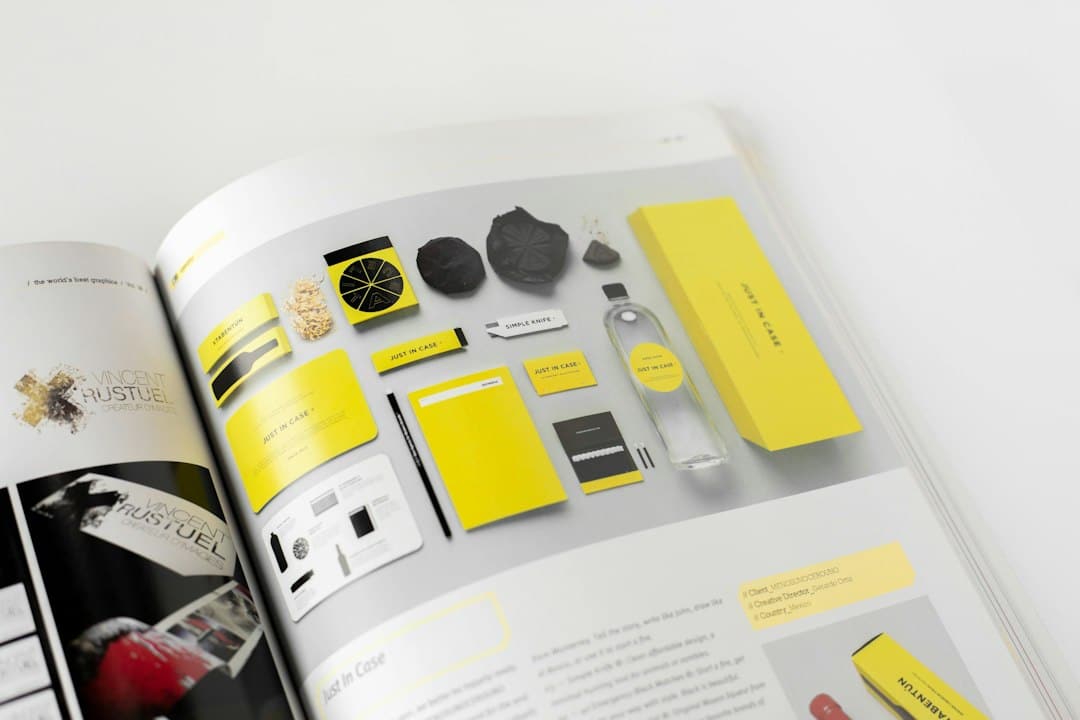
A brand agency can create stronger work when the brief explains the business problem, not just the preferred colours or logo style. A useful brief gives the agency enough context to challenge assumptions, define the scope and design an identity that works across real customer touchpoints.
This brand agency brief for Malta is designed for businesses commissioning a new identity or refreshing an existing one. It covers the decisions, inputs, deliverables and ownership questions worth settling before design begins.
First, define why the brand work is needed
“We need a new logo” describes an output, not the business reason. Explain what changed and what the project should help the organisation do.
- The business has entered a new market or category
- The current identity no longer reflects the offer
- Several products or services need a clearer structure
- Customers confuse the business with competitors
- The website, signage and marketing materials are inconsistent
- A merger, acquisition or name change requires a new system
Name one primary objective and any secondary goals. This gives the agency a basis for evaluating options beyond personal taste.
1. Describe the business clearly
Provide a concise explanation of what the business sells, where it operates, how customers buy and what makes the offer commercially viable. Include services that are expected to grow, change or disappear during the next few years.
For a Malta business, note whether the identity must work mainly for a local audience, tourists, international clients or several markets. Mention the languages used and any practical differences between customer groups.
2. Define the audience by buying situation
A broad description such as “everyone in Malta” does not help a designer make useful decisions. Describe the people who choose or influence the purchase, the problem that brings them to the business and what they need to trust before acting.
- Who is the primary buyer or decision-maker?
- What prompts the customer to start looking?
- Which alternatives do they consider?
- What concerns delay the decision?
- Where will they first encounter the brand?
Separate different audiences when they require different messages. A corporate buyer, consumer and job candidate may all interact with the same identity for different reasons.
3. State the desired position
Explain the place the business wants to occupy in the customer’s mind. Avoid unsupported superlatives such as “the best” or “the leading choice”. A useful position identifies the audience, the need, the category and the reason the offer is meaningfully different.
Include evidence that supports the position, such as a specialised process, service model, location, technical capability or customer experience. Do not ask the identity to imply certifications, results or scale that the business cannot substantiate.
4. Explain the competitive context
List direct competitors, indirect alternatives and businesses that customers may mistakenly compare with you. Explain what each one does well, where your offer differs and which category conventions customers already understand.
The aim is not to copy competitors or reject every familiar convention. It is to help the agency find a distinctive direction that remains credible within the market.
5. Provide existing brand evidence
Share the current logo, colour values, typefaces, templates, photography, packaging, signage, website and campaign materials. Include editable source files where available and identify any assets with unclear ownership or licence restrictions.
Also provide customer research, reviews, sales feedback and recurring questions. These can reveal how people currently describe the business and which parts of the existing identity carry useful recognition.
6. Separate preferences from requirements
It is reasonable to share references and visual preferences, but label them clearly. A director’s favourite colour is different from a requirement to remain legible on a vehicle, uniform or small mobile screen.
- Mandatory elements that must remain
- Legal or regulatory wording
- Production limitations for print, embroidery or signage
- Languages and character sets required
- Applications where the identity must work at very small sizes
- Existing colours or symbols that cannot be used
7. List the real applications
A brand identity is a working system, not only a logo file. List where it must appear during the first phase and what may be needed later.
- Website and landing pages
- Social-media profiles and content templates
- Proposals, presentations and reports
- Email signatures and newsletters
- Business cards, stationery and invoices
- Shopfronts, vehicles, uniforms or event materials
- Packaging, labels or product interfaces where relevant
Rank these applications by importance. The agency can then demonstrate concepts in the contexts that matter rather than relying on decorative mock-ups.
8. Put accessibility into the visual requirements
The identity should support readable digital content. Ask the agency to test brand colours in typical website components, including body text, headings, links, buttons, form controls and focus indicators.
W3C guidance explains that sufficient contrast is needed between text and its background, and that colour should not be the only way information is communicated. Its web-accessibility design guidance is a useful starting point when reviewing a proposed palette.
9. Clarify naming and trade-mark responsibilities
If the project includes a new name, state which countries, languages, domains and social platforms must be considered. Clarify whether the agency is responsible for preliminary searches, domain checks or coordination with a trade-mark professional.
A creative name is not automatically available for legal use. The EUIPO provides official trade-mark search information and access to TMview, which includes applications and registrations from participating offices. Search results are not a substitute for appropriate legal advice.
10. Specify the deliverables
Ask the agency to list every final item, its format and the number of included concepts or revision stages. Depending on the project, deliverables may include:
- Primary logo and approved variations
- Colour palette with print and digital values
- Typography system and licence information
- Icon, illustration or photography direction
- Brand guidelines with correct and incorrect use
- Editable templates for priority applications
- Exported files for print, web and social use
- Messaging, tone of voice or naming guidance if included
Do not assume that strategy, copywriting, website implementation or printing is included simply because it is related to the identity.
11. Confirm ownership, licences and source files
The agreement should explain who owns the approved work, when rights transfer and what remains licensed rather than assigned. Ask about fonts, stock images, mock-ups, templates, AI-assisted assets and third-party components.
Confirm that your business will receive the source files and practical exports needed by future designers, printers and developers. Identify any elements that cannot be transferred or reused without an additional licence.
12. Define the feedback and approval process
Name one person who will collect internal feedback and provide an approved response. Multiple stakeholders can contribute, but contradictory comments should be resolved before they reach the agency.
Agree on the presentation stages, response times, revision limits and final approver. Feedback should relate to the agreed objective, audience and requirements rather than becoming an unstructured vote on personal preference.
13. Plan the rollout before final approval
List every place where the old identity appears and decide what must change immediately. The rollout may include the website, search profiles, social accounts, sales documents, signage, uniforms, printed stock and third-party listings.
If a name, domain or website URL will change, coordinate branding with technical migration and SEO work. Our website redesign SEO checklist covers URL mapping, redirects, indexability and post-launch monitoring.
Copy-ready brand agency brief outline
- Business background and reason for the project
- Primary objective and measures of success
- Priority audiences and buying situations
- Offer, position and supporting evidence
- Competitors and category context
- Existing assets and research
- Mandatory requirements and constraints
- Priority brand applications
- Accessibility and digital-use expectations
- Naming, search and legal responsibilities
- Required deliverables and file formats
- Ownership, licences and source-file requirements
- Stakeholders, feedback and approval process
- Timeline, rollout and implementation responsibilities
Turn the brief into a comparable proposal
Send the same brief to every shortlisted provider and ask each one to state assumptions, exclusions, stages and client responsibilities. This makes differences in approach visible and reduces the chance that the lowest headline quote simply excludes essential work.
For a wider framework covering scope, account ownership and measurement, use our guide to evaluating a digital marketing agency proposal.
Connect the identity with digital execution
Digital Consulting Pros helps businesses apply strategy consistently across websites, content and campaigns. Review our digital marketing services and web design service in Malta, or contact us to discuss how the identity will work across your digital channels.
Featured image: Brands&People via Unsplash.