CRM for lead generation: Complete guide and top tools to try
Lead generation can feel like a wild goose chase, right? With endless tools and methods, it’s like trying to find a needle in a haystack. But fear not! I’ve spent countless hours sifting through options, only to discover that the right mix of CRM and some clever tactics can make all the difference. I remember the first time I tried using a CRM system—like trying to teach my cat to fetch. It was a bit of a disaster, but eventually, I got it. The beauty of these tools lies in their ability to streamline processes and keep you organized in a chaotic world. So, gather ’round folks, and let’s chat about how to boost your lead generation efforts without losing your mind in the process.
Key Takeaways
- The right CRM can streamline your lead generation efforts dramatically.
- Integrating AI tools helps automate mundane tasks, giving you more time to build relationships.
- Personal anecdotes can enrich your strategy, adding a human touch.
- Keep experimenting with different strategies to find what really clicks.
- Effective lead generation is all about making meaningful connections and not just numbers.
Now, we are going to talk about a handy little treasure called lead generation software, a lifesaver for businesses aiming to turn mere passerby into loyal customers.
Understanding Lead Generation Tools
Think of lead generation software as your trusty sidekick in the bustling world of sales. Imagine the days spent spinning your wheels, only to find that out of a hundred leads, maybe two actually showed interest. We’ve all been there, right? These nifty tools change the game by helping companies attract and engage future clients like a bee to honey.
So, what’s the scoop? This software usually helps us either draw in leads through smart tactics like content marketing and social media glam or reach out directly with cold emails and catchy ads. A bit of both never hurt anyone either!
Let’s break down the types of lead generation platforms:
- Automation platforms: They take care of the tedious stuff, like sending reminders and nurturing leads.
- Data enrichment tools: These are like personal trainers for lead profiles, filling in the gaps and adding some much-needed muscle to the data.
- Lead scoring software: Assigns values to leads based on their behavior, making it easier for us to prioritize who we chase after.
- CRM platforms: They’re like the command center, keeping all our lead info organized and tracking every interaction.
- Live chat tools: They enable us to chat with visitors in real time, pouncing on leads while they’re still warm.
- Email marketing software: Sent out targeted campaigns that help us nurture prospects better than a parent coaxing a teenager to clean their room.
While some tools focus solely on captivating leads or managing data from live chats, platforms like CRMs mix and match to create a wild cocktail of lead management, keeping everything under one roof. Isn’t that a relief? We can finally wave goodbye to spreadsheets that look like the aftermath of a tornado!
And let’s be real, in a time when we’re juggling more tasks than a circus performer, utilizing effective lead generation software isn’t just a nice perk – it’s practically essential. With all the buzz around AI this year (thanks, chatbots and virtual assistants), why not let tech lighten our load a bit?
So, whether it’s zooming in on potential leads or managing the data in a way that makes sense, these tools offer a warm hug to anyone looking to boost their sales. What’s not to love about that?
Now we’re going to discuss how CRM tools play a crucial role in generating leads that can transform businesses from ‘meh’ to ‘wow’. Remember that time your friend kept losing their phone? Well, that’s one way to think about chaos in managing customer interactions—often, you just need a reliable tool. Let’s dig into how CRMs save the day!
The Power of CRM Tools in Boosting Lead Generation
Customer relationship management tools are like a magic wand for businesses, transforming potential chaos into organized bliss. Whether we’re talking about small startups or established giants, there’s a CRM waiting to work its charm. Picture it: a bustling sales team engulfed in a sea of leads—like kids in a candy store. But wait! Here comes CRM to the rescue!
With these CRM systems, sales and marketing folks can spot the hottest leads faster than a cat spotting a sunbeam. They whip up personalized content like gourmet chefs, ready to serve up delicious deals to eager customers. Remember the last time you received an email that felt crafted just for you? That’s CRM in action—making us feel like the center of the universe!
What’s more, it’s not just about chasing down leads. A solid CRM acts as a centralized hub where everything needed to nurture prospects can be found. Think of it as the Swiss Army knife for sales teams. It’s capable of managing data from various channels—social media, web forms, and even those pesky ad campaigns that seem to multiply overnight.
- Lead Capturing: From social posts to web inquiries, a CRM can help gather insights across platforms.
- Data Management: It keeps all that golden information in one place, so no more searching through a digital junk drawer!
- Campaign Insights: Use analytics to tweak future campaigns for maximum impact—because nobody likes a flop.
Let’s not forget the joy of knowing exactly what stage a lead is in. It’s like watching a Netflix series where you know what’s coming next. Familiarity breeds confidence and having that insight helps us nurture leads like a gardener with their prized roses, ensuring they bloom beautifully!
Can we talk about the *efficiency* factor? The right CRM systems streamline communications, allowing teams to focus more on high-value tasks instead of getting lost in admin mess. With automated processes, those tedious tasks melt away—like butter on a hot pancake. Who wouldn’t want more time for strategizing over coffee while the CRM handles the grunt work?
Let’s face it; the lead generation landscape is like a rollercoaster ride—exciting but often unpredictable. A robust CRM system can help us manage the ups and downs like seasoned thrill-seekers, keeping our business on track amid all the twists and turns.
So, for those still on the fence about incorporating CRM tools, remember: it’s not just software; it’s a lifeline that transforms leads into loyal clients. Let’s gear up, embrace this tech, and drive those leads home!
Now we are going to talk about how CRM solutions are transforming the way we snag leads. Grab a cup of coffee, cozy up, and let’s explore some impressive platforms that make turning prospects into customers feel as easy as pie.
CRM Solutions to Supercharge Lead Generation
We all know that the right CRM acts like a friendly sidekick in the epic quest for new business. These platforms use a delightful mix of automation, artificial intelligence, and data analysis to help us not just catch leads, but reel them in like a seasoned fisherman on a summer day.
And speaking of fishing, let’s get to the hooks—here are five notable CRMs you might want to consider, whether you’re running a bustling enterprise or a cozy little startup:
| Platform | Use Case | Starting Price | Free Trial? | G2 Rating |
|---|---|---|---|---|
| monday CRM | AI-automated lead generation | $12/seat/month | 14 days | 4.6/5 |
| HubSpot Smart CRM | Inbound marketing for lead generation | $45/seat/month | 14 days | N/A |
| Salesforce Sales Cloud | Enterprise lead management | $25/user/month | 30 days | 4.4/5 |
| Zoho CRM | Lead management for small businesses | $14/user/month | 15 days | 4.1/5 |
| Freshsales by Freshworks | B2B lead scoring and engagement | $9/user/month | 21 days | 4.5/5 |
Though these CRMs each have their unique flavor, they all aim for the same outcome: helping us work smarter, automate the nitty-gritty, and cultivate leads into loyal customers. It’s like planting a garden—once you water it with the right tools and attention, you’ll be reaping those juicy rewards in no time!
Fun Fact: Since the buzz from HubSpot’s recent INBOUND 2025 event, their Smart CRM is now a standalone offering, which is great news for those wanting to keep things simple. And don’t worry, the classic CRM still joins the party with HubSpot’s free marketing tools.
So, whether you’re a big fish in a vast ocean or just dipping your toes in the water, choosing the right CRM can make a world of difference in your lead-generation strategy. Who’s ready to reel in some prospects?
Now we’re going to explore the exciting role of AI and automation in transforming how businesses generate leads. Buckle up, because this is a wild ride through the tech landscape with some relatable stories sprinkled in.
AI and Automation in CRM: Revolutionizing Lead Generation
Have you ever been bogged down with follow-up emails? We’ve all been there.
Just recently, one of us tried to keep tabs on a potential client, and let’s just say it felt like herding cats! Thankfully, modern CRMs are stepping in to save the day.
Thanks to AI and automation, they’re lifting the weight off our shoulders by tidying up lead generation processes.
Imagine AI-powered CRM systems sifting through heaps of data like a digital Sherlock Holmes. They analyze long sales cycles, focus on high-value accounts, and trigger personalized messages right when everyone’s buzzing about their next move.
For those in real estate, something magical happens. These systems can track how often someone checks a property listing and score potential buyers, like giving them little gold stars. Agents just have to stay alert for the follow-up tasks, which are automatically assigned. Easy-peasy!
Let’s take a look at some specific areas where AI and automation really shine:
- Lead scoring: Think of it like a popularity contest for your leads. The system tracks interactions and assigns scores based on who’s more engaged. It’s like giving your users an A+ for participation!
- Prospect prioritization: Why waste time on leads with two left feet? AI ranks them by conversion chances. Suddenly, we know who to woo first—it’s all strategy!
- Lead nurturing: Tailored content makes the heart grow fonder. By sending out the right material, it’s like gifting someone a good book they’ve always wanted. Timing is everything!
- Follow-up sequences: Imagine sending a “Hey, I noticed you checked us out!” email at just the right moment—it almost feels like mind-reading, doesn’t it?
- Personalized messaging: Who doesn’t love a personal touch? AI crafts messages based on past purchases or interactions; it feels like your CRM is a thoughtful friend remembering anniversaries!
- Real-time engagement: Enter chatbots—those little digital helpers work around the clock, answering questions and qualifying leads like a seasoned pro, even when the humans have clocked out.
As we embrace this tech-savvy age, it’s clear AI and automation are not just trends—they’re changing the way we think about CRM and lead generation.
So next time managing leads feels overwhelming, remember there’s a silver lining in the world of technology. Grab a comfy chair, a hot beverage, and let the bots do the heavy lifting!
Now we are going to talk about enhancing lead generation strategies through effective CRM practices, and how these systems can flip the script on how we connect with clients.
Essential tactics for maximizing CRM effectiveness in lead generation
So, let’s face it—CRMs can sometimes feel like you’re talking to a brick wall. We’ve all been there, right? Thinking, “This fancy tool is supposed to help, but where’s the magic?” Well, the secret sauce is in how we harness these systems.
They’re not just for checking in on those loyal clients; they’re like a Swiss Army knife, ready to assist in lead generation too!
Here are some tactics that can help us whip our lead generation game into shape:
Scrub the CRM data
Picture your CRM data like a messy attic. If we don’t clear out old junk, we can’t find those hidden treasures.
Cleaning up means ensuring the accuracy of our data. Historical data on leads? Great. New prospects? Even better, but only if it’s reliable!
Utilizing your CRM’s tools to eliminate duplicate entries can save us from sending the same “Welcome!” email to the same person—been there, done that, and it’s awkward!
Segment your leads like a pro
Incoming leads are like a box of assorted chocolates—if we don’t sort them, we might end up biting into the weird flavors.
Sorting them based on demographics or behaviors lets us prioritize those with a higher chance to convert.
So, we could say yes to the shiny, eager leads while leaving the slowpokes for later.
Create content that connects
Ah, content—the holy grail of lead generation! It’s essential to create material that *actually* resonates.
According to a recent study, a whopping 74% of companies think content marketing is their best buddy in attracting leads.
Here’s where our CRM can really shine; using it to analyze what’s worked in the past helps us craft compelling ebooks, quizzes, or snazzy infographics that converts like nobody’s business.
Build actionable insights
Insights can sometimes feel like a magic eight ball—helpful but often confusing. However, keeping an eye on our CRM data and reports can reveal trends we might overlook in the chaos.
Sales forecasts can highlight which lead sources convert best, so we can put more effort into what’s proving to work rather than throwing spaghetti at the wall to see what sticks.
Automate to engage
Automation is the caffeine of the CRM world: it keeps things running smoothly!
Automated lead nurturing can make sure we don’t drop the ball, even at 3 AM. Think drip campaigns or product suggestions based on past shopping patterns; it’s all about getting the right content at the right time!
Personalize the experience
Over 75% of business leaders believe that personalization is where the success is at. With CRM data, we can tailor our outreach to fit each lead’s interests and behaviors.
Crafting personalized messages is not just a nice-to-have, it’s pivotal. Think of it as writing love letters to your leads rather than generic postcards!
So, let’s lean into those sleek CRM tools! When we improve our CRM strategies for lead generation, we’re not just polishing our processes—we’re also sweetening our chances of landing that oh-so-precious conversion!
Now we are going to talk about how to revolutionize our lead generation process using tools that feel like they belong in a sci-fi movie, yet are totally real. With so many options out there, choosing the right CRM is like picking the best avocado at the grocery store—tricky, but oh-so-worth it when you get it right!
Streamlining Lead Generation with AI-Powered CRM Tools
Lead generation is just the tip of the iceberg. The real magic happens when we start managing, nurturing, and yes, transforming those prospects into our engaged tribe of loyal customers.
Enter monday CRM—our trusty sidekick that harnesses AI to not merely capture leads but also handle follow-ups like a barista who knows your order by heart. Imagine a platform that prioritizes urgent leads while smoothing out our entire sales process, all while boasting a user-friendly drag-and-drop interface that even our tech-challenged friend can master.
Let’s chat about some cool features that put the spotlight on how smart automation and workflows can boost our lead generation and management from hello to “let’s seal the deal!”
Smart Automations That Work for Us
Creating custom automations feels like playing with Legos—it’s both fun and gratifying. With monday CRM, we can have AI trigger workflows based on what our leads are doing. For instance, when a lead visits our pricing page, we can set up an alert to pop up faster than a jack-in-the-box!
- Automatically assign hot leads to specific team members.
- Send personalized, timely follow-up emails when prospects engage with proposals.
- Set alerts for various lead actions to ensure no opportunities slip through the cracks.
Take Charge of Lead Management
Imagine a world where incoming leads are sorted and prioritized with a wave of a magic wand—well, monday CRM does just that! Its AI-powered system organizes incoming leads quicker than a squirrel on a sugar rush, allowing sales teams to focus on nurturing existing relationships while snagging new ones.
With this tech in tow, we can classify potential customers, assign scores, and route them directly to the appropriate sales agents. It’s like having our very own caddy at a golf game, making sure we’re always lined up for a hole-in-one!
Bridging Sales and Marketing Teams
Collaboration is key, and with monday CRM, sales and marketing teams can finally sing in harmony! This platform lets them exchange data effortlessly, helping everyone stay on the same page while closing deals and launching savvy marketing campaigns aimed at generating solid leads.
Insights That Matter
Let’s not forget the treasure trove of analytics waiting to be mined. With monday CRM, we can access detailed sales dashboards and insights that help us decide on the best ways to allocate our resources.
These tools allow teams to bring out their inner Sherlock Holmes with predictive analytics and sales forecasting. This means we can strategically target channels that produce the best leads—who doesn’t love a little planning, right?
So, as we venture into the wild, wild west of lead generation, tools like monday CRM remind us that we’ve got the upper hand. Let’s embrace the tech and let it guide us to build not just leads, but lasting relationships.
Now we are going to talk about how connecting different tools can supercharge lead generation efforts. It’s like having a well-oiled machine at your fingertips, one that works together so you can focus more on the fun parts—like actually talking to potential clients instead of trying to wrangle multiple platforms!
Integrating Tools: Boosting Your Lead Collection Game
Okay, hands up—who else has felt overwhelmed juggling endless tabs and apps just to get one lead?
We’ve all been there, and it can feel a bit like trying to juggle flaming swords while riding a unicycle on a tightrope. But fear not! There’s a way to make this ride smoother by joining forces with different tools.
Let’s dig into some fantastic integrations that can turn your CRM into a lead-generating powerhouse.
- Communication tools: Use WhatsApp to snag leads straight from chats. It’s like fishing without the bait; just reel ’em in!
- Marketing software: Connect Mailchimp or landing page creators to turbo-sync new leads into your CRM. Like magic, but without the rabbit!
- Social media apps: Link accounts like Facebook and Instagram to keep tabs on interactions and engage with followers like a social butterfly.
- Automation platforms: Employ tools like Zapier. Think of it as your behind-the-scenes wizard, moving leads between systems so you don’t have to.
- Sales software: Connect Zoom to your CRM to log meetings and identify high-potential prospects faster than you can say “business pitch.”
- Lead capture forms: Integrate Typeform to collect submissions that feed right into your CRM pipeline—talk about seamless!
- Analytics tools: Add Google Analytics to track which campaigns are pulling in the best leads. It’s like playing detective, but with less trench coat and more data.
| Integration Type | Purpose |
|---|---|
| Communication tools | Capturing leads from chat platforms |
| Marketing software | Syncing email leads |
| Social media apps | Tracking social interactions |
| Automation platforms | Streamlining workflows |
| Sales software | Logging meetings and calls |
| Lead capture forms | Collecting submissions |
| Analytics tools | Tracking campaign effectiveness |
Sales and marketing gurus have it easy these days with platforms that connect to over 200 apps—incredible, right? When leads engage across different platforms, your CRM can keep you in the loop.
So, the next time you’re gearing up for a lead generation strategy, remember: integrating is the name of the game, and we’ve got this!
Next, we are going to explore how picking the right CRM can shift the gears of lead generation for businesses, whether they’re in the starting blocks or already racing ahead.
Boost Your Lead Generation with the Perfect CRM
Selecting a CRM is like trying to find the right pair of shoes for a marathon.
You need something that supports your speed, won’t give you blisters, and ideally matches your neon workout gear (just kidding on the last part, unless that’s your thing).
For businesses, lead generation can take a dramatic turn when using the right CRM.
Picture a small bakery figuring out how to get those heavenly croissants into more hands—or a tech startup striving to attract fresh clientele.
Both can benefit from flexible solutions that fit varying needs.
A well-integrated CRM with AI features can make life much easier.
Remember that one Monday morning when everyone had too much coffee and not enough structure?
That’s what a great CRM prevents.
It allows teams to grab leads without fumbling around.
Our friend’s startup found success partnering their CRM with automated marketing tools. Suddenly, their pipeline was filled with quality leads—almost like magic.
Sometimes, that’s what it takes!
Let’s break down what we should keep an eye out for when evaluating CRMs.
- Lead Scoring: It’s like dating—some leads are simply more compatible than others.
- Automation: Reminder rocks! Nobody wants to send out fifty emails manually.
- Predictive Analytics: Helps you anticipate which leads might bite the hook.
- Integration: Connect your CRM to marketing tools and social media—supercharge everything!
Another delightful aspect of using a CRM? The FAQs we keep hearing!
– What’s the difference between lead generation software and a CRM?
Ah, the classic misunderstanding!
Lead generation software focuses on attracting fresh faces, while a CRM handles the follow-up, nurturing, and relationship aspect. Think of it like the difference between a first date and settling down; each has its own magic.
– Can a CRM work for real estate lead generation?
Absolutely!
Real estate agents can scoop up prospects from listings, open houses, and turn them into clients faster than you can say “open house.”
– Free CRM options—do they exist?
Yes!
Finding a good free CRM is like finding a clean coffee mug in the office—that small victory we all cherish.
Free options often include tools for contact management and email tracking.
Just remember, you often get what you pay for.
Upgrading can bring in a sleeker experience with nifty automations and enhanced analytics.
In this whole lead generation escapade, oh how we appreciate a process that keeps us moving!
So, suit up with a CRM that adapts to your needs and watch as your lead game transforms!
Now we are going to talk about some common questions surrounding CRM and lead generation. Let’s break it down, shall we?
Common Questions About CRM and Lead Generation
What’s the distinction between lead generation software and a CRM?
Lead generation software is like the friend at a party who introduces you to interesting people—totally focused on finding new prospects through web forms and outreach campaigns. A CRM, however, is more like a life coach, helping manage the whole customer relationship, from first hello to happily ever after. These days, many modern CRMs mix both, so you get the best of both worlds!
How can a CRM ramp up my lead generation efforts?
Your trusty CRM can catch leads quicker than a cat on a laser pointer. It syncs through web forms, measures engagement, sends out deep follow-up emails, and helps organize your contacts for specialized campaigns. Don’t forget to check which sources are bringing in quality leads, so you can sweet-talk them even better next time!
What features should I look for in an AI-powered CRM to boost lead generation?
An AI-driven CRM should be like your own personal assistant. It should score leads based on how likely they are to convert, personalize your emails, and provide predictive insights. Adding features like automated data updates and insightful reporting makes it even more valuable. You want one that lifts your spirits when you smash those sales numbers!
Can a CRM assist in lead generation for real estate?
Absolutely! For real estate agents, a CRM is like having a trusty sidekick. It captures leads from listings and open houses, nurturing them with smart automated campaigns. Imagine staying on top of market updates and transaction tracking while you’re out showing homes. Talk about winning!
Is there a budget-friendly CRM that effectively generates leads?
Sure thing! There are free CRMs out there, like monday CRM, that offer basic lead generation capabilities. It’s like dipping your toes into the water before you cannonball in. These free versions let you track contacts and send emails, so it’s perfect for starting out. But keep in mind, upgrading unlocks some pretty awesome features!
Conclusion
Lead generation doesn’t have to be a headache. With the right CRM tools and a sprinkle of creativity, you can set up a system that works for you, not the other way around. Remember, it’s about creating connections, not just clicking buttons. So, whether it’s through innovative AI or simply being organized, the goal is to capture and nurture those leads like they’re your prized pet. Keep experimenting, keep learning, and trust me, your lead generation game will never be the same. Now get out there and start connecting!
FAQ
-
What’s the distinction between lead generation software and a CRM?
Lead generation software is like a friend at a party who introduces you to interesting people—focused on finding new prospects through web forms and outreach campaigns. A CRM, however, is like a life coach, helping manage the whole customer relationship, from first hello to happily ever after. Many modern CRMs mix both, so you get the best of both worlds! -
How can a CRM ramp up my lead generation efforts?
Your trusty CRM can catch leads quicker than a cat on a laser pointer. It syncs through web forms, measures engagement, sends out deep follow-up emails, and helps organize your contacts for specialized campaigns. Don’t forget to check which sources are bringing in quality leads, so you can sweet-talk them even better next time! -
What features should I look for in an AI-powered CRM to boost lead generation?
An AI-driven CRM should be like your own personal assistant. It should score leads based on how likely they are to convert, personalize your emails, and provide predictive insights. Adding features like automated data updates and insightful reporting makes it even more valuable. You want one that lifts your spirits when you smash those sales numbers! -
Can a CRM assist in lead generation for real estate?
Absolutely! For real estate agents, a CRM is like having a trusty sidekick. It captures leads from listings and open houses, nurturing them with smart automated campaigns. Imagine staying on top of market updates and transaction tracking while you’re out showing homes. Talk about winning! -
Is there a budget-friendly CRM that effectively generates leads?
Sure thing! There are free CRMs out there, like monday CRM, that offer basic lead generation capabilities. It’s like dipping your toes into the water before you cannonball in. These free versions let you track contacts and send emails, perfect for starting out. But keep in mind, upgrading unlocks some pretty awesome features! -
What role do CRM systems play in lead generation?
CRM systems help sales and marketing teams spot the hottest leads, whip up personalized content, and manage data from various channels, acting as a command center to structure customer interactions. -
Why are lead scoring software and data enrichment tools important?
Lead scoring software assigns values to leads based on their behavior, allowing teams to prioritize whom to engage with, while data enrichment tools provide deeper insights into the lead profiles to improve targeting. -
How does AI improve lead nurturing?
AI helps personalize content delivery to leads based on their behavior and interests, ensuring that the right message reaches the right person at the right time, enhancing the chances of conversion. -
What is the benefit of using automated follow-up sequences?
Automated follow-up sequences eliminate the manual effort of sending emails, ensuring leads are consistently nurtured while allowing sales teams to focus on high-value tasks. -
How can integrating tools enhance lead generation?
Integrating different tools streamlines communications and data flow, making lead capture, tracking, and nurturing processes more efficient so teams can focus on engaging with potential clients.

How to Use AI to Generate B2B Leads Fast?
Lead generation can feel like trying to find a needle in a haystack. Remember those days when we had to trudge through endless spreadsheets and cross our fingers for a lead? Well, imagine a helpful robot, maybe with a little personality, sorting through that chaos for you. Yep, that’s AI stepping in to save the day! Using AI can feel like having a super-smart intern who never takes coffee breaks but also tells awful jokes. With its help, you can simplify the lead generation process, find the right prospects, and even discover who’s truly interested. Let’s chat about how AI transforms lead generation from a back-breaking task to a breezy experience filled with opportunities. Slap on your favorite caffeinated drink, and let’s dig into some quick strategies, top tools, and a solid acceleration plan to boost those B2B leads. No cap, it’s time to work smarter, not harder!
Key Takeaways
- AI can simplify lead generation, saving you time and effort.
- There are quick strategies to effectively boost B2B leads using AI.
- Top AI tools can enhance your lead generation process significantly.
- Applying smart strategies will help in creating better leads.
- A well-structured 14-day plan can accelerate your lead generation efforts.
Now we are going to talk about how AI is reshaping the way we attract potential customers. It’s like having a tireless intern who never complains and always shows up on time—what’s not to love?
The Role of AI in Lead Generation
Imagine trying to find a needle in a haystack. That’s what traditional lead generation can feel like. Enter artificial intelligence: your new best friend.
AI can help identify, qualify, and nurture prospects as easily as swiping left or right on dating apps!
Picture this: you’re sipping your morning coffee, scrolling through your emails when a brilliant sale pops up. How did they know? AI can analyze patterns and user behavior, predicting customer intentions before the first sip of latte.
Here are some perks AI brings to lead generation:
- Quality Leads: It’s like fishing with a net instead of a hook. AI helps surface the leads that matter!
- Personalized Outreach: Who doesn’t love a personal touch? It tailors your message, so customers feel like you’re speaking directly to them, not sending out mass emails.
- Task Automation: Say goodbye to repetitive tasks! AI takes care of the mundane, freeing us to focus on more strategic work, like brainstorming our next office trivia game.
- Lead Scoring: With AI scoring leads, we can highlight the cream of the crop for our sales teams to pursue—talk about working smarter, not harder!
All these elements contribute to a more streamlined sales process. It’s like having a GPS for your sales strategy; navigating toward success becomes less like wandering in the dark and more like a Sunday drive.
Consider the latest trends: companies are increasingly adopting AI to stay competitive. Remember that time we all scrapped our New Year resolutions after two weeks? Well, businesses are realizing that sticking with AI pays off big time! With better conversions and increased revenue, it’s hard to argue against it.
The current trend suggests smaller businesses are also hopping on the AI train.
They’re using the tech for targeted marketing efforts, improving customer experiences, and yes—certainly reminding us that the future is now, and it’s bright!
So, while we may never fully predict when our favorite shows will get renewed (looking at you, Netflix), at least we can make confident predictions about customer behavior. Now, that’s something we can all raise a coffee cup to!
Now, we are going to explore some dynamic strategies for ramping up B2B lead generation with the help of good ol’ AI. These tools can turn a sluggish process into a turbocharged one. Let’s jump into seven rapid-fire methods to nab those leads!
7 Quick Strategies to Boost B2B Leads Using AI
Create Targeted Lists in a Snap
AI tools can whip up those ideal customer profiles faster than a barista can brew a cup of coffee! Think of it as a matchmaking service, but for businesses. By crunching vast datasets, these tools can pinpoint the most promising prospects.
- Data Crunching: These clever algorithms sift through mountains of data like kids in a candy store, finding the nuggets that define your perfect customers.
- Insights on Behavior: You can find out who’s eyeing your product by analyzing customer interactions. It’s like having a crystal ball—except way cooler!
- Lead Sources Galore: AI connects to platforms like LinkedIn faster than you can say “networking event,” fishing out leads from over a hundred sources.
- Crafting Your ICP: AI helps shape the fictional biz best suited for your services. Time to roll up those sleeves and get to work.
- List Automation: Once it gets the hang of what you want, it can serve up a list of eager prospects straight to your sales team, saving time and effort.
Score Leads Like a Pro
Imagine being able to know which leads are likely to convert—all thanks to predictive lead scoring! AI analyzes everything from web visits to social media activity to figure out who’s ready to dance.
- Data Collection: AI gleefully collects data from CRM systems and social channels like it’s gathering candy on Halloween.
- Patterns Galore: Using machine learning, AI detects the telltale signs of a buyer on the prowl.
- Dynamic Scoring: Each lead gets a score, like a Yelp review, showing how likely they are to become a customer.
- Prioritize Outreach: Sales teams focus on those high-scoring leads, ceiling the deals with style!
- Ever-Learning AI: It adapts and learns from every interaction, honing its skillset like a true virtuoso.
Personalize Everything with Ease
Using AI for personalization might feel like magic. You could be sending tailored messages to thousands while still keeping it cozy and familiar—talk about efficiency!
- Customer Insights: AI zeros in on buyer behaviors, uncovering what makes them tick.
- Custom Messaging: AI can whip up compelling emails tailored to each lead’s needs faster than a chef can prepare a soufflé.
- Maximize Automation: Send personalized messages on every channel, from email to social media, without lifting a finger.
- Predictive Tools: These models forecast what customers might do next—perfect for keeping competition at bay.
- Live Interaction: AI chatbots can have engaging dialogs that feel more like a chat with a friend than a robot.
Streamline Multichannel Campaigns
Integrating AI into sales platforms is like putting the cherry on top of a sundae. It organizes campaigns and personalizes messages so effectively that you’ll wonder how you ever lived without it!
- Customer Analysis: AI checks out where customers are engaging the most—saving you from shouting into the void!
- Prospecting Intelligence: If you like clues, AI uses data signals to find leads that match your ideal customer profile, ensuring you hit the mark.
- Multichannel Magic: Design campaigns that leverage everything from emails to calls, ensuring no stone is left unturned.
- Personalized Outreach: Integrate smart AI writing assistants to help craft compelling communications for each platform.
- Automated Logic: Adjust your messaging based on how a lead behaves, like an adaptable chameleon!
Track Buyer Intent & Major Events
Using AI tools to analyze behaviors and significant events can feel like being handed a treasure map. You can hit all the sweet spots for personalized outreach!
- Understanding Intent: Understanding what leads want comes from analyzing conversations and interviews.
- Spotting Trigger Events: AI quickly identifies those key moments that indicate a lead might be ready to talk turkey!
- Automating Outreach: Create engagement messages tailored to lead behavior—super handy during busy times!
- Fine-Tuning Targeting: Smart AI can adapt strategies based on real-time data, ensuring optimal messaging.
- Enrichment Tools: AI enriches lead profiles, giving your sales team valuable context to address concerns and objections like pros.
Engage with AI Chat & Lead Routing
AI chatbots are like your squad of sales ninjas! They qualify leads, route them effectively, and keep them engaged without breaking a sweat.
- Lead Identification: Chatbots can sniff out high-value prospects by analyzing behavior and generating leads based on firmographic data.
- Immediate Engagement: AI chatbots don’t sit around; they engage with website visitors, collecting info and directing them to the right contacts.
- Lead Nurturing: Personalized emails and follow-up messages are handled like a pro chef plating a perfect dish.
- Campaign Optimization: AI constantly polishes campaigns, adjusting tactics to engage the most responsive audiences, making it all super cost-effective.
- Seamless Integration: Connect AI with your CRM for ongoing performance evaluations and fine-tuning, ensuring everything runs smoothly.
Refine Messaging Using Insights
Finally, it’s vital to analyze calls and surveys using AI. This gives clues about potential customer pain points and what messaging resonates best. Here’s the lowdown:
- Conversation Insights: AI tools sift through discussions to gauge what prospects really care about.
- Data-Driven Personas: More precise personas made with AI mean that your messaging hits the mark more often.
- Lead Automation: Integrating AI means effective lead segmentation and nurturing happen automatically.
- Predictive Scoring: Assigning scores based on behavior helps prioritize high-intent leads.
- Combining AI with Human Touch: Pair AI analytics with human creativity for the ultimate messaging setup. Yes, we can work together!
Now we are going to talk about some fantastic AI tools that can streamline lead generation and boost sales efficiency, all while making us feel like we’re living in the future. Remember when we used to sift through piles of paper leads? Yeah, that’s as outdated as dial-up internet! Let’s explore how we can make those tedious processes a breeze.
Top Picks for AI Tools to Accelerate Lead Generation

We’ve all seen the transformation in how businesses identify, engage, and cultivate leads. AI tools have become like trusty sidekicks in our sales adventures — always ready to lend a helping hand.
These tools can automate mundane tasks, making it easier for sales teams to focus on what they do best: engaging with prospects. The benefits are like finding a twenty-dollar bill in an old coat pocket – delightful and unexpected!
Here are some stellar AI tools to rev up your lead generation:
| Tool Name | Description |
|---|---|
| io | An affordable all-in-one platform with a vast B2B contact database and outreach tools. |
| Clay | Flexible tool allowing customized lead enrichment workflows. |
| ZoomInfo | Comprehensive B2B data for larger organizations, with intent insights. |
| Cognism | Focuses on high-quality B2B data with accurate European market coverage. |
| ai | No-code tool for discovering and qualifying leads efficiently. |
Enhanced Data Collection & Enrichment
In our quest for quality leads, data enrichment tools come in like the cavalry. They fill in the gaps in our contact lists faster than you can say, “Where’s my phone?”
- SuperAGI: Offering AI-powered sales agents for smooth conversations and meeting setups — smooth as butter on warm toast!
- Salesloft: Acts like the conductor of a symphony, orchestrating the entire sales lifecycle.
- ai: Helps craft personalized emails and call sequences that convert like magic.
- Clari: Provides insights on sales calls — think of it as a coach in your earpiece, guiding your every move.
AI Tools for Website Conversion
Now, let’s not forget we need those leads to convert! Website conversion tools are like the cheerleaders of our digital marketing efforts, ensuring visitors take the right action.
- Optimizely: This tool wields A/B testing prowess to help us find out what our audience really likes — like discovering the secret to grandma’s famous cookies!
- Hotjar AI: Analyses user behavior, making it easier to pinpoint where visitors tend to bail — no more lost leads!
Well, there you have it! These AI tools can simplify our lead generation process, allowing our teams to focus on building genuine connections with potential customers. ✨ Now, who’s ready to take their lead game to the next level? 📈
Now we are going to explore how to effectively use AI for lead generation. With creativity and precise prompts, we can turn our ideas into actionable insights. In this age of digital communication, getting creative is key!
Smart Strategies for AI-Driven Lead Creation
Identifying Our Ideal Customer Profile (ICP)
When it comes to targeting the right audience, we’ve all had our share of misses. Remember that time when we tried to sell ice to penguins? Yeah, not very effective.
So, crafting our Ideal Customer Profile is crucial. We’d prompt AI to whip up profiles by throwing in details about our products and customers’ needs.
Just like finding the right seat in a crowded café, specificity is vital. Here are some prompts we can use:
- Create an ICP for a growing software company in California that uses Salesforce, struggles with lead qualification, and is considering expansion.
- Draft an ICP for a product-focused tech startup that aims to scale its sales team while juggling too many manual tasks.
- Outline an ICP for a B2B SaaS firm wanting to boost outbound sales while minimizing data entry woes.
Personalization is Key
We all love a good personal touch—like that friend who remembers our favorite pizza toppings!
When prompting AI to personalize messages, we should sprinkle in some context about our audience. For example:
- Craft a connection request for a Marketing Director interested in productivity tools, highlighting our platform’s benefits.
- Write landing page content for freelance graphic designers in need of seamless project management software.
- Suggest products for an e-commerce customer who just purchased running shoes, adding complimentary items like workout gear!
Segmenting Our Audience
Ever tried fitting a square peg in a round hole? Yeah, that’s what it feels like when we send generic messages to specific audiences.
Effective segmentation relies on well-defined parameters. Here’s what we can prompt AI to accomplish:
- Create detailed personas for a software launch in the healthcare industry, focusing on job titles and goals.
- Analyze our customer database to identify segments that would love our new feature.
- Compare engagement patterns between users of our product’s features to pinpoint improvement areas.
Custom Variables for Leads
Ah, the joy of customization! It’s like having a tailored suit versus wearing something off the rack.
When building custom variables, we might structure prompts that gather nitty-gritty details about leads. For instance:
- Detail the specific challenges faced by a Marketing Manager interested in our software.
- Identify needs for a Head of Operations in logistics, highlighting their pain points and goals.
Scoring Leads Wisely
This is where the rubber meets the road! Effective lead scoring is crucial—think of it as grading an exam.
We can prompt for scoring rules by clearly defining what we’re looking for. Here are examples we can use:
- Set lead scoring criteria for a marketing service targeting e-commerce brands.
- Establish a numerical scoring system based on specific engagement metrics for a new product launch.
In short, playing it smart with AI in lead generation can be a blast. With the right prompts, we can tailor our approach and truly connect with our audience—ice to penguins optional.
Now we are going to talk about an invigorating approach to generating leads that promises results in just two weeks. It’s all about shaping a streamlined process to amplify your outreach and connect with your target audience genuinely. Let’s dive into some fun and actionable strategies we’ve learned along the way.
14-Day “Leads-Now” Acceleration Plan
The “14-Day Leads-Now Acceleration Plan” is like a high-speed train to generate leads at lightning speed. Think of it as a sprint through the wild world of *marketing*, where we identify what makes our ideal customers tick and engage them with content that hits home. And let’s not forget – that personal touch can make all the difference.
Here’s a step-by-step breakdown that’s as easy to follow as a recipe for mac and cheese!
Days 1-2: Defining Our Ideal Customer
During the first couple of days, let’s get our ducks in a row by defining our Ideal Customer Profile (ICP). It’s a pivotal step—kind of like deciding the best toppings for pizza. Yes, everyone has their preferences!
- First off, nail down the essentials: industry, company size, decision-makers, their biggest pain points, and geography.
- There are some nifty AI tools out there like ChatGPT or Apollo. We can analyze our existing customers to find patterns that lead to insightful decisions.
- Clean your data like how you’d tidy up your closet—out with the old and in with the new. Tag leads appropriately based on their buying stage.
- By Day 2, we should have a crisp document outlining our ICP and a lead list that’s just ready to roll.
Days 3-4: Crafting Our Message
Next up, we want our messaging to resonate like a catchy tune. We need to whip up AI-personalized messaging kits that will grab attention and keep it!
- Defining our core message is essential. Who do we serve, and what problems do we solve? Let’s spell it out!
- Create modular message assets tailored for different platforms like email and LinkedIn. No cookie cutters needed here!
- Feed our ICP data into tools to help craft personalized messages that sound genuine—like we’re having a chat over coffee.
- By Day 4, we’ll have a complete messaging suite, ready and waiting to work its magic.
Days 5-7: Launching the Sequences
Alright, it’s showtime! Let’s launch our outreach sequences across email and LinkedIn.
- Activate email outreach and LinkedIn engagement. Think of it like throwing a party – you want to engage the right crowd!
- Using tools like Instantly.ai or Lemlist can help automate our outreach. Efficiency is key here, folks.
- Don’t forget to target those who engaged with our emails. We want to keep the momentum going!
- Monitor metrics in real-time. Open rates drop as fast as a lead balloon, and we want to catch any dips early!
Days 8-10: Optimize for Conversions
Let’s ensure that our website is as welcoming as grandma’s kitchen—making visitors feel at home and prompting them to take action.
- Audit your conversion paths. Clear calls-to-action and value propositions are like inviting signs to potential leads.
- Create a “Leads Now” landing page that ties in perfectly with our outreach. No mismatched socks here!
- Integrate smart lead-capture tools to make the experience smooth. We want prospects to feel like they’re cruising, not slogging through mud.
- A/B testing is our friend. Experiment with different headlines, button colors, and forms to see what works!
Days 11-14: Optimizing with Insights
We’re now tightening up everything we’ve learned by using insights from our outreach efforts. It’s like improving your golf swing with every practice!
- Identify those buying signals. What little things signal interest? Let’s make sure we’re paying attention!
- Segment leads based on readiness. Not every lead is raring to go, and we need to treat them accordingly!
- Refine messaging with real data, automating follow-ups where possible. Think of it as a tune-up for our outreach.
- Finally, take stock of results and metrics. It’s like counting how many cupcakes you made after a baking spree!
By doing these steps, we can enjoy a fantastic sprint, transforming interest into eager customers. It’s the kind of adventure that can really shake things up, all while keeping a healthy dose of humor and heart!
Now we are going to talk about how leveraging AI can truly turbocharge our B2B lead generation strategies. We all know the hustle is real in sales. As the years roll on, we discover new tricks to stay ahead, and that’s where technology comes strutting in wearing a cape. Seriously, it’s kind of like having a super sidekick at your disposal. Who wouldn’t want that?
Boosting B2B Lead Generation with AI
There’s something about artificial intelligence that feels like sorcery, isn’t it?
Imagine you’re trying to cast your fishing line into the vast sea of leads. You could be throwing spaghetti at the wall to see what sticks, or you could have a high-tech fish finder.
Well, AI is basically that fish finder.
When we think about lead generation, it’s tempting to feel overwhelmed. After all, nobody wants to waste time chasing leads that are more like ghosts than solid opportunities.
With the right tools, we can prioritize our efforts.
Whether it’s automating tedious tasks or utilizing data analytics to suss out the best prospects, AI is making our lives easier and our approaches smarter.
Here’s a little checklist to consider:
- Automating Tasks: Let’s face it; nobody loves data entry. Why not let AI scoop up and organize contacts for us?
- Qualifying Prospects: Imagine getting leads that are already warmed up! AI can pre-screen prospects to find those golden eggs.
- Personalizing Outreach: Nobody likes copy-paste emails. AI can help us craft messages that genuinely resonate with potential clients.
But just like our favorite superhero movies, added power comes with responsibility.
It’s vital to remember to blend technology with a personal touch.
After all, a little bit of humanity in our communications can make a world of difference.
Recently, there have been buzzworthy examples of companies harnessing AI for not just efficiency but for genuinely relatable engagement.
For instance, some teams are utilizing AI chatbots that don’t just spit out answers, but also engage in meaningful conversations.
Talk about turning our lead generation from ho-hum to exciting!
We must embrace this innovative tech but also ensure we’re keeping it real.
In the end, while AI can swing the odds in our favor, it’s our own finesse and narrative that will seal the deal.
So, are we ready to turn these tech monsters into our allies in the thrilling quest for top-notch leads?
There’s a brave new world out there, and it’s sparkling with opportunity.
By integrating AI thoughtfully, we can save valuable time and resources, allowing our marketing and sales teams to zero in on leads that are ready to convert, rather than those that just fill our inboxes.
Be on the lookout for future insights and trends, and let’s keep riding this wave together!
Now we are going to talk about some frequently asked questions surrounding the use of AI in lead generation. Buckle up; it’s about to get informative and a little humorous!
Common Questions About AI and Lead Generation

Can AI Really Improve B2B Lead Gen ROI?
Absolutely! Think of AI as your trusty sidekick—like Robin to Batman, but with less spandex. It helps streamline operations, making them more cost-effective.
Which Metrics Should I Track First?
When you’re starting out, honing in on a few critical metrics is essential. Prioritize:
- Lead Quality
- Lead Volume
- Conversion Rate
- Cost Per Lead (CPL)
These will give a clear view of how AI is swinging the lead generation pendulum in your favor.
How Do I Keep Emails Out of Spam With AI?
To ensure your emails don’t end up in the dreaded spam folder, think of your email as a VIP at a club—it needs the right passes. Confirm your email authentication with:
- SPF
- DKIM
- DMARC
And for good measure, keep your subscriber list squeaky clean by removing inactive names like a bad haircut.
What Data Do I Need for Accurate AI Scoring?
When it comes to building solid AI scoring, it’s all about having the right ingredients. Here’s the shopping list:
| Data Type | Purpose |
|---|---|
| Demographics | Identify your audience |
| Behavior | Understand patterns |
| Engagement | Analyze interactions |
| Intent Signals | Gauge potential interest |
| Outcomes | Measure success |
Generating accurate AI scores is like baking a cake; you need the right ingredients blended perfectly for a delightful outcome!
Conclusion
As we wrap up, hopefully, you’re feeling inspired to let AI take the reins in your lead generation mishaps. The tools and strategies mentioned can redefine how you connect with potential clients. Just imagine the time you’ll save not having to sift through piles of data! Look ahead with a smile, knowing you have some nifty tricks up your sleeve. So, here’s to more leads, less stress, and AI being your trusty sidekick in this wild adventure we call business!
FAQ
- Can AI really improve B2B lead gen ROI?
Absolutely! Think of AI as your trusty sidekick—like Robin to Batman, but with less spandex. It helps streamline operations, making them more cost-effective. - Which metrics should I track first?
When you’re starting out, honing in on a few critical metrics is essential. Prioritize:- Lead Quality
- Lead Volume
- Conversion Rate
- Cost Per Lead (CPL)
These will give a clear view of how AI is swinging the lead generation pendulum in your favor.
- How do I keep emails out of spam with AI?
To ensure your emails don’t end up in the dreaded spam folder, think of your email as a VIP at a club—it needs the right passes. Confirm your email authentication with:- SPF
- DKIM
- DMARC
And for good measure, keep your subscriber list squeaky clean by removing inactive names like a bad haircut.
- What data do I need for accurate AI scoring?
When it comes to building solid AI scoring, it’s all about having the right ingredients. Here’s the shopping list:- Demographics – Identify your audience
- Behavior – Understand patterns
- Engagement – Analyze interactions
- Intent Signals – Gauge potential interest
- Outcomes – Measure success
Generating accurate AI scores is like baking a cake; you need the right ingredients blended perfectly for a delightful outcome!
- How can AI improve lead qualification?
AI can pre-screen prospects to find those golden eggs, ensuring that sales teams focus their efforts on leads that are more likely to convert. - What role does personalization play in AI-driven lead generation?
Personalization is key; AI can help craft messages that genuinely resonate with potential clients, moving beyond generic outreach. - How does AI help with automated tasks?
AI can scoop up and organize contacts, making data entry and mundane tasks a breeze, allowing sales teams to focus on building relationships. - Why is defining an Ideal Customer Profile (ICP) important?
Crafting an Ideal Customer Profile helps target the right audience effectively, ensuring marketing efforts yield better results. - How does AI scoring work?
AI scoring analyzes various data inputs, providing a numerical score that indicates how likely a lead is to convert based on their behavior and characteristics. - What are some effective AI tools for lead generation?
Tools like ZoomInfo, Cognism, and SuperAGI are great for enhancing data collection, lead qualification, and automating outreach, making lead generation smoother.
7 Essential Lead Generation Tactics for Business Growth
In today’s bustling market, lead generation isn’t just an option; it’s a necessity. Imagine throwing a net into a lake hoping to catch fish without figuring out where the schools are. Crazy, right? Much like fishing, you need to have a strategy to snag those elusive leads. From SEO wizards who make local businesses shine to PPC tactics that can turn clicks into customers, the methods of boosting leads are as varied as a buffet line. I’ve stumbled through quite a few lead generation strategies in my own adventures and learned a thing or two along the way. So, let’s jump into some tried-and-true techniques, sprinkled with a bit of my personal flair! After all, the goal is to attract the right audience, keep them engaged, and transform those leads into loyal customers. Grab a cup of coffee; let’s chat about how to make this happen!
Key Takeaways
- SEO targeting can significantly increase local and niche leads.
- Incorporate eye-catching ad designs for better PPC results.
- A polished Google profile can attract potential clients.
- Smart website design keeps visitors engaged and coming back.
- AI tools make lead capture a breeze, freeing up time for other tasks.
Now we are going to talk about some effective strategies for improving online presence and maximizing lead generation. These approaches not only simplify our marketing efforts but also make sure we’re attracting the right customers. So, grab a cup of coffee – or a donut – while we break it down!
Strategies for Boosting Leads
- Leverage Local SEO: Think of local SEO as your secret weapon. It’s like having a neon sign pointing to your business for those in your vicinity. By integrating local keywords into your content, you’re rolling out the welcome mat for customers hunting for products or services right in their neighborhood. Funny story – last week, my friend used local SEO tactics and snagged a bunch of local clients. She said it felt like Santa showing up in July!
- Focus on PPC Campaigns: Picture this: you’re tossing money into a well, and hoping to get a dime back. When you design targeted PPC strategies, you’re skipping the well and going straight to a treasure chest. Zeroing in on ideal customers helps us spend wisely. Remember, it’s not about how much we pour in but how smartly we do it. Crazy that some companies still miss this!
- Optimize Google Business Profile: Your Google Business Profile is like the storefront of the internet. Make it shine! Fill it out completely, include photos, and keep it updated. Believe us, a dull profile is like showing up to a party in pajamas—just a bit too casual! Recently, an acquaintance revamped theirs, and voila, new customers started streaming in like they were giving out free pizza.
- Enhance Website Design: A well-designed website is like a perfectly laid out buffet. If it’s appealing and easy to navigate, visitors will serve themselves the information they crave and stick around longer. A clunky site? That’s like being at a buffet run by a food critic—no one’s sticking around for that!
- Leverage AI for Lead Capture: AI tools, such as chatbots, are becoming essential in today’s fast-paced market. It’s like having a trusty lab assistant – they capture leads and answer questions without us needing to hover over them. They can have more late-night chats than our friends. Just last week, a company we consulted with incorporated a chatbot and saw a 40% increase in lead engagement. Now that’s impressive!
Now we are going to talk about how SEO can be a lifesaver for businesses aiming to attract local and niche leads. Think of SEO as the flashlight in the dark alley of the internet, guiding potential customers straight to your doorstep—wherever that may be!
1. Using SEO to Reach Local and Niche Leads
Every savvy business owner knows that the secret to customer engagement is like throwing a fishing line with the right bait. And what’s the best bait? Search engine optimization! Recent studies have shown that smart SEO can boost your visibility without straining your budget like a tight pair of new jeans post-holiday feast.
Getting to grips with your audience’s search habits is the name of the game. By targeting local and niche-specific keywords, we can ensure our site is precisely where peeking customers are ready to bite. It’s all about crafting content that feels like a warm hug to your ideal client. The intent to address their specific needs builds trust faster than a cat chasing a laser pointer!
Here are some practical tips to start:
- Kick off with keyword research tailored to your local market and industry.
- Identify what terms potential customers are typing in while they hunt for solutions like yours.
- If you’re running a pizza joint in San Francisco, grab keywords such as “tasty pizza in SF” or “best vegan pizza nearby.”
After finding your keywords, it’s time to polish your website content, making sure it’s like a well-fitted suit, tailored to your audience’s tastes and needs. These are a few optimization tactics:
| Strategy | Action |
|---|---|
| Location-Based Pages | Create distinct landing pages focusing on various areas. |
| Engaging Blog Posts | Address questions and concerns relevant to local customers. |
| Google Business Profile | Complete and maintain your profile with accurate information. |
For those looking to dig deeper, articles like Local SEO Tips for Small Businesses offer gold nuggets of wisdom.
Keep in mind, SEO isn’t akin to putting on a batch of perfume before heading out. It’s a marathon, not a sprint! Regularly updating your content, keeping an eye on search rankings, and rolling with the changes in algorithms will create a smooth pathway for leads to come knocking. The more we refine our methods, the better our fishing net for quality prospects will be!
Now we are going to talk about effective ways to run PPC campaigns that actually work like a charm to boost business visibility. These strategies promise to deliver results that don’t leave your wallet feeling lighter than a feather.
2. Effective Pay-Per-Click Strategies
A pay-per-click approach is like hitting the jackpot of marketing if done right! It allows us to connect with potential customers actively searching for what we offer, all while keeping costs in check.
Remember that time we tried to approach a new restaurant and ended up face-to-face with the menu that had everything? That’s what PPC does for our audience—it brings them to our table when they’re hungry for solutions!
With PPC, we hold the reins on who sees our ads. Essentially, we only pay when someone clicks, which is a delightful way of ensuring our money isn’t just blowing in the wind. Recent studies show that businesses are hitting the bullseye with targeted ads, allowing for precise budget management.
Crafting a Winning PPC Strategy
Creating a successful PPC campaign is like baking a cake – the right ingredients and attention to detail are vital! We need to kick things off by pinpointing our ideal customer. Who is she, and what does she search for online? This insight will guide us in selecting keywords that showcase urgency and needs, all while crafting ad copy that feels like a warm hug to the reader.
So, what do we need to whip up a high-performing PPC strategy? Here are the key ingredients:
- Building a keyword list that’s sharper than a chef’s knife
- Writing ad copy that is as enticing as a dessert menu
- Setting precise geographic and demographic targeting—no unnecessary detours!
- Tracking conversions so we know what’s working and what’s just wishful thinking
For those looking to dive deeper into enhancing their digital advertising tactics, there’s a handy guide on PPC Campaign Optimization Strategies.
Let’s not forget social media, either! Platforms like Facebook, LinkedIn, and good old Google Ads are treasure chests for targeted advertising. Launching strategic ads there can turn the dial on our lead generation. However, the name of the game is to experiment and refine our approach based on real-time data. After all, if one cupcake recipe doesn’t work, we don’t stop baking, do we? We just try another recipe!”
Now we are going to talk about how to enhance your Google Business Profile, which is basically your calling card in the digital marketplace. After all, we want to make a smashing first impression on potential customers scoping us out online, right? Think of it as setting up a cozy and welcoming shopfront that lures in foot traffic.
3. Make Your Google Profile Shine
A polished Google Business Profile can work wonders for visibility. When folks search for local services, it’s the equivalent of waving a giant neon sign that says, “Hey, we’ve got what you need!”
Key Tips for Making It Work
Getting your profile just right takes a bit of finesse, kind of like mastering the art of pancake flipping—practice makes perfect. First off, let’s ensure all the details from your name to your business hours are spot-on. We can’t have people showing up when we’re closed, right?
Here are some critical steps to take:
- Upload shiny, high-resolution photos that reflect your business’s vibe.
- Craft an engaging description that tells your story and connects.
- Choose business categories that fit like a glove.
- Invite customers to leave reviews and be sure to respond like you’re chatting over coffee.
- Keep your profile fresh by updating it regularly with new info.
As a bonus, checking out resources like Search Engine Journal can provide even more strategies for profile management.
Remember, your Google Business Profile isn’t just a checkbox we tick off. It’s your chance to showcase who you are and the value you bring to the table. Think of it as a handshake with your customers before they even walk through the door. So, let’s invest a little heart and soul into it, because after all, we want our profile to shine brighter than a freshly polished apple! 🍏
Now we are going to talk about the art of attracting visitors through clever website design. It’s like hosting a party; you want your guests to feel welcomed and excited about staying, rather than wandering out the door with a half-eaten canapé. A well-thought-out website can turn a casual browser into a loyal customer faster than you can say “Where’s the Wi-Fi?”
4. Engage Customers with Smart Website Design
We all know a website isn’t just a fancy digital calling card; it can either woo potential customers or send them sprinting away like they just spotted a spider in the bathroom.
Studies show that when it comes to user engagement, a thoughtfully designed website can work wonders. It’s like the difference between a handwritten love note and a bland text. People can sense the effort, and that effort translates into trust and reliability. After all, who doesn’t like feeling understood?
Essential Design Ingredients for Maximum Appeal
Great websites aren’t just about looking pretty. They must juggle functionality and visual storytelling without dropping a single ball. Your website should serve up your value proposition like a five-star meal, while making it easy for visitors to get what they need—preferably without rummaging through a digital dumpster.
Here are some key design elements to keep in mind:
- Creating clean, easy-to-follow navigation pathways
- Implementing responsive, mobile-friendly layouts (because nobody wants to pinch and zoom like they’re on a safari)
- Employing a solid visual hierarchy—make sure your site’s layout is as organized as a well-stocked fridge!
- Crafting clear, attention-grabbing call-to-action buttons that almost beg to be clicked
- Ensuring fast loading speeds across all devices—nobody wants to watch a spinning wheel for an eternity
If you’re looking to kick it up a notch, check out this link for more tips: 10 Ways to Improve Your Website’s Design Aesthetics Today. It’s stuffed full of brilliant insights about refining your digital presence.
Every little design choice counts, from selecting just the right shade of blue—because we all know how color can make or break a vibe—to strategically placing your contact forms like breadcrumbs leading visitors down the path of conversion. Think of your website as a friendly storefront, guiding potential customers to a decision faster than a kid in a candy shop. And remember, it’s important to continuously check and tweak your design as user preferences and technology keep shifting like the weather during a spring storm.
Now we are going to talk about leveraging modern technology for lead capture and how it has changed the game. Grab a comfy seat and maybe a snack, as we unpack some neat strategies!
5. Embrace AI Tools for Effortless Lead Capture
It’s funny how AI went from sci-fi movies to something we all can’t live without. Wouldn’t hurt to get an AI buddy for lead generation, right? Gone are the days of sifting through stacks of business cards like a caffeine-fueled squirrel.
Today, businesses can capitalize on AI-powered tools like never before. These nifty inventions help capture, qualify, and nurture leads with speed that would make a cheetah envious. They analyze user behavior, predict who’s ready to jump aboard, and create personalized pathways that make potential customers feel like VIPs.
Clever Techniques for AI Lead Capture
Using AI for lead capture doesn’t mean you toss out the personal touch. It’s about finding that sweet balance. One essential trick is integrating chatbots on your website. They’re like the friendly greeters at a party, but they work 24/7, without the need for coffee. These bots fetch vital info and filter leads faster than a barista can brew a double-shot espresso.
Here’s a handy list of strategies for setting up an AI lead capture system:
- Introduce conversational AI chatbots on your site
- Leverage predictive analytics to score and prioritize leads
- Establish automated email sequences that feel personal
- Utilize machine learning for tailored recommendations
- Create smart form fill technology that knows what customers want
| Strategy | Description |
|---|---|
| Conversational AI Chatbots | Engage visitors with instant answers and gather information. |
| Predictive Analytics | Evaluate and prioritize leads based on potential conversion. |
| Automated Email Sequences | Engage leads through personalized email campaigns. |
| Machine Learning Recommendations | Simplify product or service suggestions based on user behavior. |
| Smart Form Fill Tech | Streamline data entry for a hassle-free experience. |
Don’t forget, AI is here to finesse the human touch, not overshadow it. Adopting effective lead capture systems means blending tech with a warm, friendly approach. Just like that one friend who always manages to make everyone feel welcome at a gathering!
Finally, keeping a close eye on your AI tools is essential to ensure they align with your goals. After all, nobody wants a party crasher ruining the vibe!
Now we are going to talk about how to enhance trust through online reviews and reputation management. In this tech-savvy landscape, we often find ourselves more attuned to what others say than what the company claims itself. Remember the last time you bought something online? You probably scrolled through reviews like they were the latest gossip.
Boosting Trust Through Online Reviews
Online reviews are like the modern-day equivalent of a good old-fashioned chat over coffee. They have the power to either elevate a business or send it tumbling into the digital abyss. Most of us find ourselves checking reviews before we hit that “buy” button, which shows just how crucial our online reputation is.
It’s not just about harvesting those five-star ratings, though – managing your digital reputation calls for a little strategy and a lot of heart. Engaging with customer feedback on various platforms can showcase your commitment to transparency. It’s simple: when we reply to comments, it’s like saying, “Hey, we’re listening!”
Best Approaches for Reputation Management
Building a solid online presence boils down to making authentic connections. Think of it like gardening: you can’t just plant seeds and walk away. You have to water them! Start curating customer testimonials that highlight real stories and impressive results. Social media is your garden; let’s grow those positive narratives!
Here are some strategies we can adopt for effective reputation management:
- Establish a regular review collection process.
- Politely respond to both cheerful and grumpy feedback.
- Create a centralized hub to monitor online chatter about your brand.
- Encourage happy customers to share their experiences.
- Embrace a clear communication plan to keep your audience in the loop.
For more in-depth insights, check out this guide on managing your online reputation. They really break it down and offer some nifty tips.
Let’s keep in mind that reputation management isn’t a one-and-done gig; it’s an ongoing commitment. Keeping track of what’s being said about us online, training our team to handle feedback like pros, and viewing each review as a chance to shine is essential. Our online reputation reflects who we are and can be an effective magnet for attracting future customers.
Now we’re going to discuss how launching targeted local service ads can be a tremendous asset for businesses looking to connect with nearby customers. It’s like casting a fishing line in a pond full of fish instead of hoping to catch something in the ocean!
7. Target Local Service Ads
Local service ads are like the friendly neighbor who knows just when to bring over cookies. They help businesses link up with potential customers who are literally right next door. When folks are scrolling through their phones looking for services, these ads pop up, making the connection effortless!
What’s cool about these ads is the pay-per-lead system. Imagine only paying when someone actually reaches out to your business — like a vending machine that only charges you if it gives you a snack. This model makes it budget-friendly and straightforward!
Smart Targeting and Execution
To make local service ads work, we need a well-thought-out plan. First off, figure out what you want to promote and pinpoint the neighborhoods you want to tap into. It’s like mapping out a treasure hunt—knowing where to dig makes all the difference!
Here are some key components to keep in mind for an effective local service ad campaign:
- Write detailed descriptions that show off your services
- Get your business credentials verified (yes, that means less time fighting off the trolls)
- Set your prices at a competitive rate to attract attention
- Have a quick response system for incoming leads (like being the superhero who answers the Bat-Signal)
- Preserve an excellent customer rating profile—no one likes a bad review!
If you’re curious about maximizing your advertising strategy, check out this resource for additional insights.
Keep in mind, local service ads aren’t just about being seen. They build trust, too! By showing off your credentials, having real customer reviews, and communicating promptly, these ads transform into powerful tools that boost lead generation.
Just for fun, here’s a handy reference on strategies for attracting local and niche leads:
- Optimize your presence on maps and directories
- Use engaging ad copy that resonates with your audience
- Maintain a competitive edge with regular monitoring
- Engage with community events to build brand visibility
With local service ads working in your favor, discounts on donuts may be the only thing holding you back from enjoying this delicious growth. Working smart can truly change the game, turning potential leads into loyal customers faster than you can say “local business success!”
Now we are going to talk about how businesses can boost their lead generation skills using some tried-and-true digital marketing approaches.
Boosting Lead Generation with Smart Marketing Strategies
Ever felt like your marketing efforts fell flatter than a pancake left on the stove a minute too long?
You’re definitely not flying solo.
The truth is, many businesses struggle to attract and convert leads. Whether it’s getting visitors to stick around or managing what folks say about them online, this isn’t just one of life’s little puzzles—it’s a full-fledged jigsaw without the picture on the box.
So, what do we do? Well, taking a page from the playbook of savvy marketers is a good start.
Strategies like SEO, PPC campaigns, and keeping that Google Business Profile in tip-top shape can make a noticeable difference. Picture a local diner struggling to get customers out of the rain. Then, they finally put up an eye-catching sign and—voilà!—people flock in for the homemade pies.
That’s how optimizing your digital presence can work wonders.
We’ve all had that moment, scrolling through searching for just the right service, only for a half-baked website to repel us quicker than a faulty air conditioner at a summer BBQ.
That’s where PPC comes in handy, targeting exactly who needs your services and when.
Every marketing dollar counts, right? So, let’s make sure that we are burning bright enough to catch the eye of potential customers while avoiding the pitfalls along the way.
- SEO: Climbing those Google rankings is a must!
- PPC: Drive traffic without having to rely on luck.
- Responsive Design: Ensure your website looks good on all devices.
- Lead Capture: No more missed opportunities!
| Strategy | Benefit |
|---|---|
| SEO | Boosts organic search visibility. |
| PPC | Targets specific customer segments. |
| Responsive Design | Improves user experience across devices. |
| Lead Capture | Increases potential customer engagement. |
Remember, reputation management isn’t just for the big players.
Even your friendly neighborhood shop needs to keep up appearances.
A stellar review can be the difference between someone picking you or your competitor, like choosing between a fancy coffee or instant powdered stuff—there really is no contest!
Ready to give your lead generation a much-needed boost?
We’ll help you transform that online visibility into genuine inquiries, bringing in those customers who make it all worthwhile.
So, let’s get those wheels turning and see how we can work together to secure your place in the community.
In the next section, we will discuss some practical approaches to generating leads that can give a significant boost to businesses. Grab your coffee and let’s dive into the nitty-gritty!
Effective Lead Generation Tactics for Business Growth
How to Get the Most Out of Lead Generation Strategies?
We all know the competitive landscape can feel like a rodeo, right? One moment you’re riding high, and the next you’re holding onto the reins for dear life! To avoid becoming a digital tumbleweed, it’s crucial to employ strategies like SEO, pay-per-click (PPC) advertising, and sprucing up that forgotten Google Business Profile.
These tactics will be your business’s best friends in attracting the crowd.
Maximizing Leads Through Search Engine Optimization
Picture honing in on those sweet spot keywords—especially those that are local or niche-oriented. It’s like finding a treasure map in your attic!
Once you’ve conducted some thorough research, sprinkle those keywords throughout your website. Keep it fresh and update often, or it’ll gather digital dust quicker than grandma’s old trinkets!
Building an Effective PPC Campaign
Creating a PPC campaign is like crafting the perfect sandwich. You need the right layers! Make sure your ad copy packs a punch with enticing calls to action and clear benefits.
As we venture—err, I mean, as we embark—on this opportunity, let’s not forget to list relevant keywords. Testing different ads is part of the game; aim for a click-through rate that’ll make even your grandma proud—at least a 10% boost over time!
Optimizing Google Business Profile for Lead Generation
First things first—Accuracy is key! Ensure every detail in your Google Business Profile screams professionalism. Think of it as your digital storefront; you want to showcase it in the best light.
Adding shiny, high-quality images is a must! Updating your profile often and responding to reviews helps build trust faster than a cat on a hot tin roof. Let your customers know you care!
Impact of Online Reviews on Lead Generation
Ever noticed how much weight online reviews carry? They can turn a fleeting visitor into a loyal customer faster than you can say “I love pizza!” So, go ahead and ask your satisfied customers to share their experiences.
Be responsive to those reviews—embracing the good, bad, and the ugly makes you look approachable, which is gold in today’s marketplace!
Using AI Tools for Lead Capture Automation
Let’s not forget about the wonders of technology! Integrating AI chatbots into your site can make all the difference. They’re like that friend who always has the answers!
Think of how they can engage visitors instantly and gather lead information like a pro. Start with a simple chatbot, and you may see your lead capture rate soar by 30% or even more, making you wonder how you ever managed without it!
- Use SEO and PPC to attract leads
- Optimize your Google Business Profile
- Encourage online reviews
- Implement AI chatbots
Now we are going to talk about some solid strategies for businesses to generate leads that pack a punch. No need to fret if you’re feeling like a fish out of water; we’ve all been there. Just imagine someone trying to sell ice to an Eskimo. You need a plan! Let’s dig into those clever ideas.
Effective Lead Generation Strategies
- Know Your Audience: This is as vital as knowing the difference between coffee and decaf. If you can figure out what your audience craves, you’re halfway there. Tailoring content can turn casual visitors into loyal customers.
- Leverage Social Media: We all know social media can be a double-edged sword. Use it wisely, and you’re the hero! Sharing relatable content can keep your brand at the top of minds (and feeds) for potential leads.
- Create Engaging Content: Blogs, videos, podcasts—you name it! Think about the binge-worthy shows we gobble up. Providing valuable information keeps people coming back. It’s all about building a community.
- Offer Incentives: Free trials, discounts, workshops—who doesn’t love a good deal? This strategy can be like the extra scoop of ice cream on a hot day. It sweetens the pot and draws people in!
- Use SEO Wisely: Your online visibility is as important as finding your socks after laundry day. Optimize your website and content to rank higher on search engines; it’s a no-brainer.
Finding leads can sometimes feel like looking for a needle in a haystack. Isn’t it amusing how a simple tactic feels like deciphering ancient hieroglyphics? But diving into these strategies can ease our burden of searching.
We should also stay updated. For example, amidst today’s economic shifts, many businesses are adjusting their game plans for 2024. The demand is changing, and so should our landscape of lead generation. A little twist here and a turn there can make all the difference. Keep our finger on the pulse, folks!
We believe a sprinkle of humor goes a long way, right? If a strategy doesn’t stick initially, treat it like a bad haircut—eventually, it’ll grow on you! The key is to experiment and see what resonates.
For example, successful campaigns often rely on a mix of creativity and analysis, kind of like throwing spaghetti at the wall and seeing what sticks. And speaking of successful ideas, this enlightening piece shows even more mandatory tactics that stand the test of time:
Traffic Generation Strategies: Complete 2024 Guide.
So let’s roll up our sleeves, venture into the nitty-gritty, and boost that lead generation like it’s nobody’s business! Together, the potential is limitless. Happy strategizing!
Conclusion
Wrapping it up, the path to boosting leads is paved with creativity, strategy, and a sprinkle of humor. It isn’t just about gathering names; it’s about building relationships that last. Whether you jump into SEO deep end or dip your toes in PPC, remember that authenticity and connection matter most. So, go on, try these strategies, tweak them to fit your style, and get ready to see those leads flourish. Keep your chin up and your Google profile shining bright!
FAQ
- What is local SEO and why is it important for businesses?
Local SEO is a strategy that helps businesses attract local customers by incorporating local keywords into their content. It’s crucial because it enhances visibility for nearby customers searching for specific products or services. - How can PPC campaigns benefit a business’s marketing strategy?
PPC campaigns allow businesses to connect with potential customers actively searching for their offerings while managing costs effectively. They ensure that advertising dollars are spent wisely by focusing on ideal customer segments. - How should a Google Business Profile be optimized?
A Google Business Profile should be fully completed with accurate information, engaging photos, and regularly updated content. This enhances visibility and attracts more potential customers. - Why is a well-designed website important for lead generation?
A well-designed website serves as a digital storefront, providing an appealing user experience that keeps visitors engaged longer. Poorly designed websites can drive potential customers away. - How can AI tools aid in lead capture?
AI tools, such as chatbots, help businesses capture and engage leads efficiently by providing instant answers and gathering visitor information without human oversight. - What are effective strategies for managing online reputation?
Effective reputation management includes regularly collecting reviews, responding to customer feedback, maintaining a centralized monitoring hub, and encouraging satisfied customers to share their experiences. - What are local service ads and how do they work?
Local service ads are targeted ads that help businesses connect with nearby customers, operating on a pay-per-lead system which ensures businesses only pay when someone reaches out. - How can social media be leveraged for lead generation?
Businesses can use social media to share relatable content that keeps their brand top-of-mind for potential leads, helping build a loyal community around their offerings. - What incentives can businesses offer to attract leads?
Offering incentives such as free trials, discounts, or workshops can attract potential customers and encourage engagement, acting as an additional draw to the business. - What is the role of SEO in attracting local and niche leads?
SEO helps businesses rank higher in search engine results by targeting specific keywords, which increases visibility and drives relevant traffic from local or niche markets.

Cold Outreach Email Template: How to Write a Cold Email That Gets Responses
Cold emailing is like fishing in a vast ocean; sometimes you snag a big catch, and other times, you reel in seaweed. We’ve all experienced that mix of dread and thrill when that little notification pops up: you received a response. The art of cold emailing isn’t just about sending a message and hoping for the best; it’s a blend of strategy, creativity, and a sprinkle of charm. As someone who’s spent countless hours refining email outreach, I’ve learned the hard way what works and what lands straight in the trash. Join me on a light-hearted exploration of cold emailing, replete with tips, templates, and a touch of humor to brighten up the process. Let’s get you those replies without sounding like a telemarketer on a bad day!
Key Takeaways
- Crafting an intriguing subject line can make or break your email.
- Personalization is key; generic emails are worse than yesterday’s leftovers.
- Timing matters—consider when your email is most likely to be opened.
- Follow-up emails are not annoying; they’re a gentle nudge.
- Testing different approaches can lead to surprising results.
Now we are going to talk about how we can make those cold outreach emails feel a little less like an arctic blast and more like a warm handshake.
Important Insights on Cold Emailing
We all know the struggle of trying to connect with someone new through email. It can feel like throwing spaghetti at a wall to see what sticks! But, with the right approach, we can certainly make our attempts less cringe-worthy and more effective.
-
First off, never underestimate the magic of personalization. Include the recipient’s name and reference something relevant to them—I once got a reply on a pitch just because I mentioned a shared love for pineapple pizza. Who knew food preferences could be common ground?
-
Next, clarity is key. We want to get straight to the point. When we ramble like a caffeinated squirrel, chances are our emails end up in the dreaded spam folder or, worse, left unread. Keep it as crisp as a fresh apple!
-
Don’t forget to offer value. Let’s face it; nobody opens an email looking for another boring corporate pitch. Highlight how we can help meet their needs, whether it’s saving them time or helping them achieve their goals. Make them feel they’d be missing out on something great!
-
Tracking our metrics is another game changer. Knowing what works helps fine-tune our approach. It’s like adjusting our favorite recipe; just a pinch more salt (or in this case, a well-placed subject line) can make all the difference!
Continuing with our quest, we can explore various cold outreach email templates. They’re like the Swiss Army knife of our emailing toolbox. Seriously, who wouldn’t want that? Check out some insightful resources out there to refine our email crafting skills. For instance, learning email marketing basics can help us write sharper emails and analyze results like Sherlock Holmes tracking down a clue.
And remember, when we step into the digital marketing arena, we’re not just firing off random emails. Our goal is to build relationships. So, let’s keep practicing and evolving. Who knows? The next person we email might just appreciate our unique style, and that could lead to opportunities we never imagined.
In the ever-busy world of email, more thoughtful, less robotic approaches often lead to more meaningful connections. Let’s gear up our emailing game and see what happens!
Now we are going to talk about cold emails and how they can be a great way to connect with new opportunities. Who doesn’t love a little unsolicited email action, right? Let’s break this down together!
Understanding Cold Emails
Cold emails can feel a bit like asking someone to dance at a wedding where you don’t know anyone. You’re throwing out a message to someone who’s probably never heard of you, hoping they’ll say yes to your proposal—whether it’s business, mentorship, or collaboration.
Imagine sending a note to a company you admire, like a tech giant, asking for a virtual coffee. That’s what a cold email is! It’s a way to kick off a conversation with someone you haven’t interacted with before.
Breaking Down the 30/30/50 Rule for Cold Emails
Alright, let’s tackle the infamous 30/30/50 rule that people swear by in cold emailing. This little gem helps us figure out where our efforts should go.
- 30% of success hinges on knowing the right people to target. Research is key! Just like you wouldn’t invite a cat to a dog show, make sure your emails are directed to the right audience.
- 30% rides on how well you craft your email. Make it catchy! Think about a great hook for a movie—your email should pull them in just as effortlessly.
- 50% comes from follow-ups. Yes, folks! Persistence pays off. A study by Backlinko shows those follow-ups can double or triple your chances of getting a response. It’s like forgetting your wallet at a restaurant—just keep waving until they remember you!
You see, it’s not just about throwing words into the cyberspace void and hoping something sticks. We must put in the work to truly connect with recipients. Crafting a message that resonates is equally as crucial as deciding whom to send it to. And remember, everyone loves a friendly nudge every now and then!
Finally, don’t be disheartened if you don’t see instant results. It’s not about how many emails you send, but rather the quality of those connections. So, polish that email, and don’t forget to dance confidently into that inbox!
Now we are going to talk about crafting a cold email that grabs attention without sounding like a robot with too much caffeine. Cold emails can feel like throwing a message in a bottle into a vast ocean, hoping someone finds it. So, we need to get creative!
Crafting the Perfect Cold Email

Writing a wining cold email isn’t just about putting fingers to keys and hoping for the best. It’s an art! Here are some key ingredients to whip up that irresistible email:
- Personal Touch: Make it unique! Reference mutual friends, something interesting about their company, or even a quirky hobby of theirs. The goal is to sound like you know them, not like you’re reading off a script.
- Value Proposition: Remember, a cold email isn’t a therapy session. Focus on their needs! Share insights, articles, or tips that genuinely help tackle their problems. They’ll appreciate the effort.
- Snappy Subject Lines: Aim for 7 words or fewer. Get straight to the point while adding a sprinkle of curiosity. And steer clear of those spammy words like “free” that make you sound like a late-night infomercial.
- Easy on the Eyes: Keep it concise and simple! Write at about an 8th-grade level. Did you ever try reading small text on a phone screen? It’s like deciphering hieroglyphics!
- Call to Action: Every email needs a nudge! End with a brief, clear call to action—just a couple of words to remind them what you’re hoping for.
| Element | Details |
|---|---|
| Personal Touch | Include mutual connections or interests. |
| Value Proposition | Focus on their needs and provide solutions. |
| Snappy Subject Lines | Concise, intriguing, and to the point. |
| Easy on the Eyes | Simple language, mobile-friendly format. |
| Call to Action | Clear, short directive to encourage response. |
In the end, composing a cold email is like attending a party where you don’t know anyone. You want to make connections, but you need to find the right approach. Just think about the last time you received one that felt genuine—it stood out, right? Aim for that with yours, and before you know it, responses will roll in!
Now we are going to talk about some handy cold outreach email templates that can turn a stiff introduction into a warm conversation starter. Cold emailing can feel like jumping into a freezing lake—shocking at first, but invigorating once you’ve braved it. So, let’s show how we can make it a bit less icy and more inviting!
Templates for Cold Outreach Emails
Your email campaign is like a pizza—it’s only as good as its toppings! Using a cold outreach email template gives your message a solid foundation while letting you sprinkle in your personal flavor. Whether you’re on the lookout for a job, hoping to find a mentor (you brilliant networker, you!), or aiming to sell your wares, these templates can work wonders.
- Collaborative requests
- Sales outreach
- Professional networking
Remember, everyone loves a good story, so sprinkle in some personal anecdotes where possible. Let’s look at some examples!
Collaborative Outreach Email Template
Subject line: Future Video Production Collaboration?
Dear [First name],
As a media production assistant over at [company name], I’ve been a silent admirer of your work for years. Your blog and YouTube channel made me chuckle rather than just nod. I’m waltzing into New York next week and thought—why not aim for a chat? How about ten minutes of your time? I’m open, like a 24-hour convenience store, from Monday to Friday. I can swing by your office too!
Best wishes,
[Your name] [Your company]Sales Outreach Email Template
Subject line: Want to Save on Hiring Costs?
Pre-header: Did you know 72% of companies overspend on recruitment? Let’s fix that!
Hi [First Name],
Stumbled across your recent [achievement, post, or company update]—color me impressed! It’s clear hiring efficiently is a tall mountain, right? Our platform is like a trusty hiking buddy, helping teams like yours trim down recruitment costs by 30% while keeping candidate quality high. It’s a win-win!
I’d love for you to take a look at this case study involving [similar company]: [insert link].
What do you say about a quick 10-minute chat this week? Let’s explore how we can make your hiring journey smoother.
Excited to chat!
[Your name] [Your company]Networking Email Template
Subject line: Need a Writer? Let’s Chat!
Dear [First Name],
I’m the proud owner of [company name], where we whip up compelling copy that could get even a squirrel’s attention. We have a common connection on LinkedIn, and I noticed your recent comment on hunting for a skilled copywriter for your marketing campaign. Sounds familiar?
Let me introduce myself and our services! We’ve got several packages perfect for sprucing up social media and content development just for your niche. Whether it’s a one-time project or a long-term partnership, I’m here for it. Are you free for a chat this week? I promise to be accommodating!
Attached is our service brochure for your perusal. Looking forward to your thoughts!
Warm regards,
[Your name] [Your company]Now we are going to talk about some practical tips to make cold outreach feel less like shouting into the void and more like engaging a new friend.
Effective Tips for Cold Emailing Success
-
Mind the clock:
Timing can be your best friend—or worst enemy.
Ever send an email at 2 AM, only to open your inbox the next day and find it staring back at you, all alone?
We’ve all been there!
Aim for sending those emails early on a weekday.
After all, nobody reads emails while they’re half-asleep, right? -
Don’t be shy to follow up:
Let’s face it, everyone’s juggling a million things.
A friendly nudge a week after your first email can work wonders.
You might even bring a smile to someone’s face with a quick “Hey, remember me?” -
Keep an eye on the scoreboard:
Tracking your outreach efforts might sound boring, but it’s like knowing the score in a game.
Who did you email? When? Did they reply?
Keeping tabs helps you understand what’s working and where you may need to switch gears. -
Quick on the draw:
If someone responds to your email, don’t leave them hanging!
A swift reply shows you’re enthusiastic and ready to engage, like a puppy wagging its tail.
It’s all about building that rapport!
With these tips in your toolkit, the art of cold emailing should feel a bit less like a shot in the dark and more like a well-aimed pitch. Who knows, you might just score that big win! 🎉
Now we are going to talk about how to level up your outreach emails! It’s like casting a fishing line into a vast ocean, and let’s be honest – you want to catch more than just seaweed. So, let’s get our bait right.
Unlocking Strategies to Enhance Cold Outreach Email Templates
Cold outreach emails can feel a bit like trying to convince a cat to take a bath. They’re challenging, often met with skepticism, and yet, they can be incredibly rewarding with the right approach. We’ve all received those emails that make us roll our eyes, right? Why not be the email sender that stands out instead?
From personal experience, writing engaging outreach emails involves a sprinkle of creativity and a dash of humor. Think of it as crafting a mini masterpiece instead of just a corporate blah.
Here are some tips to keep in mind:
- Catchy Subject Lines: This is your hook. Think of it as the glitter on your bait. A subject line like, “Is Your Inbox Haunting You?” could tickle curiosity!
- Get Personal: Use the recipient’s name and mention something relatable. It’s like saying hi to a neighbor instead of yelling “Hey!” from across the street.
- Keep It Snappy: No one wants to read an epic saga. Get to the point quicker than a cat chasing a laser pointer.
- Add Value: Provide them something useful, like a link to a blog or a helpful video. Remember, people adore freebies!
- Call to Action: Make it clear what you want them to do next, but avoid forcing their hand like a used car salesman. Gentle nudges work best.
And speaking of great resources, if you want to bolster your knowledge about digital marketing, you must check out our fantastic options. It’s like having dessert without ruining your dinner!
-
Watch on YouTube: Digital Marketing Explained in Five Minutes
-
Increase your productivity: AI Email Hacks That Could Save You Hours
Who doesn’t love a good cheat sheet? Bookmark this ChatGPT Prompt Sheet for handy references!
Ready to boost your career? It’s like hitting the gym but for your brain! With a Coursera Plus subscription, you’ll have access to over 10,000 courses. That’s a buffet of learning right there!
Conclusion
In the vast expanse of the inbox jungle, remember that cold emailing isn’t just about the numbers. It’s about connection. Crafting the ideal cold email is a little like making the perfect cup of coffee: it’s all about knowing your flavors and expecting a few bad brews along the way. So, whether you’re utilizing a slick template or testing a quirky outreach tactic, keep it personal, keep it light, and don’t forget that every email is a unique opportunity. May your open rates soar and your replies flood in!
FAQ
-
What is the importance of personalization in cold emailing?
Personalization is crucial as it helps to establish common ground with the recipient, increasing the chances of a reply. Mentioning something relevant or personal can make your email stand out. -
How should clarity be maintained in cold emails?
Keeping your email clear and to the point ensures that your message doesn’t end up in the spam folder or go unread. Avoid rambling and aim for concise wording. -
Why is it essential to offer value in cold emails?
Recipients typically don’t want to read another boring corporate pitch. Highlight how you can help them meet their needs or solve their problems to grab their interest. -
What does tracking metrics in cold emailing involve?
Tracking metrics involves analyzing the success of your emails to see what works and what doesn’t. This can help refine your approach for future outreach. -
What are the components of the 30/30/50 rule in cold emailing?
The 30/30/50 rule suggests that 30% of success comes from targeting the right people, 30% from crafting an effective email, and 50% from persistently following up. -
How can the subject line of a cold email impact its success?
A catchy and concise subject line acts as the hook that can draw the recipient in. It should be intriguing and to the point, preferably avoiding spammy words. -
What are the key elements to include in a cold email?
Essentials include a personal touch, a value proposition focused on their needs, a snappy subject line, clear and simple language, and a call to action. -
What advice is given regarding the timing of sending cold emails?
Sending emails early in the week can be more effective, as people are generally more receptive to reading emails at that time compared to late-night or weekend sends. -
What is the significance of follow-ups in cold emailing?
Following up can significantly increase your chances of receiving a response. A gentle nudge after a week can remind the recipient of your initial email. -
How can you make a cold email visually appealing?
Keeping the format simple, using concise language, and ensuring readability on mobile devices are all ways to make your email easy on the eyes.
Lead Generation Software: How AI Tools Like Jeeva.AI Are Transforming B2B Sales
Lead generation is more than a buzzword; it’s the lifeblood of businesses, big and small. I’ve had my fair share of awkward cold calls and tedious spreadsheets, wondering how to attract leads without sacrificing my sanity. To make the whole experience less of a chore, I dove into several lead generation solutions. From sifting through the minefield of tools to exploring AI-powered options like Jeeva AI, there’s a lot to unpack. I’ll share insights, tips, and a sprinkle of humor to make your quest for leads feel less like a marathon and more like a brisk walk in the park, complete with a piña colada at the finish line. So, let’s roll up our sleeves and get to the nitty-gritty of lead generation!
Key Takeaways
- AI tools like Jeeva AI can significantly streamline lead generation tasks.
- It’s essential to compare classic and modern lead generation strategies.
- Understanding analytics can enhance your conversion rates.
- The transition from manual lists to intelligent solutions is crucial for efficiency.
- Choosing the right lead generation software depends on your specific needs.
Now we are going to talk about how advancements have reshaped our approach to lead generation.
A Fresh Look at Lead Generation Solutions
Picture a world where gathering leads is as easy as ordering a pizza.
Sure, before 2025, we often felt like we were drowning in spreadsheets, juggling cold lists, and feeling that repetitive motion in our wrists from the endless data entry.
Ah, the nostalgia! But hold on, things have shifted dramatically.
Thanks to the wonders of technology, particularly AI-powered systems, the whole process of lead generation has been flipped on its head.
These smart tools not only collect leads, but they also sift through data like a prospector searching for gold.
They dive into analyzing buyer intent, personalizing outreach, and even making educated guesses on which leads might convert.
It’s like having a crystal ball, minus the spooky vibes!
Imagine a friend who knows you better than you know yourself.
That’s what these advanced systems are like.
They understand the market dynamics and the nuances of consumer behavior, allowing businesses to connect in a meaningful way.
This shift is exemplified by Jeeva AI, which is changing the game for B2B teams looking to build robust pipelines.
What does this mean for us on the ground?
Well, if you’re still manually tracking leads with an air of defeat, it’s time to reconsider your strategy.
Here are some key points to ponder when evaluating your options:
- Efficiency: Automating lead generation tasks saves time and reduces error.
- Data-Driven Decisions: Informed outreach is the name of the game.
- Personalization: Tailoring communication based on insights can greatly increase conversion rates.
- Predictive Analytics: Anticipating client needs can feel like magic, but it’s all about data.
As your friendly neighborhood lead generator, it’s vital to embrace these innovations.
Just last month, a company we know reported that switching to an AI solution boosted their lead conversion rates by 30%.
I don’t know about you, but that sounds like a solid return on investment.
So, what can we learn from these developments?
First, the days of manual labor in lead generation are fading away.
And second, embracing technology isn’t just wise; it’s necessary to thrive.
Let’s keep our ears to the ground and our eyes peeled for what great tools can do for us in this ever-shifting landscape!
Now, we are going to talk about a nifty tool that many businesses can’t get enough of — lead generation software. It’s like having a personal assistant that works 24/7, finding potential customers while we sip our coffee (or maybe even something stronger on a Friday!).
Understanding Lead Generation Tools
Lead generation software is basically a fancy digital helper that sniffs out potential customers, turning them into prospects like a dog finding treats buried in the yard. No more sifting through endless spreadsheets or trying to remember which potential client we spoke to last week!
-
Imagine it lifting the burden of manual data searches, serving insights on a silver platter.
Key Features
-
It gathers and enhances lead information from various online platforms, kind of like a detective piecing together clues.
-
Tracks how visitors interact with our content, giving us clues about their behavior and preferences — like a secret admirer leaving little hints.
-
Scores leads based on their chance of becoming customers. Think of it as a bouncer at a VIP club, letting in the high rollers.
-
Automates that all-important outreach and follow-up, so we don’t have to keep track of who we’ve contacted (because let’s be honest, our memory isn’t what it used to be).
-
Works in harmony with CRMs and other marketing tools, like peanut butter and jelly — only much more profitable!
-
Offers analytics that let us see how we’re doing, like a fitness tracker for our sales efforts, keeping our performance in check.
Can you imagine trying to find customers without this tech? It’s like fishing with a net full of holes. It’s just messy! With the right software, we can shift our focus from chasing down leads to actually sealing the deal.
In recent months, with the hustle of online businesses ramping up, having a system to capture leads has become nearly essential. We’ve seen companies thrive just by employing such tools effectively. It’s fascinating to think that something as simple as automated lead scoring can make the difference between a stumbling effort and a roaring success.
In short, we’re living in a time when these tools are fundamental to business success. Let’s embrace them and maybe even have a little fun while navigating the twists and turns of modern sales! After all, who knew generating leads could be this much of a thrill ride?
Now we are going to talk about how businesses are jumping on the AI bandwagon for lead generation. It’s kind of like riding a roller coaster—thrilling and a bit unpredictable—but well worth the ride. With traditional methods, generating leads was like trying to find a needle in a haystack. Let’s be honest, it felt a bit like trying to assemble IKEA furniture without the instructions. Thankfully, AI is here to rescue us from that chaos.
The Necessity of AI-Powered Tools for Generating Leads

Advantages of Utilizing AI in the Lead Generation Process
- Precision: AI hones in on those golden prospects who are ready to buy. It’s like having a laser beam instead of a fishing rod.
- Speed: What used to take us hours can now be done in a blink. Remember the days of long, coffee-fueled research sessions? Yeah, those are just fond memories now!
- Customization: Each message can feel personal. It’s like your favorite barista remembering your go-to order but on a much larger scale.
- Capacity: AI can juggle thousands of leads at once. It’s basically a circus performer, but less likely to drop the ball.
- Predictive Smarts: With the ability to foresee which leads are hot, we can prioritize our efforts. It’s like having a crystal ball, minus the mystical vibes.
- Productivity: Manual tasks get slashed by up to 70 percent. More time for important things—like brainstorming the next big office party!
| Benefit | Description |
|---|---|
| Precision | Targets only the best prospects |
| Speed | Reduces research time dramatically |
| Customization | Creates tailored messaging |
| Capacity | Handles numerous leads at once |
| Predictive Smarts | Anticipates which leads will close |
| Productivity | Reduces manual work significantly |
So, as we sail into this AI-driven future, it’s clear that embracing these tools not only simplifies our lives but also serves up a hefty side of efficiency. If businesses want to thrive and not just survive, jumping on the AI train is essential. Who wouldn’t want more time to enjoy a well-deserved break, right?
Now we are going to talk about some of the top software tools that are making waves in lead generation. From our chats with various businesses, it’s clear that juggling pitches and prospects can feel like a circus act. Let’s explore some of these platforms, shall we?
Leading Software Tools for Generating Leads Reviewed
About the company:
Jeeva AI is quite the overachiever in the lead generation sphere. Think of it as that friend who’s always 10 steps ahead, doing the heavy lifting in outreach with a flair for automation.
Pros:
-
It takes the manual labor out of multichannel outreach—goodbye, tedious tasks!
-
Live data updates keep the leads fresh like veggies from a farmer’s market, boasting a bounce rate of less than 2%.
Pricing:
-
Starting at around $16/month—not bad for smaller teams!
Best for:
B2B sales teams aiming to turbocharge their lead gen without breaking a sweat or their bank.
-
UpLead
About the company:
UpLead is like a finely-tuned sports car in the B2B acceleration suite, delivering verified contact data faster than you can say “new leads.”
Pros:
-
Offers top-notch contact data that verifies itself in real-time—no more dead ends!
-
Solid filtering options that let you pinpoint your best-fit clients.
Cons:
-
It’s not an outreach machine; you’ll need other tools for follow-ups.
-
Watch those credits like a hawk—too many, and you might get a surprise bill.
Pricing:
-
Free tier available; plans from $99/month onwards.
Best for:
SDR teams on the hunt for clean, reliable data to amp up their outreach.
-
Cognism
About the company:
Cognism has its roots firmly planted in Europe, providing data that’s respected and compliant with rules like GDPR—think of it as your well-behaved cousin.
Pros:
-
The premium data quality is just delightful, especially for international outreach.
-
Ideal for enterprises needing smooth sailing across various markets.
Cons:
-
Costs can skyrocket, making it less ideal for small fry.
-
Not the best if you need a comprehensive outreach strategy.
Pricing:
-
Custom quotes ranging from $1,500 to $25,000+ annually—happy budgeting!
Best for:
Mid to large enterprises focused on robust international B2B approaches.
-
HubSpot CRM & Lead-Gen Suite
About the company:
HubSpot is like that versatile Swiss army knife that has all the tools for marketing, sales, and analytics wrapped up in one neat package.
Pros:
-
A unified platform means fewer headaches switching tools—it’s like having your cake and eating it, too!
-
Scales beautifully, perfect for both small teams and massive enterprises.
Cons:
-
Costs can jump like a cat on a hot tin roof as you add features.
-
Watch out for the steep learning curve; it’s like climbing Everest without the right gear.
Pricing:
-
Free tier exists; get ready to spend hundreds to thousands based on your needs.
Best for:
Companies wanting an all-in-one solution to grow and nurture their leads.
-
OptinMonster
About the company:
OptinMonster turns website visitors into leads with pop-ups, forms, and overlays, making sure no interest slips through the cracks.
Pros:
-
Exceptionally effective in capturing visitor info—like a net for catching fish!
-
Pretty budget-friendly for those just starting out with lead capture.
Cons:
-
It focuses on capture, not follow-up—you’ll need some backup for that.
-
If your site traffic is on the low side, prepare for less capture action.
Pricing:
-
Entry plans kick off at around $9/month.
Best for:
Content-focused businesses aiming to boost their conversion rates.
-
ClickFunnels
About the company:
ClickFunnels is the go-to for whipping up high-converting funnels in a flash—think of it as a race car built for marketing.
Pros:
-
Designed for performance with quick funnel setups and minimal fuss.
-
Great for turning leads into sales fast, especially when running ads.
Cons:
-
It lacks depth in data capabilities, focusing more on funnel creation.
-
As you scale, costs can increase, which might mean more tools for full management.
Pricing:
-
Starter plans around $81/month, give or take.
Best for:
Marketers needing speed in building landing pages and converting leads efficiently.
Next, we are going to talk about some remarkable tools for generating leads. It’s a jungle out there in the digital realm, and finding the right software can feel like looking for a needle in a haystack—blindfolded. So, let’s cut through the noise.
Top Lead Generation Tools for 2025
We’ve all been there, trying to pinpoint the best software to elevate our lead generation game. These days, it’s not just about automation; it’s about finding that special something that adds value without giving you a headache. With the right tools at your disposal, we can do wonders. Let’s check out some of the top contenders.
- Jeeva AI: Ever get the feeling that while everyone else is busy firing off emails, you could benefit from a bit of strategic thinking? Well, Jeeva AI is here to help. With its ace features, it handles everything from lead discovery to outreach. It’s like having a personal assistant who can predict your every need—except it won’t complain about coffee orders!
- UpLead: Let’s say you’re after B2B contacts—UpLead serves that up on a silver platter. With a whopping 160 million profiles, it’s like a buffet for lead builders. Their real-time email verification is like having a bouncer to keep out those pesky bounced emails.
- Cognism: If you’re eyeing the global stage, especially in EMEA, Cognism is your best mate. It offers phone-verified mobile numbers and intent signals, perfect for those who want to genuinely connect rather than just collect.
- HubSpot: HubSpot is the Swiss Army knife of marketing tools. It’s like the tool belt every digital marketer wants to have. With everything from email marketing to automation workflows, you’ll never feel unprepared again.
- OptinMonster: Want those website visitors to convert? OptinMonster’s drag-and-drop builder is where the magic happens. It’s like being a wizard with A/B testing and behaviour-based targeting—make your visitors disappear into conversions!
- ClickFunnels: When it’s time to build revenue-driven funnels, ClickFunnels makes it feel like child’s play. Crafting landing pages has never been so simple—it’s like playing with LEGO blocks, but with actual financial stakes!
All these tools come with their shiny features and unique selling points. Choosing one depends on what fits your style of lead generation. Some prefer a buffet approach—sampling everything—while others might choose a more curated, gourmet experience. Whatever your taste, having the right tools ensures we stay ahead in this competitive jungle. After all, we can’t win if we don’t play! So, let’s make those choices wisely and charge ahead into 2025!
Now we are going to talk about the importance of using advanced software to supercharge lead generation in businesses. It’s like adding a turbocharger to your car—you get more speed with less effort. So, let’s explore a standout solution that’s making waves!
Jeeva AI – A Premier Tool for Lead Generation in 2025
When we stack up today’s options, Jeeva AI shines brightly as a top-notch software meant to boost B2B growth.
It’s not just about dragging and dropping.
Think of it as having a team of savvy assistants who are always on the ball!
-
First off, it brings in something called agentic intelligence. Imagine multiple AI agents putting their heads together, brainstorming like it’s a Friday night poker game—except there’s no bluffing!
-
Each little genius focuses on its strengths—one finds leads, another scores them, and yet another crafts those outreach gems. That makes Jeeva AI a full-circle lead generation ecosystem.
Remarkable Features of Jeeva AI
-
Prospector Agent: This clever bot sniffs out new leads based on intent, firmographics, and technographics. It’s like having a bloodhound in your corner!
-
Scoring Agent: It ranks leads like a competitive judge at a cooking contest, deciding who has the best chance of making the final cut.
-
Writer Agent: Say goodbye to bland emails! This agent whips up personalized cold emails that sound so friendly, you’d think they were penned by your buddy.
-
Engagement Agent: This one’s a real-time watcher, keeping tabs on opens, replies, and other interest signals—like that friend who can never resist checking Instagram!
-
Compliance Agent: This savvy agent ensures you’re playing by the rules, keeping everything above board with GDPR, CCPA, and SOC 2. It’s like having a legal eagle on standby.
The result? Teams using Jeeva AI report 2× more qualified leads and 35 percent faster conversions within just 90 days!
Now we are going to talk about how Jeeva AI does its magic in generating and qualifying leads. It’s like having a personal assistant who knows exactly what you need—only this one runs on algorithms.
How Jeeva AI Creates and Evaluates Leads
Imagine a busy restaurant kitchen, where every chef is scrambling to create the perfect dish. That’s kind of how Jeeva AI operates, sifting through data to find the crème de la crème of leads.
It doesn’t just rely on the typical keyword spotting; it reads between the lines—much like how we can tell when our friends are telling a tall tale.
Jeeva uses a mix of behavioral, firmographic, and contextual tidbits to figure out who’s ready to whip out their wallets. It’s like having a crystal ball but much less foggy.
The Lead Generation Magic
- Grabs real-time signals from websites and CRM like a toddler grabbing candy.
- Pinpoints buyer readiness by examining engagement metrics—as good as a fortune teller’s intuition!
- Automatically scores and segments leads; no more guessing games.
- Crafts personalized outreach that feels like a warm hug.
- Passes top-notch leads straight to the sales reps, like a relay race with no dropped batons.
- Learns from performance data to refine targeting for the next round, just like we learn not to touch a hot stove.
| Lead Generation Step | Description |
|---|---|
| Signal Collection | Grabs real-time signals from various platforms. |
| Buyer Readiness | Uses engagement metrics to assess how ready a buyer is. |
| Scoring and Segmentation | Automates the scoring and grouping of leads based on data. |
| Personalized Outreach | Creates outreach messages tailored to each lead. |
| Lead Hand-off | Directly submits high-scoring leads to sales teams. |
| Performance Learning | Adapts strategies based on what’s working. |
With such an efficient process, we can only imagine the time and energy it saves for sales teams. After all, who doesn’t want to spend less time chasing leads and more time celebrating wins over coffee—or whatever floats our boat?
Now we are going to talk about how Jeeva AI is taking the tech scene by storm and changing the way we interact with artificial intelligence. It’s quite the spectacle!
Witness the Magic of Jeeva AI
Imagine sitting at your computer, sipping coffee, and suddenly a friendly AI pops up to assist you.
That’s what Jeeva AI brings to the table!
We’ve all had those moments trying to troubleshoot tech issues—like that one time when my printer decided it was more of a paperweight than a printer.
If only I had an AI buddy back then!
Jeeva AI is designed to make our interactions with machines as smooth as butter on warm toast.
From customer service to data analysis, this nifty tool has got us covered.
Here’s a sneak peek into some of the features that make Jeeva AI noteworthy:
- User-Friendly Interface: No need to be a tech wizard. It’s as intuitive as your favorite smartphone app!
- Real-Time Assistance: Get answers faster than you can say “Help, I’m stuck!”
- Versatile Applications: Whether it’s business or fun, Jeeva AI adapts to various needs.
Just the other day, we were discussing how businesses these days really lean on tech to save time.
Gone are the days of manual entry and piles of paperwork—let’s hear it for progress!
We at the coffee shop joked that if Siri and Jeeva AI had a child, they’d basically rule the world in no time.
And as things heat up in the tech industry,
Jeeva AI stands out with its innovative approach, addressing everything from simple queries to more complex tasks with ease.
People everywhere are finding joy in technology that actually understands them, rather than making them feel like they’re trying to decipher ancient hieroglyphics!
Furthermore, it keeps on improving.
Just last week, we caught wind of an update that added even more capabilities.
Talk about keeping us on our toes!
For many companies, Jeeva AI isn’t just another tool.
It’s a game-changer, ushering in a fresh era where AI assists rather than complicates.
We envision a future where collating vast amounts of data takes minutes instead of hours.
We’ve been hearing buzz about businesses saving time and money with Jeeva AI—a win-win for all.
So, whether you want to enhance customer experience, streamline operations, or just have a friendly chat (yes, we’ve all done that on a slow day), Jeeva AI seems ready to ride that wave.
In this tech-savvy age, let’s embrace the change that makes our lives easier and more connected.
The future is bright—and who knew it’d have a dash of humor and a sprinkle of AI?
If you’re curious, be on the lookout for exciting updates and testimonials from users who’ve given this AI a spin—it could spark a few laughs and a lot of inspiration!
Now we are going to talk about how tracking and analytics can make a big difference in lead generation. It’s kind of like trying to find your way in a city without a map—chaotic and, frankly, a little scary!
Understanding Analytics in AI Lead Generation Software
Imagine receiving leads without any clue about their journey. That’s like receiving a mystery box without any hints—exciting, but ultimately confusing!
Data without a backdrop is like a movie without a plot; utterly pointless.
Thankfully, tools like Jeeva AI step in to save the day. They provide clarity, showing where each lead came from, how they interacted, and which actions nudged them to convert. It’s like having a backstage pass to the concert of lead generation!
Key Features of Tracking
- Real-time dashboard for campaign performance.
- UTM tracking and channel attribution.
- Lead-source identification across campaigns.
- Custom metrics for SDR productivity.
- Conversion forecasting powered by AI models.
- Auto-sync with CRM for pipeline visibility.
Speaking of features, can we talk about that real-time dashboard? It’s as satisfying as watching the last puzzle piece snap into place.
Instead of waiting for weekly updates, marketers can see how their campaigns are performing at any moment, which is crucial. We remember a time when we had to wait an entire week for feedback. By the time we got it, the campaign might as well have been ancient history!
UTM tracking sounds like a fancy term, but it’s magical for allocating credit to the right channels. It’s like giving each marketing effort a trophy for their hard work.
Each lead deserves recognition!
Next, let’s not underestimate the power of lead-source identification. It helps us spot which campaigns are the cream of the crop and which ones are more like a soggy sandwich—unappetizing and best forgotten.
And who can overlook custom metrics for sales development representatives (SDRs)? When SDRs have their personalized yardsticks, it’s like having a cheat sheet on a tough test!
Forecasting conversions using AI models? Now that’s like having a crystal ball—not quite as spooky, but definitely illuminating. We learned the hard way that winging it just doesn’t cut it anymore.
Lastly, the auto-sync with CRM provides a gorgeous marriage of tools. If only balancing a checkbook was this simple, right? As we continue to refine our approach to lead generation, let’s embrace these insights. They transform data from a boring pile of numbers into a thrilling narrative about potential clients just waiting to be engaged!
With all these nifty features under our belt, it’s time to turn our leads into loyal patrons. Let’s go hit that sweet spot and make every click count!
Now we are going to talk about how AI is shaking things up in the business-to-business (B2B) space. It’s like adding a turbocharger to an old sedan; suddenly, the ride gets way smoother. Let’s take a peek at how this nifty technology tackles some of the common headaches we face in lead generation.
Navigating B2B Lead Generation Hurdles with AI
How AI Tackles Common Challenges
- Poor Lead Quality: AI tools can sift through mountains of data like a seasoned detective, spotting those high-intent leads and filtering out the ones with all the enthusiasm of a soggy sponge.
- Slow Follow-Up: Remember that time you forgot to follow up on a hot lead? With AI, you won’t have to sweat it. Automatic reminders and instant replies come to the rescue, making us look like sales rockstars.
- Manual Data Entry: Manual work might as well be an Olympic sport for how outdated it feels now. AI swoops in to keep our data clean and tidy, nipping duplication and errors in the bud.
- Scattered Tools: It’s like trying to bake a cake using tools from a garage sale. AI brings all the necessary gear into one handy spot, streamlining our work like a well-organized kitchen.
- Pipeline Visibility: Ever felt like driving a truck blindfolded? AI gives us a clear view of our performance analytics, making it easier to steer the ship in the right direction.
| Challenge | AI Solution |
|---|---|
| Poor Lead Quality | Sensible filtering of high-intent leads |
| Slow Follow-Up | Automated replies and reminders |
| Manual Data Entry | Clean data without duplication |
| Scattered Tools | All-in-one platform integration |
| Pipeline Visibility | Clear performance insights |
As we ponder the ups and downs of using AI in lead generation, it’s clear this tech isn’t just a gimmick. It’s like having a dependable sidekick who never misses a beat, ensuring we stay ahead of the game in the B2B arena.
Now we are going to talk about the head-to-head matchup between traditional lead generation tools and a fresh contender shaking things up in the industry.
Comparing Classic Lead Generation with Modern Alternatives
When we think about traditional lead generation methods, fond memories of dial-up modems and faxes might come to mind.
Sure, they had their charm, but let’s be real: nobody misses waiting for a page to load while we politely sip our lukewarm coffee!
Imagine scrolling through endless spreadsheets, copying and pasting leads like it’s 1999.
We have all been there, right? The manual entry is about as thrilling as watching paint dry.
Fast forward to today, and we’ve got shiny new tech that literally transforms how we interact with potential clients.
Jeeva.AI is blazing a trail, showcasing how artificial intelligence can revolutionize our approach.
Let’s break this down a little:
- Automation: While traditional tools rely on manual or rule-based processes (hello, late-night data entry cringe!), Jeeva.AI takes it up a notch with fully autonomous workflows. Think of it like having a tireless intern, but without the coffee breaks.
- Personalization: Remember those cookie-cutter emails that felt more generic than a fast-food burger? Traditional methods used template-driven messages, but with Jeeva.AI, we get dynamic, AI-crafted communications. It’s like having a personal chef instead of microwave dinners!
- Data Quality: If you’ve ever come across a static database, you’ll appreciate why real-time data enrichment is crucial. Jeeva.AI ensures we’re working with up-to-the-minute information, which is life-changing for making decisions.
- Learning: Traditional tools often lack feedback loops—kind of like giving someone a one-way ticket to nowhere. Jeeva, on the other hand, employs self-optimizing agents that keep learning and improving. Talk about an overachiever!
- Compliance: Remember when GDPR compliance was like deciphering hieroglyphics? Old methods often relied on manual tracking, while Jeeva.AI includes built-in compliance features. It’s like having a personal bodyguard keeping our data safe.
- Outcome: Classic lead generation feels reactive and limited, whereas Jeeva.AI promotes predictive and scalable growth. It’s akin to trading in our clunky old car for a sleek sports model!
We can’t ignore how the landscape has shifted, especially with events like last year’s surge in remote work reshaping lead generation strategies.
Everyone and their grandma seemed to suddenly become tech-savvy, exchanging handwritten notes for cloud-shared documents faster than you can say “Zoom fatigue.”
So, what’s the takeaway?
The secret sauce that makes Jeeva stand out is not just automating tasks, but actually automating outcomes, leading us to a future where lead generation is nifty and effective.
In the spirit of cheerful competition, it’s safe to say we’ve come a long way from those dial-up days!
Now we are going to talk about picking the best lead generation software. It’s like shopping for the perfect pair of shoes; you need the right fit for your feet, or else it’s blisters galore!
Finding the Perfect Lead Generation Software for Your Needs
Choosing a software platform isn’t just about fancy bells and whistles. It’s about meeting those pesky goals, understanding the size of your company, and figuring out how well everything works together.
Must-Have Factors to Consider
- AI and automation features — because who doesn’t love a busy little robot?
- Integrations with CRM and marketing tools — it’s like dating; compatibility is key!
- Data accuracy and enrichment — garbage in, garbage out, right?
- Security and compliance certifications — nobody wants a data breach ruining the party!
- Scalability and customization options — as your business grows, so should your software.
- Clear pricing and support — let’s avoid surprises that make your wallet cry.
In 2023, with businesses bouncing back stronger than a rubber ball after springing from the pandemic’s grip, we can see a major shift towards tools that not only promise efficiency but deliver results.
It reminds us of a friend who once bought a fancy blender without checking if it could crush ice. Spoiler: it couldn’t.
So, for companies on the lookout for a tech-savvy solution that keeps up with market trends, choices like Jeeva AI have made the cut. They’re like the go-to barista who remembers your order: reliable and efficient!
Collectively, we’ve got to dig into reviews, get a feel through free trials, and chat with customer service. Remember, you’re not just choosing a piece of software; you’re inviting a new teammate into your business, one that should share your vision and values.
Think twice about how complex your needs are. If you waltz into this decision like it’s a casual Friday, expecting amazing results from a cheap option, you might end up in a lead generation tango with two left feet! And no one wants that mishap.
The bottom line is, make it fun—after all, the software should work for you while giving you peace of mind. Let’s raise a toast—to finding the right software partner that doesn’t just tick boxes but makes our business dreams a reality!
Now we are going to talk about how the days of chasing leads like a dog in the park are behind us. It’s time for a sprinkle of tech magic and a whole lot of smarts!
The Shift from Manual Lists to Intelligent Solutions
Remember the good old days when sales teams relied on Excel sheets and coffee-fueled brainstorming sessions? Ah, yes, those were simpler times, yet frustrating! Chasing leads was akin to searching for a needle in a haystack—without a magnet. Fast forward to today, and we’re swimming in a sea of data, but with a lifeboat called AI-driven technology!
Companies are starting to get wise to the fact that they no longer need to slog through those dusty lists. Instead, it’s all about leveraging smart software. Solutions like Jeeva.AI are at the forefront, making lead generation feel like a walk in the park—minus the muddy shoes.
- Real-time enrichment—no more stale leads!
- Adaptive personalization—because nobody likes cookie-cutter emails.
- Multi-agent intelligence—like having a team of super-sleuths at your fingertips.
It feels surreal to think about how businesses can now convert cold prospects into warm, welcoming conversations and eventually fruitful relationships. We’re talking juicy leads, folks—like a perfectly ripe peach ready for the picking!
As someone who has faced the struggle of sifting through endless sheets, the shift to utilizing intelligent solutions can feel like a gift from above. Meeting quotas suddenly becomes less of a high-stakes poker game and more of a culinary challenge—mixing the right ingredients for success!
Picture a bustling sales floor where instead of anxiety over missed calls, camaraderie reigns as teams celebrate their successes. Everyone’s working smart, not just hard, and the atmosphere buzzes with optimism. That’s the future, and AI-powered lead generation tools are the secret sauce behind it.
So, are we ready to let go of the past? It’s like trading in an old clunker for a shiny new ride. We’re all for that upgrade, right? By embracing these innovative approaches, we not only save time but also reduce the stress levels that have a tendency to creep into our work lives.
In the end, let’s celebrate the age of intelligent lead generation—where every click counts, and every interaction can turn a casual chat into a cheerful closing. Let’s face it, nobody likes cold calls, but with the right tools, even those can feel less like a chore and more like a friendly hello!
The best part? We’re not just automating; we’re enhancing the human touch, guided by the clever minds behind AI technology.
Now we are going to talk about some frequently asked questions regarding lead generation software and how it can be a game changer for businesses. This isn’t just any old chat; it’s packed with insights that can help us all sift through the options out there.
Common Questions on Lead Generation Tools
-
What is the best B2B lead generation software to consider in 2025?
When it comes to finding the best B2B lead generation software, we can’t overlook what’s out there. Some say AI-driven platforms are really stepping up their game, mixing intelligence with automation. It’s like having a smart assistant who never sleeps!
-
How can AI enhance lead generation?
Think of AI as that friend who always remembers names and birthdays—it makes the entire prospecting process smoother. AI helps automate things like discovery and outreach, which sounds basic, but trust us, it drastically improves accuracy and personalization. More tailored emails mean higher chances of conversion, and who doesn’t want that?
-
Can small businesses utilize AI lead generation tools?
Absolutely! Just like a small fish can swim with the big ones, small businesses can dive into the AI pool as well. Many platforms offer freemium options, allowing startups to kickstart their outreach without emptying their wallets.
-
Is it safe to use AI lead generation software?
Worry not, my friends! Reputable platforms stick to data protection laws like GDPR and CCPA, ensuring our precious data is locked up tighter than a safe in a bank.
-
What sets Jeeva.AI apart from Apollo.io?
Here’s a nugget of wisdom: while Apollo.io is great for databases, platforms like Jeeva AI take the cake with end-to-end automation. They’re continuously learning and adapting, which is like having a personal assistant who’s always evolving and getting smarter!
Conclusion
In the end, lead generation doesn’t have to feel like pulling teeth. With the right tools—especially the innovative ones like Jeeva AI—you can streamline the process and even have a bit of fun along the way. Remember, whether you’re using algorithms or a more traditional approach, the key is to know what fits your needs best. Stay curious, keep experimenting, and don’t forget to laugh at the occasional misstep. Happy lead hunting!
FAQ
-
What is the best B2B lead generation software to consider in 2025?
When it comes to finding the best B2B lead generation software, we can’t overlook what’s out there. Some say AI-driven platforms are really stepping up their game, mixing intelligence with automation. It’s like having a smart assistant who never sleeps! -
How can AI enhance lead generation?
Think of AI as that friend who always remembers names and birthdays—it makes the entire prospecting process smoother. AI helps automate things like discovery and outreach, which sounds basic, but trust us, it drastically improves accuracy and personalization. More tailored emails mean higher chances of conversion, and who doesn’t want that? -
Can small businesses utilize AI lead generation tools?
Absolutely! Just like a small fish can swim with the big ones, small businesses can dive into the AI pool as well. Many platforms offer freemium options, allowing startups to kickstart their outreach without emptying their wallets. -
Is it safe to use AI lead generation software?
Worry not, my friends! Reputable platforms stick to data protection laws like GDPR and CCPA, ensuring our precious data is locked up tighter than a safe in a bank. -
What sets Jeeva.AI apart from Apollo.io?
Here’s a nugget of wisdom: while Apollo.io is great for databases, platforms like Jeeva AI take the cake with end-to-end automation. They’re continuously learning and adapting, which is like having a personal assistant who’s always evolving and getting smarter! -
What are the advantages of utilizing AI in lead generation?
AI offers precision, speed, customization, capacity, predictive smarts, and productivity, making lead generation faster and more efficient than traditional methods. -
How does Jeeva AI create and evaluate leads?
Jeeva AI uses a mix of behavioral, firmographic, and contextual data to identify ready buyers, automatically score leads, and craft personalized outreach. -
What key features should one look for in lead generation software?
Look for AI and automation features, integrations with other tools, data accuracy, security certifications, scalability options, and clear pricing with good support. -
Why is automation important in lead generation?
Automation reduces manual tasks, increases efficiency, and allows teams to focus on higher-level strategy rather than tedious manual entry. -
How can proper tracking and analytics benefit lead generation?
Proper tracking and analytics provide clarity on where leads are coming from, how they interact, and which actions lead to conversions, helping optimize future campaigns.
ABM, Outbound, and Inbound: A Guide to What Works Best for Lead Generation in B2B
If you’re a life sciences professional wandering through the vast landscape of marketing, grabbing a cup of coffee or two won’t hurt. Content marketing can sometimes feel like a maze, especially in a field that’s skimming the surface of innovation while still clinging to tradition. Remember those awkward first days in school? That’s how many of us feel trying to balance distinguishing between account-based marketing, outbound, and inbound strategies. Spoiler alert: it’s not black and white! Also, have you ever had one of those ‘light bulb’ moments when you realize targeting early can make all the difference? My friend once launched a campaign aimed at everyone – yes, including your grandma – and guess how that turned out? Let’s talk about some impactful strategies that’ll help you attract leads like you’re the cat’s pajamas, minus the confusion.
Key Takeaways
- Embrace the uniqueness of your audience to create tailored content.
- Account-based marketing focuses on building relationships with specific clients.
- Outbound strategies can be effective but need personalization to thrive.
- Quality inbound content is essential for attracting leads naturally.
- Starting with targeted efforts can save time and resources in lead generation.
Now we are going to talk about some handy tips for making content marketing work in the life sciences industry. It’s a field that might sometimes feel like deciphering an ancient scroll, but with the right approach, we can certainly make it easier to engage and educate. Let’s dig in!
6 Content Marketing Tips for Life Sciences Professionals
There’s no denying it—life sciences can seem as exciting as watching paint dry if you don’t spice it up with some good content marketing.
So, how do we turn those scientific breakthroughs into something that actually grabs attention? Here are some ideas that can help even the most lab-coat-clad professionals shine:
- Tell a Story: Remember that time someone presented a dry research paper and turned it into a nail-biter? We want our audiences on the edge of their seats—not snoozing. Share narratives that highlight human impact or real-world applications.
- Use Visuals: A well-placed chart can speak volumes. Just think of how a simple pie chart can turn a complex dataset into dessert—but without the calories! Infographics can also be a breath of fresh air, making dense information digestible.
- Leverage Social Media: Social media is that friend who can’t stop talking about their new diet—always there, buzzing with energy! Platforms like LinkedIn can be great for sharing new findings and connecting with industry experts.
- Focus on Education: Instead of just selling a product, offer valuable content that enlightens. Webinars and eBooks educate folks about things like health trends. We’ve all Googled symptoms—we know they’re doing it too!
- SEO is Key: Think of SEO like your favorite highway—a little upkeep can get you where you need to go faster! Optimize your content with keywords that resonate with your audience. Who doesn’t love being on the first page of search results?
- Engage with the Community: Be the friendly neighbor who waves and helps out. Join industry events, engage in discussions, and participate in medical forums. When we contribute, we’re remembered. It’s like leaving cookies on the porch—everyone loves a sweet gesture!
In the exciting landscape of life sciences, where complex scientific concepts meet real-world applications, these tips can help us illuminate our content.
While some might say academia and marketing are like oil and water, we can easily blend the two with a dash of creativity and genuine engagement.
So, as we take these suggestions for a spin, remember that successful content isn’t just about presenting facts; it’s about connecting with people, telling stories, and, of course, having a little fun along the way. After all, who says science can’t be exciting?
Now we are going to talk about how we can break down the concepts of ABM, outbound, and inbound in the B2B experience. It’s like trying to understand the ingredients in a grand gourmet meal—each part plays a role, and together, they create something deliciously effective.
Understanding ABM, Outbound, and Inbound in B2B Marketing
When we mention ABM or Account-Based Marketing, it feels like we’re introducing the trendy kid at school.
ABM focuses on specific accounts instead of a broad audience, reminiscent of the time we spent hours crafting the perfect birthday invitation for one special friend. Personalization is the name of the game, folks!
Contrast that with outbound marketing, which is like that friend who can’t stand not being noticed. Think cold calls, flashy ads, and email blasts. We’ve all received an unsolicited pitch during dinner—awkward! Yet, sometimes, it hits the mark.
Then there’s the charming inbound marketing. This is the laid-back friend who simply brings snacks to the party. They attract people through useful content—blogs, videos, and social media—making prospects come to them rather than the other way around.
Here’s a quick breakdown:
- ABM: Targeted strategy, focuses on specific accounts.
- Outbound: Pushy approach, includes ads and calls.
- Inbound: Draws customers in with valuable content.
We remember attending a conference recently where the speaker compared these three strategies to different styles of cooking.
Some cook in a gourmet kitchen (ABM), crafting unique dishes for select guests; others deploy microwave meals (outbound), quick but often bland. In contrast, the inbound chefs whip up scrumptious food blogs enticing hungry diners and leaving them wanting more.
So, what’s the secret sauce? It’s all about knowing who you want to serve, whether you’re orchestrating an elegant banquet or a casual potluck.
The recent trends show that companies are increasingly embracing a blend of these strategies, like an arugula salad tossed with bacon—unexpected but delightful. The goal is always the same: attract, engage and convert.
Striking a balance can be tricky. After all, we wouldn’t want to show up to a taco night with a casserole, would we? It’s all about finding the perfect recipe for your target audience, stirring in innovation and crafting a message that resonates.
In a fast-paced environment where connections matter, our approach towards marketing needs to appeal not only to logic but humanness. As we ponder the future, remember it’s about building relationships, not just transactions.
Aligning these strategies is essential for B2B companies aiming to enhance their connection with clients. After all, it’s not just about what you say, but how you say it that’ll keep those prospects coming back for more.
So, let’s keep those marketing conversations flowing, learn from one another, and maybe even throw a good old-fashioned barbecue to stay connected!
Now we are going to talk about how various marketing strategies—like ABM, outbound, and inbound—stand apart from one another. Each method has its quirks, much like our favorite quirks within our circle of friends!
Exploring the Differences Between ABM, Outbound, and Inbound Strategies
When it comes to marketing, we often encounter different styles that can resemble our day-to-day life.
Let’s break it down in a way that’s as fun as a Sunday picnic.
First off, we have Account-Based Marketing (ABM).
Imagine throwing a party but only inviting a select few—your VIPs.
ABM focuses on targeting key accounts that really matter, treating these relationships like fine wine—aged to perfection.
It’s like a love letter to your ideal clients with tailored strategies that hit just the right notes.
Next up is Outbound Marketing. Think of this as the enthusiastic friend who tries to get everyone on the dance floor, but sometimes ends up spilling punch everywhere.
Yes, those cold calls, email blasts, and ads everywhere!
It’s direct and often intrusive, but can get some attention amid all the noise.
Lastly, here comes Inbound Marketing.
This strategy is like a cozy invitation.
It’s about attracting potential clients through engaging content—like a warm hug after a long day.
Blog posts, social media, podcasts—bringing the crowd to you!
Let’s take a closer look at how these styles compare:
| Strategy | Definition | Pros | Cons |
|---|---|---|---|
| Account-Based Marketing | Targeted approach to specific high-value accounts. | Efficient use of resources, strong relationships. | Time-consuming, may overlook smaller clients. |
| Outbound Marketing | Direct outreach methods like cold calls and ads. | Immediate visibility, wide reach. | Often seen as intrusive, lower engagement. |
| Inbound Marketing | Creating engaging content to attract leads. | Builds trust, long-term relationships. | Slow results, requires continuous effort. |
So which is right for our marketing strategy?
Well, we might need a mix of all three to keep our engagement levels as vibrant as a Friday night out with friends.
Each method has its distinct place, kind of like the variety on a well-stocked buffet.
We can dive deeper into each method later, but for now, remember: there’s no one-size-fits-all.
Just like picking a favorite ice cream flavor—sometimes, we want to enjoy a bit of everything!
Now we are going to talk about the various types of inbound content that can really help businesses attract leads and engage their audience.
7 Varieties of Inbound Content That Attract Leads
There’s a certain thrill in crafting content that pulls people in like a moth to a flame. It’s like planning a surprise party for someone—only instead of cake, you serve up valuable information.
Here’s a fun fact: Content marketing has become a bit of a superstar lately! Just think about how it can turn a random browser into a loyal customer. Suddenly, that awkward first date turns into a blossoming romance. Kind of like how weNetflix binge-watch a series. We start with one episode—then bam!—we’re locked in for the entire season.
Let’s break down the tasty bits of inbound content that we should all consider:
- Blog Posts: They’re like the bread and butter of inbound marketing. A well-written blog can answer questions and attract those curious minds. Just like Grandma’s recipes, they keep visitors coming back for more.
- Infographics: You know those visually appealing images that explain complicated stuff? They’re the perfect eye candy that simplifies information and it’s like trying to figure out how to fold a fitted sheet—infographics make it all look easy.
- Videos: They pack a punch! Just think of viral videos that get shared more than cat memes. A dynamic video can engage your audience like nothing else, especially in a world where attention spans are shorter than a goldfish’s.
- Podcasts: Listening to a podcast feels like having a chat with friends. We can learn something new while making dinner or working out—a multitasker’s dream! Everyone has something of value to share—it can be enlightening or downright hilarious.
- Ebooks: When you want to dive deep, ebooks provide detailed insights like a cozy bedtime story—for adults! A well-crafted ebook can turn you into an authority in your industry.
- Webinars: Picture a live talk show but without the celebrity drama. They allow for real interaction, and sometimes, we find out that industry experts can be just as quirky as we are.
- Social Media Content: This is where we showcase who we really are. Funny memes, valuable tips, and engaging posts can turn followers into fans, like having a loyal cheerleading squad cheering us on from the bleachers.
It’s remarkable how diverse inbound content can be! Each type can attract leads in its own way, just like how every movie genre appeals to different tastes. And while these pieces of content can sometimes feel like a jigsaw puzzle with a few missing pieces, when put together, they can create a beautiful picture that showcases the value we provide.
So, let’s create content that pulls in those leads and keeps them coming back like kids for ice cream on a hot day—who doesn’t love that?
Now we are going to talk about the importance of early-stage targeting in B2B lead generation and how it can really make a difference in our strategies.
The Significance of Targeting from the Get-Go in B2B Lead Generation
When it comes to attracting the right clients, being specific is like using a GPS instead of a paper map. We’ve all been lost in a conversation about business, nodding our heads while secretly wondering where the bathroom is.
On that note, targeting early can feel a bit like assembling IKEA furniture without the instructions—confusing but oh-so-satisfying when done right!
Let’s consider what it means for us:
- Identify Your Audience: Think of it as picking your spot at a concert. You wouldn’t want to stand behind someone seven feet tall if you can help it.
- Craft Relevant Content: If you’ve ever received an email that felt more like a bad rom-com than a business proposal, you know the importance of knowing who you’re talking to.
- Warm-Up Your Leads: Getting them interested is like making a good cup of coffee. You don’t just dump the grounds in and hope for the best. It’s all about brewing relationships!
In the past few years, we’ve witnessed a shift in the B2B landscape. Companies now realize that throwing spaghetti at the wall and seeing what sticks is akin to, well, throwing spaghetti at the wall.
Targeting early means that our efforts are better spent on leads that actually matter rather than chasing down folks who wouldn’t recognize our brand if it slapped them in the face. It’s all about being strategic.
Take Salesforce, for example. Their focus on current trends has kept them ahead of competitors and in the right conversations. By identifying their audience and understanding their needs, they create tailored experiences that leave potential clients thinking, “Wow, this feels like it was made just for me.”
It’s a recipe we can borrow from—knowing our audience allows us to show up with value, making them want to stick around, kind of like that one friend who always brings dessert to dinner.
But how do we get there?
Studies indicate that a strong early-stage targeting strategy can lift conversion rates significantly. This isn’t just fluff; data points and case studies underline the tangible benefits we can reap.
So, let’s ditch the guessing game, fine-tune our targeting efforts, and build a foundation that’s solid. Building leads should feel less like dodging traffic and more like cruising down a scenic route—enjoyable, right?
As we polish our approach to early-stage targeting, remember that the conversations we want to have are with people who genuinely want to listen. After all, in a world that gets busier by the day, gaining the attention of potential leads is no small feat!
Now we are going to talk about how to select a marketing strategy that aligns with long-term B2B objectives. It can feel like an intricate dance, right? But don’t worry, we’ve got some tips that’ll help you sway smoothly. So, let’s cut to the chase!
Selecting an Effective Marketing Approach for Your B2B Aspirations
Finding the perfect marketing strategy is a bit like finding that elusive sock that always goes missing in the dryer—frustrating but oh-so-satisfying when you finally locate it.
So, what should we focus on? Here’s a sneak peek at some savvy points:
- Know Your Audience: Before you even think about launching a campaign, it’s crucial to understand who you’re talking to. Dig into your target market’s needs and pain points like a kid hunting for Easter eggs. Nothing beats the thrill of uncovering insights.
- Set Clear Objectives: Just like trying to bake a soufflé without a recipe (not advisable, trust us), going in without clear goals can lead to chaos. Aim for SMART goals—Specific, Measurable, Achievable, Relevant, Time-bound—and your marketing will rise like that soufflé if you do it right.
- Utilize Multiple Channels: If you think one channel is enough, let’s be honest—just like a one-hit-wonder in music, it gets old fast. Incorporating various channels like email, social media, and webinars can create that harmonious marketing melody.
- Analyze and Adapt: Star Wars taught us that “the force” is strong with those who adapt. Regular analysis of your strategies is like checking the weather in spring—better to know if you’re in for a sunny day or a storm!
Now, let’s talk about keeping it fresh.
It’s not just about sticking to the same old strategies. Think outside the box! How about some quirky content marketing ideas? The other day, we stumbled upon a company that used memes to effectively communicate their brand message. Who knew a cat video could help explain software development?
Plus, current events can give you a boost in relevance. Remember that viral meme challenge?
Well, why not create a campaign around it? Just don’t forget to throw in your brand’s voice so it doesn’t sound like a parrot squawking random phrases.
Networking is also crucial.
Join forums, attend webinars, and interact with industry leaders. We all know that, sometimes, it’s about who you know.
Chatting over coffee or hopping on a Zoom call could lead to unexpected opportunities. It’s like the old saying goes, “it’s not what you know, but who you know”—a lesson for the ages!
In summary, selecting the right marketing strategy may take time, experimentation, and a sprinkle of humor.
Just remember to keep the target audience in mind, set objectives, diversify, and remain adaptable. With the right approach, businesses can strengthen their connections and build a legacy that lasts.
Conclusion
To all the life sciences pros out there, remember: marketing doesn’t have to be a chore. With a sprinkle of creativity and a dash of insight, you can stand out in the crowd. Embrace the variety of approaches, be it account-based, inbound, or outbound. Your passion for your craft deserves to shine through your marketing efforts. As we’ve seen, knowing your audience and choosing the right strategy is paramount. Let’s keep refining our approaches, learning, and laughing along the way. The best campaigns resonate with the heart and mind, and that’s what truly counts!
FAQ
- What is one effective way to engage an audience in the life sciences industry?
Telling a story that highlights the human impact or real-world applications of scientific breakthroughs can effectively grab attention. - How can visuals enhance content in the life sciences field?
Using visuals like charts and infographics can simplify complex datasets and make dense information more digestible for the audience. - Why is social media important for life sciences professionals?
Social media, especially platforms like LinkedIn, allows for sharing new findings and connecting with industry experts in an engaging way. - What type of content can help educate rather than just sell a product?
Offering valuable content such as webinars and eBooks can enlighten audiences about health trends and related topics. - How does SEO contribute to successful content marketing?
Optimizing content with relevant keywords can enhance visibility, helping businesses appear on the first page of search results. - What role does community engagement play in content marketing?
Engaging with the community at industry events and forums helps build relationships and remembers a company as a valuable contributor. - What is Account-Based Marketing (ABM) in B2B marketing?
ABM focuses on targeting specific high-value accounts with personalized marketing strategies instead of a broad audience approach. - What distinguishes outbound marketing from inbound marketing?
Outbound marketing is characterized by direct outreach methods like ads and cold calls, while inbound marketing attracts customers through valuable content. - What types of inbound content can effectively attract leads?
Varieties include blog posts, infographics, videos, podcasts, ebooks, webinars, and social media content—all aimed at engaging the audience. - Why is early-stage targeting significant in B2B lead generation?
Early-stage targeting allows businesses to focus their efforts on leads that matter, improving efficiency and increasing conversion rates.
How To Generate Leads With Our Lead Gen Tool Prospekta
Generating leads is a must for every business. Just depending on word of mouth is not a option for some businesses, especially if they are just starting out.
That’s the same hurdle we faced when we started Digital Consulting Pros. We needed leads, and we needed them fast.
That’s why we created the DCP Lead Generator.

So here is a demo that we created to help you generate leads with DCP Lead Generator.
There are also a couple of add-on services that we created which can help you get reviews, build chatbots, and more!
We decided to go for a 7 day free trial for you, so you don’t have to buy unless you are absolutely happy with the service.
Our dedicated customer service team is also happy to answer any questions you have, so do use the chat bubble on the right bottom corner if you are requiring support.
To register for the 7 day free trial, you can click here, or go here for the product page of the DCP Lead Generator.
If you are looking for a done for your solution, you can book a call here to see if we are a good fit.
B2C Lead Generation: How to Generate 30-50 High Quality B2C Leads Per Month For Your Business

Which B2C Lead Generation Strategy?
Paid ads, specifically Facebook Ads, are the fastest way a business owner can generate a high quality lead as part of B2C lead generation strategy.
Facebook has billions of user and its highly powerful algorithm can be utilized to target audiences in a very granular fashion.
Does your business target cat lovers based in the US? No problem.
Maybe you are selling an app only developed on Android? Easy peasy.
Targeting by audience psychographics and demographics allows your ad to be shown to potential customers which have a bigger chance of becoming a client, then just showing your ad to everyone on the platform.
Facebook Lead Generation Strategy
There are various campaigns you can run on Facebook. We will be focusing on one in this particular blog post: The Lead Generation campaign functionality on Facebook.
Of course you can send traffic from Facebook to your website, preferably to a landing page for your lead capture. However you must ensure that your landing page loads fast and is continuously tested for copy, call to actions, colours and so on.
With a lead gen campaign, the potential lead is generated within Facebook. The form generated is built in within Facebook, which eliminates the optimization of a landing page altogether.
Now most people using lead gen forms only collect names, emails and numbers at best. The problem with this strategy is high volume of leads, but of low quality. You must ask at least 2-3 questions which serve to qualify the leads.
For example, if you are a real estate agent, you might as the type of property you are looking for or what is their credit score.
This will result in lower quantities, but higher quality of leads.
At Digital Consulting Pros, our B2C Lead Generation campaigns priorities quality over quantity.
What about the actual ad itself?
You want to deliver value, some sort of lead magnet ideally. A lead magnet is something which is easily consumed by the subscriber, which delivers a lot of value from the start. Psychologically, if the subscriber gets a lot of value for free, they will be excited with the value you will give them if they had to do a paid transaction and becoming a client of yours.
Lead magnets can come in very forms, such as: white papers, audios, PDFs, eBooks and webinars among others. You can test either or, but we have found that the shorter the lead magnet, the better, whilst delivering a ton of value.
For example, 1 secret to drive 1000 visitors to your website everyday rather than 99 ways how to get traffic online.
Essentially, the reason why they are subscribing and parting with their private info, is that you are giving them a piece of value for free. Such is the start of your relationship with your prospect.
You can download your lead list directly from the Lead Centre on Facebook. However we like to use an automation tool like Zapier to “zap” the leads from Facebook to Google Sheet which we give access to our clients to.
An extra added touch we added, is that we added an email ping. This means that every time a lead comes in, the user generating the lead gets an email notification. This eliminates the need of having to refresh the Google Sheet to see if new leads came in.
Summary
So to summarise, one can sum up the above B2C lead generation strategy in the following steps:
- Come up with a lead magnet that delivers a lot of value to your prospective clients.
- Come up with an ad that draws them to the lead magnet and convinces them to subscribe for it.
- Setup the campaign on your Facebook Ads Manager account.
- Wait for the leads to come in!
We did not give any technical details because we want this post to be evergreen and not constantly updated. The strategy remains the same, but Facebook updates its platform from time to time, rendering the screenshots and instructions outlined invalid.
If you need help with setting the above up and maintaining it, feel free to consult the Facebook Business Blueprint or you can also setup a discovery call for your B2C Lead Generation strategy here.
5 ways to be amazing at your B2B Lead Generation
B2B Lead Generation is crucial for any company looking to build up its client portfolio.
Building up leads, following up and nurturing them, building a relationship with them, and ultimately converting them into clients, is the bottom line of any B2B organization.
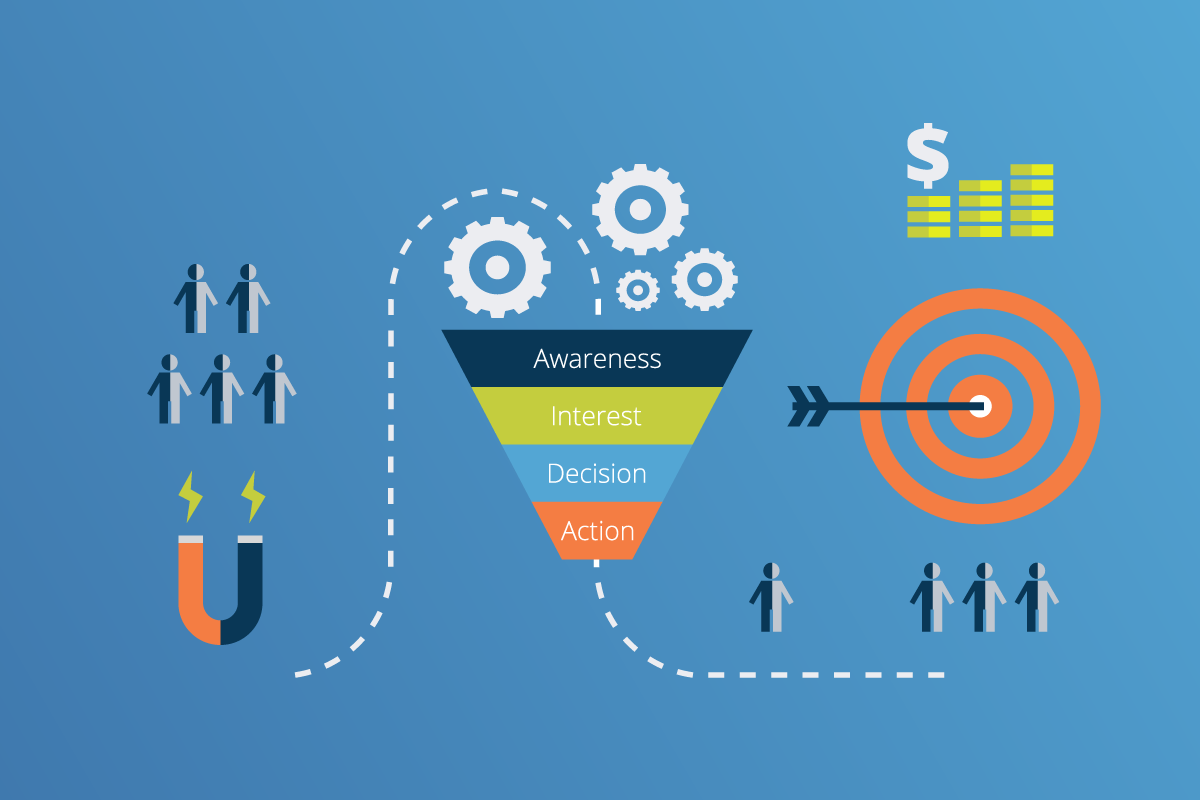
Here are 5 ways to be amazing at your B2B lead generation.
- Know your target
- Know your message
- Getting a meeting
- Getting a good lead generation software
- Outsource it
1. Know your target.
It might seem obvious, but a lot of B2B companies adopt a shot gun approach, reaching out to companies, that, more often than not, do not even require their services. This wastes an invaluable commodity for businesses: time.
They would not just need your services as well, they would need to want it. Need and want have different desire levels entirely.
Targeting has to be as granular as possible.
Here are some targeting parameters you need to consider when narrowing down your list of prospects:
- Location
- Role
- Company Size
- Company Annual Turnover
- Niche
- If they are B2B, B2C or both
A buyer avatar must be established to have a list of highly targeted, high quality prospects as part of your B2B lead generation strategy.
2. Know your message.
Now that you have a list of leads or prospects that you know that need your service, it’s time to craft your message.
Now you might be tempted to reach out on LinkedIn or via email straight out of the gate with a pitch of how awesome your service is.
Trouble is, everyone else is doing that. And most companies you are going to speak to get bombarded by this on a daily basis.
So how do you stand out?
You provide value.
How?
Your message should include reaching out to your prospect, telling them a bit about yourself, and then giving some sort of value piece that they can consume easily and get something big out of it.
For example, at Digital Consulting Pros, we give value through free digital audits and value based blog posts.
Providing value is the building block of B2B lead generation. Once they see what you can offer free, they might want to go for the paid version of your service.
Think of it as getting a free sample from a shopping mall. You test it, and if you see great results with it, you normally end up buying the product right?
Don’t forget, no matter what medium you use, you need to get them straight in a meeting with you, so let’s go to the next point…
3. Getting a meeting
Regardless if it’s LinkedIn, email, search engine marketing, social media marketing…the bottom line is getting a meeting with your prospect. A face to face meeting, a video call, a phone call…the more personal the better.
This is where you get to ask questions to qualify your prospect. The more questions you ask, the better you get to know your prospect and know what they want as part of your B2B lead generation strategy.
What happens in this meeting and beyond depends on your sales cycle, being a 1 call close or a 5 call close or whatever you are normally used to in your client conversion process.
Bottom-line however, is getting them from the online realm, and onto your appointment calendar.
4. Getting a good lead generation software
Manual B2B lead generation can take a lot of time and money. In today’s world of artificial intelligence and automated processes, you can save a lot resources by engaging with a B2B lead generation software that can save you both time and money, whilst also making you money!
This is why we have developed the DCP Lead Generator™ when we started our agency back in 2017.
We wanted a system that could get us leads, and contact them and follow up automatically.
Following the development of what we believe is one of the best b2b lead generation software out there, we closed 17 B2B leads into clients in 73 days. That translated into a cool 5 figure sum in our pockets.
You can read more about it here to see if it’s worth giving it a shot in your business.
5. Outsource it
Sometimes you just want to either give you B2B lead generation to someone else or support your existing department.
At Digital Consulting Pros, we used LinkedIn and email to generate 15+30+ leads per month for our clients.
What is a lead though?
Our definition of a lead in this case is someone who has been targeted, contacted, and engaged into a conversation, usually leading up to an appointment.
The client normally takes over and starts nurturing the prospect and, eventually, into a client.
You can find more info about our B2B Lead Generation Service here.
Conclusion
Regardless if you take up B2B lead generation yourself with the help of a software perhaps, or outsource it to a B2B lead generation agency, just remember that targeting and the message are the foundations of a potentially lucrative B2B lead generation strategy that can take your business to the next level.