Why Your Automated Emails May Be Costing You Revenue
Email remains one of the highest-ROI channels in digital marketing, with an average return of $42 for every $1 spent. Yet most brands quietly leave a significant portion of that revenue on the table through preventable automation mistakes. A common pitfall is adopting automation without a clear strategy or proper setup, turning what should be a growth engine into a source of customer frustration and missed revenue.
The stakes are high: 59% of marketers are expanding their use of email automation, and automated flows drive roughly 18 times more revenue per recipient than one-off campaigns. The same tool that delivers this outsized return can silently erode margins when set up poorly — with generic messaging, overlapping triggers, or neglected deliverability.
This article walks through the concrete errors that hurt revenue and provides proven fixes to turn automation from a silent leak into a reliable growth channel.
Sending the Same Email to Everyone: Why One‑Size‑Fits‑All Fails
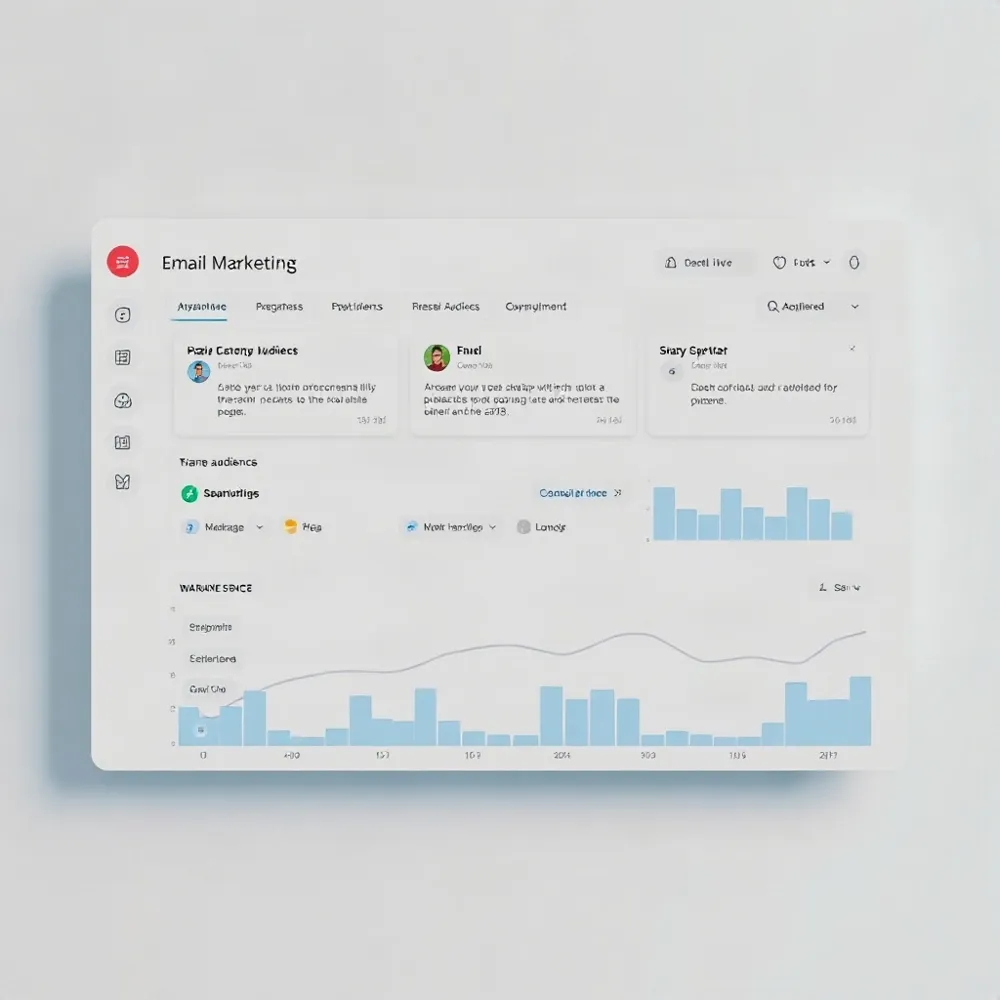
When every subscriber receives the same message, your most relevant offers get buried under noise. This happens when you skip segmentation — the practice of grouping contacts by behavior, purchase history, or lifecycle stage.
The impact is measurable. Segmented campaigns can see a revenue increase of up to 760%, and behavioral segmentation alone can boost click-through rates by 6.3 times. In contrast, sending to an unsegmented list produces lower engagement and higher unsubscribe rates.
A practical first step is to split your list into just two segments: active contacts (opened or clicked in the last 60–90 days) and inactive ones. From there, add splits by purchase category, signup source, or browsing behavior. Using behavioral data — such as past purchases or page visits — creates relevance that a simple first-name tag cannot match.
Digital Consulting Pros builds segmented workflows that target specific buyer actions, such as browse abandonment or recent-purchase cross-sells, so each message lands in the right inbox at the right moment.
Overlapping Automations That Frustrate Customers
Marketing automation platforms such as Klaviyo do not warn you when different flows overlap. A subscriber who just joined your list, abandoned a cart, and made a first purchase can receive a Welcome email, a cart recovery message, and a post-purchase thank-you all in the same afternoon. That collision confuses the recipient and erodes trust.
The consequences show up fast: higher unsubscribe rates, spam complaints, and a damaged sender reputation that reduces inbox placement across all your campaigns. One analysis of 500+ small business campaigns found that fixing common automation mistakes like overlapping flows increased email revenue by an average of 340%.
How to prevent flow collisions
Map the full customer journey before you build a single flow. Design your automation system in a logical sequence — Welcome → Abandonment → Post-Purchase → Winback — and add entry conditions and exit rules that prevent a contact from entering multiple workflows at the same time. For example, delay a browse abandonment send if the subscriber just made a purchase or received a welcome email within the last 48 hours.
Start with two or three essential workflows rather than launching everything at once. This gives your team time to test for overlap and adjust delays. Digital Consulting Pros follows this phased approach when setting up automation for clients, ensuring each flow has clear triggers and suppression rules before adding the next one. Gradually expanding from a small, stable foundation reduces confusion for both your team and your subscribers.
Neglected Deliverability: The Silent Revenue Killer

If you have ever wondered why your carefully crafted automated emails are not producing the revenue expected, the first place to look is deliverability. Average inbox placement rates sit between 83 and 86 percent, meaning one in six emails never reaches the audience.
The financial impact is clear: moving from 85 percent inbox placement to 95 percent can generate 20 to 30 percent more email revenue for a brand generating over $5 million annually. Those lost messages represent a silent drain on returns that accumulates with every send.
Root Causes and Remedies
The usual suspects behind poor deliverability include missing authentication records (SPF, DKIM, and DMARC), using purchased email lists, letting spam complaint rates exceed 0.1 percent, and failing to remove hard bounces. A single automated flow that racks up spam flags can lower inbox placement across the entire program.
Fixing these issues starts with authenticating the sending domain so inbox providers know messages are legitimate. After that, building a permission-based list and consistently suppressing unengaged contacts protects sender reputation. Digital Consulting Pros recommends reviewing bounce and complaint rates per flow every month to catch problems before they affect the whole list.
The Welcome Flow You Skipped (and the Revenue You Lost)
When a new subscriber joins your list, they are at their peak of interest. Most brands miss this window entirely or under-invest in the welcome sequence, letting that engagement decay within hours. The data is clear: welcome emails see open rates above 80%, and the first 24 to 48 hours represent the highest engagement window a brand will ever have with that contact.
A common mistake is leading with a discount. That approach trains subscribers to wait for offers before buying, which erodes margins and attracts customers with lower lifetime value. A better approach is to lead with your brand story and product value, saving the discount for the last email in the series. The agency approach at Digital Consulting Pros follows this structure, using behavioral triggers to time the offer based on engagement rather than sending it immediately.
Measuring performance by acquisition type helps validate the strategy. Compare lifetime value between subscribers who converted on a discount and those who converted on brand value. The numbers will show which approach builds a higher-quality customer base over time.
Cart and Browse Abandonment: Recovering the Unfinished Sale
Approximately 70% of shoppers add products to a cart and then leave without completing the purchase. Only a small portion of that lost revenue is automatically recovered. Building dedicated flows for cart and browse abandonment directly targets these high-intent visitors and recovers sales that would otherwise vanish.
The revenue potential is clear. According to aggregated ecommerce data, automated flows generate nearly 41% of total email revenue from just 5.3% of sends. On a per-recipient basis, flows drive roughly 18 times higher revenue than regular campaigns. That is a significant return for a small, targeted effort.
An effective abandonment flow combines product-specific content, a sense of urgency, and a single, clear call to action. Show the exact items left behind, include a time-limited incentive if margins allow, and make the “Return to Cart” button prominent. Avoid adding secondary offers or navigation links that dilute the primary goal.
Digital Consulting Pros can help design and implement these trigger-based flows as part of a broader automation strategy. Their experience with behavioral triggers and CRM integration ensures that abandonment flows capture the right contacts at the right moment, turning browsing behavior into completed orders.
Post‑Purchase Nurturing: The Repeat Revenue You’re Leaving Behind
Many brands stop communicating after the first transaction, treating the sale as the finish line rather than the start of a relationship. That silence leaves upsells, cross‑sells, reviews, and referrals on the table.
Post‑purchase emails see open rates roughly 17% higher than the average automated flow, and they often outperform new‑acquisition flows in revenue per recipient. Buyers are in a receptive mindset — they have already trusted you with their money and are primed for the next step.
A proven sequence blueprint includes four core messages: a Thank You email immediately, Product Tips 2–3 days later, a Review Request at 7–10 days, and a Cross‑Sell or Refill Offer at 2–4 weeks. First‑time buyers need a different journey than repeat purchasers — the former benefit from education and trust‑building, while the latter respond best to loyalty incentives and relevant add‑ons.
A well‑structured post‑purchase flow can shift a one‑time buyer into a recurring revenue stream without requiring additional ad spend. Digital Consulting Pros builds these tailored sequences as part of its email marketing services, helping clients retain customers and increase lifetime value through automated, behavior‑driven follow‑ups.
Set‑It‑and‑Forget‑It Syndrome: Why Automation Needs Regular Audits
Marketing automation flows are not one-and-done projects. They are dynamic systems that respond to audience behavior, product changes, and market conditions. Most brands launch their welcome, cart, and post-purchase flows and never revisit them, even as their customers’ expectations shift over time.
A flow written two years ago will not convert the same way today. Product catalogs change, pricing evolves, and the competitive landscape shifts. Without regular audits, underperforming segments drain budget while high-potential opportunities go untapped. Automated emails that are not maintained can generate lower engagement and erode subscriber trust.
Schedule reviews of every active flow at least once per quarter. During each audit, examine revenue per recipient, click-to-open rate, and unsubscribe rate. Test alternative subject lines, call-to-action copy, send delays, and segmentation rules. Cull underperformers that no longer serve the customer journey, and expand the tactics that drive measurable results.
A structured auditing cycle keeps your automations aligned with real customer behavior rather than assumptions from a year ago. Small adjustments to timing or messaging can recover revenue that would otherwise leak away month after month.
Ignoring A/B Testing: The Low‑Cost Leverage You Need
Most businesses would never launch a paid ad without testing the creative, yet a staggering 65% of brands rarely A/B test their automated emails, and 76% never test transactional ones at all. That is a missed opportunity that costs nothing to fix but pays out in measurable gains.
What to test and why
Subject lines. A simple split test on subject lines directly boosts open rates, and every extra open flows into more clicks and revenue from the same list.CTAs and send times. Testing button copy, placement, and delivery day/time removes guesswork from what your audience actually responds to.Trigger points and design. Even the delay before a follow-up email or the friendly-from name can shift engagement — and the only way to know is to test one variable at a time.
The rule is simple: test a single element, let the data pick the winner, and promote that version as the new baseline. Next cycle, pick another variable and repeat. Over four to six quarters, these small, compounding improvements turn an average automation program into a reliable revenue engine.
Poor Data Quality Drains Your Returns
Automation is only as intelligent as the data feeding it. Outdated, duplicate, or incomplete contact records quietly erode your returns before any email is sent. Up to 25% of B2B data contains errors, and those errors cause an estimated 12% loss in potential revenue.
Monthly data errors have risen from 59 in 2022 to 67 in 2024, according to a Monte Carlo Data survey. When your segmentation and targeting rely on bad records, every automated flow suffers — irrelevant offers land in inboxes, engagement drops, and sender reputation takes a hit.
The fix is a regular data hygiene routine. Run quarterly audits, use email validation tools, standardize how contacts enter your system, and integrate your marketing platform with your CRM. Poor data quality is a problem you can solve directly, not a mystery to be managed.
The payoff is substantial. Businesses that actively manage data quality report only 10% bad data and see up to 70% more revenue. Clean data means every automation dollar works harder because the right message reaches the right person every time.
Over‑Automation and the Loss of Human Touch
When every email sounds like it was written by a machine, subscribers notice. 71% of consumers expect personalized interactions, and 76% feel frustrated when they don’t get them. The signs of over-automation are unmistakable: high unsubscribe rates, low engagement, and rising spam complaints.
Balance Automation with Humanity. Automate repetitive tasks such as welcome sequences and transactional confirmations, but let sales and support teams handle high-touch moments like onboarding calls or escalated queries.Humanize Every Message. Use a real reply-to address (never “no-reply@”), include personal anecdotes where relevant, and write in a conversational tone that sounds like one person talking to another.
Digital Consulting Pros blends automation with human oversight, using real reply addresses and a decade of hands-on experience to ensure each message feels personal, not mass-produced. The result is automated communication that retains authenticity and earns engagement.
Sending Frequency Missteps: Too Many or Too Few Emails
Finding the right sending rhythm can feel like a guessing game, but the data is clear about the boundaries. A survey found that 86% of consumers are comfortable receiving promotional emails at least monthly, while only 15% want them daily. Sending too many emails annoys subscribers, drives up unsubscribes, and can trigger spam filters. Sending too few lets the brand fade from memory, making it harder to generate revenue when you finally hit send.
A frequency framework aligned with engagement levels helps avoid both extremes. For highly engaged contacts (active in the last 30 days), sending 10–12 emails per month is sustainable. Moderately engaged subscribers (30–90 days) respond well to 6–8 emails. Those with low engagement (90–120 days) should receive only 4–6, focused on re-engagement. Inactive contacts beyond 120 days should get no more than 3–4 winback-only emails before suppression.
Monitor your own unsubscribe and engagement trends to calibrate this cadence for your specific audience. A spike in opt-outs after a send day is a direct signal to pull back. The same logic applies across automated flows — overlapping workflows can easily push a subscriber past their tolerance threshold, undoing the trust built by a well-timed welcome or cart recovery sequence.
For businesses that lack the time or analytics bandwidth to fine-tune frequency on their own, a partner like Digital Consulting Pros can audit existing send patterns and build engagement-based segmentation that protects inbox placement while maximizing revenue from each list segment.
Weak CRM Integration Creates Data Silos
When your email platform and your customer relationship management (CRM) system do not communicate, every automated campaign suffers. Nearly half of marketers (46%) cite a lack of integration between marketing automation and CRM as a top challenge. This disconnect means no single view of the customer, forcing teams to manage duplicate records and guess at what a lead has already seen or purchased.
The result is missed personalisation opportunities and wasted effort. Without a unified data flow, a subscriber who just bought a premium product might receive a discount offer designed for new leads, creating a confusing experience that erodes trust. Companies that integrate email automation with their CRM see a 45% increase in sales productivity and a 27% boost in customer retention.
The fix is to use a platform that combines CRM and automation natively or to build a tight integration between separate systems. Platforms such as HubSpot and ActiveCampaign offer this unified approach, and Digital Consulting Pros helps clients configure these tools so that behavioral triggers, purchase history, and engagement data flow into one actionable record — eliminating silos and powering campaigns that feel personal because they are grounded in actual customer behavior.
From Leaks to Growth: Your Action Plan
Where to start
The fixes are all proven: segment your flows by behavior, audit deliverability every quarter, build post-purchase nurture sequences, run A/B tests on subject lines and CTAs, clean your data regularly, preserve a human tone, send at a frequency that matches engagement, and integrate your email platform with your CRM. Any one of these steps will lift revenue. The challenge is knowing which leak matters most in your specific setup.
Begin with a 90-day audit of every active automation. Pull each flow’s revenue-per-recipient, click-to-open rate, and unsubscribe rate. Rank them by revenue opportunity — the biggest gap between current performance and industry benchmark is your first target. For example, if your welcome series stops after one email and your open rates sit below 30%, expanding that flow is likely the highest-leverage move you can make. Fix one flow, measure the change, then move to the next. Digital Consulting Pros recommends this systematic approach: prioritize the single largest revenue leak, iterate, and repeat.
Email automation is a long-term relationship channel, not a one-time setup. Brands that treat it as a living system — reviewing flows quarterly, testing new triggers, pruning unengaged contacts — see returns compound. The same welcome flow that worked six months ago may underperform today because audience behavior shifted, a product line changed, or inbox placement rules tightened. Consistent optimization, not occasional overhauls, turns email into a reliable revenue engine.
Your next move
Commit to building a structured, data-backed email automation program. That means setting a fixed schedule for audits, documenting every flow’s performance, and making small, continuous improvements instead of waiting for a crisis. The businesses that do this turn email into their most predictable growth channel — not because they sent more emails, but because they sent the right email to the right person at the right moment, every time.