
Turn Earlier Interest Into Better Leads
If you manage a small business, you may not need a bigger ad budget to generate more qualified enquiries. You may need to make better use of the attention you have already earned. Retargeting gives Facebook Lead Ads another chance to reach people who visited your website, watched a video, engaged with an ad, or opened a lead form without submitting it.
The aim is not to show the same message to everyone. First, make sure your tracking records useful actions. Then group people by what they did, such as viewing a service page or starting a form, and offer each group a relevant next step. A service-page visitor may need a case study; someone who opened a form may respond to a simpler enquiry option.
Digital Consulting Pros brings campaign management together with lead generation and follow-up, helping businesses connect advertising activity to qualified sales opportunities. Assess retargeting by the quality of enquiries and their progress toward sales, not clicks alone. Where feasible, connect campaign data with your CRM so you can see which audiences contribute to real opportunities.
Published performance figures and budget suggestions are examples tied to particular sources, campaigns, and markets. They are not promises or Malta-specific benchmarks. Treat them as starting points, then use your own lead quality, sales results, and customer economics to decide what deserves more spend.
Why Retargeting Can Stretch Ad Spend

Retargeting means showing ads to people who have already interacted with your business, such as visiting your website, watching a video, or opening a lead form. Instead of treating every prospect as cold traffic, you can use that earlier activity to make the next message more relevant. Digital Consulting Pros applies this kind of buyer-focused approach across paid campaigns and lead generation.
A first visit rarely tells you whether someone is ready to enquire. They may be comparing providers, checking whether a service fits their needs, or simply not have time to act. A useful follow-up ad can answer a question or offer a clear next step, keeping your business visible while the prospect decides. For a longer sales process, that reminder should add value rather than repeat the same sales pitch.
Meta Lead Ads can make that next step easier by letting people submit their details in a form without leaving the platform. An external landing page, by contrast, gives you more room to explain the offer, ask qualifying questions, and connect activity to website analytics. Choose the route based on whether your priority is a simpler submission or greater control over lead quality and measurement.
Whichever format you use, pass new enquiries into a process where your team can review and follow up on them. Digital Consulting Pros offers B2B appointment setting, database reactivation, and AI-supported lead generation, connecting advertising activity with practical sales follow-up rather than treating form submissions as the finish line.
Retargeting works best as one part of a wider marketing plan. Search advertising can reach people actively looking for a solution, while organic content can help build familiarity and answer questions before a purchase. Retargeting then gives you another opportunity to reconnect with people who have already shown interest. Review results by lead relevance and sales progress, not ad clicks alone, and use those findings to decide which audience and channel deserve more investment.
Build Audiences Around Real Intent
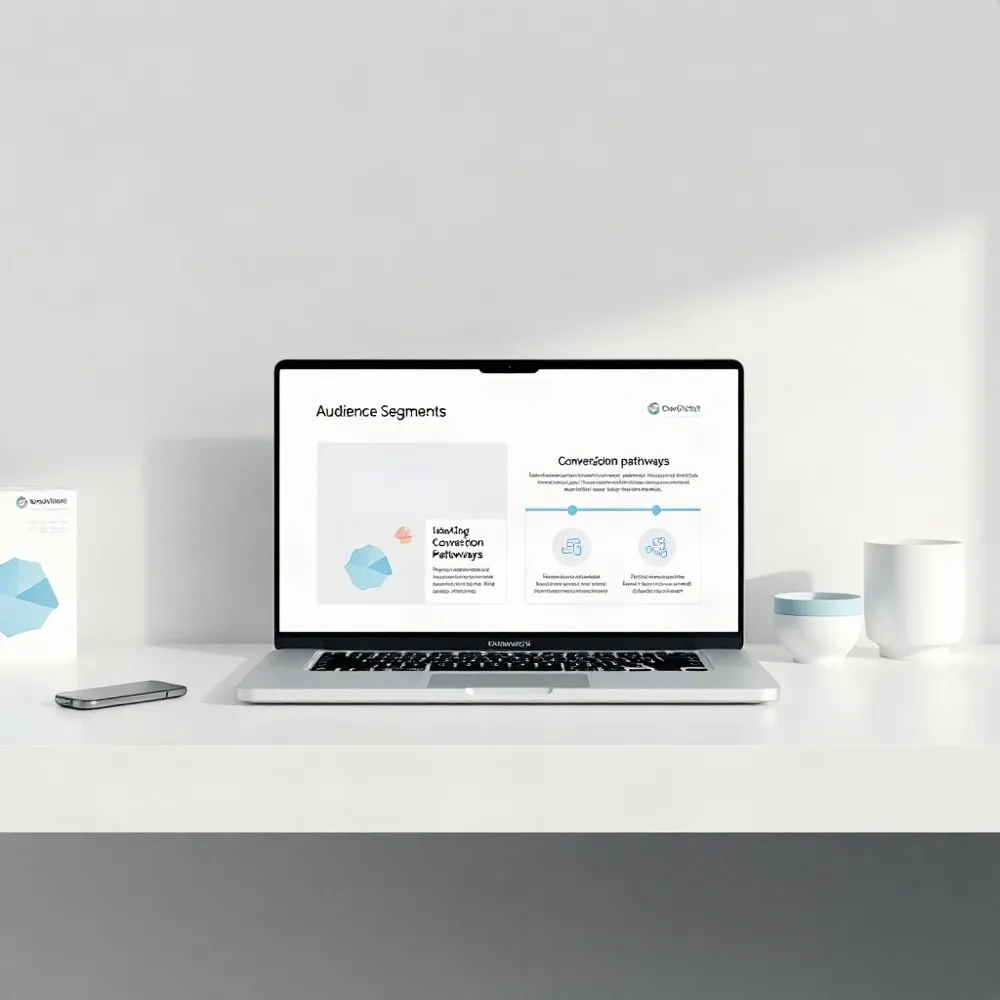
A useful retargeting audience reflects what someone did, not simply the fact that they visited. Digital Consulting Pros takes a buyer-persona approach to marketing, which helps businesses connect audience rules and ad messages to the needs of likely customers rather than treating every interaction alike.
Potential audience sources include website activity, Facebook Page or Instagram engagement, video views, lead-form interactions, and consented customer or prospect lists. These signals can reveal different levels of interest. A person who watched a video or opened a form may need a different next step from someone who repeatedly reviewed service details.
Build segments from meaningful actions
Avoid placing every visitor into one broad audience if your site can show what they were considering. Pricing-page visits, repeated views of feature or service pages, lead-form opens without submissions, and trial or registration starts without completion are more useful signals than a general page visit. For example, someone who started a registration may respond to a reminder or a simpler way to continue, while a casual visitor may need introductory information first.
You can also tier audiences by engagement. A single interaction can suit awareness or educational content; repeated interactions may justify more specific consideration-stage material, such as a case study or service explanation. A recent high-intent action can support a direct offer, such as booking a consultation. Keep the offer relevant to the action that brought the person into the audience.
Set recency and exclusions deliberately
Choose an audience window that fits the time prospects need to decide. For a considered B2B purchase, a 30-day window is a practical starting point, not a fixed rule. Review response and lead quality, then adjust the window using your own campaign results. A longer decision process may call for a wider window and useful follow-up content rather than repeated sales prompts.
Keep segments distinct with exclusions so people do not receive mismatched or redundant ads. Remove converted prospects from acquisition campaigns, and place existing customers in separate audiences for relevant retention or upsell messages. Digital Consulting Pros also offers database reactivation, which can support a separate approach to engaging past contacts rather than mixing them with new prospects.
Check estimated audience size before splitting campaigns into many narrow groups. If a segment is too small to deliver consistently, broaden its recency window, combine similar actions, or simplify the campaign structure. Start with a few clear intent groups, then add detail only when audience volume and results make the distinction useful.
For a practical setup, review Facebook retargeting strategies alongside your audience rules, and confirm that each group has a distinct message and next step.
Make Tracking Useful Before Spending
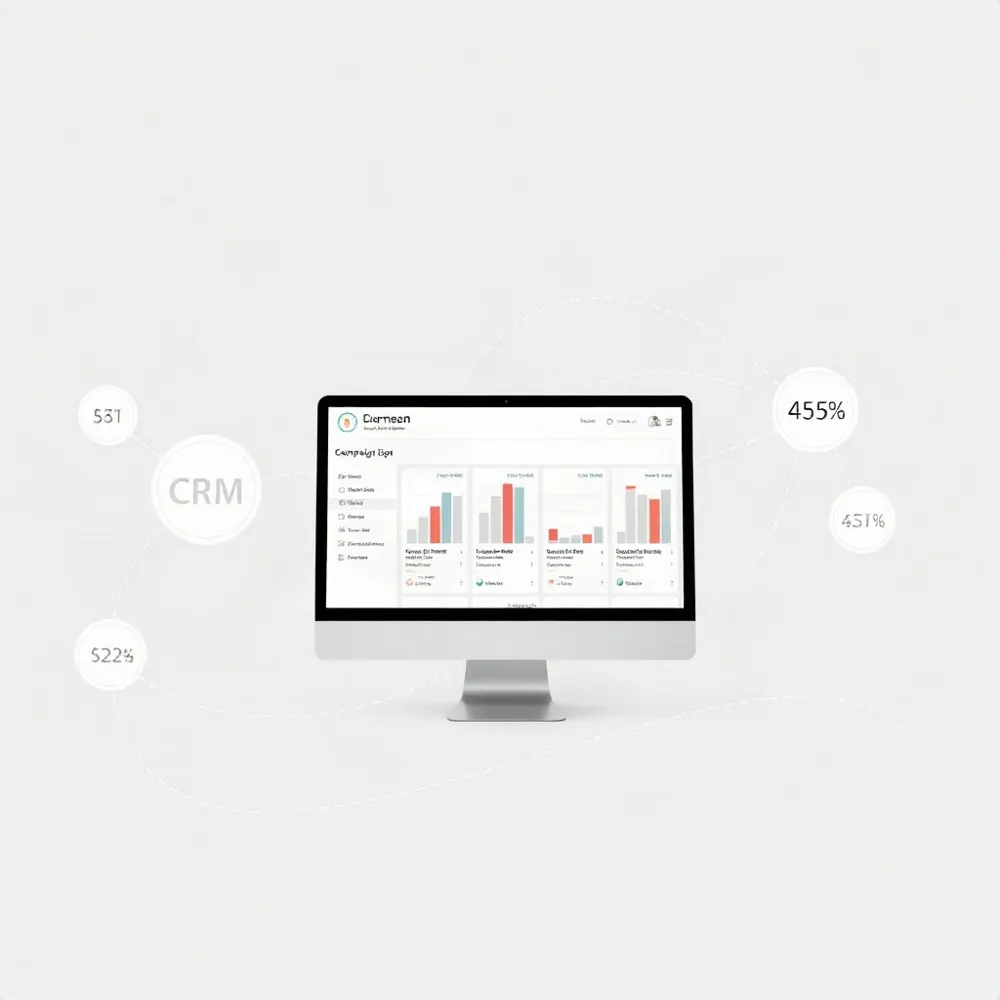
Before putting money behind a retargeting campaign, check that its tracking records actions that matter to your business. Installing the Meta Pixel is only a starting point. A page view can show that someone visited, but it does not tell you whether they requested a consultation, started a form, or became a customer.
Set up events for meaningful steps in your buying process, such as CTA clicks, form starts and submissions, purchases, or booked appointments. Then confirm that each event fires at the right moment. If Meta receives a conversion signal for every low-value submission, its delivery system may learn to find more people who submit low-value enquiries, not prospects who are likely to buy.
The Pixel can record activity on your website, while CRM integration connects that activity to lead follow-up and later sales stages. Where the setup supports it, the Conversions API or server-side events can send additional conversion information from your server. These tools can help create a fuller measurement picture, but they depend on accurate event definitions and careful implementation.
Use consistent UTM parameters on campaign links and record them with each lead in your CRM. That makes it easier to see which campaign brought in an enquiry and whether it progressed to a qualified opportunity or sale. Platform reports may not show every assisted contribution: someone could see an ad, return later through another channel, and convert there. Treat reported conversions as one useful view, not the whole customer journey.
If you use customer-list audiences, collect and handle personal data with appropriate consent and in line with applicable privacy requirements. Keep audience records accurate, update them as contacts change status, and remove people who should no longer be included. At Digital Consulting Pros, campaign tracking can be connected to lead generation and follow-up work, helping businesses assess more than the initial form fill.
Before launch, test the complete path: trigger each event, check that it appears in the relevant reporting tools, submit a test form, and confirm that the lead reaches the right person or system. Make sure the CRM preserves the campaign source and that the team can track what happens after follow-up. This basic check helps prevent a campaign from spending against incomplete data.
For the campaign to support a real business decision, its reporting should connect the ad interaction to lead quality and eventual sales outcomes. Digital Consulting Pros’ ROI-focused approach puts that connection at the centre of campaign management, rather than treating clicks or raw submissions as the final result.
Match Each Ad to Its Next Step
A retargeting ad should help the prospect take a logical next step, not repeat the same sales pitch to everyone. Match the message to the interest that brought them back and the decision they still need to make.
Match the message to buying stage
For someone who has only read an introductory article or watched part of a video, offer useful educational material that explains a problem or approach. A visitor who explored a service or feature page may be ready for a focused benefit, a relevant customer example, or an explanation of how the service works. For a high-intent prospect, make the next step concrete with a demo, consultation, or clear enquiry offer.
Use the person’s earlier behaviour to shape the creative. Someone who viewed a particular feature page is more likely to find a feature explanation useful than a generic invitation to learn about your business. Digital Consulting Pros’ buyer-persona approach can help connect those signals to messaging that reflects the prospect’s needs, rather than relying on one ad for every visitor.
Test a few distinct approaches: explain the problem and its consequences before presenting a solution, show customer proof that relates to the page viewed, or answer a likely objection such as price or integration. A short, authentic demonstration can also make an unfamiliar service easier to understand. Treat these as testable options, not assumptions about what every audience will prefer.
Make the next action easy to complete
Give each ad one direct call to action, and make sure the destination delivers what the ad promised. A demo ad should lead to a clear way to request a demo, not a general homepage. If you send people to an external page, keep it focused, mobile-friendly, quick to load, and consistent with the ad’s message.
Choose between a Meta Instant Form and a landing page according to what the campaign needs. An Instant Form can reduce steps for someone ready to enquire, while a landing page gives you more room to explain the offer and qualify the prospect. Add only the fields that help your team assess and follow up on a lead. Conditional questions can help distinguish fit without making the form unnecessarily difficult to complete.
The campaign does not end when someone submits their details. Route new enquiries into your CRM or marketing tools and assign a clear follow-up process, so interested prospects receive a timely, relevant response. Digital Consulting Pros offers B2B appointment setting and database reactivation alongside its advertising services, connecting lead generation with the work of turning interest into sales opportunities.
Set a Budget the Audience Can Use
A retargeting budget should fit the number of people you can reach and the value of a qualified lead, not an arbitrary industry rule. Set a level your business can sustain long enough to learn, then move spend toward the audience and ads that generate worthwhile opportunities.
Choose a budget that fits the campaign
A daily budget suits an ongoing campaign that needs steady delivery. A lifetime budget sets a total amount for a campaign with a fixed end date, giving Meta room to distribute spend across that period. Either way, the amount must support the event you want the platform to optimize for, such as a completed lead form or booked consultation.
Published starting figures vary widely. One small-business guide suggests modest daily spending for retargeting, while higher monthly recommendations in other articles address specific B2B SaaS or startup situations. Treat these as broad context, not minimums or Malta-specific cost estimates. The right starting point depends on your audience size, margins, sales cycle, expected lead value, and available follow-up capacity.
Let audience size guide spend
A small retargeting pool cannot absorb unlimited spend efficiently. If the audience is narrow, increasing the budget may simply show the same ads more often rather than create more qualified opportunities. Digital Consulting Pros’ buyer-persona approach can help connect audience selection and campaign goals to the prospects a business is actually equipped to serve.
Keep warm retargeting and cold prospecting separate in your reporting. That makes it easier to see how much each audience costs to reach and whether it produces qualified leads. Compare results with your own recent campaign and CRM data, not just platform clicks or broad benchmarks.
Start with a sustainable test budget, review lead quality and opportunity value, then reallocate cautiously. If submissions are plentiful but few become sales conversations, check the offer, form, and follow-up before adding spend. Digital Consulting Pros’ ROI-focused approach is built around connecting advertising activity to qualified sales opportunities, rather than treating a larger budget as a solution by itself.
Control Frequency and Creative Fatigue
A small retargeting audience can be reached repeatedly, so the same ad may start to feel familiar before the campaign has produced enough leads. Rising frequency alone does not prove there is a problem. Read it alongside audience size, the time period, placement, and the prospect’s buying stage, then check whether clicks and conversions are weakening.
As a starting point, some general retargeting guidance suggests roughly three to five impressions per week, while long buying cycles may call for less frequent exposure. Treat these as test ranges, not fixed limits. A high frequency may be reasonable for a short promotion, but the same level could frustrate prospects who need more time to decide.
Prepare several creative variations for each audience, such as a customer example, a useful answer to a common objection, and a clear next step. Refresh the ads when frequency rises alongside falling engagement or weaker conversion performance. Changing the message or visual can restore relevance without requiring a larger audience or budget.
For a small audience, watch how much of it has been reached and whether the same people are seeing the same message. If delivery becomes repetitive, broaden the recency window where it fits the sales cycle, or add fresh creative before increasing spend.
Exclude people who have already converted from ads intended to acquire new leads. If a past customer may have a relevant next need, place them in a separate campaign with an offer suited to their relationship with your business. This keeps acquisition messages focused and gives customer follow-up its own purpose.
Review performance over a consistent period and make changes when several signals point to fatigue, rather than reacting to a single day or one frequency figure.
Test One Decision at a Time
Choose a campaign objective that reflects the result you need, whether that is leads, website visits, engagement, or sales. Meta uses the selected objective to guide delivery, so an objective aimed at traffic may bring visits without producing the enquiries your team needs. Digital Consulting Pros’ ROI-focused approach starts with the business outcome, then connects advertising activity to qualified opportunities.
Change one variable per test
Begin by comparing value propositions while keeping the format, audience, and call to action consistent. Once a message performs better, test another factor, such as video against a static image or one proof point against another. Changing several elements at once makes it difficult to tell what caused a difference.
The same principle applies to audience rules. Compare a standard retargeting group with a behaviour- or frequency-filtered group, while showing both the same creative. Judge the result by cost per acquisition, conversion rate, and lead quality, not click-through rate alone. If you can connect campaign results to sales value, include return on ad spend as well.
Give the test time to answer
Avoid changing campaigns in response to a single day’s results. Check performance over a sensible period and allow enough time for the audience to respond. The right review window depends on traffic, budget, and the length of your sales cycle, so use your own recent campaign data rather than treating a fixed timeline as universal.
When a test shows that an audience and message are producing qualified leads at an acceptable cost, increase spend cautiously and keep monitoring downstream outcomes. Cheap clicks alone are not a reason to scale. Digital Consulting Pros combines advertising with lead generation and appointment setting, giving businesses a way to connect campaign tests with follow-up and sales opportunities. For practical retargeting test ideas, see Facebook ad management strategies.
Measure Leads Through to Revenue
Clicks and click-through rate show whether an ad attracted attention, but they cannot tell you whether the campaign produced prospects your sales team can pursue. A retargeting ad may earn plenty of clicks while sending people who are not ready, or able, to buy.
Track cost per lead, then look beyond it. Compare the share of leads that qualify, cost per qualified lead, sales opportunities created, pipeline contribution, and time to conversion. Where your records allow, connect those results to customer value. This gives you a clearer view of whether ad spend is producing worthwhile business, rather than just inexpensive form submissions.
Connect campaign results to lead quality
Record lead status in your customer relationship management system (CRM), using stages your team understands, such as marketing-qualified lead and sales-qualified lead. Then compare campaign sources against those stages. If a form submission never meets your qualification criteria or receives no sales follow-up, counting it as a successful outcome can make a weak campaign appear effective.
For Digital Consulting Pros, the practical focus is connecting digital campaigns with qualified sales opportunities, rather than treating lead volume as the end result. Its B2B appointment setting and database reactivation services also reflect the work that can happen after a prospect enters your records.
Account for the full customer journey
Platform reporting may not show every contribution a retargeting ad made. Someone might see an ad, later call your business, and complete a purchase after speaking with your team. Use consistent UTM parameters, CRM source fields, and call tracking where appropriate to add context. Review assisted conversions alongside direct, platform-reported results, and choose an attribution approach that fits your sales process.
Public figures can provide a rough comparison, not a target. Your own recent campaign and CRM data should guide decisions as it builds.
Expect engagement signals to appear before a clear revenue picture. B2B prospects may need time and several interactions before a decision, so assess early response without treating it as proof of sales impact. Keep following lead cohorts through qualification and opportunity stages before deciding whether to continue, adjust, or scale.
A Practical First Campaign Plan
A first retargeting campaign should be small enough to manage and structured to answer practical questions. Start by defining the business result you want, such as qualified enquiries or booked consultations, then confirm that tracking records those outcomes accurately.
Build a few behaviour-based audiences, such as people who viewed a service page or opened a lead form without submitting it. Choose a campaign objective that matches the intended result, then write ads for each audience’s interests. Digital Consulting Pros applies this buyer-persona approach across its advertising and lead-generation work, rather than treating every prospect as interchangeable.
Keep the campaign structure simple enough for your available traffic and follow-up capacity. Set a sustainable budget based on your own economics, and prepare a small selection of creative variations so you can compare messages without dividing a limited audience across too many ad sets. A higher click cost may still be acceptable if the resulting customers are profitable.
Review the signals that affect results
Check delivery, audience size, and whether the campaign is optimizing for a meaningful event. Review frequency alongside response: repeated exposure to a small audience can weaken interest. Also monitor how quickly your team contacts new leads and whether they progress in your CRM, not just how many forms arrive.
Use those findings to adjust the offer, audience rules, form, landing page, or follow-up process before raising spend. If the leads are relevant but slow to convert, improve nurturing; if they are poor fits, revisit qualification and targeting. Digital Consulting Pros combines advertising with CRM-focused lead nurturing, helping businesses assess campaigns against sales opportunities rather than clicks alone.
Scale What Produces Qualified Opportunities
A retargeting campaign is ready to grow only when its results hold up beyond the ad platform’s dashboard. Start with accurate tracking, a few audiences based on meaningful actions, ads that fit each group’s interests, and sensible controls on repeated exposure. Then connect campaign activity to lead stages and sales outcomes in your CRM.
For a small business, this means treating a form submission as the beginning of evaluation, not proof of success. Compare which audiences produce leads your team can qualify and follow up, and which progress to worthwhile sales conversations. Digital Consulting Pros brings campaign management together with B2B appointment setting and database reactivation, helping businesses assess marketing in the context of customer acquisition rather than clicks alone.
Increase investment gradually when your own records show that qualified opportunities are coming in at an acceptable cost and your team can handle follow-up. If extra spend brings more low-fit enquiries, revisit the audience, offer, or qualification process before expanding further. The goal is not the largest number of clicks or forms. It is a dependable path from earlier interest to commercially worthwhile customers.