Growth Without a Large Production Budget
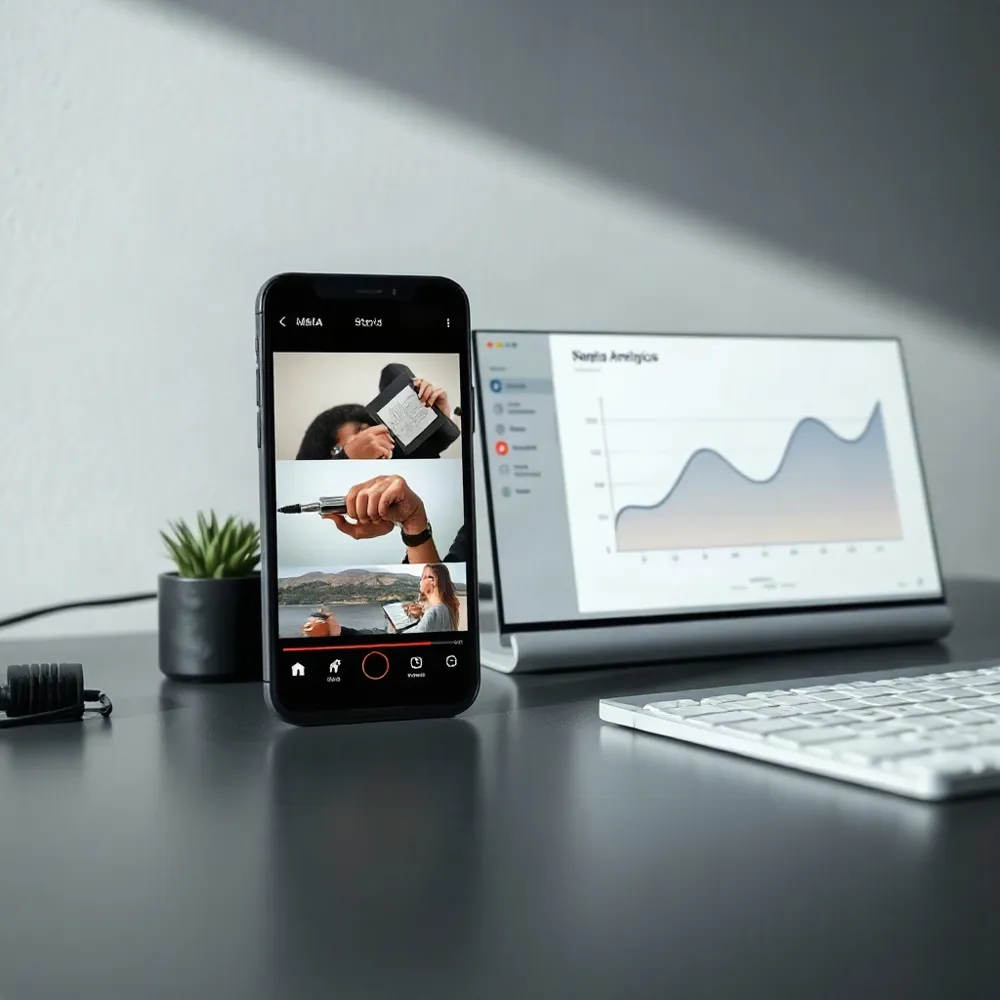
A small business does not need a studio, a large crew, or a polished advertising budget to make useful Instagram Reels. A phone can capture a quick demonstration, a customer question, or a glimpse of how a product is made. These videos can introduce a brand to people who do not yet follow it, giving businesses with modest audiences another way to earn attention.
That opportunity is not a promise of reach or sales. A trend can pass without attracting the right customers, and a regular posting schedule cannot make an unclear message persuasive. Results depend on whether the idea matters to the intended audience, whether the video holds attention, and whether viewers have a sensible next step.
For businesses watching costs, the better starting point is to make relevant videos with accessible tools, publish at a pace the team can maintain, and review audience response. Digital Consulting Pros brings this same performance focus to its digital marketing work, using buyer personas and ROI-oriented methods rather than treating activity alone as success.
The practical approach is simple: start with clear, useful creative, learn which topics and formats prompt meaningful action, then put more effort into what shows promise. The sections that follow explain how to make that process manageable without assuming that expensive production is the price of growth.
Start With a Clear Audience and Goal
Before filming, decide who should find the Reel and what you want them to do next. A useful audience profile goes beyond age or location: consider the questions customers ask, the problems they are trying to solve, and the subjects they already follow.
That focus does not mean every video must pitch a product. A business can also cover related interests that matter to its audience, such as practical advice, common mistakes, or a behind-the-scenes look at how a service works. These topics give potential customers a reason to watch before they are ready to buy.
Set one main objective for each Reel or recurring series. Discovery content might aim to reach new people; an educational Reel might seek saves or shares; a product demonstration might encourage profile visits or website traffic. Match the measure to the goal, rather than judging every video by likes alone.
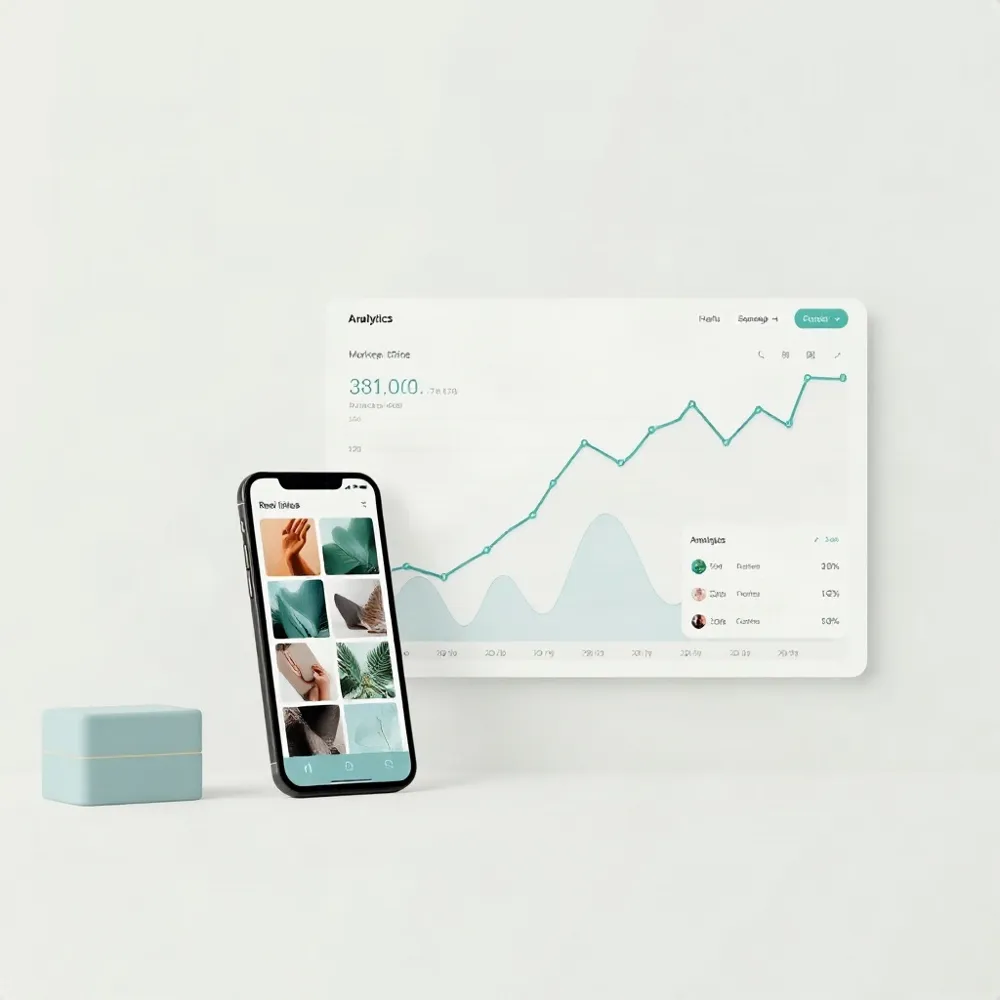
Instagram can recommend Reels to people who do not follow the account, including through the Reels feed and Explore. That gives a small business a route to discovery without first building a large follower base. Instagram’s Reels insights can help assess how individual videos perform.
A clear subject focus also helps viewers recognize what an account offers and gives its content a consistent frame. Choose a few themes rooted in customer needs, then return to them through different examples and formats. Digital Consulting Pros applies a buyer-persona approach across its content creation and social media management, connecting messages to the audiences a business wants to reach.
Consistency matters more than an ambitious schedule that quickly becomes difficult to maintain. A repeatable series, such as a short answer to a common customer question, can make planning easier and help audiences know what to expect. Review whether the content is attracting the intended viewers and prompting the action tied to its goal, then adjust the next Reel accordingly.
Build Reels With Accessible Tools
A phone, natural light and a steady surface can be enough to make a useful Reel. Set the phone on a tripod or another stable support, frame the subject clearly, and record in a quiet spot where the message is easy to hear. Strong production does not require a studio; it requires footage that makes the product or idea clear.
For full-screen mobile viewing, film vertically in a 9:16 aspect ratio at 1080 × 1920 pixels and at least 30 frames per second. Keep important text and the main subject away from the edges, where app controls or cropping may obscure them. These basic settings give a small team a repeatable starting point without adding equipment costs.
Choose formats that show something customers want to understand: a quick tutorial, product demonstration, before-and-after clip, behind-the-scenes moment or day-in-the-life video. A customer showcase can add a human perspective, provided you have permission to share it. These formats give a small team practical options to test, and data from Instagram Insights can help you identify which ones drive the most engagement.
Video can communicate details that a still image often cannot. A close-up can show a product’s texture, while a demonstration can establish its size or show how it works in an everyday setting. Footage of staff, preparation or service delivery can make the people and process behind a business more familiar to prospective customers.
Make each video feel native to Instagram instead of reposting a clip with another platform’s watermark. Use original footage, simple edits and on-screen text where it helps the message land without sound. Instagram provides Reels insights to review how videos perform, so teams can judge which accessible formats are worth repeating.
Use trends selectively: a relevant format can give a timely idea a fresh angle, while a practical demonstration or tutorial may remain useful after the trend fades. Understanding your audience’s specific needs can help keep both types grounded in the questions and interests of the intended audience, rather than chasing a trend simply because it is popular.
Win Attention in the Opening Seconds
Viewers decide quickly whether a Reel is worth their time. The opening one to three seconds should make the subject clear and give people a reason to stay, rather than asking them to wait through a greeting or logo.
Start with movement, an unexpected visual, a familiar question, a bold claim or a before-and-after image. For example, a local service business might open with a visible result, then explain the practical step that produced it. The visual should lead naturally into the rest of the Reel, not serve as a hook unrelated to its message.
Avoid slow introductions and title cards that delay the point. A brand name or product shot can help identify the business, but on its own it may not tell a viewer why the video matters. Put the audience’s problem, curiosity or desired outcome first, then introduce the product or service when it helps answer that interest.
Keep the idea focused and the pace clear. If the Reel promises a quick tip, show the problem or result immediately, then use each following shot to deliver that tip. Unnecessary pauses, repeated points and unrelated clips make it harder for viewers to follow the thought and stay to the end.
Test different openings while keeping the main message similar. Compare whether a question, demonstration or before-and-after earns stronger watch time and completion, and use Instagram Reels insights to review performance. Treat the results as guidance from your own audience, not a universal formula.
Make Every Reel Easy to Follow
A Reel should make sense even when someone watches with the sound off. Add captions for spoken words and use concise on-screen text to state the topic or explain an important step. This supports accessibility and helps viewers follow along in busy or quiet settings.
Show the product, process or result rather than relying on music or voiceover to carry essential information. A short demonstration, close-up or before-and-after can clarify what a business offers without a long explanation. For Digital Consulting Pros, that same principle applies to service content: show a clear process or example, then use text to make the point easy to grasp.
Instagram Reels can combine original or trending audio with voiceovers, text overlays and transitions. Choose the elements that help communicate the idea, not effects added simply to make the video look busy. Captions and strong visuals should still carry the message if a viewer cannot hear the audio.
Keep essential text, faces and calls to action away from the edges of the frame. A Reel may be cropped or displayed differently across Instagram placements, so a message placed too close to the border can become hard to read or disappear. Preview the video in its intended placement before publishing.
A clear next step gives viewers a reason to act. An educational Reel might ask people to save the instructions or share them with a colleague; a service demonstration could invite viewers to visit the website. Instagram’s Reels insights can help assess how people respond to published content.
Match the request to the format. A trend-led Reel may work best when the trend stays central, rather than interrupting it with a heavy sales pitch. For practical, informative content, a direct prompt to save or share can feel useful and natural. Digital Consulting Pros’ focus on measurable lead generation makes that distinction worthwhile: choose an action that supports the purpose of the video, not a generic call to action.
Use Customers and Trends With Purpose
A customer using your product can often show its value more naturally than a polished brand claim. With permission, feature short demonstrations, reactions, or before-and-after moments that help viewers see how the product fits into real life. Ask customers to tag your account when they share relevant videos, then request approval before reposting.
Customer and creator appearances can add a human perspective without requiring an in-house filming crew. Digital Consulting Pros creates social content as part of its digital marketing services, alongside its work in lead generation and campaign strategy, so customer videos can sit within a broader plan for attracting qualified prospects.
How can you spot trends worth adapting?
Look for formats and sounds appearing repeatedly in the Reels tab and Explore, and check Instagram’s @creators account, relevant competitor content, and Meta Creative Hub for ideas. Treat these as signals, not instructions. A trend that fits your audience and brand voice may give a familiar format a fresh angle, while an unrelated one can make the business feel out of step.
Before filming, ask whether the trend helps explain a product, answer a customer question, or show the people behind the business. Adapt the format to that purpose, then compare its response with similar posts. Instagram’s Reels insights can help you review how each Reel performed. Use the findings to decide whether the idea is worth repeating, rather than assuming popularity elsewhere will carry over.
Build a reliable base of repeatable evergreen formats, such as a recurring tip, quick demonstration, or customer question. This gives a small team a reliable starting point while leaving room to respond to relevant trends. Digital Consulting Pros’ content creation and social media management services can support this mix as part of a wider, results-focused marketing plan.
A simple, native clip can still feel personal and clear. The aim is not to copy every format gaining attention, but to choose ideas that suit your customers and give you useful evidence about what resonates.
Publish on a Sustainable Rhythm
A reliable posting cadence is more useful than a short burst of Reels followed by silence. Choose a pace your team can maintain alongside its other work, then use each post to learn what your audience responds to. Digital Consulting Pros’ content creation and social media management services can support businesses that need a coordinated plan without relying on ad hoc posting.
Make publishing easier with a repeatable format, such as a weekly product tip, a customer question answered on camera, or a short behind-the-scenes feature. A recurring structure reduces planning time and gives viewers a clearer sense of what to expect. Keep the topic useful to your audience, and refresh the details so the series does not feel copied from one post to the next.
Posting when followers are active is worth testing, but timing cannot make an irrelevant Reel useful. Compare how similar posts perform at different times, and judge the result alongside watch time, shares, saves, or other actions tied to your goal. Instagram’s Reels insights provide a starting point for reviewing performance.
Scheduling posts ahead can help a small team keep a steady rhythm, especially during busy periods. Plan a few Reels at once, leave room for timely ideas, and review each scheduled post before it goes live. If Trial Reels are available on your account, use them to show a Reel to non-followers first and gauge interest before deciding whether to share it more broadly.
Treat the first month or two as a learning period rather than a demand to scale production or paid promotion immediately. Look for patterns across several posts, adjust the format or timing, and keep what is manageable. Digital Consulting Pros’ data-led approach to content and lead generation can help connect those creative decisions to business goals, rather than treating posting frequency as a result in itself.
Measure Attention and Meaningful Actions

Instagram Insights give Business and Creator accounts a free starting point for reviewing account activity and individual Reels. It can help you see whether a video reached people, held their attention and prompted a response, without paying for a separate analytics tool.
For each Reel, look at reach, plays, average watch time, retention, skip rate, saves, shares, comments, profile visits and followers gained. The useful measures depend on your goal: reach can indicate awareness, while saves, profile visits and follows may show that viewers found the content worth acting on.
Reach counts the unique accounts that saw a Reel; plays count total plays, including repeat viewing. A high play count can be encouraging, but neither measure alone shows whether the video generated a qualified lead, a sale or another business result. Digital Consulting Pros takes a revenue-focused approach to digital marketing, so Reel reporting should sit alongside the website visits and enquiries the content is meant to support.
Use retention to find where viewers lose interest
A retention graph can show how attention changes as the video unfolds. A steep early drop may point to an opening that takes too long to make its point. If viewers leave later, check whether the explanation slows down, a transition feels unclear or the subject has already been covered.
Compare Reels with similar subjects or formats rather than treating every post as an equal test. Look beyond views to average watch time, saves, shares and reach among non-followers. Shares are a useful awareness signal because they can put a Reel in front of people beyond the original viewer, though they do not guarantee further distribution.
Review performance on a consistent schedule, and compare results at similar points after publication. One unusually strong or weak post is not enough to establish a pattern. Gather results from roughly 10 to 15 Reels in a consistent format before drawing firmer conclusions, then use the findings to shape the next batch of creative.
To find post-level data, open the Reel and follow Instagram’s instructions for viewing Reel insights. Record the measures that match your goal and note the topic, format and call to action. That gives a small team a practical basis for deciding what to repeat, revise or stop producing.
Turn Results Into Better Creative
A Reel’s results can guide the next piece of creative, not just rate the last one. Keep a simple record of the opening, subject, format and call to action, then note which versions repeatedly earn attention, saves, shares or other useful actions. Instagram’s Reel insights can help you review performance for individual posts.
If several product demonstrations prompt profile visits, for example, make another demonstration with a different opening. If people leave before the main point, bring that information forward. This gives you a practical next step while keeping creative decisions tied to what viewers actually do.
When testing, change one major element at a time where possible. Try a new opening while keeping the topic and call to action steady, or compare two lengths using the same message. You can also test a tutorial against a short, direct product explanation. Different products and audiences may respond to different pacing, so avoid assuming that one video length will always perform best.
For paid campaigns, write down a clear hypothesis before launching a structured test: for instance, that a demonstration will produce more qualified visits than a talking-head introduction. Give each version enough time, budget and conversion activity to produce a useful comparison. A brief early lead may not hold, and a test with too little activity may not identify a dependable winner. Meta Ads Manager supports A/B testing; Digital Consulting Pros pairs paid advertising with a buyer-persona approach and an ROI focus, helping businesses judge creative against the audience and outcome they are trying to reach.
Once a format shows promise, use it as a baseline for the next experiment. Keep the element that worked and test a fresh hook, example or offer around it. Refreshing the details can help avoid repeating the same execution, while reusing proven ideas means the team does not have to start from a blank page. Digital Consulting Pros also provides content creation alongside advertising, which can connect creative production with campaign learning rather than treating them as separate tasks.
Connect Reels to Business Outcomes

A Reel can attract attention without contributing to sales, so choose measures that reflect the result you need. For awareness, review reach and follower growth. For interaction, look at engagement and shares. For traffic or conversion, track website visits and link actions. Instagram Insights provides data about individual Reels, giving you a starting point for comparing activity on the platform.
To understand what happens after someone clicks, add consistent UTM parameters to links shared through Reels and Stories. Use the same conventions for source, medium, campaign and content, then review the resulting visits in your website analytics. Keep capitalization consistent, use clear campaign names and check that every relevant link is tagged. For paid campaigns, verify that automatically generated placements are covered too.
A spike in attributed revenue does not necessarily mean the campaign caused all of it. Ask what sales would not have happened without the ad, and compare Instagram results with website activity and other marketing channels.
For paid campaigns, Meta Conversions API sends event data directly from a server to Meta. It can add conversion signals alongside browser-based Pixel tracking. Event match quality indicates how well submitted customer data matches Meta’s user records. These signals matter because automated targeting and placements depend on useful conversion information. Meta Advantage+ can automate audience and placement choices, but expanding delivery before measurement is reliable may make results harder to assess.
Set up tracking before broadening audiences or raising budgets. A simple way to divide creative effort is to devote most of it to proven approaches, a smaller share to controlled experiments and a modest share to higher-risk ideas. The often-used 70/20/10 split is a planning framework, not a performance guarantee. Keep a record of the creative, audience and offer behind each result, then scale only when business outcomes support the decision.
Scale What the Evidence Supports
A lean Reels strategy follows a practical sequence: choose an audience and goal, make useful videos with accessible tools, publish at a pace you can sustain, then measure attention and meaningful actions. Instagram’s Reels insights can help you review how individual videos perform.
Use those observations to shape the next round. If a demonstration earns saves or a customer story brings relevant profile visits, test a related idea. Keep the format that works, change one element at a time, and avoid treating a single strong post as proof of a lasting pattern.
Reliable learning matters more than expensive production or a supposed formula for going viral. Digital Consulting Pros applies a buyer-persona approach across content creation and social media management, helping businesses connect creative choices to the audiences they want to reach.
Invest more only when your own results support it. A repeatable creative approach that brings qualified inquiries or other meaningful business actions is a stronger reason to increase production or promotion than views alone. Let evidence guide the next step, and keep the process manageable enough to continue.