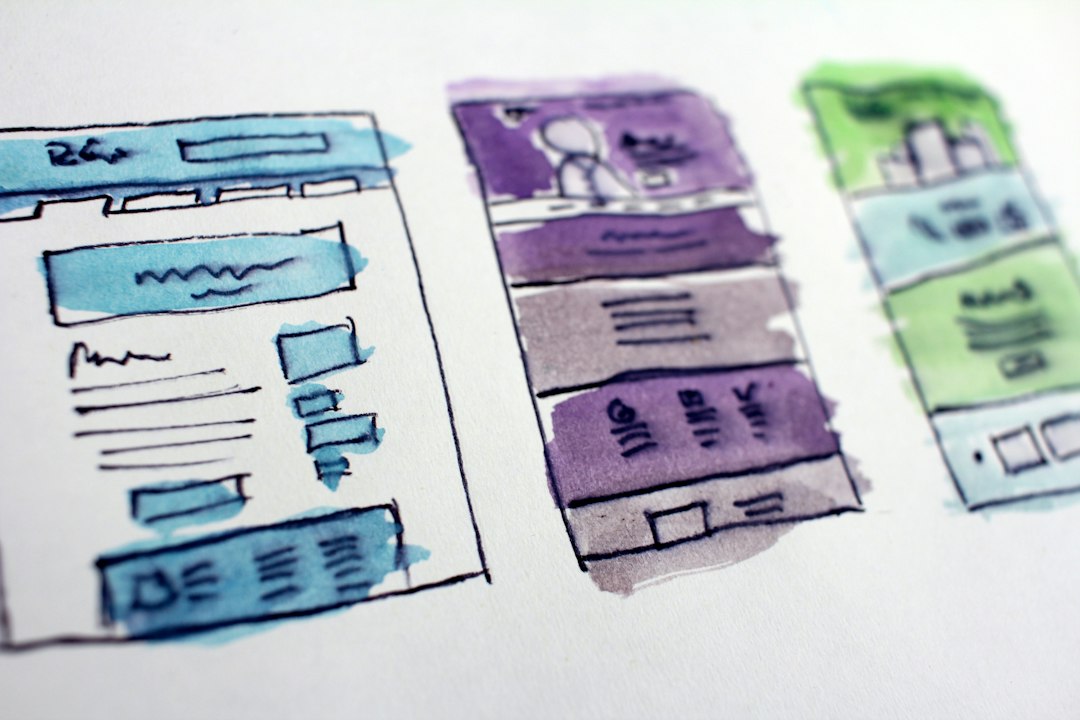
A website development brief gives your developer the commercial context, content requirements and technical boundaries needed to plan the right solution. Without one, quotations are harder to compare, important requirements surface late and decisions are driven by assumptions.
This practical website development brief for Malta businesses explains what to prepare before requesting proposals. It is not a specification written in technical jargon. It is a decision document that tells a developer what the website must achieve, who it serves and how success will be judged.
Why a clear website brief matters
A vague request such as “we need a modern website” describes a preference, not a business requirement. A useful brief makes the project measurable. It helps prospective suppliers recommend an appropriate structure, identify integrations, expose risks and state what is included in their quotation.
The brief also makes quotations easier to compare. One proposal may include copywriting, analytics, redirects and training while another only covers design and development. Unless the requested scope is consistent, the cheapest headline figure may represent the least complete solution.
1. Start with the business objective
State the primary job of the website in one sentence. Avoid listing every desirable outcome as equally important. Examples include:
- Generate qualified consultation requests from Maltese businesses.
- Allow customers to request a quotation with the information your team needs.
- Sell products online and reduce manual order administration.
- Explain a complex professional service clearly enough to support sales conversations.
- Recruit candidates for specific roles in Malta or overseas.
Add one primary conversion and any secondary conversions. For a professional-services site, the primary conversion might be a booked consultation. Telephone calls, brochure downloads and newsletter subscriptions may be secondary. This hierarchy affects page structure, calls to action and tracking.
2. Define the audience and buying situation
“Everyone in Malta” is not a useful target audience. Describe the people most likely to buy, their role, what prompts them to search and what prevents them from taking action. A B2B buyer may need evidence, internal approval and a clear process. A consumer may need availability, location, pricing context and a fast mobile experience.
Include the questions prospects repeatedly ask your sales team. Those questions often reveal the pages and content the website needs. If buyers ask about timescales, inclusions, support or eligibility, hiding the answers behind a contact form creates unnecessary friction.
3. List the required pages by purpose
Prepare a provisional sitemap. For each page, state its purpose and intended action. A small service business might need:
- Home: clarify the offer, audience and next step.
- Service pages: address distinct needs rather than placing every service on one generic page.
- About: establish who is accountable and why the business is credible.
- Case studies or work: explain the challenge, approach and verifiable outcome where permission exists.
- Insights: answer useful buyer questions without duplicating service-page intent.
- Contact: request only the information necessary to start the conversation.
- Legal pages: cover privacy, cookies and applicable business information.
If the project replaces an existing site, identify pages that attract traffic or links before deciding what to remove. Deleted or renamed URLs may need redirects so visitors and search engines reach the appropriate replacement.
4. Assign content ownership before development
Many website projects stall because nobody owns the words, images and approvals. State whether your team or the supplier will create the copy, photography, illustrations, translations and legal text. Name the person responsible for final approval.
Provide existing brand guidelines, logos in usable formats and original photography where available. Do not assume a developer can safely reuse images found through a search engine. Every asset should have a clear licence or documented ownership.
5. Specify functions as user actions
Describe what users and staff need to do, not just the name of a plugin. For example: “A visitor selects a service, preferred date and location; the sales team receives the submission in the CRM; the visitor receives a confirmation email.” This is clearer than simply requesting “a booking form”.
Cover forms, payments, bookings, multilingual content, member areas, search, maps, live chat, document downloads and any connection to accounting, CRM, email marketing or inventory systems. State which systems are already in use and who can provide access to them.
6. Put SEO requirements into the brief
SEO should influence information architecture, content and migration planning before launch. Ask the developer to include editable titles and descriptions, index controls, canonical URLs, XML sitemaps, structured data where appropriate and redirects from replaced URLs.
Google’s Search Essentials explains the technical and content foundations that make a site eligible to appear in Google Search. The brief should also require a mobile-friendly layout, descriptive internal links and meaningful alternative text for informative images.
If organic visibility is a priority, map one clear search intent to each important page. Creating several near-identical pages for “web design Malta”, “website design Malta” and similar wording can make pages compete with one another instead of building one strong resource.
7. Define performance and accessibility expectations
Ask how the site will control image sizes, third-party scripts, fonts, caching and unused code. Performance is not a task to bolt on after a visually heavy design has been approved. The brief should make speed part of design and development decisions.
Accessibility also belongs in the requirements. At minimum, discuss keyboard use, visible focus, colour contrast, form labels, heading order and text alternatives. The W3C accessibility standards overview is a useful starting point for understanding the relevant guidance.
8. Cover privacy, security and data handling
List every form and third-party service that may collect or receive personal data. Clarify who will configure consent tools, privacy notices, retention rules and access permissions. The European Commission’s data protection guidance provides an overview of the EU framework, but legal wording and compliance decisions should be reviewed by an appropriately qualified adviser.
The brief should also identify responsibility for updates, backups, security monitoring, spam protection and account access after launch. Your business should retain control of the domain, hosting and essential platform accounts.
9. Define what “finished” means
Create acceptance criteria before work starts. Depending on the project, these may include:
- All agreed templates and functions work on current major browsers and common mobile sizes.
- Forms deliver correctly and conversion events are tested.
- Approved content, page titles and metadata are in place.
- Redirects, sitemap, canonical tags and index settings are verified.
- Cookie and privacy controls behave as agreed.
- Administrators receive training and documented access.
- A backup exists before launch and a rollback route is understood.
10. Ask suppliers to state assumptions and exclusions
Request an itemised scope, delivery stages, client responsibilities, revision limits, payment milestones, ongoing costs and exclusions. Ask who will perform the work and who owns the final design, code, copy and media. If a quotation depends on content arriving by a certain date, that assumption should be explicit.
Do not evaluate proposals using price alone. Check whether each supplier has addressed the same requirements, whether support after launch is defined and whether recurring licences or maintenance are included. Our guide to what a Malta website design quote should include provides a separate comparison checklist.
A copy-ready website development brief outline
- Business background and primary website objective
- Target audiences and their main questions
- Primary and secondary conversions
- Required pages and page purposes
- Content, brand assets and approval owner
- Required functions and integrations
- SEO, analytics and migration requirements
- Performance, accessibility and browser expectations
- Privacy, security, hosting and maintenance responsibilities
- Acceptance criteria, target timing and proposal format
Turn the brief into a realistic proposal
A strong brief does not lock a developer into your preferred solution. It gives them enough clarity to challenge weak assumptions and recommend the right approach. If you are planning a new build or rebuild, review Digital Consulting Pros’ web design and development service in Malta, then share your brief for a scope review.
Featured photo by Hal Gatewood on Unsplash.