Make Local Search Work Harder
Appearing in search results is useful only when it puts your business in front of people who are likely to enquire, book or buy. A high position may attract attention, but it does not guarantee that visitors need your service or will take the next step.
For Malta businesses, local SEO can connect a company with people searching for nearby services, from a restaurant in Sliema to a specialist serving customers across several towns. The aim is to match your visibility to genuine customer demand, not to chase rankings in isolation.
That means defining the areas you truly serve, improving your Google Business Profile and relevant website pages, and giving potential customers clear reasons to trust and contact you. Digital Consulting Pros approaches SEO as part of a wider effort to turn online traffic into qualified sales opportunities, with a focus on buyer personas and measurable ROI.
Results depend on the searcher’s location, the business and its competitors, so no provider can promise a particular local ranking. This guide focuses on practical ways to strengthen your presence and measure whether it leads to meaningful enquiries, bookings or sales.
Target Real Service Areas
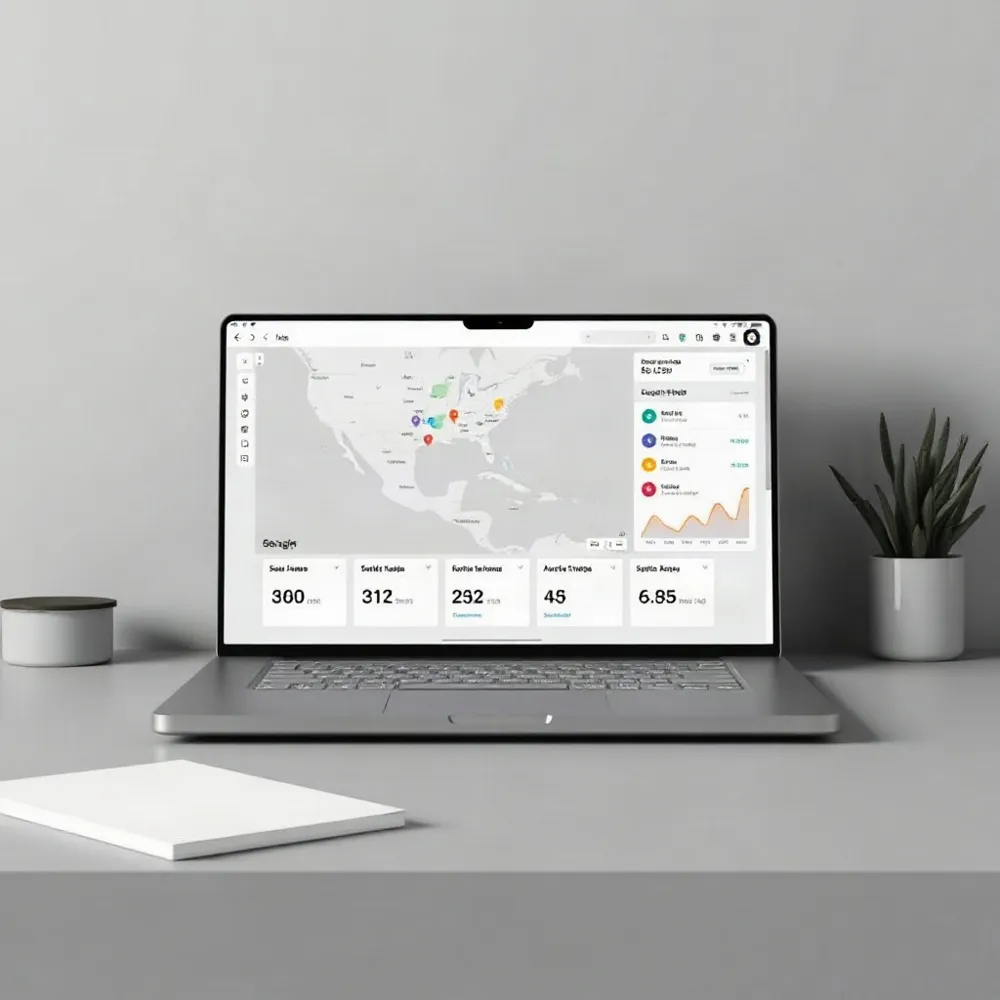
Local searches often pair a service with a place, such as “web design Malta” or “best restaurant Sliema.” Build your target list around the towns and audiences your business can genuinely serve, rather than treating the whole country as one market.
Start with the words customers use and the action they intend to take. A person looking for a nearby plumber has different needs from someone comparing providers for a future project. Malta customers may search in English, Maltese, a mix of both, or with Maltese place names. If you serve both language groups, create separate, properly translated pages instead of combining languages on one page.
Make your coverage consistent across your website and Google Business Profile. If you have genuine premises in Malta and Gozo, give each location an accurate page and profile. If your team travels to customers but has no storefront in an area, list it as a service area rather than implying you have a local address.
Tourism businesses may need to address two distinct audiences: visitors researching before they arrive and residents searching for nearby options. State where you are and what you offer clearly, with useful details for each group. Using detailed buyer personas can help shape pages around these different customer needs.
Google identifies relevance, distance and prominence as factors in local results, and proximity is not something a business can fully overcome through optimisation. Use Google’s local ranking guidance to keep expectations grounded, then focus effort on the service areas you can reach and serve well.
Improve Google Business Profile

Google Business Profile is a free tool for managing how your business appears on Google Search and Maps. A complete profile can support local visibility, but it does not guarantee placement in the Map Pack or a particular ranking.
Start by claiming an existing profile or creating one, then verify that you are authorised to manage it. Keep the business name, phone number, website, hours, services and description accurate. Add a physical address if customers visit you, or define a service area if your business travels to them.
Choose the most specific accurate primary category, adding only relevant secondary categories. Use your real business name rather than inserting search terms, and do not list locations where you have no genuine presence. These details help Google understand what you offer and help customers judge whether you are a suitable choice.
Add clear, high-quality photos of your premises, team, products or completed work. Keep regular and holiday hours current, and use posts to share offers, events, news or product updates. Where available, appointment booking, quote requests and service links can make it easier for customers to act directly from the profile.
Check profile insights to see how people find your business and whether they call, visit your website or make bookings. These actions show whether local search is bringing customers into contact with you, not just making your listing visible.
Build Pages That Convert
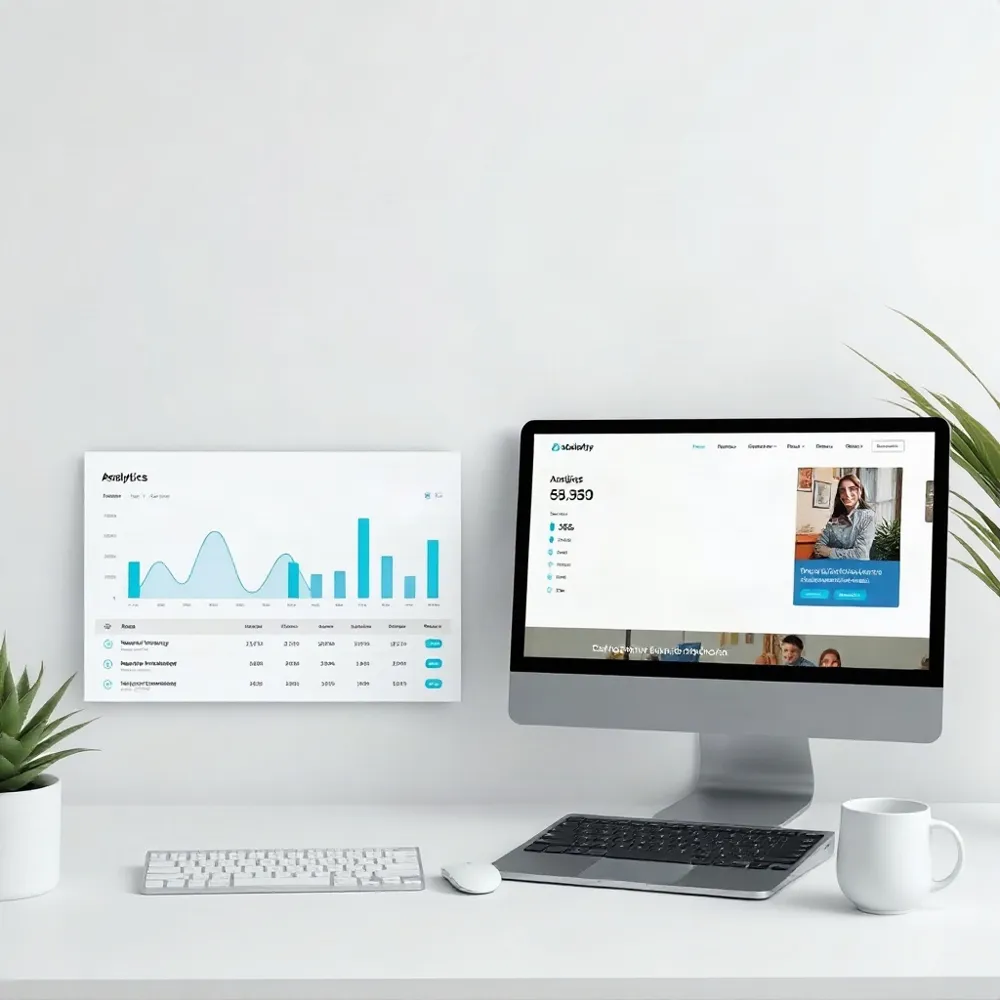
A Google Business Profile can help people find you, but your website gives them the detail they need to decide. Create a focused page for each main service or product, then add a separate page for a service area when it has distinct customers, proof or practical information to offer. Avoid thin pages that merely swap one town name for another.
Make each page useful at a glance. State what you offer, who it is for, where you work and how to contact you. Include relevant client reviews or examples, and answer common buying questions about price, timing, what is included and what happens next. Align your page content, calls to action, and lead-generation goals within a cohesive plan.
Technical basics matter to both visitors and search engines: pages should load well on mobile, use HTTPS, and be crawlable and indexable. Keep the structure clear, provide an XML sitemap, and make your business name, address and phone details consistent across your site and local listings.
Use page titles, headings, descriptions and copy that match the way customers describe a service, including relevant place names. Write naturally rather than repeating keywords. Appropriate LocalBusiness structured data can clarify business details, while internal links help visitors move between related services and locations.
For a redesign, map old URLs to their replacements and set up redirects before launch. A broken page structure or migration can disrupt visibility, so complex technical fixes and site changes may warrant specialist support. Combining website development with SEO helps keep these considerations connected during planning.
Earn Trust Through Reviews
Reviews can reassure people comparing local businesses, and they may also contribute to local visibility. Recent, detailed feedback can help potential customers judge whether your service fits their needs, but no review tactic guarantees a higher ranking.
Make asking for genuine feedback part of your normal customer follow-up. After a completed job or purchase, send a brief email or SMS, or ask in person. A direct link to your review form reduces friction. Digital Consulting Pros can apply the same practical, buyer-focused approach to client communication, alongside its SEO and content services.
Respond to every review. Thank positive reviewers for specific details, rather than relying on a generic reply. For criticism, acknowledge the concern, stay professional and invite the customer to continue the discussion offline. Your response is public, so it can show future customers how your business handles problems.
Keep the process honest: do not buy reviews, offer rewards for positive feedback, write reviews on customers’ behalf or filter who gets asked. These practices can damage trust and put your business profile at risk.
Build reputation beyond review platforms, too. Keep directory details accurate and seek relevant mentions through real relationships with partners, local associations or the press. Avoid paid link schemes and low-quality directories; Digital Consulting Pros’ personalised, data-backed approach can help businesses coordinate SEO and content work around relevant local audiences, rather than chasing empty signals.
Choose Providers With Evidence
Directories can help you assemble a shortlist, but a listing or high position is not proof that an agency will deliver results for your business. Malta providers vary in location, SEO focus and service mix, so compare what each proposal actually includes.
Ask how the provider will address your market, sector and service area, and who will handle technical work, content and reporting.
Assess evidence in context. Look for verified reviews, relevant project experience and case studies that explain the work, market and starting point. Treat agency-reported increases in traffic, visibility or leads as examples from particular clients, not as typical outcomes or promises for your business.
Profiles may have few reviews, limited client details or no published prices, and directory rankings can involve commercial relationships. Read the underlying information rather than relying on a badge or rank. Listed hourly rates, minimum budgets and project costs describe individual providers, not a standard Malta price. Ask what tasks, deliverables and reporting your proposed budget covers.
Measure Leads, Not Rankings Alone
Start with a baseline, then choose measures that reflect how your business earns revenue. Track search impressions, clicks and positions alongside enquiries, calls, bookings, quote requests and sales. This helps separate greater visibility from genuine commercial progress.
Use Google Search Console, an analytics tool and Google Business Profile performance data to see how people find you and what they do next. Review the figures regularly, such as monthly, and compare them with your baseline. Digital Consulting Pros takes a revenue-focused approach to marketing, connecting lead generation with measurable business opportunities rather than treating traffic as the final result.
Rankings are diagnostic, not a business outcome. More visitors do not automatically mean more leads: the page must match the search, explain the offer clearly and make the next step easy through strong design, concise copy and a visible call to action.
Keep paid and organic results distinct. Paid search can bring visitors quickly, but ads do not directly improve organic rankings. Their performance can still reveal which search terms and messages attract potential customers, helping inform SEO decisions.
Set realistic expectations. Technical fixes and profile updates may show effects sooner, while content and reputation building can take months. Timing depends on competition, website strength and other factors, so avoid providers promising a fixed result date. Use each review to find weak pages or channels, improve the route from visit to enquiry, and direct resources toward activity that produces qualified opportunities.
Turn Visibility Into Opportunity
Local SEO works best when it reflects the customers you can serve, the areas you genuinely cover and the questions people ask before choosing a provider. Align your Business Profile, service pages, reviews and content around those needs, then make it easy for prospects to call, book or request a quote.
Start your next review by checking your Business Profile and the pages for your main services. Choose a small set of useful measures, such as calls, enquiries or bookings, and use what you learn to decide what to improve. Digital Consulting Pros brings SEO, website work and lead-generation support together, with a focus on qualified sales opportunities.
Consistent, relevant work can improve local discovery and help customers choose and contact your business. Search positions and results vary, so treat progress as something to measure and refine, not a promise.